4 Desert Garden Ideas for Colorado Springs, CO | Xeriscape for the Front Range
Native plants from the Western shortgrass prairie (Zone 5b) — Cold semi-arid climate
Why Desert/Xeriscape Gardens in Colorado Springs?
Colorado Springs is built on Western shortgrass prairie — one of North America's most endangered ecosystems. Before development, this land was a mosaic of blue grama grass, buffalo grass, penstemon, rabbitbrush, and native wildflowers adapted to survive on 15 inches of rainfall and temperatures swinging from −15°F to 95°F. The natural desert-steppe landscape is still visible at the city's edges: the Red Rock Canyon Open Space, Garden of the Gods, and the Pikes Peak State Park all showcase what this land looks like without a lawn. A xeriscape garden here isn't artificial — it's a return to the native character.
Colorado Springs sits in a genuine drought zone on the west side of the 100th meridian, where rainfall averages just 15 inches per year and evaporation far exceeds precipitation most of the year. The city's water comes from the Colorado River basin and Pikes Peak snowmelt — both under increasing stress from population growth and climate change. Colorado Springs Utilities has been active for years in pushing xeriscape through rebates, water pricing, and public education. The native plant palette for this ecoregion is rich: little bluestem turning copper-red in fall, chamisa blazing gold, Rocky Mountain penstemon spiking blue in June — a landscape with real seasonal drama.
Zone 5b's hard winters eliminate many plants marketed as drought-tolerant in softer climates, but they also create an opportunity: the shortgrass prairie plants that evolved here are stunning, genuinely zero-maintenance after establishment, and deeply right for a city that sits at 6,000 feet with the Rocky Mountains as its backdrop. A Front Range xeriscape garden is the region's most authentic residential landscape expression.
4 Desert/Xeriscape Design Ideas for Colorado Springs
AI-generated image
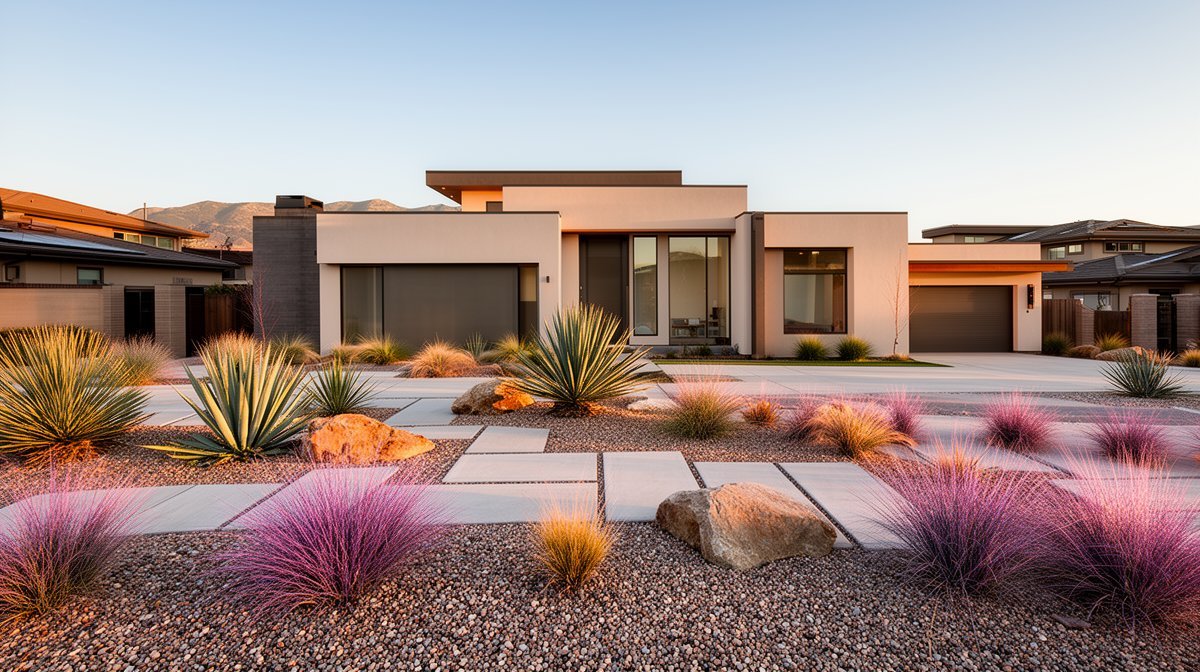
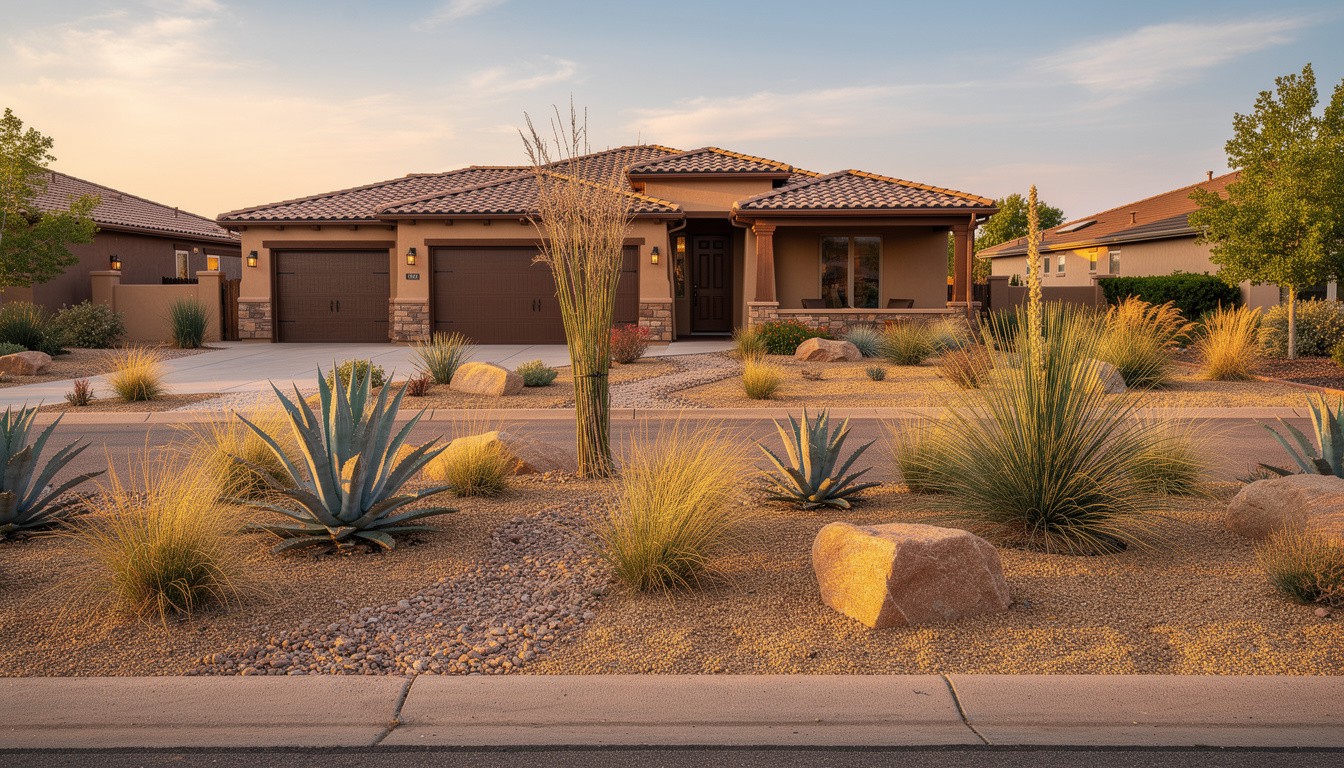
The High Desert Agave Front
$8–15/sqftA Mediterranean-tile-roof ranch home sits behind a xeriscape front yard anchored by bold agave specimens rising from warm brown crushed gravel. Feather grass and desert spoon add wispy vertical texture while large rounded boulders ground the composition. The warm terracotta tones of the home and the earth-tone gravel create a unified, authentic high-desert palette that works perfectly in Colorado Springs' semiarid climate.
AI-generated image
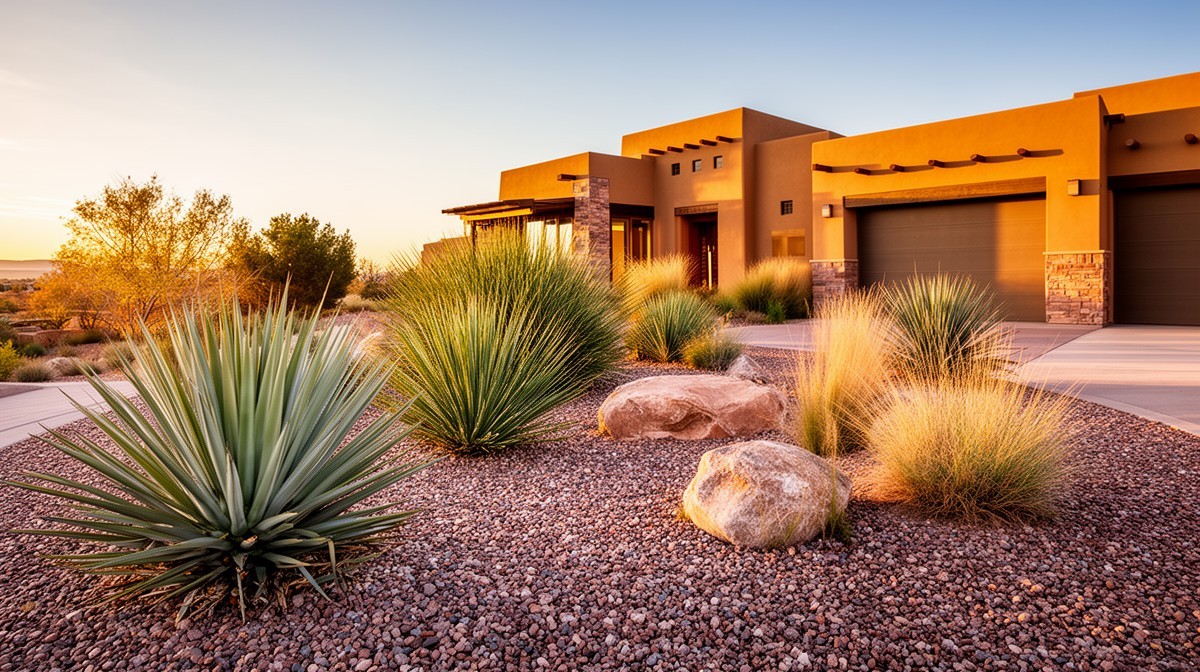
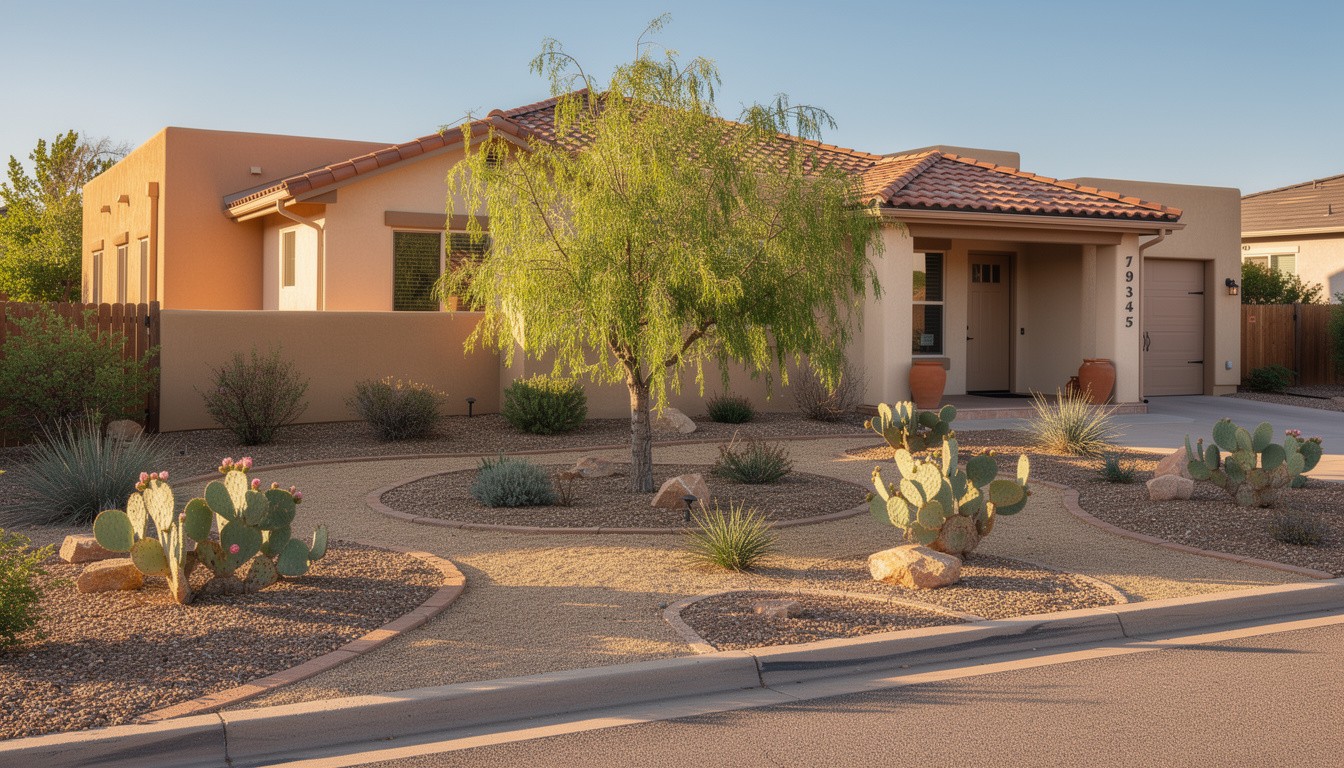
The Desert Willow and Cactus Entry
$10–20/sqftA desert willow provides graceful shade over a xeriscape front yard filled with prickly pear cactus, low flowering shrubs, and ground-hugging succulents in a warm pea gravel base. A curved concrete path winds to the front door past the layered planting composition. In summer the desert willow blooms deep pink and the prickly pear opens yellow flowers simultaneously — a front yard that earns its name.
AI-generated image
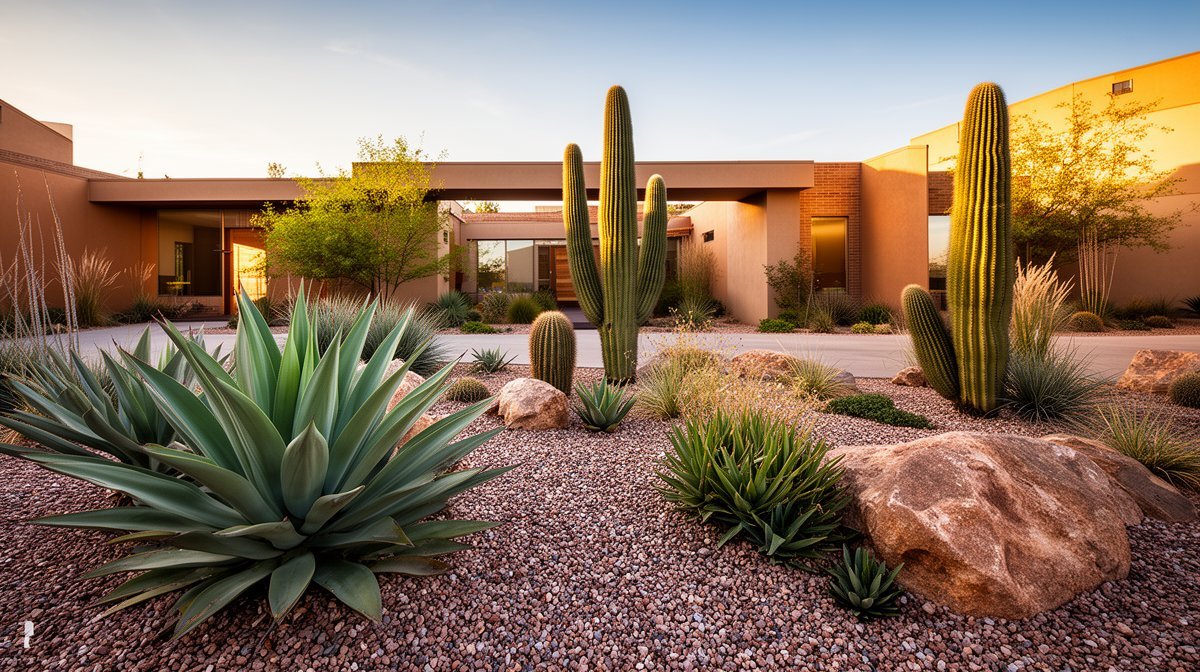
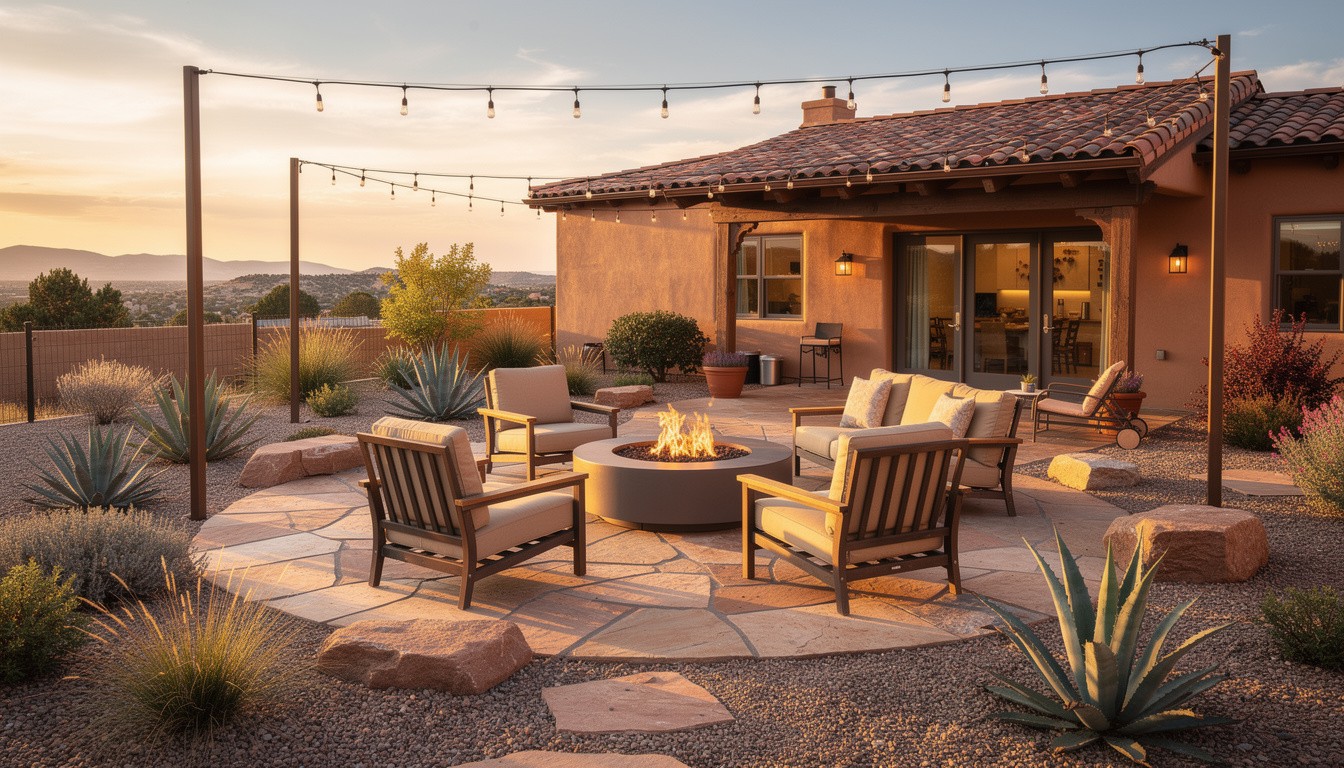
The Flagstone Patio with Desert Surround
$20–42/sqftA rustic flagstone patio with a circular fire pit and low wooden chairs sits surrounded by desert plantings in gravel beds under bistro string lights. Large agave specimens flank the seating area while ornamental grasses soften the perimeter fence. The terracotta home glows warm against the dusk sky. Colorado Springs evenings at 6,000 feet cool quickly — a fire pit is not optional here.
AI-generated image
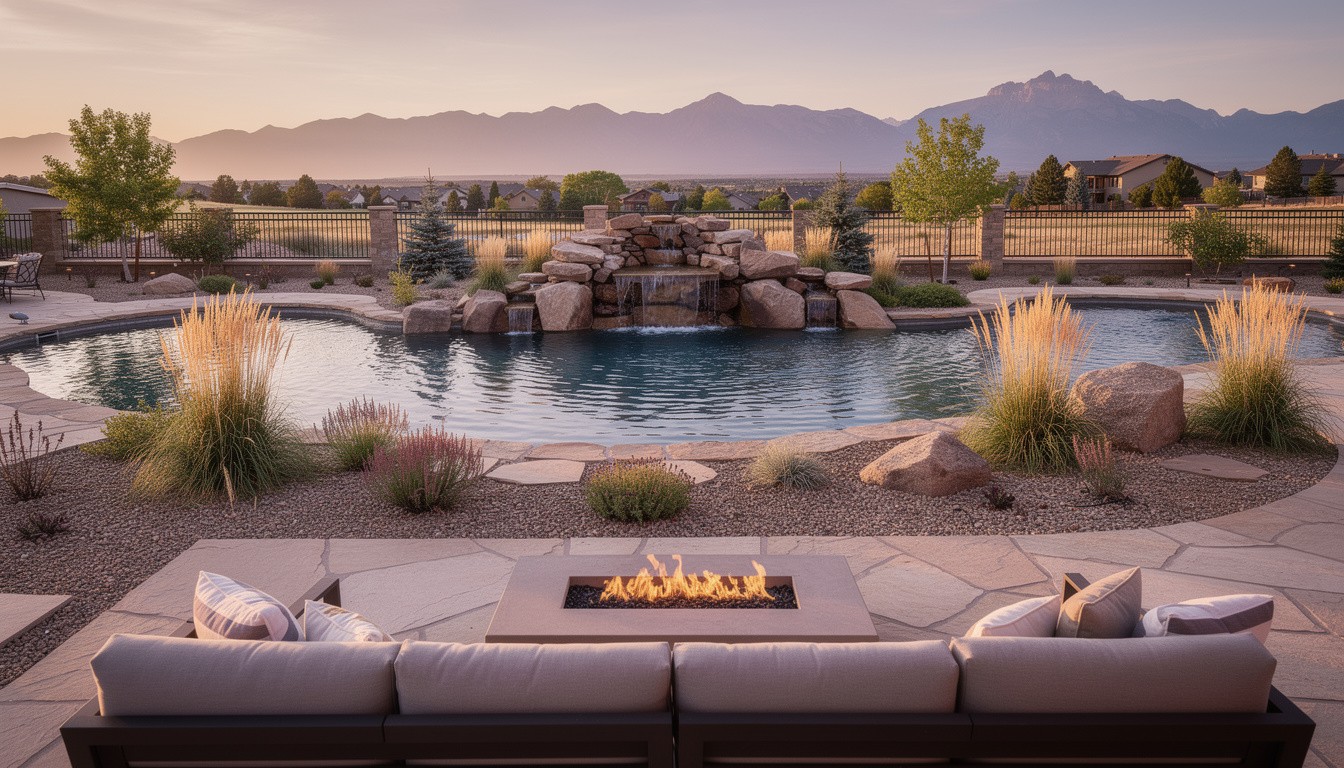
The Pikes Peak Pool Xeriscape
$60–120/sqftA freeform pool with a dramatic multi-tiered boulder waterfall anchors the backyard, surrounded by a concrete patio with a built-in fire feature and lounge seating. Ornamental grasses and agave in crushed gravel beds fill the borders. Pikes Peak is visible above the roofline, completing what becomes a genuinely extraordinary Colorado backyard experience.
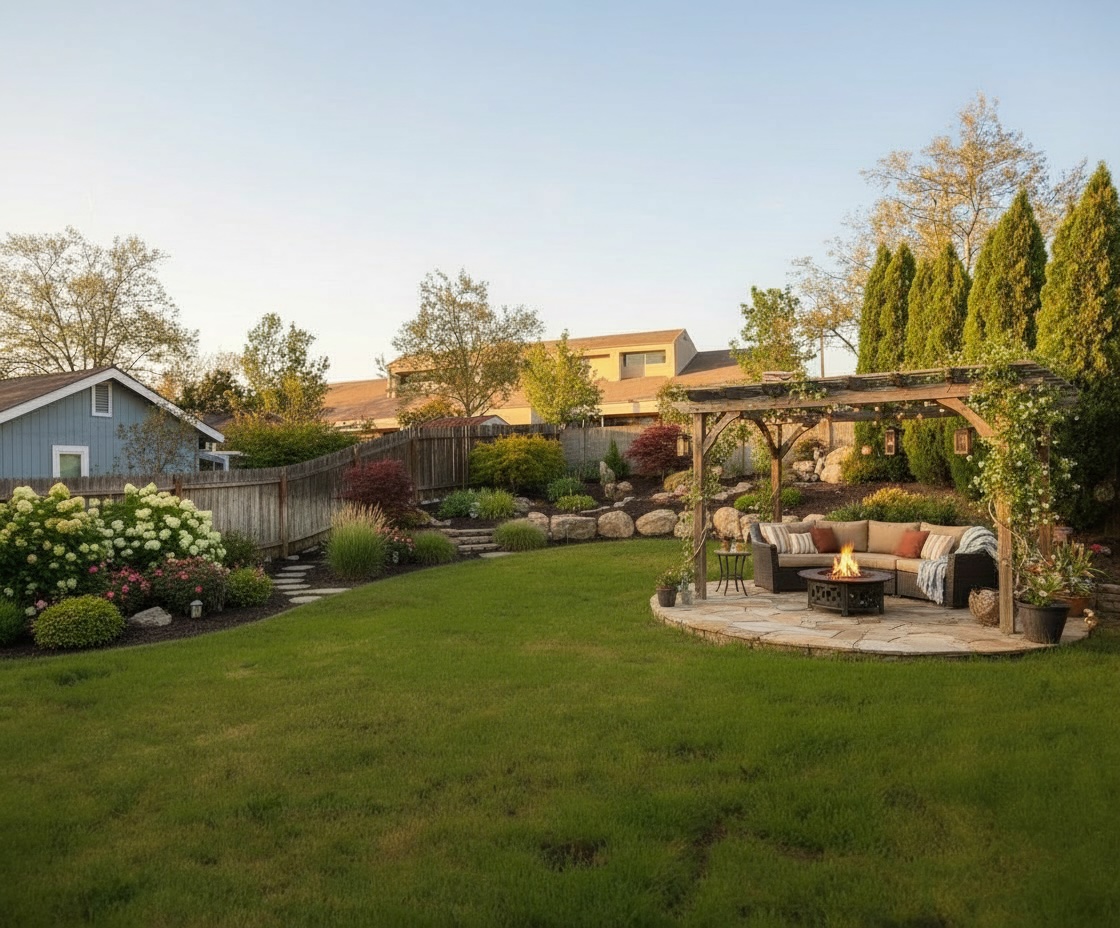
See how a desert/xeriscape garden looks on YOUR property
Upload a photo of your Colorado Springs yard and visualize your dream garden in seconds.
Try ProScapeAI Free
AI-generated image
Featured Trees & Shrubs for Desert/Xeriscape Gardens
Browse all 159 plants for Colorado Springs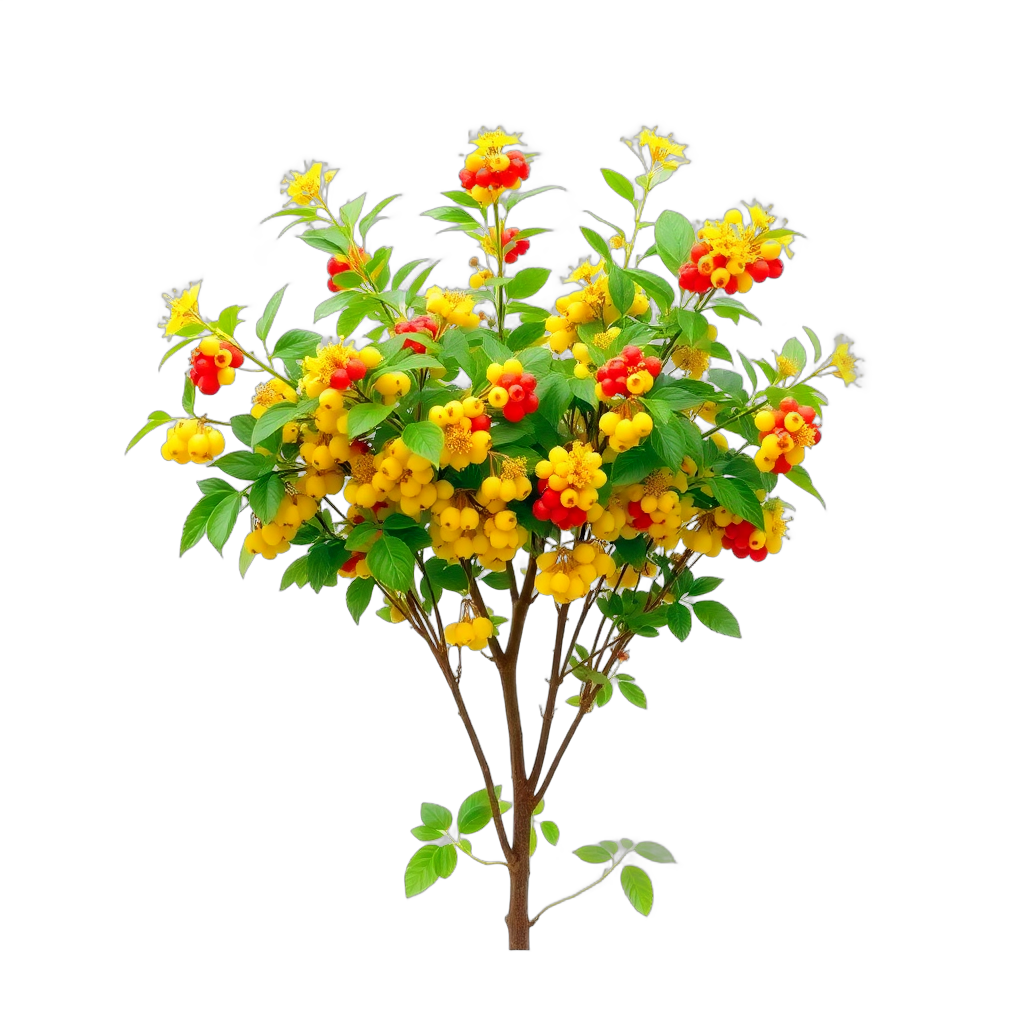
Golden Currant
Ribes aureum
grows to 6 feet, yellow blooms in spring. Attracts hummingbirds.
Featured Grasses & Groundcovers for Desert/Xeriscape Gardens
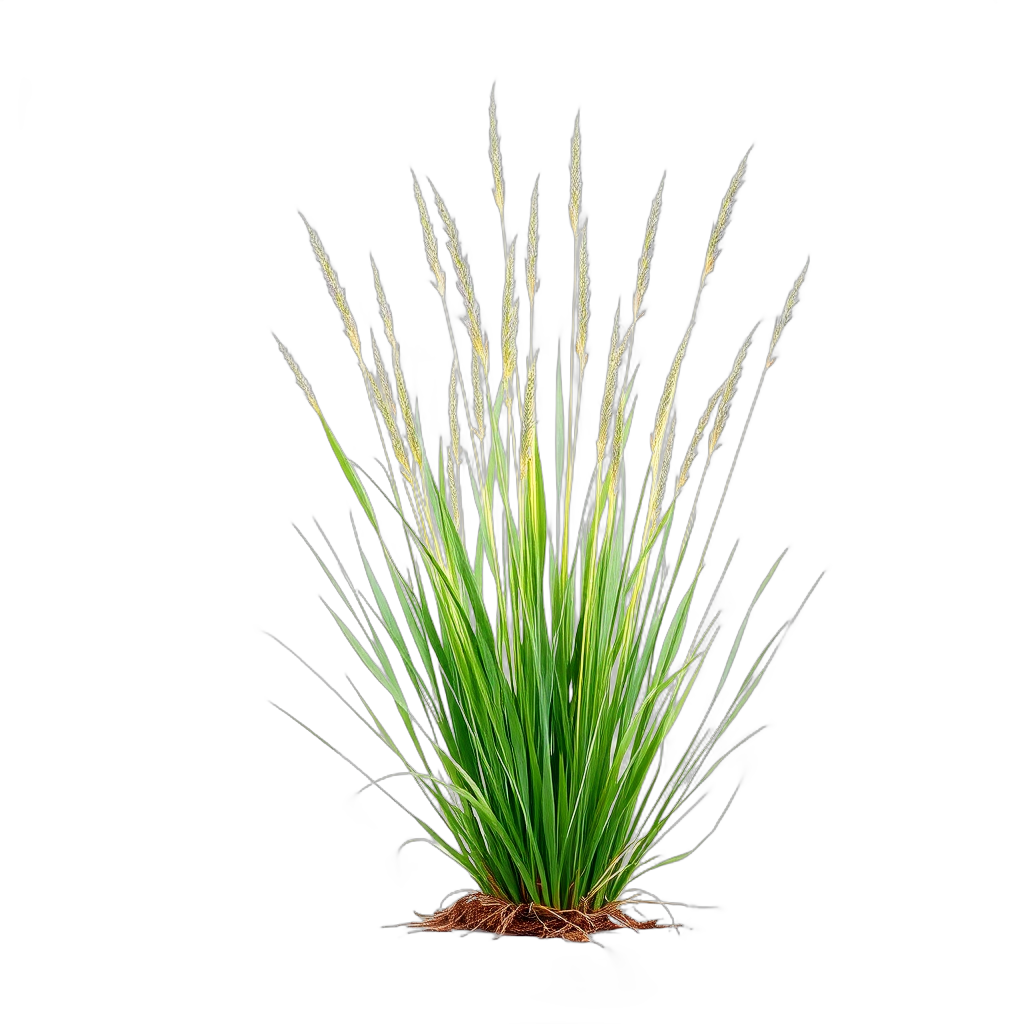
Blue Grama Grass
Bouteloua gracilis
low-growing ground cover, purple blooms in summer. Yellow fall color.
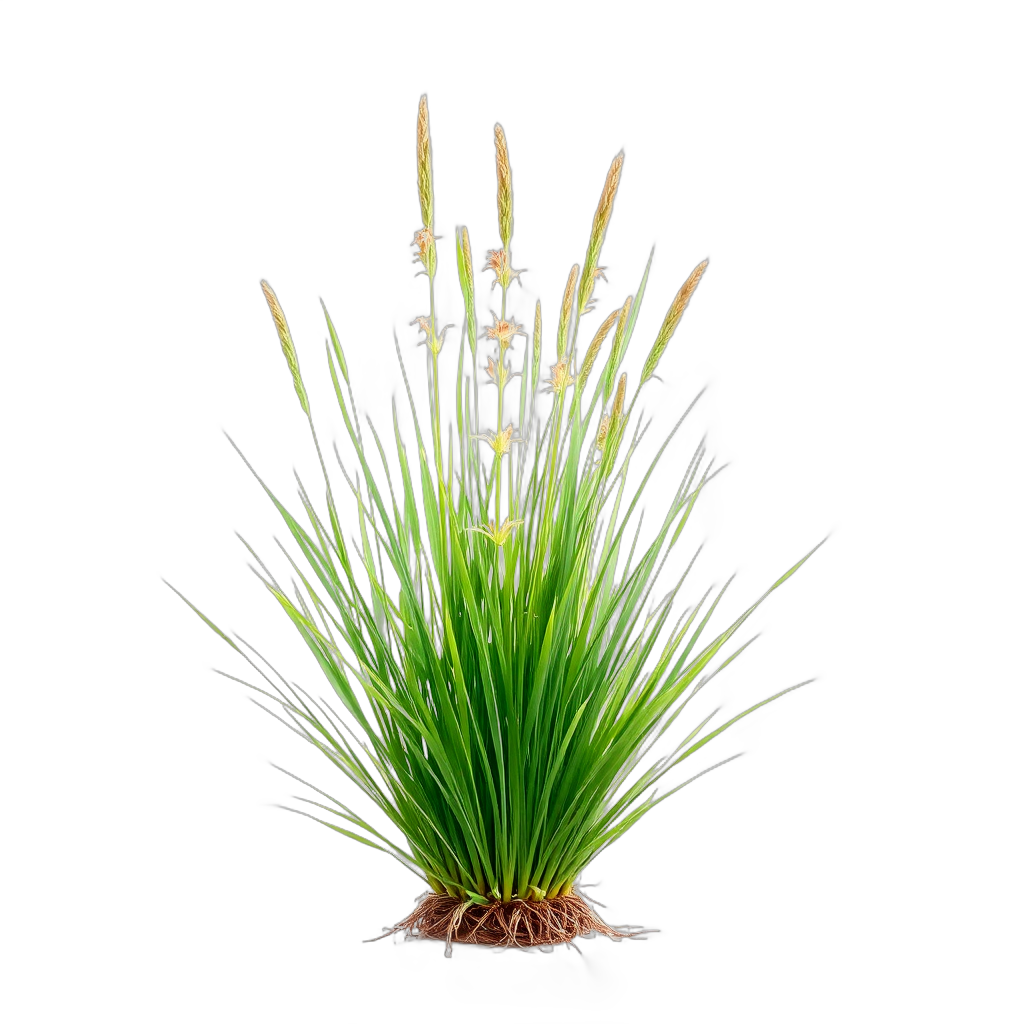
Buffalo Grass
Buchloe dactyloides
low-growing ground cover, blooms in summer. Yellow fall color.
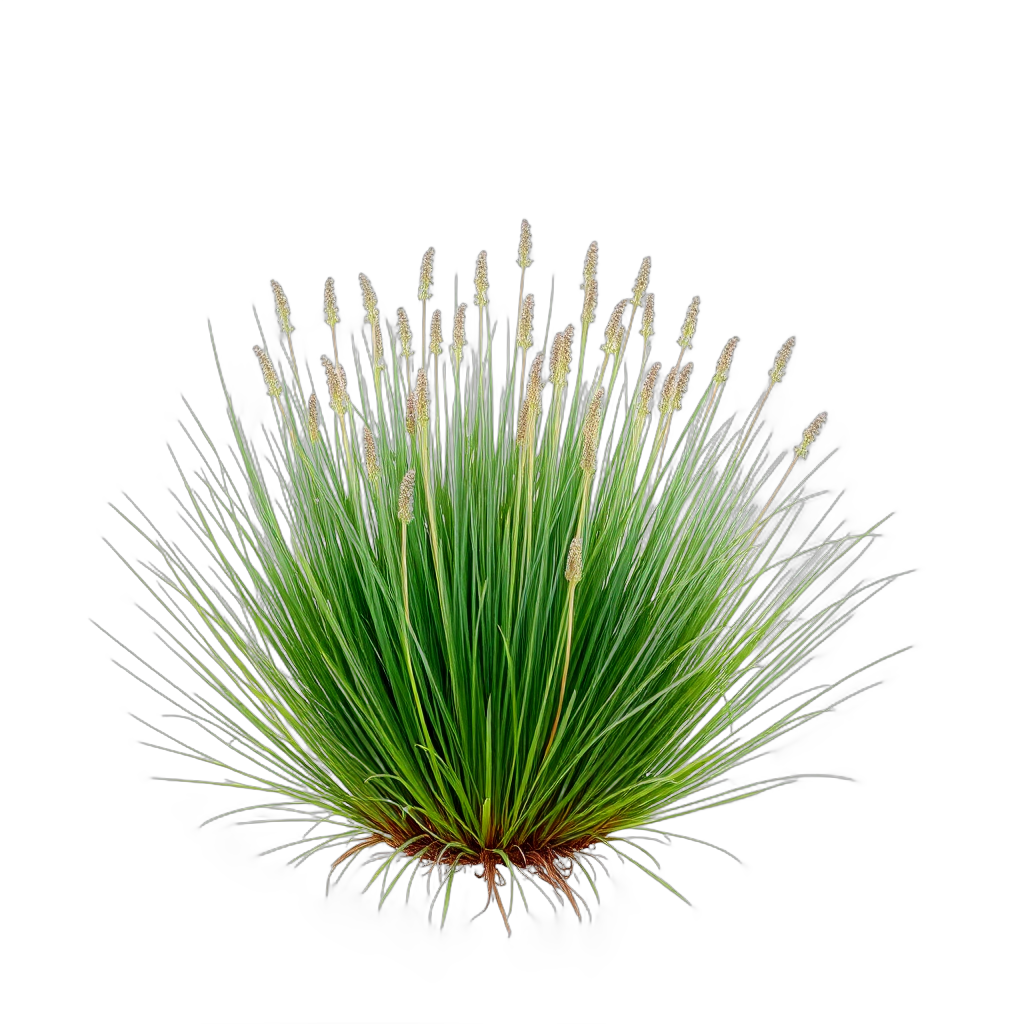
Little Bluestem
Schizachyrium scoparium
grows to 3 feet, blooms in summer. Red,burgundy fall color.
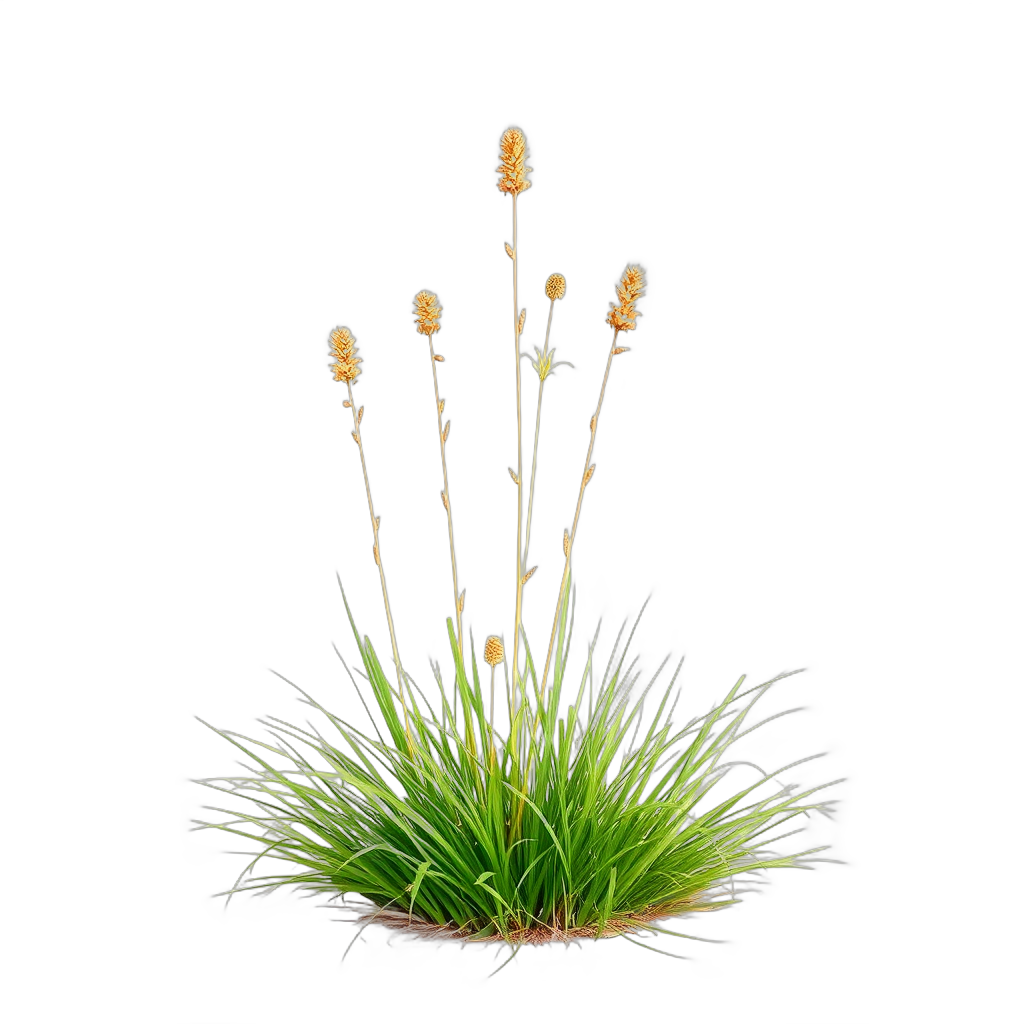
Sand Dropseed
Sporobolus cryptandrus
low-growing ground cover, blooms in summer. Orange fall color.
Featured Flowers & Perennials for Desert/Xeriscape Gardens
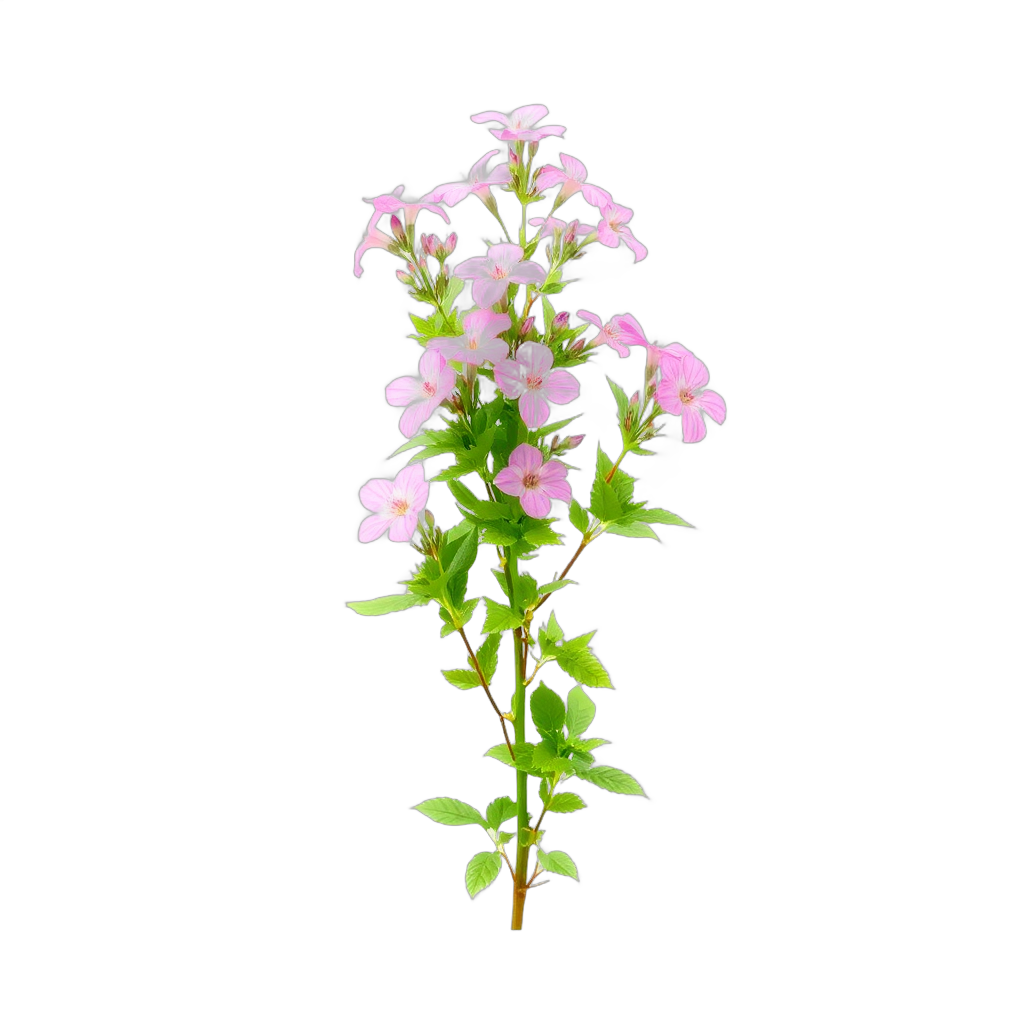
Hood's Phlox
Phlox hoodii
low-growing ground cover, white blooms in spring. Attracts butterflies.
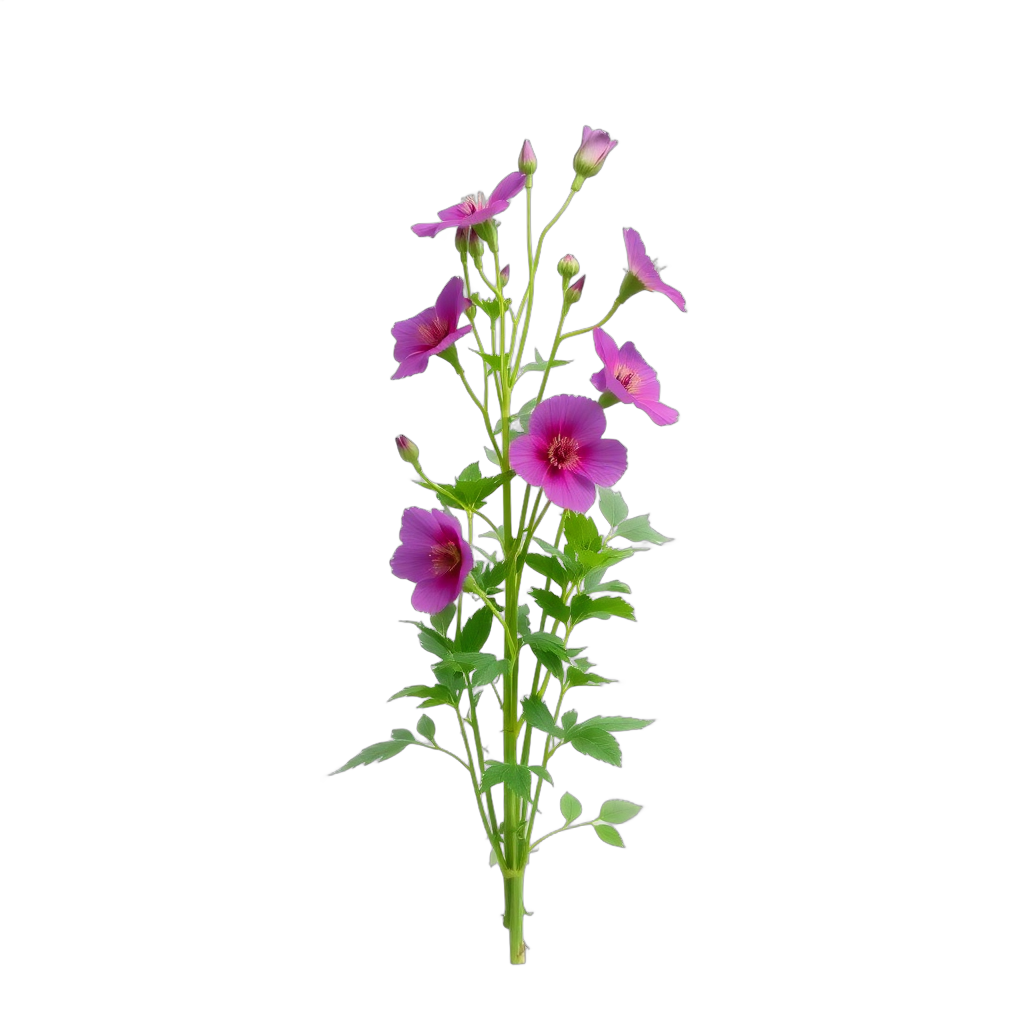
Purple Poppy Mallow
Callirhoe involucrata
low-growing ground cover, purple blooms in summer. Attracts butterflies.
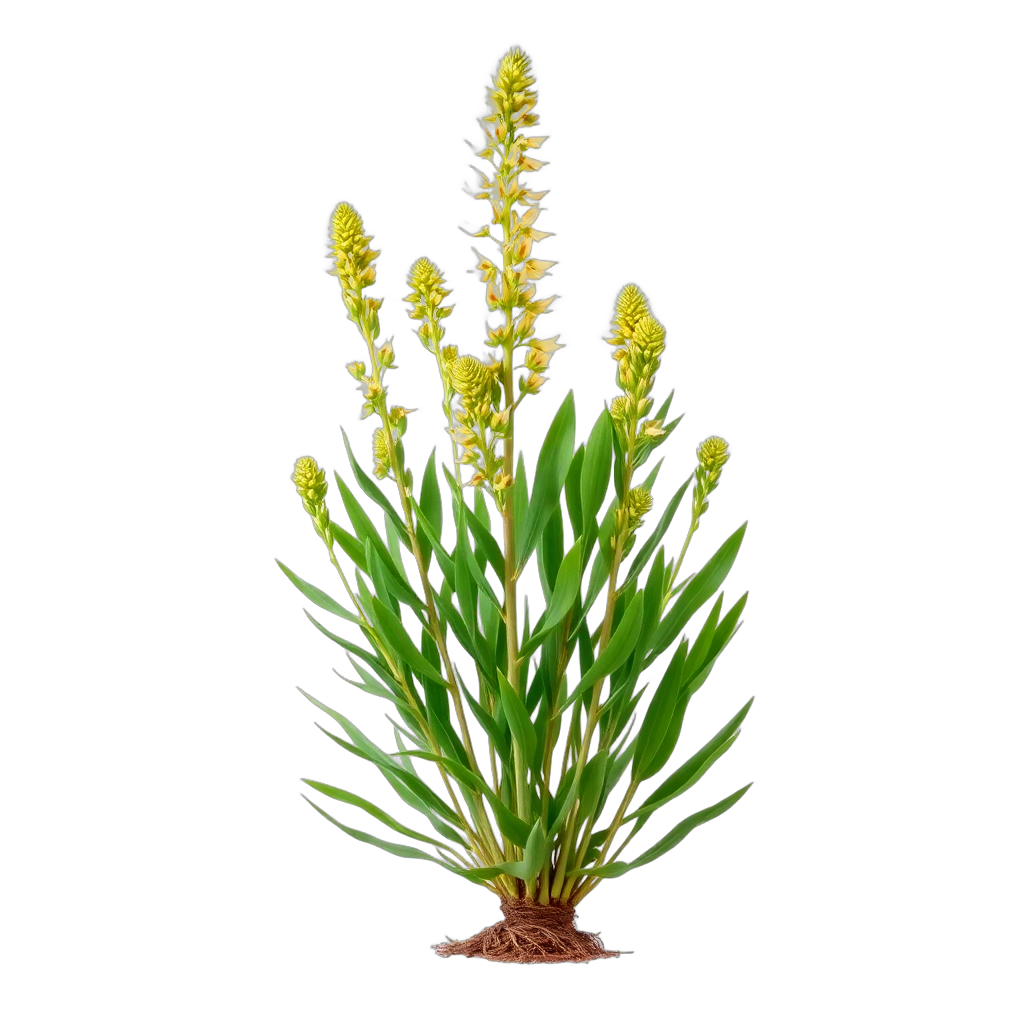
Soapweed Yucca
Yucca glauca
low-growing ground cover, white blooms in spring. Pollinator-friendly.
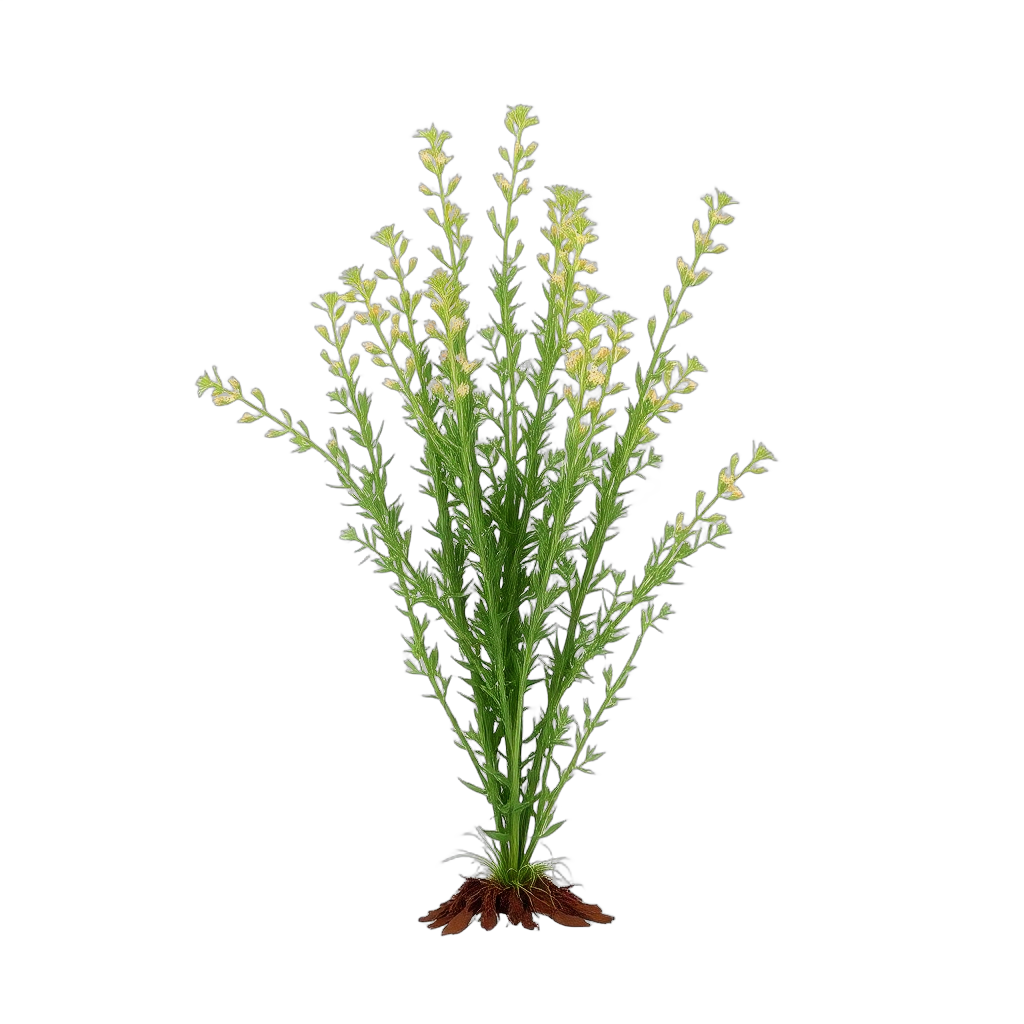
White Sage
Artemisia ludoviciana
low-growing ground cover, white blooms in summer. Fragrant.
Zone and sun checks come from our database — confirm with your local nursery before you buy.
Bloom Calendar for Colorado Springs
spring
Hood's Phlox, Soapweed Yucca, Golden Currantsummer
Purple Poppy Mallow, White Sage, Blue Grama Grassfall
Limited bloomswinter
Limited bloomsDesign Tips for Colorado Springs (Zone 5b)
- Seed blue grama and buffalo grass in late spring (after May 15 frost date) or in September — Colorado's temperature extremes mean timing is critical for native grass germination success
- Use red sandstone boulders native to the Pikes Peak region rather than imported granite — the warm iron-oxide tones complement native plant palettes and read as authentically Colorado
- Plant rabbitbrush (chamisa) along the west property line as a wind and privacy screen — it grows 3–5 feet tall, survives Zone 5 winters, and turns brilliant gold every September
- Avoid irrigating native shortgrass plantings more than once a week even in summer heat — over-watering is the primary cause of native plant failure in Colorado Springs; these plants evolved for drought
- Design for winter interest as well as summer bloom — little bluestem's copper-red winter color, rabbitbrush's seed heads, and pinon pine's evergreen structure make a xeriscape garden beautiful even in January
- Apply for the GardenWise rebate before starting turf removal and photograph your existing lawn from multiple angles with a date stamp — the $2/sqft rebate is easy to claim with proper documentation
Where to Source Plants in Colorado Springs
Skip the big-box stores. These independent Colorado Springs nurseries specialize in the plants that make desert/xeriscape gardens thrive in Zone 5b.
Pikes Peak Nursery
Central Colorado Springs
Native and adapted Front Range plants, trees, shrubs, perennials for Zone 5
Harding Nursery
North Nevada / Central Springs
Full-service nursery with Colorado native selection — family-owned since 1943
Sunflower Farm Nursery
Black Forest / Northeast
Native plants, wildflowers, drought-tolerant perennials, organic practices
Nick's Garden Center
Aurora (45 min north, widely sourced by Springs landscapers)
Largest selection of xeriscape and native plants for Colorado's Front Range
Echter's Nursery & Garden Center
Arvada (Denver metro, trusted regional source)
Colorado's largest independent nursery — excellent native and xeriscape selection
Desert/Xeriscape Landscaping Costs in Colorado Springs
| Project Scope | Estimated Cost |
|---|---|
| Front yard xeriscape conversion (400–600 sqft) | $4,800 – $10,000 |
| Flagstone patio with fire pit | $8,000 – $22,000 |
| Turf removal + gravel + xeriscape plants (per sqft) | $5 – $15/sqft |
| Drip irrigation system (Zone 5b) | $1,500 – $3,500 |
| Cold-hardy agave installation (large specimen) | $200 – $600 per plant |
| CSU xeriscape rebate program | $1.00/sqft converted |
| AI visualization with ProScapeAI | Free to start |
Estimates based on Colorado Springs, CO-area contractor rates as of 2026. Actual costs vary by site conditions, materials, and contractor.
Colorado Springs Climate & Growing Zone
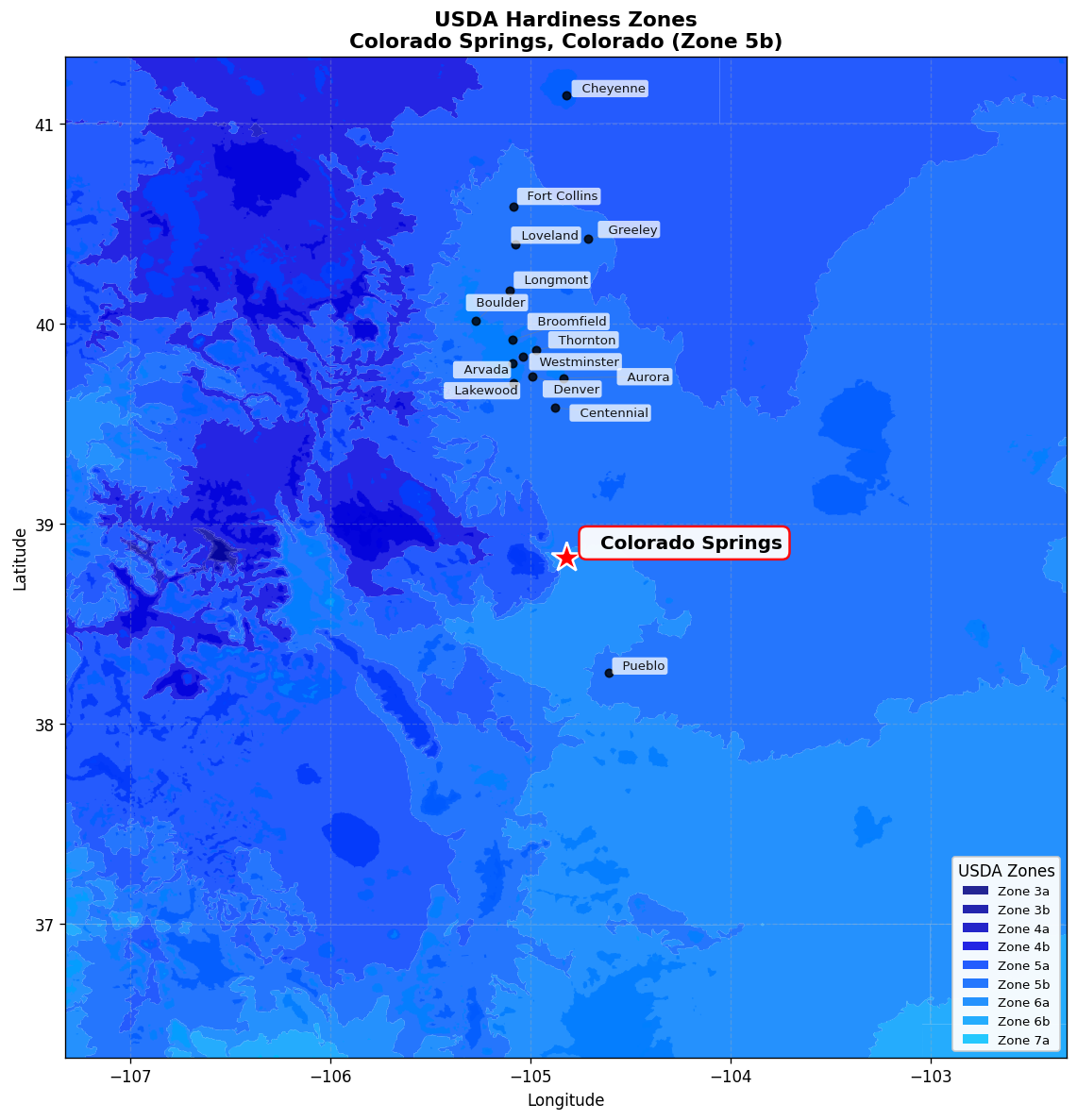
USDA Zone 5b
Hardiness zone for Colorado Springs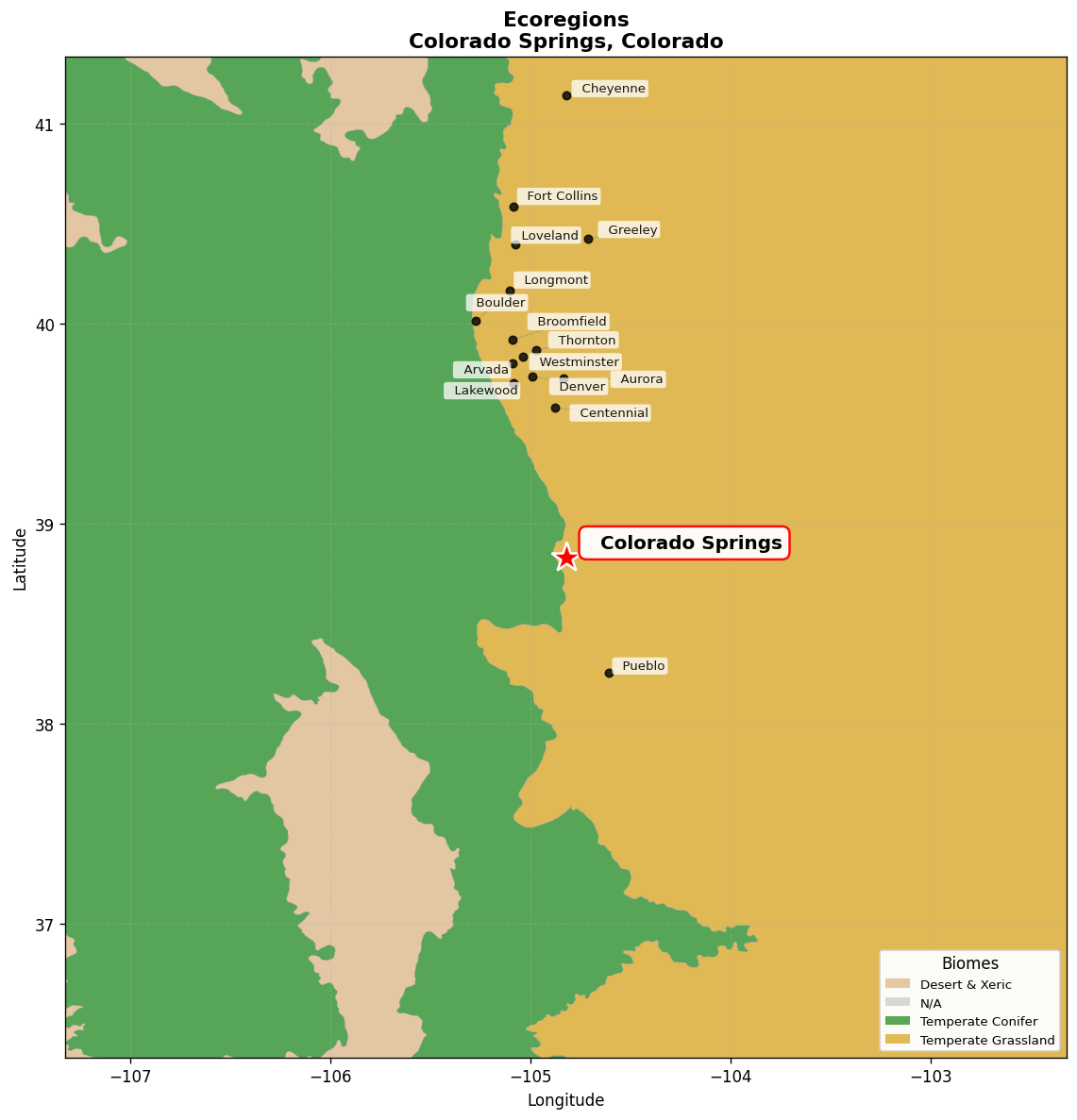
Western shortgrass prairie
Native ecoregionFrequently Asked Questions
What native plants work for xeriscape in Colorado Springs Zone 5b?
Colorado Springs' Zone 5b hardiness combined with 15-inch rainfall and high-altitude UV defines a specific plant palette. Top xeriscape performers: blue grama grass, buffalo grass, little bluestem, Karl Foerster feather reed grass, Rocky Mountain penstemon, chamisa (rabbitbrush), Apache plume, serviceberry, Gambel oak (scrub oak), prairie coneflower, black-eyed Susan, gaillardia, and autumn sage. Trees: pinon pine, one-seed juniper, quaking aspen, and hawthorn. For succulents: claret cup cactus and plains prickly pear are native and fully hardy. Agave parryi survives Zone 5 with good drainage.
How much water does a Colorado Springs xeriscape actually use?
A well-designed xeriscape in Colorado Springs with Zone 5b-appropriate native plants can reduce outdoor water use by 50–75% compared to a conventional bluegrass lawn. A 1,000 sqft bluegrass lawn requires 35,000–45,000 gallons annually to stay green; an equivalent xeriscape with native grasses and perennials needs 8,000–15,000 gallons in the establishment year and as little as 0–5,000 gallons once fully established (relying primarily on natural rainfall). The difference in water bills alone can be $200–$400 per year, and Colorado Springs Utilities' tiered pricing means overuse is penalized aggressively.
What is the GardenWise rebate program and how do I apply?
Colorado Springs Utilities' GardenWise program offers rebates for turf replacement with water-wise landscaping: $2 per square foot of qualifying turf removed, up to $2,000 per residential customer per year. Requirements: turf must be live, actively irrigated grass; replacement must be xeriscape-appropriate (native plants, DG, mulch, or a low-water mix); you must apply and get approval BEFORE removing turf; and you must submit before/after documentation. The program also offers free landscape assessments, plant lists, and workshops. Apply at the Colorado Springs Utilities website or call their customer service line for an assessment.
How do I design for Colorado Springs' late-spring and early-fall frosts?
Colorado Springs' average last spring frost is around May 10–15, and the first fall frost typically arrives September 20–30 — but late May frosts and early September freezes are common enough to plan for. For landscaping, this means: choose plants rated hardy to Zone 5 (-15°F), not just Zone 6 or 7; avoid tender perennials that can't handle occasional May snaps; delay installation of frost-sensitive plants until after Memorial Day; and protect new plantings with frost cloth in the first season. Native plants evolved here and need no protection. Avoid any plant labeled 'annual' unless you're okay replanting yearly.
Are there HOA restrictions on xeriscape in Colorado Springs?
Colorado state law (Colorado Revised Statute 38-35-105) prohibits HOAs from requiring irrigated turf lawns and cannot penalize homeowners for replacing turf with xeriscape landscaping. However, HOAs can still regulate the appearance, specific plant species, and hardscape design of xeriscape installations. In practice, this means: you can replace your lawn without HOA approval for the removal itself, but your specific plant palette, gravel colors, and hardscape may still require approval. Always submit your xeriscape plan to your HOA before starting work. Many Colorado Springs HOAs have developed xeriscape-friendly guidelines in response to the new law.
What's the difference between buffalo grass and blue grama for a Colorado Springs lawn?
Both are native shortgrass prairie species ideal for Colorado Springs, but with different characteristics. Buffalo grass (Bouteloua dactyloides) forms a dense, low-growing sod (3–4 inches) and goes dormant and brown in winter. It tolerates foot traffic well, needs mowing just 2–3 times per season, and survives on 10–15 inches of rainfall. Blue grama (Bouteloua gracilis) is slightly taller (6–8 inches), more ornamental with its distinctive eyelash seed heads, and equally drought-tolerant. Blue grama holds its color a bit later into fall. Many designers mix both for a naturalistic, low-maintenance native lawn that uses 80% less water than Kentucky bluegrass.