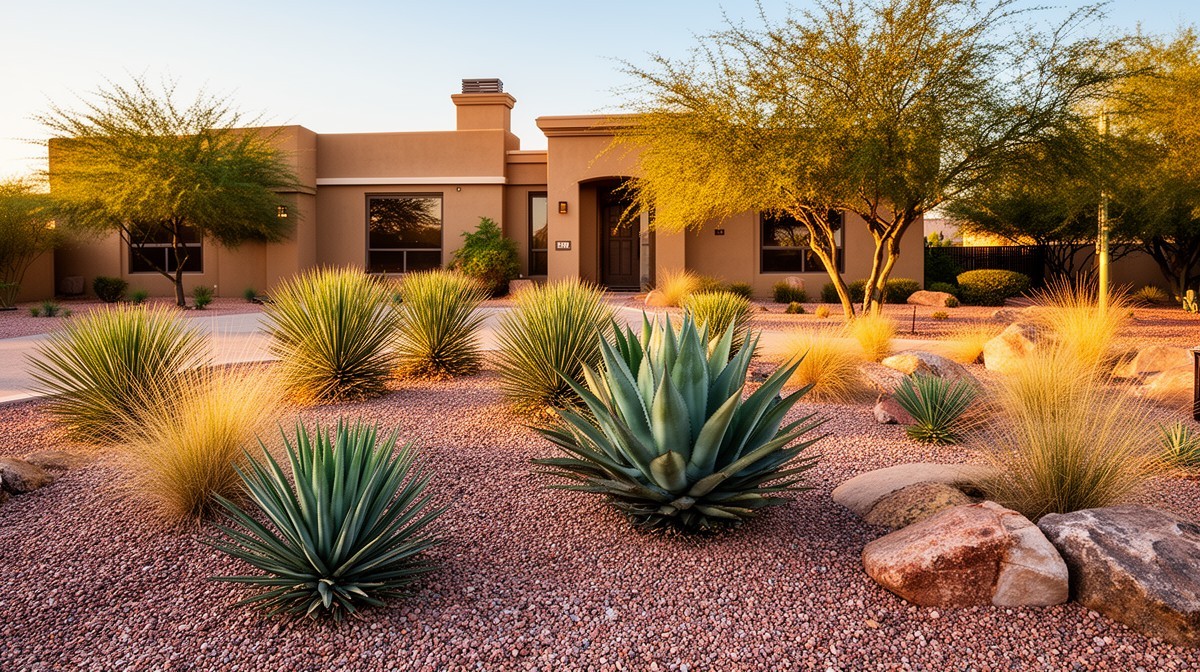
4 Desert Garden Ideas for El Paso, TX | Chihuahuan Xeriscape for Zone 8a
Native plants from the Chihuahuan desert (Zone 8a) — Cold desert climate
Why Desert/Xeriscape Gardens in El Paso?
El Paso is North America's largest city sitting entirely within a major desert — the Chihuahuan Desert, stretching 200,000 square miles from the Texas Trans-Pecos into Mexico. At 3,740 feet elevation, with 9 inches of annual rainfall and summer highs above 105°F, this is not a climate that forgives landscaping choices made for different conditions. True desert xeriscape here means native Chihuahuan plants: the spectacular soaptree yucca, ocotillo's crimson spring tips, lechuguilla's razor-edged rosettes, and the borderland palette of desert willow, black dalea, and Chihuahuan prickly pear.
El Paso's landscape sits at a biological crossroads where the Chihuahuan Desert meets the Rocky Mountains and the Rio Grande corridor. The native plant diversity is extraordinary — higher than the Sonoran Desert to the west, shaped by the unique combination of elevation, cold winters, and summer monsoon rains. The Franklin Mountains State Park, Hueco Tanks, and the Chihuahuan Desert Nature Center all showcase what this landscape looks like in its native state: spare, structural, and breathtakingly beautiful. A desert garden in El Paso draws directly on this vocabulary.
El Paso Water Utilities is one of the most water-conservation-focused utilities in the country, running active xeriscape rebate and education programs for decades. The city's residents have among the lowest per-capita outdoor water use of any large Sun Belt city. A genuine Chihuahuan Desert garden — designed around native plants and eliminating supplemental irrigation after establishment — is the highest expression of El Paso's landscape culture, and the most honest response to being built in the middle of a desert.
4 Desert/Xeriscape Design Ideas for El Paso
AI-generated image
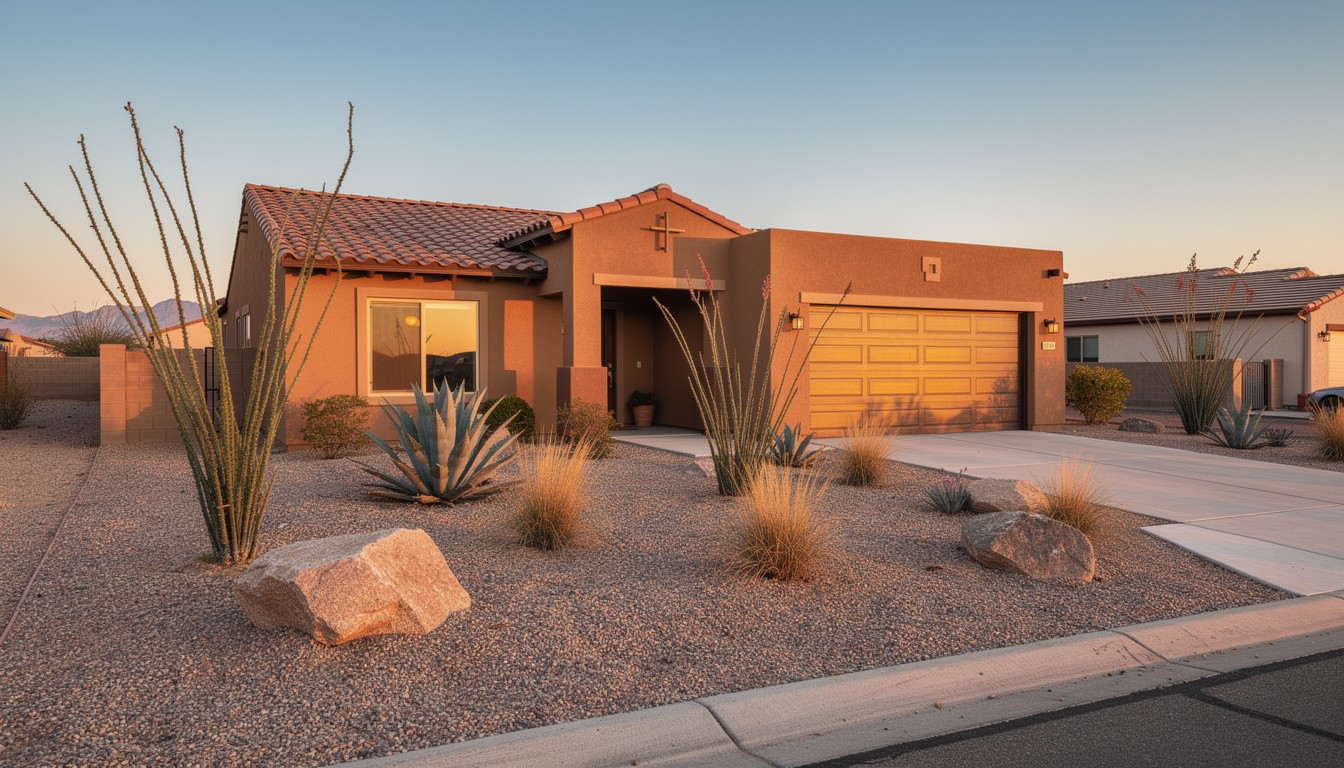
The Ocotillo and Gravel Front
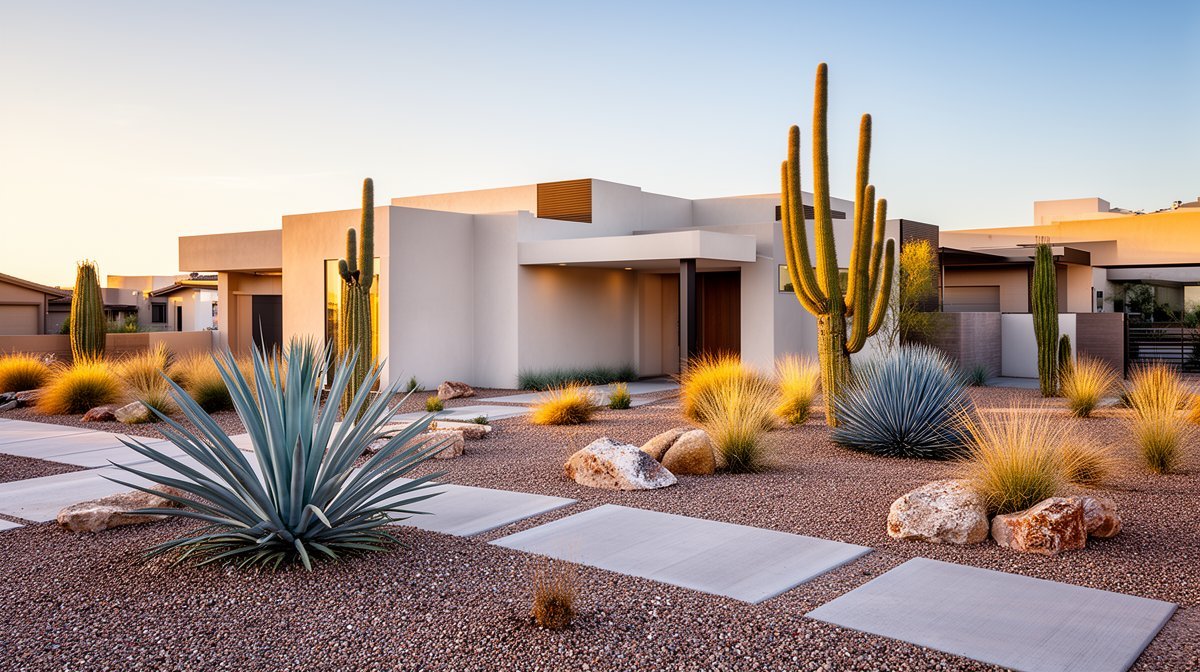
$7–14/sqftA terracotta tile-roof home sits behind a pure Chihuahuan Desert xeriscape: ocotillo wands rising 10 feet as dramatic vertical accents, bold agave lechuguilla in the mid-layer, and smooth rounded boulders on a warm tan gravel base. This is what El Paso looked like before lawns arrived, and it is exactly right for the climate. Zero supplemental irrigation after establishment.
AI-generated image
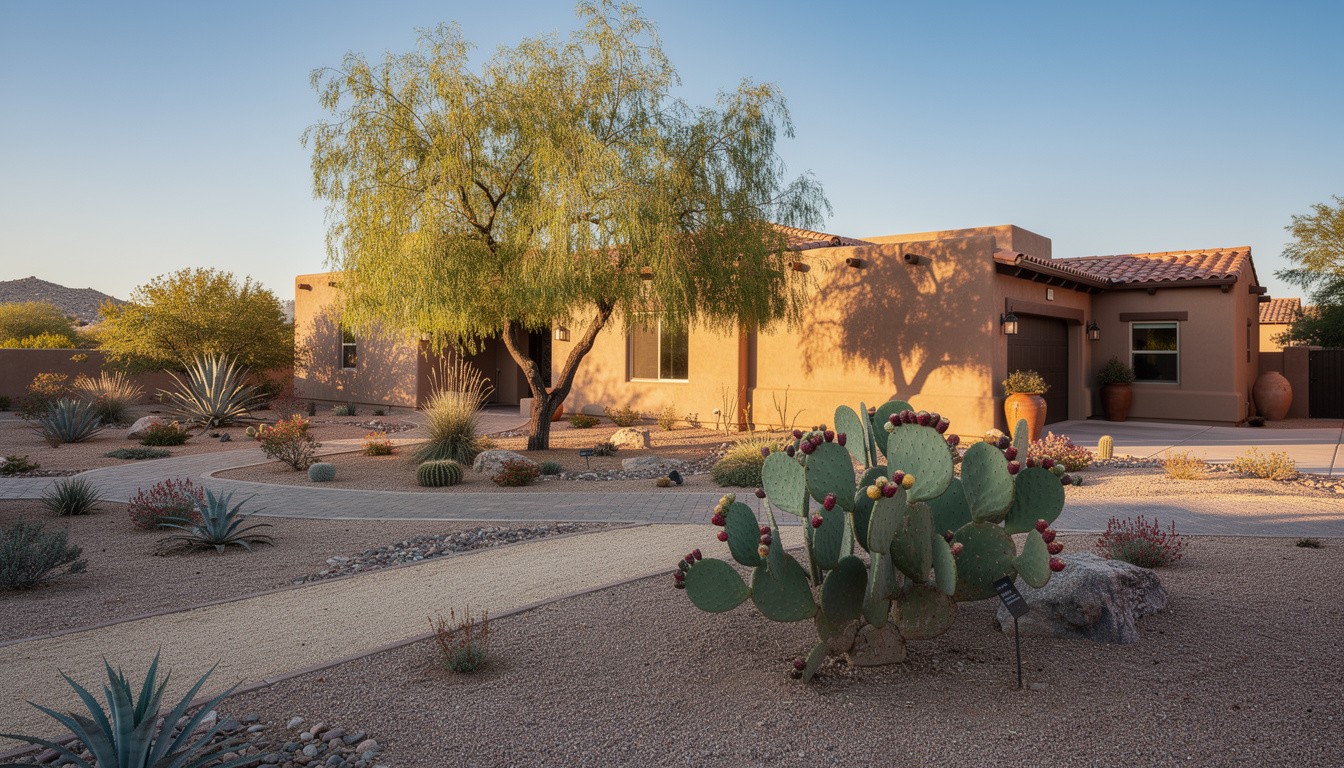
The Desert Willow and Cactus Garden
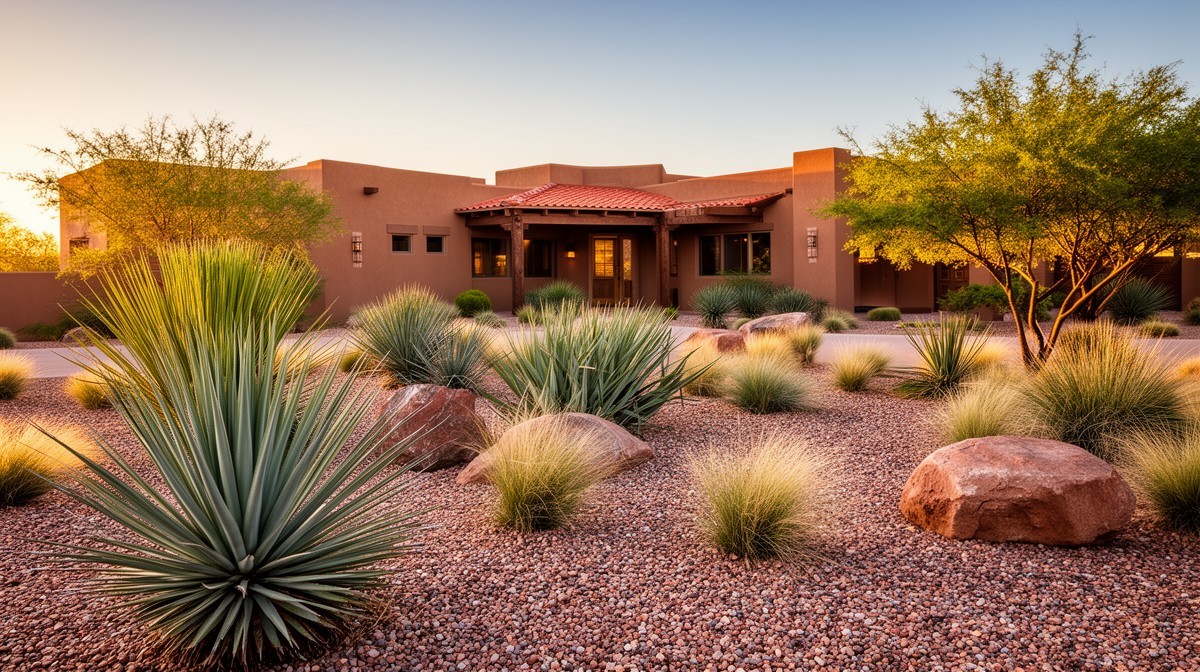
$8–16/sqftA weeping desert willow dominates the center of this xeriscape front yard, shading a composition of prickly pear cactus, low agave, and colorful flowering shrubs in warm pea gravel. A concrete path curves through the planting to the front door. In summer the desert willow blooms pink while prickly pear opens yellow flowers — a front yard that performs at the Chihuahuan Desert's peak season.
AI-generated image
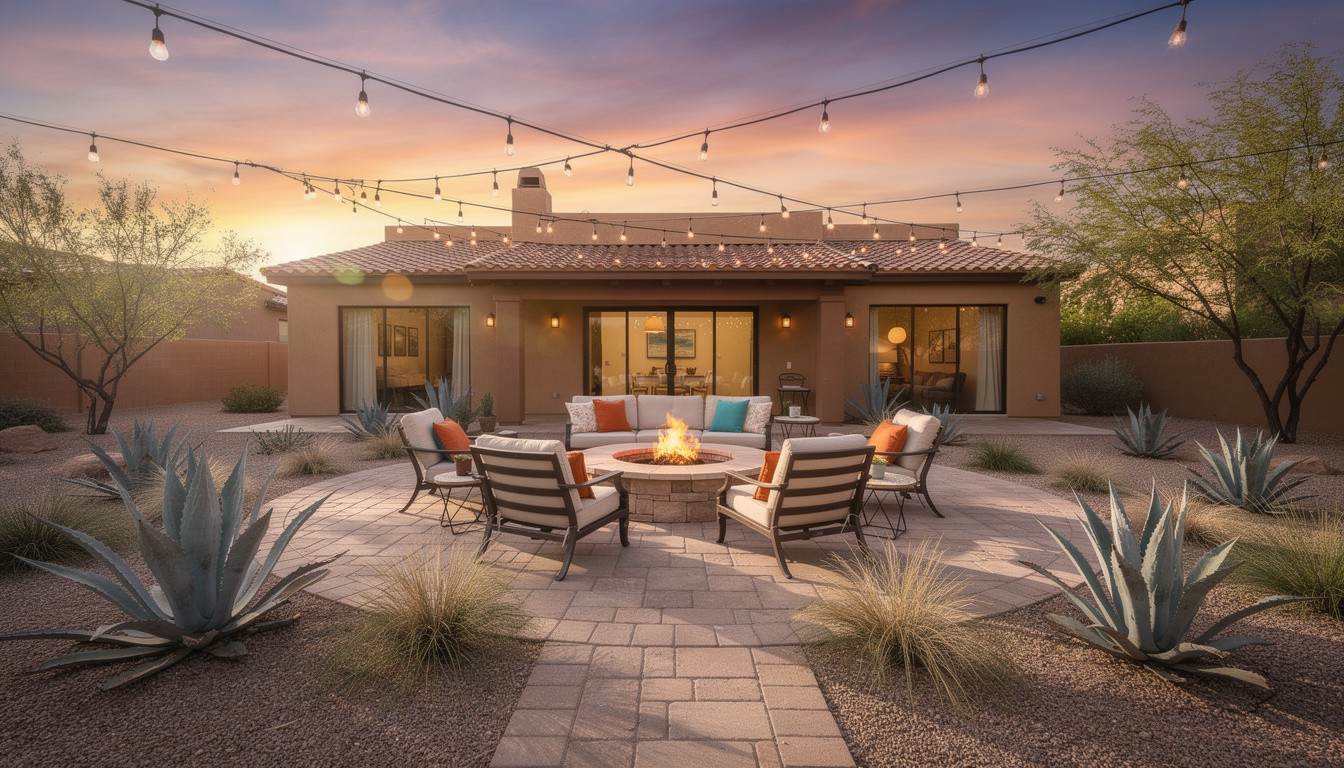
The Paver Patio with Desert Surround
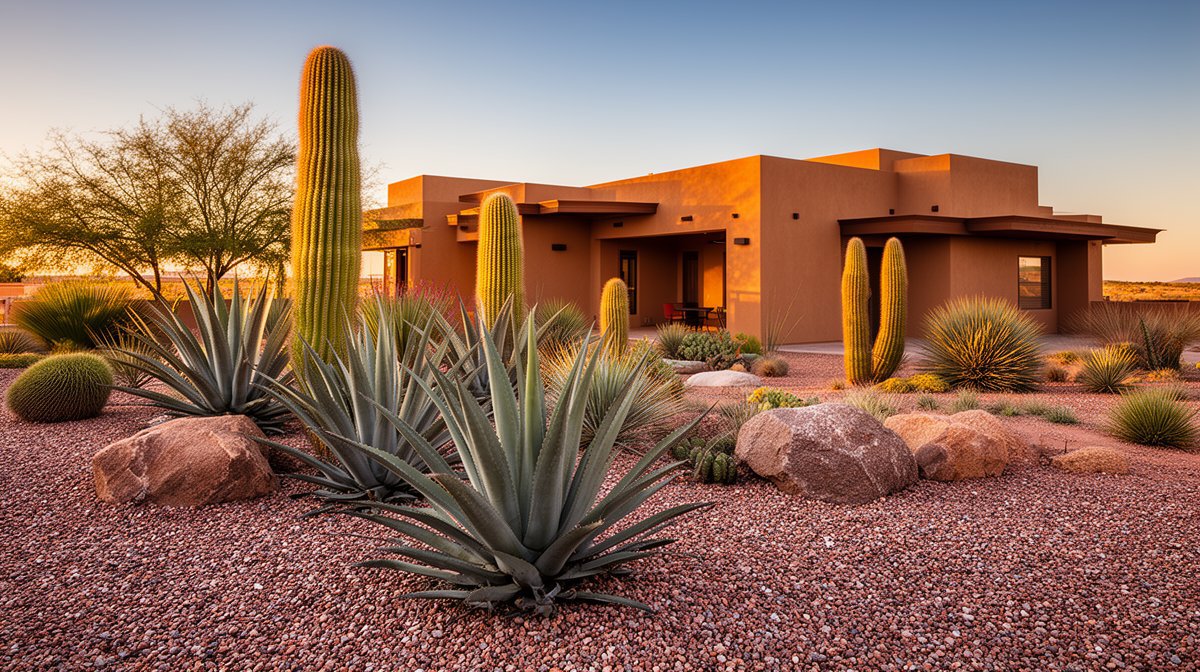
$18–38/sqftA large flagstone and paver patio under festoon lights hosts lounge chairs circling a central fire pit, surrounded by a ring of large agave and ornamental grasses in desert gravel. The ochre-toned stucco home glows warm behind the patio at dusk while the Franklin Mountains catch the last light. A built-in seating wall keeps the patio edge clean and functional.
AI-generated image
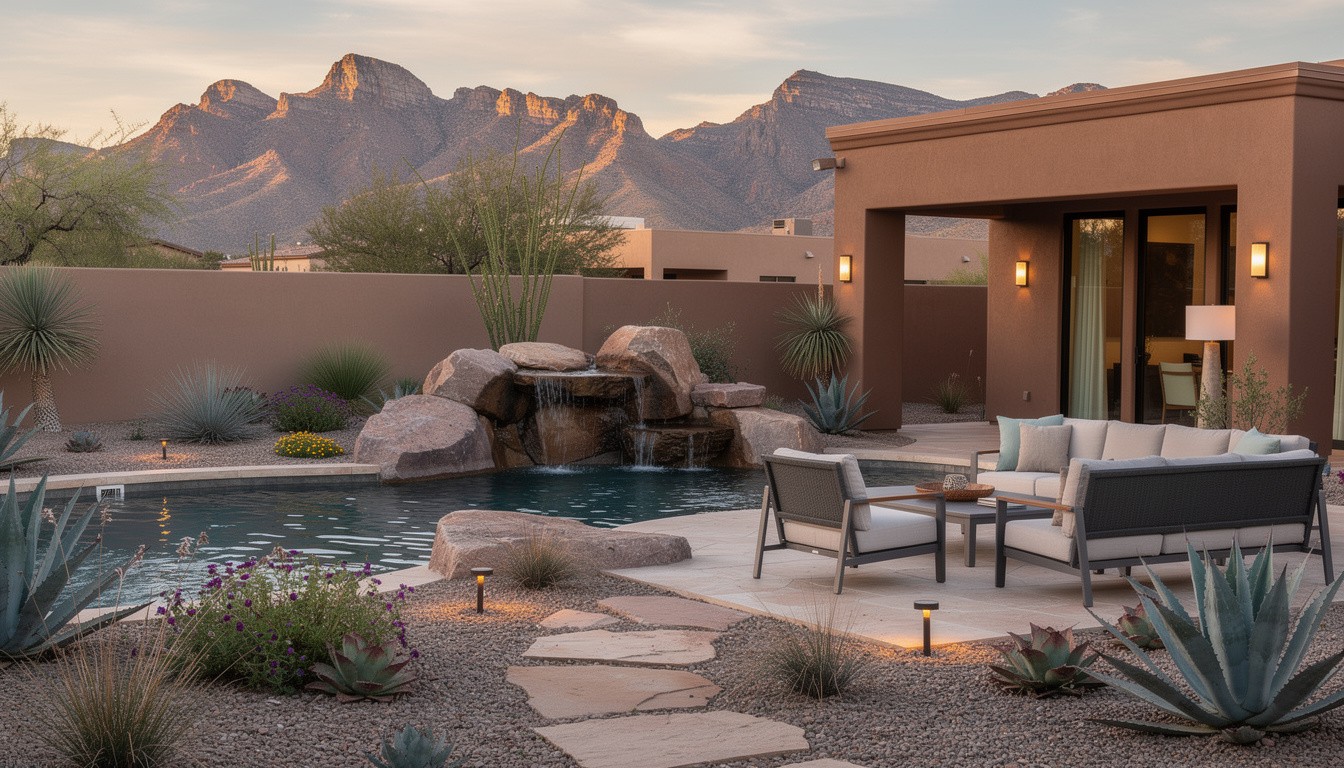
The Franklin Mountain View Pool
$55–110/sqftA pool with a boulder waterfall feature anchors one end of a concrete-surround backyard, with lounge seating and a built-in fire table at the other. Agave, cacti, and ornamental grasses in crushed gravel borders frame the patio edge. The Franklin Mountains rise behind the stucco back wall, lit by the setting sun. Resort-quality desert living in El Paso's Upper Valley or Westside.
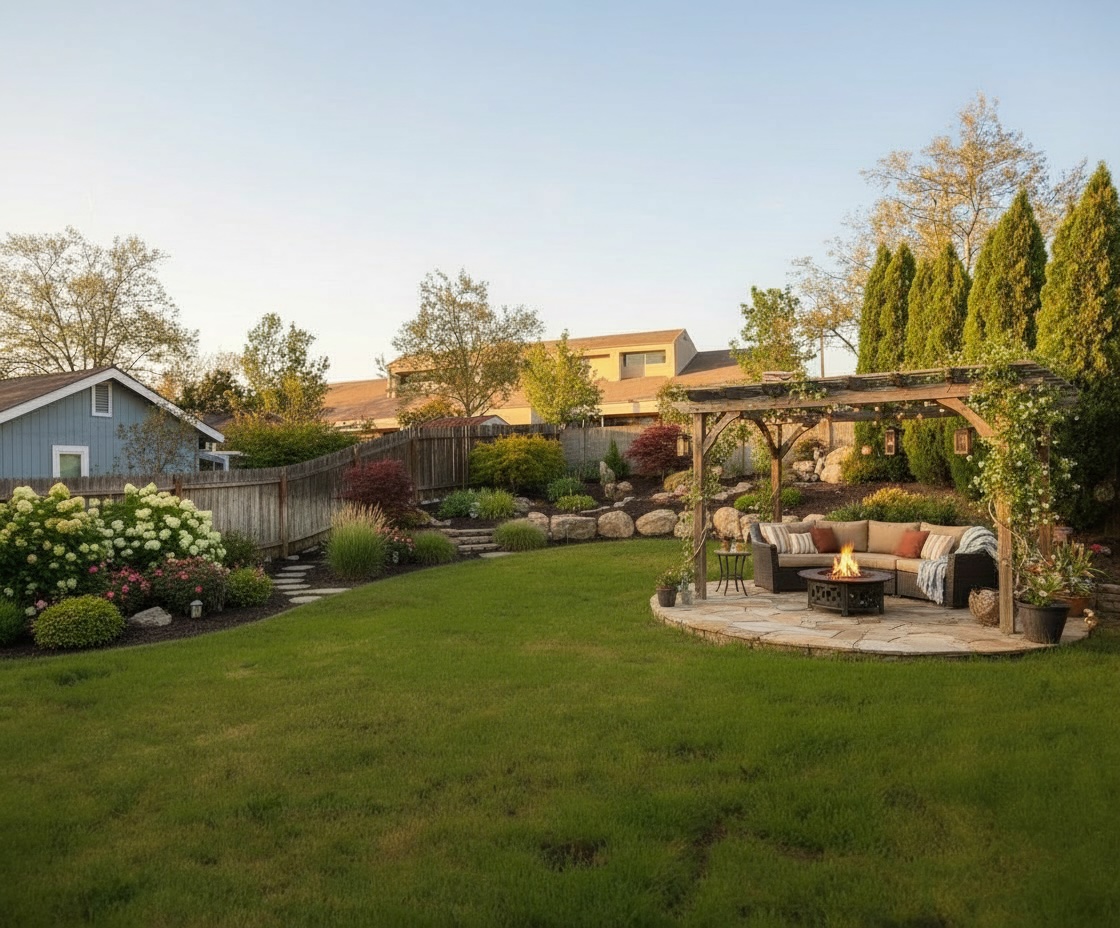
See how a desert/xeriscape garden looks on YOUR property
Upload a photo of your El Paso yard and visualize your dream garden in seconds.
Try ProScapeAI Free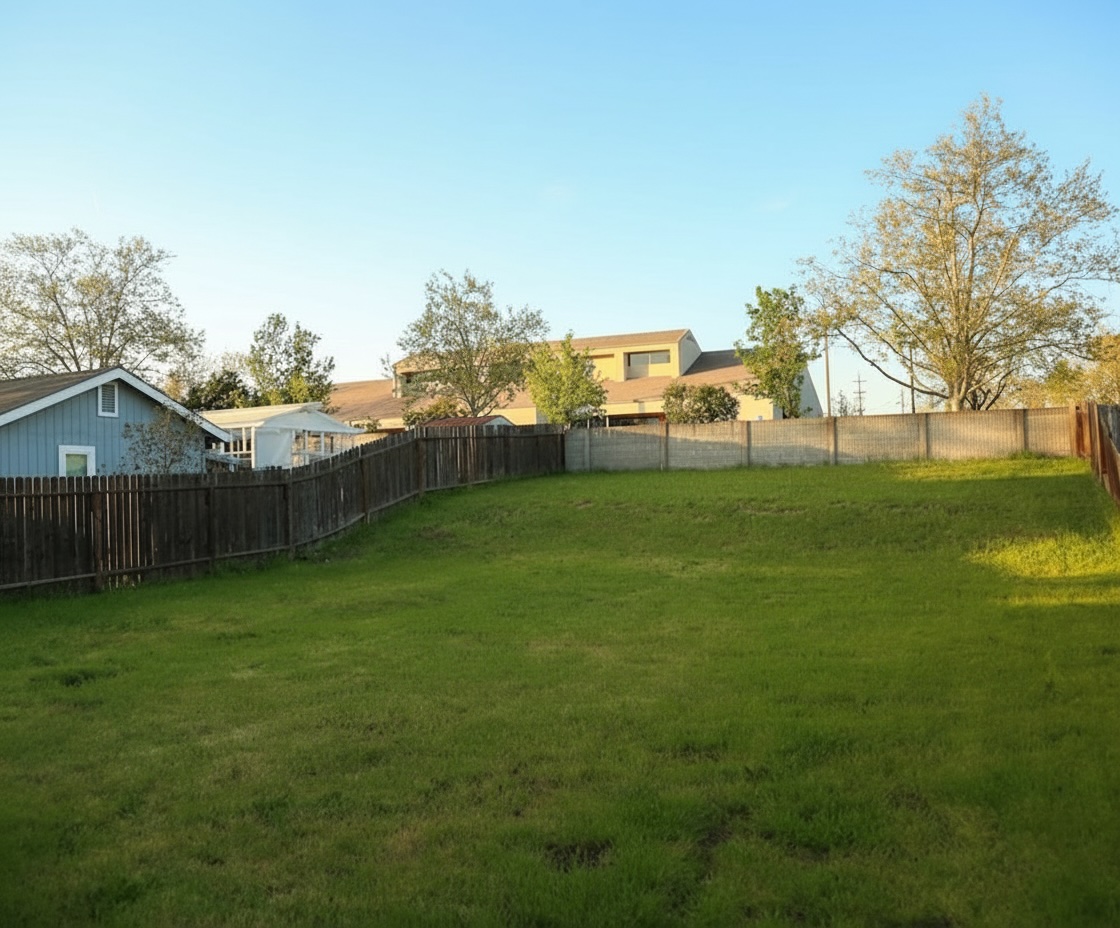
AI-generated image
Featured Trees & Shrubs for Desert/Xeriscape Gardens
Browse all 203 plants for El Paso
Agarita
Berberis trifoliolata
grows to 5 feet, yellow blooms in winter. Pollinator-friendly.
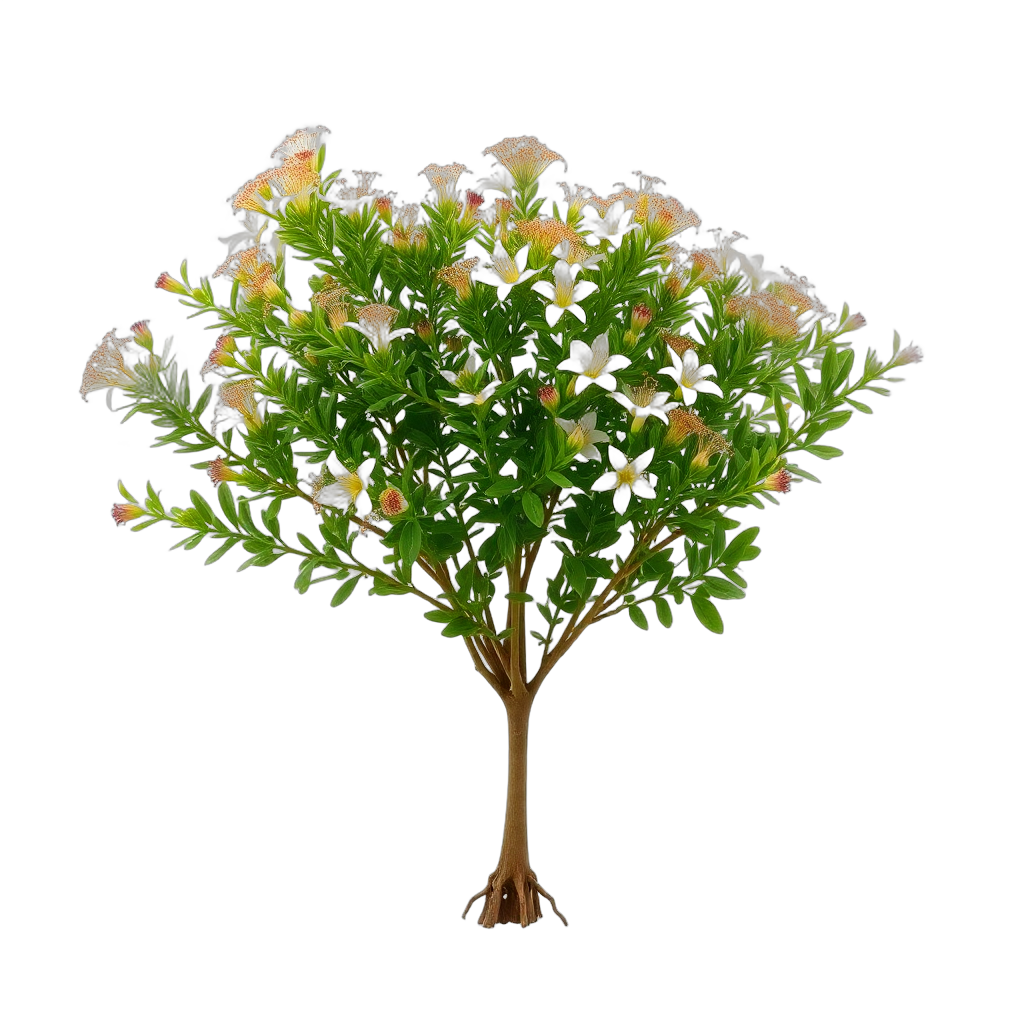
Apache Plume
Fallugia paradoxa
grows to 6 feet, white blooms in summer. Attracts butterflies.
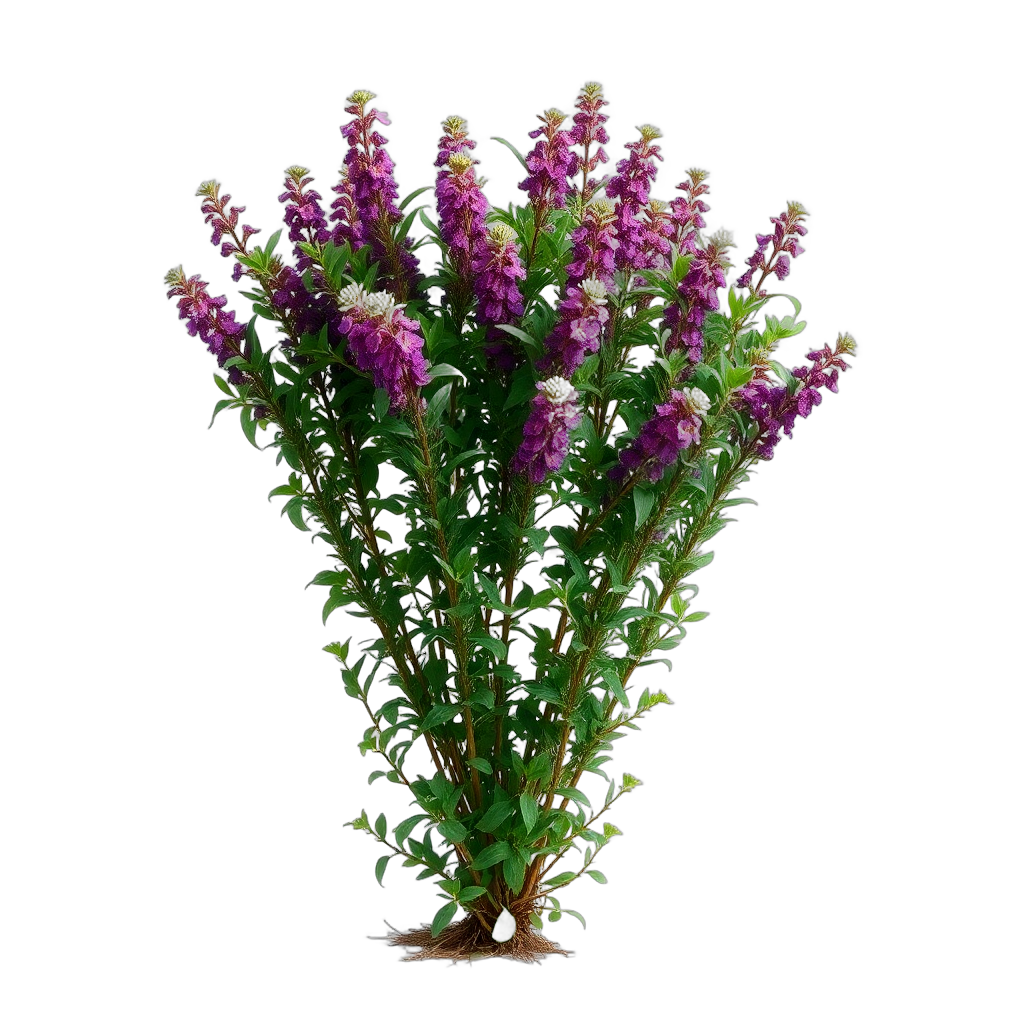
Autumn Sage
Salvia greggii
low-growing ground cover, red blooms in spring. Attracts hummingbirds.
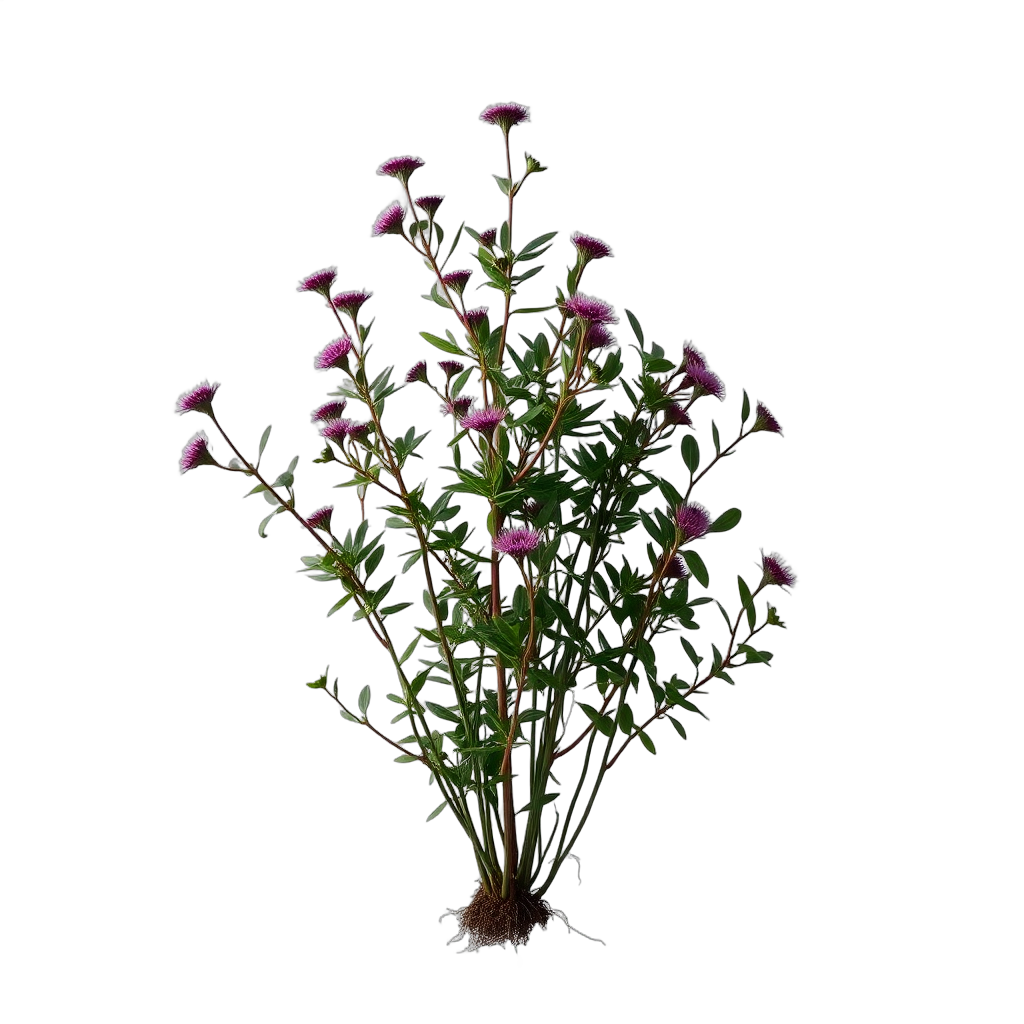
Black Dalea
Dalea frutescens
grows to 3 feet, purple blooms in summer. Attracts butterflies.
Featured Grasses & Groundcovers for Desert/Xeriscape Gardens
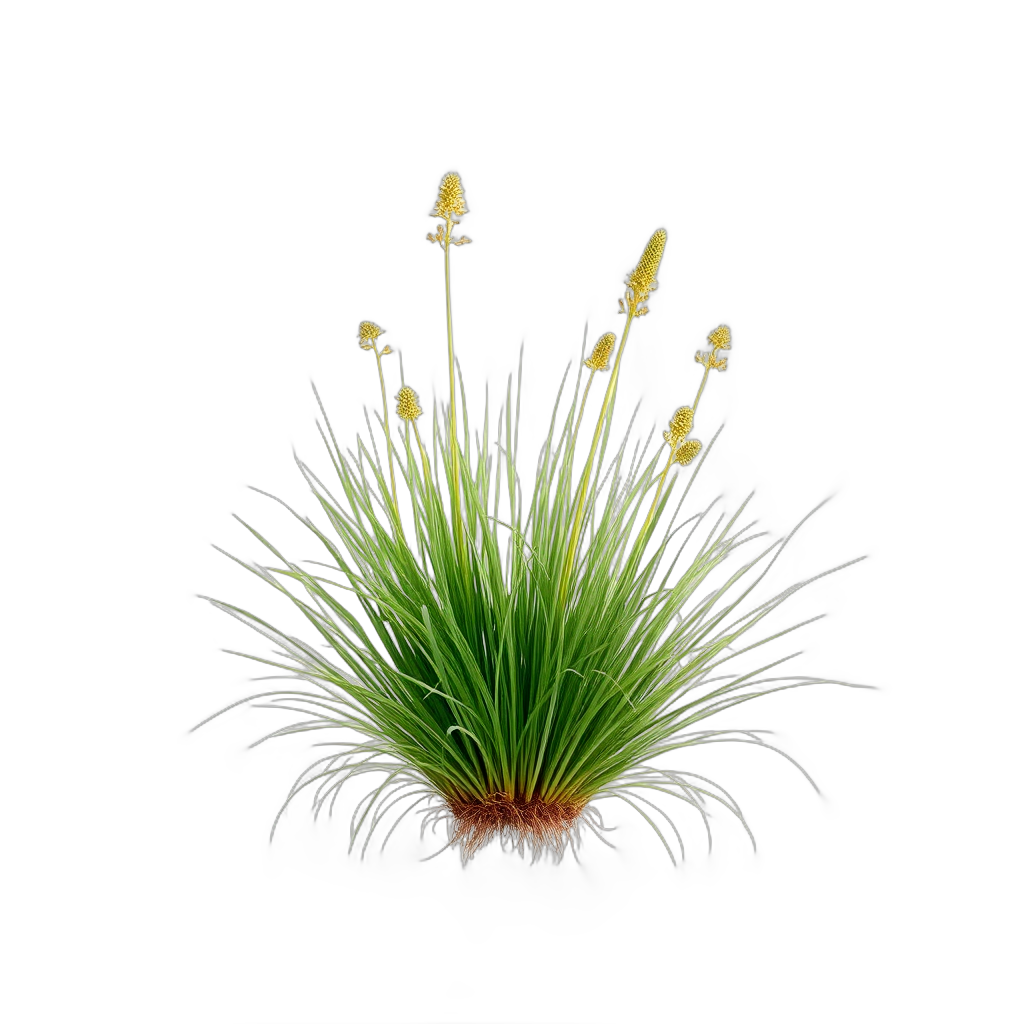
Big Sacaton
Sporobolus wrightii
grows to 5 feet, blooms in summer. Yellow fall color.
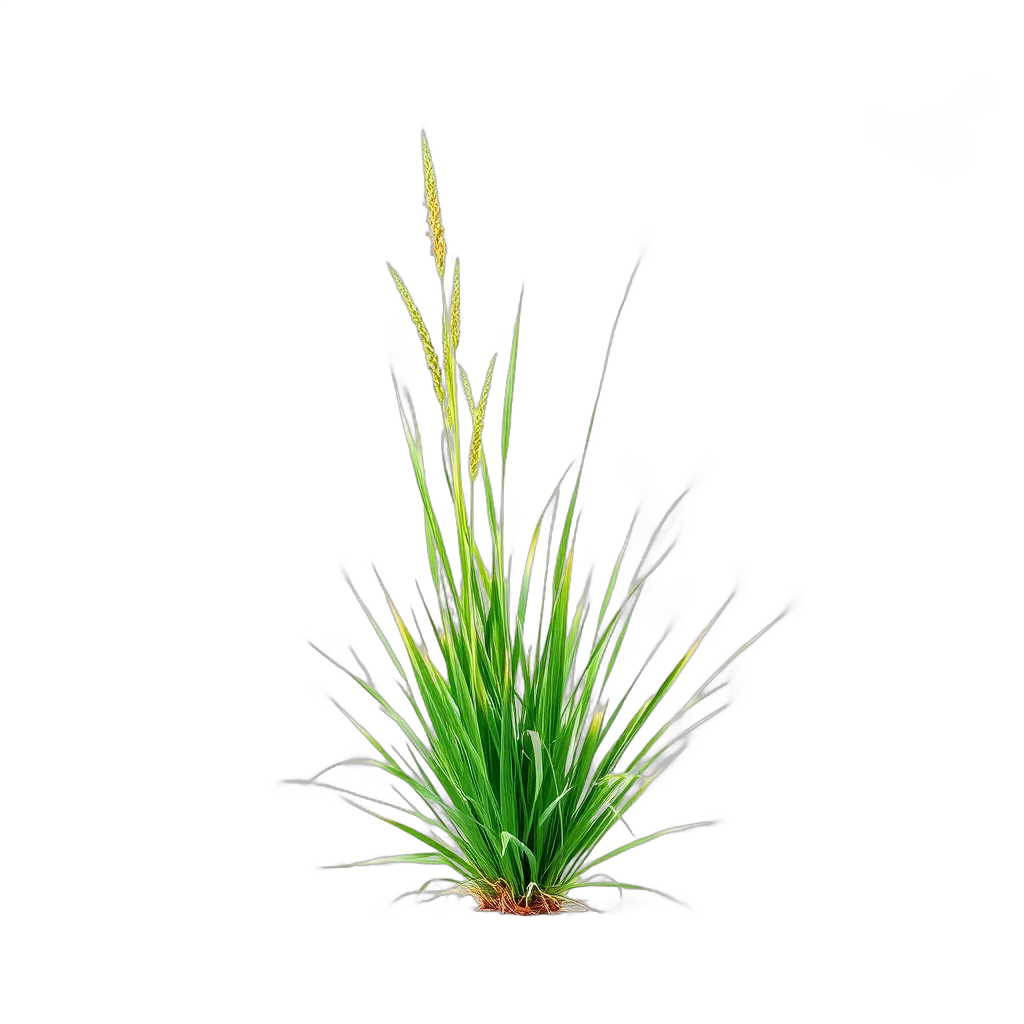
Bull Grass
Muhlenbergia emersleyi
grows to 4 feet, purple blooms in fall. Yellow fall color.
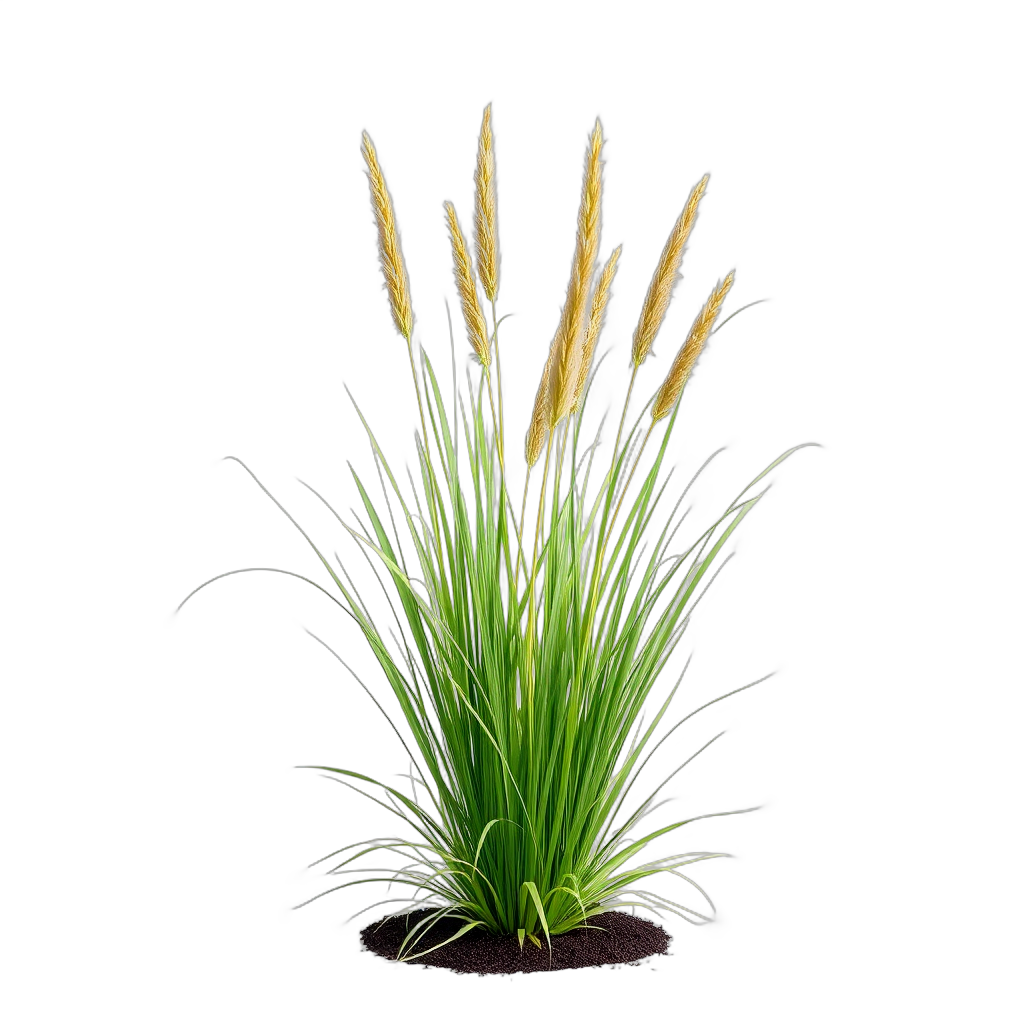
Mexican Feather Grass
Nassella tenuissima
low-growing ground cover, blooms in summer. Yellow fall color.
Featured Flowers & Perennials for Desert/Xeriscape Gardens
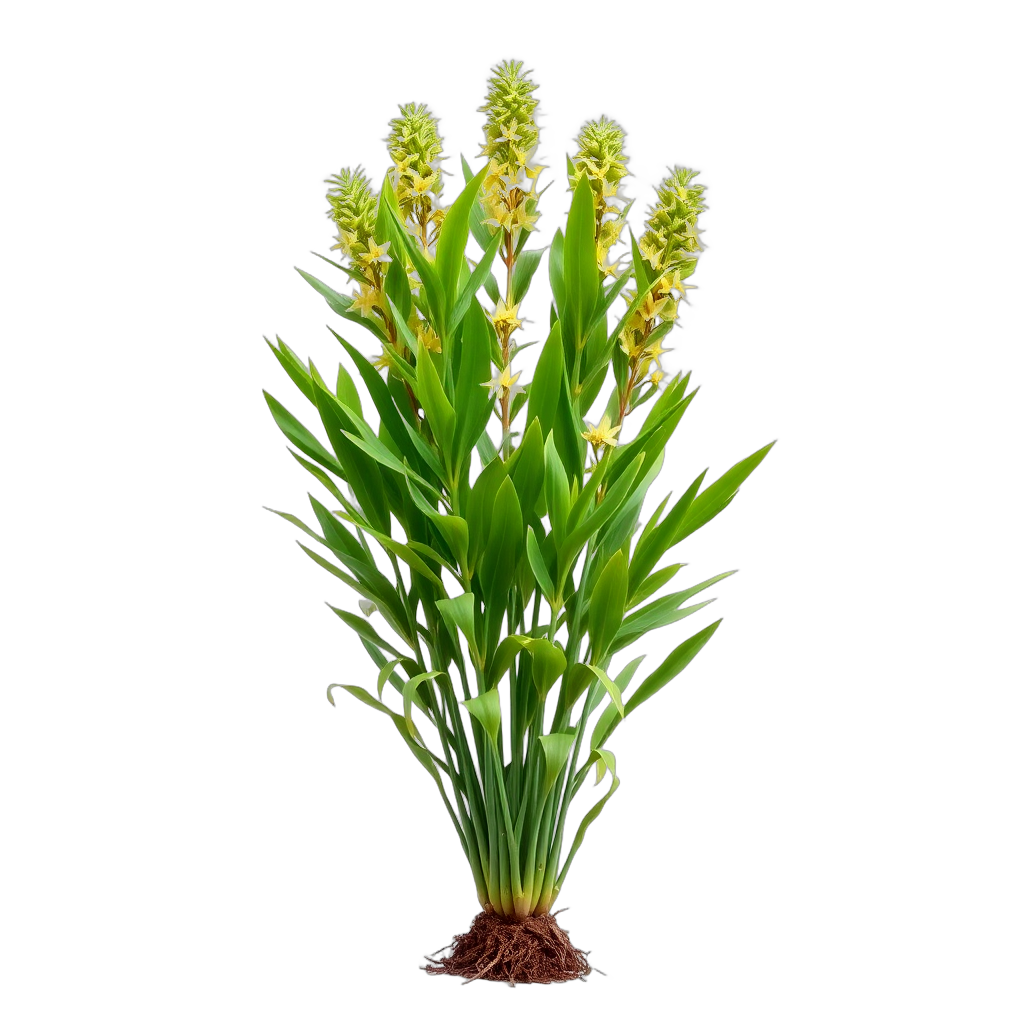
Banana Yucca
Yucca baccata
low-growing ground cover, white blooms in spring. Attracts hummingbirds.
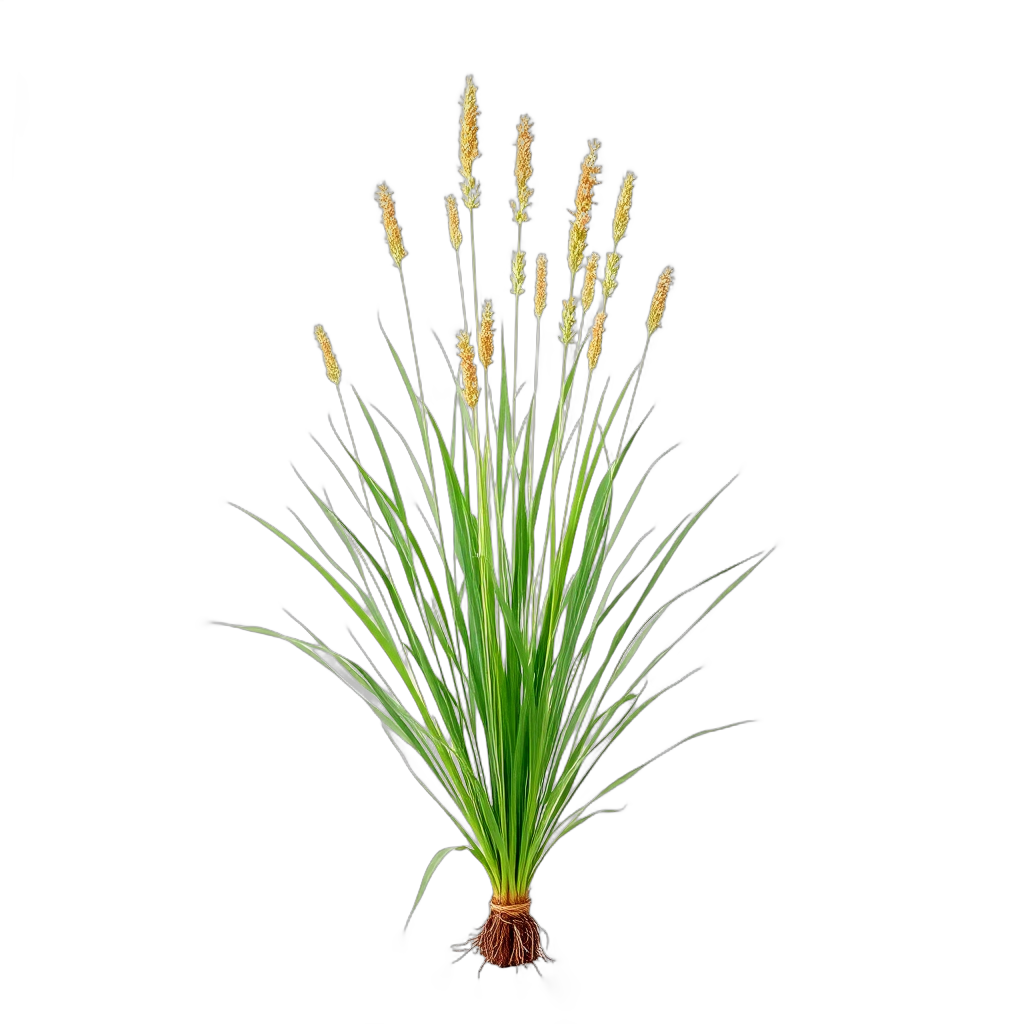
Beargrass
Nolina microcarpa
low-growing ground cover, white blooms in summer. Evergreen year-round.
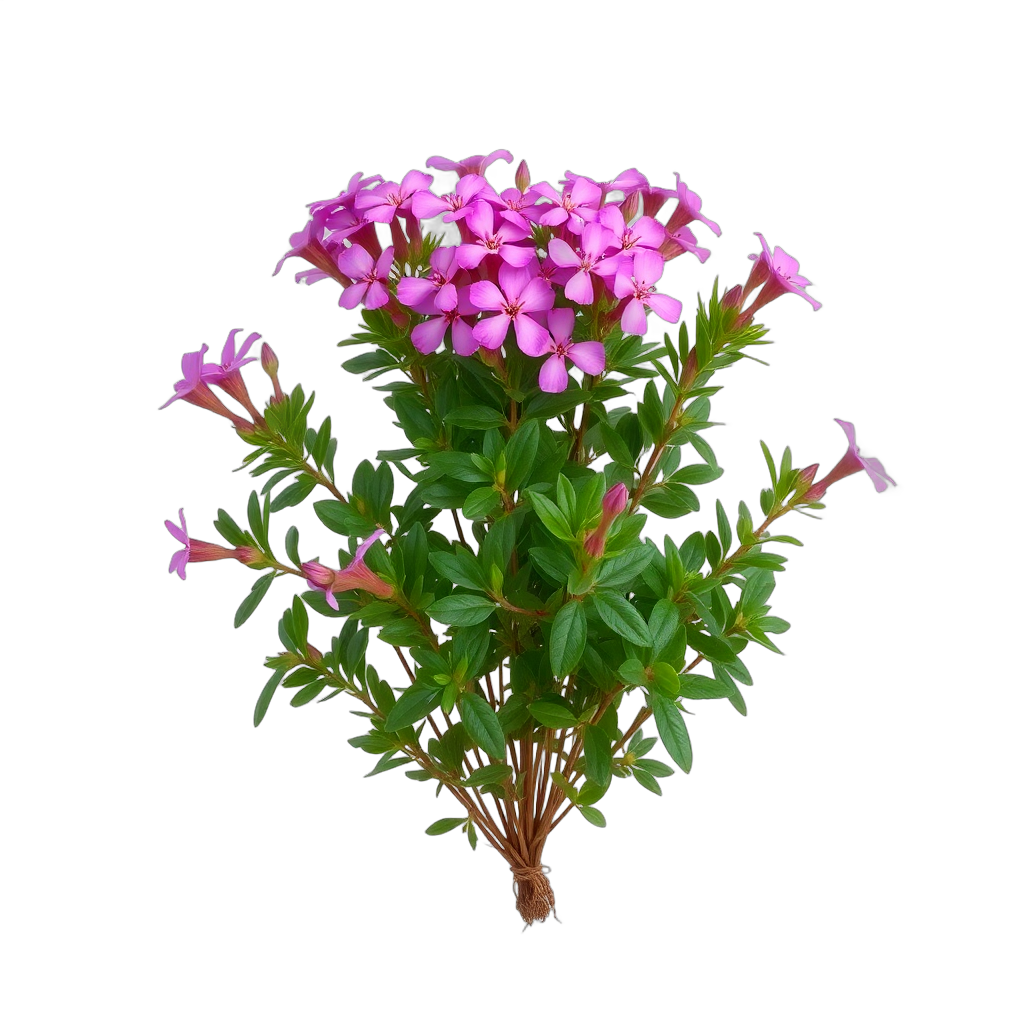
Desert Phlox
Phlox austromontana
low-growing ground cover, pink blooms in spring. Attracts hummingbirds.
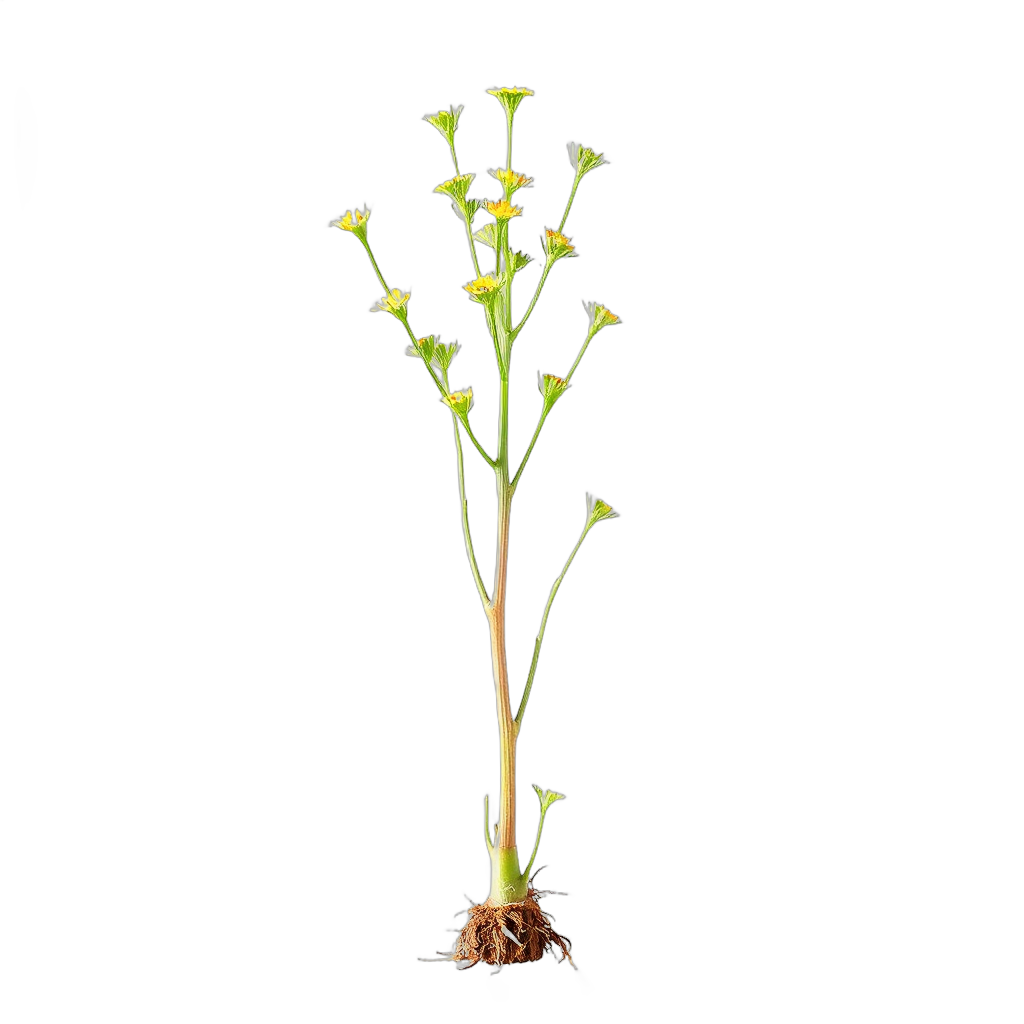
Desert Spoon
Dasylirion wheeleri
grows to 4 feet, white blooms in summer. Evergreen year-round.
Zone and sun checks come from our database — confirm with your local nursery before you buy.
Bloom Calendar for El Paso
spring
Banana Yucca, Desert Phlox, Agaritasummer
Beargrass, Desert Spoon, Mealy Cup Sagefall
Mealy Cup Sage, Bull Grass, Autumn Sagewinter
AgaritaDesign Tips for El Paso (Zone 8a)
- Plant ocotillo in spring (March–May) when soil temperatures are warming — bare-root ocotillo establishes quickly in spring heat and will produce its first scarlet bloom tips the following spring
- Leave lechuguilla's dead flower stalks standing for a full year after blooming — they become shelters for cavity-nesting birds and the structural interest they provide is genuine; they'll break down naturally
- Design monsoon drainage into your garden from the beginning: a shallow arroyo or swale that moves water toward the street or a rain garden reduces erosion and prevents flooding around the foundation
- Use Chihuahuan limestone boulders rather than imported granite — local limestone in warm buff and tan tones reads as authentically regional and costs less than trucked-in decorative rock
- Avoid landscape fabric under DG in El Paso's heat — it degrades quickly in UV, roots punch through it, and its removal is more work than occasional weed pulling; use a thicker DG layer (4 inches) instead
- Install drip irrigation for the first two summers only, then evaluate whether natural monsoon rainfall is sufficient — properly established Chihuahuan natives often don't need supplemental irrigation after the second year
Where to Source Plants in El Paso
Skip the big-box stores. These independent El Paso nurseries specialize in the plants that make desert/xeriscape gardens thrive in Zone 8a.
Desert Hills Nursery
West El Paso / Mesa Hills
Native Chihuahuan desert plants, cacti, agaves, ocotillo — xeriscape specialists
Western Nursery
Northeast El Paso
Full-service nursery with strong xeriscape selection and Zone 8 native plants
Chihuahuan Desert Nature Center Plant Sale
Fort Davis (2 hr SE, annual native plant sales)
Locally grown Chihuahuan Desert natives — the most authentic source for regional plants
El Paso Water Xeriscape Demonstration Garden
Central El Paso / near utilities HQ
Free demonstration garden showing Chihuahuan Desert xeriscape; staff provide plant recommendations
Plants of the Southwest
Santa Fe, NM (ships to El Paso)
Premier source for Chihuahuan and high-desert native plants, seeds, and grasses
Desert/Xeriscape Landscaping Costs in El Paso
| Project Scope | Estimated Cost |
|---|---|
| Front yard Chihuahuan xeriscape (400–600 sqft) | $3,500 – $8,000 |
| Full backyard desert patio redesign | $10,000 – $30,000 |
| Turf removal + desert gravel + native plants (per sqft) | $5 – $18/sqft |
| Flagstone or paver patio installation | $12 – $22/sqft |
| Drip irrigation system | $1,000 – $2,800 |
| Large specimen agave or ocotillo (installed) | $150 – $450 per plant |
| AI visualization with ProScapeAI | Free to start |
Estimates based on El Paso, TX-area contractor rates as of 2026. Actual costs vary by site conditions, materials, and contractor.
El Paso Climate & Growing Zone
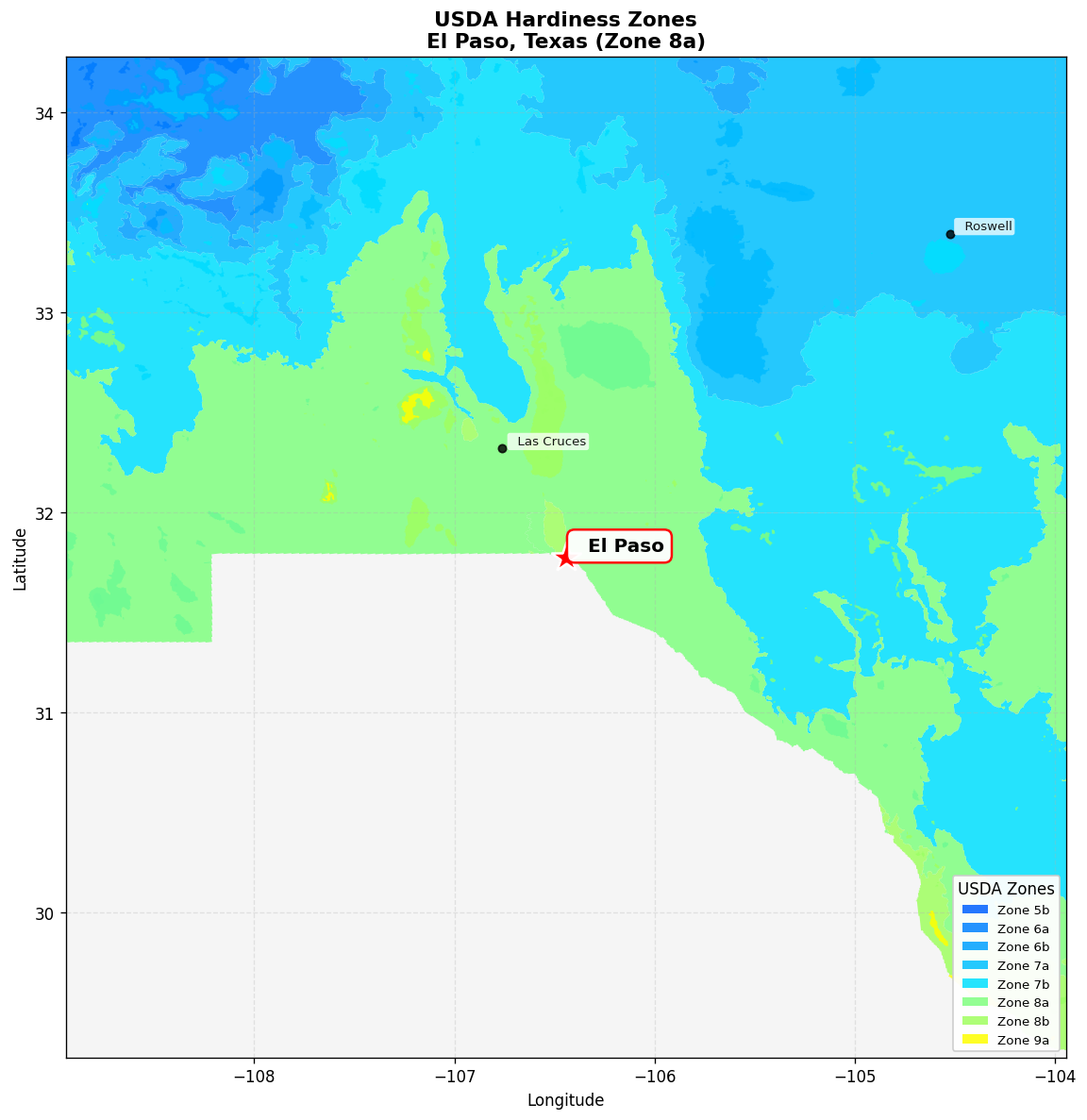
USDA Zone 8a
Hardiness zone for El Paso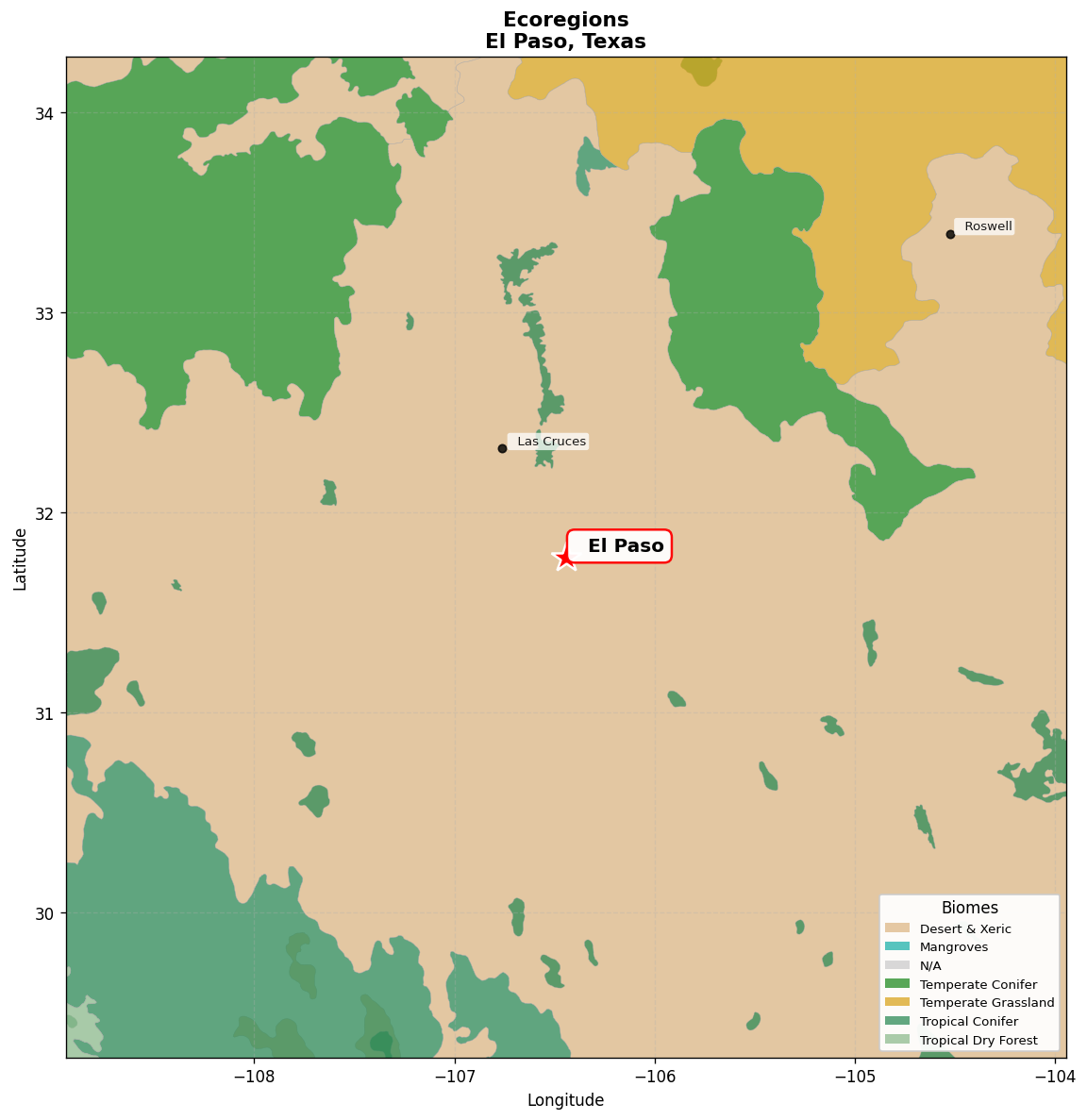
Chihuahuan desert
Native ecoregionFrequently Asked Questions
What is true Chihuahuan Desert xeriscape and how does it differ from general xeriscape?
General xeriscape means water-efficient landscaping using any drought-tolerant plants. Chihuahuan Desert xeriscape specifically uses plants native to or proven in the Chihuahuan Desert ecoregion — lechuguilla, ocotillo, soaptree yucca, Havard's agave, desert willow, black dalea, Chihuahuan prickly pear, desert marigold, and four-nerve daisy. The distinction matters because plants sourced and adapted to this specific desert handle El Paso's unique combination of cold winters, hot dry springs, and summer monsoons better than generic 'drought-tolerant' plants sourced from other regions. True Chihuahuan xeriscape also eliminates supplemental irrigation after 1–2 establishment years entirely.
How does El Paso's monsoon season affect garden design?
El Paso's monsoon season (July–September) delivers 4–5 inches of the city's 9-inch annual rainfall in intense afternoon storms, often dropping an inch or more in 30–60 minutes. Chihuahuan Desert soils shed water quickly, creating fast-moving runoff that erodes unprotected DG and can overwhelm flat gardens. Design for monsoon: grade all surfaces away from the house, create naturalistic arroyo or swale features that slow and harvest runoff, use anchored gravel and rock surfaces in drainage paths, and avoid planting in natural drainage channels. Native plants evolved for this feast-or-famine rainfall pattern and handle it without any special treatment.
Can I grow true desert plants like ocotillo and lechuguilla in El Paso?
Absolutely — El Paso is their native range. Ocotillo (Fouquieria splendens) grows wild in the Franklin Mountains and throughout El Paso's surrounding desert. Lechuguilla (Agave lechuguilla) is so dominant in the Chihuahuan Desert that it's an indicator species for the ecoregion. Both are available from specialty nurseries and El Paso Water's xeriscape demonstration gardens. Transplanting large ocotillo is successful if done in spring; bare-root or container plants establish readily. Lechuguilla grows slowly but requires virtually no care once established. Both are legally protected in Texas outside of cultivation — ensure plants are nursery-grown with proper documentation.
What are El Paso Water's xeriscape rebate details?
El Paso Water Utilities' WaterSaver Landscape Rebate offers $1 per square foot for replacing qualifying irrigated turf with xeriscape landscaping, up to $500 per residential customer per year. Requirements: you must apply before removing turf, turf must be actively irrigated and green, replacement must use approved xeriscape materials (native plants, DG, decomposed granite, rock), and before/after photos are required. The utility also offers a free Xeriscape Consultation Program — a landscape professional visits your property and provides personalized recommendations at no charge. Call El Paso Water at 915-594-5500 or visit their website for the application and plant list.
What is El Paso's average water use for landscaping vs. a xeriscape?
A typical El Paso home with a conventional irrigated lawn (1,000 sqft of turf) uses roughly 40,000–50,000 gallons annually just for outdoor irrigation — representing 50–60% of total household water use. A converted Chihuahuan Desert xeriscape of the same area requires 5,000–10,000 gallons in the establishment year and can drop to near-zero supplemental irrigation once established, as the plants survive on El Paso's 9 inches of natural rainfall alone. The water savings of $200–$400 per year typically recover the project's rebate-adjusted cost within 5–7 years, with zero ongoing irrigation costs after.
Are there restrictions on removing or disturbing native desert plants in El Paso?
Texas protects certain native plants from harvest or destruction on public land, and some are protected on private land as well. In the El Paso area, you should not harvest ocotillo, lechuguilla, or cacti from the wild without a Texas Department of Agriculture permit. However, on private property, most native plants can be removed without a permit (with some exceptions for rare species). Always source nursery-grown plants with receipts or documentation. The Franklin Mountains State Park and BLM land surrounding El Paso have strict rules — any removal without permits is illegal. For landscaping purposes, the distinction is simple: buy nursery plants, don't dig from the wild.