4 English Cottage Garden Ideas for Antioch, CA | Delta Heat and Zone 9b
Native plants from the California interior chaparral and woodlands (Zone 9b) — Mediterranean (warm summer) climate
For a cottage garden in Antioch, CA, a zone 9b city with a mediterranean (warm summer) climate, start with Rosa 'Iceberg', Rosa 'Julia Child' and Lavandula × intermedia 'Grosso', the plants this guide's first design is built on.
Why Cottage/English Gardens in Antioch?
A cottage garden in Antioch has to be built for a different summer than the one in the English catalog. July highs average about 90°F, January lows sit near 39°F, and the city gets roughly 14 inches of rain a year, nearly all of it between November and April. The Delta breeze arrives most summer evenings and cools things down, which is why roses and lavender here bloom hard and stay clean. Delphinium elatum, Russell lupines and most Hydrangea macrophylla scorch or sulk by July in an open front yard. The cottage look still works when the palette comes from plants that like a dry summer: Rosa 'Iceberg', Rosa 'Julia Child' and Rosa 'Sally Holmes', Lavandula × intermedia 'Grosso', Nepeta × faassenii 'Walker's Low', Salvia greggii 'Furman's Red' and Achillea 'Moonshine'.
The housing stock suits the style. Rivertown has older bungalows and cottages on small lots close to the waterfront, where a picket fence and a deep border read well from the sidewalk. Much of Deer Valley, Hillcrest and Southeast Antioch is tract housing from the 1990s and 2000s: stucco two-story houses with a rectangle of lawn and a strip of shrubs. Pulling out the lawn and planting a layered border of roses, catmint and salvia gives those facades some character and cuts the irrigation bill sharply.
Winter is mild. Frost depth is effectively zero and hard freezes are rare, so you can plant almost year round, but the best window is October through March, when winter rain does the watering. Soil changes across town. Closer to the river it runs sandy and fast-draining, while the hills and parts of the southeast are heavier clay that bakes hard in August and holds water in January. Test the soil, then amend by area. In clay, mound the beds 6–8 inches and mix in compost and coarse grit. In sand, add compost so the roses hold moisture. Many valley soils run neutral to alkaline, which suits lavender and Salvia but can leave Rosa 'Iceberg' with yellowing leaves unless you feed it with chelated iron.
Plan on drip irrigation under 3 inches of mulch, deep watering once or twice a week in summer, and roses planted where they get morning sun and afternoon relief. Water rules and rebates depend on your provider, so check with your water utility before you rip out lawn. The trade-off to accept: a cottage garden in Antioch peaks in April and May and again in October, with a quieter, silver-and-lavender middle. Build the July and August show from Perovskia 'Little Spire', Agastache 'Blue Fortune' and Gaura lindheimeri 'Whirling Butterflies'.
4 Cottage/English Design Ideas for Antioch
AI-generated image
The Rivertown Picket and Rose Border
$16–32/sqftA low white picket fence runs the front of a 1920s Rivertown bungalow, with Rosa 'Iceberg' and Rosa 'Julia Child' massed behind it and a ribbon of lavender along the sidewalk edge. A crushed-gravel path leads from a small gate to the porch steps, and terracotta pots of rosemary sit either side of the door. The roses face east so they get morning sun and a break from the 3 p.m. glare.
Try this on your yard: The Rivertown Picket and Rose BorderAI-generated image
The Tract-Home Lawn Swap
$14–28/sqftOn a Southeast Antioch two-story with a stucco face and a two-car garage, the front lawn is replaced by a curving, layered border. A flagstone stepping path crosses the middle, with tall Verbena bonariensis and Calamagrostis × acutiflora 'Karl Foerster' at the back, roses and catmint in the center, and low Erigeron karvinskianus tumbling over the front edge. A single Lagerstroemia 'Natchez' shades the west wall in summer.
Try this on your yard: The Tract-Home Lawn SwapAI-generated image
The Gravel Courtyard Cottage
$20–40/sqftA back patio of pea gravel and pavers is ringed with raised beds of herbs and flowers, with a small arbor holding Trachelospermum jasminoides over a bench. Santolina, lavender and Achillea soften the edges and bees work the beds from March to October. The arbor sits on the west side to filter the afternoon sun, and the gravel keeps the ground from baking as hard as a concrete slab would.
Try this on your yard: The Gravel Courtyard CottageAI-generated image
The Pollinator Cottage Slope
$12–24/sqftA gentle front slope facing the street holds a loose, meadowlike mix with no formal edging, cut through by a mulched path. Salvias, penstemon and coneflower flower in turn from April to October, with Muhlenbergia rigens grass anchoring the corners. It is a cottage garden for people who want bees and hummingbirds more than a tidy hedge, and it needs about half the water of the lawn it replaces.
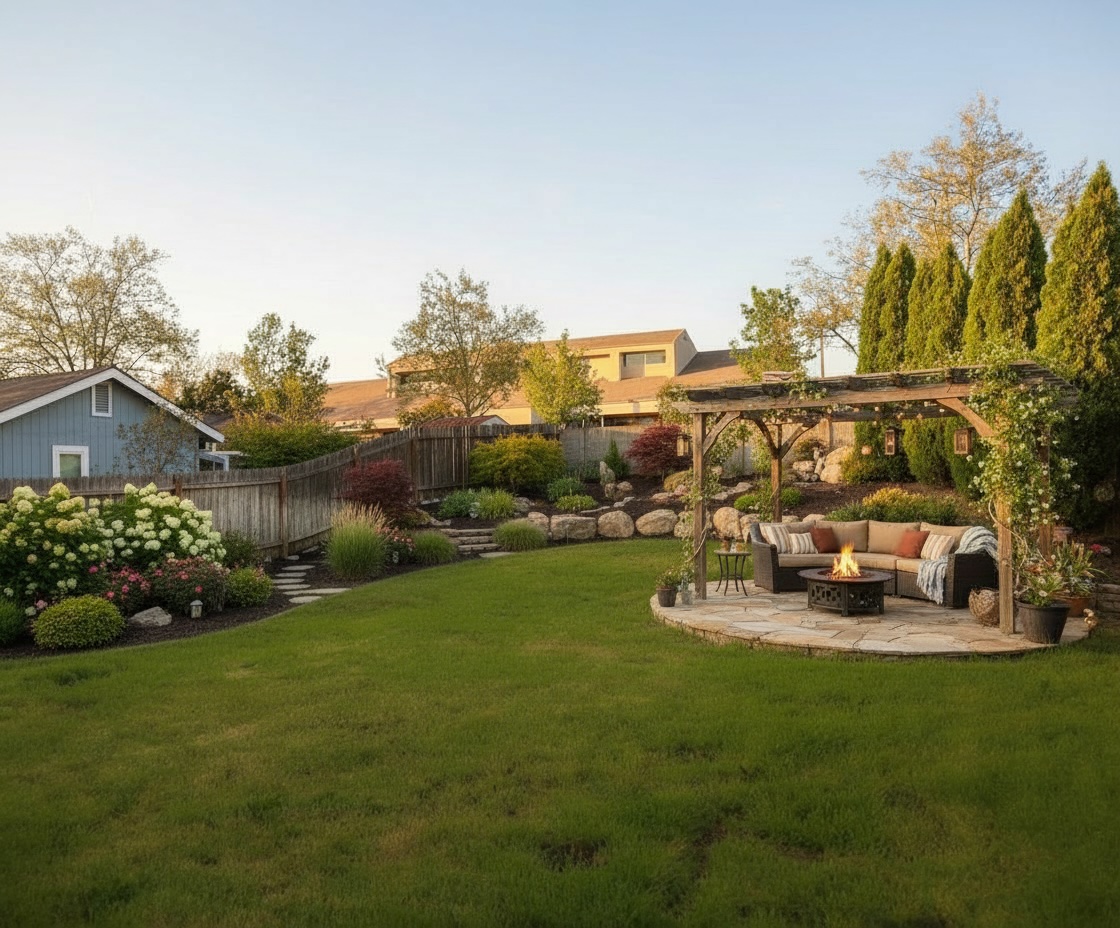
Try this on your yard: The Pollinator Cottage SlopeSee how a cottage/english garden looks on YOUR property
Upload a photo of your Antioch yard and visualize your dream garden in seconds.
Try ProScapeAI Free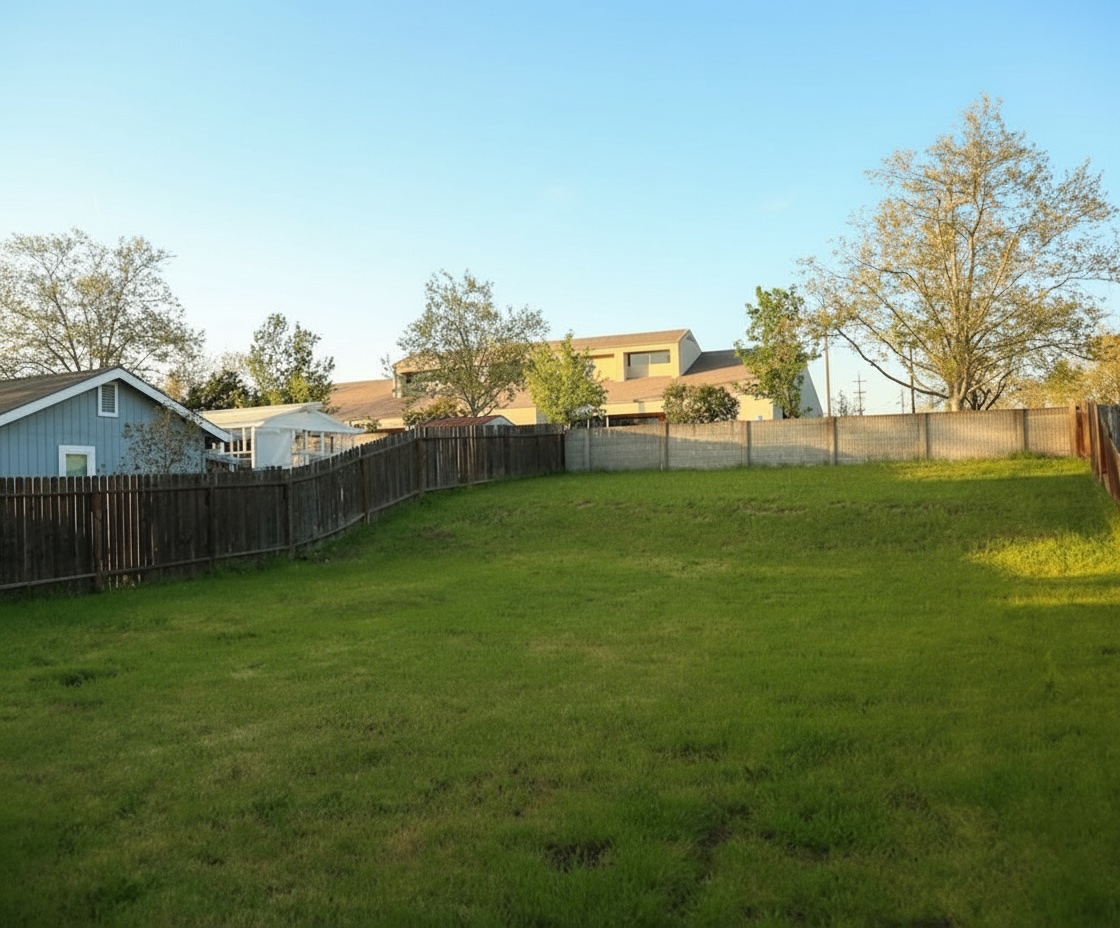
AI-generated image
Featured Trees & Shrubs for Cottage/English Gardens
Browse all 197 plants for Antioch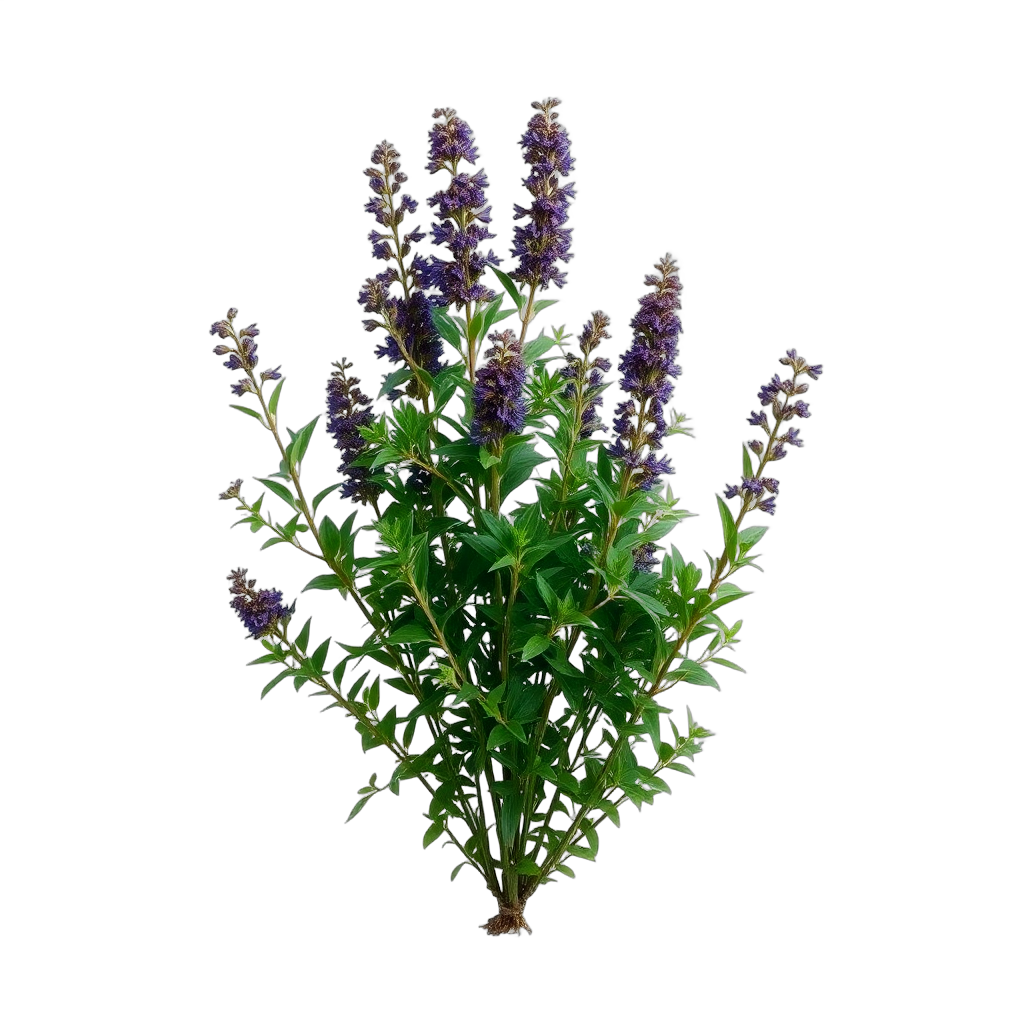
Black Sage
Salvia mellifera
grows to 4 feet, white blooms in spring. Attracts butterflies.
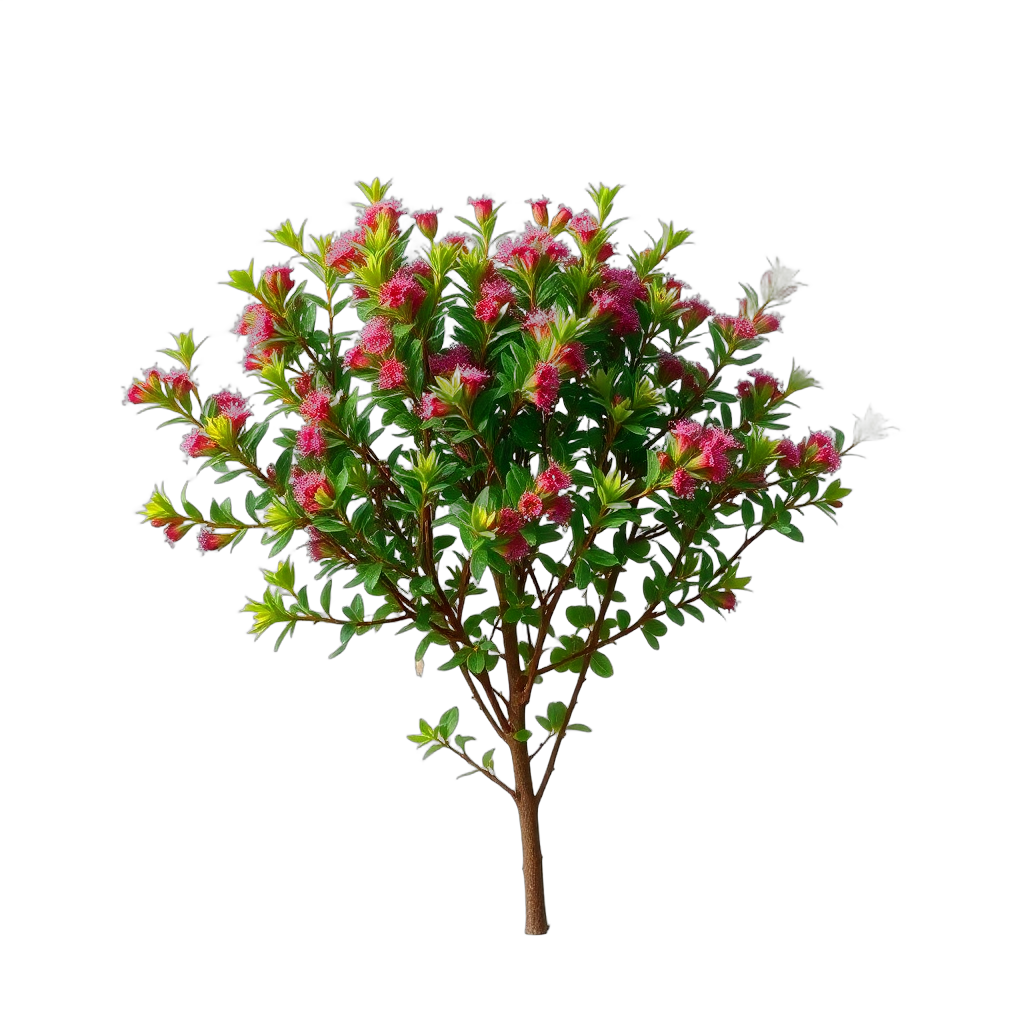
Buckbrush
Ceanothus cuneatus
medium-sized at 7 feet, white blooms in spring. Attracts butterflies.
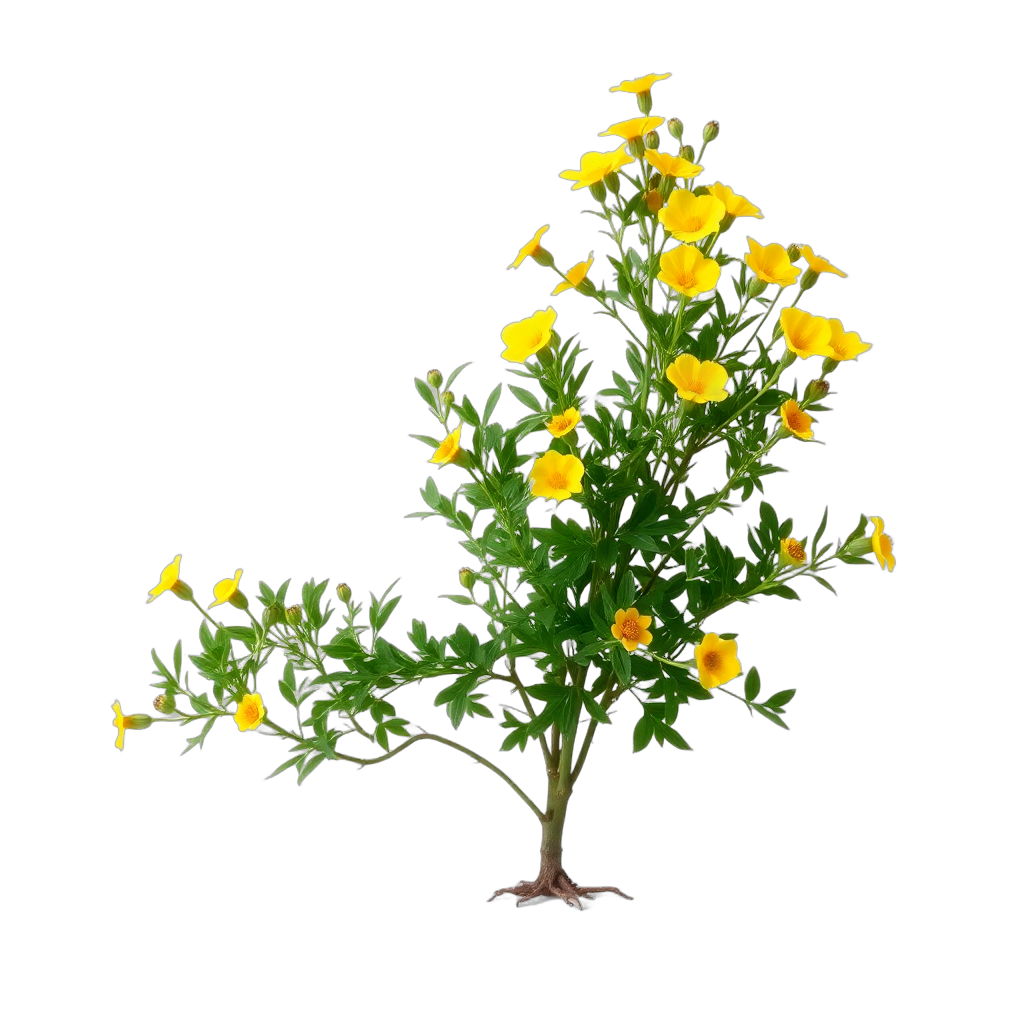
Bush Poppy
Dendromecon rigida
grows to 6 feet, yellow blooms in spring. Pollinator-friendly.
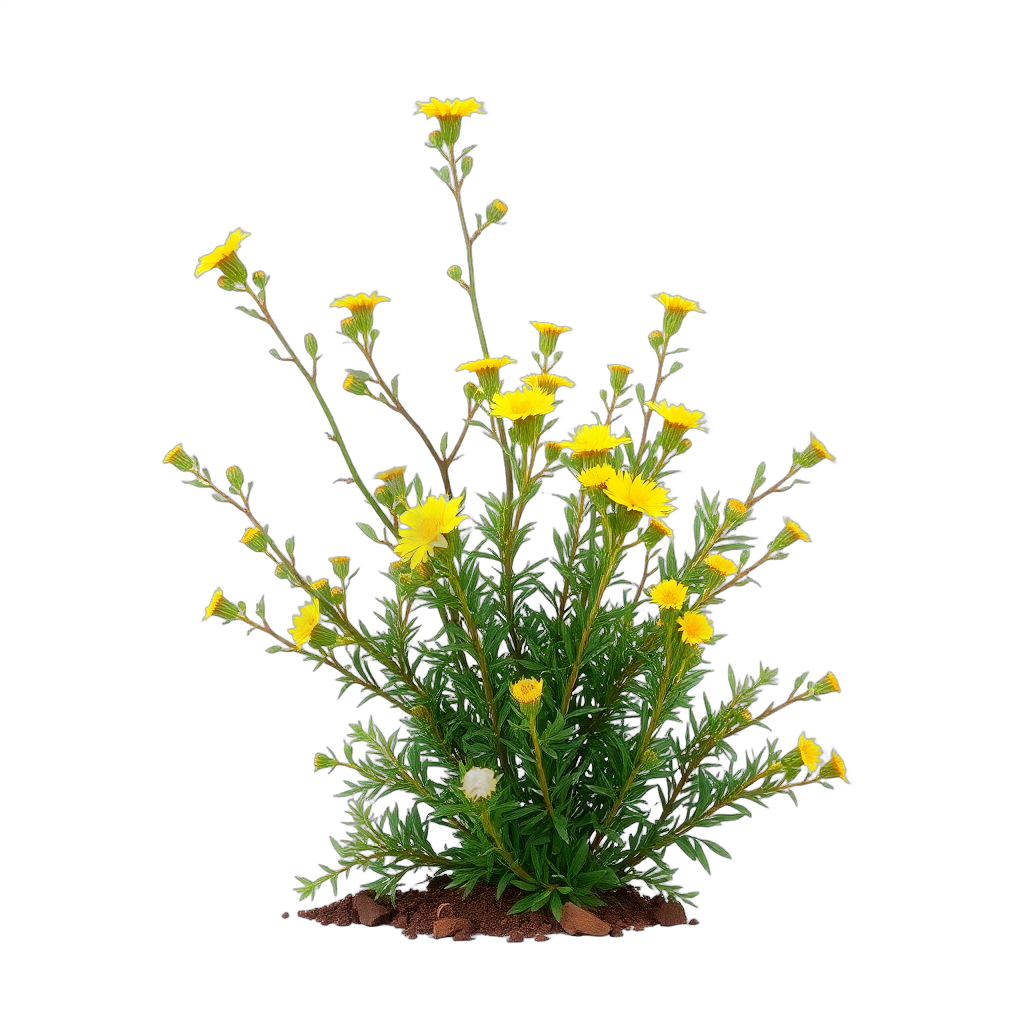
California Brittlebush
Encelia californica
grows to 4 feet, yellow blooms in spring. Attracts butterflies.
Featured Grasses & Groundcovers for Cottage/English Gardens
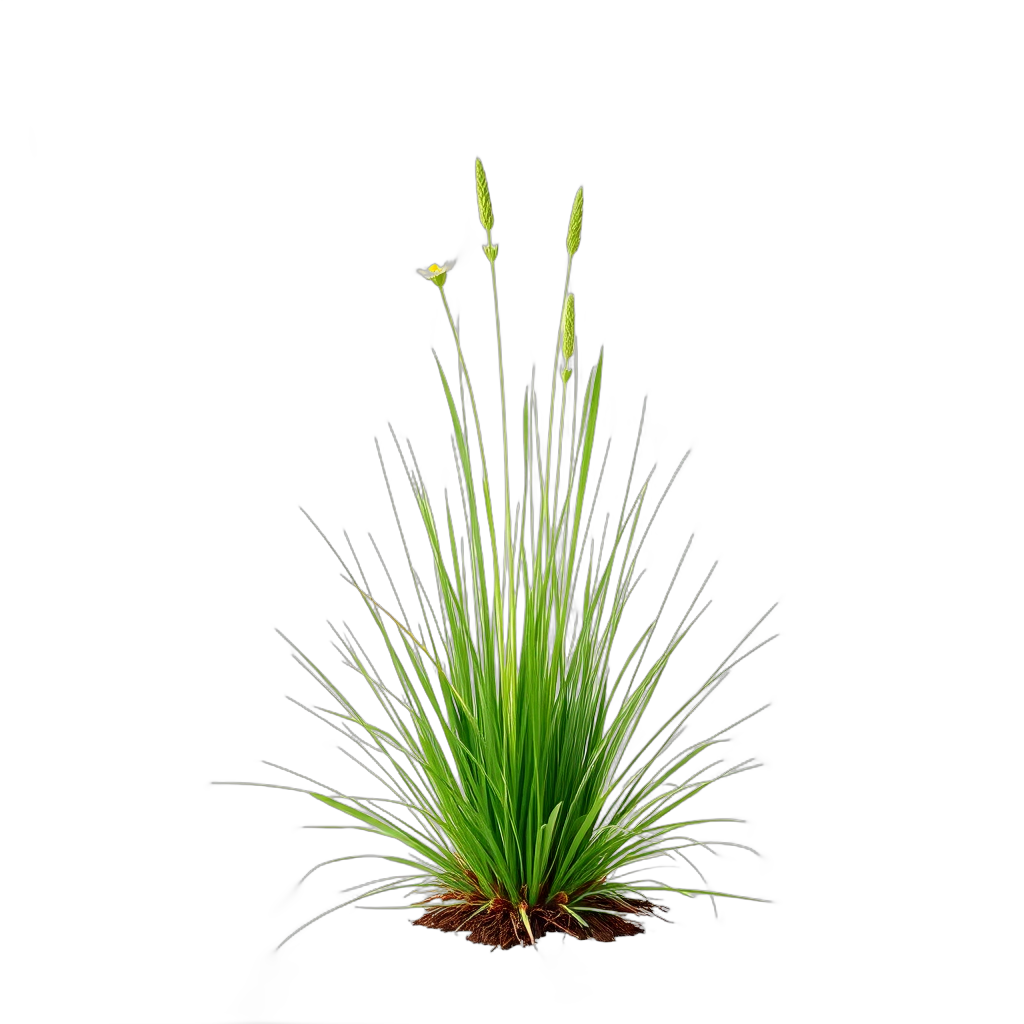
California Brome
Bromus carinatus
low-growing ground cover, blooms in spring. Yellow fall color.
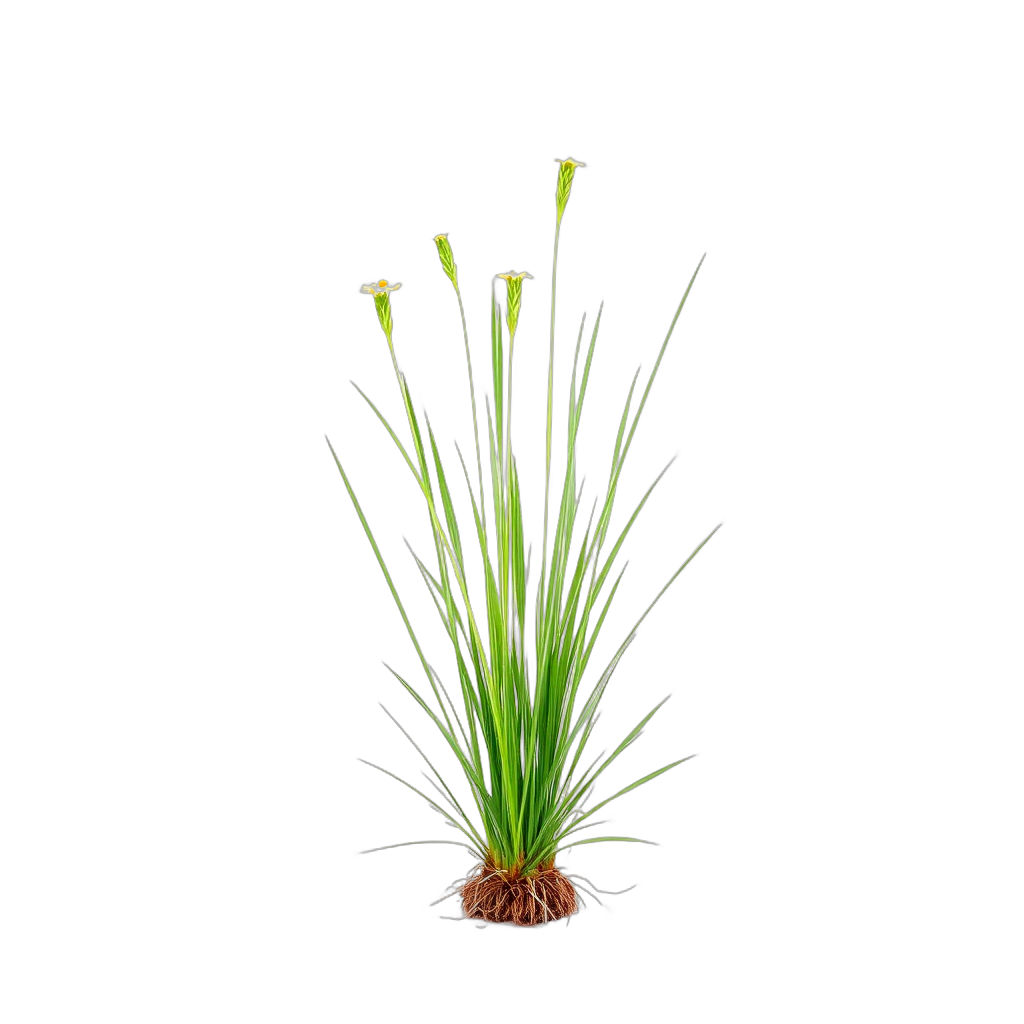
California Melic
Melica californica
low-growing ground cover, blooms in spring.
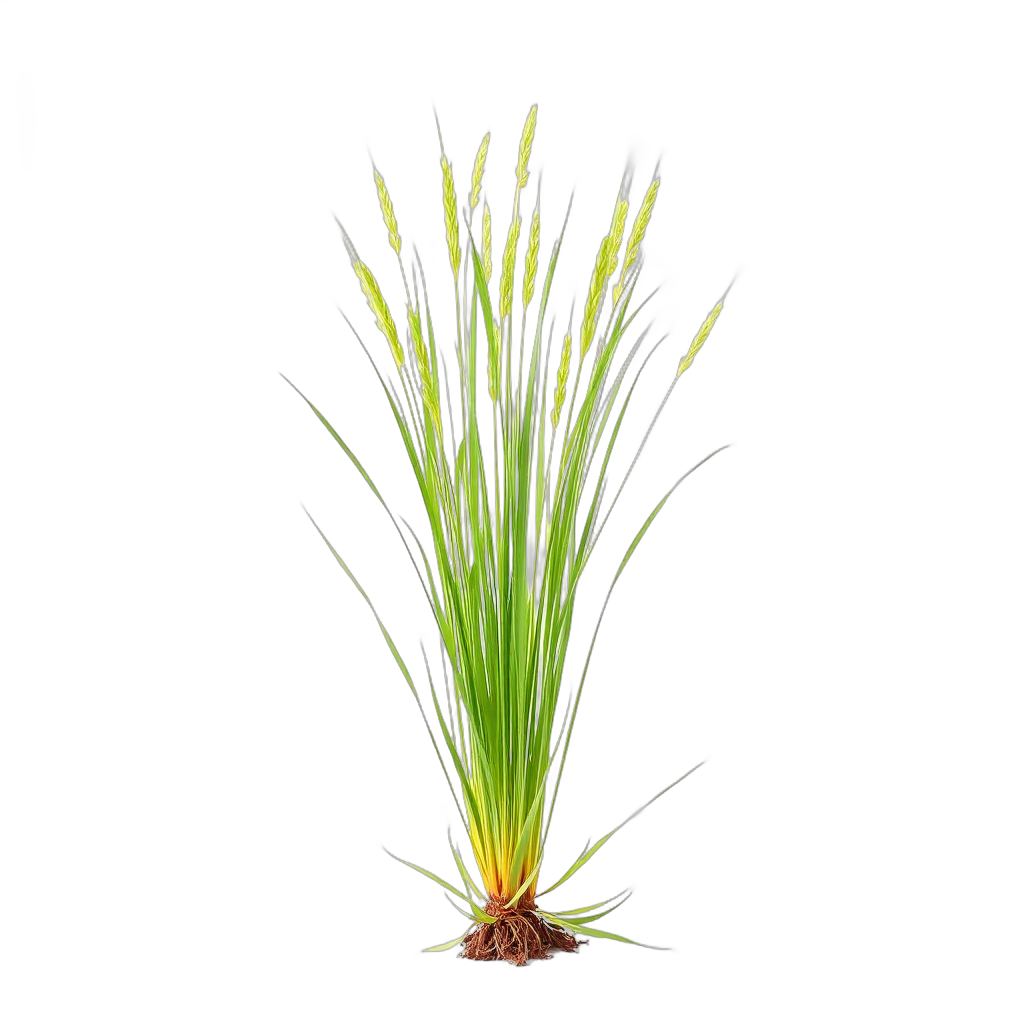
California Oatgrass
Danthonia californica
low-growing ground cover, blooms in spring. Yellow fall color.
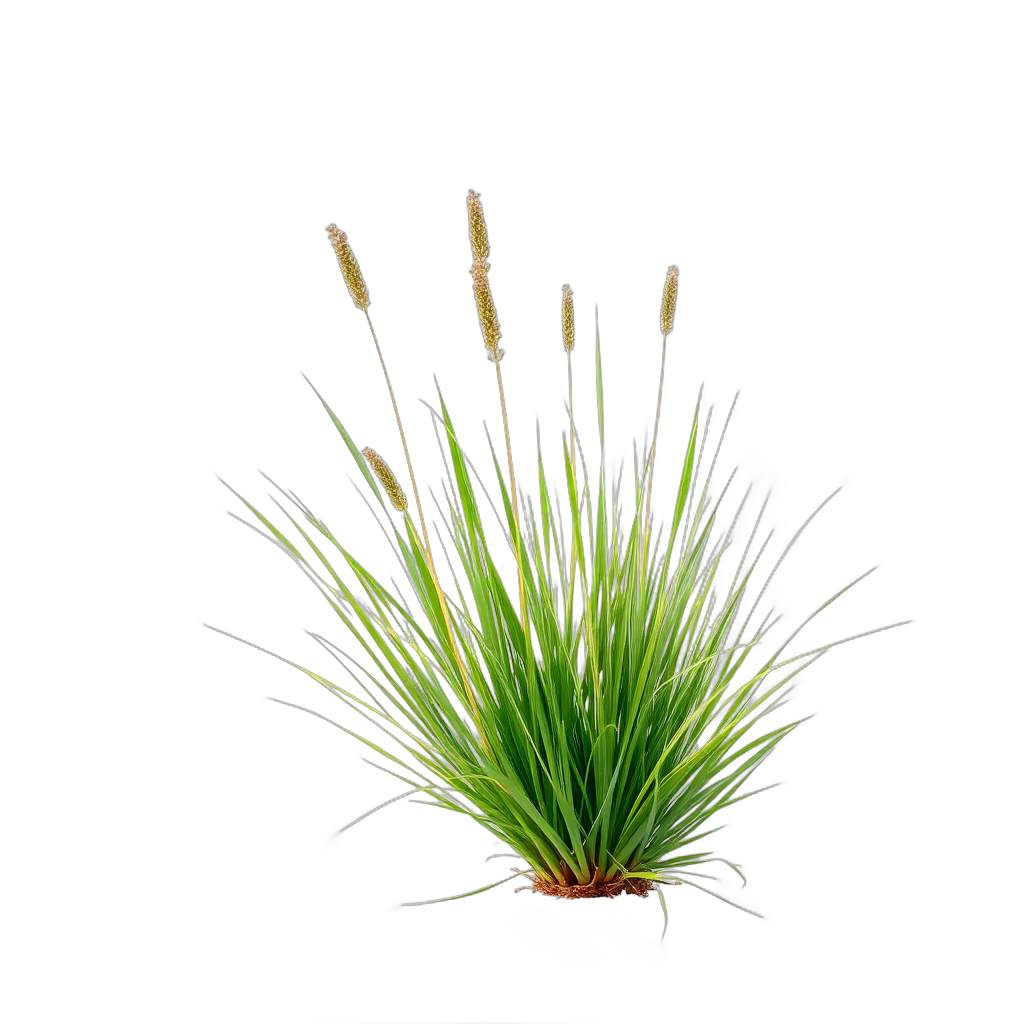
Deer Grass
Muhlenbergia rigens
grows to 3 feet, yellow blooms in fall. Evergreen year-round.
Featured Flowers & Perennials for Cottage/English Gardens
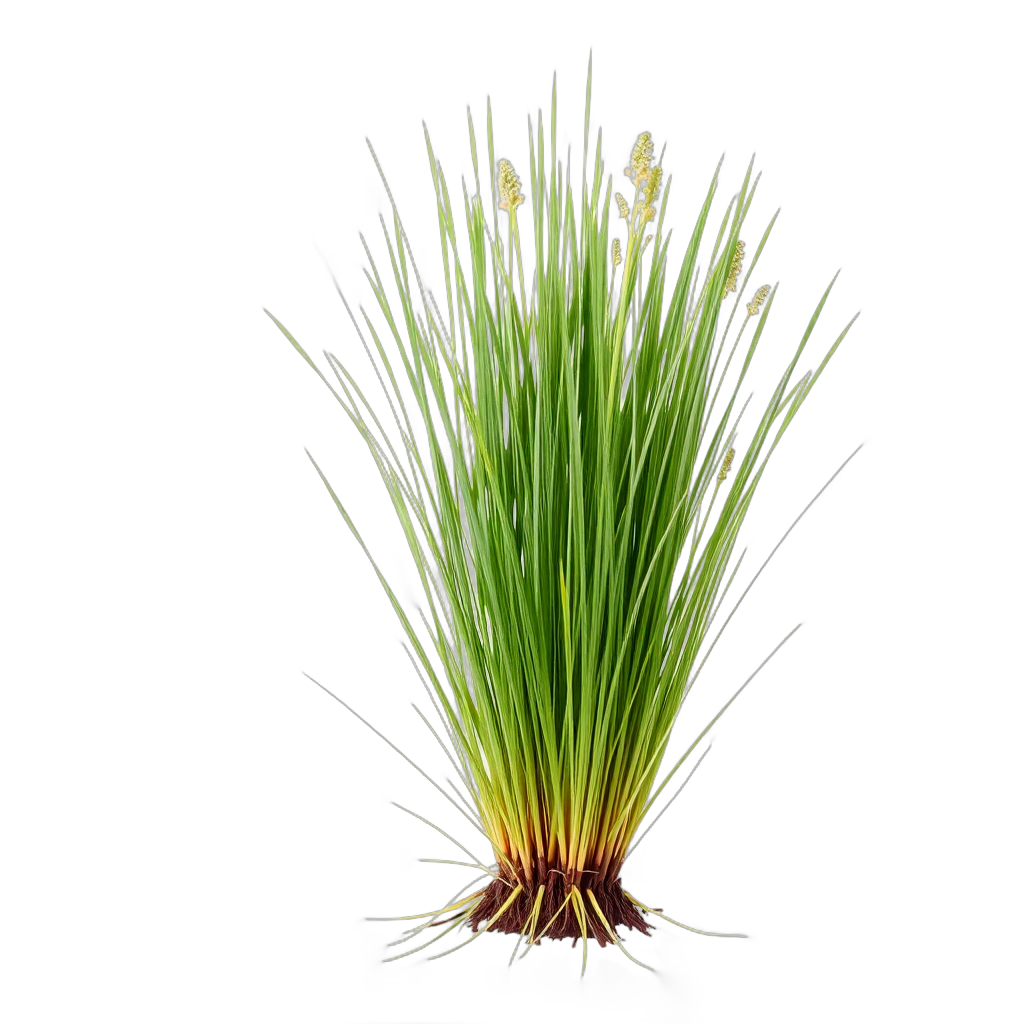
California Gray Rush
Juncus patens
low-growing ground cover, blooms in summer. Evergreen year-round.
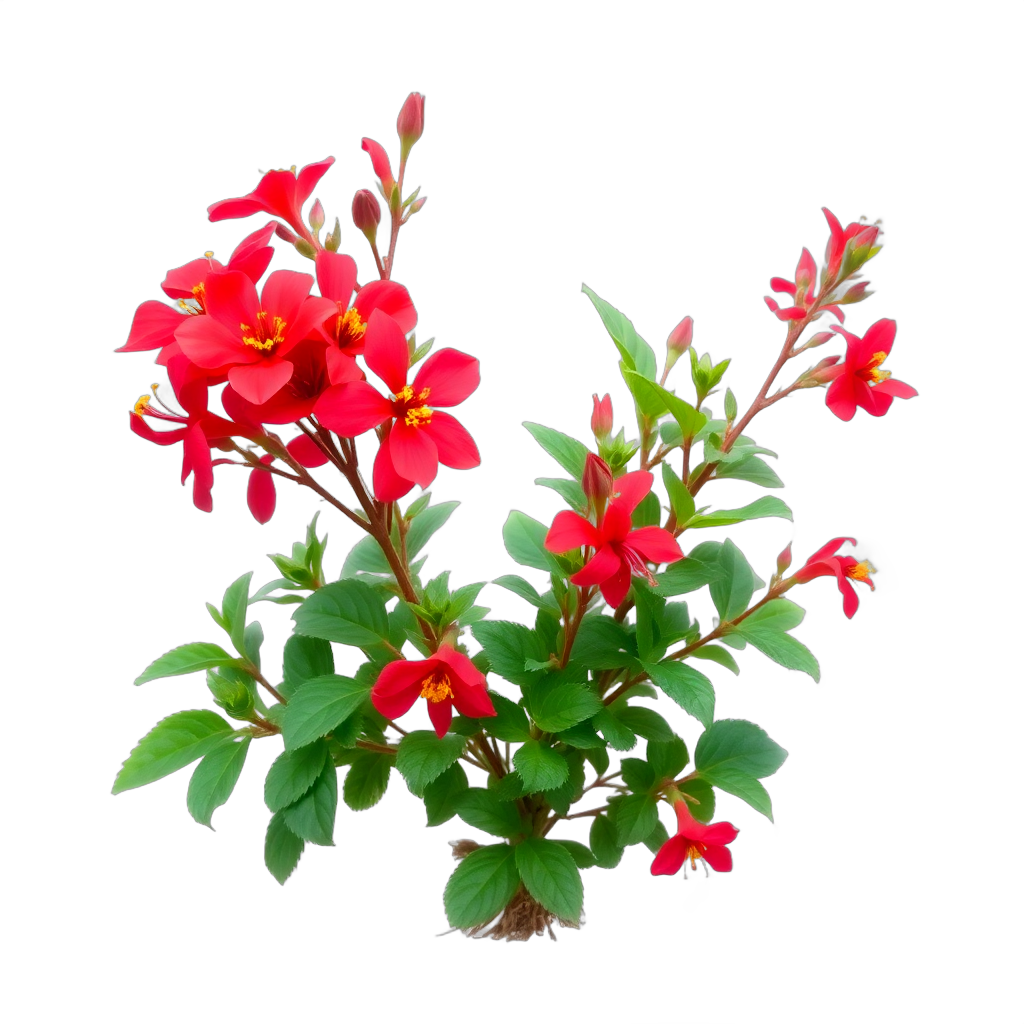
California Fuchsia
Zauschneria californica
low-growing ground cover, red blooms in fall. Attracts hummingbirds.

California Poppy
Eschscholzia californica
low-growing ground cover, orange blooms in spring.
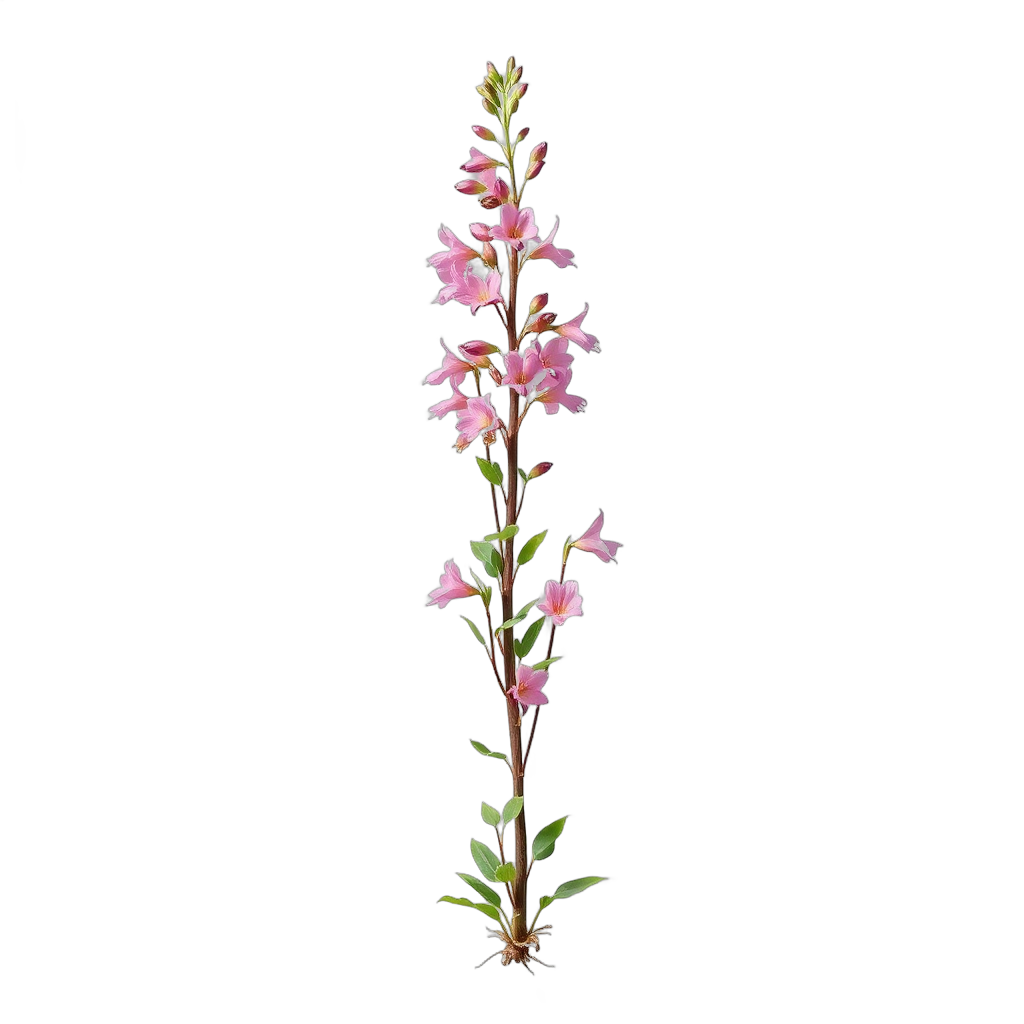
Foothill Penstemon
Penstemon heterophyllus
low-growing ground cover, blue blooms in spring. Attracts hummingbirds.
Zone and sun checks come from our database — confirm with your local nursery before you buy.
Bloom Calendar for Antioch
spring
California Poppy, Foothill Penstemon, Foothill Sedgesummer
California Gray Rush, Black Sage, California Buckwheatfall
California Fuchsia, Deer Grasswinter
Limited bloomsDesign Tips for Antioch (Zone 9b)
- Mound beds 6–8 inches in clay and mix in compost and coarse grit: the heavier soils in the hills and parts of Southeast Antioch hold January rain and bake hard by August
- Test the pH before you plant: many valley soils run neutral to alkaline, which suits Lavandula × intermedia 'Grosso' but can yellow roses; chelated iron fixes it
- Face roses east or south-east so they get morning sun and afternoon relief when July highs average about 90°F and spells run hotter
- Run drip under 3 inches of mulch and water deeply once or twice a week in summer; overhead spray wastes water in the afternoon breeze
- Plant from October to March so winter rain (about 14 inches a year) does the early watering, and avoid planting in July and August
- Stake tall plants such as Verbena bonariensis and arbor roses on the day you plant them; the Delta breeze can lean them over by afternoon
- Build the July and August show from Perovskia 'Little Spire', Agastache 'Blue Fortune' and Gaura lindheimeri 'Whirling Butterflies' when the roses take a rest
Where to Source Plants in Antioch
Skip the big-box stores. These independent Antioch nurseries specialize in the plants that make cottage/english gardens thrive in Zone 9b.
Ruth Bancroft Garden & Nursery
Walnut Creek (Bancroft Road)
Nonprofit dry garden with a nursery selling California natives, succulents, cacti and other climate-resilient plants in sizes from 2-inch pots to 15-gallon, with a large selection of Proteaceae
Orchard Nursery
Lafayette (Mt. Diablo Boulevard)
Family-owned five-acre nursery open since 1946, with roses, fruit trees, edibles, succulents and cacti
East Bay Nursery
Berkeley (San Pablo Avenue)
Roses, fruit trees, citrus, blueberries and avocados, plus soil amendments, mulches and top dressings, and sod with installation information
Cottage/English Landscaping Cost Ranges
| Project Scope | Estimated Cost |
|---|---|
| Picket fence, 4 ft tall (60 linear ft) | $1,500–$2,400 |
| Brick paver walk (100 sqft) | $2,000–$2,600 |
| Wood garden arbor (8 sqft footprint, about 4 x 2 ft) | $750–$1,100 |
| Drip irrigation system (500 sqft of planted area) | $1,200–$2,200 |
| AI visualization (ProScapeAI) | Free to start |
National average installed ranges for 2026 from our landscaping price list (Homewyse and other published sources). Prices in Antioch, CA vary with site, materials and contractor, so get two or three local quotes.
Antioch Climate & Growing Zone
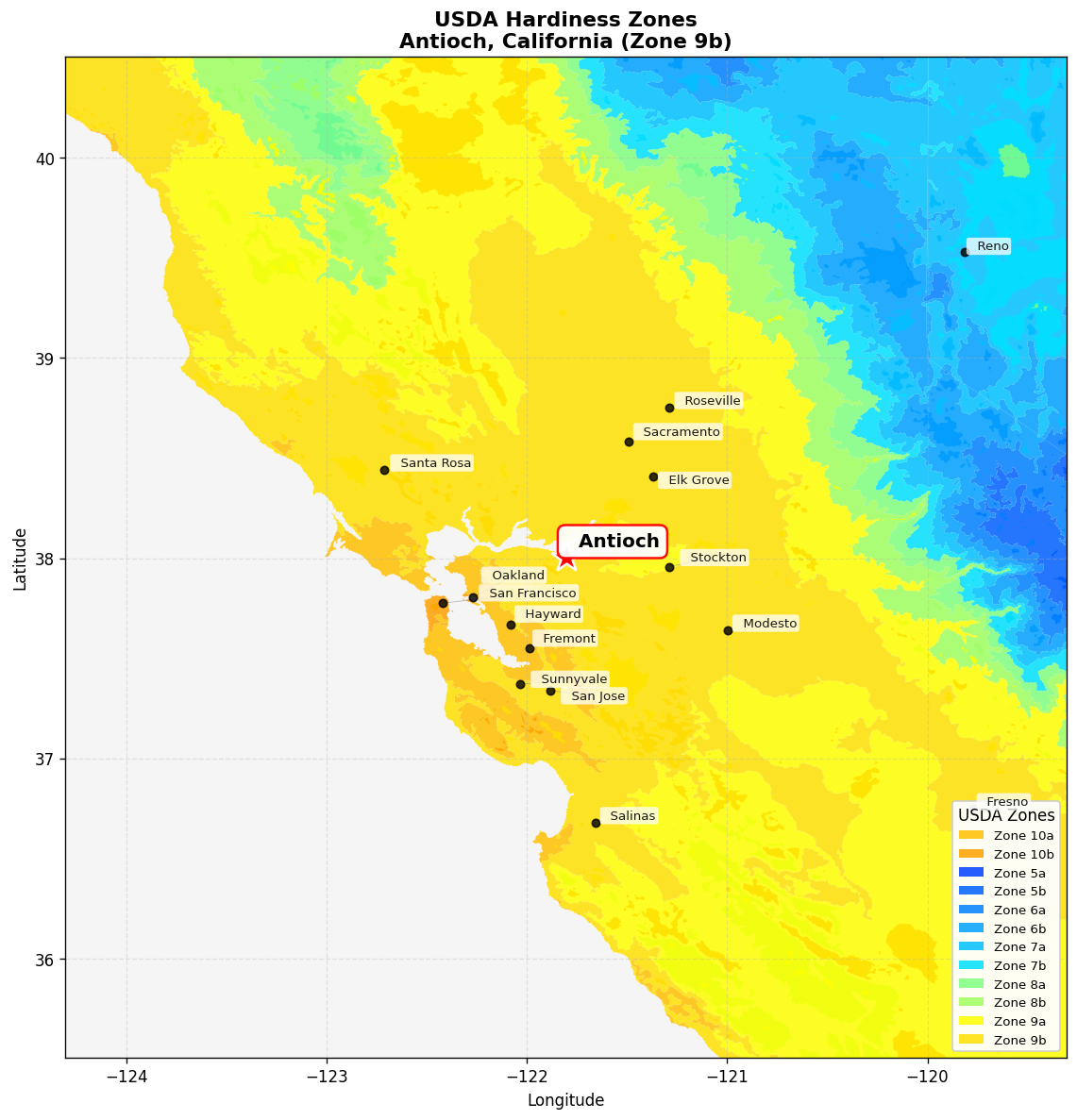
USDA Zone 9b
Hardiness zone for Antioch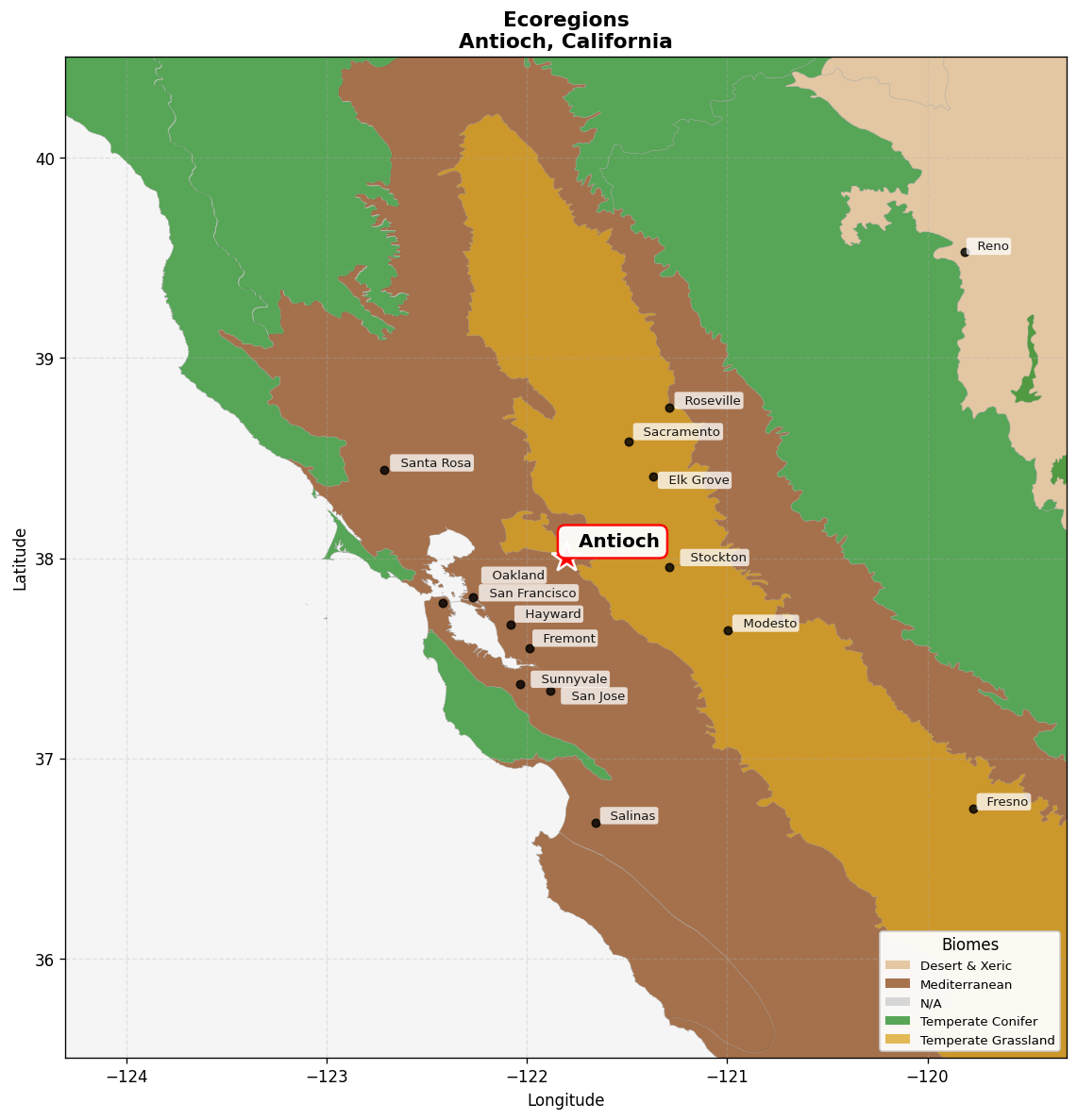
California interior chaparral and woodlands
Native ecoregionFrequently Asked Questions
How much does a cottage garden cost in Antioch, CA?
Budget follows the size of the project and the materials, so collect a few local quotes before you decide. East Contra Costa labor rates run a little below the inner Bay Area, but quotes vary, so get three.
Is a cottage garden low maintenance in Antioch's climate?
It is medium maintenance, and drip irrigation is what keeps it there. Roses need pruning in January and a spring feeding, lavender needs shearing by a third after bloom, and catmint wants a hard cut in midsummer. Plan on about an hour a week in season. Skipping the lawn removes mowing entirely, and 3 inches of mulch keeps weeds and water use down.
Which roses and perennials survive Antioch's summer heat?
Choose heat and dry-air tolerance over catalog romance. Rosa 'Iceberg', Rosa 'Julia Child', Rosa 'Sally Holmes' and Rosa 'Mutabilis' handle 90–100°F stretches. Pair them with Salvia greggii 'Furman's Red', Nepeta × faassenii 'Walker's Low', Perovskia 'Little Spire' and Achillea 'Moonshine'. Delphinium elatum and English foxglove struggle, so treat Digitalis purpurea as a winter-to-spring annual or skip it.
When is the best time to plant in Antioch?
October through March is the best window. The soil is warm enough for roots, the winter rain does most of the watering, and plants arrive at spring already established. Bare-root roses go in from January to early February. Avoid planting in July and August, when afternoon highs average about 90°F and heat spells run much hotter. With hard freezes rare, spring planting also works if you keep to a steady watering schedule.
Do I need a permit or HOA approval for a cottage garden in Antioch?
Plants and mulch normally need no permit. Fences, retaining walls, patios and pergolas can, depending on height and size, so confirm with the City of Antioch before building. Many newer Antioch neighborhoods have an HOA with front-yard rules, so get approval for the design first. Water-use rules and rebates depend on who supplies your water, so check with your water utility before removing lawn.
What is the Delta breeze and does it help a garden?
The Delta breeze is the afternoon and evening wind that moves inland from the San Francisco Bay and Delta, and it often drops summer temperatures quickly after sunset. Roses and lavender benefit from the cooling and the drier foliage. Tall plants such as Verbena bonariensis and roses on arbors may need staking or a sturdy trellis. Place taller plants on the leeward side of the house and stake them early.
Can I grow a cottage garden in heavy clay?
Yes, with prep. In the clay-heavy hills and parts of the southeast, mound beds 6–8 inches, mix in compost and coarse grit, and avoid digging individual planting pits that act as bathtubs in January. Choose clay-tolerant plants such as Rosa 'Sally Holmes', Achillea 'Moonshine', Nepeta 'Walker's Low' and Salvia 'Hot Lips'. Water deeply and less often to encourage deep roots.