4 Mediterranean Garden Ideas for Antioch, CA | Dry-Summer Designs, Zone 9b
Native plants from the California interior chaparral and woodlands (Zone 9b) — Mediterranean (warm summer) climate
For a mediterranean garden in Antioch, CA, a zone 9b city with a mediterranean (warm summer) climate, start with Olea europaea 'Swan Hill', Lavandula × intermedia 'Grosso' and Rosmarinus officinalis 'Tuscan Blue', the plants this guide's first design is built on.
Why Mediterranean Gardens in Antioch?
Antioch has a Mediterranean climate. July highs average about 90°F, January lows sit near 39°F, and the city receives roughly 14 inches of rain a year, nearly all of it between November and April. Summers are dry and winters are mild and damp, which is exactly the pattern olives, lavender and rosemary evolved for. Add the Delta breeze that cools most evenings and you have a place where Mediterranean plants perform better than in much of coastal California, where fog and damp can bother them.
The housing stock rewards the style. Stucco and tile tract homes in Southeast Antioch, Deer Valley and the Lone Tree Way area already have the right look: warm walls, low roofs and a front yard waiting for a courtyard. Rivertown's older bungalows suit a looser version with terracotta pots, a gravel path and a pergola. Replace the lawn with a gravel garden, plant a fruitless olive, Olea europaea 'Swan Hill', as the anchor, and add Lavandula × intermedia 'Grosso', Rosmarinus officinalis 'Tuscan Blue', Cistus × purpureus and Salvia clevelandii 'Winnifred Gilman'.
Near the river it runs sandy and fast-draining, which Mediterranean plants love. In the hills and parts of the southeast it is heavy clay that holds January rain. Mound beds 6–8 inches and mix in coarse grit rather than digging deep pits. Many valley soils run neutral to alkaline, roughly pH 7.0–8.0, which suits lavender and sage. Frost depth is effectively zero and hard freezes are rare, so most Mediterranean plants live through winter easily, though a cold night near 28°F can scorch young citrus and tender succulents, so place them near a house wall.
A few classics need caution. Lavandula angustifolia 'Hidcote' can struggle in August heat spells, so 'Grosso' and Lavandula stoechas 'Otto Quast' are better bets. Italian cypress such as Cupressus sempervirens 'Glauca' works as a vertical accent but needs room for its roots. Irrigate with drip, and once established, most of the palette needs deep water only every 10–14 days in summer. Check with your water utility about rebates and rules before removing lawn.
4 Mediterranean Design Ideas for Antioch
AI-generated image
The Olive and Gravel Courtyard
$14–30/sqftA Southeast Antioch front yard is converted to a gravel courtyard with a single multi-trunk Olea europaea 'Swan Hill' at its center, ringed by Lavandula × intermedia 'Grosso' and Rosmarinus officinalis 'Tuscan Blue'. A terracotta-colored paver walk leads to the door and two large glazed pots flank the entry. The olive's silver foliage reads well against a warm stucco wall.
Try this on your yard: The Olive and Gravel CourtyardAI-generated image
The Pergola Dining Terrace
$30–58/sqftA back patio of flagstone or tumbled pavers sits under a timber pergola draped with Trachelospermum jasminoides, with a long dining table beneath it and pots of lemon and herbs around the edge. Beds of Lavandula stoechas 'Otto Quast' and Teucrium fruticans soften the boundary, and a low wall of stacked stone forms a seat. The pergola faces west to filter the afternoon sun.
Try this on your yard: The Pergola Dining TerraceAI-generated image
The Dry-Stack Slope Garden
$22–45/sqftA sloped front yard on a Hillcrest lot is terraced with two low dry-stacked stone walls. Cistus × hybridus, Westringia 'Morning Light' and Salvia clevelandii 'Winnifred Gilman' mass on the upper terrace, and Agave 'Blue Glow' and Aloe 'Blue Elf' sit lower where the warmth collects. Gravel mulch ties it together and a single Cupressus sempervirens 'Glauca' marks the corner.
Try this on your yard: The Dry-Stack Slope GardenAI-generated image
The Rivertown Terracotta Garden
$16–34/sqftA Rivertown bungalow's narrow front yard becomes a gravel garden with a hand-laid brick path, large terracotta pots of Rosmarinus officinalis 'Tuscan Blue' and Pelargonium 'Citronella', and a small espaliered fig, Ficus carica 'Black Mission', against the south-facing wall. Santolina and Erigeron karvinskianus soften the edges. It is a small, warm garden that suits the age and scale of the neighborhood.
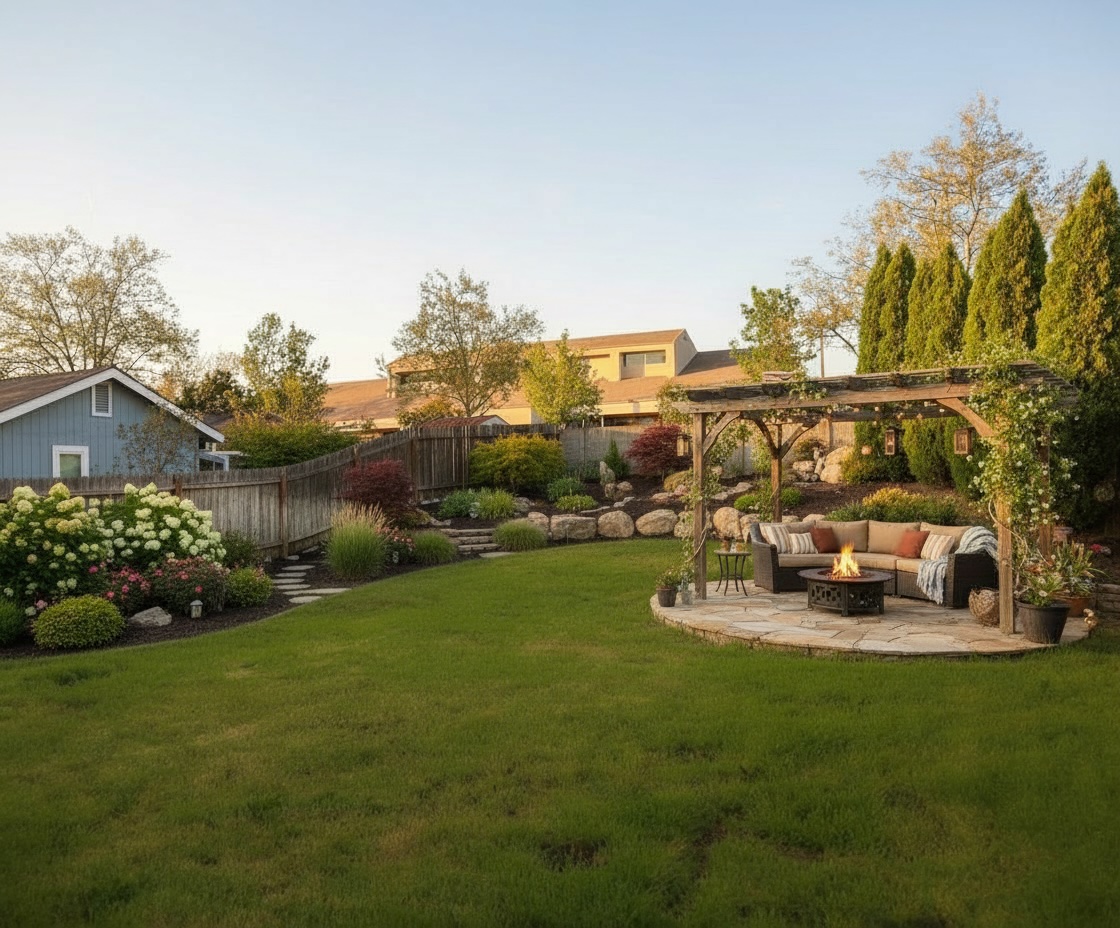
Try this on your yard: The Rivertown Terracotta GardenSee how a mediterranean garden looks on YOUR property
Upload a photo of your Antioch yard and visualize your dream garden in seconds.
Try ProScapeAI Free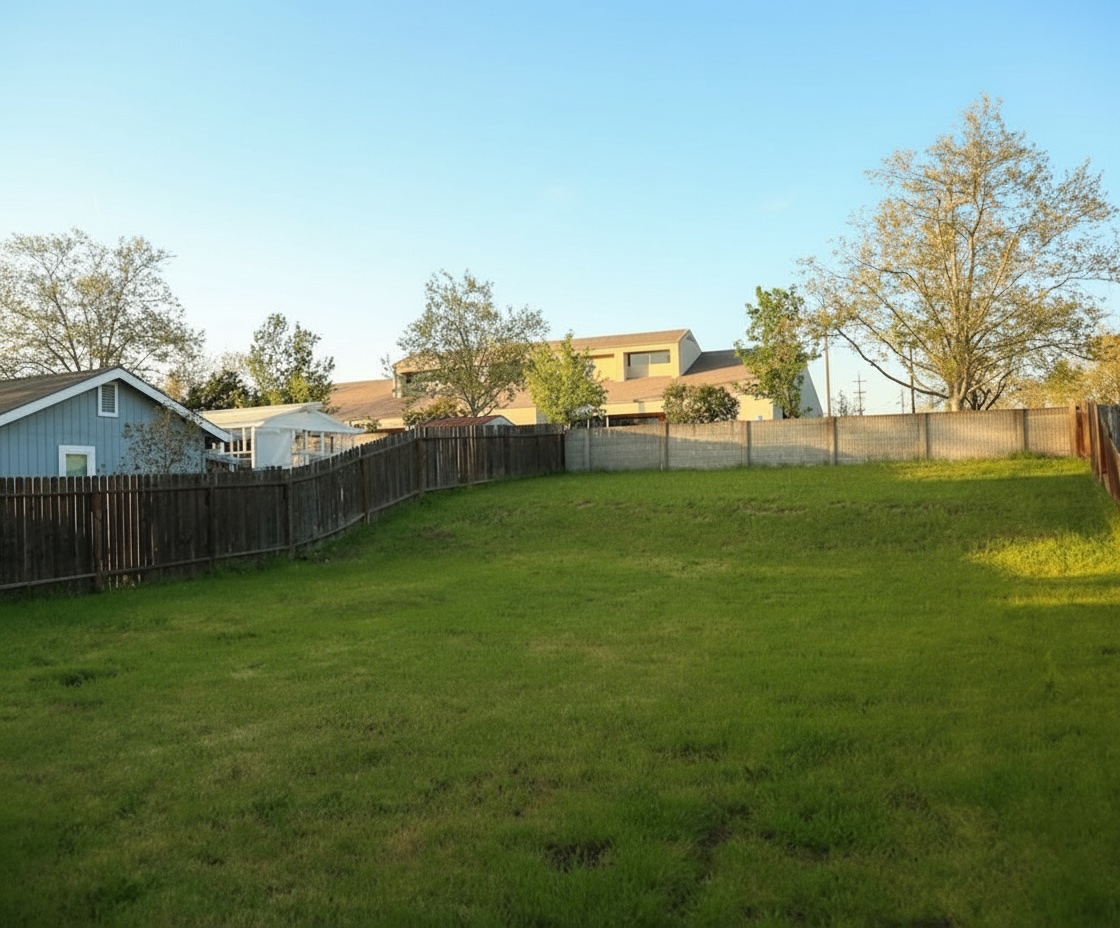
AI-generated image
Featured Trees & Shrubs for Mediterranean Gardens
Browse all 197 plants for Antioch
Black Sage
Salvia mellifera
grows to 4 feet, white blooms in spring. Attracts butterflies.
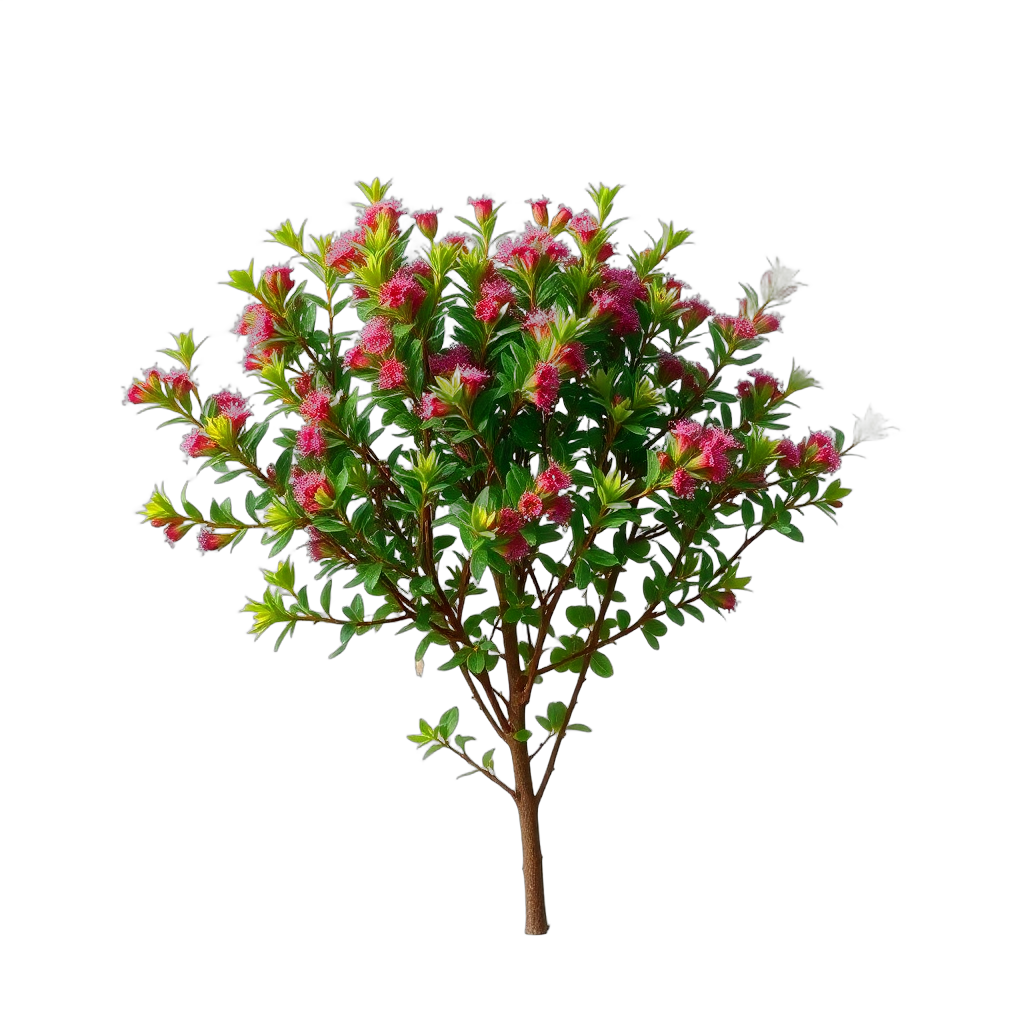
Buckbrush
Ceanothus cuneatus
medium-sized at 7 feet, white blooms in spring. Attracts butterflies.
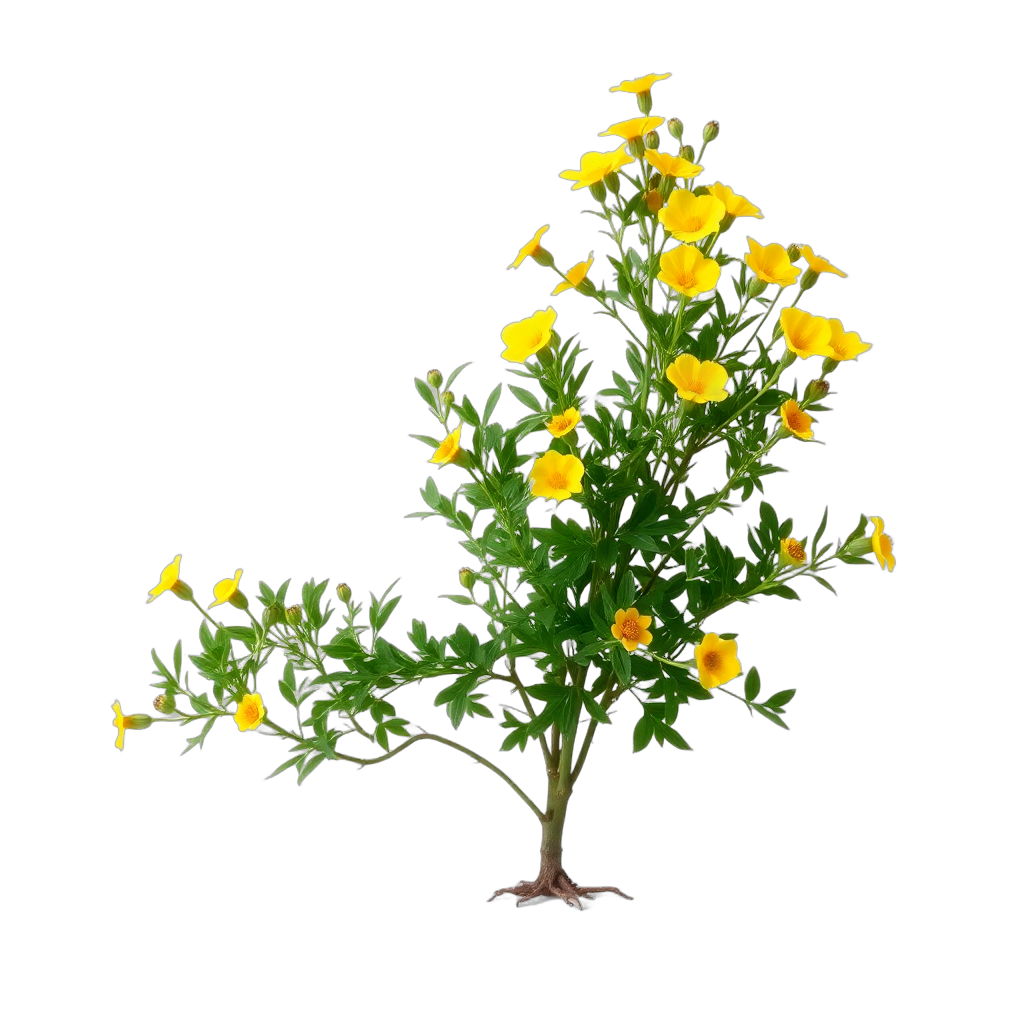
Bush Poppy
Dendromecon rigida
grows to 6 feet, yellow blooms in spring. Pollinator-friendly.
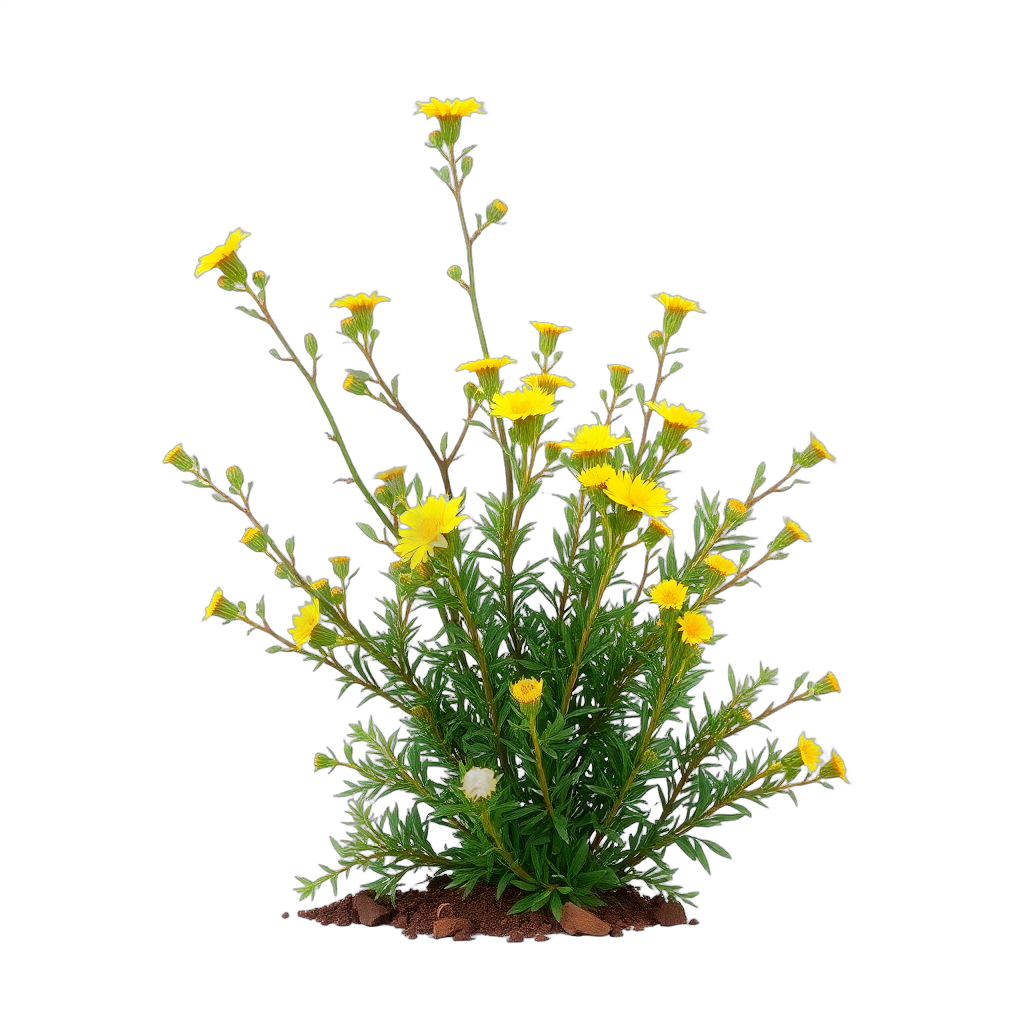
California Brittlebush
Encelia californica
grows to 4 feet, yellow blooms in spring. Attracts butterflies.
Featured Grasses & Groundcovers for Mediterranean Gardens
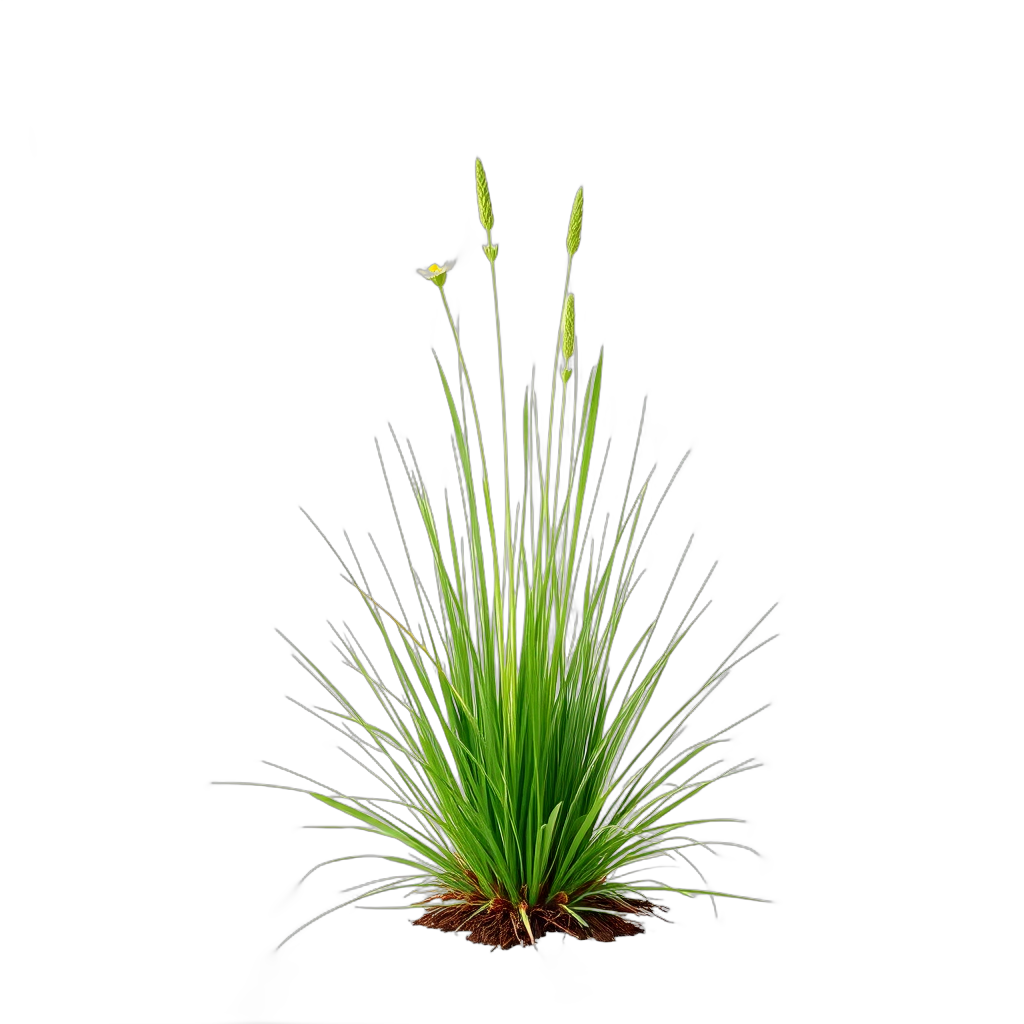
California Brome
Bromus carinatus
low-growing ground cover, blooms in spring. Yellow fall color.
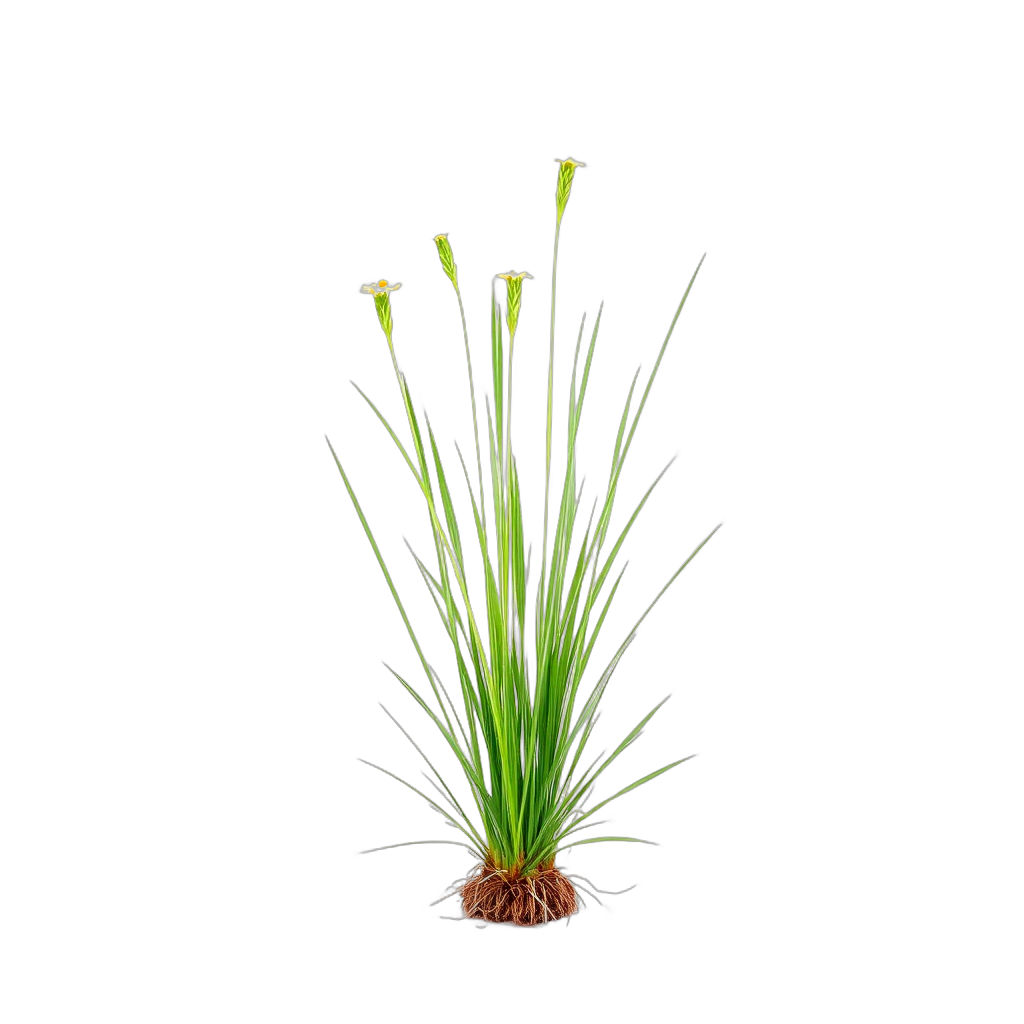
California Melic
Melica californica
low-growing ground cover, blooms in spring.
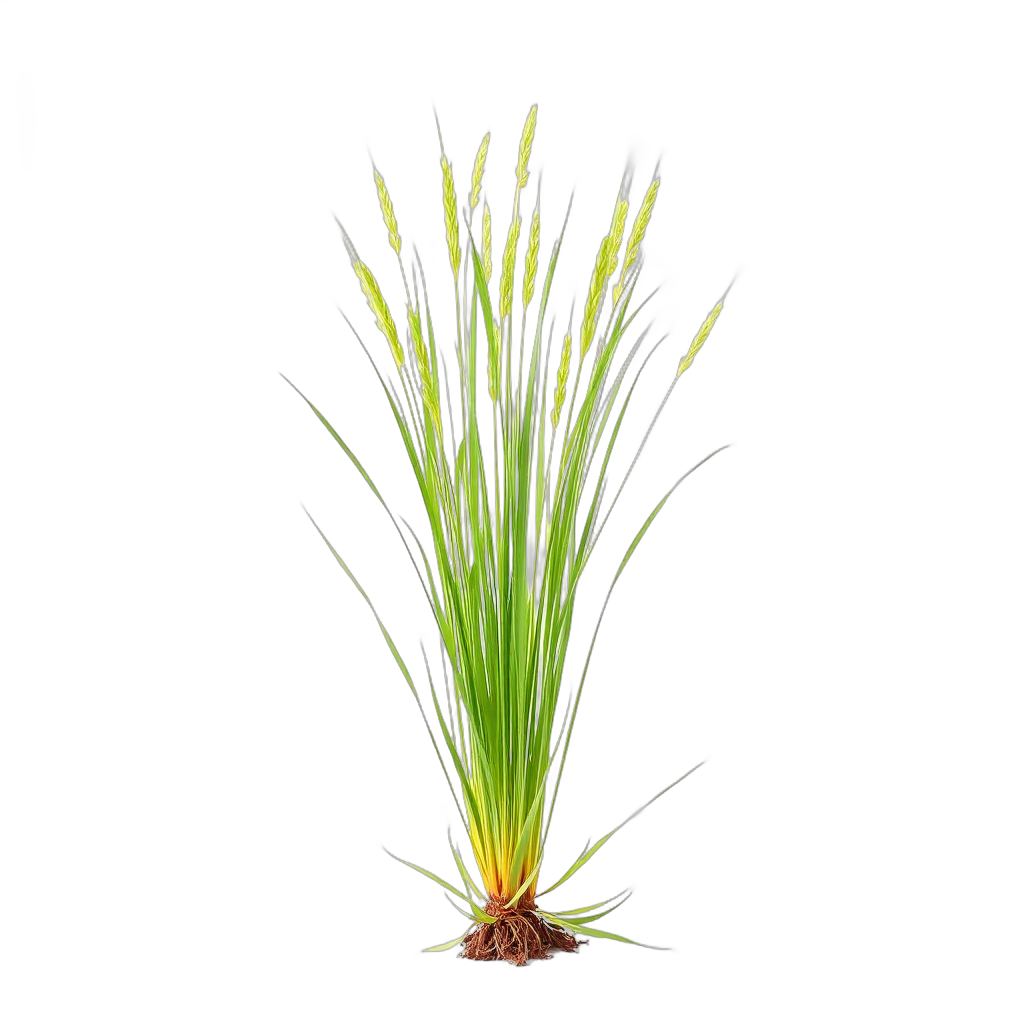
California Oatgrass
Danthonia californica
low-growing ground cover, blooms in spring. Yellow fall color.
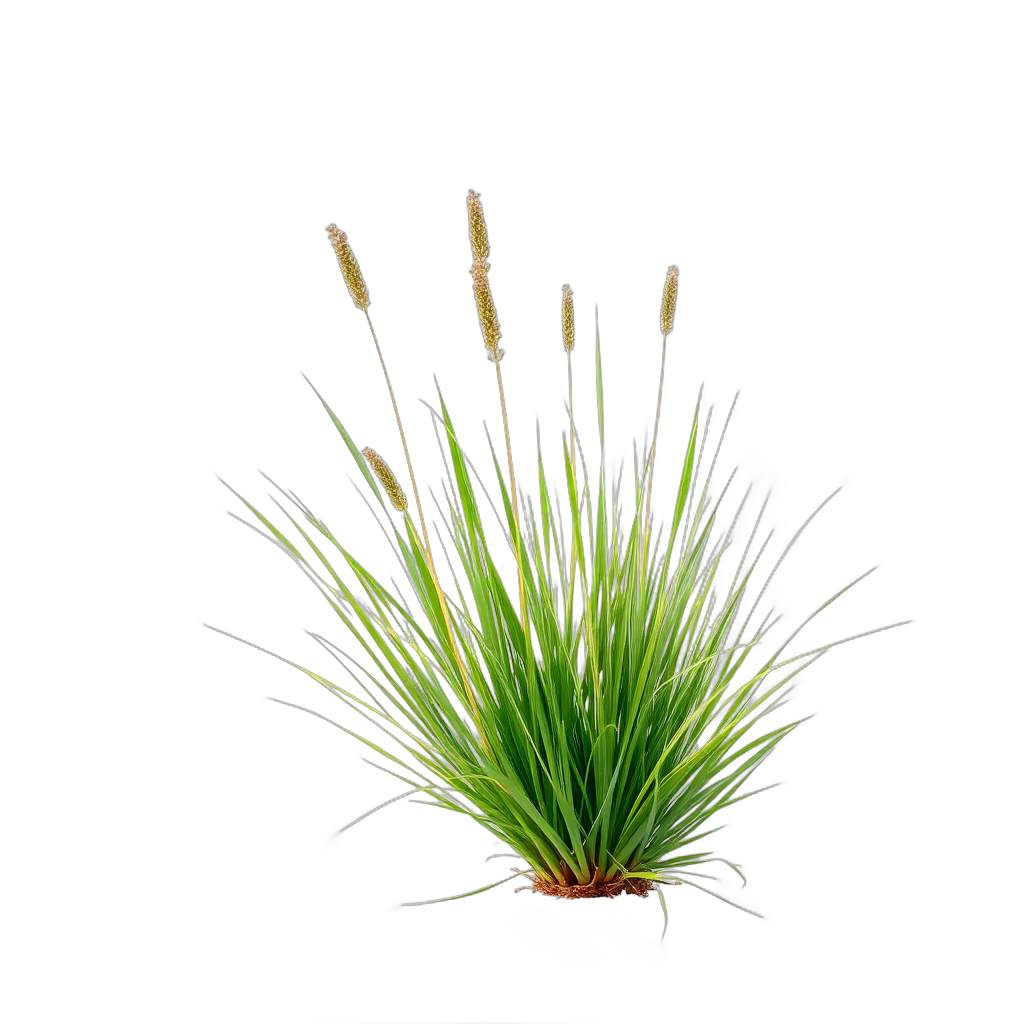
Deer Grass
Muhlenbergia rigens
grows to 3 feet, yellow blooms in fall. Evergreen year-round.
Featured Flowers & Perennials for Mediterranean Gardens
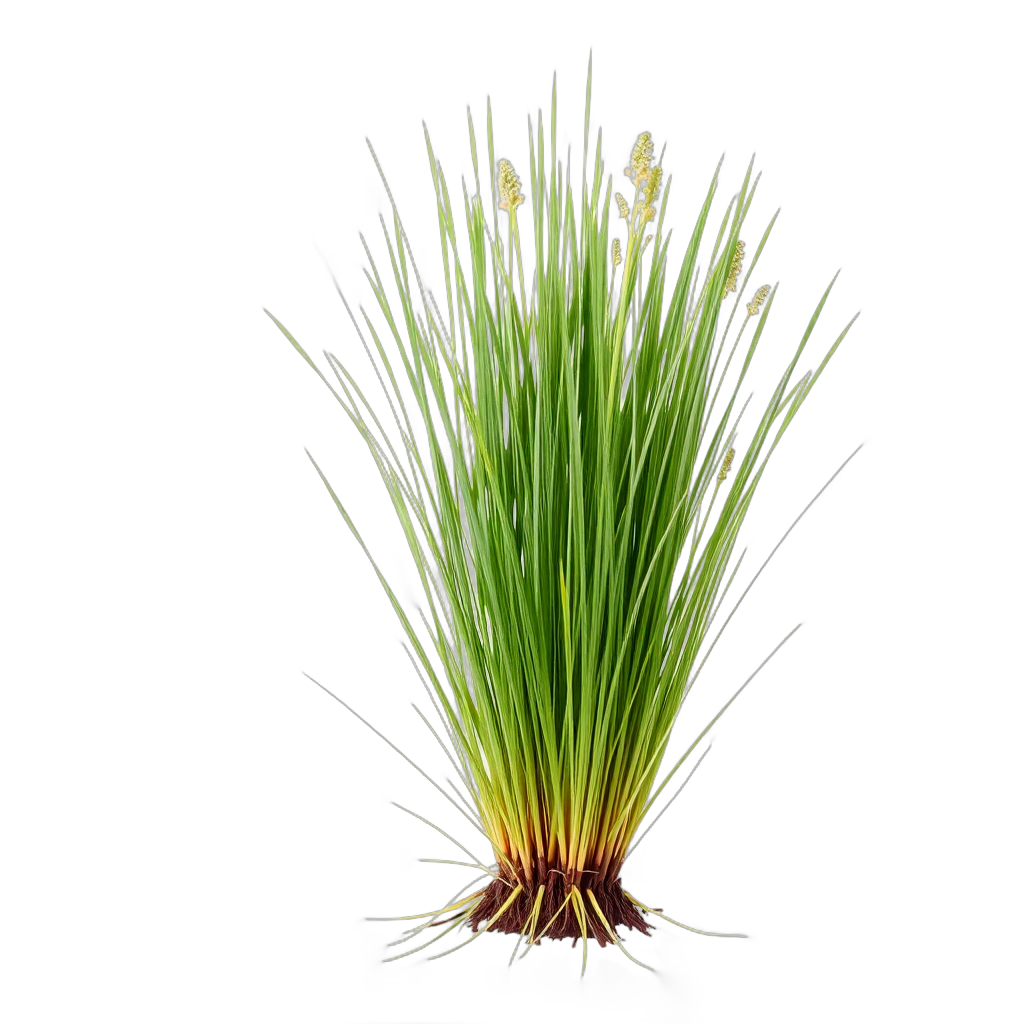
California Gray Rush
Juncus patens
low-growing ground cover, blooms in summer. Evergreen year-round.
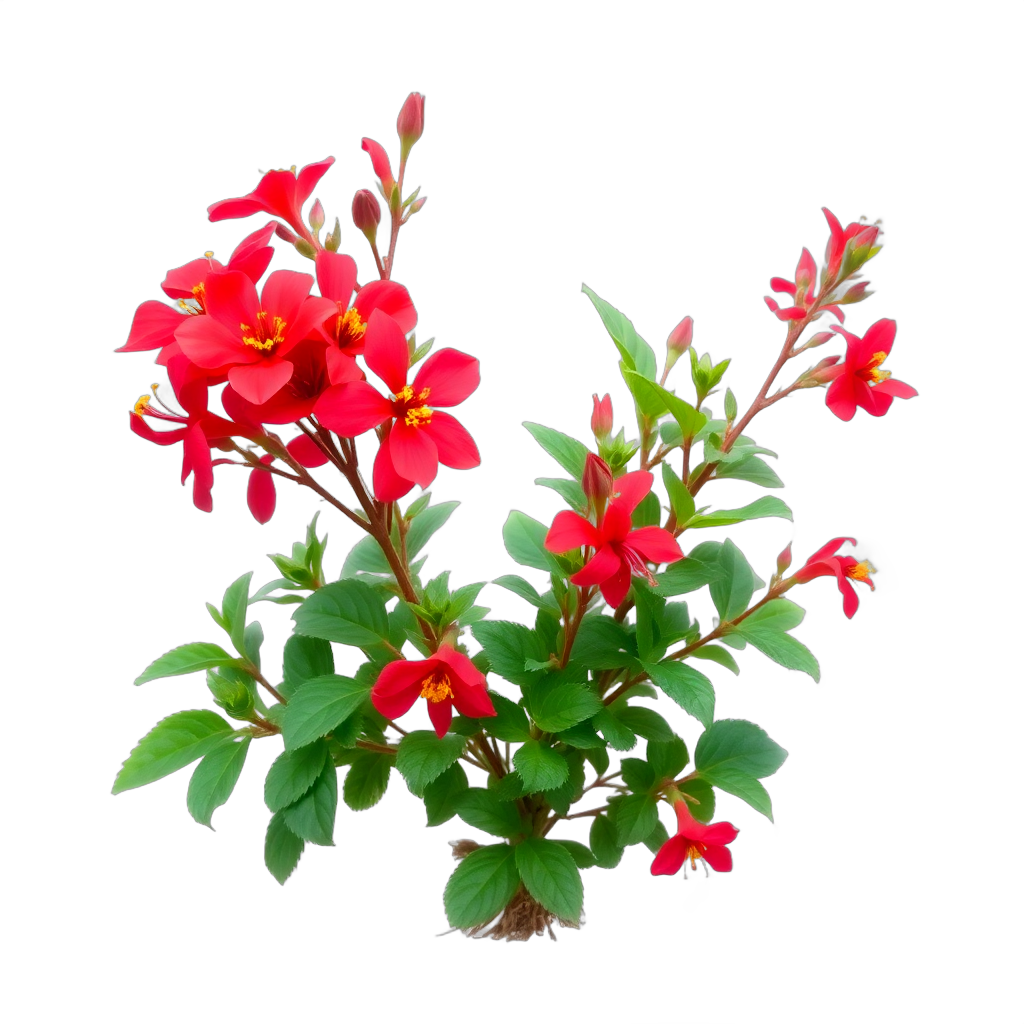
California Fuchsia
Zauschneria californica
low-growing ground cover, red blooms in fall. Attracts hummingbirds.
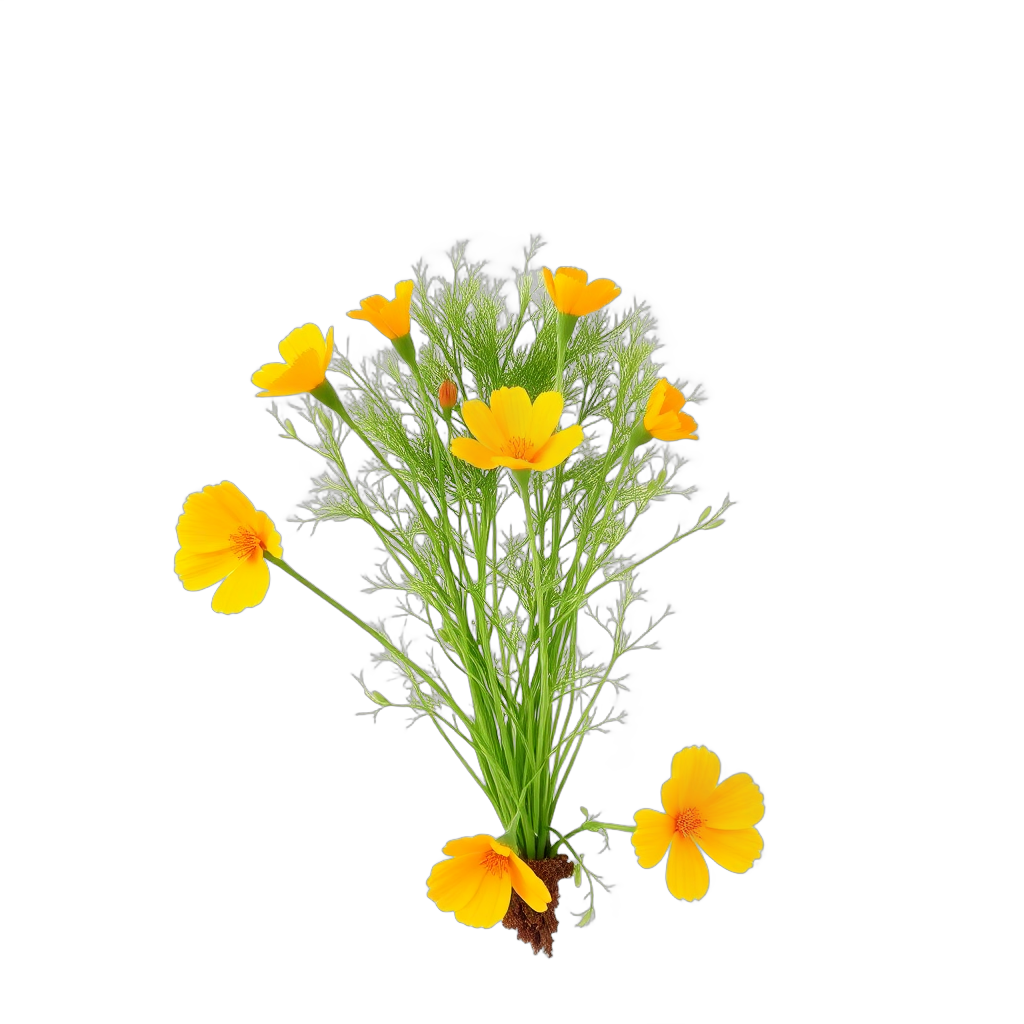
California Poppy
Eschscholzia californica
low-growing ground cover, orange blooms in spring.
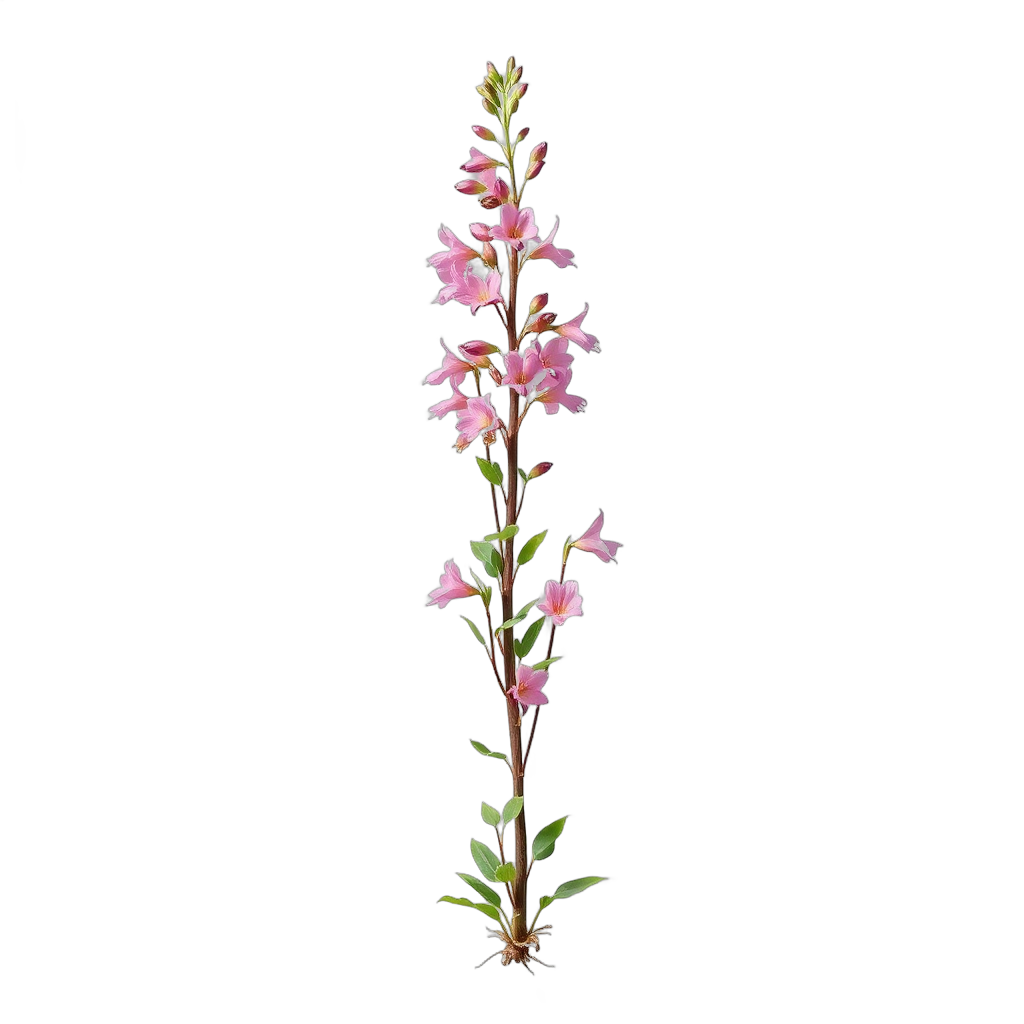
Foothill Penstemon
Penstemon heterophyllus
low-growing ground cover, blue blooms in spring. Attracts hummingbirds.
Zone and sun checks come from our database — confirm with your local nursery before you buy.
Bloom Calendar for Antioch
spring
California Poppy, Foothill Penstemon, Foothill Sedgesummer
California Gray Rush, Black Sage, California Buckwheatfall
California Fuchsia, Deer Grasswinter
Limited bloomsDesign Tips for Antioch (Zone 9b)
- Mound beds 6–8 inches in clay and mix in coarse grit; heavy soil in the hills holds January rain, and Mediterranean roots hate wet feet
- Choose Lavandula × intermedia 'Grosso' and Lavandula stoechas 'Otto Quast' over Lavandula angustifolia 'Hidcote', which can fail in August heat spells
- Use Olea europaea 'Swan Hill' as the anchor tree: it is fruitless and handles July highs near 90°F
- Place citrus and tender succulents near a house wall or under an eave in case a cold night near 28°F arrives
- Water new plants every few days for the first month, then deeply every 10–14 days in summer; gravel mulch at 3 inches holds moisture
- Plant from October to March so winter rain (about 14 inches a year) does the early watering
- Put a west-facing pergola over the dining terrace so the Delta breeze cools the evening and the afternoon sun is filtered
Where to Source Plants in Antioch
Skip the big-box stores. These independent Antioch nurseries specialize in the plants that make mediterranean gardens thrive in Zone 9b.
Ruth Bancroft Garden & Nursery
Walnut Creek (Bancroft Road)
Nonprofit dry garden with a nursery selling California natives, succulents, cacti and other climate-resilient plants in sizes from 2-inch pots to 15-gallon, with a large selection of Proteaceae
Orchard Nursery
Lafayette (Mt. Diablo Boulevard)
Family-owned five-acre nursery open since 1946, with roses, fruit trees, edibles, succulents and cacti
East Bay Nursery
Berkeley (San Pablo Avenue)
Roses, fruit trees, citrus, blueberries and avocados, plus soil amendments, mulches and top dressings, and sod with installation information
Mediterranean Landscaping Cost Ranges
| Project Scope | Estimated Cost |
|---|---|
| Flagstone or paver terrace (200–350 sqft) | $4,300–$11,200 |
| Flagstone patio (200 sqft) | $5,000–$6,400 |
| Drip irrigation system (500 sqft of planted area) | $1,200–$2,200 |
| AI visualization (ProScapeAI) | Free to start |
National average installed ranges for 2026 from our landscaping price list (Homewyse and other published sources). Prices in Antioch, CA vary with site, materials and contractor, so get two or three local quotes.
Antioch Climate & Growing Zone
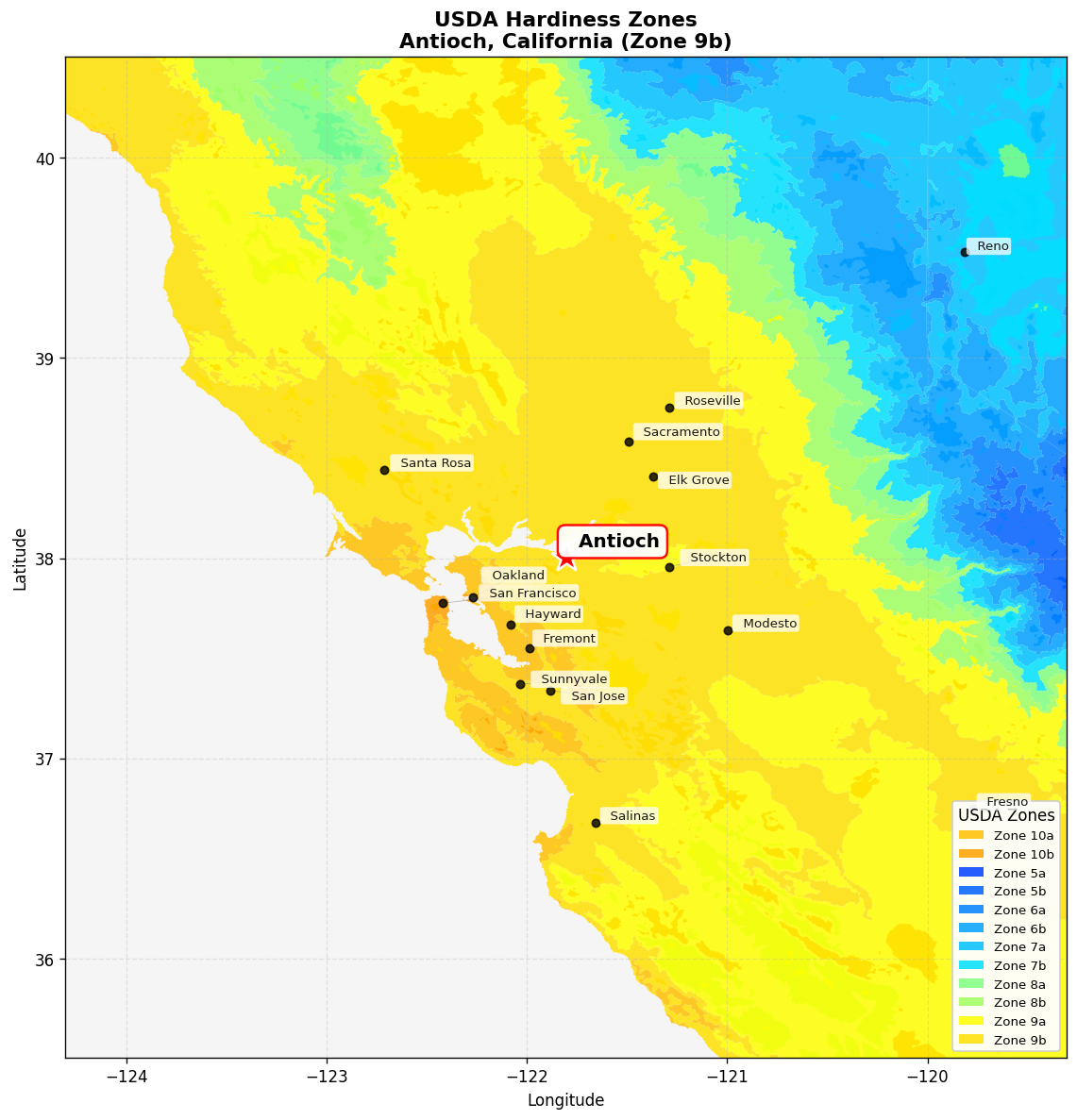
USDA Zone 9b
Hardiness zone for Antioch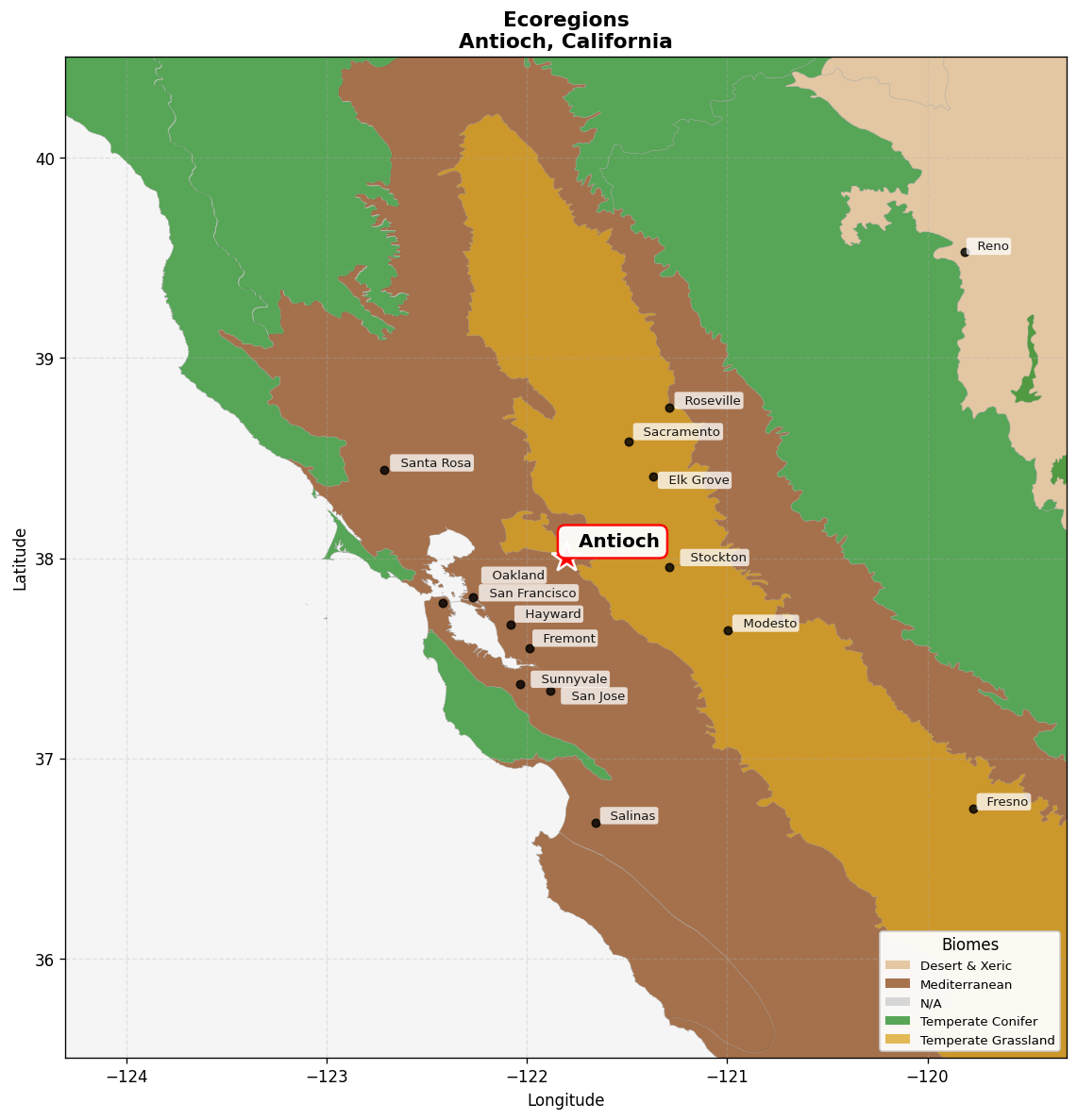
California interior chaparral and woodlands
Native ecoregionFrequently Asked Questions
How much does a Mediterranean garden cost in Antioch, CA?
Budget follows the size of the project and the materials, so collect a few local quotes before you decide. East Contra Costa labor rates tend to sit a little below the inner Bay Area, but get three quotes.
Is a Mediterranean garden low maintenance in Antioch's climate?
Yes, once established. Most of the palette needs deep water only every 10–14 days in summer. Shear lavender by a third after bloom, prune rosemary lightly, and clean out dead wood on Cistus every spring. Gravel mulch keeps weeds down. Plan on an hour a week in the growing season.
What Mediterranean plants survive Antioch's heat and cold?
With July highs near 90°F and winter lows near 39°F, the reliable list includes Olea europaea 'Swan Hill', Lavandula × intermedia 'Grosso', Rosmarinus officinalis 'Tuscan Blue', Cistus × purpureus and Salvia clevelandii 'Winnifred Gilman'. A cold night near 28°F can scorch citrus and succulents, so place them near a house wall. Lavandula angustifolia 'Hidcote' can struggle in heat spells.
When is the best time to plant in Antioch?
October through March is the best window. The rain does most of the watering and roots grow through the mild winter, so plants face the first 90°F day already established. Spring planting works with a regular watering schedule. Avoid July and August unless you are prepared to shade and water carefully.
Do I need a permit or HOA approval for a Mediterranean garden in Antioch?
Plants and gravel normally need no permit, but walls, pergolas and large patios can, depending on height and size, so confirm with the City of Antioch before building. Many newer Antioch neighborhoods have an HOA with front-yard rules, so get approval before you remove lawn. Water rules and rebates depend on who supplies your water, so check with your utility.
Can olives grow in Antioch, and which should I choose?
Yes. Olive trees do well in Antioch's hot, dry summers and mild winters. Choose a fruitless or low-fruit selection such as Olea europaea 'Swan Hill' to avoid messy fruit drop on paving, or Olea europaea 'Little Ollie' for a compact hedge or container. Plant in a mound in clay soil and water deeply but infrequently.
How do I handle heavy clay in a Mediterranean garden?
Mediterranean plants dislike wet roots in winter, so mound beds 6–8 inches, mix in coarse grit, and keep crowns slightly above grade. Avoid digging deep pits that hold January rain. Cistus, Westringia, Salvia clevelandii and rosemary tolerate clay better than most, while lavender and olive need the faster-draining mound.