4 English Cottage Garden Ideas for Concord, CA | Heat-Proof Borders for Zone 9b
Native plants from the California interior chaparral and woodlands (Zone 9b) — Mediterranean (warm summer) climate
Why Cottage/English Gardens in Concord?
A cottage garden in Concord has to suit the weather. This is the hot side of the hills: July afternoons average about 87°F, the city sees roughly 45 days a year at 90°F or above, and the rain (about 18 inches of rain a year on the long-term city record) comes almost entirely between November and April. August normally gets nothing. That is a long way from Kent, and the English catalogue shows it. Russell lupins, Delphinium elatum and Hydrangea macrophylla scorch or sulk by July in an open Concord front yard. The cottage look still works here when it is built from plants that like a dry summer: Rosa 'Iceberg', Rosa 'Julia Child' and Rosa 'Sally Holmes', Lavandula × intermedia 'Grosso', Nepeta × faassenii 'Walker's Low', Salvia nemorosa 'Caradonna' and Gaura lindheimeri 'Whirling Butterflies'.
The house stock is the other reason it suits Concord. Much of the city is single-story ranch housing from the 1950s and 1960s boom, when the population went from about 7,000 to over 85,000 in twenty years. Those low houses, with a wide front lawn, a picture window and a short concrete walk, look much better with a deep, soft border running to the sidewalk than with a rectangle of thirsty turf. On a typical Sun Terrace or Holbrook Heights lot, a cottage border replaces the lawn, keeps the curb appeal and uses a fraction of the water.
Winter is gentle. Concord averages fewer than four nights a year at or below 32°F, with January lows around 41°F and the record low at 24°F. The ground never freezes, so frost depth is effectively zero and you can plant through the winter. So Digitalis purpurea and Iceland poppies can be grown as winter-to-spring annuals: they flower in April and May before the heat arrives, then come out.
The valley floor is heavy, slow-draining clay that cracks in August and stays wet in February, and East Bay valley clays commonly test neutral to mildly alkaline, around pH 7 to 8. Roses cope; lavender and Erigeron karvinskianus want the crowns raised. Build borders up 6–8 inches with compost, mulch at least 2 inches deep, and run drip rather than spray. Drip also helps with the rebate. Concord is served by the Contra Costa Water District, whose Lawn to Garden rebate pays $1 per square foot of lawn replaced, up to $2,000 for a single-family home, if the new garden meets its plant-cover, mulch and irrigation rules.
4 Cottage/English Design Ideas for Concord

AI-generated image
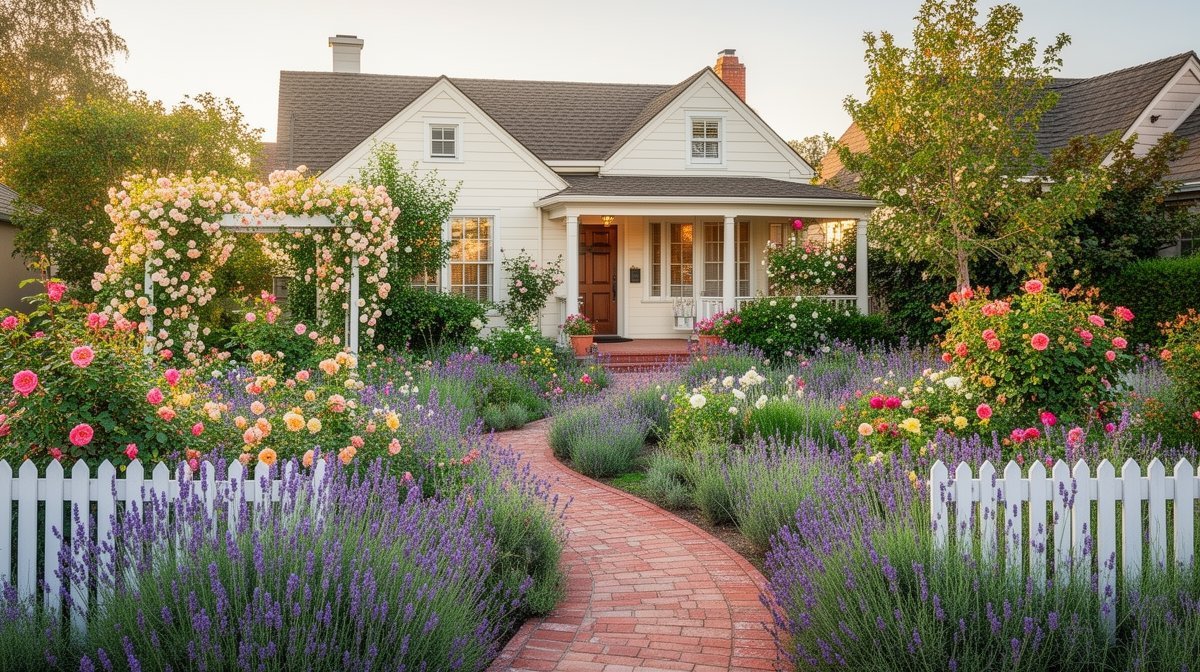
The Ranch-House Rose Border
$24–42/sqftA 1960s single-story ranch with a picture window loses its front lawn to a curving border about 8 feet deep, edged with a low brick mowing strip and cut through by a broken-flagstone path to the front door. White and apricot shrub roses stand at the back where they take full morning and midday sun, lavender and catmint spill over the path edge, and the west end gets a small multi-trunk tree to shade the window from the 5 p.m. sun.

AI-generated image
The Picket Fence Cutting Garden
$22–40/sqftA low painted picket fence runs along the sidewalk of a corner lot, with a simple arbour over the gate carrying a climbing rose. Inside, the beds are raised 8 inches over the clay and laid out in loose rows for cutting: roses, salvia, coneflower and yarrow for summer, with foxgloves and Iceland poppies planted in November for a spring show. A gravel path wide enough for a wheelbarrow runs down the middle.

AI-generated image
The Shady Side-Yard Walk
$18–34/sqftOn the north side of a two-story 1980s house, a narrow side yard becomes a stepping-stone walk under the shade of the house and a neighbor's oak. The heat-proof shade plants carry the cottage feel: oakleaf hydrangea in place of the mophead that would fry, Japanese anemone for autumn, and hellebores for winter flowers, with a bench and a small bubbling urn at the end.

AI-generated image
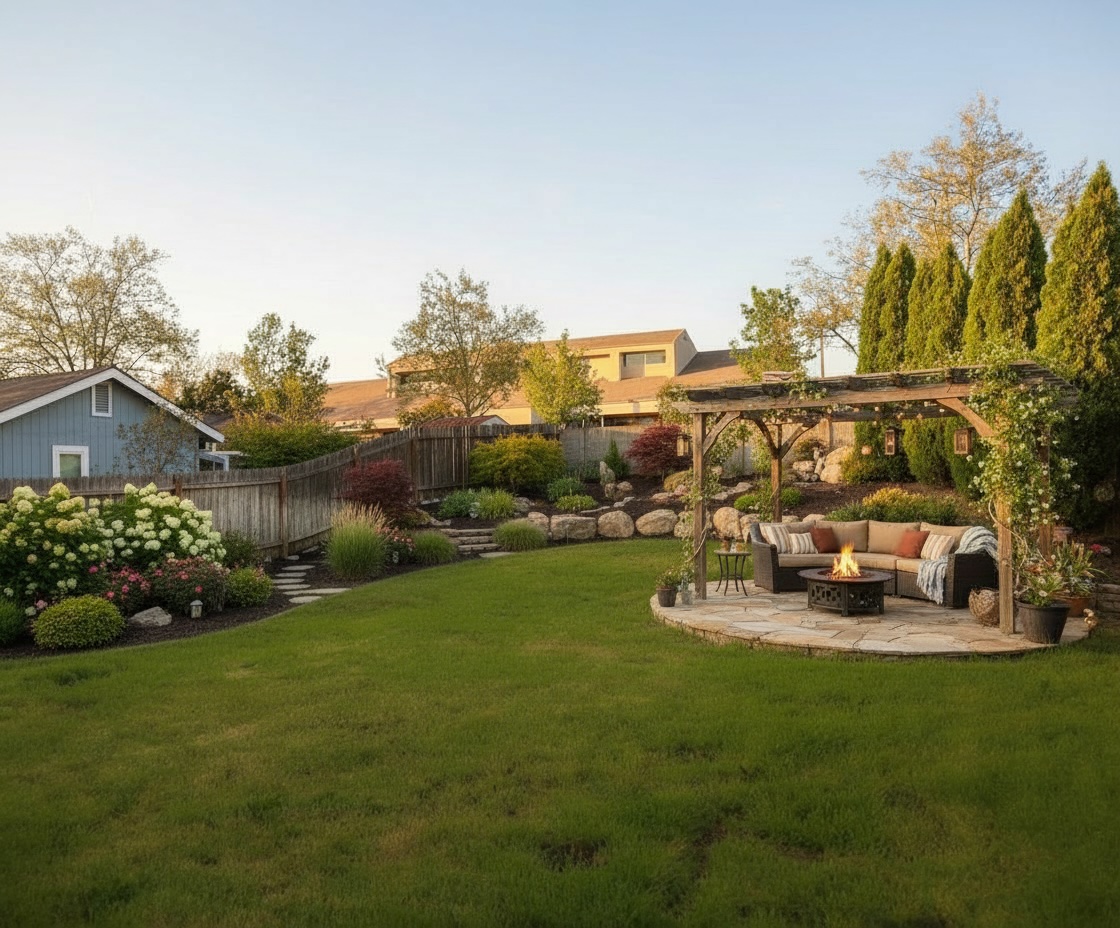
The Mount Diablo View Patio
$35–60/sqftA back garden that looks east to Mount Diablo gets a dry-laid flagstone patio framed by a pergola, with deep borders on the two hottest sides. The planting is the cottage look rebuilt for 100°F days: pale salvias, gaura and penstemon that keep flowering through August, roses trained on the pergola, and white-flowered plants that glow when the patio is used after sunset.
See how a cottage/english garden looks on YOUR property
Upload a photo of your Concord yard and visualize your dream garden in seconds.
Try ProScapeAI Free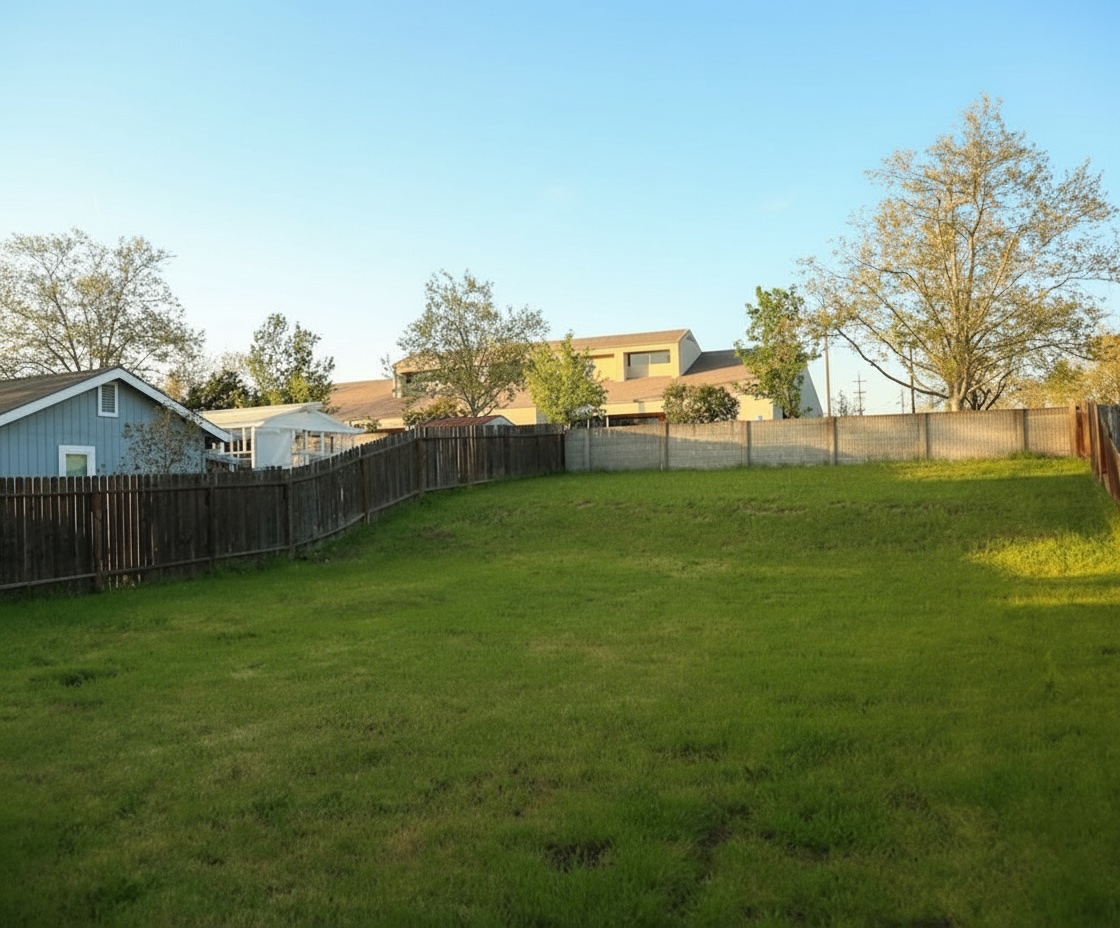
AI-generated image
Featured Trees & Shrubs for Cottage/English Gardens
Browse all 197 plants for Concord
Black Sage
Salvia mellifera
grows to 4 feet, white blooms in spring. Attracts butterflies.
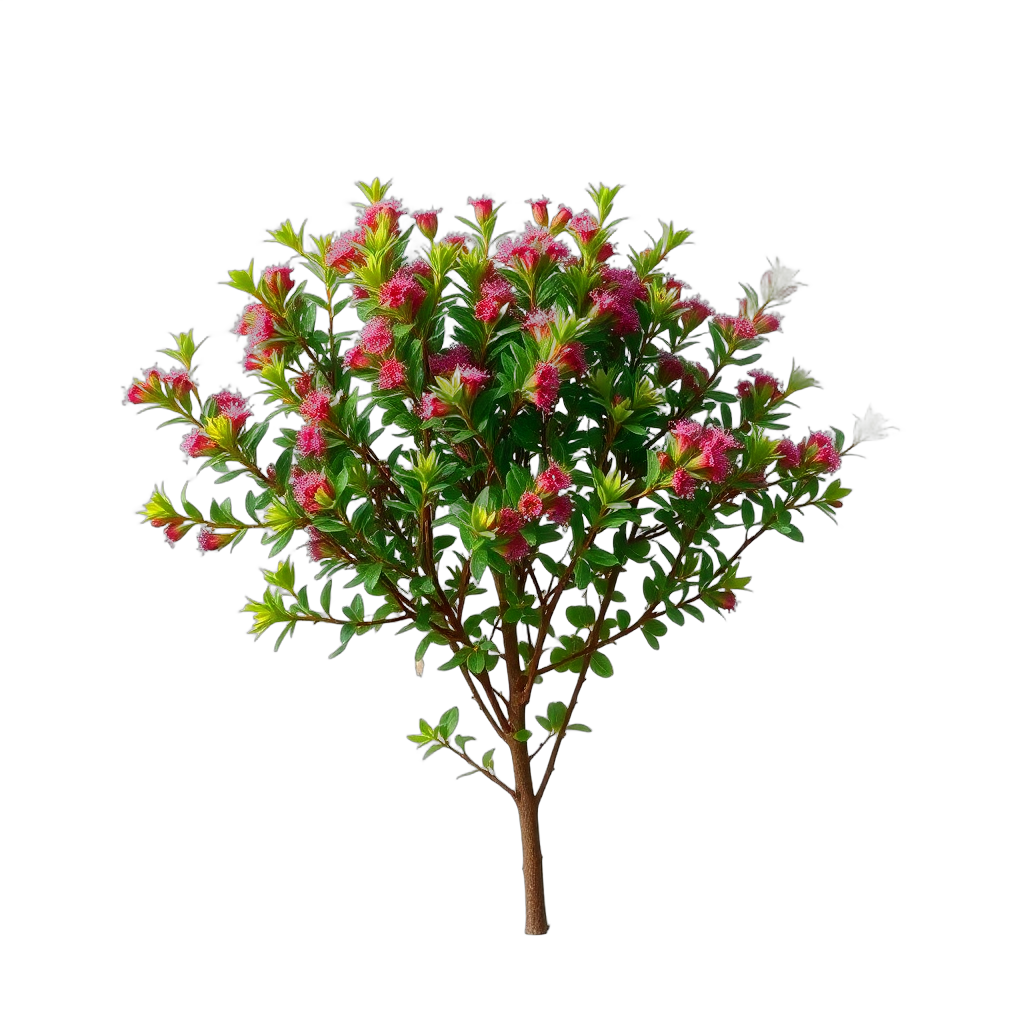
Buckbrush
Ceanothus cuneatus
medium-sized at 7 feet, white blooms in spring. Attracts butterflies.
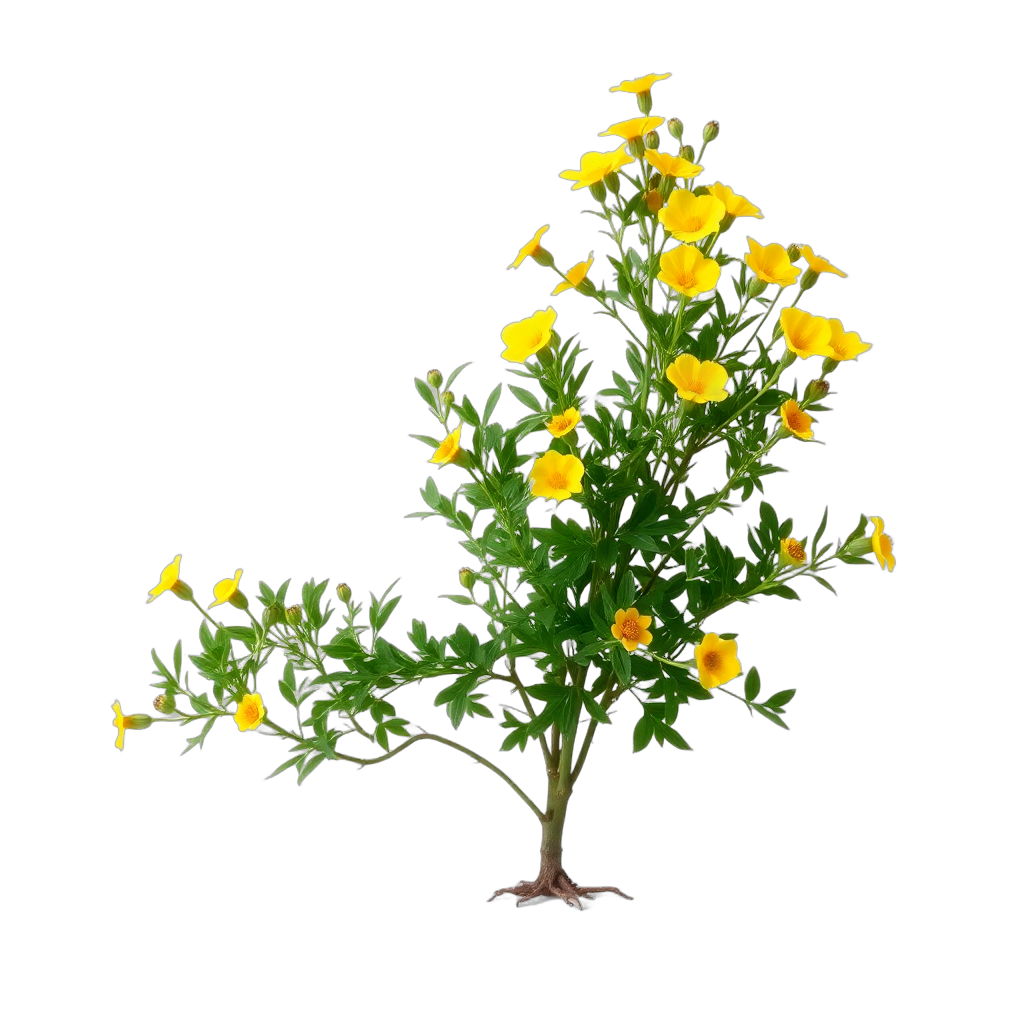
Bush Poppy
Dendromecon rigida
grows to 6 feet, yellow blooms in spring. Pollinator-friendly.
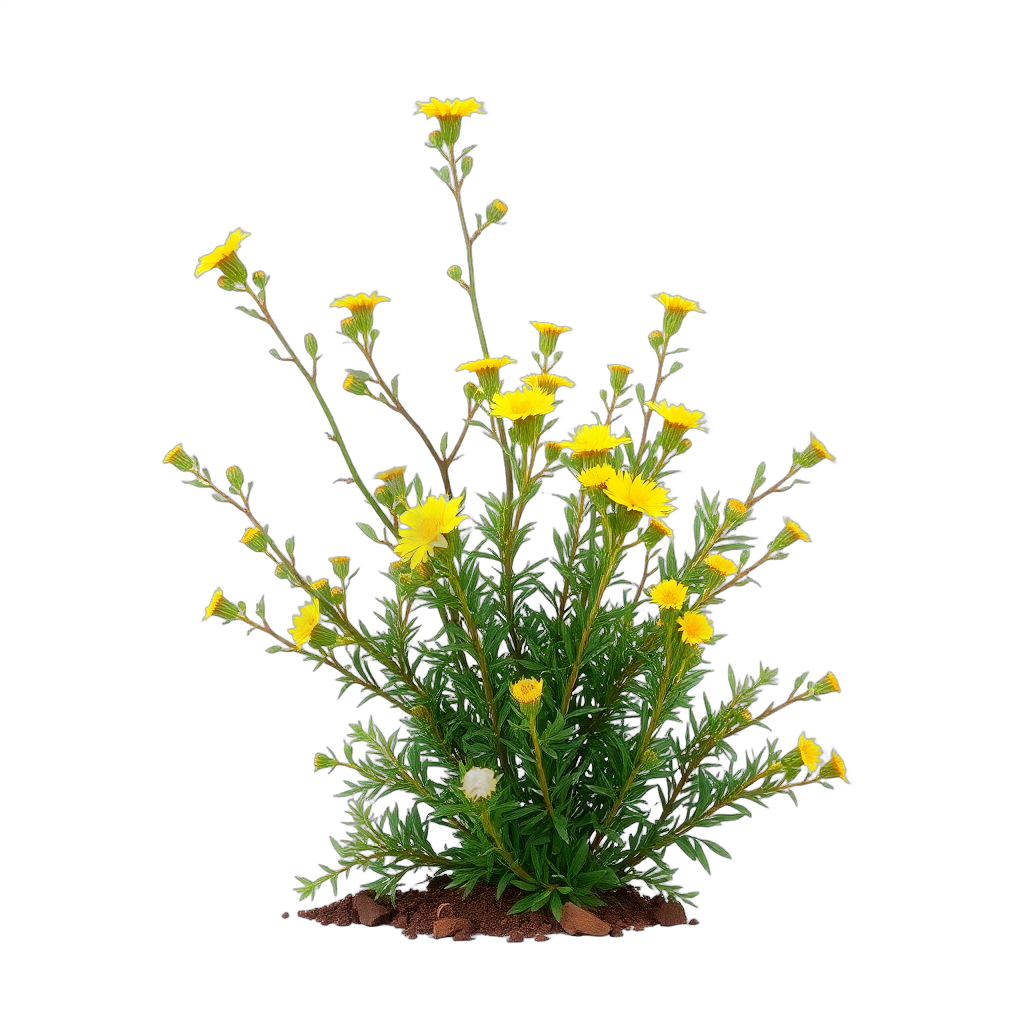
California Brittlebush
Encelia californica
grows to 4 feet, yellow blooms in spring. Attracts butterflies.
Featured Grasses & Groundcovers for Cottage/English Gardens
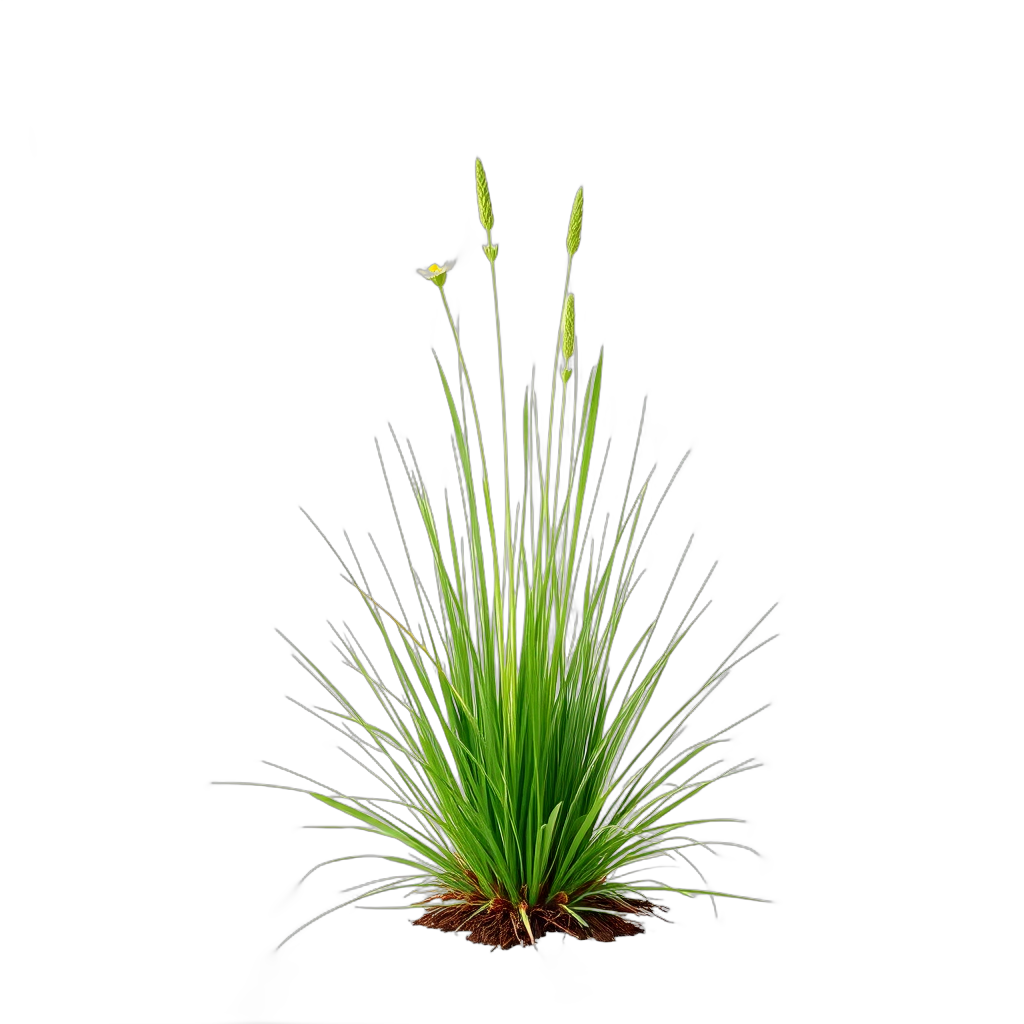
California Brome
Bromus carinatus
low-growing ground cover, blooms in spring. Yellow fall color.
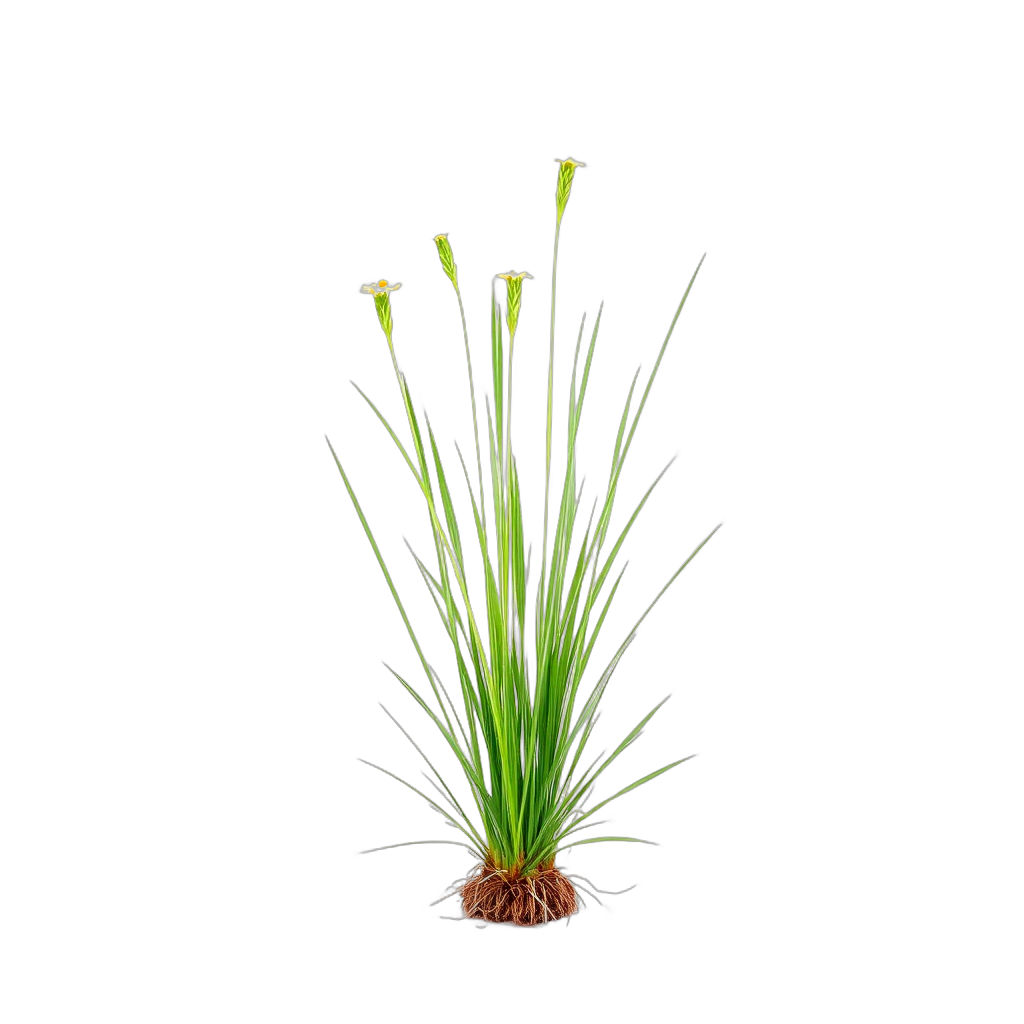
California Melic
Melica californica
low-growing ground cover, blooms in spring.
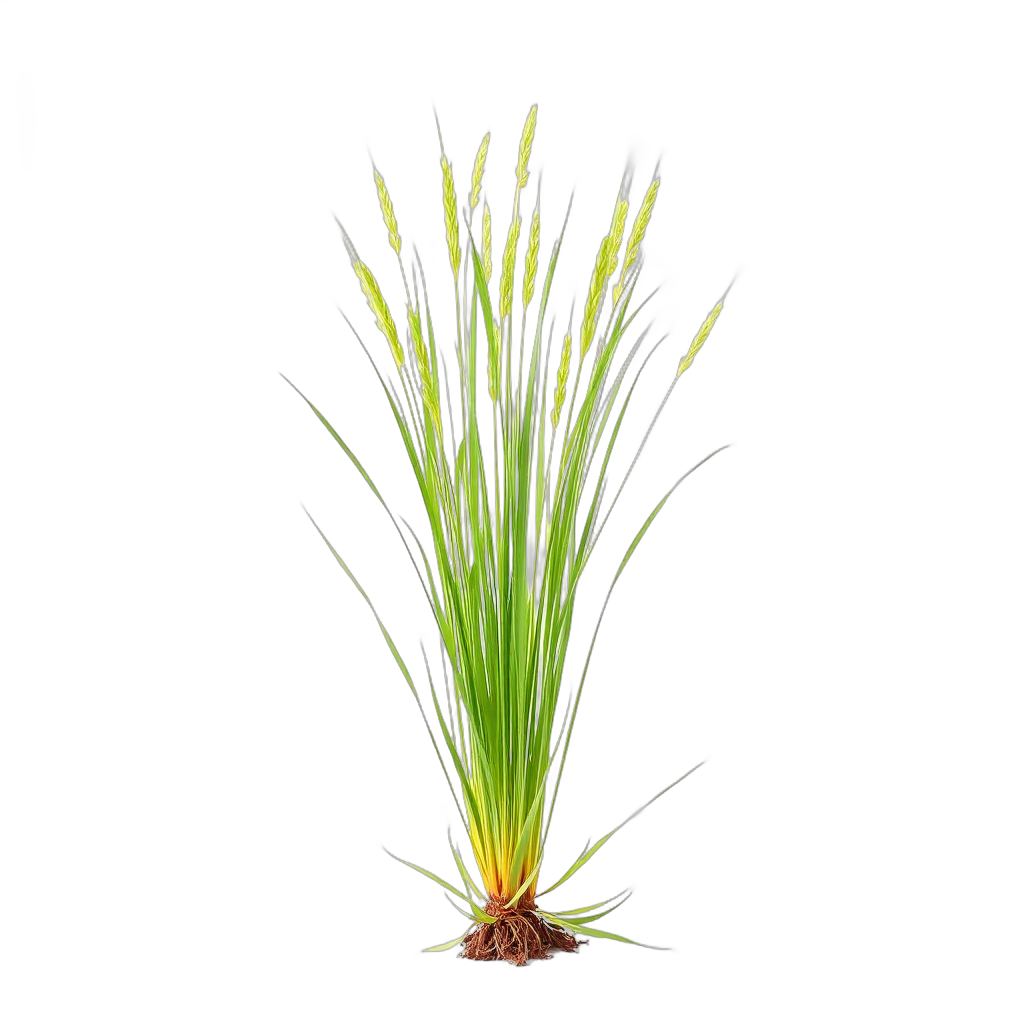
California Oatgrass
Danthonia californica
low-growing ground cover, blooms in spring. Yellow fall color.
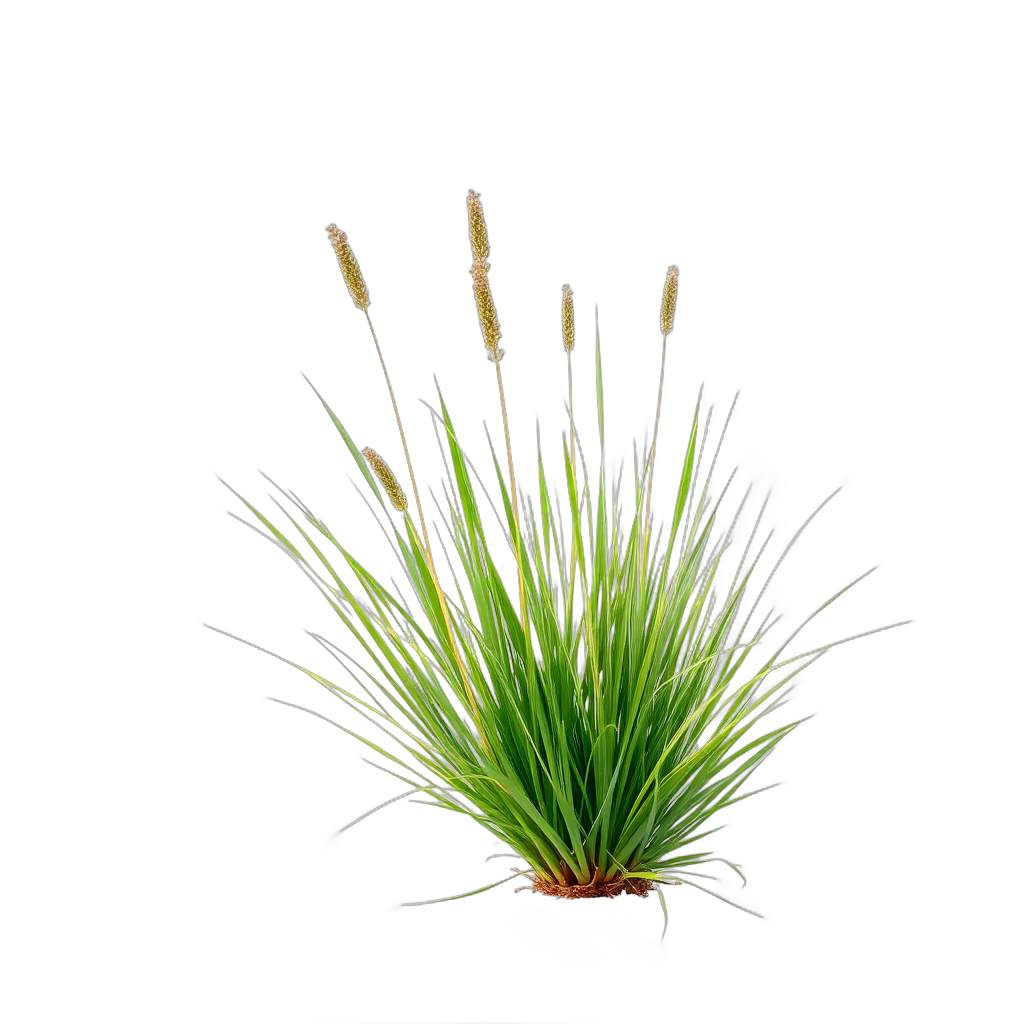
Deer Grass
Muhlenbergia rigens
grows to 3 feet, yellow blooms in fall. Evergreen year-round.
Featured Flowers & Perennials for Cottage/English Gardens
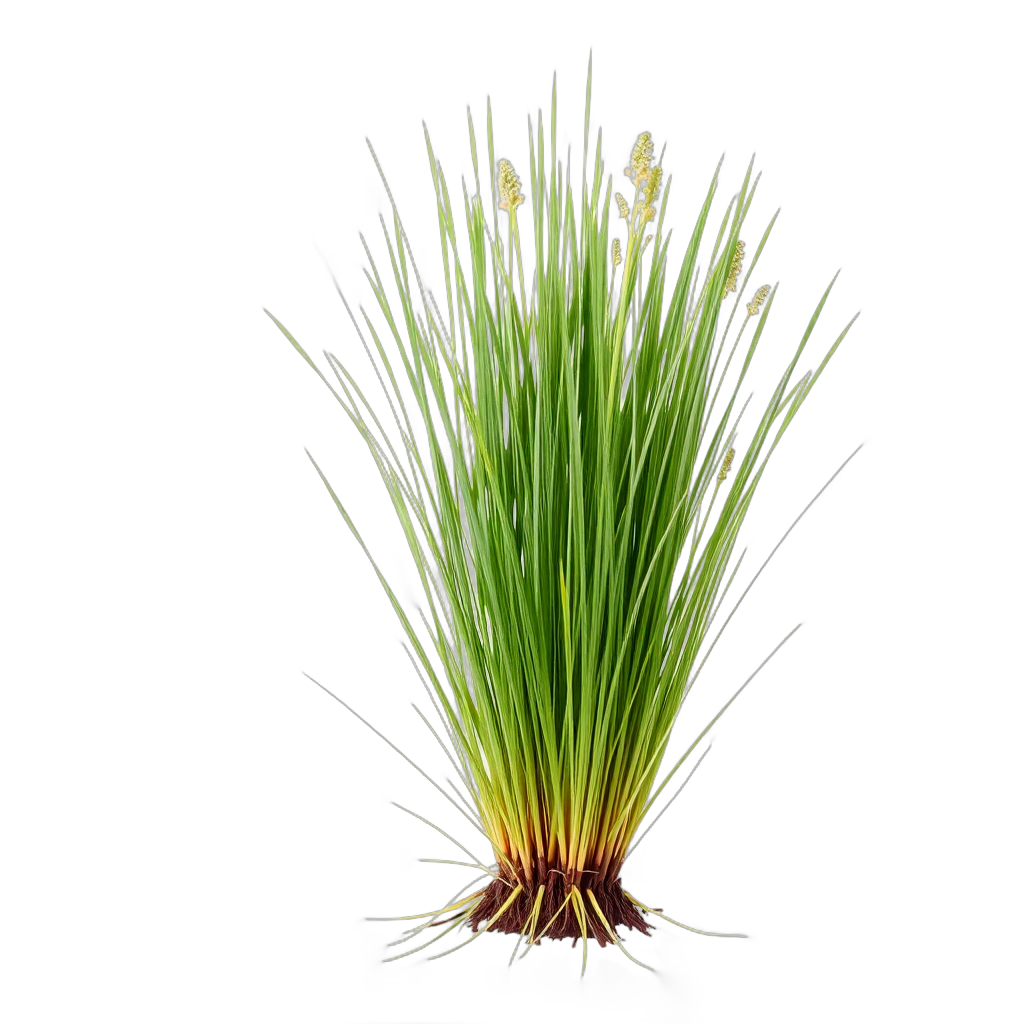
California Gray Rush
Juncus patens
low-growing ground cover, blooms in summer. Evergreen year-round.
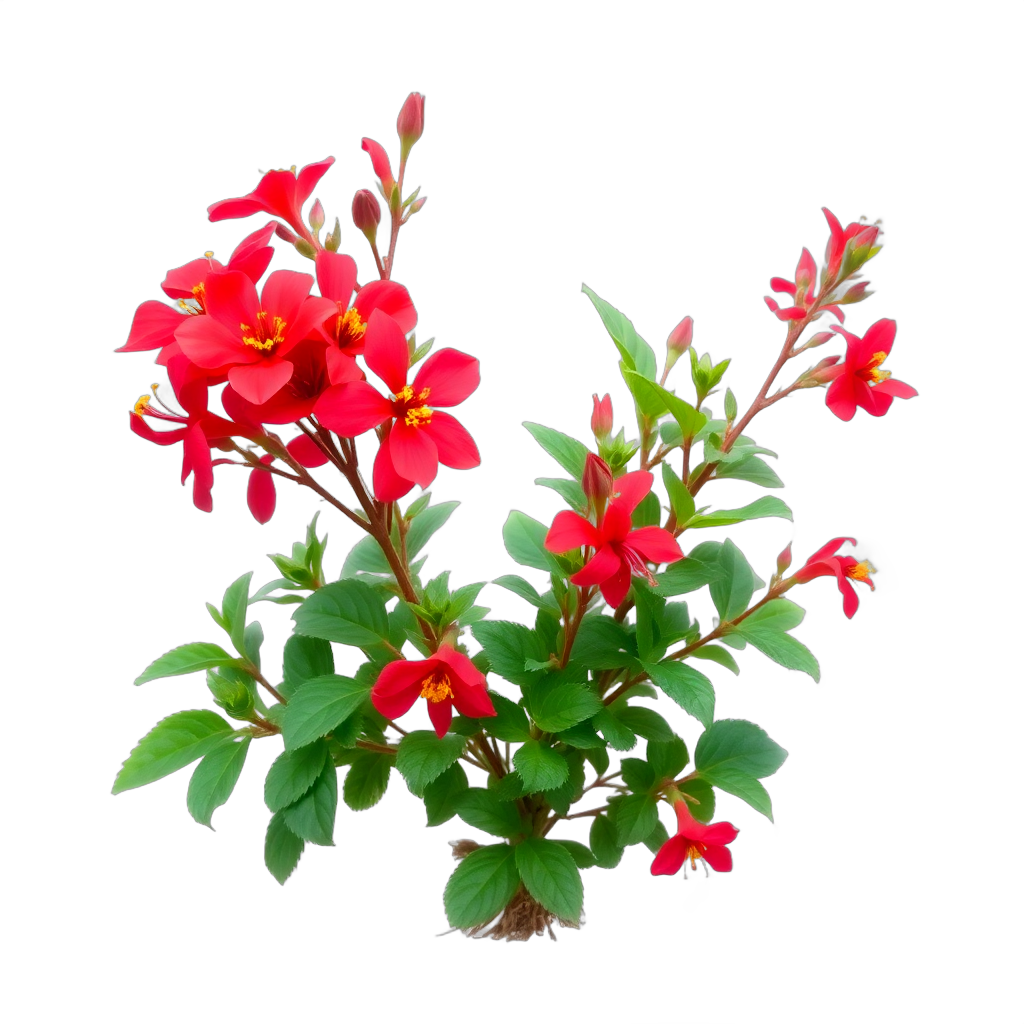
California Fuchsia
Zauschneria californica
low-growing ground cover, red blooms in fall. Attracts hummingbirds.
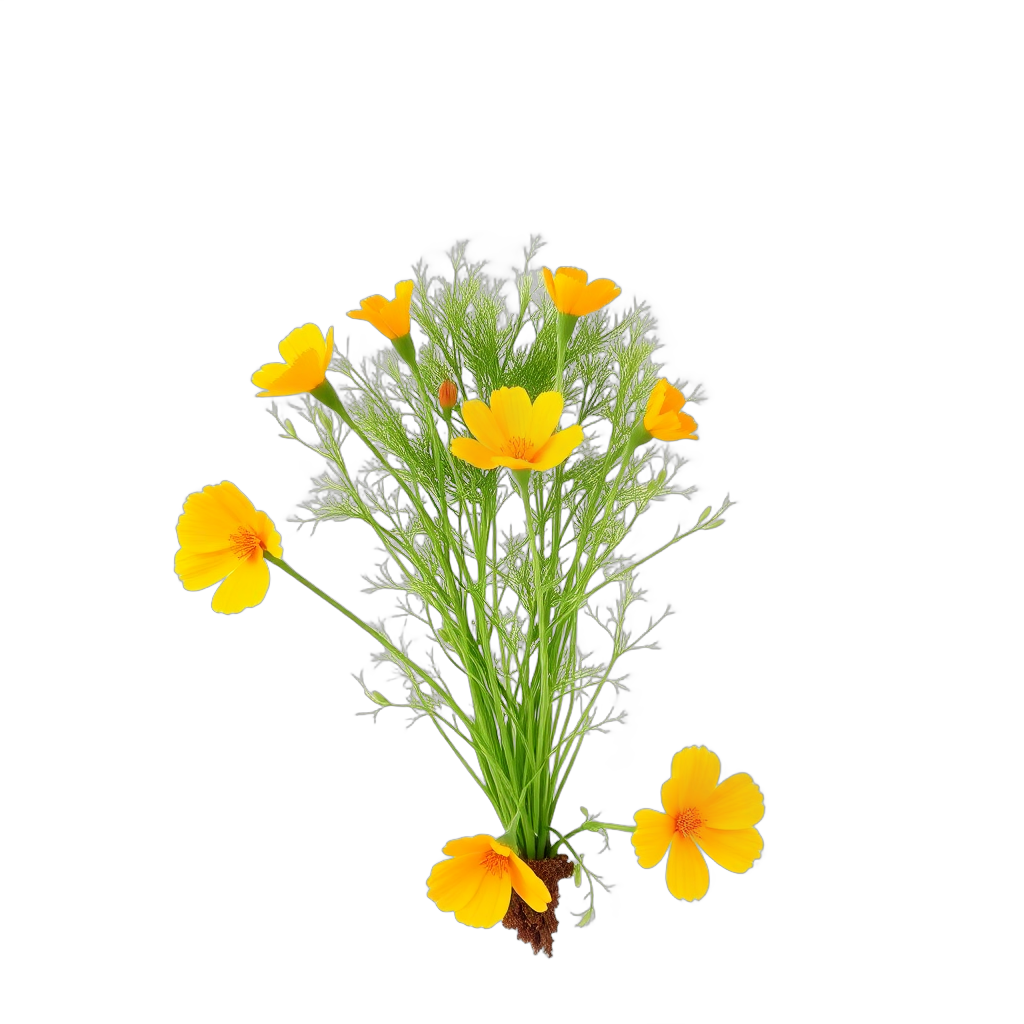
California Poppy
Eschscholzia californica
low-growing ground cover, orange blooms in spring.
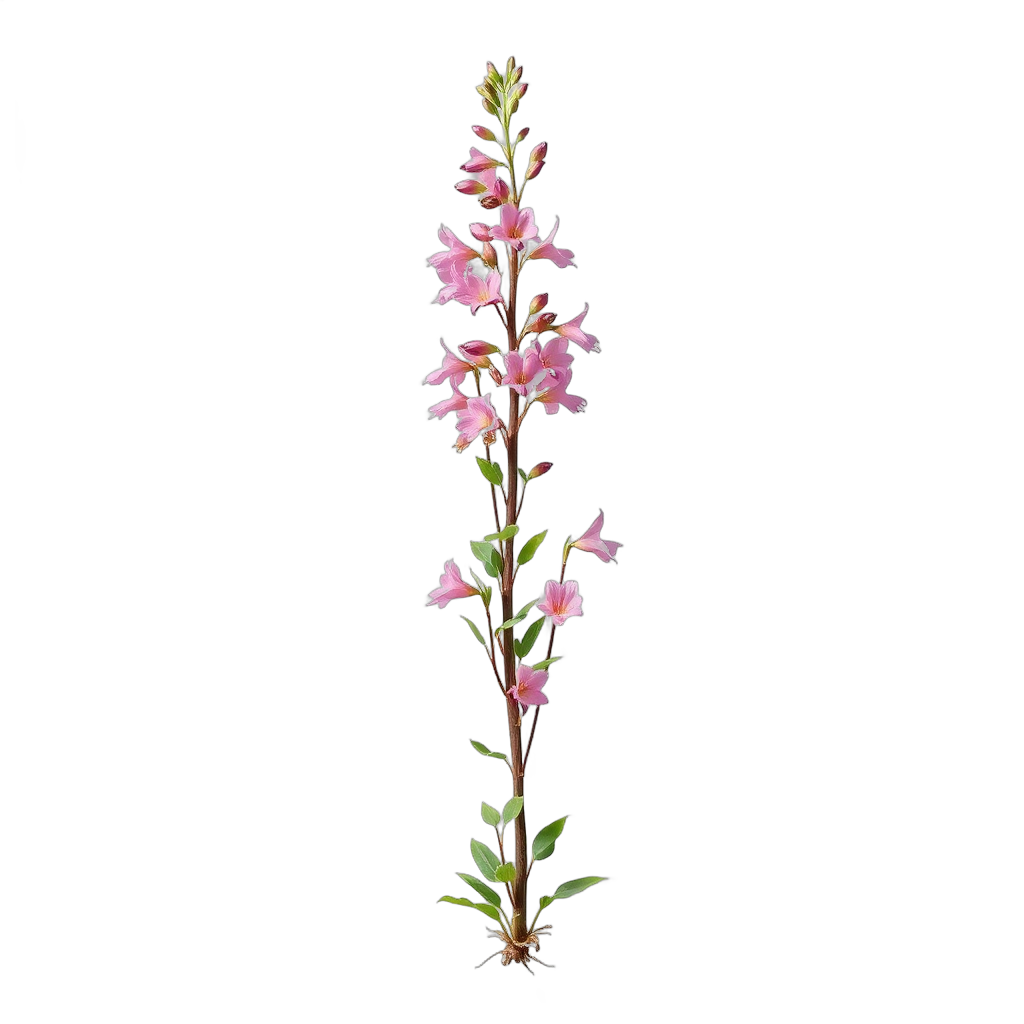
Foothill Penstemon
Penstemon heterophyllus
low-growing ground cover, blue blooms in spring. Attracts hummingbirds.
Zone and sun checks come from our database — confirm with your local nursery before you buy.
Bloom Calendar for Concord
spring
California Poppy, Foothill Penstemon, Foothill Sedgesummer
California Gray Rush, Black Sage, California Buckwheatfall
California Fuchsia, Deer Grasswinter
Limited bloomsDesign Tips for Concord (Zone 9b)
- Apply for the CCWD Lawn to Garden rebate before you strip the lawn: it pays $1 per square foot up to $2,000 for a single-family home, but only for projects started after the district's Notice to Proceed.
- Put roses and salvias where they get morning and midday sun, and give the west side of the border a small tree such as Lagerstroemia 'Natchez': Concord's 5 p.m. sun in July and August is what scorches cottage plants, not the morning heat.
- Raise every border 6–8 inches over the valley clay and mulch at least 2 inches deep; lavender, erigeron and gaura die of wet crowns in a February storm far more often than of summer heat.
- Grow the English plants that hate heat as winter annuals: plant Digitalis 'Camelot Rose', Iceland poppies and sweet peas in October or November, enjoy them in April and May, and pull them when the 90°F days start.
- Use Salvia nemorosa 'Caradonna', Penstemon 'Margarita BOP' and Agastache 'Blue Fortune' for the tall blue verticals that delphiniums give in England; they keep flowering into October here.
- Run drip, not spray: CCWD's rebate prefers drip with a pressure regulator, filter and pressure-compensating emitters, and keeping rose leaves dry is what keeps blackspot away.
- Plant one white-flowered plant in every view, such as Rosa 'Iceberg' or Gaura 'Whirling Butterflies'; on summer evenings when Concord finally cools off, white is what you see from the patio.
Where to Source Plants in Concord
Skip the big-box stores. These independent Concord nurseries specialize in the plants that make cottage/english gardens thrive in Zone 9b.
Orchard Nursery
Lafayette (Mt. Diablo Boulevard)
Family-owned nursery open since 1946, with a rose list, fruit trees and edibles, succulents and cacti, and a broad general plant yard
East Bay Nursery
Berkeley (San Pablo Avenue)
Long-running Bay Area nursery that picks roses, fruit trees and citrus for proven local performance, with bulk soil amendments, mulches and top dressings for clay gardens
Ruth Bancroft Garden & Nursery
Walnut Creek (Bancroft Road, just over the Concord line)
Nonprofit dry garden with a nursery selling waterwise plants from 2-inch pots to 15-gallon: California natives, succulents, cacti, trees and a large range of Protea, Leucadendron, Grevillea and Banksia
Cottage/English Landscaping Costs in Concord
| Project Scope | Estimated Cost |
|---|---|
| Front-yard cottage conversion (turf removal, compost, drip, path, full planting, 500–600 sqft) | $14,000 – $28,000 |
| Flagstone or used-brick front walk on a compacted base (150–250 sqft) | $5,000 – $12,000 |
| Painted picket fence with gate arbour (40–60 linear ft) | $3,500 – $9,000 |
| Cedar pergola over a flagstone patio (12 x 14 ft) | $12,000 – $28,000 |
| Drip conversion with smart controller and separate rose and lavender valves | $2,500 – $7,000 |
| Full back cottage garden: patio, pergola, borders, lighting | $40,000 – $90,000 |
| AI visualization (ProScapeAI) | Free to start |
Estimates based on Concord, CA-area contractor rates as of 2026. Actual costs vary by site conditions, materials, and contractor.
Concord Climate & Growing Zone
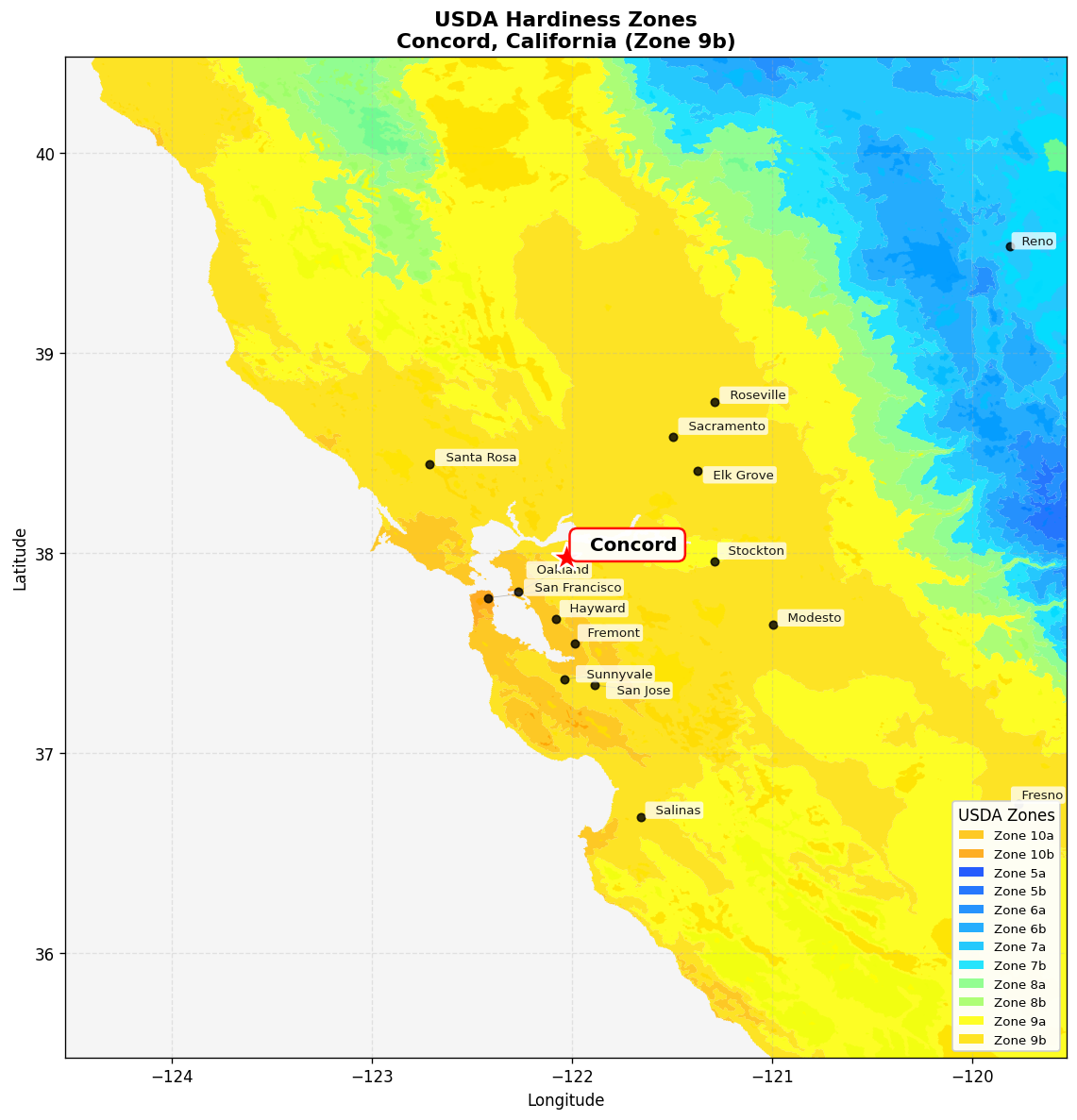
USDA Zone 9b
Hardiness zone for Concord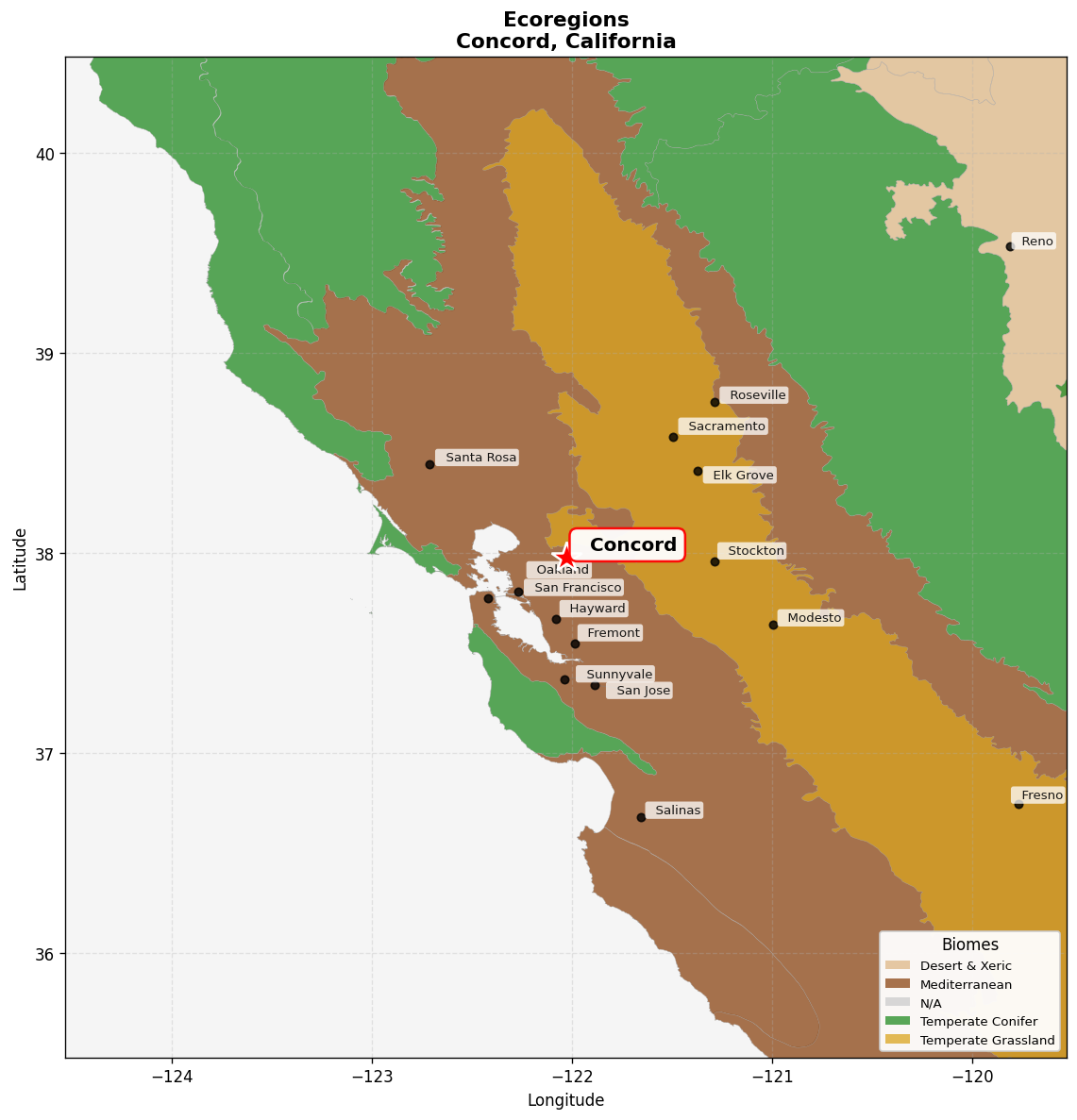
California interior chaparral and woodlands
Native ecoregionFrequently Asked Questions
How much does an English cottage garden cost in Concord?
For a typical 500–600 square foot Concord front yard (turf removal, soil prep with compost, drip, a flagstone or brick path and full planting), expect roughly $14,000 to $28,000 installed, about $24 to $42 per square foot. A back garden with a patio, pergola and deep borders usually lands between $40,000 and $90,000. Labor is most of the number, so planting it yourself and hiring out only the paving can cut the bill by a third or more. If the project replaces lawn, the Contra Costa Water District Lawn to Garden rebate returns $1 per square foot, up to $2,000, as long as you get its Notice to Proceed before you start.
Which classic cottage plants won't survive Concord summers?
Russell lupins, Delphinium elatum, Hydrangea macrophylla in full sun and most Lavandula angustifolia cultivars struggle with Concord's 45-odd days a year above 90°F and its wet clay in winter. Use substitutes that give the same picture: Salvia nemorosa 'Caradonna' or Penstemon 'Margarita BOP' for the blue spires, Lavandula × intermedia 'Grosso' for lavender, Hydrangea quercifolia 'Snow Queen' in shade for hydrangea, and Digitalis 'Camelot Rose' grown as a spring annual for foxgloves.
Which roses do best in Concord?
Roses like Concord's dry summers because blackspot and mildew have little leaf wetness to work with. The most reliable here are Rosa 'Iceberg' (and its climbing form), Rosa 'Julia Child', Rosa 'Sally Holmes' and the David Austin rose 'Graham Thomas'. Give them at least six hours of sun, water deeply at the base twice a week in summer on drip, and prune in January.
When is the best time to plant a cottage garden in Concord?
October and November. The soil is still warm, the first rains settle new plants in, and they root all winter. Concord averages fewer than four frost nights a year, so planting can continue through February. Avoid planting in June through September: young roots in clay cannot keep up with 90°F afternoons, and you will spend the summer hand-watering.
Do I need a permit or rebate approval for a cottage garden in Concord?
Planting beds and a low garden fence do not usually need a building permit, but fences, walls and arbours near the street have height and setback rules, and many newer subdivisions have HOA design review, so check with the City of Concord and your HOA before building. California's Model Water Efficient Landscape Ordinance applies to new landscapes of 500 square feet or more and to permitted landscape rehabilitations of 2,500 square feet or more. For the CCWD Lawn to Garden rebate, projects started before the district issues a Notice to Proceed are not eligible, and the new garden must reach at least 50 percent plant cover with 2 inches of mulch.
How much water does a cottage garden need in Concord?
More than a native garden, less than a lawn. Once established, a border of 'Iceberg' roses, 'Grosso' lavender, 'Walker's Low' catmint and 'Caradonna' salvia does well on deep drip watering once or twice a week from May to October and almost nothing from December to March. Group the thirstier roses on one valve and the lavender and erigeron on another, so you are not overwatering the dry-lovers to keep the roses happy.
How do I deal with Concord's clay soil in a cottage border?
Build up over it. Spread 3 inches of compost, fork it in, and build the beds 6–8 inches above the surrounding grade so crowns sit above February water. Test the pH first: East Bay valley clays often run neutral to mildly alkaline, around 7 to 8, which roses handle well but which can yellow Hydrangea quercifolia and other acid-leaning shade plants; give those a sulfur-amended, compost-rich pocket.