4 English Cottage Garden Ideas for Asheville, NC | Zone 7b Blue Ridge
Native plants from the Appalachian-Blue Ridge forests (Zone 7b) — Humid subtropical climate
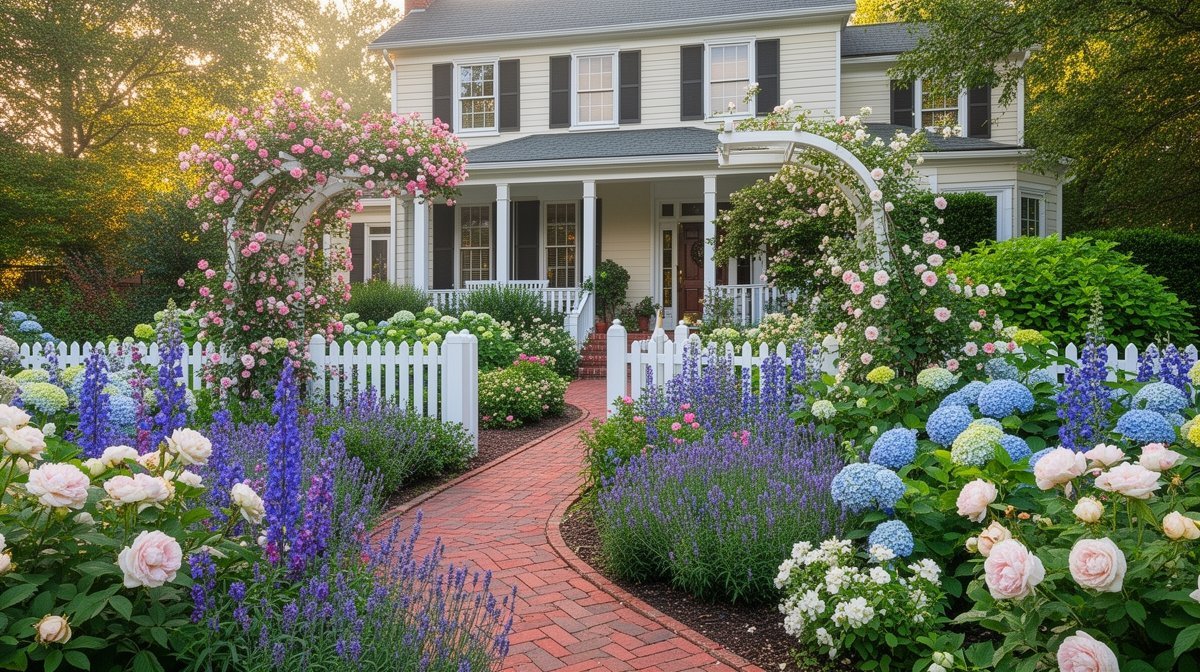
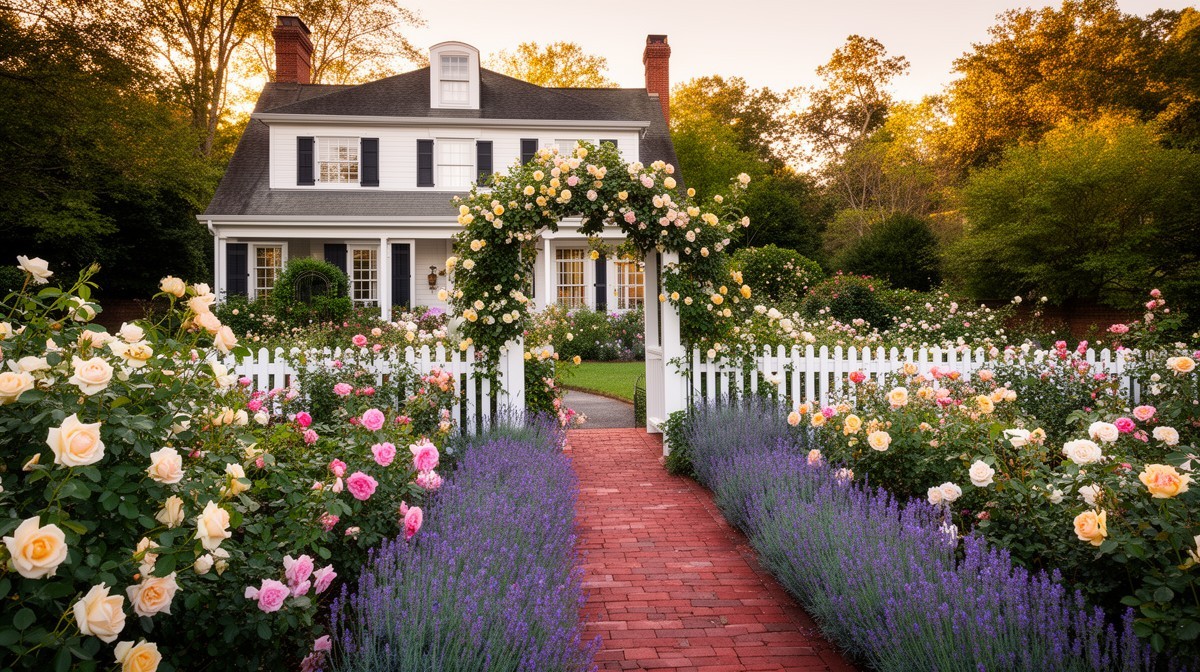
For a cottage garden in Asheville, NC, a zone 7b city with a humid subtropical climate, start with Rosa 'New Dawn' on the arbour, Rosa 'Olivia Rose Austin' and Lavandula × intermedia 'Phenomenal', the plants this guide's first design is built on.
Why Cottage/English Gardens in Asheville?
Asheville's early-1900s houses were made for a cottage garden. Montford's Queen Anne and Colonial Revival porches, the shingled bungalows of Kenilworth, and the small frame houses of West Asheville and Oakley all sit close to the street behind a shallow front yard that asks for a border, a gate and something climbing. A bank held by a dry-stacked stone wall puts a planting pocket at eye level, and a lot that steps up from the sidewalk reads as layered before you have planted a thing.
The climate is kinder than the Piedmont's in summer and harder in winter. NOAA's 1991–2020 normals for Asheville Regional Airport put the average January low at 28.6°F and the average July high at 85.3°F, with about 15 days a year at or below 20°F and two at or below 10°F. The median last 32°F freeze is April 9 and the median first is October 28, a frost-free season of about 200 days. Rain totals 49.6 inches a year and is spread evenly, so summer is humid and foliage stays wet. That wet is what ends the old-fashioned English plant list: Lavandula angustifolia 'Hidcote' rots in a mountain July, and Delphinium elatum usually gives one good year. The plants that last are Lavandula × intermedia 'Phenomenal', Nepeta × faassenii 'Walker's Low', Phlox paniculata 'David', Aconitum carmichaelii 'Arendsii' for the tall spires, and blackspot-tolerant roses such as Rosa 'New Dawn', Rosa 'Iceberg' and Rosa 'Olivia Rose Austin'. The airport sits in the valley south of town, so a north-facing slope or a ridge-top yard can run colder than these numbers.
The soil is red clay, and it is acidic. Most Asheville yards are Blue Ridge clay loam that holds water through winter and bakes in August. Roses and lavender want a pH closer to 6.5, so run a soil test through NCDA&CS or the Buncombe County Cooperative Extension office before you buy a single plant, lime the beds the test calls for, and build borders up 6–10 inches with compost and pine bark fines instead of digging holes into clay. Set any footing for a pergola or gate post below the local frost line, and confirm the depth with the city's permitting staff.
Slopes and rules shape the plan. Asheville's Unified Development Ordinance has rules for steep slopes and for tree removal on them, and some blocks sit in local historic districts that review exterior changes. If your design needs a retaining wall, a new fence or trees taken out, call the city's Planning and Development office before you hire anyone. Deer browse hard in town, so lavender, nepeta, and Salvia nemorosa 'Caradonna' earn their place because deer leave them alone.
4 Cottage/English Design Ideas for Asheville
AI-generated image
The Montford Porch Border
$20–42/sqftA low painted picket fence runs along the front of a Queen Anne or Colonial Revival porch, with a timber arbour at the gate smothered in pale pink climbing roses. A flagstone walk curves to the steps, a lavender ribbon follows the fence line, and clipped boxwood balls hold the gate posts. The border faces south and east so the roses get six hours of sun and dry out fast after a mountain thunderstorm.
Try this on your yard: The Montford Porch BorderAI-generated image
The Stone Wall Bank Garden
$30–60/sqftA dry-stacked fieldstone wall holds a 3-foot bank in front of a Kenilworth bungalow, with steps cut through the middle and plants spilling over the top edge. Sun-loving cottage plants fill the wall face and the bed above, and a pair of terracotta pots sits at the top step. The wall drains freely, which keeps clay from holding water around the crowns through a wet January.
Try this on your yard: The Stone Wall Bank GardenAI-generated image
The Woodland Edge Cottage
$14–30/sqftUnder tall oaks and tulip poplars in Haw Creek or West Asheville, a winding mulch path passes through a shade border layered with foxglove spires at the back, astilbe in the middle and hostas along the edge. A bench sits where a patch of afternoon light comes through. This is a cottage garden for the yard that never gets six hours of sun, planted for foliage first and flowers second.
Try this on your yard: The Woodland Edge CottageAI-generated image
The Cutting Garden Behind the Fence
$18–38/sqftBehind a bungalow in Kenilworth or Montford, four raised cedar beds sit on a gravel grid with a white picket enclosure and a rose-covered arch at the entrance. One bed carries dahlias and zinnias for cutting, another holds coneflower and hydrangea, and the arch carries a climbing rose. Raised beds warm earlier in spring and drain better than native clay, which is the point in a yard that gets 49.6 inches of rain.
Try this on your yard: The Cutting Garden Behind the FenceSee how a cottage/english garden looks on YOUR property
Upload a photo of your Asheville yard and visualize your dream garden in seconds.
Try ProScapeAI Free

AI-generated image
Featured Trees & Shrubs for Cottage/English Gardens
Browse all 246 plants for Asheville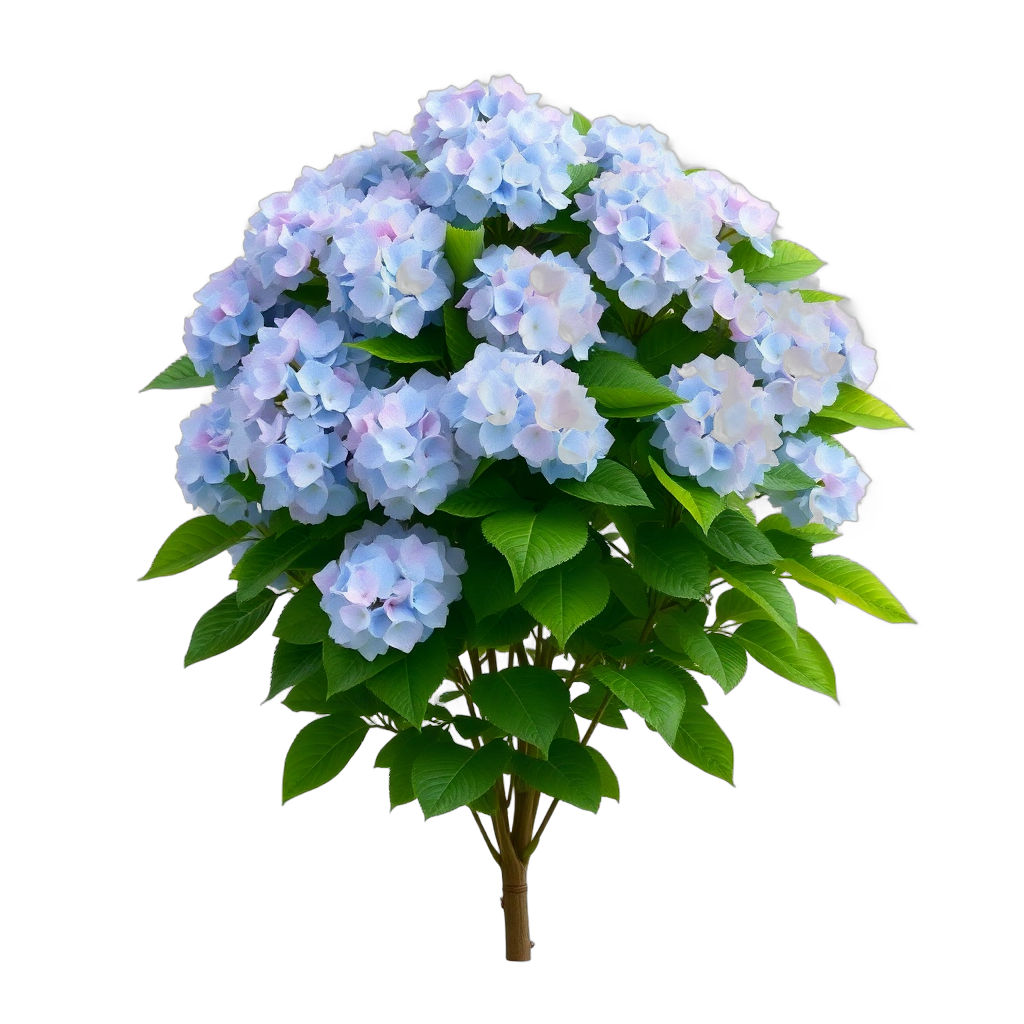
Annabelle Hydrangea
Hydrangea arborescens 'Annabelle'
grows to 5 feet, white blooms in summer. Pollinator-friendly.
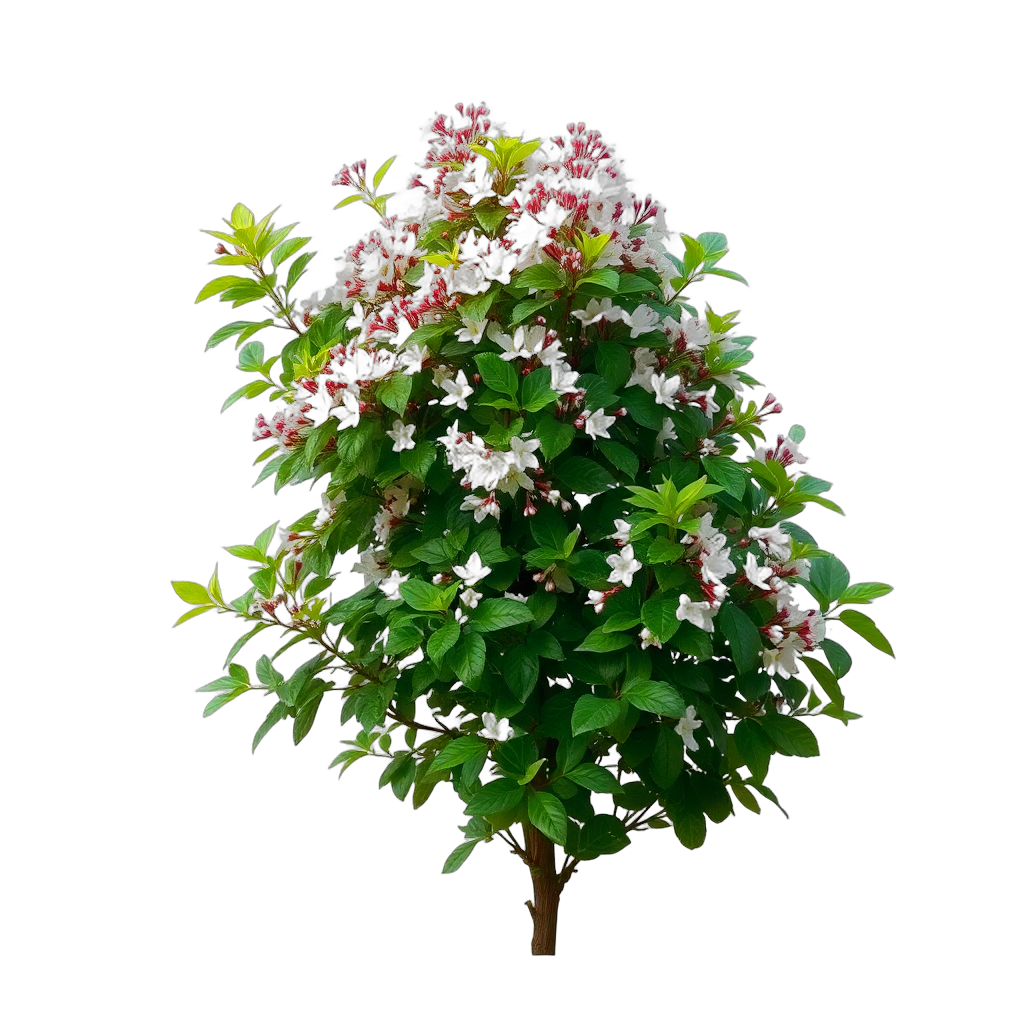
Arrowwood Viburnum
Viburnum dentatum
medium-sized at 10 feet, white blooms in spring. Pollinator-friendly.
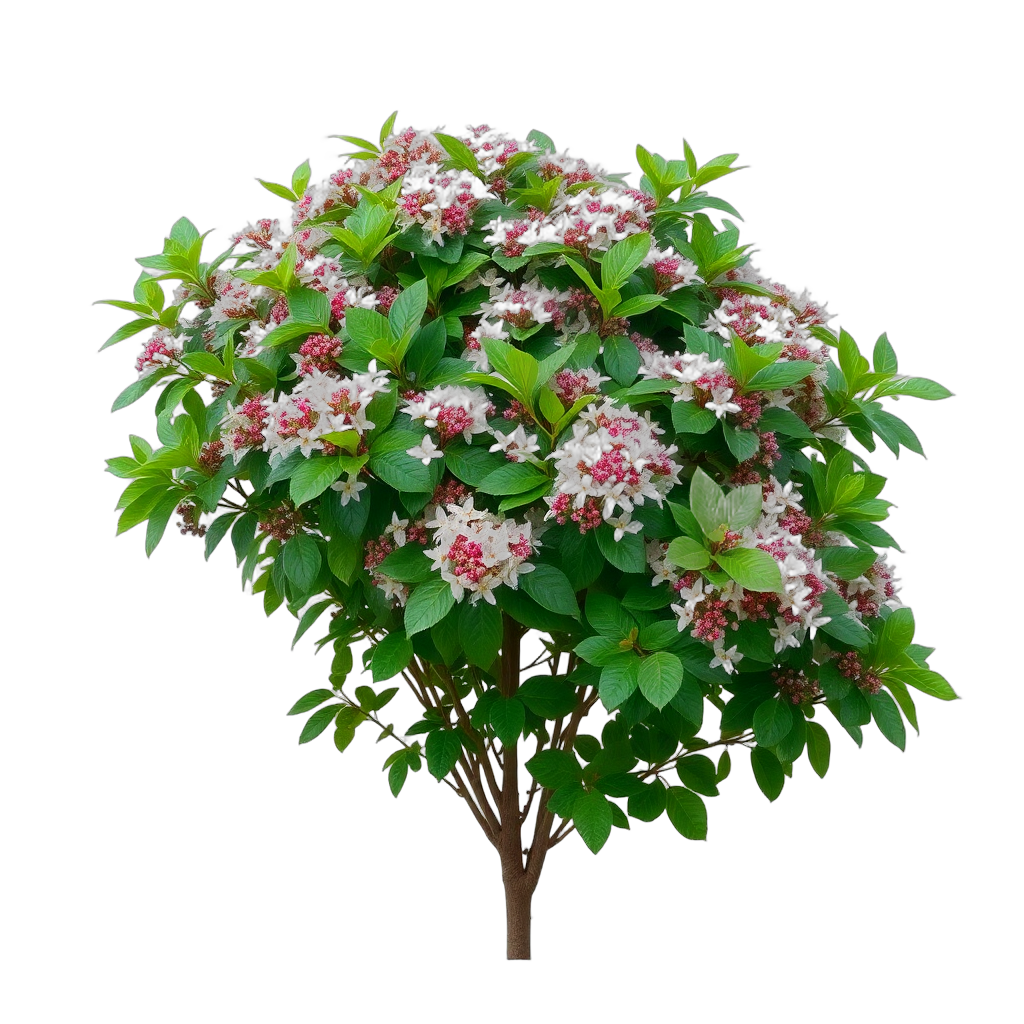
Blackhaw Viburnum
Viburnum prunifolium
medium-sized at 12 feet, white blooms in spring. Pollinator-friendly.
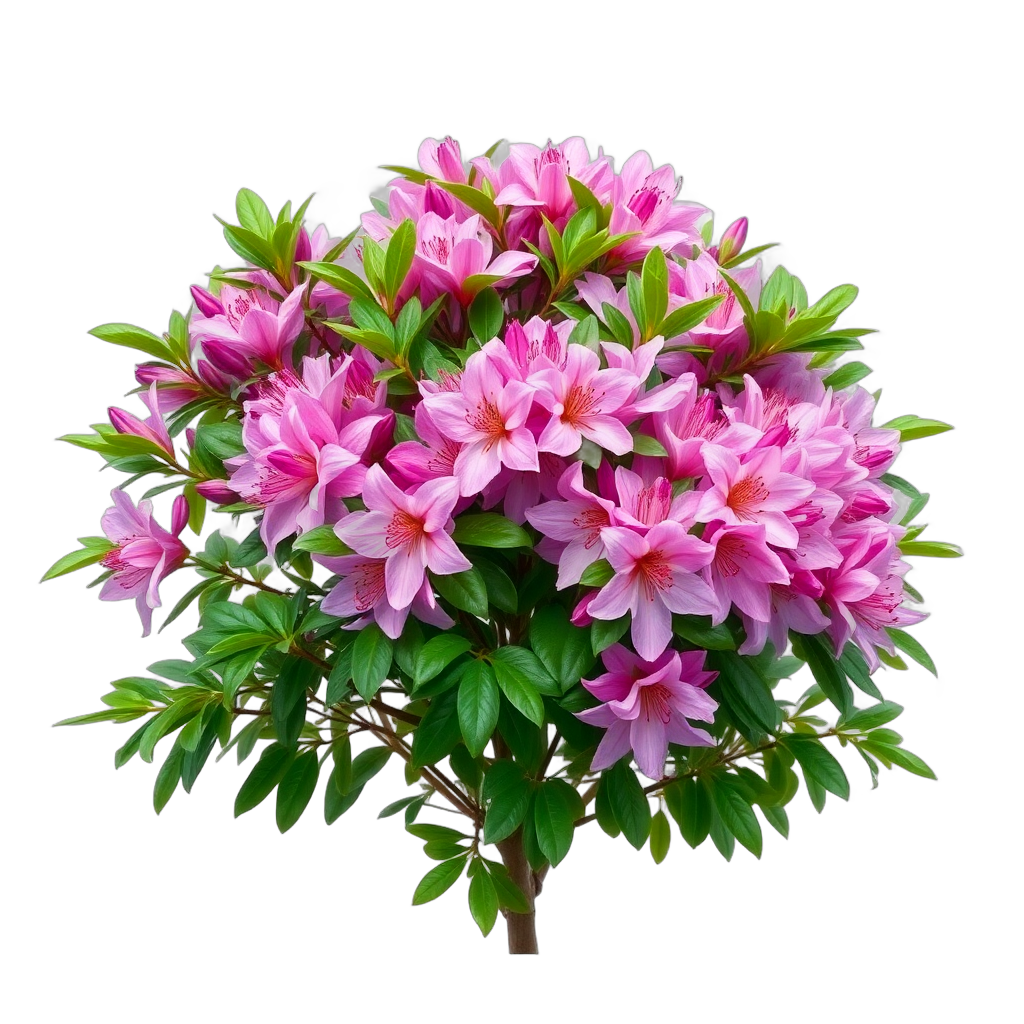
Carolina Rhododendron
Rhododendron carolinianum
grows to 5 feet, pink blooms in spring. Attracts butterflies.
Featured Grasses & Groundcovers for Cottage/English Gardens
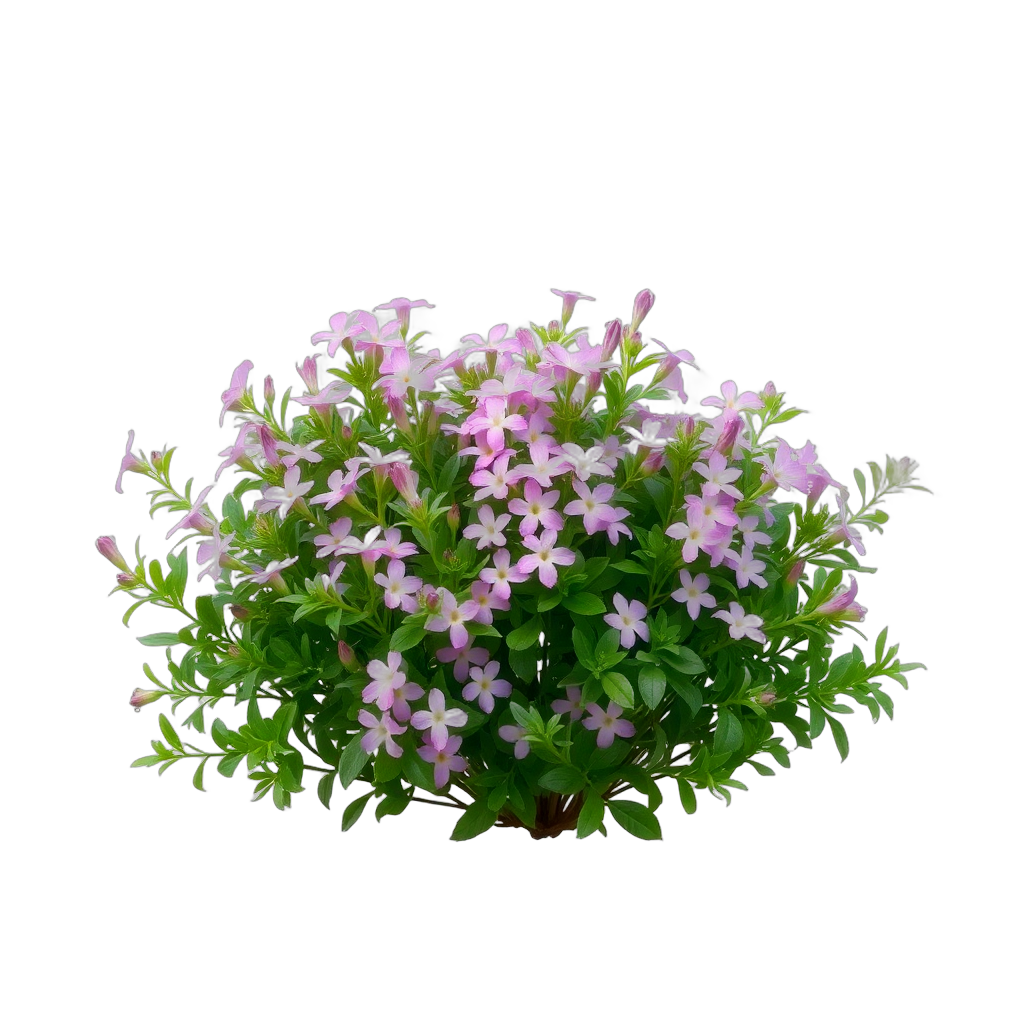
Creeping Phlox
Phlox subulata
low-growing ground cover, multi blooms in spring. Attracts butterflies.
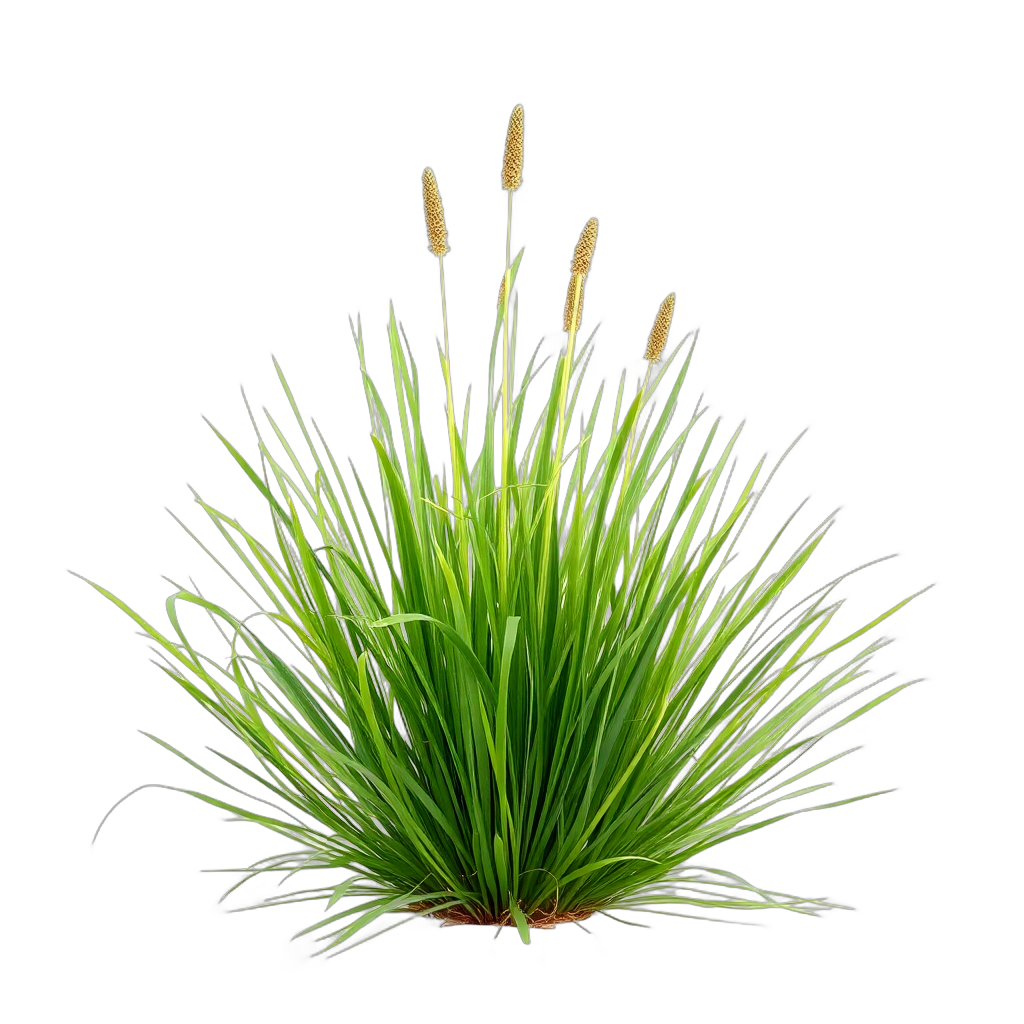
Pennsylvania Sedge
Carex pensylvanica
low-growing ground cover, blooms in spring.
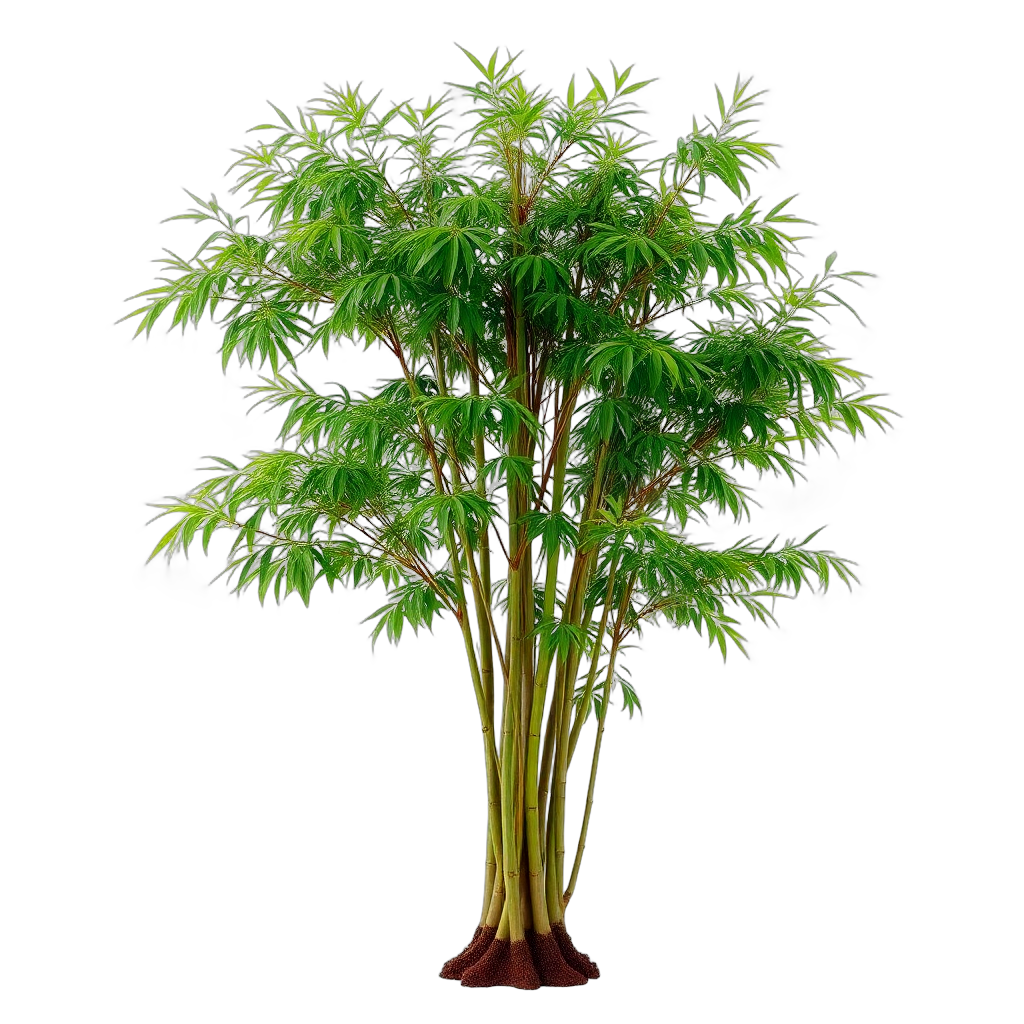
Arrow Bamboo
Pseudosasa japonica
medium-sized at 15 feet, blooms in none. Evergreen year-round.
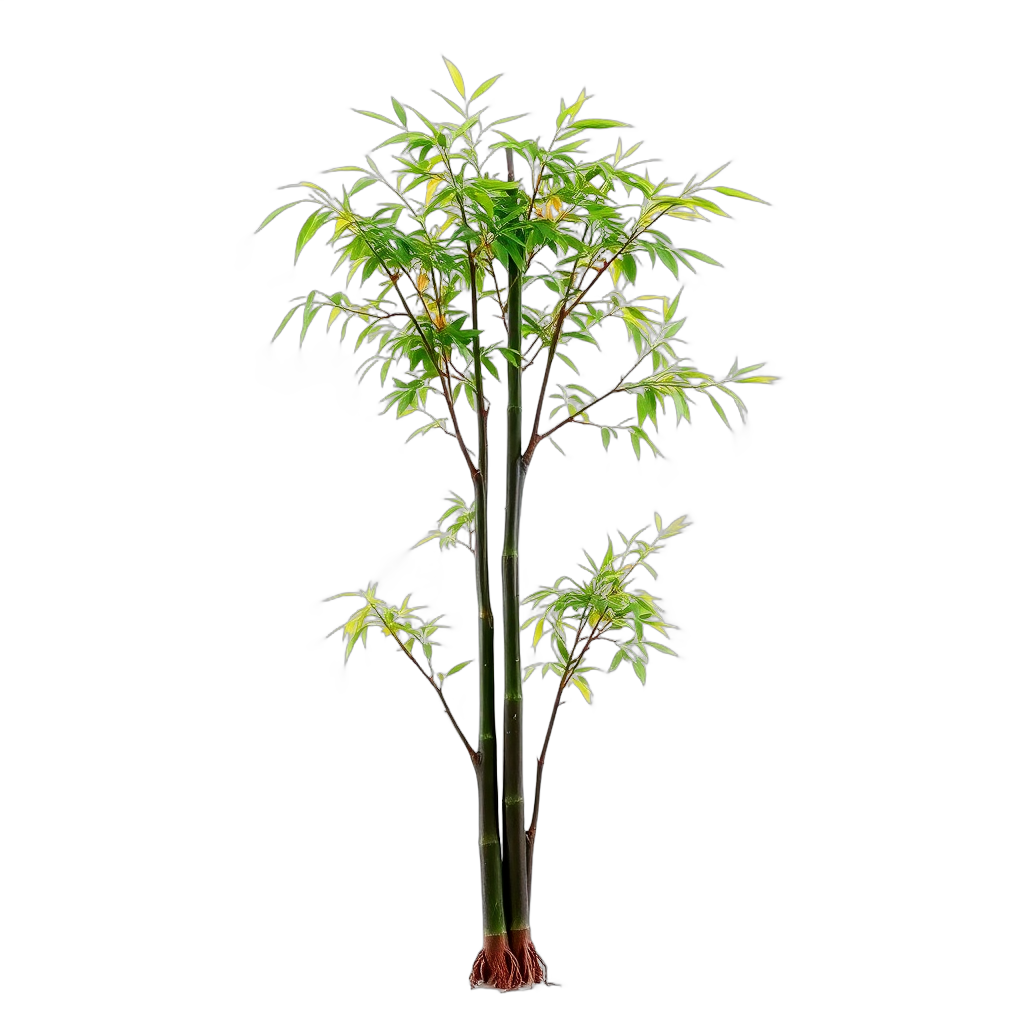
Black Bamboo
Phyllostachys nigra
reaches 25 feet tall, blooms in none. Evergreen year-round.
Featured Flowers & Perennials for Cottage/English Gardens
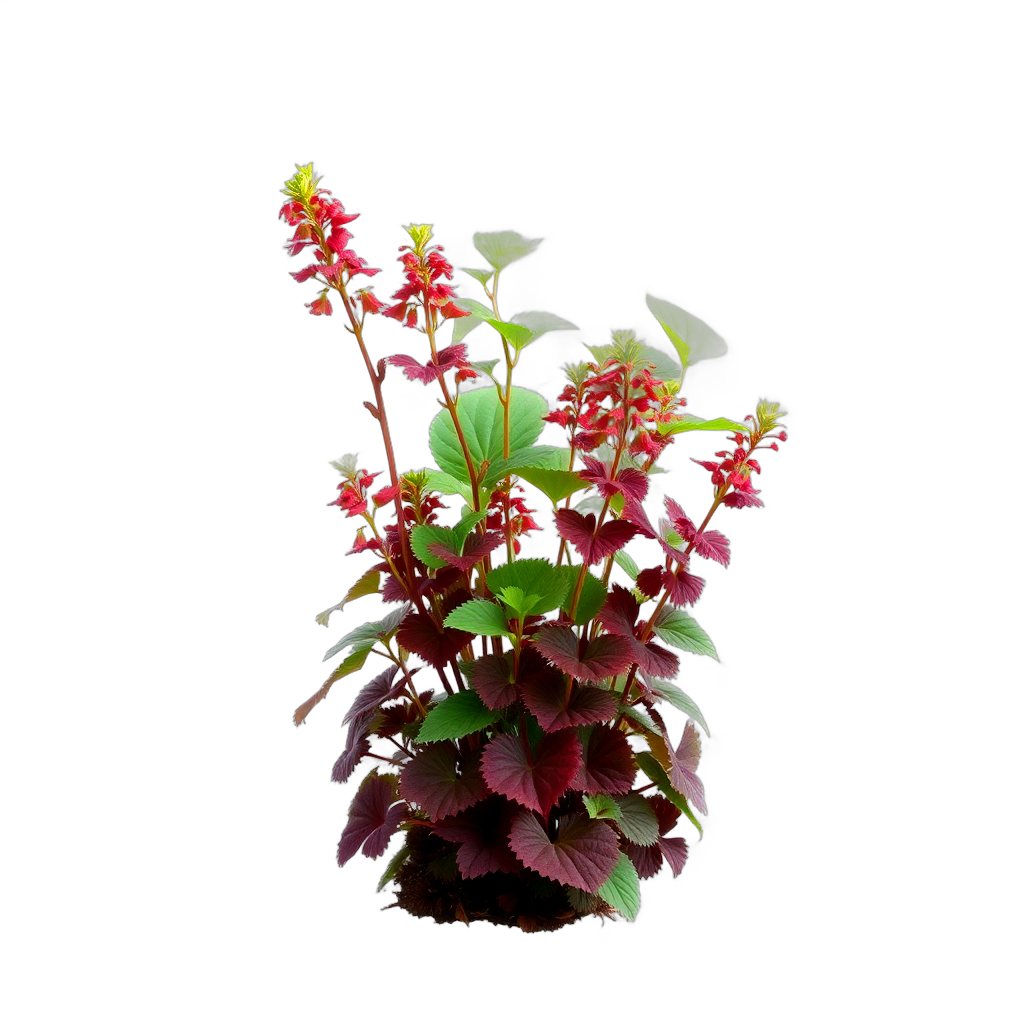
American Alumroot
Heuchera americana
low-growing ground cover, white blooms in spring. Pollinator-friendly.
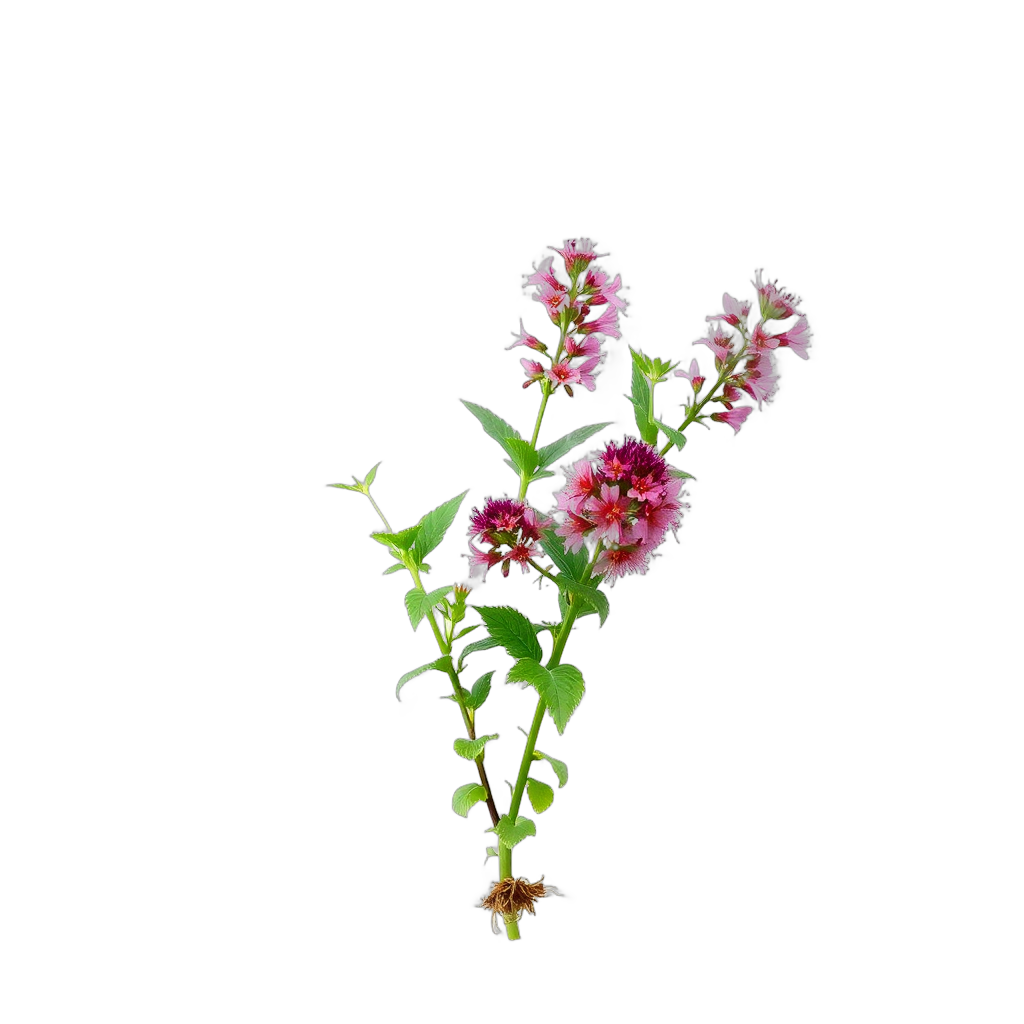
Bee Balm
Monarda didyma
grows to 3 feet, red blooms in summer. Attracts hummingbirds.
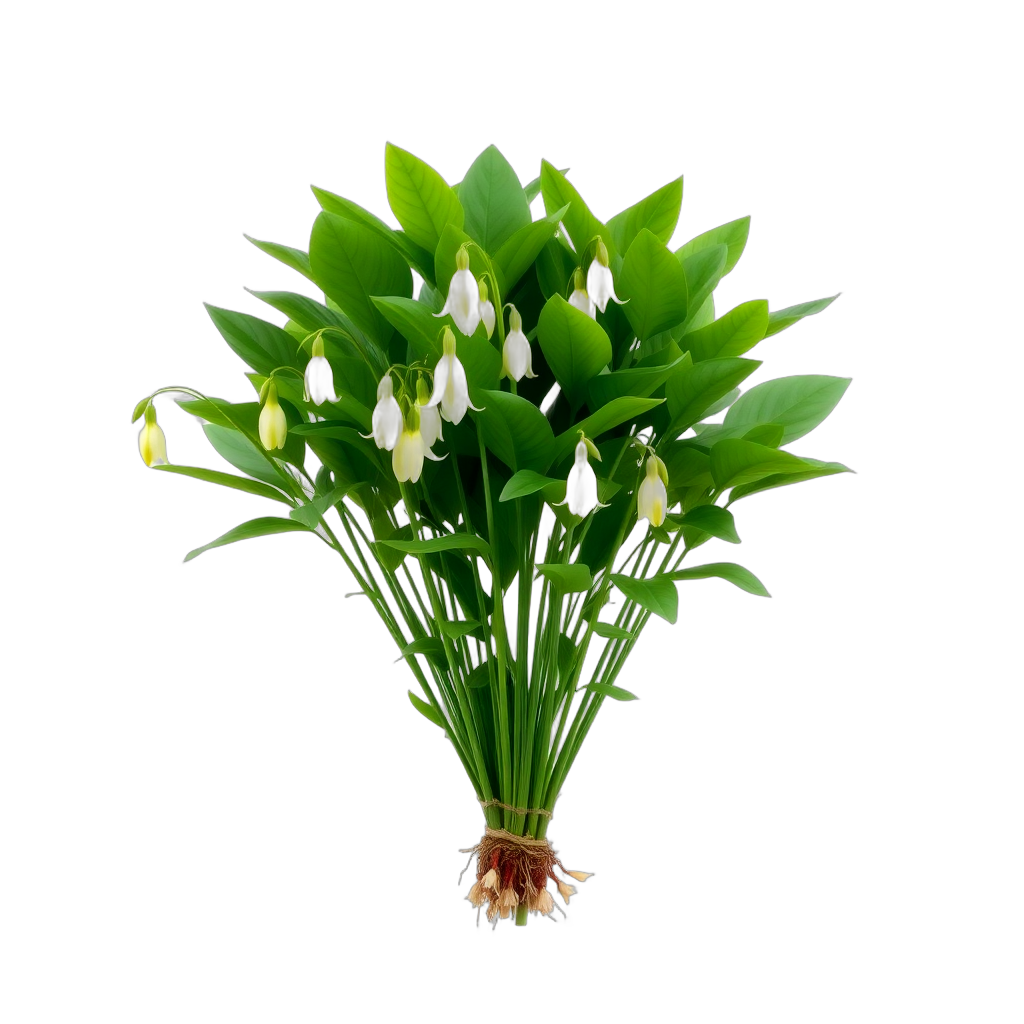
Bellwort
Uvularia grandiflora
low-growing ground cover, yellow blooms in spring. Pollinator-friendly.
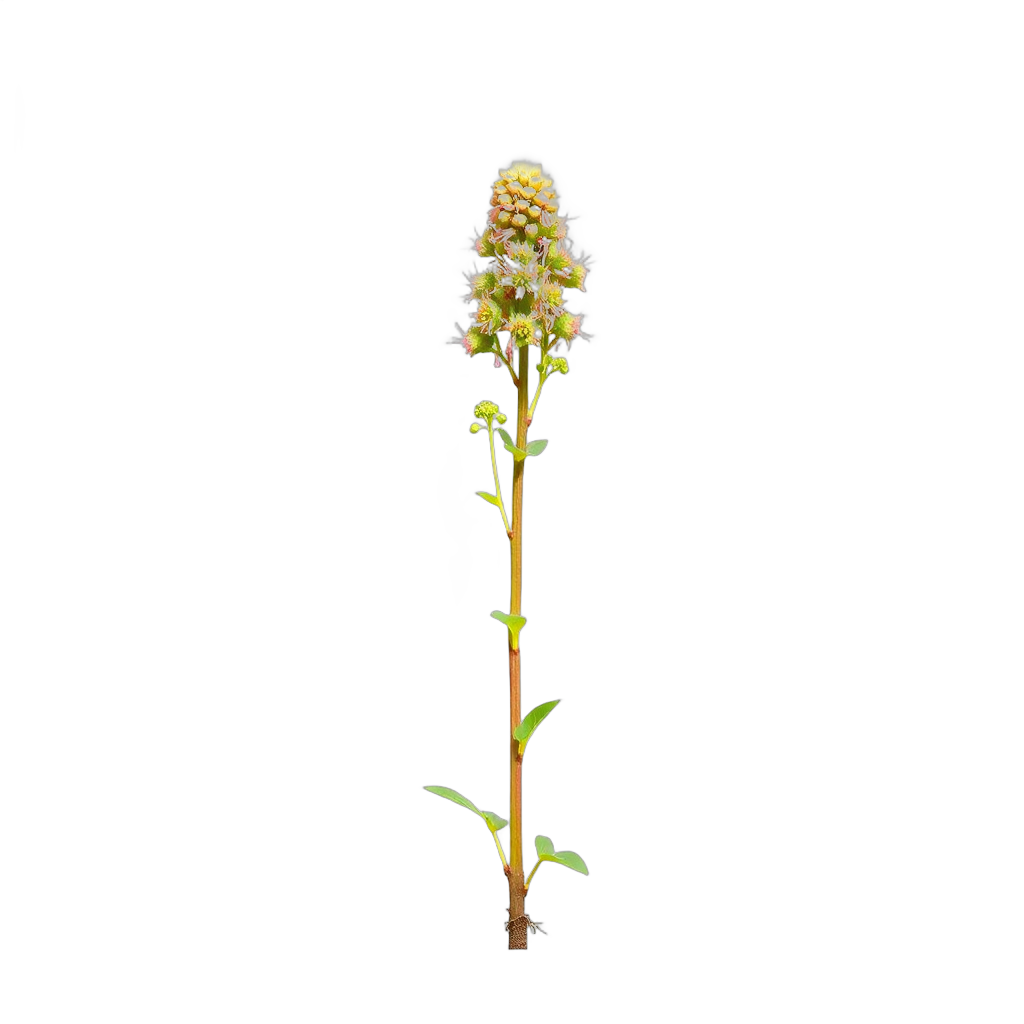
Bishop's Cap
Mitella diphylla
low-growing ground cover, white blooms in spring. Pollinator-friendly.
Zone and sun checks come from our database — confirm with your local nursery before you buy.
Bloom Calendar for Asheville
spring
American Alumroot, Bellwort, Bishop's Capsummer
Bee Balm, Black Cohosh, Black Cohoshfall
Limited bloomswinter
Limited bloomsDesign Tips for Asheville (Zone 7b)
- Use Lavandula × intermedia 'Phenomenal' instead of 'Hidcote' or 'Munstead': with 49.6 inches of rain and humid summers, the angustifolia types rot out in two or three seasons.
- Test the soil before planting. Asheville's red clay tends acidic, and roses and lavender want a pH nearer 6.5, so lime the beds the test calls for.
- Build borders up 6–10 inches with compost and pine bark fines. Clay holds water through winter, and raised planting beds drain faster than holes dug into it.
- On a bank, use a dry-stacked stone wall instead of mortared. It drains, it takes a thaw, and it gives Nepeta × faassenii 'Walker's Low' and Phlox subulata 'Emerald Blue' somewhere to spill.
- Set pergola and gate footings below the local frost line and confirm the depth with city permitting; January lows average 28.6°F and the ground does freeze.
- Plant roses and perennials in September–October. The median first freeze is October 28, so fall roots get about six weeks before frost.
- Hold dahlias and zinnias until early May. A freeze after April 27 occurs in about one year in ten, even though the median last freeze is April 9.
Where to Source Plants in Asheville
Skip the big-box stores. These independent Asheville nurseries specialize in the plants that make cottage/english gardens thrive in Zone 7b.
Reems Creek Nursery
Weaverville (about 10 minutes north of downtown Asheville)
Family-run garden center with trees, shrubs, perennials and annuals chosen for Western North Carolina, plus a garden shop and preorders for rare plants
Fifth Season Gardening, Asheville Market
South Tunnel Road, East Asheville
Outdoor nursery with perennials, annuals and trees, many of them native, plus organic soil amendments and a classroom for workshops
B.B. Barns Garden Center
Sweeten Creek Road, Arden (south of Asheville)
Long-running garden center on 4.5 acres with perennials, shrubs and trees, plus container design and landscape services
Cottage/English Landscaping Cost Ranges
| Project Scope | Estimated Cost |
|---|---|
| Flagstone walkway on a compacted base (150–250 sq ft) | $4,400–$9,400 |
| Picket fence, 4 ft tall (60 linear ft) | $1,500–$2,400 |
| Brick paver walk (100 sqft) | $2,000–$2,600 |
| AI visualization (ProScapeAI) | Free to start |
National average installed ranges for 2026 from our landscaping price list (Homewyse and other published sources). Prices in Asheville, NC vary with site, materials and contractor, so get two or three local quotes.
Asheville Climate & Growing Zone
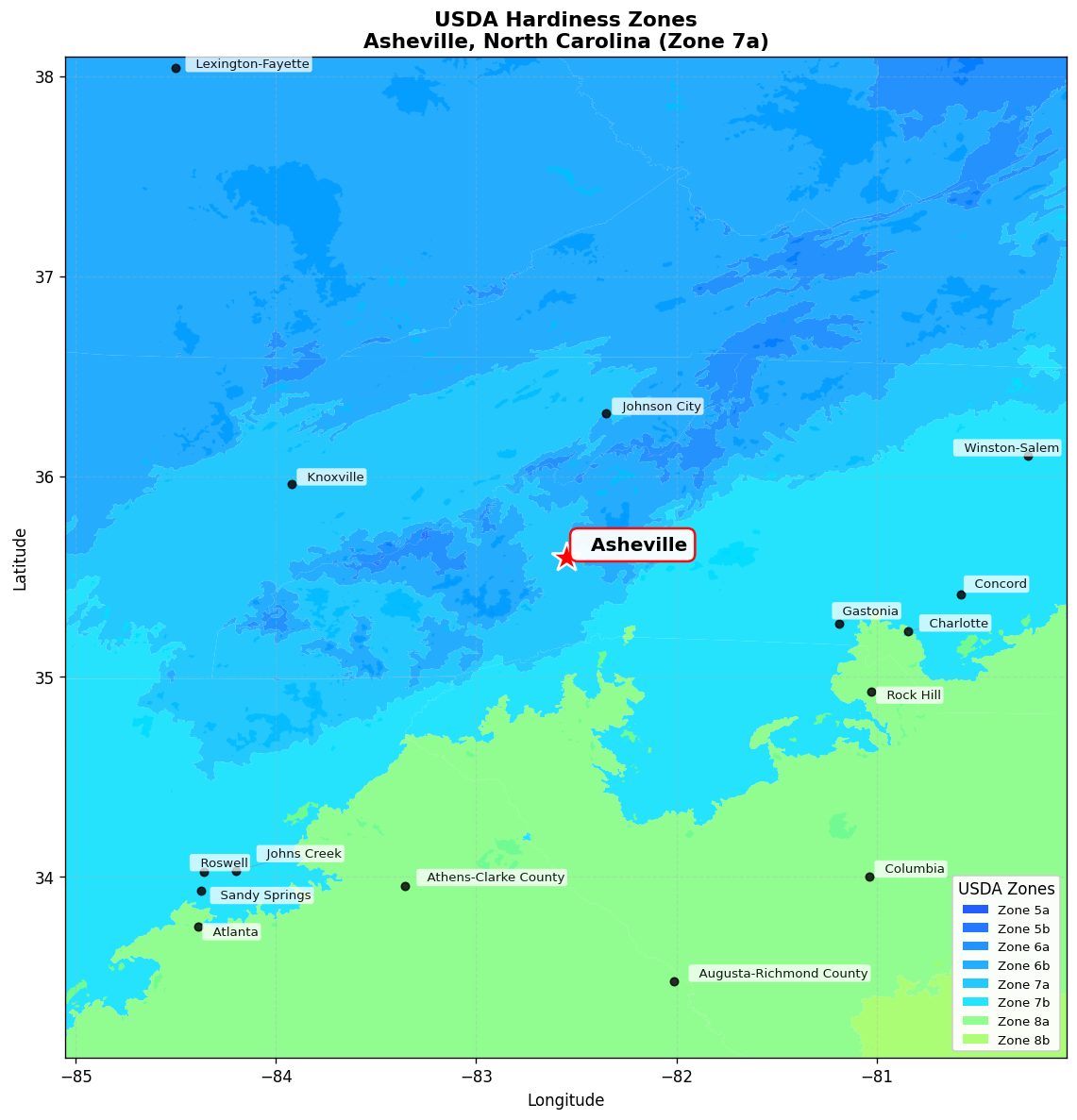
USDA Zone 7b
Hardiness zone for Asheville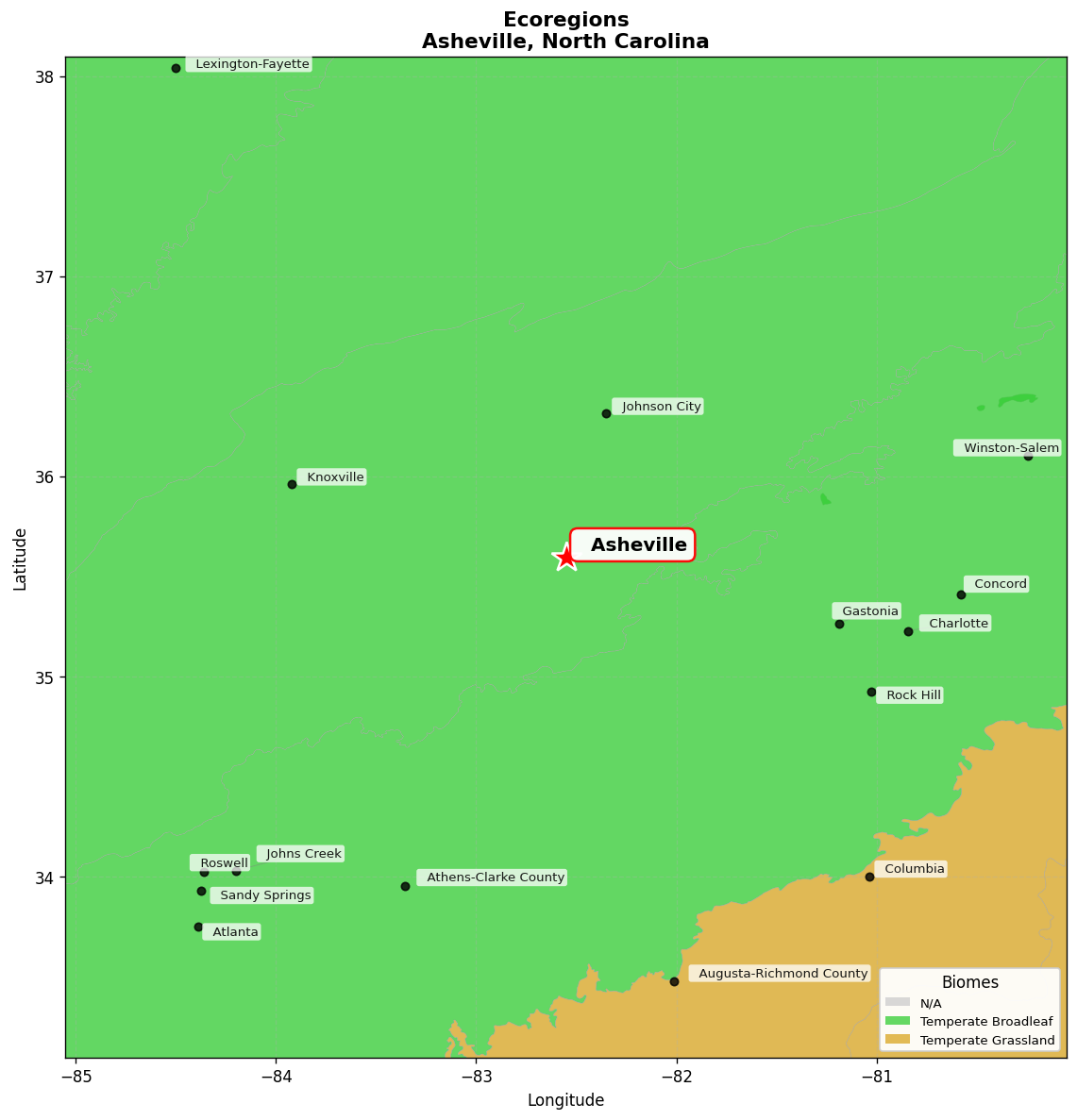
Appalachian-Blue Ridge forests
Native ecoregionFrequently Asked Questions
How much does a cottage garden cost in Asheville, NC?
Costs vary with yard size, materials and local labor, so get two or three local quotes before you commit. A flagstone walk costs roughly $30–38 per square foot. Hillside access raises labor on any job, so expect bids to run higher on steep lots.
How much upkeep does a cottage garden need in Asheville's humid summers?
Plan on a few hours a week from May to September. Deadhead Phlox paniculata 'David' and Echinacea purpurea 'Magnus' to extend bloom, cut back Nepeta × faassenii 'Walker's Low' by half after its first flush, and pull spent foliage off roses to hold blackspot down. With 49.6 inches of rain spread across the year, water at the base in the morning and skip overhead sprinklers. Mulch with 2–3 inches of pine bark or shredded hardwood each spring.
When should I plant a cottage garden in Asheville?
Fall, from mid-September through October, gives perennials and roses time to root before the first freeze, which the NOAA normals put at a median of October 28. Spring planting works from mid-April, but the median last 32°F freeze is April 9 and a freeze after April 27 still happens about one year in ten, so hold tender dahlias and zinnias until early May.
Do I need a permit or HOA approval in Asheville?
A simple planted border does not. Fences, retaining walls, tree removal on steep slopes and any work in a local historic district can. Asheville's Unified Development Ordinance has rules for steep slopes and for removing trees on them, so call Planning and Development before you build. Many newer subdivisions also have HOA rules on fence height and style, and the HOA may need to approve a front picket fence.
What survives an Asheville winter in a cottage garden?
Zone 7b lows of 5–10°F are rare, with about two days a year at or below 10°F, so Rosa 'Iceberg', Phlox paniculata 'David', Hosta 'Halcyon' and Helleborus × hybridus all come through. The weak point is wet feet and humid summers, not cold. Lavandula angustifolia 'Hidcote' and Delphinium elatum fade quickly here, and Lavandula × intermedia 'Phenomenal' is the substitute that holds.
Will deer and bears wreck a cottage garden in Asheville?
Deer are common in Asheville neighborhoods and they browse roses, hostas and dahlias. Fence the vegetable and cutting beds, spray the roses with a repellent from April, and lean on plants deer avoid: Lavandula × intermedia 'Phenomenal', Nepeta × faassenii 'Walker's Low', Salvia nemorosa 'Caradonna' and Aconitum carmichaelii 'Arendsii'. Keep compost bins closed and out of the way, because bears raid them.