4 Cottage Garden Ideas for Winston-Salem, NC | Zone 7b Piedmont Cottage Style
Native plants from the Appalachian Piedmont forests (Zone 7b) — Humid subtropical climate
Why Cottage/English Gardens in Winston-Salem?
Winston-Salem occupies the Appalachian Piedmont forests ecoregion in the western Piedmont of North Carolina — a landscape defined by rolling hills, red clay soils, mixed hardwood forests, and the watershed of the Yadkin River and its tributaries. The Triad’s gardening character is shaped by the nearby Blue Ridge Mountains to the west, which moderate temperatures, increase rainfall, and provide an extraordinary horticultural richness that distinguishes the western Piedmont from flatter eastern Carolina locations.
Winston-Salem’s Zone 7b climate creates excellent cottage garden conditions: mild winters with few hard freezes below 0°F, a reliable spring that begins in late February with camellias and moves through April with flowering cherries and May with peonies, and a long warm summer supporting continuous perennial bloom. The city’s extraordinary heritage neighborhoods — West End, Buena Vista, Ardmore, and Historic West End — are filled with Colonial Revival, Tudor, and Craftsman homes whose architecture naturally calls for the layered, romantic planting approach that defines great cottage garden design.
Winston-Salem’s artistic and cultural heritage — anchored by Wake Forest University, the Reynolda House, and a thriving arts district — creates a community with sophisticated aesthetic sensibilities. The Reynolda Gardens at Reynolda House (once the estate gardens of the Reynolds family) demonstrate the potential of Piedmont cottage and formal garden design at its most refined, providing extraordinary local inspiration for any Winston-Salem homeowner creating a cottage landscape.
4 Cottage/English Design Ideas for Winston-Salem
The West End Cottage Border
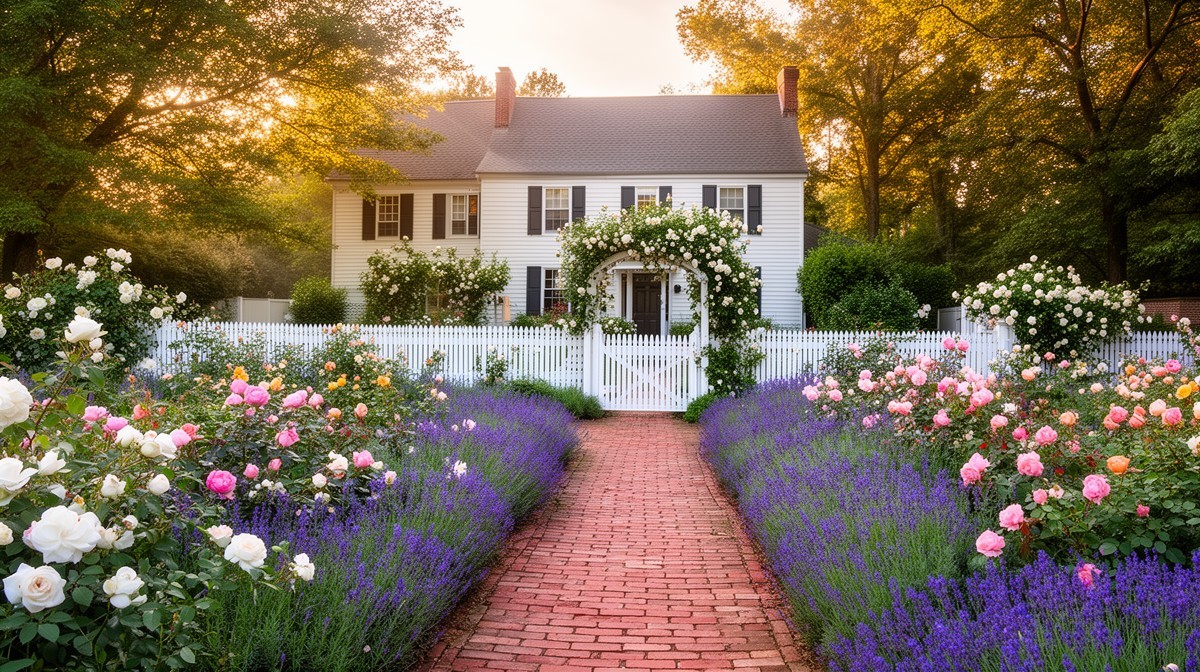
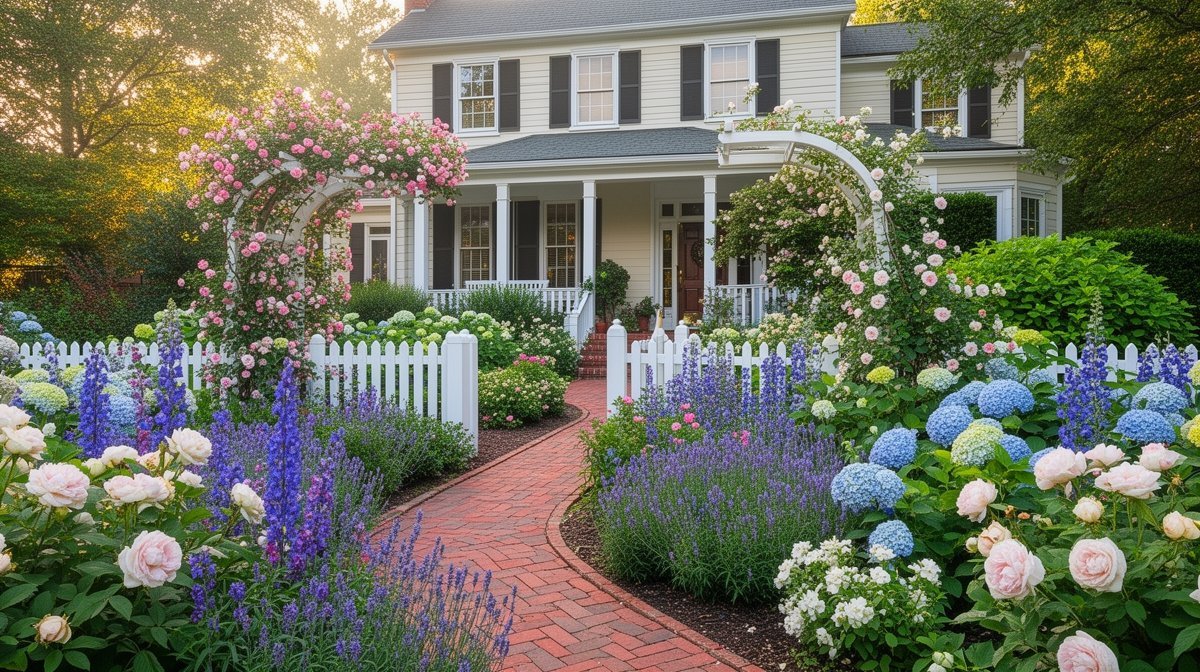
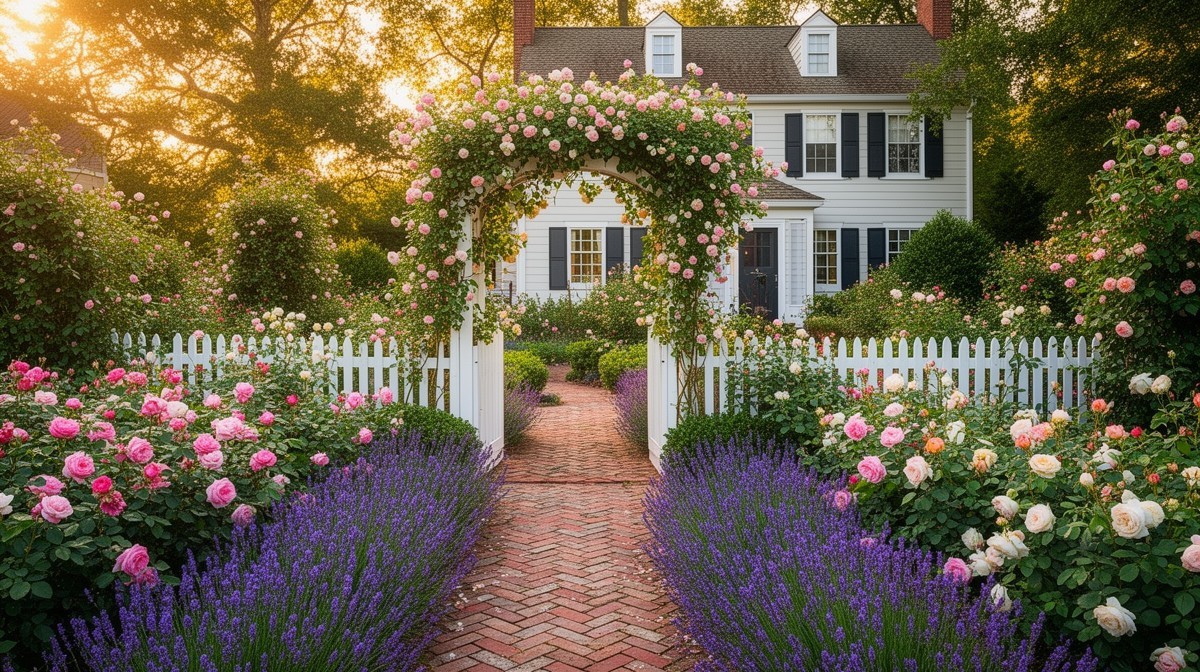
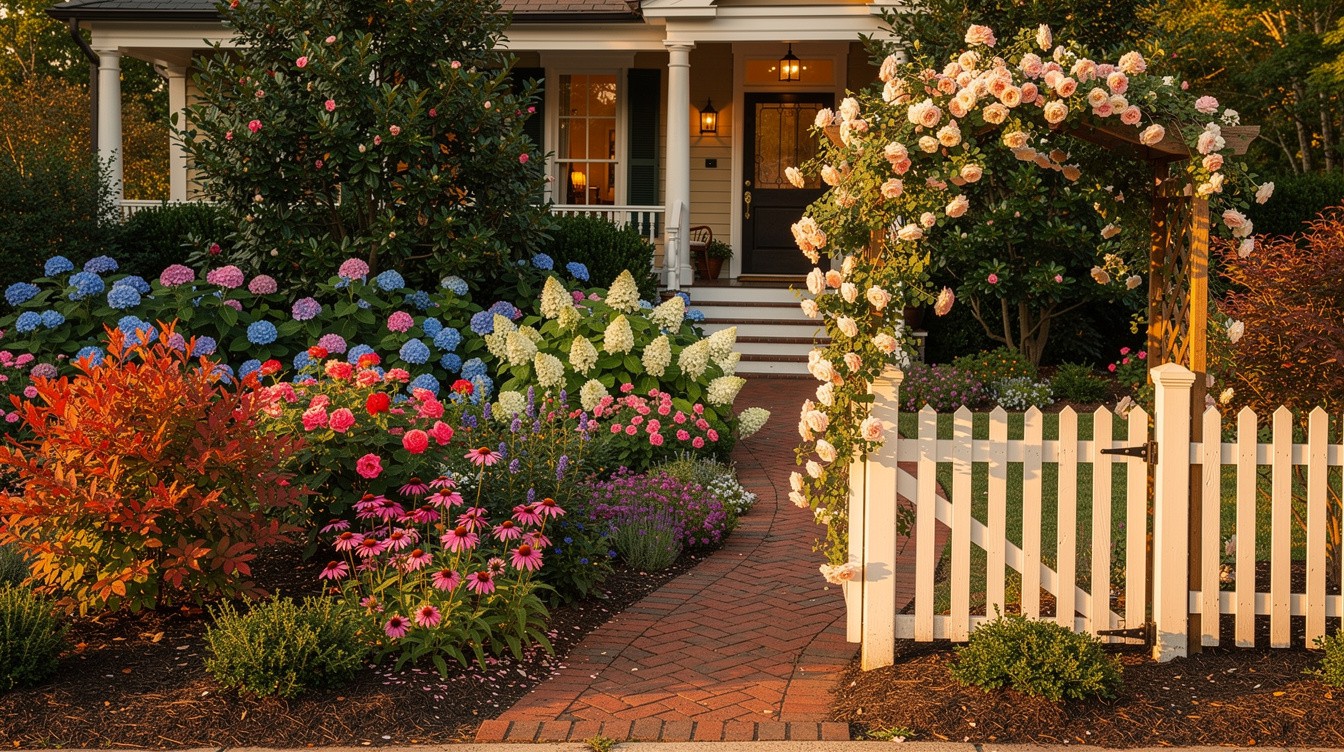
$7–15/sqftA Winston-Salem historic district front yard designed in the classic Piedmont cottage tradition: a deep mixed border along the front walk holds camellias at the back as evergreen winter anchors (blooming October–April in succession of varieties), with bigleaf hydrangeas and panicle hydrangeas creating the June–October flower display. Knock Out roses and coneflower fill the middle layer with color from May through September. Virginia sweetspire provides brilliant October fall color at the border’s end. A white picket fence runs along the property, and a climbing rose arches over the front gate arbor. A simple brick path leads from the gate to the porch steps. In the Triad’s Zone 7b, this design delivers color and texture in 10 of 12 months.
The Yadkin Valley Native Garden
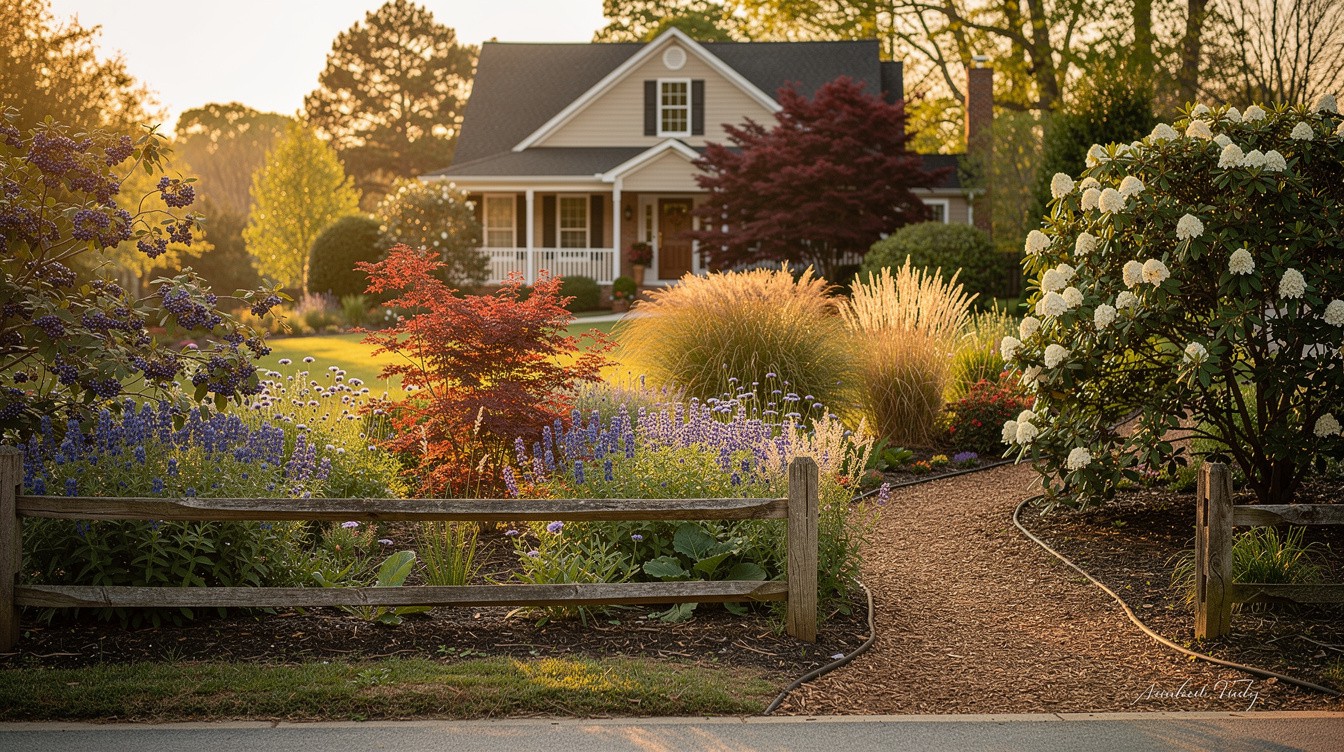
$5–11/sqftA Winston-Salem front yard designed to celebrate the native plants of the Piedmont and western Yadkin River watershed: native wildflowers and shrubs create an ecologically rich four-season display. Wild blue indigo blooms in bold blue-purple in May. Native beautyberry (Callicarpa americana) provides extraordinary iridescent purple berries in October that stop neighbors in their tracks. Virginia sweetspire’s brilliant scarlet-crimson fall color rivals any Japanese maple. Native mountain laurel from the Blue Ridge edge zone adds May-June white flowers in the shaded border. Native switchgrass provides winter structure. A simple split-rail fence and bark chip path complete the design in the rural heritage character of the Forsyth County landscape.
The Reynolda-Inspired Cottage Patio
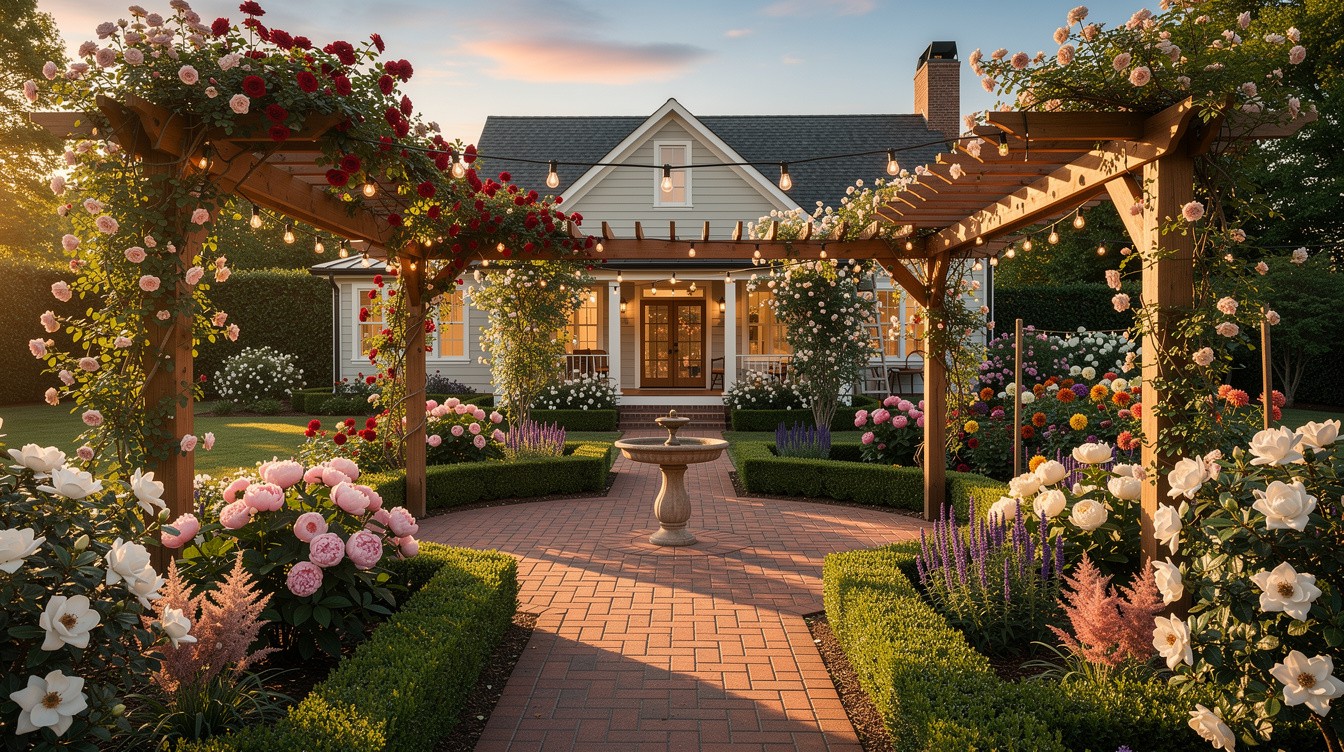
$11–22/sqftA Winston-Salem backyard designed in the spirit of the Reynolda House estate gardens — where formal cottage character meets relaxed Southern charm: a brick paver patio extends from the back of the house, enclosed on two sides by wood pergolas supporting climbing roses (New Dawn or Don Juan). Fragrant gardenias anchor the sunny corners of the patio border. Boxwood-edged borders hold cottage perennials — peonies, astilbe, and salvia in the formal beds. A birdbath at the patio’s center creates a simple focal point. A cutting garden of dahlias and zinnias fills one corner for August–October vase flowers. String lights under the pergola create warm evening atmosphere. This design captures the gracious Piedmont outdoor living tradition in a format scaled for a contemporary Winston-Salem home.
The Camellia Premier Garden
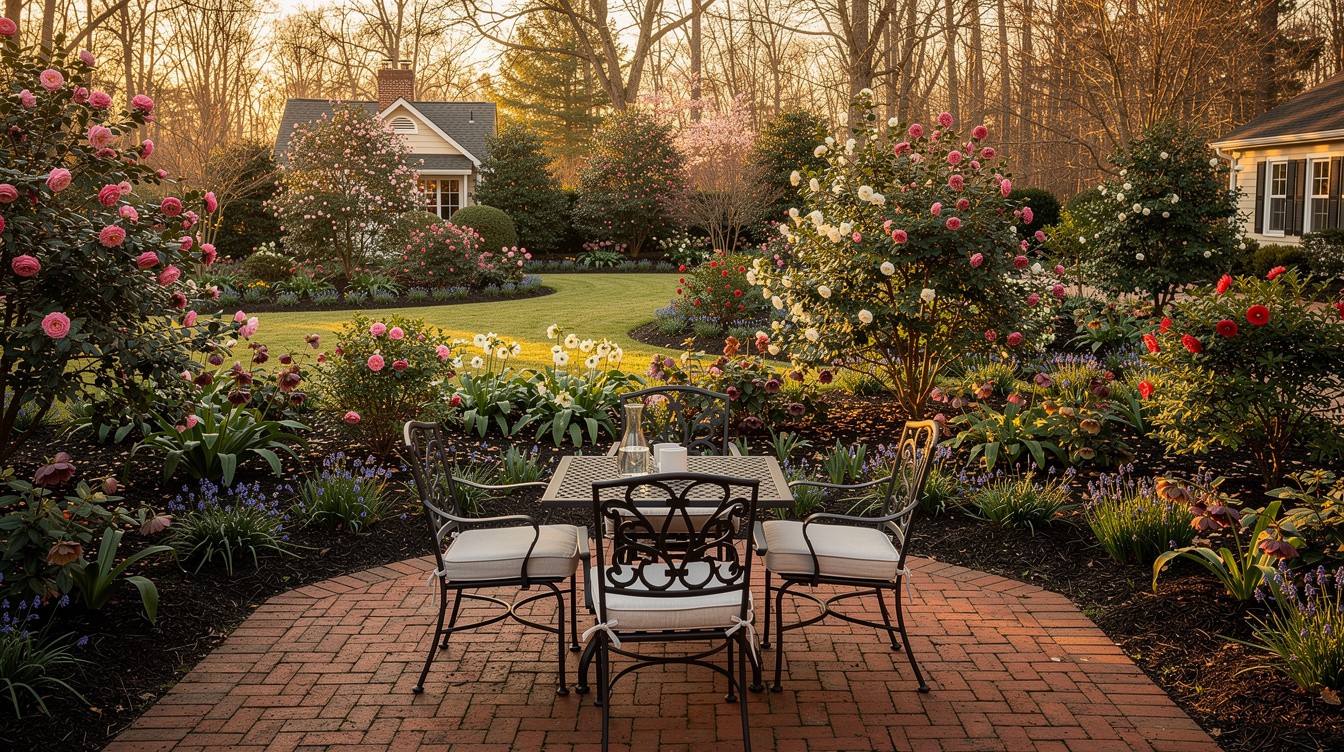
$13–25/sqftA premium Winston-Salem cottage backyard built around camellias as the defining plant — taking advantage of Winston-Salem’s Zone 7b being the optimal climate for camellia performance in the Eastern US. A long curving border holds 15–20 camellia varieties in careful succession: early sasanqua varieties open October–December; japonicus mid-season varieties bloom February–March; late japonicus April varieties carry the display into spring. Between the camellias, hellebores and native Virginia bluebells provide February–April understory bloom. A brick patio with wrought iron furniture creates the garden’s resting center. In February, when Winston-Salem’s camellias are in peak bloom while the entire Northeast lies frozen, this garden creates an utterly extraordinary cottage experience.
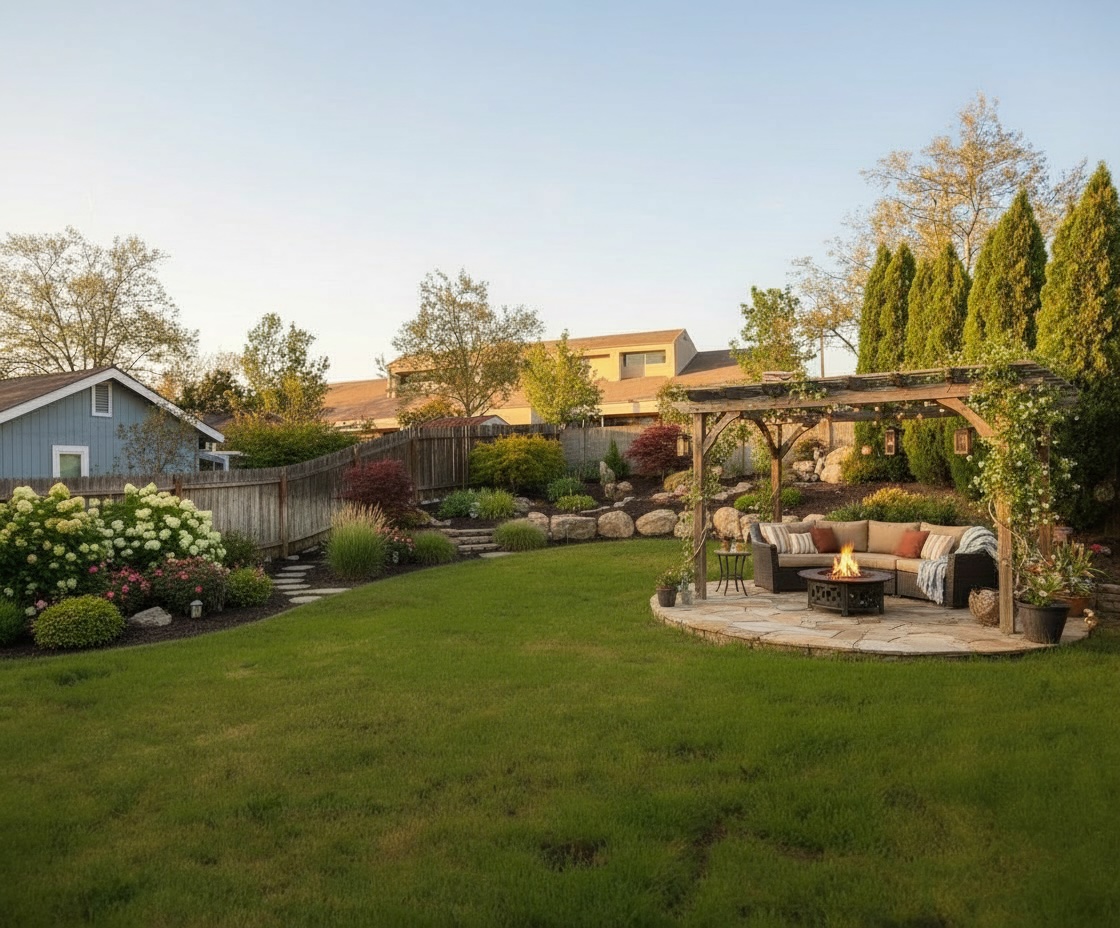
See how a cottage/english garden looks on YOUR property
Upload a photo of your Winston-Salem yard and visualize your dream garden in seconds.
Try ProScapeAI Free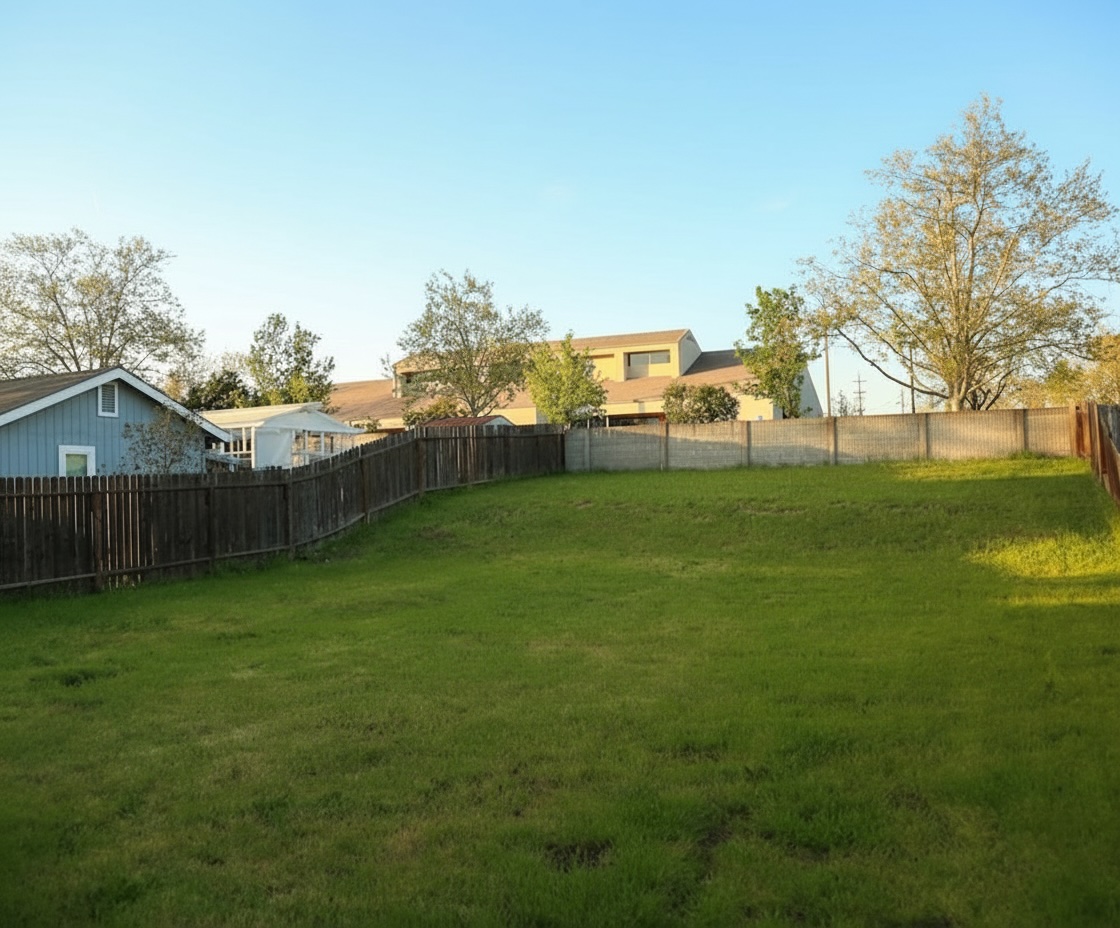
Featured Trees & Shrubs for Cottage/English Gardens
Browse all 204 plants for Winston-Salem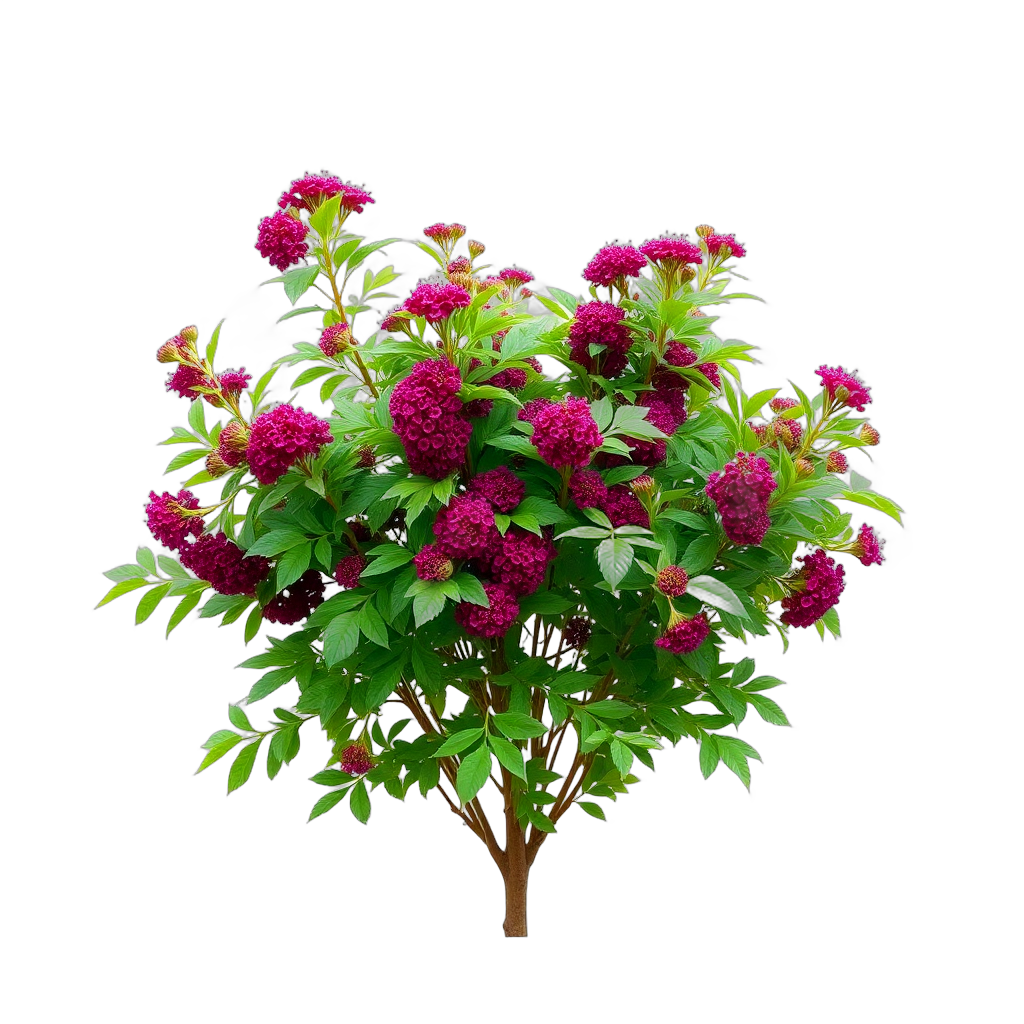
American Elderberry
Sambucus canadensis
medium-sized at 10 feet, white blooms in spring. Attracts butterflies.

American Snowbell
Styrax americanus
medium-sized at 10 feet, white blooms in spring. Pollinator-friendly.

Carousel Mountain Laurel
Kalmia latifolia 'Carousel'
grows to 5 feet, multi blooms in spring. Evergreen year-round.

Drooping Leucothoe
Leucothoe fontanesiana
grows to 5 feet, white blooms in spring. Evergreen year-round.
Featured Grasses & Groundcovers for Cottage/English Gardens
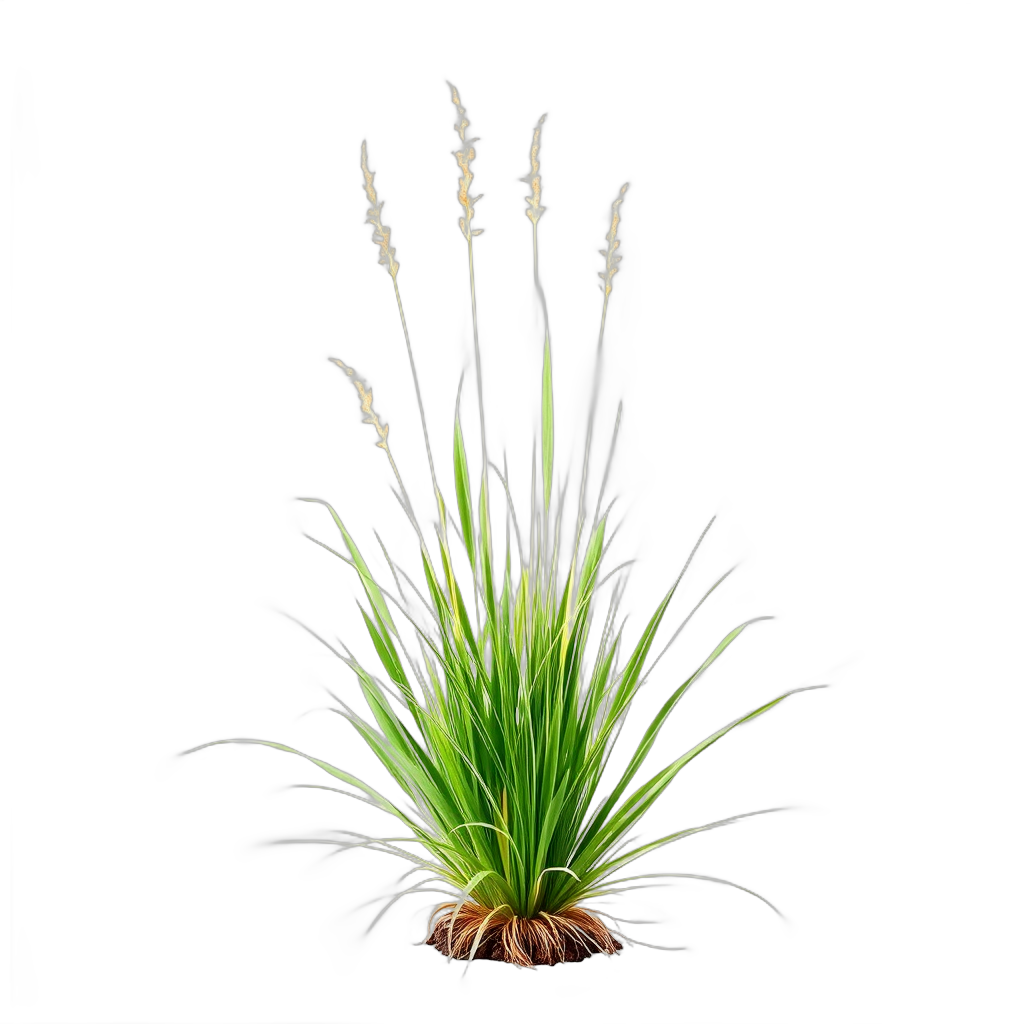
Northern Sea Oats
Chasmanthium latifolium
grows to 4 feet, blooms in fall. Bronze fall color.
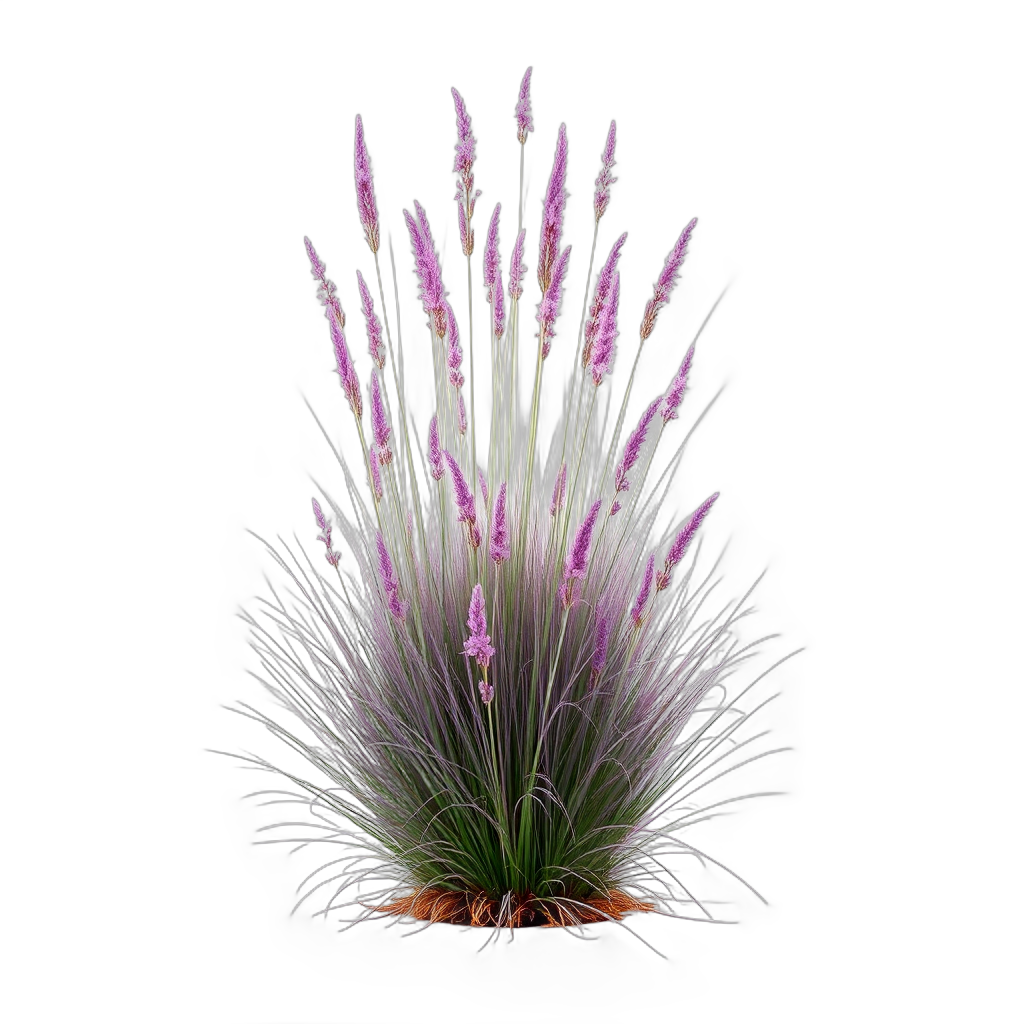
Purple Love Grass
Eragrostis spectabilis
low-growing ground cover, purple blooms in fall. Orange fall color.
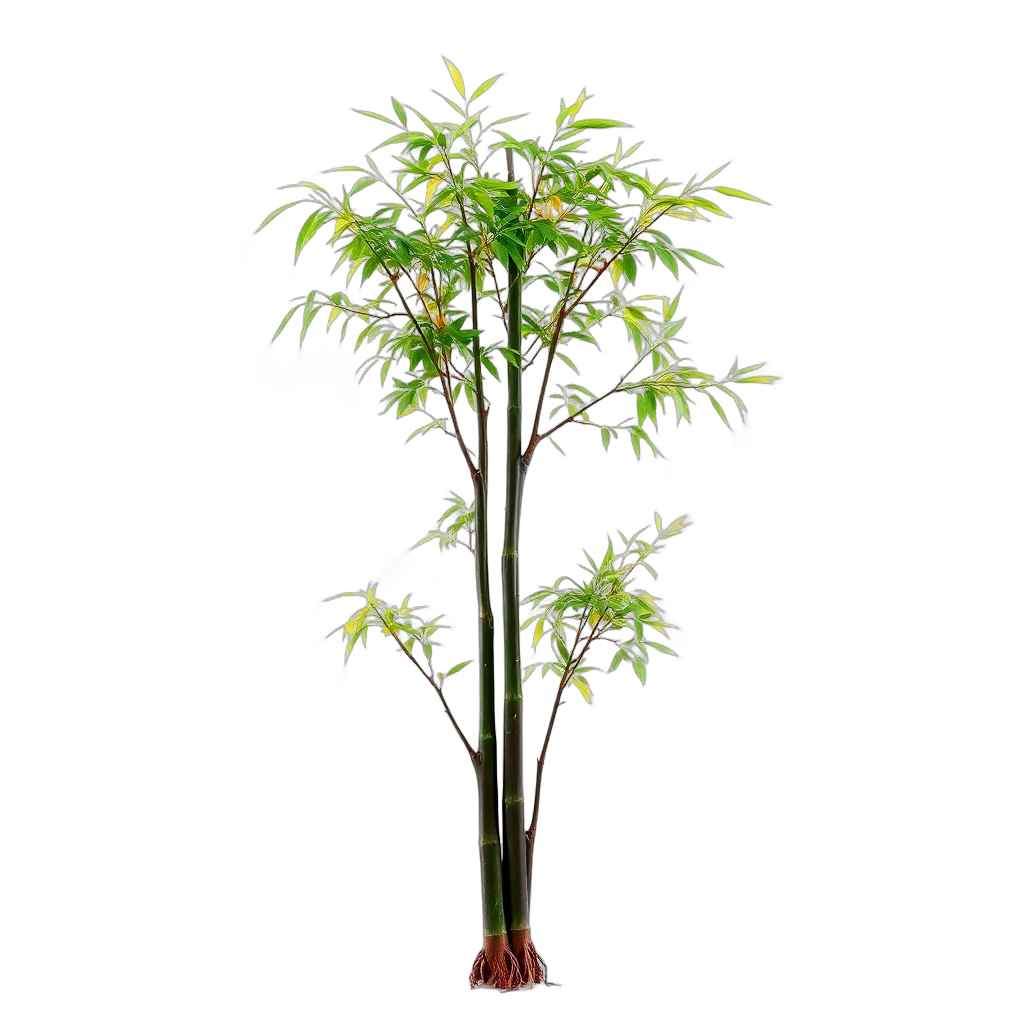
Black Bamboo
Phyllostachys nigra
reaches 25 feet tall, blooms in none. Evergreen year-round.
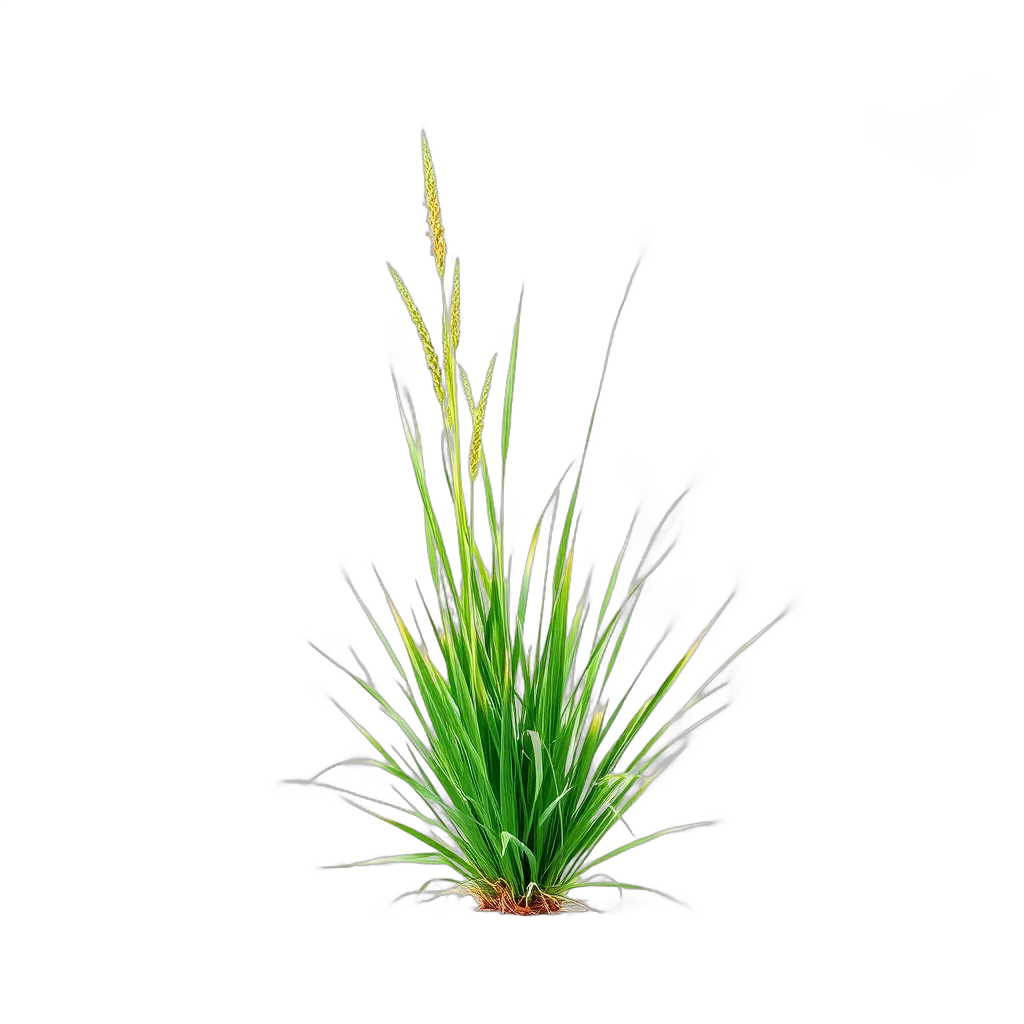
Bull Grass
Muhlenbergia emersleyi
grows to 4 feet, purple blooms in fall. Yellow fall color.
Featured Flowers & Perennials for Cottage/English Gardens
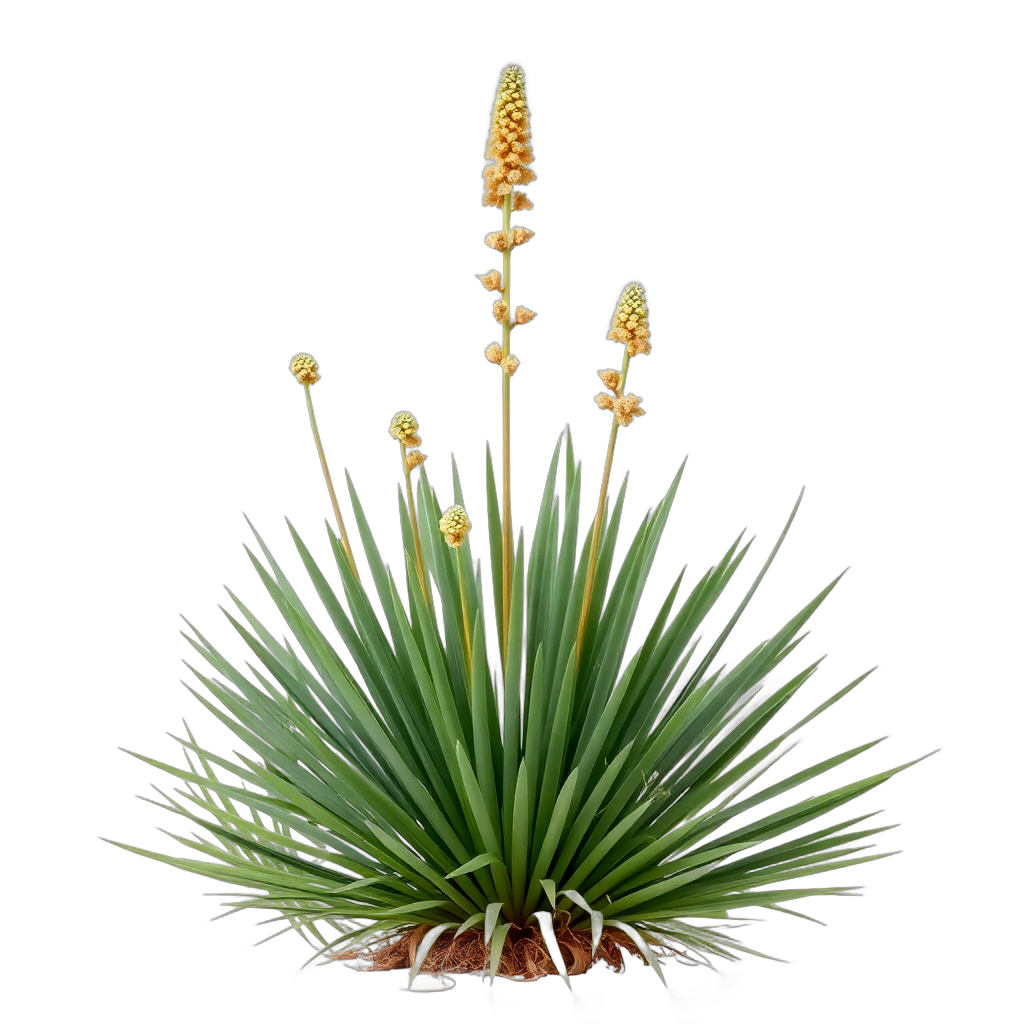
Adam's Needle
Yucca filamentosa
low-growing ground cover, white blooms in summer. Attracts hummingbirds.

Black Cohosh
Cimicifuga racemosa
grows to 5 feet, white blooms in summer. Attracts butterflies.
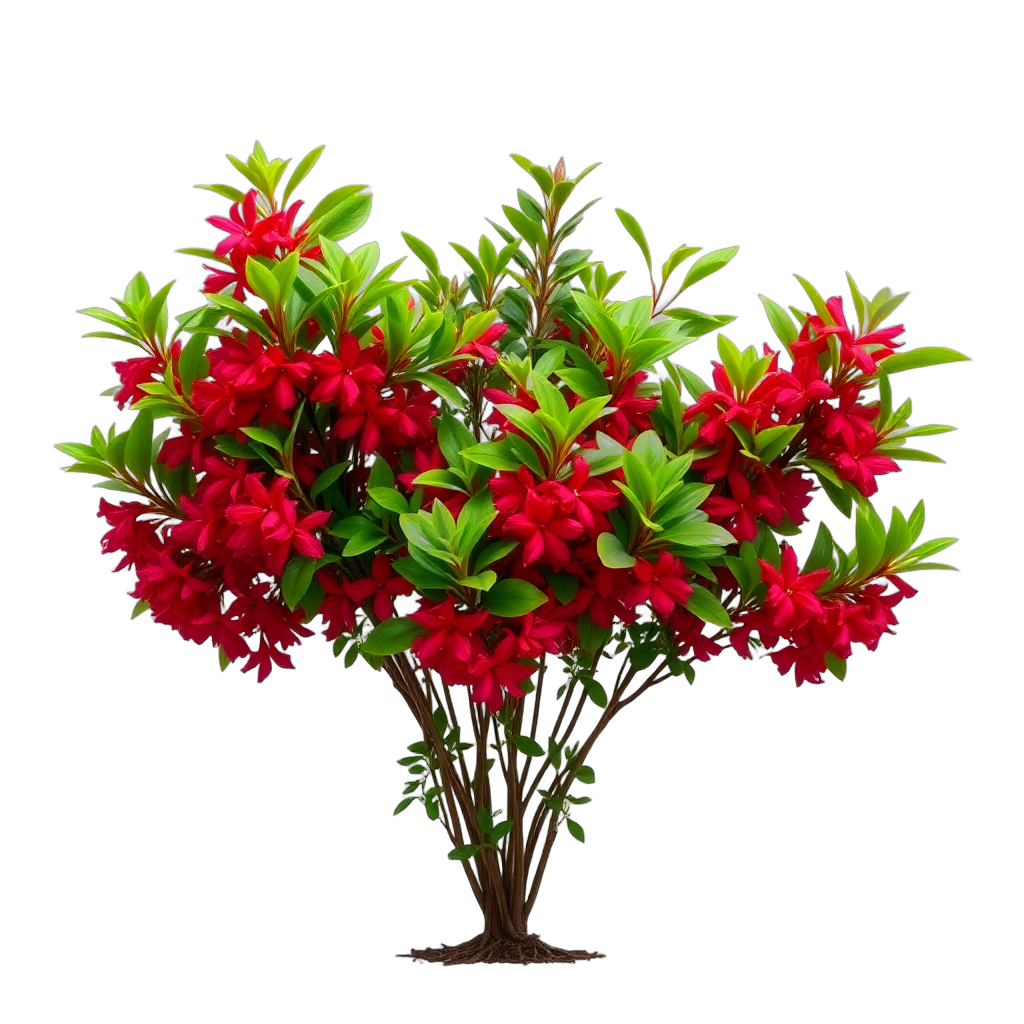
Coral Bean
Erythrina herbacea
grows to 5 feet, red blooms in spring. Attracts hummingbirds.
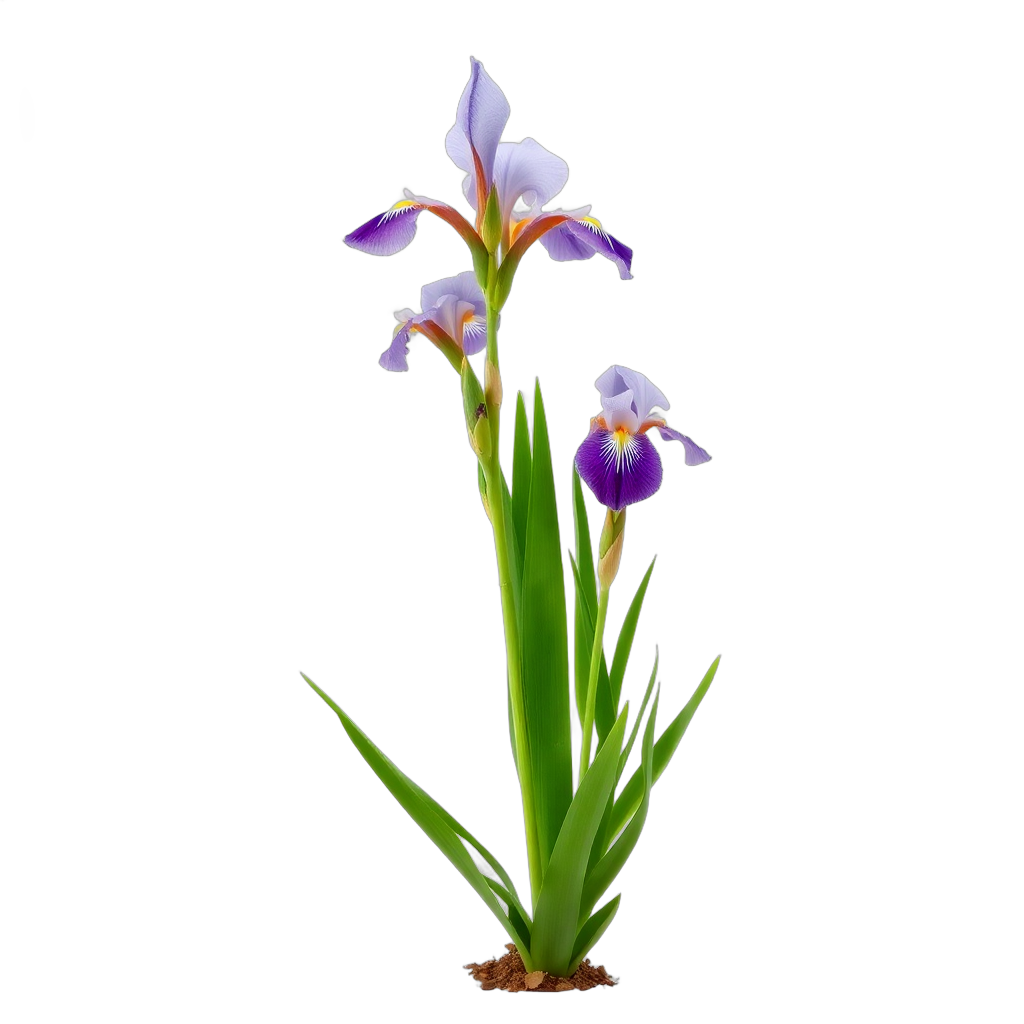
Crested Iris
Iris cristata
low-growing ground cover, blue blooms in spring. Attracts butterflies.
Zone and sun checks come from our database — confirm with your local nursery before you buy.
Bloom Calendar for Winston-Salem
spring
Coral Bean, Crested Iris, Southern Blue Flagsummer
Adam's Needle, Black Cohosh, False Aloefall
Northern Sea Oats, Purple Love Grasswinter
Limited bloomsDesign Tips for Winston-Salem (Zone 7b)
- Visit Reynolda Gardens at Reynolda House in October when the early sasanqua camellias begin to bloom and the fall color of the historic borders is at its peak — the plant combinations there are calibrated for Winston-Salem’s Zone 7b climate and provide the most authentic local cottage garden inspiration available
- Plant camellia sasanqua on south- or east-facing aspects for the most prolific October–December bloom — sasanqua camellias bloom on current-year growth and require some sun exposure; a south wall with reflected warmth extends the bloom season and protects buds from early November cold snaps
- Use native Virginia sweetspire (Itea virginica) as the fall color backbone of any Winston-Salem cottage design — it blooms fragrant white in June, turns scarlet-crimson-orange in October, and tolerates both the occasional flooding and drought that characterize the Yadkin Valley watershed area around Winston-Salem
- Mix both bigleaf and panicle hydrangeas in any Winston-Salem cottage border for the longest hydrangea display — bigleafs (Endless Summer) bloom June–August in blue or pink, and panicle types (Limelight) bloom August–October in lime-to-pink, creating a 5-month continuous hydrangea display
- Plant gardenias against a south-facing foundation wall in Winston-Salem for winter protection and maximum fragrance impact — the masonry wall’s thermal mass keeps the gardenia’s root zone a few degrees warmer than the open garden, ensuring survival through the occasional Zone 7b cold snaps
- Add native beautyberry (Callicarpa americana) to any Winston-Salem cottage border for the single most spectacular October effect in the Piedmont garden — the iridescent metallic-purple berry clusters on arching 6-foot stems in late September and October are unmistakable from the street and are loved by every bird that visits the garden
Where to Source Plants in Winston-Salem
Skip the big-box stores. These independent Winston-Salem nurseries specialize in the plants that make cottage/english gardens thrive in Zone 7b.
Frank’s Perennial Border
Winston-Salem (near Lowes on Peters Creek Pkwy)
Trusted Triad nursery since 1989; specializes in NC native plants and flowering plants; one of the most knowledgeable nurseries in the Triad
Myers Greenhouse
Clemmons / Kernersville
Grows 80% of plants on-site; bedding plants, perennials, houseplants, shrubs, herbs, and seasonal plants for Forsyth County
House of Plants
Winston-Salem
Winston-Salem plant shop with indoor and outdoor plant selection and local growing expertise
Mitchell’s Nursery & Greenhouse
King, NC (north of Winston-Salem)
45-year-old nursery with 18,000+ sqft of greenhouse; comprehensive plant selection for the Winston-Salem area
Reynolda Nursery and Landscaping
Winston-Salem
Local Winston-Salem nursery and landscaping with experience in Piedmont climate plant selection and cottage designs
Cottage/English Landscaping Costs in Winston-Salem
| Project Scope | Estimated Cost |
|---|---|
| Cottage front border with camellias, hydrangeas, and climbing rose arbor (400–600 sqft) | $4,000 – $10,000 |
| White picket fence with gate arbor (50 linear feet + arbor) | $2,000 – $5,500 |
| Brick paver patio (200–350 sqft) | $4,000 – $9,500 |
| Wood pergola with climbing rose and string lights | $2,500 – $8,000 |
| Camellia collection planting (10–15 specimens in border) | $1,500 – $5,000 |
| Full cottage backyard transformation (800–1,200 sqft) | $10,000 – $27,000 |
| AI visualization with ProScapeAI | Free to start |
Estimates based on Winston-Salem, NC-area contractor rates as of 2026. Actual costs vary by site conditions, materials, and contractor.
Winston-Salem Climate & Growing Zone
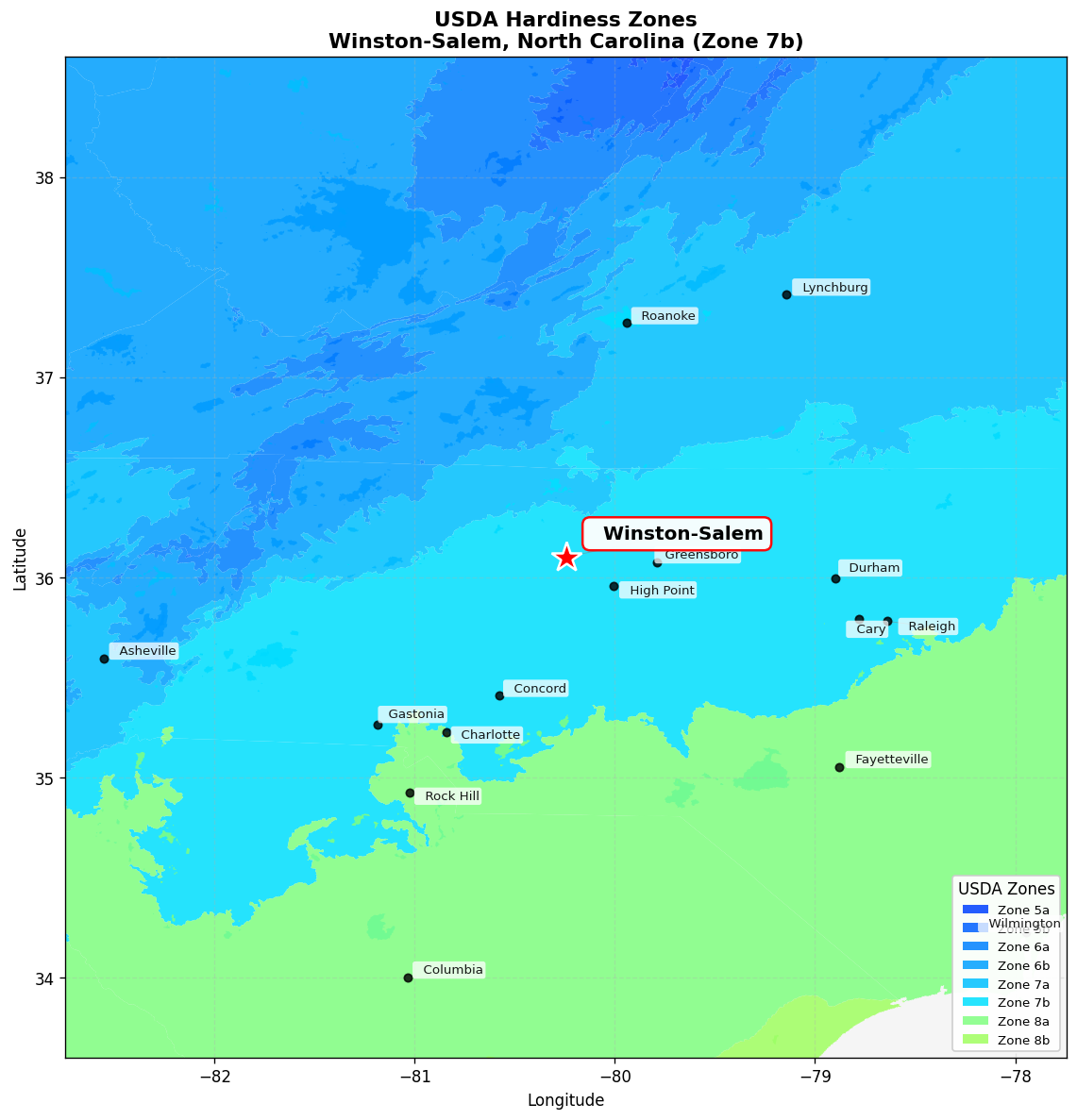
USDA Zone 7b
Hardiness zone for Winston-Salem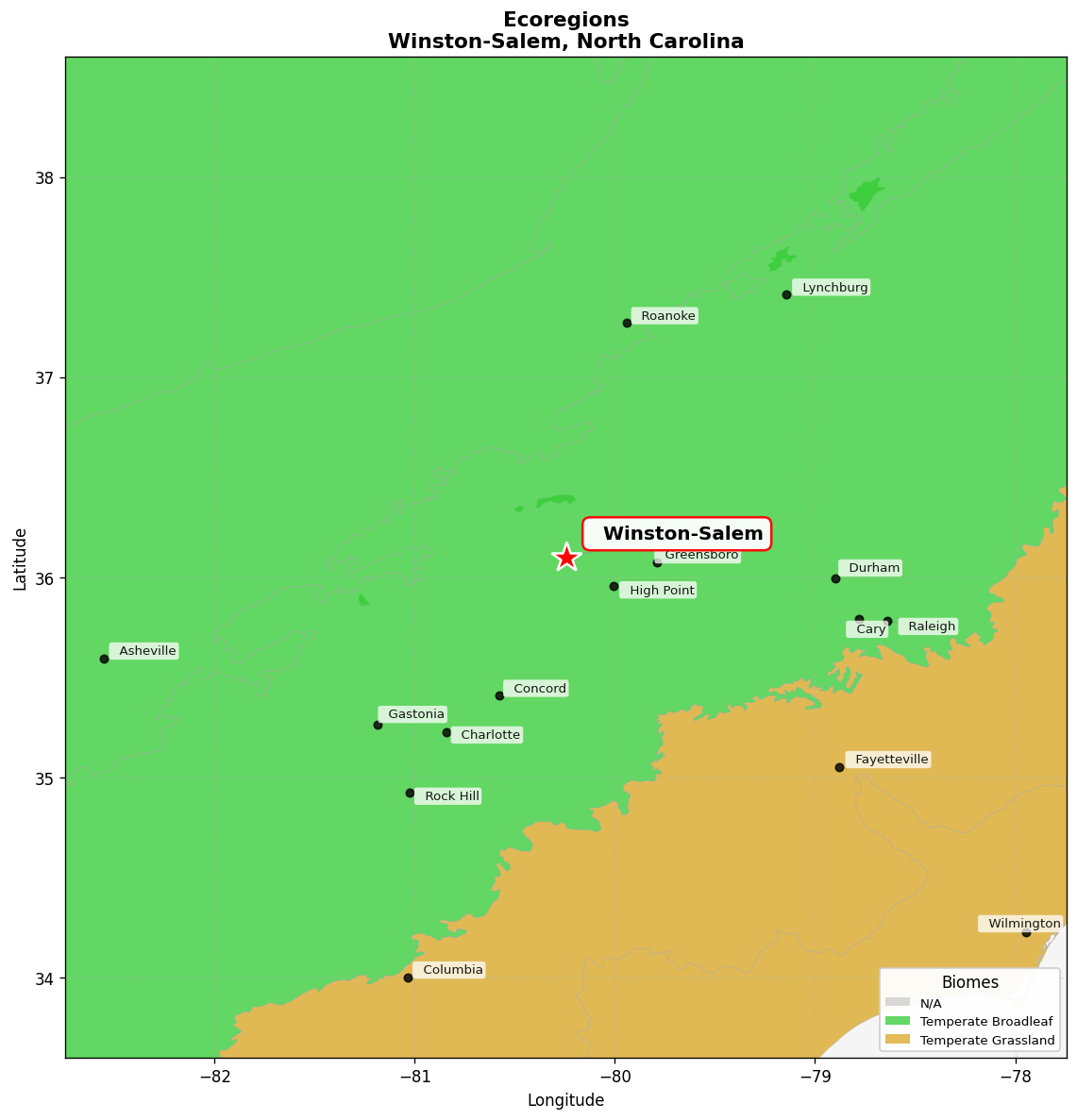
Appalachian Piedmont forests
Native ecoregionFrequently Asked Questions
What cottage plants thrive in Winston-Salem’s Zone 7b Piedmont climate?
Winston-Salem’s Zone 7b is exceptional for cottage gardening. Key performers: camellias (both sasanqua and japonicus thrive — Winston-Salem is in the prime camellia belt), gardenias (fragrant, spring bloom), all hydrangea species (bigleaf, panicle, oakleaf — all excellent in the Triad’s humidity), Knock Out and shrub roses (disease tolerant), peonies (Zone 7b provides sufficient chilling), Virginia sweetspire (native, brilliant fall color), native beautyberry (purple berries, October spectacular), mountain laurel (shade garden), hellebores (February–April under trees), and the full native Piedmont wildflower palette — coneflower, rudbeckia, native asters.
How much does cottage landscaping cost in Winston-Salem?
Winston-Salem has favorable landscaping costs compared to Charlotte or Raleigh. Sod installation runs approximately $1.30–1.80 per square foot. Basic garden installation: $4–12 per square foot. A cottage front border with camellias, hydrangeas, and arbor (400–600 sqft) costs $4,000–10,000. A brick patio with pergola and planting (600–900 sqft) runs $10,000‑25,000. Full design-build cottage landscape projects for a Forsyth County home are $12,000‑32,000. Frank’s Perennial Border, Myers Greenhouse, and House of Plants are excellent local resources for plant selection and guidance.
What camellias perform best in Winston-Salem?
Winston-Salem’s Zone 7b is the heart of the Eastern US camellia belt. Top performers: Sasanqua camellias (bloom October–December, include: Setsugekka white, Yuletide red, Cleopatra pink, Mine-No-Yuki white) — most cold-hardy camellia type for Winston-Salem. Japonicus camellias (bloom January–April, include: Professor Sargent, Lady Vansittart, Magnoliaeflora) — classic cottage garden camellias. Autumn-blooming camellias (Camellia hiemalis) extend the season even earlier. Hardy Camellias for colder spots: April Rose, April Blush, April Kiss — rated to Zone 6 for additional winter hardiness in exposed Winston-Salem locations.
When is the best planting time in Winston-Salem?
Winston-Salem’s optimal planting windows: Fall (October–November) is excellent for perennials, shrubs, and trees — the soil stays warm until late November, allowing 6–8 weeks of root establishment. Camellias plant best in fall or early spring. Spring (March 15–May 15) for summer perennials and roses — average last frost is April 10–20. Native plants can go in fall or early spring. Summer planting (June–August) is possible with irrigation but less ideal; Winston-Salem’s humid summers are stressful for newly planted material. The fall planting window is especially valuable for cottage garden perennials like peonies, hostas, and astilbe.
Do Winston-Salem’s clay soils affect cottage garden success?
Winston-Salem’s Piedmont red clay requires management for cottage garden success. Challenge: clay drains slowly and can waterlog roots in heavy rain. For roses: plant in raised beds or amend heavily (50% compost by volume) for drainage. For camellias and gardenias: slightly acid soil (pH 5.5–6.0) is ideal — test and amend if pH is too high. For hydrangeas: clay holds moisture well, which suits hydrangeas — minimal amendment needed. For peonies: raised beds essential — peonies rot in waterlogged clay. Annual compost additions of 2–3 inches improve clay soil progressively. Native Piedmont plants are clay-adapted and need no amendment.
Are there good cottage garden resources in Winston-Salem?
Winston-Salem has excellent cottage gardening resources. Reynolda Gardens at Reynolda House Museum (reynoldahouse.org) maintains historic gardens with camellias, formal borders, and cutting gardens — a must-visit for cottage garden inspiration calibrated to the Triad’s Zone 7b climate. Frank’s Perennial Border on Stafford Village Blvd is one of the Triad’s most knowledgeable cottage and native plant nurseries. The Forsyth County Cooperative Extension Master Gardener program (forsyth.ces.ncsu.edu) provides free plant advice and demonstration gardens. The Greater Winston-Salem garden club network offers garden tours in spring when cottage gardens are at peak.