4 Cottage Garden Ideas for Augusta, GA | English Cottage Landscape Design in Zone 8a
Native plants from the Southeast US conifer savannas (Zone 8a) — Humid subtropical climate
Why Cottage/English Gardens in Augusta-Richmond County?
Augusta, GA has called itself the Garden City since the 1800s, and the cottage garden is closer to a native dialect here than an imported style. The Victorian cottages of Olde Town, the deep-porch bungalows along Walton Way in Summerville, and the 1930s brick cottages of Forest Hills were all built with front-yard flower beds in mind — narrow, shallow, sidewalk-facing spaces that a picket fence and a rose arch flatter far better than a lawn ever could. Zone 8a gives you roughly 230 growing days between a late-March last frost and a mid-November first frost, so an Augusta cottage border can carry color from 'Yuletide' sasanqua in December, through 'George Lindley Taber' azaleas and 'Cherokee Princess' dogwood at Masters week, to Salvia leucantha in late October. Very few American cities get that many months of bloom out of a hundred square feet.
The catch is the same thing that makes everything grow. Augusta averages about 45 inches of rain a year and spends most of July and August above 92°F with dew points in the low 70s — fungal paradise. Hybrid teas defoliate to bare canes by August under black spot pressure here, so the local answer is old Southern and Earth-Kind roses that shrug it off: 'Peggy Martin', 'Belinda's Dream', 'Ducher', 'Mrs. B.R. Cant', 'Louis Philippe', and the white climbing tea 'Sombreuil' all hold clean foliage through an Augusta summer without a spray program. The same substitution logic runs down the whole English plant list. Delphinium, lupine, and true peony will not perennialize in Zone 8a, and English lavender rots in the humidity. Swap in fall-sown larkspur, Salvia 'Mystic Spires Blue', a double Camellia japonica such as 'Pink Perfection' for peony drama, and Lavandula x intermedia 'Phenomenal', the one lavender bred to take Southeastern summers.
Then there is the ground itself. Augusta sits on the Fall Line, and the Sandhills soils under Summerville and West Lake are fast-draining sandy loam sitting near pH 5.0–5.5 with almost no water-holding capacity — the opposite problem from the red clay thirty miles upstream. Fix it before you plant: three to four inches of compost tilled into the top eight, dolomitic lime worked in wherever lavender, Dianthus 'Bath's Pink', or clematis will go, and a two-inch pine-straw mulch, the cheap local standard at roughly $5–7 a bale. Budget for drip irrigation too, since Georgia's Water Stewardship Act lets you water landscape beds any day of the week between 4 p.m. and 10 a.m. Do the soil work once and an Augusta cottage garden becomes genuinely low-effort — the climate does the growing, and your job shrinks to deadheading and one hard cutback in February.
4 Cottage/English Design Ideas for Augusta-Richmond County
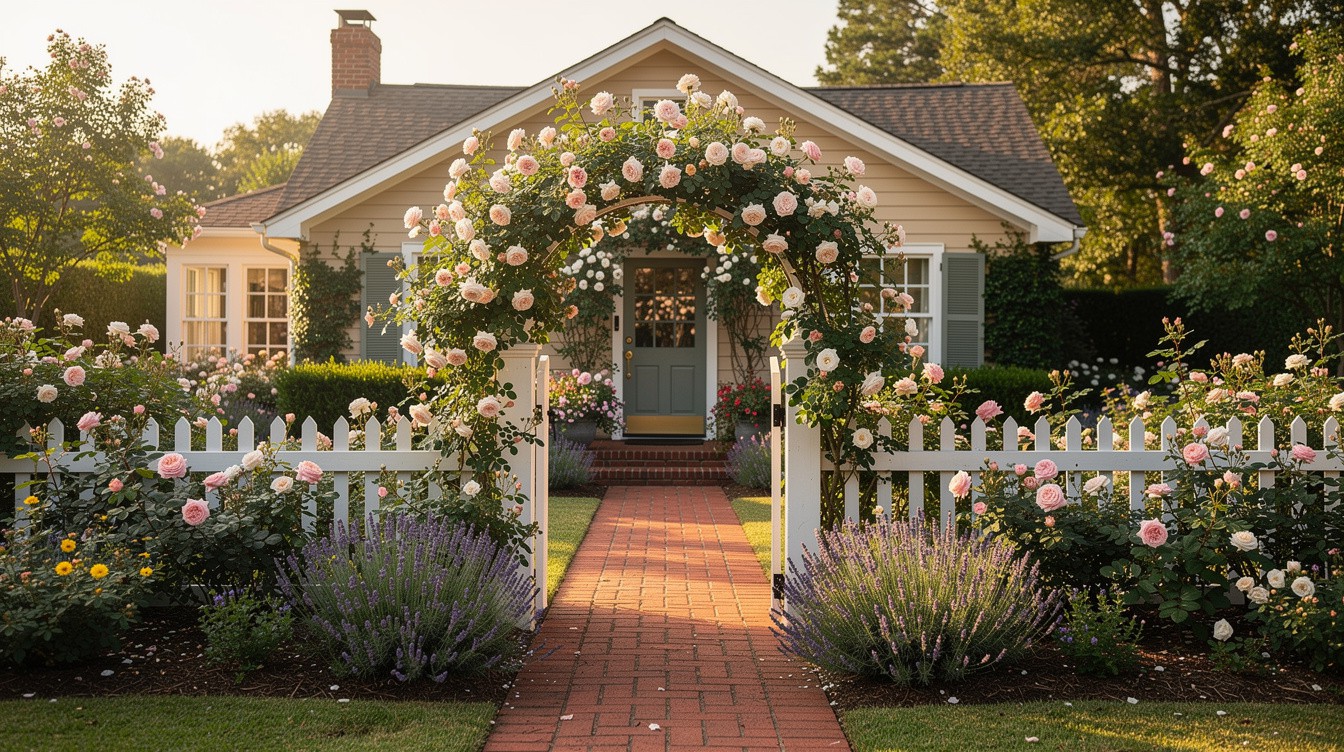
The Summerville Rose Gate
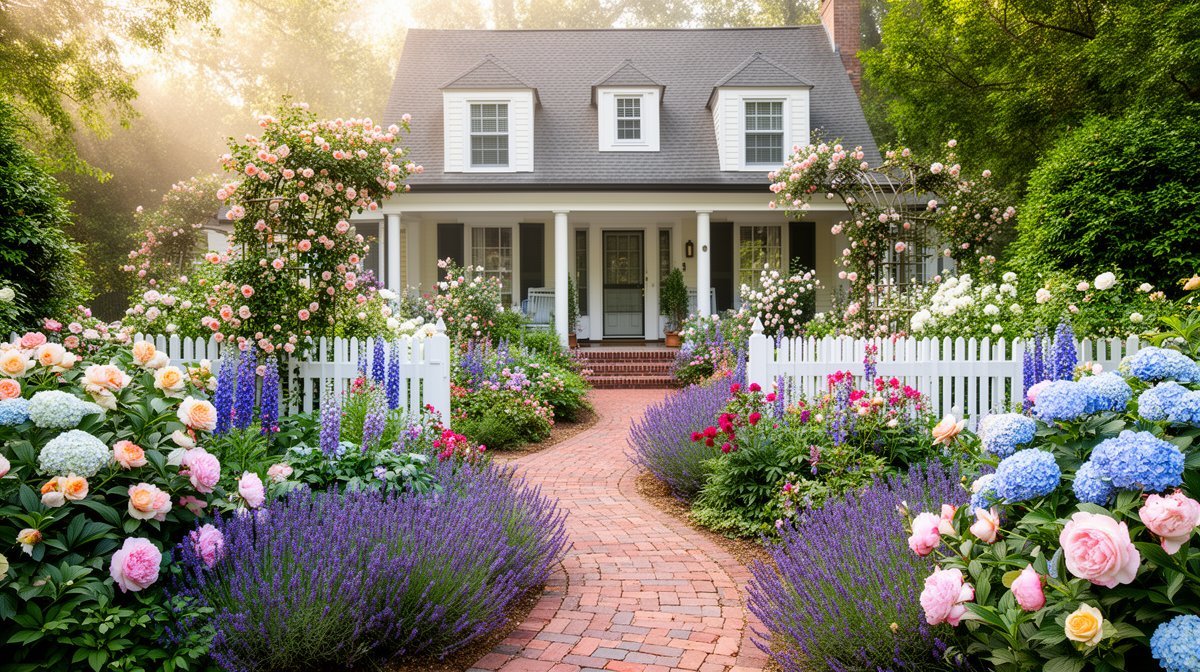
$18–32/sqftA cream clapboard cottage with sage-green shutters sits behind a low white picket fence, and the whole design turns on one gesture: a rose-smothered arch over the gate, dropping blush blooms onto a red-brick walk laid in running bond. Inside the fence the beds are packed with shrub roses in pink and cream; outside it, a ribbon of lavender and buttery coreopsis softens the pickets at the sidewalk. It is a small, cheap, shallow front yard doing an enormous amount of work — and the brick path is a direct nod to the old walks in Olde Town.
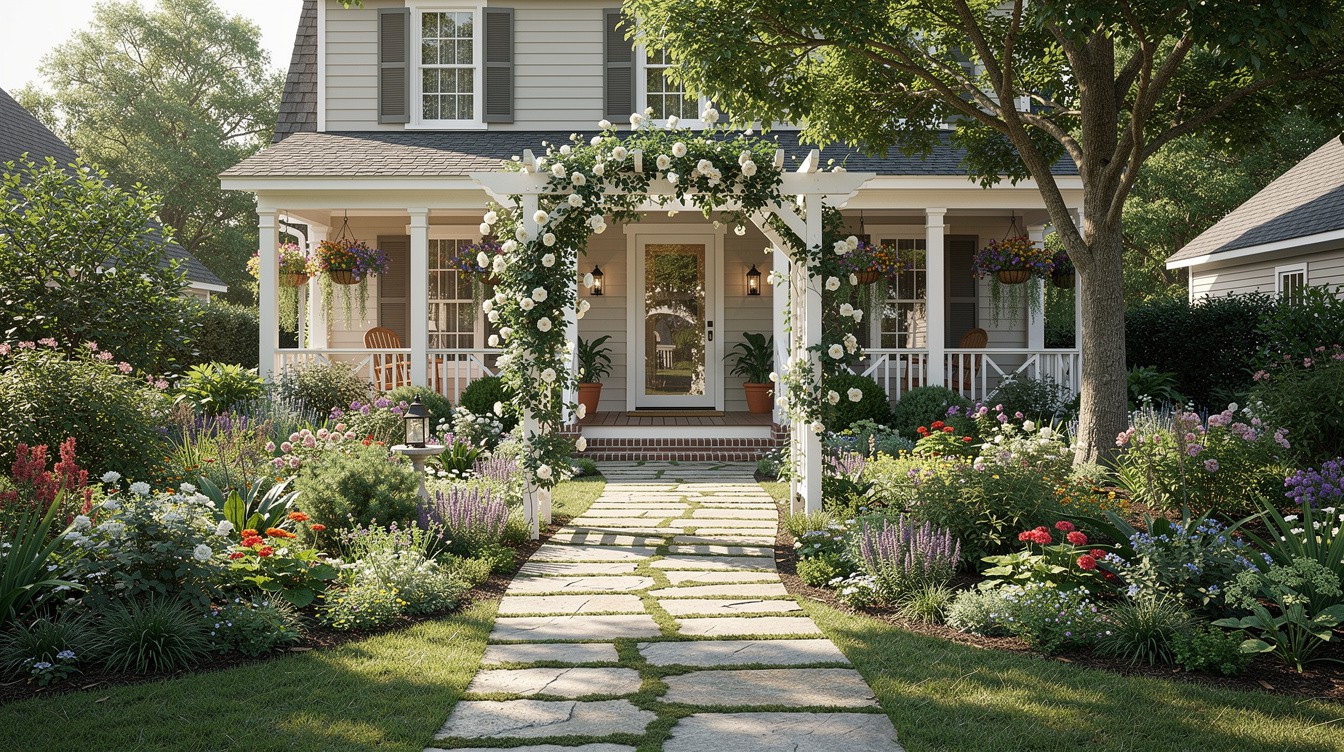
The Porch-Front Flower Walk
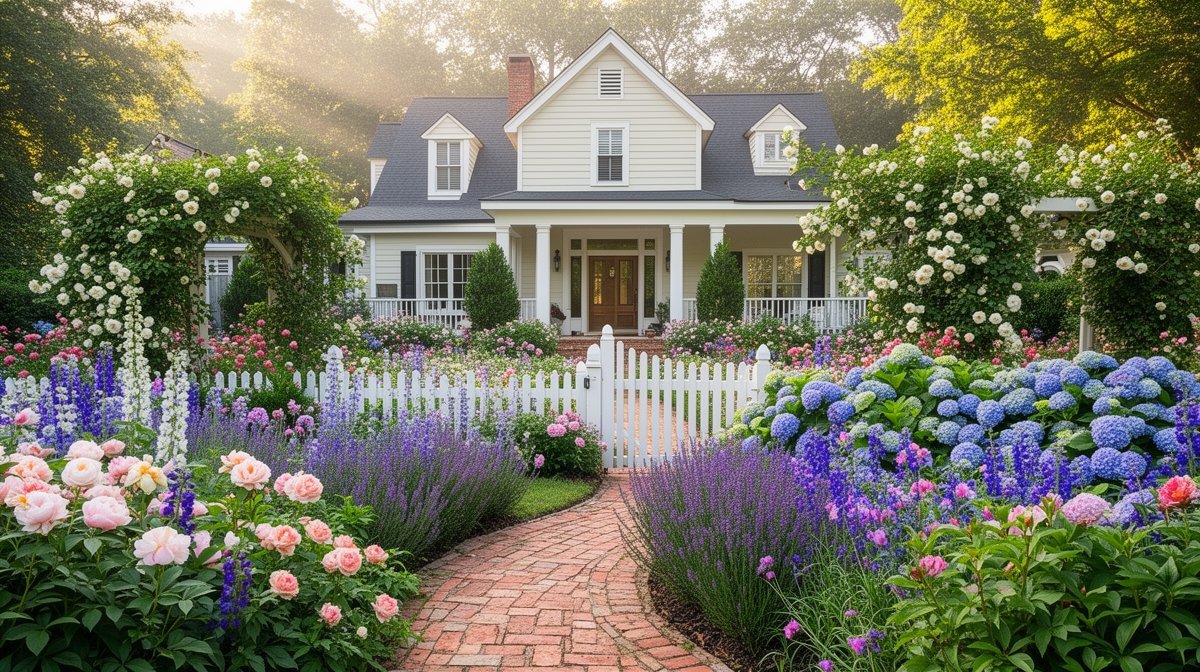
$16–30/sqftA two-story white farmhouse with a full-width porch and hanging baskets, approached by a flagstone walk with green joints running between two deep, unapologetically full borders. A white-painted arbor draped in fragrant white climbing roses marks the halfway point and frames the front door, while a mature shade tree on the right throws afternoon shade across half the planting — which is exactly what saves those borders in an Augusta July. The plant list is loose and layered: blue salvia spires, white and pink phlox, scarlet zinnias, and silvery mounds at the edges.
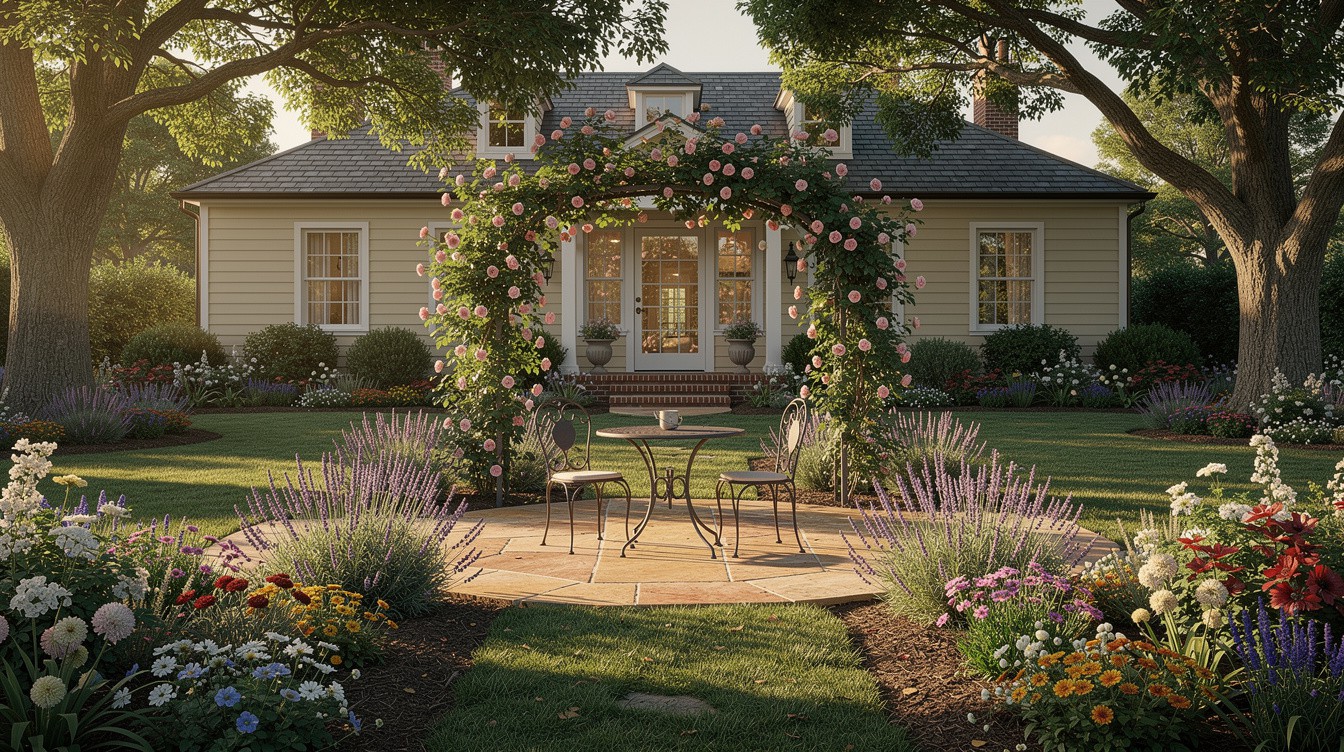
The Bistro Circle
$14–26/sqftA circular sawn-flagstone terrace floats in the middle of the back lawn, just big enough for a two-seat iron bistro set, with a rose arch behind it framing the French doors of the house. Clumps of lavender and blue salvia ring the paving so you brush them walking in, and the far edges of the lawn dissolve into deep mixed borders of daisies, black-eyed Susans, and cottage annuals under two big shade trees. The genius of this layout in Augusta is that the seating is out in the open for spring and fall mornings, but the mature canopy keeps the whole space usable in August.
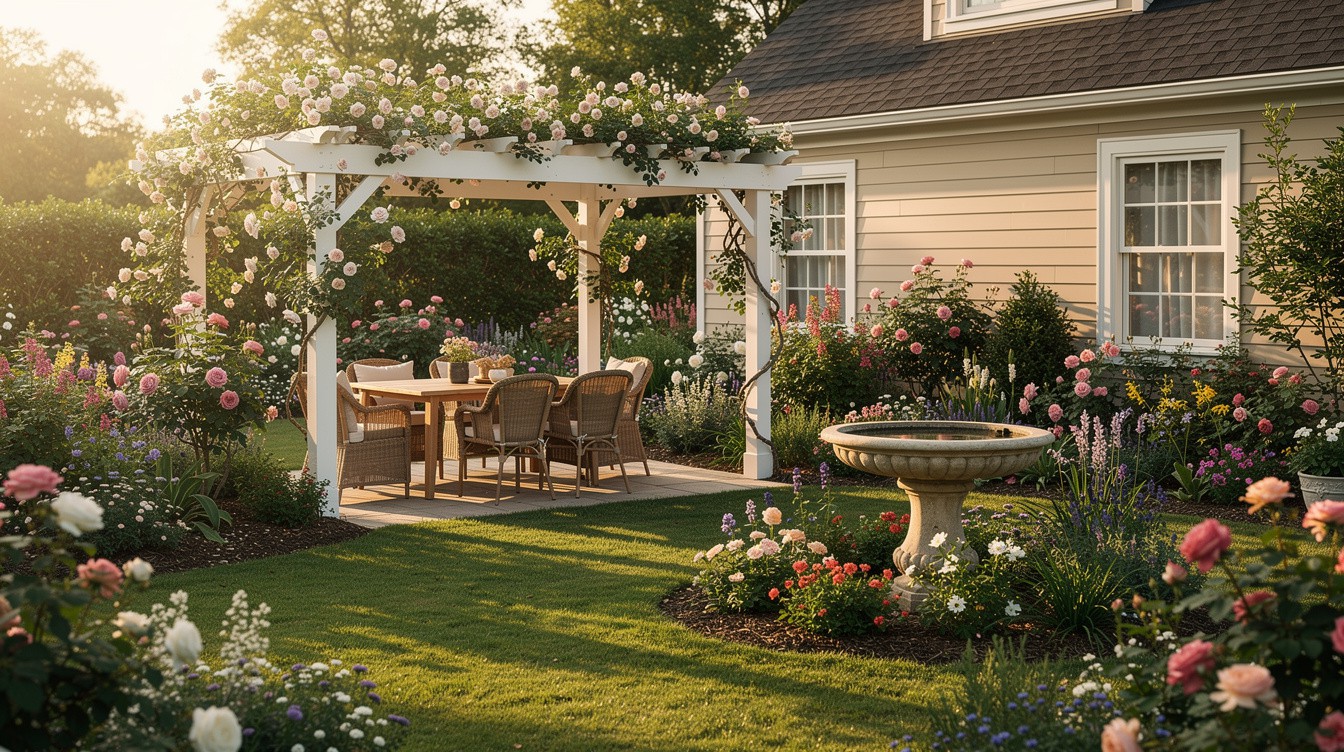
The Rose Pergola Supper Terrace
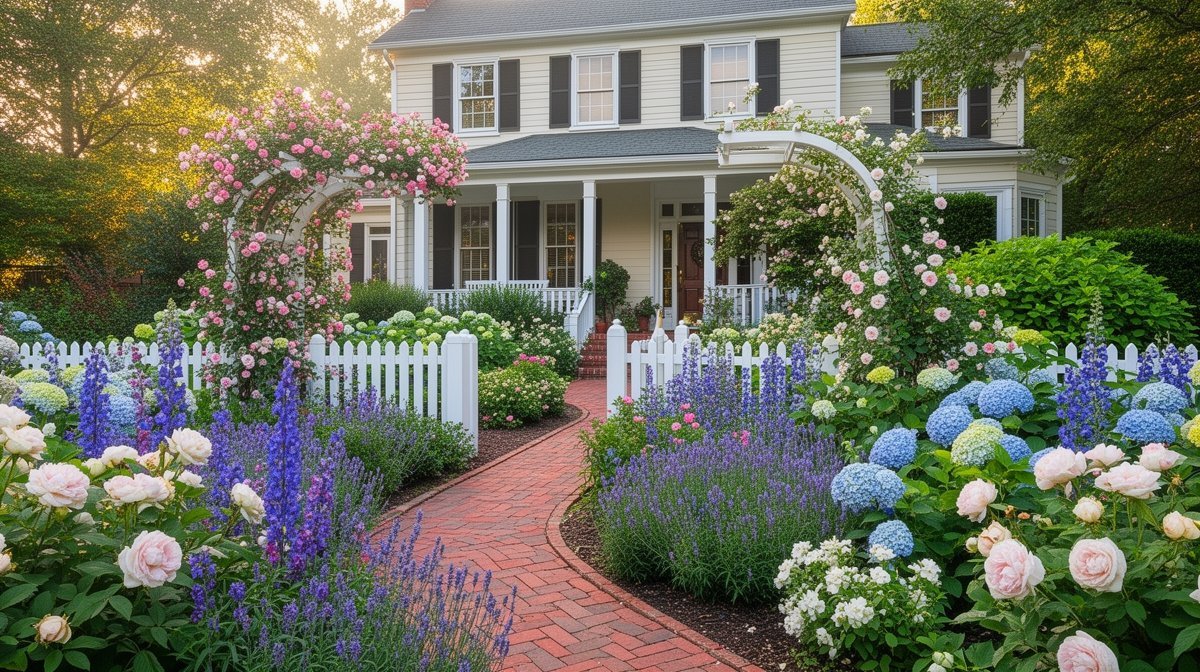
$22–40/sqftA white-painted pergola completely covered in pink and cream climbing roses shelters a full dining table and six woven chairs off the back of the house, with the terrace sized for real meals rather than decoration. A cast-stone birdbath anchors the opposite side of the lawn as a focal point, and the beds against the house are a deep three-layer planting — roses at the back, hydrangeas and gardenias in the middle, salvia and airy perennials spilling over the edge. Late afternoon light through the rose canopy is what this design is really selling, and Augusta gives you that from April into November.
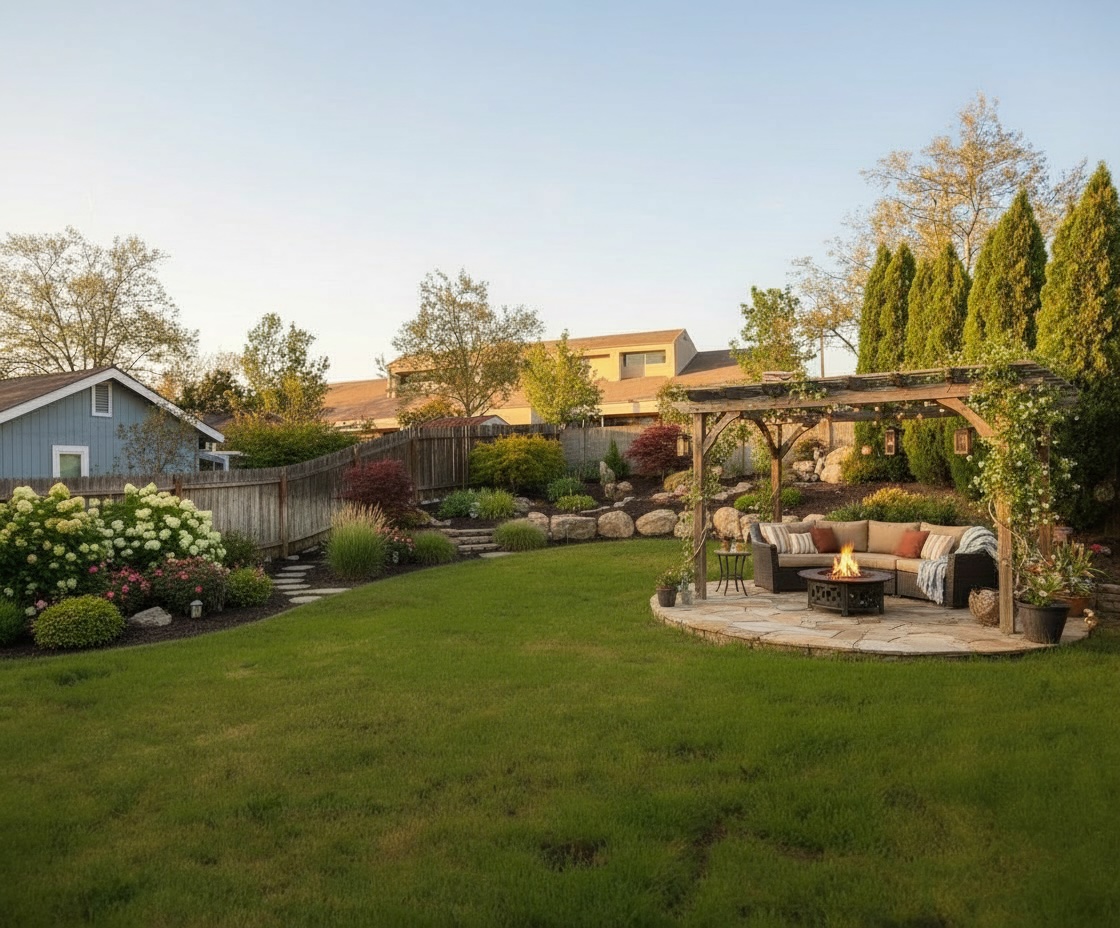
See how a cottage/english garden looks on YOUR property
Upload a photo of your Augusta-Richmond County yard and visualize your dream garden in seconds.
Try ProScapeAI Free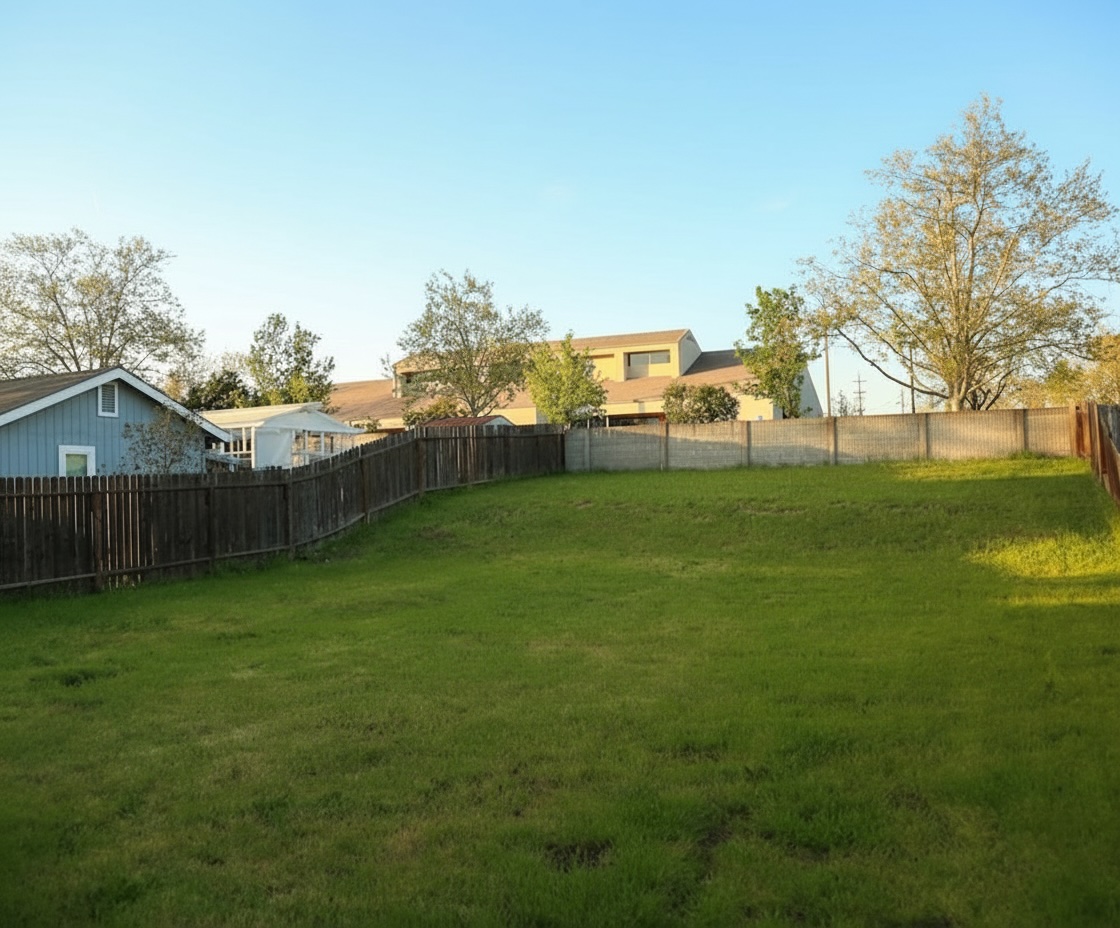
Featured Trees & Shrubs for Cottage/English Gardens
Browse all 175 plants for Augusta-Richmond County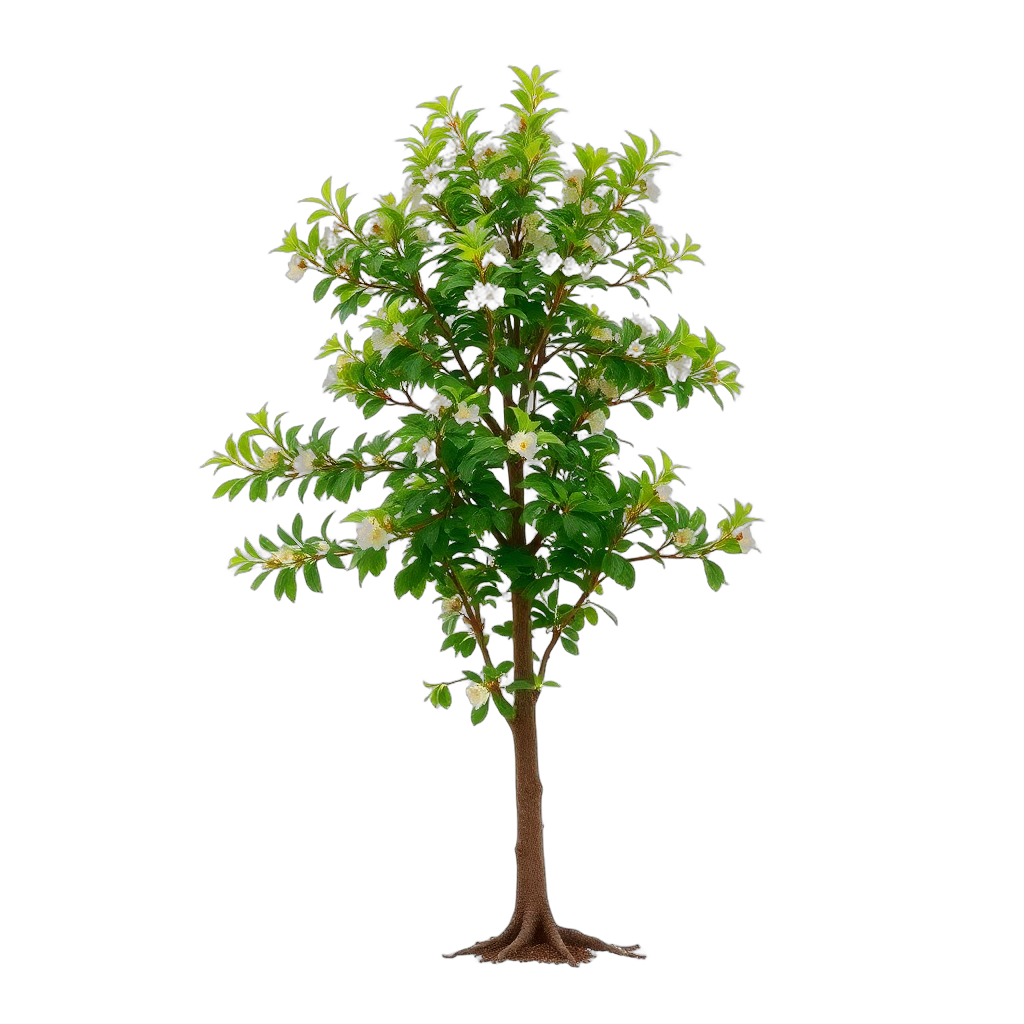
Buckwheat Tree
Cliftonia monophylla
medium-sized at 15 feet, white blooms in spring. Attracts butterflies.

Fetterbush
Lyonia lucida
grows to 6 feet, white blooms in spring. Evergreen year-round.

Florida Anise
Illicium floridanum
medium-sized at 8 feet, red blooms in spring. Evergreen year-round.

Inkberry
Ilex glabra
medium-sized at 8 feet, white blooms in spring. Pollinator-friendly.
Featured Grasses & Groundcovers for Cottage/English Gardens

Pink Muhly Grass
Muhlenbergia capillaris
grows to 3 feet, pink blooms in fall.
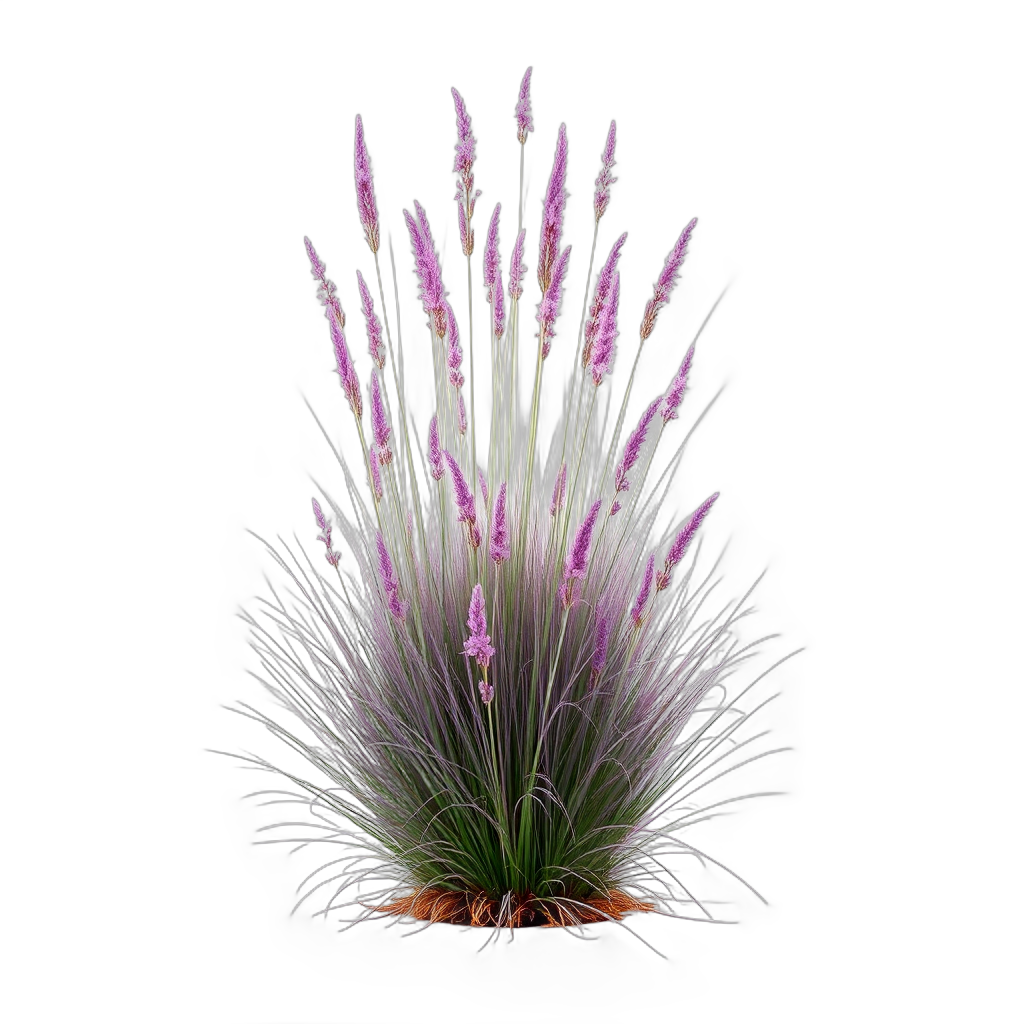
Purple Love Grass
Eragrostis spectabilis
low-growing ground cover, purple blooms in fall. Orange fall color.

Anceps Bamboo
Yushania anceps
medium-sized at 12 feet, blooms in none. Evergreen year-round.

Arrow Bamboo
Pseudosasa japonica
medium-sized at 15 feet, blooms in none. Evergreen year-round.
Featured Flowers & Perennials for Cottage/English Gardens
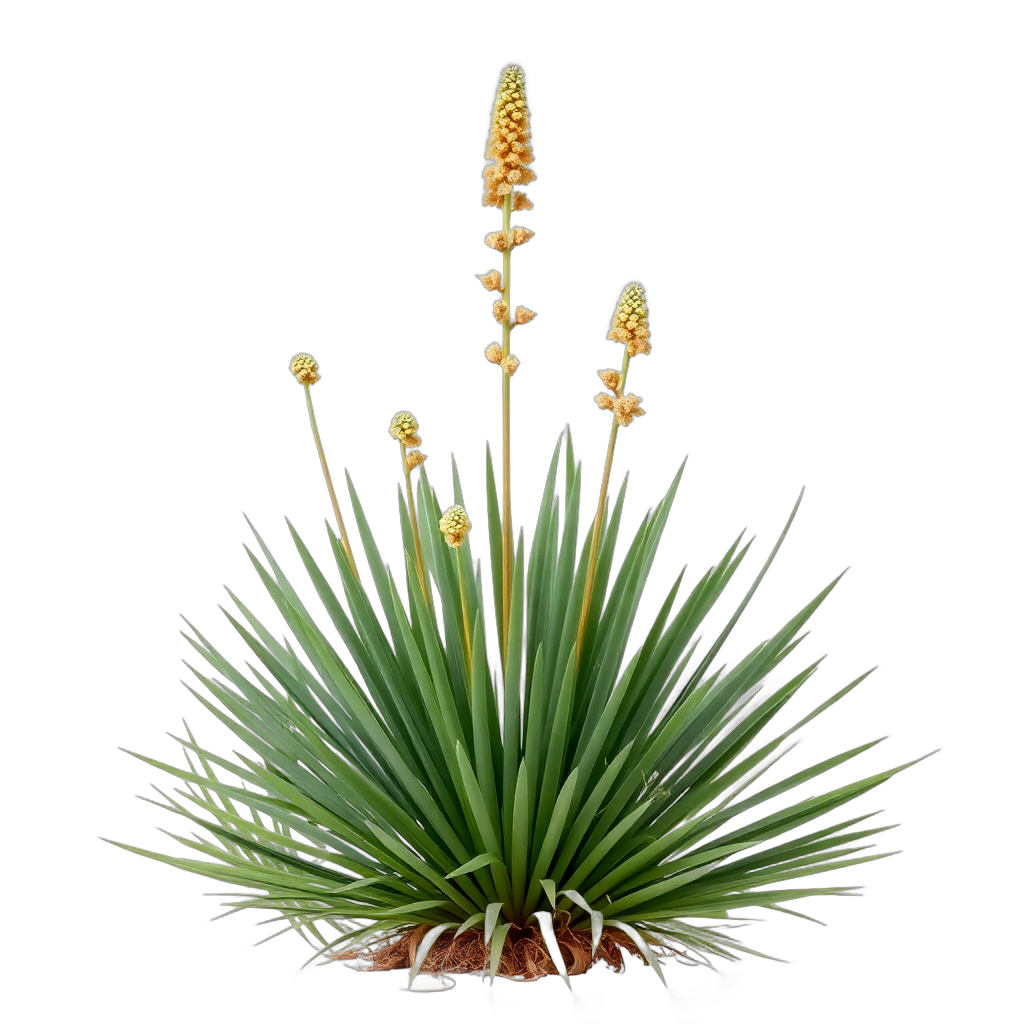
Adam's Needle
Yucca filamentosa
low-growing ground cover, white blooms in summer. Attracts hummingbirds.

Tussock Sedge
Carex stricta
low-growing ground cover, blooms in spring. Brown fall color.

Umbrella Sedge
Cyperus alternifolius
grows to 4 feet, blooms in summer. Evergreen year-round.
Bloom Calendar for Augusta-Richmond County
spring
Buckwheat Tree, Fetterbush, Florida Anisesummer
Adam's Needle, Swamp Cyrilla, Loblolly Bayfall
Pink Muhly Grass, Purple Love Grasswinter
Limited bloomsDesign Tips for Augusta-Richmond County (Zone 8a)
- Buy own-root Southern heirloom roses, not grafted hybrid teas — 'Louis Philippe', 'Ducher', 'Mrs. B.R. Cant', and 'Peggy Martin' hold clean foliage through an Augusta August, while a grafted 'Mister Lincoln' will be a bare stick by Labor Day
- Plant Lavandula x intermedia 'Phenomenal' on a six-inch raised, lime-amended ridge with gravel mulch at the crown; English lavender at grade in Augusta's 45 inches of annual rain is a two-year plant at best
- Skip English boxwood for your evergreen structure — boxwood blight and Volutella thrive in this humidity. Use Buxus microphylla 'Winter Gem' or Ilex vomitoria 'Schillings Dwarf', which clips just as tightly and never sulks
- Direct-sow larkspur, poppies, and bachelor's buttons in October, not spring — they need cool soil to germinate and finish blooming before mid-May heat, and they will reseed themselves in Augusta's sandy beds year after year
- Mulch with long-leaf pine straw at two to three inches, refreshed in February and September; at roughly $5–7 a bale it is the cheapest mulch in the CSRA, it will not crust over sandy soil, and its acidity suits azaleas, camellias, and gardenias
- Choose the mildew-proof cultivars where the English original fails: Phlox paniculata 'David' instead of unnamed garden phlox, Leucanthemum 'Becky' instead of standard Shasta daisy, and Dianthus 'Bath's Pink' instead of cottage pinks — all three were selected for Southeastern heat and humidity
Where to Source Plants in Augusta-Richmond County
Skip the big-box stores. These independent Augusta-Richmond County nurseries specialize in the plants that make cottage/english gardens thrive in Zone 8a.
Bedford Greenhouses
Summerville, Augusta
Family-owned since 1945, growing over 80% of its plants on-site — trees, shrubs, perennials, and houseplants.
Cottage/English Landscaping Costs in Augusta-Richmond County
| Project Scope | Estimated Cost |
|---|---|
| Full front-yard cottage makeover (borders + walk + fence + arch) | $8,000 – $20,000 |
| Mixed rose-and-perennial border, per 100 sqft installed | $1,200 – $2,600 |
| Brick front walkway (75–125 sqft, running bond on compacted base) | $2,000 – $4,500 |
| Circular flagstone terrace (150–250 sqft) with bistro seating | $4,000 – $10,000 |
| Rose-covered cedar pergola, 12 x 16 ft (arch or arbor only: $700–2,800) | $7,000 – $18,000 |
| AI visualization with ProScapeAI | Free to start |
Estimates based on Augusta-Richmond County, GA-area contractor rates as of 2026. Actual costs vary by site conditions, materials, and contractor.
Augusta-Richmond County Climate & Growing Zone
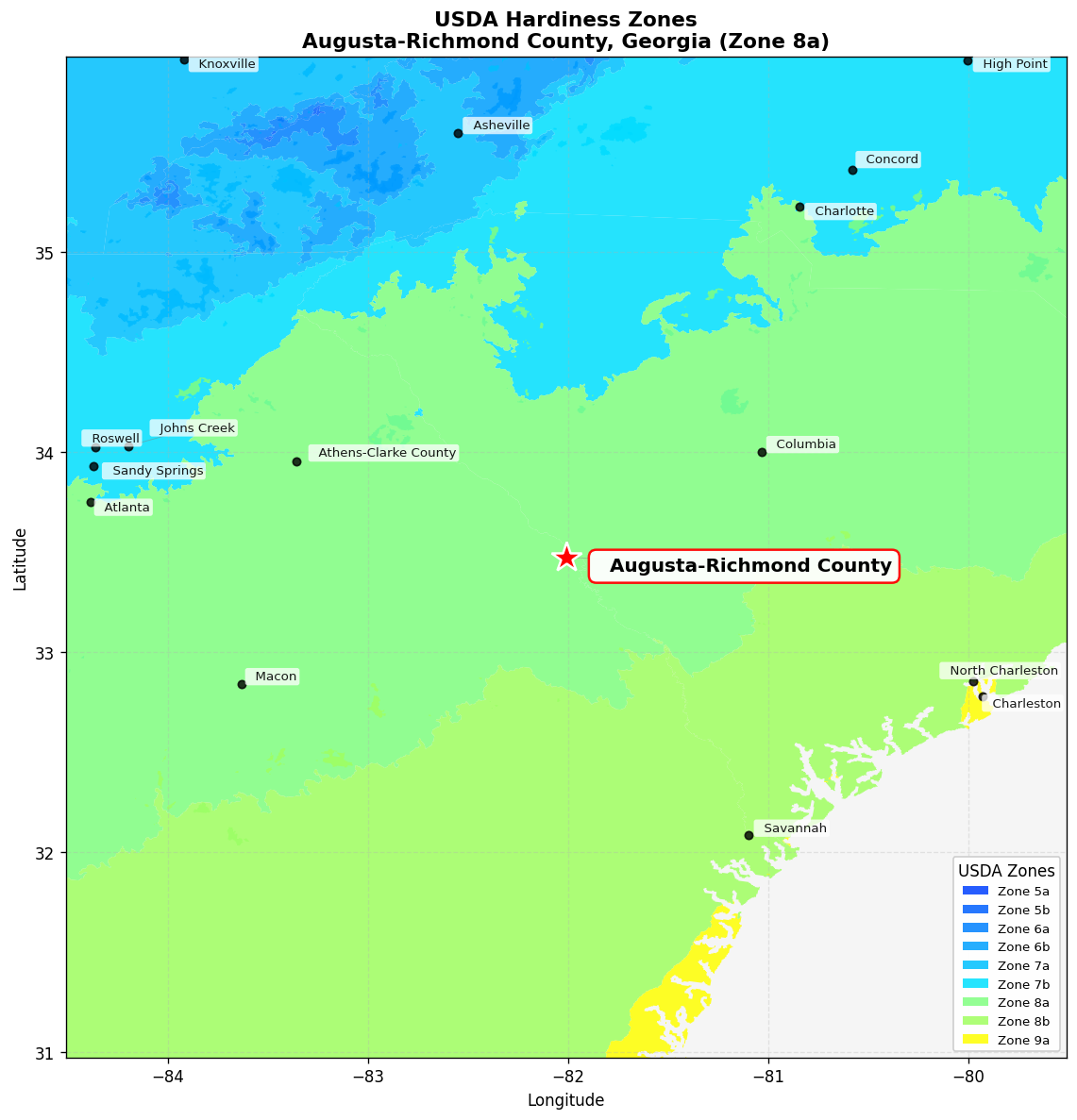
USDA Zone 8a
Hardiness zone for Augusta-Richmond County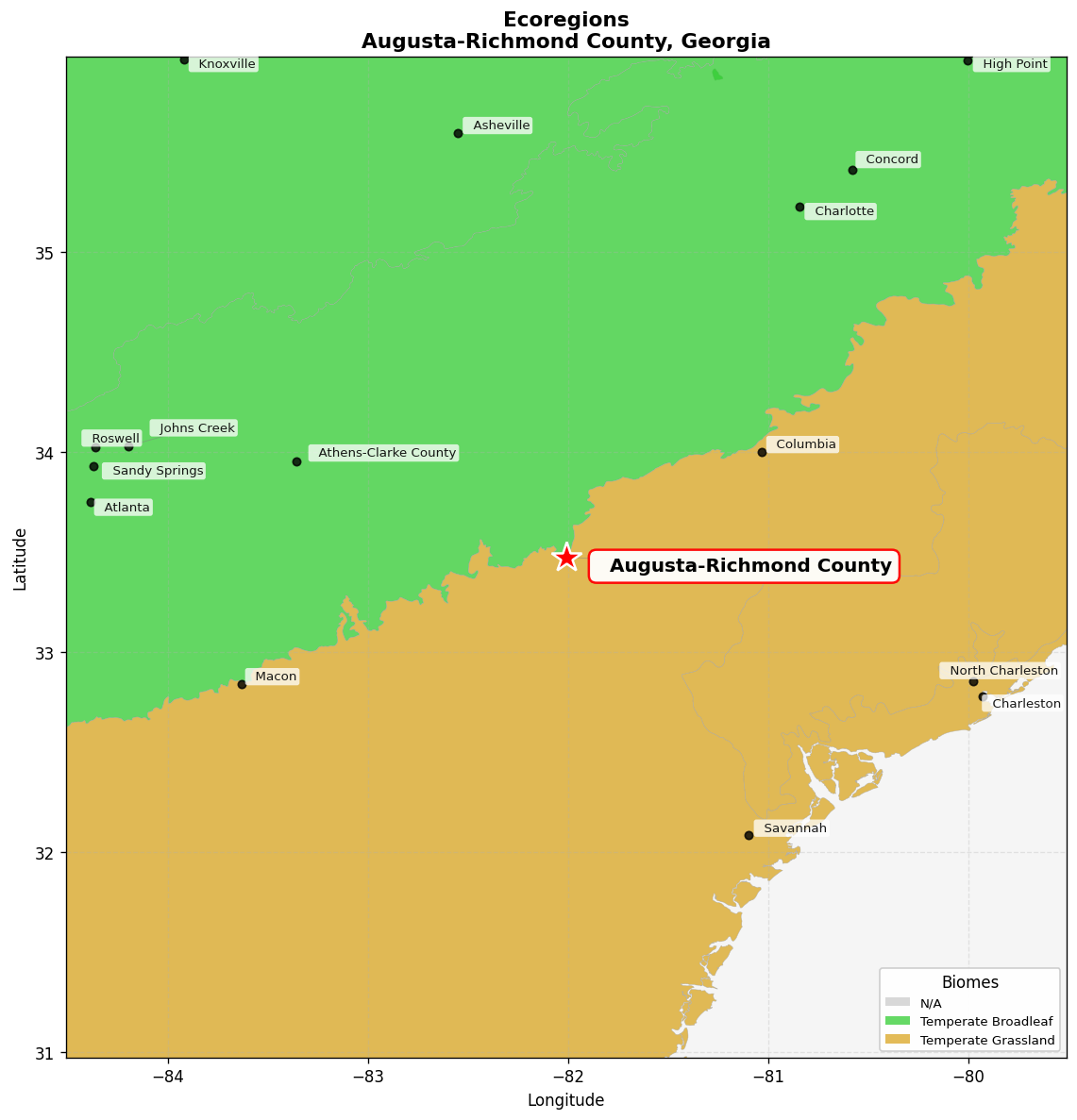
Southeast US conifer savannas
Native ecoregionFrequently Asked Questions
How much does a cottage garden cost in Augusta, GA?
CSRA installation labor runs well below national metro rates — figure $45–65 an hour for skilled landscape crews — which makes cottage gardens unusually affordable here because the cost is mostly plants, not machinery. A complete front-yard cottage makeover with borders, a brick walk, a picket fence, and a rose arch typically lands between $8,000 and $20,000. A single deep mixed border runs $1,200–2,600 per 100 square feet installed, brick walkway is $16–28/sqft, painted cedar picket fencing is $28–55 per linear foot, and a cedar rose arch installed is $700–2,800. Phasing works well: put in the structure (path, fence, arbor, shrub roses) year one and fill perennials in over the next two springs at nursery prices.
Which roses actually survive Augusta's humidity and black spot?
Stick to old Southern roses and Earth-Kind selections, and buy them own-root rather than grafted. Proven performers here: 'Peggy Martin' (thornless, enormous, near bulletproof), 'Louis Philippe' and 'Ducher' (China roses that bloom almost continuously), 'Mrs. B.R. Cant' and 'Duchesse de Brabant' (tea roses), 'Belinda's Dream' (Earth-Kind, big pink cabbage blooms), 'Sombreuil' and 'Madame Alfred Carrière' for white climbers, and the Knock Out series if you want zero fuss. Avoid grafted hybrid teas like 'Mister Lincoln' or 'Double Delight' unless you enjoy spray schedules — Augusta's 45 inches of rain and low-70s dew points will strip them bare by Labor Day. Give every rose six-plus hours of sun, three feet of air space, and drip irrigation instead of overhead spray.
Can I grow English lavender, delphiniums, and peonies in Augusta?
Not reliably, and it is worth knowing before you spend the money. English lavender (Lavandula angustifolia 'Munstead', 'Hidcote') dies of crown rot in its second Augusta summer almost every time; use Lavandula x intermedia 'Phenomenal' or 'Provence' instead, on a raised, lime-amended ridge. Delphinium and lupine need cold summers — substitute fall-sown larkspur (Consolida ajacis 'Giant Imperial'), which reseeds itself here forever, plus Salvia guaranitica 'Black and Blue' for the same vertical blue. True peonies need winter chill Zone 8a does not deliver; for the same fat double bloom, plant Camellia japonica 'Pink Perfection' or 'Professor Sargent', which flower in February when nothing else does. Foxgloves work if you treat them as October-planted annuals.
How do I prepare Augusta's sandy fall-line soil for a cottage border?
Augusta sits on the Fall Line, so most yards in Summerville, West Lake, and the Sandhills sit on fast-draining sandy loam near pH 5.0–5.5 with very little nutrient or moisture holding. Till three to four inches of compost or aged pine bark fines into the top eight inches of every bed — not into individual planting holes, which just creates sinkholes. Add dolomitic lime where lavender, dianthus, clematis, or peonies-substitutes will grow (they want pH 6.5–7.0), and skip the lime entirely around azaleas, camellias, hydrangeas, and gardenias, which are happy at the native acidity. Then mulch two to three inches deep with long-leaf pine straw and install drip irrigation — sandy soil means shorter, more frequent watering cycles than clay.
When should I plant a cottage garden in Augusta?
October and November are far and away the best window. Roses, shrubs, and perennials planted in fall spend the mild Augusta winter growing roots and hit their first May with an established system — spring-planted versions of the same plants often stall or die in their first July. October is also when you direct-sow the hardy annuals that make a cottage garden look old: larkspur, poppies, bachelor's buttons, sweet peas, and foxglove all need to germinate in cool soil and bloom in April and May before the heat arrives. February and early March are the acceptable second window. Avoid planting anything from June through mid-September; even irrigated new plants struggle to establish when afternoon highs sit above 92°F.
How do I keep an Augusta cottage garden blooming through July and August?
Plan for the mid-summer gap rather than fighting it. Roses take a rest in the worst heat and most classic English perennials sulk, so build the July–August show around heat-proof performers: Lantana 'Miss Huff' (root-hardy in Zone 8a and covered in bloom until frost), Salvia guaranitica 'Black and Blue', Salvia leucantha for the September–October finale, Verbena bonariensis, Pentas, 'Benary's Giant' zinnias, and Rudbeckia 'Goldsturm'. Cut roses back lightly and feed them in mid-August and they will give you a strong October flush, which is often the best rose display of the Augusta year. Deadhead weekly, water deeply at 6 a.m. rather than lightly at dusk, and keep the pine straw topped up to hold moisture in that sandy soil.