4 Modern Landscape Ideas for Carmel, IN | Zone 6a Grasses and Clean Lines
Native plants from the Southern Great Lakes forests (Zone 6a) — Humid continental (hot summer) climate
For a modern garden in Carmel, IN, a zone 6a city with a humid continental (hot summer) climate, start with Calamagrostis × acutiflora 'Karl Foerster', Panicum virgatum 'Northwind' and Echinacea purpurea 'Magnus', the plants this guide's first design is built on.
Why Modern/Minimalist Gardens in Carmel?
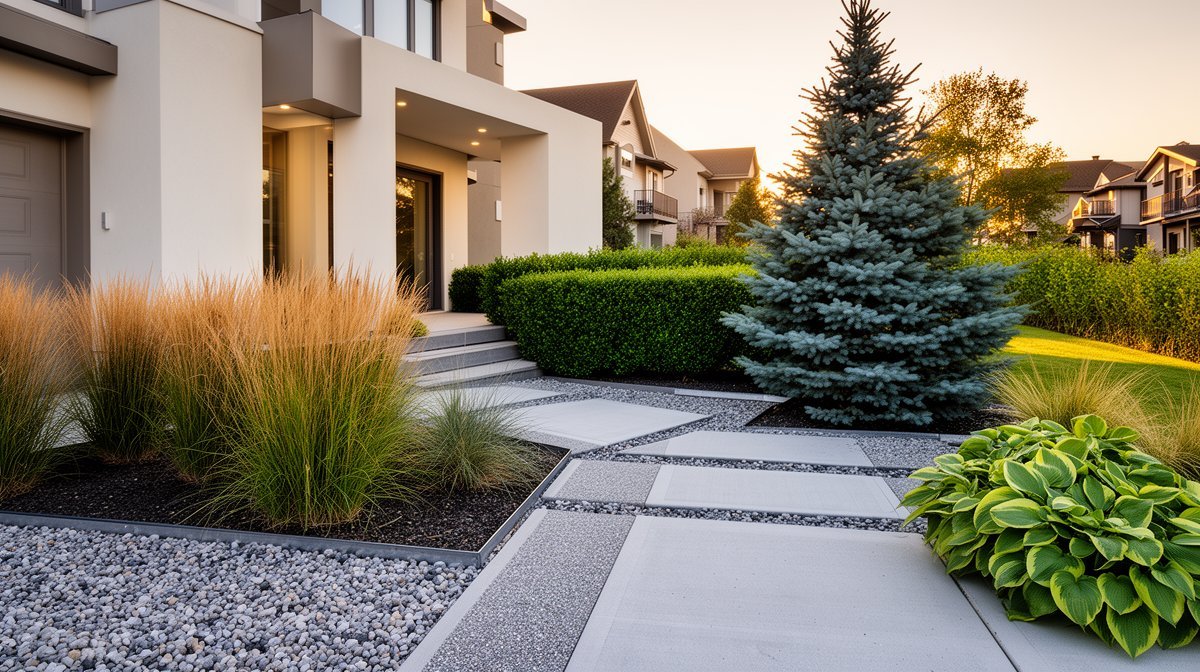
Carmel has a lot of contemporary homes, and their yards usually need more than a lawn and a row of shrubs. New builds in Village of WestClay, infill houses in Home Place and the clean-lined homes around the Arts & Design District have flat, rectilinear facades that look best with a planting built from repeated masses and strong lines. A modern landscape here means a few materials used with discipline: limestone or concrete pavers, steel edging, grasses massed in blocks, and evergreen structure that holds up in a Zone 6a winter.
Zone 6a winters, with average annual extreme lows of -10 to -5°F, favor tough, architectural plants. At Indianapolis International, the nearest NOAA normals station, the January average low is 20.9°F, July highs average 85.2°F, annual rainfall and melted snow add up to 43.63 inches and snowfall is 25.5 inches. The average last 32°F frost is around April 15 and the first around October 26. The backbone is Calamagrostis × acutiflora 'Karl Foerster', Panicum virgatum 'Northwind', Sporobolus heterolepis and Pennisetum alopecuroides 'Hameln', which hold their shape through snow and give a winter silhouette. Evergreens like Thuja occidentalis 'Smaragd', Taxus × media 'Densiformis' and Buxus 'Green Mountain' give the green that grasses lack from December to March. Japanese maples and many ornamental bamboos are marginal here, so use Amelanchier × grandiflora 'Autumn Brilliance' and Ginkgo biloba 'Princeton Sentry' as the sculptural trees.
Much of Carmel sits on glacial till, a clay-heavy loam that holds water through spring and freezes and thaws repeatedly from November to March, so every paver terrace and concrete slab needs a compacted stone base, usually 6–8 inches, and a slight slope away from the house. New subdivisions often have compacted fill below a thin layer of topsoil; loosen it and add compost before planting grasses. Test the pH first: grasses accept a wide range, but a reading above 7.5 means hydrangeas will yellow. Large-format porcelain or limestone pavers, board-formed concrete and steel edging suit the style and handle freeze-thaw cycling when set on a proper base.
Before you build, check the rules. The City of Carmel says properties developed since 2005 were generally required to install stormwater quality systems that the HOA or owner must maintain, so keep hardscape out of swales and basins and ask your HOA where they are. Many subdivisions also have covenants on fences, walls, materials and front-yard planting, and a modern design with a tall privacy screen or a flat-roof pergola may need approval first. Permeable pavers and gravel strips between hard surfaces help on a clay lot that sends water toward the neighbor.
4 Modern/Minimalist Design Ideas for Carmel
AI-generated image
The Grass Block Front Yard
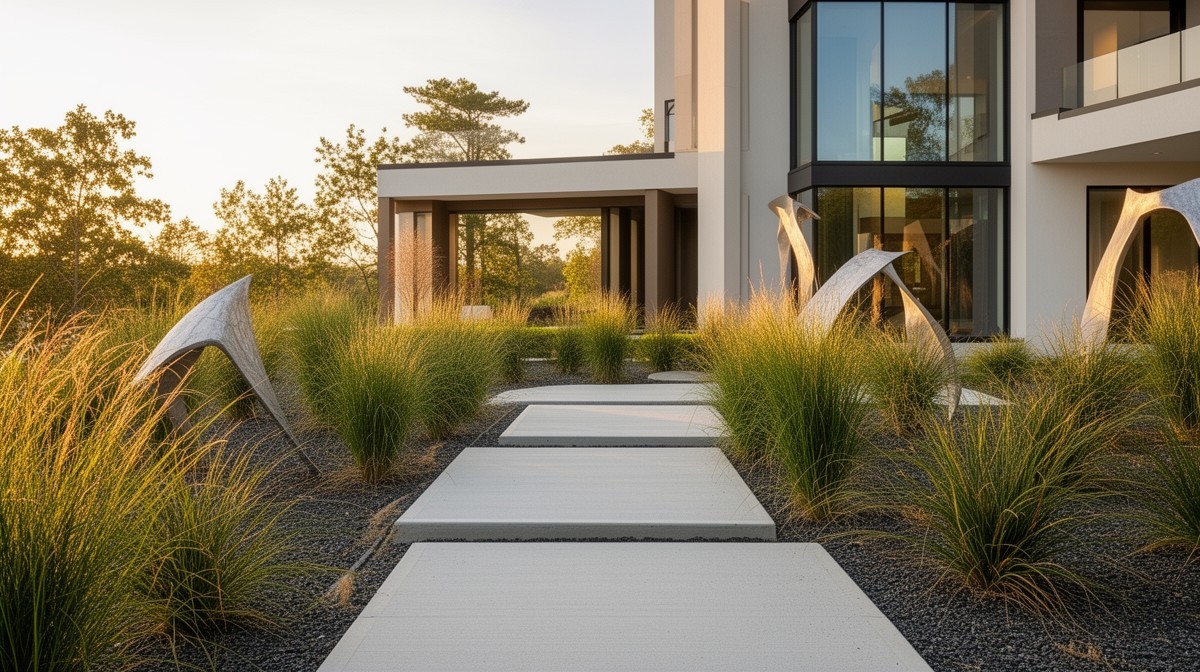
$16–32/sqftA flat-roofed or gable modern house sits behind rectangular beds of Karl Foerster grass and switchgrass in repeated blocks, cut by a straight limestone-paver walk with a thin gravel joint. A single serviceberry stands at the corner, and steel edging holds the lines sharp. The south-facing front gets full sun, so grasses carry the entire design and need little water once established.
Try this on your yard: The Grass Block Front YardAI-generated image
The Evergreen Screen Courtyard
$32–58/sqftA back terrace in large gray pavers is framed on two sides by a clipped hedge of arborvitae and yew, with a low board-formed concrete wall doubling as a bench. Small mounds of Hakonechloa and sedge sit in a bed of black pebbles. The hedge blocks the neighbor's view and holds green through winter, while the pavers sit on a gravel base so rain drains toward the lawn.
Try this on your yard: The Evergreen Screen CourtyardAI-generated image
The Prairie Strip Entry
$10–22/sqftA long, narrow bed along a driveway or side path is planted in a tight meadow of little bluestem, prairie dropseed and coneflower, with a ribbon of concrete stepping pavers cutting through it. The bed looks green and soft from June, then turns copper and gold into winter. It needs only one spring cutback, and the grasses tolerate the clay and the heat reflected from the pavement.
Try this on your yard: The Prairie Strip EntryAI-generated image
The Clean-Line Entertaining Terrace
$35–65/sqftA large rectangular patio of pale limestone pavers holds a built-in fire table and low bench seating, edged on one side by a raised planter in weathered steel. Grasses and shrubs soften the edges at three levels, and a single ginkgo gives dappled shade in the afternoon. The terrace faces west, so the shade tree is placed to cut the late-day sun.
Try this on your yard: The Clean-Line Entertaining TerraceSee how a modern/minimalist garden looks on YOUR property
Upload a photo of your Carmel yard and visualize your dream garden in seconds.
Try ProScapeAI Free

AI-generated image
Featured Trees & Shrubs for Modern/Minimalist Gardens
Browse all 248 plants for Carmel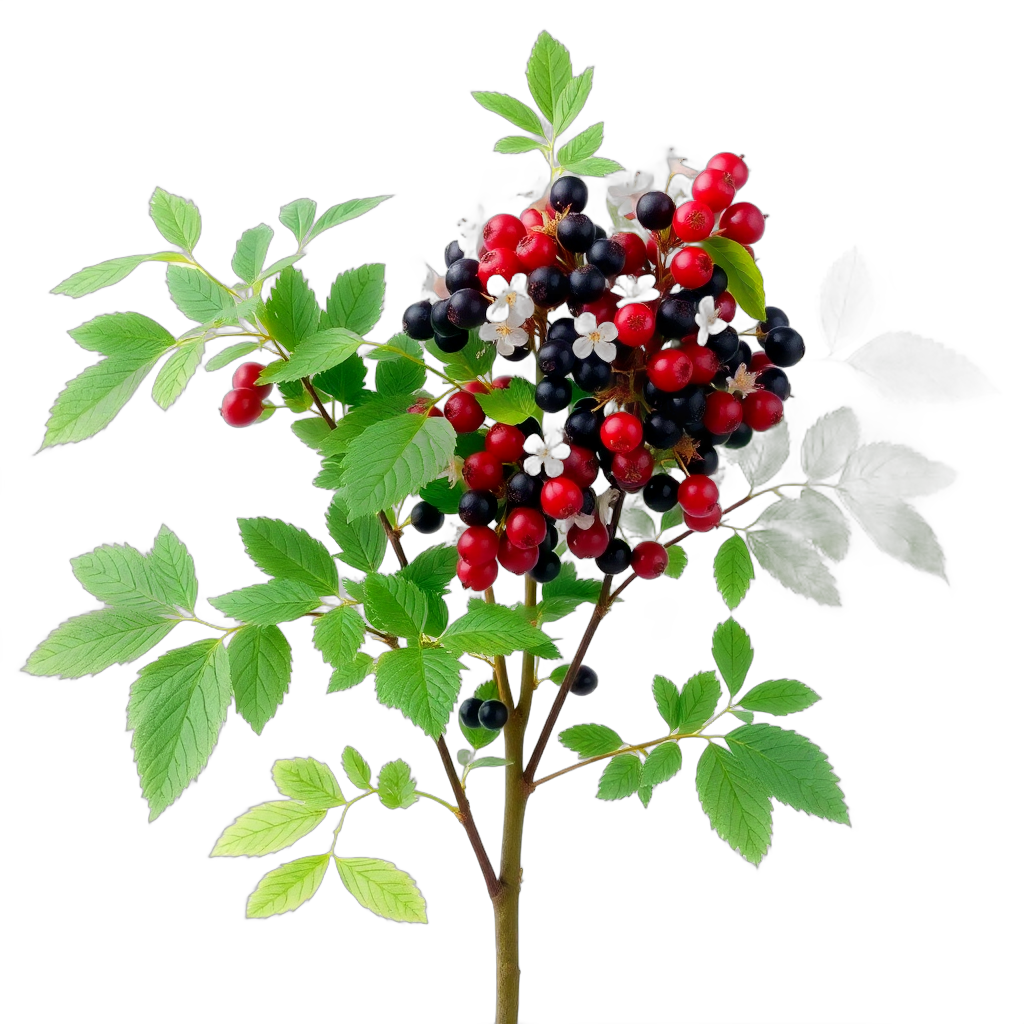
American Black Currant
Ribes americanum
grows to 5 feet, white,yellow blooms in spring. Attracts hummingbirds.
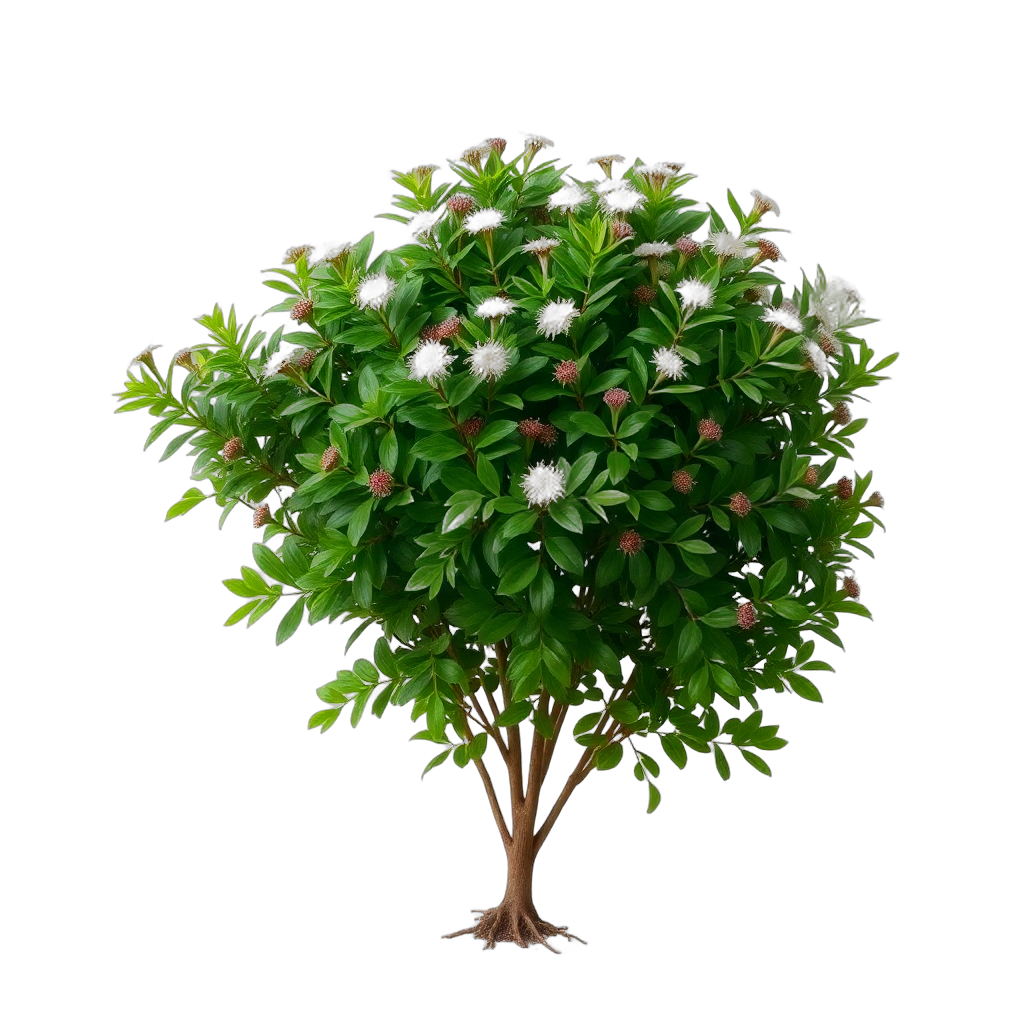
Buttonbush
Cephalanthus occidentalis
medium-sized at 8 feet, white blooms in summer. Attracts butterflies.
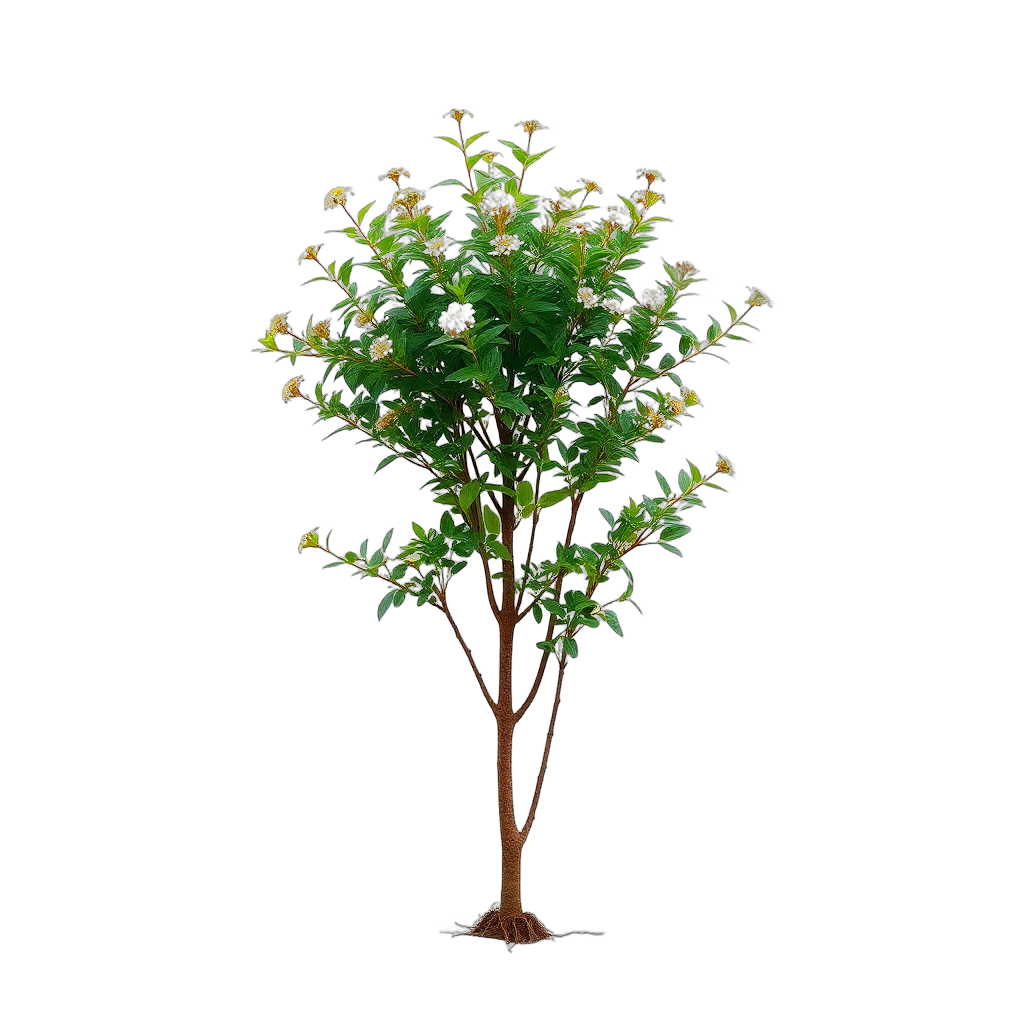
Coppertina Ninebark
Physocarpus 'Coppertina'
medium-sized at 7 feet, white blooms in spring. Pollinator-friendly.
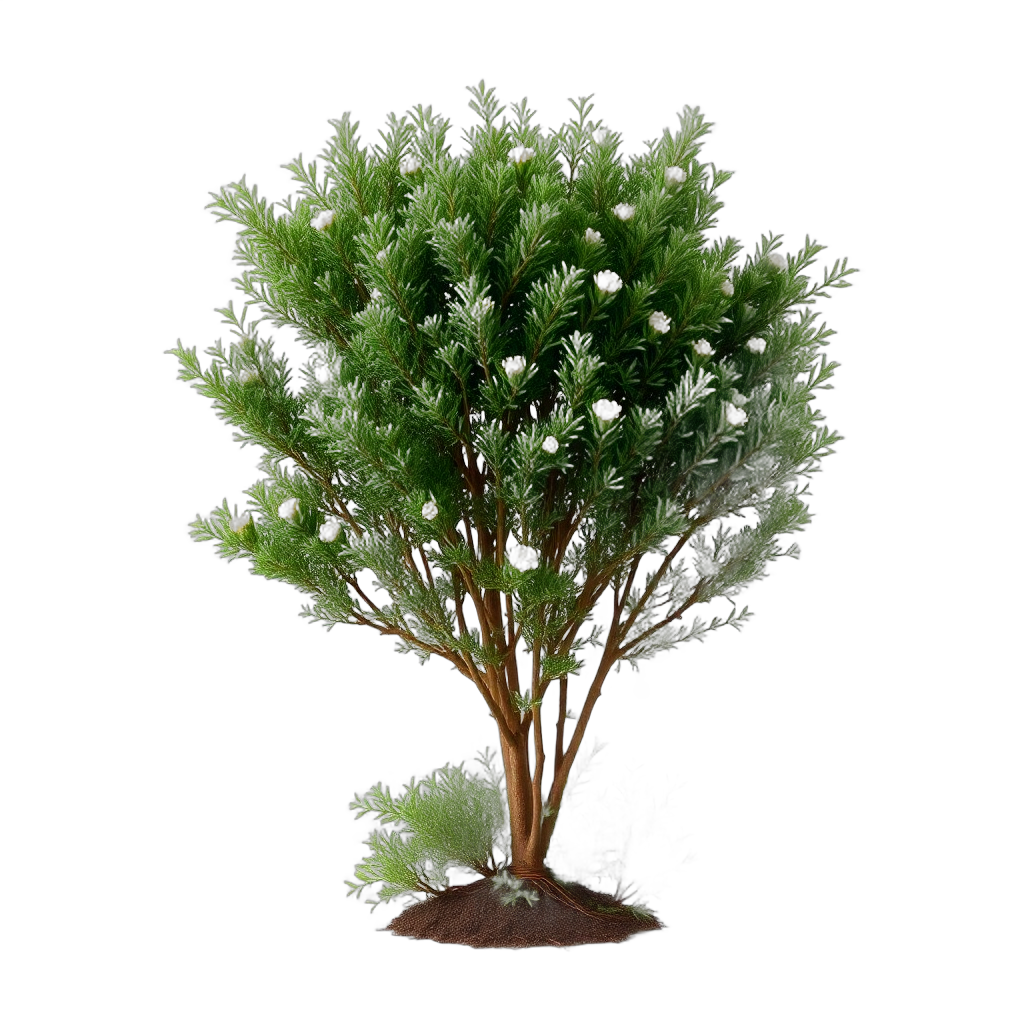
Creeping Juniper
Juniperus horizontalis
low-growing ground cover, blooms in spring. Evergreen year-round.
Featured Grasses & Groundcovers for Modern/Minimalist Gardens
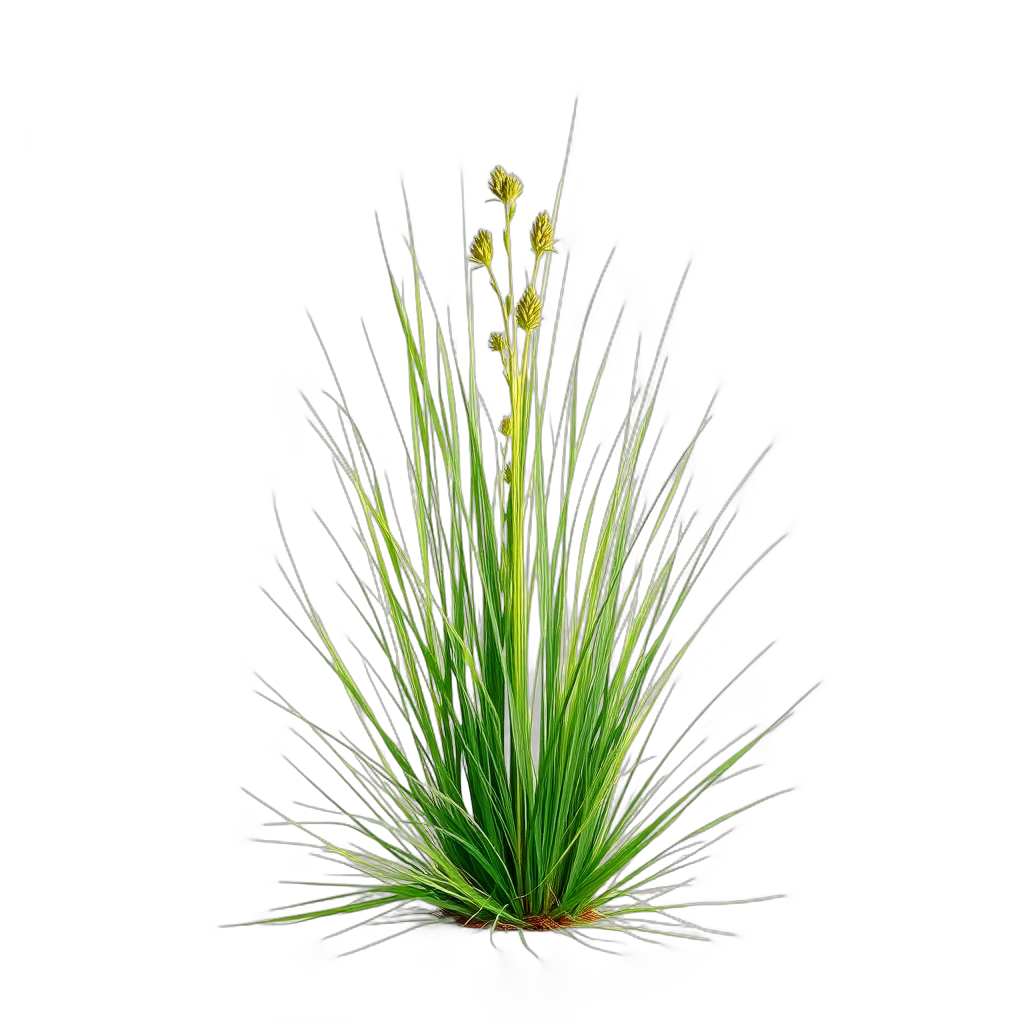
Canada Wild Rye
Elymus canadensis
grows to 4 feet, blooms in summer. Yellow fall color.
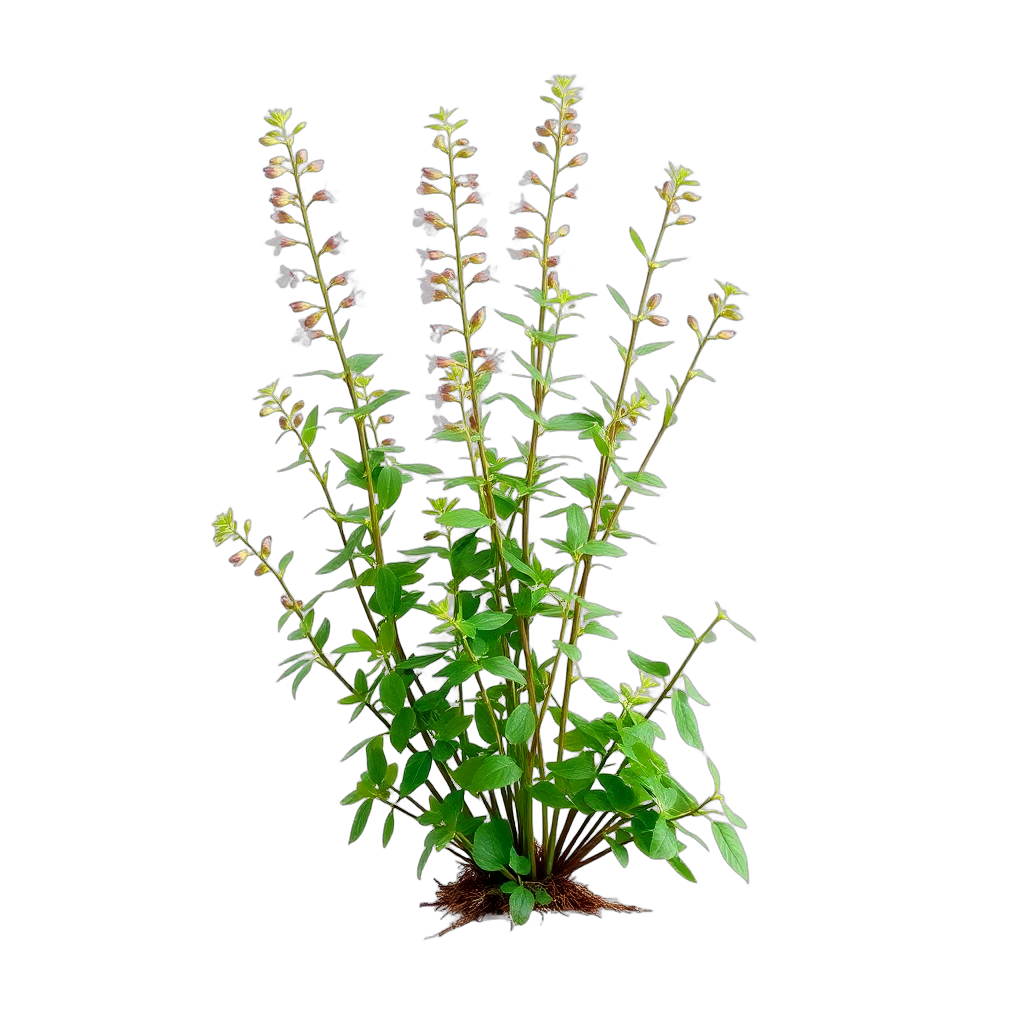
Creeping Jacob's Ladder
Polemonium reptans
low-growing ground cover, blue blooms in spring. Attracts butterflies.
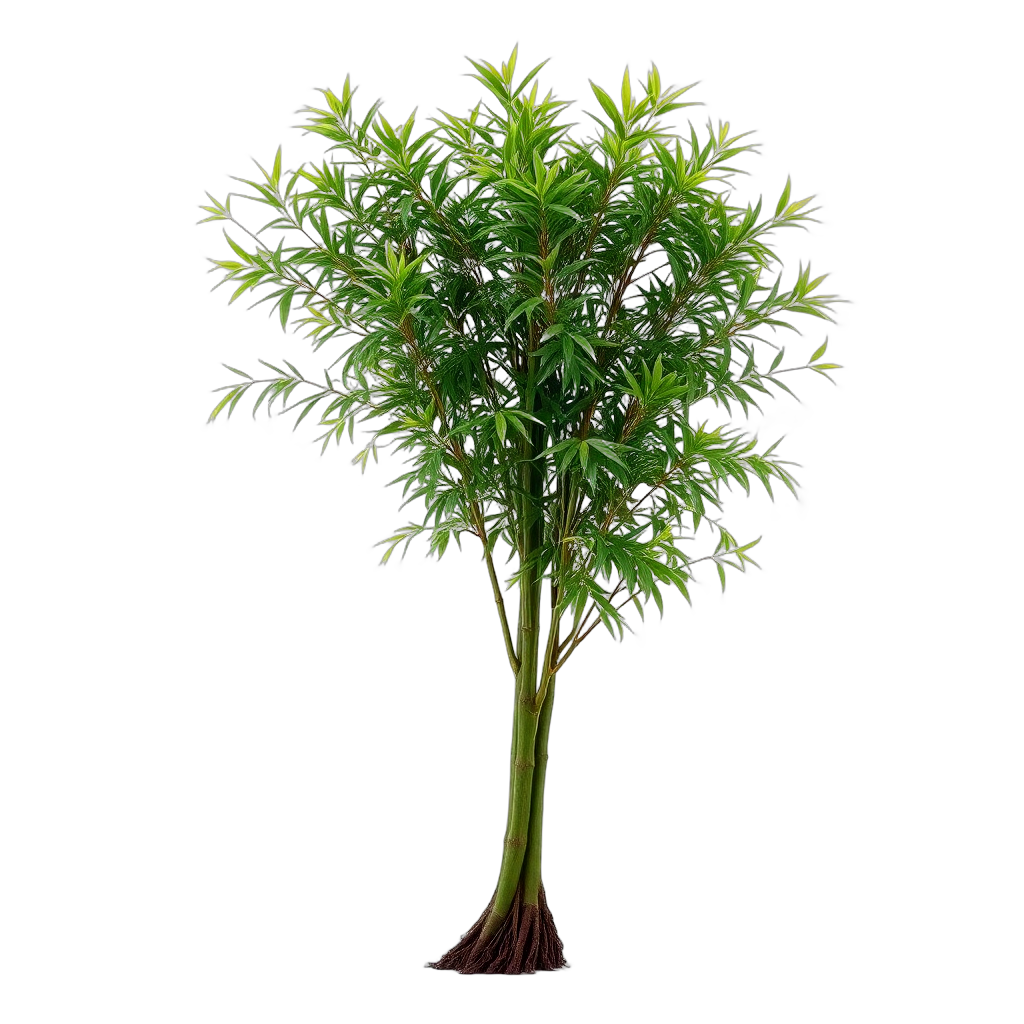
Broad-leaf Bamboo
Sasa palmata
medium-sized at 7 feet, blooms in none. Evergreen year-round.
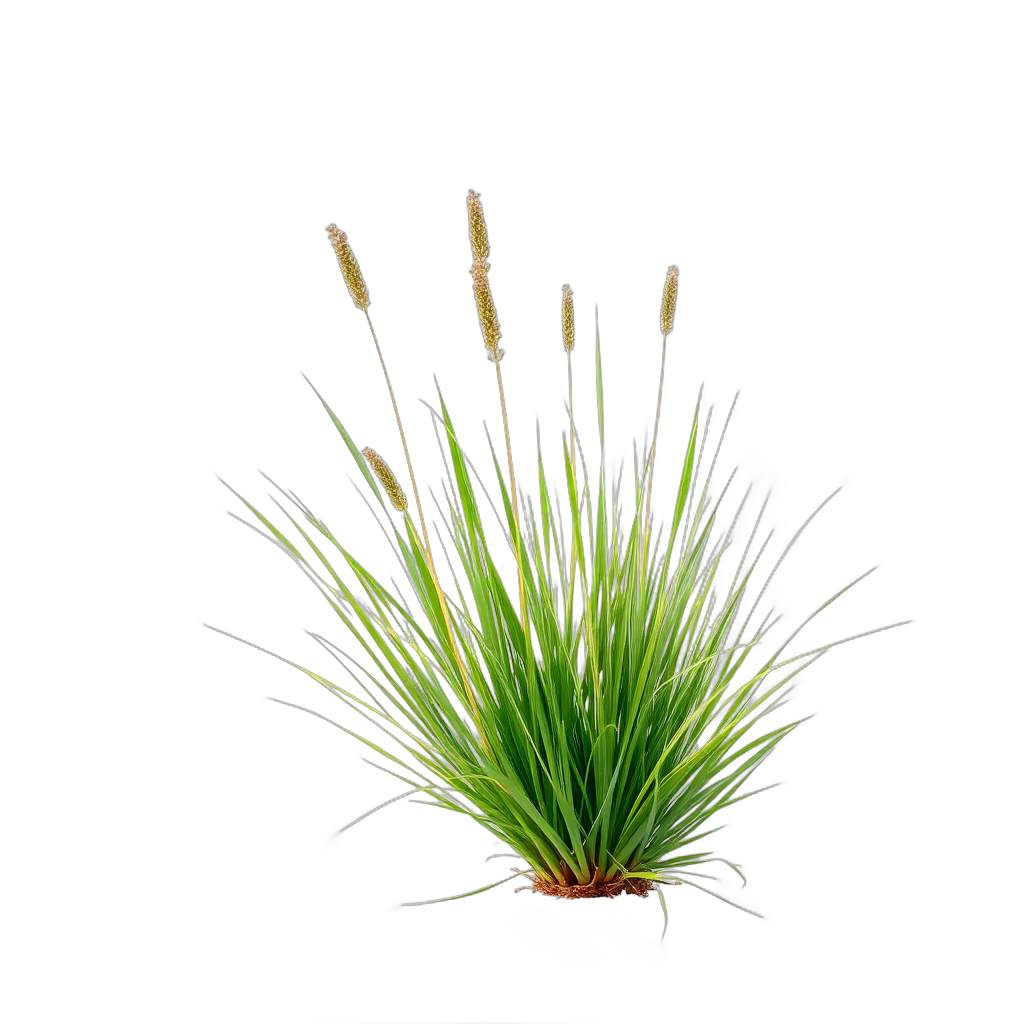
Deer Grass
Muhlenbergia rigens
grows to 3 feet, yellow blooms in fall. Evergreen year-round.
Featured Flowers & Perennials for Modern/Minimalist Gardens
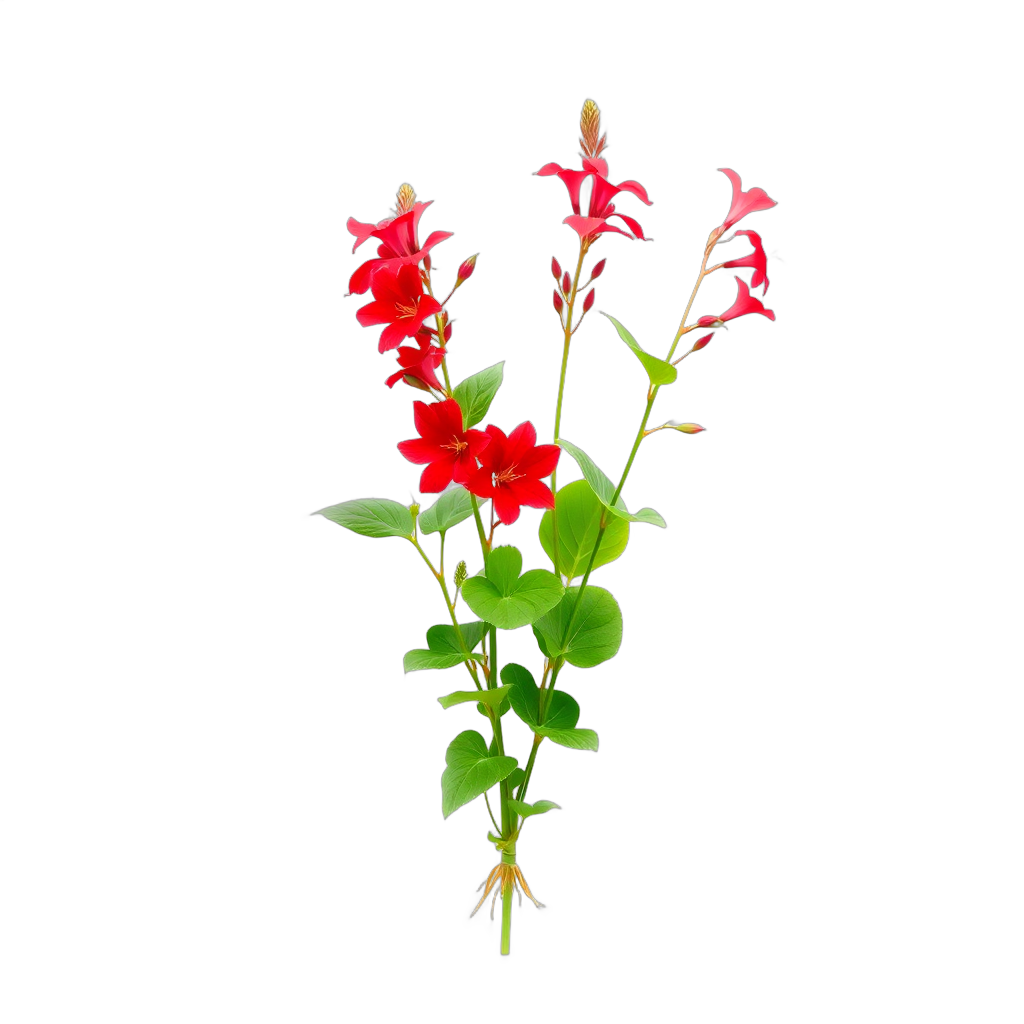
Cardinal Flower
Lobelia cardinalis
grows to 3 feet, red blooms in summer. Attracts hummingbirds.
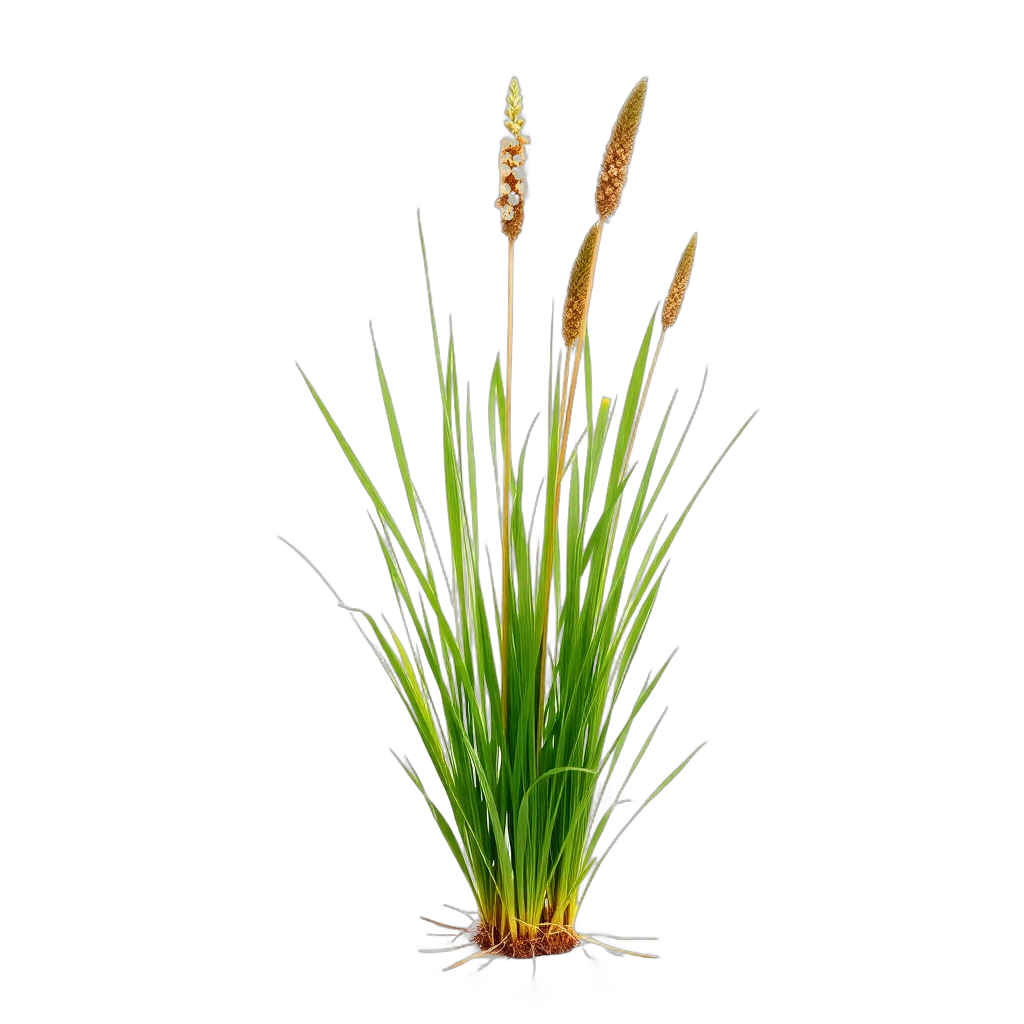
Hardstem Bulrush
Scirpus acutus
medium-sized at 7 feet, blooms in summer.
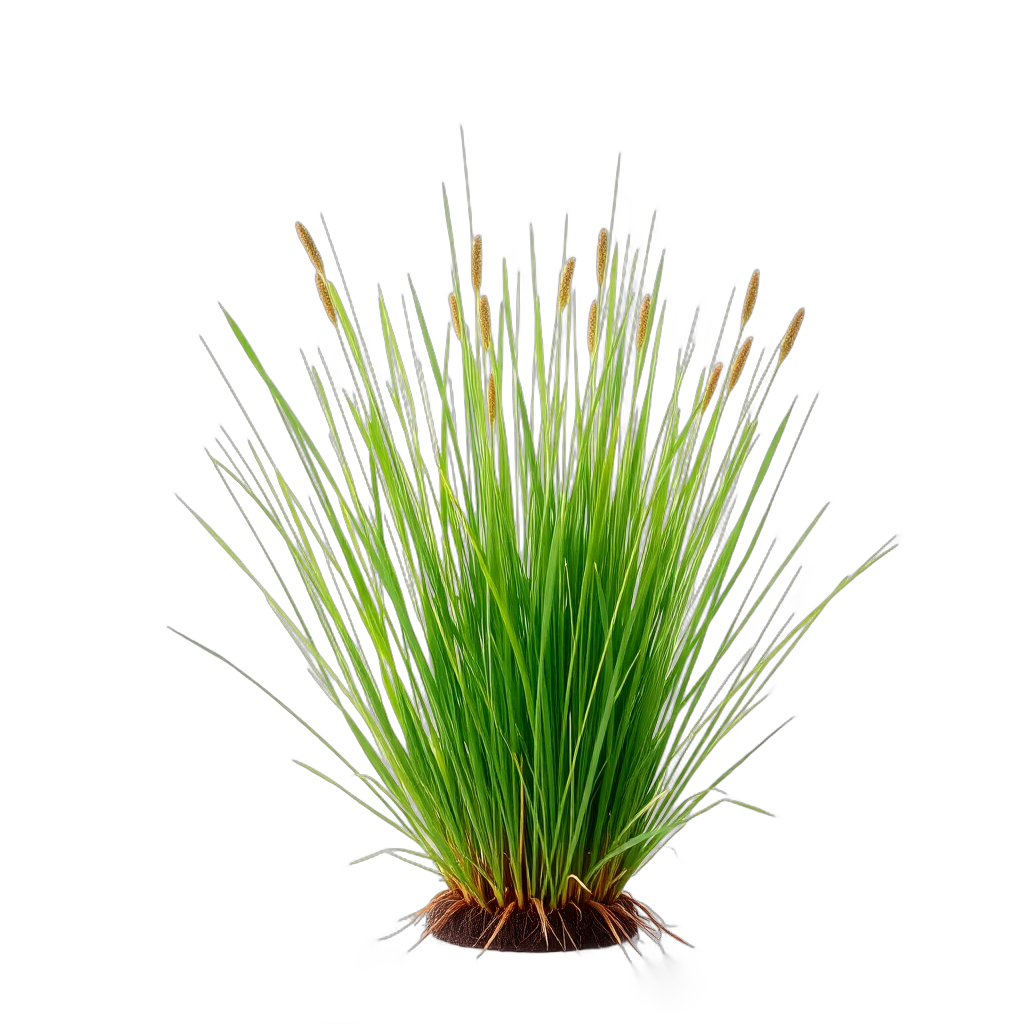
Path Rush
Juncus tenuis
low-growing ground cover, blooms in summer. Evergreen year-round.
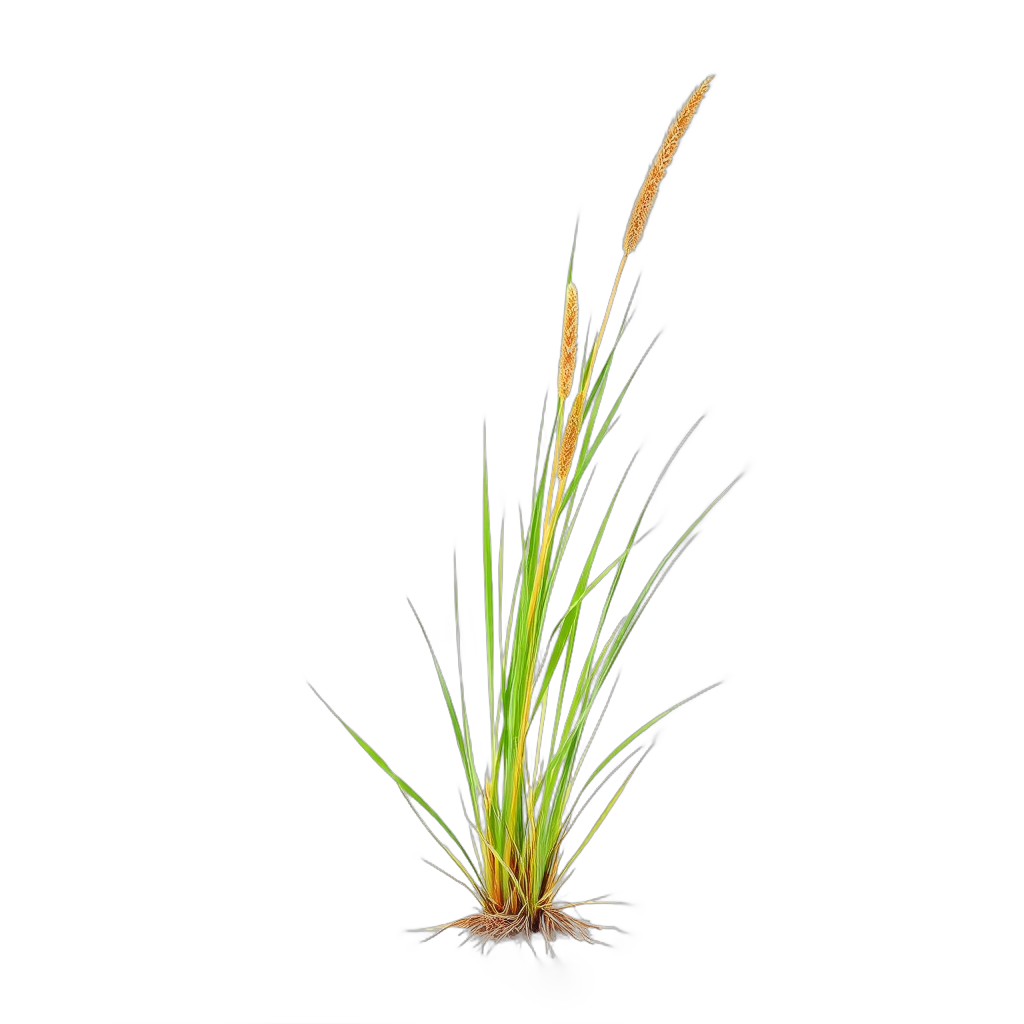
Softstem Bulrush
Schoenoplectus tabernaemontani
grows to 4 feet, blooms in summer.
Zone and sun checks come from our database — confirm with your local nursery before you buy.
Bloom Calendar for Carmel
spring
Bellwort, Blue Star, Blue-Eyed Grasssummer
Cardinal Flower, Hardstem Bulrush, Path Rushfall
Canada Goldenrod, New England Aster, Nodding Ladies' Tresseswinter
Limited bloomsDesign Tips for Carmel (Zone 6a)
- Excavate 8–10 inches and compact a crushed-stone base under every paver area; Carmel's clay and November–March freeze-thaw cycling heave thin bases.
- Plant warm-season grasses like Panicum virgatum 'Northwind' in spring, and cut them back to 4–6 inches in March before new growth.
- Use Taxus × media 'Densiformis' and Thuja occidentalis 'Smaragd' for winter green; Zone 6a lows of -10 to -5°F rule out many broadleaf evergreens.
- Loosen compacted new-subdivision fill and mix in compost before planting; builders often leave a thin topsoil layer over clay.
- Keep hardscape out of stormwater swales and basins; ask your HOA where they are before setting walls or patios.
- Repeat three or four plants in large blocks; a modern design reads as intentional when Calamagrostis × acutiflora 'Karl Foerster' appears in groups of 5 or 7.
- Place a shade tree such as Ginkgo biloba 'Princeton Sentry' on the west side of a terrace to cut late-day sun in July, when highs average 85°F.
Where to Source Plants in Carmel
Skip the big-box stores. These independent Carmel nurseries specialize in the plants that make modern/minimalist gardens thrive in Zone 6a.
Sundown Gardens
Westfield (just north of Carmel)
Family garden center that started in Carmel in 1949: perennials, shrubs, trees, pottery, plus landscape design and maintenance
Geist Nursery
Fishers (east of Carmel)
Boutique family-owned garden center with a strong native-plant selection, trees, shrubs and perennials; open by appointment
Modern/Minimalist Landscaping Cost Ranges
| Project Scope | Estimated Cost |
|---|---|
| Concrete patio, broom finish (200 sqft) | $2,100–$2,500 |
| Low-voltage landscape lighting (6 fixtures) | $1,200–$2,000 |
| Composite decking boards, surface only on existing framing (200 sqft) | $4,700–$5,800 |
| AI visualization (ProScapeAI) | Free to start |
National average installed ranges for 2026 from our landscaping price list (Homewyse and other published sources). Prices in Carmel, IN vary with site, materials and contractor, so get two or three local quotes.
Carmel Climate & Growing Zone
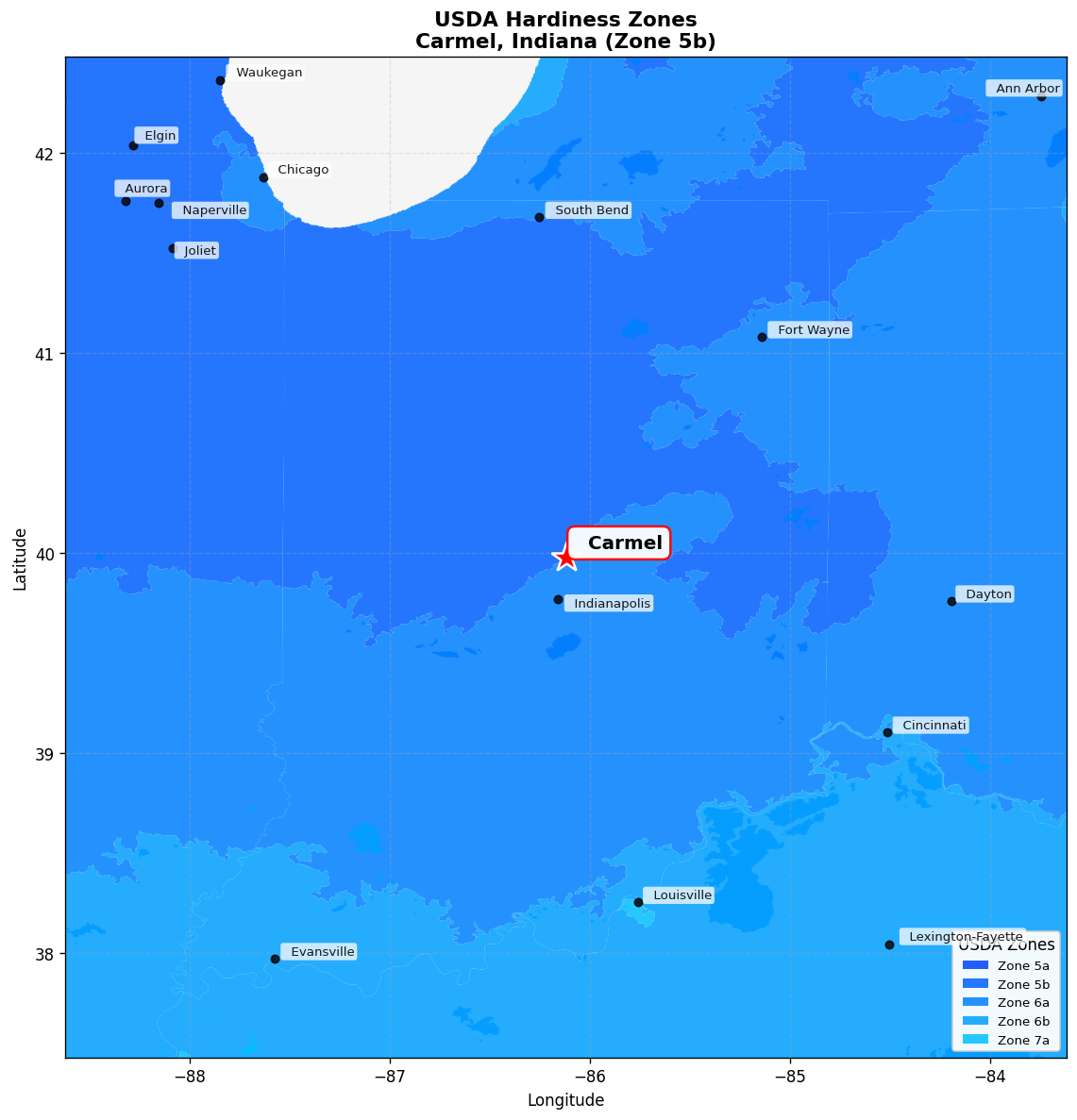
USDA Zone 6a
Hardiness zone for Carmel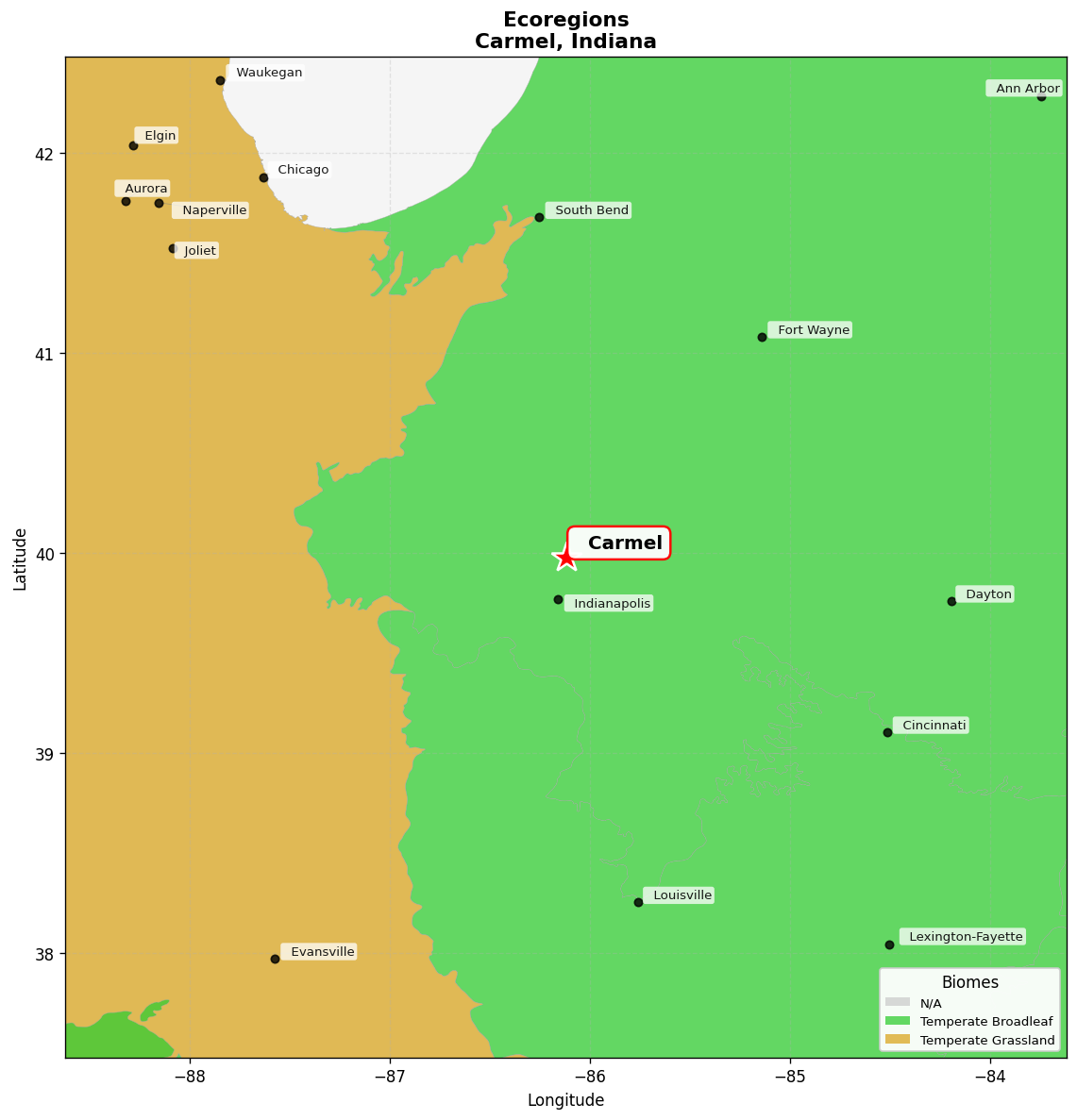
Southern Great Lakes forests
Native ecoregionFrequently Asked Questions
How much does a modern landscape cost in Carmel, IN?
The final price depends on the size of the yard, the materials you pick and who does the work, so ask local contractors for written quotes. Hamilton County labor is higher than the state average, so compare two or three quotes. Planting Calamagrostis × acutiflora 'Karl Foerster' from one-gallon pots saves a lot over larger sizes.
Is a modern landscape low maintenance in Carmel's climate?
Mostly yes. Grasses like Panicum virgatum 'Northwind' and Sporobolus heterolepis need one cutback in March and no fertilizer. Steel and paver edges stay crisp with an annual weed pass. The work is in the first two summers, when new plantings need weekly water, and in clearing leaves and snow from hardscape. Hedges such as Thuja occidentalis 'Smaragd' need a light trim once a year.
Which plants survive Carmel's winters in a modern design?
Zone 6a has average extreme lows of -10 to -5°F. Reliable choices are Calamagrostis × acutiflora 'Karl Foerster', Panicum virgatum 'Northwind', Sporobolus heterolepis, Taxus × media 'Densiformis', Thuja occidentalis 'Smaragd' and Juniperus horizontalis 'Blue Chip'. Japanese maples, many agaves and ornamental bamboo are marginal, so use Amelanchier × grandiflora 'Autumn Brilliance' and Ginkgo biloba 'Princeton Sentry' for sculptural trees.
When is the best time to build and plant in Carmel?
Hardscape goes in from late April to October when the ground is workable, and planting is best from mid-April to early June or early September to mid-October. NOAA's normals for Indianapolis give an average last 32°F frost around April 15 and first around October 26. Warm-season grasses such as Panicum virgatum 'Northwind' establish best when planted in spring, while evergreens can go in until October.
Do I need a permit or HOA approval in Carmel?
Planting usually needs no permit, but walls, pergolas, fences and large patios can need HOA or City approval, and most Carmel subdivisions have covenants on materials and heights. The City of Carmel notes that properties developed since 2005 generally have stormwater quality systems the HOA or owner must maintain, so do not build over or regrade swales and basins. Ask your HOA and the City's building department before you start.
How do I deal with Carmel's clay under pavers?
Excavate to about 8–10 inches under a patio, compact a 6–8 inch crushed-stone base in lifts, and slope the surface about 1–2 percent away from the house. Clay holds water, and freeze-thaw cycling from November to March heaves poorly built patios. Add a drain or a permeable gravel strip where water collects, and loosen compacted new-subdivision fill before planting grasses.