4 English Cottage Garden Ideas for Carmel, IN | Zone 6a Roses and Perennials
Native plants from the Southern Great Lakes forests (Zone 6a) — Humid continental (hot summer) climate
For a cottage garden in Carmel, IN, a zone 6a city with a humid continental (hot summer) climate, start with Rosa 'John Cabot' on the arch, Rosa 'Carefree Beauty' and Lavandula × intermedia 'Phenomenal', the plants this guide's first design is built on.
Why Cottage/English Gardens in Carmel?
Carmel's older and newer streets both suit a cottage garden. Home Place and the blocks around the Arts & Design District hold bungalows and 1940s cottages with shallow front setbacks, and the New Urbanist lots of Village of WestClay put porches within a few steps of the sidewalk. A front border on a lot like that is seen from the street every day, so a deep, layered planting pays off more than lawn does. Picket fences, brick walks and a rose over the gate fit the scale of these houses, and the 400–700 square feet of front yard on a typical lot is enough to carry the whole look.
Zone 6a winters, with average annual extreme lows of -10 to -5°F, cut the English plant list but leave most of what makes a cottage garden. The nearest NOAA normals station, Indianapolis International, shows a January average low of 20.9°F, a July average high of 85.2°F and 43.63 inches of precipitation a year, with 25.5 inches of snow. The average last 32°F frost falls around April 15 and the first around October 26, so frost-tender things wait until early May. Tea roses and Austin's more tender selections need winter cover here, so the climbers are Rosa 'John Cabot' and Rosa 'William Baffin', both bred in Canada for cold, with Rosa 'Carefree Beauty' and Rosa 'Olivia Rose Austin' in the shrub layer. Lavandula angustifolia 'Munstead' and Lavandula × intermedia 'Phenomenal' are the lavenders worth trying, and Delphinium elatum will behave like a short-lived perennial that needs replacing every second or third year.
Soil is the factor that decides whether the borders last. Much of Carmel sits on glacial till, a clay-heavy loam that stays wet through April rains and cracks by late August, and new subdivisions often get a thin layer of topsoil over compacted fill. Test the pH before choosing: lavender and roses like it near neutral, while Hydrangea and Rhododendron want more acid. Rather than digging deep holes into clay, build the border up 6–8 inches with compost and screened topsoil, and put gravel under the lavender. Perennials that tolerate heavy ground, such as Geranium 'Rozanne', Salvia nemorosa 'May Night', Phlox paniculata 'David' and Paeonia 'Sarah Bernhardt', go in the clayey spots without complaint.
On rules, check before you build. The City of Carmel says properties developed since 2005 were generally required to install stormwater quality systems that the HOA or owner must maintain, so ask your HOA where the swales and basins sit before you plant or fence near them. Many Carmel subdivisions also have covenants on fence height, material and front-yard planting, and a white picket fence that suits the style may need approval first. A cottage garden that uses brick-on-sand walks and gravel seating areas also lets rain soak in, which helps on a clay lot that sheds water onto the neighbor's yard.
4 Cottage/English Design Ideas for Carmel
AI-generated image
The Picket Fence Rose Border
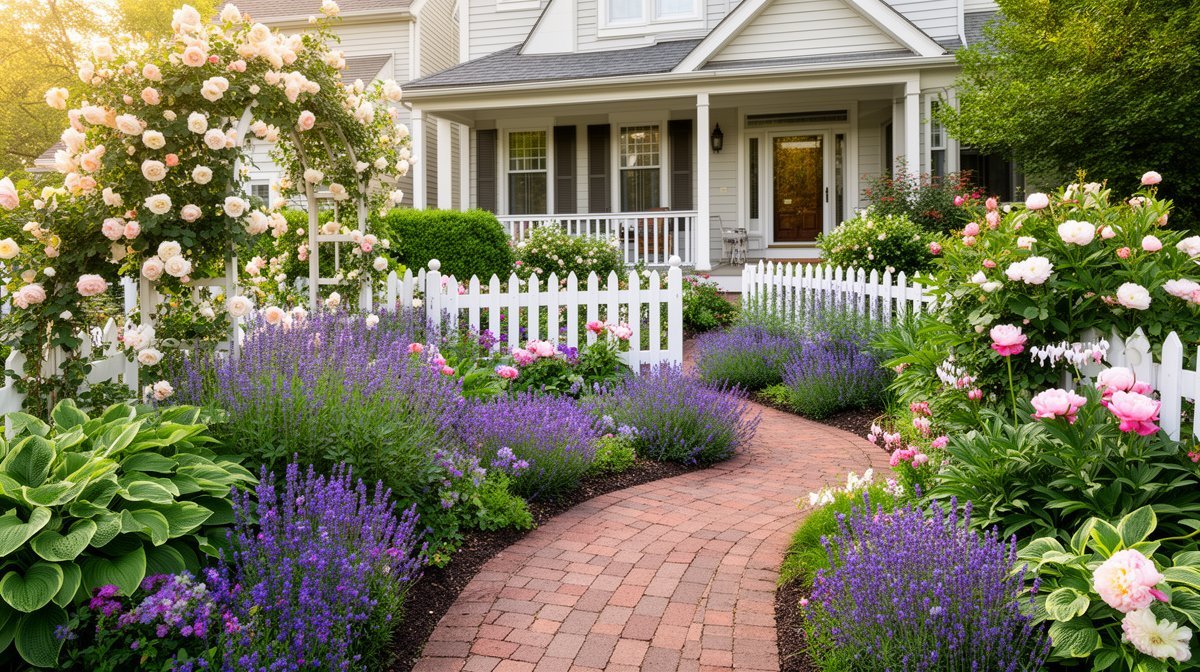
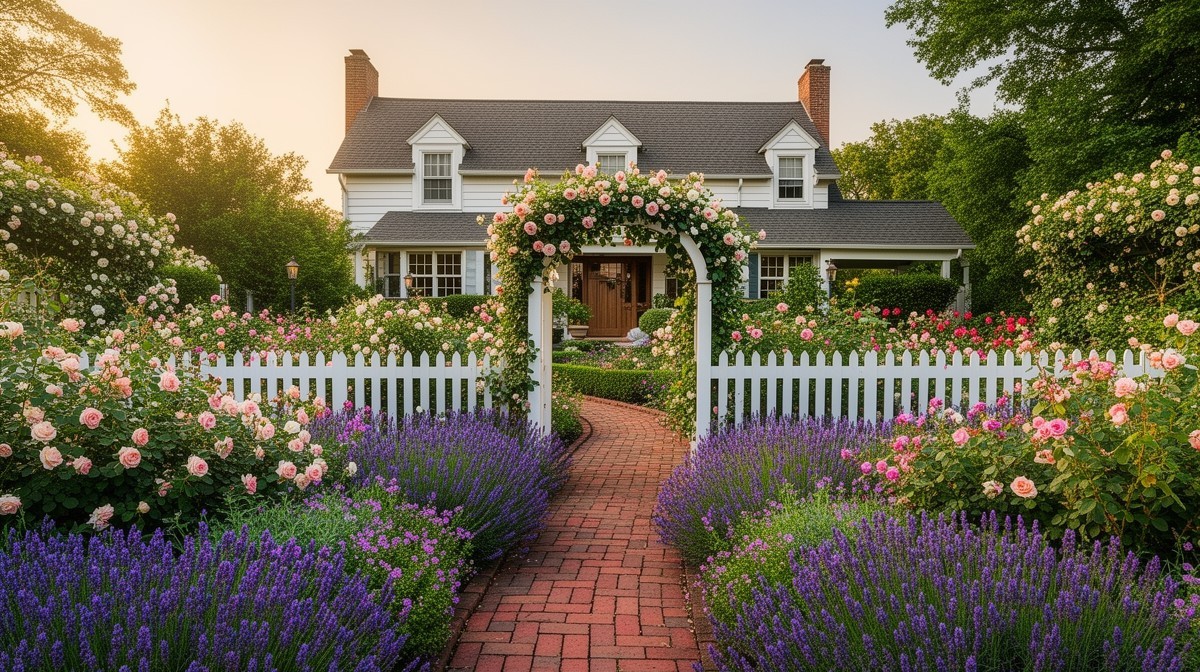
$20–40/sqftA low white picket fence runs across the front of a brick-and-clapboard Home Place cottage, with a gate under a timber arch carrying red climbing roses. Lavender lines the walk, shrub roses and catmint mass behind it, and a curved brick path leads to a small porch that gets sun from the south. The border faces south, so roses get the six hours of light that keep blackspot down.
Try this on your yard: The Picket Fence Rose BorderAI-generated image
The Porch Garden Layers
$14–30/sqftA deep covered porch with white railings looks out to a bed built in three tiers: tall foxglove and delphinium at the back, phlox and peonies in the middle, hostas and lady's mantle along the edge. A stepping-stone path of irregular flagstone curves through it to the steps. A large maple on one side gives afternoon shade, so the shade-tolerant layers sit there and the flowers get the open center.
Try this on your yard: The Porch Garden LayersAI-generated image
The Cut-Flower Side Garden
$12–25/sqftA narrow side yard along a garage wall is turned into a working cottage garden: brick edging, a gravel center path, and rows of flowers meant for cutting. An espalier of clematis on a wire trellis covers the wall, and a bench sits in the sunniest corner. Afternoon sun reflects off the siding, which suits plants that like heat but need steady water in August.
Try this on your yard: The Cut-Flower Side GardenAI-generated image
The Hydrangea and Boxwood Courtyard
$30–55/sqftA small back terrace is walled in by clipped boxwood and mounded hydrangeas, with a round stone table and iron chairs at the center. A mossy stone path leads out to a pair of pots with trained roses. A birdbath stands at the focal point, and the beds step down to a patch of lawn. Morning light and afternoon shade keep hydrangeas from wilting by July.
Try this on your yard: The Hydrangea and Boxwood CourtyardSee how a cottage/english garden looks on YOUR property
Upload a photo of your Carmel yard and visualize your dream garden in seconds.
Try ProScapeAI Free

AI-generated image
Featured Trees & Shrubs for Cottage/English Gardens
Browse all 248 plants for Carmel
American Black Currant
Ribes americanum
grows to 5 feet, white,yellow blooms in spring. Attracts hummingbirds.
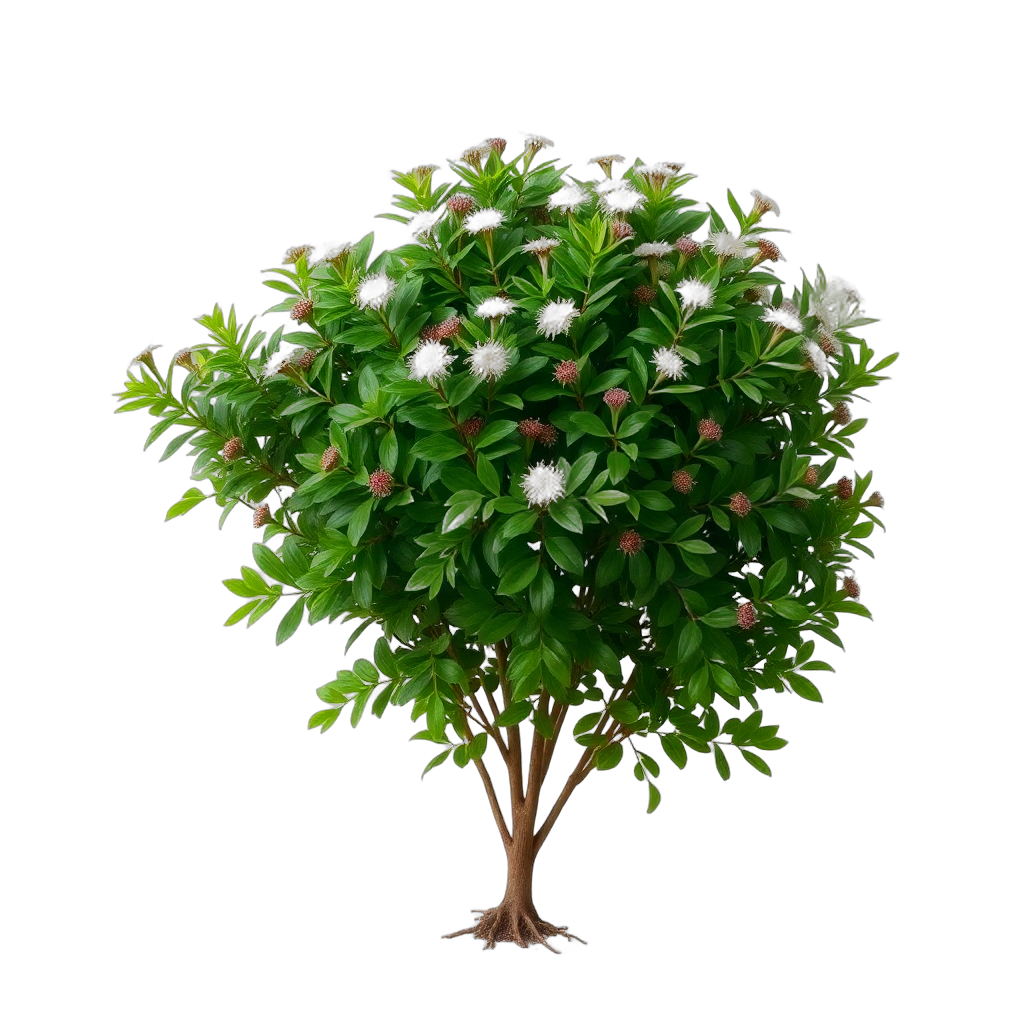
Buttonbush
Cephalanthus occidentalis
medium-sized at 8 feet, white blooms in summer. Attracts butterflies.
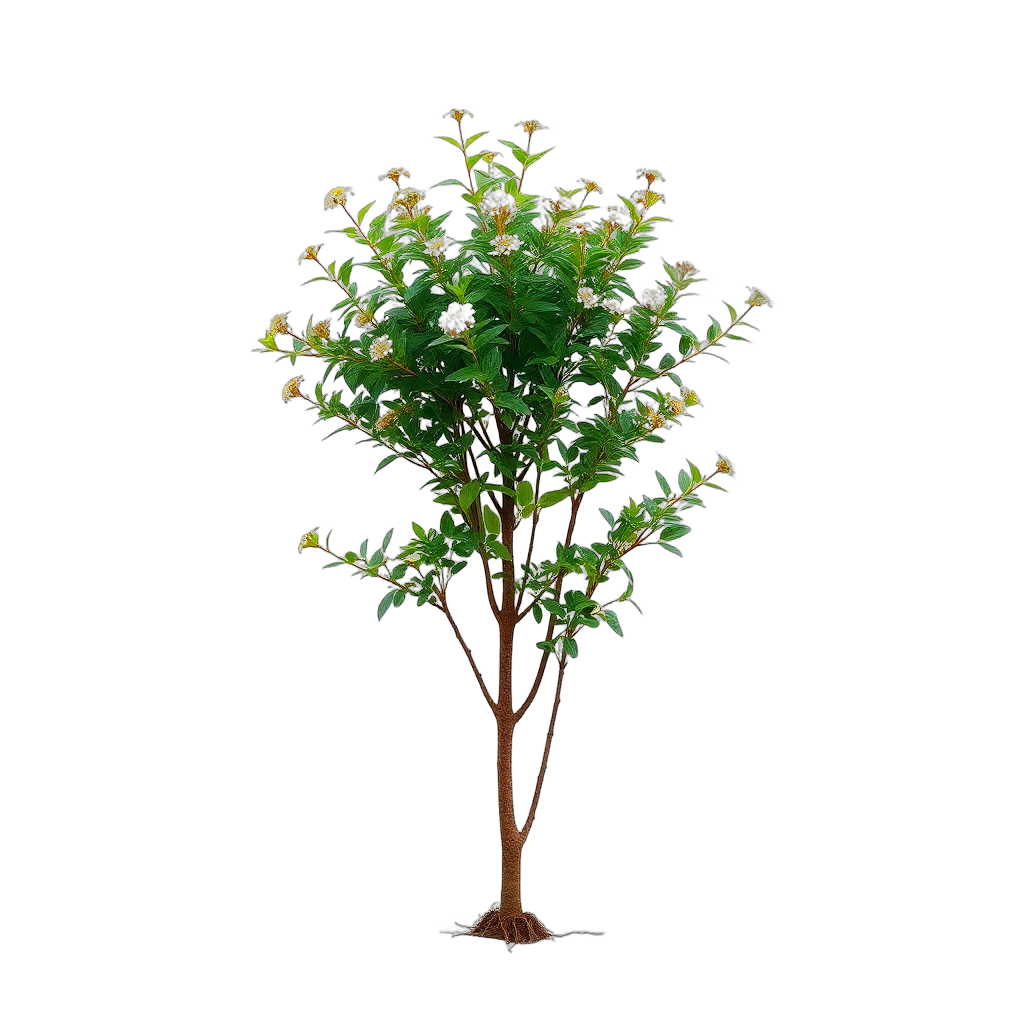
Coppertina Ninebark
Physocarpus 'Coppertina'
medium-sized at 7 feet, white blooms in spring. Pollinator-friendly.
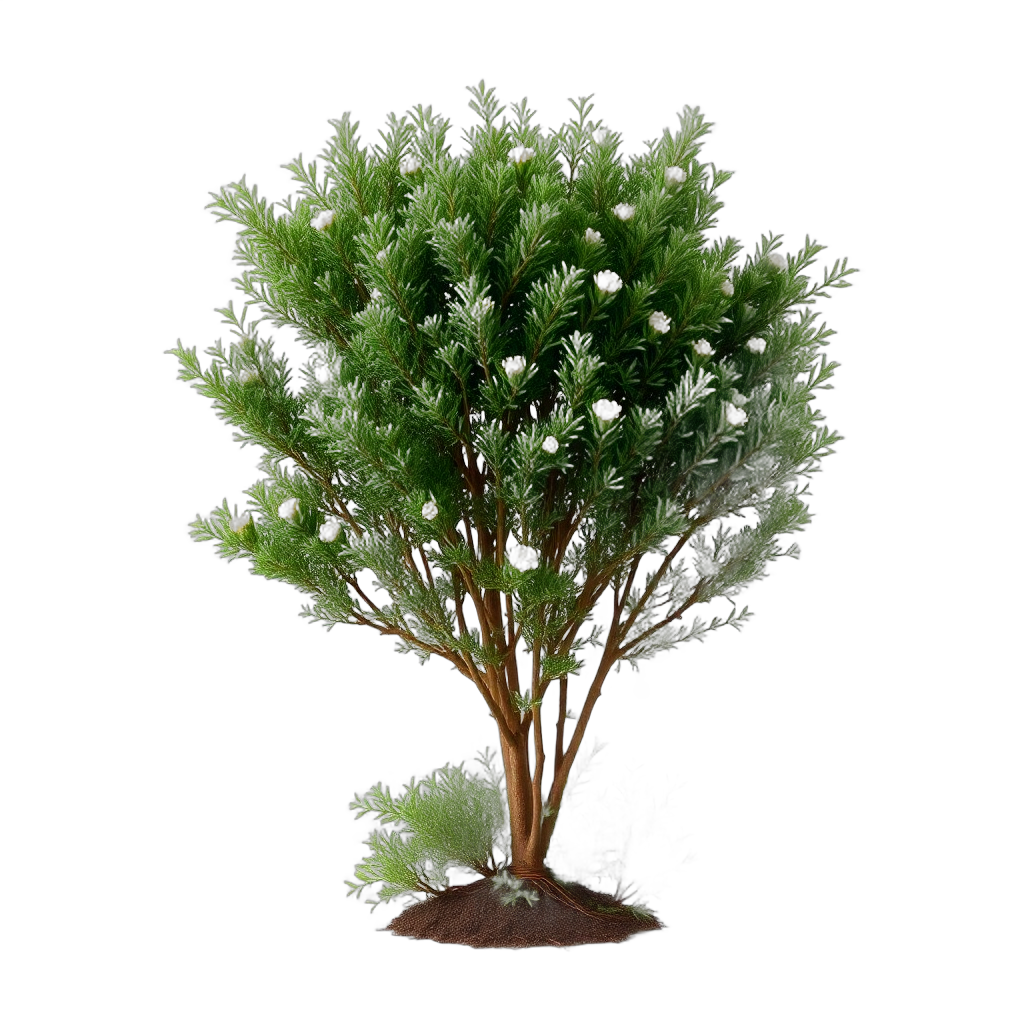
Creeping Juniper
Juniperus horizontalis
low-growing ground cover, blooms in spring. Evergreen year-round.
Featured Grasses & Groundcovers for Cottage/English Gardens
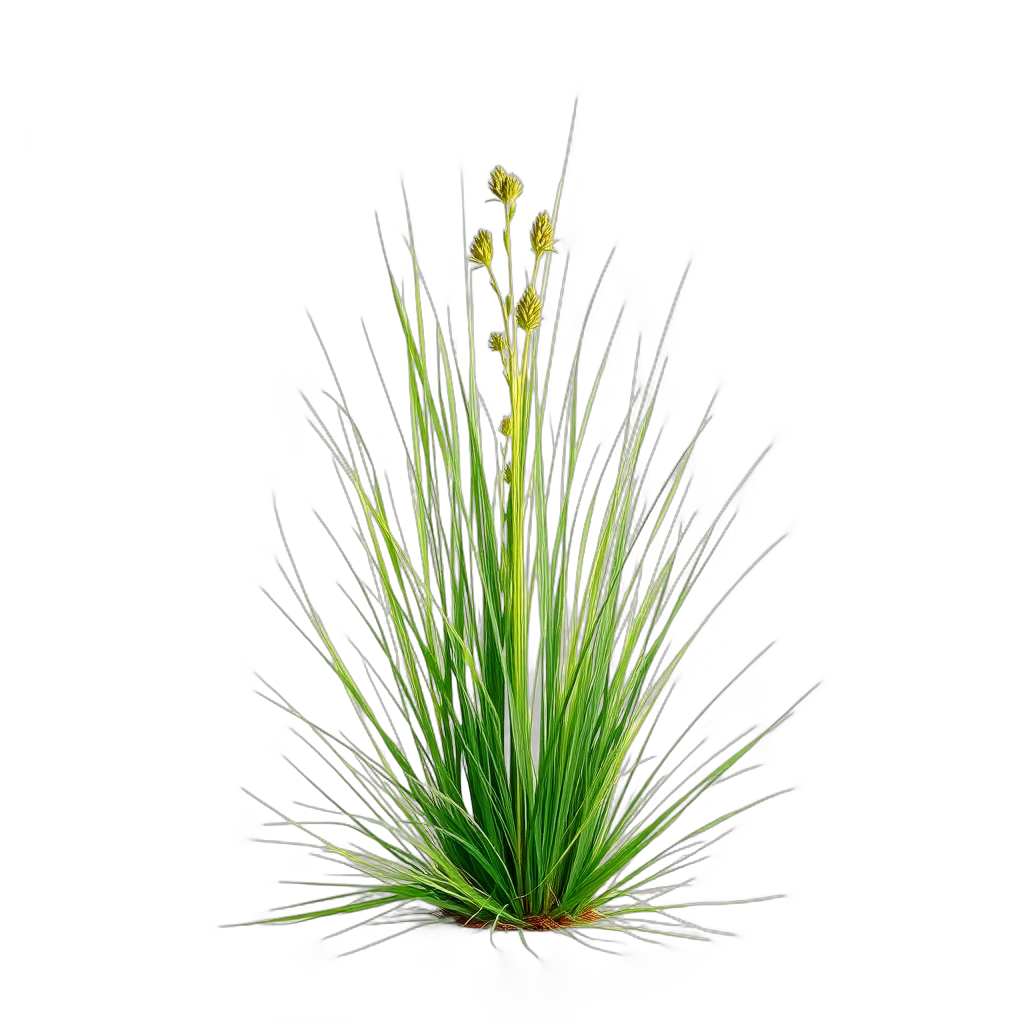
Canada Wild Rye
Elymus canadensis
grows to 4 feet, blooms in summer. Yellow fall color.
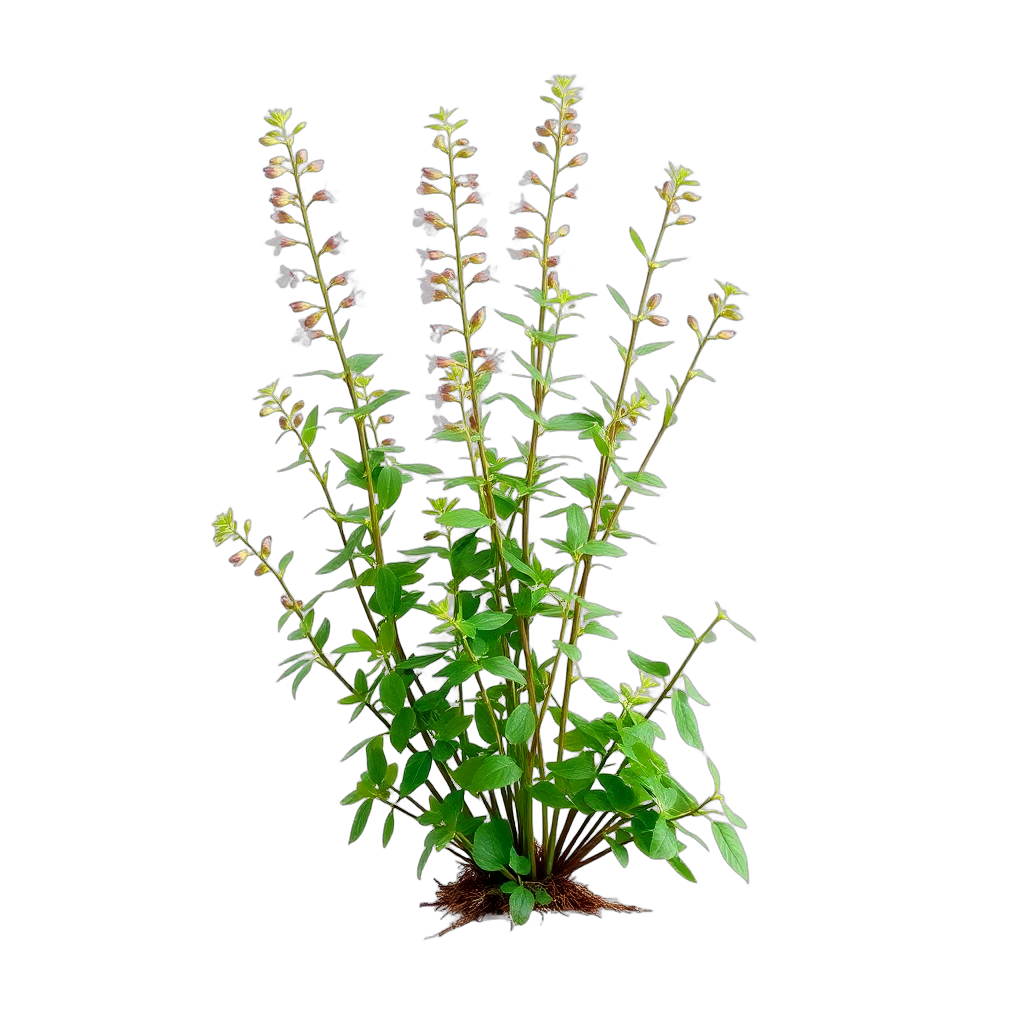
Creeping Jacob's Ladder
Polemonium reptans
low-growing ground cover, blue blooms in spring. Attracts butterflies.

Broad-leaf Bamboo
Sasa palmata
medium-sized at 7 feet, blooms in none. Evergreen year-round.
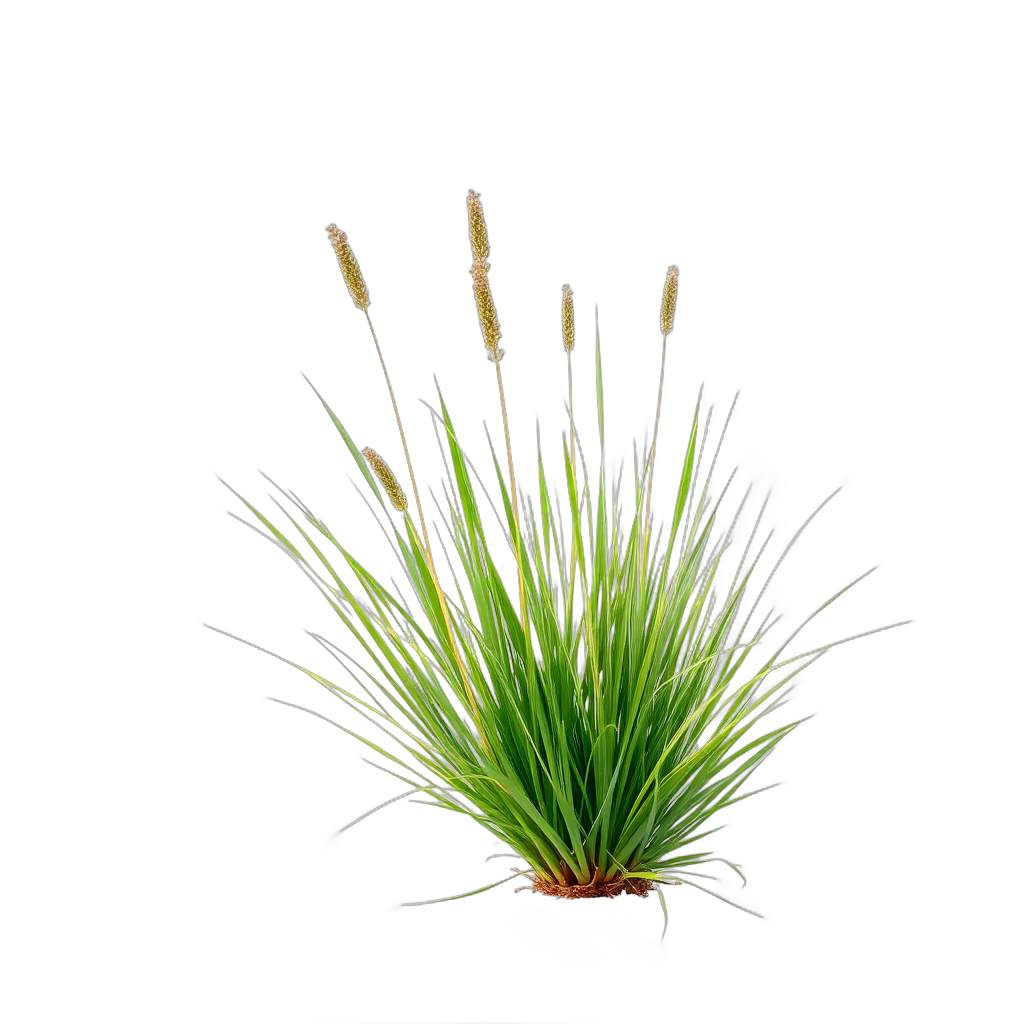
Deer Grass
Muhlenbergia rigens
grows to 3 feet, yellow blooms in fall. Evergreen year-round.
Featured Flowers & Perennials for Cottage/English Gardens
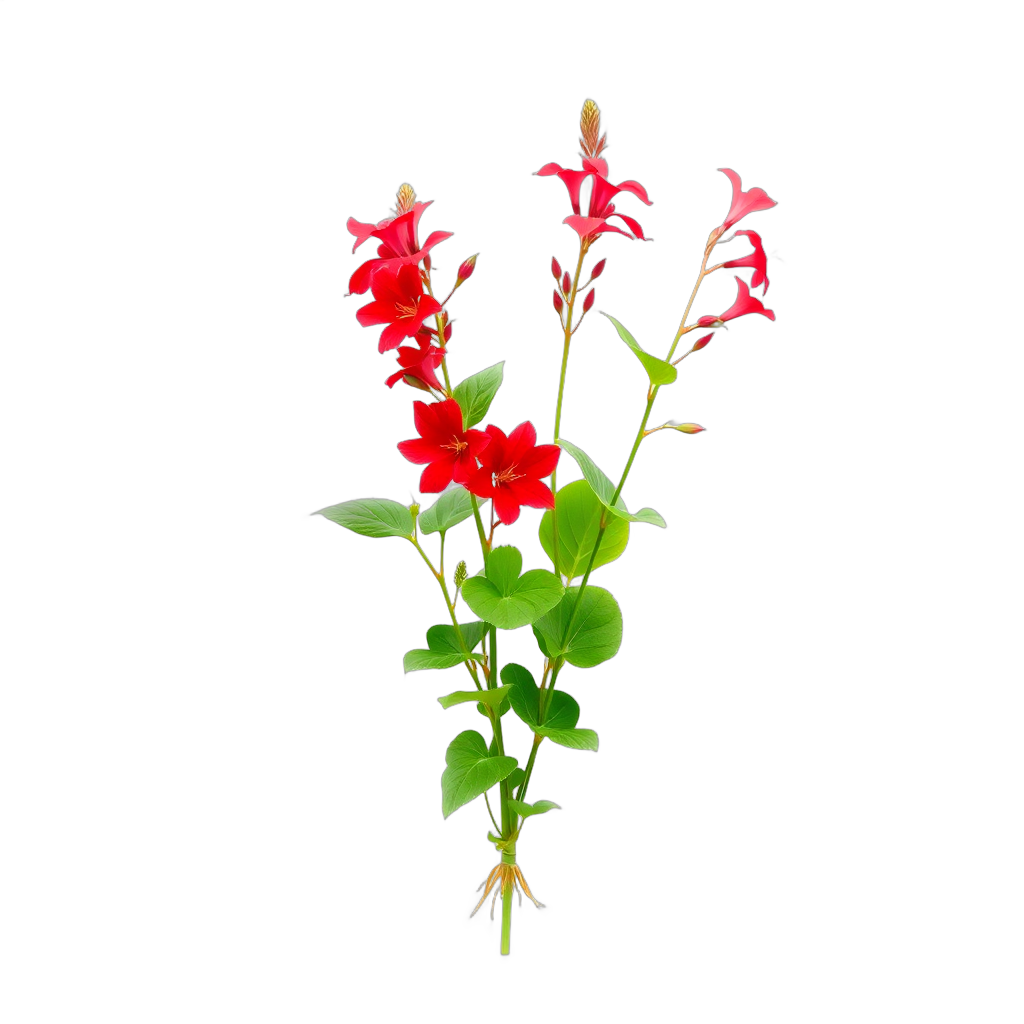
Cardinal Flower
Lobelia cardinalis
grows to 3 feet, red blooms in summer. Attracts hummingbirds.
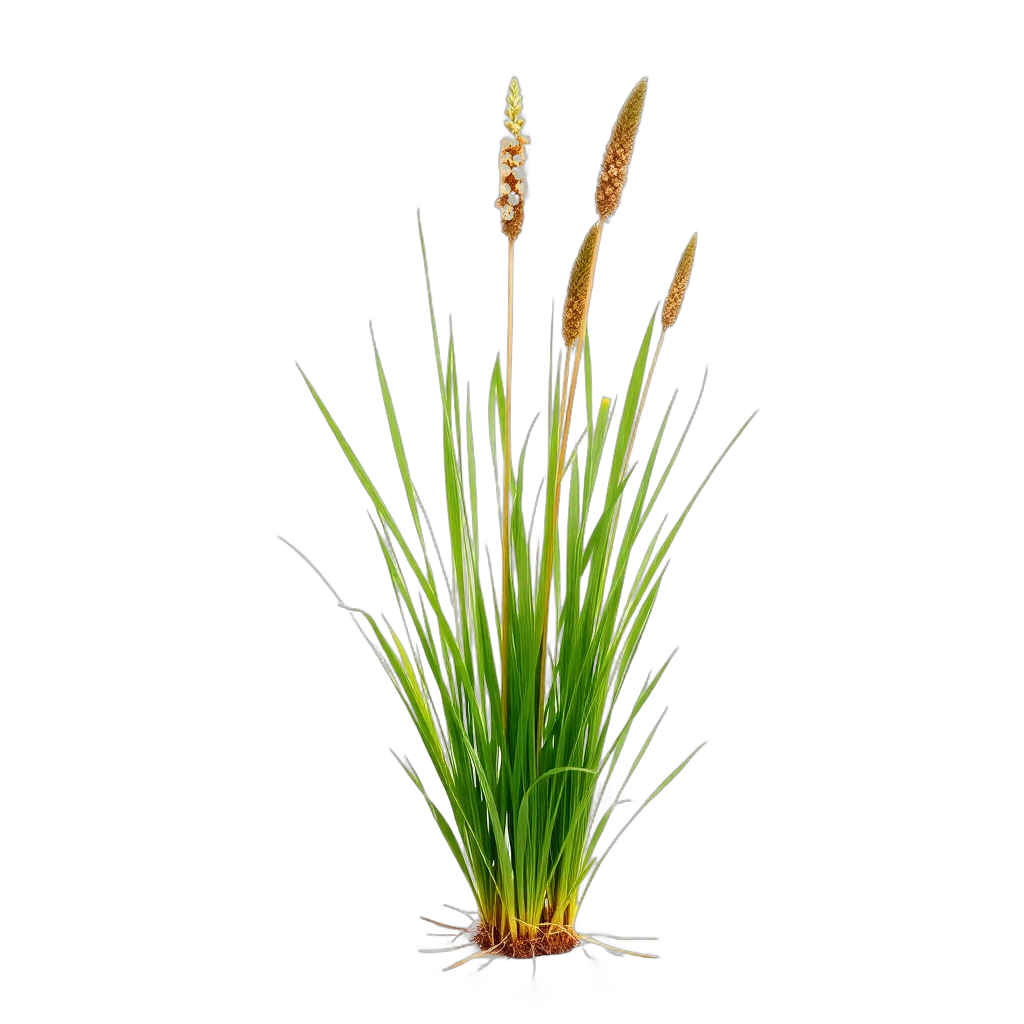
Hardstem Bulrush
Scirpus acutus
medium-sized at 7 feet, blooms in summer.
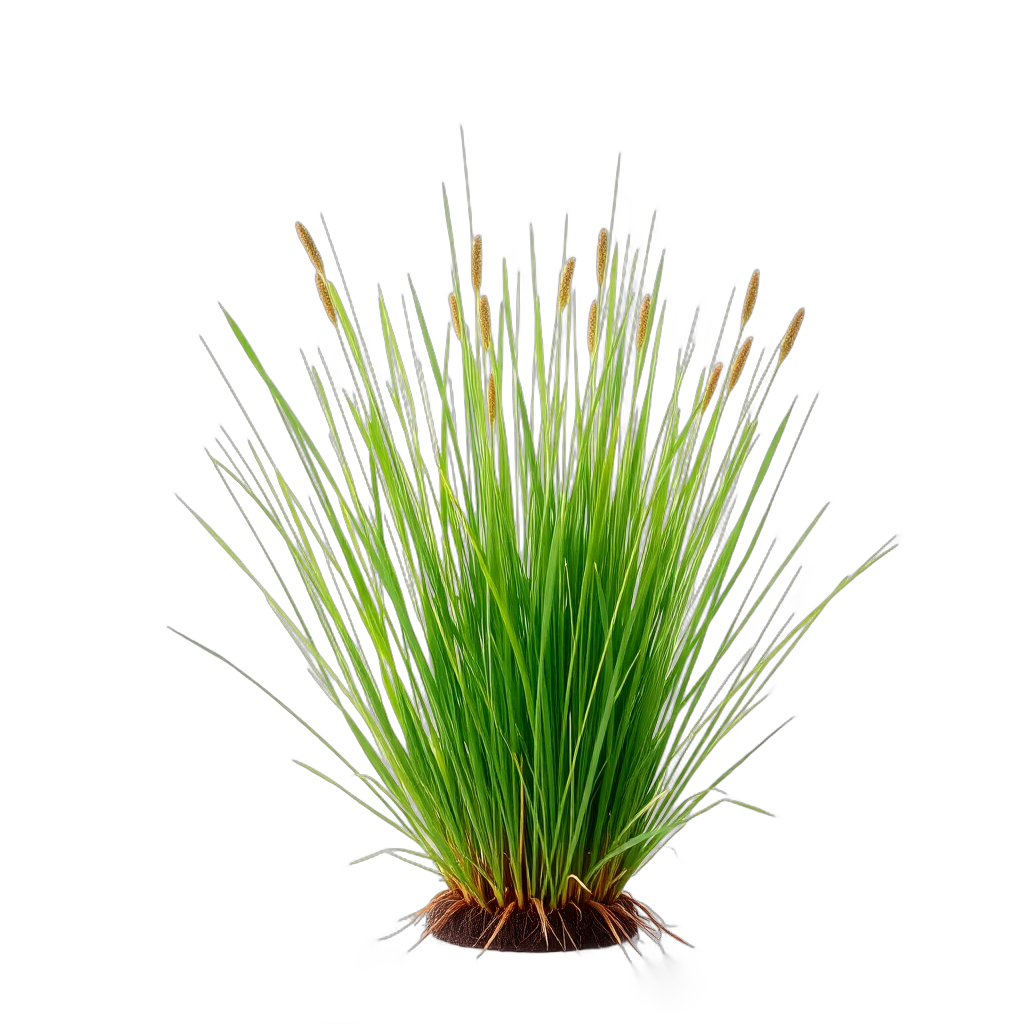
Path Rush
Juncus tenuis
low-growing ground cover, blooms in summer. Evergreen year-round.

Softstem Bulrush
Schoenoplectus tabernaemontani
grows to 4 feet, blooms in summer.
Zone and sun checks come from our database — confirm with your local nursery before you buy.
Bloom Calendar for Carmel
spring
Bellwort, Blue Star, Blue-Eyed Grasssummer
Cardinal Flower, Hardstem Bulrush, Path Rushfall
Canada Goldenrod, New England Aster, Nodding Ladies' Tresseswinter
Limited bloomsDesign Tips for Carmel (Zone 6a)
- Build beds up 6–8 inches with compost and topsoil instead of digging into Carmel's clay; wet crowns in winter kill more plants than -10°F does.
- Choose Canadian-bred climbing roses such as Rosa 'John Cabot' and Rosa 'William Baffin'; they handle Zone 6a without winter wrapping.
- Give lavender its own raised, gravel-mulched bed and aim for a pH near neutral; Lavandula × intermedia 'Phenomenal' outlasts English types here.
- Wait until early May to plant tender annuals; the average last 32°F frost at Indianapolis is around April 15 and late freezes happen.
- Cut perennials such as Phlox paniculata 'David' and Salvia nemorosa 'May Night' back by a third in June for a second bloom and less mildew.
- Mulch the crowns of Delphinium elatum and hybrid roses in late November after the ground freezes, then remove it in March.
- Ask your HOA about swales, basins and fence rules before you build; many Carmel subdivisions have covenants on front yards.
Where to Source Plants in Carmel
Skip the big-box stores. These independent Carmel nurseries specialize in the plants that make cottage/english gardens thrive in Zone 6a.
Sundown Gardens
Westfield (just north of Carmel)
Family garden center that started in Carmel in 1949: perennials, shrubs, trees, pottery, plus landscape design and maintenance
Geist Nursery
Fishers (east of Carmel)
Boutique family-owned garden center with a strong native-plant selection, trees, shrubs and perennials; open by appointment
Cottage/English Landscaping Cost Ranges
| Project Scope | Estimated Cost |
|---|---|
| Brick walkway (per sqft) | $20.03–$25.95 per sqft |
| Flagstone patio (per sqft) | $24.88–$32.06 per sqft |
| Picket fence, 4 ft tall (60 linear ft) | $1,500–$2,400 |
| AI visualization (ProScapeAI) | Free to start |
National average installed ranges for 2026 from our landscaping price list (Homewyse and other published sources). Prices in Carmel, IN vary with site, materials and contractor, so get two or three local quotes.
Carmel Climate & Growing Zone
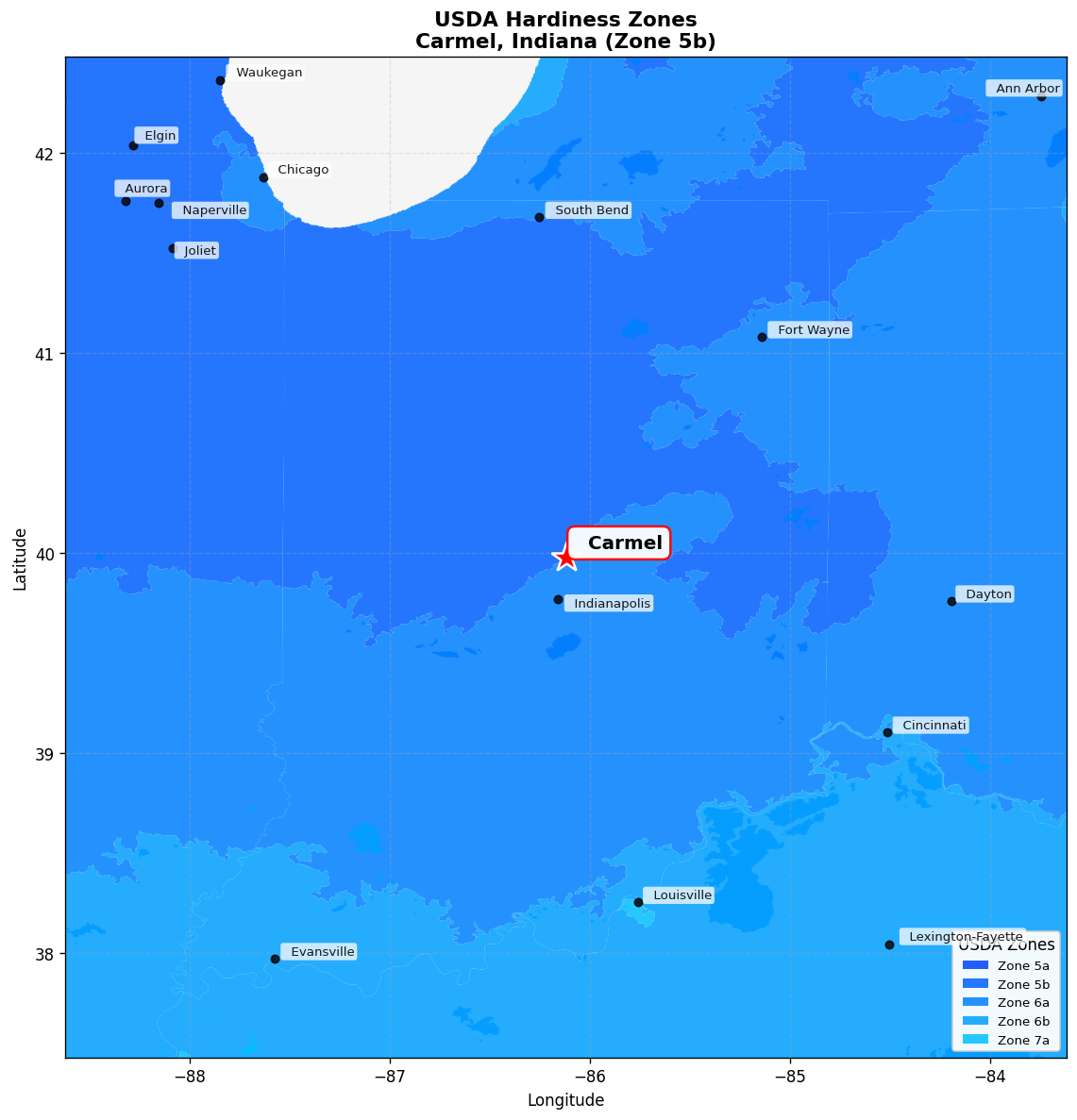
USDA Zone 6a
Hardiness zone for Carmel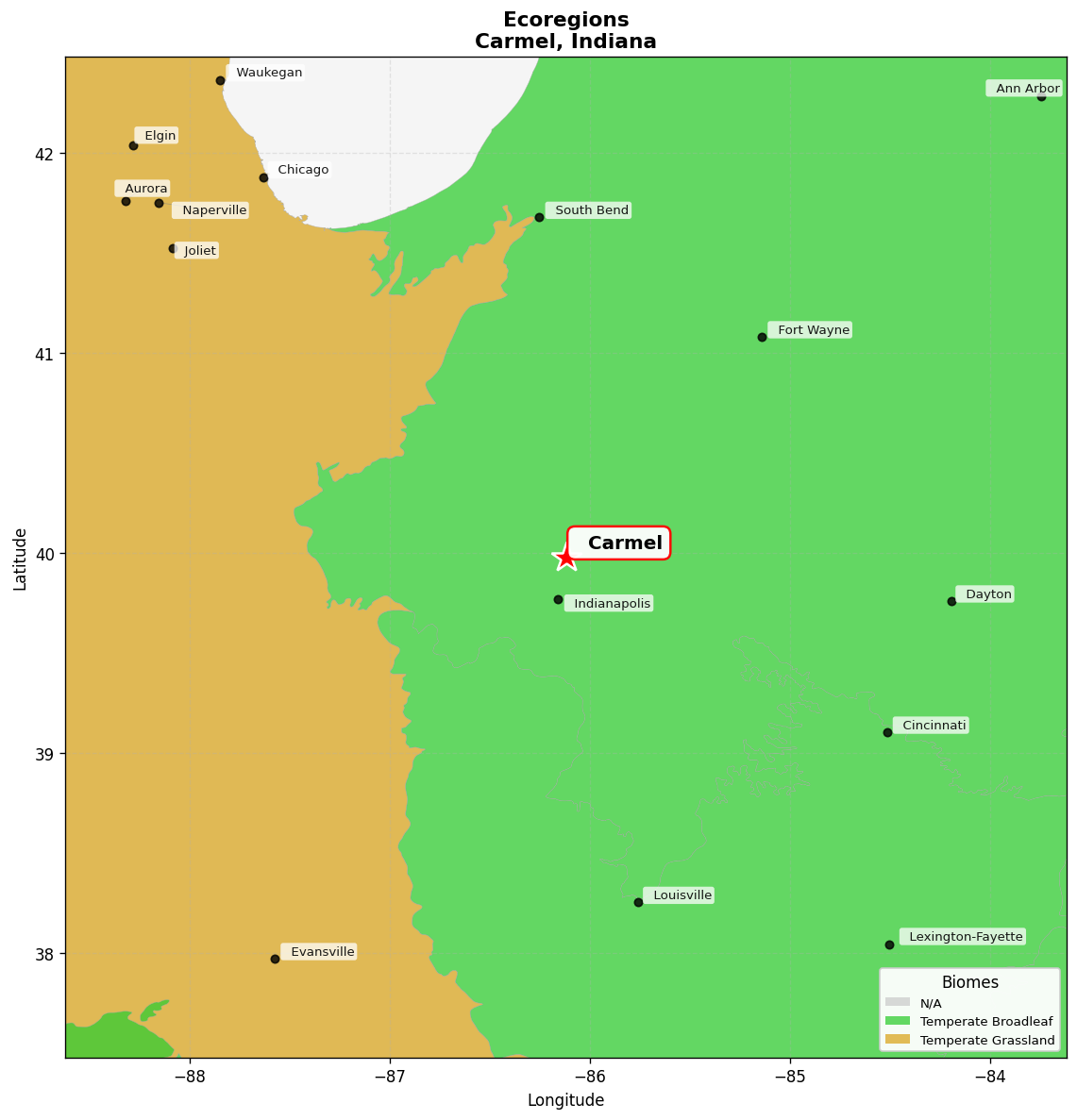
Southern Great Lakes forests
Native ecoregionFrequently Asked Questions
How much does a cottage garden cost in Carmel, IN?
Costs vary with yard size, materials and local labor, so get two or three local quotes before you commit. Hamilton County labor costs are higher than the state average, so get two or three quotes.
Which roses survive Carmel winters?
Choose cold-hardy, disease-resistant ones. Rosa 'John Cabot' and Rosa 'William Baffin' are climbers bred in Canada that handle -15°F without protection. Rosa 'Carefree Beauty' and Rosa 'Olivia Rose Austin' are reliable shrub roses in Zone 6a. Hybrid teas need heavy mulch over the crown in November and often die back to the graft anyway. Give every rose six hours of sun and water at the base to keep leaves dry.
Can lavender grow in Carmel's clay soil?
Yes if you build the bed up. Lavandula × intermedia 'Phenomenal' and Lavandula angustifolia 'Munstead' are the best choices for Zone 6a. Raise the bed 6–8 inches, mix in a third coarse grit, mulch with gravel and not wood, and keep the pH near neutral. Wet clay in winter kills lavender faster than cold does, so drainage matters more than hardiness.
When is the best time to plant in Carmel?
Plant perennials and shrubs from mid-April to early June, or from early September to mid-October so roots establish before the ground freezes. NOAA's normals for Indianapolis give an average last 32°F frost around April 15 and first around October 26, so wait until early May for tender annuals. Avoid planting in the heat of July when highs average 85°F and water is the limit. Bare-root roses go in as soon as the soil can be worked in March.
Do I need a permit or HOA approval for a cottage garden in Carmel?
Planting beds usually need no permit, but fences, arbors and walls may need approval, and most Carmel subdivisions have an HOA with covenants. The City of Carmel notes that properties developed since 2005 generally have stormwater quality systems the HOA or owner must maintain, so do not block or regrade swales and basins. Check with your HOA and the City's building department before building anything permanent.
How do I keep deer and rabbits out of the garden?
Plant things they leave alone along exposed edges: Nepeta × faassenii 'Walker's Low', Lavandula × intermedia 'Phenomenal', Salvia nemorosa 'May Night', Allium 'Purple Sensation' and Digitalis purpurea. Hosta and tulips are the first things eaten. A 4-foot picket fence stops rabbits and a taller fence is the only full barrier for deer, so rotate repellents from spring to fall where fences are low.