4 Modern Garden Ideas for Indianapolis, IN | Minimalist Landscape Design in Zone 6a
Native plants from the Southern Great Lakes forests (Zone 6a) — Humid continental (hot summer) climate
Why Modern/Minimalist Gardens in Indianapolis?
Indianapolis is growing — and its residential architecture is reflecting that growth with a wave of contemporary infill, modern suburban builds, and renovation projects in neighborhoods like Meridian-Kessler, Herron-Morton Place, and the Monon Trail corridor. The city's combination of affordable property values, active urban reinvestment, and a professional class drawn by Salesforce, Eli Lilly, and the healthcare sector is driving demand for modern landscape design that matches the ambition of renovated and new homes. Indianapolis's flat topography and generous lot sizes in established neighborhoods give landscape designers particular freedom to work with geometric forms and open-plan outdoor rooms.
Zone 6a's winter lows to -10°F require cold-hardy plant selection, but the palette available for modern landscape design in this zone is genuinely excellent. Ornamental grasses (Karl Foerster, switchgrass, miscanthus), architectural conifers, hardy yucca, and structural perennials provide the bold masses and year-round form that modern design requires. Indianapolis's Southern Great Lakes forest ecoregion means reasonably fertile urban soils in established neighborhoods, though newer developments on the suburban fringe frequently have compacted construction fill that requires amendment before planting.
The practical climate driver for modern hardscape in Indianapolis is the freeze-thaw cycle. Indianapolis's frost depth reaches 24–30 inches and the city sees significant freeze-thaw cycling from November through March, meaning all concrete and paver installations require a proper crushed stone subbase (minimum 6 inches) for drainage and frost protection. Heavy clay soils in many Indianapolis neighborhoods compound the issue — proper drainage engineering under all hardscape is not optional. Done correctly, however, a modern concrete or porcelain paver terrace in Indianapolis will perform for decades with minimal maintenance — exactly the promise of modern landscape design for busy urban professionals.
4 Modern/Minimalist Design Ideas for Indianapolis
AI-generated image
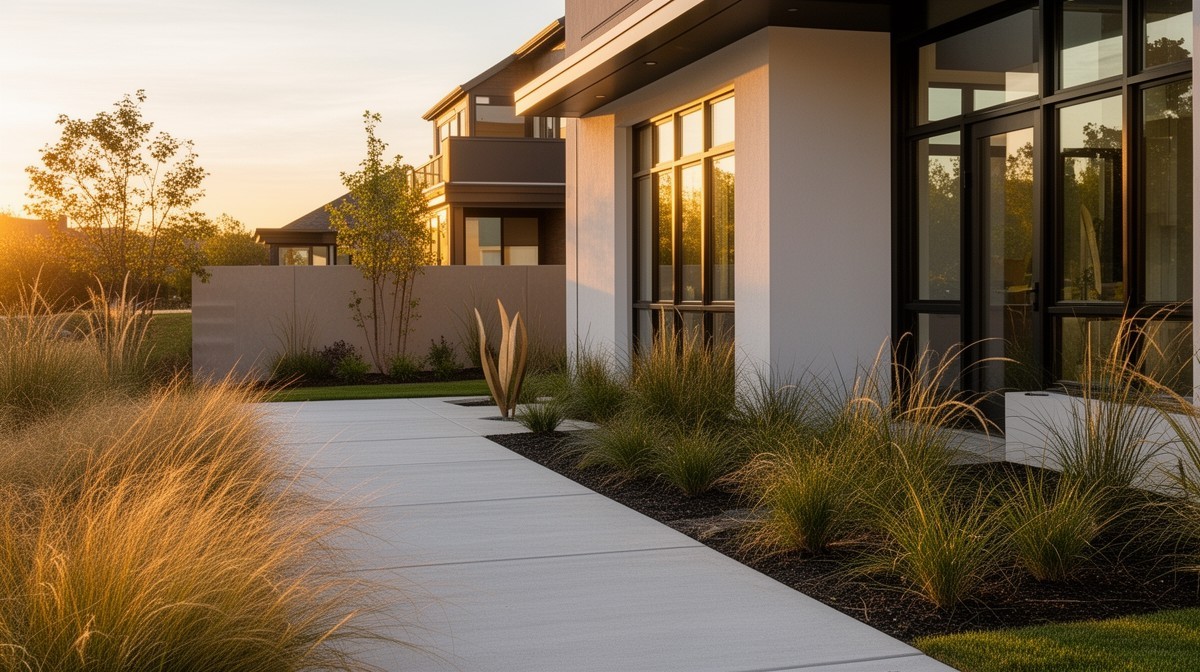
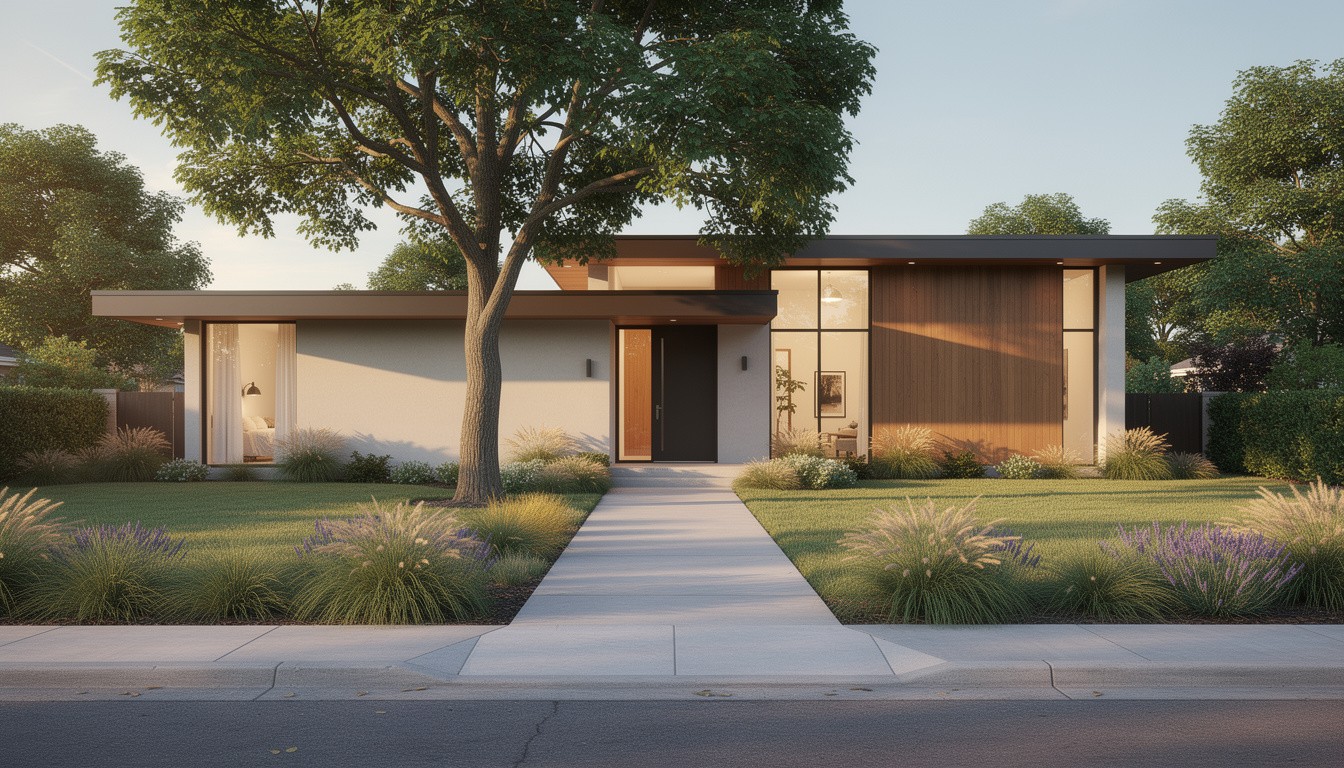
The Carmel Contemporary Ranch
$12–22/sqftA low-slung contemporary home with dark horizontal cladding and a cedar panel accent sits behind a straight concrete walk flanked by massed ornamental grasses and flowering perennials. The planting is deliberately minimal — feather reed grass in two bold rows flanking the path, low mounding ornamentals filling the ground plane, a single large shade tree providing asymmetric canopy. The design achieves the hallmark of good modern landscape design: it makes the architecture look more intentional without competing with it. Indianapolis's warm Zone 6a summers mean these grasses reach full height by July.
AI-generated image
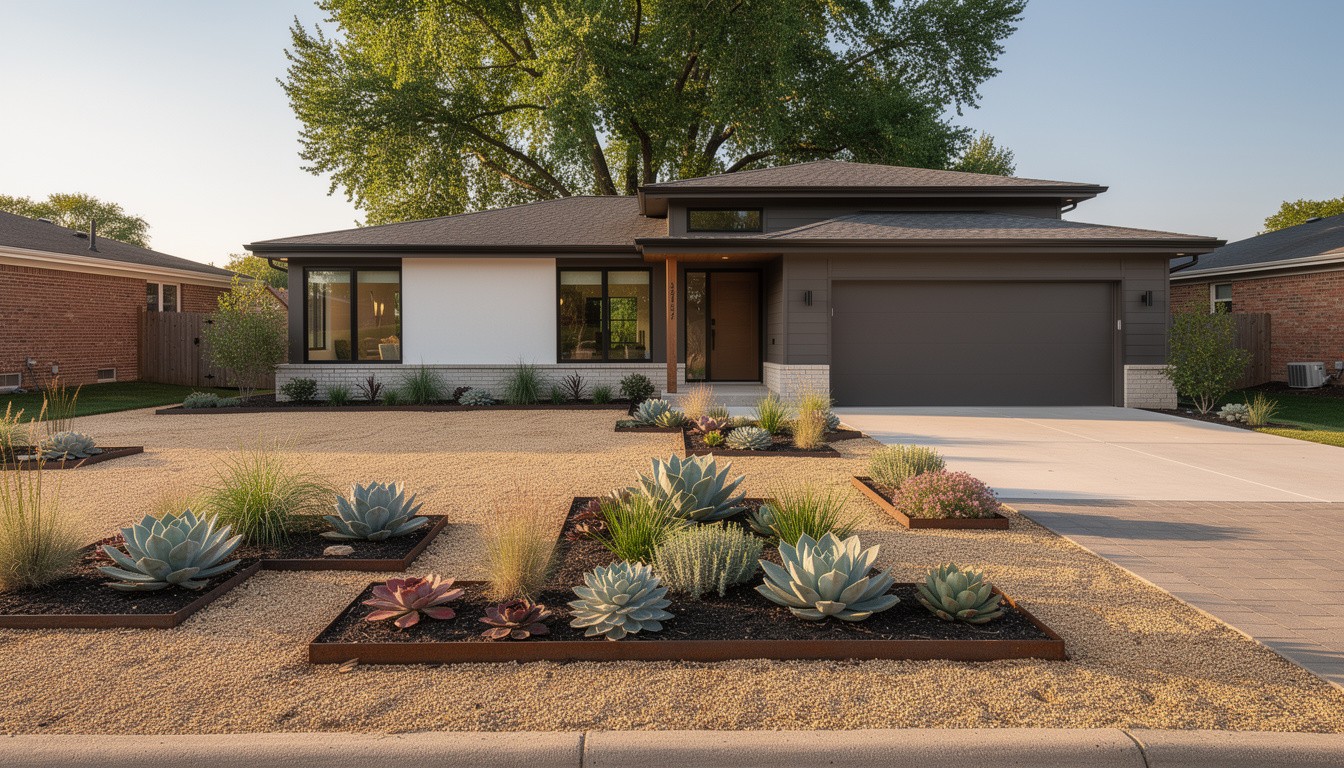
The Corten Bed Desert Modern Front
$14–26/sqftA low flat-roofed modern home with a dark roof and oversized garage is fronted by a crushed gravel field with Corten steel raised beds planted in bold sculptural specimens — agave-style plants, ornamental grasses, and architectural succulents adapted for Zone 6a winters. A mature shade tree at the rear of the composition provides the natural element that keeps the desert-modern aesthetic from feeling sterile. The concrete path is straight and unornamented. The entire front yard becomes a low-maintenance statement piece that reads as distinctive from the street.
AI-generated image
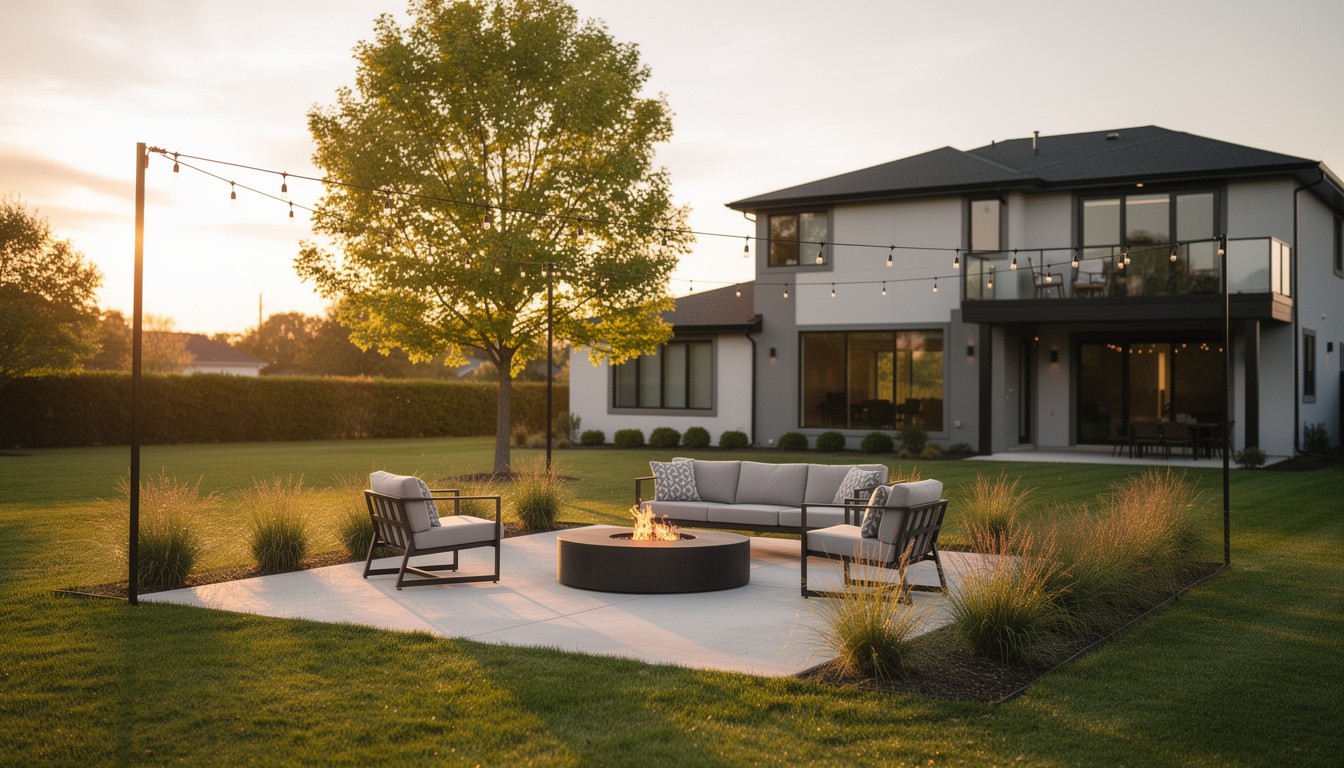
The Geist Reservoir Fire Pit Terrace
$18–38/sqftA large concrete patio extends from the rear of a contemporary two-story home, with a circular fire pit at the center surrounded by a modular outdoor sofa set and individual lounge chairs. String lights run overhead from the house to a steel post in the yard corner, and a mature shade tree provides natural canopy over part of the seating. The patio transitions into a lawn and ornamental grasses line the rear fence. Indianapolis's long warm season — last frost before May, first frost after October — makes this outdoor room genuinely usable for nearly six months.
AI-generated image
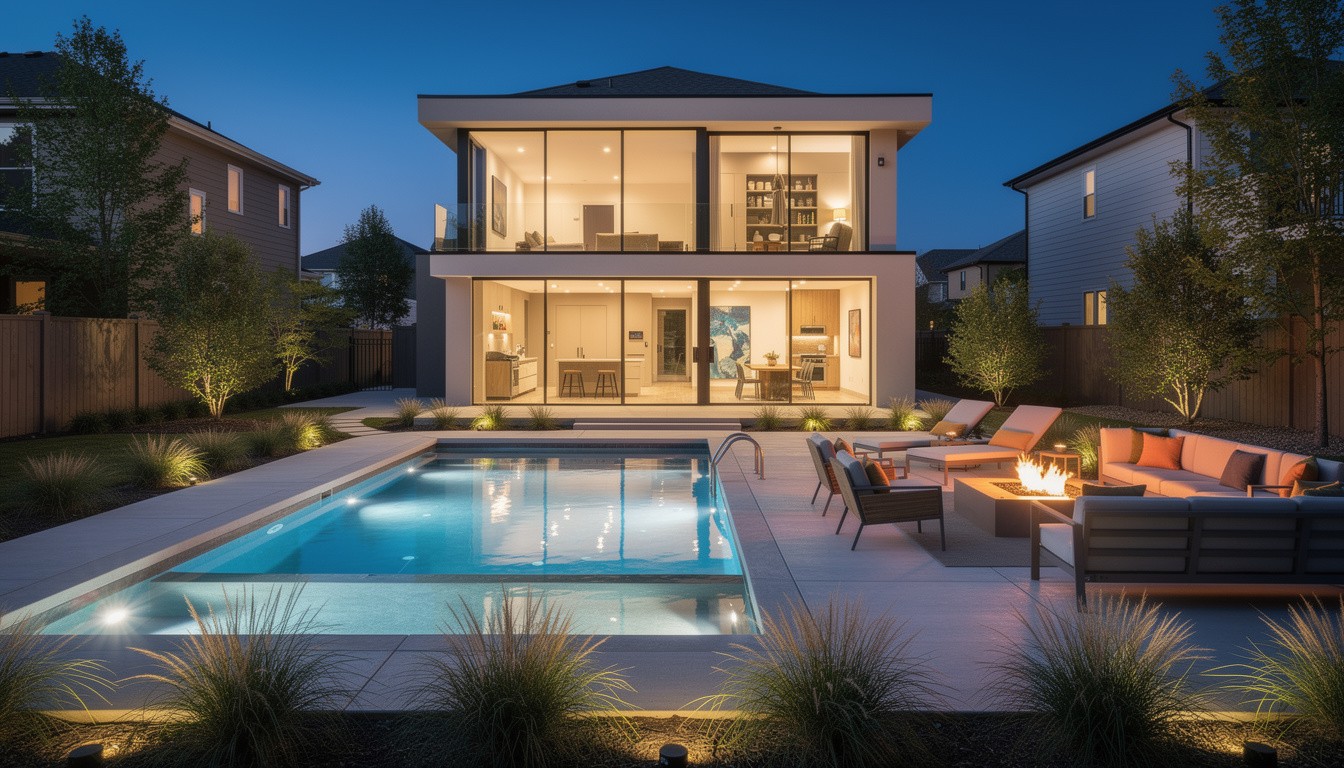
The North Side Modern Pool Terrace
$40–80/sqftA contemporary two-story home with full-height glass opens onto a wide pool terrace, with a rectangular pool surrounded by large-format concrete pavers, resort-style loungers, and a fire feature grouping at the far end. Landscape lighting illuminates the pool edges and uplights accent the surrounding architectural plantings. The overall composition achieves indoor-outdoor connectivity that Indianapolis's growing luxury market in Carmel, Zionsville, and Geist increasingly demands, and the warm Indiana summers provide genuine outdoor living season from May through September.
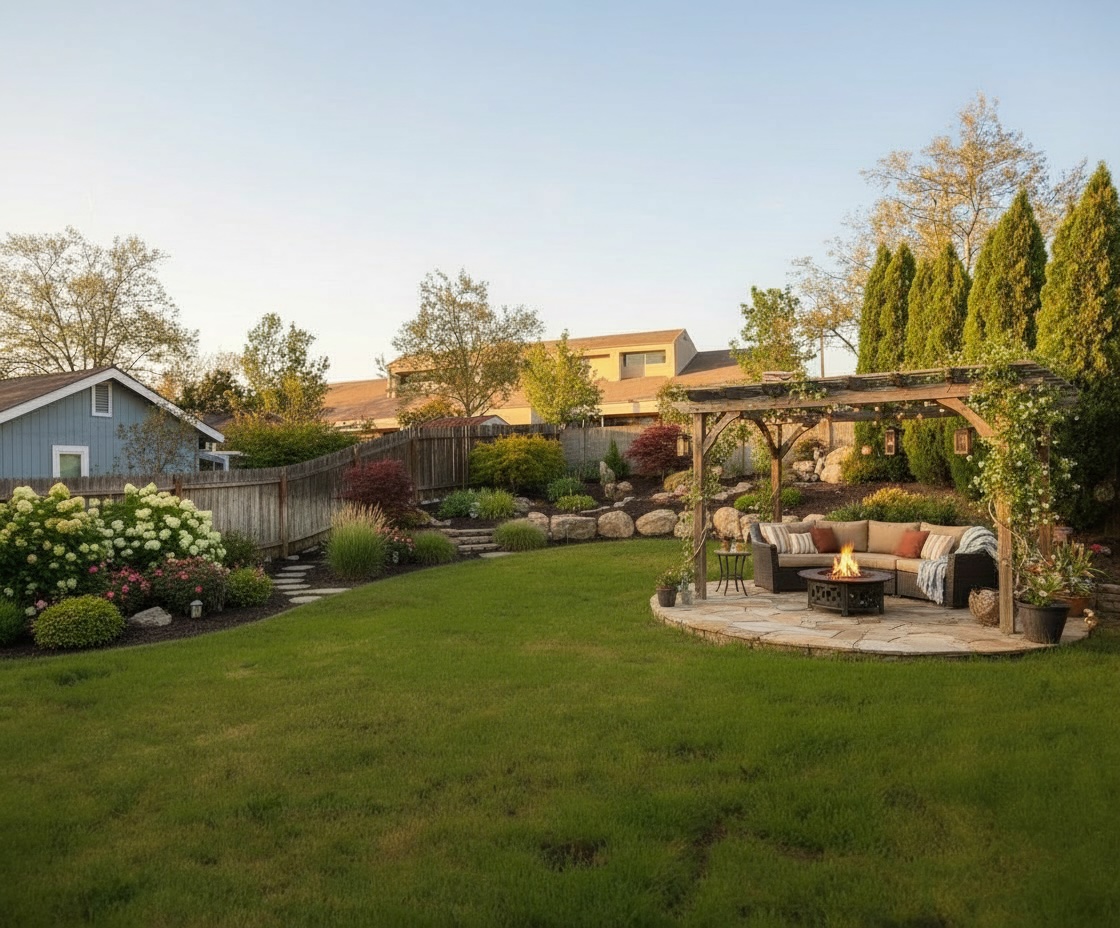
See how a modern/minimalist garden looks on YOUR property
Upload a photo of your Indianapolis yard and visualize your dream garden in seconds.
Try ProScapeAI Free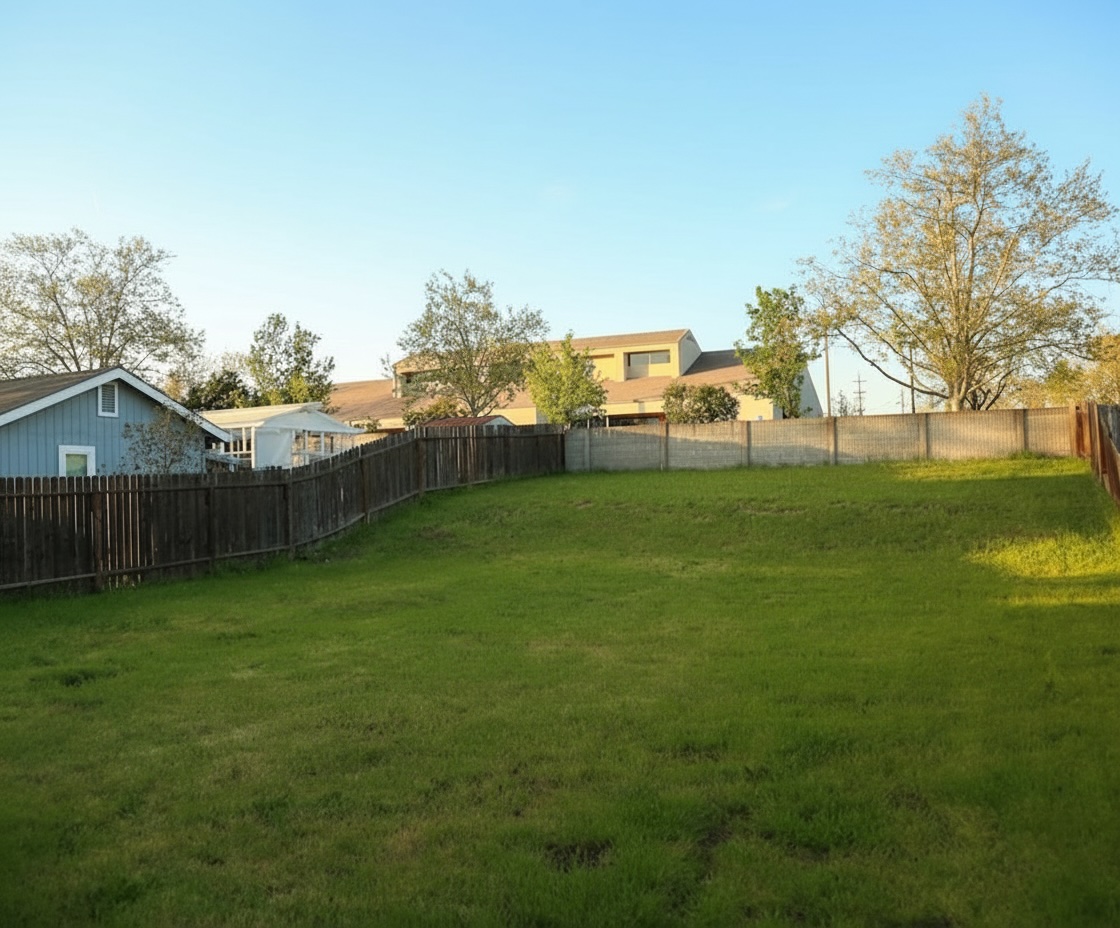
AI-generated image
Featured Trees & Shrubs for Modern/Minimalist Gardens
Browse all 248 plants for Indianapolis
American Black Currant
Ribes americanum
grows to 5 feet, white,yellow blooms in spring. Attracts hummingbirds.
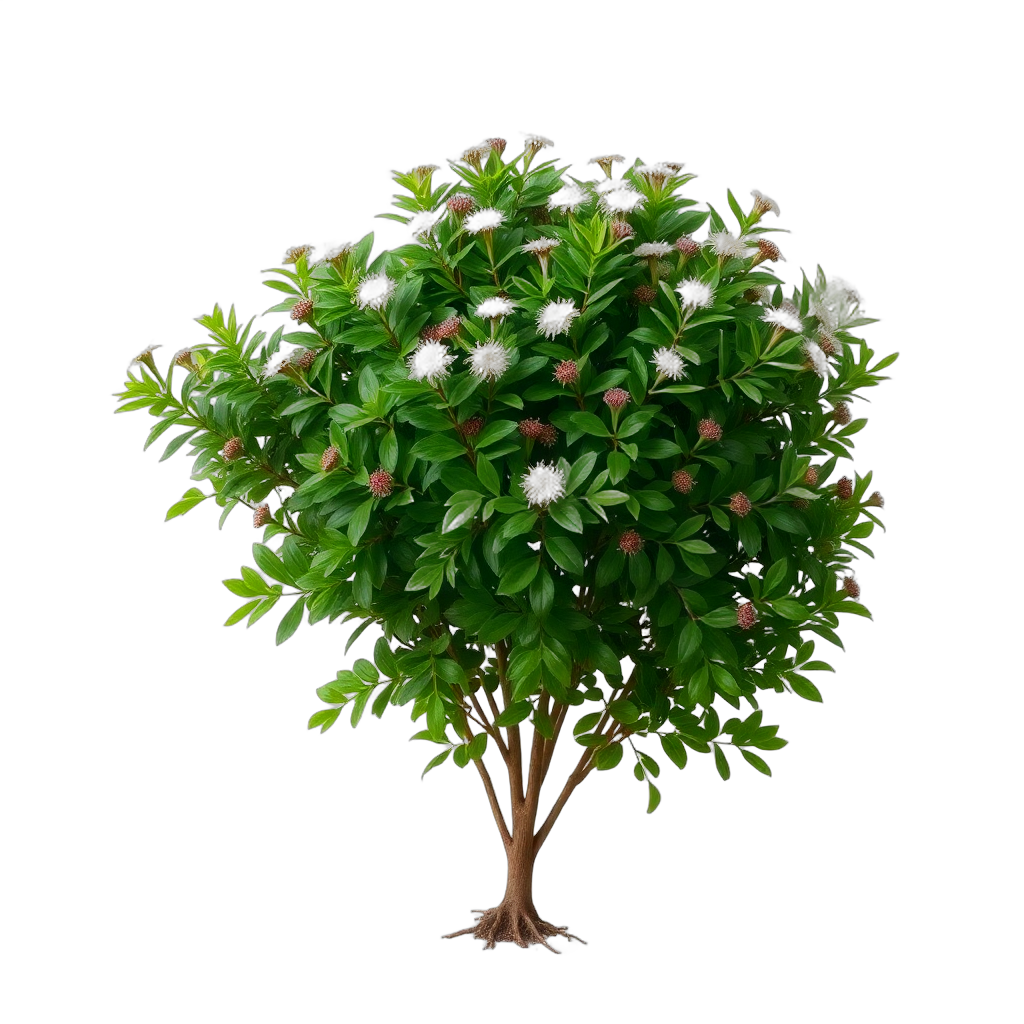
Buttonbush
Cephalanthus occidentalis
medium-sized at 8 feet, white blooms in summer. Attracts butterflies.
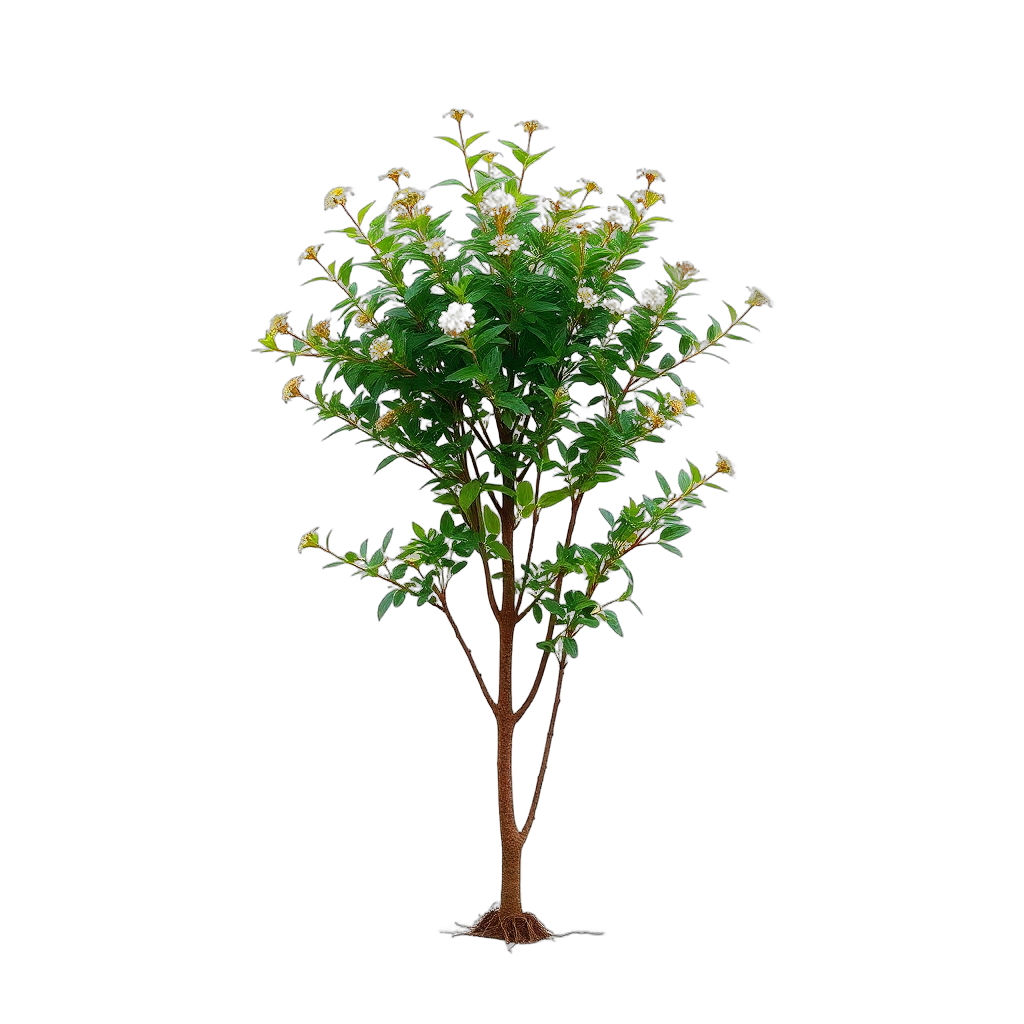
Coppertina Ninebark
Physocarpus 'Coppertina'
medium-sized at 7 feet, white blooms in spring. Pollinator-friendly.
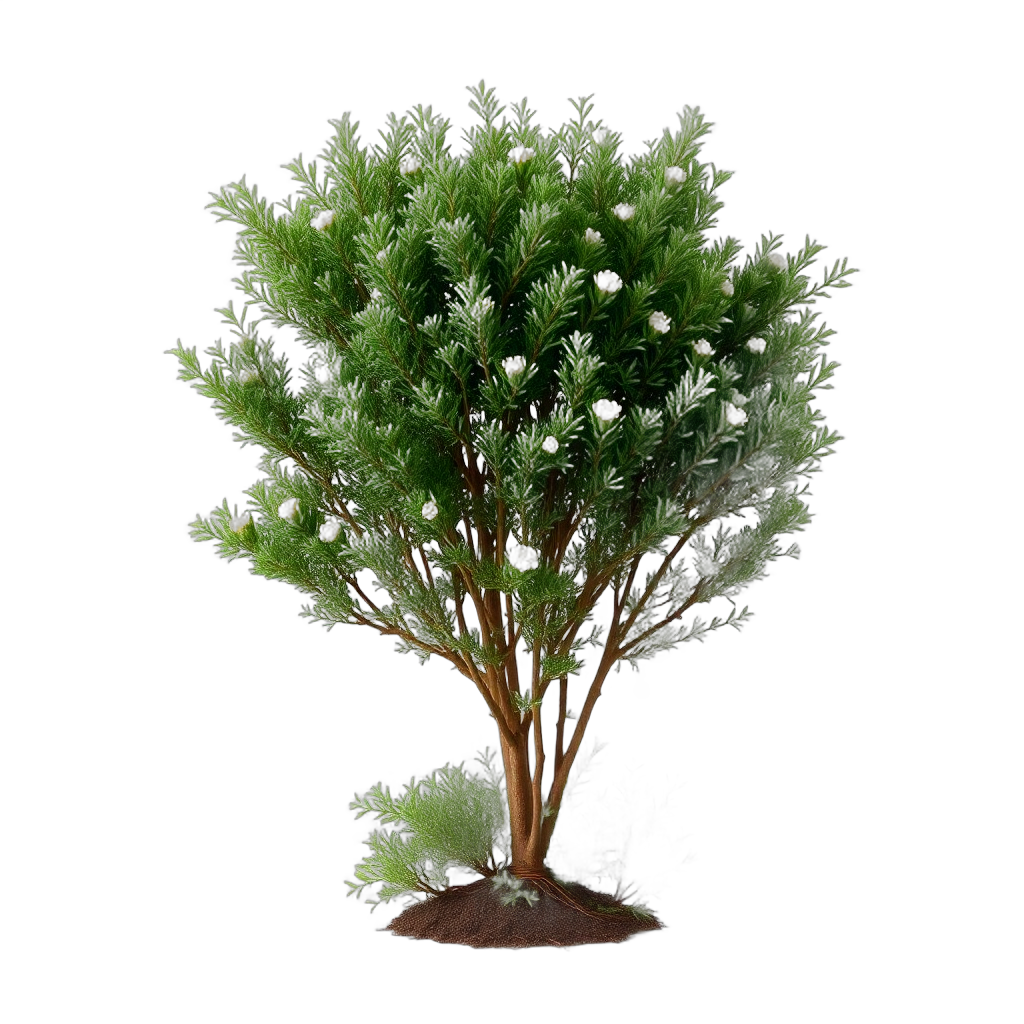
Creeping Juniper
Juniperus horizontalis
low-growing ground cover, blooms in spring. Evergreen year-round.
Featured Grasses & Groundcovers for Modern/Minimalist Gardens
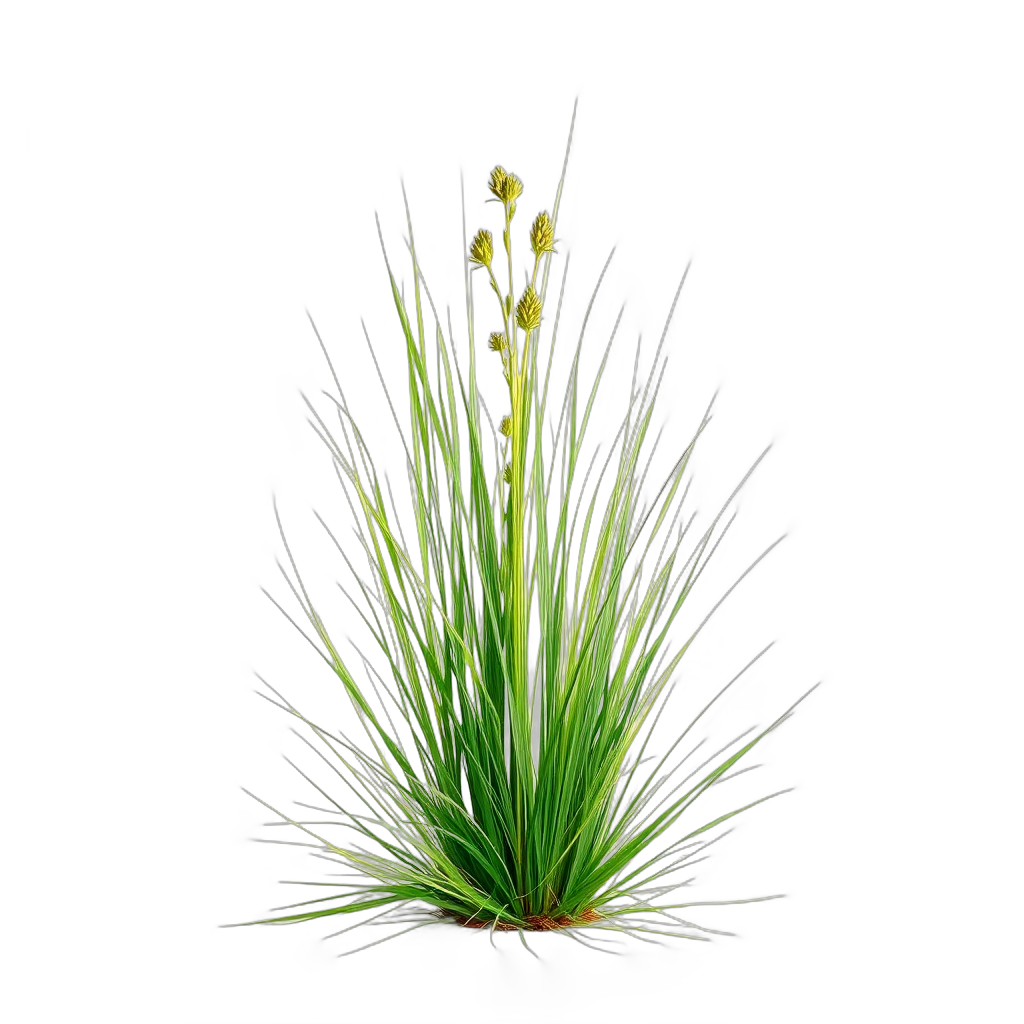
Canada Wild Rye
Elymus canadensis
grows to 4 feet, blooms in summer. Yellow fall color.
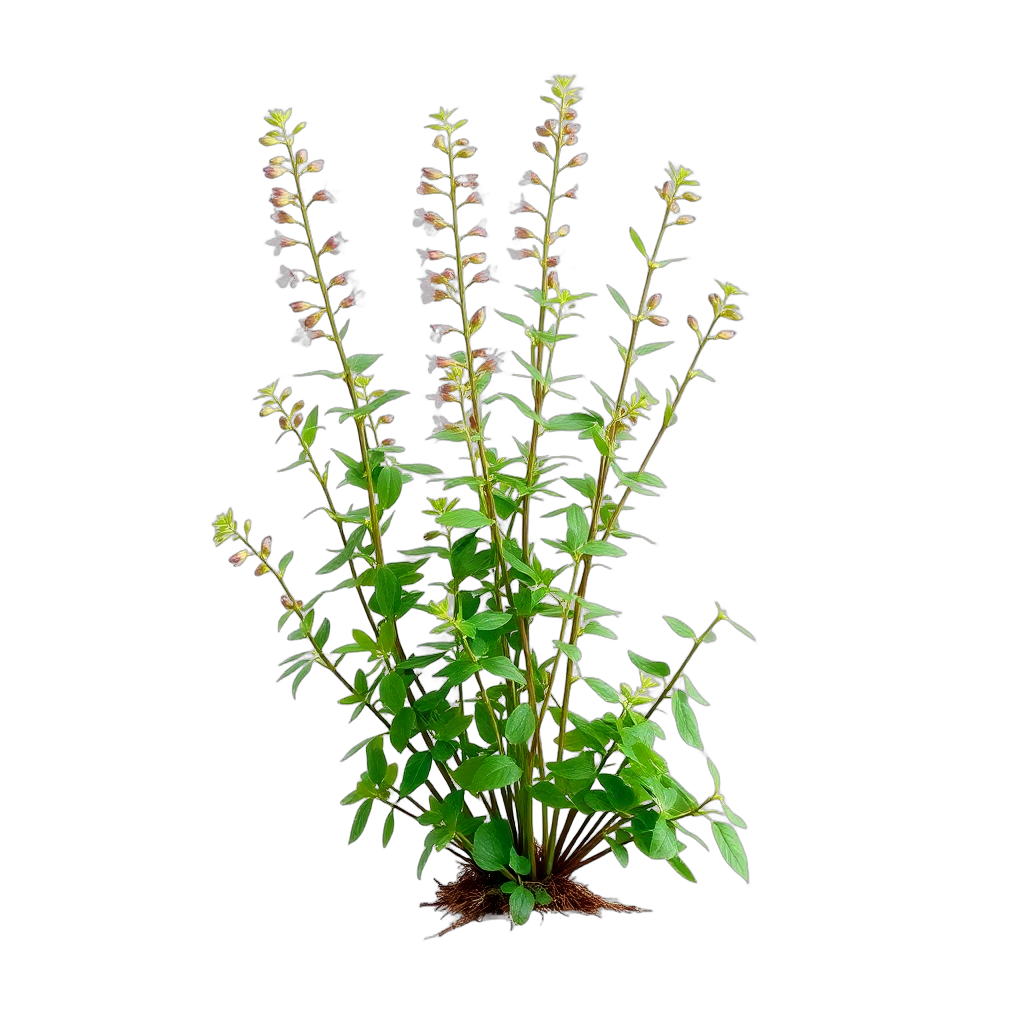
Creeping Jacob's Ladder
Polemonium reptans
low-growing ground cover, blue blooms in spring. Attracts butterflies.

Broad-leaf Bamboo
Sasa palmata
medium-sized at 7 feet, blooms in none. Evergreen year-round.
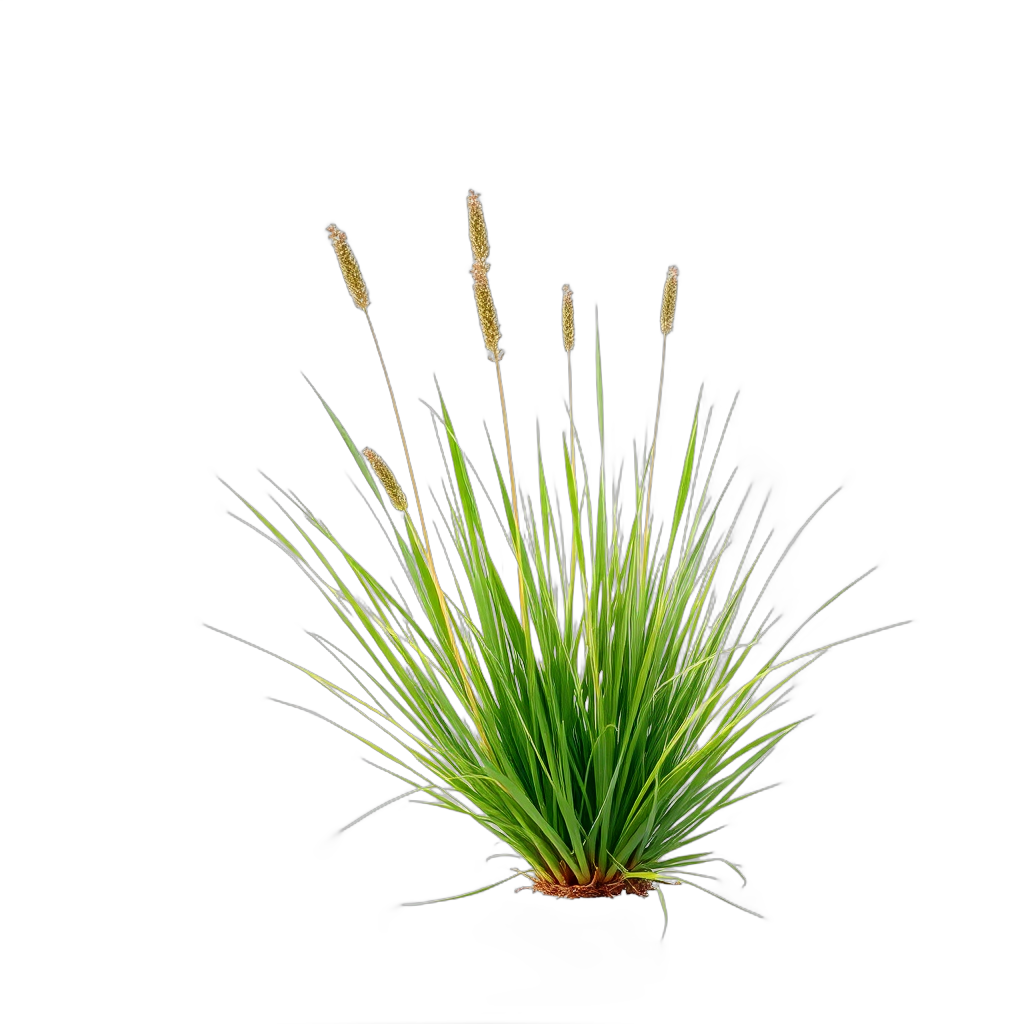
Deer Grass
Muhlenbergia rigens
grows to 3 feet, yellow blooms in fall. Evergreen year-round.
Featured Flowers & Perennials for Modern/Minimalist Gardens
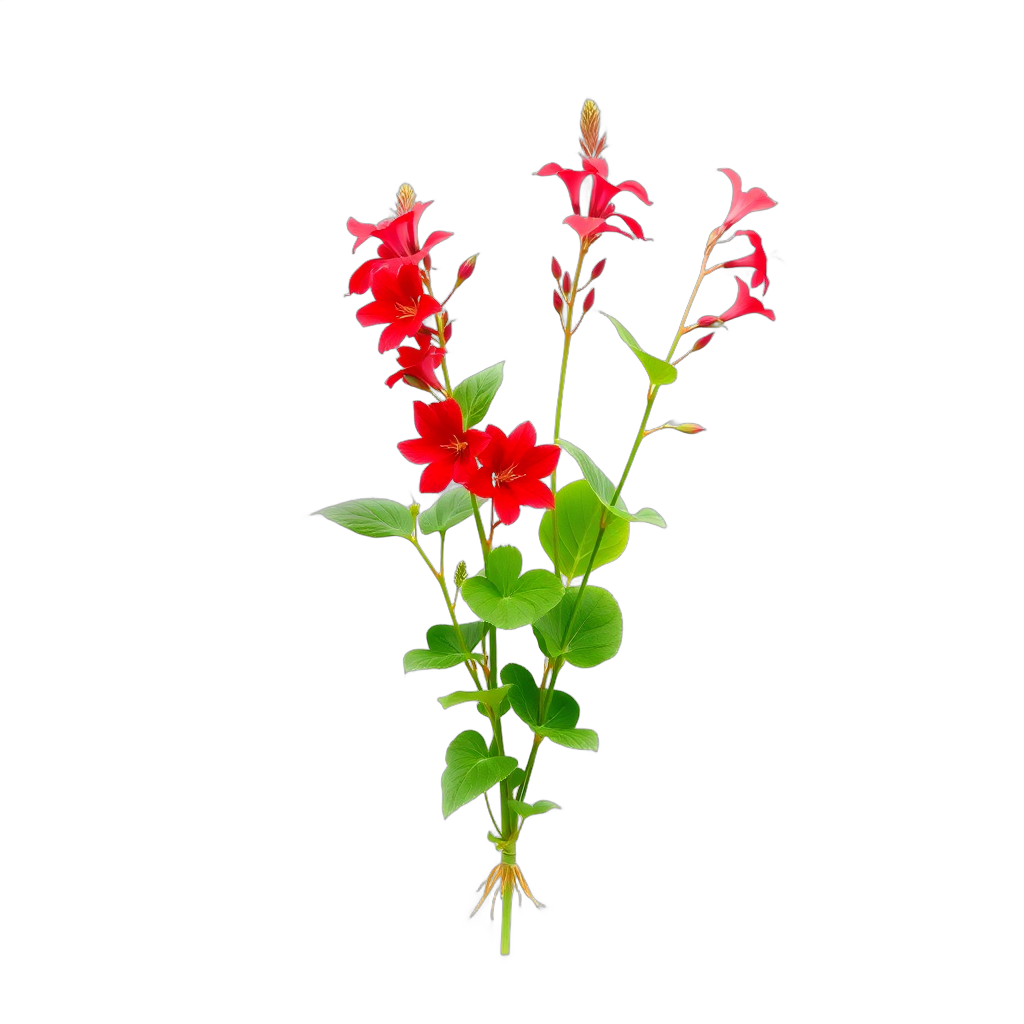
Cardinal Flower
Lobelia cardinalis
grows to 3 feet, red blooms in summer. Attracts hummingbirds.
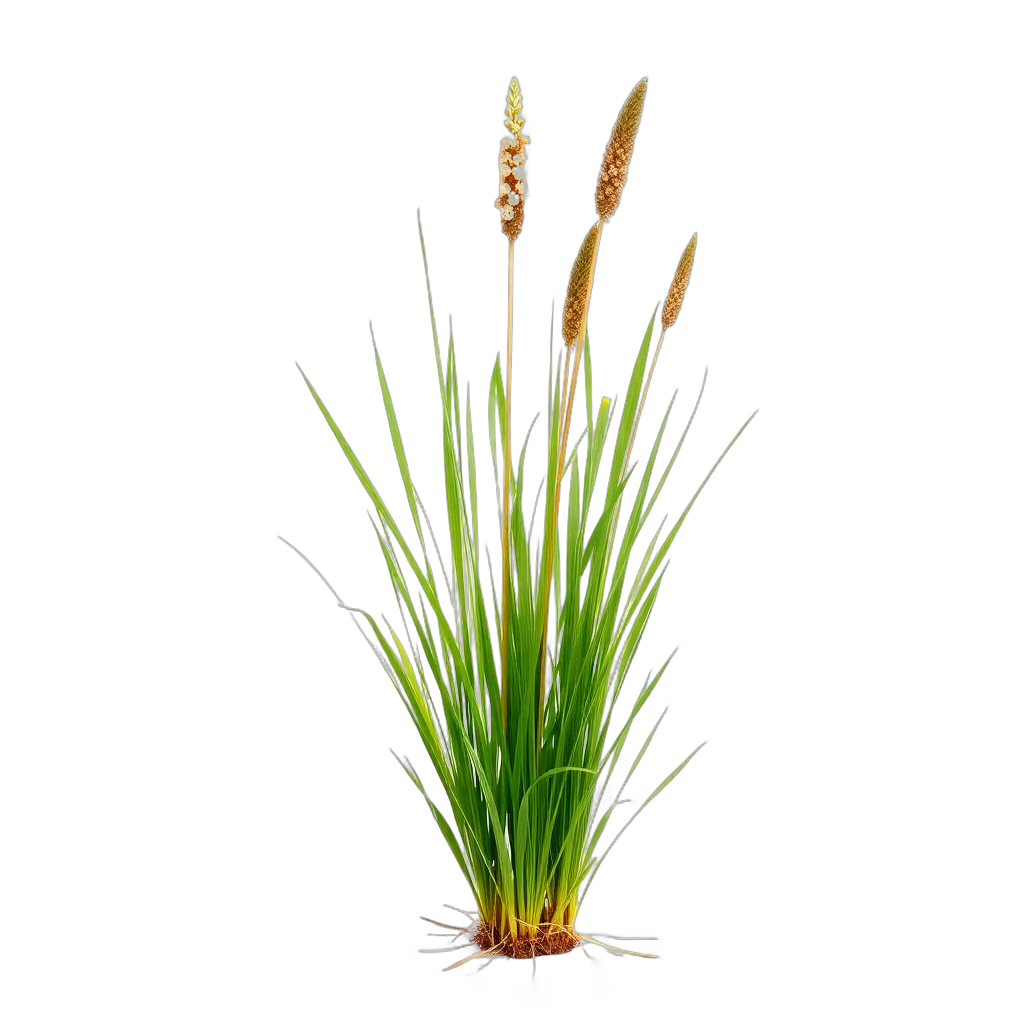
Hardstem Bulrush
Scirpus acutus
medium-sized at 7 feet, blooms in summer.
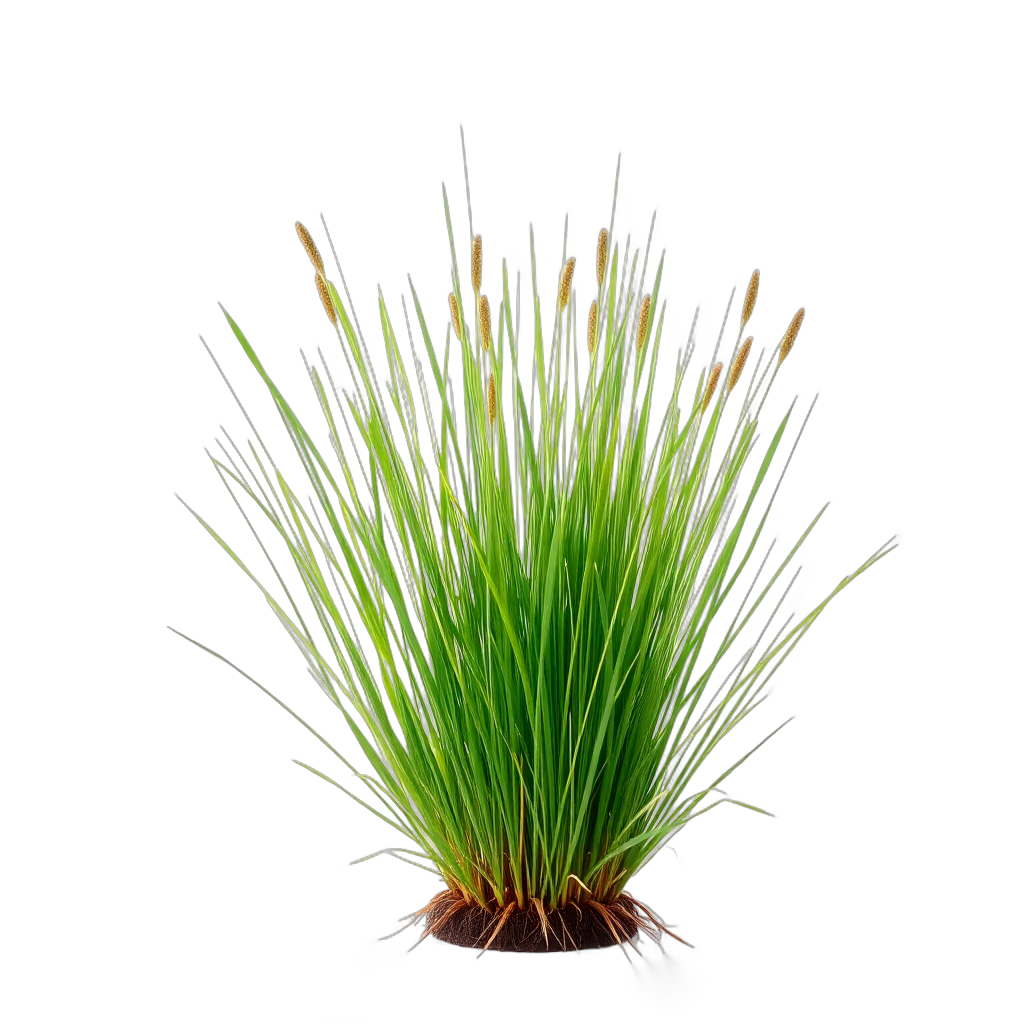
Path Rush
Juncus tenuis
low-growing ground cover, blooms in summer. Evergreen year-round.
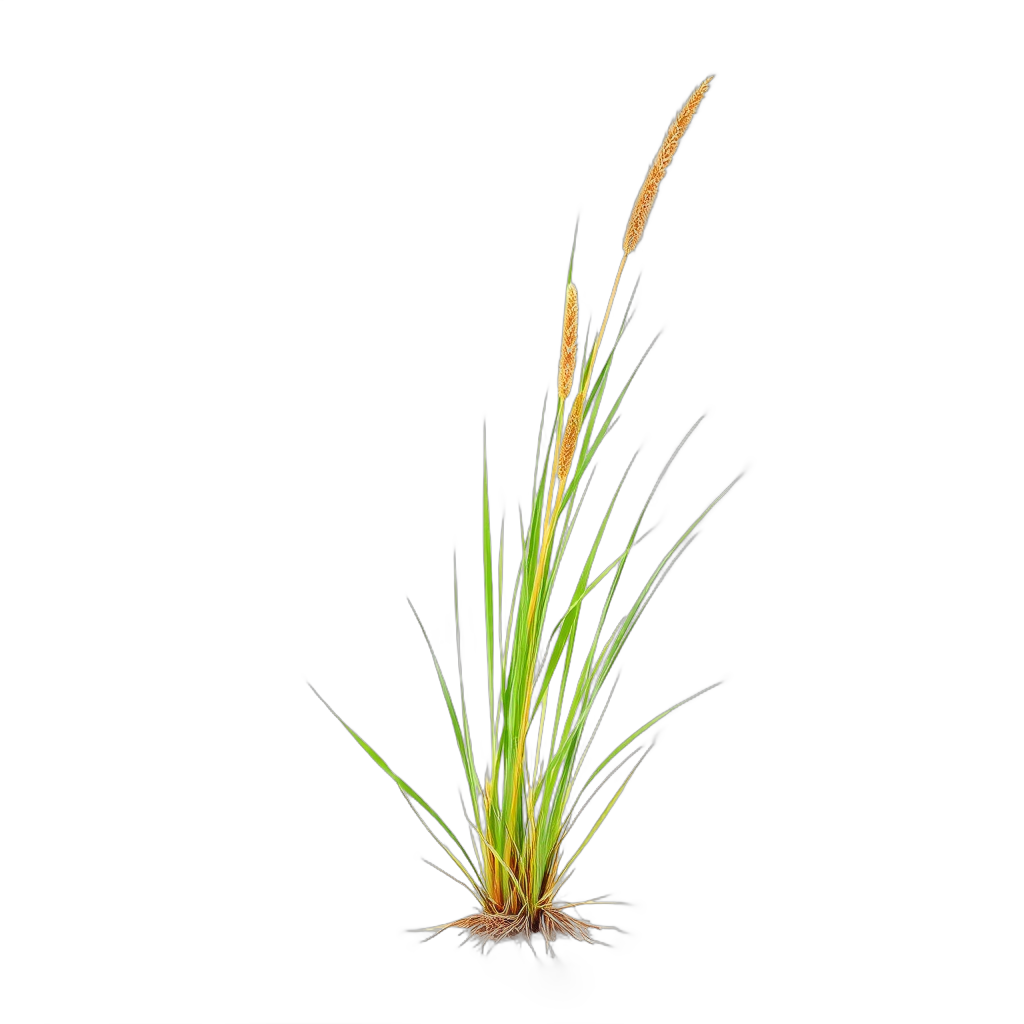
Softstem Bulrush
Schoenoplectus tabernaemontani
grows to 4 feet, blooms in summer.
Zone and sun checks come from our database — confirm with your local nursery before you buy.
Bloom Calendar for Indianapolis
spring
Bellwort, Blue Star, Blue-Eyed Grasssummer
Cardinal Flower, Hardstem Bulrush, Path Rushfall
Canada Goldenrod, New England Aster, Nodding Ladies' Tresseswinter
Limited bloomsDesign Tips for Indianapolis (Zone 6a)
- Indianapolis's flat topography is a design asset in modern landscaping: grade changes can be designed precisely where wanted (as raised planters, steps, or berms) rather than managed around, giving more compositional control than hilly cities like Cincinnati or Pittsburgh
- Invest in proper subbase before all hardscape: Indianapolis's clay soils and 30-inch frost depth require 6–12 inches of compacted crushed stone under pavers and concrete; skipping this step produces failed surfaces within 2–3 winters
- In Carmel and Zionsville, check HOA design guidelines before finalizing plans: Hamilton County suburban developments frequently have covenants governing fence styles, hardscape percentages, and plant requirements that affect modern landscape options
- Use the Monon Trail corridor neighborhoods (Meridian-Kessler, Broad Ripple, Herron-Morton) as a natural showcase for modern designs: these walkable neighborhoods have high foot traffic, and a well-designed modern front yard has neighborhood-scale visibility and impact
- LED landscape lighting is worth the investment in Indianapolis: the city sees over 150 frost-free nights per year when outdoor spaces are usable, and a well-lit modern garden extends that usability while showcasing architectural plant forms that look spectacular when uplighted
- Select ornamental grasses with winter interest in mind: Karl Foerster's upright bronze plumes, switchgrass's seed-head silhouette, and miscanthus's feathery flower heads are all beautiful through December and January in Indianapolis's winters, adding 4–5 months of visual interest beyond the growing season
Where to Source Plants in Indianapolis
Skip the big-box stores. These independent Indianapolis nurseries specialize in the plants that make modern/minimalist gardens thrive in Zone 6a.
Tilly's Garden
Broad Ripple / North Indianapolis
Beloved independent Indianapolis nursery; excellent ornamental grasses and architectural perennials
Frazee Gardens
Brownsburg (west suburbs)
Trees, ornamental grasses, and landscape shrubs; family-owned with strong Zone 6a selection
Earl May Garden Center
Multiple Indianapolis-area locations
Full-service regional garden center; reliable Zone 6a-tested ornamental grass and conifer inventory
Sargent's Gardens
Indianapolis (northeast)
Specialty perennials, ornamental grasses, and native plants for Central Indiana landscapes
Modern/Minimalist Landscaping Costs in Indianapolis
| Project Scope | Estimated Cost |
|---|---|
| Front yard modern redesign (turf removal + gravel + specimen plants) | $5,500 – $15,000 |
| Concrete paver terrace (200–400 sqft) | $8,000 – $22,000 |
| Backyard modern room with fire pit + seating | $15,000 – $45,000 |
| Pool deck + landscaping (full backyard) | $40,000 – $100,000 |
| Corten steel raised planters | $450 – $1,300 each |
| AI visualization with ProScapeAI | Free to start |
Estimates based on Indianapolis, IN-area contractor rates as of 2026. Actual costs vary by site conditions, materials, and contractor.
Indianapolis Climate & Growing Zone
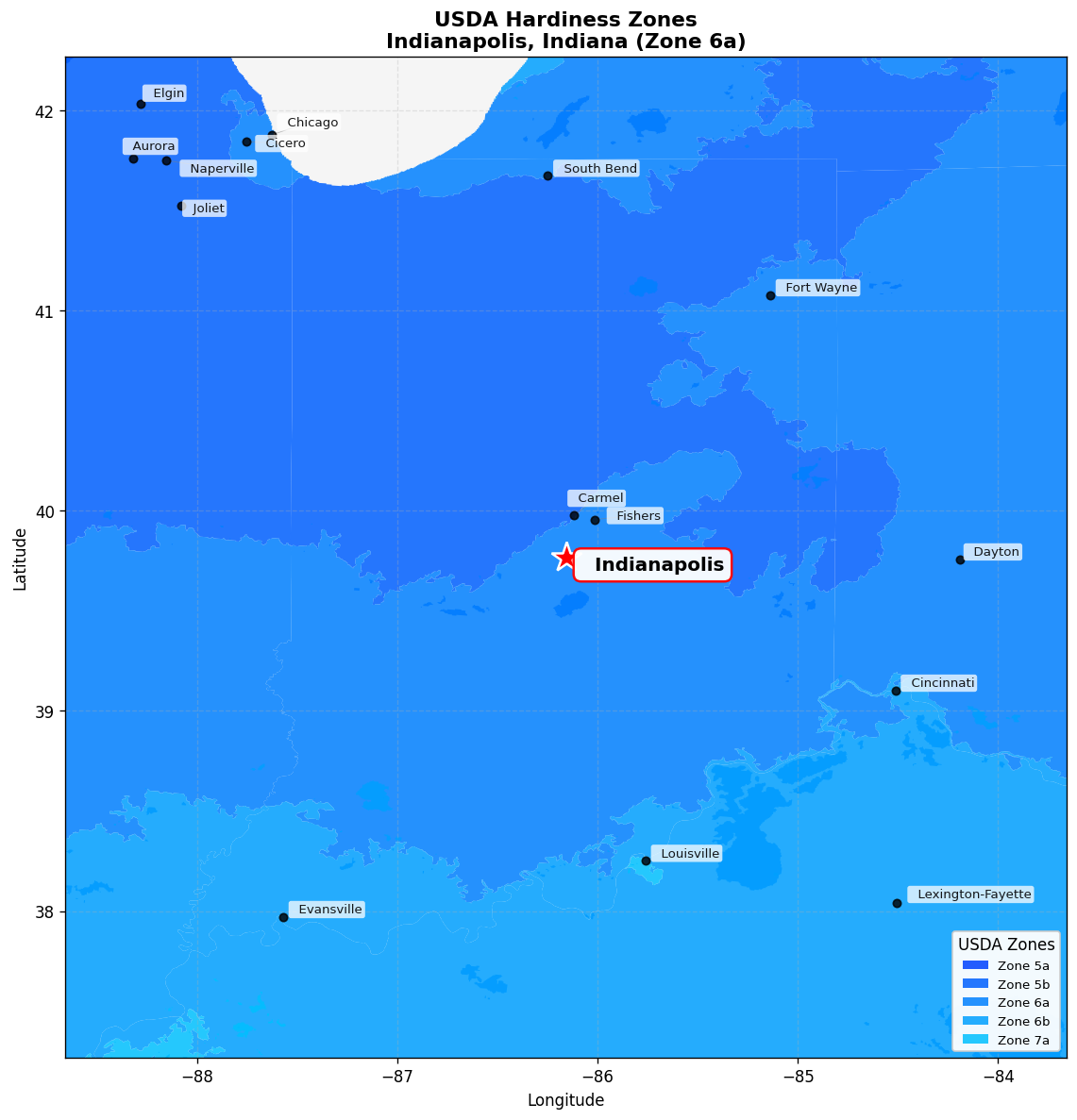
USDA Zone 6a
Hardiness zone for Indianapolis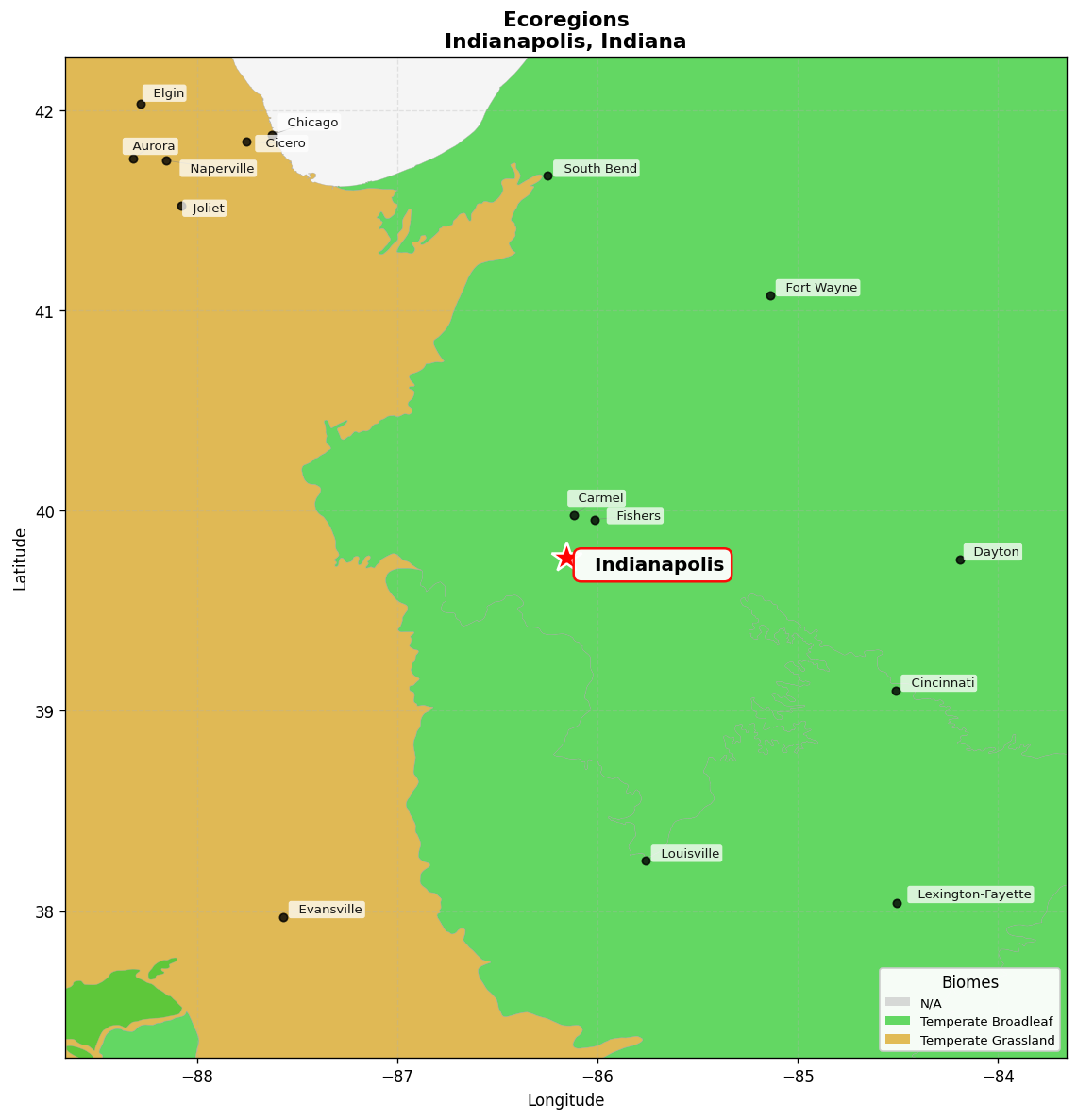
Southern Great Lakes forests
Native ecoregionFrequently Asked Questions
What architectural plants are reliably Zone 6a-hardy in Indianapolis?
Zone 5 or colder ratings provide a full safety margin. Proven performers: Karl Foerster feather reed grass (Zone 5), switchgrass Shenandoah and Northwind (Zone 4), miscanthus Gracillimus (Zone 5), yucca filamentosa (Zone 4), columnar arborvitae Emerald Green (Zone 3), sedum Autumn Joy (Zone 3), rudbeckia (Zone 3), blue spruce dwarf varieties (Zone 3), and Japanese holly compact forms (Zone 5). All overwinter in Indianapolis without any protection. For borderline Zone 6a choices like Japanese maple (Bloodgood, Zone 5), provide a sheltered, south-facing spot and they'll establish reliably.
How do I prevent my Indianapolis modern patio from heaving and cracking?
Proper subbase construction is the only reliable solution. Indianapolis's 24–30 inch frost depth and clay soils create significant freeze-thaw heave pressure. Requirements: minimum 6 inch compacted crushed stone subbase (8–12 inches in heavy clay areas), with geotextile fabric below the stone layer. Concrete minimum 4 inches thick with rebar reinforcement. Paver systems use compacted stone dust setting bed with polymeric sand in joints. Avoid setting any hardscape directly on clay or topsoil — it will heave within 2 winters. Professional contractors in Indianapolis understand local frost conditions; ask specifically about subbase depth and reinforcement specs before hiring.
What modern landscaping trends are popular in Indianapolis right now?
Several trends are particularly active in Indianapolis. Turf lawn replacement with ornamental grasses and gravel is growing rapidly in Meridian-Kessler and Broad Ripple, driven by both aesthetics and water conservation. Corten steel planters and edging are increasingly popular across all Indianapolis market segments from urban Fountain Square to suburban Carmel. Outdoor kitchens and dining rooms with concrete or porcelain surfaces are a strong suburban trend in Hamilton County (Carmel, Fishers, Westfield). Native plant-based modern designs are popular in the urban neighborhoods with ecological-minded homeowners. Low-voltage LED landscape lighting is nearly universal in new installations.
Can I use ornamental grasses as a lawn replacement in Indianapolis?
Effectively, yes. A mass planting of Karl Foerster grass, switchgrass, or prairie dropseed at 18–24 inch spacing fills in to near-solid coverage by year 2 and provides visual interest that turf cannot match. Maintenance reduces to one cut-back per year in early March. Establishment cost is higher than turf seeding but comparable to or lower than professional sod installation. Water needs after establishment are near zero in Indianapolis's rainfall pattern. The legal consideration: Indianapolis doesn't restrict ornamental grass height in residential zones (unlike some municipalities), but check any HOA covenants. Front yards with ornamental grass are increasingly accepted and appreciated in urban Indianapolis neighborhoods.
Does Indianapolis have good water for garden irrigation?
Indianapolis's municipal water (Citizens Energy Group) is treated surface water that is suitable for landscape irrigation. Water rates are moderate. A typical Zone 6a modern landscape with drought-tolerant ornamental grasses and perennials needs supplemental irrigation mainly in year 1 establishment — after year 2, established plants in Indianapolis's 41-inch annual rainfall climate largely self-sustain. Drip irrigation for planted beds reduces water use by 50–70% vs. overhead sprinklers and is the recommended system for modern planted beds. Rain barrels (legal and common in Indianapolis) can offset irrigation costs during dry spells.
What's a realistic modern landscape budget in Indianapolis?
Indianapolis's labor costs are competitive with the Midwest market. A front yard modern redesign (turf removal, gravel, specimen grasses, Corten edging) for 400–600 sqft runs $6,000–15,000 professionally installed. A backyard terrace with porcelain pavers, raised Corten planters, and architectural planting runs $18,000–50,000. Carmel and Zionsville premium market projects can exceed $100,000 for full outdoor room designs with outdoor kitchen, water features, and extensive lighting. Custom Corten steel fabrication is available from Indianapolis metal fabricators at $400–1,200 per planter. Indianapolis's lower cost of living vs. Chicago translates to 15–25% lower landscape labor rates.