4 Modern Landscape Ideas for Cedar Rapids, IA | Zone 5a Design
Native plants from the Central Tallgrass prairie (Zone 5a) — Humid continental (hot summer) climate
Why Modern/Minimalist Gardens in Cedar Rapids?
Modern landscape design has quietly become the right answer in Cedar Rapids, and the housing stock is the reason. The flat-roofed mid-century ranches through Kenwood Park, Noelridge and the streets off Council Street, the glass-and-stucco contemporary builds filling in southwest Cedar Rapids, Ely, Robins and Fairfax, and the brick warehouse conversions in New Bohemia all carry the strong horizontal lines a modern garden is built to extend. A cottage border wants a porch to lean against; a modern one wants a datum line, and a low ranch roofline or a run of black-framed glass gives it one for free. There is also a practical push. Cedar Rapids lots are generous and flat, mowing season runs from April into November, and every square foot of turf you convert to a gravel bed or a concrete terrace is a square foot you stop cutting.
The constraint that separates a Cedar Rapids modern garden from a Phoenix one is Zone 5a: an average winter low near -20 degrees F, roughly 36 inches of rain and 32 inches of snow a year, and a growing season of only about 160 days between a last frost near May 1 and a first frost around October 8. The sculptural rosette look that defines modern gardens in the desert is still achievable here, but the plant list changes and the drainage is non-negotiable. Yucca filamentosa 'Color Guard' and 'Ivory Tower' are fully hardy and give you the same spiky architecture; Yucca glauca and Opuntia humifusa are actually native to Iowa's dry sand prairies and survive the winter outdoors without protection. Agave parryi var. neomexicana will come through a Cedar Rapids winter only in a raised bed cut 40 percent with chipped limestone and mulched in gravel, and the big blue Agave americana rosettes you see in photographs are container plants that spend December to April in an unheated garage. Cold does not kill them here; a saturated March does.
The ground itself is superb and the hardscape rules are strict. Most of the city sits on a deep prairie Mollisol in the Tama and Downs silt loam family over glacial till, and the frost depth used for footings in Linn County is 42 inches, which is the single number that decides whether a modern landscape still looks sharp in year five. Pergola posts, wall footings and any pier that carries load must go below it. Paver terraces need 8 to 12 inches of compacted crushed stone rather than the 4 inches that works in the South, poured concrete needs an air-entrained mix with proper control joints to survive the freeze-thaw cycling, and anything planted within 3 feet of a driveway edge has to tolerate de-icing salt. On a scraped subdivision lot the topsoil is long gone, so relieve the compaction to 8 inches and work in 2 to 3 inches of compost before planting, the same soil quality restoration the Iowa Stormwater Management Manual asks for on disturbed sites.
The best thing about designing modern here is that the local wild plants already look modern. Cedar Rapids sits in the Central Tallgrass Prairie ecoregion, and its native grasses are exactly the upright, repeatable, architectural forms this style is built on. Panicum virgatum 'Northwind' holds a rigid 5-foot column all winter, Schizachyrium scoparium 'Standing Ovation' turns copper in October and stays standing under snow, and Sporobolus heterolepis makes the neatest fine-textured mound in horticulture. Mass them in blocks with Calamagrostis acutiflora 'Karl Foerster' and a spine of Juniperus scopulorum 'Blue Arrow' and you get a garden that is regionally honest and needs one cut-back in March. Two local facts should also steer your tree choices: the August 10, 2020 derecho put 140 mph winds through the city and destroyed roughly 65 percent of the urban canopy, and the ReLeaf Cedar Rapids replanting effort has been filling that gap ever since. Specify wind-firm species such as Gymnocladus dioicus, Quercus bicolor or Celtis occidentalis rather than the brittle Acer x freemanii that snapped everywhere in 2020, and check floodplain overlay rules before grading or filling on the low ground near the Cedar River, which crested at 31.12 feet in June 2008.
4 Modern/Minimalist Design Ideas for Cedar Rapids

The Grass Panel Entry Walk
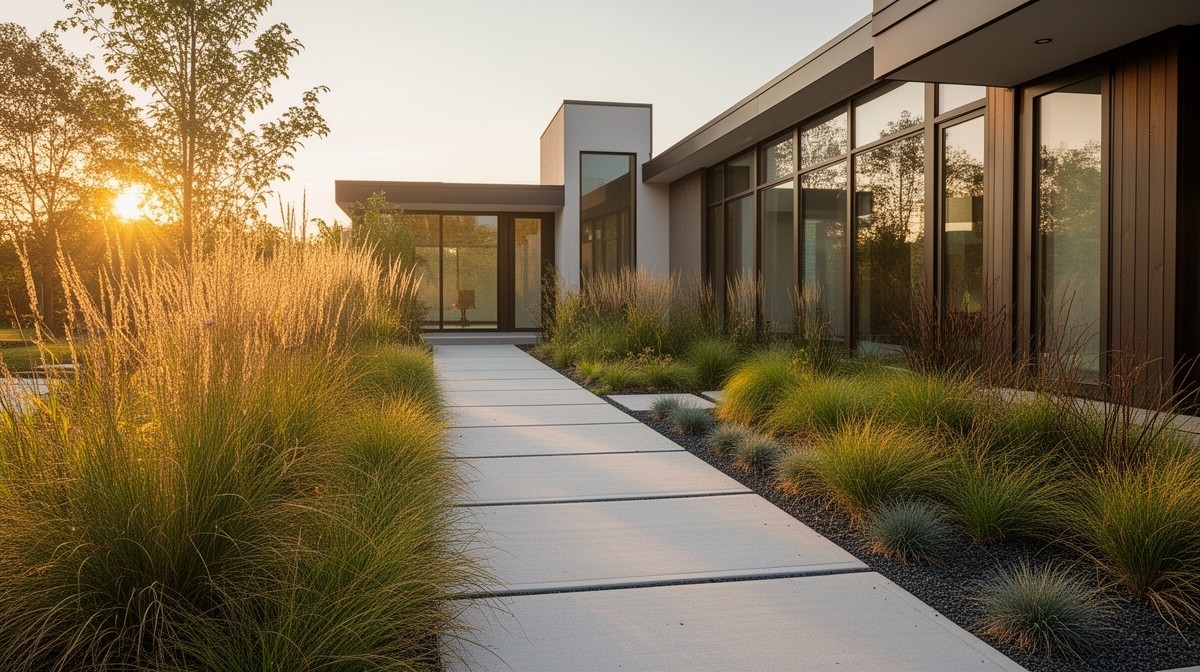
$14 to $26 per sqftA two-storey contemporary in pale stucco with black-framed floor-to-ceiling glass is approached by a single straight run of broom-finished concrete, wide enough for two people, that cuts the front lawn into two clean rectangles. The drama comes from the flanking beds: big loose mounds of fine-textured prairie grass in black mulch, backed by a low run of lavender and punctuated by a single spiky rosette at the corner where the walk meets the street. A young shade tree stands off-centre in the left lawn panel and a tight rhythm of grasses runs along the foundation, so the planting reads as three repeated moves rather than a collection.

The Zero-Turf Gravel Front Yard
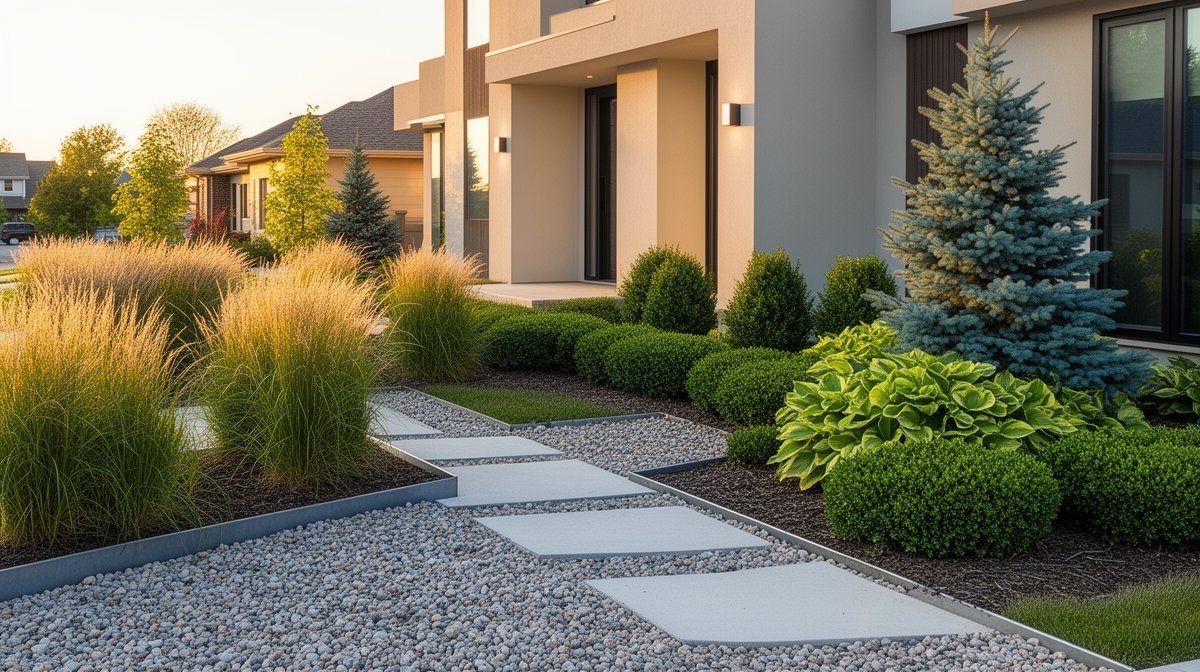
$11 to $22 per sqftThe lawn is gone completely from this flat-roofed mid-century ranch. A field of warm tan pea gravel covers the whole frontage, and set into it like an object on a table is a large rectangular bed edged in weathering steel and filled with pale washed stone, planted with a deliberate scatter of blue-grey rosettes, red-tinted low succulents and small grass tufts spaced so each one is read individually. A concrete walk crosses the gravel to a black-framed entry with two potted specimens, and a mature tree at the right corner keeps the composition from feeling arid.

The String-Lit Fire Bowl Terrace
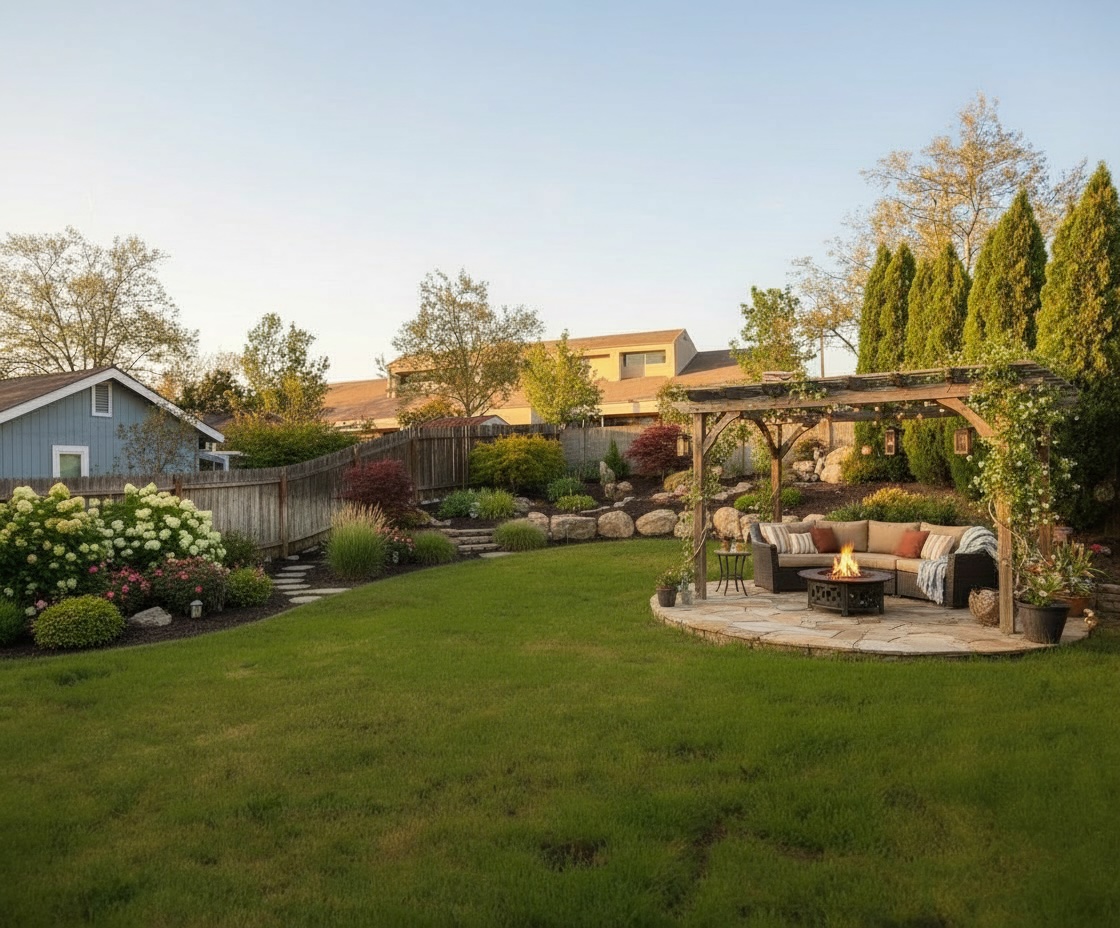
$24 to $46 per sqftLarge-format concrete pavers form a generous rectangular terrace off a stucco home with sliding glass, and catenary string lights swing from the house across to a pole and a single big shade tree, drawing a ceiling over the space where no roof exists. A low-slung sofa and two square armchairs face a round cast concrete gas fire bowl at the centre, tall silver-plumed grasses mass along the open left edge instead of a fence, and a clipped conifer and two planters of purple annuals mark the steps. The terrace edge dissolves into lawn and then into open Iowa field, which is the view the whole design is set up to frame.

The Lit Pool Court at Dusk
$55 to $110 per sqft, pool includedA rectangular pool with lit interior walls sits centred on a two-storey modern home whose ground floor is almost entirely glass, and the deck is a broad pale concrete plane that wraps all four sides so the water reads as a cut in the surface. A black aluminium fence encloses the whole yard, a linear gas fire table anchors a sunken lounge group in the foreground, and the planting does its work at the edges only: soft-plumed grasses in gravel strips at the deck corners, low grass blocks along the fence line, and two chaises on the far side. The restraint is the design. One paving material, one water shape, one plant texture, and the evening lighting does everything else.
See how a modern/minimalist garden looks on YOUR property
Upload a photo of your Cedar Rapids yard and visualize your dream garden in seconds.
Try ProScapeAI Free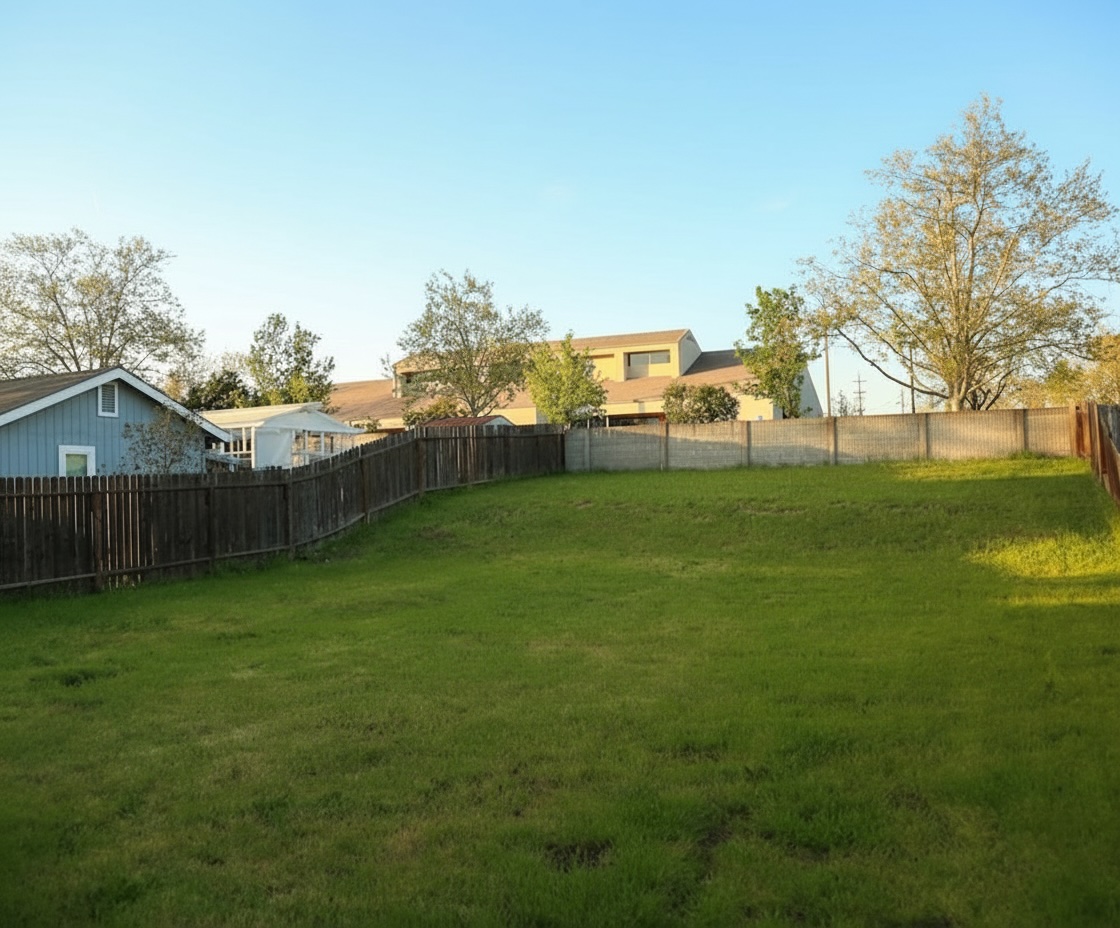
Featured Trees & Shrubs for Modern/Minimalist Gardens
Browse all 193 plants for Cedar Rapids
Clove Currant
Ribes odoratum
grows to 6 feet, yellow blooms in spring. Attracts hummingbirds.

Fragrant Sumac
Rhus aromatica
grows to 4 feet, yellow blooms in spring. Attracts butterflies.
Smooth Sumac
Rhus glabra
medium-sized at 12 feet, white,green blooms in summer. Attracts butterflies.
Featured Grasses & Groundcovers for Modern/Minimalist Gardens
Big Bluestem
Andropogon gerardii
medium-sized at 7 feet, purple blooms in fall. Bronze,burgundy fall color.
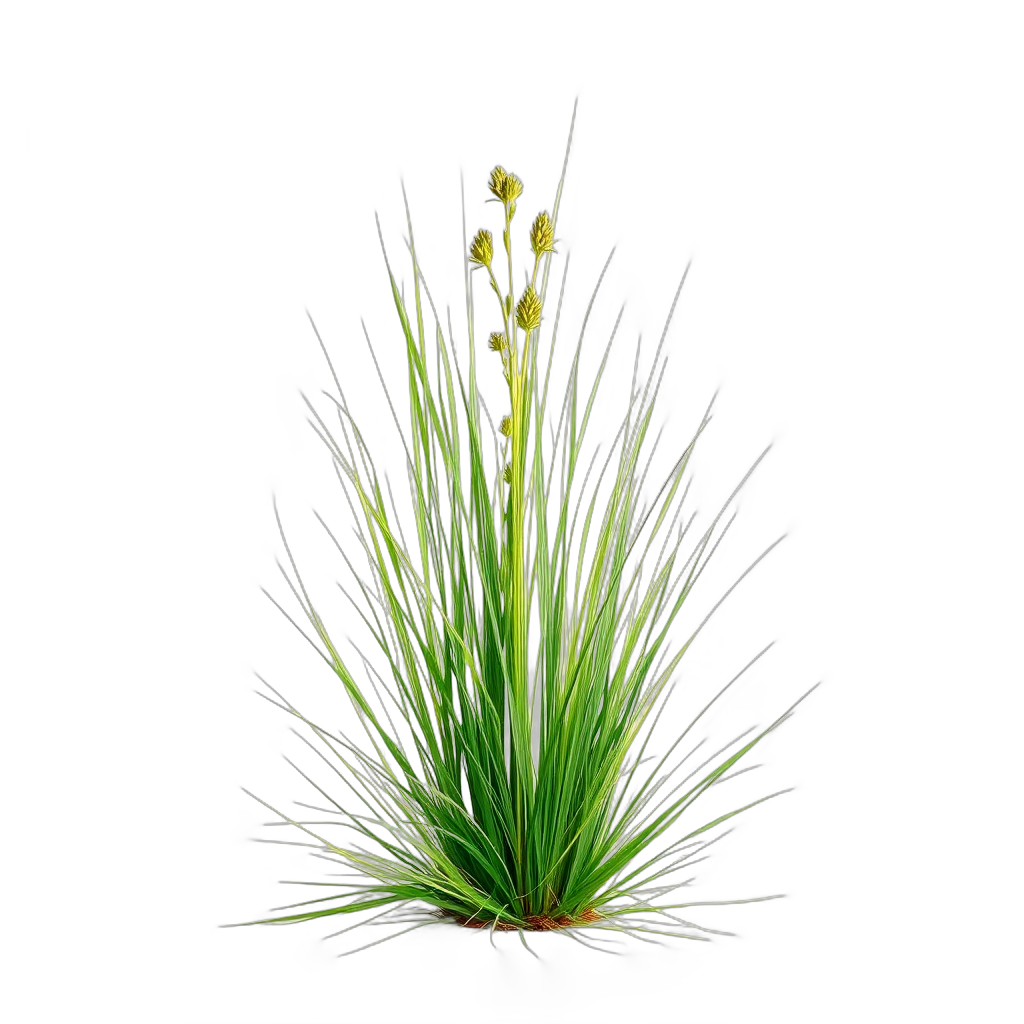
Canada Wild Rye
Elymus canadensis
grows to 4 feet, blooms in summer. Yellow fall color.
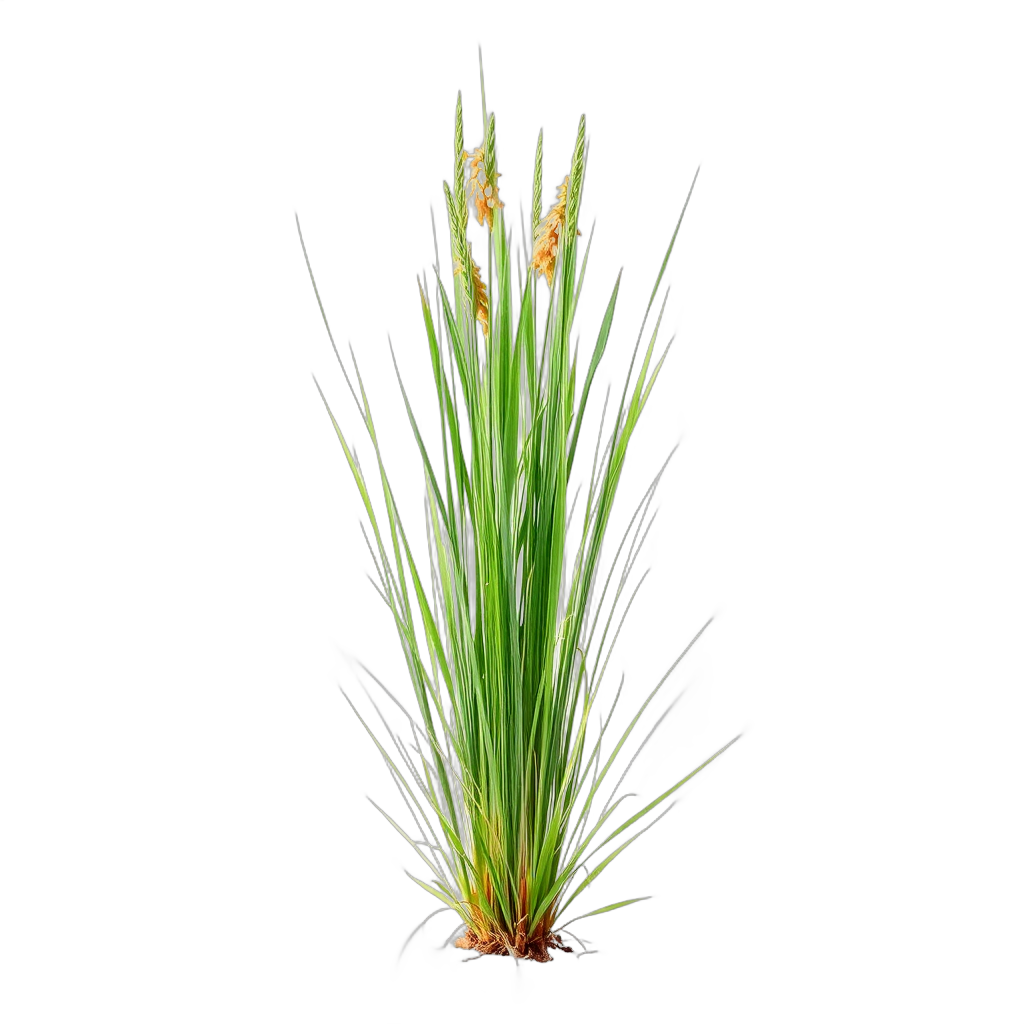
Eastern Gamagrass
Tripsacum dactyloides
grows to 6 feet, blooms in summer. Yellow fall color.
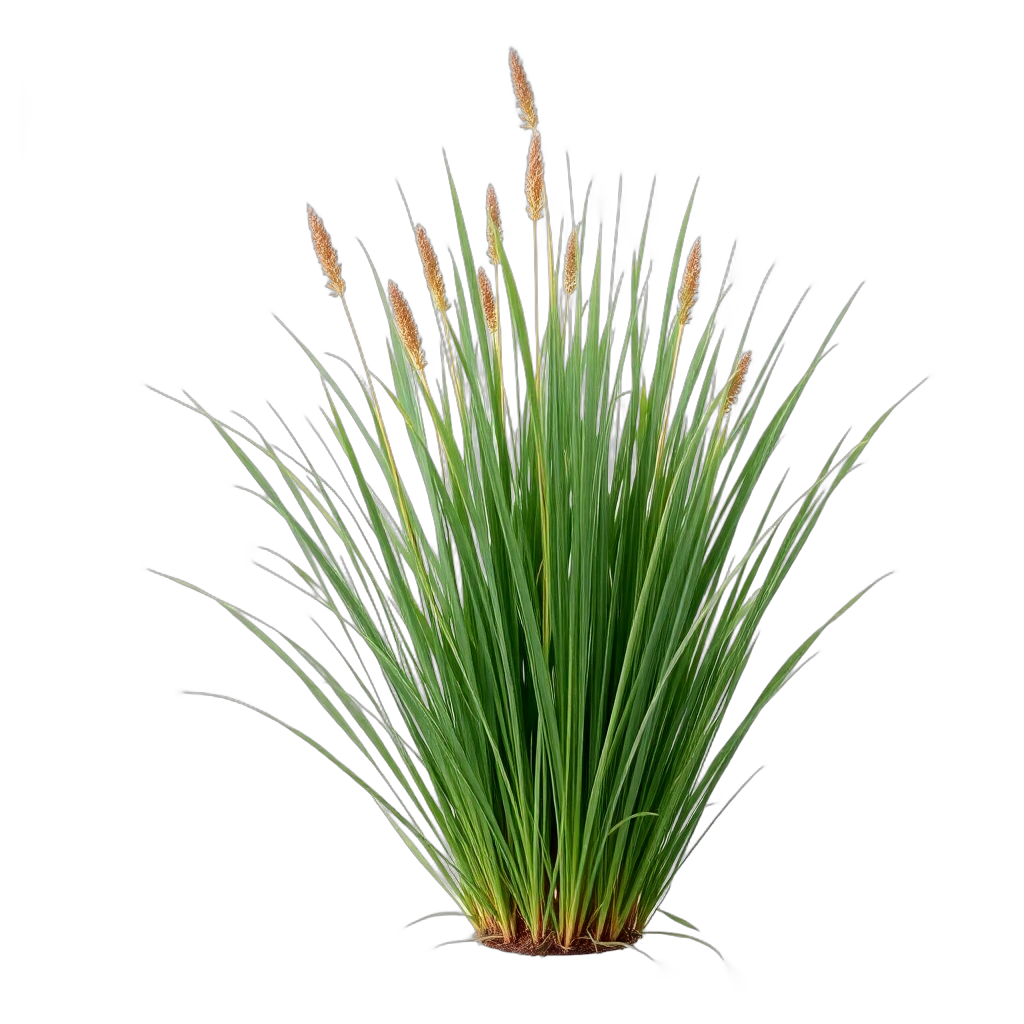
Heavy Metal Switchgrass
Panicum 'Heavy Metal'
grows to 4 feet, pink blooms in summer. Yellow fall color.
Featured Flowers & Perennials for Modern/Minimalist Gardens
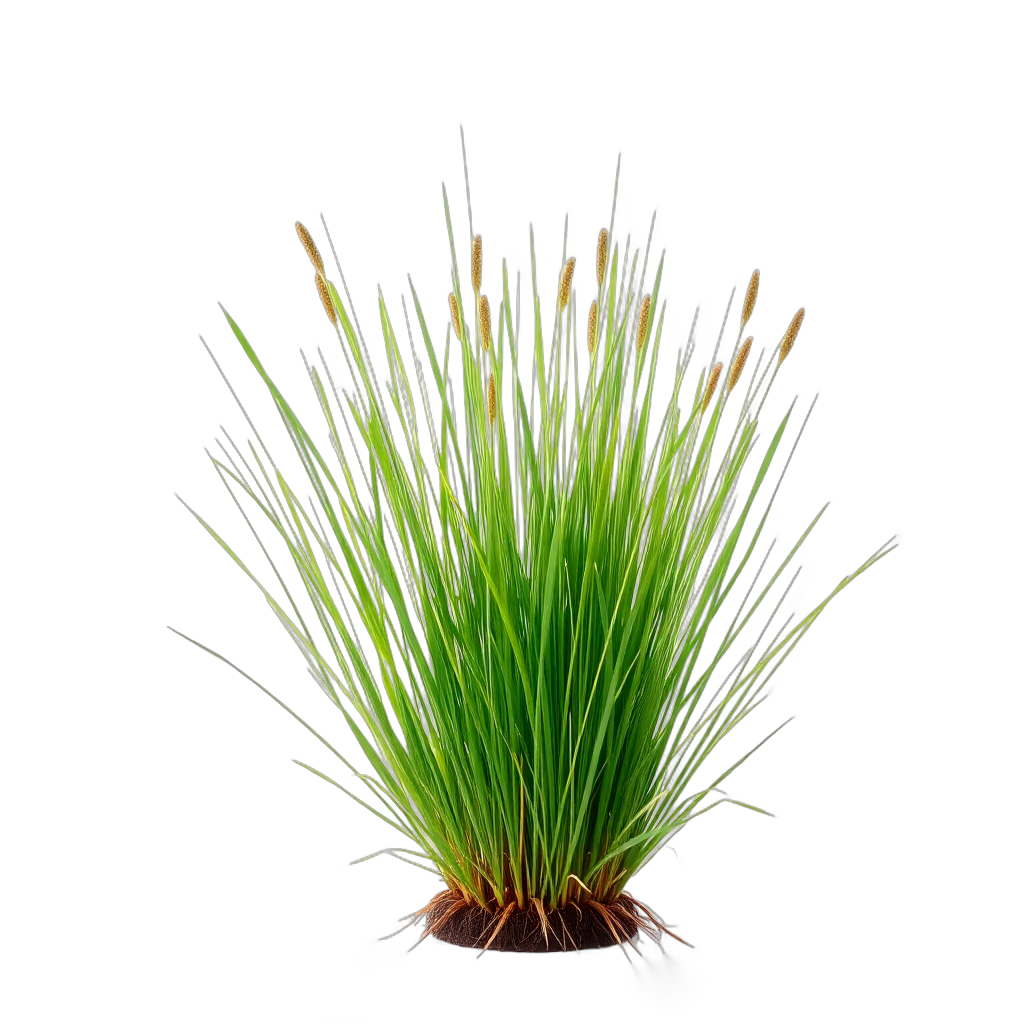
Path Rush
Juncus tenuis
low-growing ground cover, blooms in summer. Evergreen year-round.
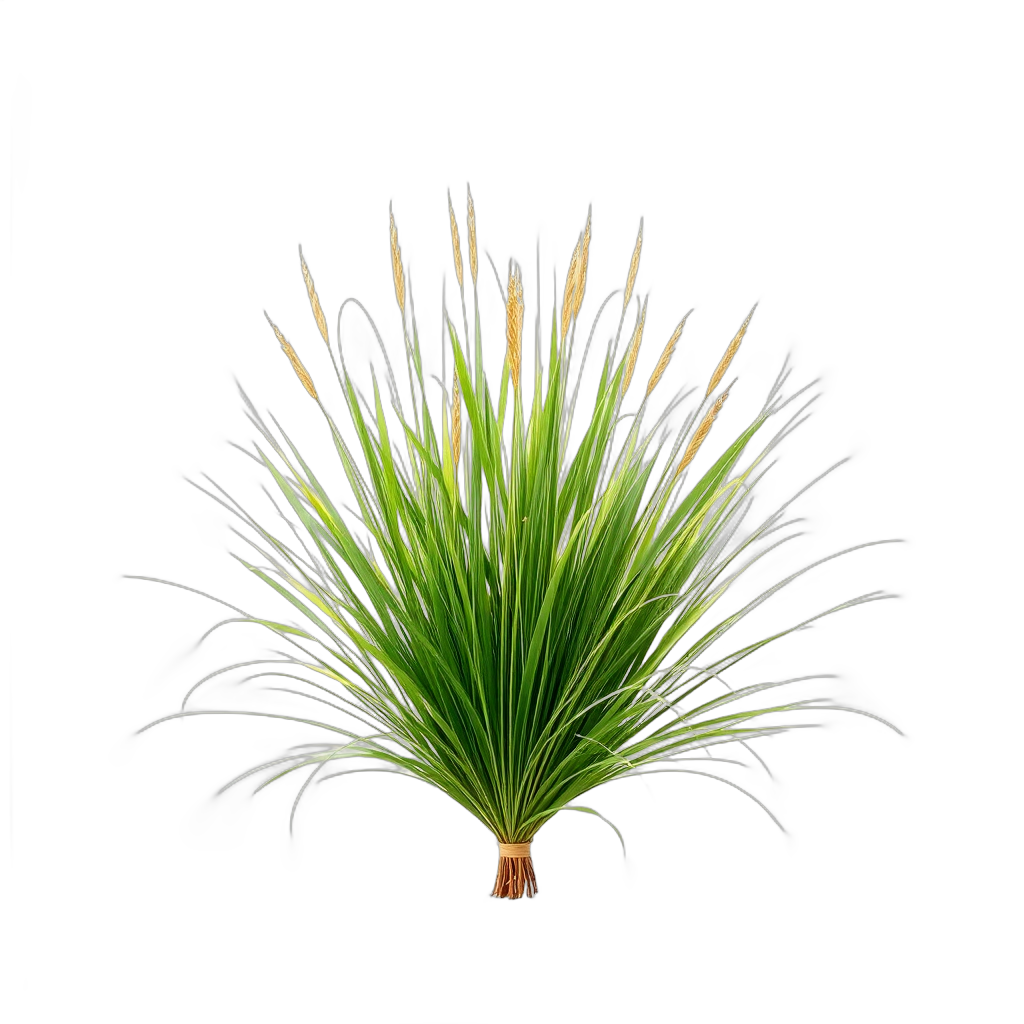
Prairie Cordgrass
Spartina pectinata
grows to 6 feet, blooms in summer. Yellow fall color.
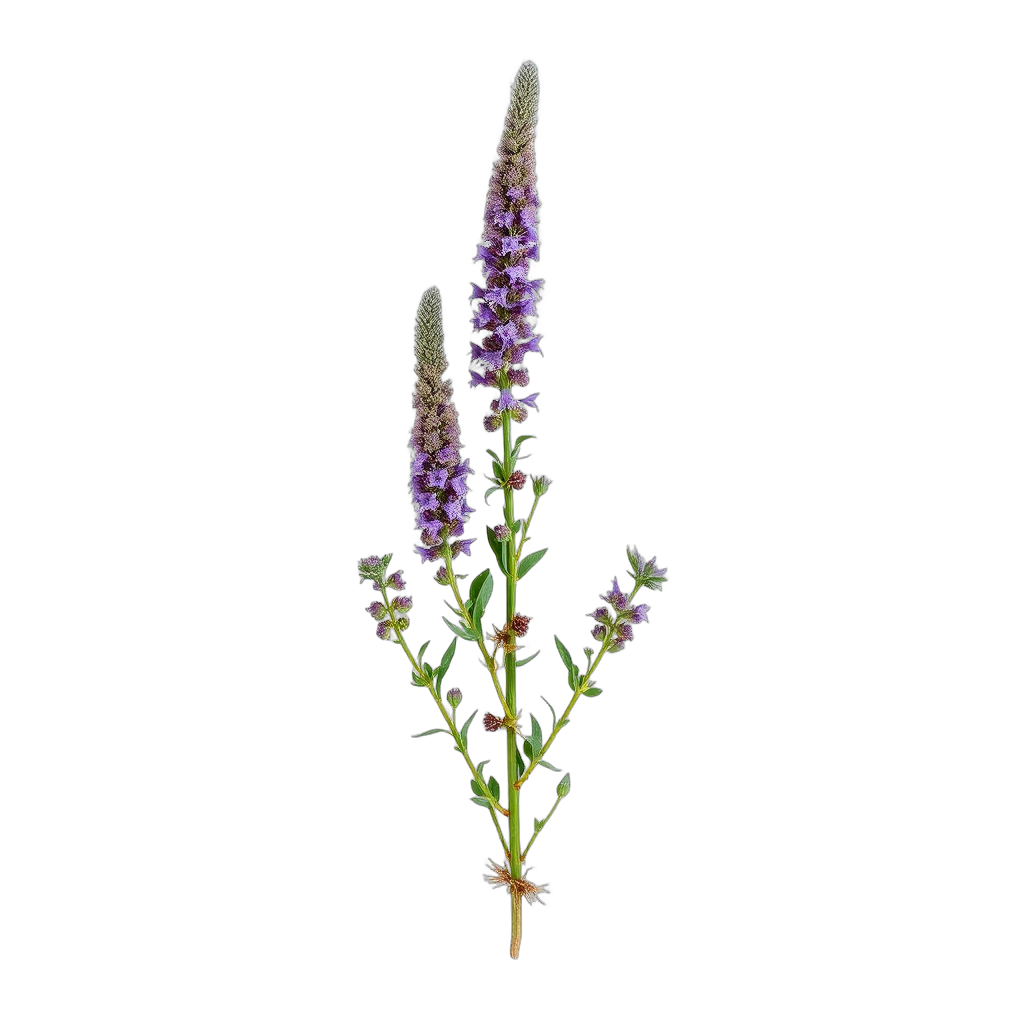
Anise Hyssop
Agastache foeniculum
grows to 3 feet, purple blooms in summer. Attracts hummingbirds.
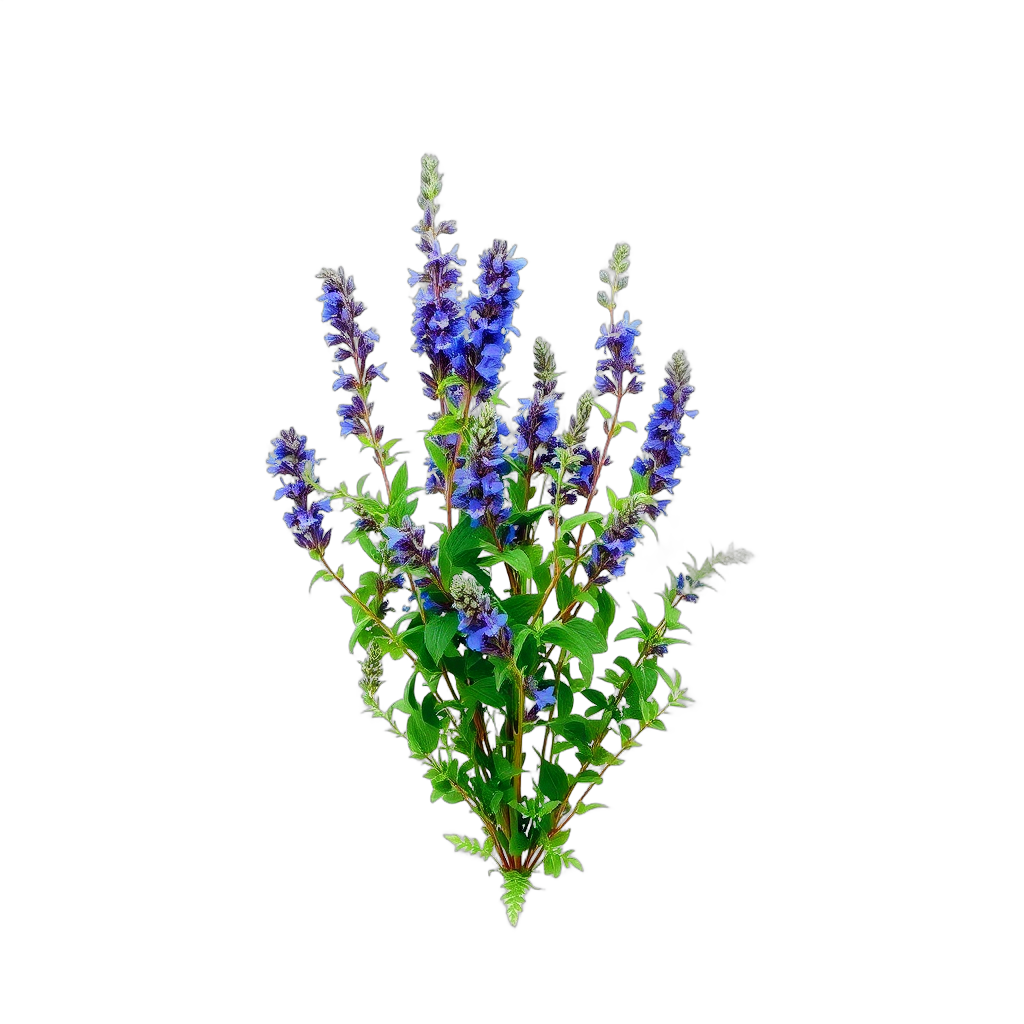
Azure Sage
Salvia azurea
grows to 4 feet, blue blooms in fall. Attracts hummingbirds.
Zone and sun checks come from our database — confirm with your local nursery before you buy.
Bloom Calendar for Cedar Rapids
spring
Blue False Indigo, Foxglove Beardtongue, Golden Alexandersummer
Path Rush, Prairie Cordgrass, Anise Hyssopfall
Azure Sage, Maximilian Sunflower, New England Asterwinter
Limited bloomsDesign Tips for Cedar Rapids (Zone 5a)
- Mass the prairie grasses that already grew here. Panicum virgatum 'Northwind' and Schizachyrium scoparium 'Standing Ovation' give you the rigid vertical repetition modern design lives on, stand up under Cedar Rapids snow, and need one cut in March
- Raise every succulent bed 8 to 12 inches and cut the backfill 40 percent with chipped limestone. At 36 inches of annual rain on silty clay, Agave parryi var. neomexicana and Hesperaloe parviflora die of a wet March, never of a cold January
- Put 8 to 12 inches of compacted crushed stone under every paver, and set pergola posts below the 42-inch Linn County frost line. This is the difference between a terrace that is still dead level in year ten and one that is visibly rocking by year three
- Add one evergreen vertical per composition. Juniperus scopulorum 'Blue Arrow' or Thuja occidentalis 'Degroot's Spire' keeps the geometry legible from November to April, the five months when the grasses are cut down and the garden is otherwise all snow and paving
- Choose wind-firm trees. The 2020 derecho snapped brittle Acer x freemanii across the city while Gymnocladus dioicus, Quercus bicolor and Celtis occidentalis largely held, and a modern design leans on one specimen tree so heavily that losing it undoes the whole scheme
- Light the grass masses rather than the lawn. In-grade uplights behind a block of Miscanthus sinensis 'Morning Light' give you the evening depth this style depends on, and Cedar Rapids dusk arrives before 5 pm from November to January, so the lighting scheme is what you actually look at half the year
- Keep anything within 3 feet of a drive or walk salt-tolerant. Sporobolus heterolepis, Hylotelephium 'Autumn Joy' and Juniperus horizontalis 'Blue Chip' shrug off winter de-icing spray that will brown out a boxwood edge by March
Where to Source Plants in Cedar Rapids
Skip the big-box stores. These independent Cedar Rapids nurseries specialize in the plants that make modern/minimalist gardens thrive in Zone 5a.
Blooms Garden Center
Blairs Ferry Road, Marion
Walkable garden center and greenhouses with a deep grass, perennial and Iowa-hardy tree range, plus an in-house landscape crew
Culver's Garden Center & Greenhouse
Highway 151 East, Marion
Family-run greenhouse and nursery growing much of its own stock, with the widest tree, shrub and grass selection in the Cedar Rapids and Marion area
Cedar River Garden Center
Palo, northwest of Cedar Rapids
Independent for three decades, with over 11,000 sqft of perennials, walk-through display beds, and bulk decorative rock, boulders and flagstone by the yard
Fleming Nursery
Peterman Lane, north Cedar Rapids
Family tree farm on 40 acres, the local source for field-grown shade trees, ornamentals and evergreens including wind-firm species for derecho replanting
Modern/Minimalist Landscaping Costs in Cedar Rapids
| Project Scope | Estimated Cost |
|---|---|
| Concrete entry walk with flanking prairie grass beds | $6,000 - $14,000 |
| Front lawn to gravel conversion, 700 sqft, steel-edged beds | $8,000 - $18,000 |
| Large-format paver terrace, 350 to 500 sqft | $12,000 - $30,000 |
| Gas fire bowl or linear fire table, supplied and set | $2,800 - $9,500 |
| Catenary string lighting on frost-depth steel posts | $1,600 - $4,500 |
| Full pool court with deck, fencing and perimeter planting | $95,000 - $210,000 |
| AI visualization with ProScapeAI | Free to start |
Estimates based on Cedar Rapids, IA-area contractor rates as of 2026. Actual costs vary by site conditions, materials, and contractor.
Cedar Rapids Climate & Growing Zone
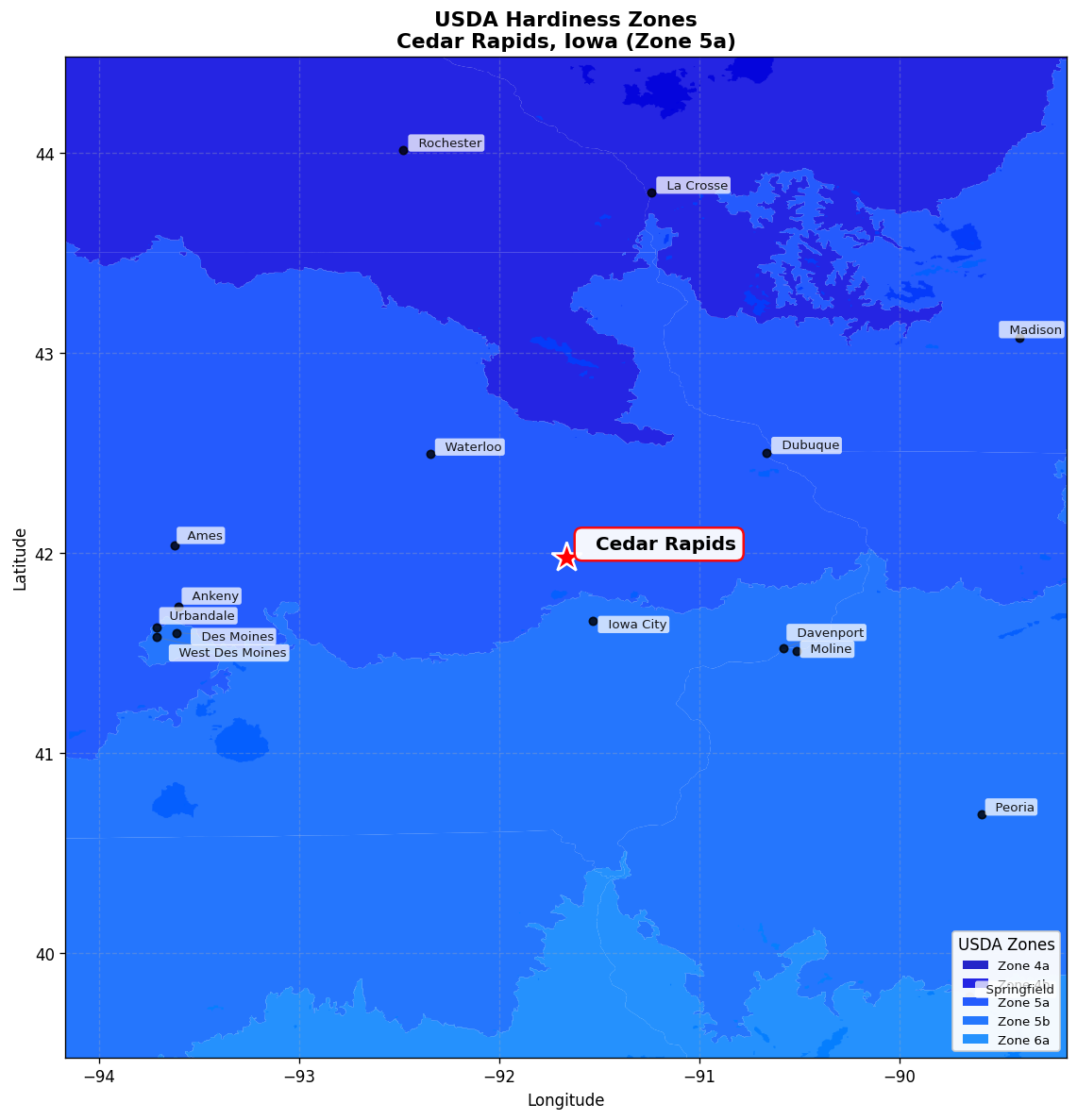
USDA Zone 5a
Hardiness zone for Cedar Rapids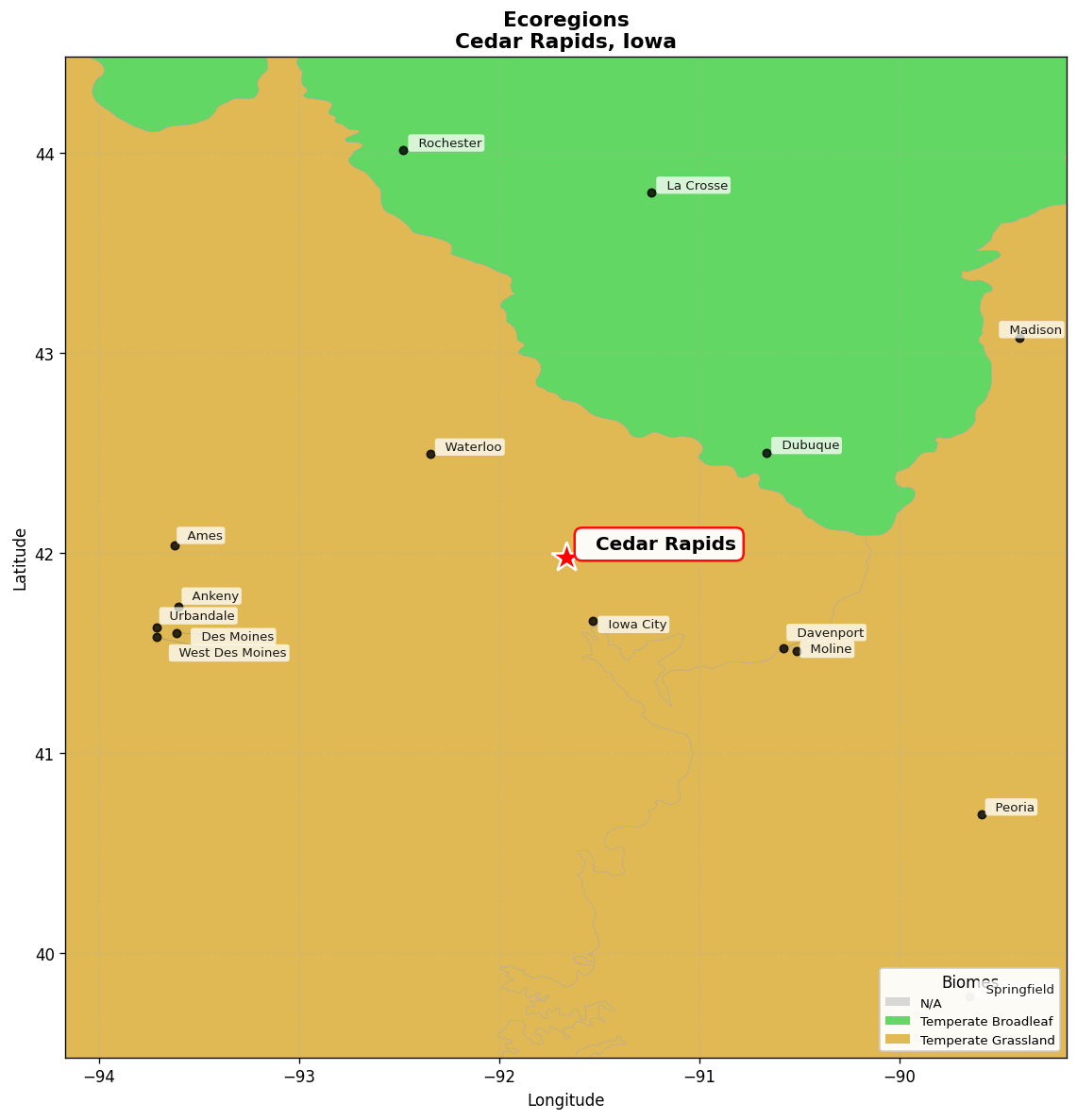
Central Tallgrass prairie
Native ecoregionFrequently Asked Questions
How much does a modern landscape cost in Cedar Rapids?
Linn County pricing runs roughly 10 to 15 percent below the national metro average. A straight concrete entry walk with flanking grass beds of Sporobolus heterolepis and Calamagrostis acutiflora 'Karl Foerster' is $6,000 to $14,000 for a typical frontage. Converting a 700 sqft front lawn to a gravel field with steel-edged inset beds runs $8,000 to $18,000 installed. A large-format paver terrace of 350 to 500 sqft with a gas fire bowl and string lighting is $18,000 to $42,000. A full pool court with deck, fencing and perimeter grass planting generally lands between $95,000 and $210,000. DIY gravel-and-grass conversions can come in under $6 per sqft in materials.
Can I really grow agaves and yuccas outdoors in Zone 5a?
Some of them, and the failure mode is water rather than cold. Yucca filamentosa 'Color Guard' and 'Ivory Tower' are hardy well past -20 degrees F and need nothing. Yucca glauca and Opuntia humifusa are native to Iowa's dry sand prairies and are completely at home. Agave parryi var. neomexicana and Hesperaloe parviflora will survive a Cedar Rapids winter only in a bed raised 8 to 12 inches, backfilled with 40 percent chipped limestone or coarse sand, and mulched with gravel instead of bark so the crown never sits wet. Big blue Agave americana rosettes are container plants here; they go into an unheated garage in late October and come back out after the first week of May.
Which grasses should I mass in a Cedar Rapids modern garden?
The prairie species that grew here before the city did, because they are already upright and architectural. Panicum virgatum 'Northwind' holds a rigid 5-foot column and does not flop, Schizachyrium scoparium 'Standing Ovation' colours copper in October and stands through snow, and Sporobolus heterolepis makes a perfect fine mound about 2 feet across. Add Calamagrostis acutiflora 'Karl Foerster' for a vertical accent that is up and doing something by mid-May, months before the warm-season grasses wake. Cut them all back once in March before new growth starts. Avoid Nassella tenuissima, which is not reliably hardy here, and be aware that older Miscanthus sinensis selections can self-seed in eastern Iowa.
What does the 42-inch frost depth mean for my hardscape?
It is the number that decides whether the design still looks sharp in five years. Linn County uses a 42-inch frost depth, so any post or pier carrying load, pergola columns, a pavilion, a substantial wall footing, must bear below that. Paver terraces want 8 to 12 inches of compacted crushed stone base rather than the 4 inches that suffices in a warm climate, with the base extended 6 inches past the paver edge. Poured concrete should be an air-entrained mix with control joints at roughly 10-foot intervals, and no de-icing salt in the first winter after the pour. Get the base right and the freeze-thaw cycling is a non-event; get it wrong and the terrace is visibly out of level by the third spring.
When is the best time to build a landscape in Cedar Rapids?
Hardscape from April through November, planting in two windows: mid-April to early June, and September 1 to about October 10. The average last frost is near May 1 and the first is around October 8, a growing season of roughly 160 days. Autumn is the better planting half because the soil stays workable long after the air cools, and installer schedules open up after Labor Day. Concrete pours stop once night temperatures drop below freezing consistently, usually mid-November. Warm-season grasses such as Panicum virgatum 'Northwind' are best planted in spring so they root before their first winter.
How do I keep a gravel front yard from looking cheap or weedy?
Three things. Use one gravel size and colour across the whole field rather than mixing, lay it 3 inches deep over a woven geotextile, not the thin non-woven fabric sold at big-box stores, and give it a real edge. Weathering steel or 3/16-inch mild steel edging is what makes a gravel field read as a designed surface instead of a driveway that got out of hand. Then plant enough: sparse gravel looks derelict, so mass Bouteloua gracilis 'Blonde Ambition', Hylotelephium 'Autumn Joy' and Yucca glauca in blocks of three or five. Expect to spot-weed twice a summer, and top up about half an inch of gravel every third year.
Do I need a permit for modern landscaping in Cedar Rapids?
Planting, gravel conversions, edging and mulch need no permit. Permits typically come into play for retaining walls above 4 feet, pools and pool fencing, decks, and any roofed structure, and requirements differ between Cedar Rapids, Marion, Hiawatha and Robins, so confirm with the jurisdiction your address falls in. The low ground near the Cedar River is subject to floodplain overlay rules that govern grading and fill, and any in-ground irrigation system connected to city water requires a tested backflow preventer. Confirm every requirement with the city before work begins.