4 Modern Landscape Ideas for Rochester, MN | Clean Lines Built for Zone 4b
Native plants from the Upper Midwest US forest-savanna transition (Zone 4b) — Humid continental (warm summer) climate
Why Modern/Minimalist Gardens in Rochester?
Rochester is building fast, and a lot of what it is building suits a modern yard. The new homes in Bamber Valley, Kings Run and the northwest subdivisions, the flat-roofed infill near downtown, and the 1950s and 1960s ramblers of Elton Hills and Meadow Lakes all have long horizontal lines that a crisp landscape picks up and extends. A modern design also fits a city full of people on hospital shift schedules: a yard of clean paving, a few strong plant masses and a gravel mulch takes a weekend in spring and a weekend in fall, not every Saturday.
Zone 4b's extreme lows of -20 to -25°F decide the plant palette, and luckily the best modern plants are prairie plants. Calamagrostis × acutiflora 'Karl Foerster', Sporobolus heterolepis 'Tara', Schizachyrium scoparium 'Standing Ovation' and Panicum virgatum 'Northwind' are all hardy here, stand up through snow, and catch low winter light better than any shrub. For evergreen structure, Thuja occidentalis 'Degroot's Spire' and Picea pungens 'Globosa' replace the clipped boxwood and Hakonechloa of a warmer modern garden. Japanese forest grass and most yuccas are Zone 5 gambles here, so leave them out. The city averages roughly 33 inches of precipitation a year, January averages a low near 10°F, and the last spring freeze usually comes in early May, so the season for planting is short but the summers are good.
Modern design depends on the hardscape, and in Rochester that means building for frost depth. The Minnesota building code puts footings at 42 inches in the southern half of the state, so steel pergola posts and seat walls with footings go that deep, and large-format pavers need 10–12 inches of compacted aggregate under them to stay flat. The soil helps: Olmsted County's loess silt over limestone usually drains better than the clay of many Midwest cities, and its pH often tests near neutral, which suits prairie grasses well. It is also karst country with hundreds of mapped sinkholes, so spread roof water across the yard rather than piping it all into one low spot.
Two local details round it out. The City of Rochester requires a natural landscape permit from Forestry for boulevard plantings other than turf, and boulevard trees need a free permit and must come from the approved list, so a sleek prairie strip at the curb needs paperwork first. And Minnesota stone suits a modern look: sawn Kasota limestone from the Minnesota River valley gives a warm, honed surface that weathers well and reads as local.
4 Modern/Minimalist Design Ideas for Rochester

AI-generated image
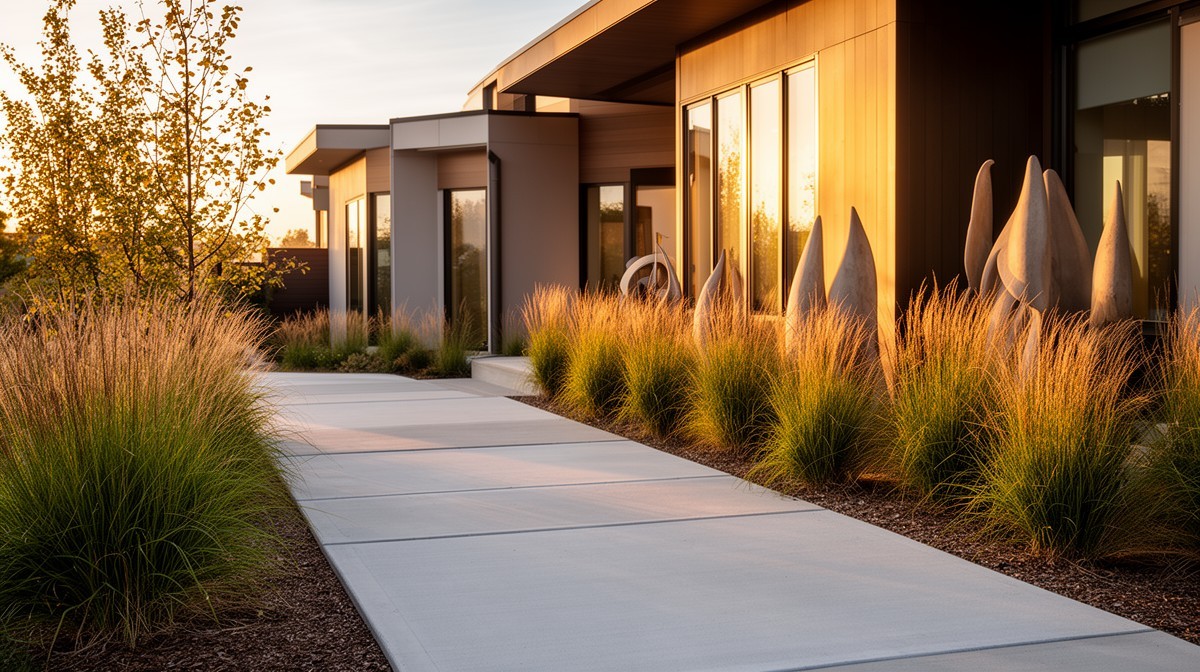
The Prairie Grid Front Yard
$18–35/sqftA new-build in Bamber Valley swaps its front lawn for a grid of square beds separated by large-format concrete pavers, each bed planted solid with one grass. The south-facing front gets full sun all day, so the grasses color up gold by October and stand through the snow until a single March cutback. Two columnar arborvitae frame the front door and a bronze-leaved serviceberry gives the corner height.

AI-generated image
The Kasota Limestone Terrace
$35–65/sqftBehind a 1960s Elton Hills rambler, a sawn Kasota limestone terrace runs the width of the house with a low seat wall of the same stone along the lawn edge. A row of blue spruce globes and dark-leaved Salvia sits in a raised steel planter along the back, and a clump of whitespire birch shades the west end through the hot part of the afternoon.

AI-generated image
The Steel Pergola and Fire Table
$40–80/sqftA black steel pergola on 42-inch footings shelters a porcelain-paved dining area beside a contemporary infill house near Kutzky Park, with a gas fire table at one end for the cold evenings of May and September. A hedge of Taunton yew screens the alley side, and a single Japanese tree lilac stands in a gravel panel where the sun falls all afternoon.

AI-generated image
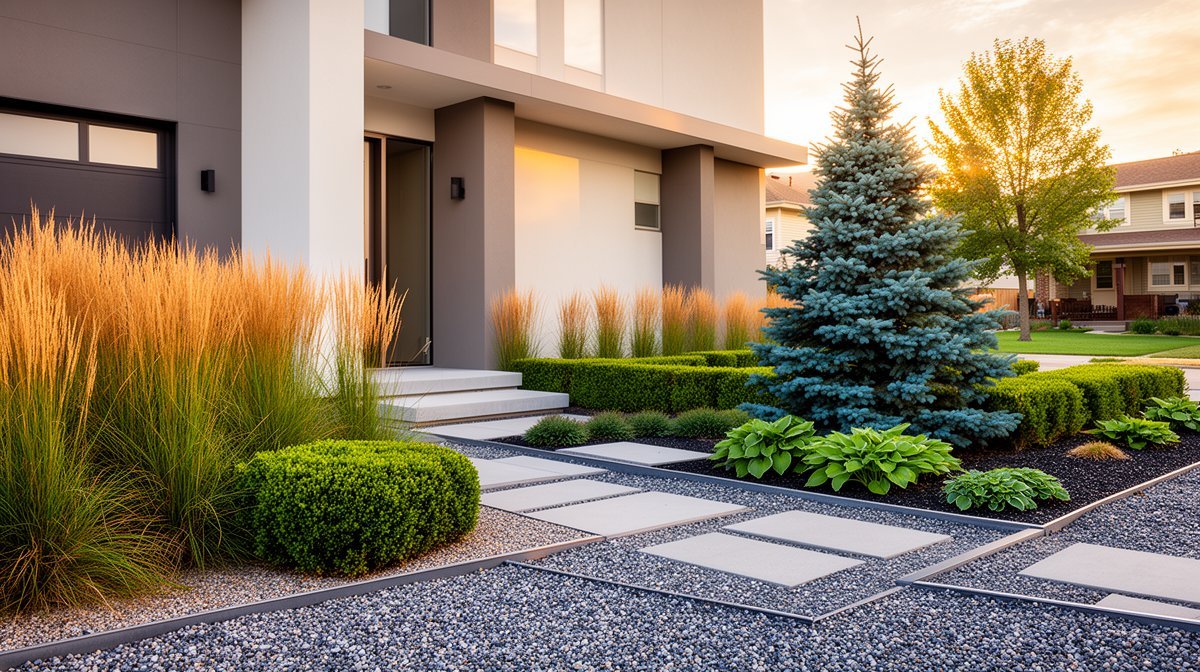
The Gravel Garden Side Yard
$12–25/sqftThe narrow side yard of a split-level is turned into a gravel walk with sawn stepping slabs set in a staggered line, edged by low mounds of grass and aromatic sumac that hold the slope without mowing. It faces east, so it gets cool morning sun and shade by noon, which suits the low groundcovers and keeps the gravel from baking.
See how a modern/minimalist garden looks on YOUR property
Upload a photo of your Rochester yard and visualize your dream garden in seconds.
Try ProScapeAI Free

AI-generated image
Featured Trees & Shrubs for Modern/Minimalist Gardens
Browse all 155 plants for Rochester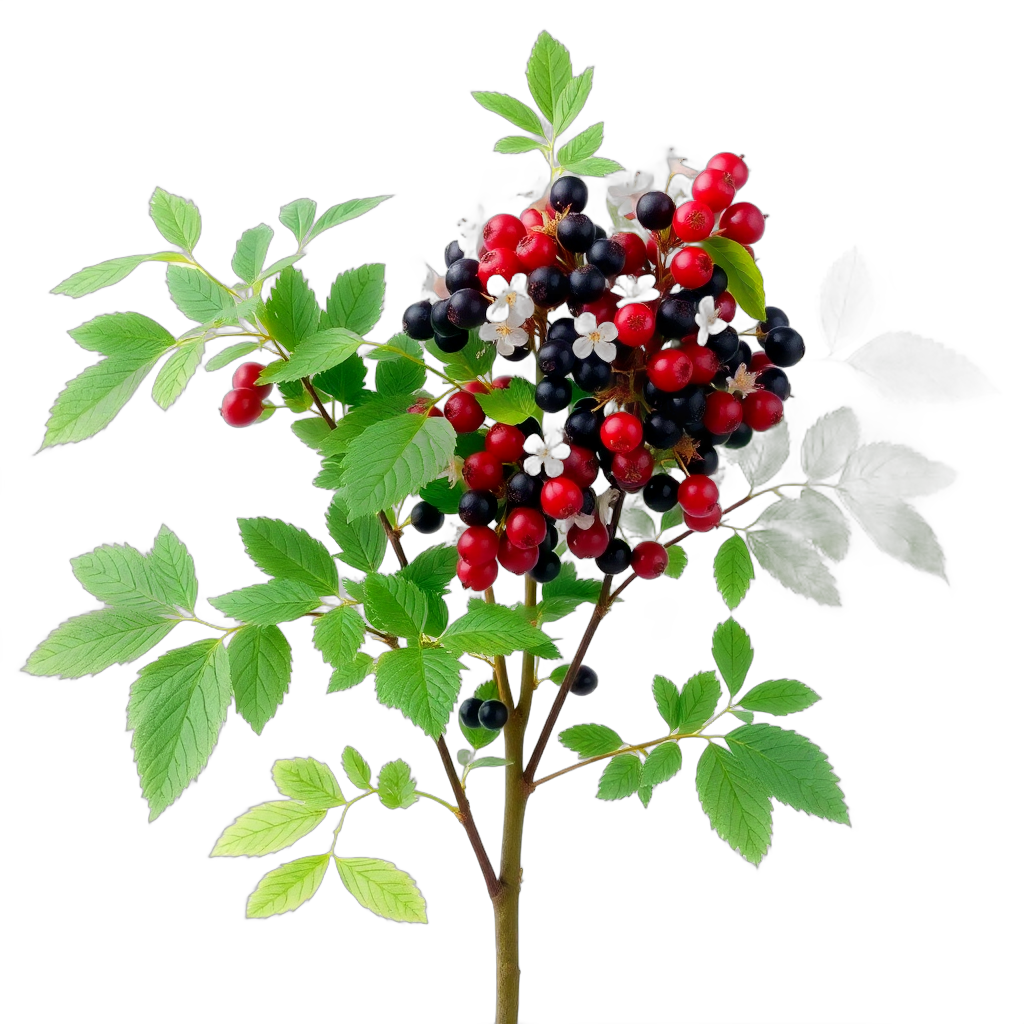
American Black Currant
Ribes americanum
grows to 5 feet, white,yellow blooms in spring. Attracts hummingbirds.

Gray Dogwood
Cornus racemosa
medium-sized at 10 feet, white blooms in spring. Pollinator-friendly.
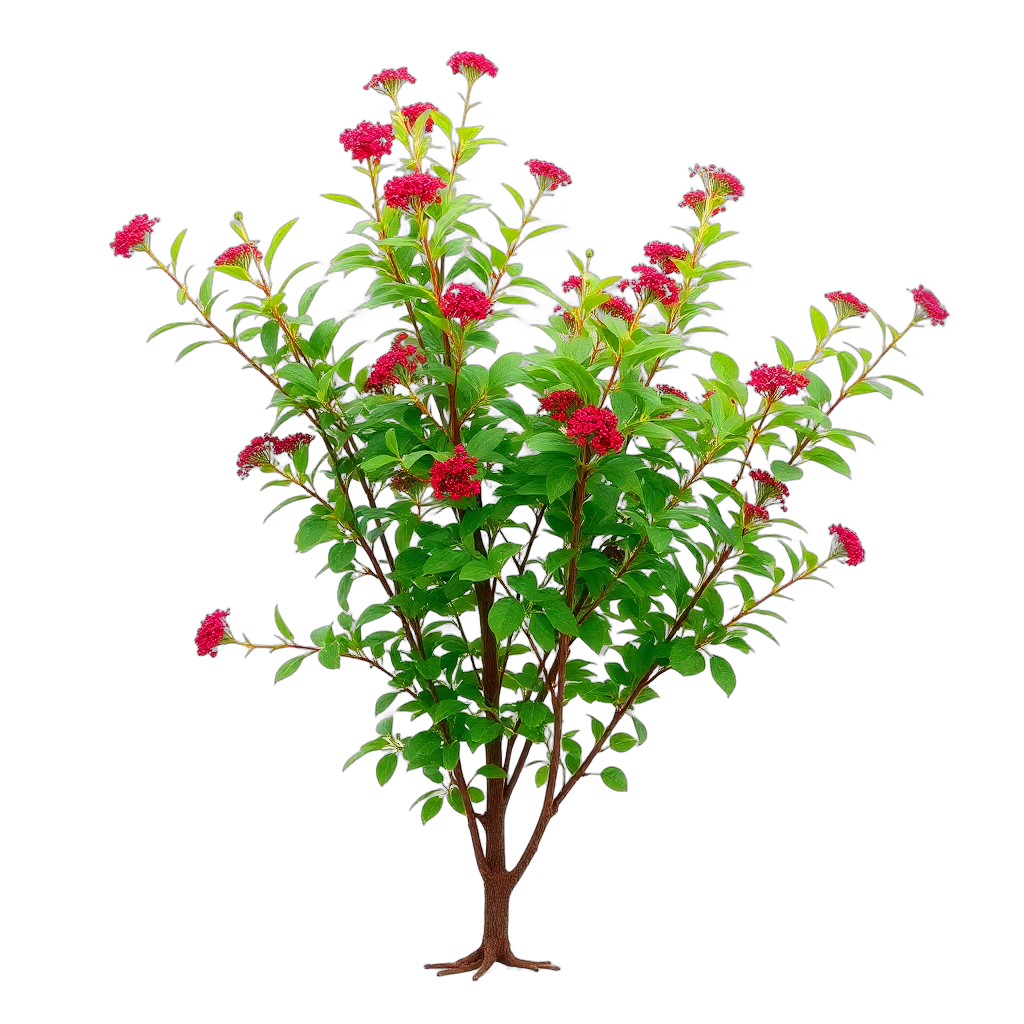
Smooth Sumac
Rhus glabra
medium-sized at 12 feet, white,green blooms in summer. Attracts butterflies.
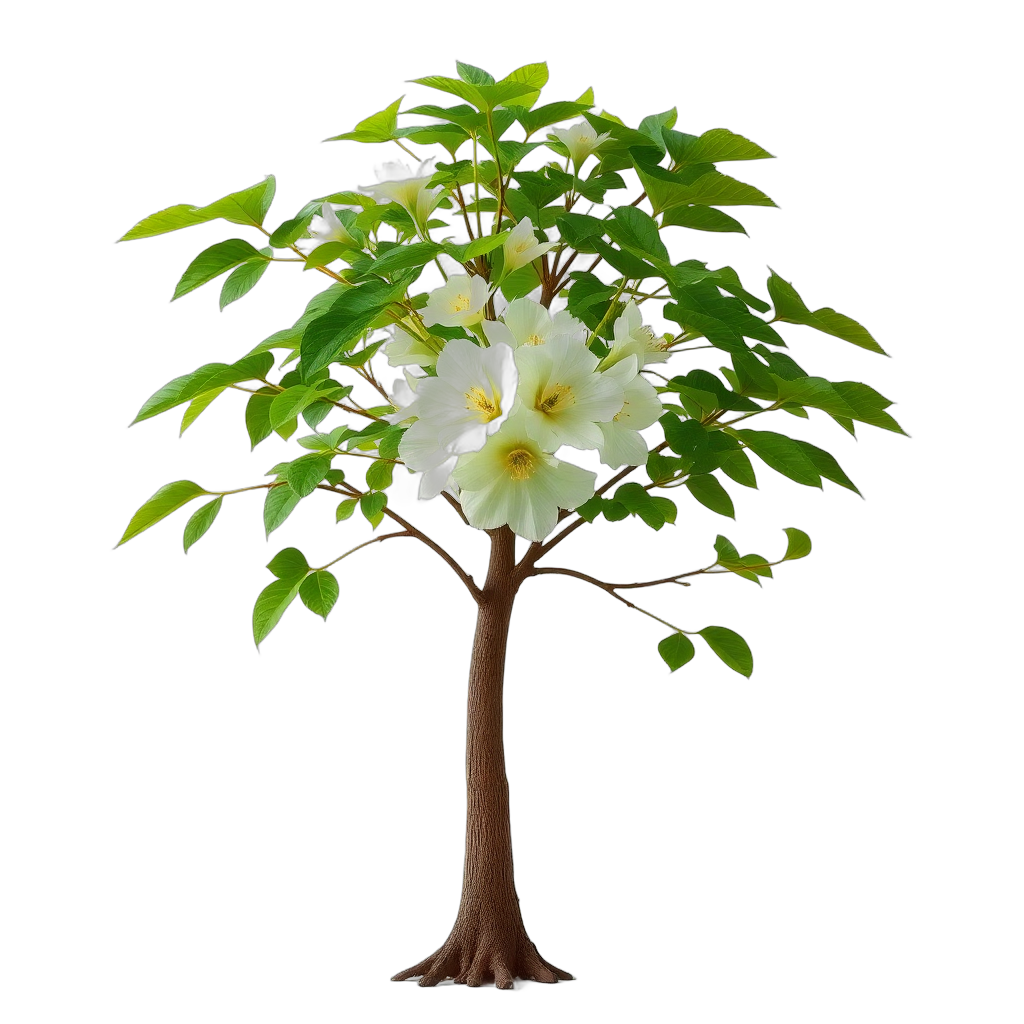
Northern Catalpa
Catalpa speciosa
large shade tree reaching 55+ feet, white blooms in spring. Pollinator-friendly.
Featured Flowers & Perennials for Modern/Minimalist Gardens
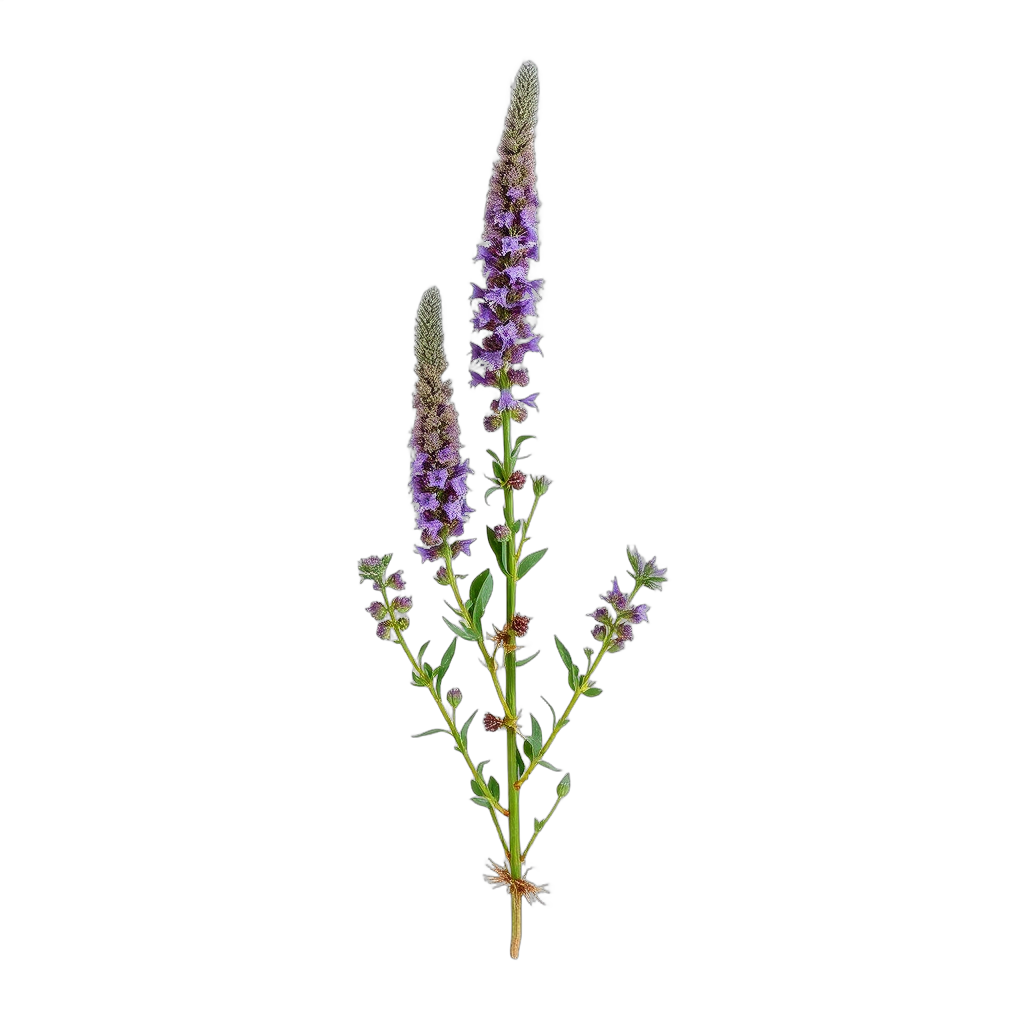
Anise Hyssop
Agastache foeniculum
grows to 3 feet, purple blooms in summer. Attracts hummingbirds.
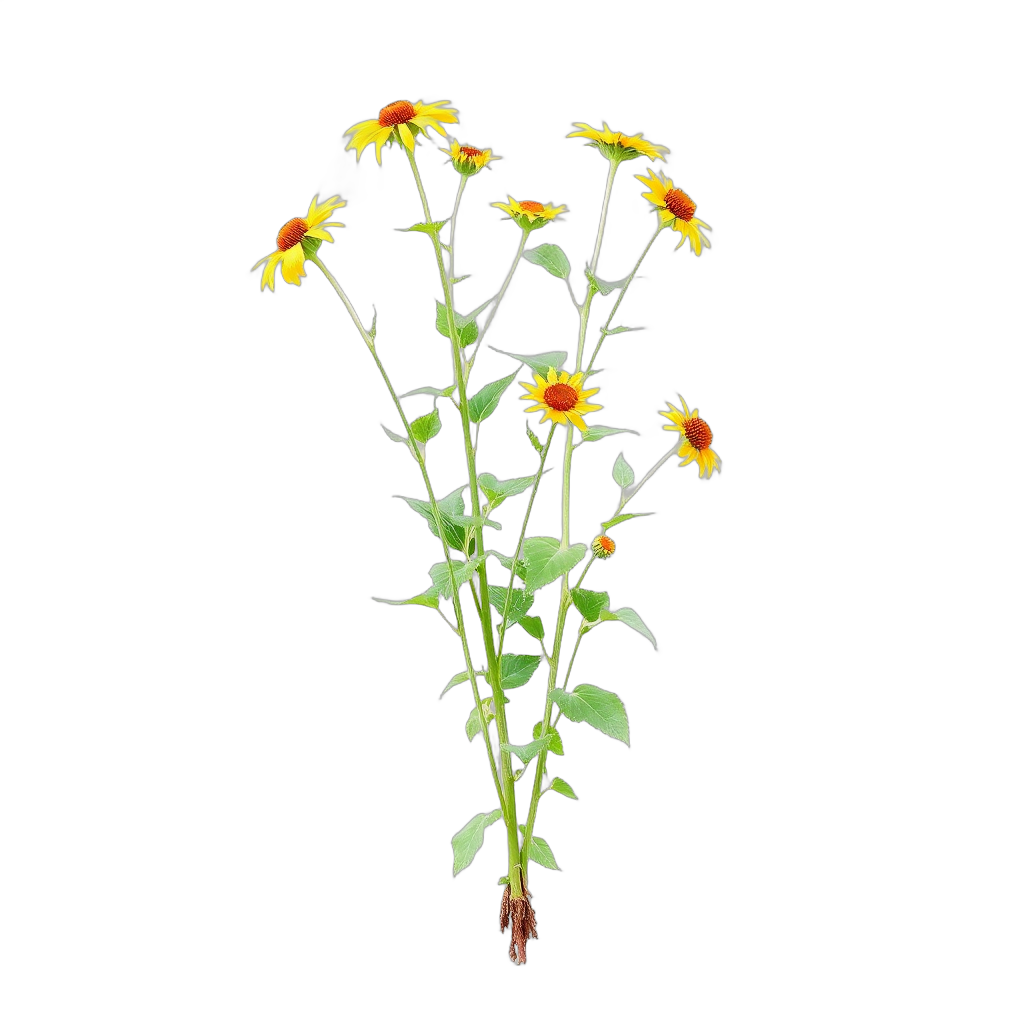
Ox-Eye Sunflower
Heliopsis helianthoides
grows to 4 feet, yellow blooms in summer. Attracts butterflies.

American White Water Lily
Nymphaea odorata
low-growing ground cover, white,pink blooms in summer. Attracts butterflies.

Canadian Waterweed
Elodea canadensis
grows to 3 feet, white blooms in spring. Evergreen year-round.
Zone and sun checks come from our database — confirm with your local nursery before you buy.
Bloom Calendar for Rochester
spring
American Black Currant, Gray Dogwood, Northern Catalpasummer
Anise Hyssop, Ox-Eye Sunflower, Smooth Sumacfall
American White Water Lily, Canadian Waterweedwinter
Limited bloomsDesign Tips for Rochester (Zone 4b)
- Build every footing to 42 inches, the Minnesota code depth for the southern half of the state; a steel pergola that heaves half an inch out of level looks far worse than a wooden one
- Put 10–12 inches of compacted aggregate on geotextile fabric under large-format pavers: Rochester's loess silt holds water in March and will pump up into a thin base
- Use prairie grasses for structure: Calamagrostis 'Karl Foerster', Sporobolus 'Tara' and Panicum 'Northwind' stand through snow and need one March cutback, which is the most modern-looking maintenance plan there is
- Choose 'Degroot's Spire' arborvitae or Taunton yew over Emerald Green arborvitae and boxwood for clean evergreen lines; open sites in Rochester give a lot of winter burn
- Use sawn Kasota limestone from the Minnesota River valley for a warm, local stone that suits clean lines and handles freeze-thaw cycles well
- Spread roof water instead of piping it to one spot: Olmsted County is karst country, and concentrated water over shallow limestone is how sinkholes start
- Get the city's natural landscape permit before you turn the boulevard into a prairie strip, and choose salt-tolerant grasses there since that strip collects plowed snow all winter
Where to Source Plants in Rochester
Skip the big-box stores. These independent Rochester nurseries specialize in the plants that make modern/minimalist gardens thrive in Zone 4b.
Sargent's North
Northwest Rochester (18th Ave NW)
Landscape yard with display gardens, large trees and evergreens, bulk landscape materials, paving and wall supplies; one stop for conifers and hardscape
Sargent's on 2nd
Southwest Rochester (2nd St SW)
Year-round garden centre with perennials, bulbs, houseplants and a large selection of pottery and containers
Jim Whiting Nursery & Garden Center
Northwest Rochester (19th St NW)
Large nursery with perennial grasses, evergreen and flowering shrubs, shade and ornamental trees, hydrangeas, plus landscaping services
Berg's Nursery and Landscape
Austin (about 40 miles southwest)
Garden centre and landscape design by an APLD-certified designer, with trees, evergreens, perennials, hardscape supplies and bulk materials
Modern/Minimalist Landscaping Costs in Rochester
| Project Scope | Estimated Cost |
|---|---|
| Modern front yard with pavers and grass beds (500–800 sqft) | $12,000 – $28,000 |
| Sawn Kasota limestone terrace (300–450 sqft) | $11,000 – $25,000 |
| Steel pergola on 42-inch frost footings | $8,000 – $20,000 |
| Gas fire table installed with line | $3,000 – $8,000 |
| Gravel garden side yard (200–300 sqft) | $2,500 – $7,000 |
| Full modern back yard: terrace, pergola, planting, lighting | $45,000 – $110,000 |
| AI visualization (ProScapeAI) | Free to start |
Estimates based on Rochester, MN-area contractor rates as of 2026. Actual costs vary by site conditions, materials, and contractor.
Rochester Climate & Growing Zone
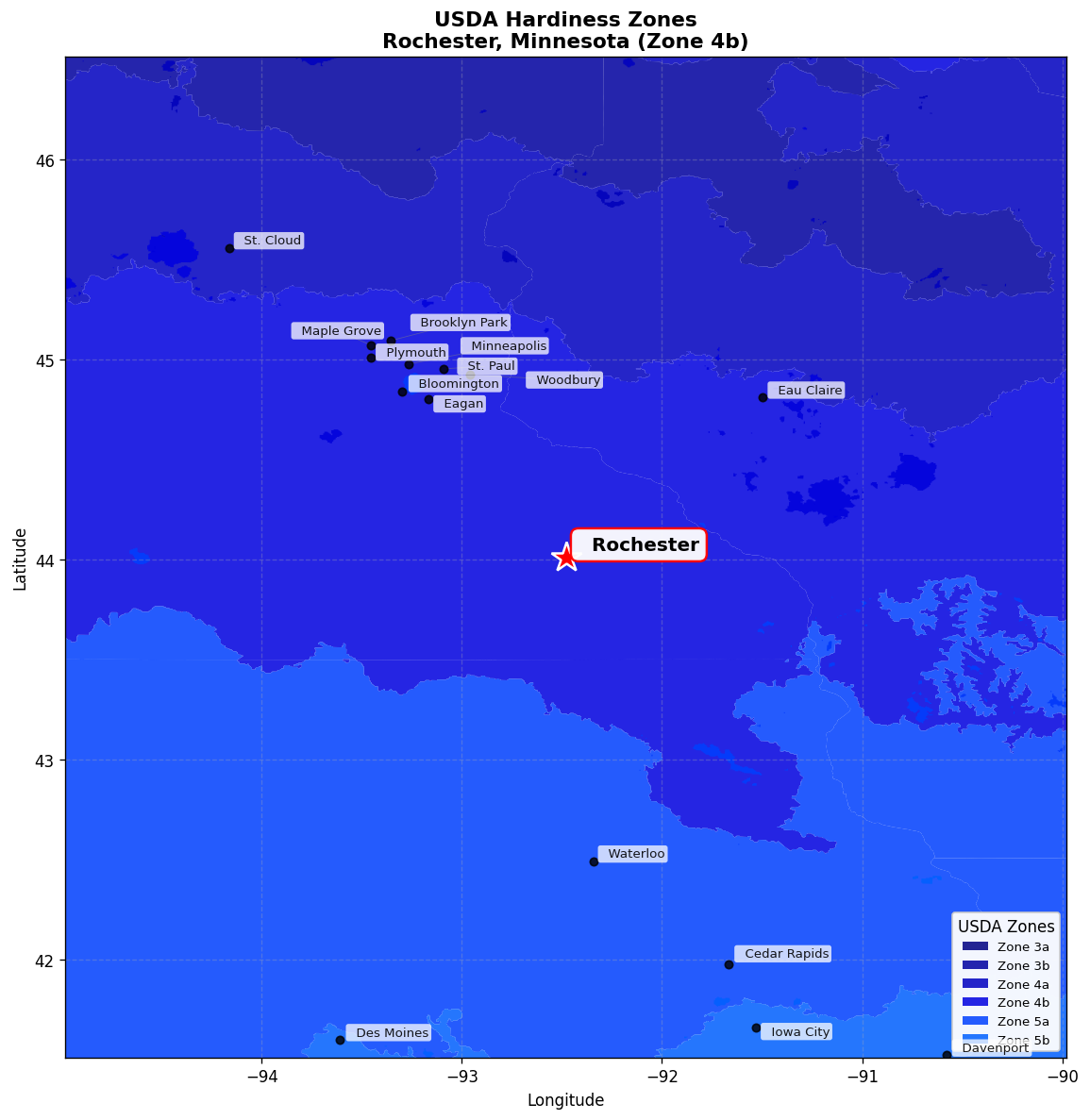
USDA Zone 4b
Hardiness zone for Rochester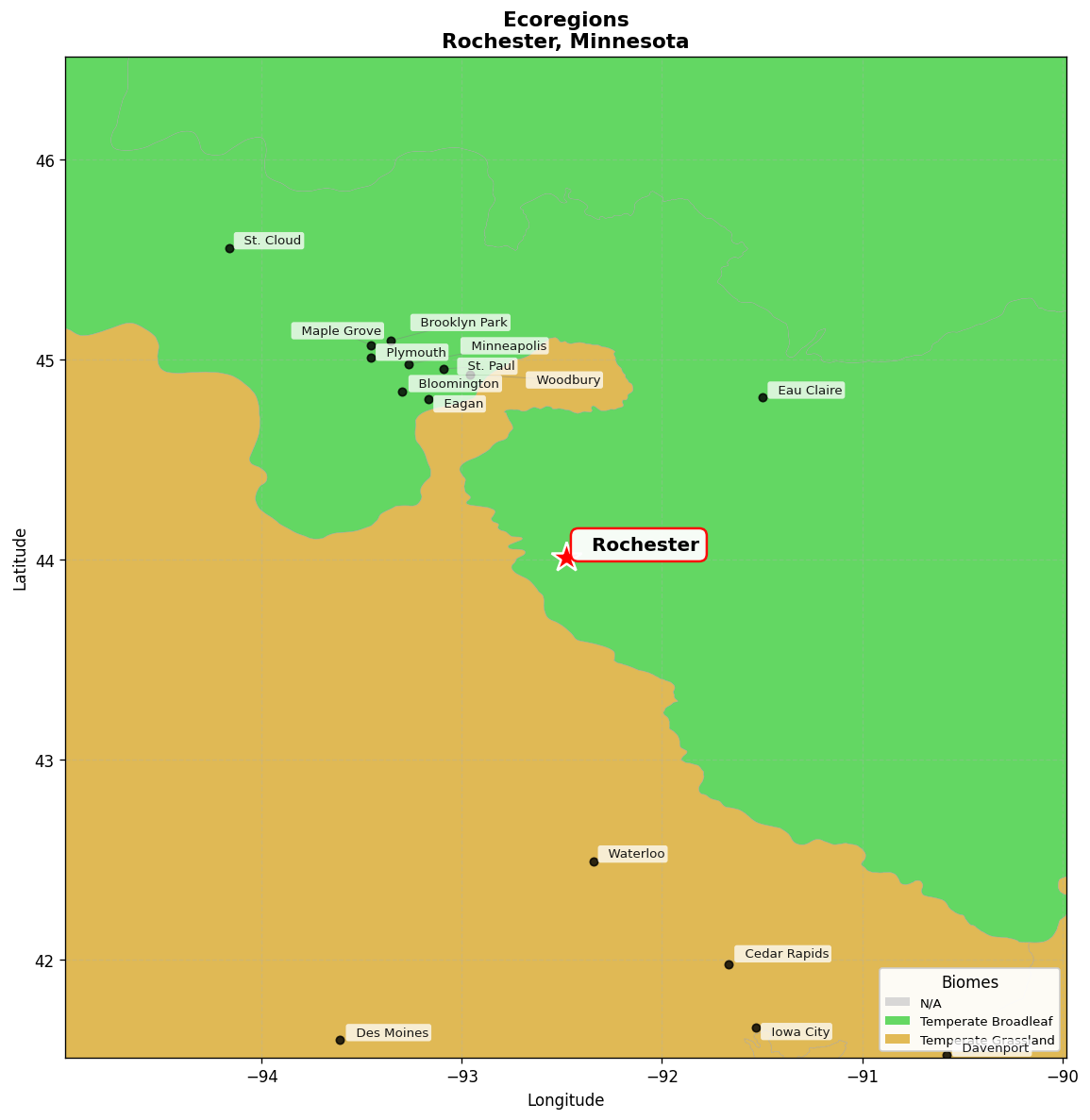
Upper Midwest US forest-savanna transition
Native ecoregionFrequently Asked Questions
How much does a modern landscape cost in Rochester, MN?
Southeast Minnesota installers commonly bill roughly $60–90 per labor hour. A modern front yard of large-format pavers and grass beds on a 500–800 sqft frontage runs about $12,000–28,000 installed. A Kasota limestone terrace runs $35–55 per square foot with base, and a steel pergola on 42-inch footings $8,000–20,000. The cheapest modern move is a gravel garden with Sporobolus 'Tara' and Calamagrostis 'Karl Foerster' at $12–20 per square foot.
Is a modern landscape low maintenance in Rochester's climate?
Yes, if it is built on prairie plants. Calamagrostis 'Karl Foerster', Schizachyrium 'Standing Ovation' and Panicum 'Northwind' need one cutback in March and no summer watering after the first year in a normal 33-inch rain year. Conifers like Picea pungens 'Globosa' need nothing. The upkeep is in the hardscape: reset any paver that lifts after the spring thaw, and seal porcelain joints before winter.
What modern plants survive -25°F in Rochester?
Stick to Zone 4 or colder. Good choices are Calamagrostis × acutiflora 'Karl Foerster', Sporobolus heterolepis 'Tara', Panicum virgatum 'Northwind', Thuja occidentalis 'Degroot's Spire', Picea pungens 'Globosa', Taxus × media 'Taunton' and Hydrangea paniculata 'Bobo'. Skip Hakonechloa macra, most yuccas and boxwood in exposed spots: they are Zone 5 gambles and suffer winter burn. Emerald Green arborvitae also browns badly in Rochester wind, so 'Degroot's Spire' is the safer column.
When should I build and plant in Rochester?
Book hardscape for May through October, when the ground is thawed and dry enough to compact. Plant grasses and perennials from mid-May, after the last spring freeze (usually early May), into June. Warm-season grasses like Panicum and Schizachyrium root best in late spring, not fall. Conifers and shrubs can also go in from mid-August to mid-September, so they root before the first frost, which usually arrives by early October.
Do I need a permit for a modern boulevard strip or patio in Rochester?
For the boulevard, yes: the City of Rochester requires a natural landscape permit from the Forestry division for boulevard plantings other than turf grass and for turf taller than 12 inches. Boulevard trees need a free Forestry permit and must come from the city's approved list. Patios, walls, fences and pergolas follow zoning setbacks and the building code, so check with the city before you build.
How deep does the frost go and what does that mean for paving?
Minnesota's building code sets footings at 42 inches in the southern half of the state, which covers Rochester. Put pergola posts and footed walls at that depth. For pavers and slabs, use 10–12 inches of compacted aggregate on geotextile fabric so the silt below cannot pump up into the base, and pitch everything away from the house at a quarter inch per foot.
Does Rochester's karst geology affect drainage design?
It can. Olmsted County sits on limestone with hundreds of mapped sinkholes, most southeast of the city. Spread downspout water across gravel beds and planting rather than sending it all to one dry well or low spot, and if a depression in the yard keeps sinking, have it checked before you pave over it.