4 Modern Landscape Ideas for Peoria, IL | Prairie Grasses and Limestone for Zone 5b
Native plants from the Central US forest-grasslands transition (Zone 5b) — Humid continental (hot summer) climate
Why Modern/Minimalist Gardens in Peoria?
Modern landscape design fits Peoria, starting with the houses. The 1950s and 1960s ranches around Richwoods and off Sheridan and Knoxville, the newer builds in far north Peoria, and the converted lofts of the downtown Warehouse District all have the long horizontal lines and big windows that a clean-lined landscape is built to back up. This is a city that built heavy equipment for a century, so board-formed concrete, steel edging and Corten planters look at home on a Peoria street rather than imported. A modern yard here means strong geometry and a short plant list used in big blocks, with enough structure to look finished in February.
Peoria's native plants already look modern. The city sits in the Central US forest-grasslands transition, tallgrass prairie country, so Schizachyrium scoparium 'Standing Ovation', Sporobolus heterolepis, Panicum virgatum 'Northwind' and Liatris spicata 'Kobold' belong here and give the mass, texture and winter outline a desert designer buys agaves for. Zone 5b sets the limit at -15°F to -10°F, and the January average low is 17.6°F (NWS 1991-2020 normals for Peoria), so swap out the succulent palettes of Southwest modern gardens. Agave americana will not survive here; Yucca filamentosa 'Color Guard' and Opuntia humifusa, the native prickly pear, will if they sit in sharp gravel. Calamagrostis × acutiflora 'Karl Foerster' is the workhorse: upright from June until you cut it back in late March.
Hardscape needs the most care here. The bluffs are capped with the Peoria Loess, the wind-blown silt the geologists named after the city, and its silt loam holds water and heaves when it freezes. The growing season runs from an average last freeze on April 16 to a first freeze on October 23, and in between the ground swings across freezing over and over in winter and spring. Dig out the topsoil, compact a crushed-limestone base in lifts, use an air-entrained concrete mix, and sawcut control joints on a grid you design rather than one the saw crew improvises. Any footing that carries a load, a pergola post or a steel screen, goes below the frost line; confirm the required depth with the City of Peoria Development Center before the pour.
Peoria averages 37.55 inches of precipitation and 26.2 inches of snow a year, so an established prairie planting needs essentially no summer watering after the second year, and downspouts can feed a planted swale instead of a terrace. Snow is the part people forget: leave a turf or mulch shelf along the drive to pile it, keep gravel out of the plow path, and use salt-tolerant grasses at the street edge. On sloping bluff lots, the modern answer to the grade is a set of straight concrete or limestone retaining walls with flat terraces between them, which drains and mows more easily than a lawn bank and looks better.
4 Modern/Minimalist Design Ideas for Peoria

AI-generated image
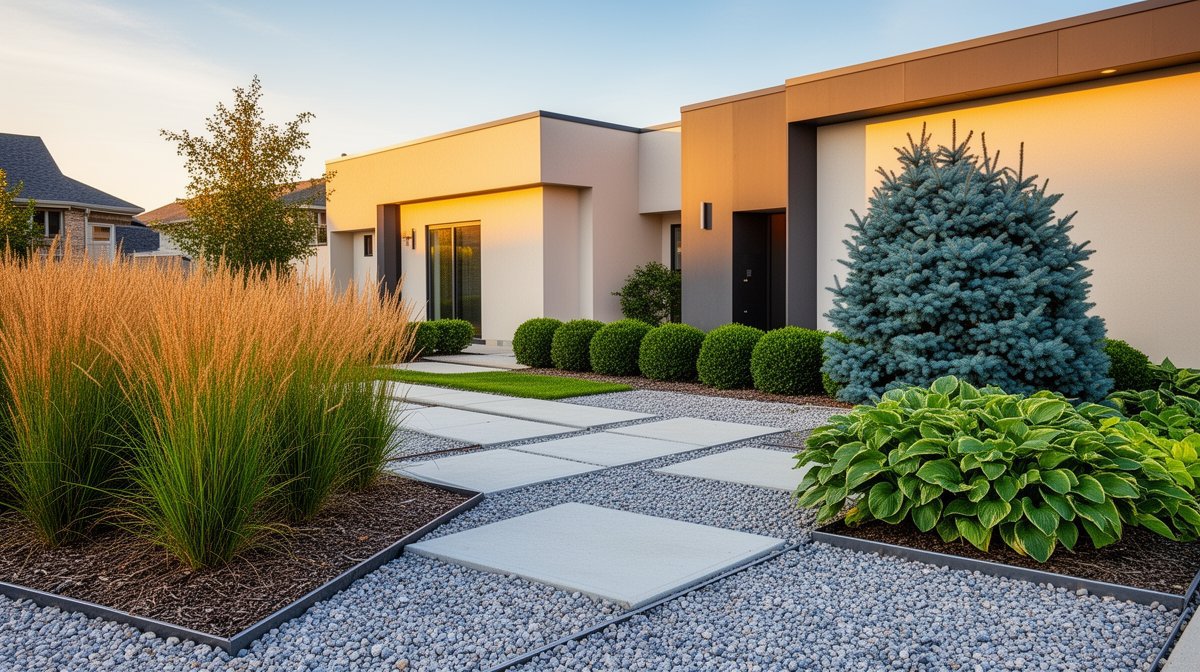
The Richwoods Ranch Gravel Front
$12–24/sqftThe front lawn of a long brick ranch is replaced with a grid of steel-edged beds and a field of crushed limestone, with big-format concrete pavers stepping from the drive to the door. Blocks of feather reed grass run along the house in full western sun, and a single multi-stem river birch stands off one corner of the facade. A turf strip along the drive is left for snow storage.

AI-generated image
The North Peoria Concrete Terrace
$22–45/sqftBehind a newer two-story house with big rear windows, a large sawcut concrete terrace steps down to the lawn in two wide levels, with a gas fire table at the lower one. Long, straight beds of switchgrass and little bluestem frame the edges and hold their shape through the winter. A row of columnar hornbeams screens the neighbor's yard along the back fence.

AI-generated image
The Bluff Lot Limestone Steps
$35–70/sqftA sloping lot above the Illinois River valley is cut into three flat terraces held by straight limestone retaining walls, with wide slab steps running up the middle. Each terrace is planted with a single grass in a block, so the slope reads as three clean bands from the street. Morning sun hits the slope and the walls hold the heat, which suits the prairie plants.

AI-generated image
The Warehouse District Courtyard
$30–55/sqftA small walled courtyard behind a brick loft gets a floor of dark concrete pavers, three tall Corten planters and a steel bench. The space is shaded by the buildings most of the day, so the planters carry shade-tolerant grass and sedge under a single serviceberry that turns orange in October. The brick walls are lit from below at night.
See how a modern/minimalist garden looks on YOUR property
Upload a photo of your Peoria yard and visualize your dream garden in seconds.
Try ProScapeAI Free

AI-generated image
Featured Trees & Shrubs for Modern/Minimalist Gardens
Browse all 169 plants for Peoria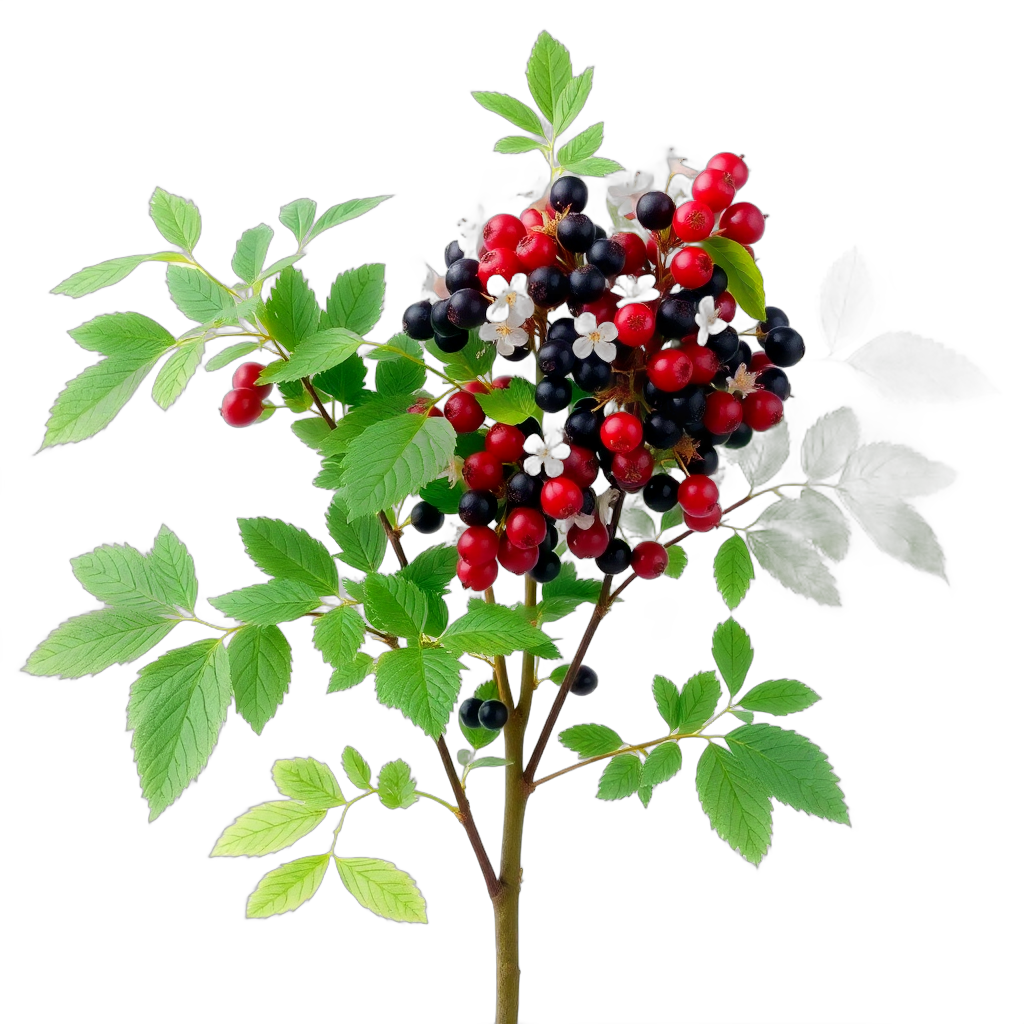
American Black Currant
Ribes americanum
grows to 5 feet, white,yellow blooms in spring. Attracts hummingbirds.
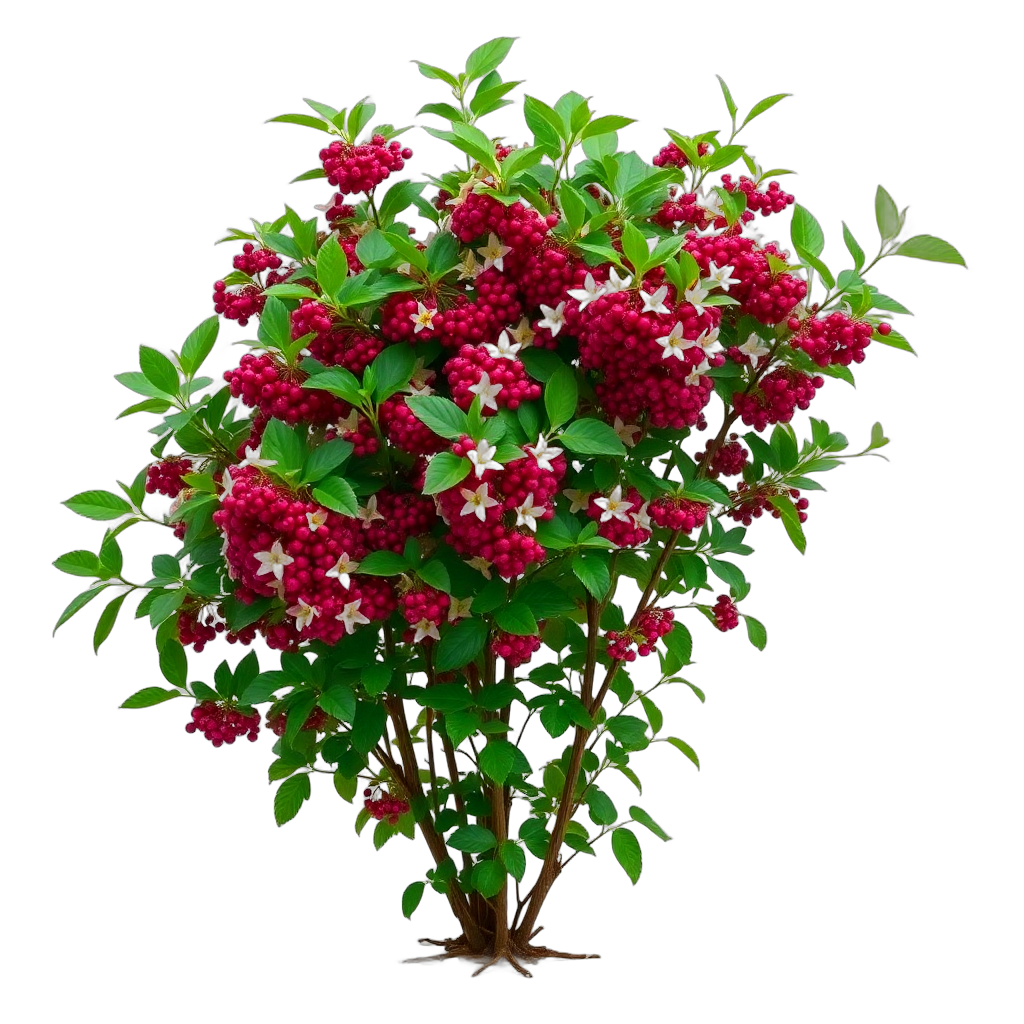
Clove Currant
Ribes odoratum
grows to 6 feet, yellow blooms in spring. Attracts hummingbirds.
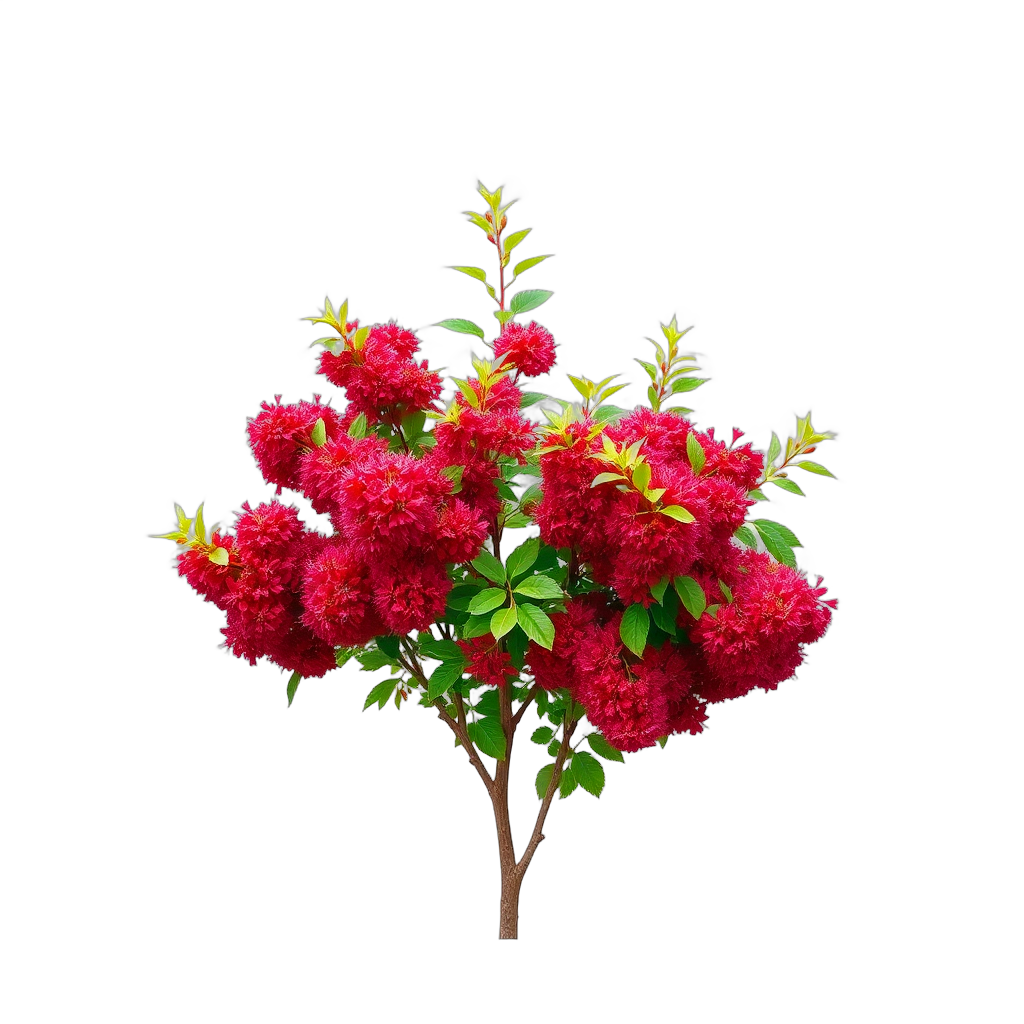
Fragrant Sumac
Rhus aromatica
grows to 4 feet, yellow blooms in spring. Attracts butterflies.
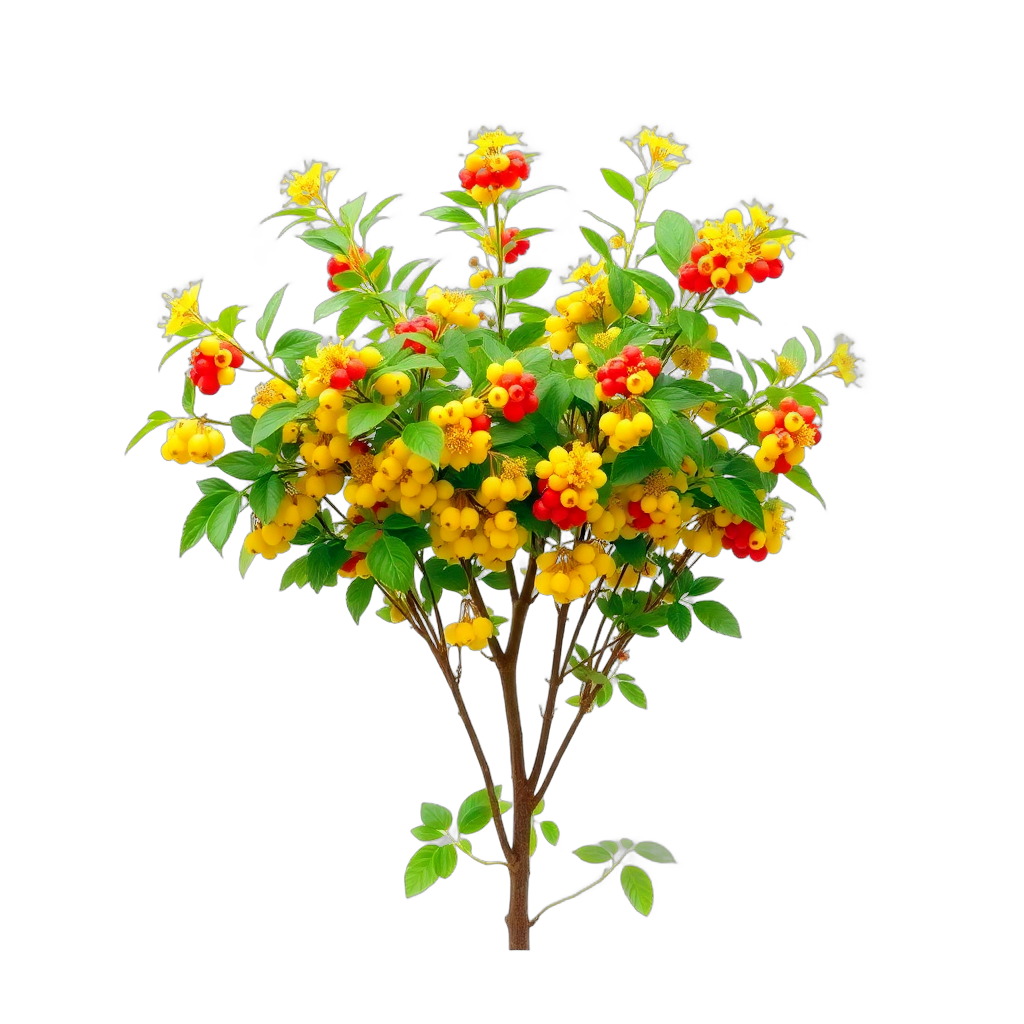
Golden Currant
Ribes aureum
grows to 6 feet, yellow blooms in spring. Attracts hummingbirds.
Featured Grasses & Groundcovers for Modern/Minimalist Gardens
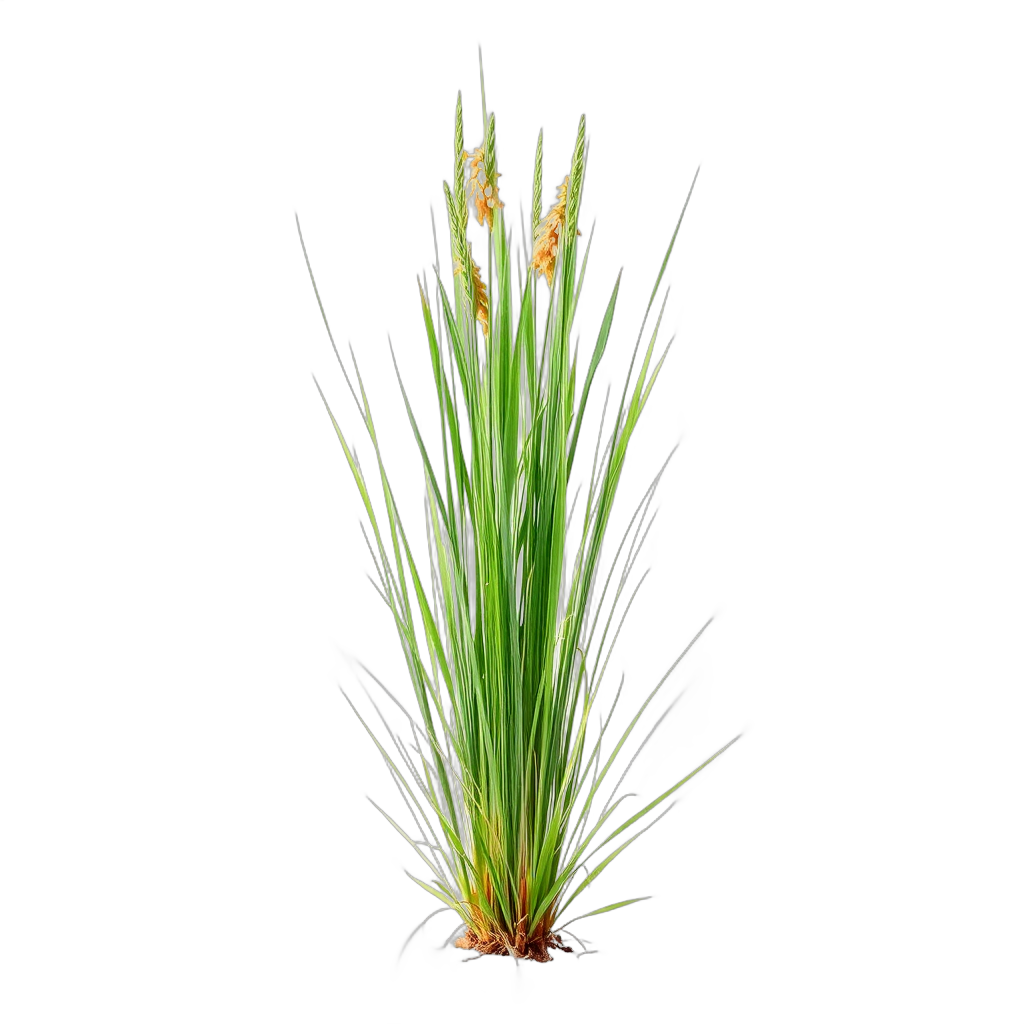
Eastern Gamagrass
Tripsacum dactyloides
grows to 6 feet, blooms in summer. Yellow fall color.
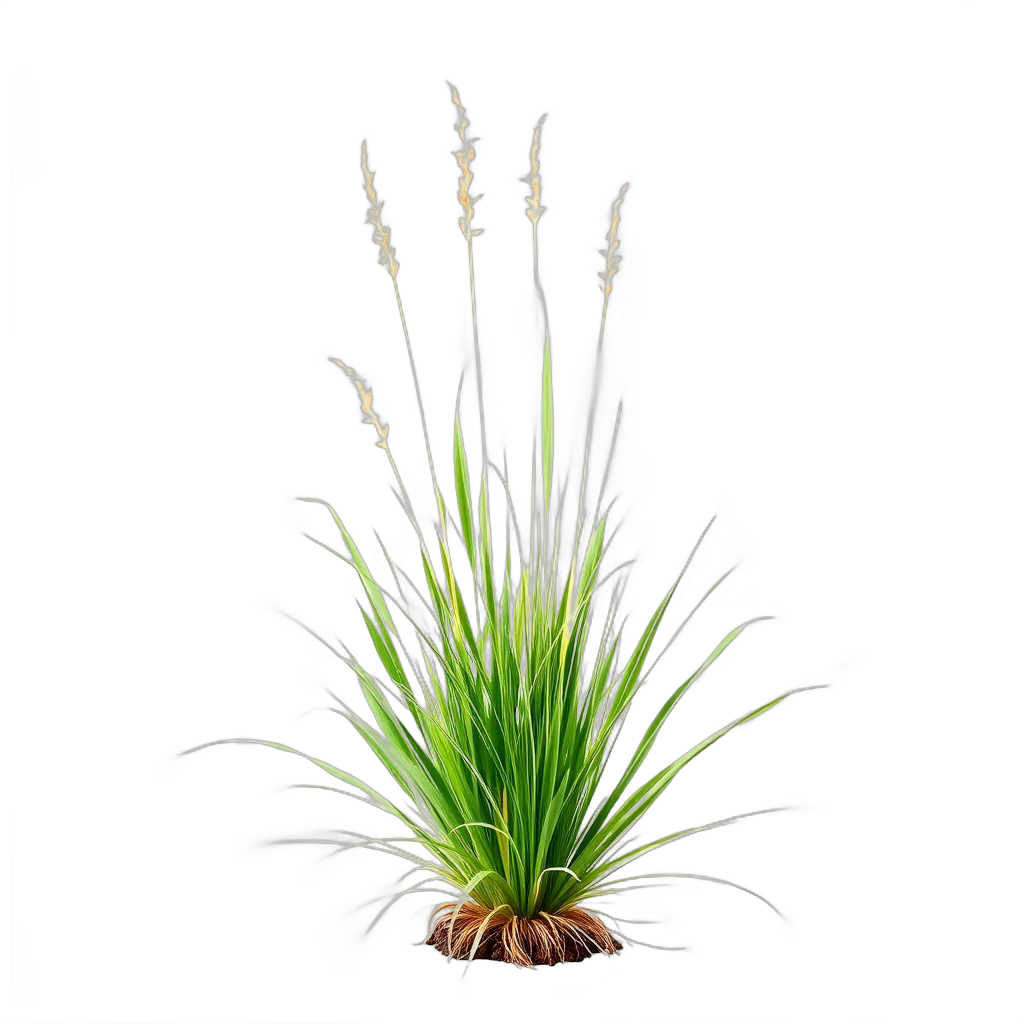
Northern Sea Oats
Chasmanthium latifolium
grows to 4 feet, blooms in fall. Bronze fall color.
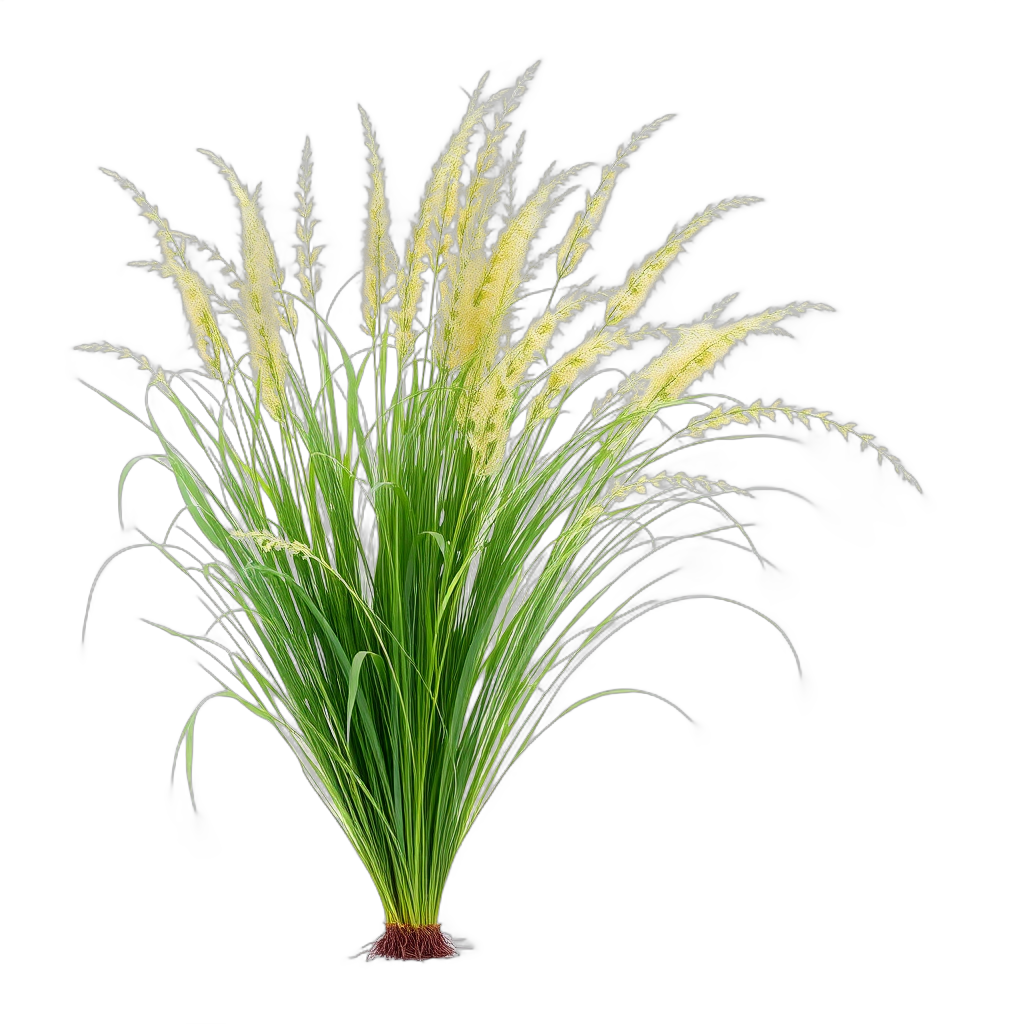
Adagio Maiden Grass
Miscanthus sinensis 'Adagio'
low-growing ground cover, pink blooms in summer. Orange fall color.
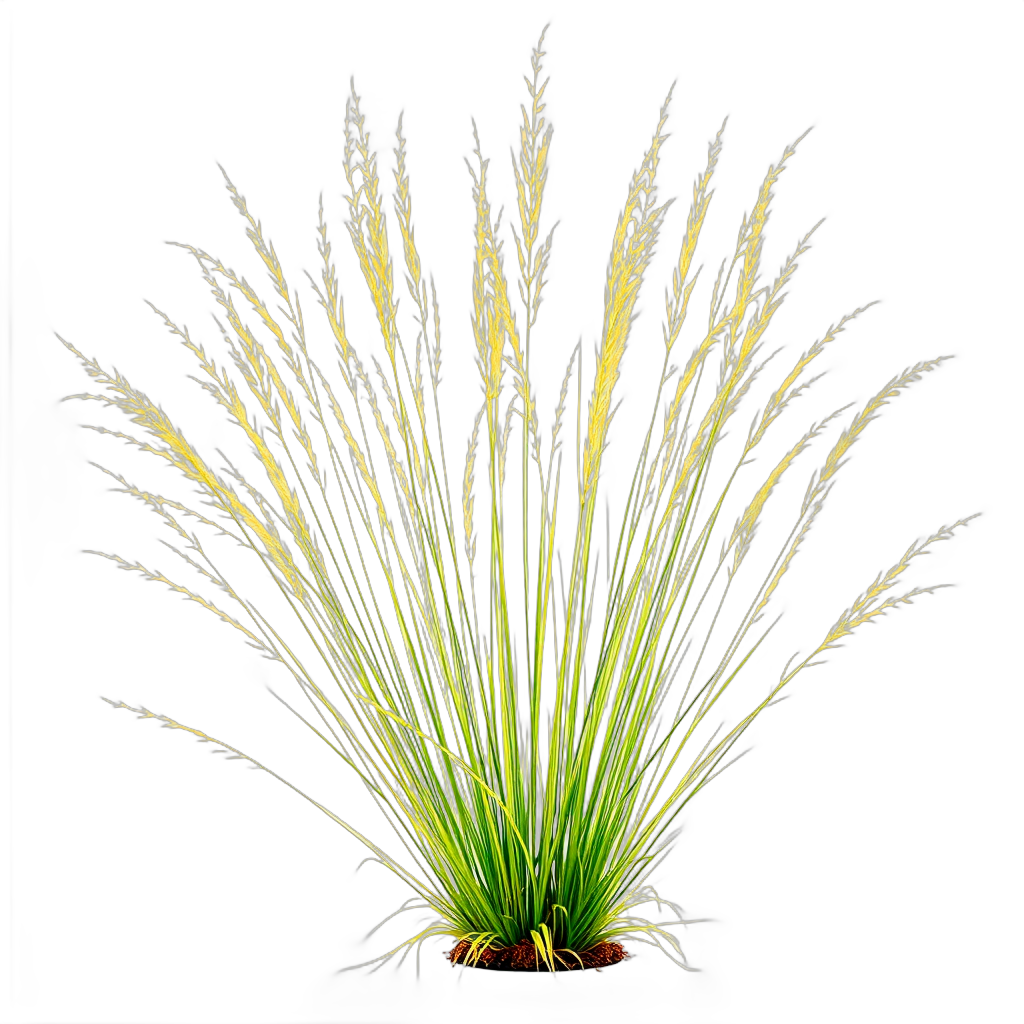
All Gold Japanese Forest Grass
Hakonechloa macra 'All Gold'
low-growing ground cover, blooms in summer.
Featured Flowers & Perennials for Modern/Minimalist Gardens
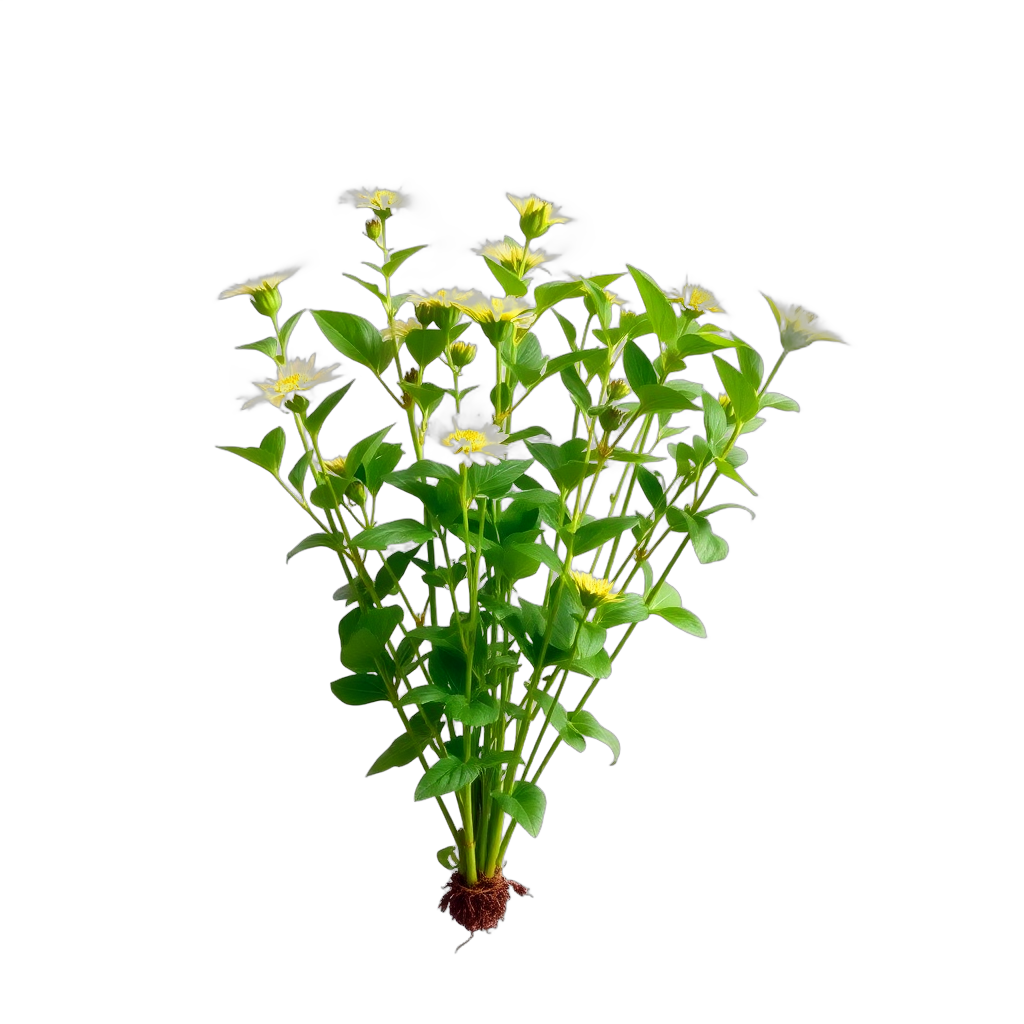
Cup Plant
Silphium perfoliatum
medium-sized at 7 feet, yellow blooms in summer. Attracts butterflies.
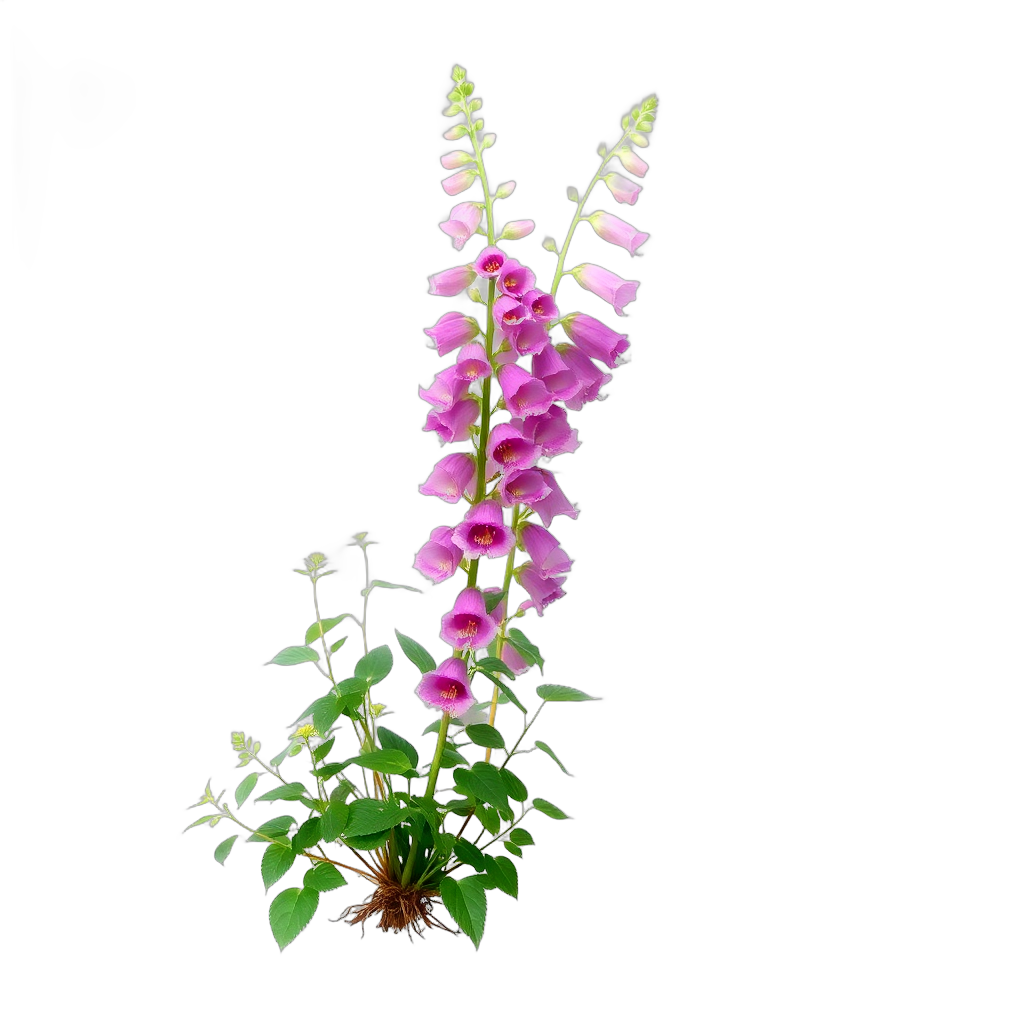
Foxglove Beardtongue
Penstemon digitalis
grows to 3 feet, white blooms in spring. Attracts hummingbirds.
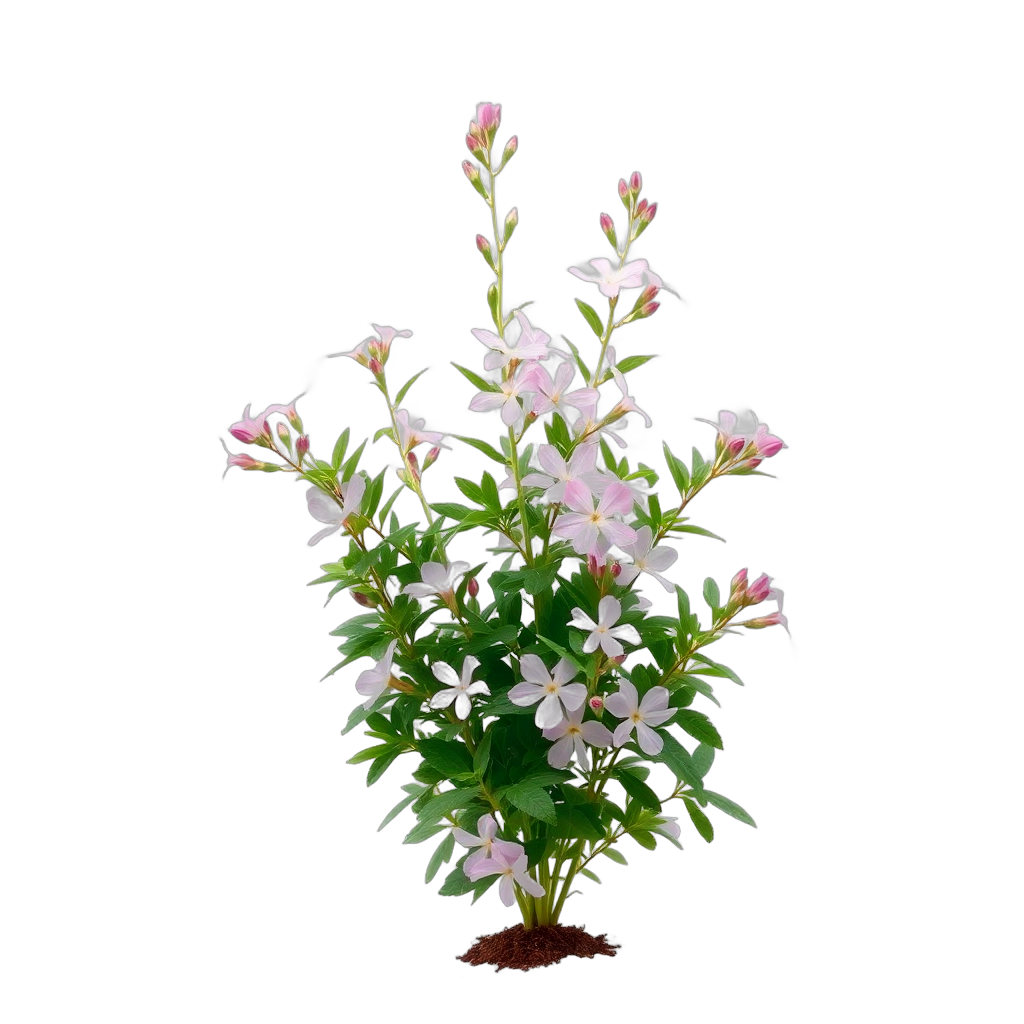
Garden Phlox
Phlox paniculata
grows to 3 feet, multi blooms in summer. Attracts hummingbirds.

Gloriosa Daisy
Rudbeckia hirta
low-growing ground cover, yellow blooms in summer. Attracts butterflies.
Zone and sun checks come from our database — confirm with your local nursery before you buy.
Bloom Calendar for Peoria
spring
Foxglove Beardtongue, American Black Currant, Clove Currantsummer
Cup Plant, Garden Phlox, Gloriosa Daisyfall
Northern Sea Oatswinter
Limited bloomsDesign Tips for Peoria (Zone 5b)
- Let the prairie do the modern work: Peoria sits in the Central US forest-grasslands transition, so Sporobolus heterolepis, Schizachyrium 'Standing Ovation' and Panicum 'Northwind' are native here and need no watering after year two on 37.55 inches of annual precipitation
- Design the sawcut joint grid before the pour; freeze-thaw cycles in the loess silt loam mean a large terrace needs control joints anyway, so make them the pattern
- Compact a crushed-limestone base under every paver and slab and specify air-entrained concrete; it is what keeps a central Illinois slab from scaling after its first few winters
- Leave a snow shelf: 26.2 inches of snow a year has to go somewhere, so keep a 3–4 foot turf or mulch strip along the drive and keep gravel fields and low edging out of the plow path
- Keep street-facing fences at 3 feet or lower; the City of Peoria fence guide caps front-yard fences and walls at that height, so tall modern screens belong in the back yard
- Terrace bluff slopes with straight limestone or concrete walls and drainage stone behind them; a planted bank of silt washes out in summer storms and is hard to mow
- Skip the blue Agave americana sold as a modern signature: it will not take a -15°F Zone 5b winter, while Yucca filamentosa 'Color Guard' and the native Opuntia humifusa will in sharp gravel
Where to Source Plants in Peoria
Skip the big-box stores. These independent Peoria nurseries specialize in the plants that make modern/minimalist gardens thrive in Zone 5b.
Hoerr Nursery
North Peoria (Shade Tree Drive)
Garden center for plants, trees and shrubs, with landscape design and build services and a StoneMarket for mulch, rock, sod and pavers
Old Heritage Garden Center
Pekin (VFW Road)
Grasses, perennials, shrubs and trees, plus a large yard of bulk landscape rock, boulders, flagstone and mulch with delivery, useful for gravel-and-grass modern yards
Washington Greenhouse
Washington (Centennial Drive)
Greenhouse growing annuals and perennials, with garden accessories
Modern/Minimalist Landscaping Costs in Peoria
| Project Scope | Estimated Cost |
|---|---|
| Front-yard turf conversion to crushed limestone and grass blocks (500 sqft) | $5,000 – $12,000 |
| Sawcut concrete terrace, air-entrained, on a compacted base (300–450 sqft) | $7,000 – $17,000 |
| Gas fire table with line run and seating area | $3,000 – $8,000 |
| Limestone retaining walls and slab steps on a bluff slope (60–120 face feet) | $5,000 – $14,000 |
| Prairie grass border, plugs and one-gallons installed (per 100 sqft) | $600 – $1,500 |
| Courtyard with Corten planters, pavers and lighting (200–400 sqft) | $7,000 – $20,000 |
| AI visualization (ProScapeAI) | Free to start |
Estimates based on Peoria, IL-area contractor rates as of 2026. Actual costs vary by site conditions, materials, and contractor.
Peoria Climate & Growing Zone
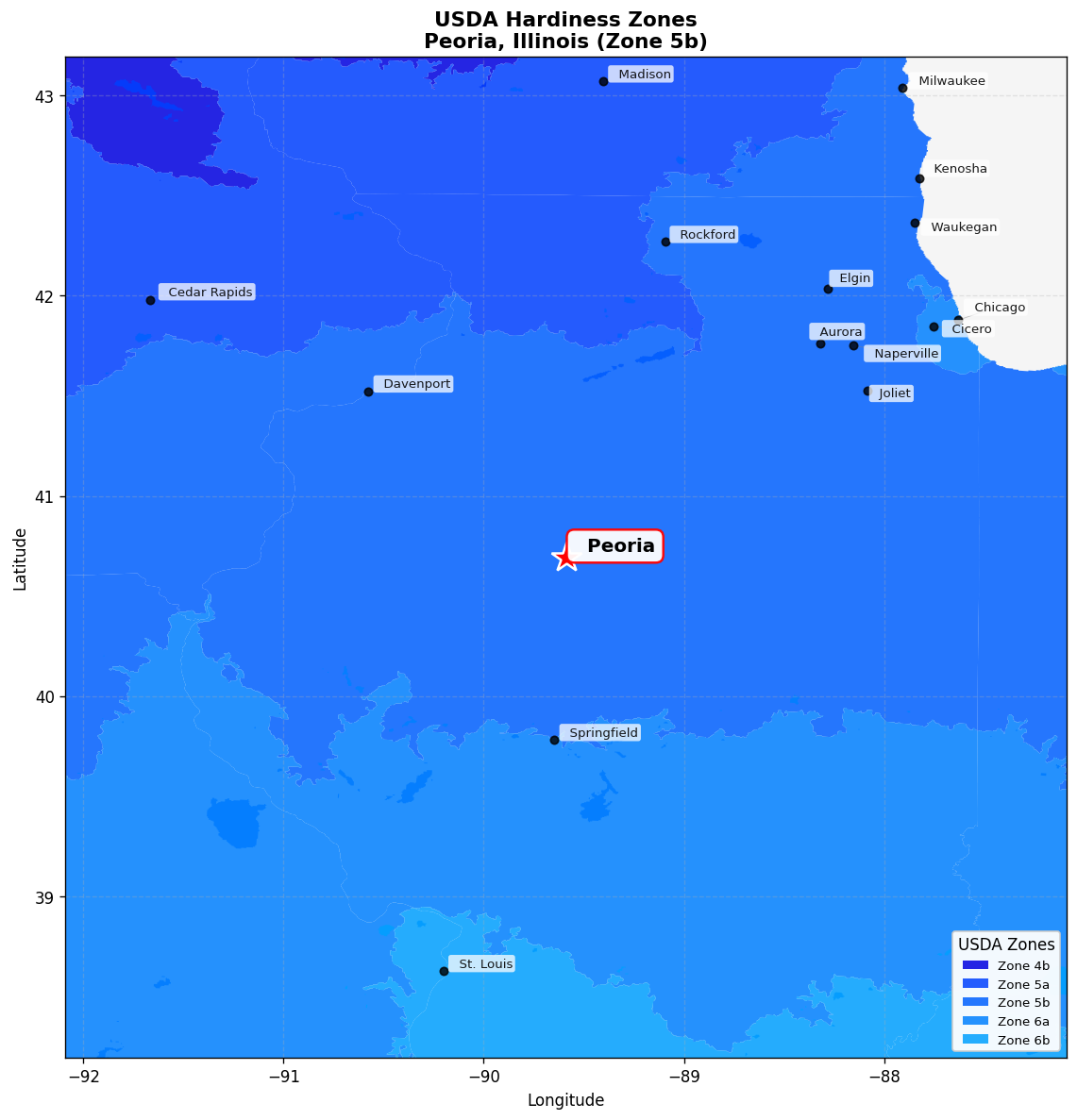
USDA Zone 5b
Hardiness zone for Peoria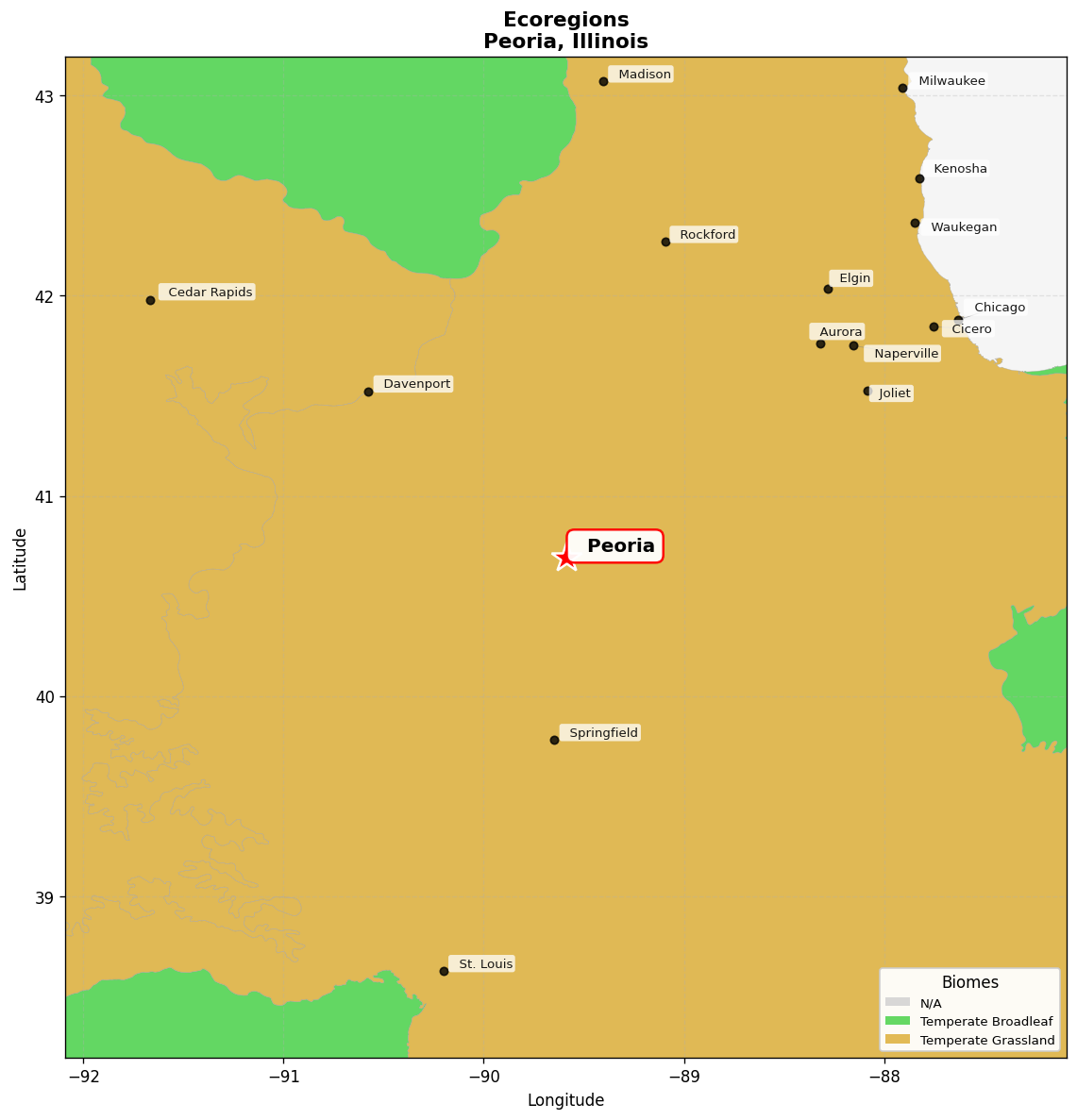
Central US forest-grasslands transition
Native ecoregionFrequently Asked Questions
How much does modern landscaping cost in Peoria?
Central Illinois install pricing runs below Chicago-area rates, so modern design goes further here. As a rough guide, a 500 sqft front-yard conversion with turf removal, crushed limestone, steel edging and grass blocks runs about $5,000–12,000 installed. A sawcut concrete terrace of 300–450 sqft is about $7,000–17,000, and a gas fire table adds $3,000–8,000 with the line run. Straight limestone retaining walls on a bluff lot are the big cost, often $50–90 per face foot. A prairie border of Panicum 'Northwind' and Sporobolus heterolepis is cheap by comparison, which is why grasses do most of the work in a Peoria budget.
Is a modern landscape low maintenance in Peoria's climate?
Yes, if it is built on native grasses. With about 37.55 inches of precipitation a year, Sporobolus heterolepis, Schizachyrium 'Standing Ovation' and Calamagrostis 'Karl Foerster' need no regular watering after the second summer. The yearly work is one cutback in late March, a rake and top-up of the gravel after snowmelt, and pulling a few weeds in May. Clipped hedges and lawn are the high-maintenance parts, so keep them small.
Which grasses stay standing through a Peoria winter?
The upright ones. Panicum virgatum 'Northwind' and Calamagrostis × acutiflora 'Karl Foerster' stand through most snow and give the yard its winter shape. Schizachyrium scoparium 'Standing Ovation' was bred not to flop and keeps a copper color all winter. Sporobolus heterolepis stays lower and softer. Leave them all up until late March, then cut to 4–6 inches before new growth starts.
When is the best time to install a modern landscape in Peoria?
Late April through early June and September through mid-October. The average last freeze is April 16 and the first is October 23. Warm-season grasses like Panicum and Schizachyrium root best when planted in spring into warm soil, while Calamagrostis and trees also do well in September. Concrete is usually poured from spring to late fall, before hard freezes set in. Book hardscape over the winter, because spring calendars fill early.
Do I need a permit for a fence or wall in Peoria?
Check with the City. Its fence and wall guide caps front-yard fences and walls at 3 feet and rear-yard fences at 6 feet, bans chain link in residential front and corner side yards, requires corner side-yard fences to sit 10 feet back from the property line, and keeps any fence or wall at least 3 feet from the house. A 6-foot horizontal-board privacy screen at the back is fine; a tall steel screen at the front is not. For retaining walls, pools, decks and anything else, call the Development Center at (309) 494-8600, and call JULIE before any digging.
Can a gravel or succulent front yard survive a Peoria winter?
Gravel yes, most succulents no. Use angular crushed limestone that locks in place instead of round pea gravel that travels under a shovel. Pick only plants rated for -15°F: Yucca filamentosa 'Color Guard', Opuntia humifusa and Sempervivum all qualify; Agave americana does not. Set them in raised pockets of coarse sand and grit above the silt loam, because wet winter soil kills them before the cold does. Crushed limestone can nudge soil pH up where it washes in, so test pH through University of Illinois Extension before planting a Betula nigra 'Heritage', which prefers slightly acid ground, beside a limestone field.
How do I build a modern yard on a steep bluff lot?
Turn the slope into flat terraces with straight walls. Sawn limestone or poured concrete walls with crushed-stone drainage behind them hold the loess soil far better than a planted bank, and each terrace can carry one grass in a block for a clean banded look. Put footings below the frost line and get an engineer for any wall that holds back a lot of soil. Ask the City what review a wall of your height needs before you build.