4 Modern Landscape Ideas for Charleston, SC | Zone 9a Design
Native plants from the Southeast US conifer savannas (Zone 9a) — Humid subtropical climate
Why Modern/Minimalist Gardens in Charleston?
Modern landscape design has a real foothold in Charleston, and it is not fighting the city's history so much as borrowing its geometry. The Charleston single house already gives you the essential modern move - a long, narrow, walled outdoor room running down one side of the building - and the contemporary stock filling in around it has taken the hint: the black-window farmhouses of Daniel Island and Carolina Park, the flat-roofed infill and gut renovations of Wagener Terrace, North Central and Park Circle, and the glass-and-white-siding rebuilds going up all over James Island and Mount Pleasant after each round of storms. What all of these share is a clean facade that a disciplined planting can amplify, and a canopy of Quercus virginiana that no other modern-garden city can offer.
Zone 9a is the quiet advantage. Winter lows of roughly 20-25°F mean the sculptural, evergreen plants that modern design runs on are permanent residents rather than annual purchases: Sabal palmetto, Agave ovatifolia, Yucca gloriosa 'Variegata', Hesperaloe parviflora and Podocarpus macrophyllus all hold their form through January, and Muhlenbergia capillaris - the sweetgrass of the local basket trade - turns entire beds pink for six weeks each October. The constraint is the opposite of the desert cities whose look this style borrows. Charleston takes about 50 inches of rain a year on sandy fill over pluff mud with a water table that can sit eighteen inches down, so every agave, aloe and echeveria in a gravel garden here has to sit in a bed raised at least eight inches and backfilled half-and-half with granite grit. Planted at grade in native sand that stays saturated for three days after a storm, they rot by their second winter - not from cold, but from wet feet.
Salt air rewrites the materials list. Weathering steel edging and Corten planters, the default of modern gardens everywhere else, corrode fast within a mile of the harbour and bleed rust stains across pale concrete for years; powder-coated aluminium and 316 stainless are the durable substitutes, and black powder-coated steel edging holds up well enough further inland. Broad concrete terraces grow algae in the shade of a live oak, so specify a broom or shot-blast finish rather than a smooth trowel and budget an annual soft wash. Pale gravel and light pavers throw a hard glare in a city that sees July highs near 91°F, which is the strongest argument for keeping every oak on the lot: the canopy is what makes a big concrete terrace usable from June through September.
Two local rules will shape the plan before the first line is drawn. The City of Charleston protects grand trees of roughly 24 inches trunk diameter and up, which means the terrace edge, not the tree, is the thing that moves, and no grade change belongs inside the drip line. Second, this is a city with dozens of tidal-flooding days a year and correspondingly serious stormwater and impervious-coverage expectations, so confirm the lot coverage of any large slab or pool deck with the city early, and design permeable joints, gravel fields and planted swales into the scheme rather than bolting them on later. Do the planting in October and November while the soil is warm, and the grasses will be full-sized by their first autumn.
4 Modern/Minimalist Design Ideas for Charleston

The Board-and-Batten Entry Walk
$14-26/sqftA white board-and-batten two-storey with black-framed windows and a cedar-clad entry bay, fronted by a walkway of large sawn concrete slabs that runs dead straight from the sidewalk to the front step. Low black bollard lights punctuate the walk at even intervals, and the beds flanking it are simple and rhythmic: tawny mounded grasses alternating with upright violet flower spikes over dark pine-bark mulch, with a tight clipped row tucked against the foundation. Two crisp lawn panels sit either side, and a young live oak throws its shadow across the left half of the facade. The whole design is four moves - straight walk, repeated light, two plant textures, mown edge - which is exactly why it photographs so well at golden hour.

The Gravel Rosette Court
$12-24/sqftThe lawn is gone entirely at this low stucco mid-century ranch. In its place is a field of warm pea gravel, organised by black steel-edged rectangular beds set flush into it like trays, each planted with a controlled composition of blue-grey rosettes, burgundy-leaved forms and wispy tan grass tufts over dark mulch. A wide concrete slab path cuts to the recessed entry, more of the same rosettes are repeated in the foundation strip and in a raised planter to the right, and an enormous live oak arches over the roofline. Sharply raised, grit-backfilled beds are the entire trick - they let a desert composition survive fifty inches of Charleston rain.

The Live Oak Fire Terrace
$22-42/sqftA broad terrace of pale broom-finished concrete runs off a white siding rear elevation with black-framed sliding doors and a lit kitchen visible behind them. Four low black-and-teak lounge sofas face inward around a round concrete gas fire bowl, warm-white string lights sweep from the roofline out to a spreading live oak, and the terrace edge dissolves into loose tan grasses rather than a hard border. Beyond it a clipped hedge line closes the property and a strip of lawn holds the middle distance. It is the most repeatable outdoor room in Charleston: one paving material, one focal element, one soft edge, and a canopy tree doing the heavy lifting on comfort.

The Glass Wall Pool Court
$45-90/sqft (pool area inclusive)Photographed at dusk, a two-storey rear elevation of full-height glass throws warm light across a long rectangular pool set flush into a wide field of pale concrete. A linear gas fire table anchors a low sectional on the right, a single lounge chair sits on a small green panel, and the planting works entirely at the perimeter: uplit palmettos, spiky agave forms and tall feathery grasses running the full length of both fence lines. The design deliberately holds all the colour in the water and the windows and keeps the ground plane monochrome, which is what gives it the resort quality - and the fence-line grasses soften two long boundaries for a fraction of what a masonry wall would cost.
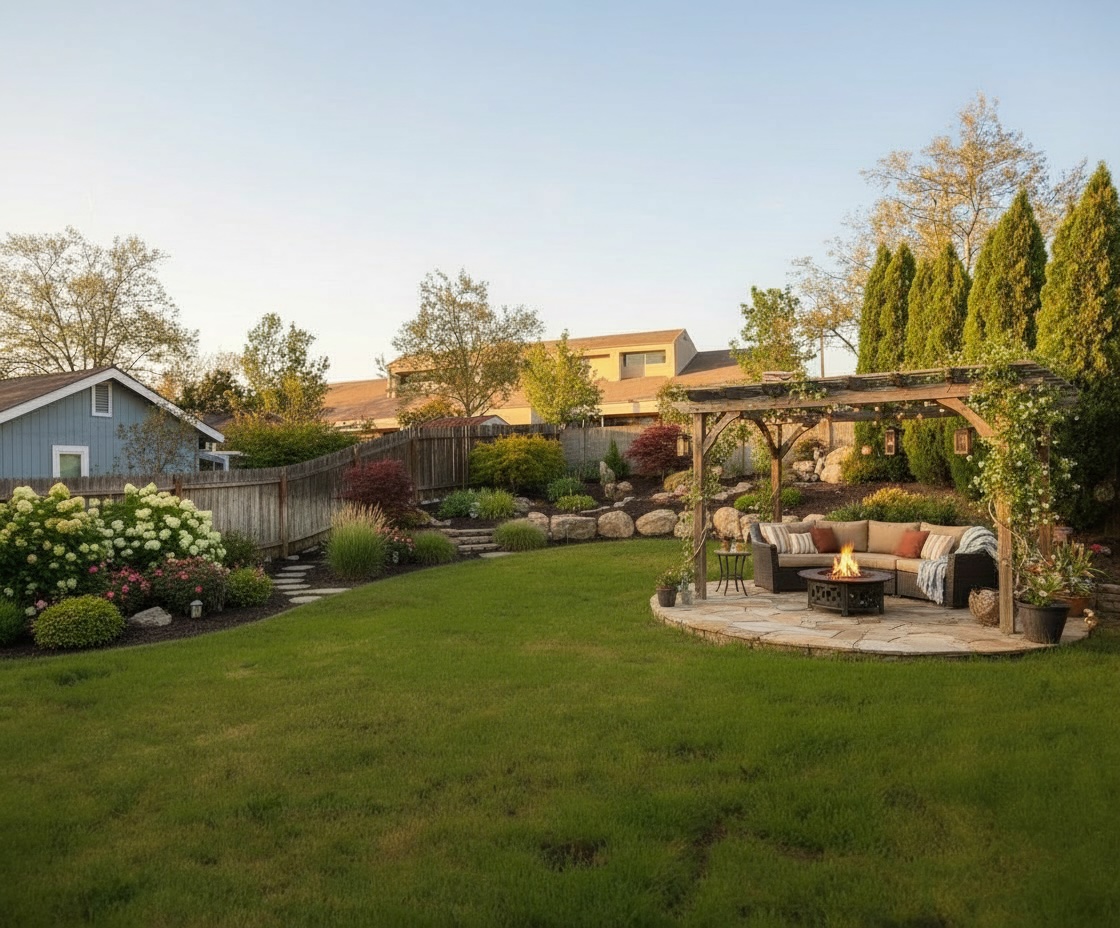
See how a modern/minimalist garden looks on YOUR property
Upload a photo of your Charleston yard and visualize your dream garden in seconds.
Try ProScapeAI Free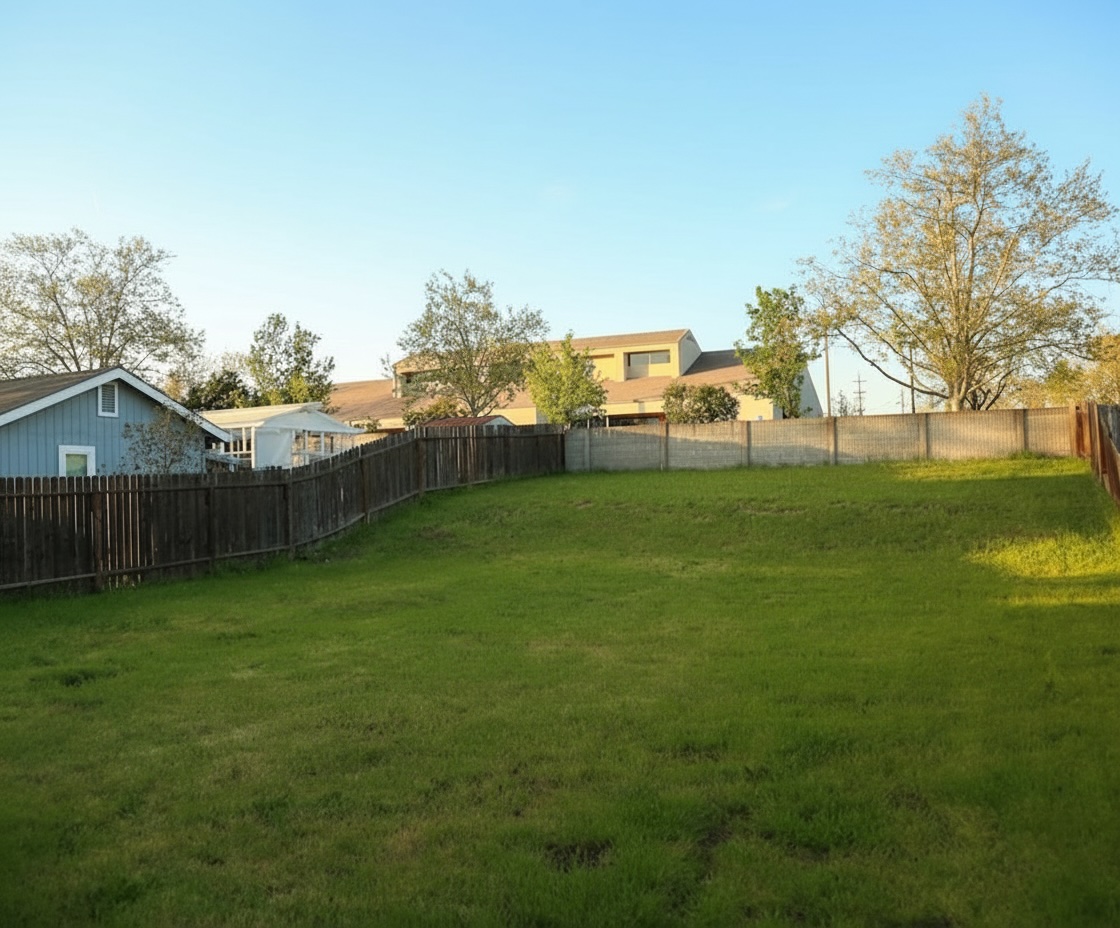
Featured Trees & Shrubs for Modern/Minimalist Gardens
Browse all 181 plants for Charleston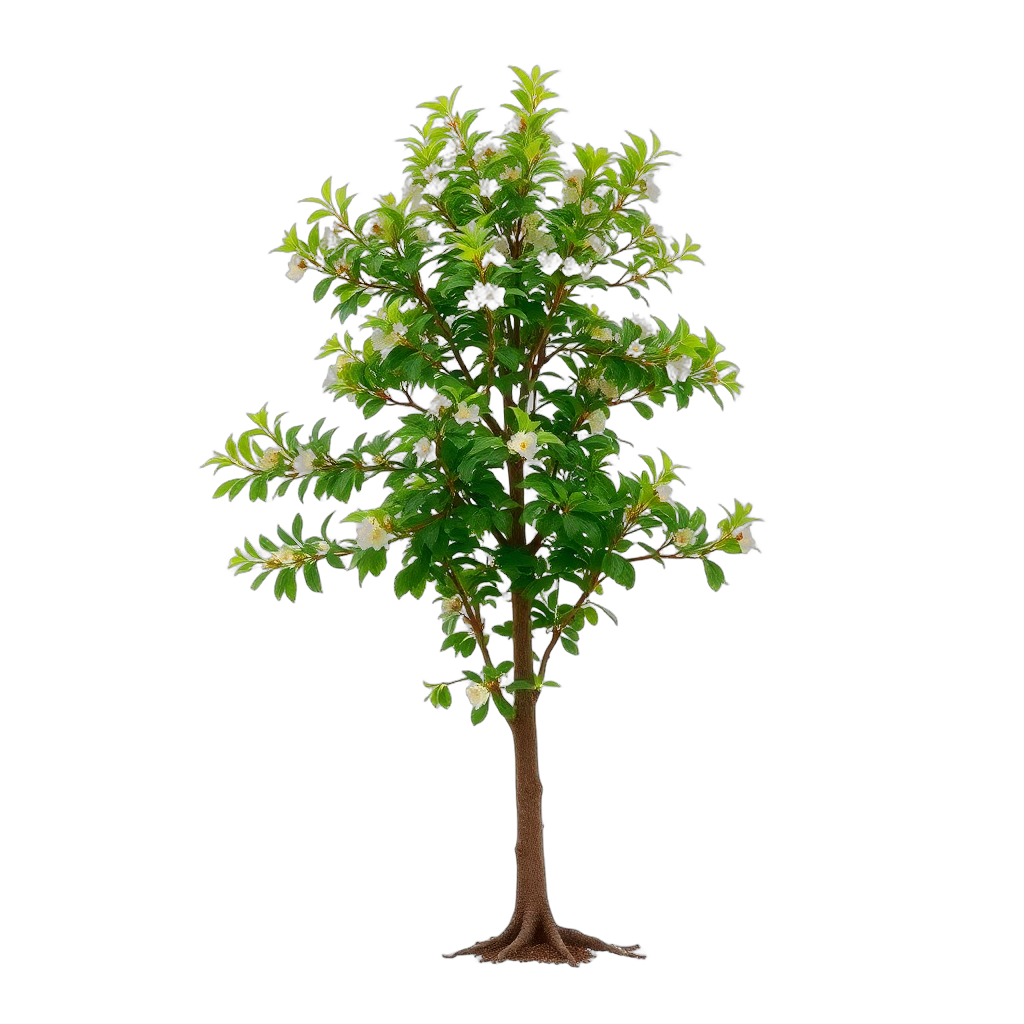
Buckwheat Tree
Cliftonia monophylla
medium-sized at 15 feet, white blooms in spring. Attracts butterflies.
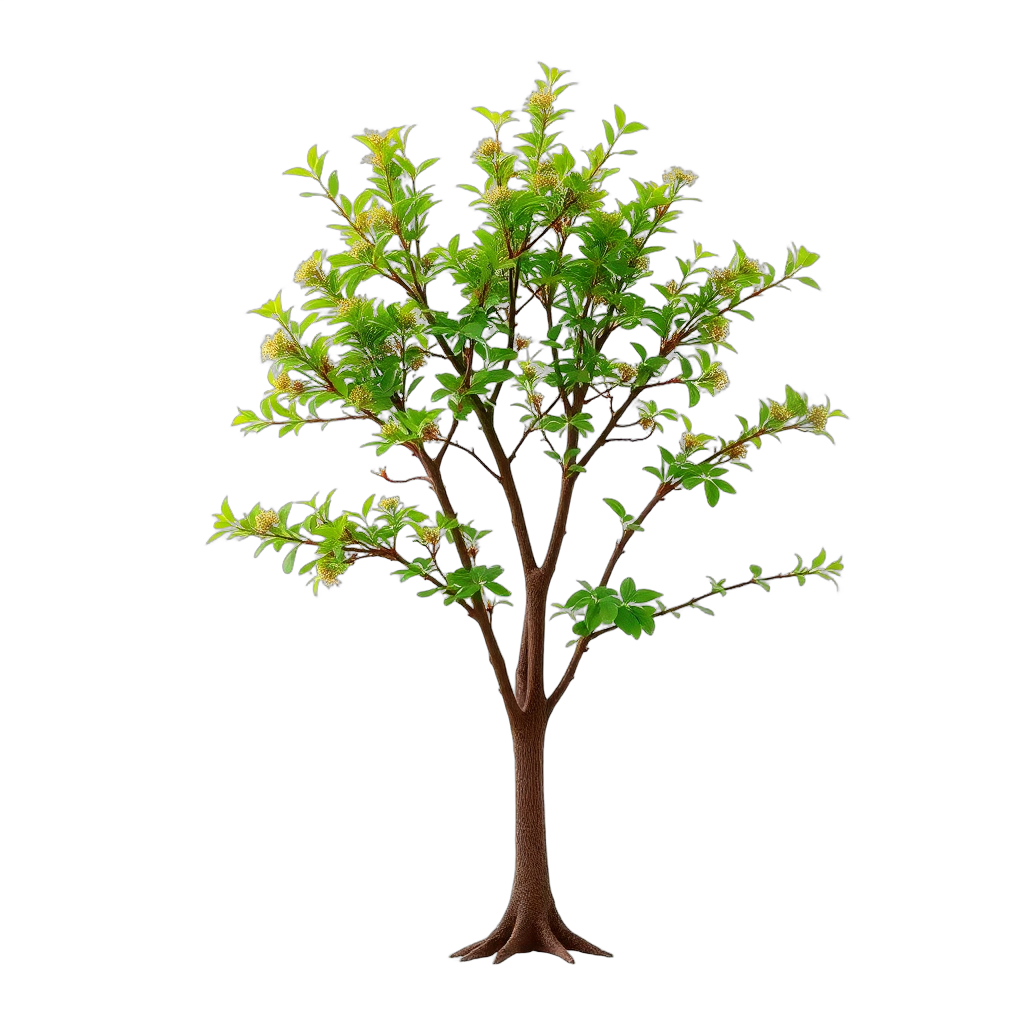
Fetterbush
Lyonia lucida
grows to 6 feet, white blooms in spring. Evergreen year-round.
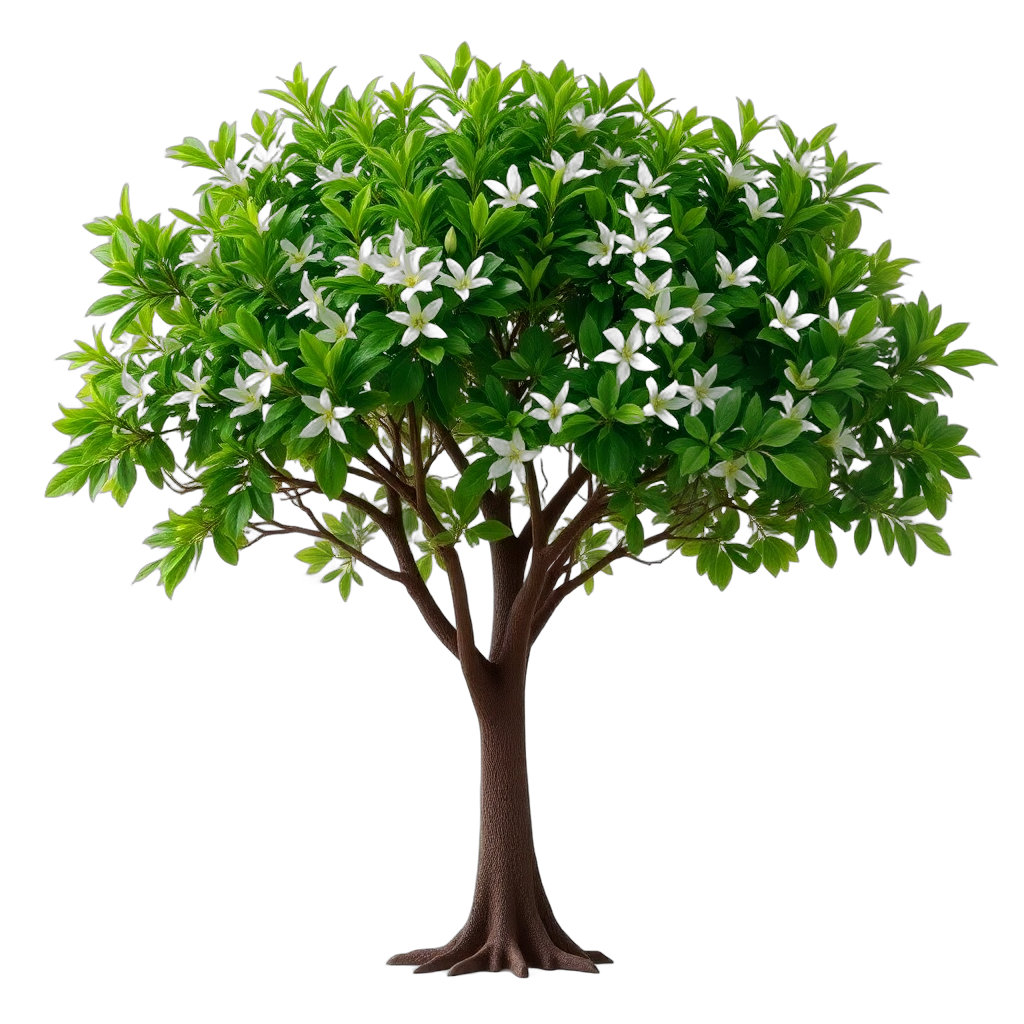
Florida Anise
Illicium floridanum
medium-sized at 8 feet, red blooms in spring. Evergreen year-round.

Inkberry
Ilex glabra
medium-sized at 8 feet, white blooms in spring. Pollinator-friendly.
Featured Grasses & Groundcovers for Modern/Minimalist Gardens

Pink Muhly Grass
Muhlenbergia capillaris
grows to 3 feet, pink blooms in fall.
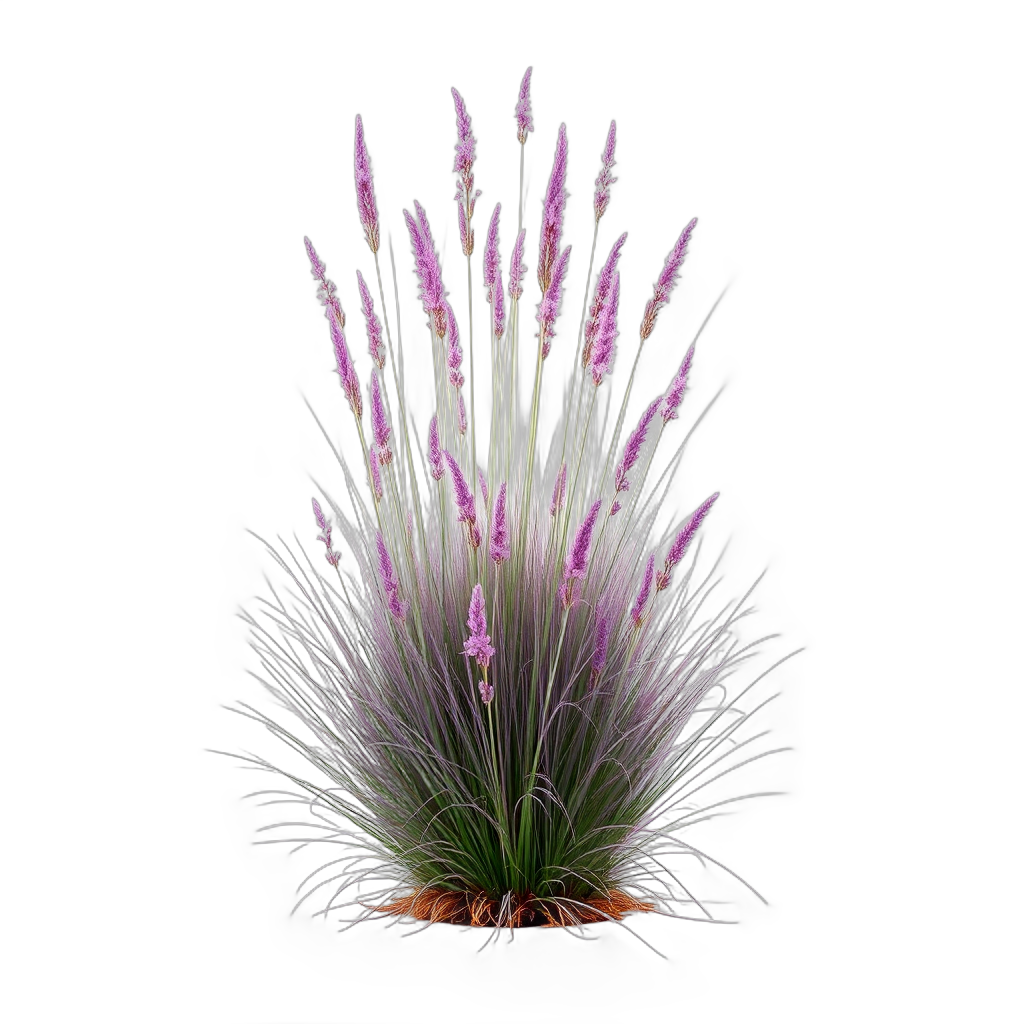
Purple Love Grass
Eragrostis spectabilis
low-growing ground cover, purple blooms in fall. Orange fall color.
Featured Flowers & Perennials for Modern/Minimalist Gardens
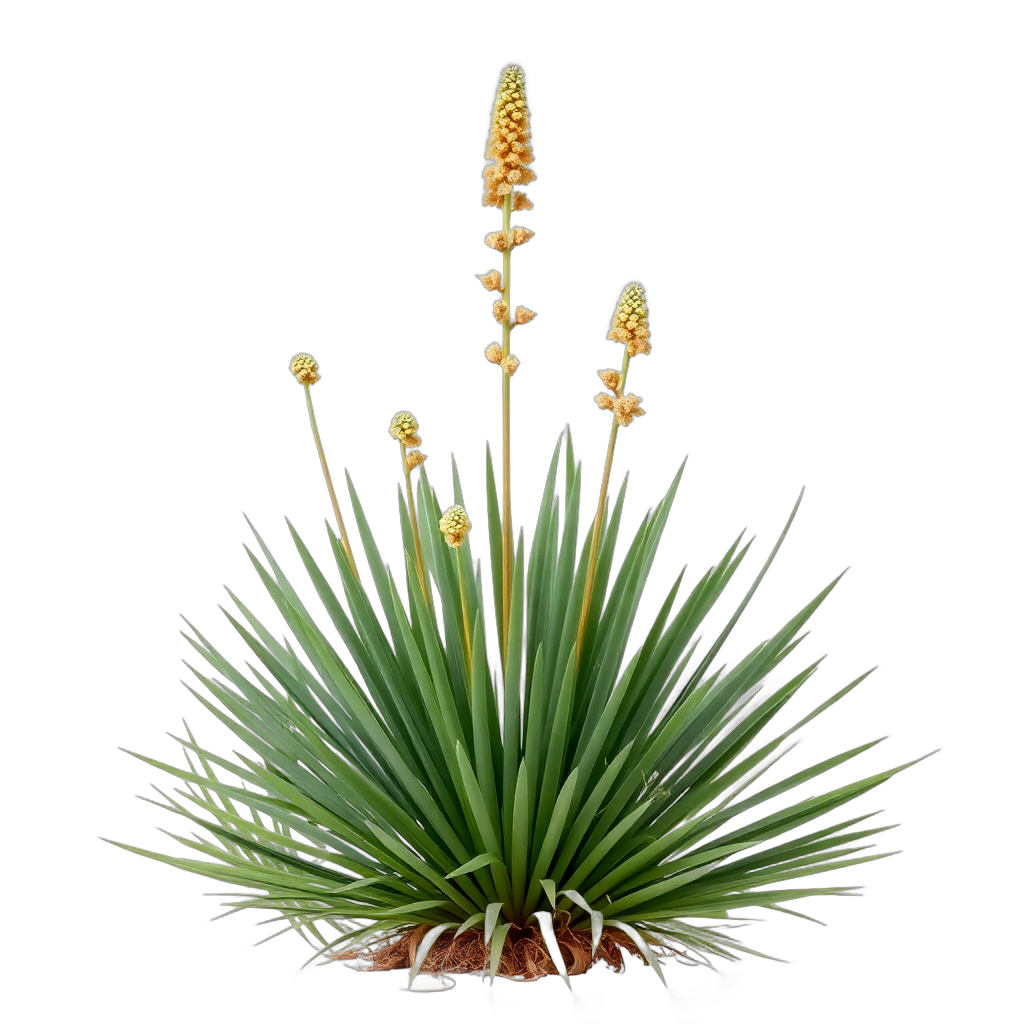
Adam's Needle
Yucca filamentosa
low-growing ground cover, white blooms in summer. Attracts hummingbirds.

Papyrus
Cyperus papyrus
grows to 5 feet, blooms in summer. Pollinator-friendly.

Water Hyacinth
Eichhornia crassipes
low-growing ground cover, purple blooms in summer. Attracts butterflies.

Water Plantain
Alisma plantago-aquatica
low-growing ground cover, white blooms in summer. Attracts butterflies.
Zone and sun checks come from our database — confirm with your local nursery before you buy.
Bloom Calendar for Charleston
spring
Buckwheat Tree, Fetterbush, Florida Anisesummer
Adam's Needle, Swamp Cyrilla, Loblolly Bayfall
Pink Muhly Grass, Purple Love Grasswinter
Limited bloomsDesign Tips for Charleston (Zone 9a)
- Raise every gravel-garden bed at least eight inches and backfill half granite grit - Charleston kills agaves with 50 inches of rain and a shallow water table, not with its 20-degree winter lows
- Skip weathering steel within a mile of the harbour; salt air pushes it past a stable patina and it bleeds rust across pale concrete, so use powder-coated aluminium and 316 stainless instead
- Specify a broom or shot-blast concrete finish, never a smooth trowel - under live oak canopy in Lowcountry humidity a slick slab grows algae in one season and stays slippery until it is washed
- Use Muhlenbergia capillaris where a Phoenix designer would mass agave: it is the local sweetgrass, it loves sand and humidity, and its October pink is the cheapest drama available in a Charleston modern garden
- Keep the live oak canopy in the plan and design the terrace around it - a large pale concrete surface in full sun is unusable here from June through September, and the city protects grand trees of roughly 24 inches diameter and up anyway
- Build permeability into the ground plane from the start - gravel fields, wide open joints and planted swales - because a city with dozens of tidal-flooding days a year takes lot coverage and stormwater seriously
- Uplight the palmettos and the grasses rather than the lawn; marine-grade fittings and low-voltage runs above the water table give eight months of usable evening garden and survive the salt air that eats cheap fixtures in two seasons
Where to Source Plants in Charleston
Skip the big-box stores. These independent Charleston nurseries specialize in the plants that make modern/minimalist gardens thrive in Zone 9a.
Meeting Green
Charleston Neck / upper Meeting Street
Independent plant shop and landscape studio stocking architectural specimens, sculptural containers and modern hardscape-friendly plant material
Brownswood Nursery
Johns Island
Grower and landscape nursery on Johns Island; specimen live oaks, palmettos, hedging material and large container stock for full-yard installs
Hyams Garden Center and Accent Store
James Island / West Ashley (Folly Road)
Independent Charleston institution since 1981 with one of the widest shrub, tree, tropical and water-plant selections on the peninsula side of the harbor
Terra Bella Garden Center
North Charleston (off Dorchester Road)
Independently owned garden center with strong perennial, herb and container selection plus bulk soil, compost and gravel by the yard
Abide A While Garden Center
Mount Pleasant (Highway 17 North)
Family-run Lowcountry garden center since 1972; deep bench of old garden roses, camellias, gardenias and Zone 9a perennials, plus a design and installation crew
Modern/Minimalist Landscaping Costs in Charleston
| Project Scope | Estimated Cost |
|---|---|
| Front yard conversion to gravel court with sculptural planting (500 sqft) | $7,000 - $16,000 |
| Sawn concrete slab entry walk with bollard lighting | $4,500 - $12,000 |
| Broom-finished concrete terrace, 300-450 sqft | $9,000 - $26,000 |
| Backyard fire terrace with gas fire bowl, seating and string lighting | $18,000 - $45,000 |
| Pool deck plus full modern backyard landscape and lighting | $90,000 - $220,000 |
| Raised aluminium or powder-coated planter beds, fabricated and filled | $700 - $1,800 each |
| AI visualization with ProScapeAI | Free to start |
Estimates based on Charleston, SC-area contractor rates as of 2026. Actual costs vary by site conditions, materials, and contractor.
Charleston Climate & Growing Zone
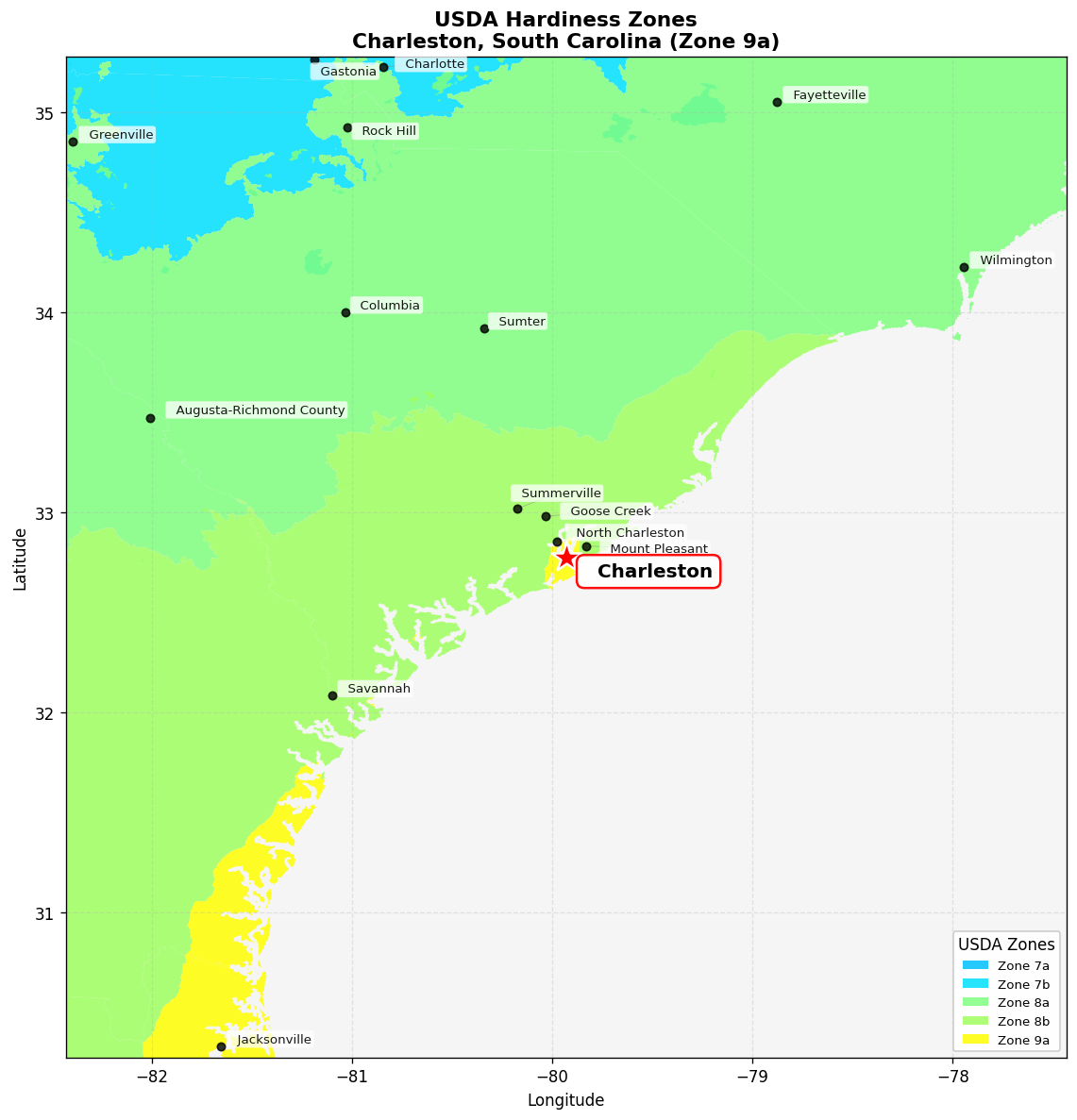
USDA Zone 9a
Hardiness zone for Charleston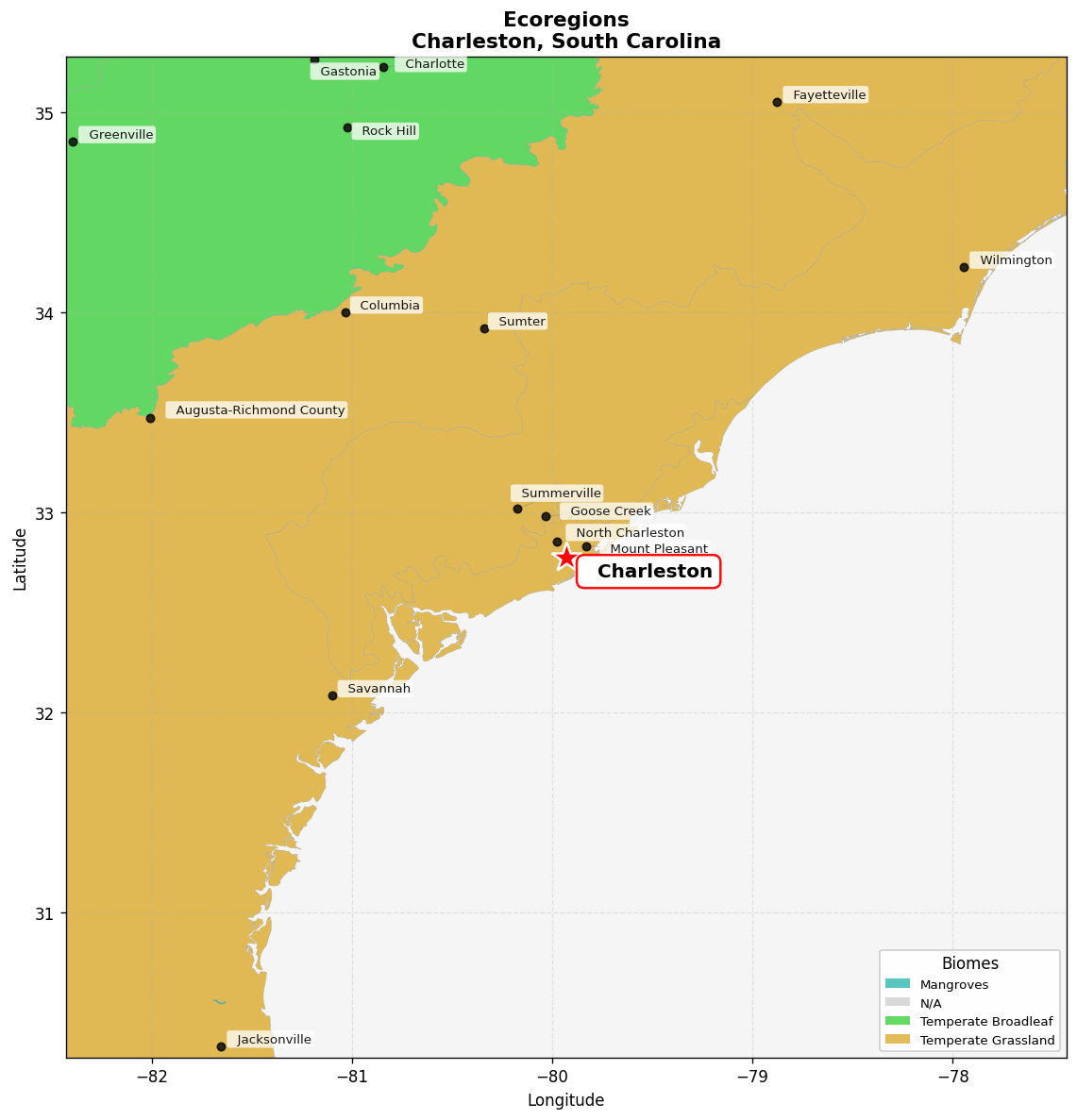
Southeast US conifer savannas
Native ecoregionFrequently Asked Questions
How much does modern landscaping cost in Charleston?
Expect roughly 5-15% above national metro averages, driven by tree protection, restricted access on peninsula lots and the cost of importing base stone and soil onto sand. A front-yard conversion of a 500 sqft lawn to a gravel-and-sculptural-plant scheme runs $7,000-16,000 installed. A broom-finished concrete terrace of 300-450 sqft with a gas fire bowl and lighting lands at $18,000-45,000. A full pool court with deck, fire table, fence-line planting and low-voltage lighting commonly runs $90,000-220,000 in Mount Pleasant, Daniel Island or on the islands. A DIY gravel field with steel edging and plants can be done for under $8/sqft if you haul your own stone.
Can agaves and other desert plants really survive Charleston's rain?
Yes, and cold is not the problem - Zone 9a lows of 20-25 degrees are comfortable for the hardy species. The problem is that 50 inches of rain lands on sand that sits over a shallow water table. Agave ovatifolia, Agave 'Blue Glow', Hesperaloe parviflora, Yucca gloriosa 'Variegata' and Aloe striatula are all reliable here provided they sit in beds raised at least eight inches and backfilled with roughly half granite grit or crushed stone, then top-dressed with gravel rather than bark so the crown never stays wet. Softer echeverias and aeoniums are best kept in raised planters or pots you can move under cover during a tropical system.
Should I use Corten or weathering steel in a Charleston modern garden?
Within about a mile of the harbour or the Ashley and Cooper, no. Chloride-laden air accelerates the corrosion past the stable patina stage, so weathering steel edging thins out faster than it should and, more visibly, bleeds rust down pale concrete and stucco that is very difficult to remove. Powder-coated aluminium edging and planters, 316 stainless fixings and black powder-coated steel are the durable substitutes and read almost identically in photographs. Further inland - Summerville, Nexton, Ladson - weathering steel behaves normally, though it is still worth keeping it off any surface you care about staining.
Which grasses give the best year-round structure in Charleston?
Muhlenbergia capillaris is the obvious local hero: it is the sweetgrass of the basket weavers, it thrives in sand and humidity, and its pink haze from early October into November is unmatched against pale concrete. Panicum virgatum 'Northwind' holds a strict upright column and does not flop in summer storms, Miscanthus sinensis 'Morning Light' gives the finest texture, and Lomandra longifolia 'Breeze' stays evergreen and tidy all winter, which matters in a modern scheme. Cut the deciduous grasses back once in late February. Avoid Pennisetum setaceum 'Rubrum', which is a spring-purchase annual here and never reads as permanent structure.
How do I stop a big concrete terrace turning green and slippery?
Specify the finish for the climate. Under a live oak in a city with 50 inches of rain and long humid summers, a smooth steel-trowelled slab will grow algae within a season; a broom or shot-blast finish gives grip and hides the film. Slope the slab a consistent quarter inch per foot away from the house, keep sawn control joints wide enough to drain, and plan on an annual soft wash in spring at roughly $0.25-0.60 per square foot. Leaf and pollen litter is what feeds the algae, so a terrace directly under a heavy canopy needs blowing weekly through March and April.
How does the grand tree ordinance affect a modern design?
It usually improves it. The City of Charleston protects grand trees of roughly 24 inches trunk diameter and above, and a mature Quercus virginiana is almost always the best thing on the lot, so the design should treat it as the fixed point and move the terrace instead. Practically: no grade change inside the drip line, no trenching for irrigation or lighting through the structural roots, and use a pier-supported or floating deck section if you must build near the trunk. Confirm anything that touches a protected tree with the city before you break ground, and get an arborist's plan for root protection during construction.
When should I schedule installation in Charleston?
October through early December is the best window for planting - soil is still warm, hurricane season is closing, and grasses and shrubs establish through the mild winter and hit their first summer already rooted. February and March is the second window. Avoid planting between June and September, when 91-degree afternoons and daily thunderstorms make establishment miserable and reliably delay concrete pours. Hardscape-only work runs all year here; there is effectively no frost depth on the coast, so concrete can be poured through most winters without cold-weather measures.