4 Cottage Garden Ideas for Charleston, SC | Zone 9a Design
Native plants from the Southeast US conifer savannas (Zone 9a) — Humid subtropical climate
Why Cottage/English Gardens in Charleston?
Few American cities were laid out more sympathetically to the English cottage garden than Charleston. The Charleston single house — one room wide, turned side-on to the street with its piazza and its walled side garden — is essentially an English garden room that someone accidentally built a house against, and the brick walls, wrought-iron gates and crushed-shell paths of South of Broad, Ansonborough, Harleston Village and Radcliffeborough give a loose, romantic planting exactly the hard frame it needs to stop reading as mess. Off the peninsula the same instinct plays out at a friendlier scale: the 1920s bungalows of Wagener Terrace and Hampton Park Terrace, the cottages of the Old Village in Mount Pleasant, and the ranch stock of Riverland Terrace and Byrnes Downs all take a picket fence, a rose arbour and a deep front border without a hint of self-consciousness.
The catch is that Charleston is not England, and a cottage garden planted from an English book will be half dead by the Fourth of July. This is Zone 9a — winter lows sit around 20-25°F, so tender things sail through — but July highs average near 91°F with dew points in the seventies, and roughly 50 inches of rain falls each year, most of it in violent summer afternoons. Lavandula angustifolia 'Hidcote' will melt in its second August; Lavandula x intermedia 'Phenomenal' and Lavandula dentata hold on far better in raised, gritty soil, and Nepeta racemosa 'Walker's Low' gives the same blue-grey ribbon with none of the drama. Delphiniums and true English foxgloves are cool-season annuals here, sown in October and finished by June. What Charleston gives back is enormous: old garden roses that shrug at heat and blackspot far better than modern hybrid teas, so Rosa 'Mrs. B.R. Cant', Rosa 'Louis Philippe' and Rosa 'Old Blush' flower nine months of the year, and Camellia sasanqua 'Yuletide' opens scarlet in December when the borders are asleep.
Then there is the soil, which is the most Charleston thing about gardening in Charleston. Peninsula and island lots are sand and fill over pluff mud with a water table that can be eighteen inches down, and centuries of oyster shell, tabby and lime mortar have left downtown ground distinctly alkaline — which is why Hydrangea macrophylla 'Nikko Blue' famously blooms pink here unless you acidify, and why Hydrangea quercifolia 'Snow Queen' is the easier oakleaf answer. Root-knot nematodes are endemic in that sand, salt spray reaches most of the harbour-side neighbourhoods, and dozens of king-tide days a year push brackish water into low streets. The fix is always the same: build beds up six to twelve inches, cut in compost and pine bark by the cubic yard, and mulch with pine straw rather than shredded hardwood, which floats away in a Lowcountry downpour.
Two local rules shape the design more than any plant choice. The City of Charleston protects grand trees of roughly 24 inches trunk diameter and up, and most cottage lots have a Quercus virginiana in that category — so no raising or lowering grade inside the drip line, and plan the border around the roots instead of through them. Second, in the Old and Historic District the Board of Architectural Review takes an interest in fences, walls, gates and anything else visible from the street, so confirm the design with the city before ordering a picket run. Plant in October and November while the soil is still warm and hurricane season is closing, and by the following April the garden will look ten years old.
4 Cottage/English Design Ideas for Charleston

The Rose Arbour Picket Entry
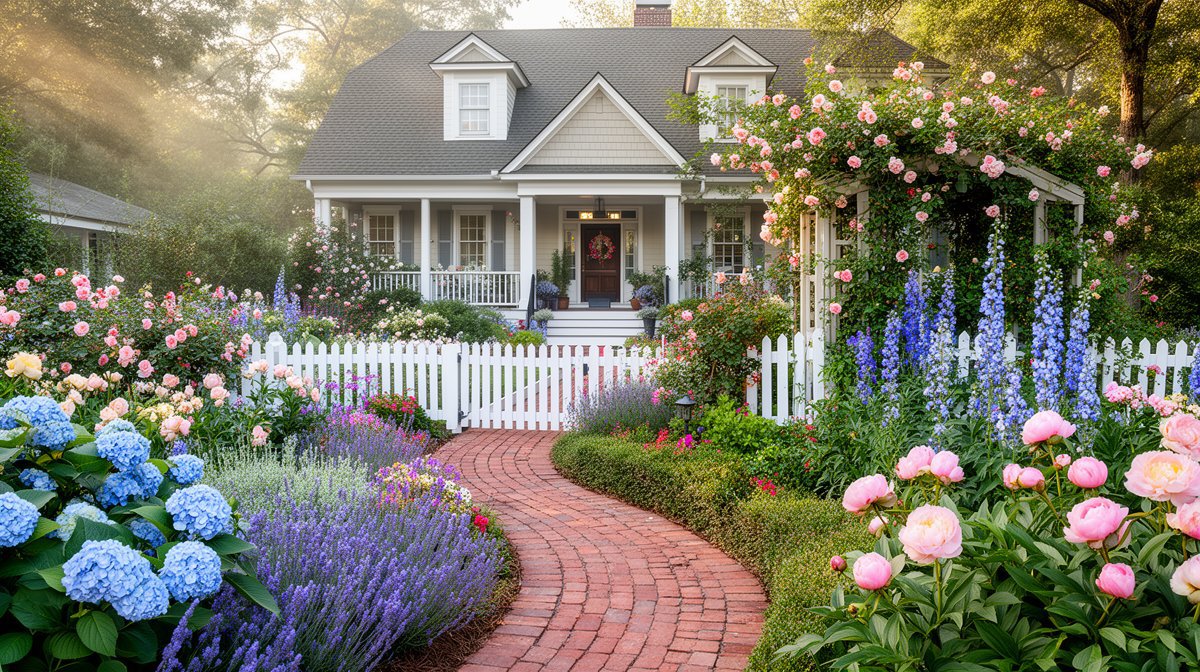
$18-32/sqftA cream clapboard two-storey with black louvred shutters sits behind a low white picket gate, and the gate itself disappears under an arbour smothered in blush climbing roses that carry right up over the porch roof. A herringbone brick walk runs straight from the sidewalk to the gate, edged on both sides by a continuous ribbon of grey-blue lavender, and behind the lavender the beds are banked with pink shrub roses at head height. Live oaks hung with Spanish moss close the scene overhead and throw the low golden light that makes this the most photographed kind of front garden in Charleston. It is a deceptively simple design: one path, one hedge of lavender, one rose colour, repeated with discipline.

The Porch Swing Border Garden
$16-28/sqftHere the lawn has been cut back to two small curved green panels and everything else is border. An irregular flagstone path curves from the driveway to a brick stoop, passing under an arch of white climbing roses, and on either side the planting is stacked in true cottage layers: spires of foxglove and pink and magenta snapdragon at the back, dahlias and roses through the middle, and a froth of low blue and yellow bloom spilling onto the stone. Hanging baskets swing from the porch beam above a white swing, and a mature live oak leans over the whole thing, which is the detail that makes it work in Charleston — the borders get morning sun and afternoon shade, the only way this much bloom survives a Lowcountry July.

The Bistro Circle Under the Roses
$22-40/sqftThe back garden's whole purpose is one small circle of irregular flagstone with a white cast-iron bistro table and two chairs on it, framed by a full arch of pink and cream climbing roses trained on slim metal supports. A flagstone path runs to it between two swelling banks of lavender, and beyond them the borders climb into foxglove spires, shrub roses and drifts of mixed bloom, closed at the back by a clipped hedge with a palmetto rising behind. Two lantern posts flank the arch. The design is a lesson in restraint: a very small paved area, a very generous planting, and one seating moment worth walking to.

The Rose Pergola Dining Garden
$20-38/sqftA white-painted pergola stands free in the corner of the yard with a weathered teak table for six beneath it and pink climbing roses running the full length of the beams. The floor under the pergola is fine gravel over a paver pad, the lawn beyond it is a simple oval, and a carved stone birdbath sits dead centre as the focal point. Borders wrap three sides against a pale sage board fence, mixing shrub roses, white and pink bloom and soft tufts of tawny grass, with lanterns on the table for the long Charleston evenings. This is the most practical of the four designs: real dining for six, shade from a structure rather than a tree, and beds that only need to look good from one side.
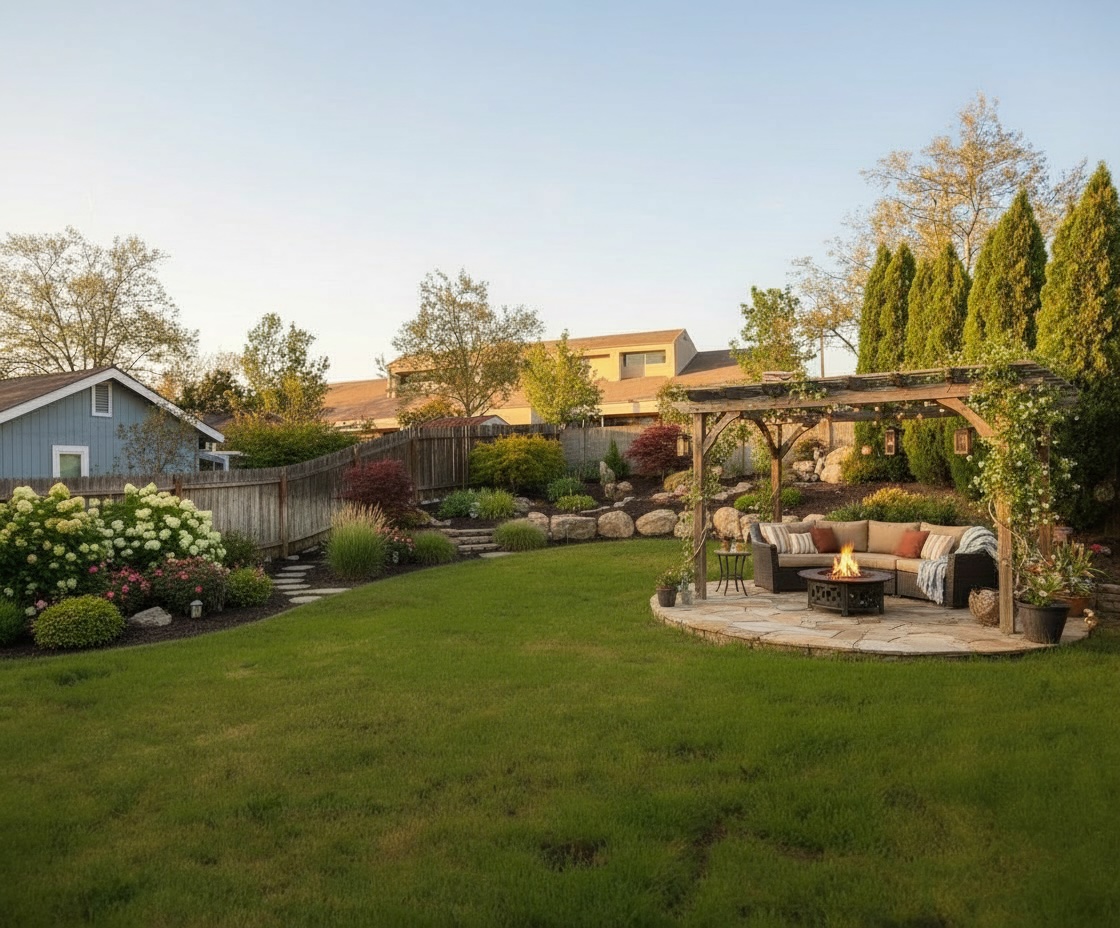
See how a cottage/english garden looks on YOUR property
Upload a photo of your Charleston yard and visualize your dream garden in seconds.
Try ProScapeAI Free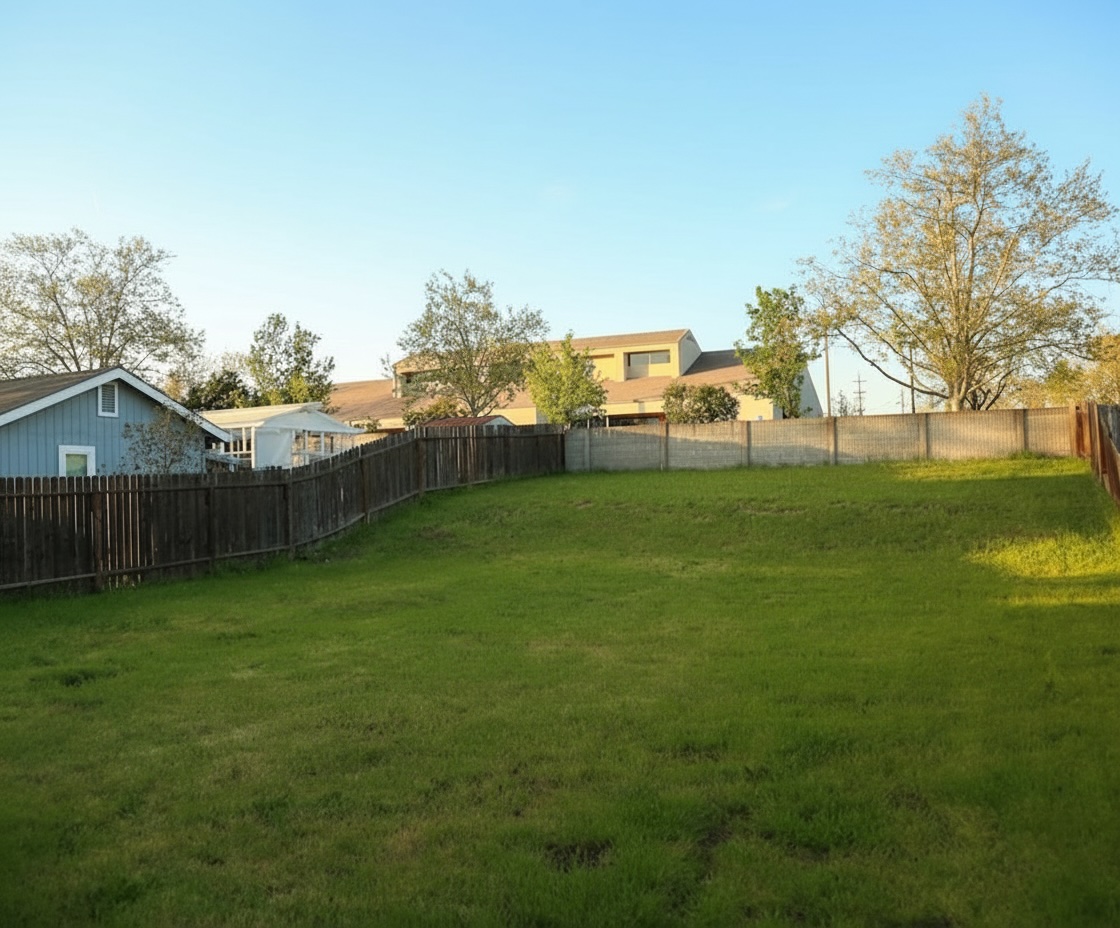
Featured Trees & Shrubs for Cottage/English Gardens
Browse all 181 plants for Charleston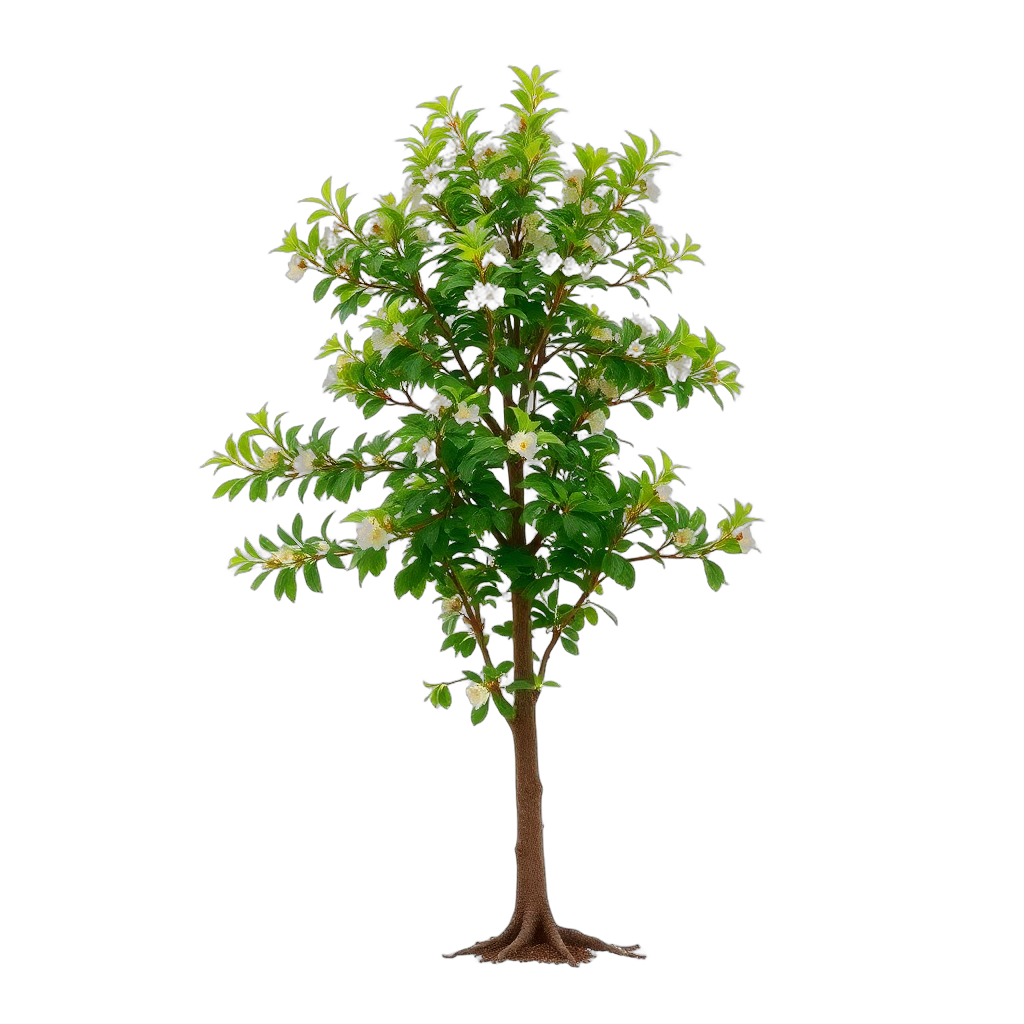
Buckwheat Tree
Cliftonia monophylla
medium-sized at 15 feet, white blooms in spring. Attracts butterflies.

Fetterbush
Lyonia lucida
grows to 6 feet, white blooms in spring. Evergreen year-round.
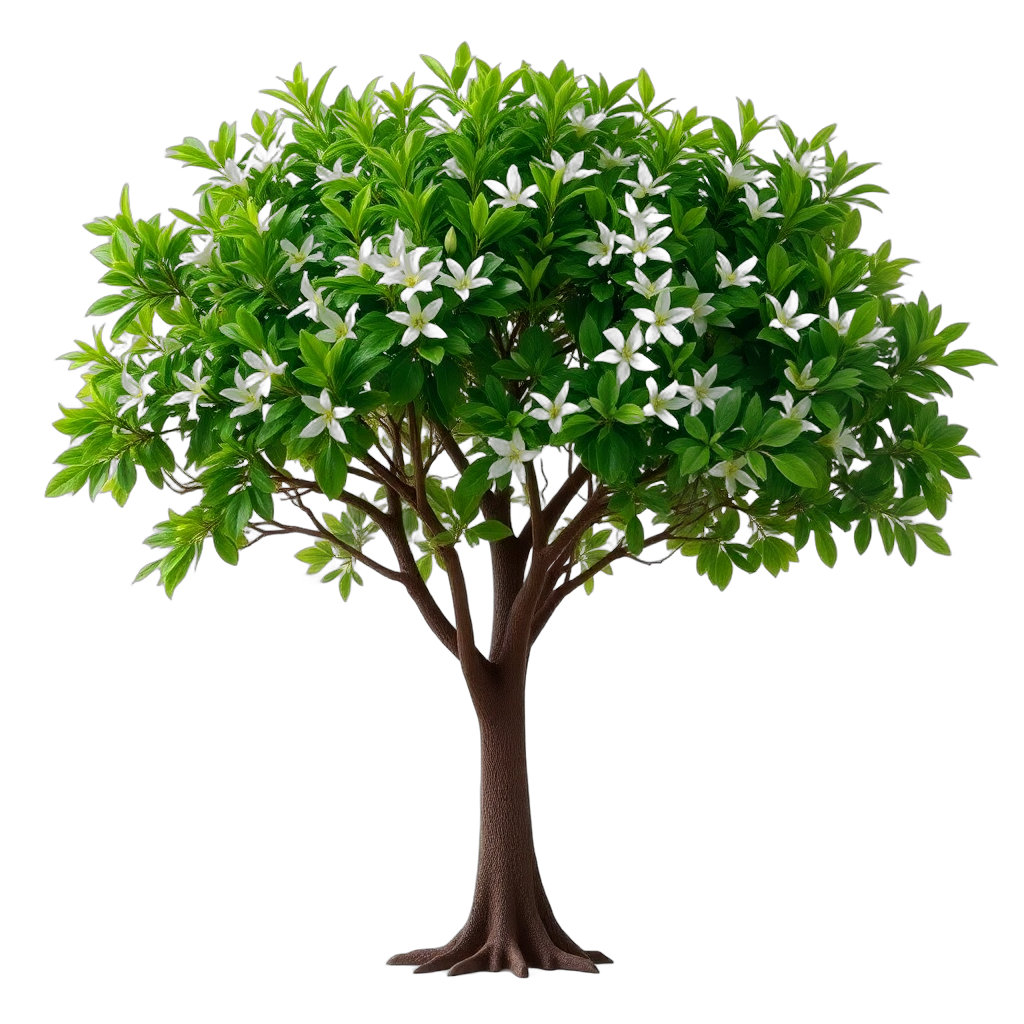
Florida Anise
Illicium floridanum
medium-sized at 8 feet, red blooms in spring. Evergreen year-round.

Inkberry
Ilex glabra
medium-sized at 8 feet, white blooms in spring. Pollinator-friendly.
Featured Grasses & Groundcovers for Cottage/English Gardens

Pink Muhly Grass
Muhlenbergia capillaris
grows to 3 feet, pink blooms in fall.
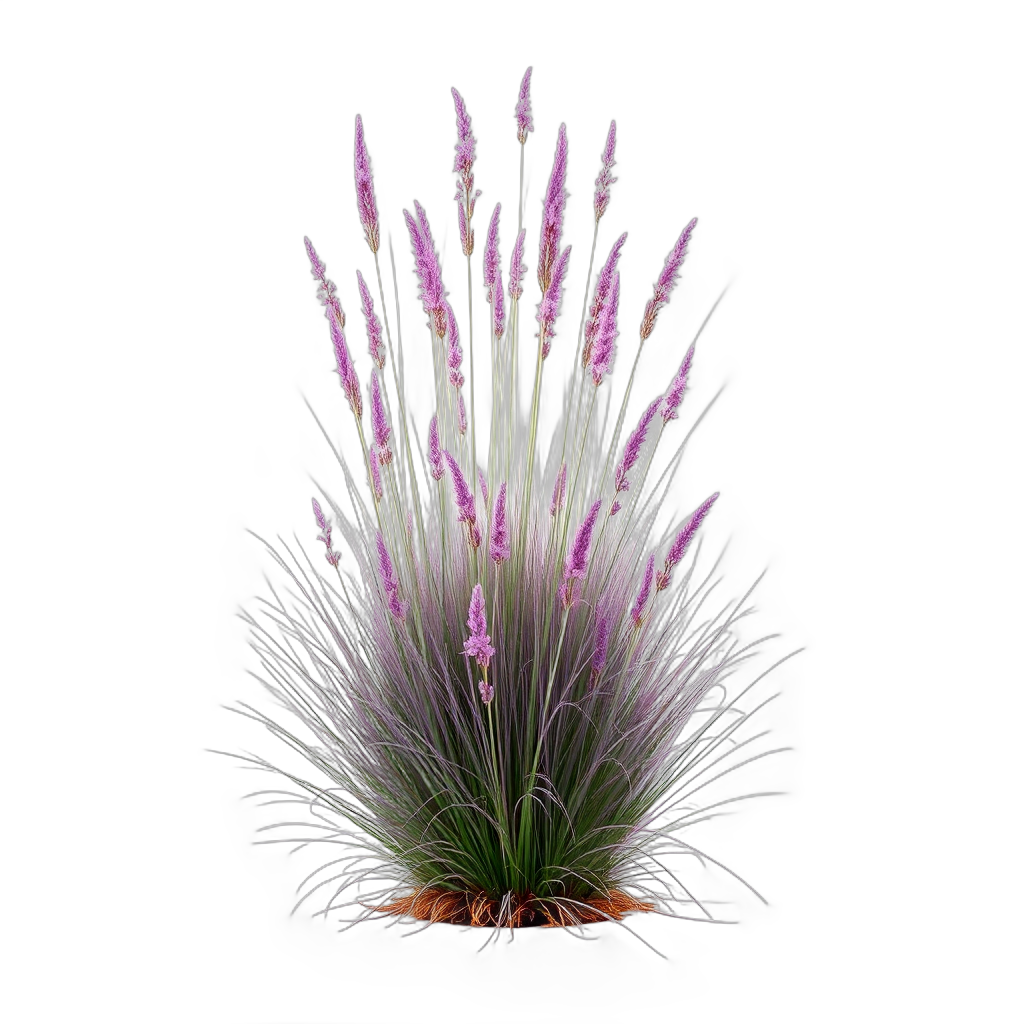
Purple Love Grass
Eragrostis spectabilis
low-growing ground cover, purple blooms in fall. Orange fall color.
Featured Flowers & Perennials for Cottage/English Gardens
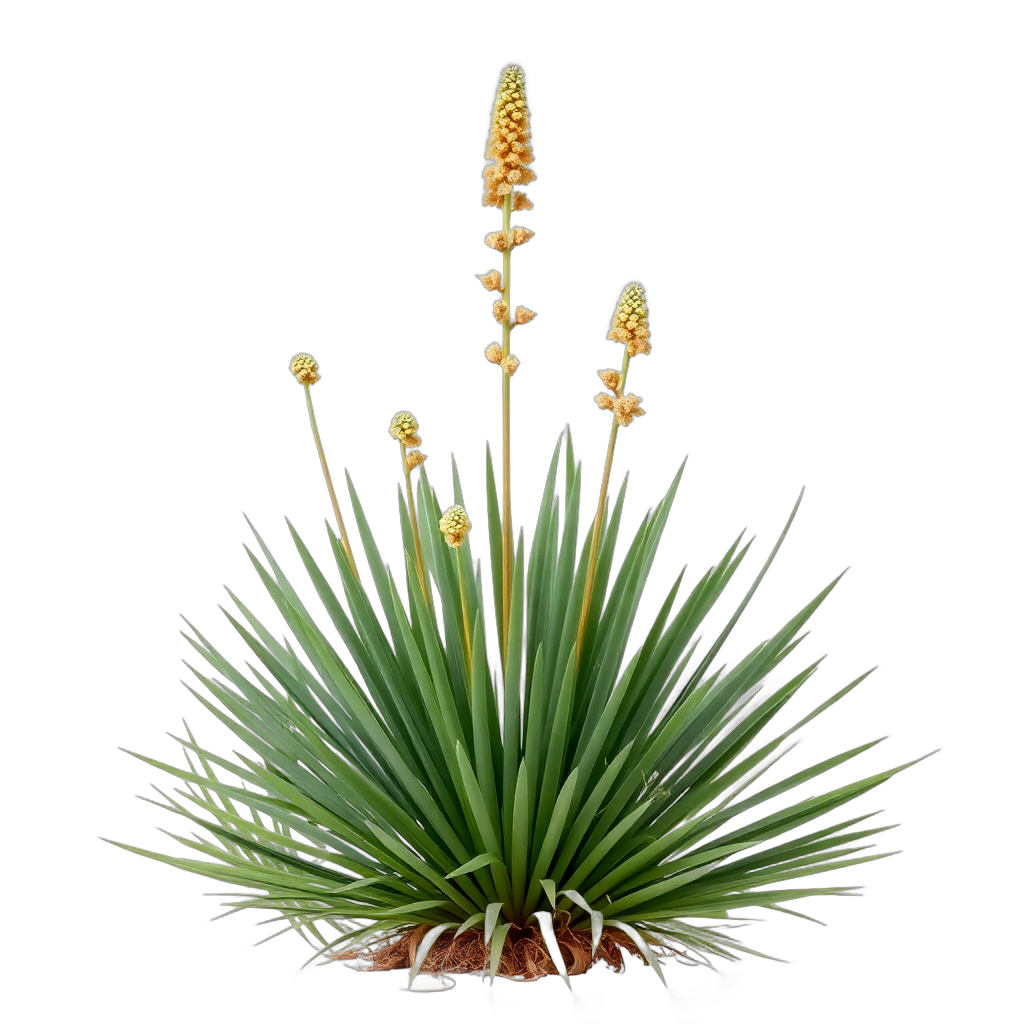
Adam's Needle
Yucca filamentosa
low-growing ground cover, white blooms in summer. Attracts hummingbirds.

Papyrus
Cyperus papyrus
grows to 5 feet, blooms in summer. Pollinator-friendly.

Water Hyacinth
Eichhornia crassipes
low-growing ground cover, purple blooms in summer. Attracts butterflies.

Water Plantain
Alisma plantago-aquatica
low-growing ground cover, white blooms in summer. Attracts butterflies.
Zone and sun checks come from our database — confirm with your local nursery before you buy.
Bloom Calendar for Charleston
spring
Buckwheat Tree, Fetterbush, Florida Anisesummer
Adam's Needle, Swamp Cyrilla, Loblolly Bayfall
Pink Muhly Grass, Purple Love Grasswinter
Limited bloomsDesign Tips for Charleston (Zone 9a)
- Raise every border six to twelve inches above grade before you buy a single plant - with a water table this shallow and 50 inches of rain a year, drainage, not sun, is what kills a Charleston cottage garden
- Swap the English rose list for the old Charleston one: Rosa 'Mrs. B.R. Cant', Rosa 'Louis Philippe' and Rosa 'New Dawn' bloom nine months here, while modern hybrid teas need a spray schedule to survive blackspot past June
- Use pine straw, never shredded hardwood - it knits together and stays in the bed through a five-inch summer downpour, and it gently acidifies soil that oyster shell and tabby have pushed alkaline
- Replace English boxwood edging with Buxus microphylla 'Winter Gem' or Ilex vomitoria 'Schillings'; both hold a clipped line through 91-degree Julys without the blight and leaf drop that hit English box in Lowcountry humidity
- Sow the cool-season annuals in October - larkspur, Nigella, poppies and Digitalis purpurea are what make the borders look properly English in April, and they simply will not establish if sown in spring
- Give the garden hard bones so the loose planting reads as intentional: a brick walk, a picket line, a clipped hedge or a wall. In the Old and Historic District confirm any fence, wall or gate design with the city before you order material
- Plan the border around the live oak rather than under it - the city protects grand trees of about 24 inches diameter and up, and changing grade inside the drip line is both a permitting problem and the fastest way to kill a two-hundred-year-old tree
Where to Source Plants in Charleston
Skip the big-box stores. These independent Charleston nurseries specialize in the plants that make cottage/english gardens thrive in Zone 9a.
Abide A While Garden Center
Mount Pleasant (Highway 17 North)
Family-run Lowcountry garden center since 1972; deep bench of old garden roses, camellias, gardenias and Zone 9a perennials, plus a design and installation crew
Hyams Garden Center and Accent Store
James Island / West Ashley (Folly Road)
Independent Charleston institution since 1981 with one of the widest shrub, tree, tropical and water-plant selections on the peninsula side of the harbor
Hidden Ponds Nursery
Awendaw (north of Mount Pleasant)
Family nursery on Highway 17 North known for pollinator perennials, butterfly-garden stock, container creations and hard-to-find Lowcountry shrubs
Terra Bella Garden Center
North Charleston (off Dorchester Road)
Independently owned garden center with strong perennial, herb and container selection plus bulk soil, compost and gravel by the yard
Brownswood Nursery
Johns Island
Grower and landscape nursery on Johns Island; specimen live oaks, palmettos, hedging material and large container stock for full-yard installs
Cottage/English Landscaping Costs in Charleston
| Project Scope | Estimated Cost |
|---|---|
| Front cottage border makeover (300-500 sqft, beds + roses + perennials) | $6,000 - $14,000 |
| Brick or bluestone walk with picket fence and planted rose arbour | $8,000 - $20,000 |
| Flagstone bistro circle with surrounding borders | $7,000 - $18,000 |
| Cedar dining pergola, planted, on concrete footings | $9,000 - $25,000 |
| Full walled courtyard garden downtown (400-700 sqft) | $25,000 - $70,000 |
| Raised bed soil build-up (compost, pine bark, topsoil per 500 sqft) | $900 - $2,400 |
| AI visualization with ProScapeAI | Free to start |
Estimates based on Charleston, SC-area contractor rates as of 2026. Actual costs vary by site conditions, materials, and contractor.
Charleston Climate & Growing Zone
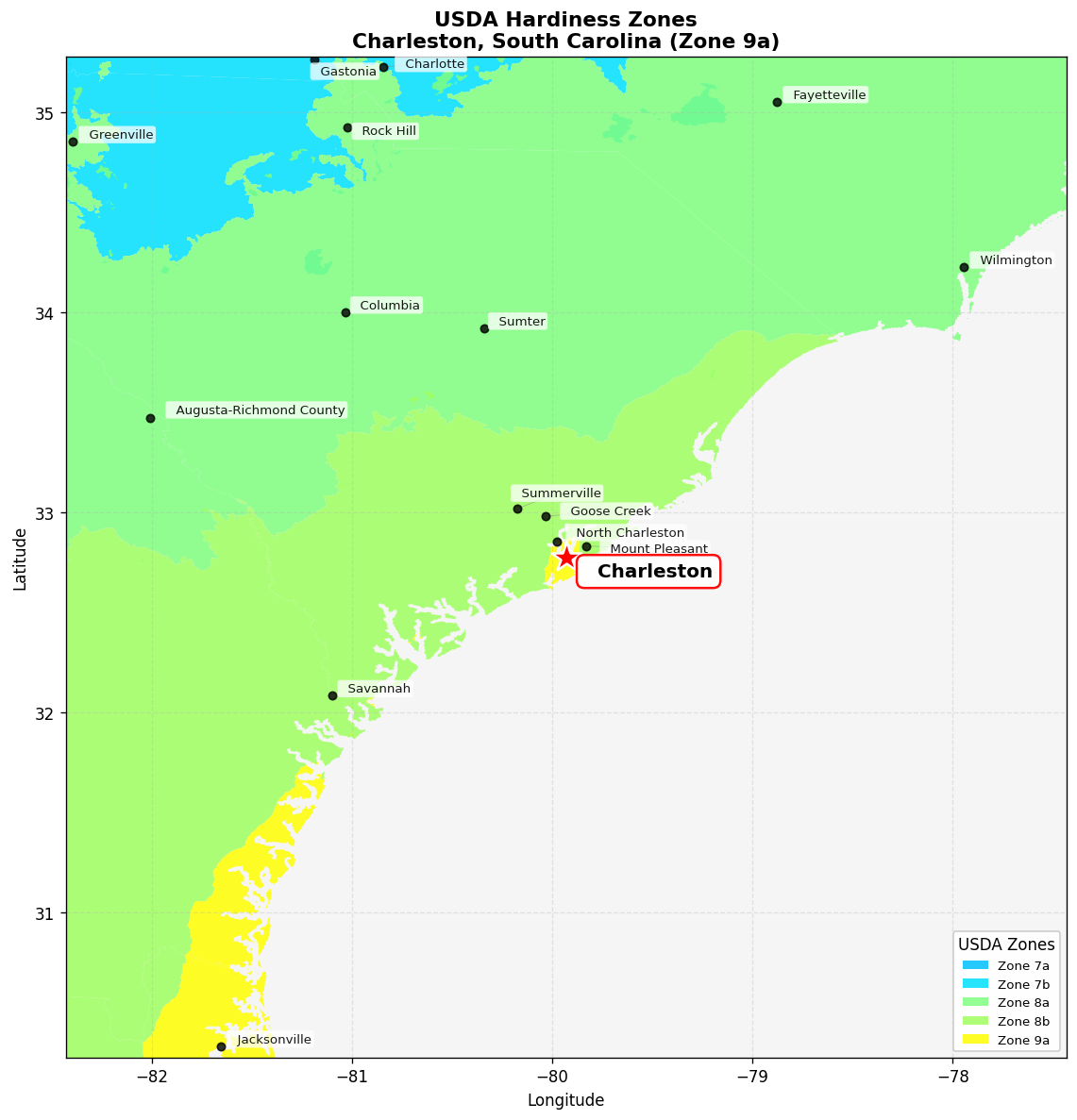
USDA Zone 9a
Hardiness zone for Charleston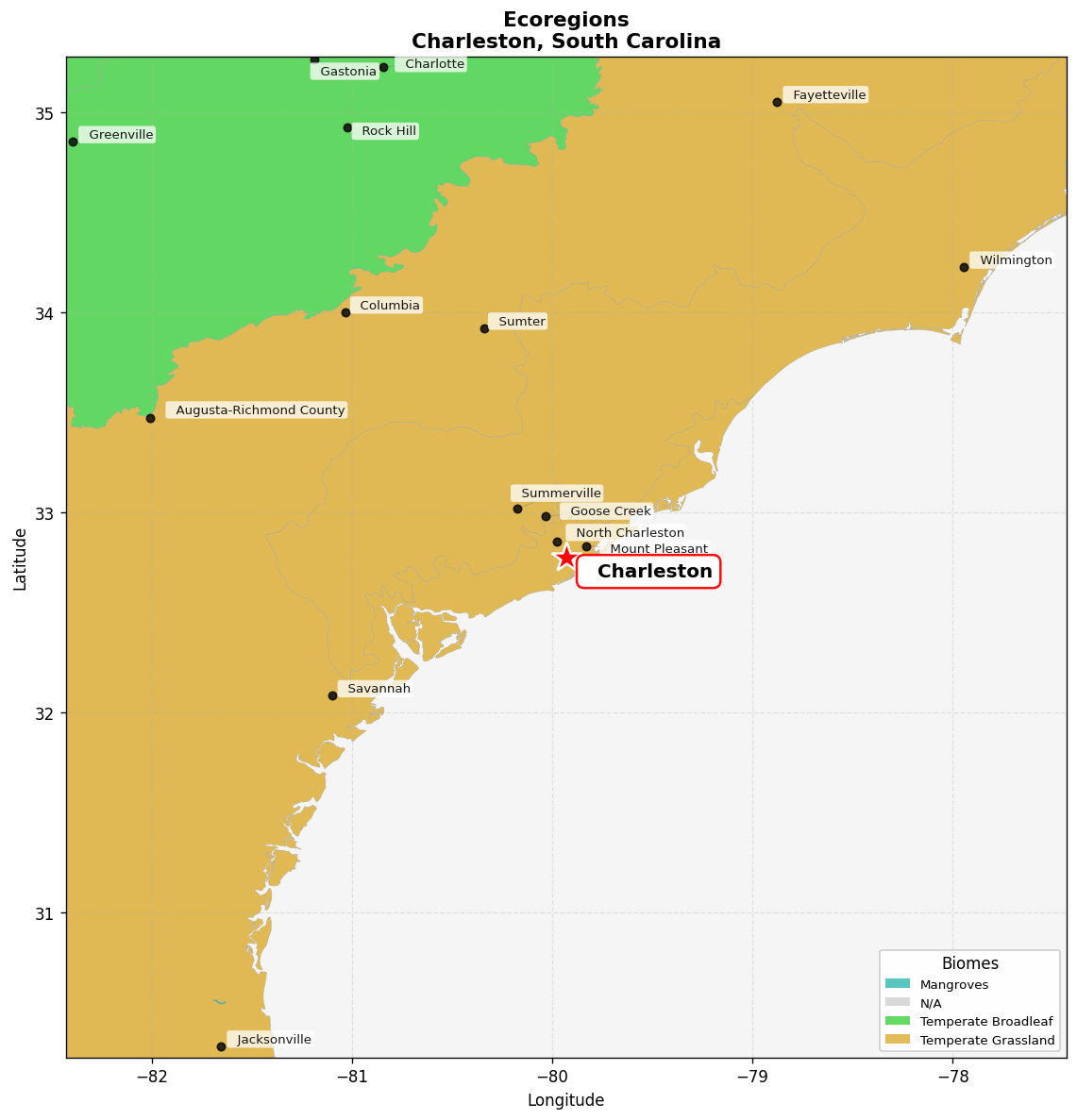
Southeast US conifer savannas
Native ecoregionFrequently Asked Questions
How much does a cottage garden cost in Charleston?
Charleston runs roughly 5-15% above national averages for landscape installation, largely because of access, tree protection and the cost of trucking soil onto sandy lots. A front cottage border makeover of 300-500 sqft with prepared beds, roses and perennials lands at $6,000-14,000. A brick or bluestone walk with a picket fence and a planted rose arbour is typically $8,000-20,000. A full walled courtyard garden downtown, where everything arrives through a 36-inch gate by wheelbarrow, commonly runs $25,000-70,000. Doing the planting yourself and hiring out only the masonry cuts 30-40% off any of these numbers.
Which roses actually survive Charleston's heat and humidity?
Old garden roses, almost without exception. Rosa 'Mrs. B.R. Cant' is the classic Charleston tea rose and will make an eight-foot shrub that blooms from March to December; Rosa 'Louis Philippe' and Rosa 'Old Blush' are nearly as tough and were grown here before the Civil War. For climbers, Rosa 'New Dawn', Rosa 'Sombreuil' and Rosa banksiae 'Lutea' handle the humidity far better than modern hybrid teas, which defoliate with blackspot by mid-summer unless sprayed every ten days. Give any rose here six hours of direct sun, morning irrigation only, and space for air to move through the canes.
Can I grow lavender in Charleston, or is it a lost cause?
English lavender is a lost cause and Spanish and French types are not. Lavandula angustifolia 'Hidcote' and 'Munstead' rot in the second summer because 50 inches of rain plus 75-degree dew points is the exact opposite of a Provencal hillside. Lavandula x intermedia 'Phenomenal' is the most reliable option and Lavandula dentata is close behind, both planted on a berm raised six inches with a third of the backfill as coarse sand or granite grit, and mulched with gravel rather than pine straw so the crown stays dry. Where you want the same colour with zero risk, Nepeta racemosa 'Walker's Low' and Salvia 'Mystic Spires Blue' do the job for the whole season.
Why do my hydrangeas bloom pink in Charleston when I wanted blue?
Because the soil is alkaline. Centuries of oyster shell, tabby and lime mortar left much of the peninsula and the older islands with a pH near or above 7.0, and Hydrangea macrophylla 'Nikko Blue' only turns blue when aluminium is available below about pH 5.5. Soil-test first through Clemson Extension, then apply aluminium sulphate in early spring and again in autumn if you want blue, and expect to keep doing it every year. The lower-effort answer is to plant Hydrangea quercifolia 'Snow Queen' or Hydrangea paniculata 'Limelight', both of which look the same regardless of pH and take Lowcountry heat better.
When is the best time to plant a cottage garden in Charleston?
October and November, without much competition. Soil is still in the seventies, hurricane season is closing, and roses and shrubs put on six months of root growth before their first summer. This is also the window for sowing the cool-season annuals that make a Charleston cottage garden read as English at all: larkspur, Nigella damascena, poppies and Digitalis purpurea all want to be direct-sown in autumn and will be blooming by April. February and early March is the fallback window. Avoid planting anything between June and September, when new roots cannot keep up with transpiration even under daily irrigation.
How do I deal with salt spray, king tides and hurricane season?
Design for water first. Build every bed up six to twelve inches above surrounding grade, keep planting out of the low spot where the yard ponds, and choose salt-tolerant structure for the harbour-facing side: Sabal palmetto, Ilex vomitoria, Myrica cerifera and Rosa rugosa all take airborne salt that would burn a boxwood. Use pine straw, not shredded mulch, because it knits and stays put in a five-inch rain. Anything tall and freestanding, from a rose arbour to a pergola, needs real concrete footings and hurricane-rated hardware rather than posts pushed into sand, and it is worth planning for the arbour to be un-planted enough that you can cut back the climbers before a named storm.
Will deer eat a cottage garden here?
On the peninsula, in Wagener Terrace or in Park Circle, essentially no. On Johns Island, Wadmalaw, Kiawah, Seabrook and the wooded edges of Mount Pleasant, deer pressure is heavy and roses and hostas are the first things eaten. In those areas the workable cottage palette shifts toward Lavandula dentata, Salvia leucantha, Rosmarinus officinalis 'Tuscan Blue', Nepeta and Gardenia jasminoides 'Frostproof', with any roses kept inside a picket-fenced dooryard. A four-foot picket fence will not stop a determined deer, so plan the fenced area small and the unfenced planting resistant.