4 Modern Landscape Ideas for Columbia, SC | Zone 8a Design
Native plants from the Southeast US conifer savannas (Zone 8a) — Humid subtropical climate
Why Modern/Minimalist Gardens in Columbia?
Columbia has more genuinely modern housing stock than its antebellum reputation suggests, and almost all of it is under-landscaped. The flat-roofed and low-slung mid-century ranches of Forest Acres and Arcadia Lakes, the contemporary infill filling in around the Vista, Cottontown and the BullStreet District, and the stucco-and-glass new builds going up in Lake Carolina, Wildewood, Harbison and Chapin all present the same thing to a designer: long horizontal rooflines, big glazed openings and simple wall planes that reward geometry rather than fuss. A modern landscape here is mostly an exercise in editing - fewer plant species, larger drifts, one confident paving material - and Columbia's wide suburban lots give you the room to do it at a scale that actually reads from the street.
The climate is unusually generous to this style. USDA Zone 8a means average winter lows of just 10-15°F, so the sculptural evergreens that carry a modern scheme - Yucca filamentosa 'Color Guard', Yucca rostrata, Sabal minor, Rhapidophyllum hystrix and Trachycarpus fortunei - all hold their form outdoors year round instead of being wheeled into a garage. The constraint is the other half of the year. Columbia is nicknamed Famously Hot: July averages a high near 93°F, roughly 75 days a year reach or exceed 90°F, and about 46 inches of rain arrives mostly as heavy summer thunderstorms. That has two consequences for a modern design. Large expanses of light concrete radiate hard in August, so a canopy tree such as Quercus phellos or Lagerstroemia 'Natchez' over the seating zone is a functional element, not decoration. And any plant sold as a desert plant needs somewhere for two inches of rain to go within the hour.
Which is where Columbia has a real advantage over most humid Southern cities. The Fall Line runs straight through town where the Broad and Saluda meet to form the Congaree, so while Irmo, Chapin and Lexington sit on heavy Piedmont red clay, Forest Acres, Spring Valley, Wildewood, Blythewood and Northeast Columbia sit on deep Carolina Sandhills sand - a naturally sharp-draining substrate that is close to a ready-made gravel garden. On the sand side, Agave ovatifolia, Agave parryi var. truncata, Hesperaloe parviflora 'Brakelights' and Yucca rostrata can go in near grade with only coarse gravel worked into the backfill. On the clay side the same plants need to be lifted 8-12 inches into bermed or steel-edged raised beds; plant them flat in Irmo clay and the winter rain will rot the crowns long before the cold touches them. Get that one decision right and the maintenance on a modern Columbia front garden drops to a February cut-back and an annual gravel top-up.
Two more local realities shape the plan. Columbia lawns are warm-season - centipede and zoysia dominate - which means they go tan from late November to April, so a design that leans on turf for its geometry looks dead for five months while gravel, concrete and evergreen mass do not. And since the October 2015 flood, runoff is taken seriously across the Midlands: permeable gravel courts, decomposed granite paths and planted swales are all easier conversations with a stormwater reviewer than another impervious slab. Water is not the limiting factor most of the year, but the City of Columbia's water shortage ordinance can restrict outdoor watering hours when supply is tight, and a gravel-and-grass scheme built on Muhlenbergia capillaris, Schizachyrium scoparium 'Standing Ovation' and Panicum virgatum 'Northwind' will ride that out on rainfall alone once established. Confirm setback, wall height and stormwater requirements for your parcel with the City of Columbia, Richland County or Lexington County before you pour or regrade anything.
4 Modern/Minimalist Design Ideas for Columbia

The Stucco Entry Walk
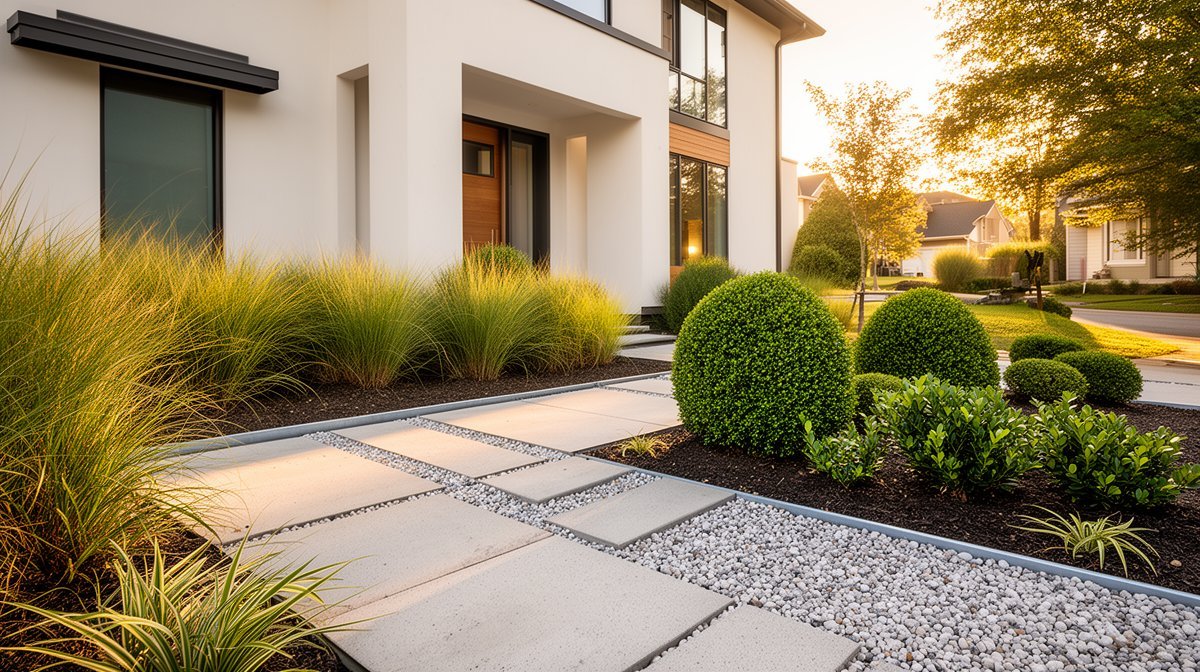
$12-22/sqftA single-storey contemporary with a shallow shed roof, cream stucco walls and a two-storey glazed corner that glows at dusk. The landscape does exactly one thing and does it well: a wide poured concrete walk with clean control joints runs from the street to a recessed dark entry door, and it is bracketed the whole way by low, repeating drifts. Soft green mounding grasses hold the front edge, a band of purple flower spikes runs just behind them, and burgundy strap-leaved accents punctuate the rhythm against the pale stucco. A young multi-stemmed tree on the left throws afternoon shade across the glass, which on a west-facing Columbia facade is worth as much as the shading coefficient of the window itself.

The Gravel and Agave Front Court
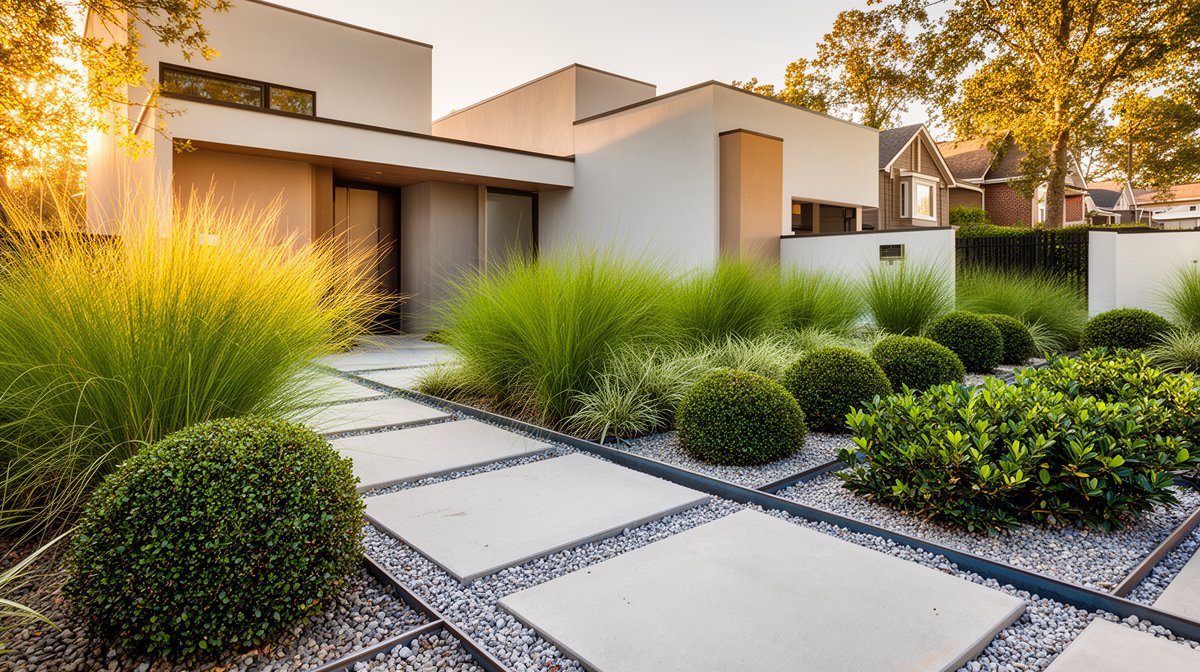
$9-18/sqftThe lawn is gone entirely. A field of warm pea gravel covers the whole front, organised by hard-edged triangular beds outlined in dark steel and filled with dark mulch, each holding a composition of large blue-grey rosettes, smaller clustered rosettes and upright spiky forms. A broad broom-finished concrete driveway cuts through on a diagonal, and a single mature canopy tree at the centre keeps the composition from reading as a parking lot. This is the design that Columbia's Sandhills sand was practically made for - on that soil the beds barely need raising, and once the plants are in the whole front yard needs no mowing and no irrigation.

The Concrete Fire Lounge
$18-32/sqftA large poured concrete terrace steps straight off the rear lawn of a two-storey white stucco house, and its whole programme is a low circular concrete gas fire bowl with two square-framed lounge chairs and a deep sofa pulled around it. Bistro string lights sweep overhead on a single freestanding pole, a mature shade tree anchors the middle of the lawn, and the terrace edges dissolve into loose plumed grasses instead of stopping at a hard border. The restraint is the point: one paving material, one fire element, one planting texture. In Columbia this room stays usable from March into late November, which is roughly nine months of the year.

The Twilight Pool Courtyard
$45-85/sqft (pool area inclusive)Shot at dusk, this is a compact rectangular pool set tight against a single-storey modern house with a low-pitched dark roof, floor-to-ceiling dark-framed sliders and a warm vertical wood-slat panel that breaks up the stucco. The pool has pale grey coping continuing into matching large-format deck pavers, square in-ground LED uplights are set flush into the deck, and a lounge grouping with a bench planter of grasses occupies the far end. Planting is deliberately minimal - textural grasses in the beds and a grey concrete planter, plus a couple of upright evergreens for form. The whole effect comes from lighting and reflection rather than plant volume, which suits a small Columbia backyard where the pool already claims most of the footprint.
See how a modern/minimalist garden looks on YOUR property
Upload a photo of your Columbia yard and visualize your dream garden in seconds.
Try ProScapeAI Free
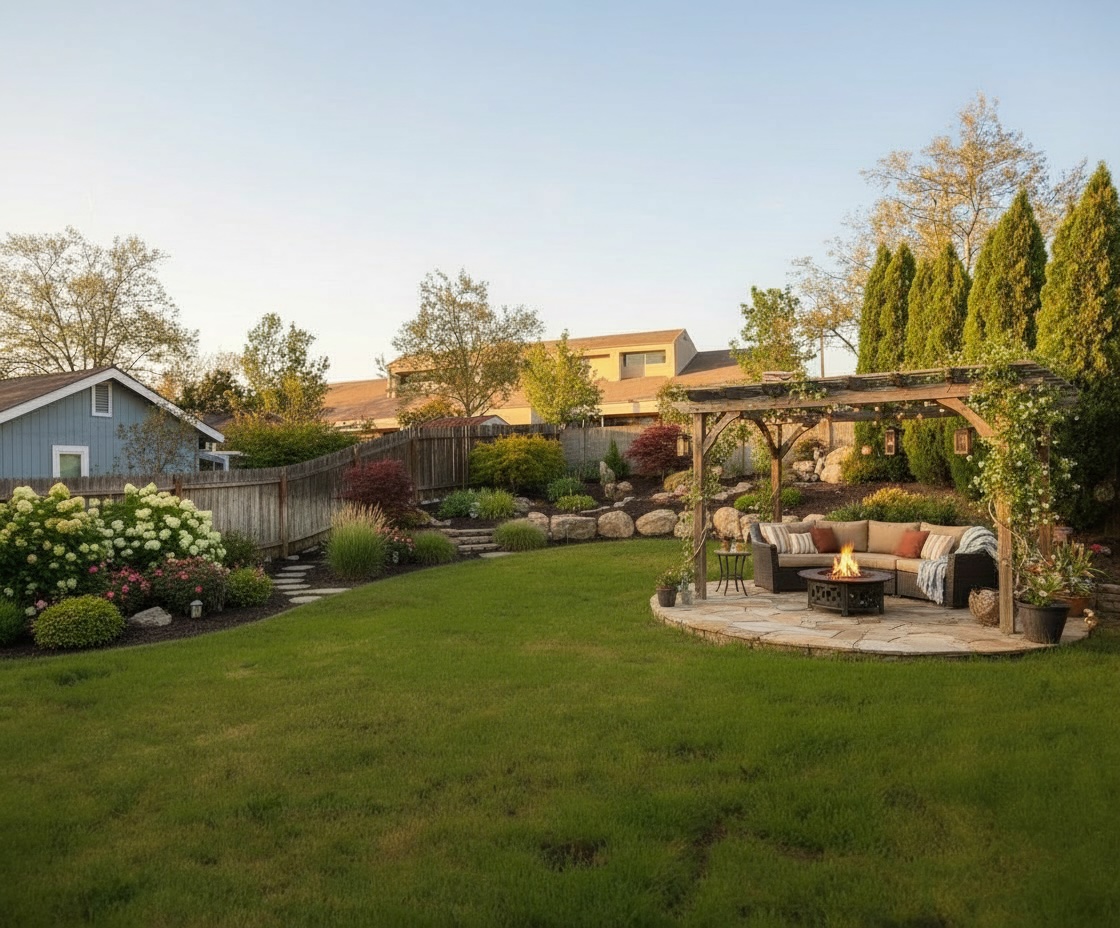
Featured Trees & Shrubs for Modern/Minimalist Gardens
Browse all 181 plants for Columbia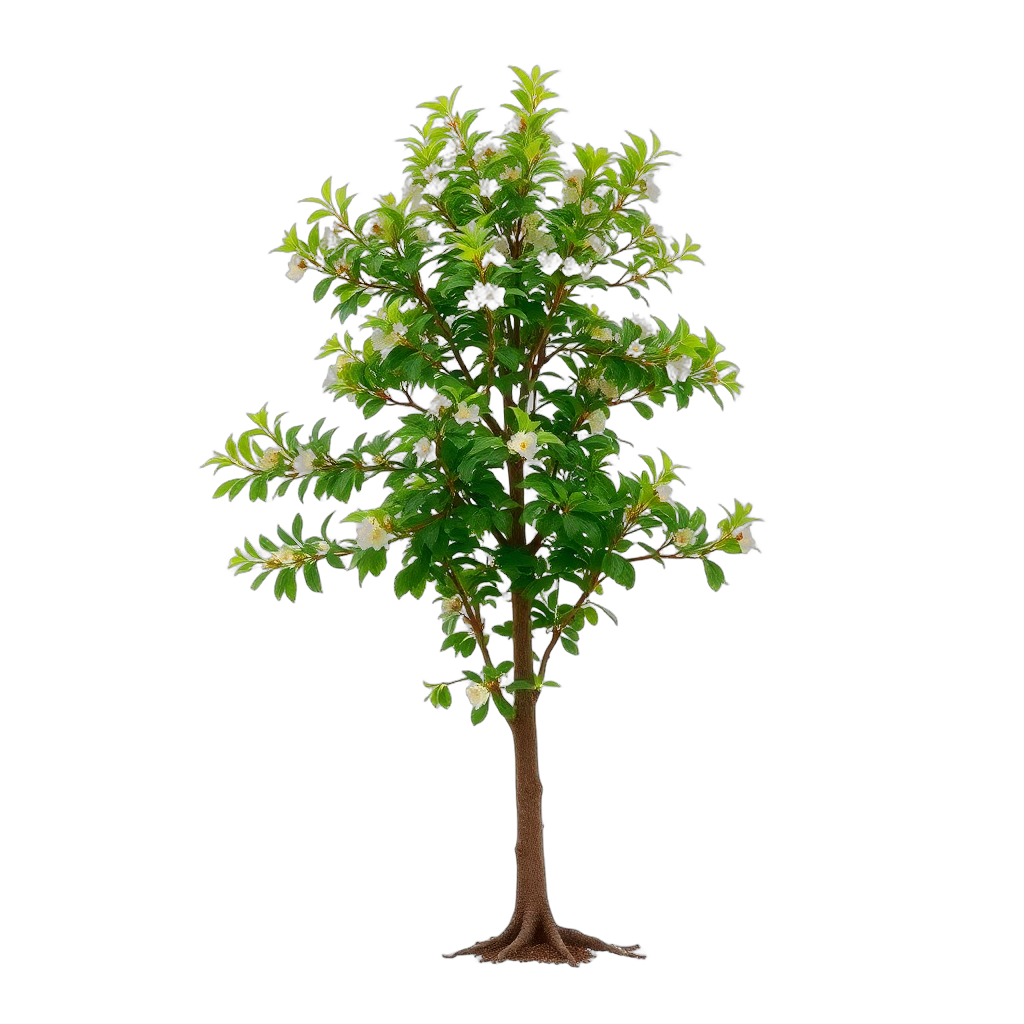
Buckwheat Tree
Cliftonia monophylla
medium-sized at 15 feet, white blooms in spring. Attracts butterflies.

Fetterbush
Lyonia lucida
grows to 6 feet, white blooms in spring. Evergreen year-round.

Florida Anise
Illicium floridanum
medium-sized at 8 feet, red blooms in spring. Evergreen year-round.

Inkberry
Ilex glabra
medium-sized at 8 feet, white blooms in spring. Pollinator-friendly.
Featured Grasses & Groundcovers for Modern/Minimalist Gardens

Pink Muhly Grass
Muhlenbergia capillaris
grows to 3 feet, pink blooms in fall.
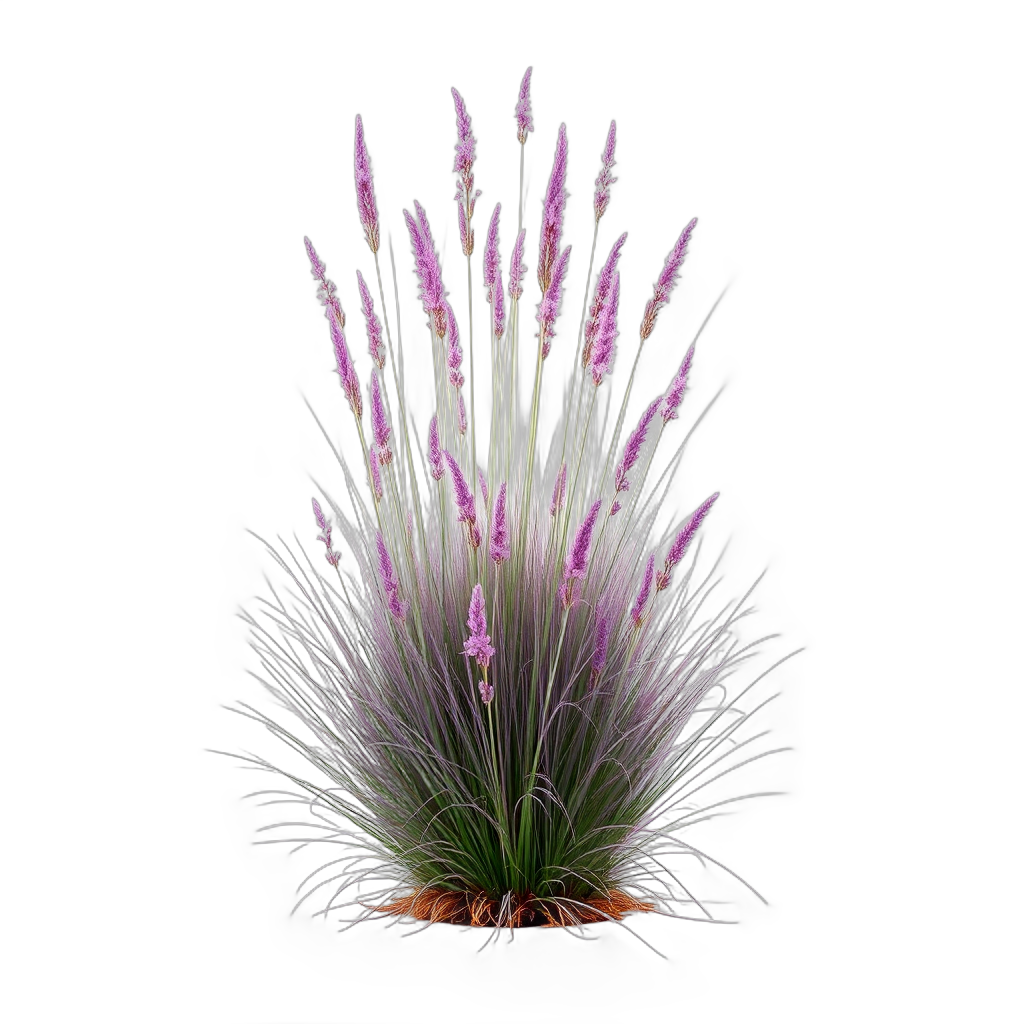
Purple Love Grass
Eragrostis spectabilis
low-growing ground cover, purple blooms in fall. Orange fall color.
Featured Flowers & Perennials for Modern/Minimalist Gardens
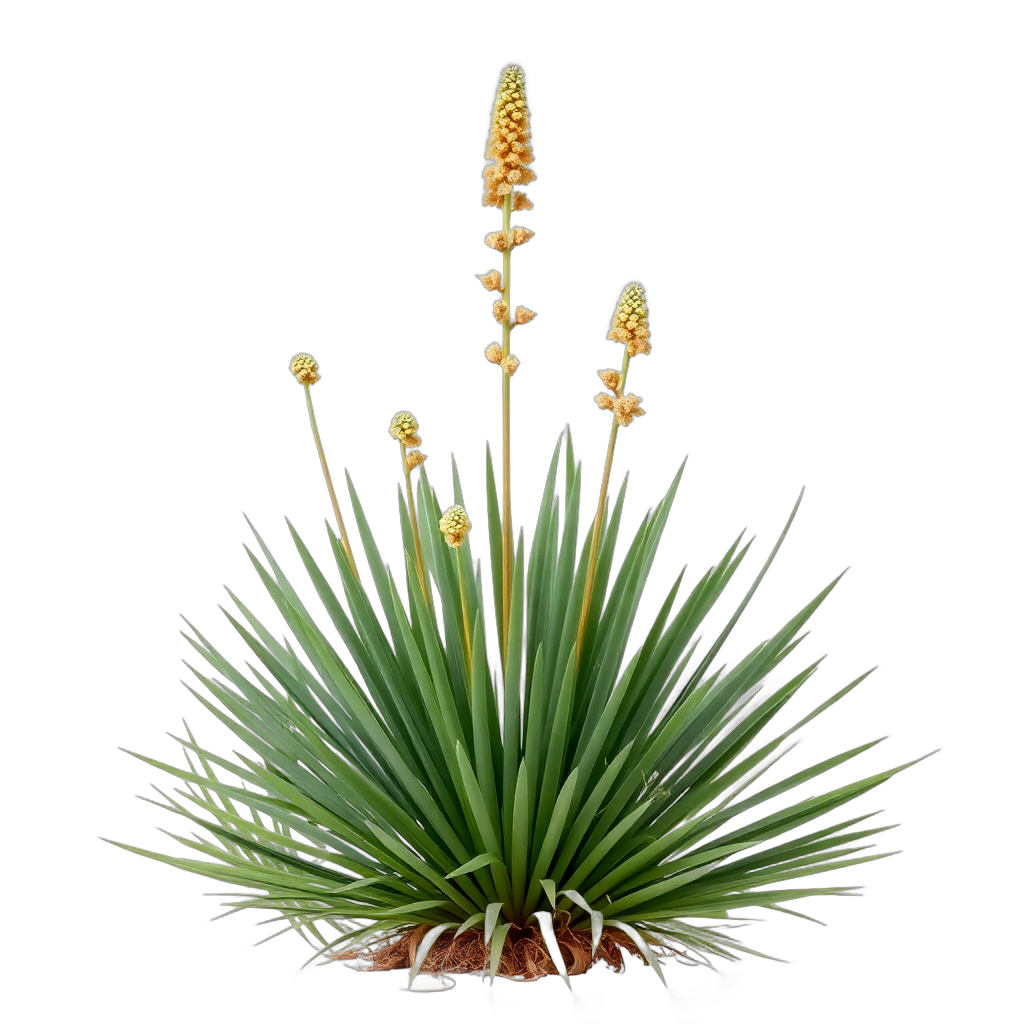
Adam's Needle
Yucca filamentosa
low-growing ground cover, white blooms in summer. Attracts hummingbirds.

Water Lettuce
Pistia stratiotes
low-growing ground cover, white blooms in summer. Evergreen year-round.

Tussock Sedge
Carex stricta
low-growing ground cover, blooms in spring. Brown fall color.

Umbrella Sedge
Cyperus alternifolius
grows to 4 feet, blooms in summer. Evergreen year-round.
Zone and sun checks come from our database — confirm with your local nursery before you buy.
Bloom Calendar for Columbia
spring
Buckwheat Tree, Fetterbush, Florida Anisesummer
Adam's Needle, Swamp Cyrilla, Loblolly Bayfall
Pink Muhly Grass, Purple Love Grasswinter
Limited bloomsDesign Tips for Columbia (Zone 8a)
- Find your Fall Line first: on Sandhills sand east of downtown you can plant Agave ovatifolia almost at grade, but on Irmo or Chapin red clay every rosette needs 8-12 inches of lift or it rots in a warm January
- Use Muhlenbergia capillaris where a Phoenix designer would use a mass of agave - it gives the same soft-architectural drama, ignores 93°F humidity, and turns pink over pale concrete every October
- Shrink the lawn instead of perfecting it; centipede and zoysia go tan from late November to April in the Midlands, so let gravel, concrete and Ilex vomitoria 'Nana' carry the winter geometry
- Design a canopy tree into every seating area - Quercus phellos, Lagerstroemia 'Natchez' or Ulmus parvifolia 'Allee' over a light concrete terrace is the difference between usable and unusable from June through September
- Compact a real crushed-stone base under every slab and paver field; the wet-winter, baked-August swing in Midlands clay will crack concrete poured on raw subgrade within about three years
- Light the grasses and the wall planes rather than the lawn - flush in-ground uplights behind Panicum virgatum 'Northwind' and washes on stucco give the evening depth that makes these schemes read, and Columbia's long warm evenings pay it back nine months a year
- Keep the front court permeable. Pea gravel and decomposed granite let a two-inch Midlands thunderstorm soak in, which is both a better stormwater answer and cheaper than the equivalent area of slab
Where to Source Plants in Columbia
Skip the big-box stores. These independent Columbia nurseries specialize in the plants that make modern/minimalist gardens thrive in Zone 8a.
Gardener's Outpost
Shandon / Five Points (second shop in Cottontown at 1211 Franklin St)
Independent, sustainability-focused garden center; good source for grasses, yuccas, containers and architectural specimens at city-lot scale
Seven Oaks Plant Shop & Garden Center
St. Andrews / Seven Oaks (Columbia-Irmo line)
Family-run for over 48 years; the widest Midlands selection of Zone 8a shrubs, palms and specimen trees for clean-lined foundation planting
Southern Vistas Inc.
Rosewood / Commerce Drive
Landscape design-build firm with its own garden center and online shop - the practical option when a modern scheme needs concrete, steel edging and planting from one source
First Priority Garden Center
Northeast Columbia / Two Notch Road (the longtime Woodley's site)
Nursery stock alongside bulk gravel, decorative stone, pine bark and hardscape materials - the yard to visit when you are pricing a gravel court by the ton
Modern/Minimalist Landscaping Costs in Columbia
| Project Scope | Estimated Cost |
|---|---|
| Front-yard turf removal + gravel court with steel edging (500 sqft) | $4,500 - $11,000 |
| Poured concrete terrace, broom or sawcut finish (300-500 sqft) | $6,000 - $18,000 |
| Gas fire bowl or fire table, set and plumbed | $3,500 - $9,000 |
| Low-voltage LED landscape lighting (12-18 fixtures) | $2,500 - $6,500 |
| Steel or Corten raised planter, fabricated and filled | $600 - $1,500 each |
| Specimen agave or Yucca rostrata, supplied and planted | $180 - $650 each |
| Pool courtyard with paver deck, lighting and planting | $65,000 - $140,000 |
| AI visualization with ProScapeAI | Free to start |
Estimates based on Columbia, SC-area contractor rates as of 2026. Actual costs vary by site conditions, materials, and contractor.
Columbia Climate & Growing Zone
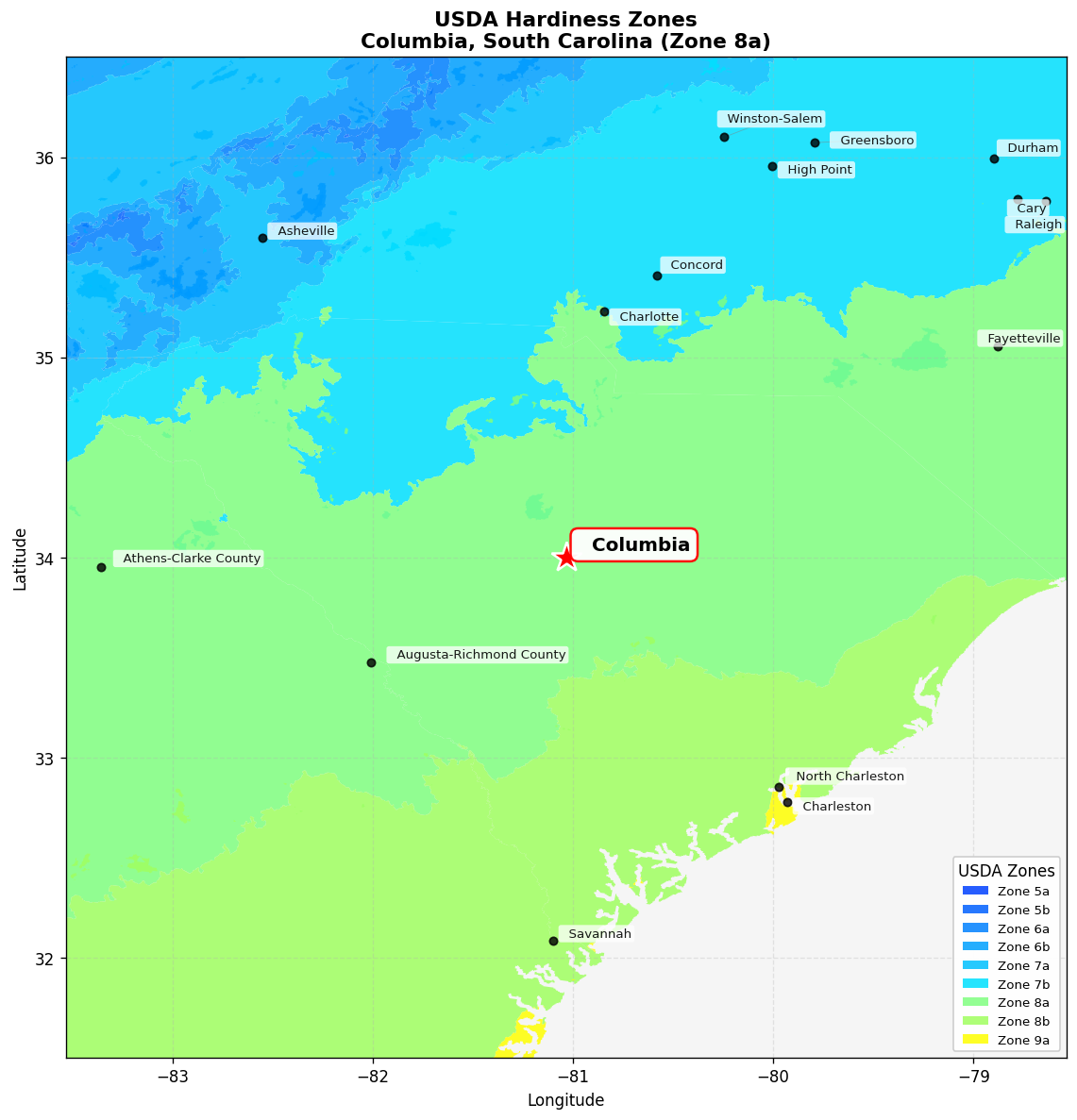
USDA Zone 8a
Hardiness zone for Columbia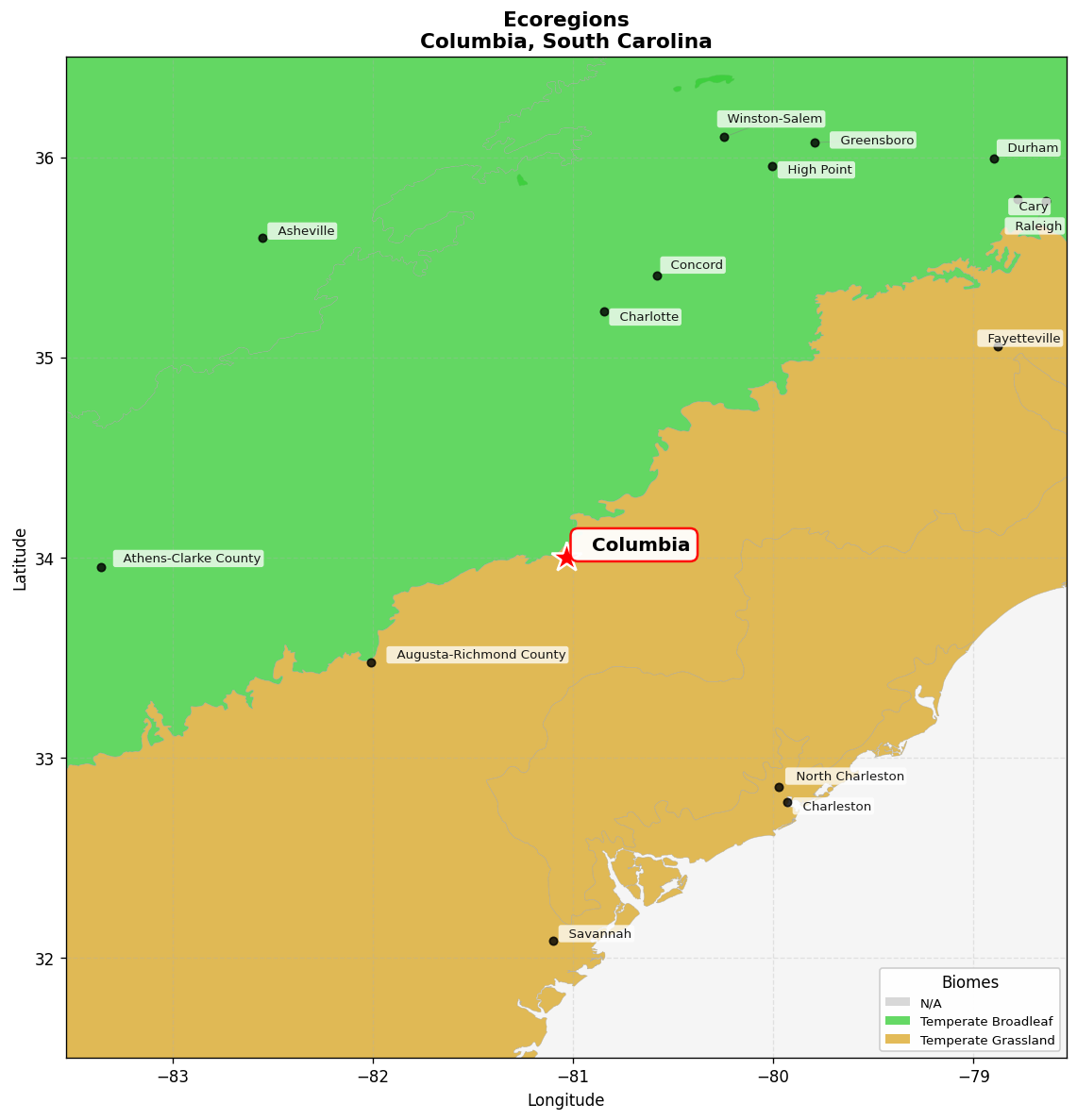
Southeast US conifer savannas
Native ecoregionFrequently Asked Questions
How much does modern landscaping cost in Columbia, SC?
Midlands labour runs roughly 10-20% below the national metro average, so modern work is attainable here. Removing turf and building a gravel front court with steel edging and architectural planting costs about $4,500-$11,000 for a typical 500 sqft front yard, or under $5/sqft if you buy gravel by the ton and plant it yourself. A poured concrete terrace of 300-500 sqft runs $6,000-$18,000 depending on finish and access. Add a plumbed gas fire bowl at $3,500-$9,000 and a low-voltage lighting package at $2,500-$6,500. A full pool courtyard with paver deck, lighting and planting generally lands between $65,000 and $140,000.
Can agaves and yuccas survive Columbia's 46 inches of rain?
Yes, and where you live decides how much work it takes. On Carolina Sandhills sand - Forest Acres, Spring Valley, Wildewood, Blythewood, Elgin - Agave ovatifolia, Agave parryi var. truncata, Yucca rostrata and Hesperaloe parviflora 'Brakelights' can go in close to grade with coarse grit mixed into the backfill and a gravel mulch collar at the crown. On Piedmont red clay in Irmo, Chapin, Lexington or Cayce, the same plants need to sit 8-12 inches above grade in a bermed or steel-edged raised bed. Zone 8a cold at 10-15°F is not the threat; a crown sitting in saturated soil through a warm, wet January is.
What is the right base for concrete or pavers in the Midlands?
It depends on your side of the Fall Line. On clay in Irmo, Chapin and Lexington, excavate 6-10 inches and compact a crushed-stone base in lifts - clay swells in a wet winter and shrinks in a 93°F August, and slabs poured on raw clay crack within a few seasons. On Sandhills sand the drainage is a gift but the bearing is not: sand needs proper compaction and geotextile separation or paver edges settle and lose their line. Either way, aim to shed water away from the house and keep large paved areas permeable where you can, because the Midlands has looked hard at runoff ever since the October 2015 flood.
Which grasses actually perform in Columbia?
Muhlenbergia capillaris, the native pink muhly, is the standout - it thrives on heat and humidity, takes both sand and amended clay, and its October pink haze against pale concrete is the best free effect in a Midlands modern garden. Panicum virgatum 'Northwind' gives a strict upright column that holds through winter, Schizachyrium scoparium 'Standing Ovation' brings copper and blue tones and is native to the Sandhills, and Pennisetum alopecuroides 'Hameln' gives the soft plume without the seeding problem of the larger forms. All get one cut-back in late February. Treat Pennisetum setaceum 'Rubrum' as an annual here - it is not reliably hardy through a Columbia winter.
When is the best time to install a landscape in Columbia?
October through early December is the ideal planting window - roots establish through a mild wet winter and are settled before the first 90°F day, which typically arrives in early May. Late February to mid-March is the second window and the right time for bare-root and dormant stock. Avoid major planting from June to mid-September; with roughly 75 days a year over 90°F, even irrigated new plants stall. Hardscape is a year-round proposition: Columbia's frost depth is shallow, so concrete can be poured through most of the winter, and installer schedules are usually easiest between November and February.
Do I need a permit for a modern landscape project in Columbia?
Planting, gravel conversions, mulch and bed edging need no permit anywhere in the metro. Permits enter the picture for retaining walls above a set height, pools, decks, roofed structures and anything that alters drainage - and thresholds vary between the City of Columbia, Richland County, Lexington County, Forest Acres, Cayce and West Columbia. Gas lines for a fire feature and any pool electrical work are separate trades with their own inspections. If your project changes grade or adds a large impervious area, ask your municipality about stormwater requirements before design gets far, since that is the single most commonly missed step on a Midlands hardscape job.
Should I keep a lawn in a modern Columbia landscape?
Keep it only where you will use it. Midlands lawns are warm-season - centipede and zoysia mostly - and they go tan from late November through April, so a design whose geometry depends on green turf looks dead for five months. The stronger move is to shrink the lawn to one clean rectangle or curve that does a job (a play area, a foreground plane in front of a terrace) and let gravel, concrete and evergreen mass such as Ilex vomitoria 'Nana' and Sabal minor carry the structure year round. It also cuts mowing to almost nothing across a Columbia summer, when the grass is growing fastest and nobody wants to be outside at 3pm.