4 Modern Garden Ideas for Chattanooga, TN | Clean-Line Landscape Design for Zone 7b
Native plants from the Appalachian-Blue Ridge forests (Zone 7b) — Humid subtropical climate
Why Modern/Minimalist Gardens in Chattanooga?
Chattanooga has quietly turned into a modern-design city. Flat-roofed infill is filling the gap lots of North Shore and the Southside, the 1950s–60s ranches of Brainerd, Red Bank, and East Brainerd are being stripped back to their clean horizontal lines, and the brow lots on Signal Mountain and Lookout Mountain are drawing glass-walled contemporary builds that treat the ridge view as the main elevation. Topography is the local advantage. Where a flat Midwestern lot forces a designer to invent interest, a Chattanooga slope hands you terraces, board-formed retaining walls, and a horizon of blue ridges for free. Modern design rewards exactly that restraint — one paving material, one strong line, one focal element, and let the landform carry the drama.
Zone 7b, with average winter lows of 5–10°F, is the hinge for the architectural plants modern gardens run on. Agave ovatifolia 'Frosty Blue' and Agave parryi var. truncata are genuinely hardy here, and Yucca rostrata 'Sapphire Skies', Yucca filamentosa 'Color Guard', and Hesperaloe parviflora 'Brakelights' are close to bulletproof. The tender Echeveria rosettes that carry desert-modern photography will not survive a Chattanooga January — swap them for Sempervivum 'Royal Ruby' and Delosperma cooperi, which read identically at three feet and shrug off frost. Cold is not really the risk; 52 inches of annual rain is. Anything succulent has to sit in a bed raised above grade with 50/50 native soil and crushed granite under a gravel mulch. Grasses need the same honesty: Calamagrostis × acutiflora 'Karl Foerster' splays open by August in this humidity, while Panicum virgatum 'Northwind' and 'Shenandoah', Schizachyrium scoparium 'Standing Ovation', and Sporobolus heterolepis stay rigid into winter.
The hardscape story is chert, clay, and karst. Valley soils weathered from Knox Group limestone swell in a wet December and bake hard in a 90°F August, so every slab, paver field, and gravel court needs 6–10 inches of compacted crushed stone beneath it — concrete poured directly on Chattanooga clay cracks within a few seasons, and ledge rock or a sinkhole void can appear mid-excavation on the valley floor. Evergreen structure has to change too: boxwood blight and leafminer make Buxus a liability, so modern hedges here are Distylium 'Vintage Jade', Ilex vomitoria 'Nana', and Ilex × 'Nellie R. Stevens', with Juniperus chinensis 'Spartan' standing in for the Italian cypress that sulks in wet clay. Build it that way and the maintenance load nearly disappears: the rain irrigates it, Zone 7b keeps the bones evergreen, and crew rates of $50–70 an hour hold the build 15–20% under big-metro pricing.
4 Modern/Minimalist Design Ideas for Chattanooga
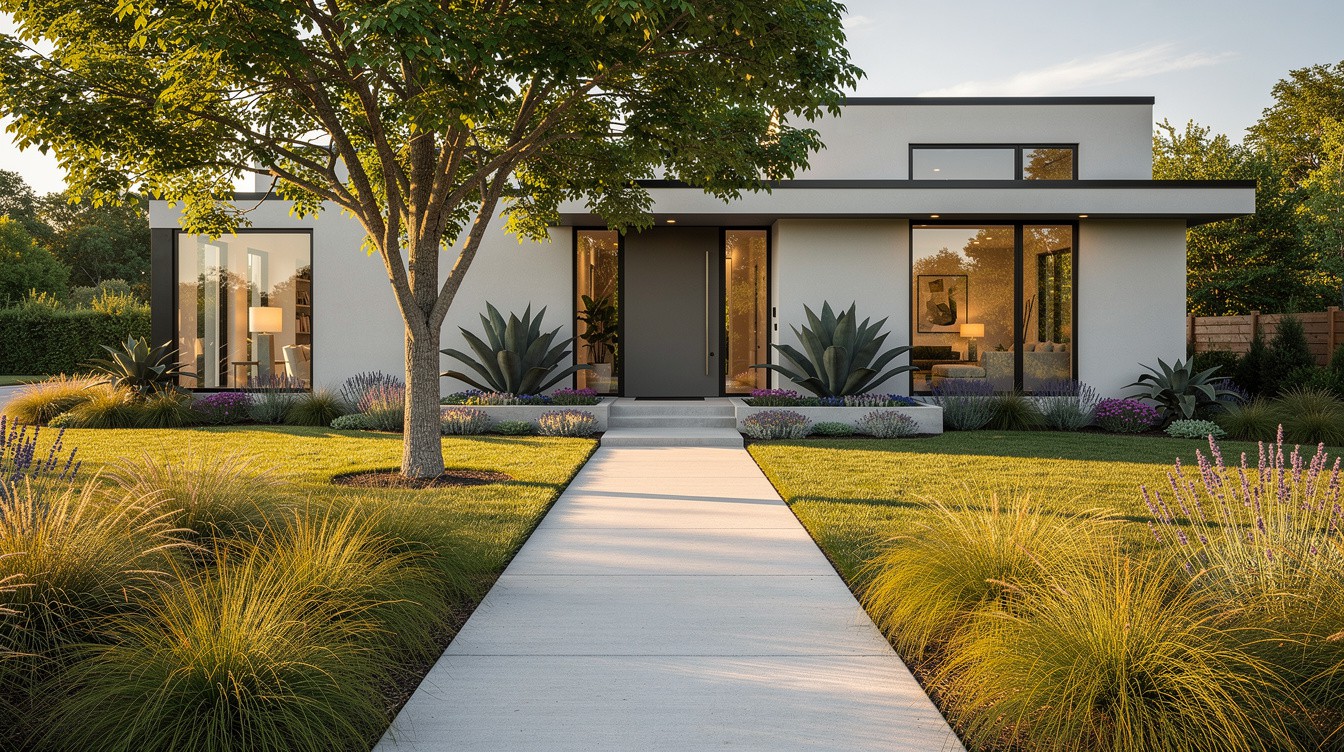
The Agave Threshold
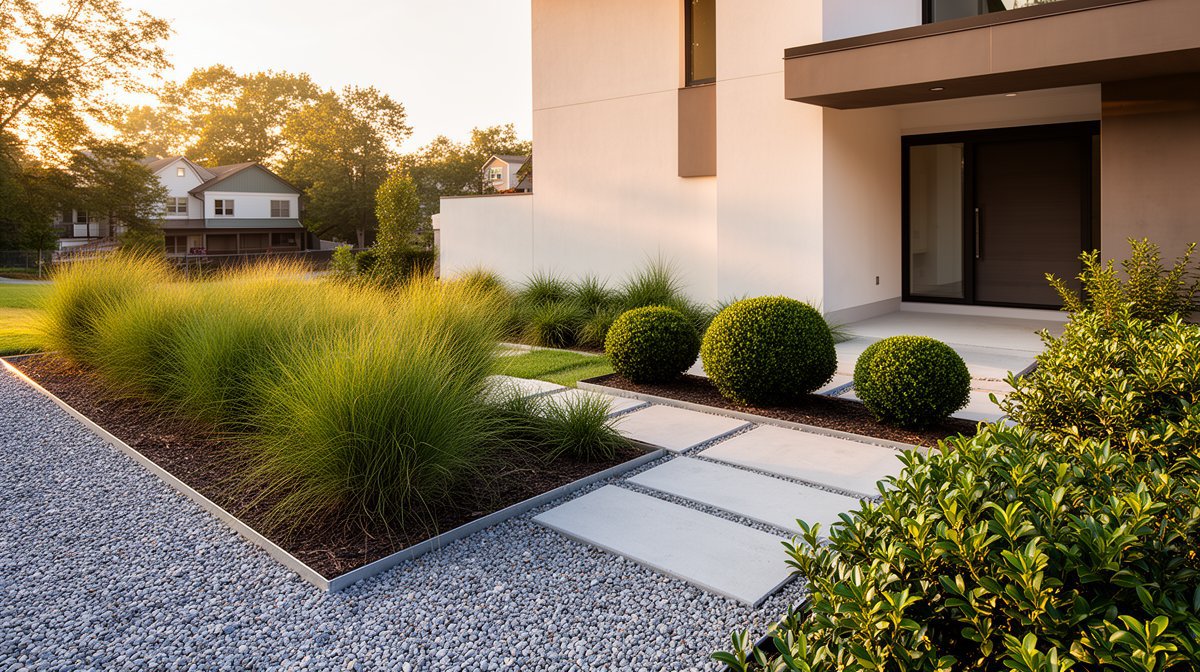
$16–30/sqftA flat-roofed white stucco house with deep black window reveals and a dark pivot door, approached by a single wide broom-finished concrete walk that runs dead straight to floating board-formed steps. Raised concrete planters flanking the entry hold big blue-grey agave rosettes underplanted with lavender and white alyssum, and the front corners of the lot dissolve into loose masses of ornamental grass so the crisp architecture has something soft to land against. A multi-trunk tree breaks the facade's horizontal line and, critically, throws afternoon shade on a west-facing wall through a Tennessee July. Everything succulent sits in those raised planters — that is the detail that lets the look survive 52 inches of rain.
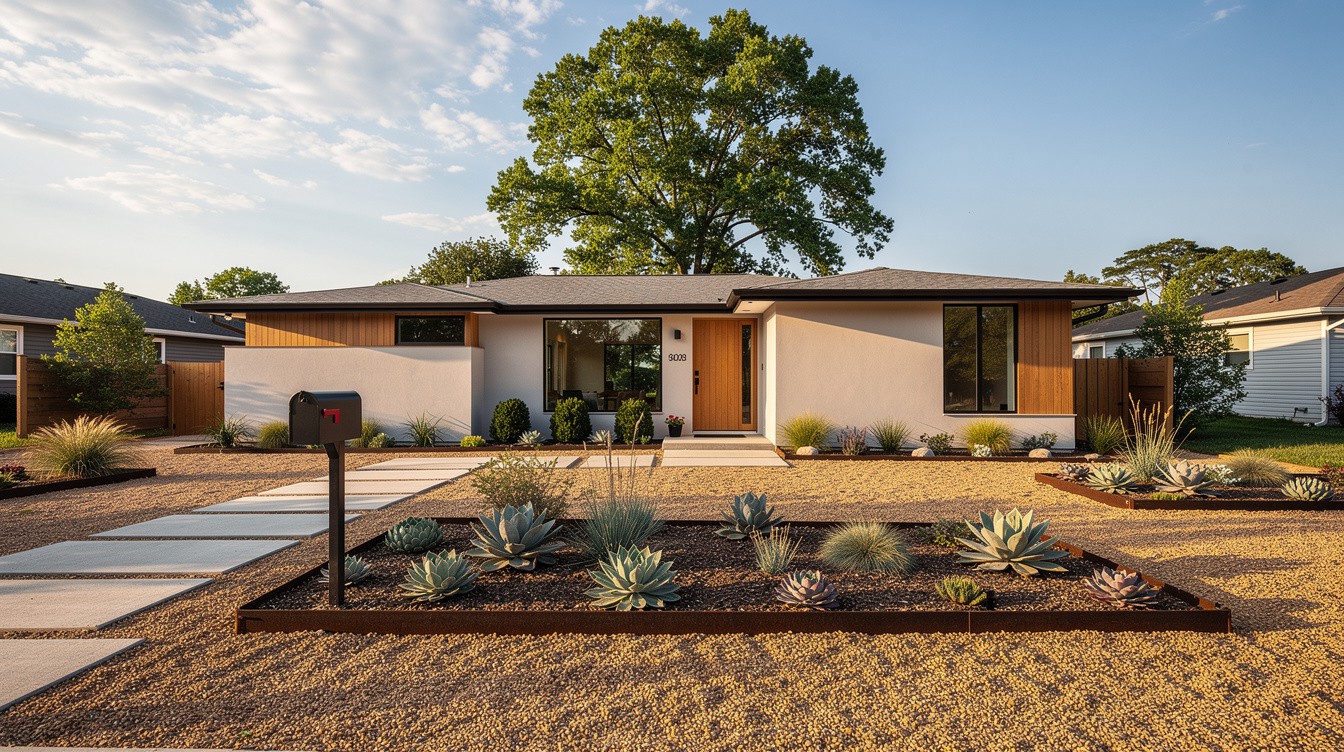
The Corten Gravel Court
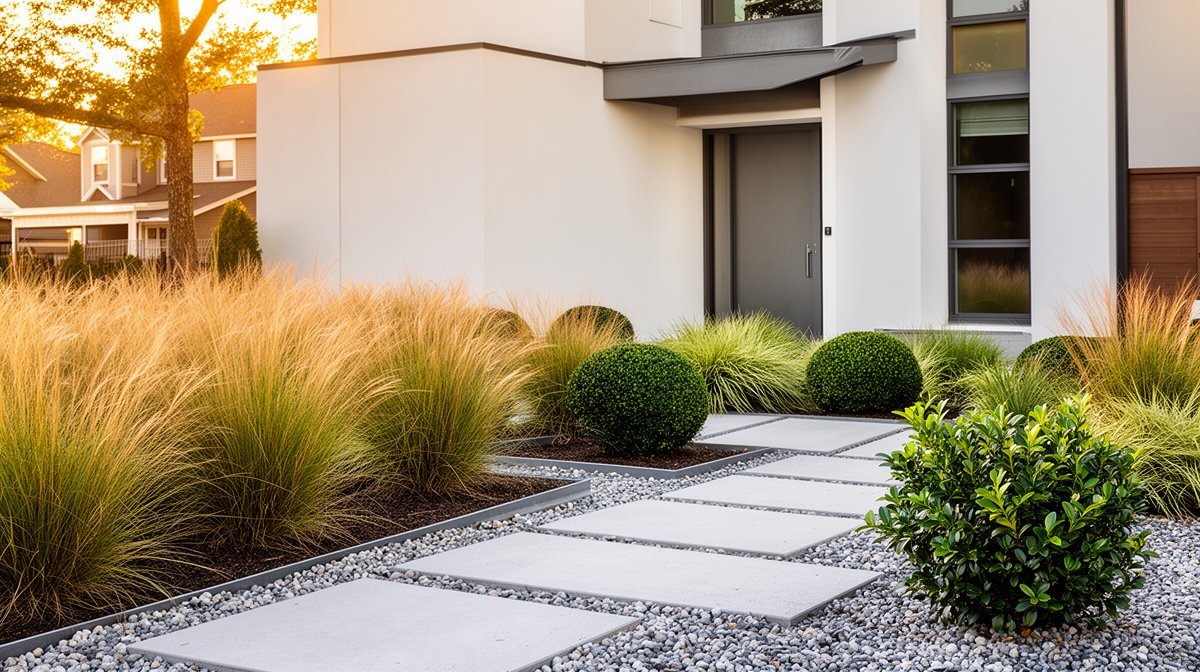
$10–20/sqftA mid-century ranch in white stucco and vertical cedar with its lawn removed entirely and replaced by a field of tan pea gravel, organized by a large rectangular bed edged in weathered Corten steel. Inside the bed, rosettes and small blue-grey grass tufts are spaced generously in dark mulch so each plant reads as an object rather than a mass, and a run of floating float-finished concrete pavers steps across the gravel to the entry, where two clipped evergreen globes give the door a formal pause. The single most important substitution here is at the rosettes: the Echeveria this look uses in California is a summer annual in Chattanooga, so build it from hardy succulents instead.
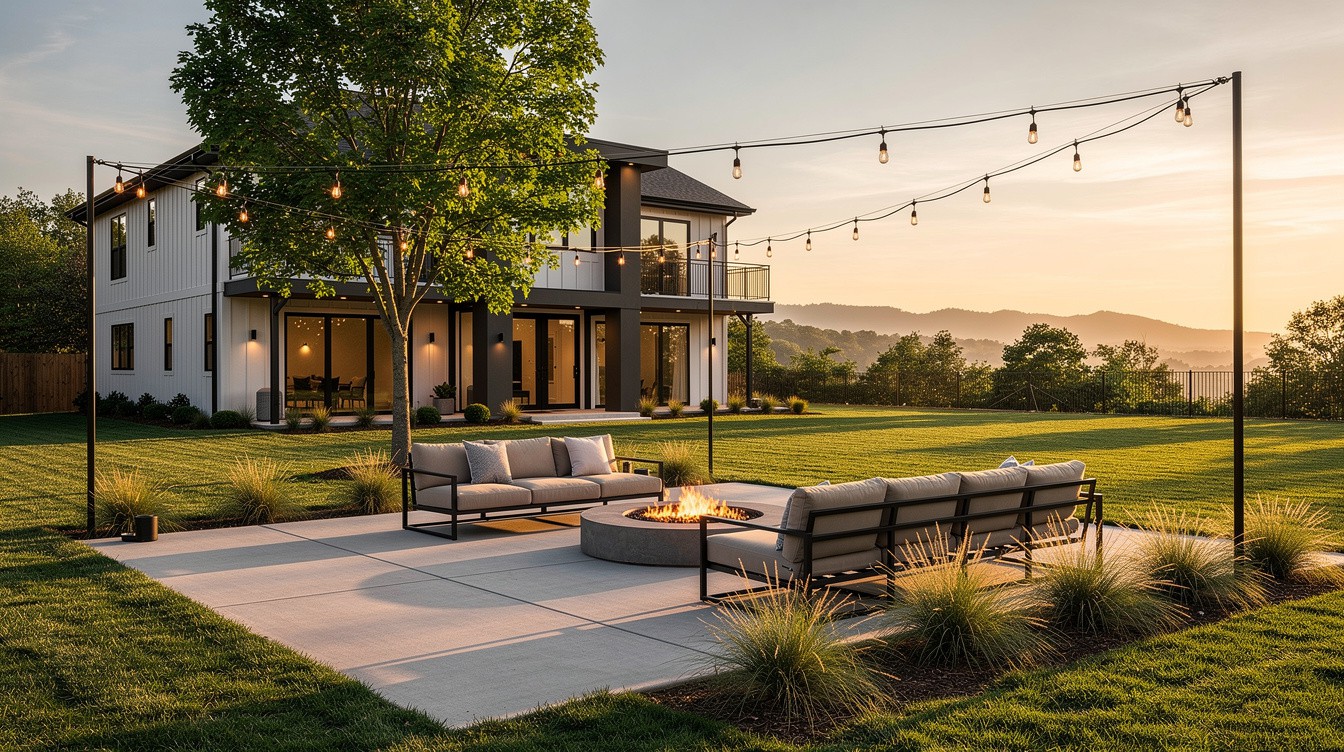
The Brow-View Fire Terrace
$20–38/sqftA large saw-cut concrete slab floats in an open lawn behind a two-story modern farmhouse, with low black-framed sectionals facing a round precast gas fire ring and café lights strung between powder-coated steel poles set in their own footings. Clumps of upright ornamental grass edge the slab and catch the last light, a young shade tree anchors the near corner, and beyond the black metal fence the ridgelines of the valley stack up in the sunset — the whole terrace is aimed at that view rather than at the house. It is a deliberately cheap-per-square-foot design: one paving material, one focal element, one plant texture repeated.
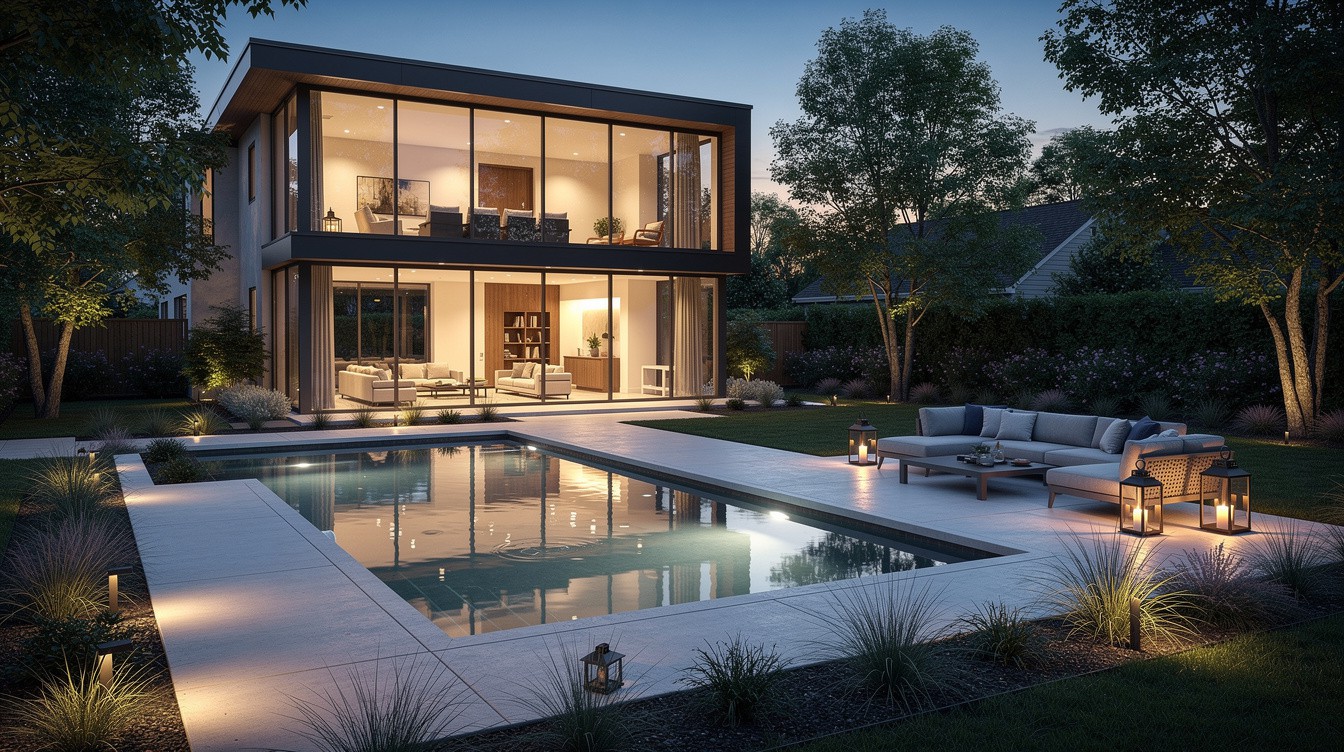
The Glass Box Pool Court
$45–85/sqft (pool area inclusive)At dusk a two-storey glass-walled house glows behind a rectangular pool set in a wide, pale, large-format concrete deck, with a low sectional and lanterns on the far side and low-voltage bollards tracing the walk. The planting is deliberately quiet and entirely textural: fine-leaved grasses and low mounding evergreens ring the deck edges, uplighting throws their shadows onto the fence, and a tall dark hedge closes the back of the property so the composition ends in green rather than in a neighbor's roofline. Restraint is what makes it feel expensive — three plant textures, one paving colour, and warm light doing the rest.
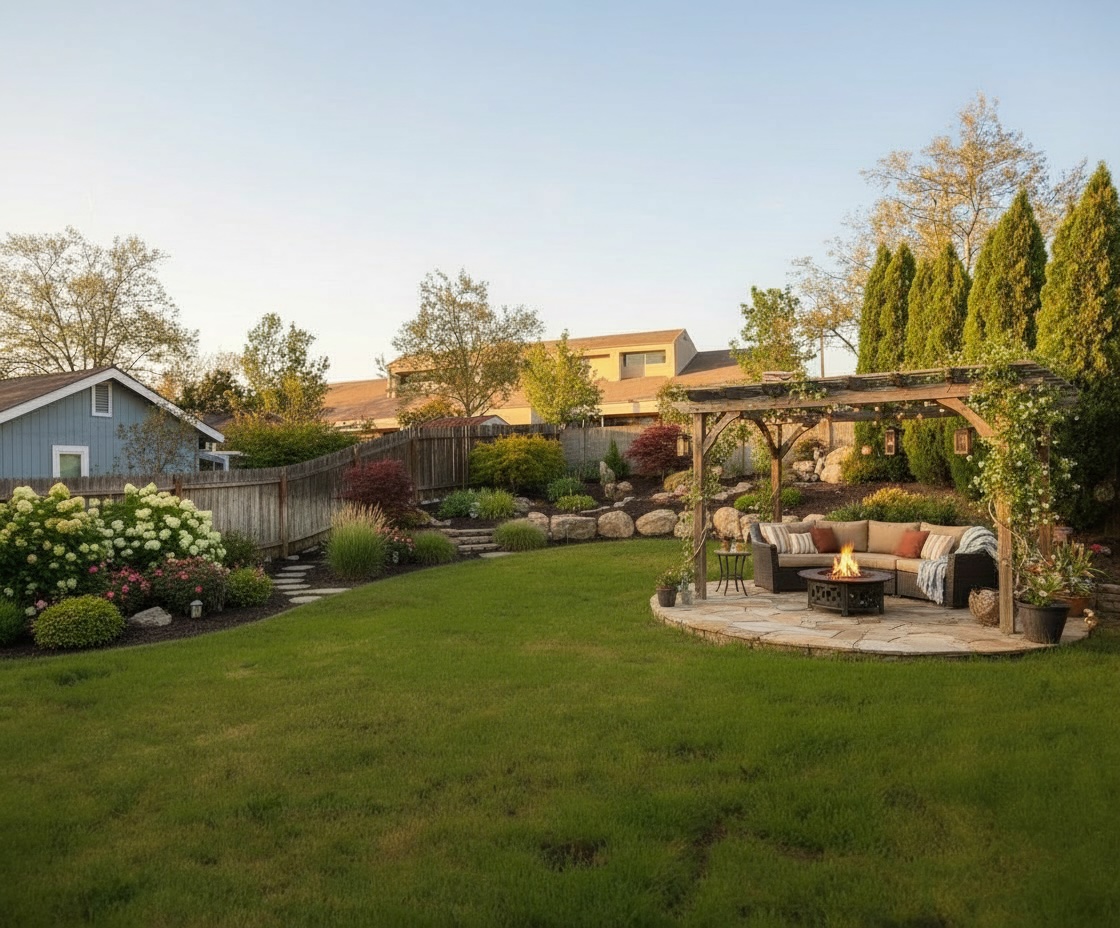
See how a modern/minimalist garden looks on YOUR property
Upload a photo of your Chattanooga yard and visualize your dream garden in seconds.
Try ProScapeAI Free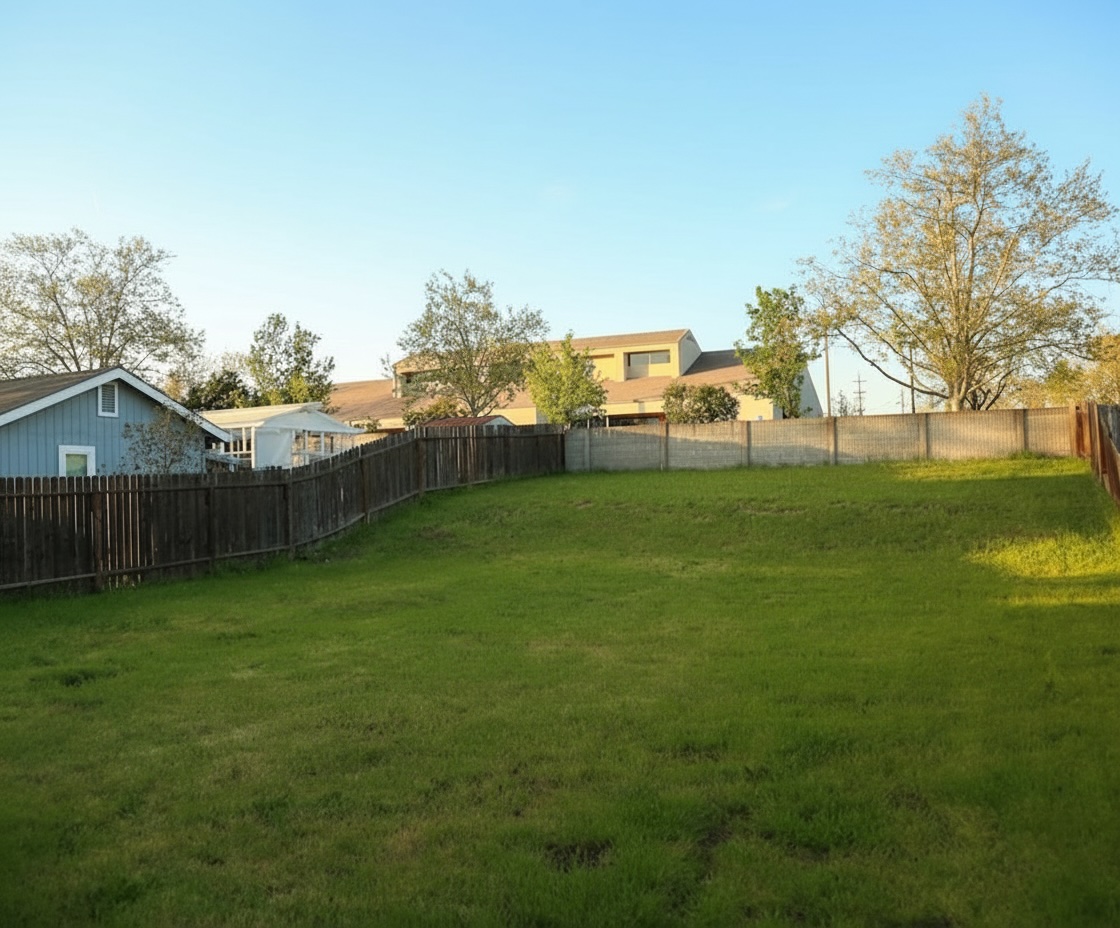
Featured Trees & Shrubs for Modern/Minimalist Gardens
Browse all 114 plants for Chattanooga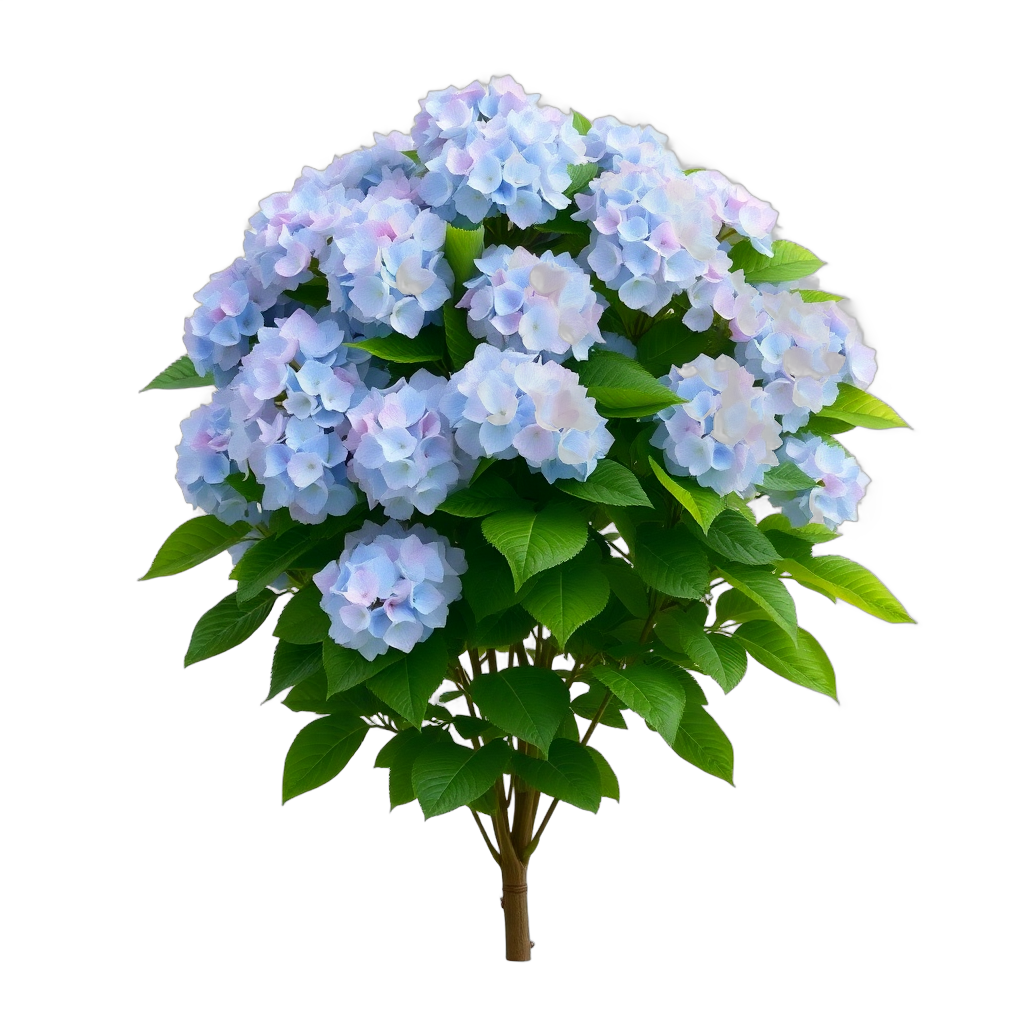
Annabelle Hydrangea
Hydrangea arborescens 'Annabelle'
grows to 5 feet, white blooms in summer. Pollinator-friendly.
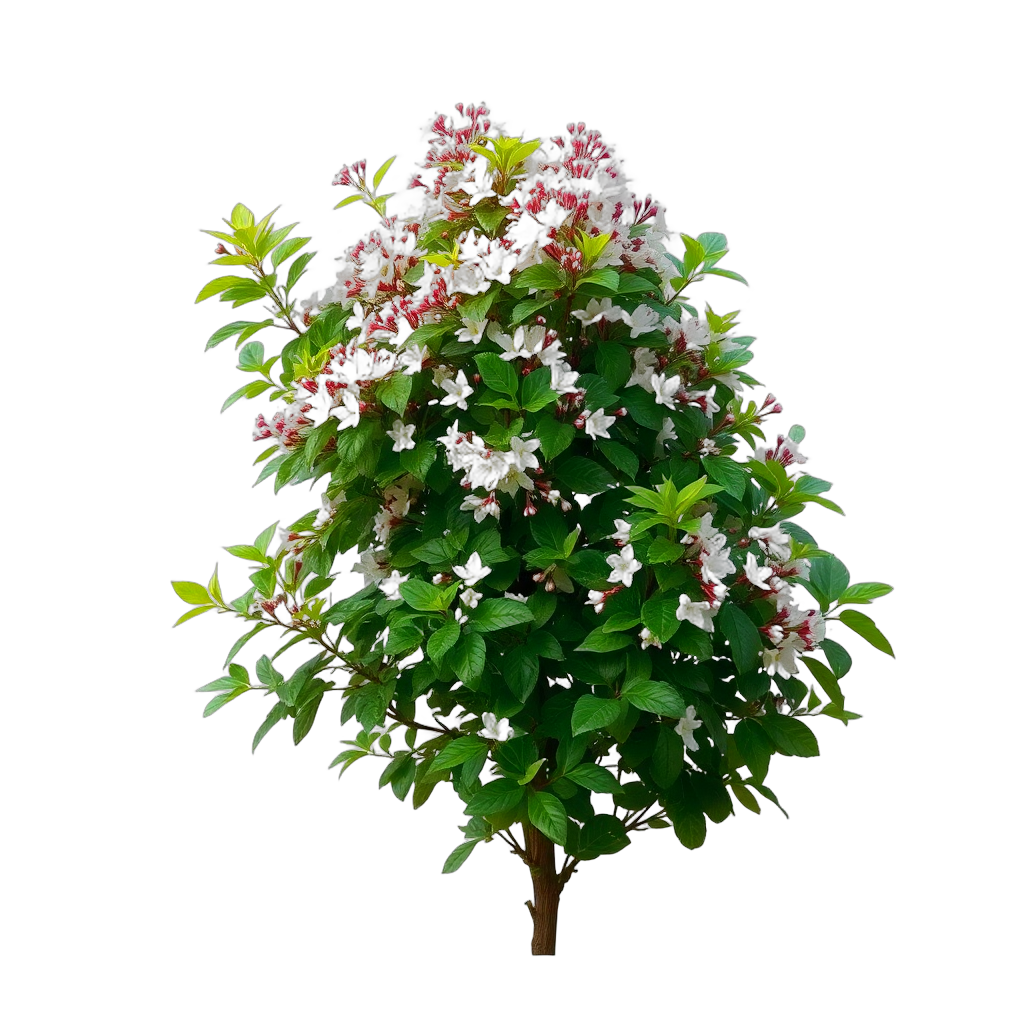
Arrowwood Viburnum
Viburnum dentatum
medium-sized at 10 feet, white blooms in spring. Pollinator-friendly.
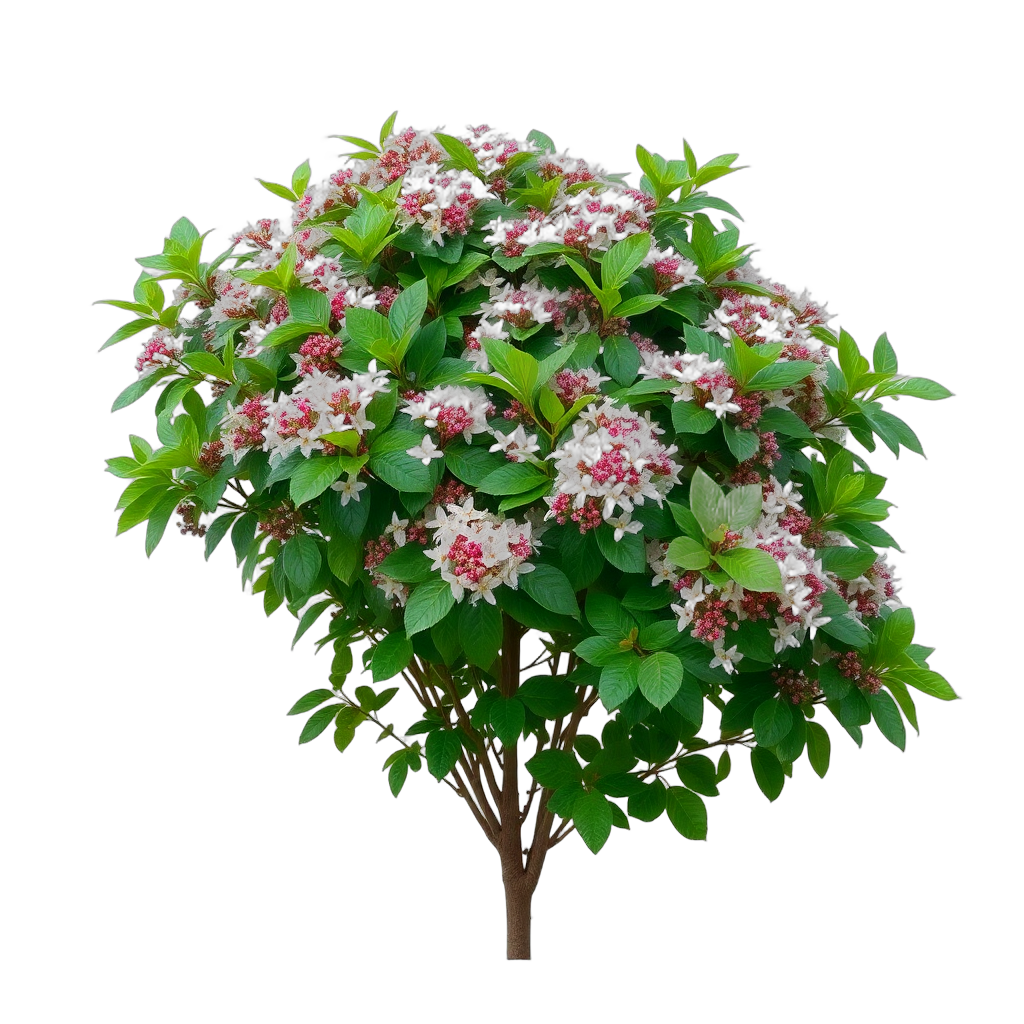
Blackhaw Viburnum
Viburnum prunifolium
medium-sized at 12 feet, white blooms in spring. Pollinator-friendly.
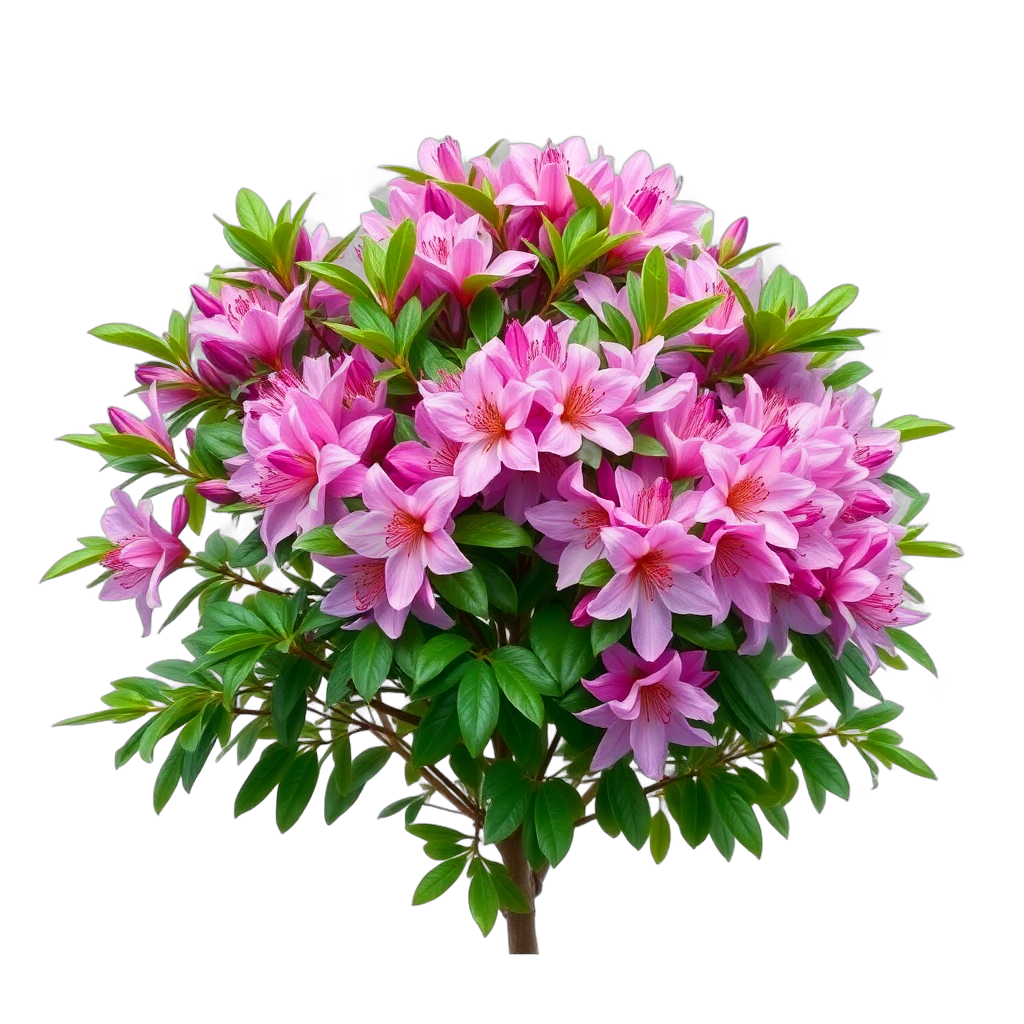
Carolina Rhododendron
Rhododendron carolinianum
grows to 5 feet, pink blooms in spring. Attracts butterflies.
Featured Grasses & Groundcovers for Modern/Minimalist Gardens
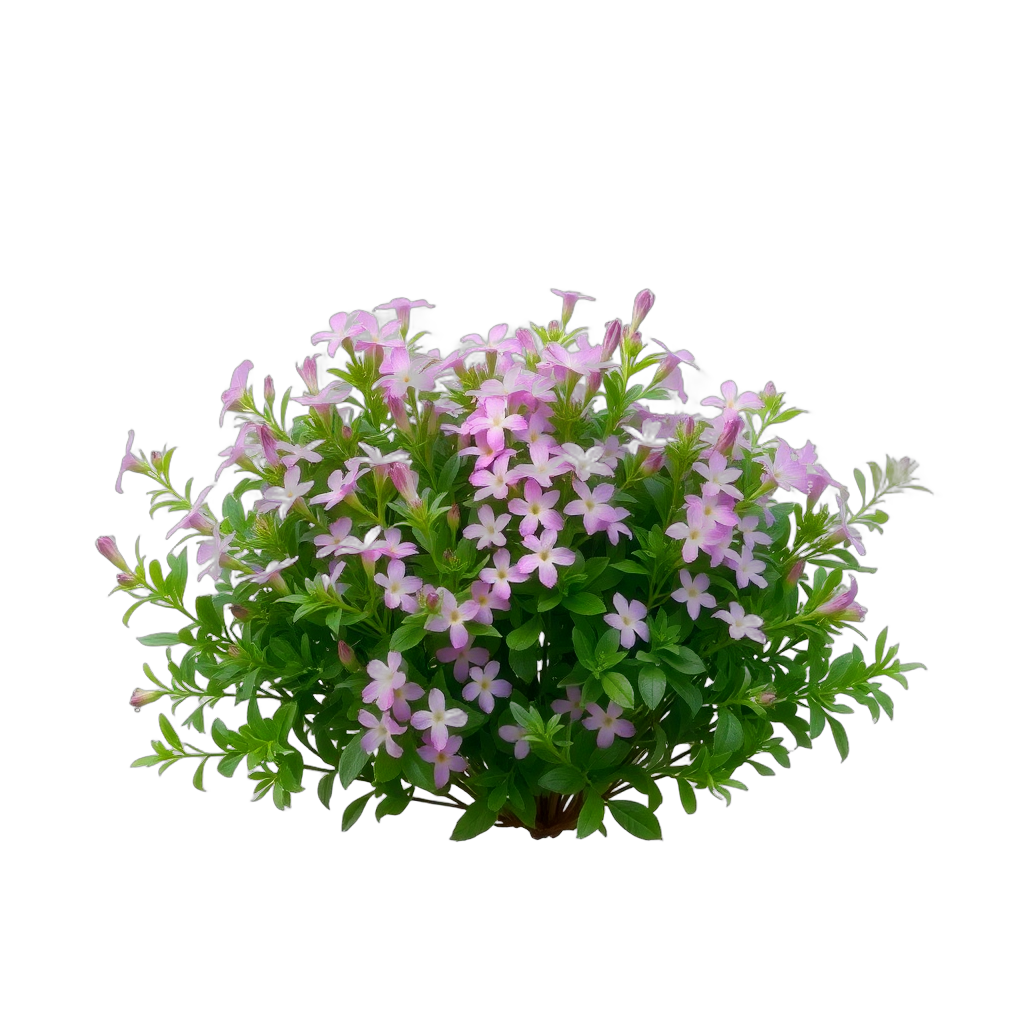
Creeping Phlox
Phlox subulata
low-growing ground cover, multi blooms in spring. Attracts butterflies.
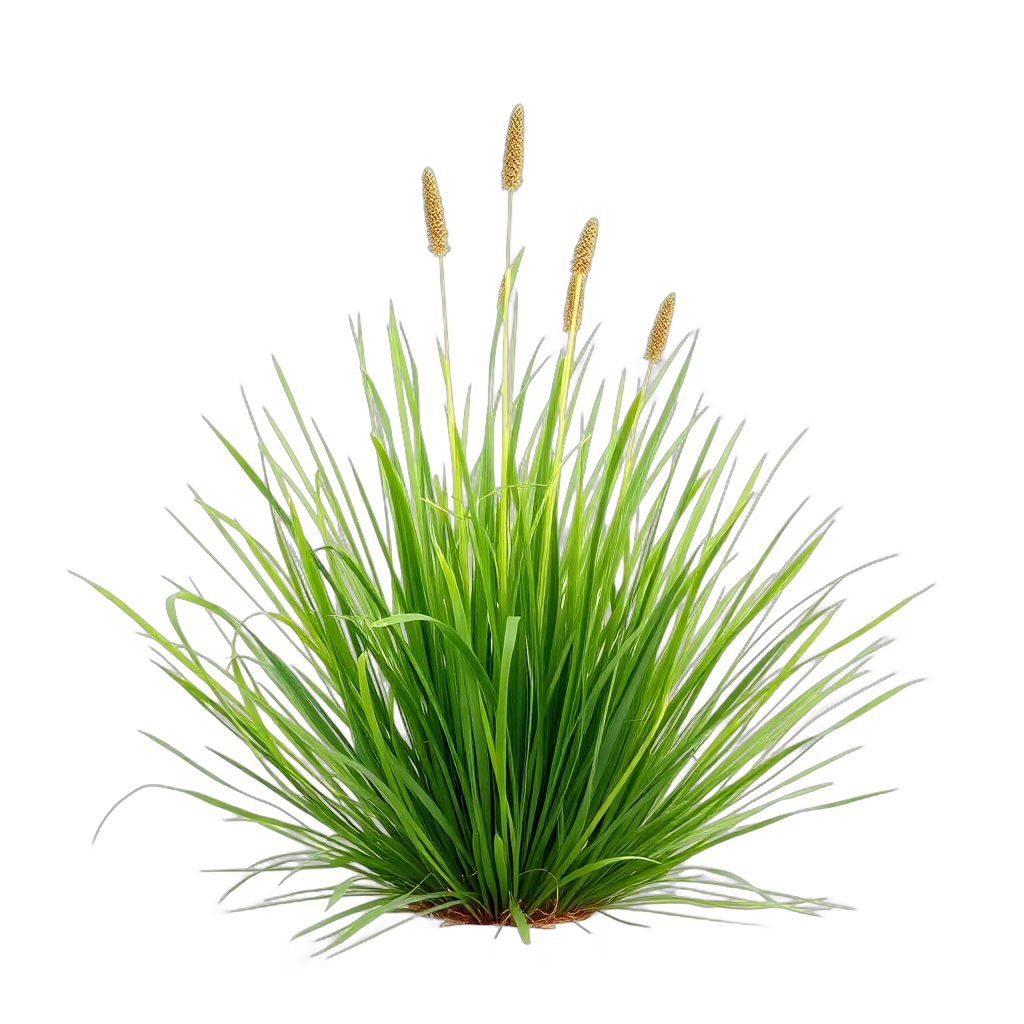
Pennsylvania Sedge
Carex pensylvanica
low-growing ground cover, blooms in spring.

Bermuda Grass
Cynodon dactylon
low-growing ground cover, blooms in summer. Brown fall color.

St. Augustine Grass
Stenotaphrum secundatum
low-growing ground cover, blooms in summer. Brown fall color.
Featured Flowers & Perennials for Modern/Minimalist Gardens
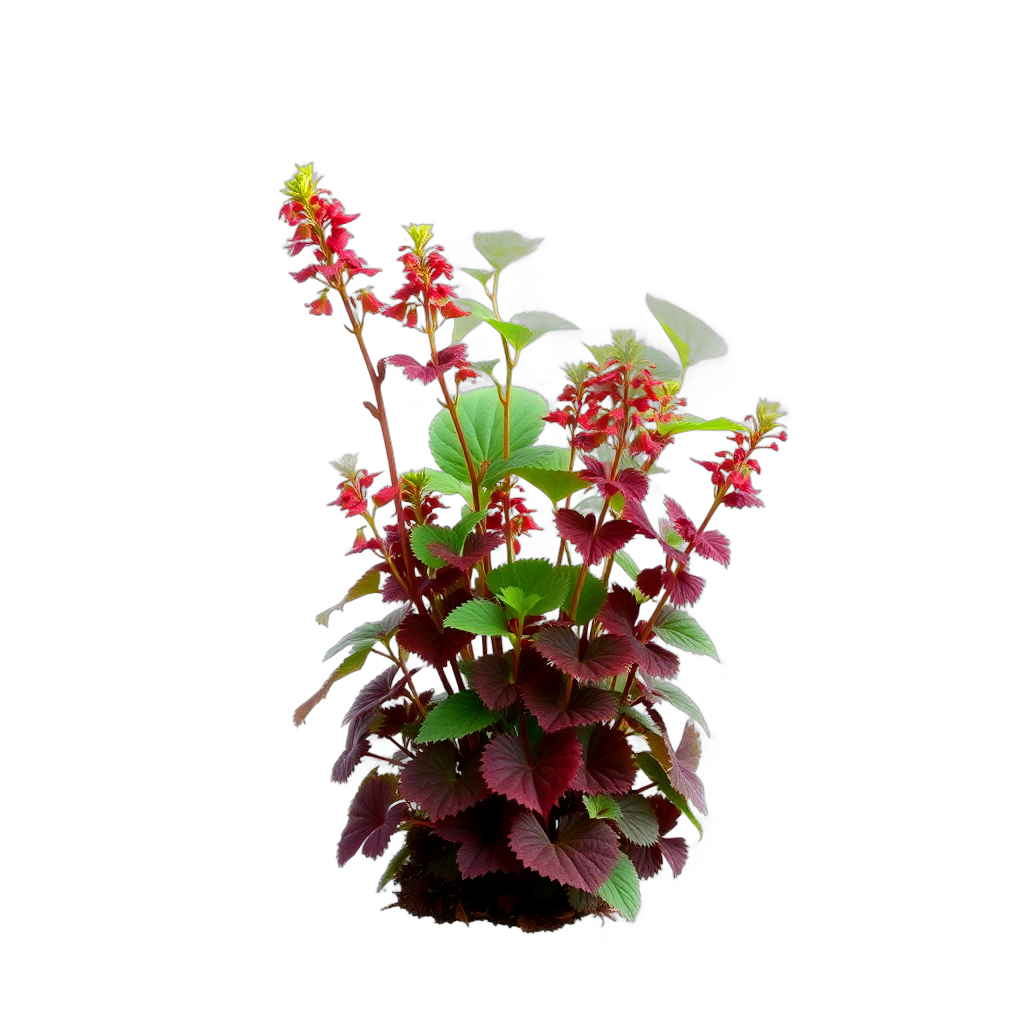
American Alumroot
Heuchera americana
low-growing ground cover, white blooms in spring. Pollinator-friendly.

Bee Balm
Monarda didyma
grows to 3 feet, red blooms in summer. Attracts hummingbirds.
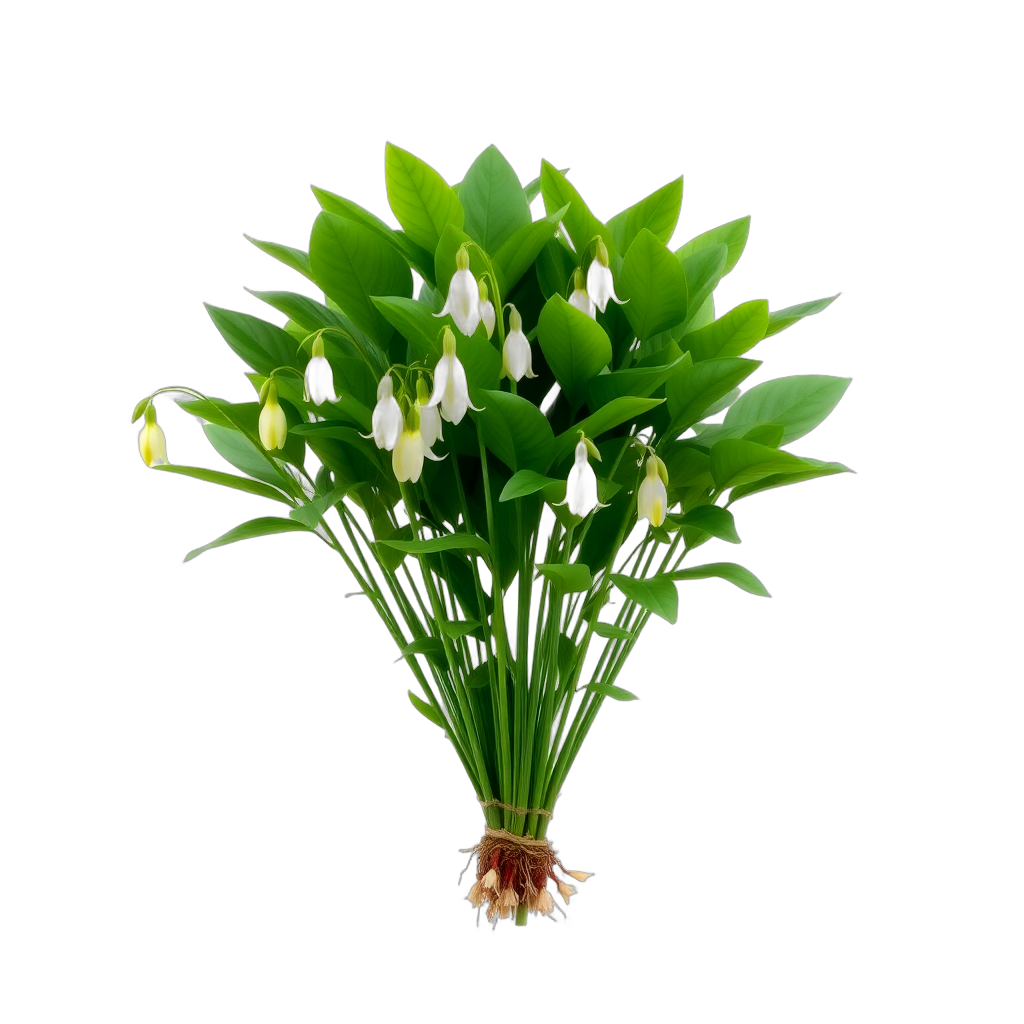
Bellwort
Uvularia grandiflora
low-growing ground cover, yellow blooms in spring. Pollinator-friendly.
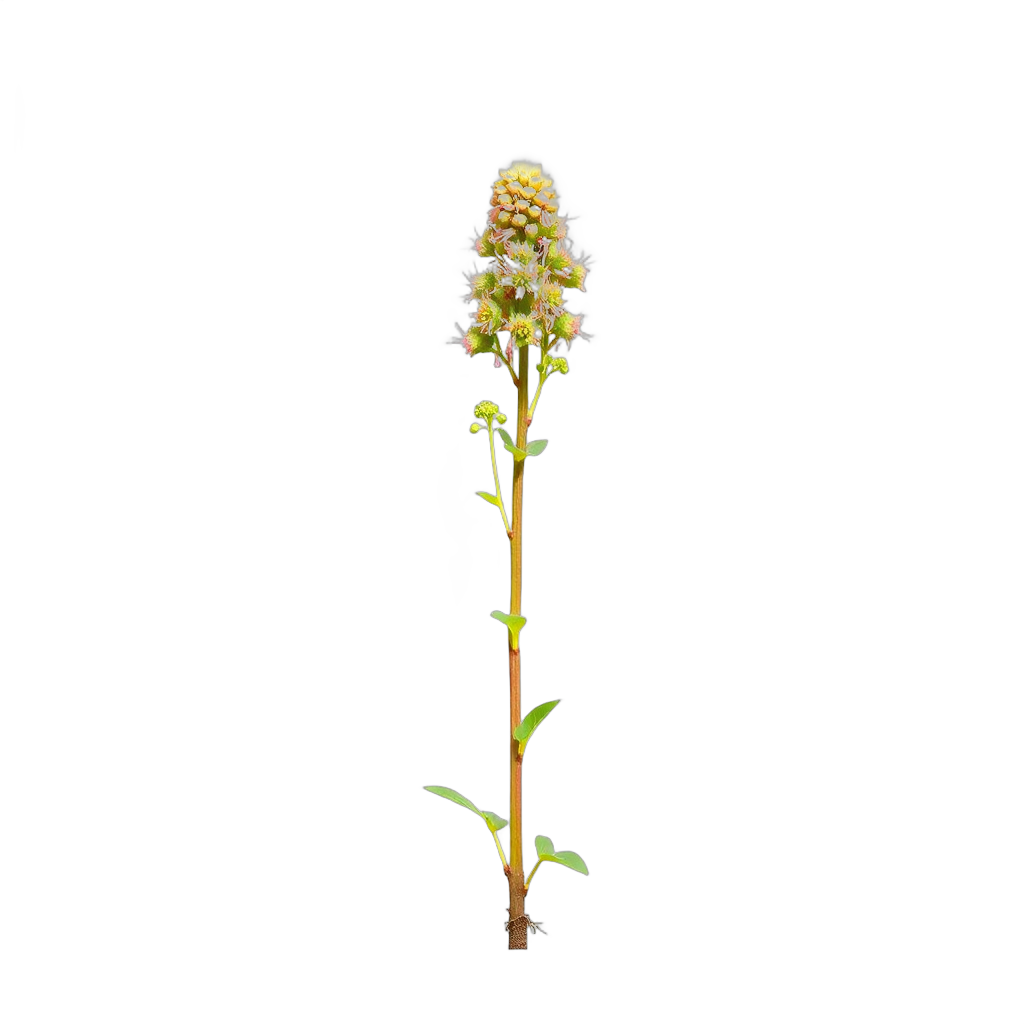
Bishop's Cap
Mitella diphylla
low-growing ground cover, white blooms in spring. Pollinator-friendly.
Bloom Calendar for Chattanooga
spring
American Alumroot, Bellwort, Bishop's Capsummer
Bee Balm, Black Cohosh, Black Cohoshfall
Limited bloomswinter
Limited bloomsDesign Tips for Chattanooga (Zone 7b)
- Raise every succulent bed above grade with 50/50 native soil and crushed granite under gravel mulch — Chattanooga's 52 inches of rain, not its 5–10°F winter lows, is what rots Agave ovatifolia and Yucca rostrata out of a modern plan
- Specify Panicum virgatum 'Northwind' wherever a plan calls for Calamagrostis 'Karl Foerster'; the Karl Foerster flops open in Tennessee River valley humidity by August, while 'Northwind' holds a rigid column into January
- Design with the slope rather than levelling it — a single board-formed concrete or Corten retaining wall on a Signal Mountain, Lookout Mountain, or Missionary Ridge grade is the strongest modern gesture available and it solves drainage at the same time
- Delete boxwood from the palette: use Distylium 'Vintage Jade' and Ilex vomitoria 'Nana' for clipped low mass, Ilex × 'Nellie R. Stevens' for screening, and Juniperus chinensis 'Spartan' instead of Italian cypress for vertical accents
- Compact 6–10 inches of #57 crushed stone under every slab and gravel court; cherty Knox Group clay swells wet and shrinks dry, and it will crack a concrete terrace poured on bare ground within three seasons
- Keep and limb up the mature canopy trees — a Chattanooga modern garden with no shade is unusable from mid-June to September, and a high-limbed oak or Betula nigra 'Dura-Heat' reads as sculpture above a clean concrete groundplane
Where to Source Plants in Chattanooga
Skip the big-box stores. These independent Chattanooga nurseries specialize in the plants that make modern/minimalist gardens thrive in Zone 7b.
The Barn Nursery
Southside
One of the Southeast's largest garden centers with a pottery outlet and extensive plant selection.
Signal Mountain Nursery
Signal Mountain
Third-generation family business operating 76+ years with quality plants and trees.
America's Gardens Plant Nursery & Landscaping
Red Bank
Independently-owned nursery and landscape design center with full-service maintenance.
Green Thumbs Galore
Missionary Ridge
Licensed backyard nursery specializing in iris, daylilies, brugmansia, and unusual perennials.
Modern/Minimalist Landscaping Costs in Chattanooga
| Project Scope | Estimated Cost |
|---|---|
| Front yard modern conversion (turf removal + gravel field + architectural plants) | $5,500 – $12,000 |
| Poured or saw-cut concrete terrace (300–500 sqft) | $9,000 – $24,000 |
| Backyard fire terrace with seating, gas fire ring, and string lighting | $18,000 – $45,000 |
| Pool deck + full modern backyard landscape | $70,000 – $180,000 |
| Board-formed concrete or Corten retaining wall on a sloped lot (per linear foot) | $120 – $260/ft |
| AI visualization with ProScapeAI | Free to start |
Estimates based on Chattanooga, TN-area contractor rates as of 2026. Actual costs vary by site conditions, materials, and contractor.
Chattanooga Climate & Growing Zone
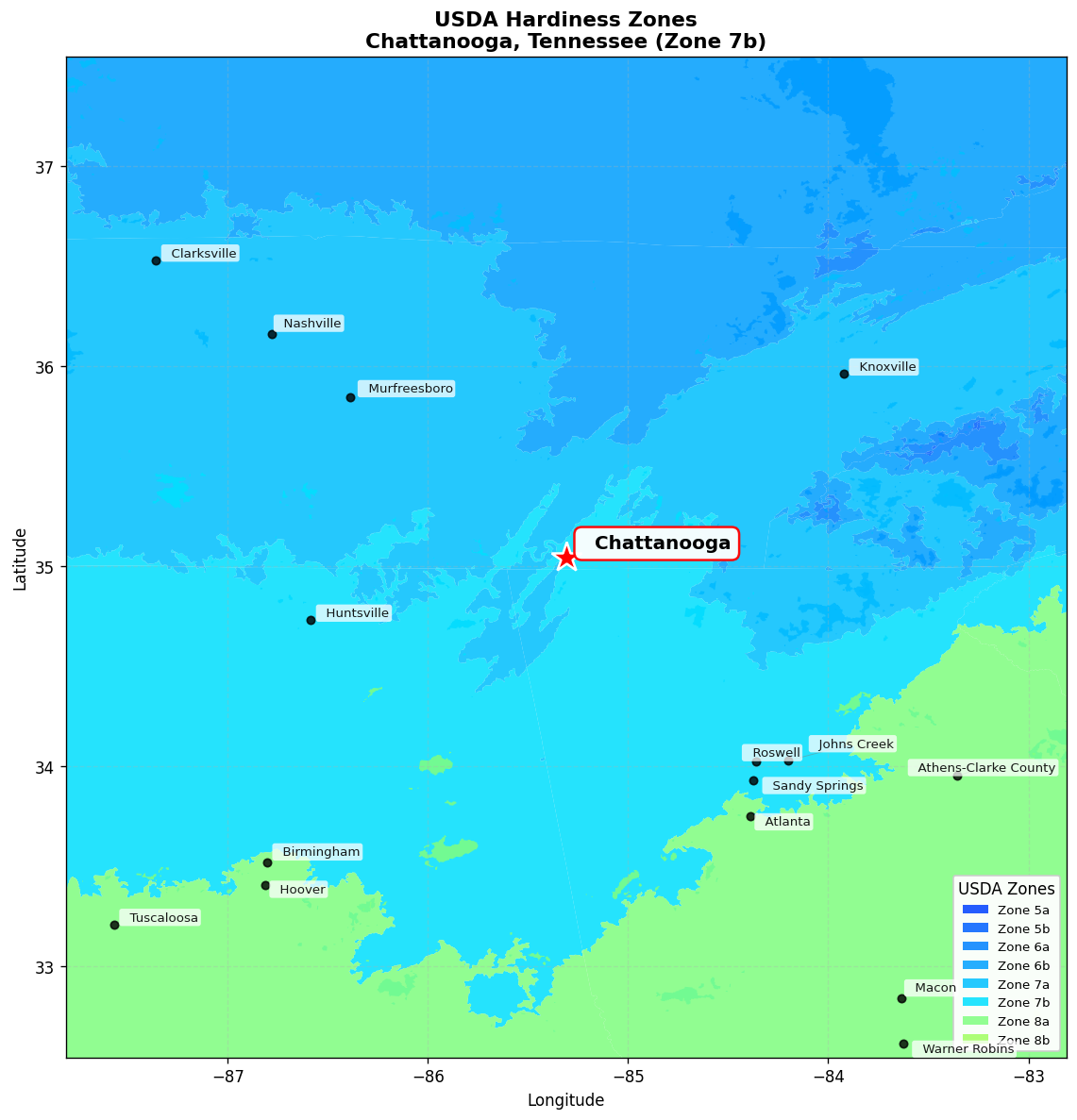
USDA Zone 7b
Hardiness zone for Chattanooga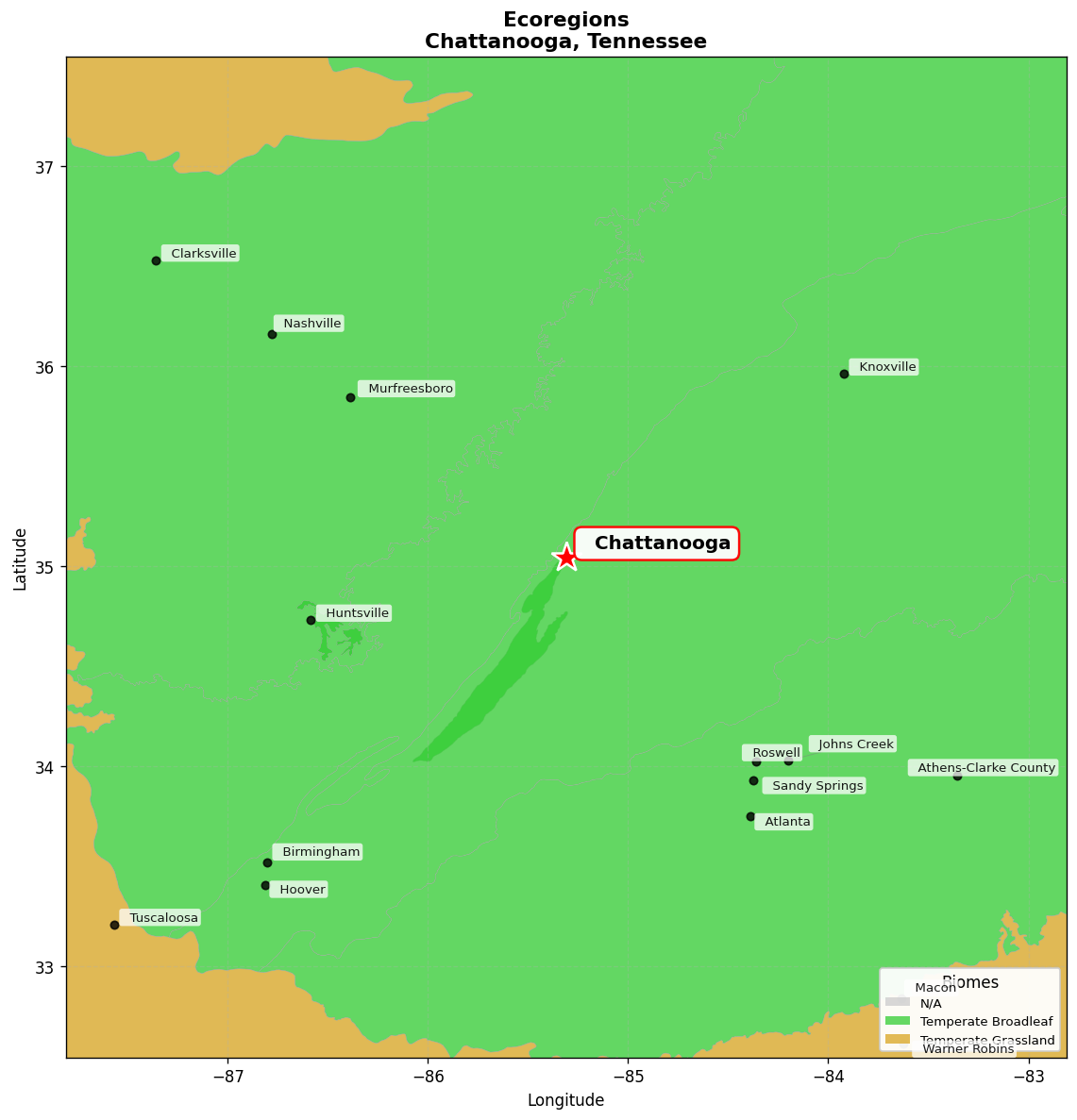
Appalachian-Blue Ridge forests
Native ecoregionFrequently Asked Questions
How much does modern landscaping cost in Chattanooga?
Hamilton County pricing runs roughly 15–20% below big-metro averages, with crews around $50–70 an hour. A complete front-yard modern conversion — turf removal, gravel field, Corten edging, and architectural plants across a typical 500 sqft front yard — comes in at $5,500–12,000 installed. A poured or saw-cut concrete terrace of 300–500 sqft runs $9,000–24,000 depending on finish and access, and access is a real cost driver on the narrow, steep drives of St. Elmo and Missionary Ridge. A backyard fire terrace with seating and lighting is typically $18,000–45,000, and a full pool court on a Lookout Mountain or Riverview lot lands between $70,000 and $180,000.
Can agaves and succulents survive Chattanooga winters?
The right ones, yes — cold is not what kills them here, water is. Zone 7b lows of 5–10°F are within range for Agave ovatifolia, Agave parryi var. truncata, Agave havardiana, Yucca rostrata 'Sapphire Skies', and Hesperaloe parviflora 'Brakelights'. What kills them is 52 inches of rain sitting in cherty clay through a mild wet winter. Plant every succulent in a bed raised or bermed above grade, backfilled 50/50 with native soil and crushed granite, and top-dressed with 3/8 in. gravel rather than bark mulch. Do not plant Echeveria, Aeonium, or blue Agave americana expecting them to return — substitute Sempervivum 'Royal Ruby', Delosperma cooperi, and Sedum 'Angelina' for the same rosette-and-mat look with full hardiness.
Which ornamental grasses stay upright in Chattanooga's humidity?
This is where most modern plans here fail. Calamagrostis × acutiflora 'Karl Foerster' is the default upright grass in design magazines and it reliably splays open in the middle by August in a Tennessee River valley summer. Use Panicum virgatum 'Northwind' instead — it holds a strict vertical into January — with Panicum 'Shenandoah' where you want red autumn colour. Schizachyrium scoparium 'Standing Ovation' is the selected little bluestem bred not to flop, Sporobolus heterolepis is superb and nearly indestructible, and Muhlenbergia capillaris gives you the pink October haze that photographs so well against grey concrete. Stipa/Nassella tenuissima is short-lived and reseeds aggressively here. Cut everything back once in late February.
What should I plant instead of boxwood for clean modern hedging?
Boxwood blight and boxwood leafminer are both present in the region, and a clipped Buxus hedge is the single most likely element of a modern plan to fail within five years. Distylium 'Vintage Jade' and 'Blue Cascade' are the best low modern substitutes — glossy, evergreen, heat-proof, and happy in clay. Ilex vomitoria 'Nana' (dwarf yaupon) shears into a crisp box shape and is native to the Southeast. For tall screening, Ilex × 'Nellie R. Stevens' or Thuja 'Green Giant' will outrun anything else. For vertical accents where a designer would specify Cupressus sempervirens, use Juniperus chinensis 'Spartan' or 'Blue Point' — Italian cypress is marginal at Zone 7b and hates wet winter clay.
What does chert clay and karst mean for concrete and paver work?
It means base prep is not the place to save money. Knox Group limestone weathers into cherty clay that swells through a 52-inch rain year and shrinks hard in an August dry spell, so budget 6–10 inches of compacted crushed stone (#57 with fines) under every slab, paver field, and gravel court. Concrete poured on bare Chattanooga clay will crack and settle within about three seasons. The valley floor is karst — Brainerd, Hixson, and parts of East Brainerd sit over solvable limestone — so if excavation turns up a soft void or a swallow hole, stop and have it assessed before pouring. On the sandstone caps of Signal Mountain and Lookout Mountain you will hit ledge rock instead, which is a different problem: price rock breaking separately and design raised structures rather than deep excavation.
Do I need a permit for a modern landscape project in Chattanooga?
Planting, gravel conversions, and at-grade patios generally do not need a permit within the city. Permits apply to retaining walls above 4 feet (which require engineered drawings), pools and pool barriers, roofed structures, electrical for lighting and pool equipment, and any work large enough to trigger the City of Chattanooga's land-disturbance and stormwater requirements. Grading and runoff review matters most on the steep lots of St. Elmo, Missionary Ridge, and the mountain brows, where a new concrete terrace can redirect a surprising volume of water onto a downhill neighbor. The Towns of Lookout Mountain and Signal Mountain administer their own permits and tree ordinances separately from the city. Call 811 before any excavation.