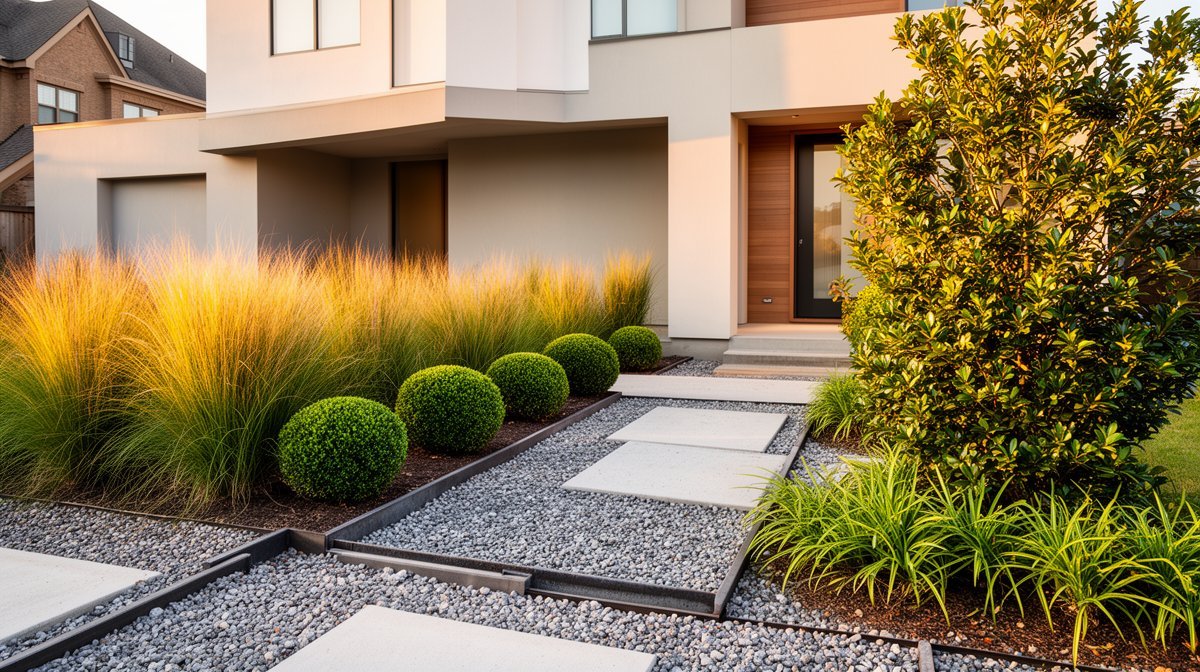
4 Modern Garden Ideas for Knoxville, TN | Clean-Line Landscape Design in Zone 7a
Native plants from the Appalachian-Blue Ridge forests (Zone 7a) — Humid subtropical climate
Why Modern/Minimalist Gardens in Knoxville?
Knoxville has a deeper bench of modern architecture than people outside East Tennessee expect. The 1950s and 60s ranches filling West Hills, Norwood, and the flatter streets of Fountain City were built with the low horizontal rooflines, carports, and window walls that modern landscaping exists to frame, and the contemporary infill going up in South Knoxville and along the Northshore corridor pushes further — shed roofs, cedar rainscreens, black window frames. What Knoxville adds that a flat suburb cannot is topography. The Ridge-and-Valley province stacks parallel ridges across the entire county, so a back terrace in Holston Hills or off Sevierville Pike often looks out over a wooded ridgeline rather than a neighbor's fence. One board-formed concrete or Corten retaining wall does double duty here: it makes the slope usable and becomes the strongest design line on the property.
Zone 7a puts average winter lows at 0 to 5°F, and that is the real constraint on the desert-modern look. Cold alone would be survivable; cold combined with roughly 48 inches of annual rain, much of it falling between December and April, is what rots architectural succulents. The fix is species selection plus drainage, not protection. Agave ovatifolia and Agave parryi var. truncata take single digits in a raised, gravel-mulched bed of 50/50 native soil and #78 limestone chip; Agave americana will not see a second February. For sculpture you can count on, lean on grasses built for Appalachian humidity: Panicum virgatum 'Northwind' stands rigidly upright through winter, Sporobolus heterolepis and Schizachyrium scoparium 'Standing Ovation' hold their form on lean soil, and Muhlenbergia capillaris throws its pink haze every October. Skip Miscanthus sinensis, which self-sows along East Tennessee roadsides — Calamagrostis x acutiflora 'Karl Foerster' gives the same vertical line and is sterile.
Modern design lives or dies on hardscape, and Knoxville's ground has opinions. Most lots sit on cherty red clay weathered from Knox dolomite, which is plastic and heaving when saturated, concrete-hard by September, and full of chert cobbles that slow excavation and raise bids. Every slab, paver field, and footing wants 4 to 6 inches of compacted crusher run. Tennessee's 12-inch frost depth is shallow, so what you are really designing against is clay shrink-swell, not frost heave — sawcut or tool control joints every 8 to 10 feet and random cracking stops being a question. East Tennessee installation labor runs meaningfully below national metro rates, which is why a poured-concrete terrace that prices out in Nashville or Atlanta is often the best-looking cheap option in Knoxville. Plant in October, pour concrete in almost any month, and grade every hard surface to fall away from the house before the first spring gully-washer settles the matter for you.
4 Modern/Minimalist Design Ideas for Knoxville
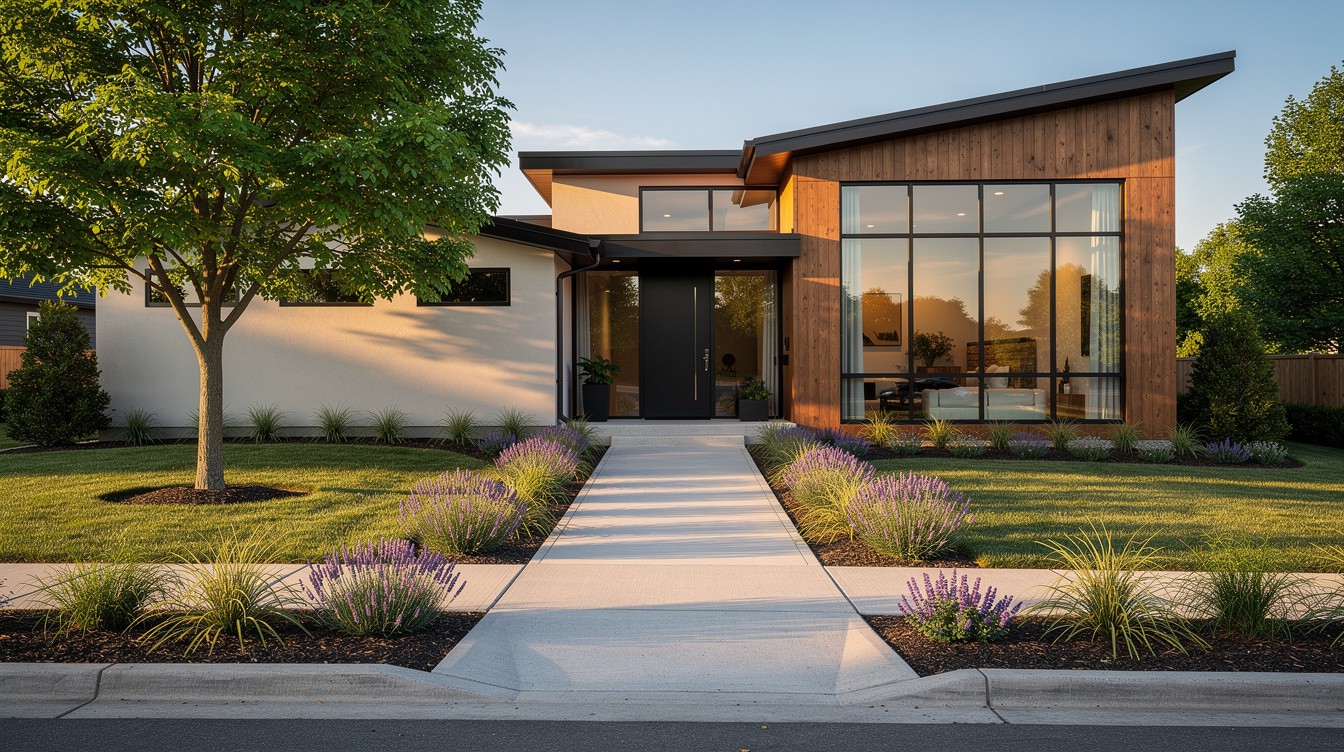
The Shed-Roof Entry Walk
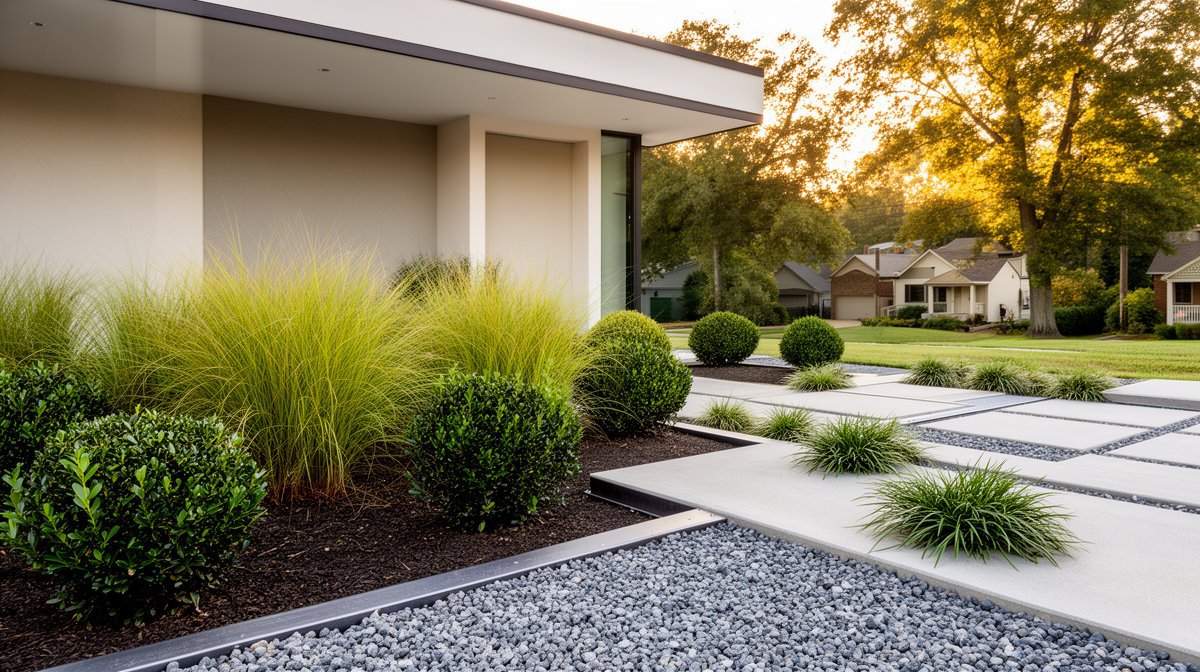
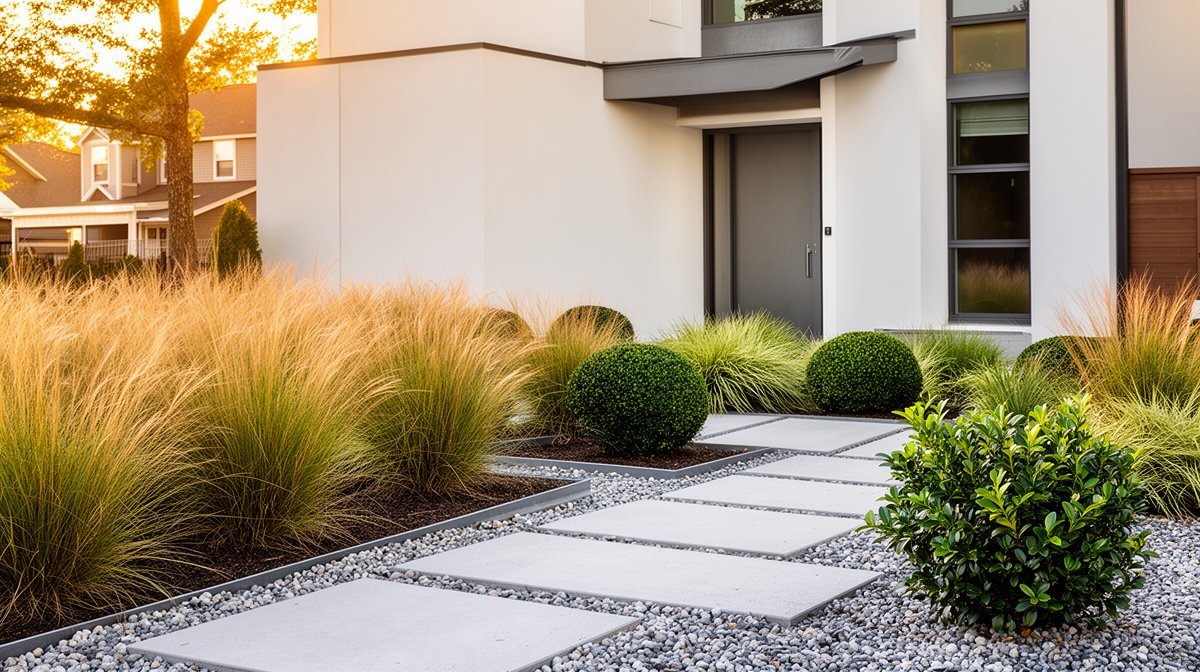
$14–26/sqftA wide, broom-finished concrete walk runs dead straight from the curb to a black double door, its sawcut joints echoing the horizontal siding lines above. The planting is deliberately minimal and strictly linear: two long ribbons of silver lavender and fine-textured grasses flank the walk in dark-mulched beds with a crisp steel edge, and clean panels of fescue lawn hold the space on either side. A single young shade tree sits in a mulch ring off to the left rather than centered, which is what keeps the composition modern instead of symmetrical.
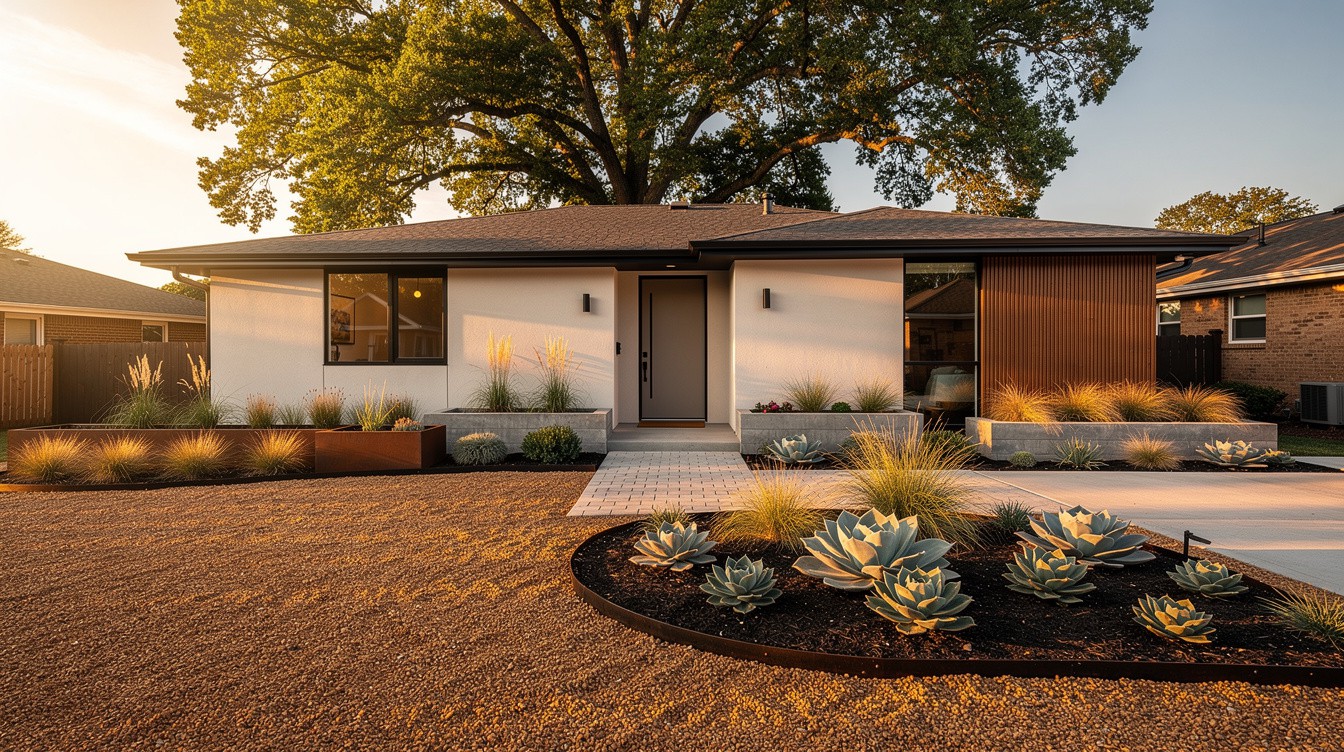
The No-Mow Gravel Ranch
$12–24/sqftThe front lawn is gone entirely, replaced by a field of warm-toned river gravel that reads like a floor rather than a mulch. A Corten steel planter and a run of low board-formed concrete planters step across the facade at seat height, filled with grasses that catch the low sun and glow copper. A steel-edged island bed in dark mulch holds a widely spaced grid of big blue-gray agave rosettes as the sculptural counterpoint — the raised beds and gravel mulch being precisely what lets desert plants survive a 48-inch rain year. The mature oak canopy overhead proves the look coexists with the big trees Knoxville lots already have.
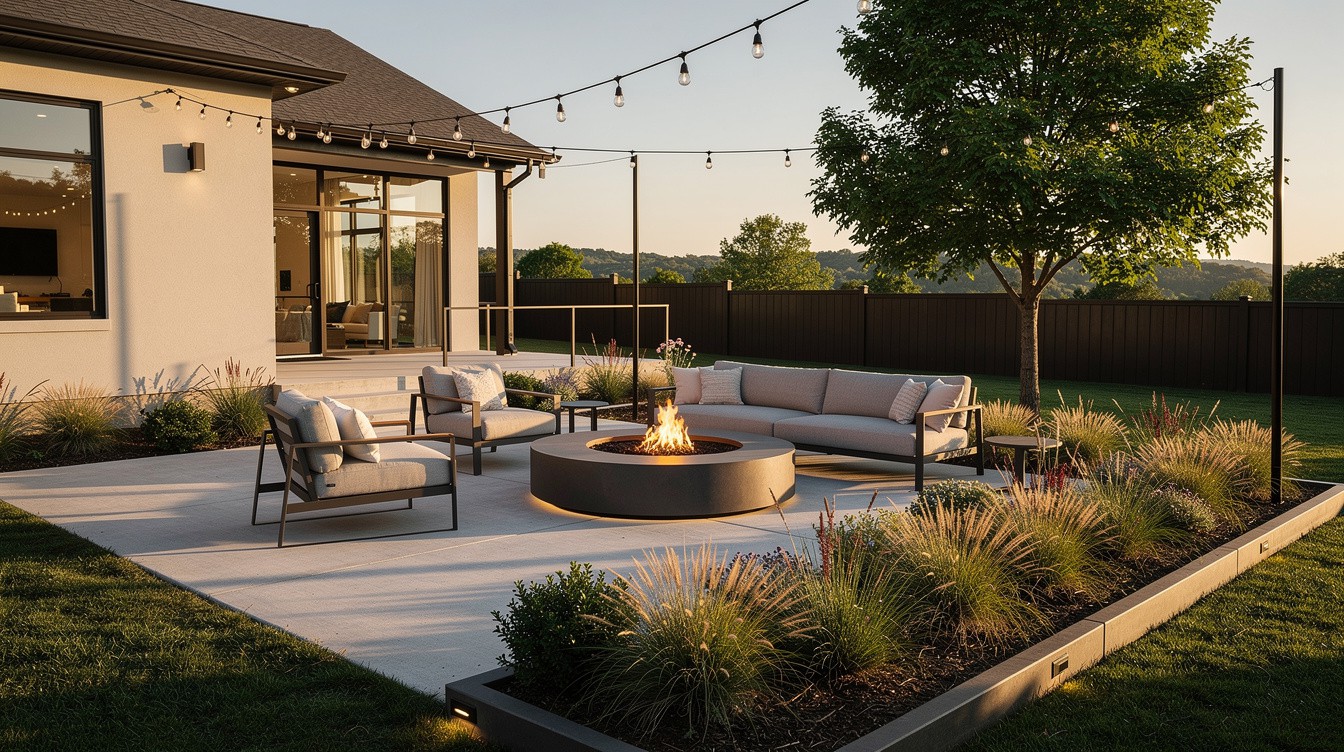
The Ridge-View Fire Terrace
$22–40/sqftA poured concrete terrace steps off the back of the house in a clean sawcut grid, holding a low seating group around a round gas fire bowl with string lights strung between slim black posts overhead. A dark horizontal fence caps the yard at the sides but stops low enough to leave the wooded ridgeline open — the view is the real amenity and the design refuses to block it. Raised concrete-edged planters wrap two sides of the slab with upright grasses and violet salvia so the hard geometry is softened from below rather than screened.
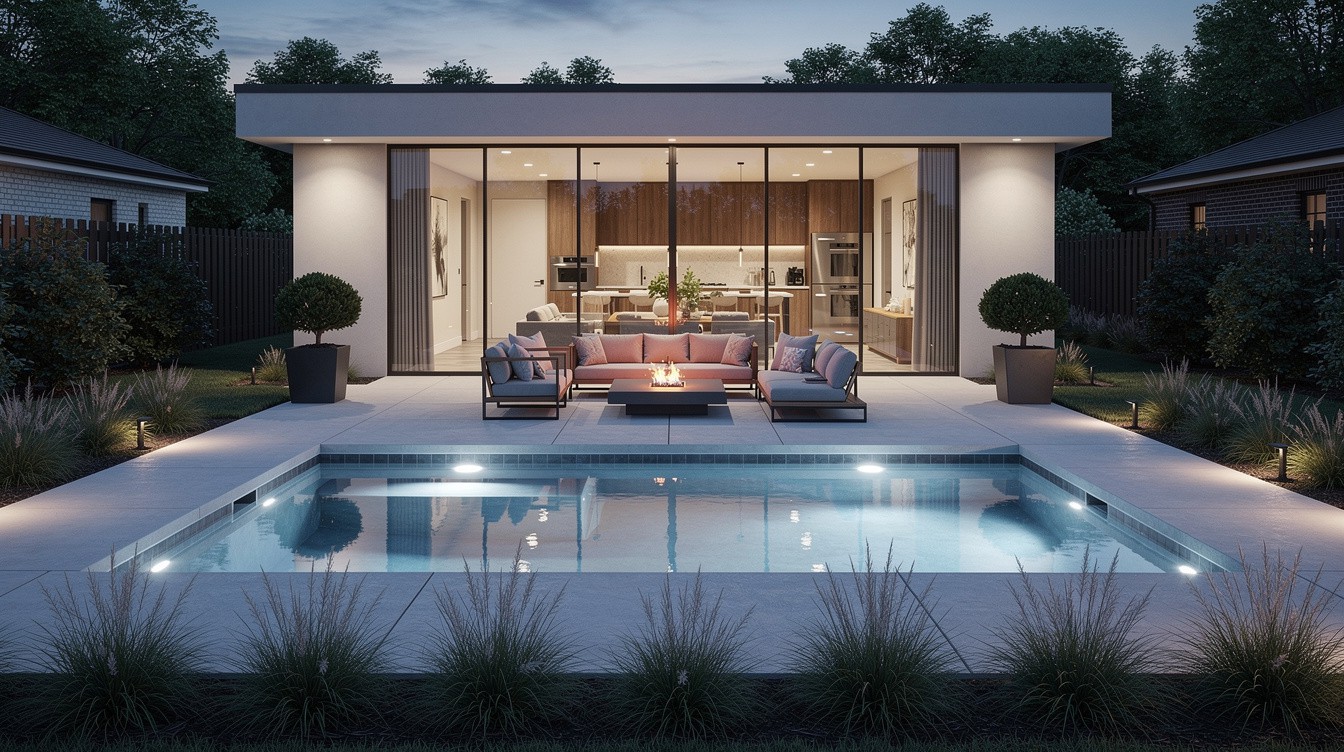
The Glass Pavilion Pool Court
$45–85/sqft (pool area inclusive)A flat-roofed glass pavilion opens fully onto a rectangular pool set in pale, large-format pavers, and at dusk the whole composition runs on light: in-water LEDs, in-grade uplights washing the walls, and a low fire table between the sofas. The planting is restrained to three moves repeated — clipped evergreen spheres in tall dark planters at the pavilion corners, a continuous grass border along both fence lines, and grasses again in the foreground to frame the water. Because the palette is so tight, the grass borders soften two full fence runs for a fraction of what an evergreen hedge would cost.
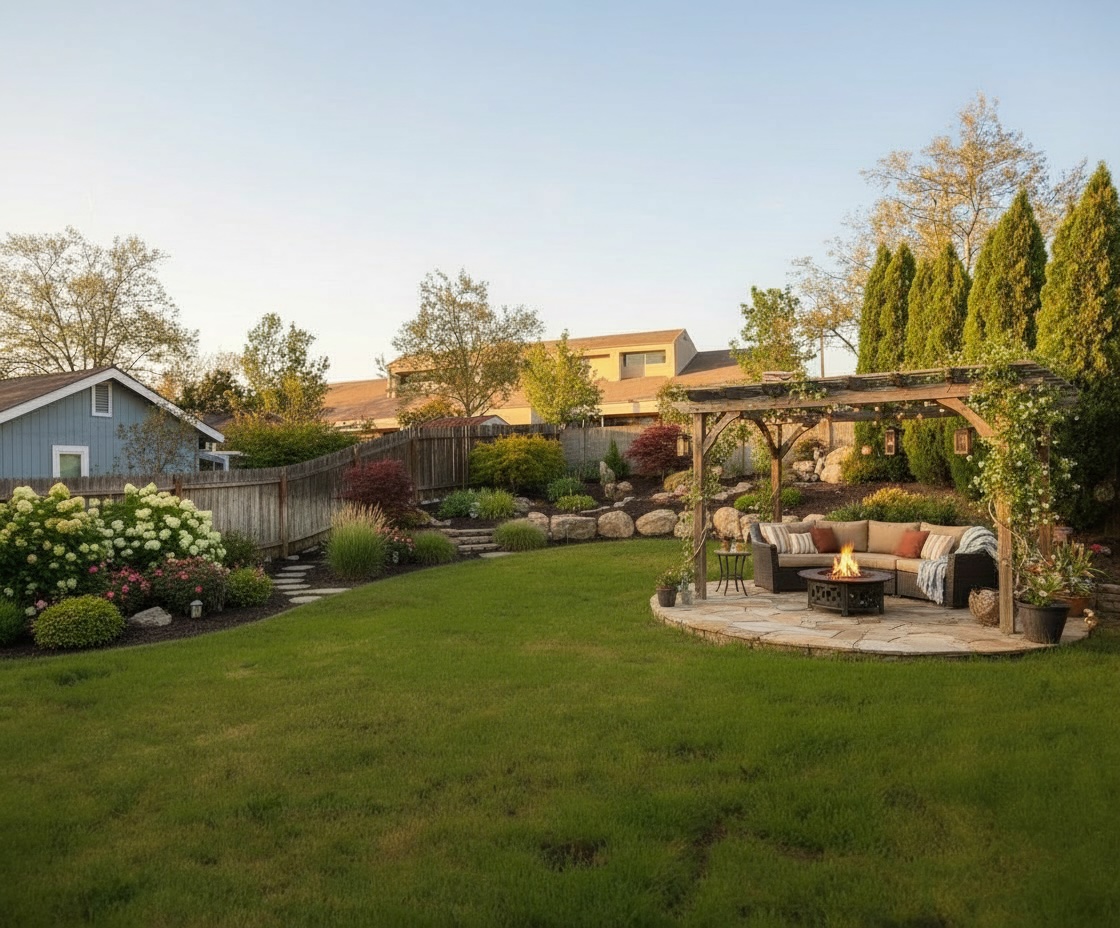
See how a modern/minimalist garden looks on YOUR property
Upload a photo of your Knoxville yard and visualize your dream garden in seconds.
Try ProScapeAI Free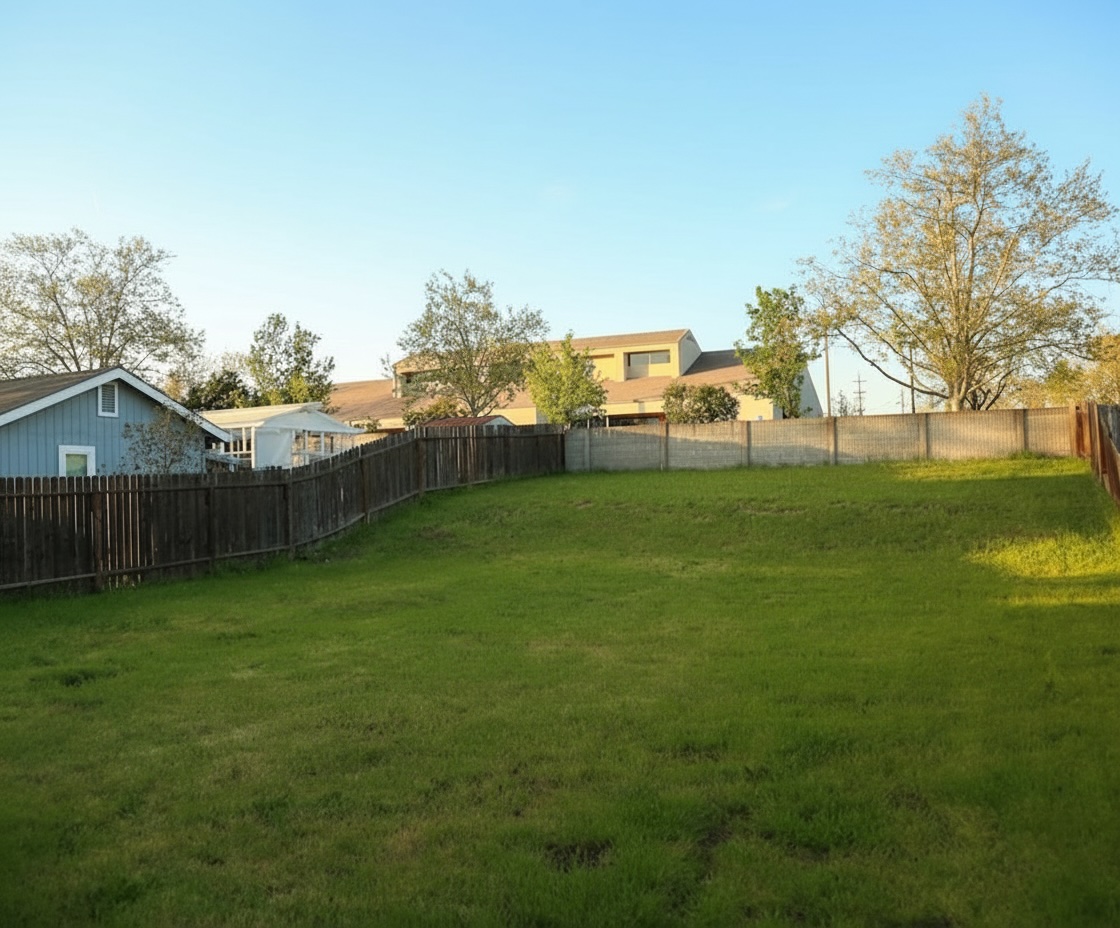
Featured Trees & Shrubs for Modern/Minimalist Gardens
Browse all 114 plants for Knoxville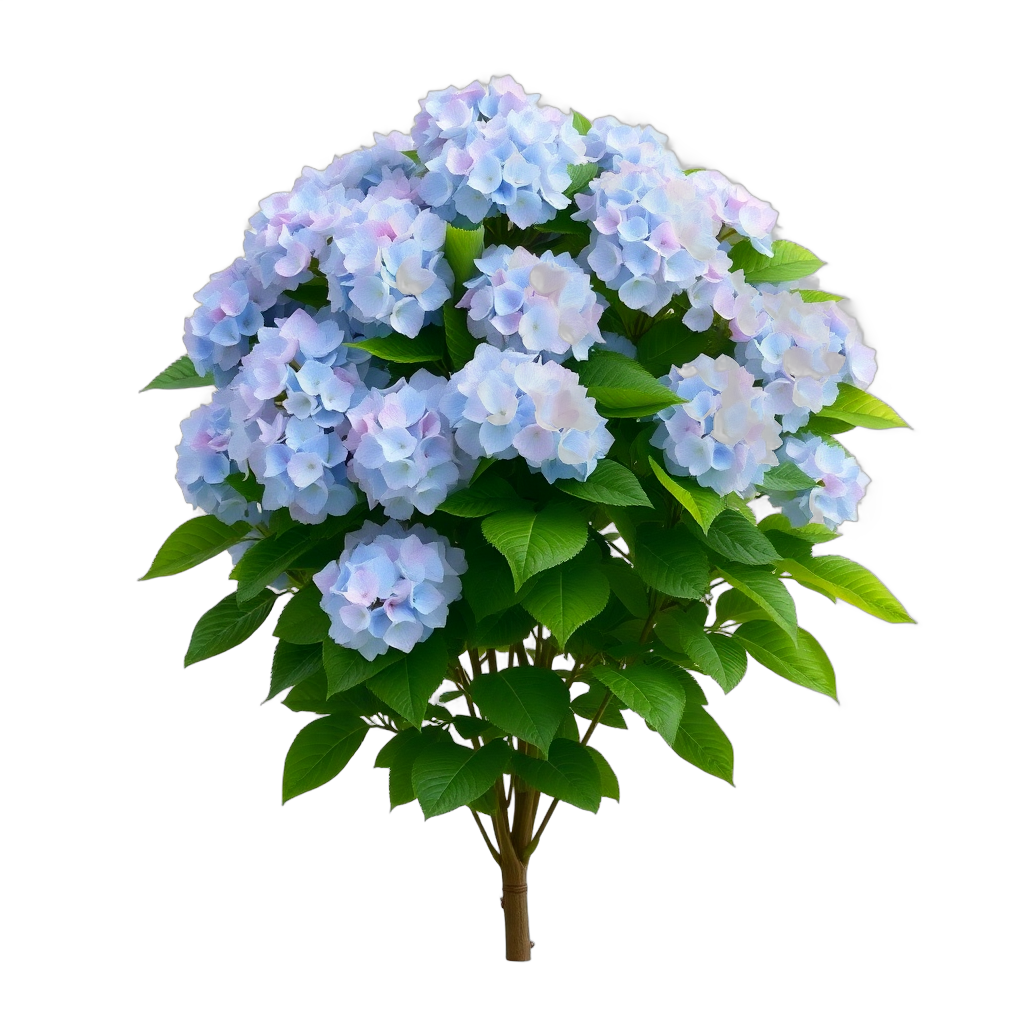
Annabelle Hydrangea
Hydrangea arborescens 'Annabelle'
grows to 5 feet, white blooms in summer. Pollinator-friendly.
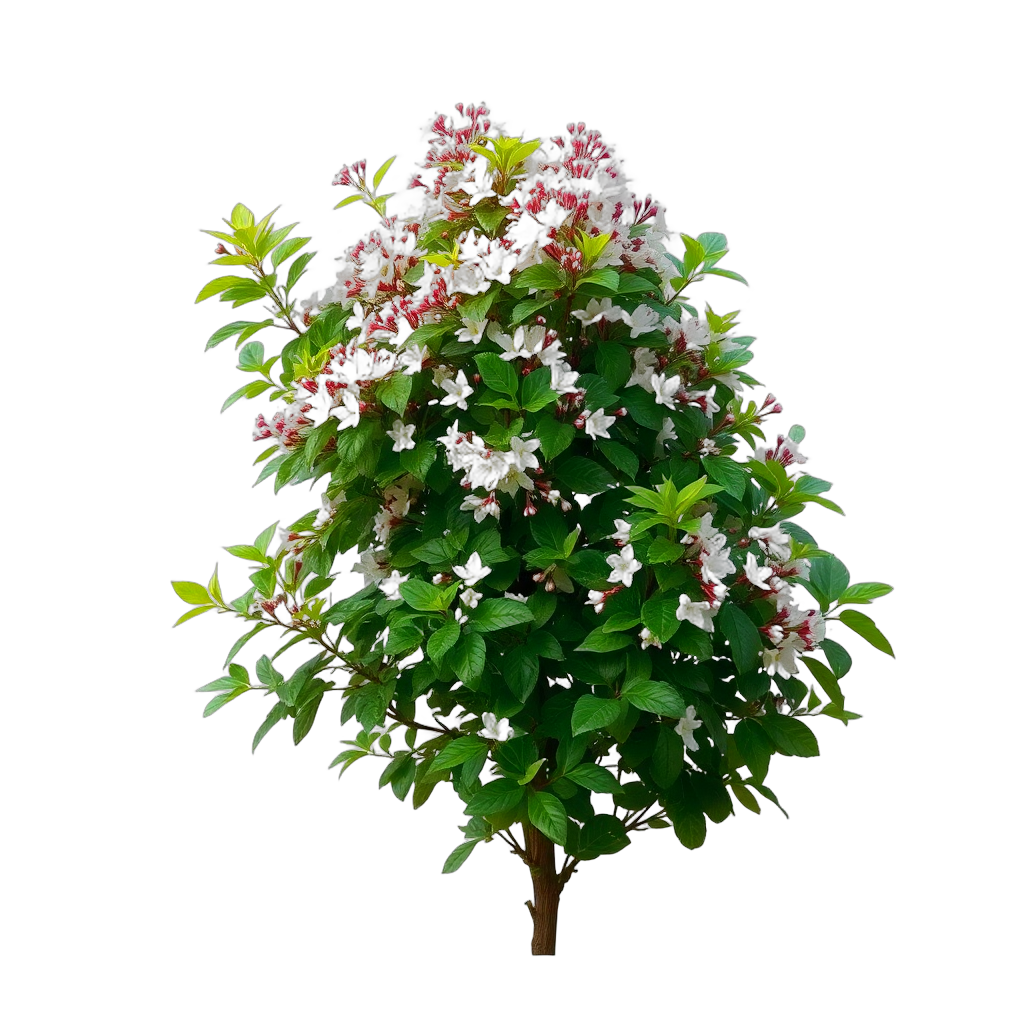
Arrowwood Viburnum
Viburnum dentatum
medium-sized at 10 feet, white blooms in spring. Pollinator-friendly.
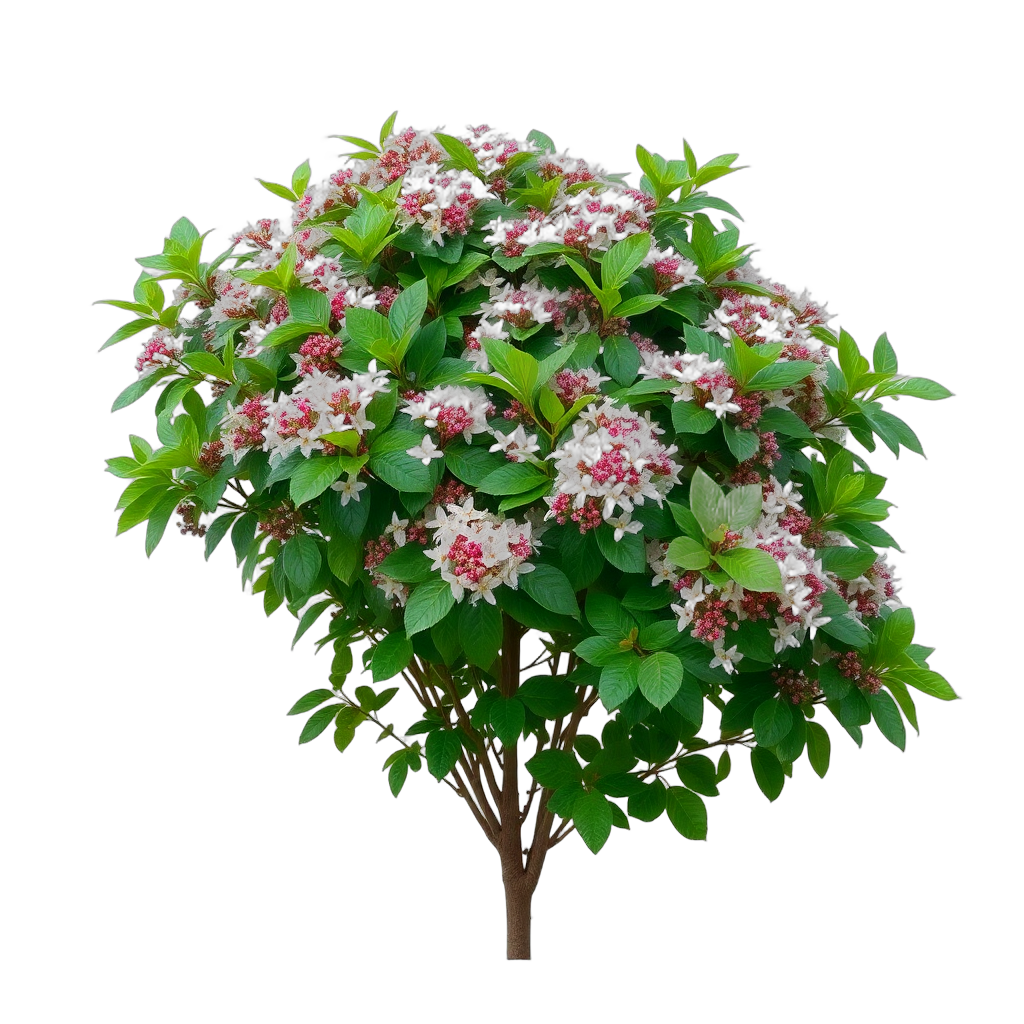
Blackhaw Viburnum
Viburnum prunifolium
medium-sized at 12 feet, white blooms in spring. Pollinator-friendly.
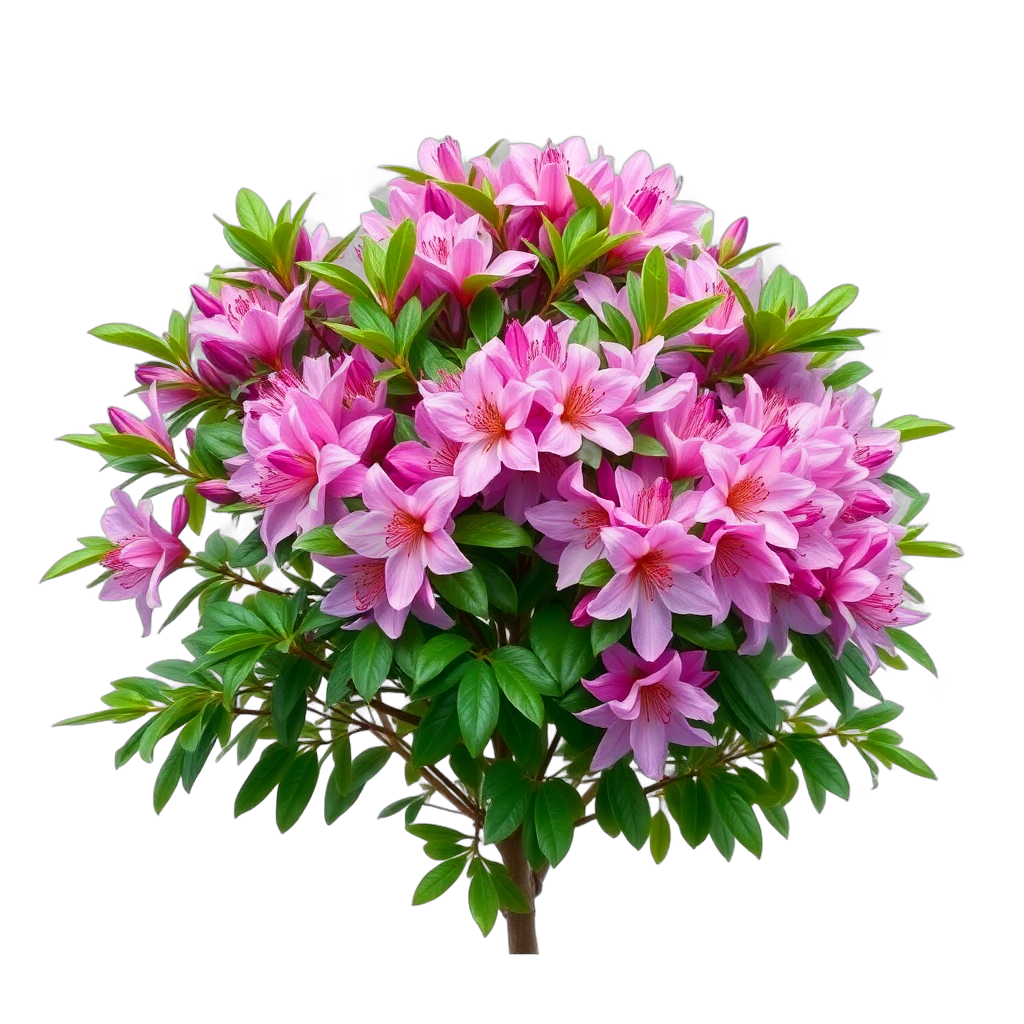
Carolina Rhododendron
Rhododendron carolinianum
grows to 5 feet, pink blooms in spring. Attracts butterflies.
Featured Grasses & Groundcovers for Modern/Minimalist Gardens
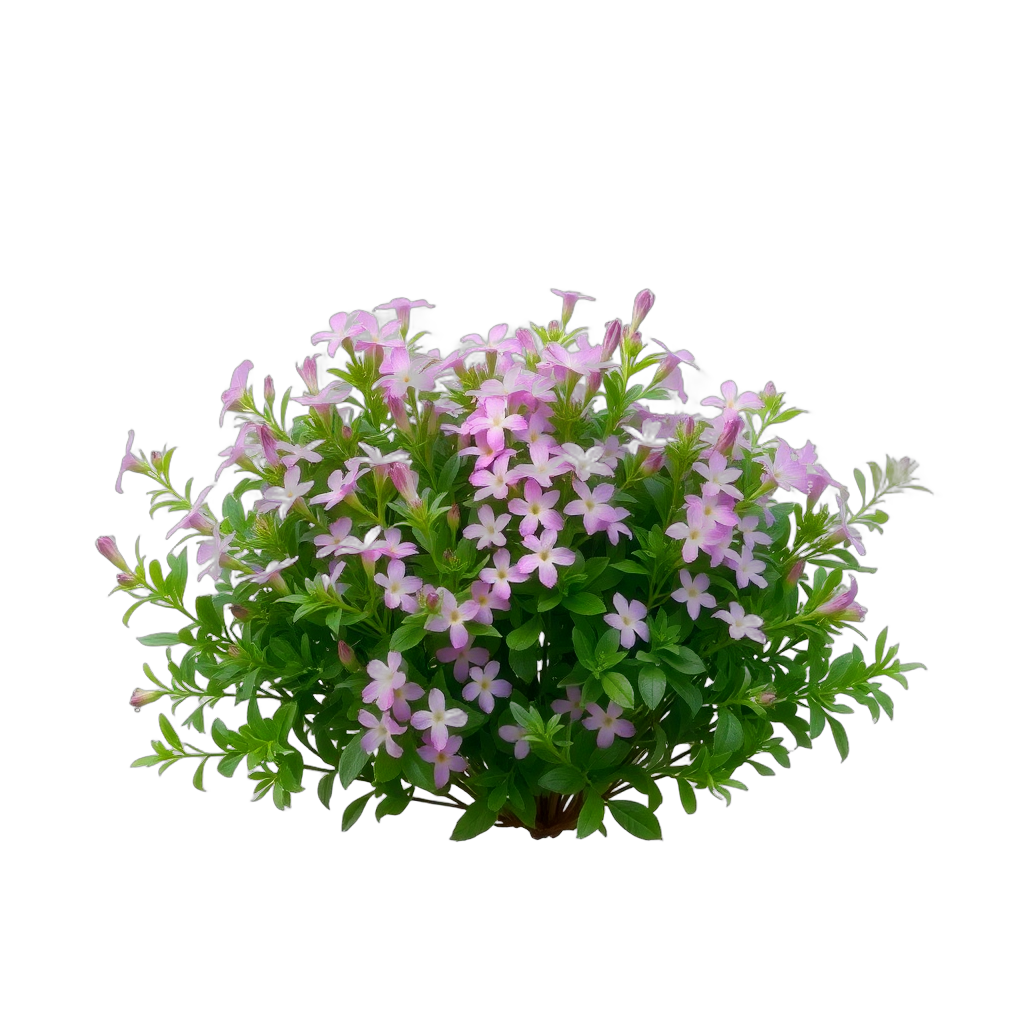
Creeping Phlox
Phlox subulata
low-growing ground cover, multi blooms in spring. Attracts butterflies.
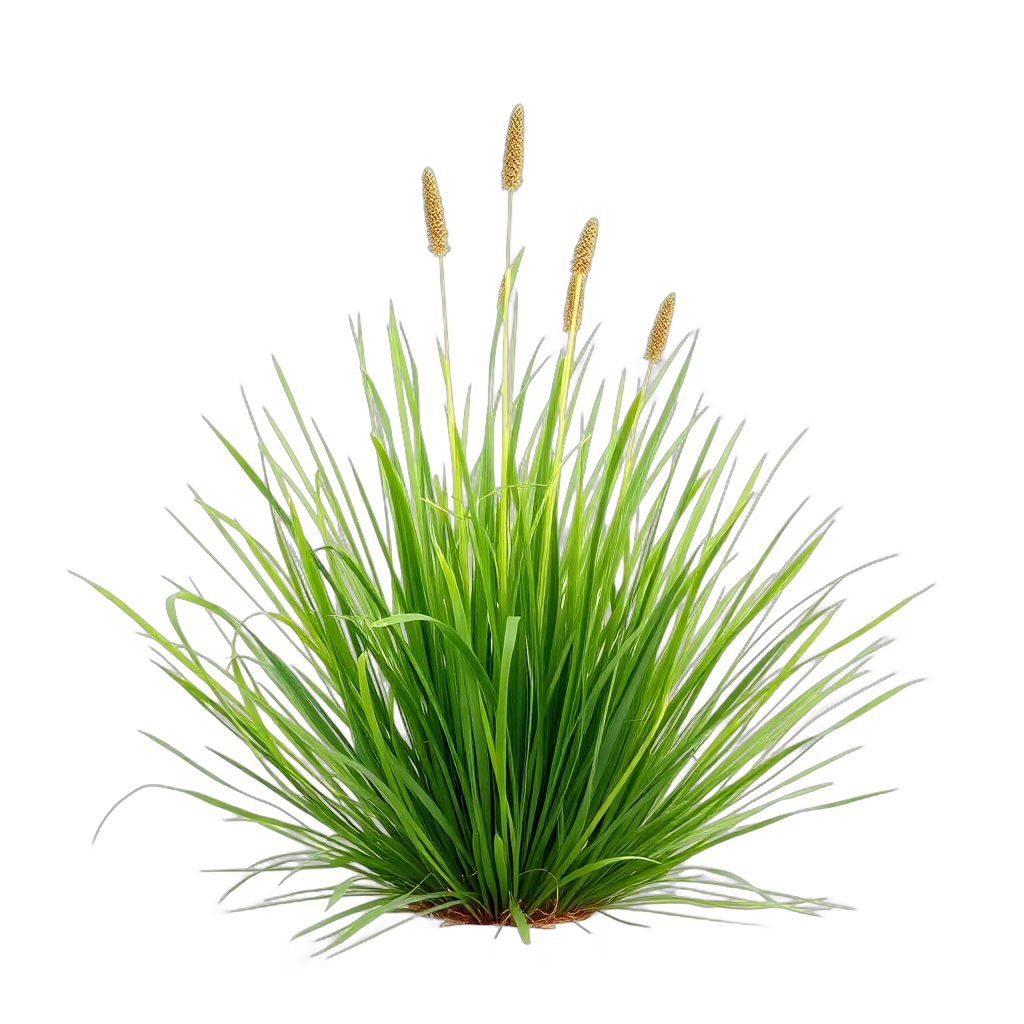
Pennsylvania Sedge
Carex pensylvanica
low-growing ground cover, blooms in spring.

Bermuda Grass
Cynodon dactylon
low-growing ground cover, blooms in summer. Brown fall color.

St. Augustine Grass
Stenotaphrum secundatum
low-growing ground cover, blooms in summer. Brown fall color.
Featured Flowers & Perennials for Modern/Minimalist Gardens
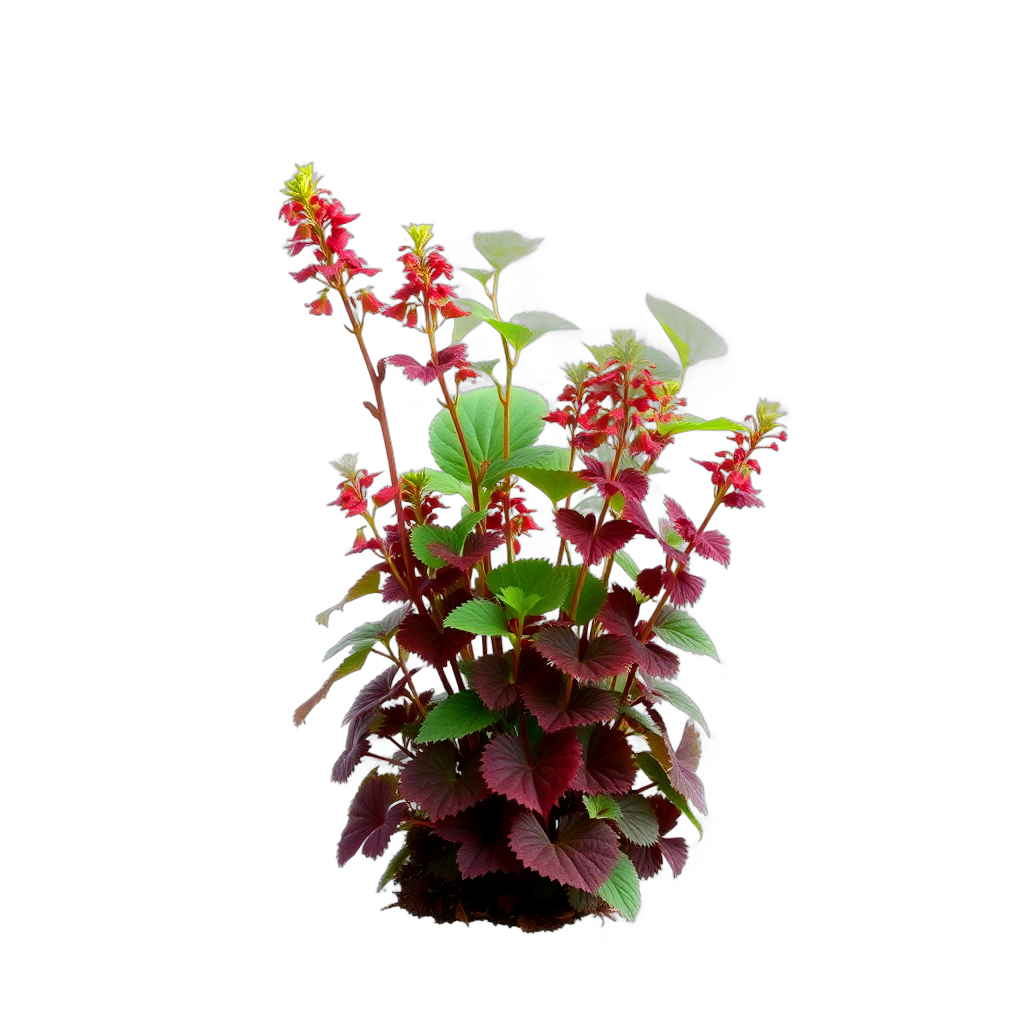
American Alumroot
Heuchera americana
low-growing ground cover, white blooms in spring. Pollinator-friendly.
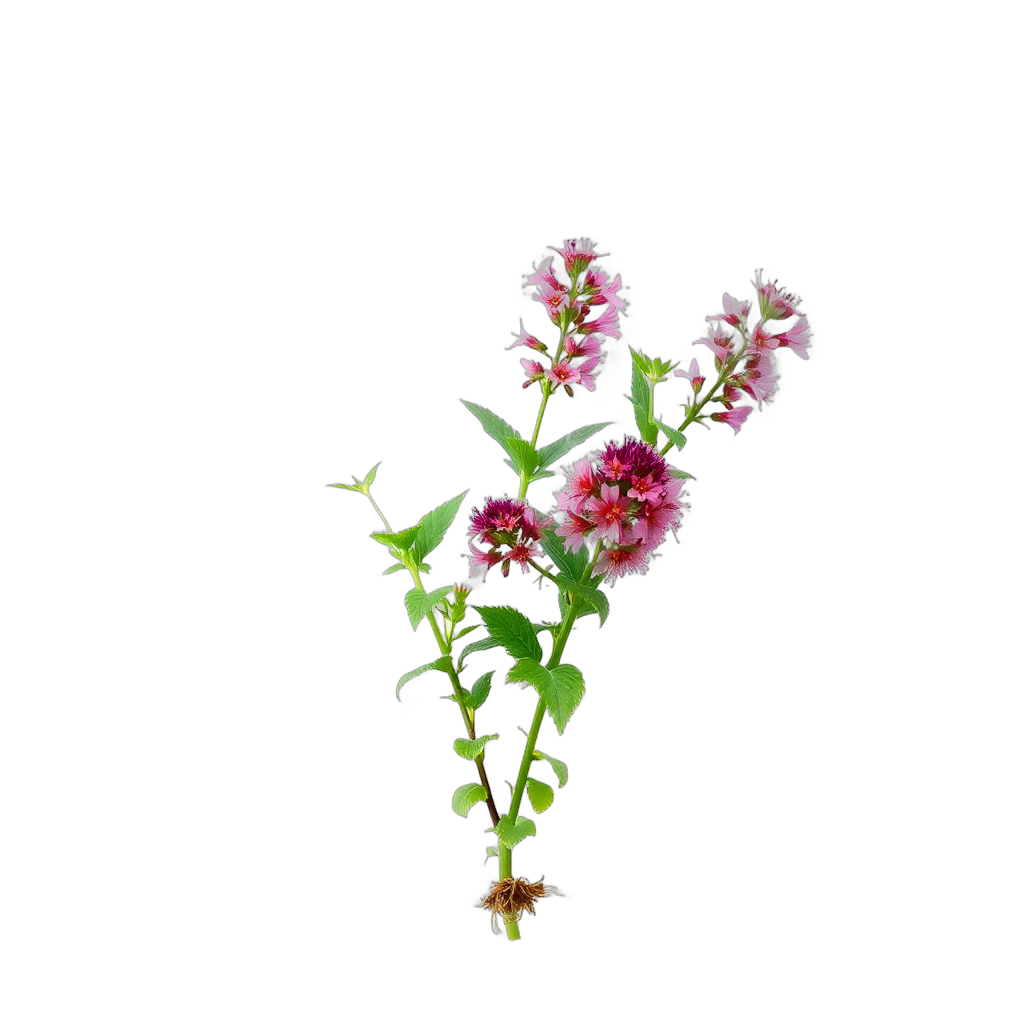
Bee Balm
Monarda didyma
grows to 3 feet, red blooms in summer. Attracts hummingbirds.
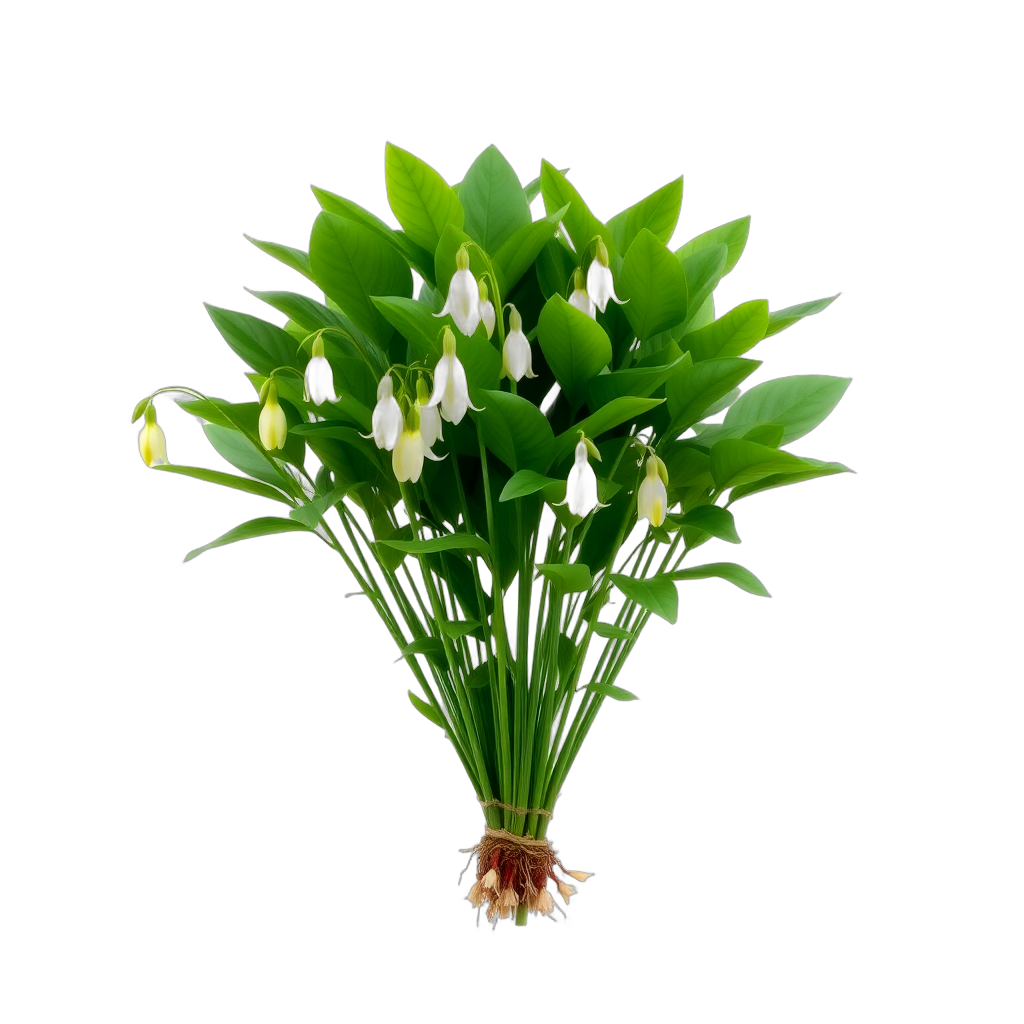
Bellwort
Uvularia grandiflora
low-growing ground cover, yellow blooms in spring. Pollinator-friendly.
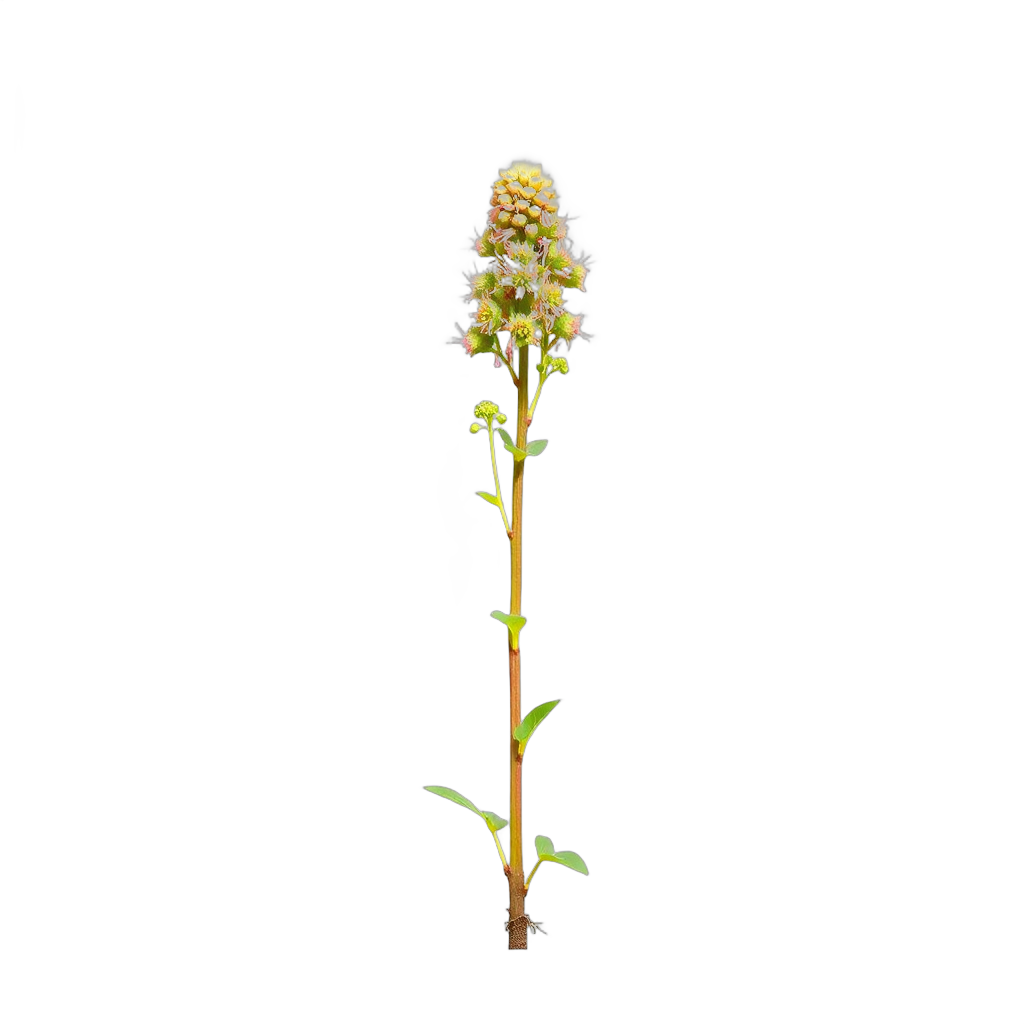
Bishop's Cap
Mitella diphylla
low-growing ground cover, white blooms in spring. Pollinator-friendly.
Bloom Calendar for Knoxville
spring
American Alumroot, Bellwort, Bishop's Capsummer
Bee Balm, Black Cohosh, Black Cohoshfall
Limited bloomswinter
Limited bloomsDesign Tips for Knoxville (Zone 7a)
- Let Panicum virgatum 'Northwind' do the job a Phoenix designer would give agave — it is a native switchgrass, it never flops in 48 inches of rain, and it holds a rigid vertical line from June through the following February
- Raise every succulent bed 8 to 12 inches above grade and mulch it with gravel, not bark; in Knoxville it is winter wet in Knox dolomite clay that kills Agave ovatifolia, never the 0 to 5°F low
- Compact 4 to 6 inches of crusher run under every square foot of hardscape and sawcut control joints every 8 to 10 feet — clay shrink-swell, not frost, is what cracks concrete in East Tennessee
- Design with the ridge, not against it: a single board-formed concrete or Corten wall on a Holston Hills or South Knoxville slope creates a usable terrace and the strongest architectural line on the street for less than a stepped multi-wall system
- Keep the existing oak and maple canopy — a modern Knoxville garden with no shade is unusable from late June through August; limb the trunks up high so they read as sculpture above a clean gravel or concrete groundplane
- Replace boxwood with Ilex glabra 'Gem Box' or Ilex vomitoria 'Nana' for clipped geometry; boxwood blight is established in Tennessee and a single infected plant can take out an entire clipped hedge that is doing all your structural work
Where to Source Plants in Knoxville
Skip the big-box stores. These independent Knoxville nurseries specialize in the plants that make modern/minimalist gardens thrive in Zone 7a.
Ellenburg Landscaping & Nursery
West Hills
Retail garden center combined with full-service landscape design and installation.
Thress Nursery Gardens
Powell area
Established 1955; offers quality trees, shrubs, perennials, and houseplants.
Beaver Creek Nursery at Briar Thicket
Bybee (East Tennessee)
Specializes in rare, unusual, and hard-to-find plants for collectors and landscapers.
Minge's Greenhouse Nursery
Northwest Knoxville
Greenhouse-grown specialty plants and seasonal selections.
Modern/Minimalist Landscaping Costs in Knoxville
| Project Scope | Estimated Cost |
|---|---|
| Front yard turf-to-gravel conversion (400–600 sqft, planted) | $4,500 – $11,000 |
| Poured concrete entry walk and pad (150–250 sqft) | $3,000 – $7,500 |
| Backyard concrete terrace with gas fire bowl and lighting | $14,000 – $32,000 |
| Corten steel or board-formed concrete raised planter (fabricated + filled) | $600 – $1,600 each |
| Pool, deck, and full modern backyard landscape | $75,000 – $160,000 |
| AI visualization with ProScapeAI | Free to start |
Estimates based on Knoxville, TN-area contractor rates as of 2026. Actual costs vary by site conditions, materials, and contractor.
Knoxville Climate & Growing Zone
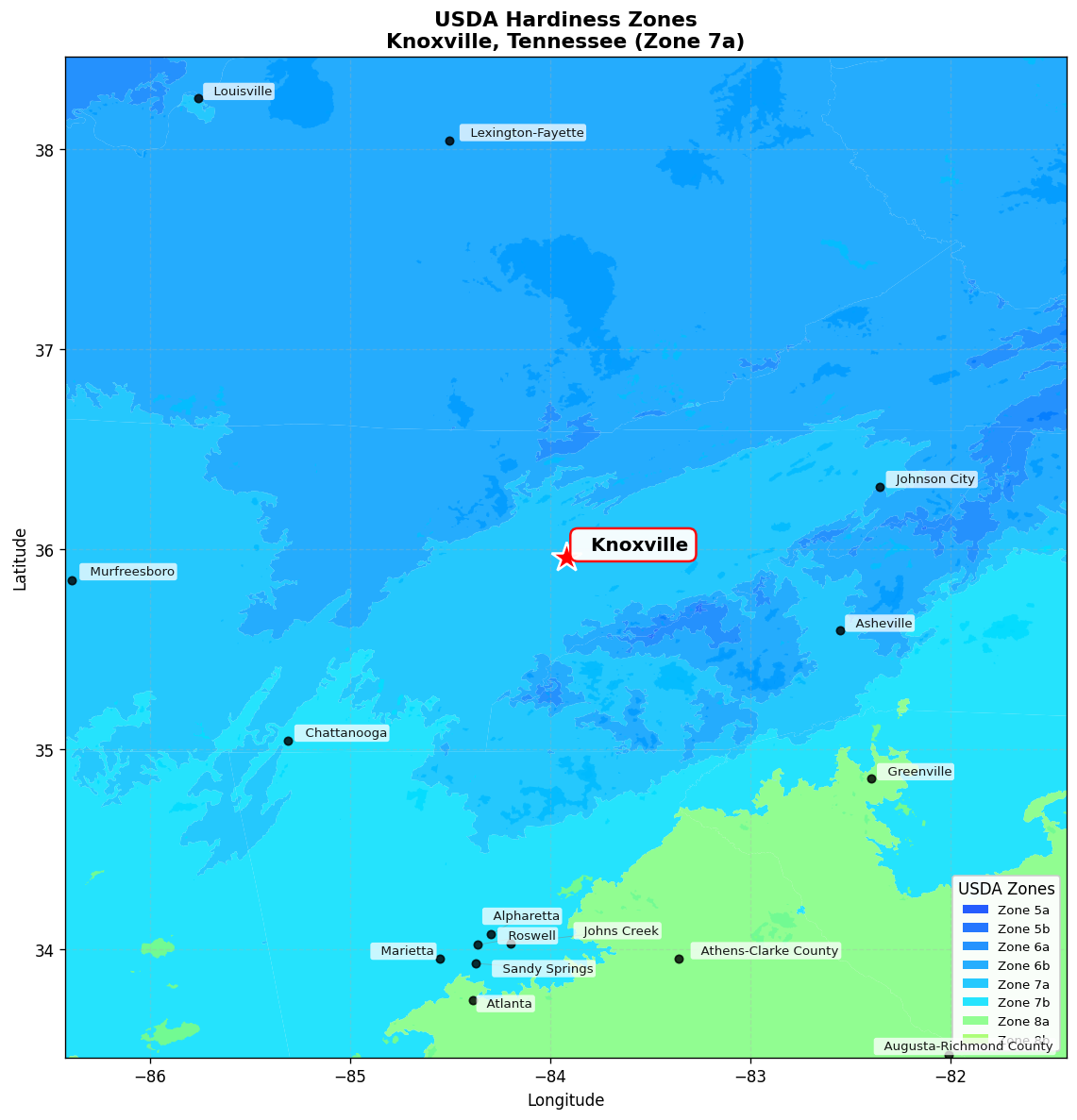
USDA Zone 7a
Hardiness zone for Knoxville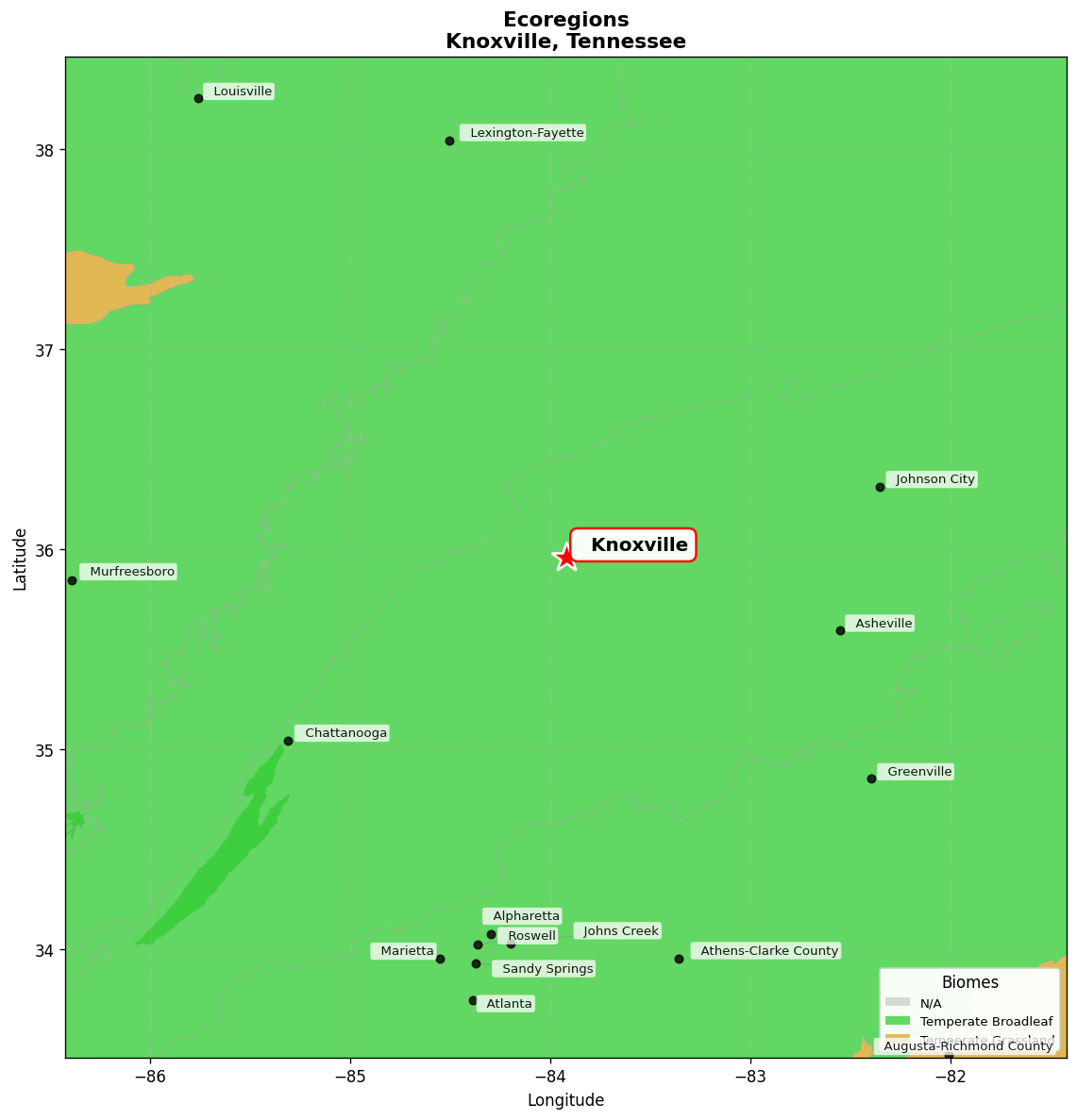
Appalachian-Blue Ridge forests
Native ecoregionFrequently Asked Questions
How much does modern landscaping cost in Knoxville?
East Tennessee installation labor runs well below national metro rates, which makes poured concrete and steel work unusually attainable here. Converting a 500 sqft front yard from turf to a gravel garden with steel edging, raised planters, and architectural plants runs $4,500–11,000 installed. A poured concrete entry walk and pad of 150–250 sqft lands at $3,000–7,500. A back terrace with a gas fire bowl and lighting typically runs $14,000–32,000. Pool-and-landscape backyards in Sequoyah Hills or along Northshore commonly fall between $75,000 and $160,000. DIY gravel conversions can come in under $5/sqft if you source river gravel by the ton rather than the bag.
Can agaves and yuccas survive a Knoxville winter?
Some can, and the variable is wet soil far more than cold. Zone 7a lows of 0–5°F combined with 48 inches of rain — most of it in the December-to-April window — kill succulents through crown rot, not freezing. Agave ovatifolia, Agave parryi var. truncata, Agave havardiana, Yucca filamentosa 'Color Guard', Yucca rostrata, and Hesperaloe parviflora all hold up here provided they are planted in a bed raised 8–12 inches, cut 50/50 with #78 limestone chip, mulched with gravel rather than bark, and tilted slightly so water never sits in the crown. Agave americana, aloes, and most echeverias are seasonal container plants in Knoxville, not landscape plants.
Which ornamental grasses work best in Knoxville, and which should I avoid?
Panicum virgatum 'Northwind' is the workhorse — a native switchgrass that stands rigidly upright through ice storms and never flops, which matters when the grass is doing your architecture. Sporobolus heterolepis, Schizachyrium scoparium 'Standing Ovation', Pennisetum alopecuroides 'Hameln', and Muhlenbergia capillaris are all reliable in Appalachian humidity. Calamagrostis x acutiflora 'Karl Foerster' gives the sharpest vertical line and is sterile, so it will not seed around. Avoid Miscanthus sinensis, which self-sows aggressively along East Tennessee roadsides and is discouraged statewide. Purple fountain grass is an annual here. Cut everything back once in late February before new growth breaks.
What does Knoxville's cherty clay mean for concrete and paving?
Budget clay prep as part of the job, not an add-on. Knox dolomite clay swells when saturated and shrinks hard by September, and hardscape laid on bare subgrade will crack or settle within a few seasons. Excavate 8–10 inches and compact 4–6 inches of crusher run under any slab or paver field. Tennessee's frost depth is only about 12 inches, so footings for pergola posts, fence posts, and light poles go 18 inches to be safe — the depth is about anchoring against clay movement, not frost. Sawcut or tool control joints into concrete every 8–10 feet, and expect chert cobbles to slow excavation and push labor hours above what a contractor quotes on a flat Midwestern lot.
When is the best time to install a modern landscape in Knoxville?
October through early December is the ideal planting window: the winter is mild and wet, roots establish for six months, and installers have open schedules after the fall rush. Late February through March is the second window. Avoid planting from June through mid-September, when heat plus the reliable late-summer dry spell kills new plants faster than any winter. Hardscape is different — concrete can be poured through most Knoxville winters given a few frost-free days, so a common sequencing is hardscape in January and February, planting the following October, which also spreads the budget across two tax years.
Do I need permits for landscaping work in Knoxville?
Planting beds, gravel conversions, and at-grade patios generally need no permit inside the City of Knoxville or Knox County. Permits enter the picture for retaining walls over 4 feet in exposed height (which also require engineered drawings), swimming pools and their barrier fencing, decks, and any roofed structure. On sloped ridge lots, stormwater is the item most people trip over: Knox County and the city both regulate land disturbance and require that you do not concentrate runoff onto a neighbor's property, which matters the moment you replace lawn with gravel or concrete. Call the relevant plans review office before you finalize a design that moves water.