4 Modern Landscape Ideas for Nashville, TN | Contemporary Design in Zone 7a
Native plants from the Interior Plateau US Hardwood Forests (Zone 7a) — Humid subtropical climate
Why Modern/Minimalist Gardens in Nashville?
Nashville’s explosive growth — the city added over 200,000 residents in a decade — has created one of the most active residential landscape design markets in the South. The Gulch, Germantown, and 12 South are now packed with new construction, contemporary renovations, and infill townhomes whose clean architectural lines demand outdoor spaces that match. Nashville’s Zone 7a climate provides genuine four-season character: cold winters with occasional snow, spectacular spring redbud and dogwood bloom, long mild falls, and a growing season that runs eight months. All four seasons give landscape designers the material they need to build year-round interest into modern compositions.
Nashville’s most distinctive design resource is its geology. The city sits on the Interior Plateau’s limestone formation, and Tennessee crab orchard stone — a warm tan, rust, and brown flagstone quarried less than 100 miles from downtown — is the material that most authentically expresses Nashville’s place. Contemporary landscape designers are increasingly using this local stone for patios, retaining walls, and path materials in modern designs, creating a regional material language that references Nashville’s geology in the way that corten steel references Pittsburgh or ipe references tropical modernism. The result is modern design that feels of its place rather than lifted from a coastal design magazine.
The plant palette for modern Nashville draws from the Interior Plateau’s native flora. Eastern redbud is Nashville’s signature spring spectacular — no other tree provides comparable bloom impact in late March. Native switchgrass, little bluestem, and muhly grass provide the ornamental grass structure that modern design requires. Pawpaw trees — a native Interior Plateau understory tree with enormous tropical-looking leaves and edible fruit — are increasingly appearing in modern Nashville gardens as a bold native specimen. The combination of geological specificity in the hardscape and botanical specificity in the planting creates a modern Nashville landscape that is genuinely original.
4 Modern/Minimalist Design Ideas for Nashville
AI-generated image
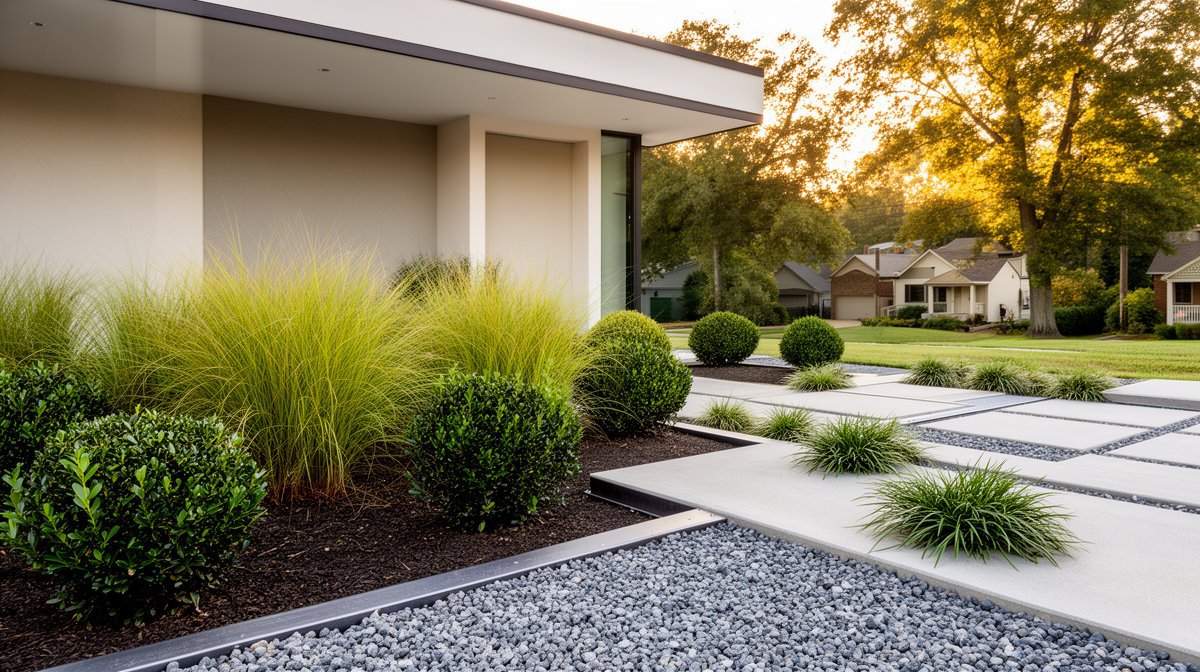
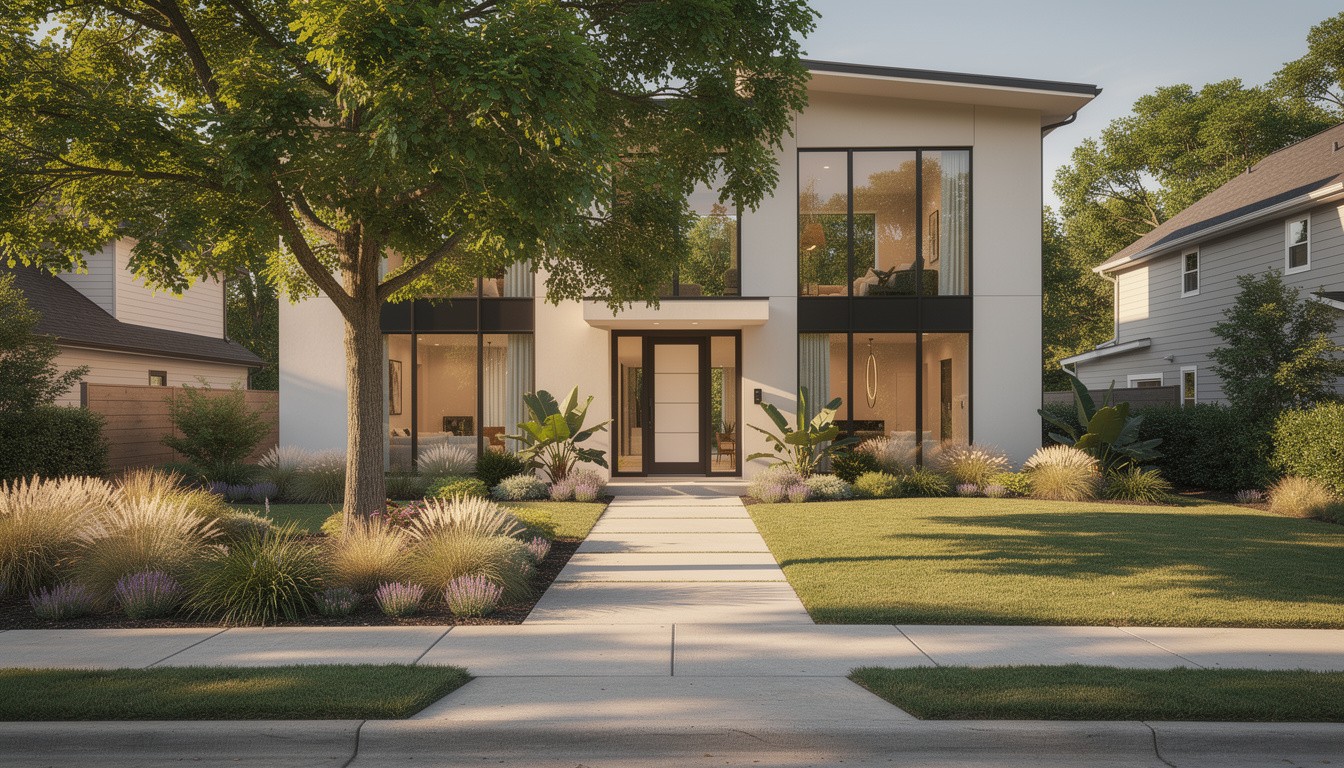
Clean Concrete Walkway with Ornamental Grass Borders
$13–26/sqftA wide concrete walkway bisects a modern Nashville front yard, flanked by mass plantings of ornamental grasses, lavender, and low shrubs under a mature shade tree. The two-story home with large glazed windows is complemented by a restrained plant palette — silver-green grasses, warm concrete, dark mulch — that reads as contemporary and intentional from the street. Steel bed edging gives planting masses crisp geometric boundaries. Nashville’s front yard costs of $10–28/sqft make this kind of modern redesign accessible, and the native grass masses establish quickly in Zone 7a to reach full visual impact within two seasons.
AI-generated image
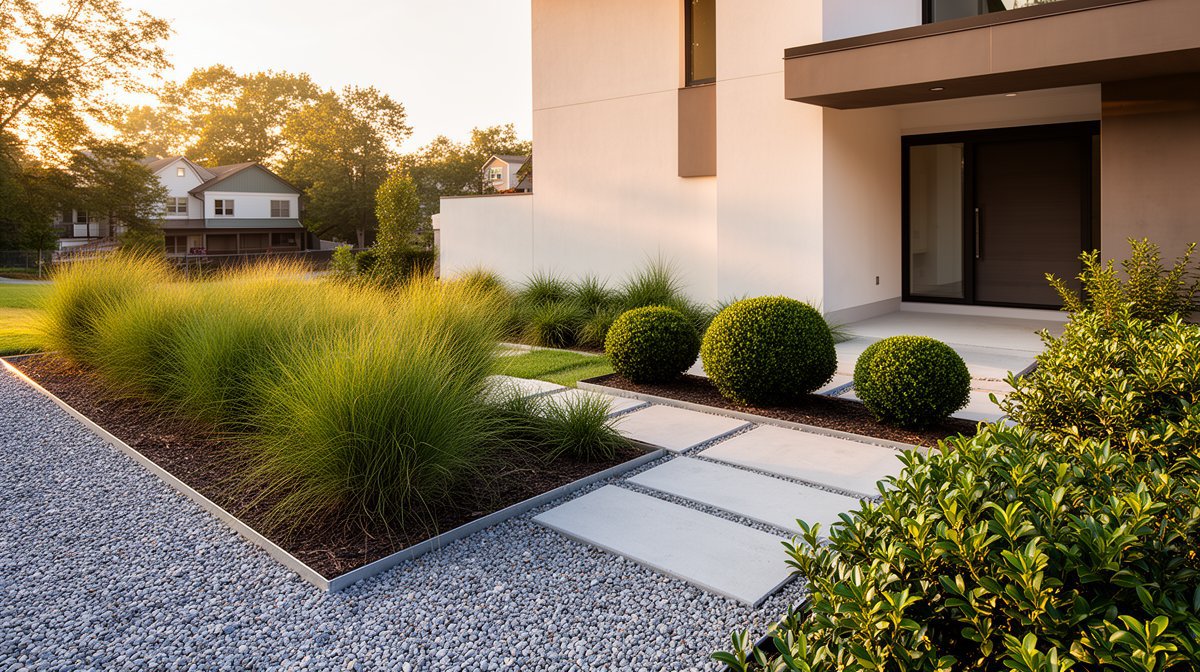
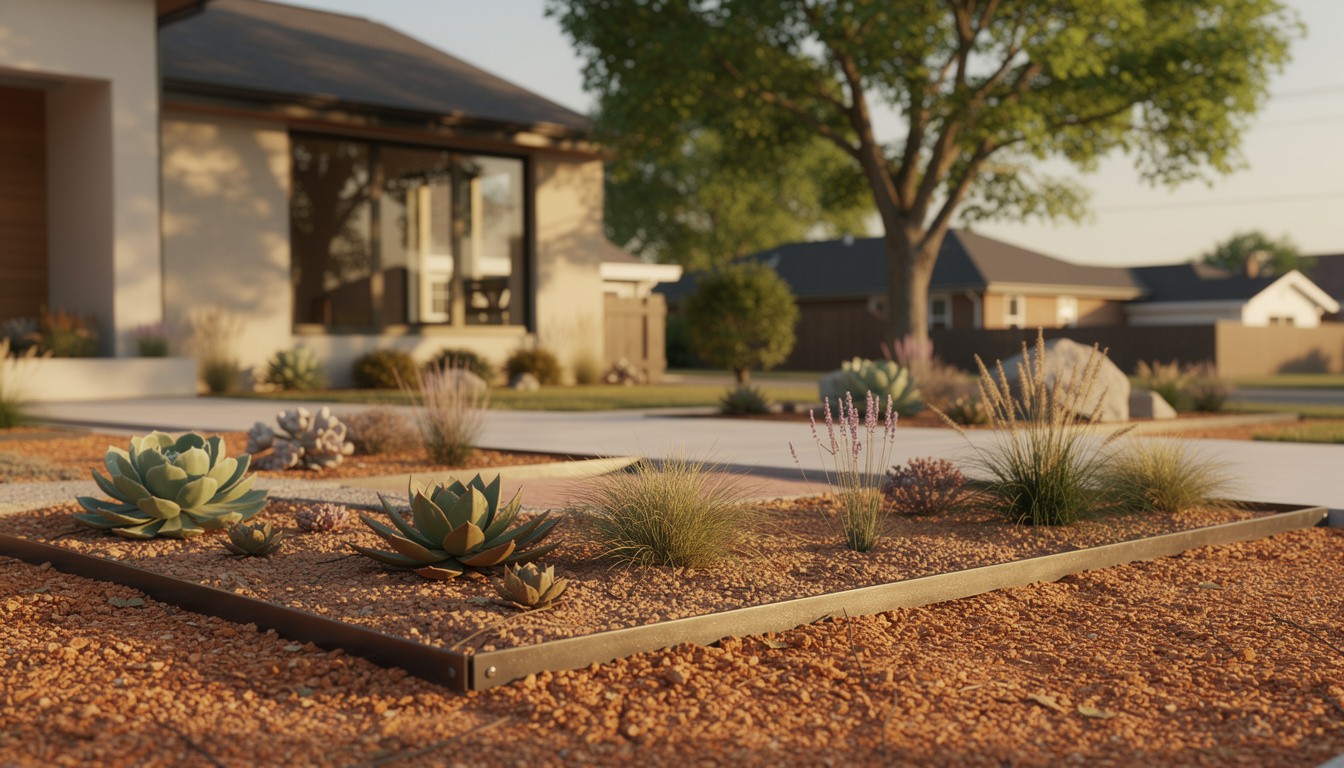
Gravel Xeriscape with Succulents and Ornamental Grasses
$10–20/sqftA gravel-mulched front yard with geometric raised beds of agaves, ornamental grasses, and low ground covers replaces traditional lawn on a contemporary Nashville home. Concrete stepping pad paths and steel-edged planting beds create a graphic geometric composition. While Nashville’s 47 inches of annual rainfall makes a xeriscape a design statement rather than a water necessity, this design’s bold succulents and gravel ground plane create a distinctly modern aesthetic that stands out in Nashville’s more traditional residential landscape context. The agave forms and steel edging against the contemporary facade read as thoroughly intentional.
AI-generated image
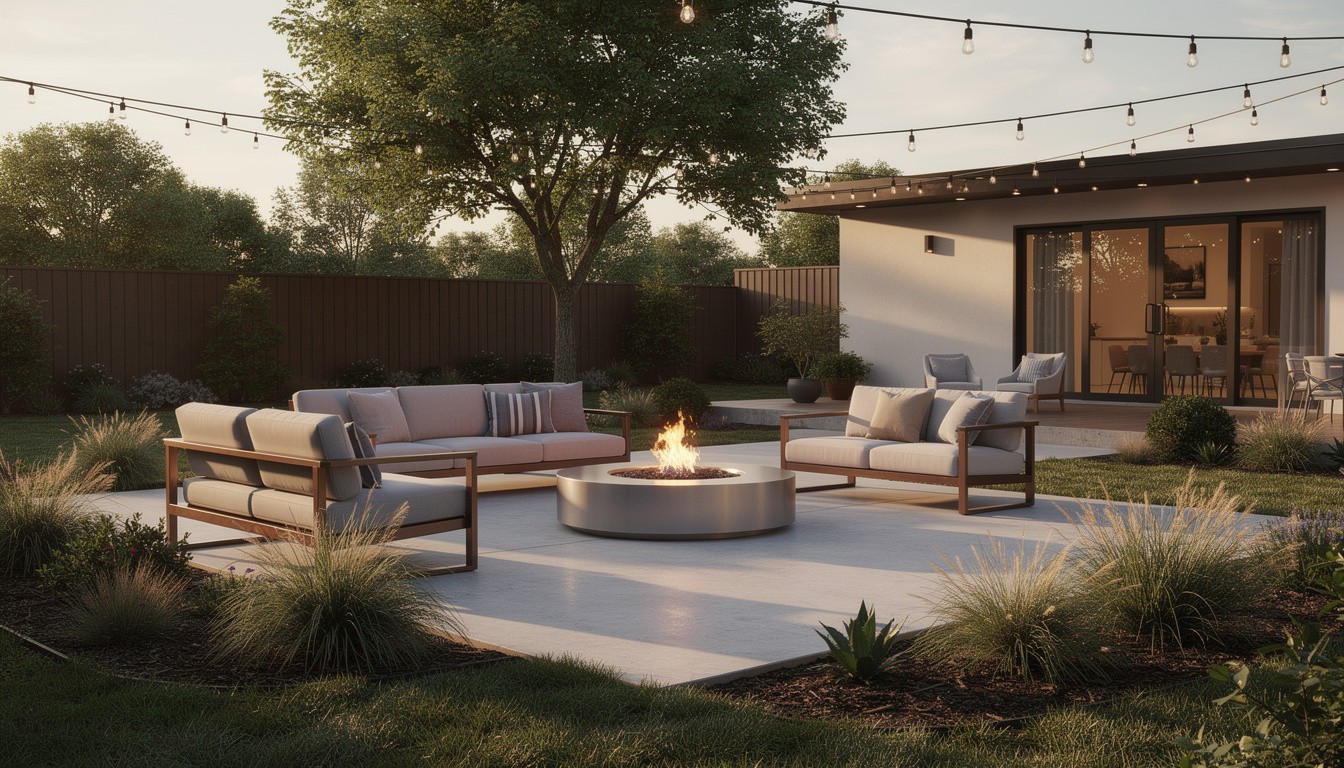
Concrete Patio with Round Fire Pit and Modern Seating
$20–40/sqftA wide concrete patio extends from a contemporary Nashville home, centered on a round concrete fire pit with a full modern outdoor sofa arrangement. String lights hang from overhead posts, and ornamental grass masses in perimeter beds frame the patio edges. A mature tree provides natural canopy on one side, softening the hardscape with dappled shade. Nashville’s nine outdoor months make this investment particularly strong — the patio is in active use from March through November, and the fire pit extends cool fall evenings meaningfully through December.
AI-generated image
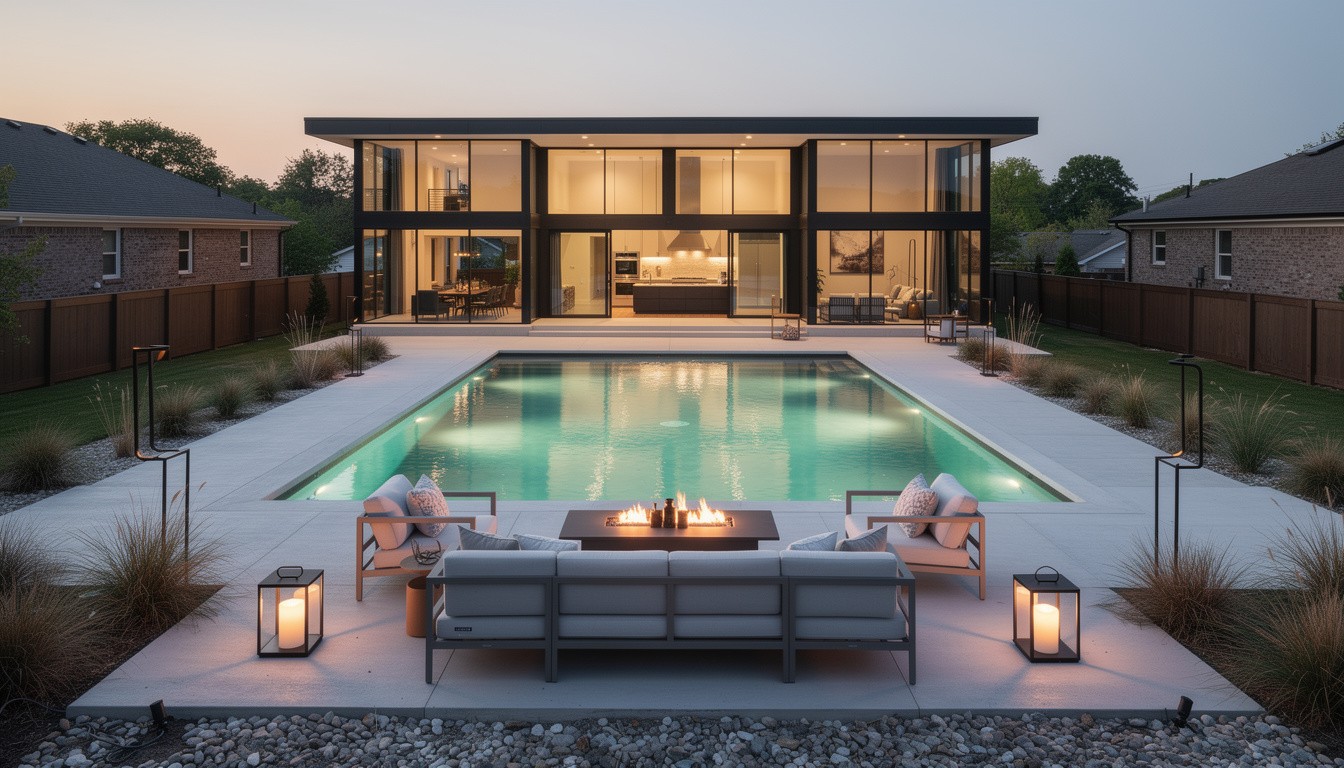
Pool and Hardscape Outdoor Living Suite
$70–150/sqftA large rectangular pool with wide concrete coping anchors a luxury outdoor living suite behind a glass-walled contemporary Nashville home. A linear fire table and modern sofa grouping create the outdoor living zone beside the pool, while ornamental grasses in raised planters and wood privacy fencing define the perimeter. At dusk, floor-to-ceiling glass walls illuminate the interior, the pool glows, and the fire table flickers — creating one of the most compelling residential outdoor environments possible. Nashville’s booming luxury residential market has driven demand for exactly this kind of high-investment outdoor suite, particularly in Green Hills and Brentwood.
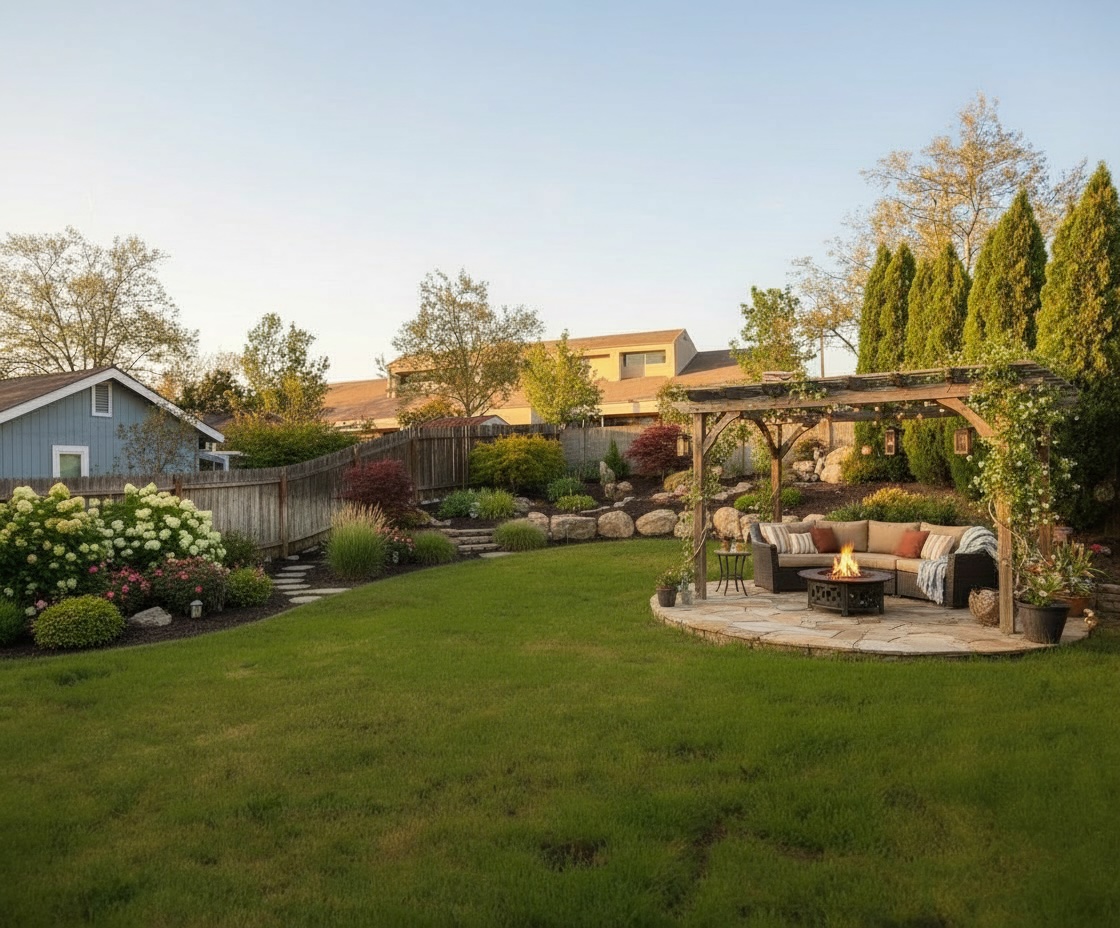
See how a modern/minimalist garden looks on YOUR property
Upload a photo of your Nashville yard and visualize your dream garden in seconds.
Try ProScapeAI Free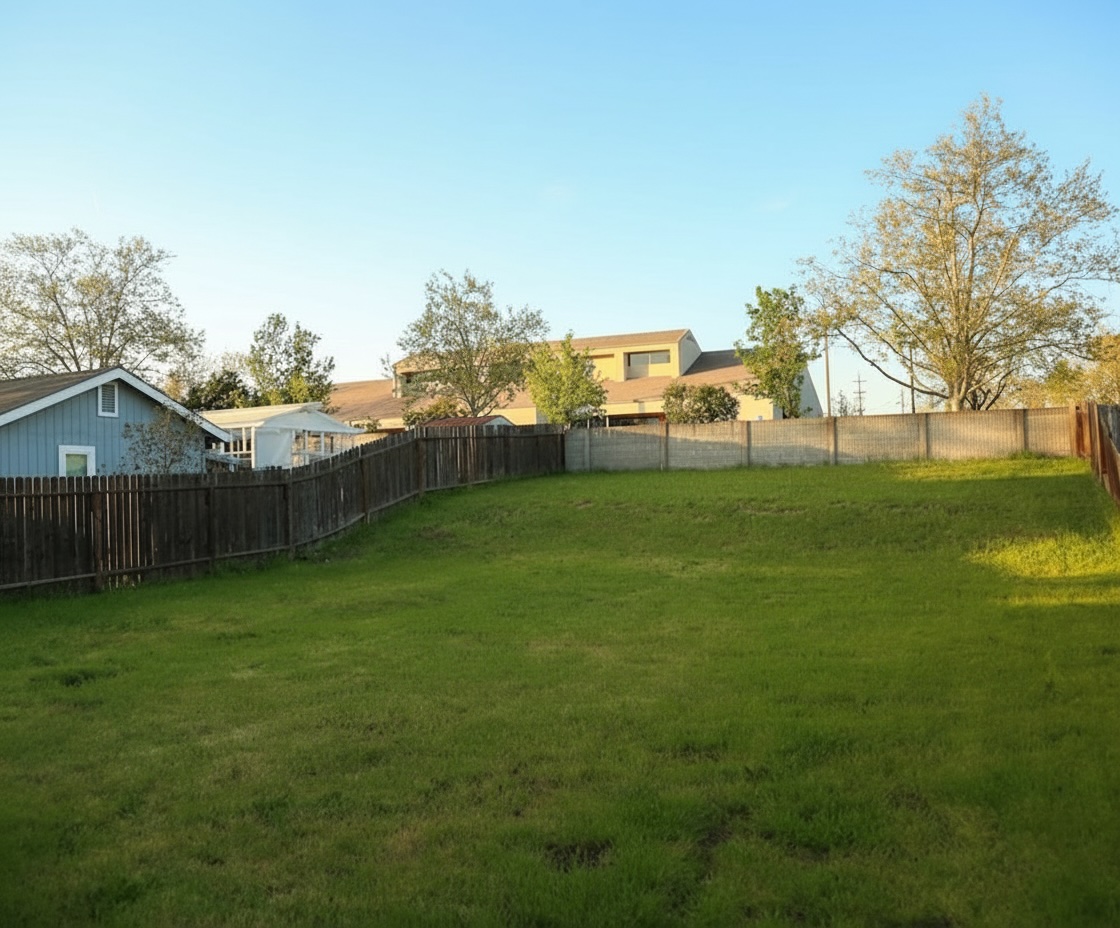
AI-generated image
Featured Trees & Shrubs for Modern/Minimalist Gardens
Browse all 173 plants for Nashville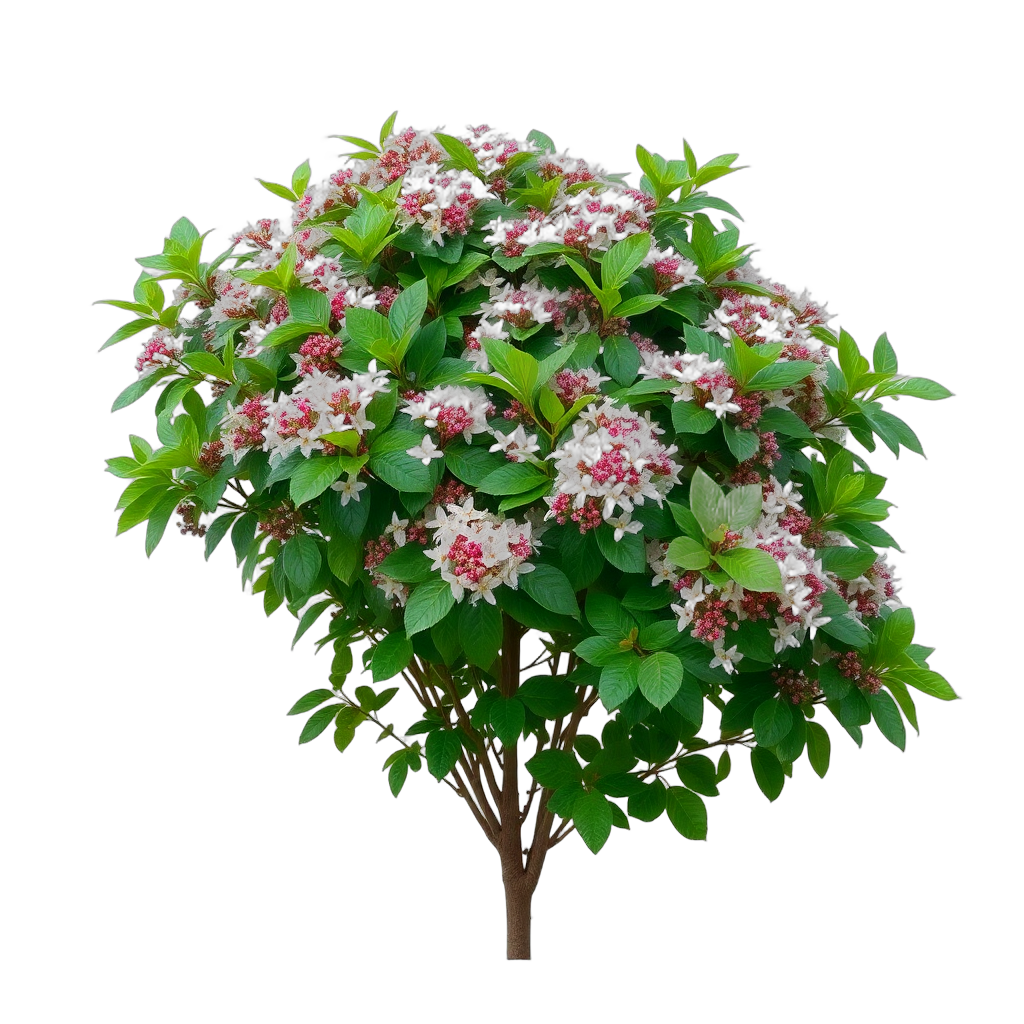
Blackhaw Viburnum
Viburnum prunifolium
medium-sized at 12 feet, white blooms in spring. Pollinator-friendly.
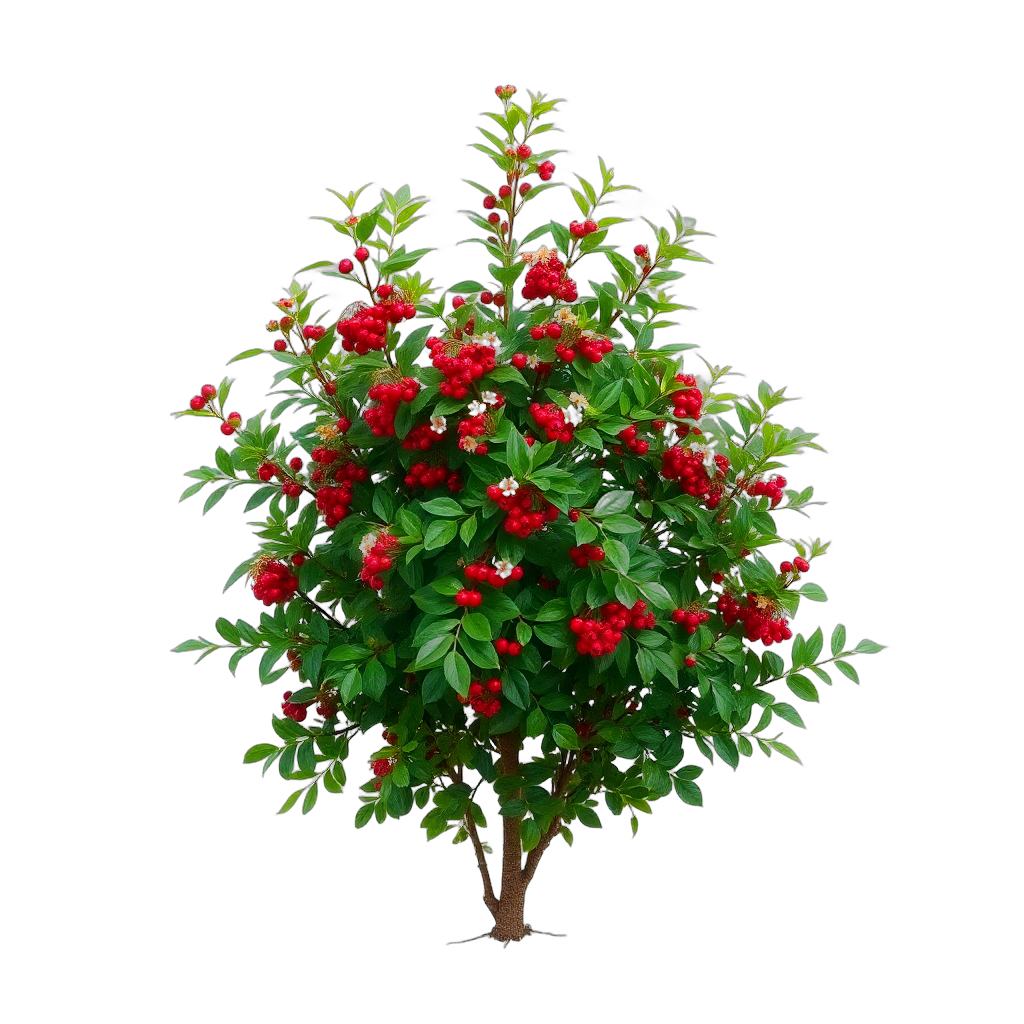
Coralberry
Symphoricarpos orbiculatus
grows to 6 feet, pink blooms in summer. Pollinator-friendly.
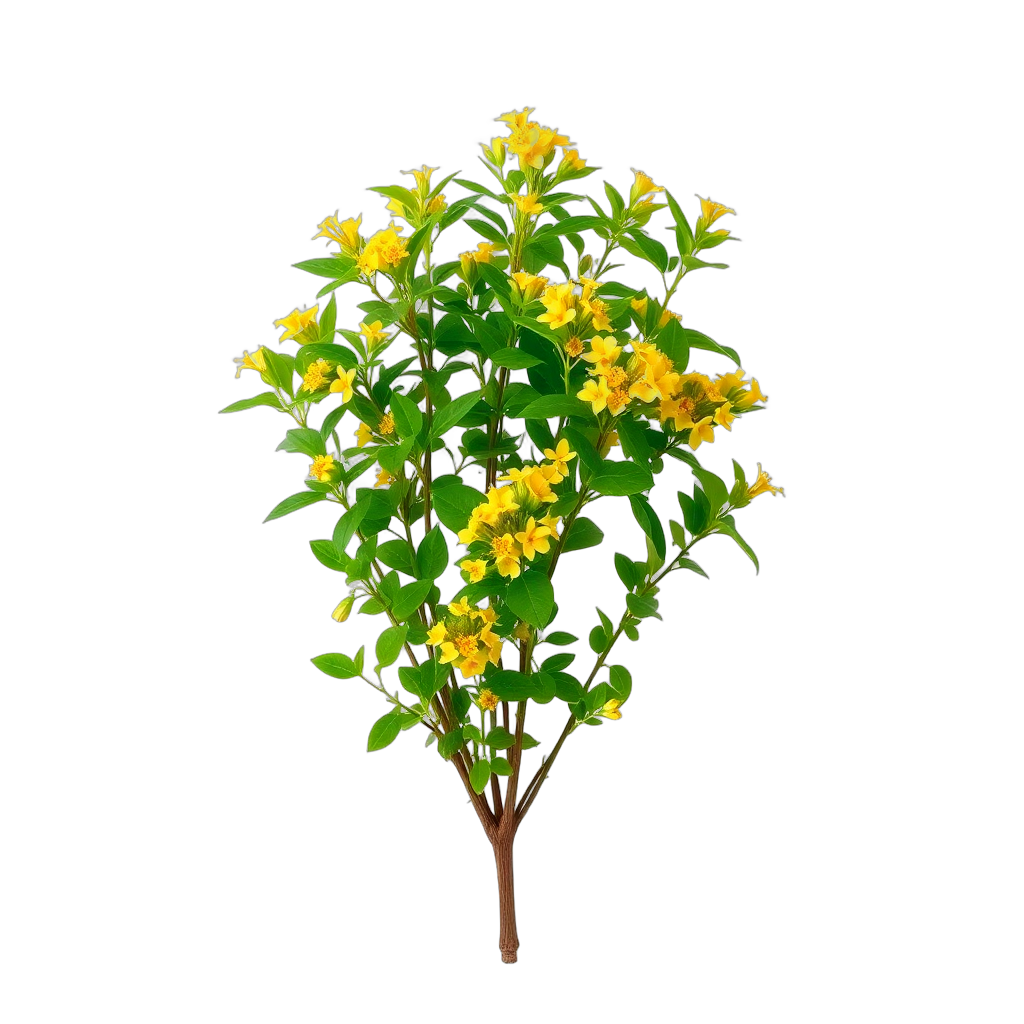
Shrubby St. John's Wort
Hypericum prolificum
grows to 4 feet, yellow blooms in summer. Pollinator-friendly.
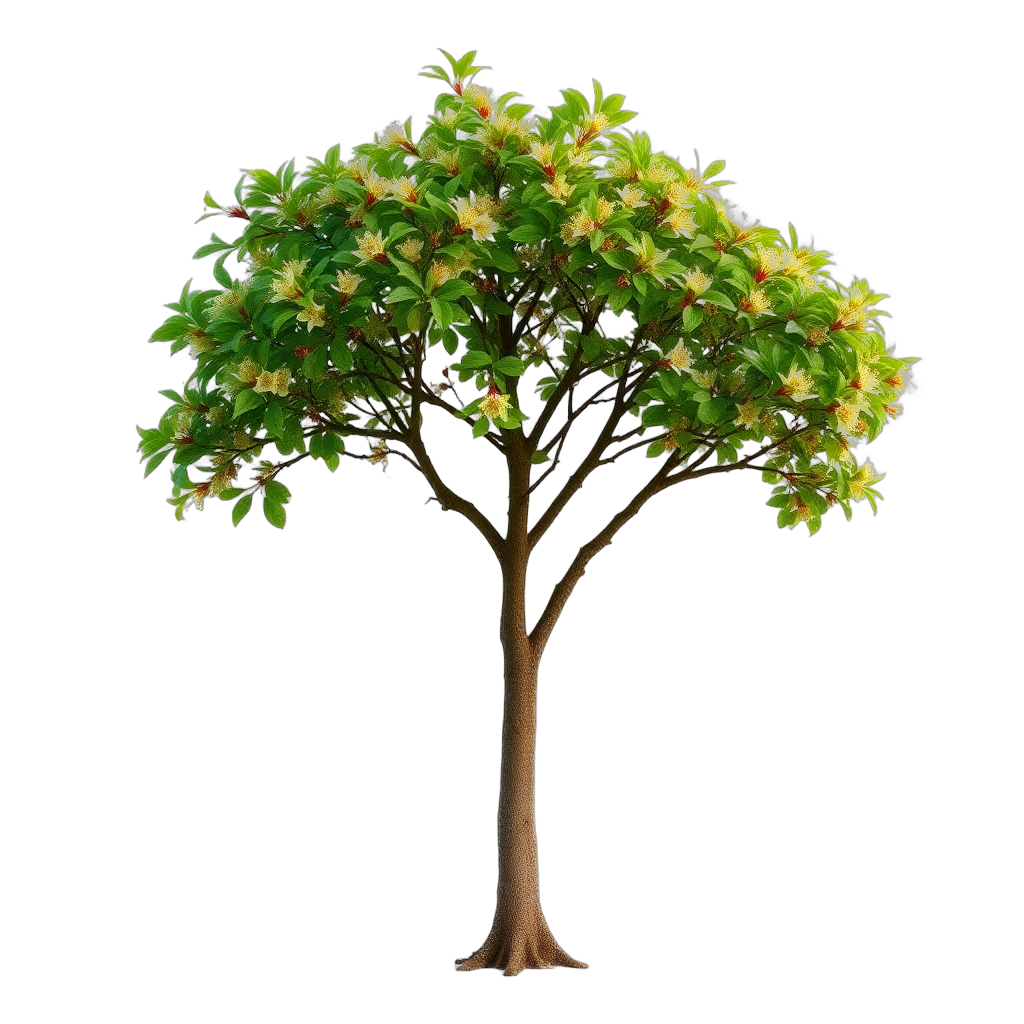
Vernal Witch Hazel
Hamamelis vernalis
medium-sized at 8 feet, yellow blooms in spring. Pollinator-friendly.
Featured Grasses & Groundcovers for Modern/Minimalist Gardens
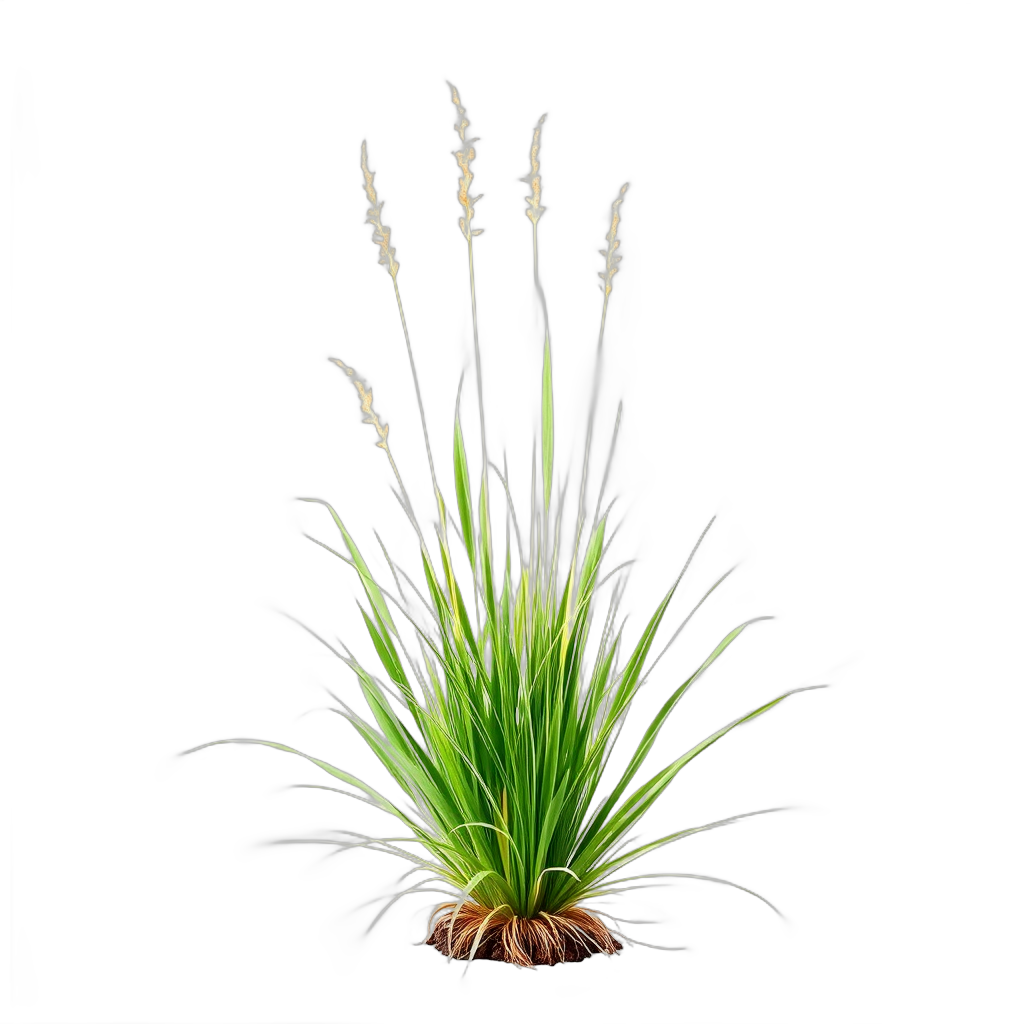
Northern Sea Oats
Chasmanthium latifolium
grows to 4 feet, blooms in fall. Bronze fall color.
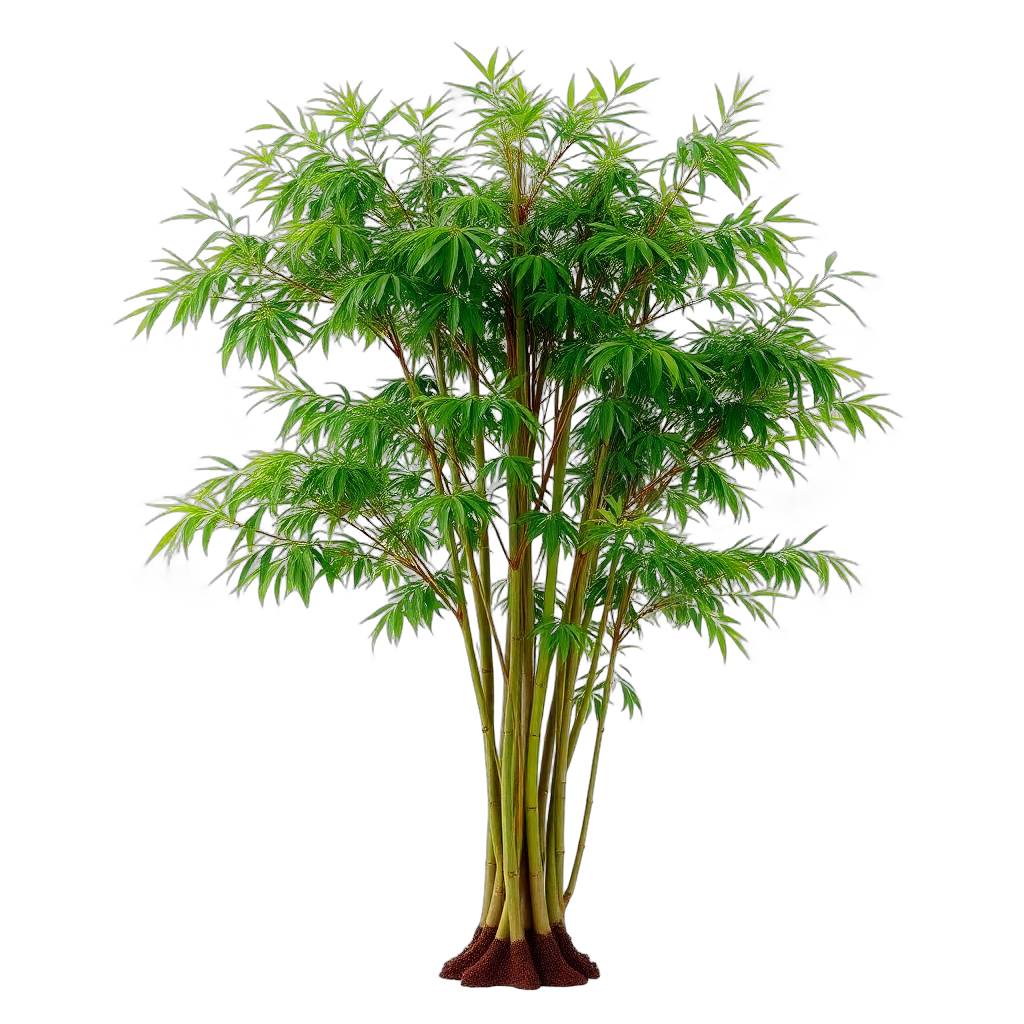
Arrow Bamboo
Pseudosasa japonica
medium-sized at 15 feet, blooms in none. Evergreen year-round.
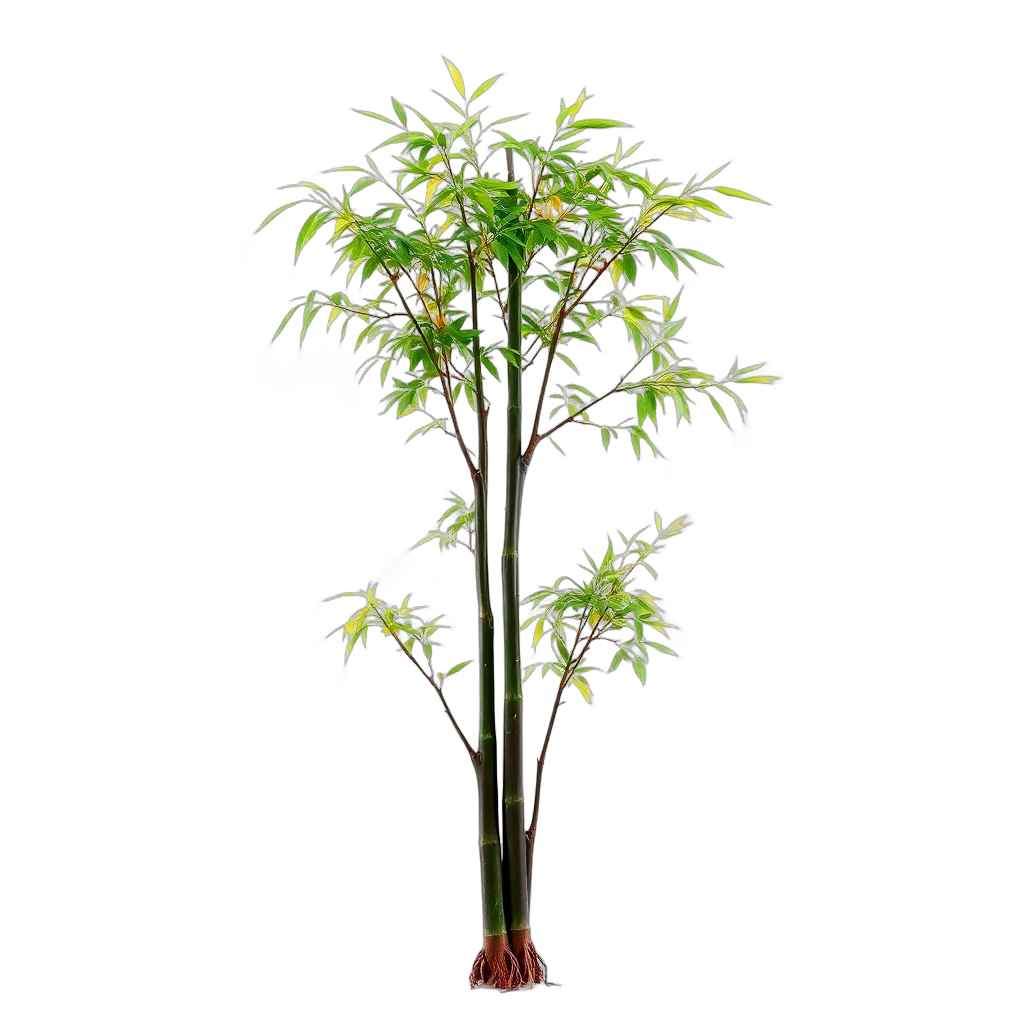
Black Bamboo
Phyllostachys nigra
reaches 25 feet tall, blooms in none. Evergreen year-round.
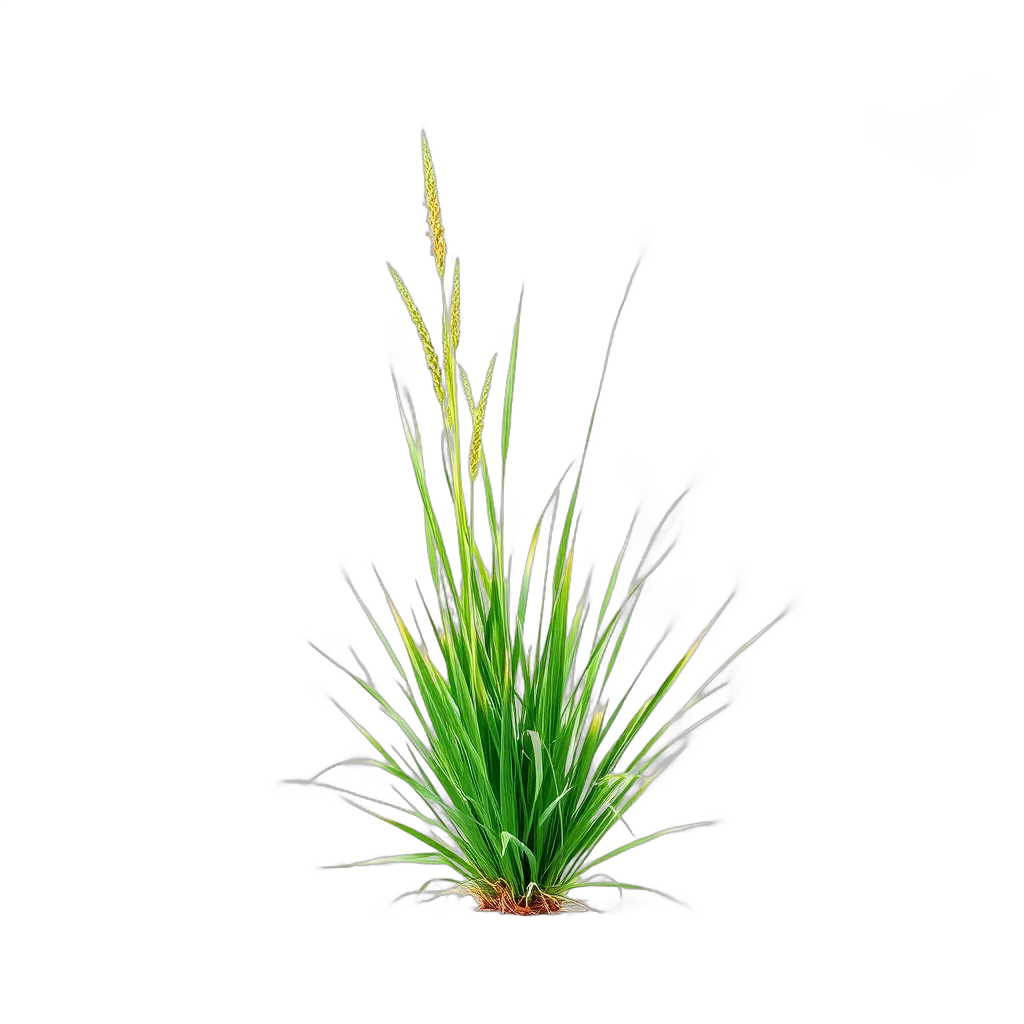
Bull Grass
Muhlenbergia emersleyi
grows to 4 feet, purple blooms in fall. Yellow fall color.
Featured Flowers & Perennials for Modern/Minimalist Gardens
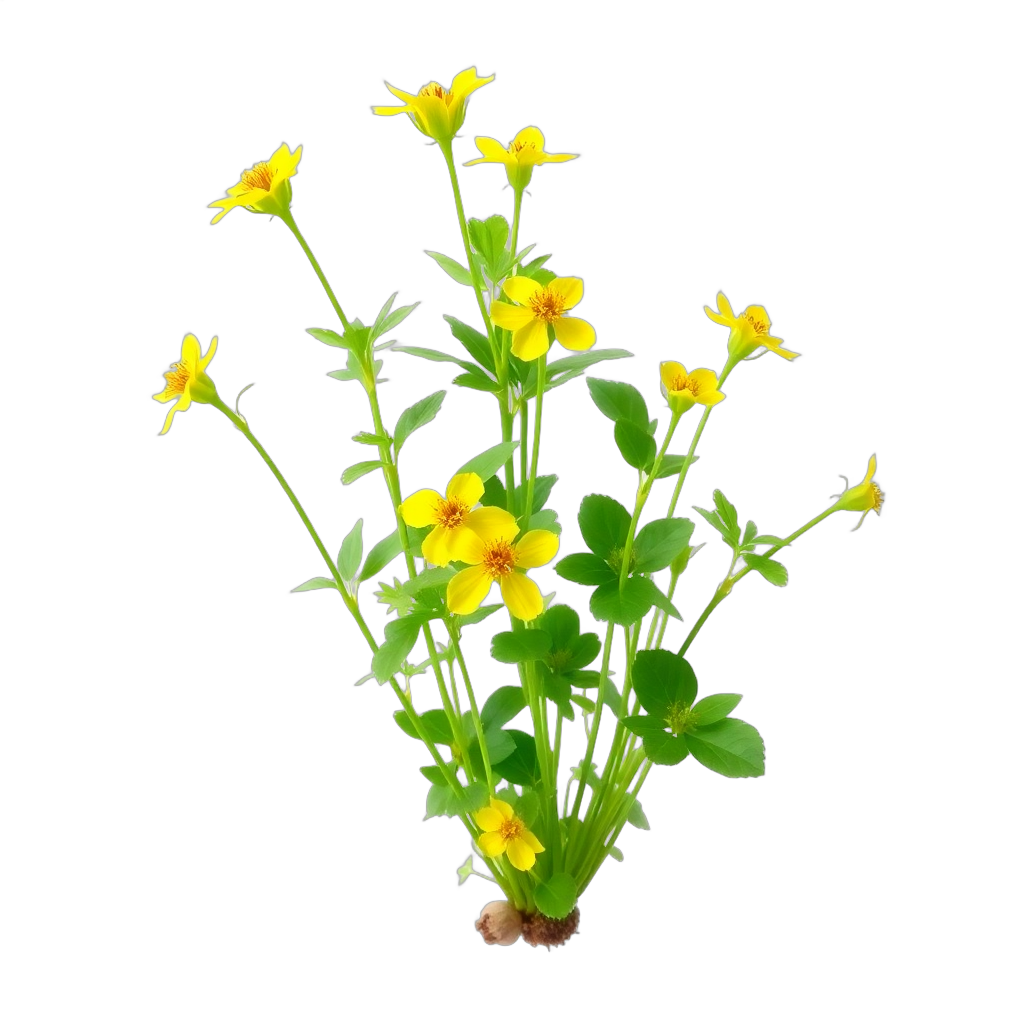
Celandine Poppy
Stylophorum diphyllum
low-growing ground cover, yellow blooms in spring.
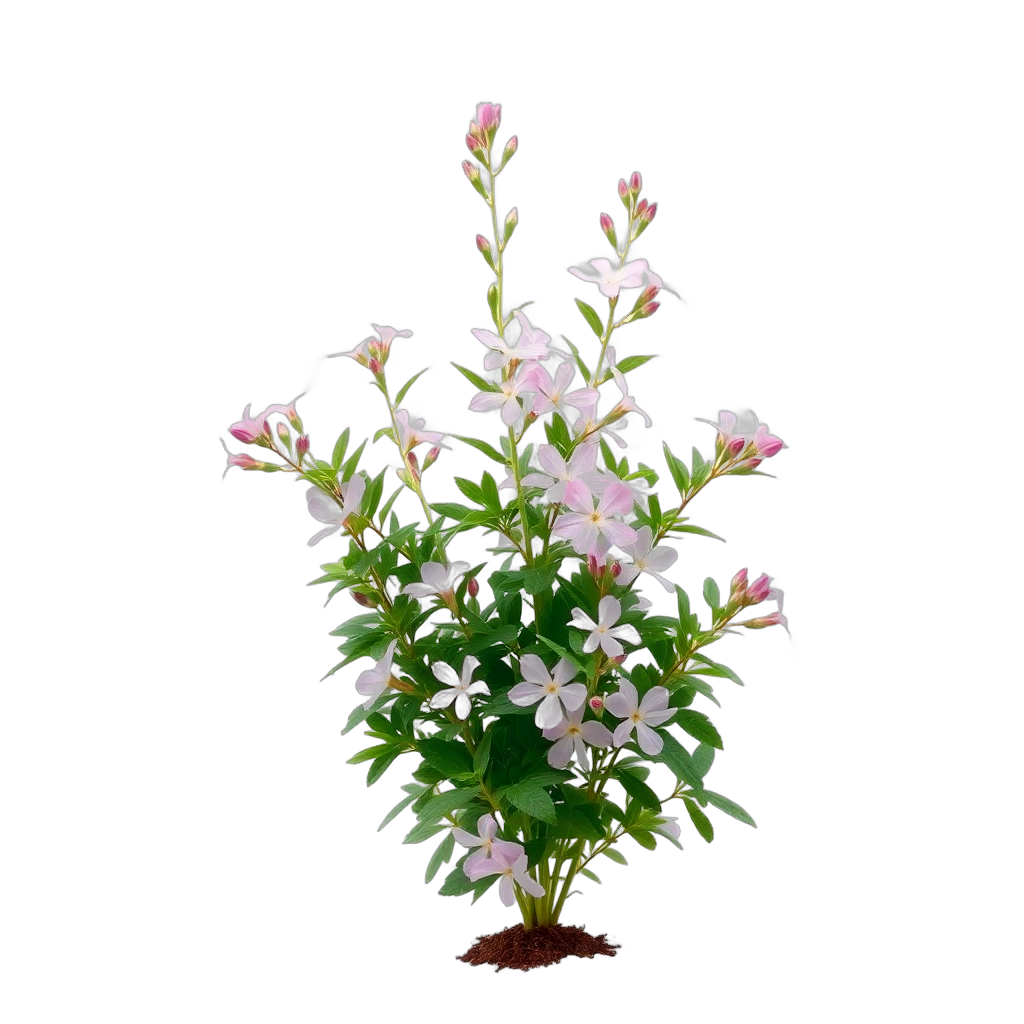
Garden Phlox
Phlox paniculata
grows to 3 feet, multi blooms in summer. Attracts hummingbirds.
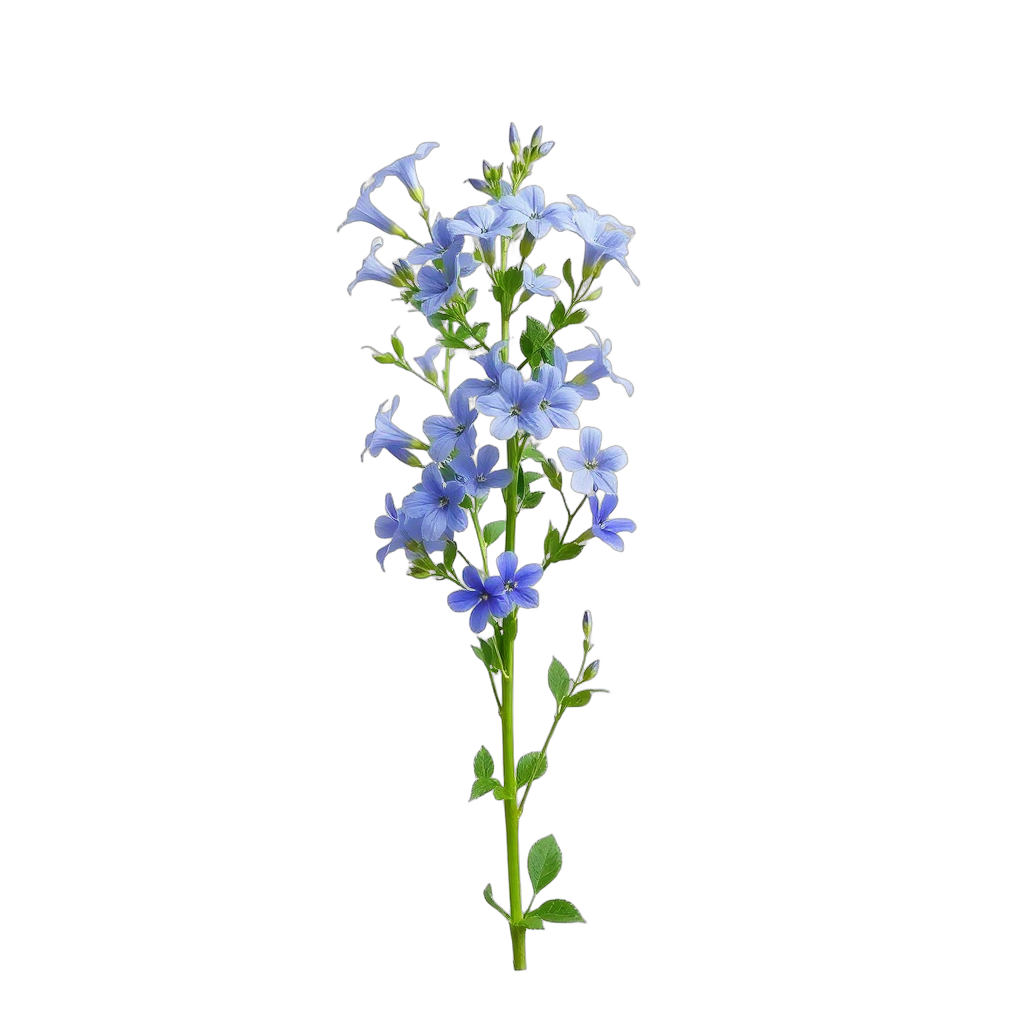
Wild Blue Phlox
Phlox divaricata
low-growing ground cover, blue blooms in spring. Attracts butterflies.

Water Fern
Azolla filiculoides
low-growing ground cover, blooms in none. Red fall color.
Zone and sun checks come from our database — confirm with your local nursery before you buy.
Bloom Calendar for Nashville
spring
Celandine Poppy, Wild Blue Phlox, Blackhaw Viburnumsummer
Garden Phlox, Coralberry, Shrubby St. John's Wortfall
Northern Sea Oatswinter
Limited bloomsDesign Tips for Nashville (Zone 7a)
- Use Tennessee crab orchard stone as your primary hardscape material — its warm rust-tan tones are geologically authentic to Nashville’s Interior Plateau and create a regional design identity that concrete or imported stone can’t provide
- Plant Eastern redbud as a specimen tree in every modern Nashville garden that has space — no exotic ornamental tree approaches its late-March bloom impact, and its winter branch structure is an architectural sculptural element year-round
- Leave ornamental grasses and perennials uncut through winter — Nashville’s occasional snow dusting on muhly grass and switchgrass seed heads in January and February is one of the most visually compelling moments in a modern native garden
- Address Nashville’s hilly topography with dry-stack limestone walls rather than concrete blocks — local limestone is less expensive per linear foot, ages beautifully, and creates the material connection to Nashville’s geology that contemporary design increasingly values
- Design for Nashville’s spectacular fall — beautyberry’s vivid purple berries, muhly grass’s pink clouds, and switchgrass’s bronze color all peak simultaneously in October, making fall the most visually rewarding season in a modern native Nashville garden
- Install smart irrigation during establishment, then reduce to supplemental — Nashville’s 47 annual inches of rainfall sustains established native plants in most years, but summer dry spells make establishment-year irrigation critical for switchgrass and muhly grass
Where to Source Plants in Nashville
Skip the big-box stores. These independent Nashville nurseries specialize in the plants that make modern/minimalist gardens thrive in Zone 7a.
Bates Nursery and Garden Center
West Nashville
Nashville’s premier independent nursery — strong native plant and ornamental grass inventory, landscape design services
Nashville Native Plant Society
Annual spring sale at Bicentennial Mall
Native Tennessee plants unavailable at conventional nurseries — pawpaw, native serviceberry, Plateau wildflowers, and native grasses
Elrod’s Farm Market
Hendersonville
Full-service nursery — ornamental trees, native plants, and landscape shrubs for Middle Tennessee modern landscapes
Beersheba Springs Nursery
Beersheba Springs, TN (Plateau source for native plants)
Plateau native plants including pawpaw, native serviceberry, and Interior Plateau wildflowers — specialist source for authentic Nashville native landscapes
Tennessee Nursery
McMinnville, TN
One of Tennessee’s largest wholesale growers — native trees, ornamental grasses, and landscape shrubs used by Nashville contractors
Modern/Minimalist Landscaping Costs in Nashville
| Project Scope | Estimated Cost |
|---|---|
| Modern front yard with concrete walkway and ornamental grass borders | $9,000 – $22,000 |
| Gravel xeriscape front yard with succulents and steel edging | $6,000 – $16,000 |
| Concrete patio with round fire pit and modern outdoor seating | $16,000 – $38,000 |
| Pool and hardscape outdoor living suite | $60,000 – $160,000 |
| Smart irrigation system for establishment phase | $2,000 – $4,500 |
| AI visualization with ProScapeAI | Free to start |
Estimates based on Nashville, TN-area contractor rates as of 2026. Actual costs vary by site conditions, materials, and contractor.
Nashville Climate & Growing Zone
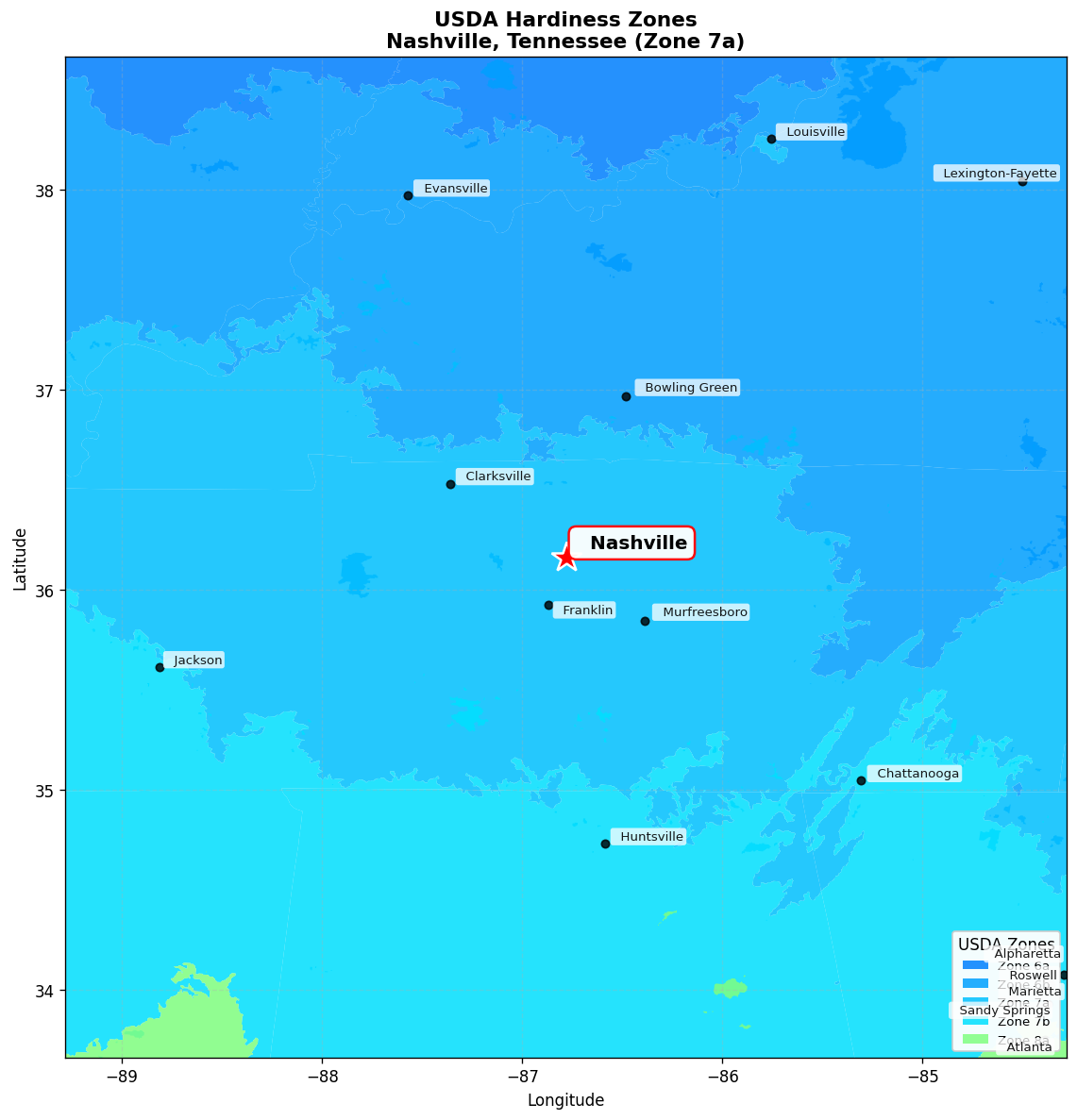
USDA Zone 7a
Hardiness zone for Nashville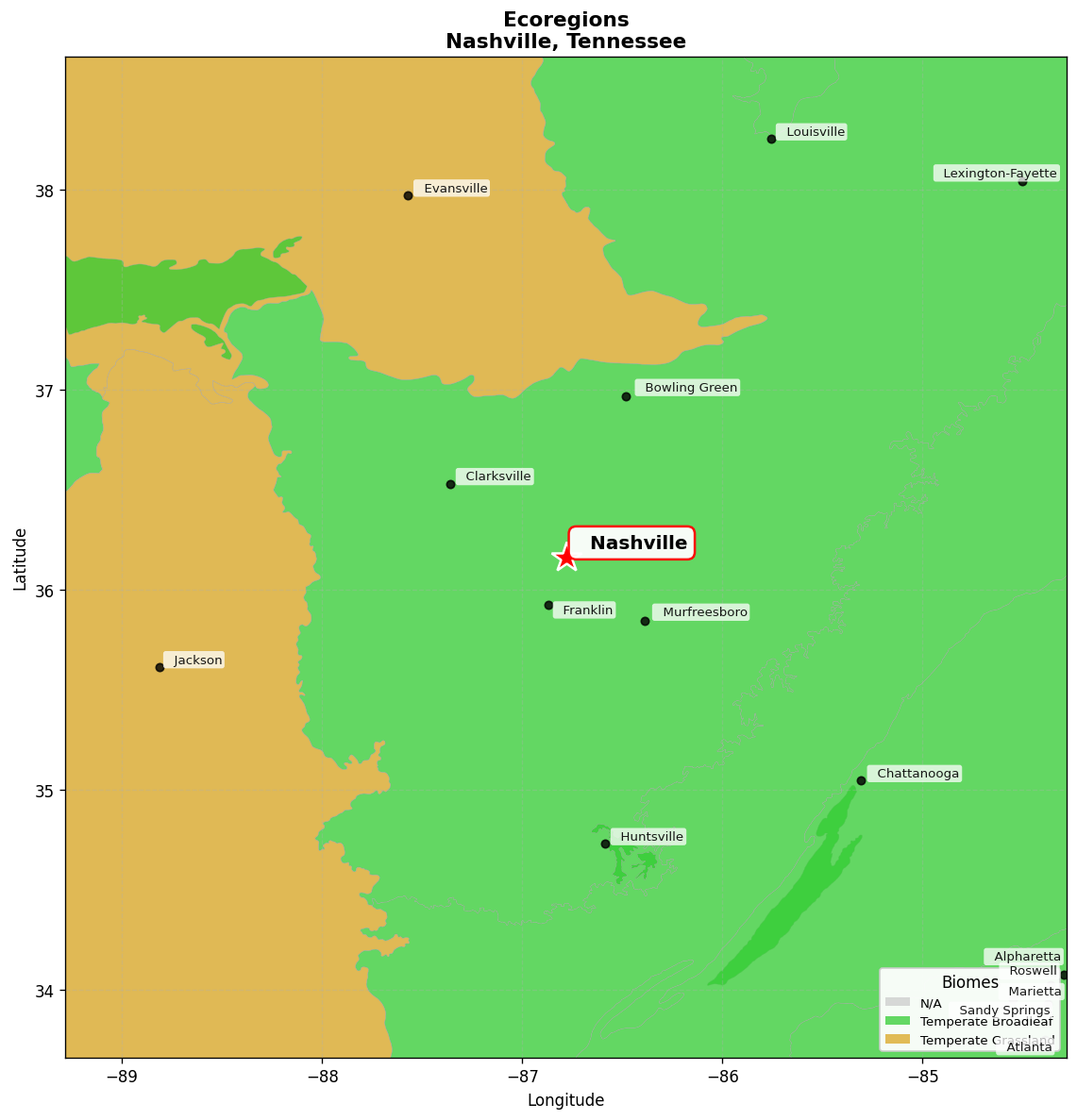
Interior Plateau US Hardwood Forests
Native ecoregionFrequently Asked Questions
What native plants work best for modern Nashville landscapes in Zone 7a?
Nashville’s Zone 7a and Interior Plateau ecology support excellent modern design natives. Top performers: Eastern redbud (Cercis canadensis — native specimen tree, spectacular spring bloom); switchgrass (structural ornamental grass, red-bronze fall color); little bluestem (blue-green summer, orange-burgundy fall); muhly grass (October pink plumes); beautyberry (Callicarpa americana — vivid purple fall berries); pawpaw (bold tropical-looking native understory tree); and native serviceberry (Amelanchier — spring bloom, summer fruit, fall color). All are native to the Interior Plateau and require minimal inputs after establishment in Nashville’s climate.
How should I use Tennessee limestone in a modern Nashville landscape?
Tennessee crab orchard stone is the material that most authentically grounds modern Nashville landscapes. Use it for patios and terraces (more textural interest than concrete, warm color palette), dry-stack retaining walls (handsome unmortered walls for grade changes on Nashville’s hilly lots), and path materials. Contrast the stone’s natural warmth with clean-line steel edging, black metal pergolas, and dark mulch for a contemporary reading that references regional geology. Source from Tennessee Crab Orchard quarries in Cumberland County, which supply stone used throughout Middle Tennessee’s historic buildings and contemporary designs.
How does Nashville’s limestone soil affect modern landscape planting?
Nashville’s alkaline limestone soils (pH 7.0–8.0) favor plants adapted to similar geology in Europe and the American Interior Plateau. Native plants are already adapted and require no amendment. For modern landscapes using ornamental grasses (most are neutral-to-alkaline tolerant), native trees, and native shrubs, Nashville’s natural soil chemistry is actually advantageous. Problems arise with acid-loving plants (azaleas, blueberries) — avoid these in modern landscapes unless you’re prepared to maintain annual acidification. Thin soil over limestone bedrock requires raised planting beds in exposed ledge areas.
What’s the best approach to Nashville’s hilly topography in modern design?
Nashville’s Plateau topography creates grade change on many residential lots, particularly in the older neighborhoods (East Nashville, Sylvan Park, Edgehill). Use grade change as a design asset: terraced retaining walls in dry-stack limestone or poured concrete create the level planes that furniture and use require, while the walls themselves become sculptural elements. A simple rule: level areas for dining and seating (minimum 10x12 ft), planted slopes between levels to manage grade, and connecting paths or stairs. Nashville landscape contractors are very experienced with sloped lots — it’s the norm here rather than the exception.
How do I make a modern Nashville landscape work through all four seasons?
Design for each season specifically. Spring (March–May): Eastern redbud and serviceberry for bloom, spring bulbs emerging; early perennials like salvia and catmint. Summer (June–August): ornamental grass structure, beautyberry’s green mass, perennial bloom. Fall (September–November): muhly grass turns pink, beautyberry lights up purple, switchgrass goes bronze — Nashville’s best season for native plant landscapes. Winter (December–February): ornamental grass silhouettes against snow, redbud branch structure, seed head interest from unpruned perennials. The key is not cutting perennials and grasses in fall — leave them for winter structure and cut back in late February.
How much does a modern landscape cost in Nashville?
Nashville modern landscape installation has become more expensive as the city’s construction boom has pushed up labor costs. Front yard modern redesign with crab orchard stone path, native grasses, and steel edging: $10,000–25,000. Backyard terrace with flagstone and pergola: $30,000–75,000. Dry-stack limestone retaining walls: $40–75/linear foot. Native prairie garden installation: $8,000–18,000. Annual maintenance for an established modern native landscape: $1,200–3,500/year. Crab orchard stone adds 15–25% to hardscape costs compared to standard concrete but delivers material authenticity that significantly increases project perceived value.