4 Modern Landscape Ideas for Clarksville, TN | Zone 7a Design
Native plants from the Interior Plateau US Hardwood Forests (Zone 7a) — Humid subtropical climate
Why Modern/Minimalist Gardens in Clarksville?
Clarksville has quietly become good ground for modern landscape design, mostly because of how fast it is building. At roughly 142,000 people it is one of Tennessee's fastest-growing cities, and the contemporary infill going up in Rossview, Farmington, Hazelwood and along the Exit 11 corridor arrives with exactly the geometry modern landscaping exists to amplify — flat and shed roofs, dark bronze window frames, full-height glass and long unbroken wall planes. Just as useful is the older stock nobody photographs: the 1960s and 70s brick and stucco ranches strung along Madison Street, Tiny Town Road and through St. Bethlehem have low horizontal rooflines and deep front setbacks, and a remodel that swaps the front lawn for gravel and steel-edged beds turns one of those houses modern for a fraction of what a rear addition costs. Downtown adds the material vocabulary — brick warehouses, the Cumberland riverfront, poured concrete — that keeps a Clarksville modern garden from looking imported from Arizona.
Zone 7a here means winter lows of 0–5°F, and the growing season runs about 195 days from mid-April to the last week of October, with July highs near 90°F. The real design constraint, though, is not cold: it is roughly 50 inches of rain a year landing on silt loam. The sculptural plants that define modern gardens in Phoenix or Austin die here of wet feet, not frost. Agave ovatifolia and Yucca rostrata will both take a Clarksville winter — they are hardy well below 5°F — but only in a raised, sharply drained bed; sitting at grade in Montgomery County loam they rot by March. The blue-green and burgundy rosettes people fall in love with in photographs are usually tender Echeveria, which will not survive a Clarksville January; Sempervivum 'Royal Ruby' and Agave parryi var. truncata give the same look and are genuinely hardy. The grasses, happily, are native territory: Muhlenbergia capillaris turns pink for six weeks in October, Panicum virgatum 'Northwind' stands up all winter without staking, and Schizachyrium scoparium colours copper on the same Highland Rim ground it grew on before the subdivisions.
The soil story matters more for hardscape than for planting. Clarksville sits on cherty Mountview and Dickson silt loams over Mississippian limestone, and the Dickson series carries a fragipan roughly 18–30 inches down that holds winter water like a lid. That means a poured concrete terrace or a paver court needs a properly compacted crushed-stone base — 6–8 inches of #57 with fines is the local standard — because silt loam swells through a wet February and shrinks in a dry August, and any slab set straight on subgrade will be cracked and rocking inside three seasons. Frost depth is shallow, around a foot, so footings are not the issue; moisture movement is. On the planting side the same fragipan is why every architectural bed in a Clarksville modern garden should be built up rather than dug down, filled with a fast-draining mix of native soil, compost and washed gravel and finished with gravel mulch rather than shredded hardwood.
Running costs are low if the design is right. Clarksville Gas & Water draws from the Cumberland River and does not impose routine seasonal watering restrictions, so a modern garden here is not a drought-survival exercise the way it is further west — losing the lawn is about killing the mowing, the fertiliser and the August water bill rather than about scarcity. Ask the utility about an irrigation deduct meter before a system is installed, and budget for the backflow preventer they require. Gravel conversions, beds and plantings need no city approval; retaining walls above a few feet, pools, decks and any grading that changes where stormwater leaves the property are handled by City of Clarksville building and stormwater staff, so confirm requirements locally before anything is dug. Get the drainage and the base right and the rest is genuinely low-maintenance: Calamagrostis x acutiflora 'Karl Foerster' and Panicum need one cut-back in late February, and the hardscape simply ignores the humidity that makes turf such a chore from June to September.
4 Modern/Minimalist Design Ideas for Clarksville

The Glass-Front Entry Court
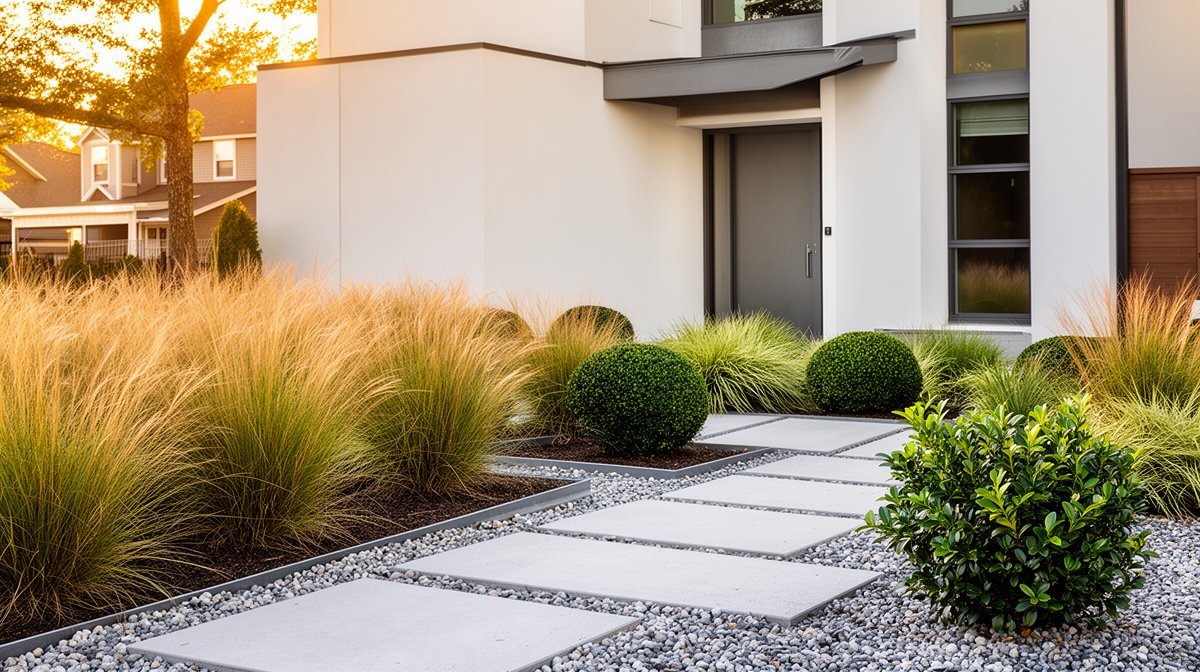
$13–24/sqftA low white stucco house with a shed roof, bronze window frames and a full-height glass wall gets a single confident gesture out front: a wide poured concrete walk running dead straight from the street to a dark bronze pivot door, splitting the lawn in two. The foundation beds either side are laid out with rhythm rather than variety — big blue-grey rosettes anchoring each end, soft tan grass clumps filling between them, and low purple-flowering mounds washing along the front edge in dark mulch. A multi-trunk tree with pale bark throws afternoon shade across the left half of the facade, which is the difference between a west-facing Clarksville glass wall being a feature and being an oven.

The Gravel Court Ranch Remodel
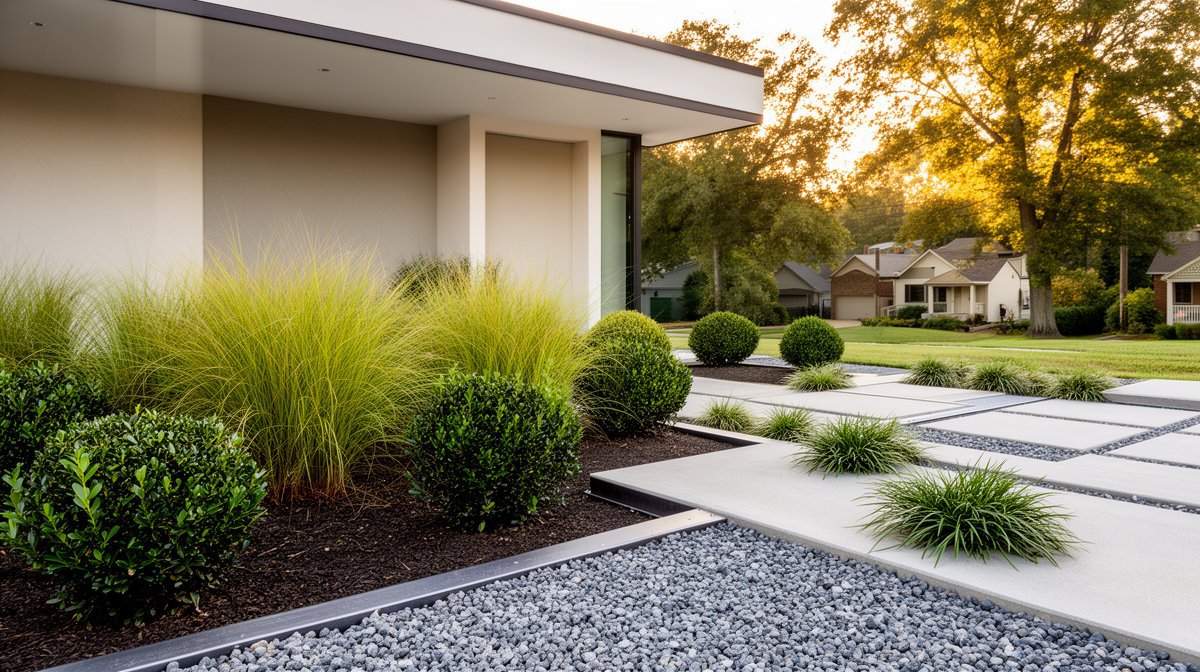
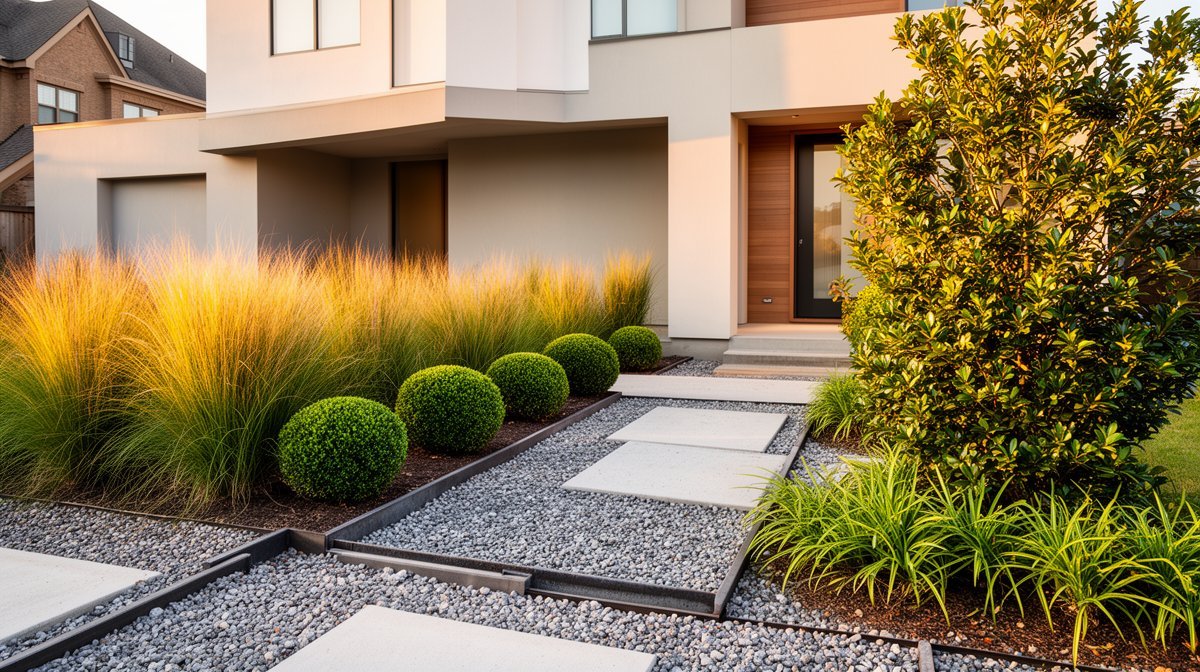
$9–18/sqftThis is what a 1970s ranch looks like after the front lawn is deleted. The house has been re-skinned in taupe stucco with black window frames and a recessed black entry, and the entire yard in front of it is now a field of tan pea gravel. Rectangular Corten steel-edged beds float in that gravel like trays, each one filled with dark mulch and planted with a deliberate scatter of blue-green and burgundy rosettes plus a few upright grass tufts — nothing else. A broad concrete slab walk with crisp sawn joints cuts through to the door, a huge mature street tree keeps the whole thing from feeling exposed, and the brick ranches across the road make the contrast the entire point.

The String-Light Fire Court
$17–30/sqftA dark grey rear elevation with black sliding glass opens onto a grey concrete paver court laid with wide open joints, and catenary string lights strung from black steel poles put a ceiling over the whole thing. Four cream-cushioned metal-frame chairs and a low sofa face a round dark concrete gas fire bowl, with a strip of lawn kept beyond it and a young shade tree already reading as structure. The design detail worth stealing is the border: instead of a hard line where paving meets fence, broad beds of tan-plumed grass wrap three sides in dark mulch behind low steel edging, so the fence disappears and the court feels twice its size. It is a 500 sqft backyard doing everything.

The Twilight Pool Deck
$45–85/sqft (pool area inclusive)A flat-roofed white and grey box opens through a full wall of sliding glass onto a pale concrete pool deck scored with sawn joints, and a rectangular pool with a tanning ledge and submerged lighting sits dead centre. A long linear gas fire table runs beside a low sofa and two chaises, so the fire and the water read as one composition rather than two features. The planting does its work at the perimeter: slim columnar evergreens repeat along a dark horizontal-slat fence for privacy and vertical rhythm, and low beds of fine grasses catch the last light around the deck edges. The restraint — one paving colour, one water shape, two plant textures — is what makes it feel like a hotel rather than a backyard.
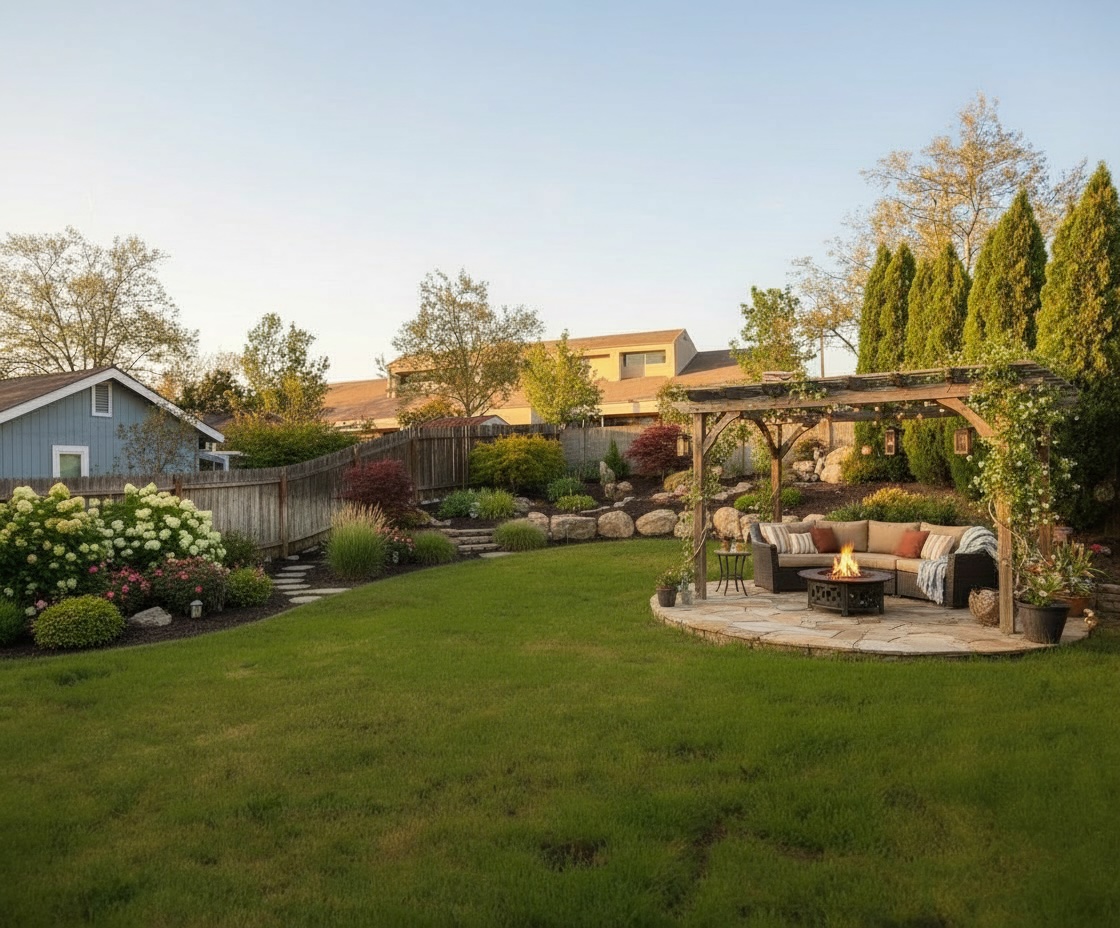
See how a modern/minimalist garden looks on YOUR property
Upload a photo of your Clarksville yard and visualize your dream garden in seconds.
Try ProScapeAI Free
Featured Trees & Shrubs for Modern/Minimalist Gardens
Browse all 173 plants for Clarksville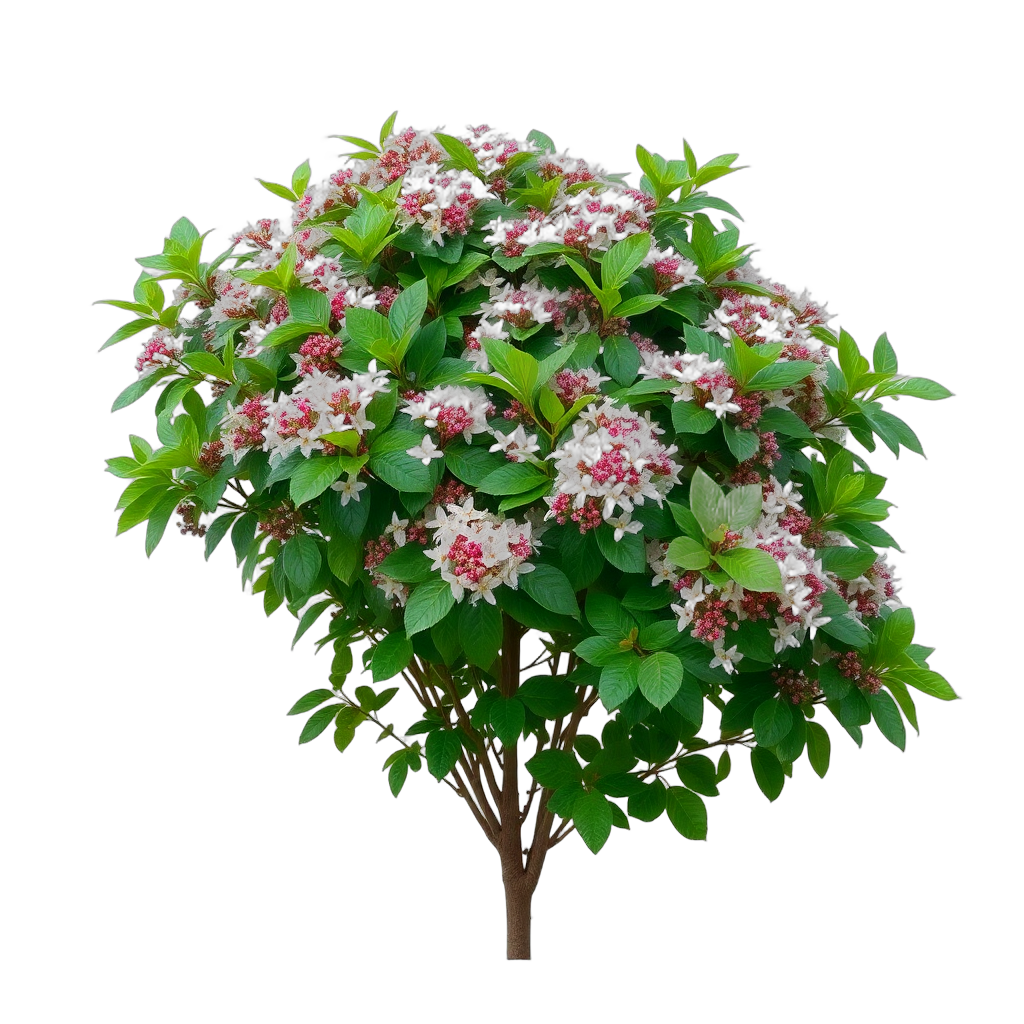
Blackhaw Viburnum
Viburnum prunifolium
medium-sized at 12 feet, white blooms in spring. Pollinator-friendly.
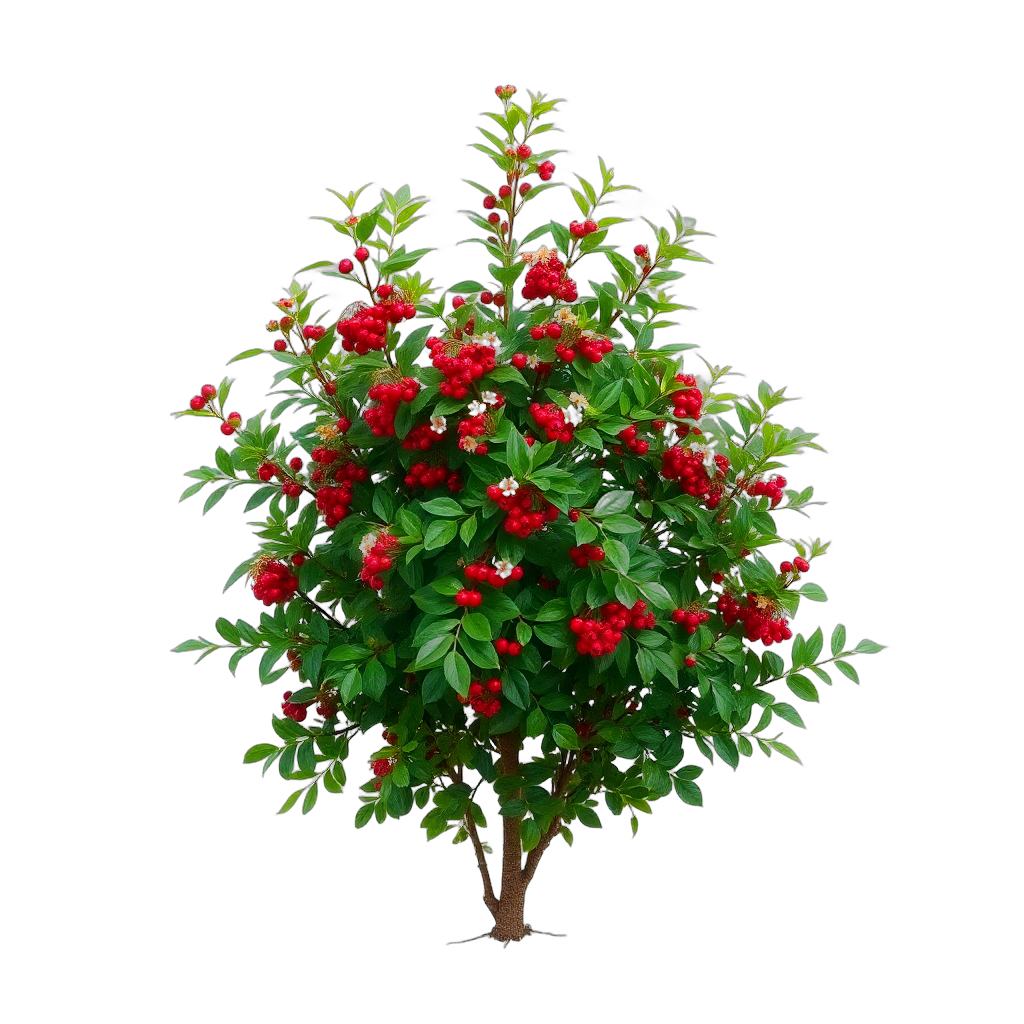
Coralberry
Symphoricarpos orbiculatus
grows to 6 feet, pink blooms in summer. Pollinator-friendly.
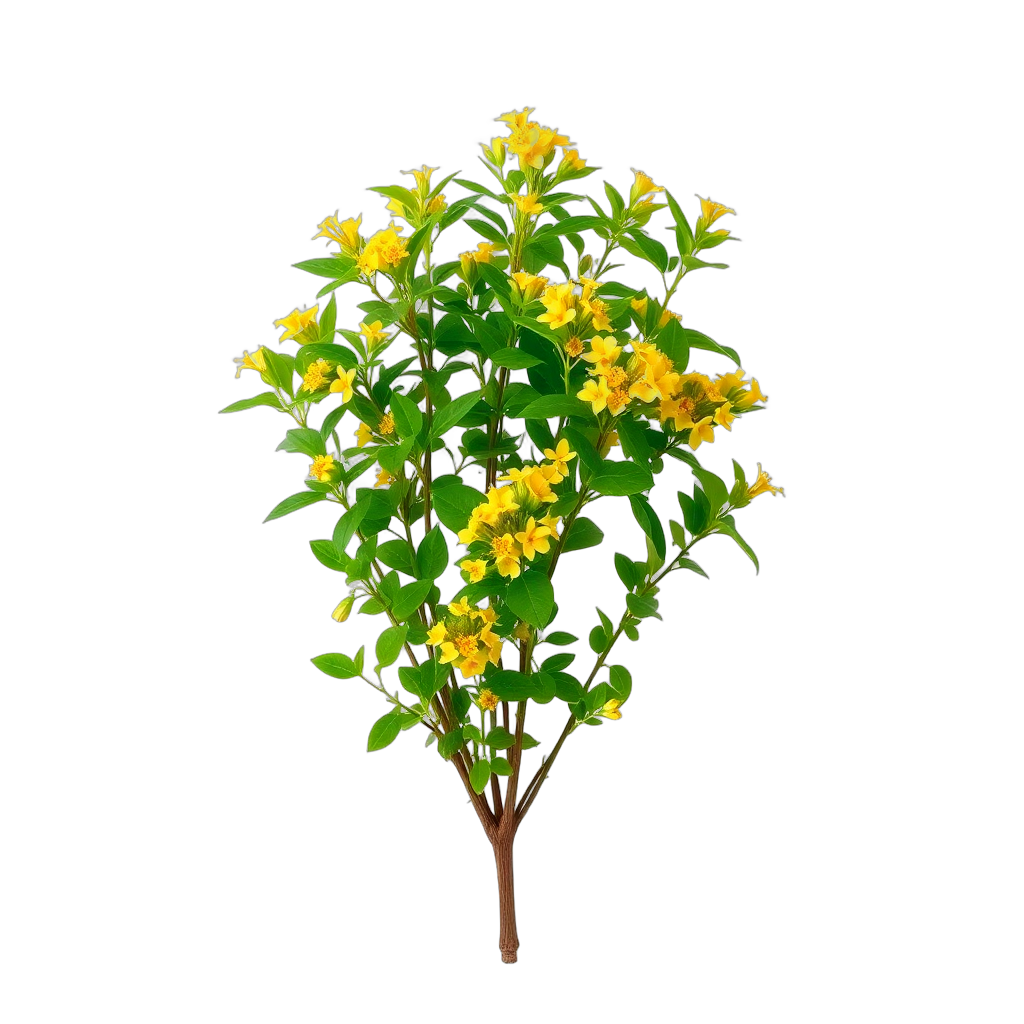
Shrubby St. John's Wort
Hypericum prolificum
grows to 4 feet, yellow blooms in summer. Pollinator-friendly.
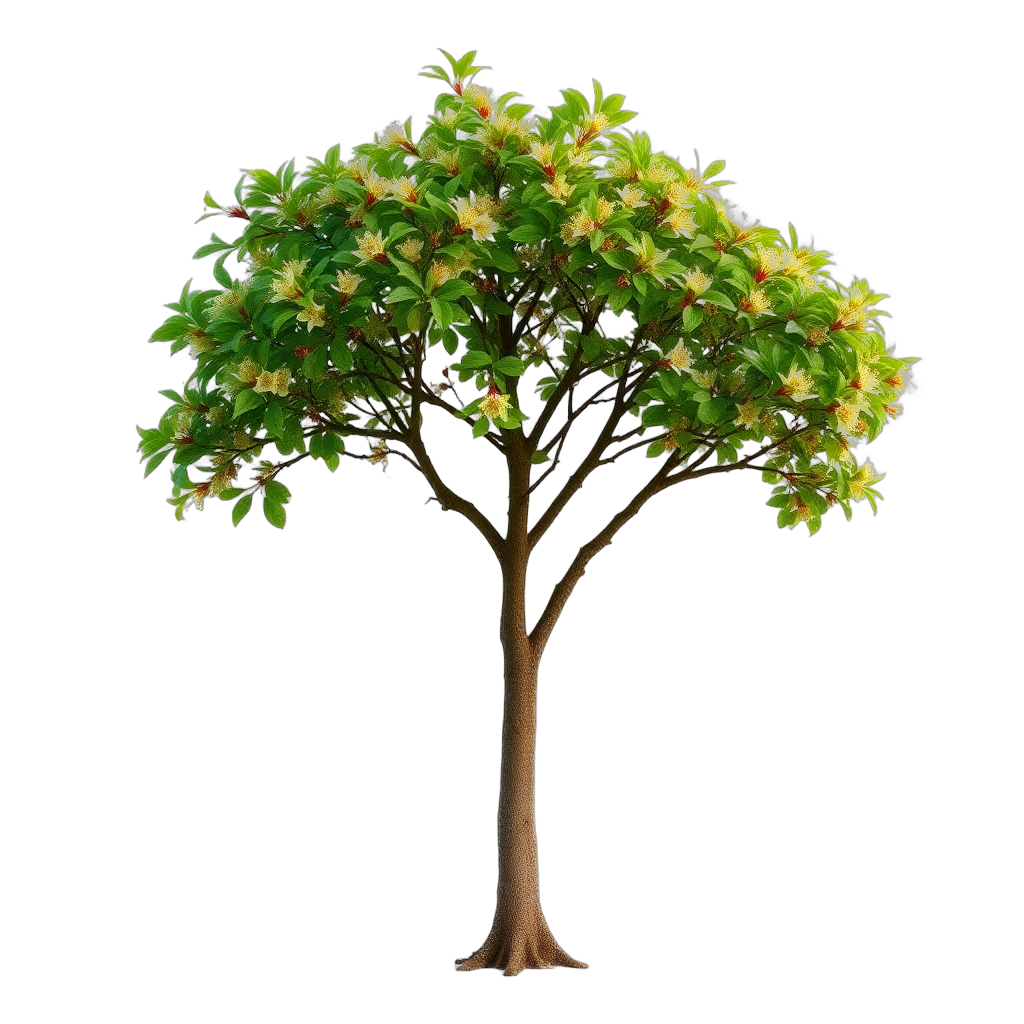
Vernal Witch Hazel
Hamamelis vernalis
medium-sized at 8 feet, yellow blooms in spring. Pollinator-friendly.
Featured Grasses & Groundcovers for Modern/Minimalist Gardens
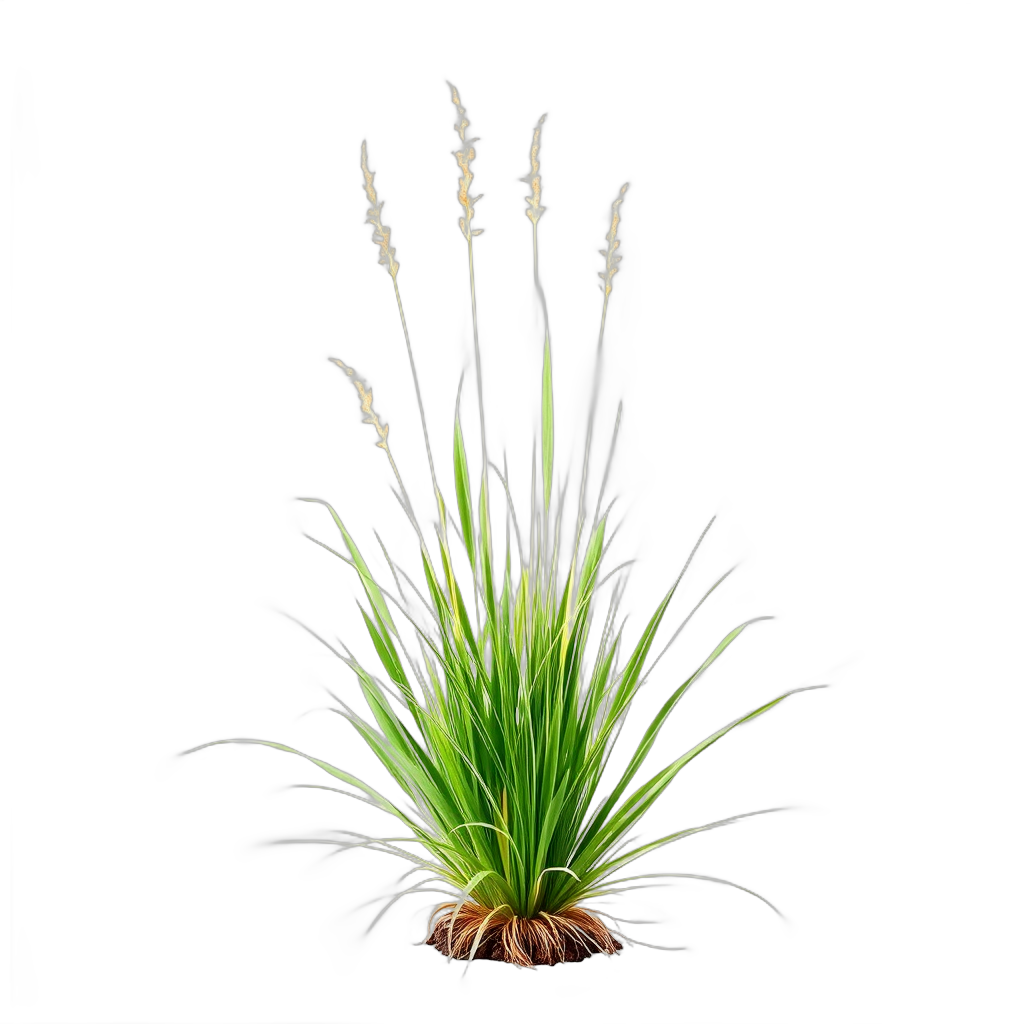
Northern Sea Oats
Chasmanthium latifolium
grows to 4 feet, blooms in fall. Bronze fall color.
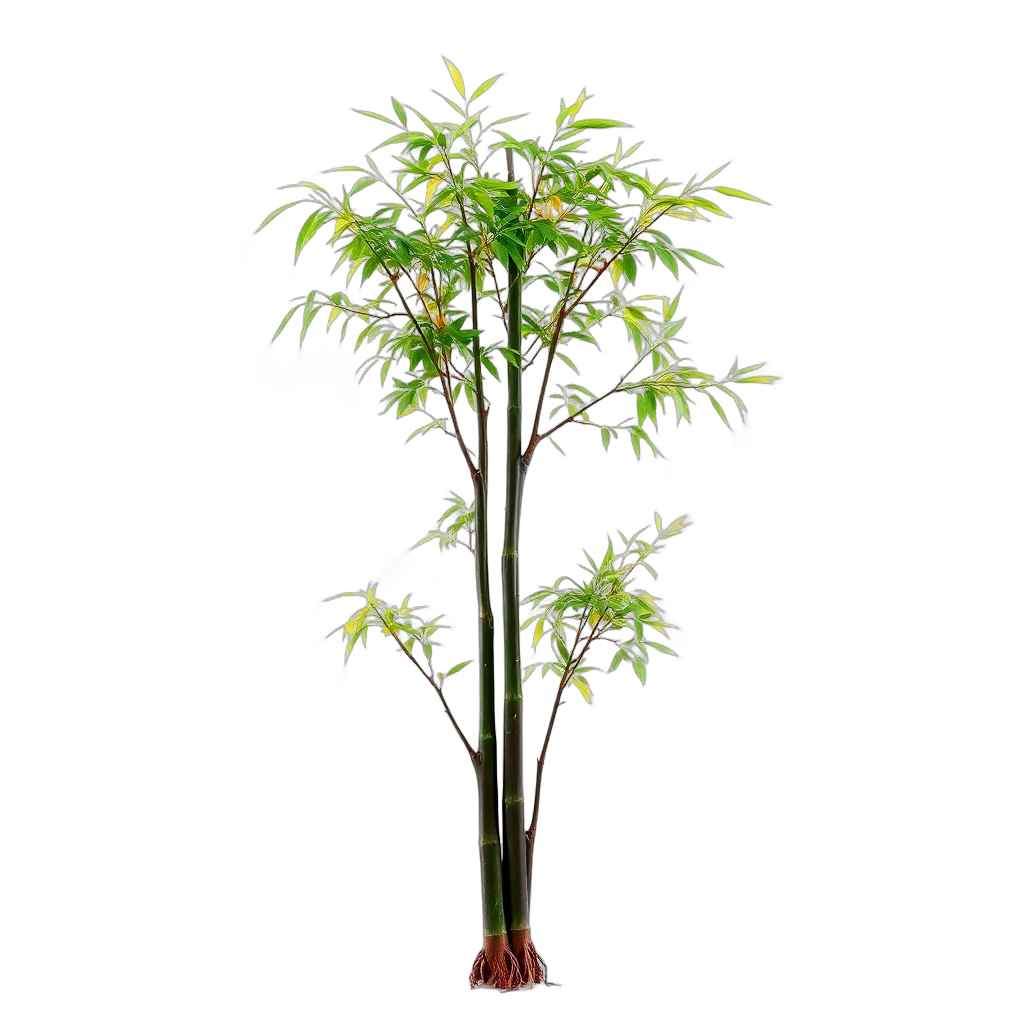
Black Bamboo
Phyllostachys nigra
reaches 25 feet tall, blooms in none. Evergreen year-round.
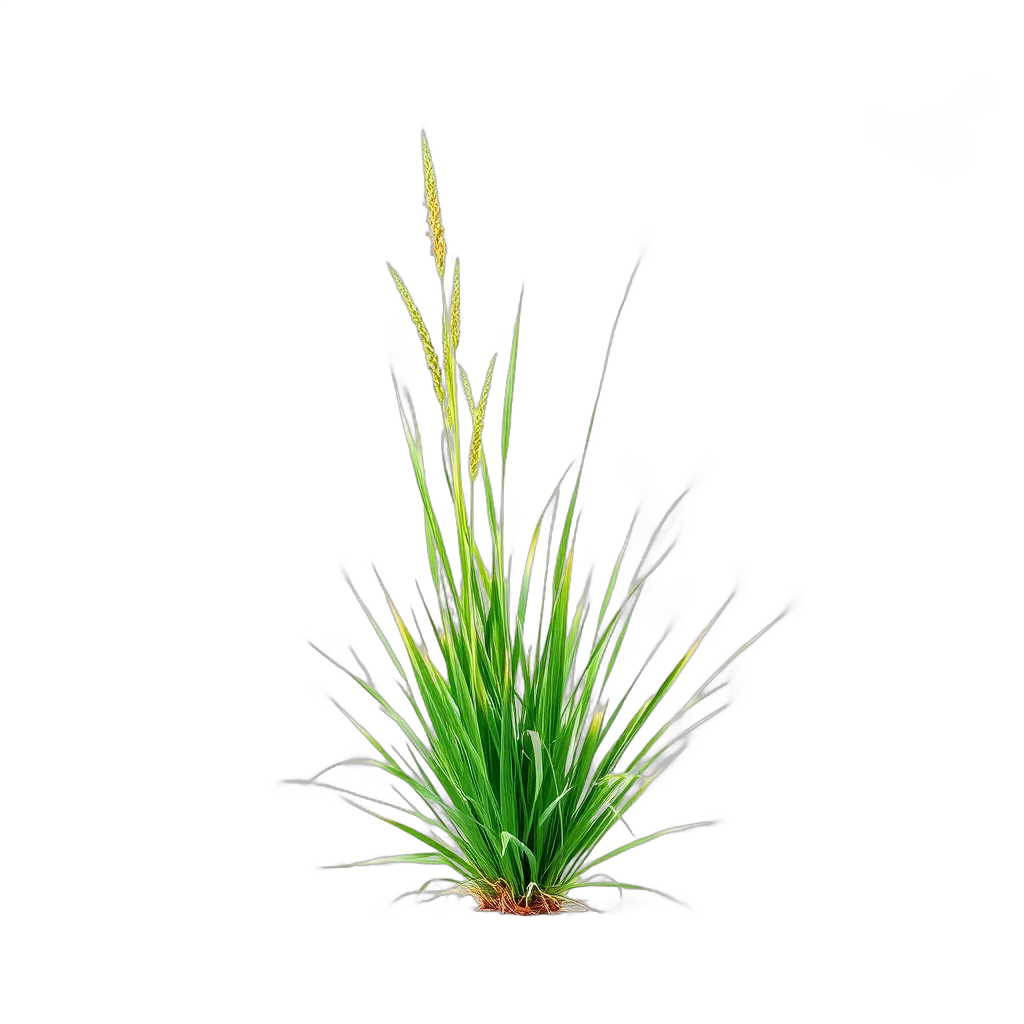
Bull Grass
Muhlenbergia emersleyi
grows to 4 feet, purple blooms in fall. Yellow fall color.
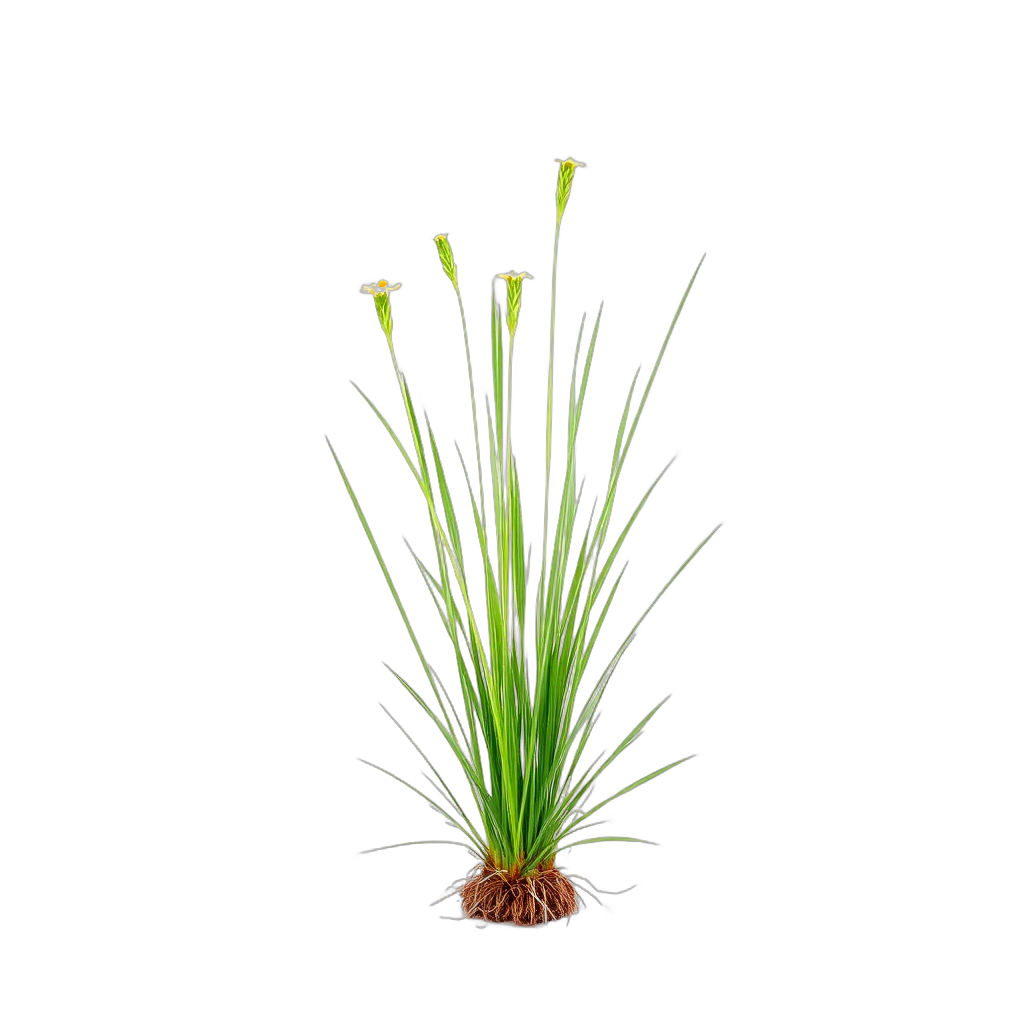
California Melic
Melica californica
low-growing ground cover, blooms in spring.
Featured Flowers & Perennials for Modern/Minimalist Gardens
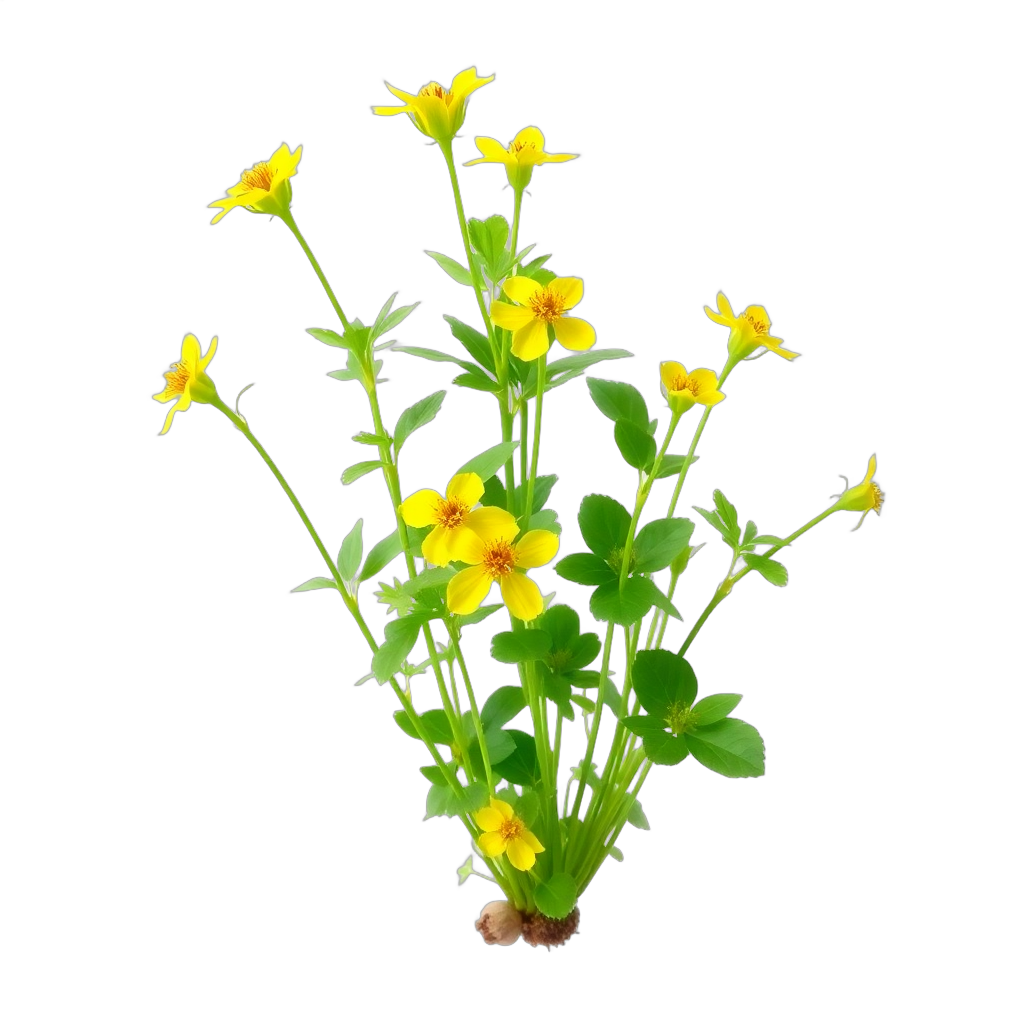
Celandine Poppy
Stylophorum diphyllum
low-growing ground cover, yellow blooms in spring.
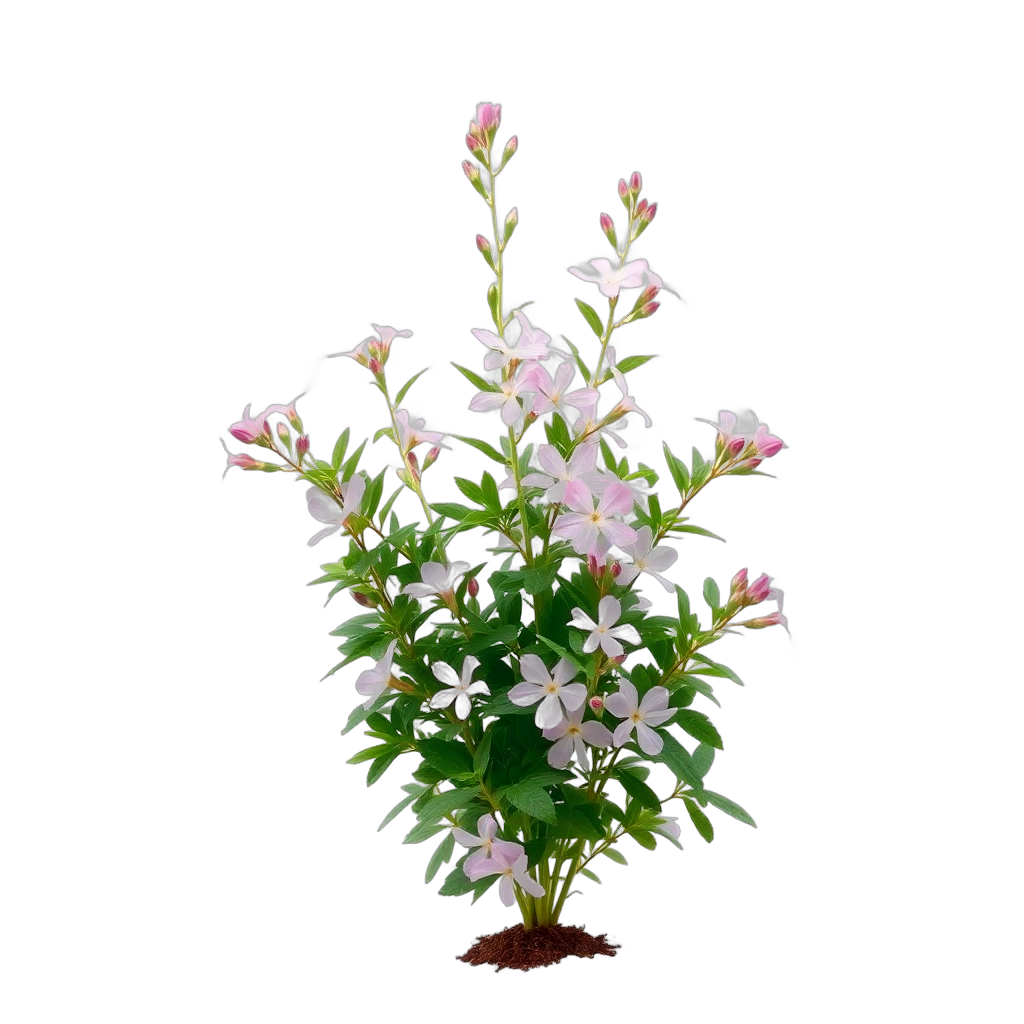
Garden Phlox
Phlox paniculata
grows to 3 feet, multi blooms in summer. Attracts hummingbirds.
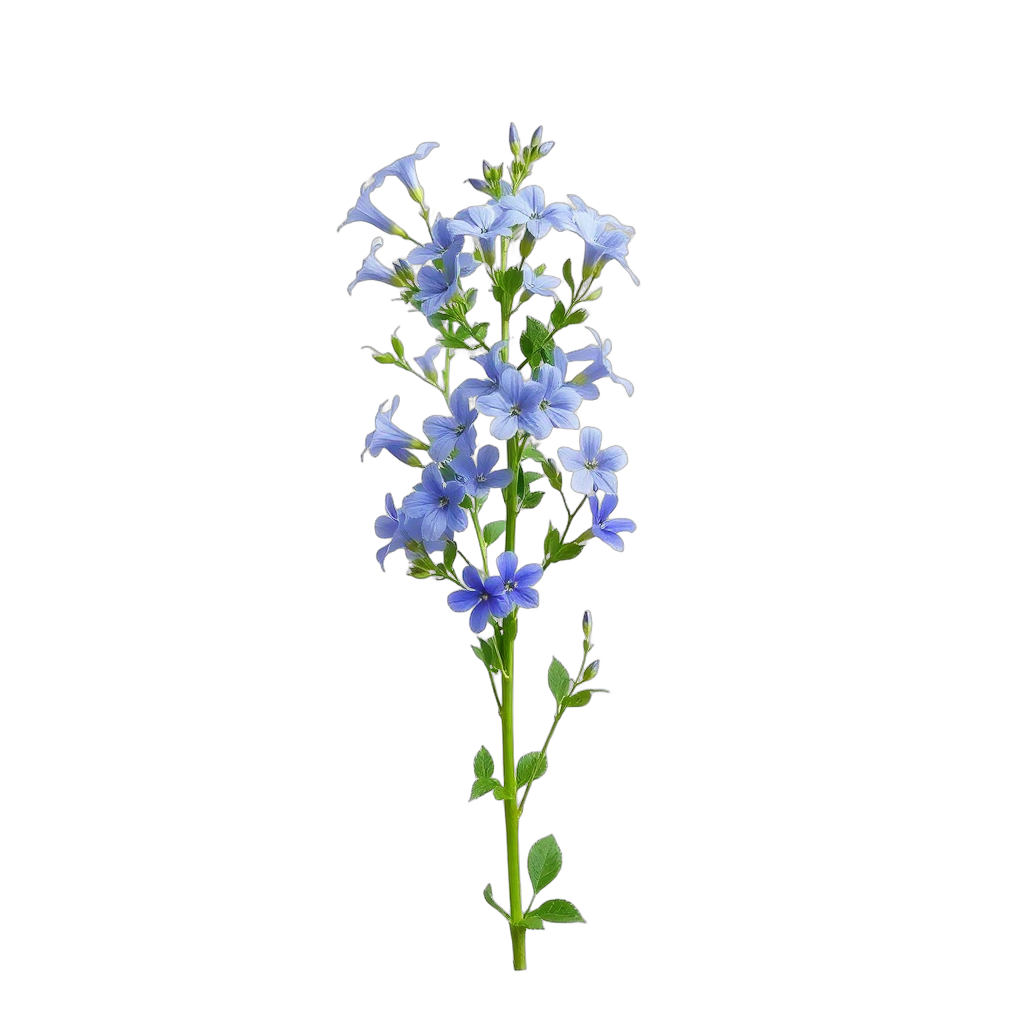
Wild Blue Phlox
Phlox divaricata
low-growing ground cover, blue blooms in spring. Attracts butterflies.

Water Fern
Azolla filiculoides
low-growing ground cover, blooms in none. Red fall color.
Zone and sun checks come from our database — confirm with your local nursery before you buy.
Bloom Calendar for Clarksville
spring
Celandine Poppy, Wild Blue Phlox, Blackhaw Viburnumsummer
Garden Phlox, Coralberry, Shrubby St. John's Wortfall
Northern Sea Oatswinter
Limited bloomsDesign Tips for Clarksville (Zone 7a)
- Build architectural beds up, never down — Clarksville's 50 inches of annual rain and the Dickson fragipan below mean Agave ovatifolia and Yucca rostrata die of winter wet, not of Zone 7a cold, so raise them 10–14 inches and finish with gravel mulch
- Use Muhlenbergia capillaris where a Phoenix designer would mass agaves; it delivers the same soft-architectural drama, laughs at Tennessee humidity, and turns the whole bed pink for six weeks every October
- Substitute Juniperus virginiana 'Taylor' for Italian cypress — the narrow columnar form is nearly identical, it is native to the Interior Plateau, and unlike Cupressus sempervirens it will not brown out in a 0°F Clarksville cold snap
- Compact 6–8 inches of crushed stone under every square foot of paving; the swelling and shrinking of Mountview and Dickson silt loam between a wet February and a dry August will crack a slab poured on bare subgrade within three seasons
- Keep at least one canopy tree in the design — a modern Clarksville garden with no shade is unusable from June to September, so limb up existing oaks and maples high enough that the trunks read as sculpture above a clean groundplane
- Skip Miscanthus sinensis no matter how good it looks in the catalogue; it self-seeds into Middle Tennessee fencerows and Panicum virgatum 'Northwind' gives the same vertical mass without the problem
- Uplight the grasses rather than the lawn — in-ground fixtures behind Panicum and Muhlenbergia create the evening depth that makes modern landscapes photograph well, and Clarksville's long warm evenings pay that back for eight months of the year
Where to Source Plants in Clarksville
Skip the big-box stores. These independent Clarksville nurseries specialize in the plants that make modern/minimalist gardens thrive in Zone 7a.
Legacy Nursery & Landscapes
Kirkwood / southeast Clarksville
Locally owned growing operation propagating its own ornamental trees and shrubs to finished size — the practical source for specimen-grade structure plants
Larry's Nursery & Landscaping
College Street / near Austin Peay
Clarksville nursery trading since 1980; trees, shrubs and grasses at sensible prices, with staff who will help load a full bed's worth into a car
The Garden Place
Woodlawn Road / west Clarksville
Nursery and garden centre that also does dirt work and landscaping, so bulk gravel, mulch and topsoil come from the same place as the plants
Pups Plants + Goods
Historic downtown (Strawberry Alley)
Downtown plant collective for sculptural container plants and courtyard pots, plus planting design and ongoing plant care
Modern/Minimalist Landscaping Costs in Clarksville
| Project Scope | Estimated Cost |
|---|---|
| Front-yard gravel conversion with steel-edged beds (500 sqft) | $5,500 – $13,000 |
| Poured concrete or large-format paver terrace (300–500 sqft) | $9,000 – $24,000 |
| Fire-pit court with seating and string-light poles | $14,000 – $35,000 |
| Pool deck and full modern backyard design build | $65,000 – $160,000 |
| Corten steel raised planter, fabricated and filled | $600 – $1,500 each |
| Low-voltage landscape lighting (12–18 fixtures) | $2,400 – $6,000 |
| AI visualization with ProScapeAI | Free to start |
Estimates based on Clarksville, TN-area contractor rates as of 2026. Actual costs vary by site conditions, materials, and contractor.
Clarksville Climate & Growing Zone
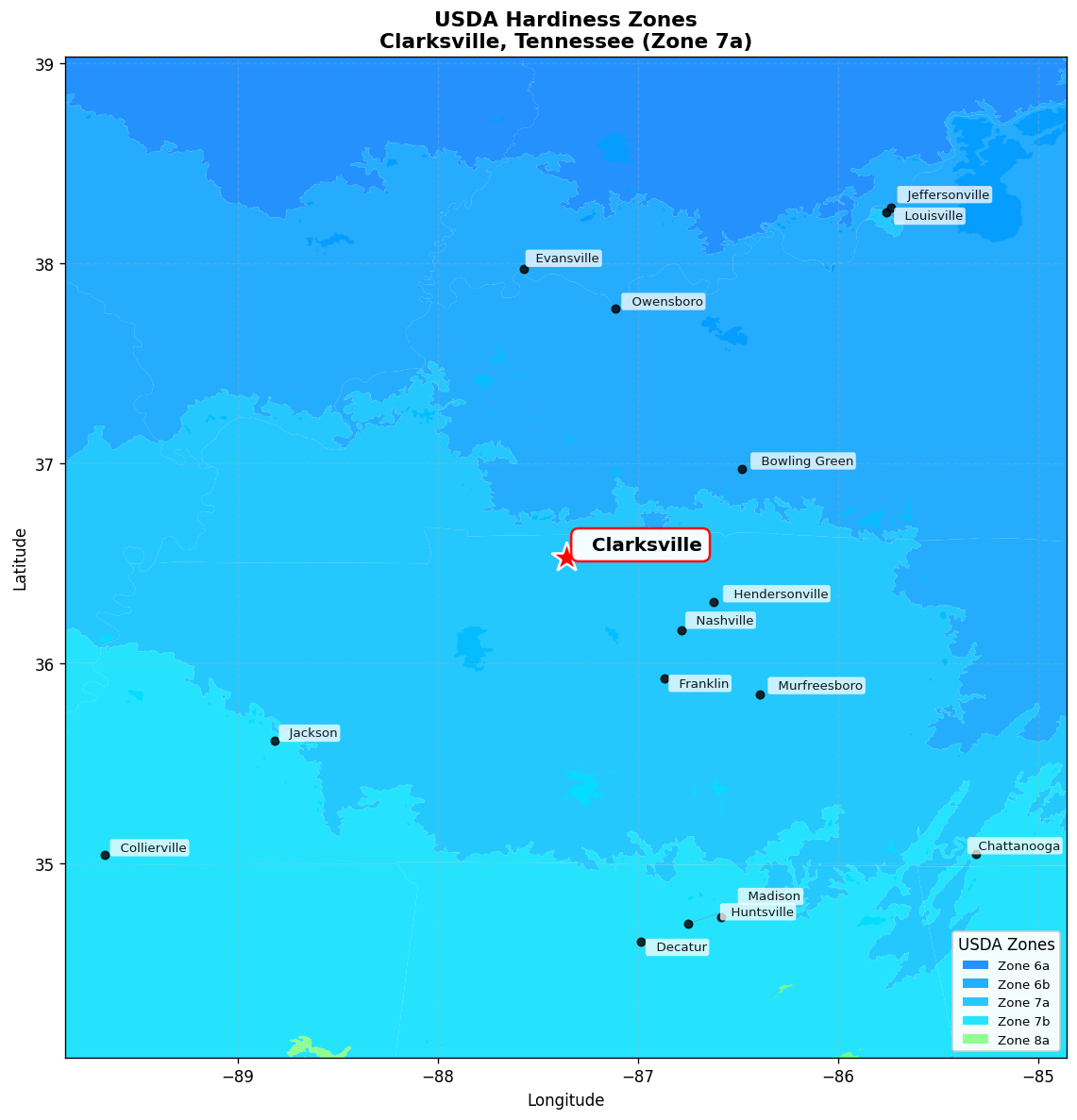
USDA Zone 7a
Hardiness zone for Clarksville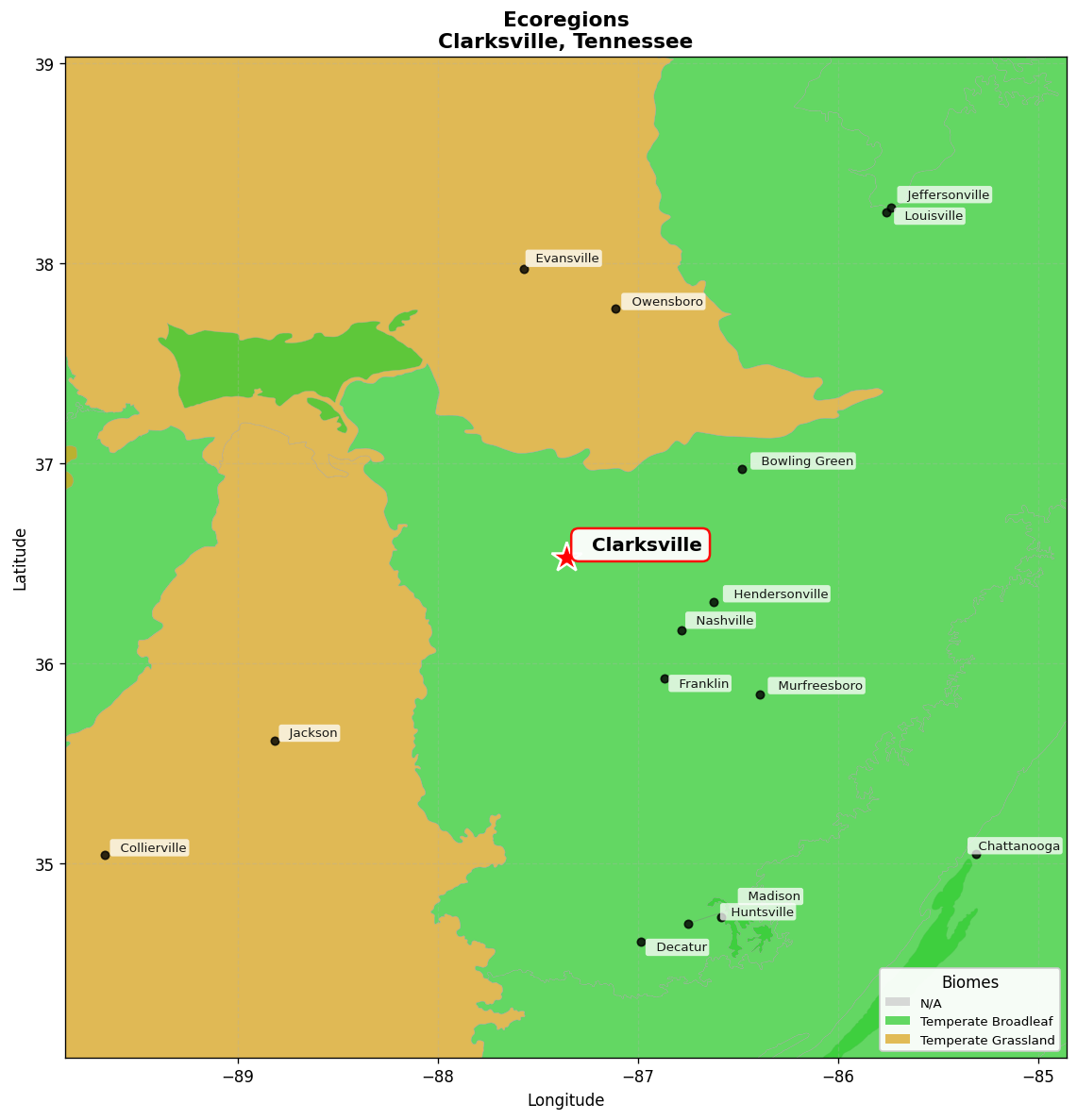
Interior Plateau US Hardwood Forests
Native ecoregionFrequently Asked Questions
How much does modern landscaping cost in Clarksville?
Clarksville installation rates run roughly 10–20% under national metro averages, so modern design is unusually affordable here. Deleting a typical 500 sqft front lawn and replacing it with a gravel field, Corten steel-edged beds and architectural planting runs $5,500–13,000 installed. A poured concrete or large-format paver terrace of 300–500 sqft lands at $9,000–24,000. A full fire-pit court with seating, string-light poles and wrapped grass borders is usually $14,000–35,000. Pool-led backyards in Sango or Cumberland Heights commonly fall between $65,000 and $160,000. A DIY gravel-and-plants front conversion, buying Panicum virgatum 'Northwind' and Schizachyrium scoparium in 1-gallon sizes, can be done for $4–6 per square foot.
Can I actually grow agaves and yuccas in Clarksville with 50 inches of rain?
Yes, and cold is not what stops you. Agave ovatifolia, Agave parryi var. truncata and Yucca rostrata are all hardy well below Clarksville's 0–5°F Zone 7a lows. What kills them is a Mountview or Dickson silt loam bed that stays wet from December to March. Build the bed up 10–14 inches with roughly equal parts native soil, compost and washed pea gravel, mulch with gravel rather than shredded hardwood so the crown stays dry, and site them where a roof or a slope sheds water away rather than into them. Done that way they are effectively permanent. Planted at grade in unamended loam, expect to lose them in the first wet winter.
Are those blue and burgundy rosettes in modern photos hardy here?
Usually not, and it is the most common disappointment in Clarksville modern gardens. The plump pastel and wine-coloured rosettes in most design photography are Echeveria, which are tender and will turn to mush the first time Montgomery County drops to 20°F. The hardy stand-ins look almost identical: Sempervivum 'Royal Ruby' and Sempervivum 'Pacific Blue Ice' for the small tight rosettes, Agave parryi var. truncata for the big blue one, and Delosperma cooperi to spill between them. If you want true Echeveria, plant it in a pot you can carry into a garage in December rather than committing it to a bed.
What base do I need under concrete or pavers in Clarksville?
More than you think, because the problem is moisture movement rather than frost. Frost depth in Middle Tennessee is only about a foot, but Clarksville silt loam swells through a wet February and shrinks hard in an August drought, and the Dickson fragipan 18–30 inches down perches water above it. Excavate 8–12 inches and compact 6–8 inches of crushed stone — #57 with fines is the local standard — in lifts, and slope everything away from the house at about a quarter-inch per foot. Skipping the base is the single most expensive mistake here: a slab poured on bare subgrade will typically be cracked and rocking within three seasons, and it costs more to remove than it did to pour.
Which grasses should I use, and which should I avoid?
Use Panicum virgatum 'Northwind' where you need a hedge-like vertical that never flops, Calamagrostis x acutiflora 'Karl Foerster' for the earliest and stiffest upright form, Schizachyrium scoparium 'Standing Ovation' for copper autumn colour on dry ground, Sporobolus heterolepis for a fine low mass, and Muhlenbergia capillaris for the pink October haze that is the best free show a Tennessee modern garden gives you. Avoid Miscanthus sinensis: it looks the part but it seeds into fencerows and is listed as an invasive problem across Tennessee, and there are better-behaved substitutes for every use. Everything above gets one cut-back in late February and nothing else.
When should the work happen, and do I need approvals?
Hardscape can be built almost year-round in Clarksville — the shallow frost depth means concrete pours through most of the winter, and installers' schedules are far more open between November and February. Planting is best from October to early December, with late February and March as the second window; June through August is the one stretch to avoid, since new plants in 90°F soil need daily water for weeks. Gravel conversions, beds and planting need no approval. Retaining walls above a few feet, pools, decks and any regrading that changes where stormwater leaves your lot fall under City of Clarksville building and stormwater rules, so confirm what applies to your property with the city before excavation starts.