4 Cottage Garden Ideas for Cleveland, OH | English Garden Design in Zone 6b
Native plants from the Eastern Great Lakes lowland forests (Zone 6b) — Humid continental (hot summer) climate
Why Cottage/English Gardens in Cleveland?
Cleveland is a cottage gardener's quiet secret. The Eastern Great Lakes lowland forests ecoregion delivers exactly the humid, temperate growing conditions that English cottage plants were bred for — warm summers averaging 82°F, consistent rainfall near 39 inches annually distributed evenly through the growing season, and Lake Erie's moderating influence that softens both summer heat and winter cold compared to inland Ohio. Delphiniums reach impressive height here, climbing roses bloom with vigor through July, and the wide variety of cottage perennials — foxgloves, astilbe, campanula, peonies — perform reliably season after season. Cleveland's Dfa climate is genuinely closer to English cottage garden conditions than most American cities realize.
The honest challenge is clay. Northeastern Ohio's heavy glacial clay soils hold water in spring and crack in summer drought if not properly amended. Raised beds built with 4–6 inches of compost worked deeply into the existing clay, or proper berm-and-bed construction, transform the soil into a cottage garden's best asset — moisture-retentive but draining, richly organic, and ideal for deep-rooted roses and perennials. The neighborhoods that suit cottage style best are the ones with the architecture to earn it: Cleveland Heights' colonial revivals and brick tudors on tree-lined streets, Shaker Heights' historic estates and craftsman homes, and Tremont's Victorian row houses all provide the backdrop that makes a cottage garden look like it belongs rather than was transplanted.
Zone 6b means winter lows around -5°F, which is mild enough to grow a wide range of English cottage classics without aggressive protection. Shrub roses, climbing roses, peonies, hollyhocks, delphiniums, salvia, catmint, coneflower, and black-eyed Susan all overwinter reliably here. Spring arrives firmly by mid-April, and the growing season runs through October. Plant spring bulbs — tulips, alliums, camassia — in October for the layered bloom sequence that defines the cottage aesthetic. Cleveland's under-appreciated climate is genuinely one of the Midwest's best for this style.
4 Cottage/English Design Ideas for Cleveland

AI-generated image
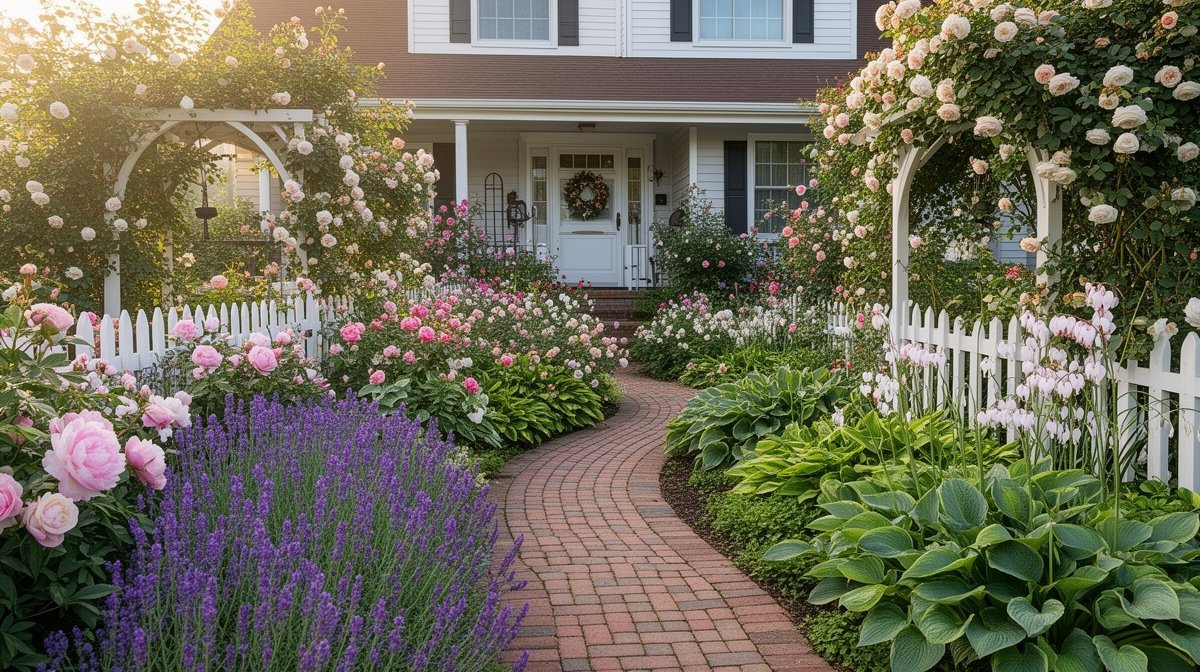
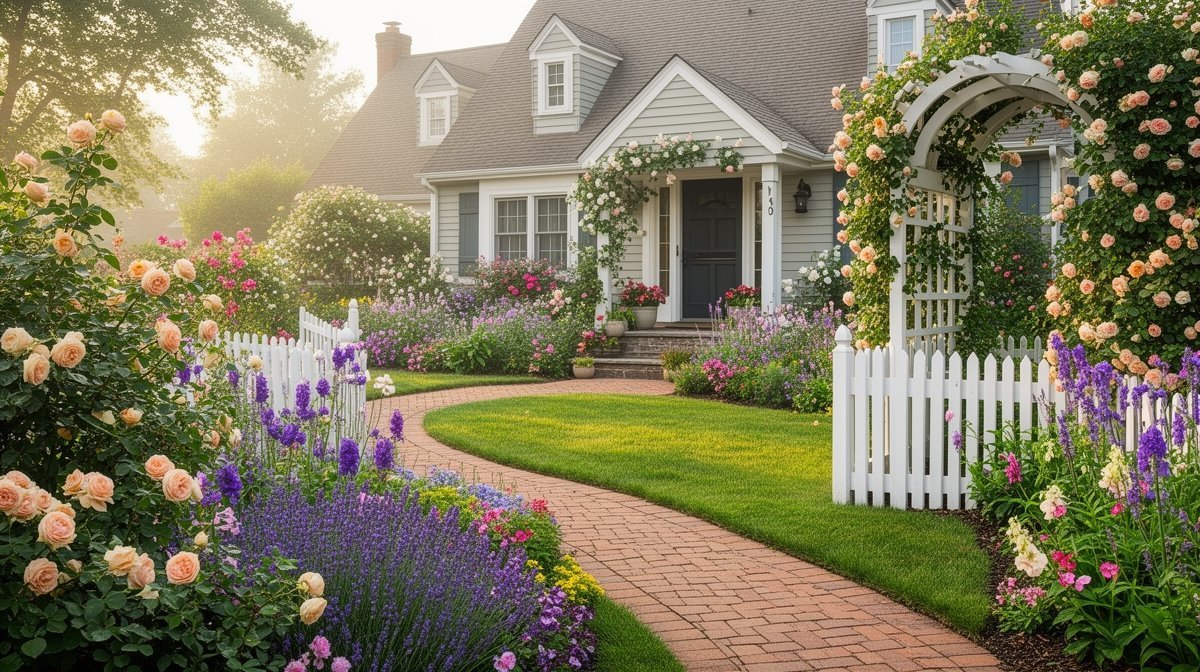
The Lake Erie Rose Arbor Entry
$12–22/sqftA white picket fence with a central rose-smothered arbor as the gate, framing a brick path that leads straight to the front porch of a white colonial home. The arbor is covered densely in blush climbing roses and the borders on both sides of the path are packed with lavender, pink roses, and cottage perennials that spill gently toward the brick. In Cleveland Heights and Shaker Heights, where colonial revivals sit behind mature trees, this front garden feels like it grew there over decades. The Lake Erie humidity keeps these roses blooming vigorously from late May through July.

AI-generated image
The Craftsman Bungalow Cottage Front
$10–18/sqftA white rose arch centered on the front walkway of a craftsman-style bungalow, with sweeping mixed cottage borders that wrap the front yard in curved beds of foxgloves, coneflowers, phlox, lavender, and ornamental grasses. The porch rails are lined with hanging baskets and the borders overflow onto the lawn edge in the informal, abundant way that defines cottage gardens. Curved stone paths wind through the planting, inviting close inspection. This design suits Clintonville and Lakewood bungalow blocks where the scale of the house and lot supports lush front-yard planting.

AI-generated image
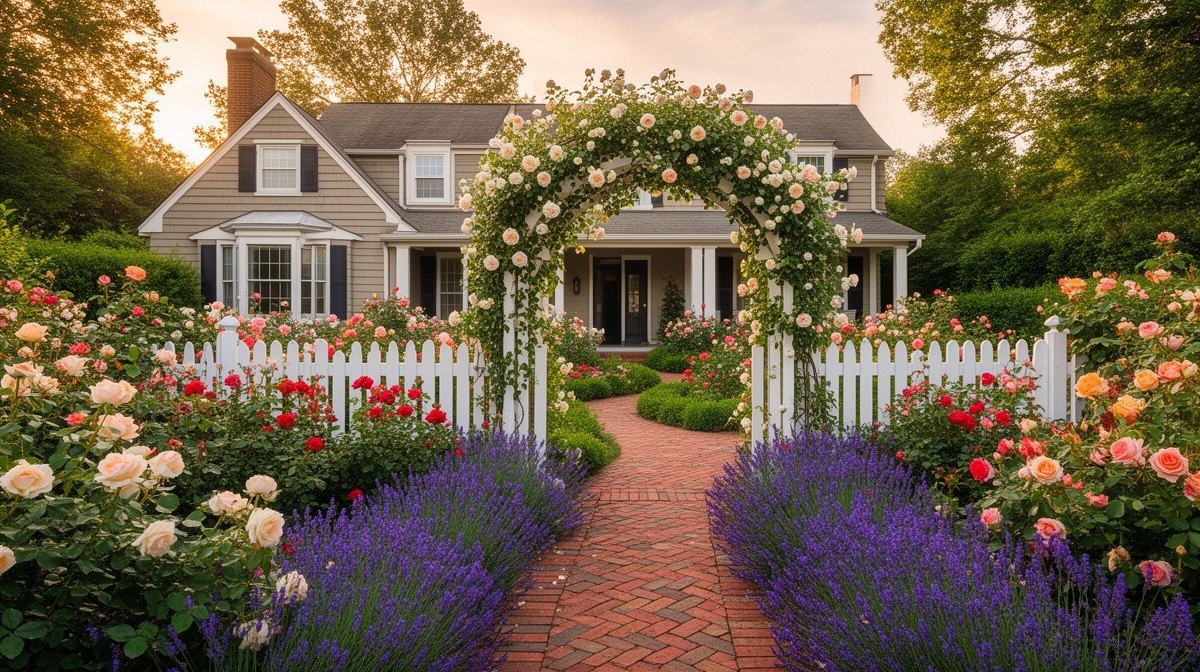
The Rose Arch Garden Room
$20–40/sqftA backyard garden room centered on a white lattice rose arch as the focal point, with a flagstone patio seating area in front of it and deep cottage borders filling both sides. The arch is heavily covered with climbing roses in full bloom and the patio holds two bistro chairs surrounded by lavender, foxgloves, and cottage daisies. Mature trees frame the house in the background, creating the enclosed, room-like feeling that makes cottage gardens magical. This design captures the established residential character of Cleveland Heights, where mature trees and older homes provide the ideal backdrop.
AI-generated image
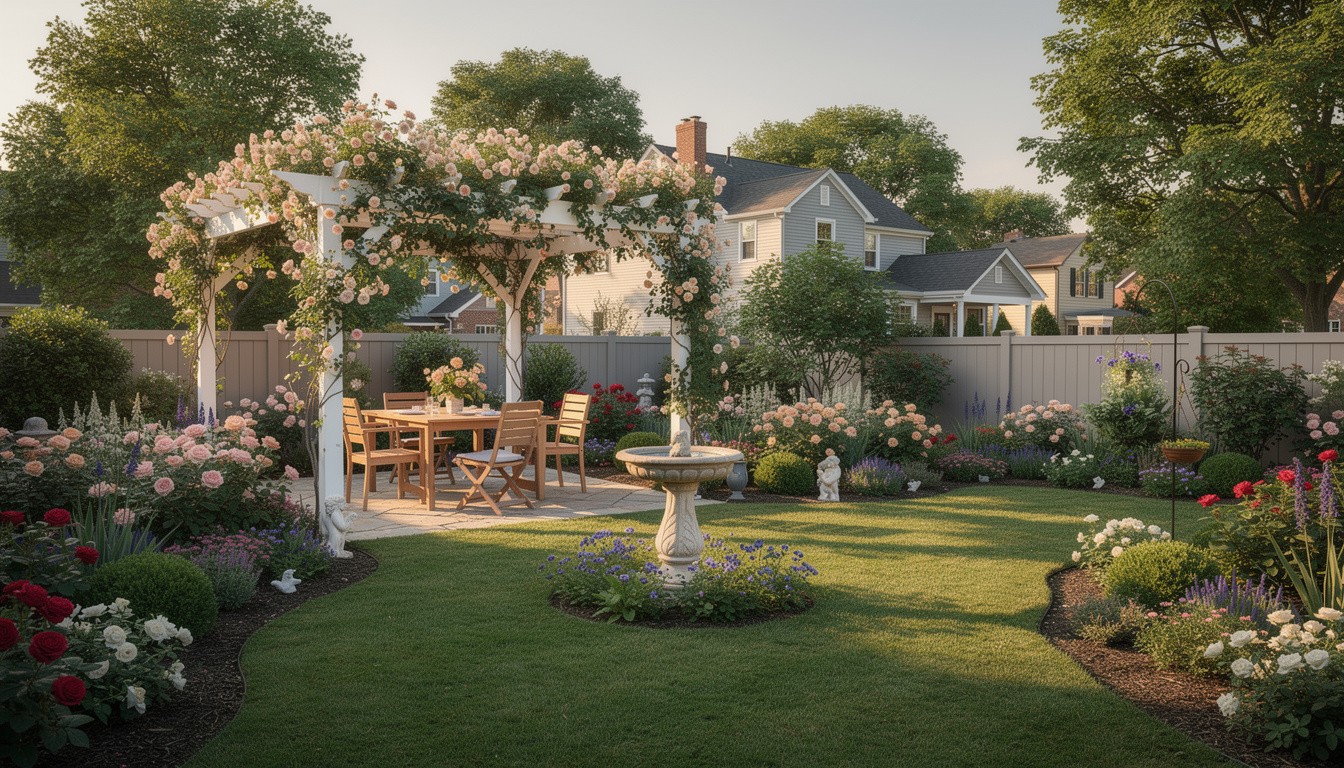
The Shaker Heights Backyard Cottage Room
$18–38/sqftA full backyard transformation with a central lawn panel, a white pergola draped in climbing roses as the dining area anchor, and a circular birdbath fountain as the lawn centerpiece. Deep mixed borders ring the entire yard — roses, phlox, astilbe, delphiniums, and rudbeckia — with a privacy fence softened by climbing roses. The pergola shelters a wooden dining table surrounded by rose-covered uprights. This design scales beautifully to the larger lots of Shaker Heights, where the Lake Erie humidity ensures the rose borders bloom with exceptional vigor through the long Ohio summer.
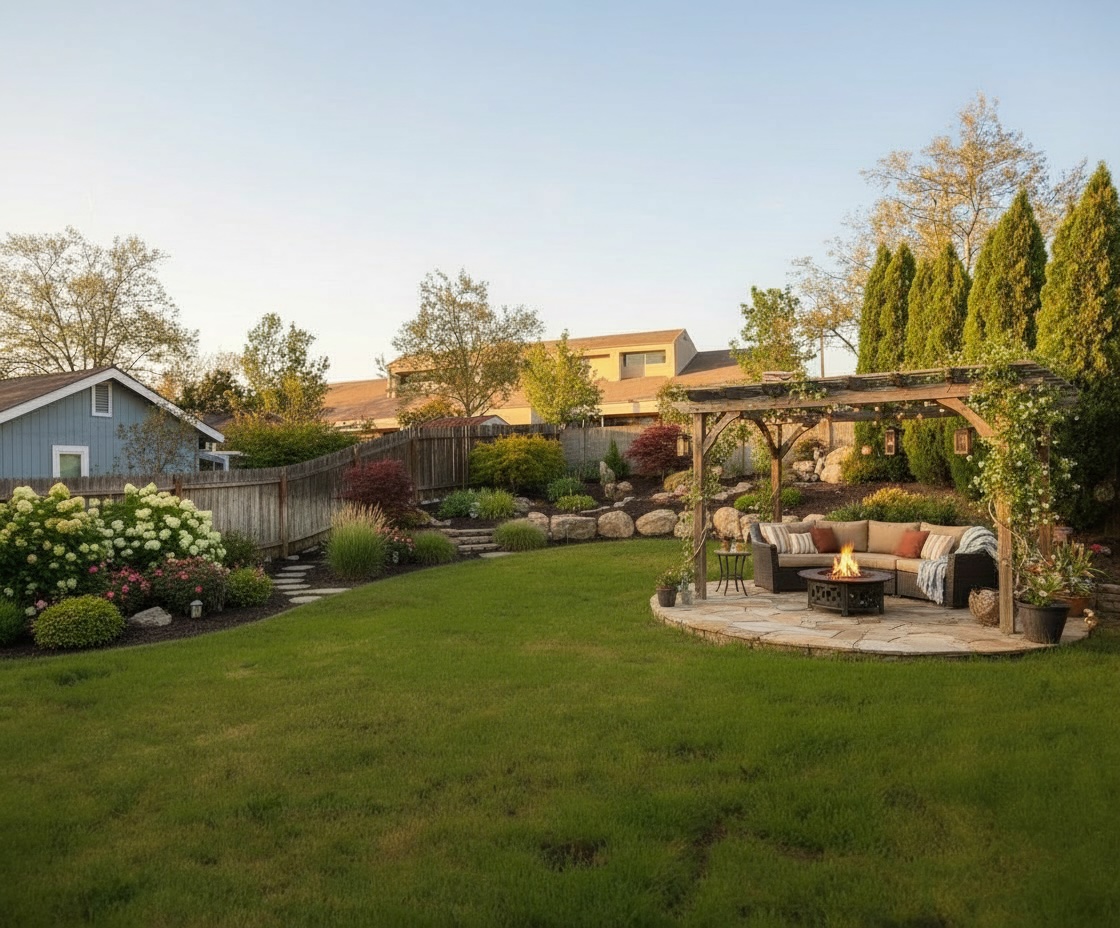
See how a cottage/english garden looks on YOUR property
Upload a photo of your Cleveland yard and visualize your dream garden in seconds.
Try ProScapeAI Free
AI-generated image
Featured Trees & Shrubs for Cottage/English Gardens
Browse all 249 plants for Cleveland
American Black Currant
Ribes americanum
grows to 5 feet, white,yellow blooms in spring. Attracts hummingbirds.
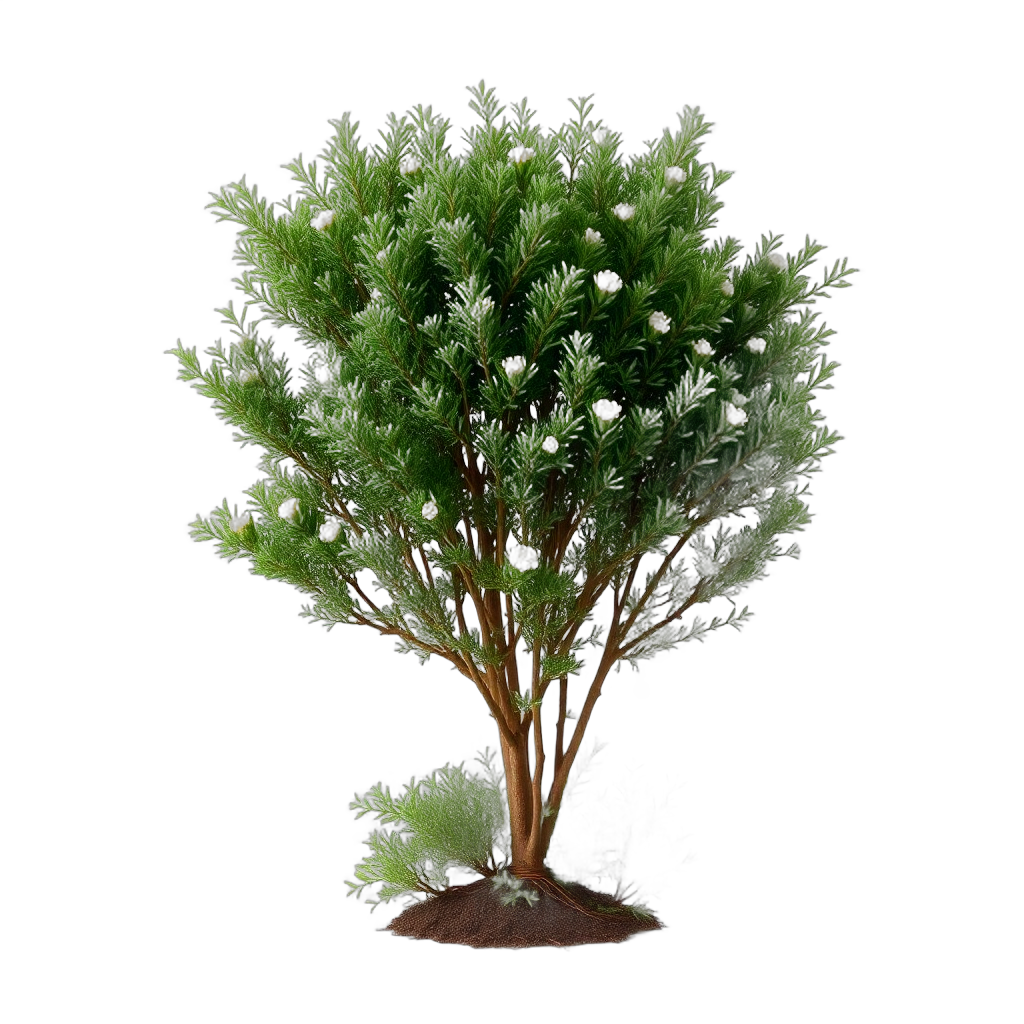
Creeping Juniper
Juniperus horizontalis
low-growing ground cover, blooms in spring. Evergreen year-round.
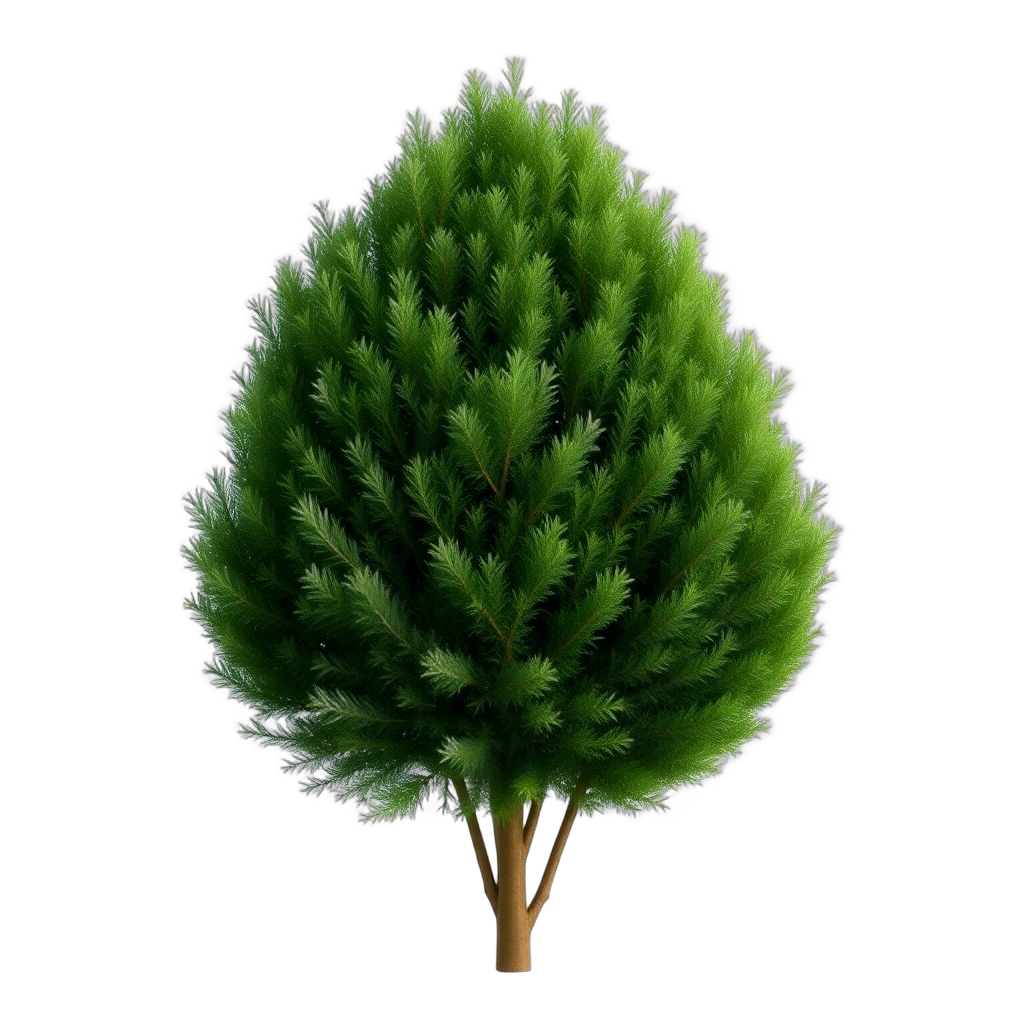
Emerald Arborvitae
Thuja occidentalis 'Emerald'
medium-sized at 14 feet, blooms in spring. Evergreen year-round.

Gray Dogwood
Cornus racemosa
medium-sized at 10 feet, white blooms in spring. Pollinator-friendly.
Featured Grasses & Groundcovers for Cottage/English Gardens
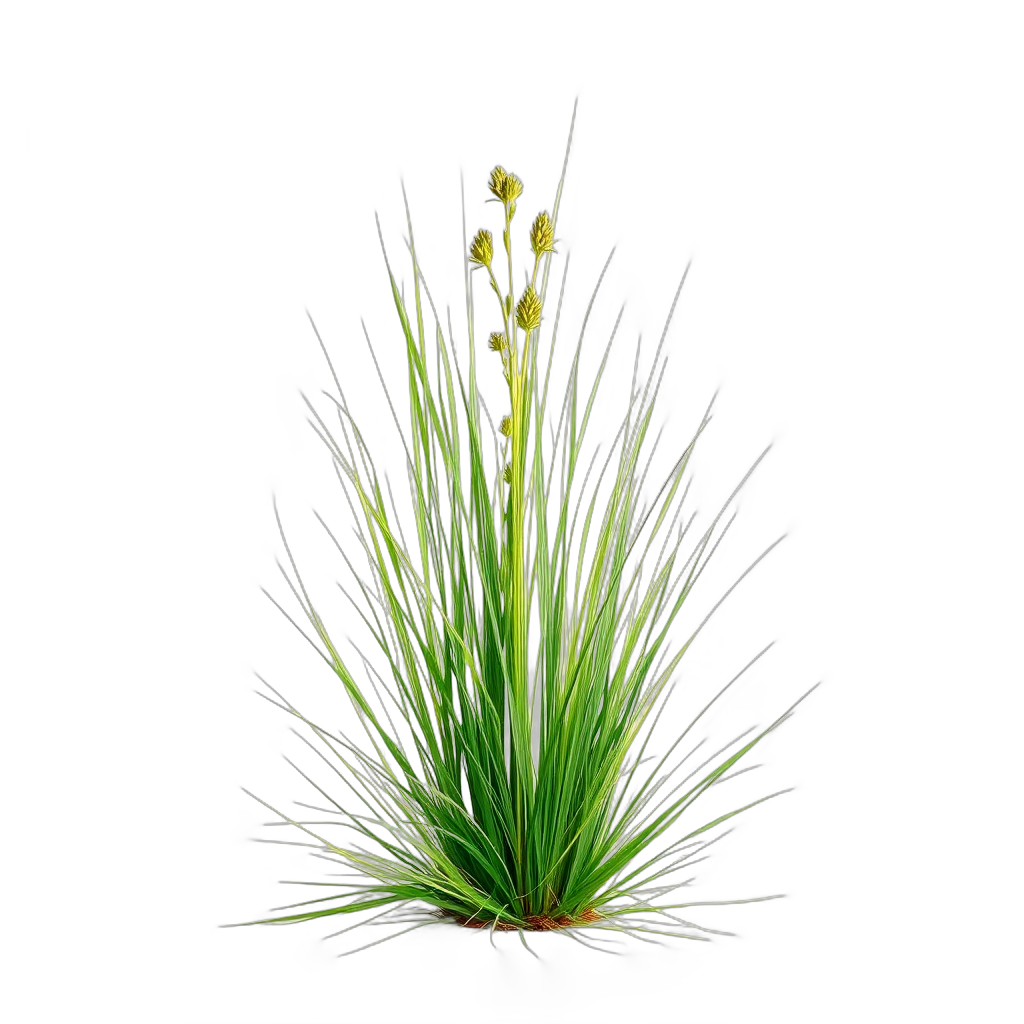
Canada Wild Rye
Elymus canadensis
grows to 4 feet, blooms in summer. Yellow fall color.

Red Fescue
Festuca rubra
low-growing ground cover, blooms in summer.
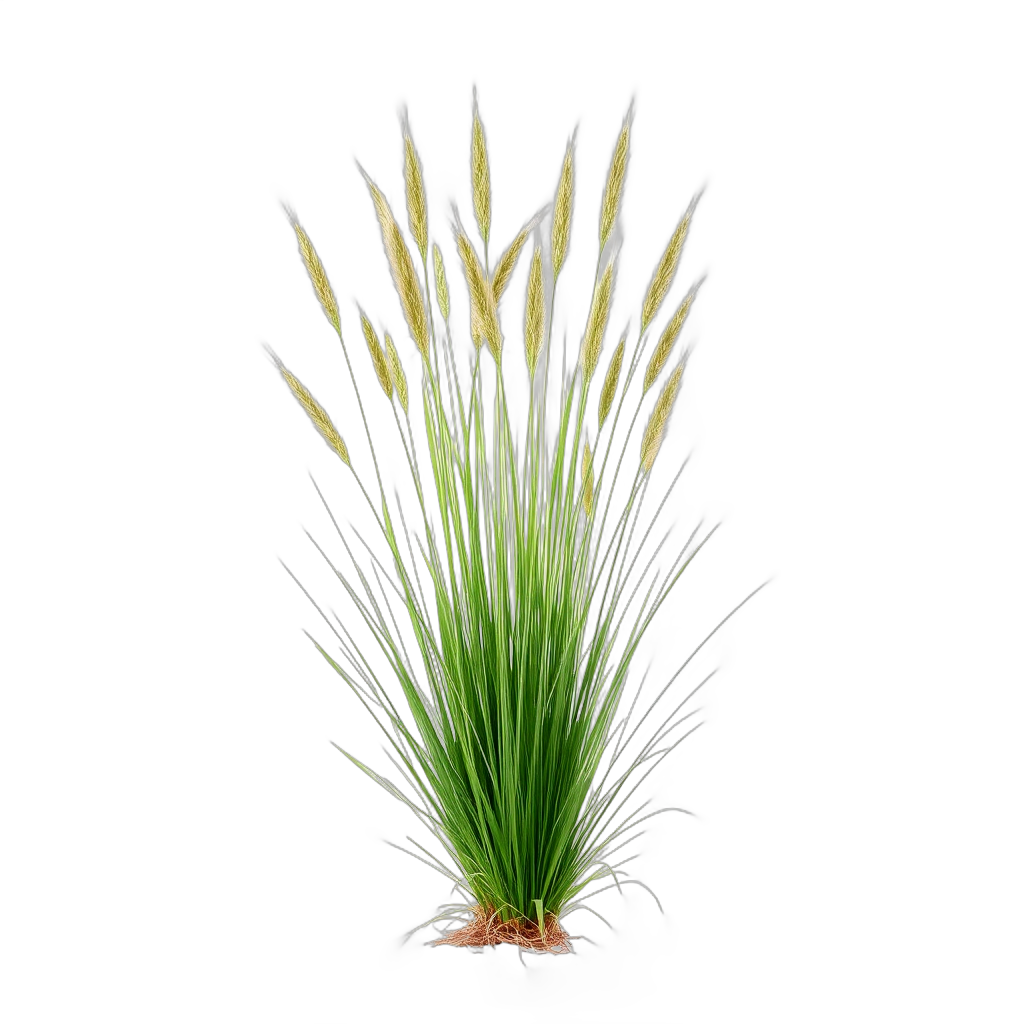
Tufted Hair Grass
Deschampsia cespitosa
grows to 3 feet, yellow blooms in summer. Yellow fall color.
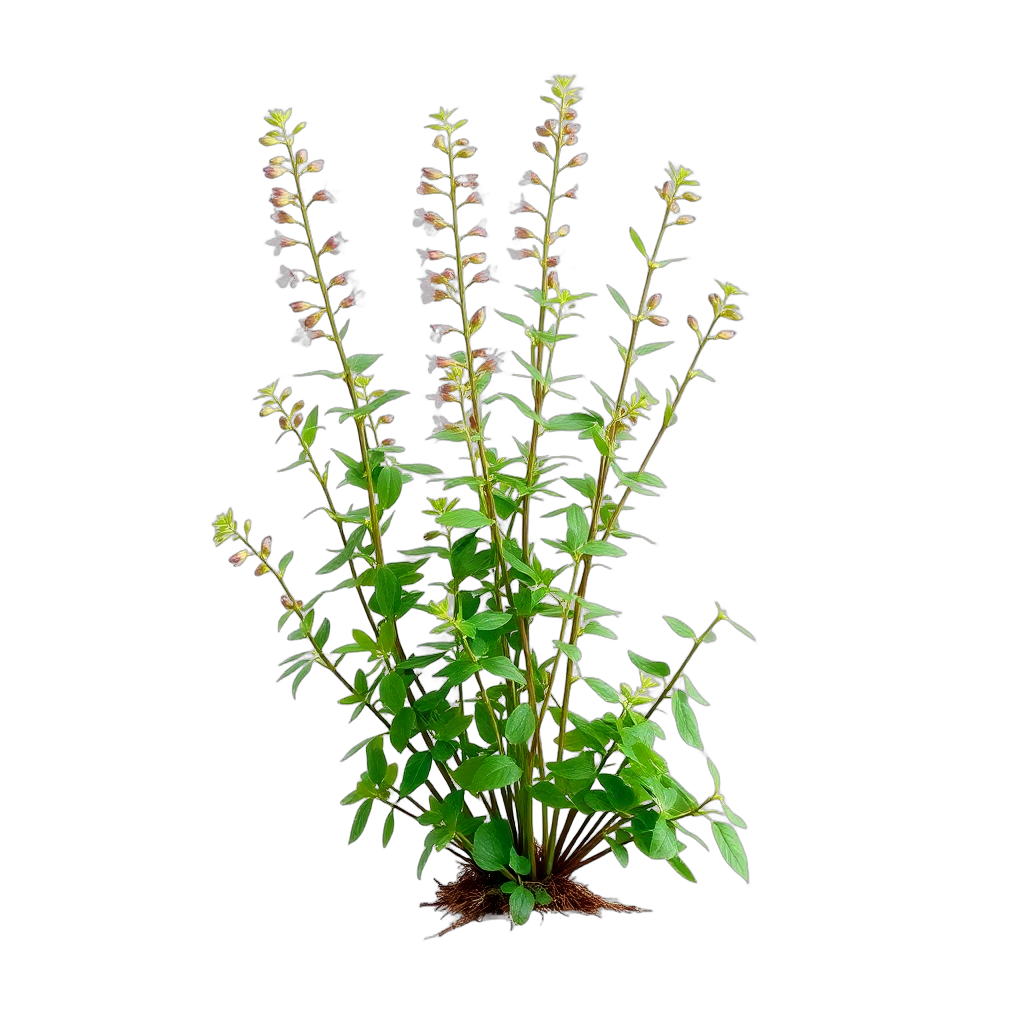
Creeping Jacob's Ladder
Polemonium reptans
low-growing ground cover, blue blooms in spring. Attracts butterflies.
Featured Flowers & Perennials for Cottage/English Gardens
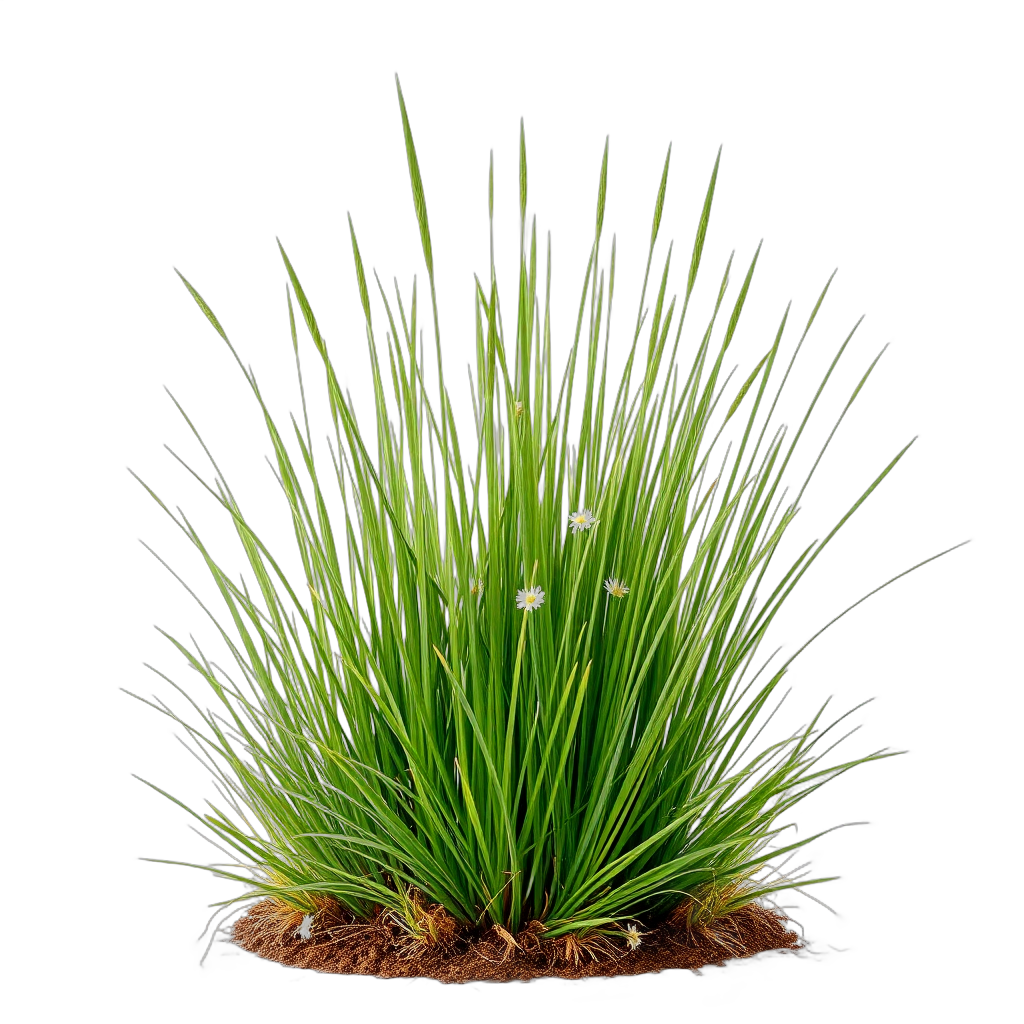
Baltic Rush
Juncus balticus
low-growing ground cover, blooms in summer. Evergreen year-round.
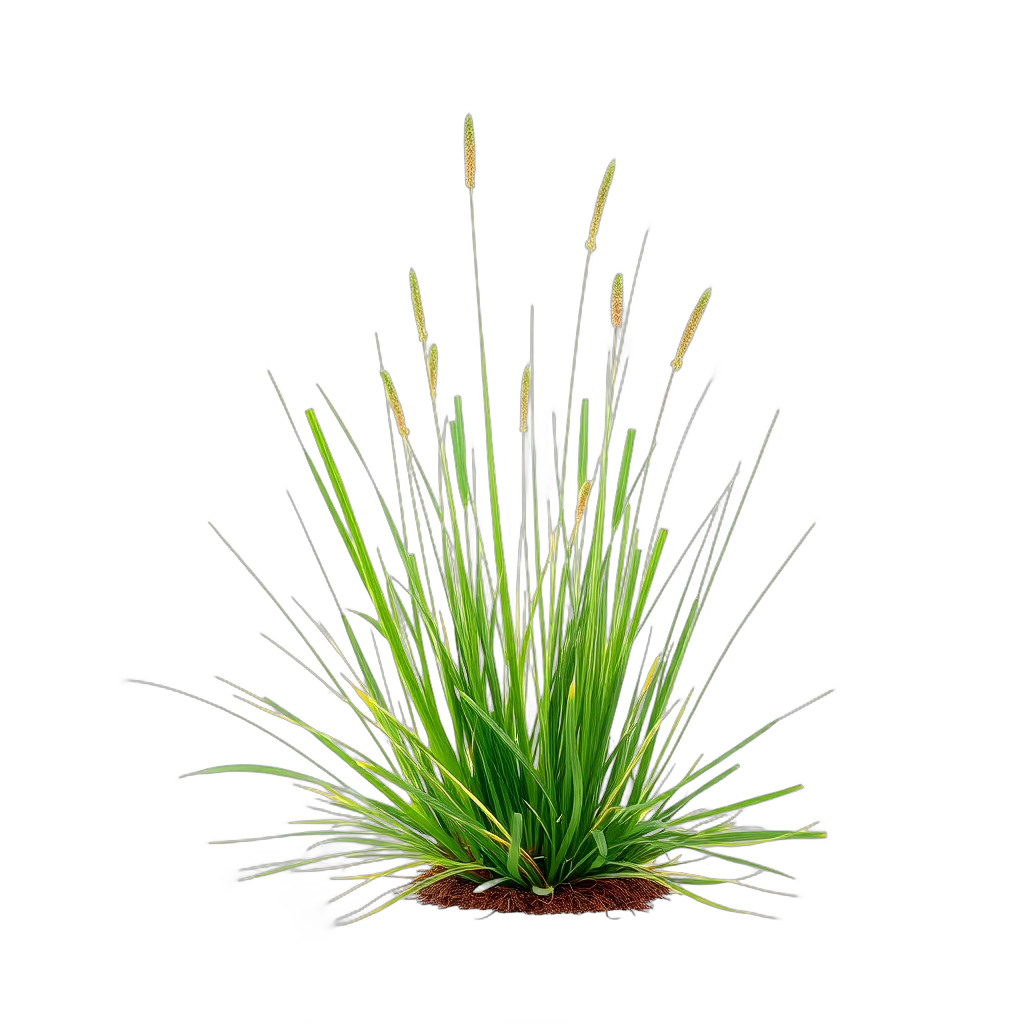
Common Rush
Juncus effusus
grows to 3 feet, blooms in summer. Evergreen year-round.
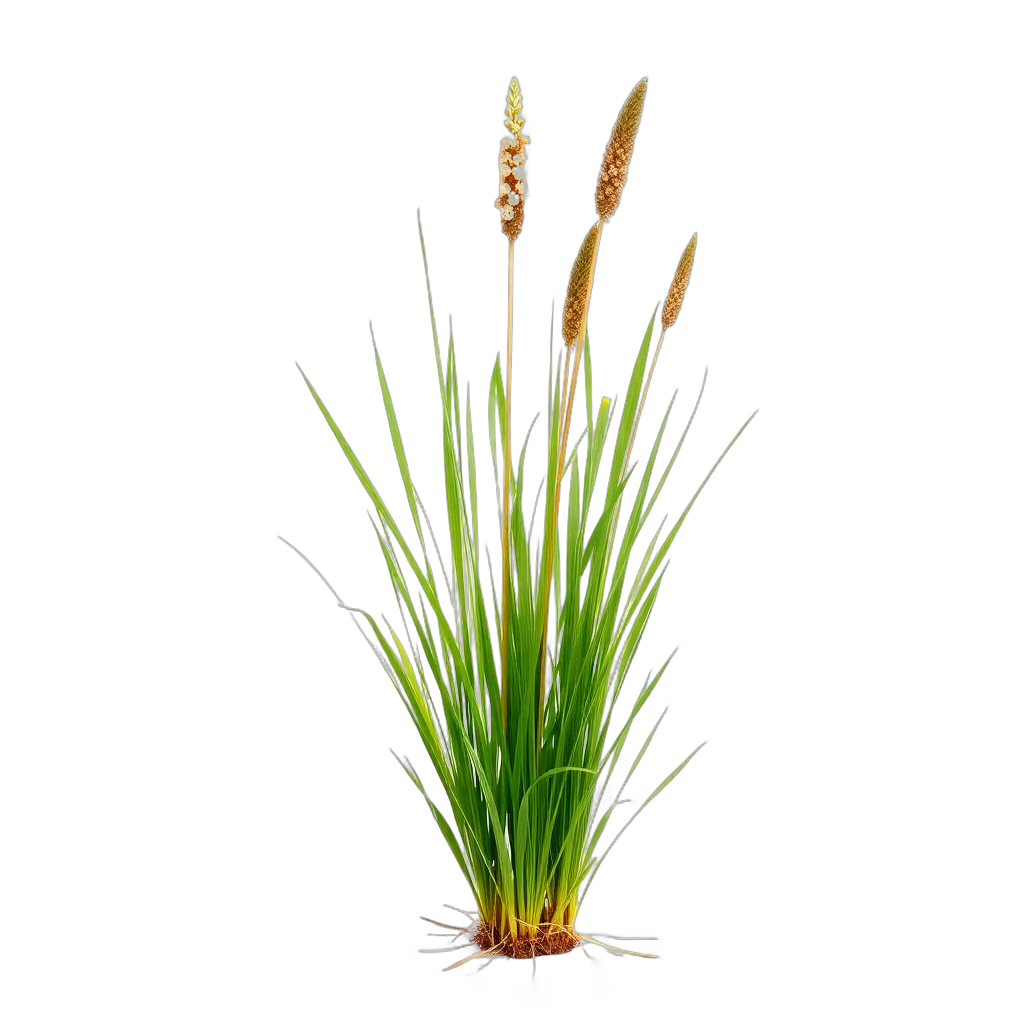
Hardstem Bulrush
Scirpus acutus
medium-sized at 7 feet, blooms in summer.
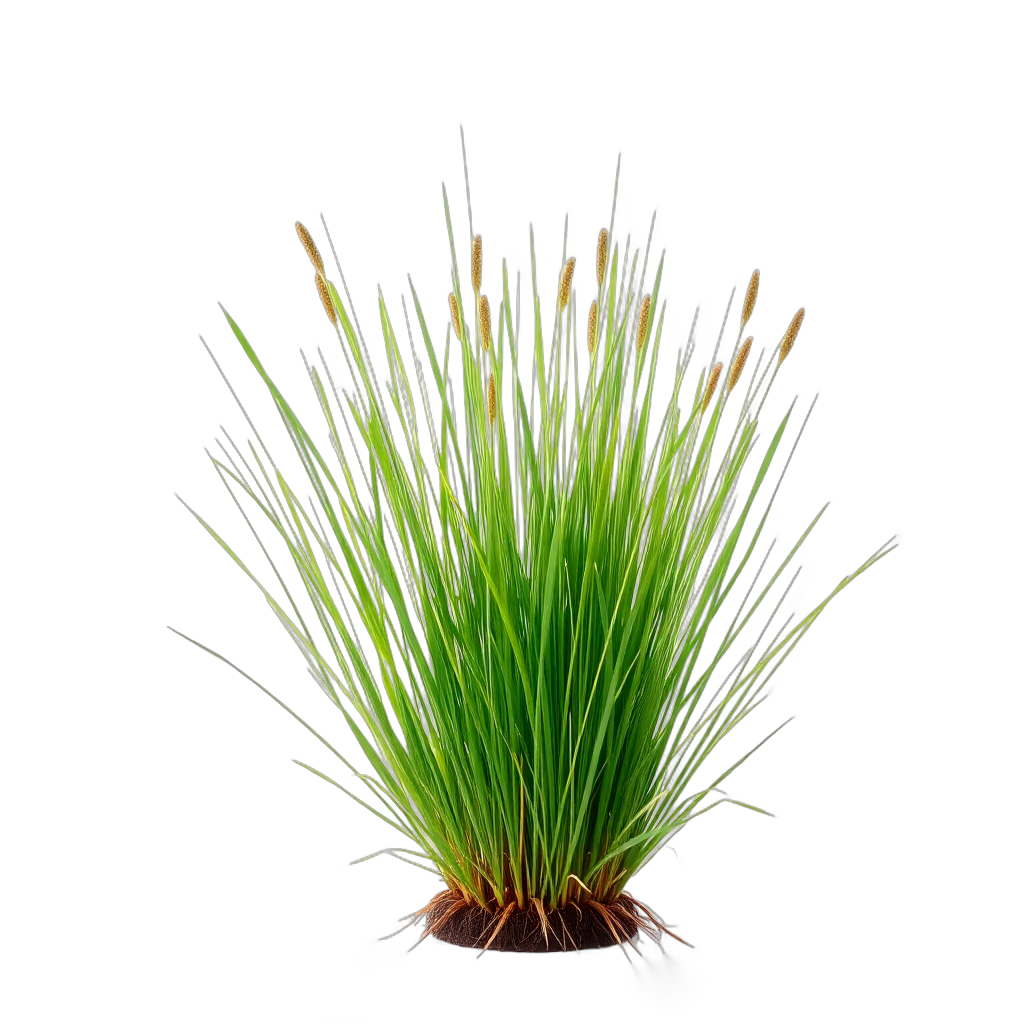
Path Rush
Juncus tenuis
low-growing ground cover, blooms in summer. Evergreen year-round.
Zone and sun checks come from our database — confirm with your local nursery before you buy.
Bloom Calendar for Cleveland
spring
Bellwort, Bloodroot, Blue-Eyed Grasssummer
Baltic Rush, Common Rush, Hardstem Bulrushfall
Pink Turtleheadwinter
Limited bloomsDesign Tips for Cleveland (Zone 6b)
- Amend Cleveland's heavy glacial clay with 4–6 inches of compost worked deeply before planting — this single soil investment transforms clay from a problem into an asset, retaining moisture during drought while improving drainage
- Lean into Lake Erie's humidity: delphiniums, foxgloves, astilbe, and tall garden phlox that struggle in drier climates perform reliably here — plant them freely and expect the kind of lush growth that English cottage gardens are famous for
- Plant climbing roses on arbors and fences in fall (September–October) when Cleveland's soil is still warm but air is cool — this gives roots 4–6 weeks to establish before freeze and produces stronger growth the following spring
- Apply winter mulch after the first hard freeze in mid-November — not before. Three to four inches of shredded leaves over perennial crowns protects roots without trapping warmth that delays dormancy
- In Cleveland Heights, Shaker Heights, and Lakewood, scale your arbors and fences to match the home's architecture — Tudor and colonial homes have the mass to support bold cottage elements; don't undersell with lightweight structures
- Use alliums (ornamental onions) as the cottage garden's secret weapon: they bloom in late May to June when the perennial border is just warming up, their globular purple heads look spectacular, and they're reliably hardy to Zone 4 in Cleveland's clay soil
Where to Source Plants in Cleveland
Skip the big-box stores. These independent Cleveland nurseries specialize in the plants that make cottage/english gardens thrive in Zone 6b.
Petitti Garden Centers
Multiple Cleveland-area locations
Full-service garden center with excellent perennial and rose selection; strong Zone 6b-tested inventory
Mulberry Creek Herb Farm
Huron (near Cleveland)
Herbs, cottage perennials, heirloom plants — specialty grower with wide unusual variety selection
Gilson Gardens
Perry (Lake County)
Wholesale and retail perennials and trees; large selection of cold-hardy varieties for Northeast Ohio
Dill's Botanical
Novelty (Geauga County)
Native plants, cottage perennials, ornamental grasses; knowledgeable staff for Zone 6b selections
Sunnybrook Farms Nursery
Chesterland (east suburbs)
Herbs, perennials, heirloom roses — family-owned specialty nursery serving Northeast Ohio for decades
Cottage/English Landscaping Costs in Cleveland
| Project Scope | Estimated Cost |
|---|---|
| Rose arbor + picket fence front entry (cottage) | $5,000 – $12,000 |
| Full cottage front yard redesign (400–600 sqft) | $8,000 – $20,000 |
| Backyard cottage terrace with pergola + planting | $18,000 – $50,000 |
| Soil amendment and raised bed construction | $1,200 – $4,500 |
| Flagstone or brick pathway installation | $18 – $36/sqft installed |
| AI visualization with ProScapeAI | Free to start |
Estimates based on Cleveland, OH-area contractor rates as of 2026. Actual costs vary by site conditions, materials, and contractor.
Cleveland Climate & Growing Zone

USDA Zone 6b
Hardiness zone for Cleveland
Eastern Great Lakes lowland forests
Native ecoregionFrequently Asked Questions
Can cottage garden plants survive Cleveland's winters in Zone 6b?
Yes — Zone 6b (winter lows around -5°F) is mild enough for a very wide range of cottage classics without heavy protection. Peonies, delphiniums, catmint, salvia, echinacea, coneflower, black-eyed Susan, and most shrub roses overwinter fully reliably. Climbing roses need a 6–8 inch soil or mulch mound at the base in November and ideally loose burlap wrapping in exposed locations. Apply 3–4 inches of shredded leaf mulch over perennial crowns after the first hard freeze (typically mid-November) and remove gradually in late March. Lake Erie's moderating influence also means Cleveland's Zone 6b is significantly milder than the same zone designation in inland areas.
How do I deal with Cleveland's clay soil in a cottage garden?
Amend aggressively before planting — this single investment pays dividends for decades. Till or fork in 4–6 inches of compost plus 2–3 inches of aged wood chips into the top 12 inches of clay. For roses and deep-rooted perennials, a raised bed built 8–12 inches above grade with a compost-topsoil blend is transformative. Avoid walking on beds (use stepping stones) and add an inch of compost each fall as a top dressing. The clay's water-retention actually becomes an asset in drought years once drainage is improved — cottage plants benefit from consistent moisture that sandy soils can't hold.
What roses work best for Cleveland cottage gardens?
Zone 5–6 hardy shrub and climbing roses are the safest performers. 'William Baffin' (Zone 3, climber, pink, extremely vigorous), 'New Dawn' (Zone 5, climber, blush pink, strong fragrance), 'Knock Out' series (Zone 4, shrub, disease-resistant), 'Carefree Beauty' (Zone 4, shrub, fragrant pink), and David Austin English roses like 'Gertrude Jekyll' and 'Scepter'd Isle' (both Zone 5 with mulching). Cleveland's humidity does mean monitoring for black spot — choose disease-resistant varieties or apply organic sulfur spray in June if needed. Avoid hybrid teas unless you're committed to protection each November.
When does the growing season start and end in Cleveland?
Last frost averages May 5–10 in Cleveland (slightly later in low-lying areas, earlier near the lake). First fall frost arrives around October 20–25. The full growing season is roughly 170 days — generous for Midwest standards. Lake Erie extends usable gardening weather noticeably: the lake delays fall frosts and moderates late-summer heat, giving cottage perennials more time to establish before dormancy. Plant spring bulbs in October while the soil is still workable; plant warm-season annuals after May 15 to be safe from frost.
How does Lake Erie's climate affect gardening in Cleveland?
Significantly, and mostly positively for cottage gardens. Lake Erie moderates temperature extremes: winter is milder near the lake (parts of Lakewood and Cleveland's West Side are closer to Zone 7a microclimate), and summer heat is tempered by lake breezes. The lake also provides consistent humidity that benefits moisture-loving cottage plants — delphiniums, foxgloves, astilbe, and roses all benefit from Cleveland's relatively stable humidity vs. the drier inland Midwest. The tradeoff is increased overcast days in winter and spring snow squalls, but these have minimal impact on gardening.
What's a realistic budget for a cottage garden makeover in Cleveland?
For a front yard cottage redesign (400–600 sqft) in Cleveland, expect $8,000–20,000 for professional installation including soil amendment, plants, fencing or edging, and a basic arbor. A picket fence alone runs $25–45/linear foot installed. DIY front-yard bed creation with good plants and soil amendment is achievable for $2,000–3,500. Backyard cottage terraces with paving and pergola run $20,000–60,000 for professional work. Plant costs are reasonable in Cleveland's competitive nursery market, and perennials that survive winters return each year, reducing long-term cost significantly.