4 Cottage Garden Ideas for Columbus, OH | English Garden Design in Zone 6a
Native plants from the Southern Great Lakes forests (Zone 6a) — Humid continental (hot summer) climate
Why Cottage/English Gardens in Columbus?
Columbus sits squarely in the Southern Great Lakes forests ecoregion — a region defined by temperate deciduous forest, reliable summer moisture, and a four-season rhythm that suits cottage gardening beautifully. Columbus's Dfa humid continental climate delivers average summer highs of 84°F with July rainfall averaging 4.1 inches, creating the warm, humid summer growing conditions that classic cottage plants — delphiniums, foxgloves, climbing roses, and peonies — genuinely thrive in. This is not a climate that fights the cottage aesthetic; it supports it.
The architectural diversity of Columbus's neighborhoods makes the city an exceptional canvas for cottage style. German Village's meticulously restored brick row houses and cottage homes are perhaps the single most cottage-garden-ready neighborhood in the Midwest, with their narrow brick-paved alleyways, low brick walls, and Germanic picket fences providing architecture that a rose border completes rather than merely decorates. Clintonville's craftsman bungalows and late Victorian homes, Bexley's tree-lined colonial revival streets, and Upper Arlington's mid-century homes all offer the domestic architecture that grounds an English garden aesthetic. Columbus gives cottage gardeners a remarkable range of contexts to work in.
Zone 6a means winter lows down to -10°F, the coldest designation in Central Ohio, which requires selecting cold-hardy cottage varieties and applying proper winter mulching in November. The honest advantage is that Columbus misses the extended lake-effect overcast of Cleveland and benefits from slightly more sun hours in the growing season. The growing season runs roughly 175 days from mid-April to late October, with a broad range of cottage perennials — peonies, salvia, echinacea, coneflower, catmint, yarrow, and shrub roses — performing reliably without protection. Heavy clay soils in many Columbus neighborhoods require amendment before planting, but the Southern Great Lakes forest's naturally organic soil profile is better than Cleveland's glacial clay in many areas.
4 Cottage/English Design Ideas for Columbus
AI-generated image
The German Village Rose Gate Entry
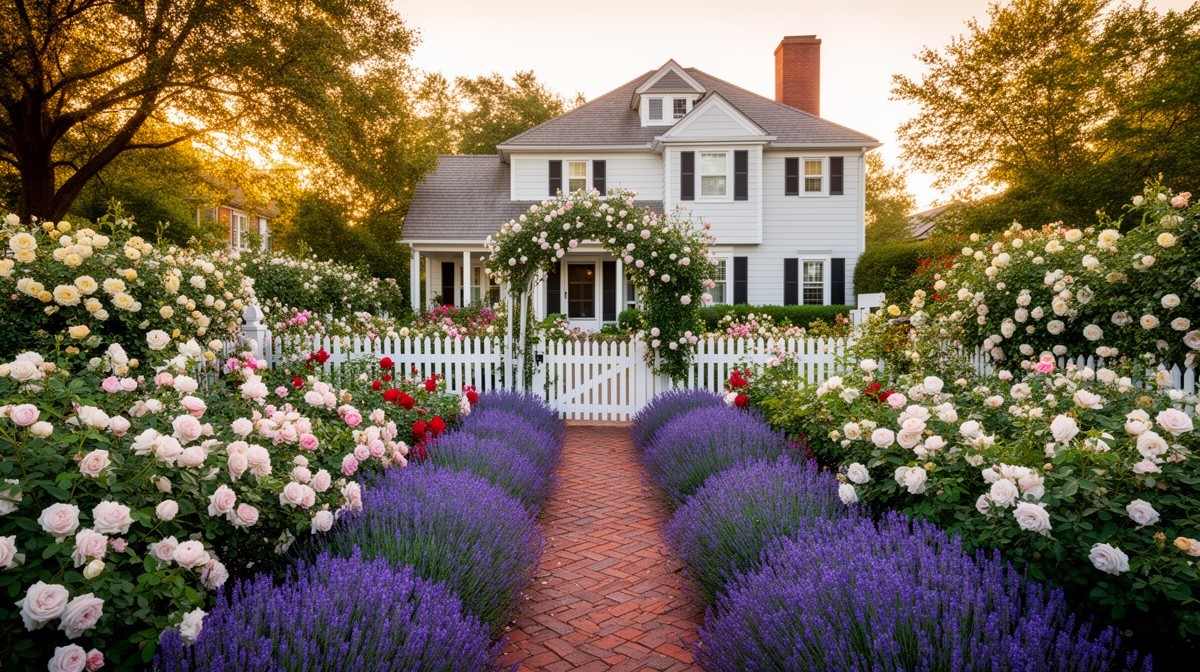
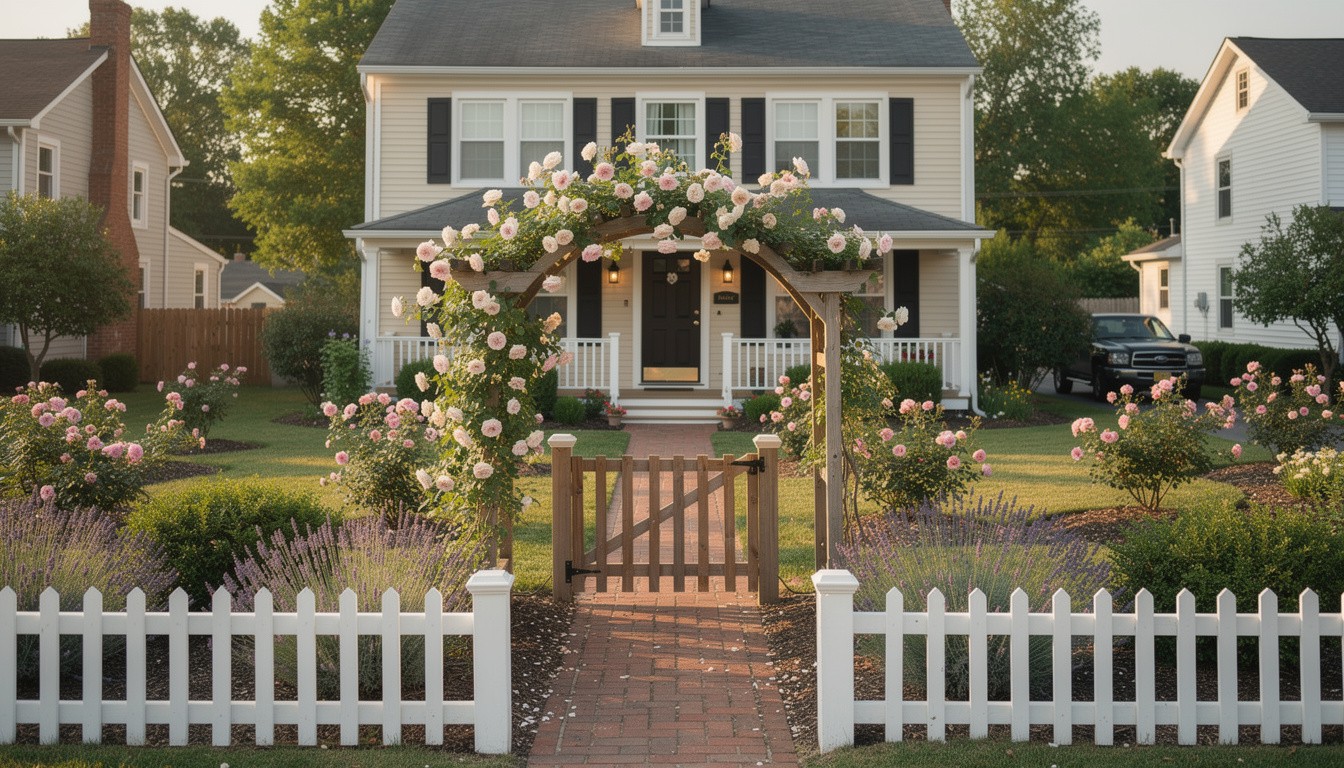
$12–25/sqftA classic white picket fence with a central wooden gate framed by a rose-covered arch, set before a white colonial home surrounded by mixed cottage borders on both sides of the brick path. Climbing roses smother the arch in pale pink bloom and lavender lines the fence base, creating the layered cottage entry that German Village's brick-paved streets and historic homes were made for. The borders carry delphiniums, foxgloves, and catmint through mid-summer while the roses anchor the design from late May onward. Columbus's humid Zone 6a summers fuel exactly the kind of vigorous rose growth this design needs.
AI-generated image
The Clintonville Bungalow Cottage Garden
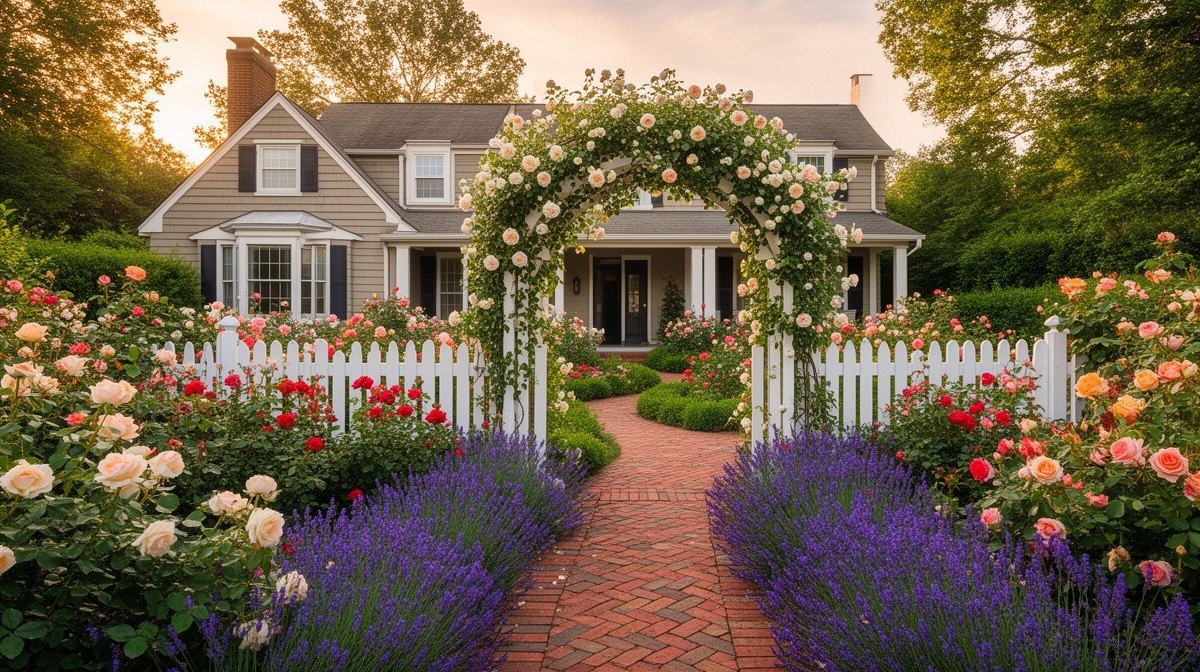
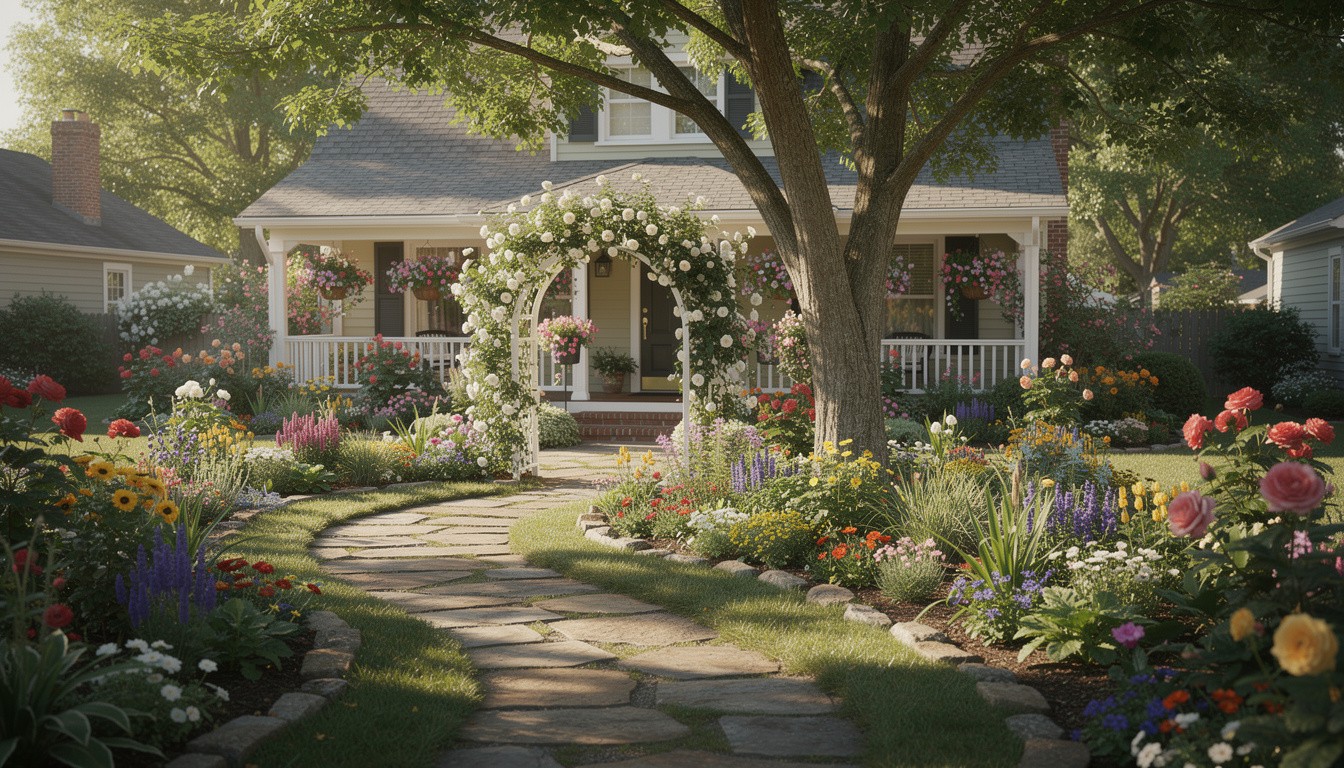
$10–20/sqftA rose arch centered on the flagstone front walk of a craftsman bungalow, with generous mixed borders sweeping the entire front yard in abundant cottage abundance. The borders hold roses, foxgloves, hydrangeas, phlox, and ornamental grasses, with hanging baskets on the porch and potted plants framing the front steps. The front yard is lush and layered, with curved bed edges softening the lawn. A mature shade tree on the left anchors the composition and provides the dappled light that cottage perennials love. This design is perfect for Clintonville and Worthington's beloved bungalow blocks.
AI-generated image
The Backyard Rose Arch Sitting Garden
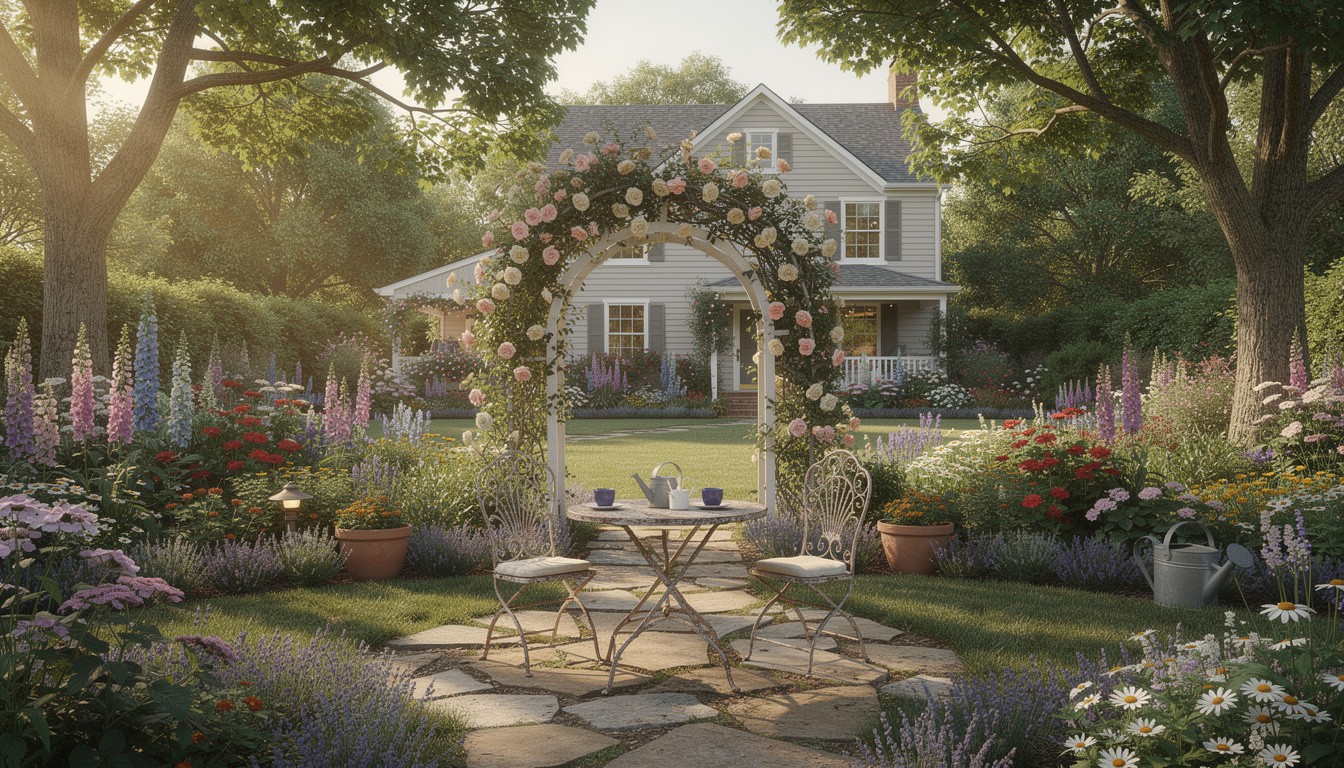
$18–38/sqftA backyard garden room built around a central white rose arch as the focal point, with a circular flagstone patio seating area in front of it and deep cottage borders on both sides. A small bistro table and two chairs sit on the patio beneath the arch, surrounded by lavender masses, cottage daisies, and foxgloves that create an intimate garden room feel. The house behind shows as a soft grey backdrop framed by mature trees. This design suits the standard Columbus backyard perfectly — a single architectural element and generous planting creates complete cottage atmosphere without requiring a large footprint.
AI-generated image
The Upper Arlington Cottage Pergola Garden
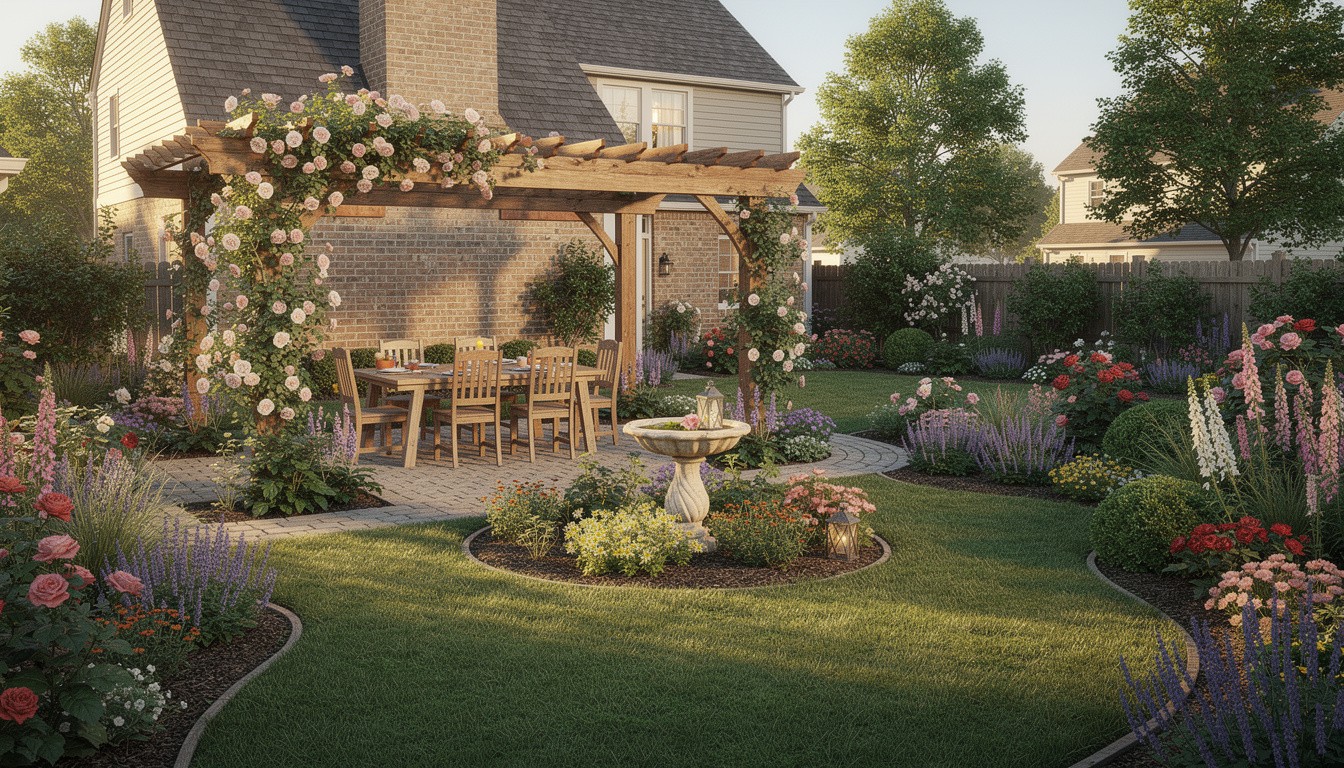
$20–42/sqftA full backyard cottage room anchored by a white painted pergola with climbing roses, with a flagstone terrace beneath it for outdoor dining and a central circular garden bed as the lawn focal point. The borders ring the entire yard — roses, foxgloves, delphiniums, and phlox — and a circular stone birdbath sits in the center lawn panel. The pergola's climbing roses and the surrounding borders create complete cottage enclosure. Upper Arlington's colonial homes provide exactly the architectural scale and mature tree canopy this design draws from, and Columbus's warm, humid summers give the roses their best performance.
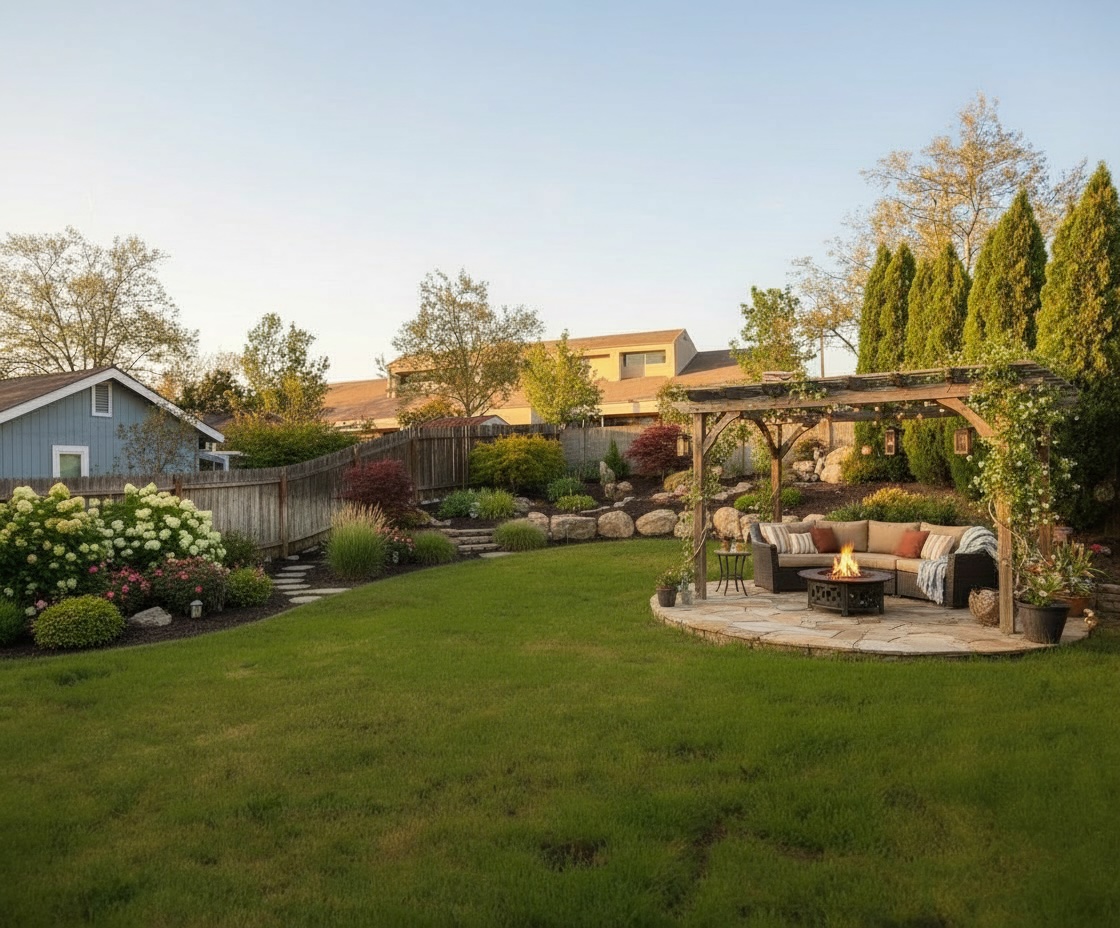
See how a cottage/english garden looks on YOUR property
Upload a photo of your Columbus yard and visualize your dream garden in seconds.
Try ProScapeAI Free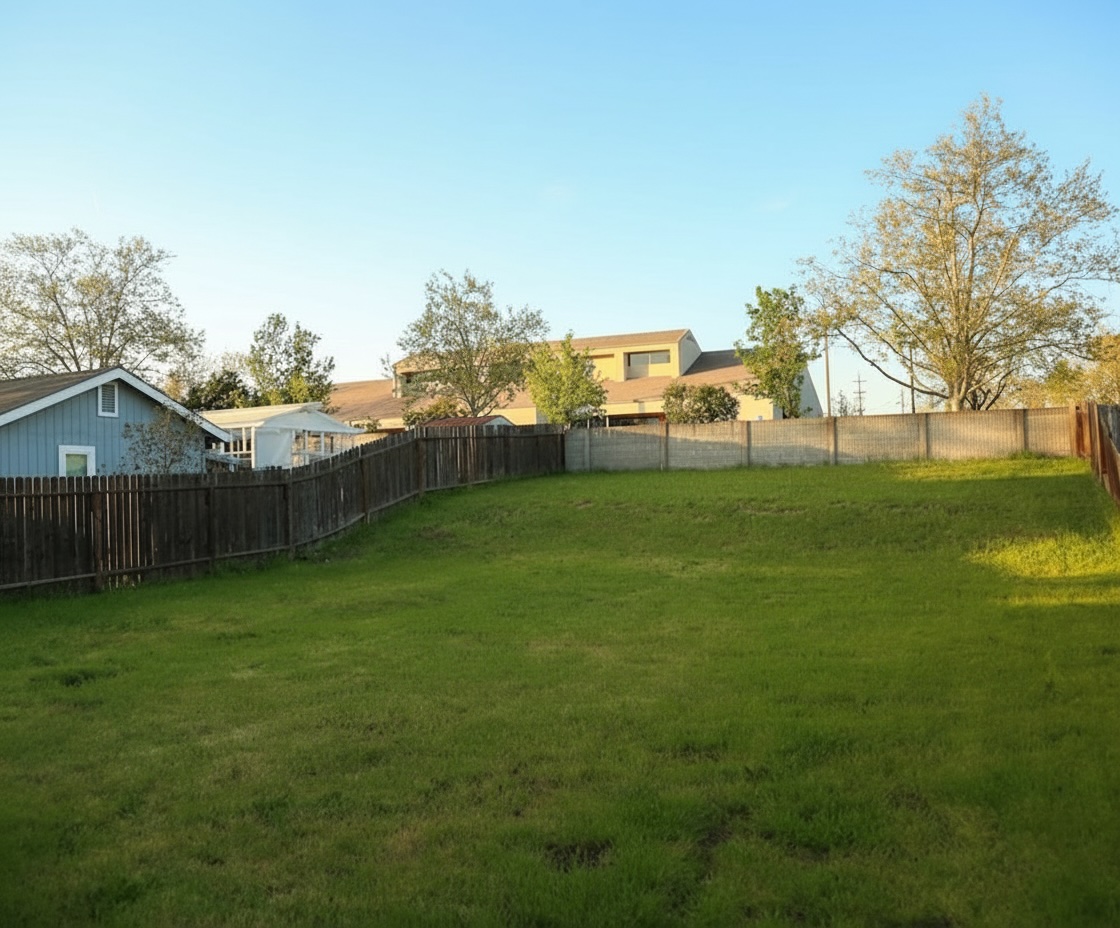
AI-generated image
Featured Trees & Shrubs for Cottage/English Gardens
Browse all 248 plants for Columbus
American Black Currant
Ribes americanum
grows to 5 feet, white,yellow blooms in spring. Attracts hummingbirds.

Buttonbush
Cephalanthus occidentalis
medium-sized at 8 feet, white blooms in summer. Attracts butterflies.

Coppertina Ninebark
Physocarpus 'Coppertina'
medium-sized at 7 feet, white blooms in spring. Pollinator-friendly.

Creeping Juniper
Juniperus horizontalis
low-growing ground cover, blooms in spring. Evergreen year-round.
Featured Grasses & Groundcovers for Cottage/English Gardens
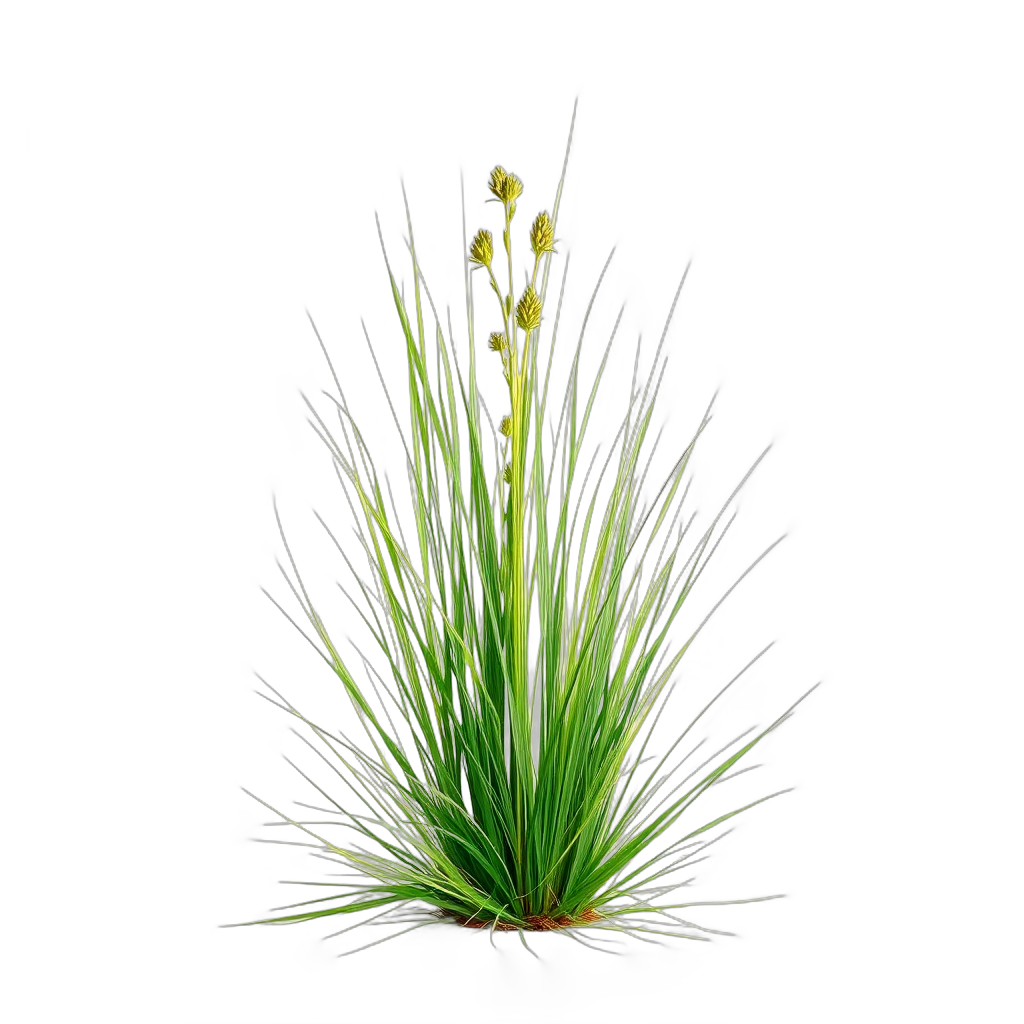
Canada Wild Rye
Elymus canadensis
grows to 4 feet, blooms in summer. Yellow fall color.
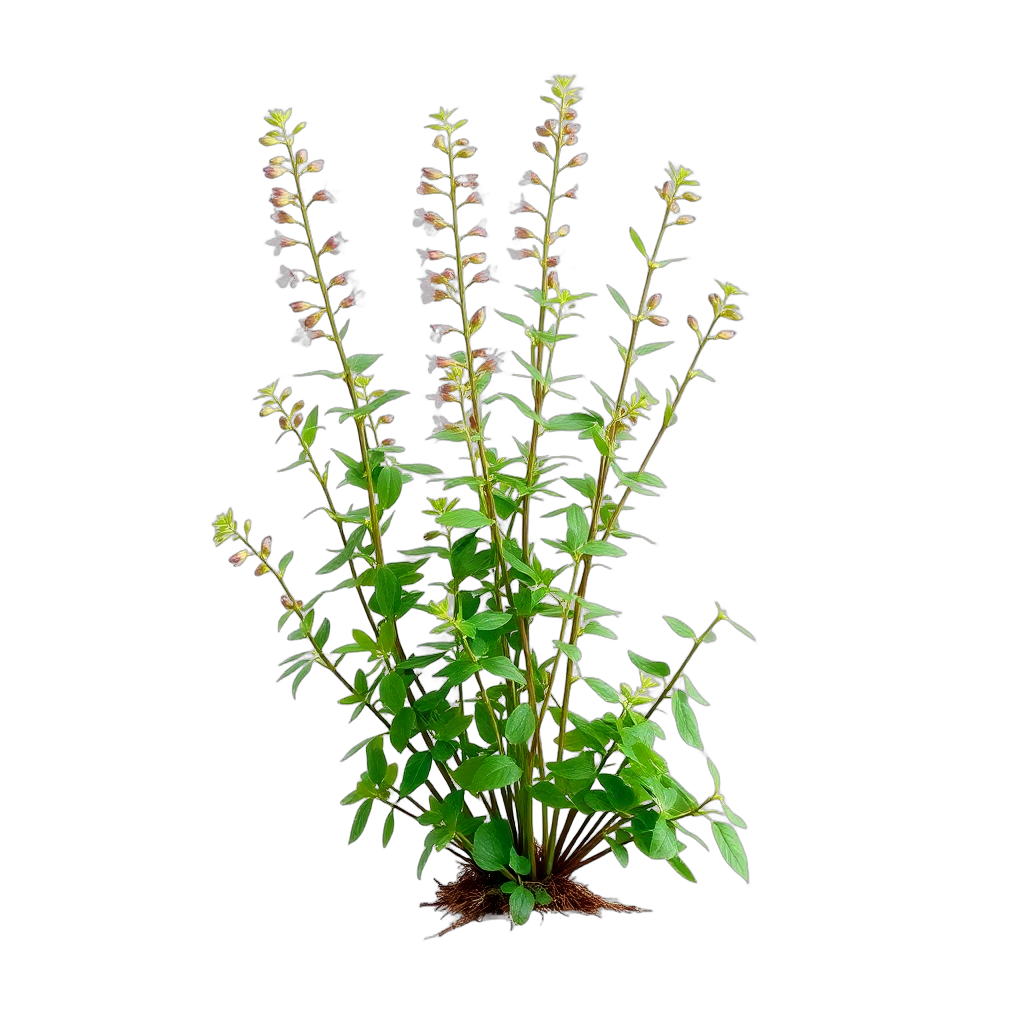
Creeping Jacob's Ladder
Polemonium reptans
low-growing ground cover, blue blooms in spring. Attracts butterflies.

Broad-leaf Bamboo
Sasa palmata
medium-sized at 7 feet, blooms in none. Evergreen year-round.
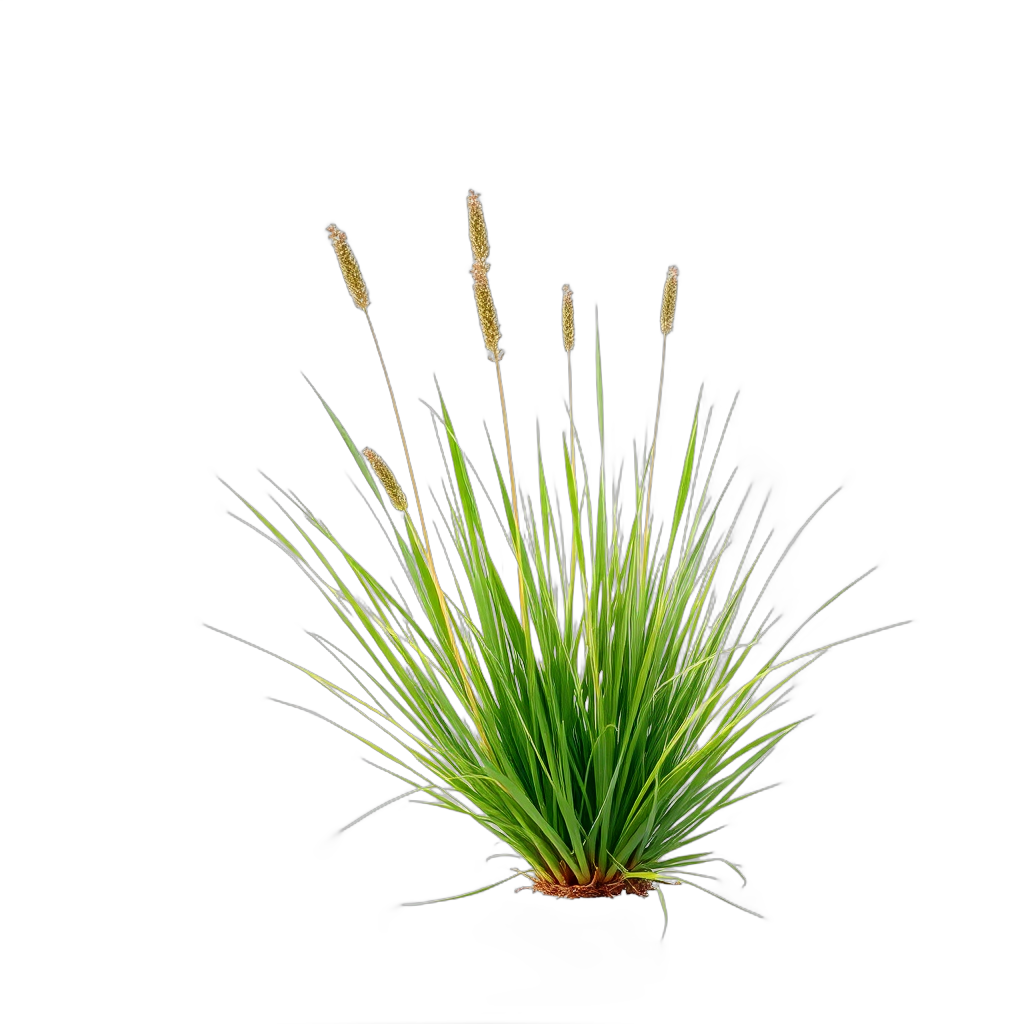
Deer Grass
Muhlenbergia rigens
grows to 3 feet, yellow blooms in fall. Evergreen year-round.
Featured Flowers & Perennials for Cottage/English Gardens

Cardinal Flower
Lobelia cardinalis
grows to 3 feet, red blooms in summer. Attracts hummingbirds.

Hardstem Bulrush
Scirpus acutus
medium-sized at 7 feet, blooms in summer.
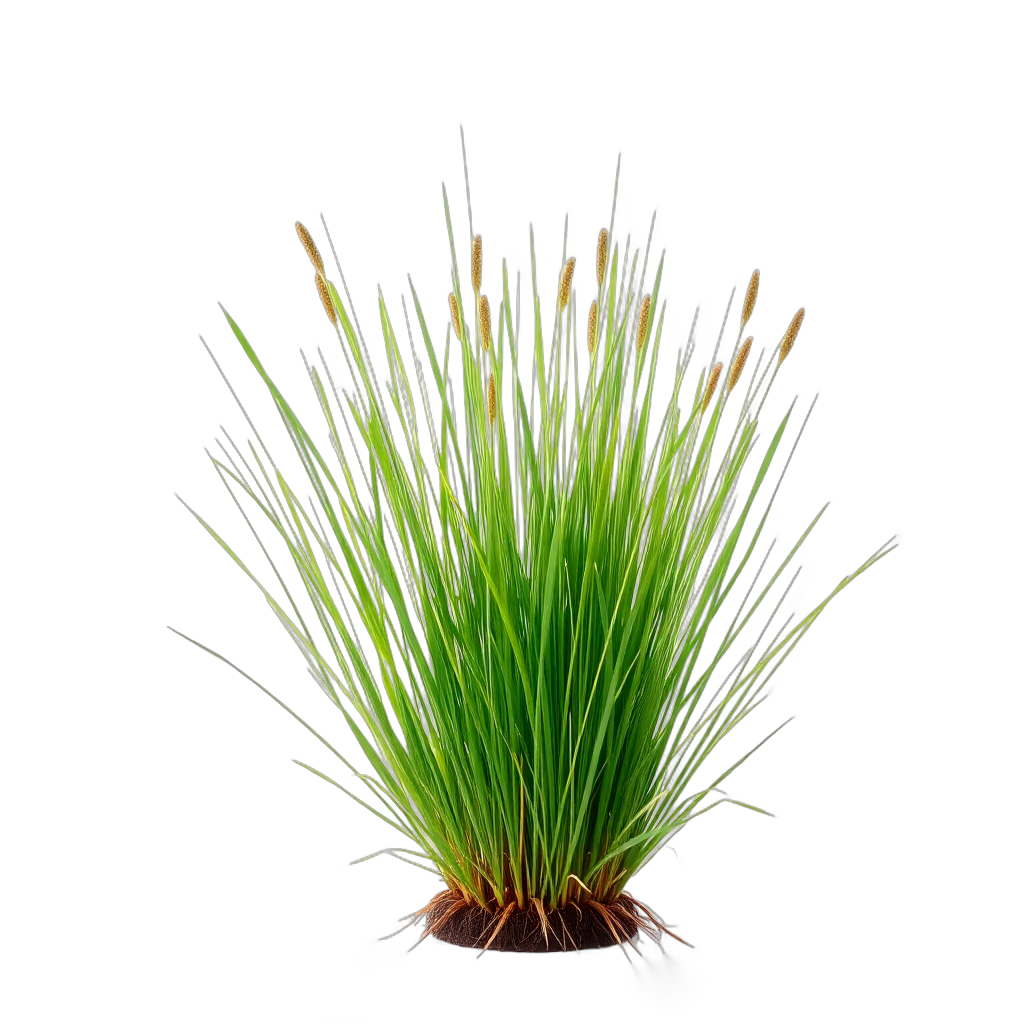
Path Rush
Juncus tenuis
low-growing ground cover, blooms in summer. Evergreen year-round.

Softstem Bulrush
Schoenoplectus tabernaemontani
grows to 4 feet, blooms in summer.
Zone and sun checks come from our database — confirm with your local nursery before you buy.
Bloom Calendar for Columbus
spring
Bellwort, Blue Star, Blue-Eyed Grasssummer
Cardinal Flower, Hardstem Bulrush, Path Rushfall
Canada Goldenrod, New England Aster, Nodding Ladies' Tresseswinter
Limited bloomsDesign Tips for Columbus (Zone 6a)
- German Village's brick architectural palette is your best asset — coordinate cottage border colors (pinks, whites, soft purples) with the warm red brick rather than fighting it, and use brick-edged beds and pathways to tie the planting into the existing architectural material
- Columbus's clay soil in many neighborhoods needs 4–6 inches of compost worked in before planting — this investment pays back every season in better drainage, stronger root growth, and reduced summer moisture stress on roses
- Take advantage of Columbus's humid summers by planting the cottage classics that fail in drier climates: tall delphiniums, foxgloves, astilbe, and garden phlox all perform reliably here and create the lush vertical layers that define great English borders
- In Clintonville and Worthington, size your picket fence to the bungalow's scale — 36–42 inch fences suit craftsman homes proportionally, while Victorian-scale homes in German Village and Italian Village can support 48 inch picket heights
- Plant peonies once and never move them: Columbus's climate is ideal for peonies, they're reliably Zone 3-hardy, and established plants bloom more prolifically each year for decades — plant them in a spot they can occupy permanently and they'll anchor your cottage border for a lifetime
- Use Columbus's fall planting window aggressively: September–October is consistently the best time to plant perennials and roses in Central Ohio, with warm soil, cool air, and fall rains providing nearly ideal establishment conditions before the ground freezes
Where to Source Plants in Columbus
Skip the big-box stores. These independent Columbus nurseries specialize in the plants that make cottage/english gardens thrive in Zone 6a.
Strader's Garden Centers
Multiple Columbus-area locations
Full-service Columbus institution; exceptional perennial and rose selection, knowledgeable staff for Zone 6a
Sunbury Gardens
Sunbury (north suburbs)
Specialty perennials, herbs, and cottage garden plants; family-owned with curated unusual variety selection
Oakland Nursery
Columbus (northeast)
Premier Columbus independent nursery; excellent shrub roses, climbing roses, and perennial borders
Natorp's Nursery
Mason (Cincinnati area — day-trip distance)
One of Ohio's largest independent nurseries; exceptional rose and cottage perennial selection
Scioto Gardens
Powell (northwest suburbs)
Native plants, perennials, and landscape shrubs suited to Central Ohio's soil and climate
Cottage/English Landscaping Costs in Columbus
| Project Scope | Estimated Cost |
|---|---|
| Rose arbor + picket fence front entry (cottage) | $5,000 – $12,000 |
| Full cottage front yard redesign (400–600 sqft) | $8,000 – $20,000 |
| Backyard cottage terrace with pergola + planting | $18,000 – $48,000 |
| White picket fence installation (per linear foot) | $22 – $40/linear foot installed |
| Soil amendment and compost bed preparation | $900 – $3,500 |
| AI visualization with ProScapeAI | Free to start |
Estimates based on Columbus, OH-area contractor rates as of 2026. Actual costs vary by site conditions, materials, and contractor.
Columbus Climate & Growing Zone
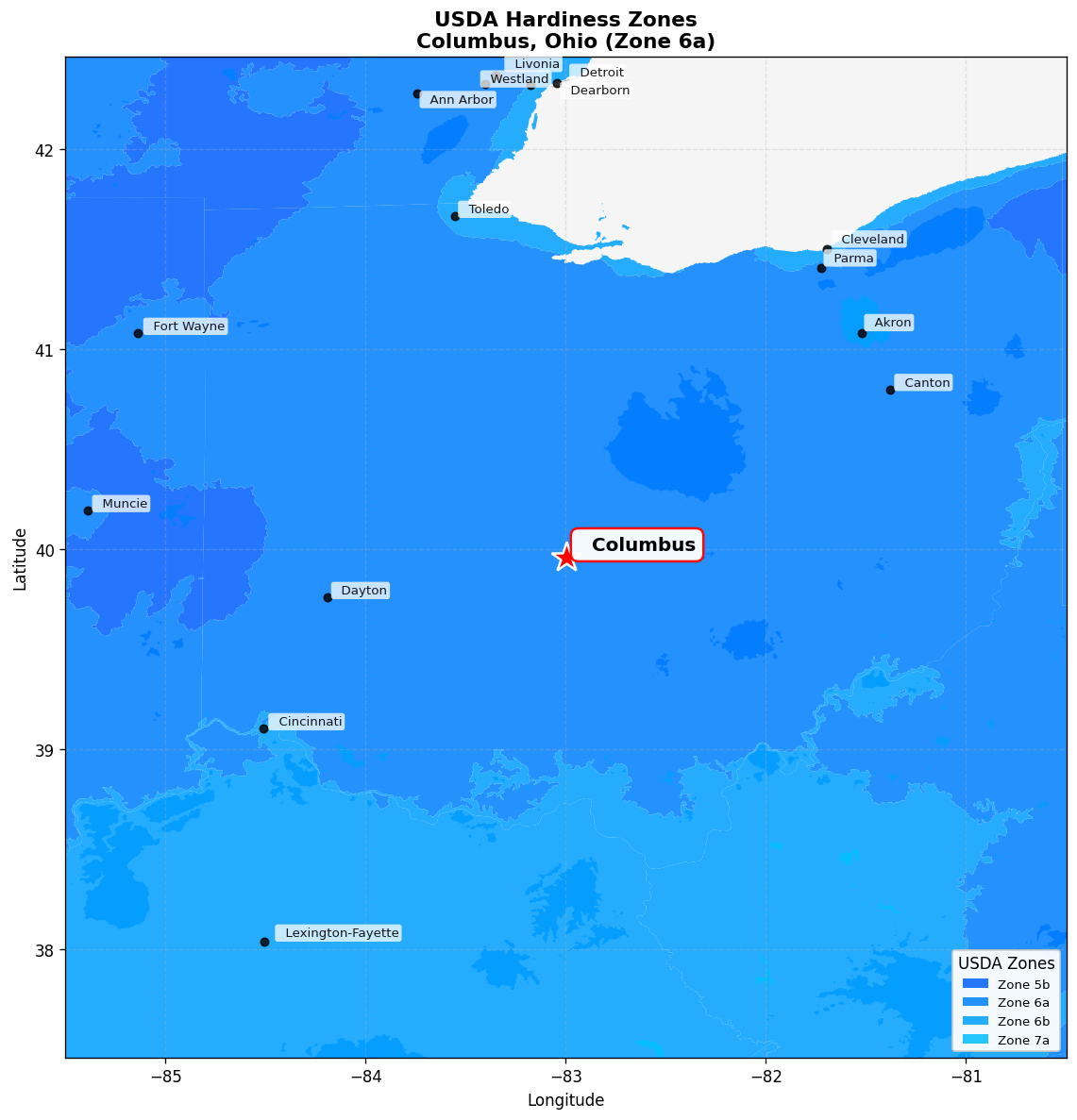
USDA Zone 6a
Hardiness zone for Columbus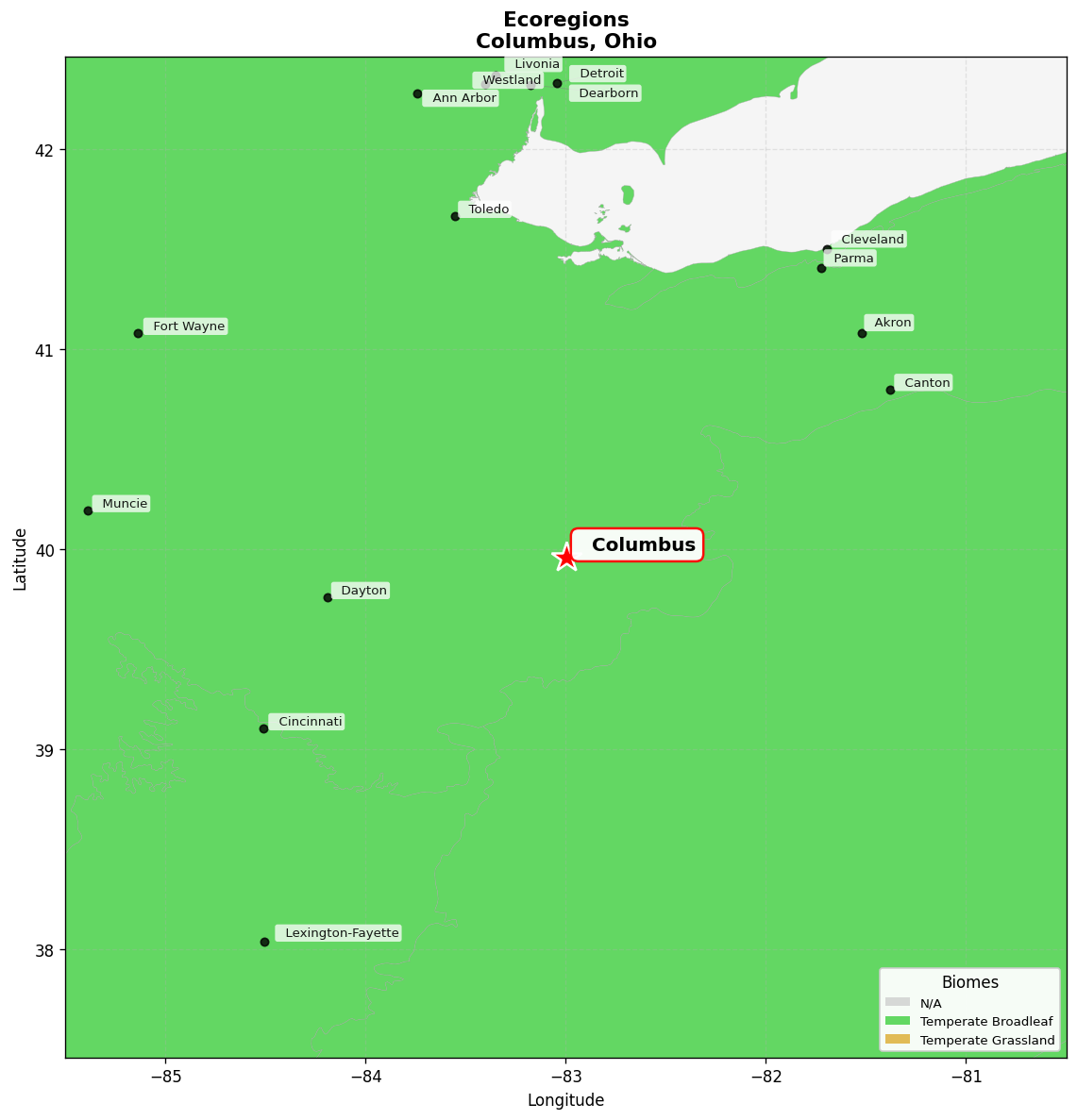
Southern Great Lakes forests
Native ecoregionFrequently Asked Questions
Can cottage plants survive Columbus's Zone 6a winters (-10°F)?
Yes — with the right varieties and basic winter prep. Peonies, catmint, salvia, echinacea, coneflower, black-eyed Susan, and most shrub roses are fully Zone 5–6 hardy and need no special protection. Delphiniums (Zone 3–4) overwinter reliably. Climbing roses need base mounding with 6–8 inches of soil or mulch in November and return reliably in spring. Apply 3–4 inches of shredded leaf mulch over all perennial crowns after the first hard freeze (typically mid-November). Zone 6a is cold but well within the tolerance range of all classic cottage garden plants — it just requires the November prep routine that zone-hardy gardens need.
What makes German Village ideal for cottage gardening?
German Village's combination of architecture, scale, and existing material palette is almost uniquely cottage-garden-ready. The brick row houses, narrow lots with intimate proportions, brick-paved alleys and sidewalks, and existing brick walls and wrought-iron gates provide the architectural bones that make a cottage garden look like it belongs rather than was installed. The lots are small enough that a single intensively planted border makes a dramatic impact, and the historic preservation character of the neighborhood means mature street trees and settled architecture — both of which amplify cottage garden romanticism. Columbus's City of Neighborhoods program actively supports German Village Heritage designation, which rewards maintaining the historic garden character.
When should I plant cottage garden perennials in Columbus?
Fall (mid-September through October) is ideal for perennials and shrub roses — Columbus's soil stays warm through October while air temps are mild, giving roots 4–6 weeks to establish before freeze. Last frost in Columbus averages April 20–25, so spring planting of cold-sensitive annuals and tender perennials should wait until May. Hardy perennials can go in late April as soon as the soil is workable. Plant spring bulbs (tulips, alliums, narcissus) in October for the early cottage sequence. Summer planting during July heat waves is the hardest on transplants — stick to fall or spring windows when possible.
How do I deal with Columbus's summer heat and humidity for cottage plants?
Columbus's summer humidity is actually the cottage garden's friend, not an enemy. Delphiniums, foxgloves, astilbe, and phlox — which struggle in dry climates — thrive in Columbus's humid summers. The main issue is fungal diseases: black spot on roses, powdery mildew on phlox, and botrytis on dense plantings are all humidity-related. Manage with proper plant spacing (allow air circulation), morning watering rather than evening, and organic sulfur or neem oil sprays on susceptible roses. Disease-resistant rose varieties (Knock Out, Carefree series, David Austin shrub types) reduce this burden significantly.
What roses work best in Columbus cottage gardens?
Zone 5–6 shrub and climbing roses dominate the reliable performers list. 'Knock Out' and 'Double Knock Out' (Zone 4, disease-resistant, repeat blooms May–frost) are the easiest starting point. 'Carefree Beauty' (Zone 4, fragrant pink, disease-resistant) is an excellent shrub type. Climbing roses for arbors and fences: 'New Dawn' (Zone 5, blush pink, vigorous), 'William Baffin' (Zone 3, deep pink, extremely cold-hardy), 'Fourth of July' (Zone 5, striped red-white). David Austin English roses like 'Graham Thomas' and 'Gertrude Jekyll' overwinter in Zone 6a with base mulching. Hybrid teas require more protection and are harder to maintain in Columbus's humid summers.
What's the best way to edge a cottage garden in Columbus?
Natural steel edging installed 4–6 inches deep is the most practical choice in Columbus — it keeps cottage borders tidy without requiring constant re-cutting and handles the clay soil's expansion and contraction through seasons. Brick soldier-course edging (bricks set vertically on edge) suits German Village and Victorian neighborhoods architecturally and lasts indefinitely. Hand-cut bed edges (spade-cut turf edge, maintained with an edging iron) are the traditional cottage choice and give the cleanest look but require sharpening 2–3 times per season. Avoid plastic edging in Columbus's freeze-thaw environment — it heaves out of the ground by spring.