4 Cottage Garden Ideas for Toledo, OH | Great Lakes Cottage Gardens in Zone 6b
Native plants from the Southern Great Lakes forests (Zone 6b) — Humid continental (hot summer) climate
Why Cottage/English Gardens in Toledo?
Toledo occupies the Southern Great Lakes Forests ecoregion in Zone 6b—the flat, fertile lake plain of northwestern Ohio where glacial deposits left extraordinarily productive clay soils that, once amended, grow cottage garden perennials with remarkable vigor. The Lake Erie influence moderates Toledo’s temperatures compared to inland Ohio cities—slightly warmer winters, slightly cooler summers—creating conditions that favor both classic English cottage plants and the native Great Lakes forest wildflowers that add regional character to the best Toledo gardens.
Toledo’s cottage gardening tradition is rooted in established residential neighborhoods like Ottawa Hills, Westgate, and Old Orchard—communities with mature street trees, generous lot sizes, and Victorian and Colonial Revival homes whose architecture calls for the lush, romantic outdoor settings that cottage style provides. The city’s relatively flat topography, while lacking the hillside drama of Cincinnati or Pittsburgh, creates straightforward planting conditions where level ground and productive soils allow cottage borders to develop the generous, billowing character that makes them most appealing.
The primary horticultural challenges in Toledo are the heavy clay soils common throughout the Lake Erie Plain and the humidity-driven fungal disease pressure that affects roses, phlox, and other cottage staples. These challenges are manageable with smart plant selection and soil amendment: disease-resistant rose varieties, mildew-resistant phlox cultivars, and proper soil improvement before planting transform Toledo’s heavy clay from an obstacle into an asset—the Lake Erie clay, once amended with compost, retains moisture better than sandy soils, reducing irrigation needs and supporting the lush growth that cottage gardens require.
4 Cottage/English Design Ideas for Toledo
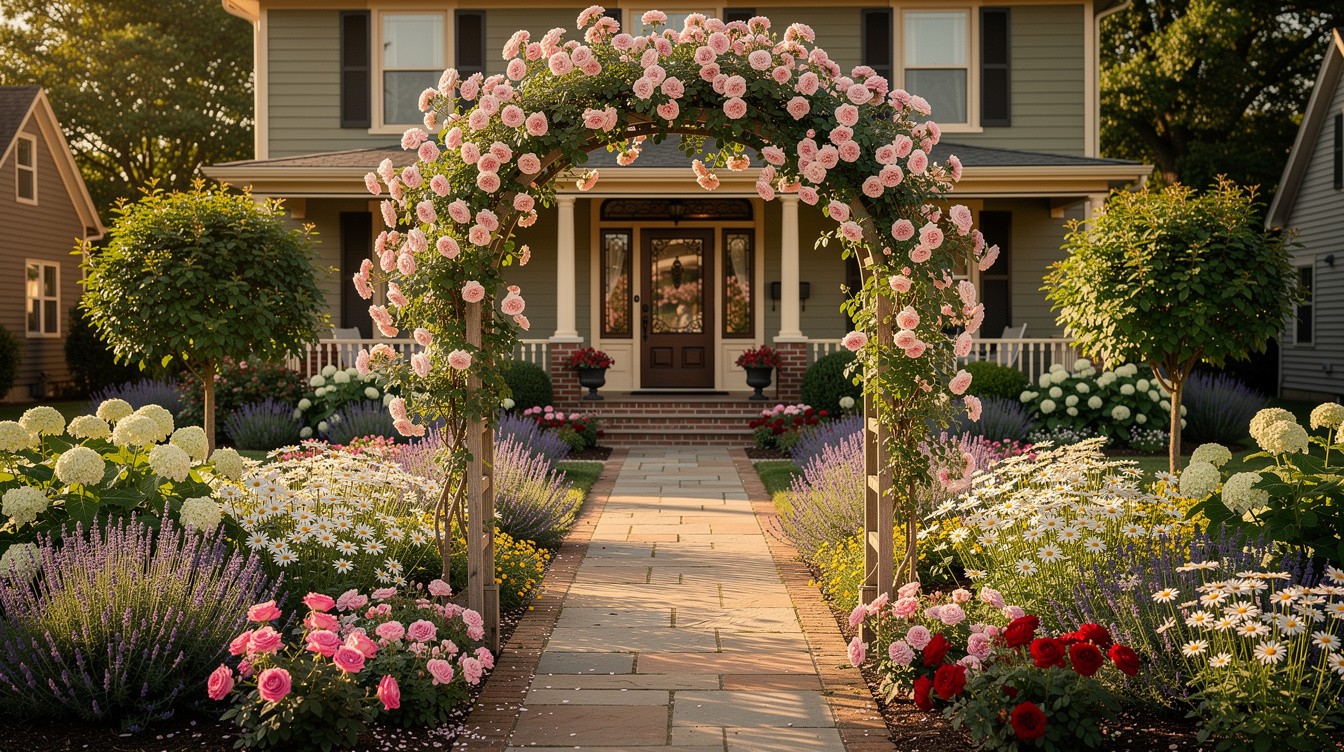
Victorian Entry with Climbing Rose and Perennial Border
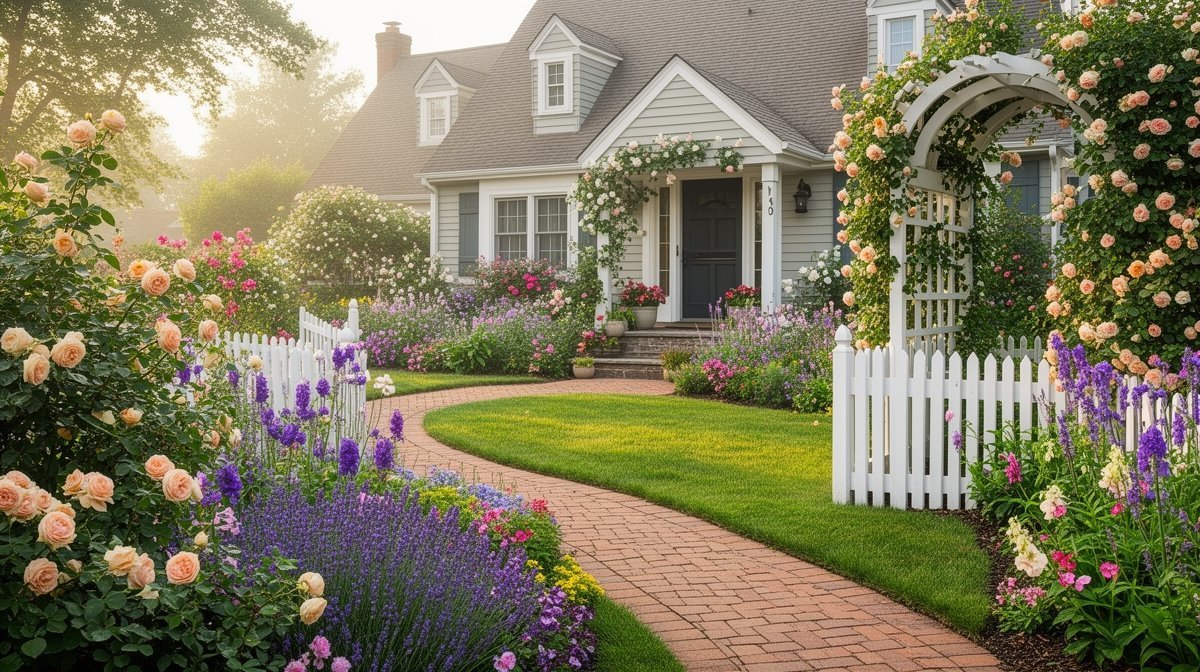
$12—26/sqftA brick or Ohio sandstone path to a Toledo Victorian or Colonial Revival front door is framed by a rose-covered entry arbor—'William Baffin' or 'New Dawn' climbing rose—with generous cottage borders of Annabelle hydrangeas, catmint, and Shasta daisies flanking the path. Disease-resistant Knock Out roses fill the front border beds with continuous color from May through October. The design channels Toledo’s Victorian residential heritage: the same combination of climbing roses, stone paths, and lush perennial borders that Ottawa Hills’ historic homes have maintained for generations. A standard rosebush at each corner of the entry planting creates formal symmetry softened by the loose, romantic perennial planting between.
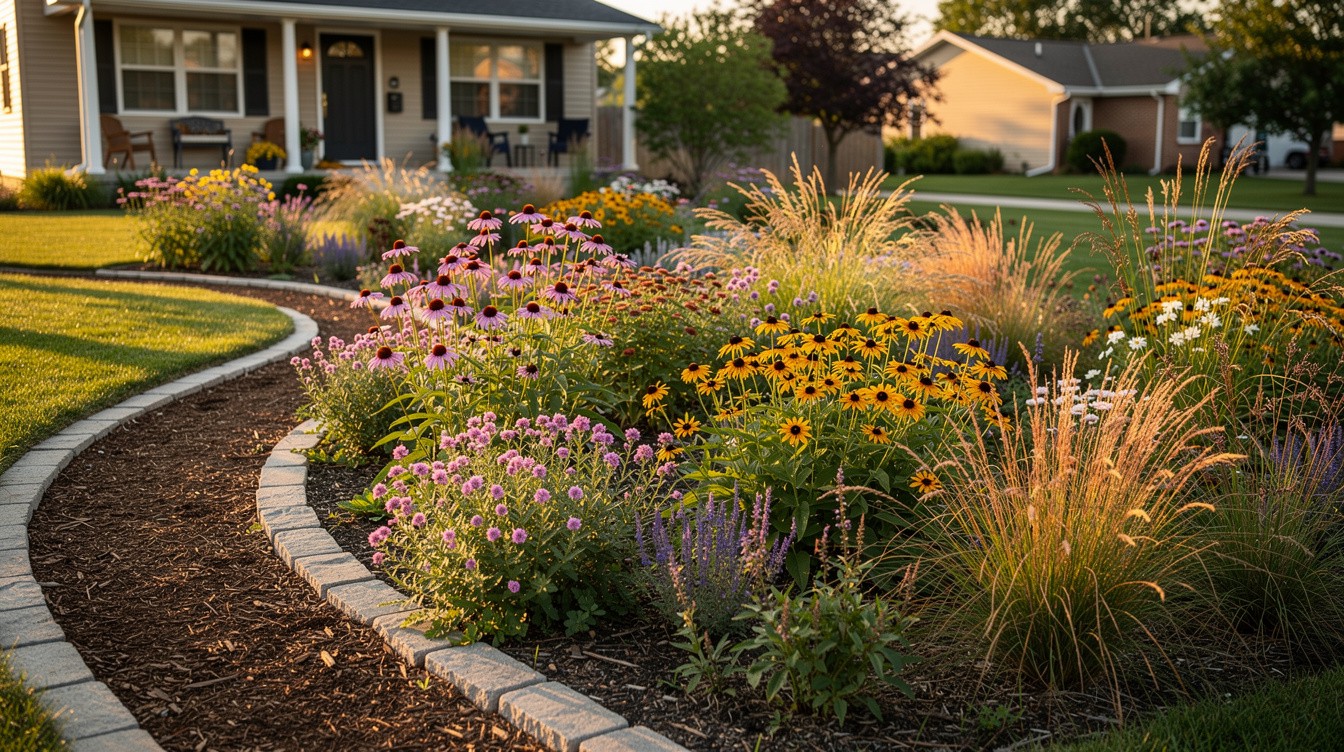
Great Lakes Native Wildflower Cottage Garden
$9–20/sqftA naturalistic cottage garden of Great Lakes region native wildflowers replaces lawn with a composed planting of prairie and woodland edge natives: purple coneflower, black-eyed Susan, wild bergamot, and prairie blazing star bloom from June through September in a succession that creates continuous color without deadheading. Native grasses—little bluestem and prairie dropseed—provide architectural winter interest when all flowering is complete. The design is organized with a winding mulch path and stone edging so it reads as intentional cottage garden rather than neglected meadow—an important distinction in Toledo’s residential neighborhoods where unfamiliar naturalistic plantings can generate friction with neighbors.
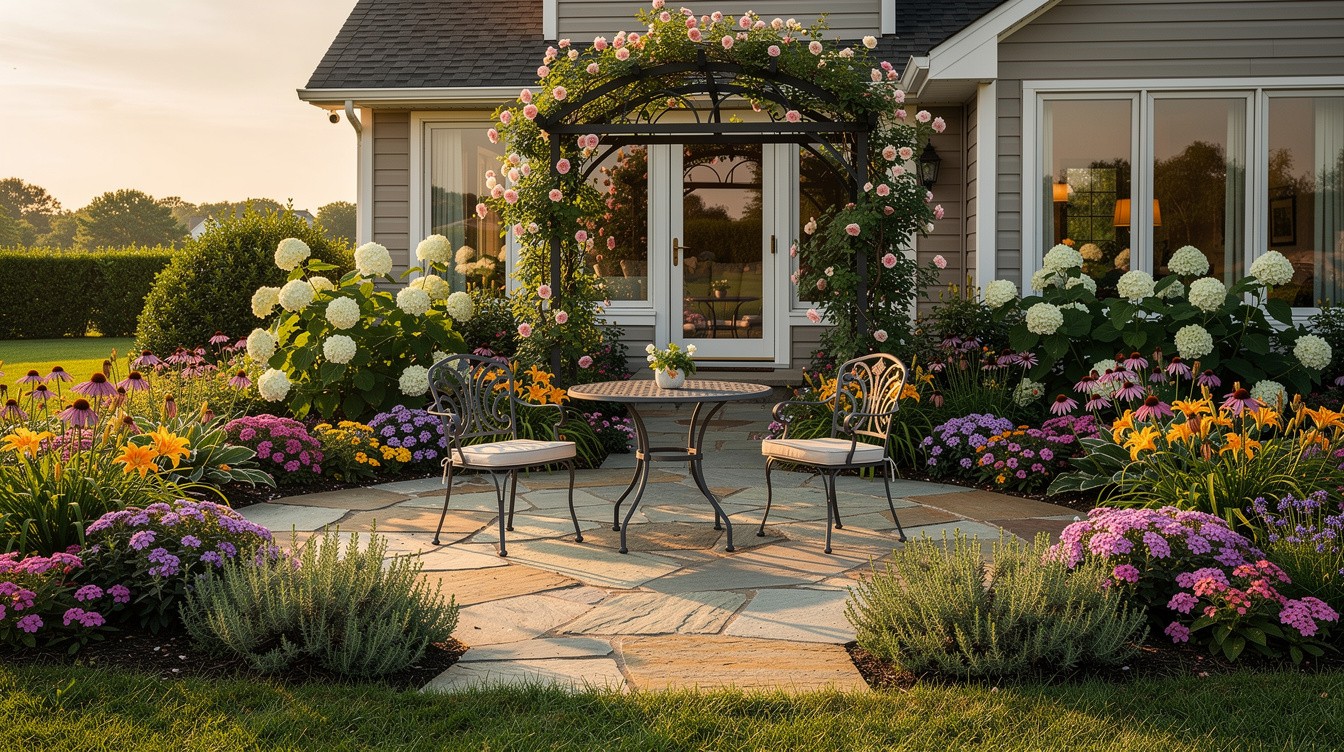
Flagstone Patio with Rose Arbor and Cottage Borders
$16—35/sqftA bluestone or sandstone flagstone patio at the rear of a Toledo home—level-set on the flat Lake Erie Plain—hosts a rose-covered metal arbor as the entry from the house, with cottage borders of phlox, Annabelle hydrangeas, daylilies, and coneflowers wrapping the terrace perimeter. An iron bistro table and chairs create the classic cottage patio seating arrangement. Trailing cottage herbs—thyme, creeping rosemary—soften the patio edge where stone meets planting. The flat Toledo site requires no retaining walls, making this patio design more straightforward than hillside alternatives—the entire investment goes into plants and hardscape rather than structural engineering.
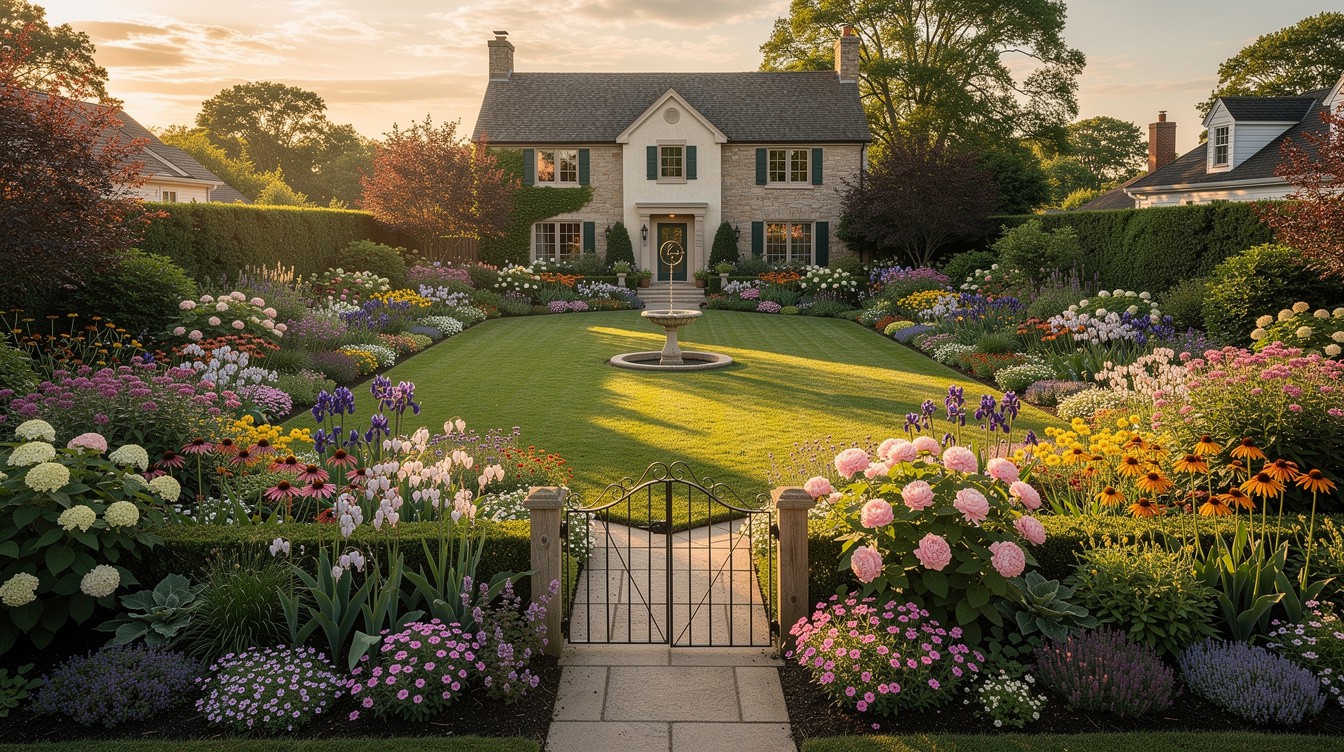
English Cottage Border Garden with Lawn Panel
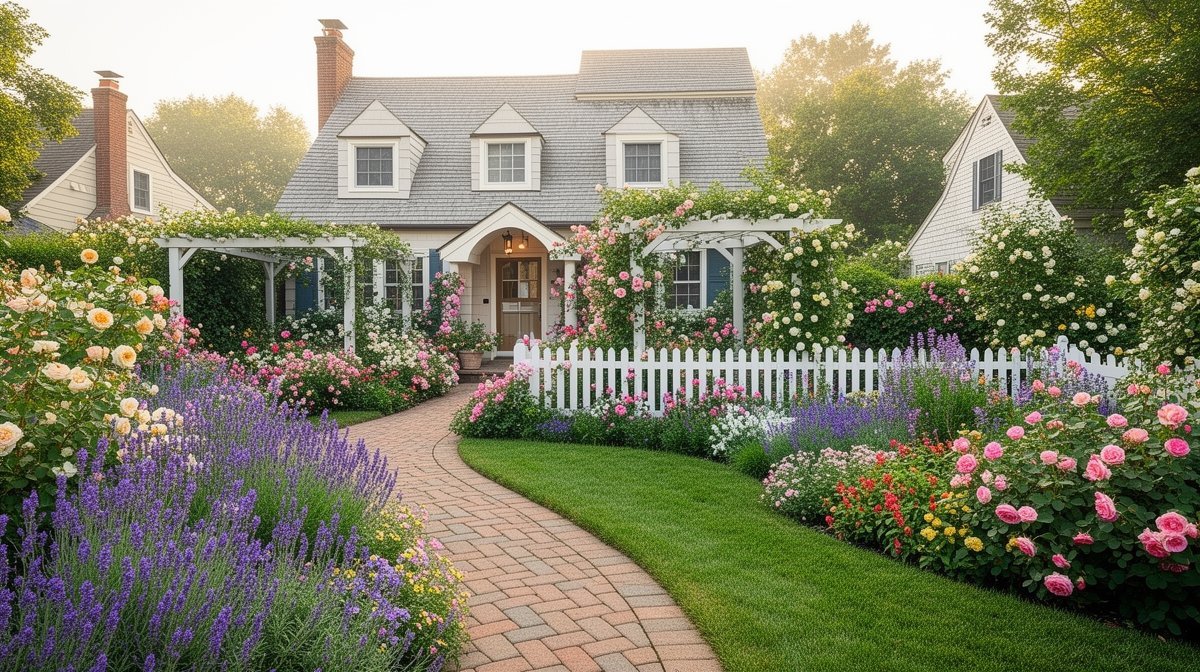
$18—40/sqftToledo’s flat lots and productive clay soils are ideal for the classic English cottage garden layout: wide double borders flanking a central lawn panel, a garden gate and path at the entry, and a birdbath or sundial as the focal centerpiece. The borders—6–8 feet wide on each side—hold a succession of cottage perennials from spring through fall: creeping phlox and bleeding heart in April, peonies and irises in May–June, hydrangeas and phlox in July–August, and coneflowers and asters in September. This is cottage gardening at its most traditional and most ambitious, requiring regular maintenance but delivering a garden of exceptional beauty through Toledo’s long outdoor season.
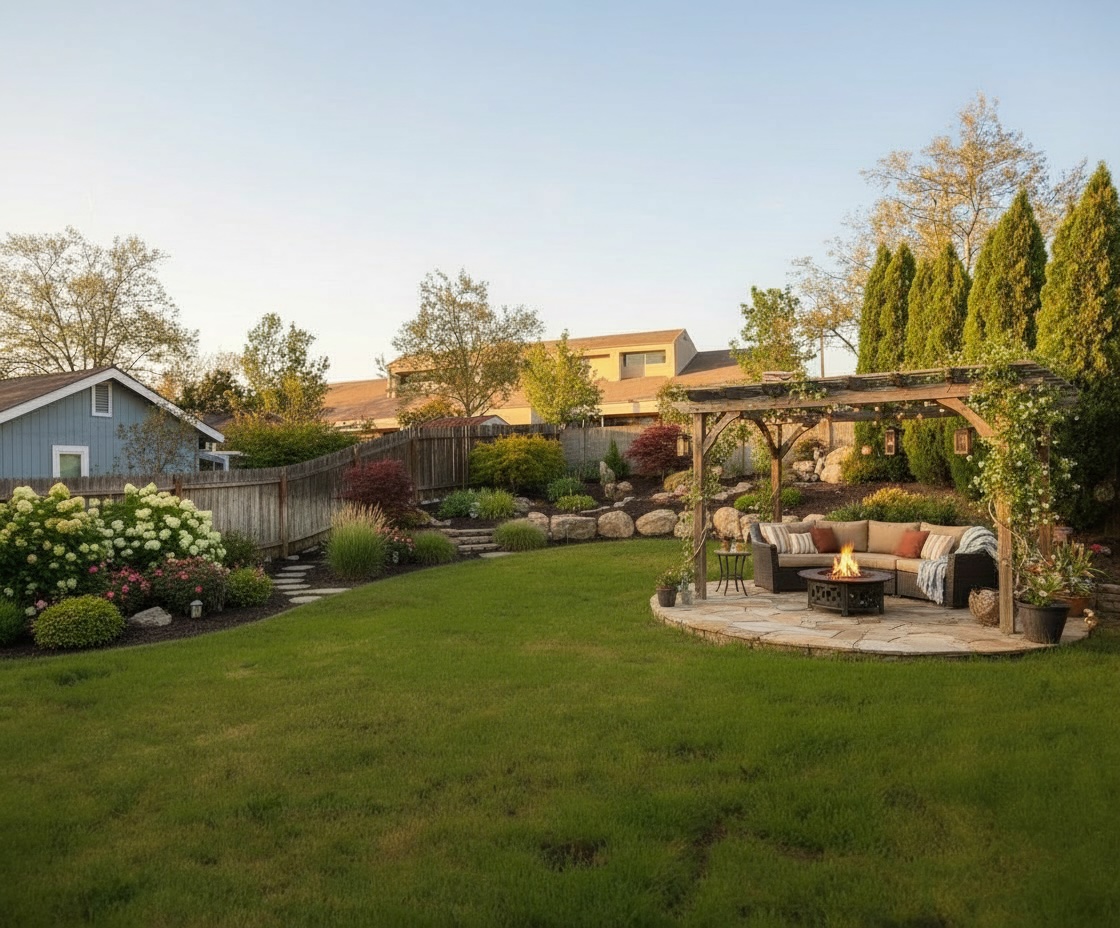
See how a cottage/english garden looks on YOUR property
Upload a photo of your Toledo yard and visualize your dream garden in seconds.
Try ProScapeAI Free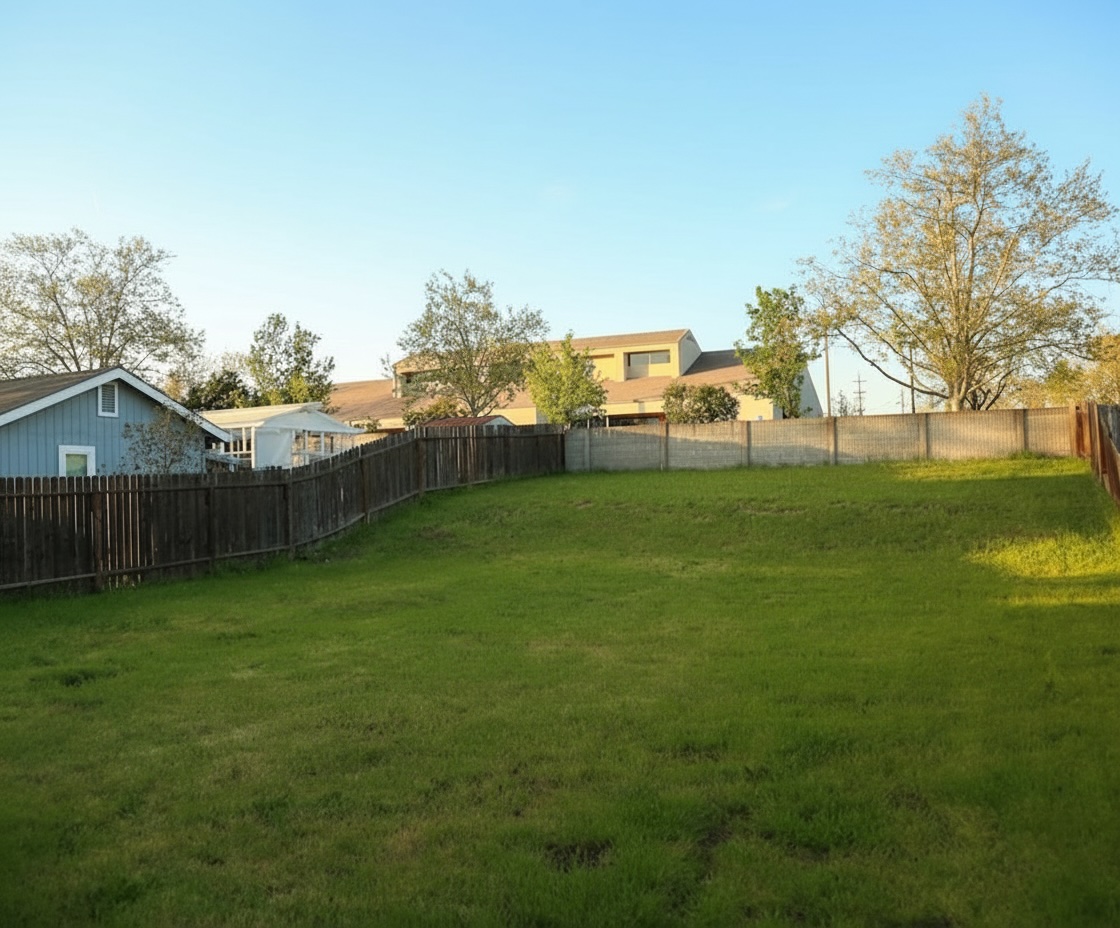
Featured Trees & Shrubs for Cottage/English Gardens
Browse all 248 plants for Toledo
American Black Currant
Ribes americanum
grows to 5 feet, white,yellow blooms in spring. Attracts hummingbirds.

Buttonbush
Cephalanthus occidentalis
medium-sized at 8 feet, white blooms in summer. Attracts butterflies.

Coppertina Ninebark
Physocarpus 'Coppertina'
medium-sized at 7 feet, white blooms in spring. Pollinator-friendly.
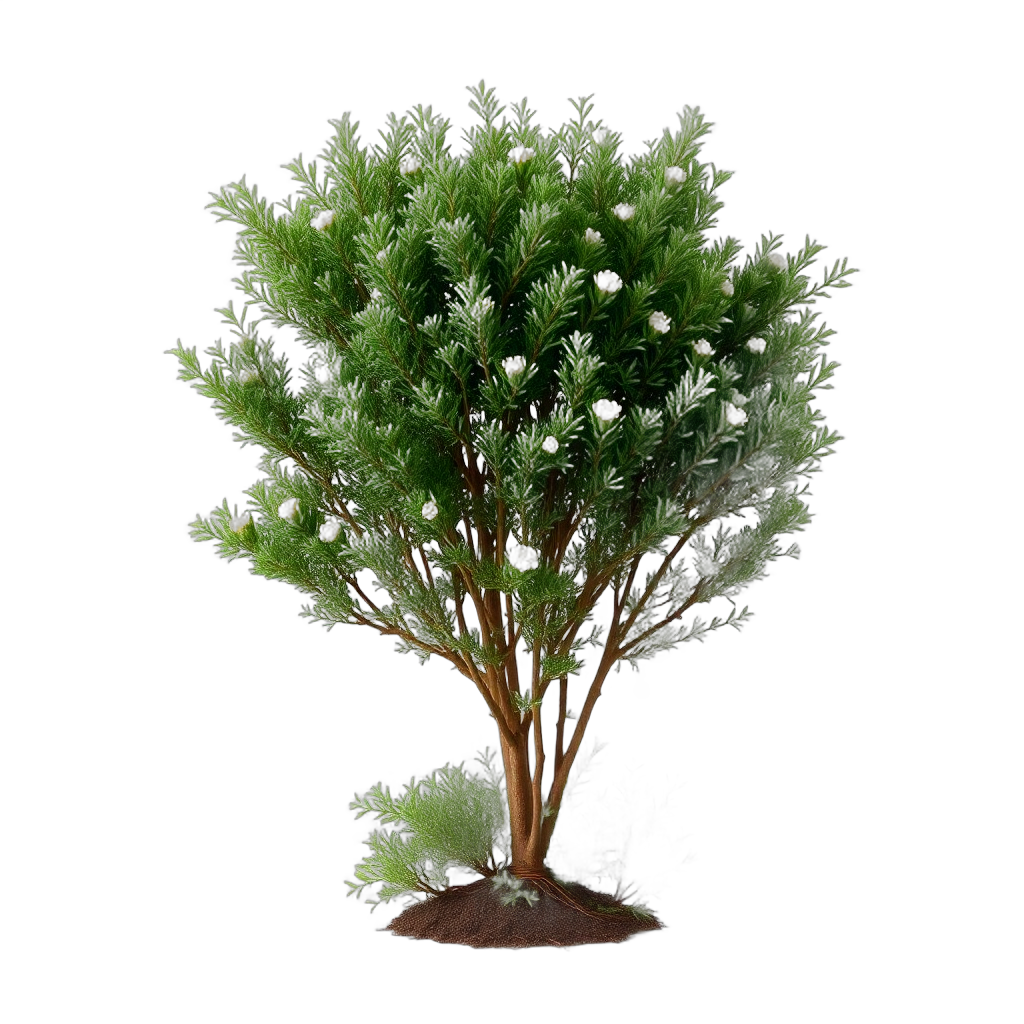
Creeping Juniper
Juniperus horizontalis
low-growing ground cover, blooms in spring. Evergreen year-round.
Featured Grasses & Groundcovers for Cottage/English Gardens
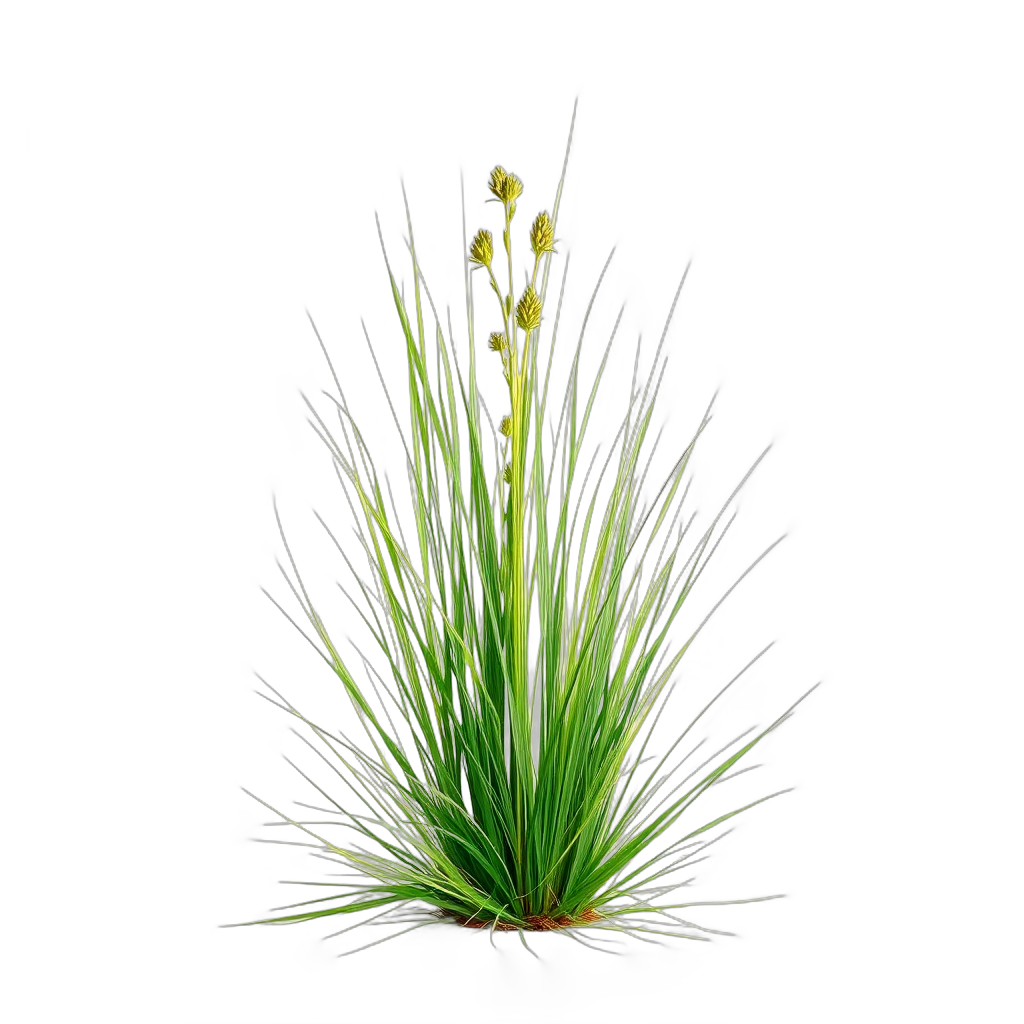
Canada Wild Rye
Elymus canadensis
grows to 4 feet, blooms in summer. Yellow fall color.
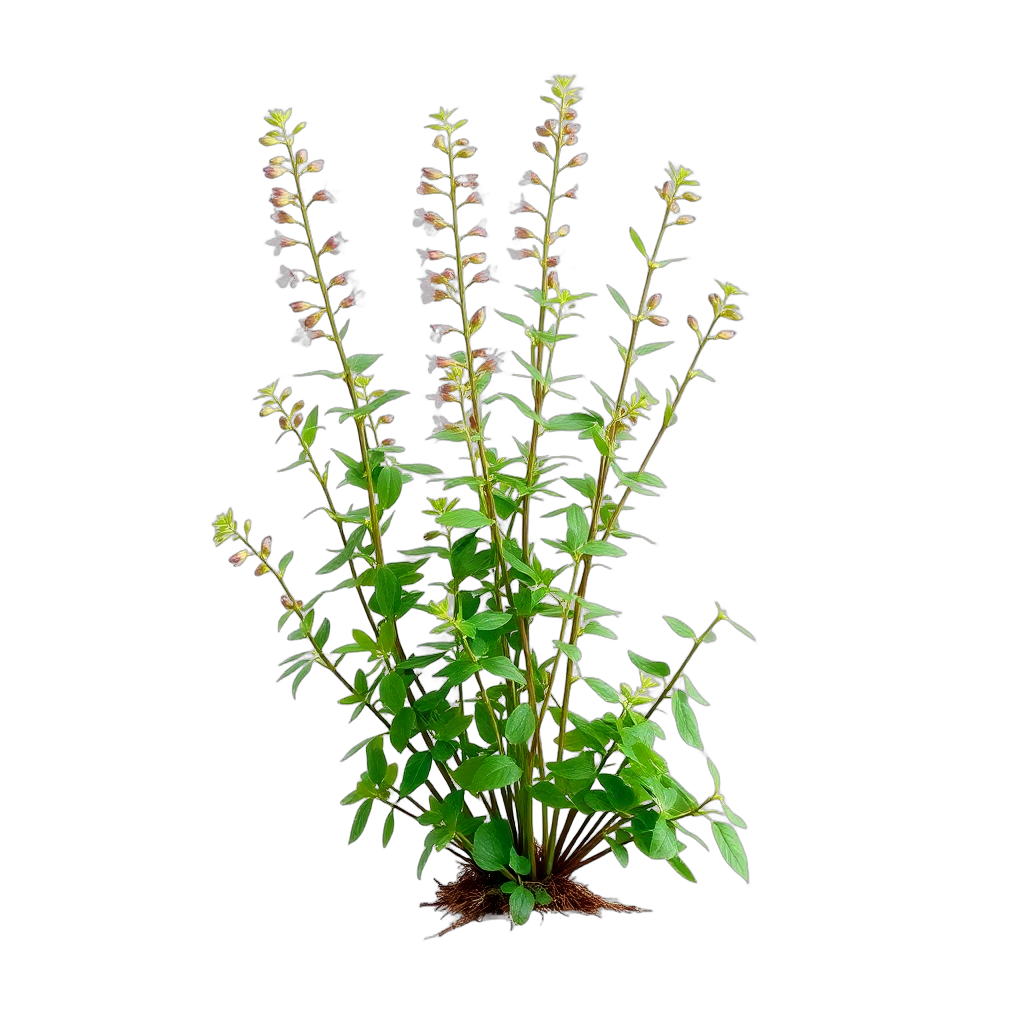
Creeping Jacob's Ladder
Polemonium reptans
low-growing ground cover, blue blooms in spring. Attracts butterflies.

Dwarf Fernleaf Bamboo
Pleioblastus distichus
low-growing ground cover, blooms in none. Evergreen year-round.
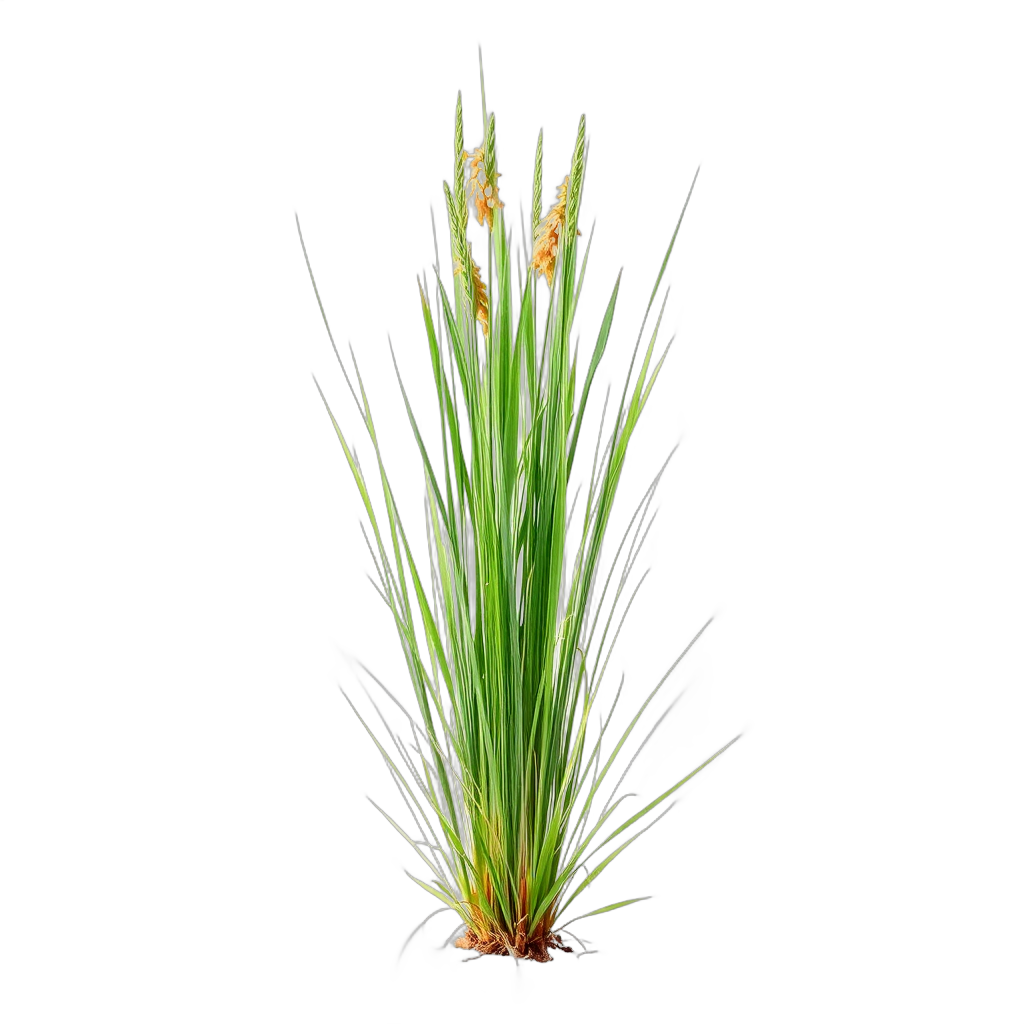
Eastern Gamagrass
Tripsacum dactyloides
grows to 6 feet, blooms in summer. Yellow fall color.
Featured Flowers & Perennials for Cottage/English Gardens
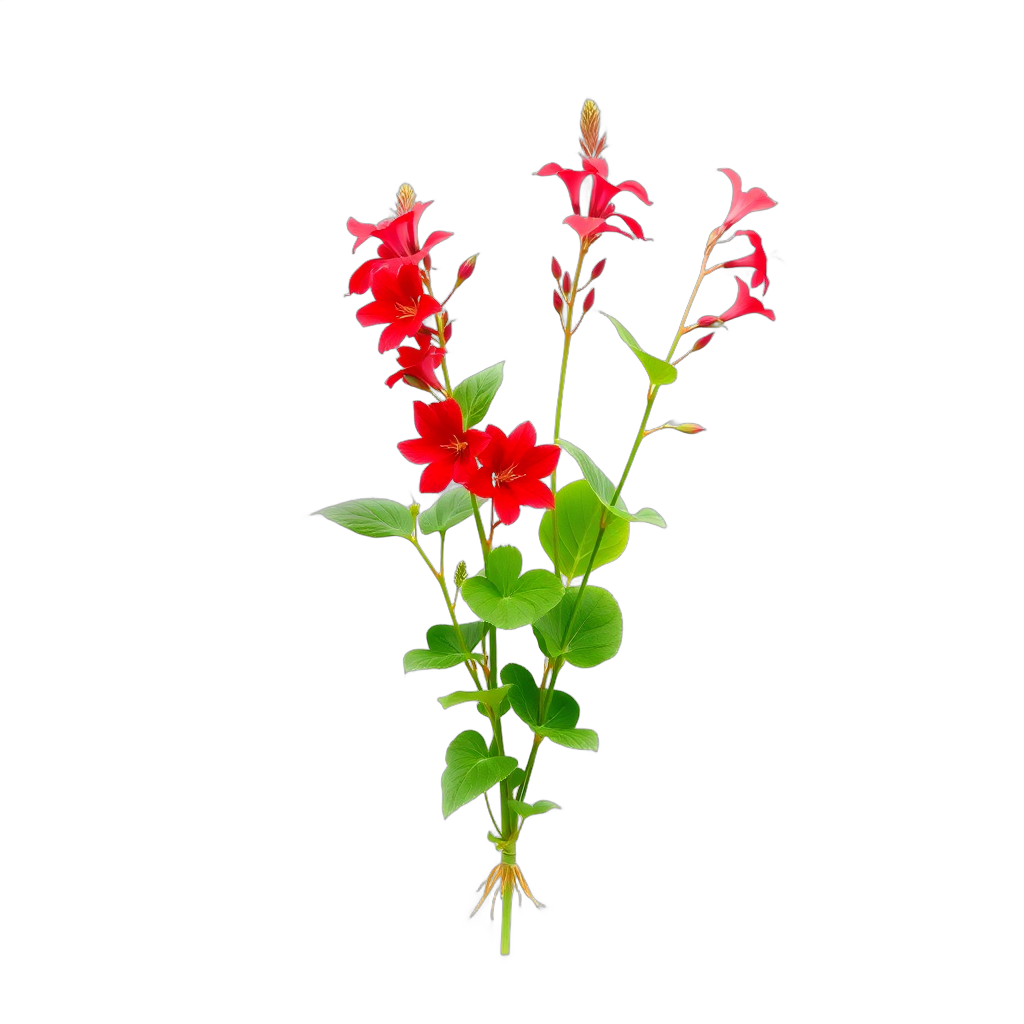
Cardinal Flower
Lobelia cardinalis
grows to 3 feet, red blooms in summer. Attracts hummingbirds.
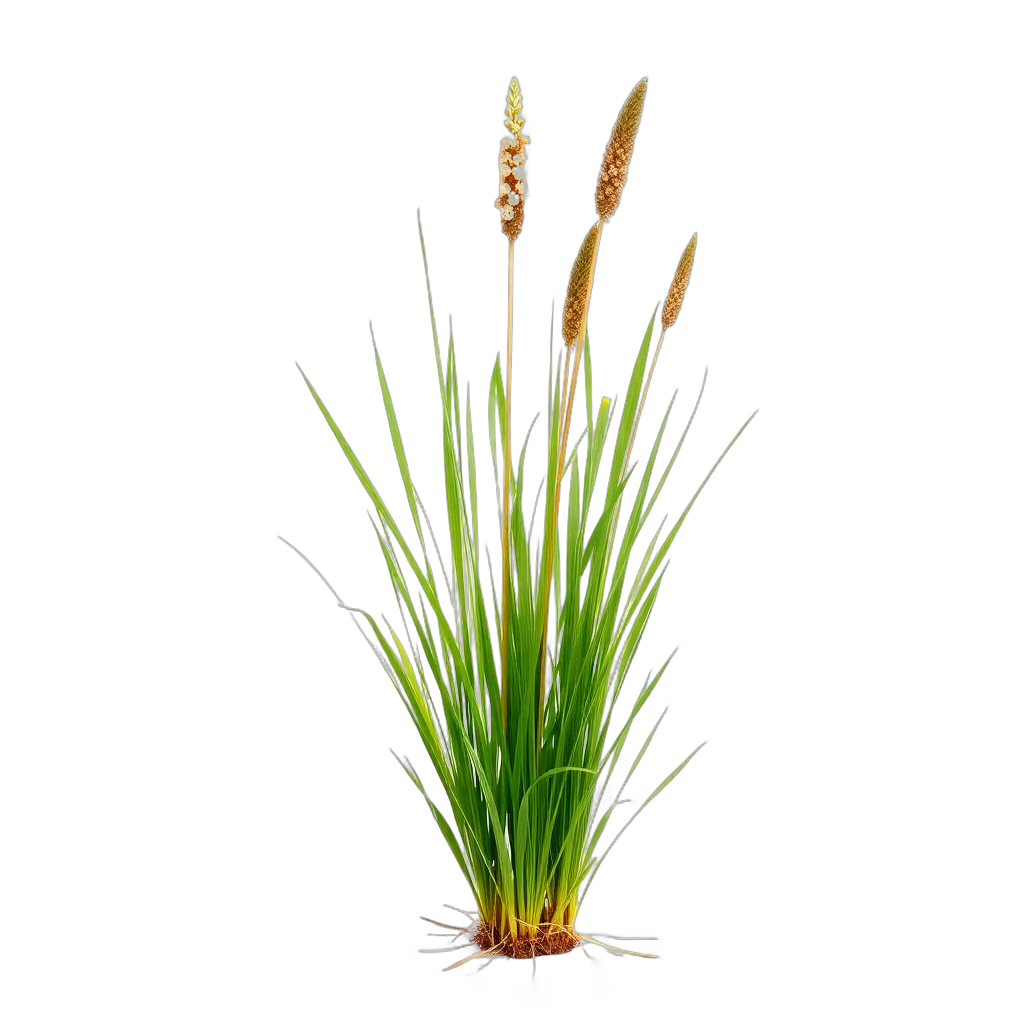
Hardstem Bulrush
Scirpus acutus
medium-sized at 7 feet, blooms in summer.
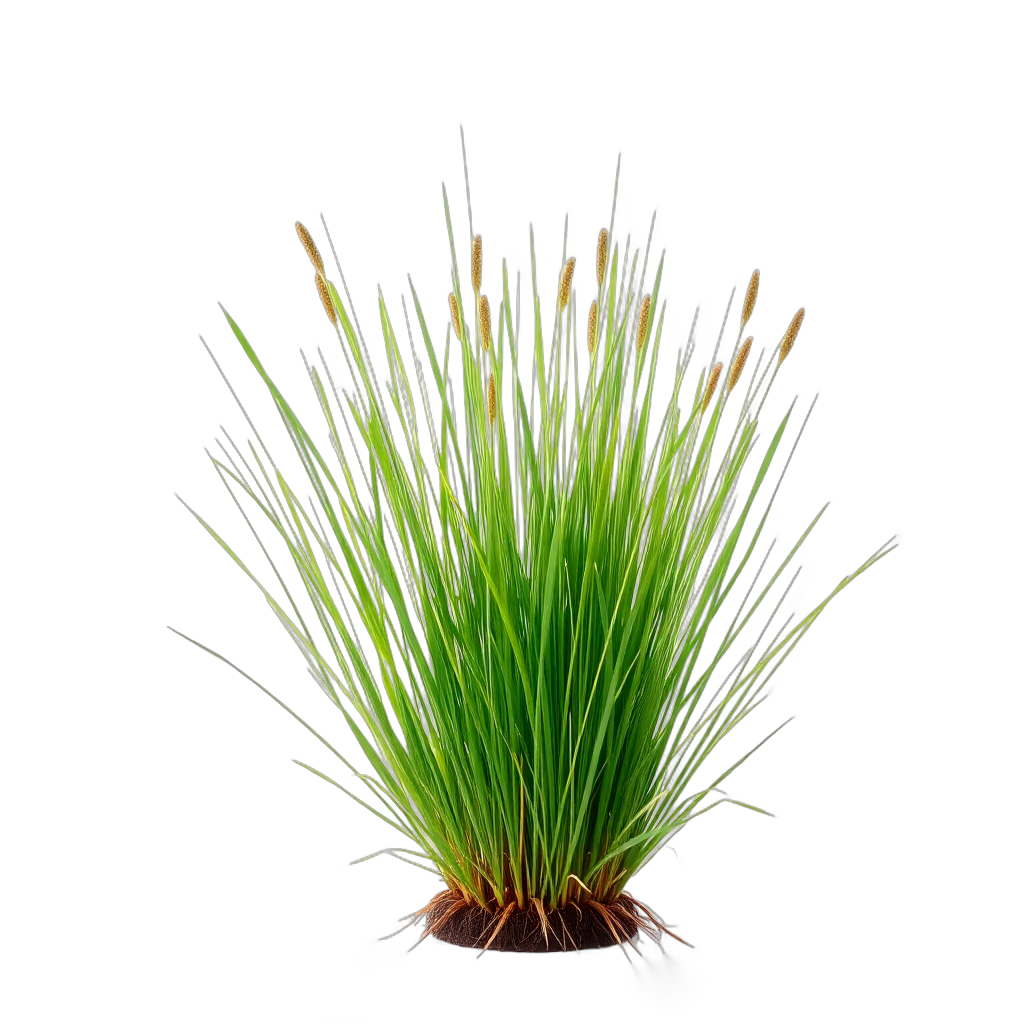
Path Rush
Juncus tenuis
low-growing ground cover, blooms in summer. Evergreen year-round.
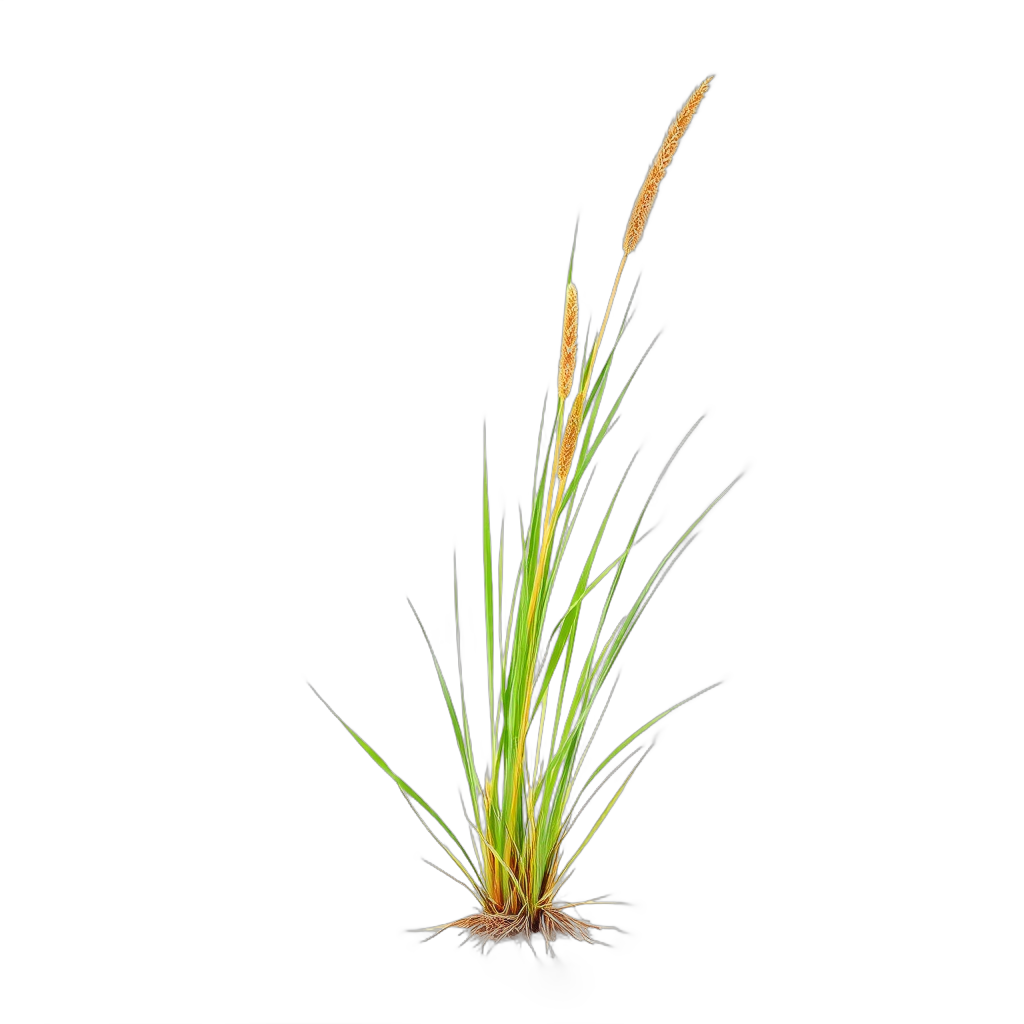
Softstem Bulrush
Schoenoplectus tabernaemontani
grows to 4 feet, blooms in summer.
Zone and sun checks come from our database — confirm with your local nursery before you buy.
Bloom Calendar for Toledo
spring
Bellwort, Blue Star, Blue-Eyed Grasssummer
Cardinal Flower, Hardstem Bulrush, Path Rushfall
Canada Goldenrod, New England Aster, Nodding Ladies' Tresseswinter
Limited bloomsDesign Tips for Toledo (Zone 6b)
- Amend Toledo’s heavy clay soil with 4–6 inches of compost before any cottage garden installation—this is the single most important preparation step, transforming poorly draining clay into the productive, aerated cottage garden medium that peonies, roses, and delphiniums need to thrive
- Choose disease-resistant rose and phlox varieties exclusively—Toledo’s humid Great Lakes summers create perfect conditions for black spot and powdery mildew; Knock Out and Canadian Explorer roses and phlox cultivars 'David' or 'Jeana' deliver full cottage character without the fungicide program that susceptible varieties require
- Plant peonies in full sun with eyes only 1–2 inches below soil surface—Toledo’s productive amended clay grows spectacular peonies; the most common failure is planting too deep, which prevents bloom for years; correct depth is critical and peony labels consistently underemphasize this
- Use brick or Ohio sandstone rather than imported stone for cottage paths and edging—Toledo’s residential heritage is brick (many neighborhoods built entirely of brick streets and sidewalks) and brick cottage paths feel genuinely appropriate to the city’s architectural character in a way that imported slate or bluestone cannot
- Include Annabelle hydrangeas as the cottage border’s backbone shrub—Zone 3 hardy, they reliably regenerate and bloom the same year even after complete winter dieback, producing enormous white blooms from June through August that provide cottage drama while requiring no winter protection, no staking, and no disease management
- Design the cottage garden to be viewed from a front porch or rear patio seating area at eye level—Toledo’s flat terrain means there are no hillside views or elevated perspectives; the garden is experienced horizontally, so planting height sequencing (low edging plants, mid-height perennials, taller shrubs) creates the layered depth that slope does naturally in other cities
Where to Source Plants in Toledo
Skip the big-box stores. These independent Toledo nurseries specialize in the plants that make cottage/english gardens thrive in Zone 6b.
Strader’s Garden Centers
Multiple Toledo area locations
Northwest Ohio’s comprehensive independent nursery chain with strong cottage perennial, rose, and native plant selection
Sugar Ridge Nursery
Whitehouse
Family nursery serving the Toledo area with cold-hardy perennials, cottage plants, and Great Lakes-adapted landscape material
Secor Metropark Naturalist Programs
Holland
Annual native plant sales—best source for Great Lakes native wildflowers for Toledo cottage and ecological gardens
Home Depot Garden Center
Multiple Toledo locations
Broad selection of cottage roses, hydrangeas, perennials, and flagstone and brick hardscape materials
Lowe’s Garden Center
Multiple Toledo locations
Comprehensive cottage plants, compost, edging, and installation materials for northwest Ohio gardens
Cottage/English Landscaping Costs in Toledo
| Project Scope | Estimated Cost |
|---|---|
| Cottage front entry with stone path, rose arbor, and perennial borders | $8,000 – $20,000 |
| Great Lakes native wildflower cottage garden from lawn | $7,000 – $18,000 |
| Flagstone patio with rose arbor and cottage perennial borders | $16,000 – $36,000 |
| English cottage border garden with lawn panel | $18,000 – $46,000 |
| Soil amendment and raised bed installation (per 500 sqft) | $2,000 – $5,000 |
| Annual cottage garden maintenance (mulching, deadheading, dividing) | $1,000 – $2,800/year |
| AI visualization with ProScapeAI | Free to start |
Estimates based on Toledo, OH-area contractor rates as of 2026. Actual costs vary by site conditions, materials, and contractor.
Toledo Climate & Growing Zone
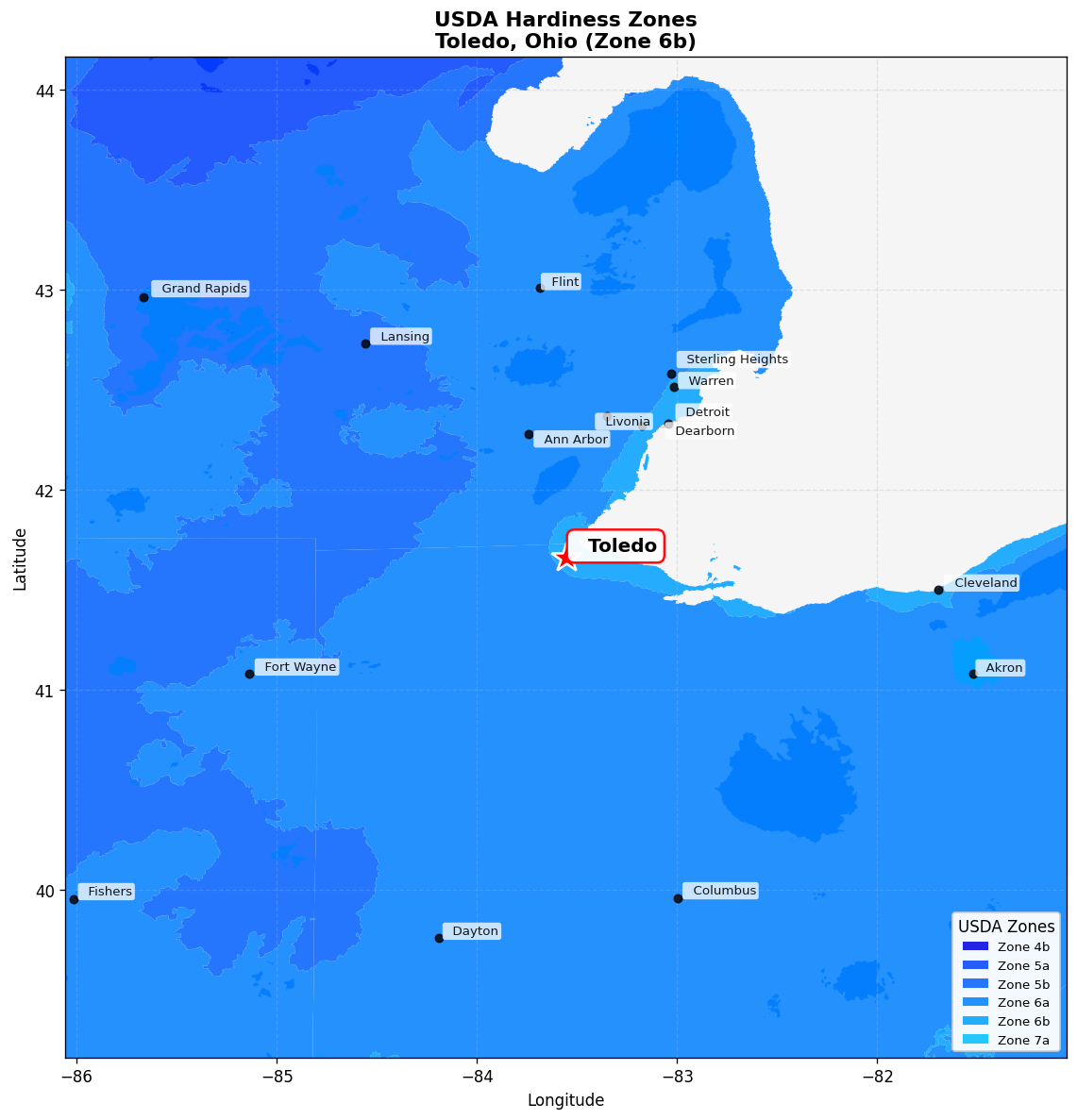
USDA Zone 6b
Hardiness zone for Toledo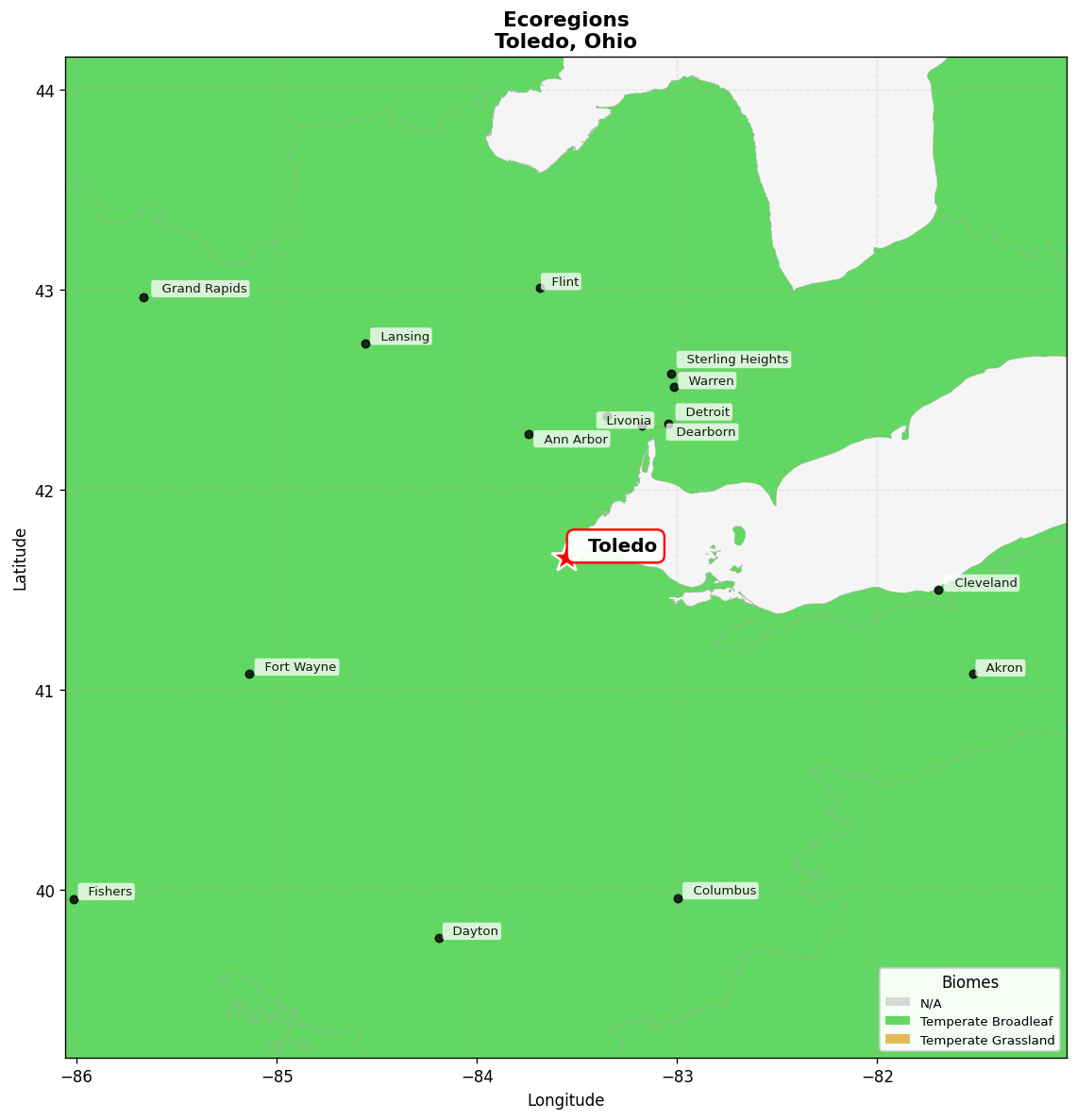
Southern Great Lakes forests
Native ecoregionFrequently Asked Questions
What cottage plants thrive in Toledo’s Zone 6b Great Lakes climate?
Toledo’s Zone 6b with Lake Erie influence and moderate humidity supports an excellent cottage plant palette. Outstanding performers: Annabelle hydrangea (Zone 3 hardy, enormous white blooms June–August, dies to ground in hard winters but regenerates reliably), peonies (Zone 3, bloom spectacularly in Toledo’s cool May), garden phlox 'David' or 'Jeana' (mildew-resistant, blooms July–September), coneflowers (native to Great Lakes region, exceptional Zone 6 performer), black-eyed Susan (native, very reliable summer bloomer), Siberian iris (Zone 3–4, blooms June), daylilies (Zone 3, essentially indestructible in Toledo conditions), and Knock Out roses (disease-resistant, blooms May–frost without fungicide program). Lake Erie’s moderating influence makes Toledo’s Zone 6b slightly milder than inland Zone 6b sites.
How do I amend Toledo’s heavy clay soil for cottage gardening?
Northwestern Ohio’s clay soils are fertile but poorly drained, which causes root rot and heaving damage in improperly prepared cottage beds. Effective amendment approach: in fall before planting, till or fork the bed to 12-inch depth; apply 4–6 inches of compost across the entire bed surface and work it in; for beds with existing drainage problems, install perforated pipe drainage 18–24 inches below grade before planting; raise beds 6–8 inches above grade with topsoil and compost mix for plants most sensitive to wet conditions (lavender, roses, delphiniums). Do not add sand to clay—it creates concrete. Compost is the only appropriate amendment. Well-amended Toledo clay is extremely productive—the clay’s nutrient-holding capacity and moisture retention support vigorous cottage growth with minimal fertilization.
Do peonies grow well in Toledo’s Great Lakes climate?
Peonies are among the most reliable and spectacular cottage plants in Toledo’s climate. Zone 3 cold hardiness means they never face winter kill in Zone 6b. Toledo’s cold winters provide the essential dormancy period peonies need to set abundant bloom—peonies actually struggle in climates warmer than Zone 7 where winters are too mild. The Lake Erie Plain’s productive clay soils, once amended, support large, long-lived peony clumps that improve with age for decades. Toledo’s cool May temperatures are ideal for prolonging peony bloom. Plant peonies in fall, with eyes (red buds) only 1–2 inches below soil surface—too deep and they won’t bloom. Expect 2–3 years before blooms are full-sized; established plants 5+ years old produce the most spectacular displays.
How does Lake Erie affect Toledo’s cottage garden season?
Lake Erie’s moderating influence on Toledo’s climate—often called the 'lake effect'—creates a slightly longer frost-free period than inland Ohio cities at similar latitudes. Toledo’s average last spring frost is April 24, and average first fall frost is October 29, giving 188 frost-free days. The lake keeps spring temperatures slightly warmer than inland (reducing late frost frequency) and fall temperatures slightly warmer (extending bloom into November in mild years). The lake effect also increases cloudiness and late-season precipitation, which benefits moisture-loving cottage plants but can exacerbate fungal disease issues in humid late summer. Provide good air circulation between plants to reduce powdery mildew and black spot risk during Toledo’s humid August and September.
What are the best native plants for a Toledo Great Lakes cottage garden?
The Southern Great Lakes Forests ecoregion offers excellent native plants for cottage garden use. Best cottage-compatible Great Lakes natives: purple coneflower (Echinacea purpurea, native to the region, blooms June–September, excellent cottage form), black-eyed Susan (Rudbeckia hirta, Ohio native, bright summer to fall bloom), wild bergamot (Monarda fistulosa, lavender flowers July–August, aromatic, native prairie edge species), prairie blazing star (Liatris spicata, native to the Great Lakes, vertical purple spikes July–August), native ironweed (Vernonia altissima, tall purple late-summer bloom, native to Ohio), native asters (multiple species, fall bloom, Zone 3–4 hardy), and Joe Pye weed (Eutrochium purpureum, large pink clusters August–September, native Great Lakes woodland edge).
How much does a cottage garden installation cost in Toledo?
Toledo landscaping costs are at the lower end of Midwest markets, reflecting northwest Ohio’s reasonable labor rates and accessible materials. A cottage front entry with stone path, rose arbor, and perennial borders typically costs $8,000–20,000. A Great Lakes native wildflower garden from lawn costs $7,000–18,000. A flagstone patio with rose arbor and cottage borders runs $16,000–36,000. A full English cottage border garden ranges $18,000–45,000. Annual maintenance for an established Toledo cottage garden (mulching, deadheading, dividing, seasonal replanting) runs $1,000–2,800/year. Toledo’s flat terrain eliminates the retaining wall costs that add significantly to cottage garden budgets in hillside cities like Cincinnati or Pittsburgh.