4 Cottage Garden Ideas for Columbia, SC | Zone 8a Design
Native plants from the Southeast US conifer savannas (Zone 8a) — Humid subtropical climate
Why Cottage/English Gardens in Columbia?
Columbia grew up around porches, picket fences and generous front setbacks, which is exactly why the English cottage garden lands so naturally here. The 1920s and 1930s bungalows of Shandon, Melrose Heights and Rosewood, the Colonial Revival houses of Heathwood and Wales Garden, and the low brick ranches of Forest Acres all share the horizontal rooflines and deep front lawns that a rose arbour and a loose, layered border are built to flatter. The bones are already in place too: mature Quercus virginiana and Quercus phellos shade most older streets, Spanish moss hangs in the oldest oaks along the Congaree, and Historic Columbia keeps period gardens at the Hampton-Preston Mansion and the Robert Mills House, so a romantic front garden reads as neighbourhood tradition rather than eccentricity.
The catch is that this is not England. Columbia is nicknamed Famously Hot for a reason - July averages a high near 93°F, the city logs roughly 75 days a year at or above 90°F, and about 46 inches of rain falls annually, much of it in violent July and August thunderstorms. Winter is the easy part: USDA Zone 8a means average lows of only 10-15°F, the last frost lands in the final week of March, the first around 8 November, and the growing season runs close to 230 days. That combination quietly kills the postcard English palette. Lavandula angustifolia 'Munstead' rots out in a humid Midlands August and true delphiniums collapse by June, but Lavandula x intermedia 'Phenomenal' and Lavandula stoechas 'Anouk' hold silver mounds straight through summer, Rosa 'Peggy Martin' and Rosa banksiae 'Lutea' will smother an arbour in two seasons without a spray programme, and Digitalis purpurea 'Camelot' gives you the same spires if you plant it in October and treat it as a cool-season annual.
Soil is two completely different problems here depending on which side of the Fall Line your house sits on. The Broad and Saluda rivers meet in Columbia at the edge of the Piedmont, so gardens in Irmo, Chapin, Lexington and west of the river sit on heavy red clay, while Forest Acres, Spring Valley, Wildewood, Blythewood and most of Northeast Columbia sit on deep Carolina Sandhills sand that swallows a downpour in minutes and holds almost no nutrition. Neither is a cottage border out of the box. Sandhills gardens want three to four inches of compost worked into the top eight inches plus an annual pine-bark top-up; clay gardens want raised or bermed beds so Nepeta x faassenii 'Walker's Low' and Achillea 'Moonshine' are not standing in a winter bathtub. Root-knot nematodes are common in the sandy eastern half of the county, which is one more argument for tough own-root Earth-Kind selections such as Rosa 'Belinda's Dream' and Rosa 'Mutabilis' over grafted florist roses.
Finally, design around humidity rather than drought. Columbia's summer nights rarely fall below 72°F, and foliage that stays wet overnight is how black spot and powdery mildew dismantle a rose border by mid-July. Space plants for airflow, water at the roots with drip line instead of overhead spray, and run irrigation before 9am; the City of Columbia's water shortage ordinance can restrict outdoor watering hours when supply is tight, so a border that thrives on two deep soakings a week is worth designing from day one. The October 2015 flood also permanently changed how the Midlands thinks about runoff - permeable brick or gravel paths, a shallow planted swale of Hydrangea quercifolia and Itea virginica 'Henry's Garnet' on the low side of the lot, and generous mulch do more for a Columbia garden than a larger downspout. Confirm current stormwater, setback and fence rules with the City of Columbia or Richland County before you build walls or regrade, because they vary parcel by parcel.
4 Cottage/English Design Ideas for Columbia

The Picket Fence Rose Walk
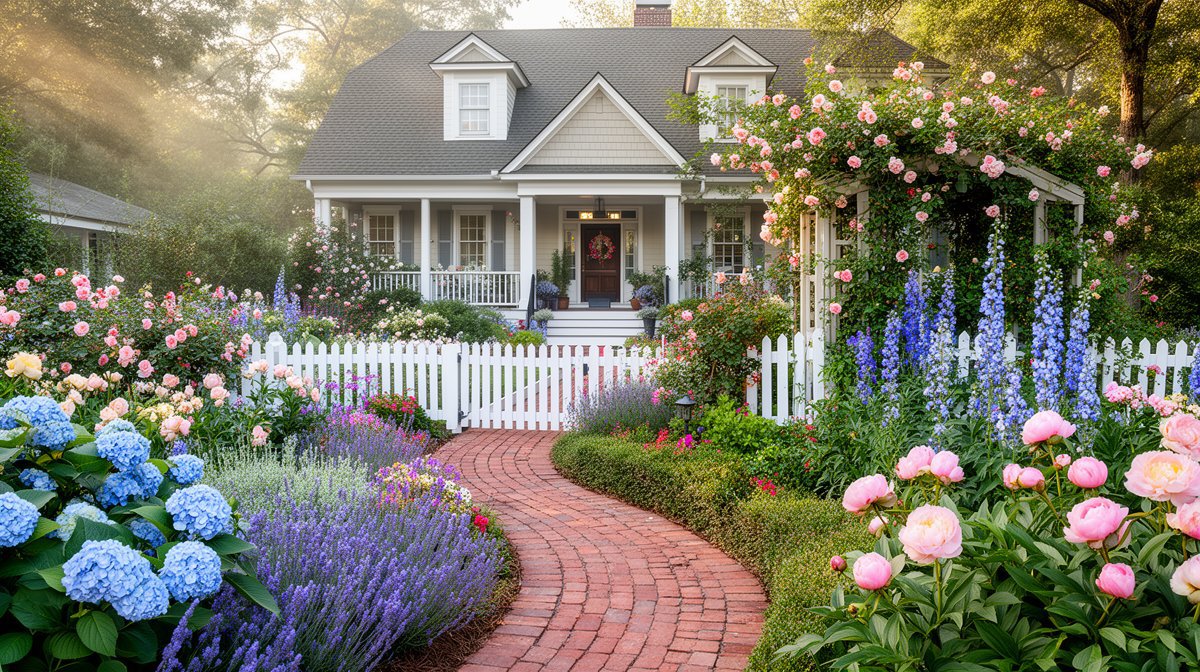
$14-26/sqftA cream clapboard cottage sits back behind a low white picket fence, and the whole front garden is organised around one move: a timber arbour smothered in blush and ivory climbing roses, framing a herringbone brick path that runs straight from the sidewalk gate to the porch steps. Deep mounds of lavender flank the brick on both sides so you brush the foliage walking in, and a continuous ribbon of pink and white shrub roses runs the length of the fence line, spilling through the pickets. Behind the roofline, moss-draped live oaks give the whole picture the filtered late-afternoon light that makes Columbia front yards photograph the way they do in June.

The Porch-Front Layered Border
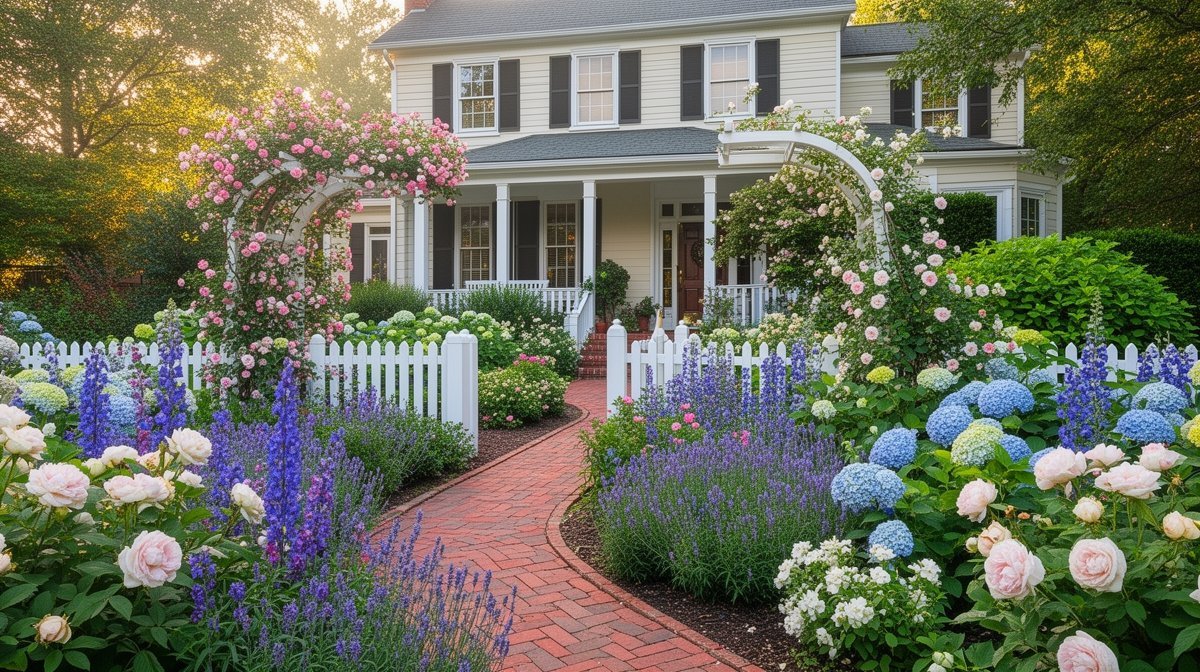
$11-20/sqftHere the architecture does half the work: a white cottage with sage-green shutters, a deep covered porch with rocking chairs and hanging baskets, and a slim white arbour tacked to the porch corner with a climbing rose running up it. Instead of a straight walk, an irregular flagstone path curves off-centre through the lawn, and the beds on either side are stacked in true cottage layers - low silver and green edging, a mid-tier of pink and mauve mounds, and tall spires of foxglove and salvia punching up against the shutters. A big deciduous canopy on the left keeps the west-facing beds out of the worst 4pm sun, which in the Midlands is the difference between a border that finishes in June and one that carries into October.

The Rose Arch and Bistro Terrace
$9-17/sqftA single wide rose arch, buried under cream and shell-pink blooms, straddles a flagstone path in the middle of the back lawn and turns a plain rectangle of grass into a destination. Underneath it sits nothing more elaborate than a round cafe table and two iron chairs on a small irregular-stone landing. What makes it work is the edging: waist-high lavender hedges run the full length of the path on both sides, so the walk is scented and structured even in February when the roses are bare sticks, and behind them the borders drift into mixed pastels and a low clipped green backbone. It is the cheapest possible way to give a Columbia backyard a focal point without pouring a full patio.

The Pergola Dining Garden with Fountain
$22-40/sqftThis is the full cottage backyard. A white pergola in the corner carries pink and crimson climbing roses over a teak table for six, a carved stone birdbath fountain sits at the centre of a circular rose bed cut into the lawn, and the lawn itself is shaped into a soft curve by paver-edged borders that wrap the whole garden. The planting is deliberately mixed - roses, tall purple and blue spires, daisies, and a low mounded edge - so something is flowering from March through November. A mature shade tree over the house corner drops the patio temperature noticeably in August, which is the single most useful thing any tree does in Columbia.
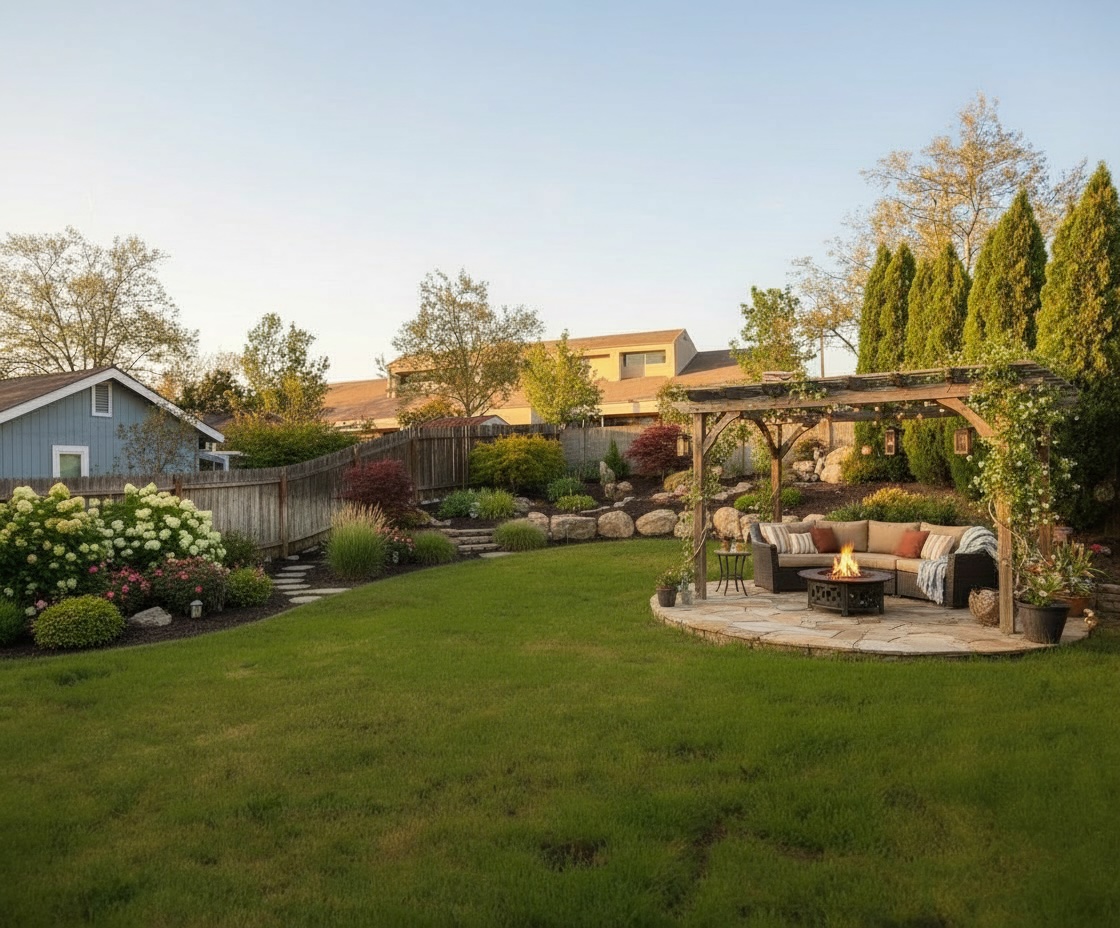
See how a cottage/english garden looks on YOUR property
Upload a photo of your Columbia yard and visualize your dream garden in seconds.
Try ProScapeAI Free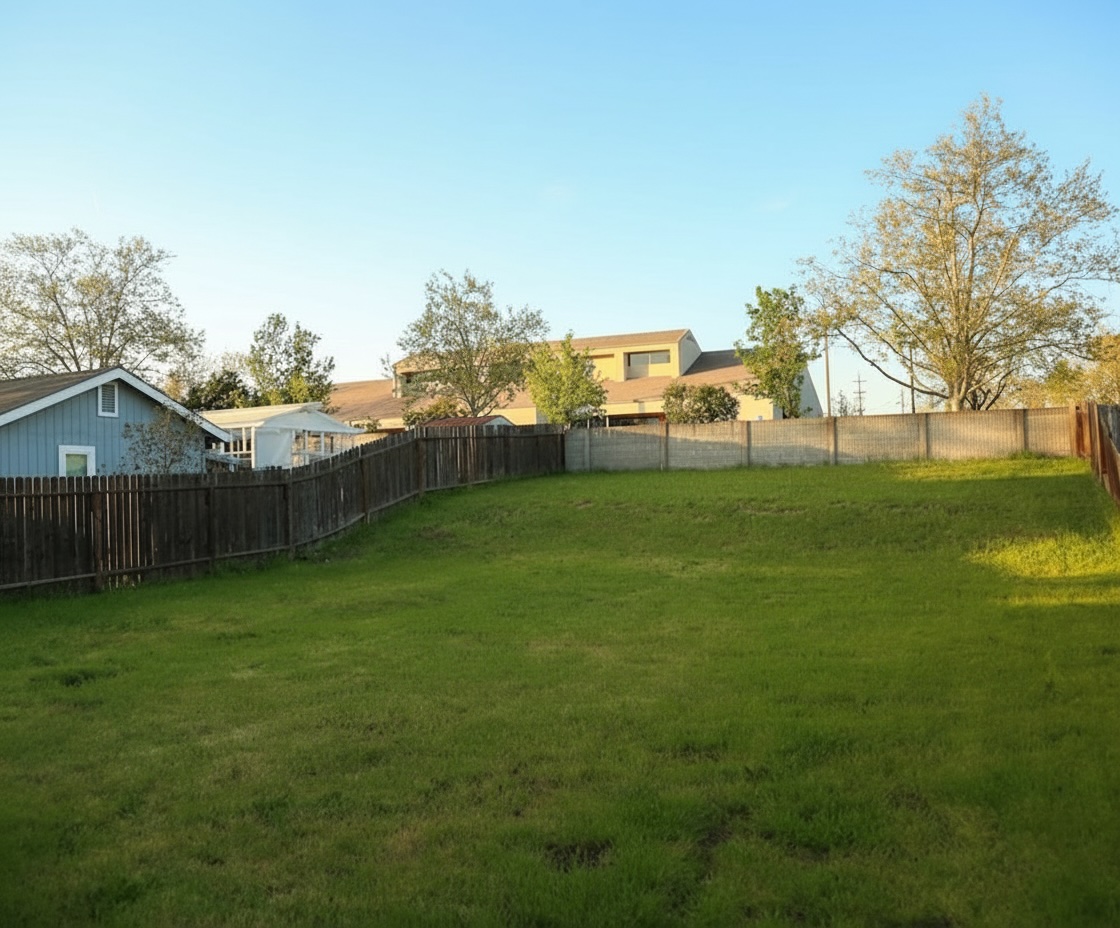
Featured Trees & Shrubs for Cottage/English Gardens
Browse all 181 plants for Columbia
Buckwheat Tree
Cliftonia monophylla
medium-sized at 15 feet, white blooms in spring. Attracts butterflies.

Fetterbush
Lyonia lucida
grows to 6 feet, white blooms in spring. Evergreen year-round.

Florida Anise
Illicium floridanum
medium-sized at 8 feet, red blooms in spring. Evergreen year-round.

Inkberry
Ilex glabra
medium-sized at 8 feet, white blooms in spring. Pollinator-friendly.
Featured Grasses & Groundcovers for Cottage/English Gardens

Pink Muhly Grass
Muhlenbergia capillaris
grows to 3 feet, pink blooms in fall.
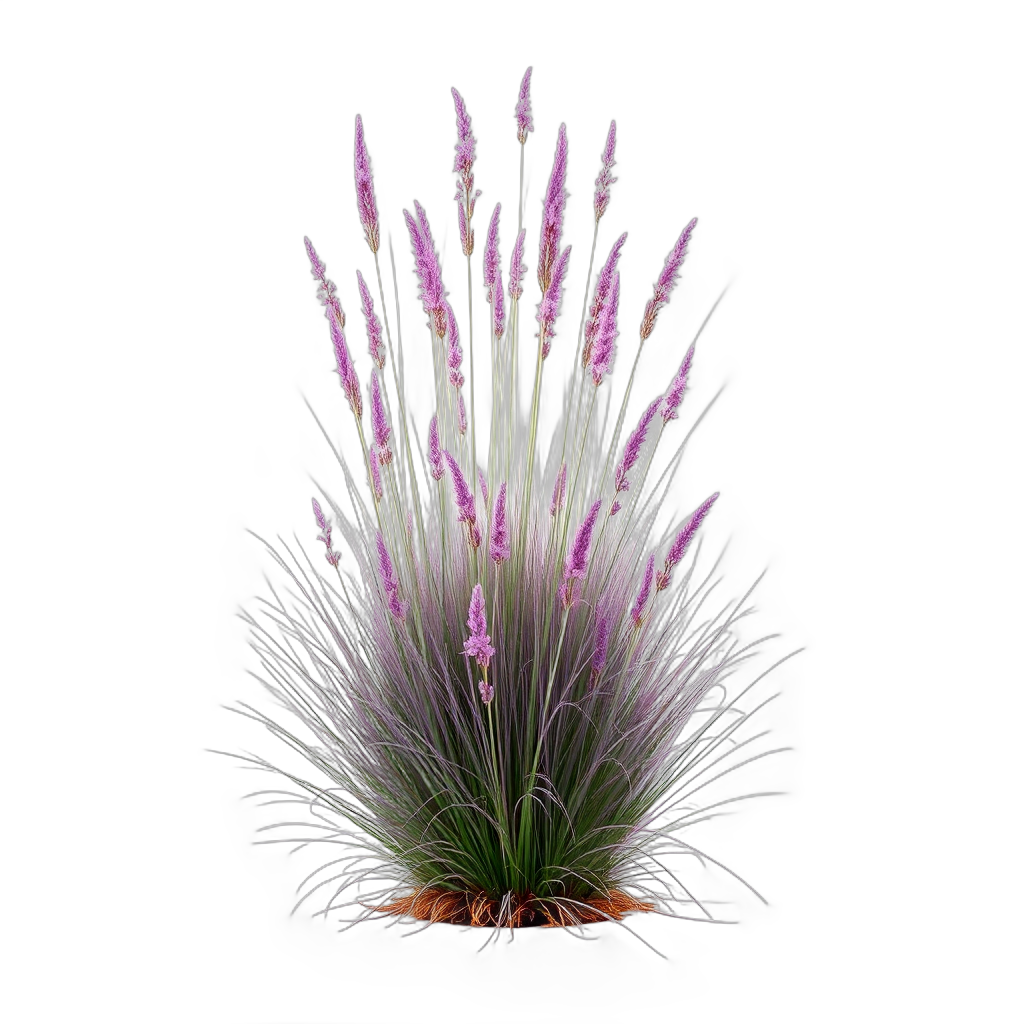
Purple Love Grass
Eragrostis spectabilis
low-growing ground cover, purple blooms in fall. Orange fall color.
Featured Flowers & Perennials for Cottage/English Gardens
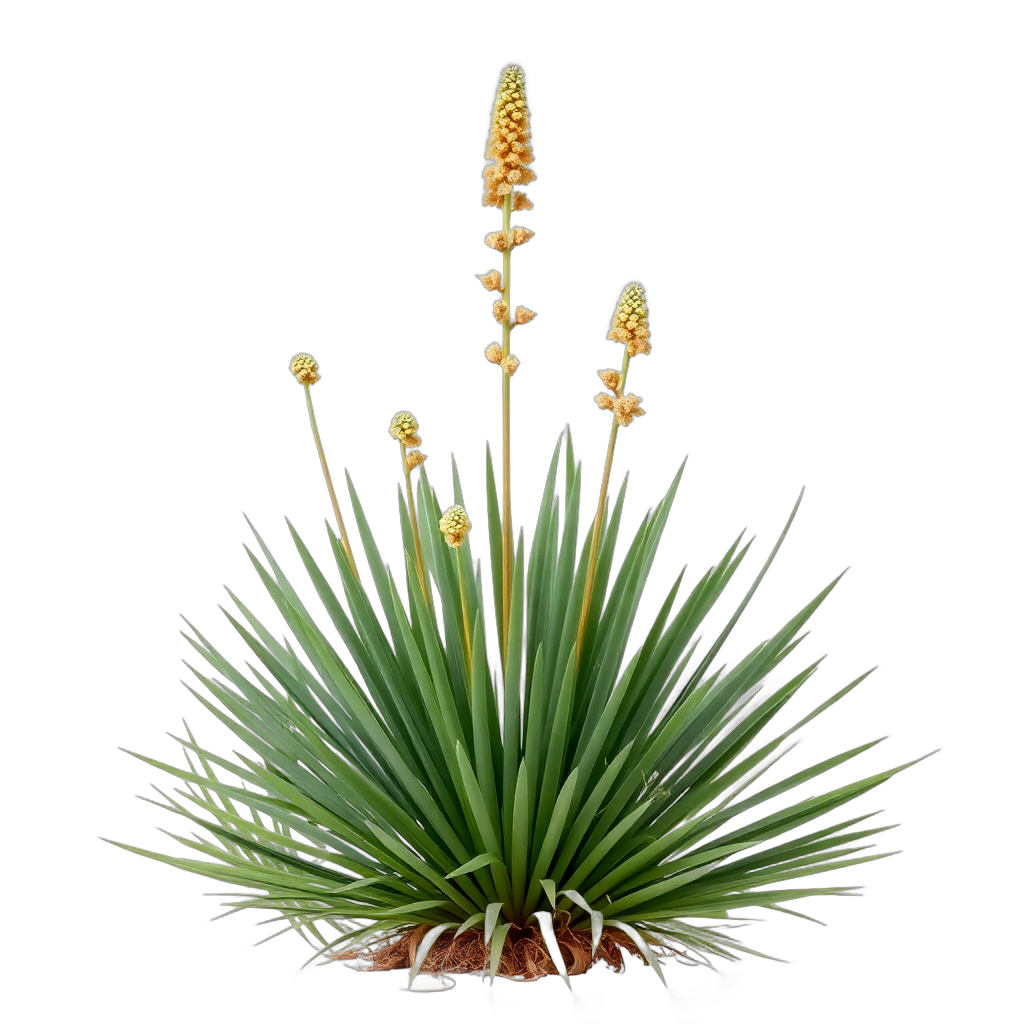
Adam's Needle
Yucca filamentosa
low-growing ground cover, white blooms in summer. Attracts hummingbirds.

Water Lettuce
Pistia stratiotes
low-growing ground cover, white blooms in summer. Evergreen year-round.

Tussock Sedge
Carex stricta
low-growing ground cover, blooms in spring. Brown fall color.

Umbrella Sedge
Cyperus alternifolius
grows to 4 feet, blooms in summer. Evergreen year-round.
Zone and sun checks come from our database — confirm with your local nursery before you buy.
Bloom Calendar for Columbia
spring
Buckwheat Tree, Fetterbush, Florida Anisesummer
Adam's Needle, Swamp Cyrilla, Loblolly Bayfall
Pink Muhly Grass, Purple Love Grasswinter
Limited bloomsDesign Tips for Columbia (Zone 8a)
- Swap English lavender for Lavandula x intermedia 'Phenomenal' and plant it on a 6-10 inch berm - Columbia loses more lavender to a wet, warm January than to any summer heat
- Put the roses where morning sun hits them first; with summer nights near 72°F, leaves that dry by 9am are the whole black spot strategy, and it costs nothing to design in
- Treat foxglove, larkspur, snapdragon and delphinium as October-planted cool-season annuals that finish in June, then let Echinacea purpurea 'Magnus', Rudbeckia fulgida 'Goldsturm' and Salvia guaranitica 'Black and Blue' carry the border through the heat
- If you garden east of the Fall Line on Sandhills sand, budget compost by the cubic yard rather than the bag - three inches worked in at the start is worth more than three years of fertiliser
- Use a native anchor shrub or two so the border never looks empty: Hydrangea quercifolia 'Ruby Slippers', Itea virginica 'Henry's Garnet' and Callicarpa americana all hold structure and feed pollinators in a Midlands summer
- Plant one Lagerstroemia 'Natchez' or Chionanthus virginicus rather than a row of shade trees - a single small canopy over the seating area drops the felt temperature of an August terrace far more than another border ever will
- Keep paths permeable. Brick on screenings, flagstone on sand or gravel all let a two-inch Columbia thunderstorm soak in instead of running into the beds and washing the mulch onto the lawn
Where to Source Plants in Columbia
Skip the big-box stores. These independent Columbia nurseries specialize in the plants that make cottage/english gardens thrive in Zone 8a.
Gardener's Outpost
Shandon / Five Points (plus a Cottontown shop at 1211 Franklin St)
Ecologically minded independent garden center; organic and locally grown perennials, herbs, roses and cottage annuals sized for small city lots
Seven Oaks Plant Shop & Garden Center
St. Andrews / Seven Oaks (Columbia-Irmo line)
Family-run Midlands institution for over 48 years; deep bench of shrubs, roses, flowering trees and bedding plants proven in Zone 8a
Southern Vistas Inc.
Rosewood / Commerce Drive
Landscape design-build studio with an attached garden center and online shop, useful when a cottage border needs hardscape and planting bought together
First Priority Garden Center
Northeast Columbia / Two Notch Road (the longtime Woodley's site)
Nursery stock, seed, bulk compost, pine bark and hardscape materials in one yard - the practical stop when you are amending Sandhills sand by the cubic yard
Cottage/English Landscaping Costs in Columbia
| Project Scope | Estimated Cost |
|---|---|
| Front-yard cottage border conversion (300-500 sqft, soil prep + planting) | $3,500 - $9,000 |
| Cedar rose arbour or gate arch, installed | $1,800 - $3,500 |
| Brick or flagstone garden path (100-150 sqft) | $2,000 - $5,500 |
| Painted picket fence, 100 linear feet installed | $3,000 - $7,000 |
| Cast stone recirculating fountain, set and plumbed | $1,500 - $5,000 |
| Full cottage backyard (terrace, pergola, borders, fountain) | $18,000 - $45,000 |
| Drip irrigation zone for perennial borders | $1,200 - $3,000 |
| AI visualization with ProScapeAI | Free to start |
Estimates based on Columbia, SC-area contractor rates as of 2026. Actual costs vary by site conditions, materials, and contractor.
Columbia Climate & Growing Zone
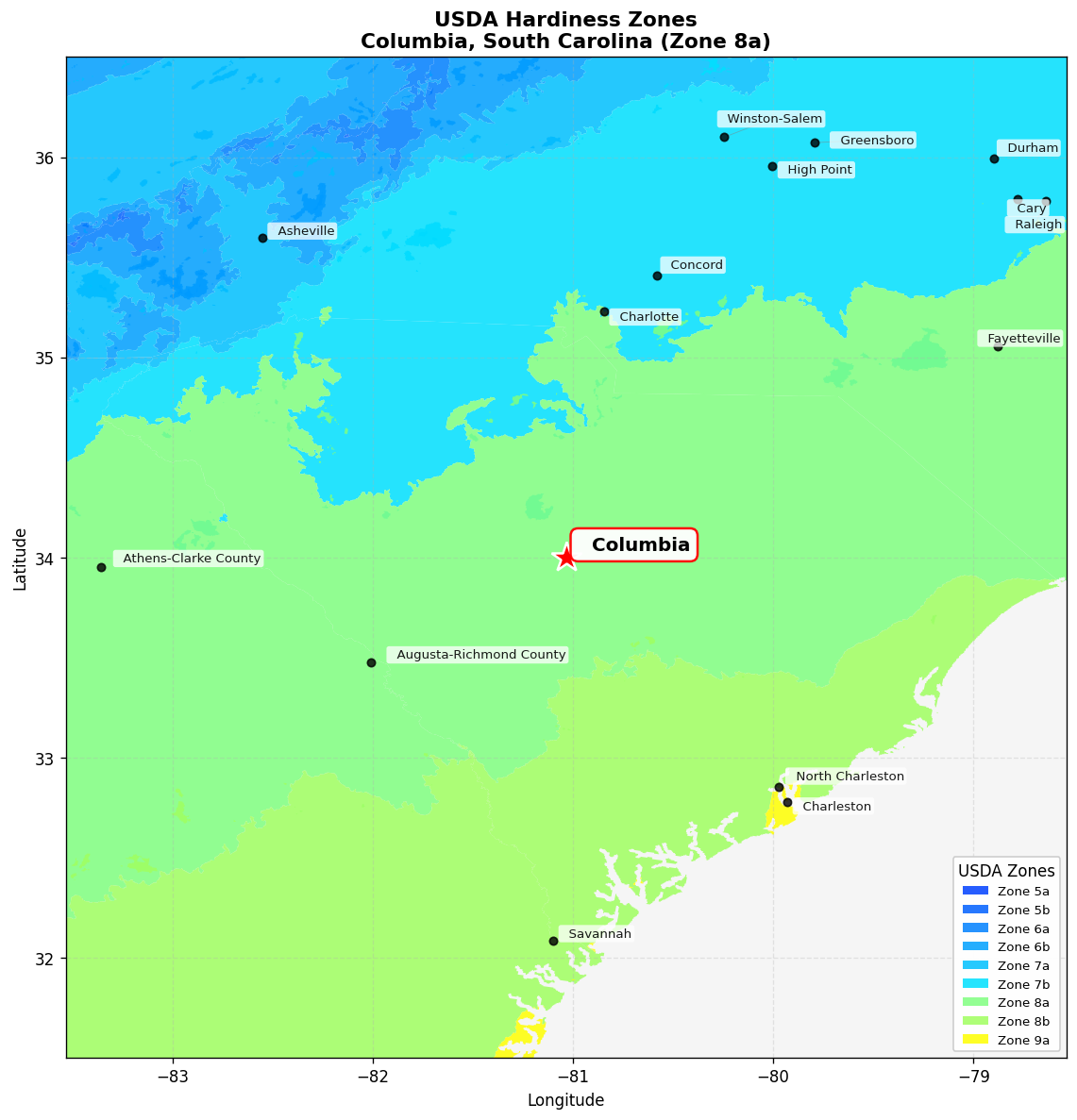
USDA Zone 8a
Hardiness zone for Columbia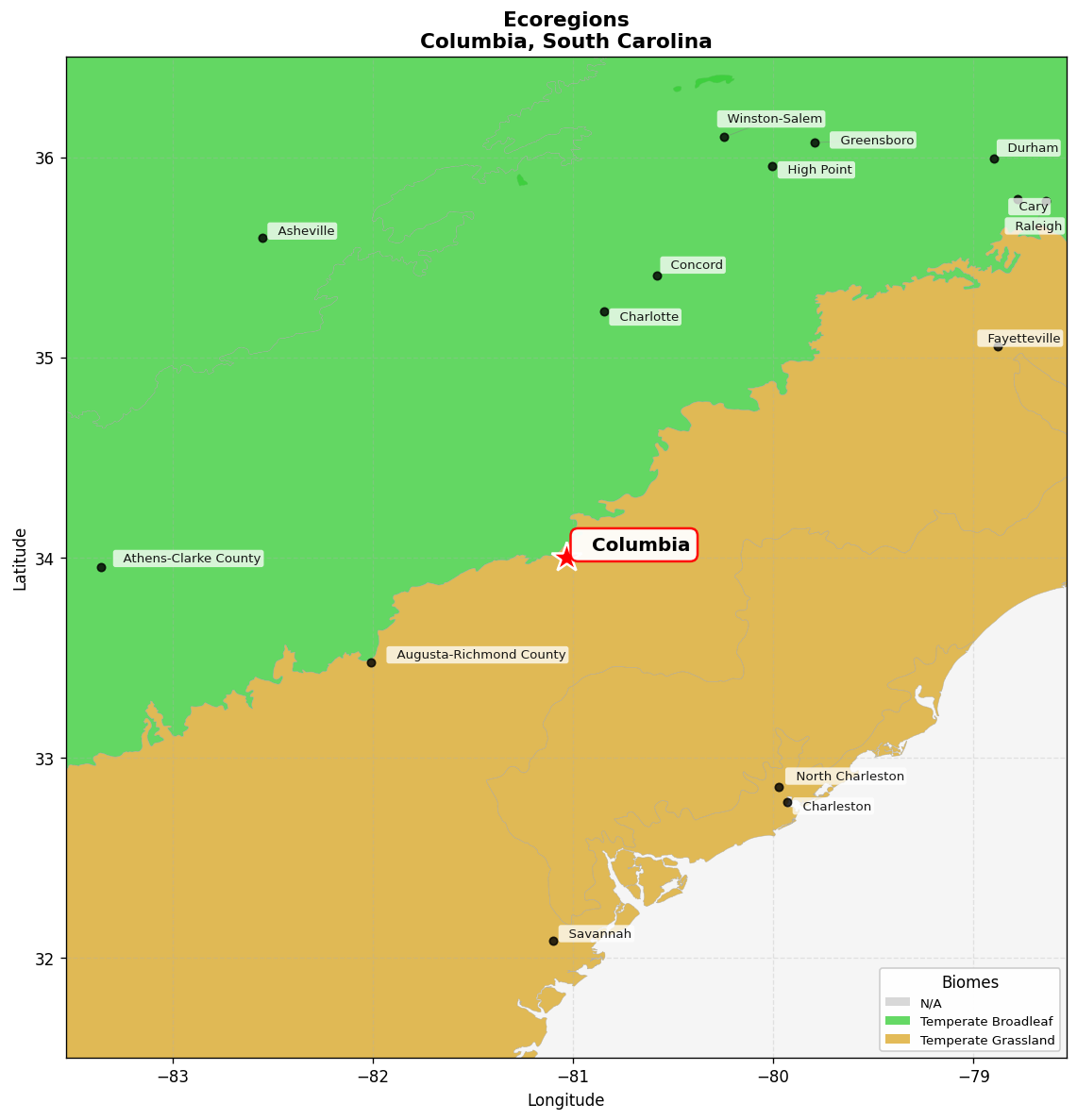
Southeast US conifer savannas
Native ecoregionFrequently Asked Questions
How much does a cottage garden cost in Columbia, SC?
Midlands installation prices run roughly 10-20% below the national metro average, so cottage work is unusually affordable here. A front-yard border conversion of 300-500 sqft - bed shaping, compost amendment, roses, edging perennials and mulch - typically lands at $3,500-$9,000 installed. A cedar rose arbour is $1,800-$3,500, a full pergola $4,000-$6,500. A brick or flagstone path of 100-150 sqft runs $2,000-$5,500. A complete back garden with a terrace, an arch, a fountain and wrap-around borders generally falls between $18,000 and $45,000. Doing the planting yourself and buying only hardscape labour usually cuts 35-45% off those numbers.
Can I actually grow lavender and English roses in Columbia's humidity?
Yes, but you have to choose for the climate. English lavender such as Lavandula angustifolia 'Munstead' or 'Hidcote' usually dies of crown rot in its second Columbia summer. Lavandula x intermedia 'Phenomenal' and Lavandula stoechas 'Anouk' are the two that hold up, and both want a raised bed, gravel or sand mixed into the backfill, and full sun with air moving through. On roses, skip grafted hybrid teas and plant own-root, disease-resistant selections: Rosa 'Peggy Martin' for arbours, Rosa 'Belinda's Dream', Rosa 'Mutabilis' and Rosa 'Ducher' for borders, Rosa banksiae 'Lutea' where you need 20 feet of coverage fast. These bloom through a Midlands August without a weekly fungicide routine.
When should I plant a cottage border in the Midlands?
October through early December is the best window by a wide margin. Roots establish through Columbia's mild, wet winter and the plants are settled before the first 90°F day, which usually arrives in early May. Late February to mid-March is the second-best window and the right time to set out bare-root roses. Avoid planting from June through mid-September: with 75 days a year above 90°F and warm nights, even irrigated new plants stall. Foxgloves, larkspur, snapdragons and pansies should be set out in October and treated as cool-season plants that finish in June.
How do I fix Columbia's Sandhills sand or Piedmont clay for a flower border?
Which one you have depends on the Fall Line. East and north of downtown - Forest Acres, Spring Valley, Wildewood, Blythewood, Elgin - you are on deep Carolina Sandhills sand: till three to four inches of compost into the top eight inches, plan on an inch of pine bark fines every spring, and expect to irrigate more often because water simply leaves. West and northwest - Irmo, Chapin, Lexington, Cayce - you are on Piedmont red clay: do not dig a hole and backfill with soft mix, because it becomes a sump. Build borders up 6-10 inches with a bermed blend of native soil, compost and coarse sand, which is what keeps Nepeta x faassenii 'Walker's Low', Achillea 'Moonshine' and lavender alive through a wet January.
What stops black spot on roses in Columbia?
Design, not chemistry. Give every rose at least six hours of direct sun with the morning sun hitting it first so leaves dry early, leave 30-36 inches of open air between shrubs instead of the 18 inches nurseries imply, water with drip line or a soaker under the mulch, and never run overhead irrigation in the evening. Rake and bin fallen leaves rather than composting them. Then pick varieties that shrug it off - Rosa 'Belinda's Dream', Rosa 'Knock Out', Rosa 'Peggy Martin' and Rosa 'Mutabilis' all hold foliage through a Columbia July. Underplanting with Nepeta or Salvia farinacea 'Henry Duelberg' rather than dense mulch-hugging groundcover also helps airflow at the base.
Do I need a permit for a cottage garden project in Columbia?
Planting, bed shaping, mulch, paths and free-standing arbours generally need no permit anywhere in the metro. Permits come into play for fences above certain heights, retaining walls, pergolas attached to the house, and anything that changes drainage - and the thresholds differ between the City of Columbia, Richland County, Lexington County, Forest Acres, Cayce and West Columbia. If your property sits inside a designated historic district such as Shandon, Elmwood Park or Waverly, exterior fence and structure changes may also go through design review. Since the October 2015 flood, stormwater questions get asked earlier than they used to, so confirm the rules for your parcel with your municipality before you build anything vertical or move grade.
How much water does a Columbia cottage garden need?
Less than people expect, if it is built right. Columbia gets about 46 inches of rain a year, but it arrives unevenly - a soaking thunderstorm followed by ten dry days is a normal July pattern. Established borders on amended soil with two to three inches of pine bark mulch do well on two deep soakings a week, roughly one inch of water each time, delivered by drip before 9am. New plantings need that three times a week through their first summer. A single drip zone for a front border installs for about $1,200-$3,000. Keeping irrigation on drip rather than spray also keeps foliage dry, which is the same thing that keeps black spot and powdery mildew out of the roses.