4 Modern Landscape Ideas for Concord, CA | Low-Water Designs for Zone 9b Heat
Native plants from the California interior chaparral and woodlands (Zone 9b) — Mediterranean (warm summer) climate
Why Modern/Minimalist Gardens in Concord?
Concord's climate already suits a modern landscape. Summers are long and dry: July afternoons average about 87°F, around 45 days a year reach 90°F or more, and the city gets about 18 inches of rain a year, nearly all of it from November to April. A modern design (clean lines, a few strong plants repeated, gravel and concrete doing the structural work) suits that pattern. It does not need summer rain to look finished, and it looks deliberate in August when a lawn has gone patchy.
The house stock is ready for it. Concord grew from about 7,000 people in 1950 to over 85,000 by 1970, and much of the city is low, horizontal 1950s and 1960s ranch housing with long rooflines and broad front yards. Those houses read as mid-century once the lawn is replaced by a decomposed granite field, a run of steel edging and three or five sculptural plants. The hillside 1970s and 1980s homes up toward the Clayton Valley foothills have the other modern asset: a view of Mount Diablo, and a restrained garden keeps it clear.
The plant palette is wide because winters are mild. Concord averages fewer than four nights a year at or below 32°F, January lows sit around 41°F, and the record low is 24°F. That puts Agave 'Blue Glow', Agave parryi var. truncata, Hesperaloe parviflora 'Brakelights', Dasylirion wheeleri and Olea europaea 'Little Ollie' comfortably in range, along with the grasses that give a modern garden movement: Muhlenbergia rigens, Bouteloua gracilis 'Blonde Ambition' and Lomandra longifolia 'Breeze'. The Ruth Bancroft Garden, a few minutes away in Walnut Creek, has been growing many of these on the same climate since the 1970s, and it is worth a visit before you choose.
The constraints are clay and heat reflection. Valley-floor clay here drains slowly in winter and shrinks in summer, so concrete pads need a proper compacted base and agaves need a mound of gravelly soil, not a hole dug into adobe. The ground never freezes, so frost depth is effectively zero; clay movement is what moves paving. Big expanses of pale concrete and gravel also throw heat back at the house on a 100°F afternoon, so plan one canopy tree, such as Arbutus 'Marina' or Chilopsis linearis 'Bubba', on the west side. Concord is served by the Contra Costa Water District, which pays $1 per square foot of lawn replaced (up to $2,000 for a single-family home), and a modern layout meets its rules easily if you keep artificial turf and solid paving to the permitted share of the converted area.
4 Modern/Minimalist Design Ideas for Concord

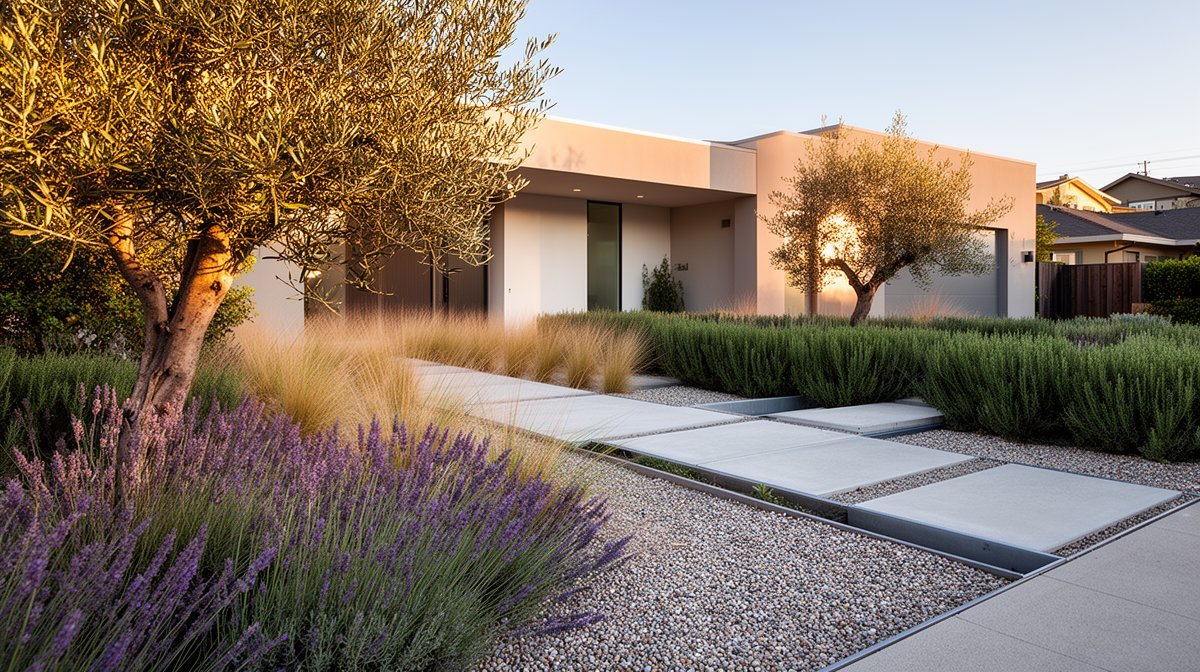
AI-generated image
The Ranch-House Gravel Field
$22–40/sqftA long, low 1960s ranch house gets a front yard of compacted decomposed granite, cut by a wide poured-concrete walk that runs straight from the driveway to the door. Three blue agaves and a row of red yucca sit in a raised gravel bed along the house, a band of deer grass softens the street edge, and a single small olive at the west corner throws afternoon shade across the picture window.

AI-generated image
The Corten Terrace Steps
$45–80/sqftA sloping front yard below a two-story hillside house is cut into three level terraces held by weathering-steel retaining planters. Each terrace carries one repeated plant: silver dasylirion on the top step, a grass on the middle, a low manzanita on the bottom, with large-format concrete pavers stepping up the center. The south-facing slope takes full sun all day, which suits every plant on the list.

AI-generated image
The Mount Diablo View Deck
$50–90/sqftA back garden with an eastern view of Mount Diablo gets a low concrete-paver terrace, a built-in gas fire table and a long board-formed concrete bench. The planting stays low so it never blocks the mountain: blocks of a single grass, a few spiky accents, and one multi-trunk tree placed to the west to shade the terrace from the late-afternoon sun.

AI-generated image
The Narrow Courtyard Entry
$35–65/sqftA small front yard on a downtown infill or townhouse lot becomes a walled courtyard: a smooth stucco wall at sitting height, a rectangle of black gravel, and a single sculptural tree underplanted with a grass and a low silver shrub. The wall shades the gravel in the morning and the tree takes the afternoon sun off the front door.
See how a modern/minimalist garden looks on YOUR property
Upload a photo of your Concord yard and visualize your dream garden in seconds.
Try ProScapeAI Free

AI-generated image
Featured Trees & Shrubs for Modern/Minimalist Gardens
Browse all 197 plants for Concord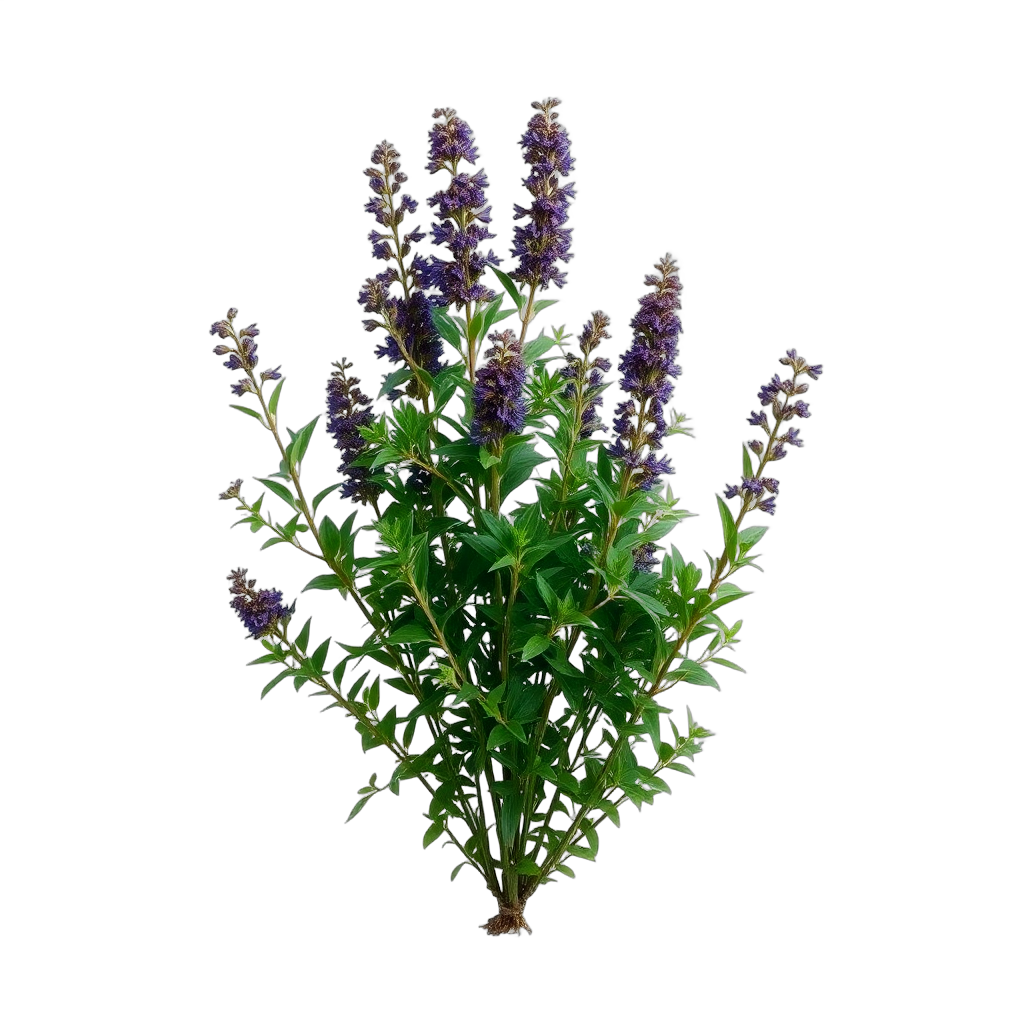
Black Sage
Salvia mellifera
grows to 4 feet, white blooms in spring. Attracts butterflies.
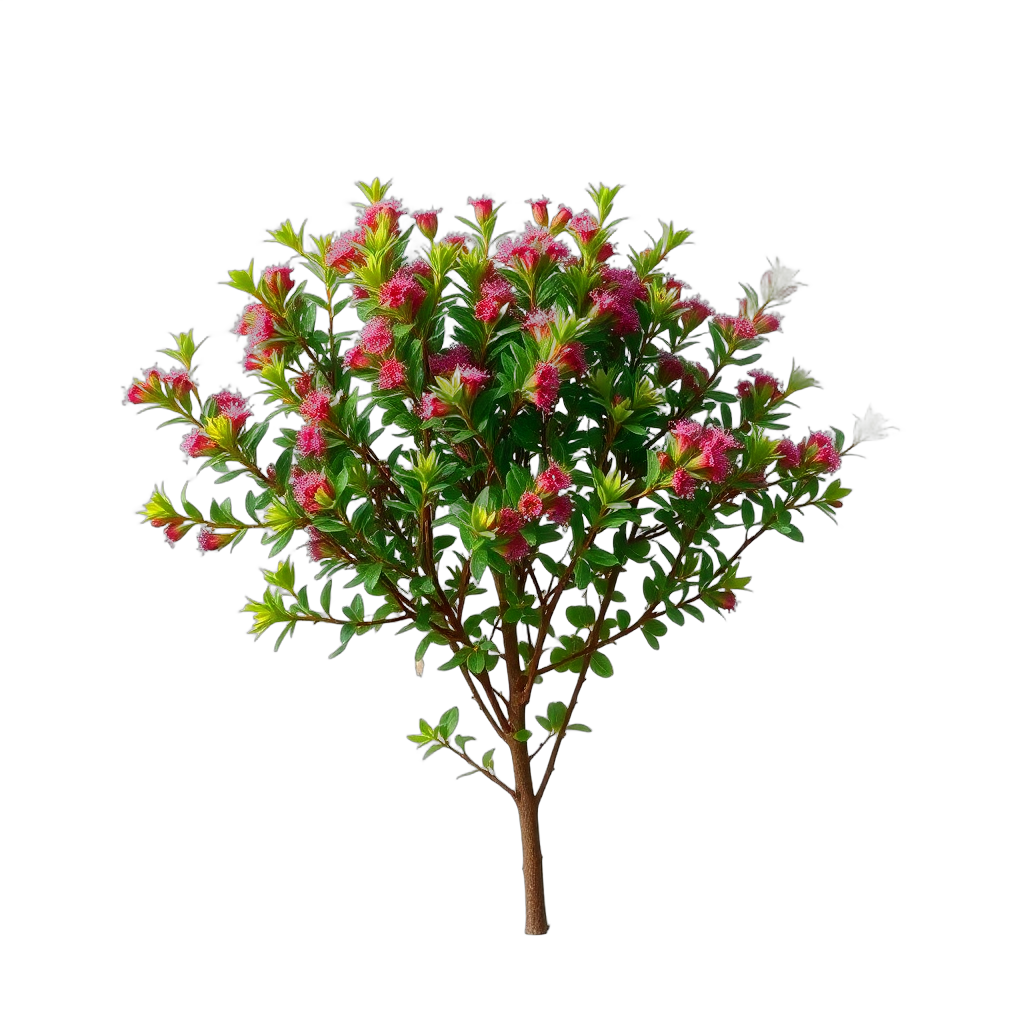
Buckbrush
Ceanothus cuneatus
medium-sized at 7 feet, white blooms in spring. Attracts butterflies.
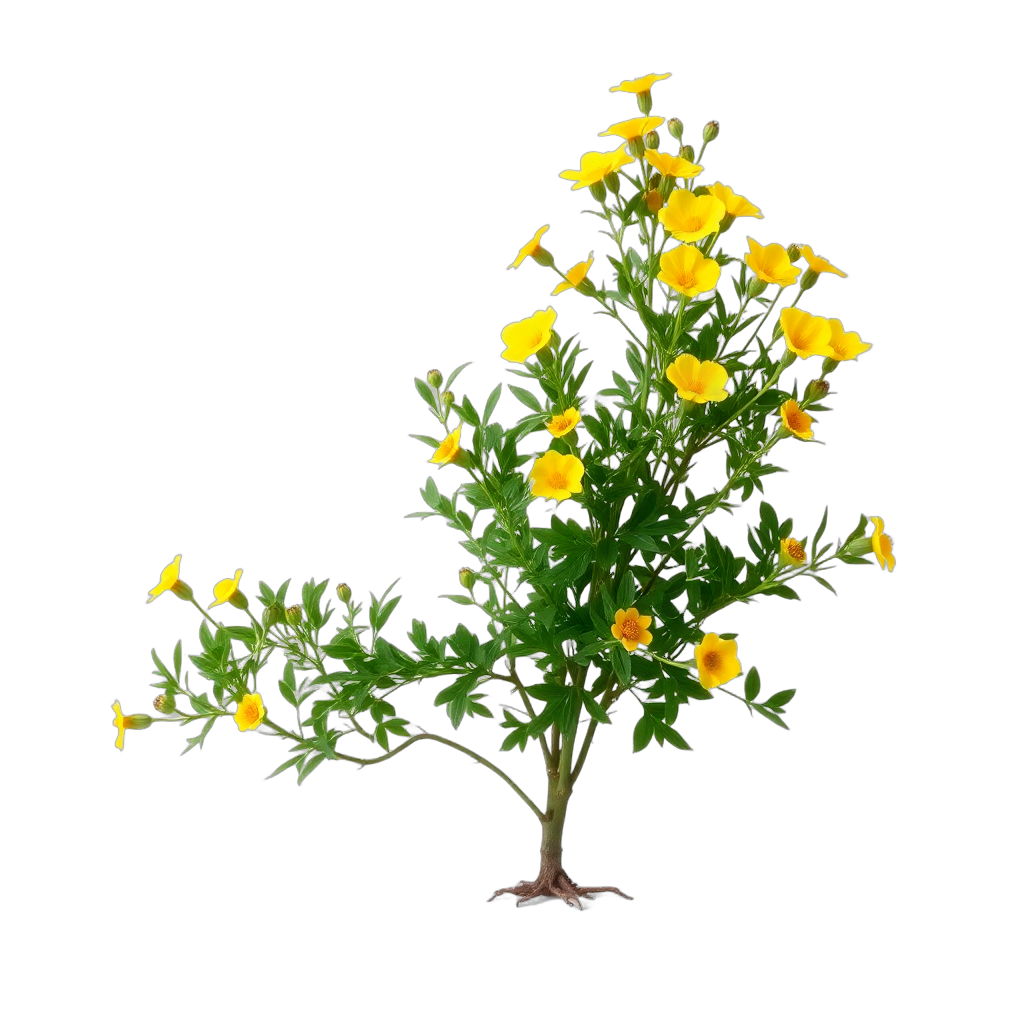
Bush Poppy
Dendromecon rigida
grows to 6 feet, yellow blooms in spring. Pollinator-friendly.
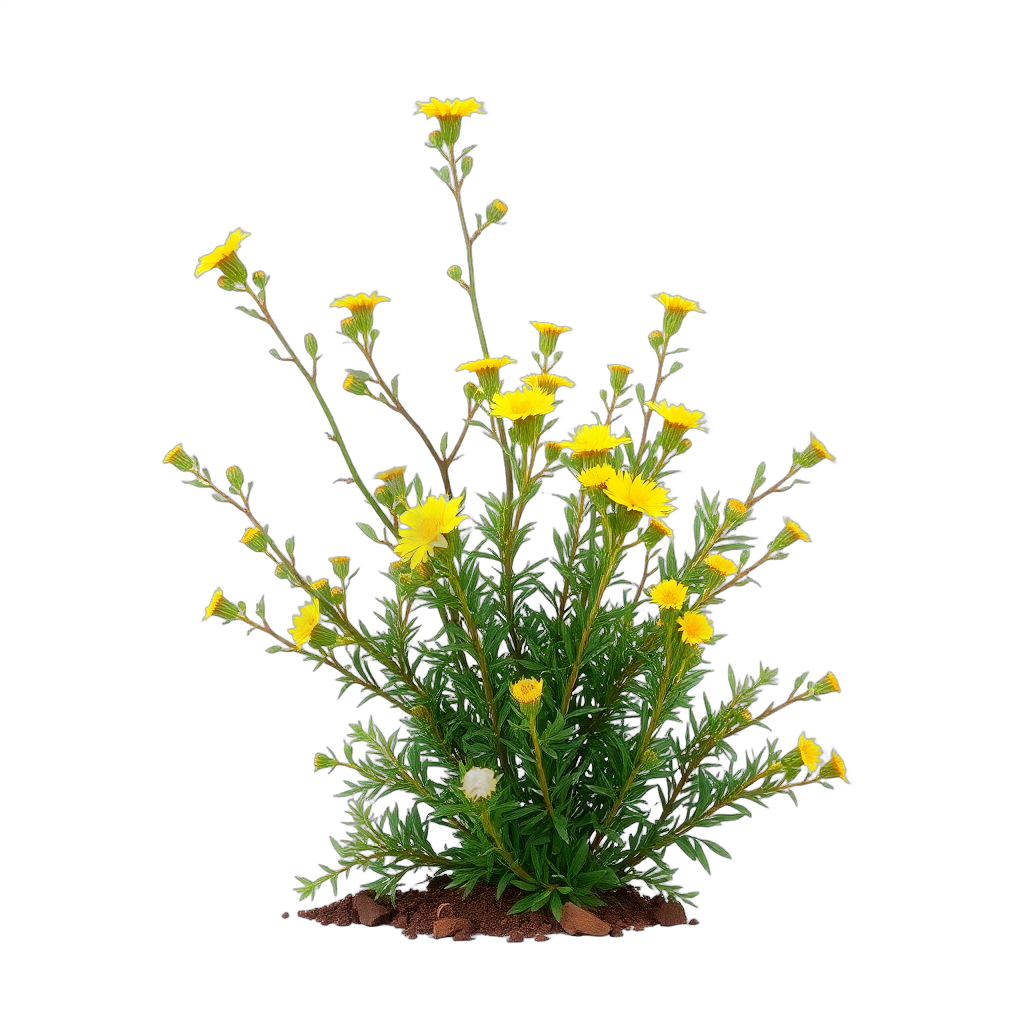
California Brittlebush
Encelia californica
grows to 4 feet, yellow blooms in spring. Attracts butterflies.
Featured Grasses & Groundcovers for Modern/Minimalist Gardens
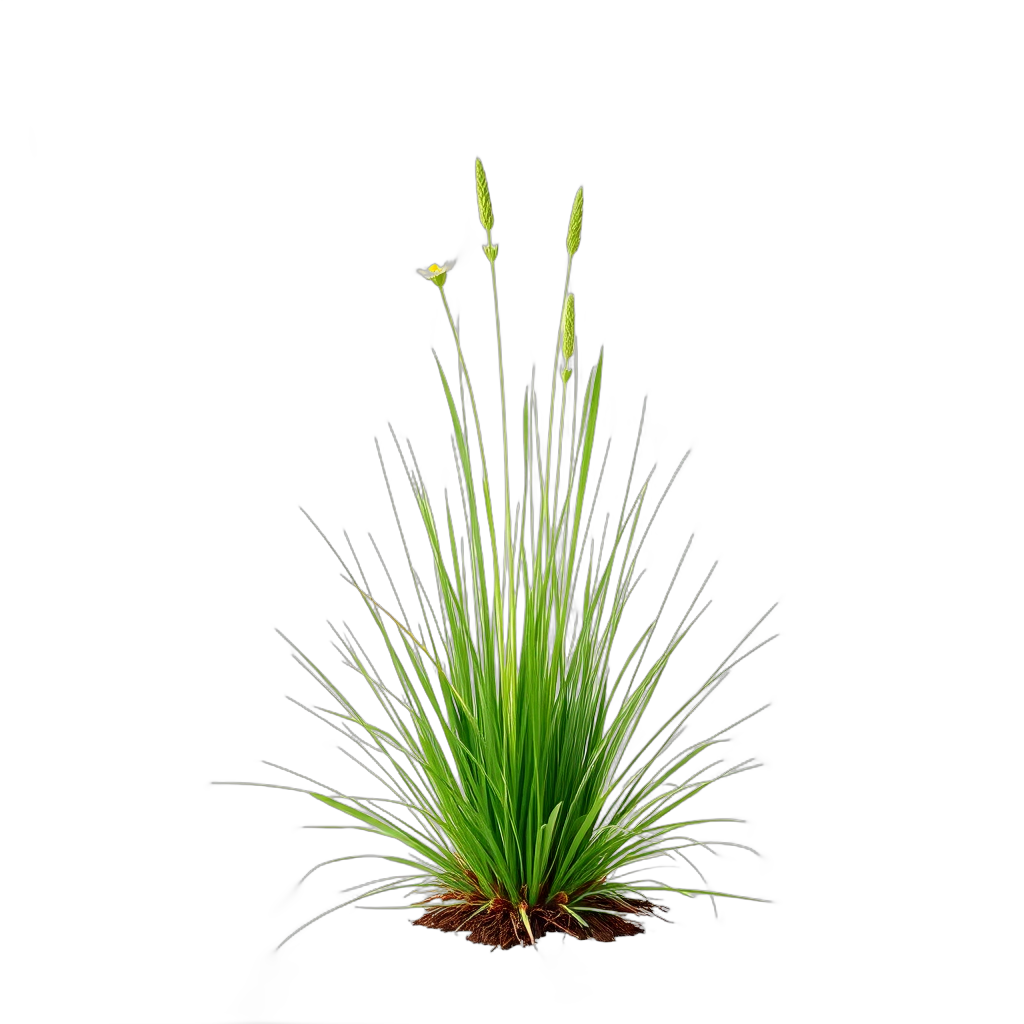
California Brome
Bromus carinatus
low-growing ground cover, blooms in spring. Yellow fall color.
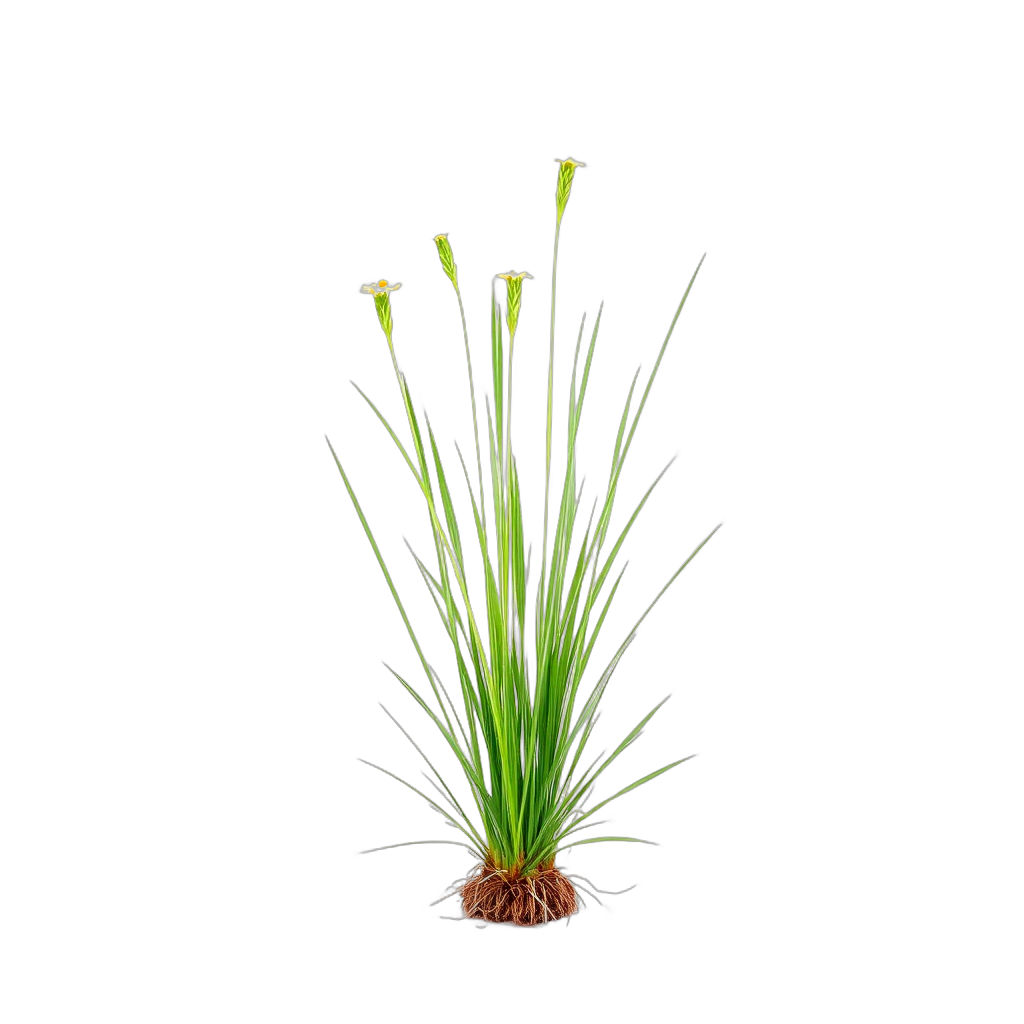
California Melic
Melica californica
low-growing ground cover, blooms in spring.
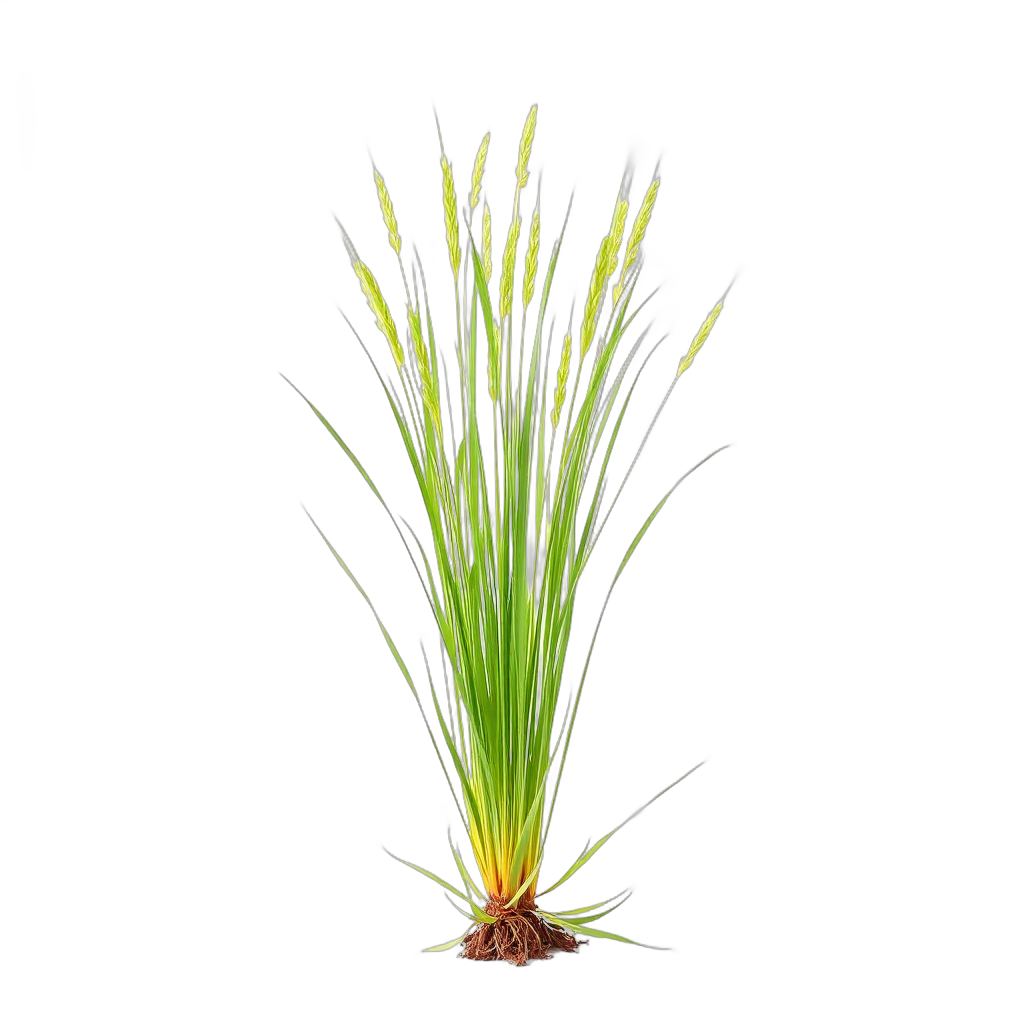
California Oatgrass
Danthonia californica
low-growing ground cover, blooms in spring. Yellow fall color.
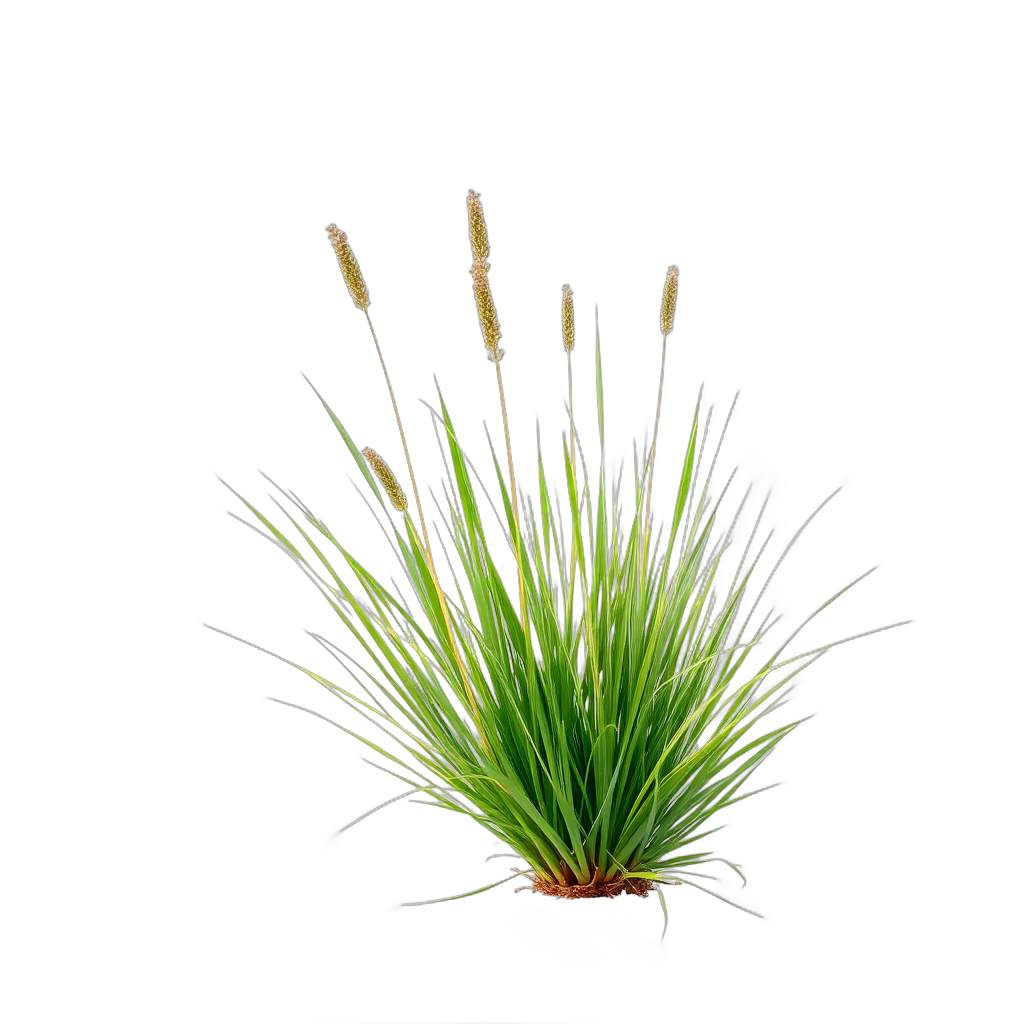
Deer Grass
Muhlenbergia rigens
grows to 3 feet, yellow blooms in fall. Evergreen year-round.
Featured Flowers & Perennials for Modern/Minimalist Gardens
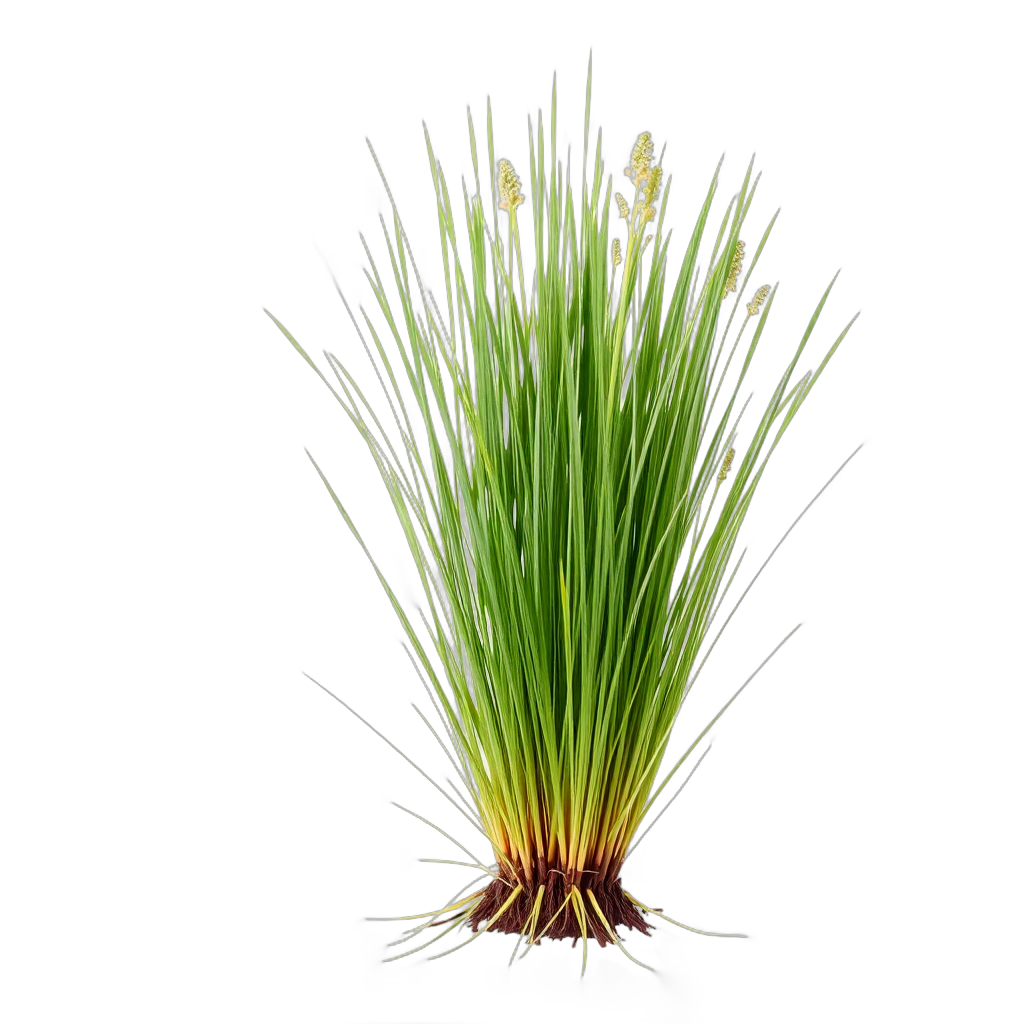
California Gray Rush
Juncus patens
low-growing ground cover, blooms in summer. Evergreen year-round.
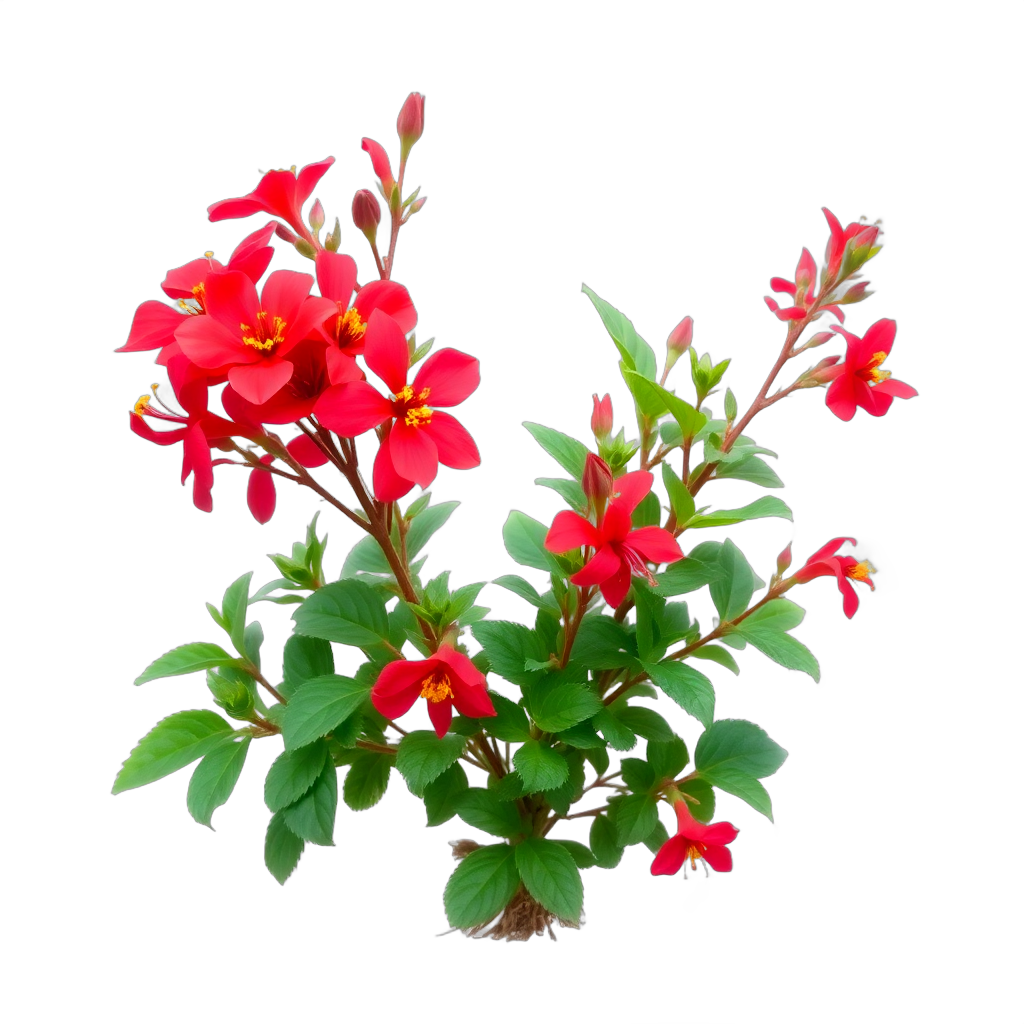
California Fuchsia
Zauschneria californica
low-growing ground cover, red blooms in fall. Attracts hummingbirds.
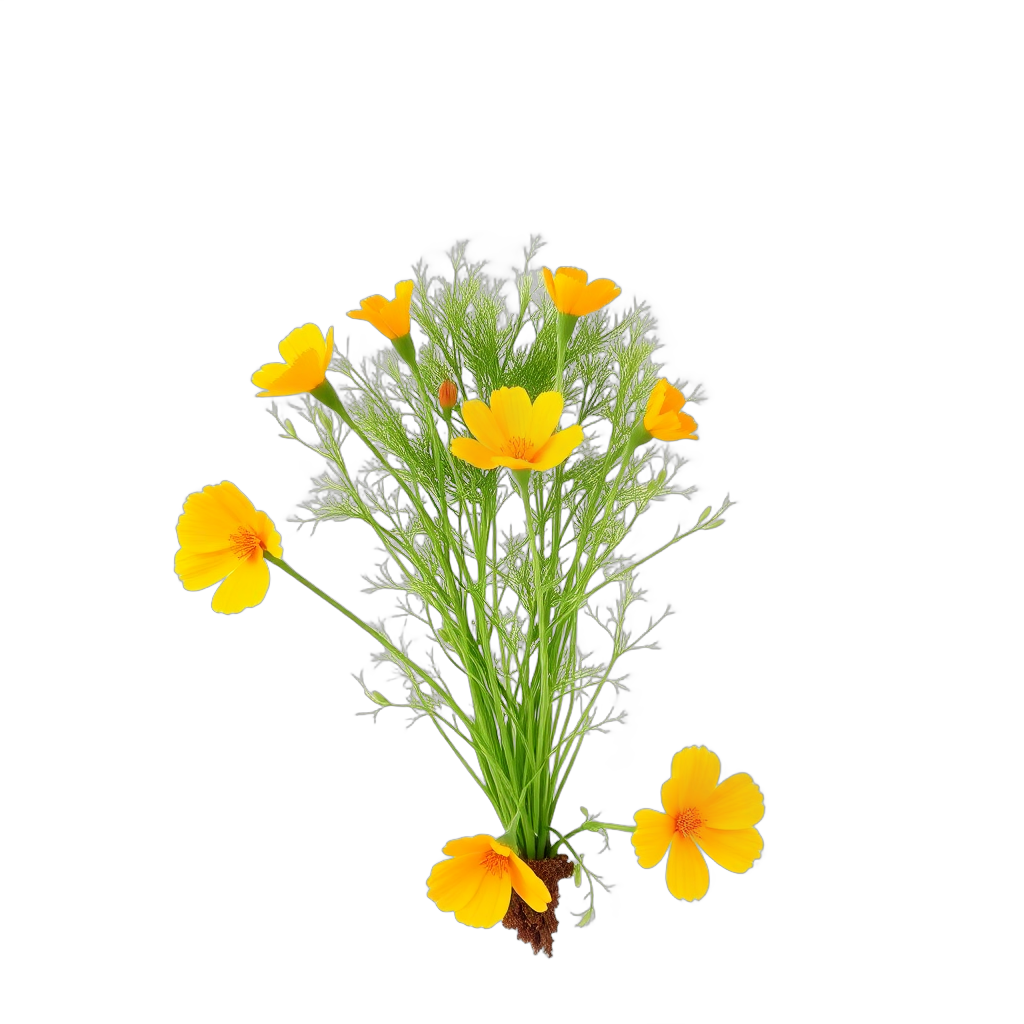
California Poppy
Eschscholzia californica
low-growing ground cover, orange blooms in spring.
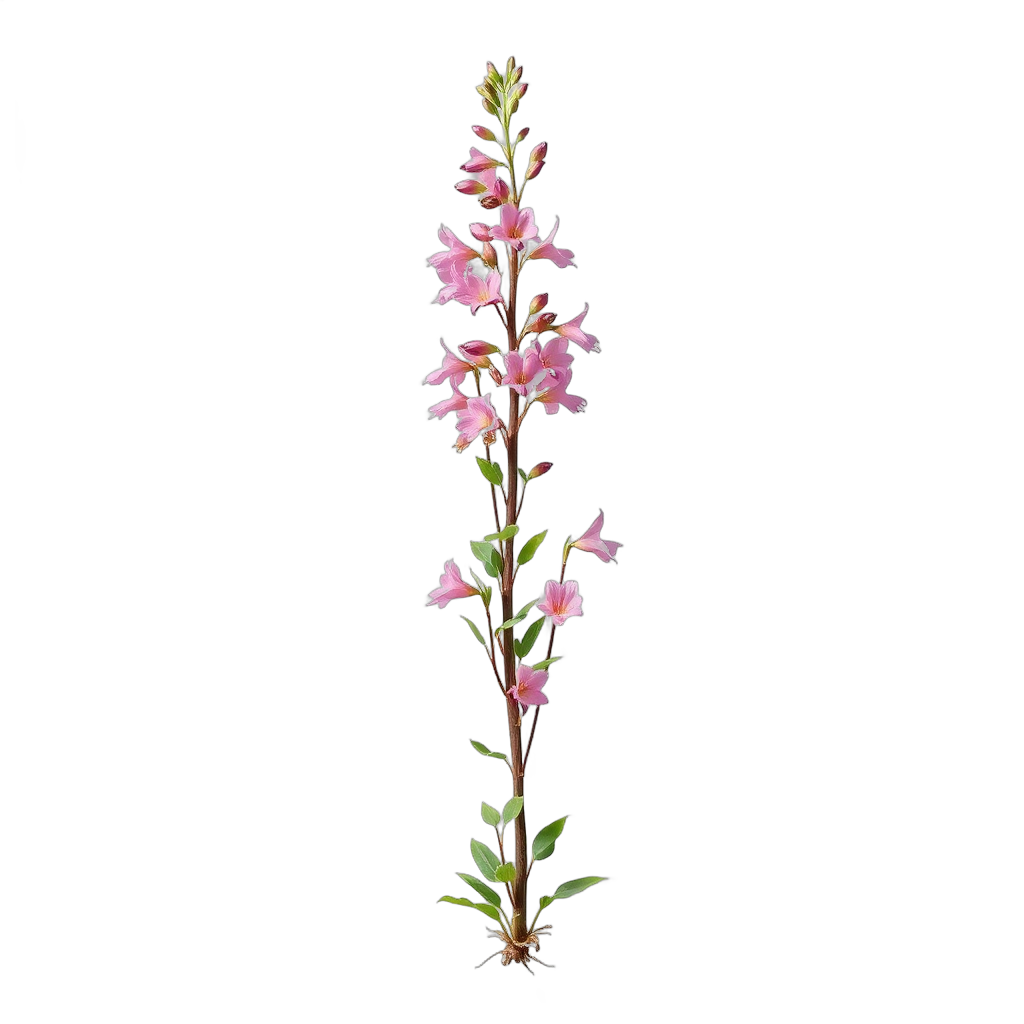
Foothill Penstemon
Penstemon heterophyllus
low-growing ground cover, blue blooms in spring. Attracts hummingbirds.
Zone and sun checks come from our database — confirm with your local nursery before you buy.
Bloom Calendar for Concord
spring
California Poppy, Foothill Penstemon, Foothill Sedgesummer
California Gray Rush, Black Sage, California Buckwheatfall
California Fuchsia, Deer Grasswinter
Limited bloomsDesign Tips for Concord (Zone 9b)
- Mound succulents and grasses 8–12 inches above the valley clay in a gravelly mix; agaves and dasylirion in Concord die of a wet February in adobe far more often than of cold.
- Place one canopy tree, such as Arbutus 'Marina' or Chilopsis 'Bubba', on the west side of any large gravel or concrete area; on Concord's 45-odd days above 90°F, pale paving throws heat straight back at the house.
- Keep artificial turf and solid paving to 20 percent or less of any lawn area you convert if you want the CCWD Lawn to Garden rebate, and wait for the Notice to Proceed before starting.
- Use decomposed granite or 3/8-inch gravel as the mulch layer: it counts toward CCWD's 2-inch mulch rule and keeps the crowns of agave and hesperaloe dry.
- Keep soft-leaved succulents such as Agave attenuata and aloes in movable pots; the mid-20s nights Concord gets once every few winters will mark them in the ground.
- On a view lot, keep planting below eye level from the terrace and use repeated low grasses like Muhlenbergia 'Regal Mist', so Mount Diablo stays the focal point.
- Pour concrete and set pavers in the morning in summer, and give every slab at least 4 inches of compacted base with control joints so clay movement does not crack it.
Where to Source Plants in Concord
Skip the big-box stores. These independent Concord nurseries specialize in the plants that make modern/minimalist gardens thrive in Zone 9b.
Ruth Bancroft Garden & Nursery
Walnut Creek (Bancroft Road, just over the Concord line)
Nonprofit dry garden with a nursery selling waterwise plants from 2-inch pots to 15-gallon: California natives, succulents, cacti, trees and a large range of Protea, Leucadendron, Grevillea and Banksia
The Dry Garden Nursery
North Oakland (Shattuck Avenue)
Drought-tolerant, rare and unusual plants: agaves, aloes, architectural specimens and dry-climate trees, plus xeriscape design advice
Orchard Nursery
Lafayette (Mt. Diablo Boulevard)
Family-owned nursery open since 1946, with a rose list, fruit trees and edibles, succulents and cacti, and a broad general plant yard
Modern/Minimalist Landscaping Costs in Concord
| Project Scope | Estimated Cost |
|---|---|
| Front-yard modern conversion (turf removal, DG field, concrete walk, steel edging, drip, 500–600 sqft) | $13,000 – $26,000 |
| Poured concrete or large-format paver terrace (300–500 sqft) | $14,000 – $36,000 |
| Corten steel retaining planters on a hillside front yard | $18,000 – $45,000 |
| Back terrace with gas fire table and board-formed bench | $30,000 – $70,000 |
| Low-voltage landscape lighting (12–20 fixtures) | $3,500 – $10,000 |
| CCWD Lawn to Garden rebate (credit back, single-family cap $2,000) | –$1.00/sqft |
| AI visualization (ProScapeAI) | Free to start |
Estimates based on Concord, CA-area contractor rates as of 2026. Actual costs vary by site conditions, materials, and contractor.
Concord Climate & Growing Zone
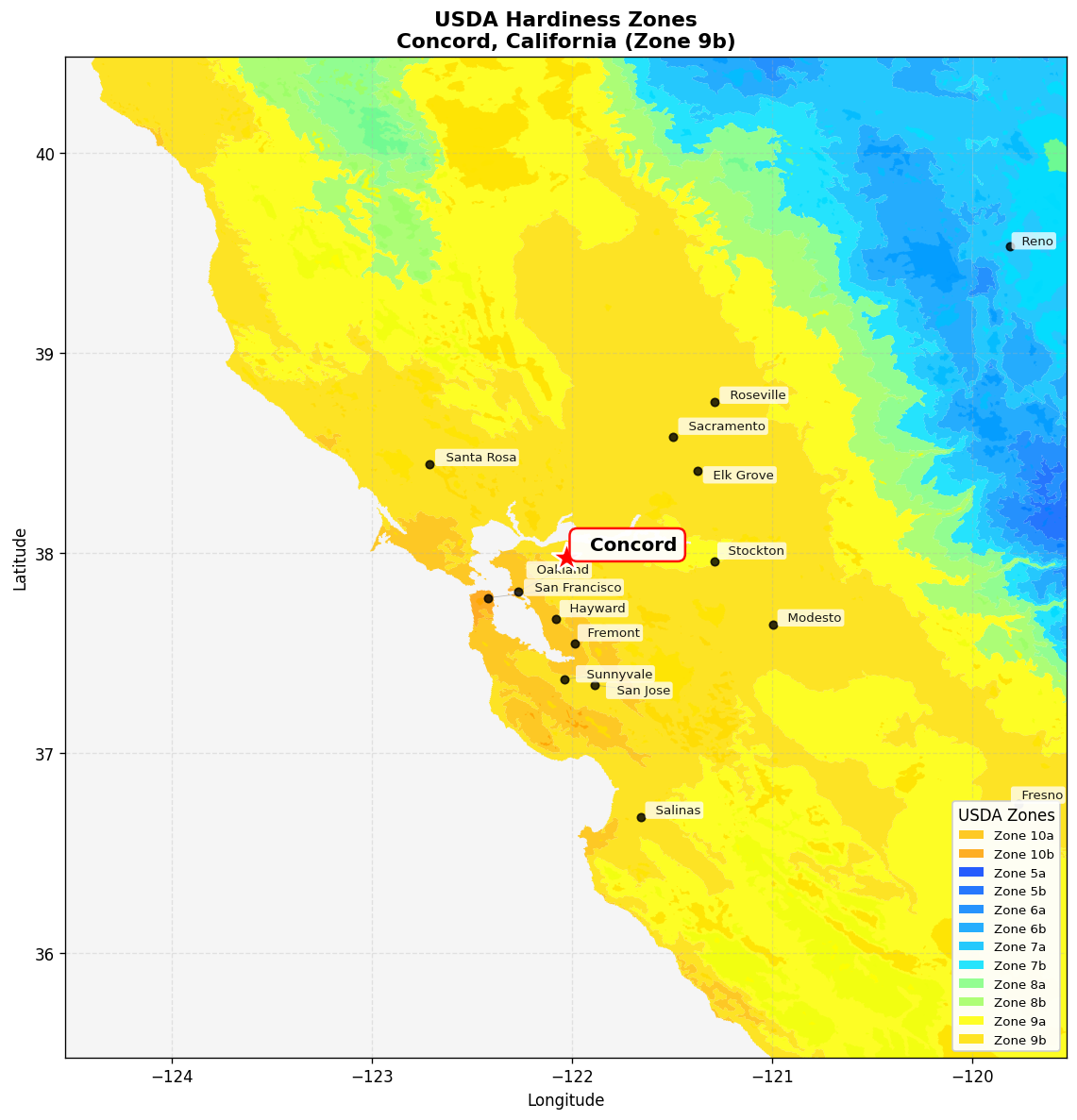
USDA Zone 9b
Hardiness zone for Concord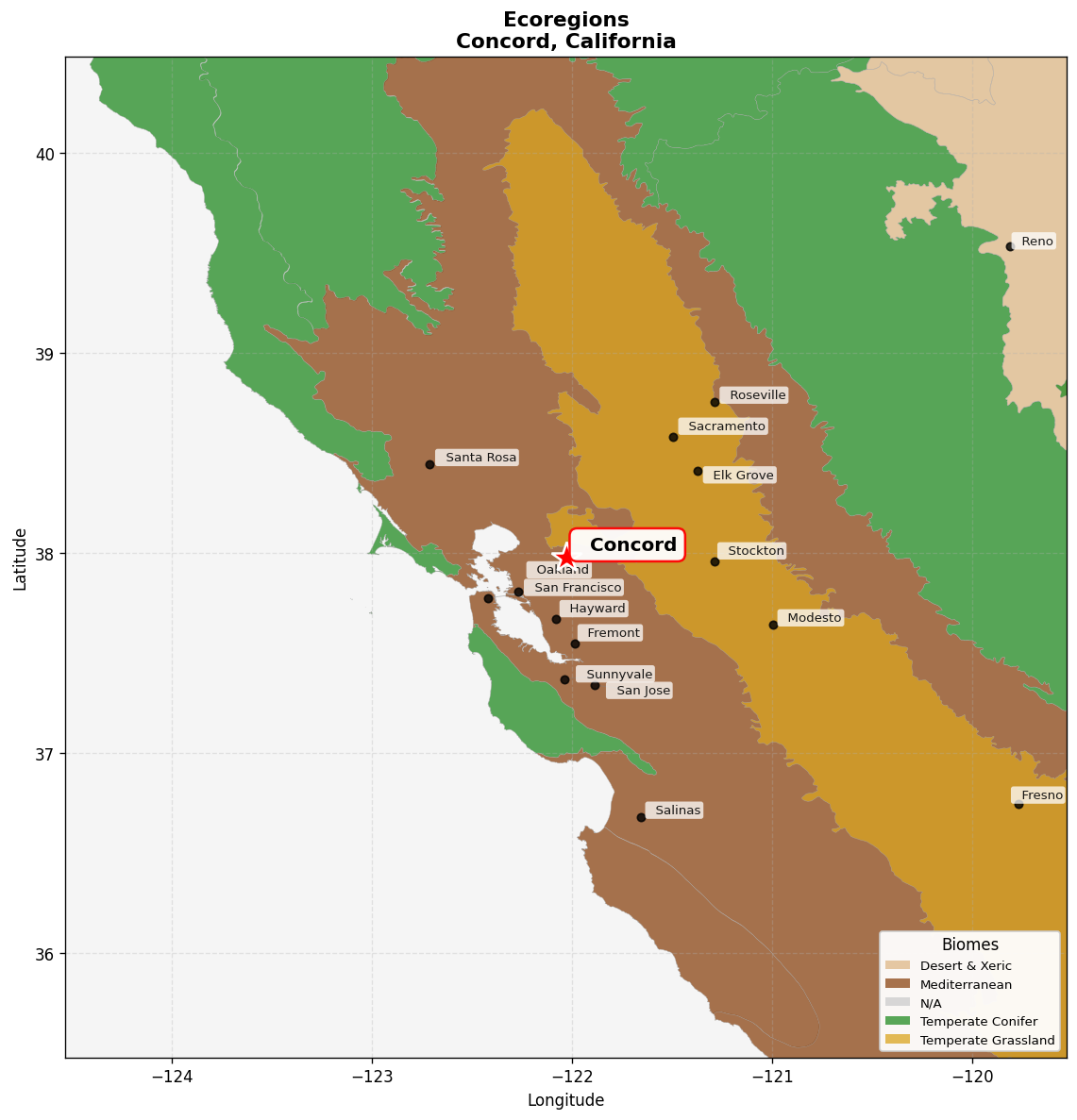
California interior chaparral and woodlands
Native ecoregionFrequently Asked Questions
How much does modern landscaping cost in Concord?
A front-yard modern conversion on a typical 500–600 square foot Concord lot (turf removal, decomposed granite or gravel, a concrete walk, steel edging, drip and architectural plants) runs about $13,000 to $26,000 installed, roughly $22 to $40 per square foot. A back terrace with a fire feature and a built-in bench lands between $30,000 and $70,000. Retaining work on a hillside lot pushes costs to $45 to $80 per square foot. Hardscape is the big variable, and the Contra Costa Water District Lawn to Garden rebate returns $1 per square foot of lawn replaced, up to $2,000.
Is a modern garden low maintenance in Concord's heat?
Yes, if you choose plants that like it. Agave 'Blue Glow', Hesperaloe 'Brakelights', Dasylirion wheeleri and Muhlenbergia rigens need watering every week or two in their first summer on drip, then much less once rooted. The main jobs are cutting the grasses back in late winter, raking leaves off the gravel, and topping up the decomposed granite every few years.
Which modern plants handle Concord's winter cold?
Concord averages fewer than four frost nights a year and the record low is 24°F, so most agaves, hesperaloe, dasylirion, olives and manzanitas are safe. The soft-leaved ones are not: Agave attenuata, most aloes and Aeonium are damaged in the mid-20s, so keep them in pots you can move under an eave, or plant them against a south wall. Agave parryi var. truncata is the reliable substitute for a soft blue rosette.
Can I replace my lawn with gravel or artificial turf and still get the CCWD rebate?
Partly. The CCWD Lawn to Garden rebate requires the converted area to reach at least 50 percent living plant cover once grown, with at least 2 inches of mulch, and artificial grass or non-permeable surfaces can cover no more than 20 percent of the rebated area. Gravel and decomposed granite count as mulch between plants. Apply and wait for the district's Notice to Proceed before removing anything, because projects already underway are not eligible.
When should I start a modern landscape project in Concord?
Build the hardscape in late summer or early autumn when the clay is dry and workable, and plant from October to March so roots establish on winter rain. Concrete poured on a 100°F afternoon cures badly, so schedule pours for the morning in summer, and avoid trenching saturated clay in January.
Do I need a permit for a modern landscape in Concord?
Paving and planting usually do not, but retaining walls above a certain height, gas lines to a fire feature, electrical work and fences or walls near the street generally involve City of Concord permits or rules, and many newer tracts have HOA design review. California's Model Water Efficient Landscape Ordinance also applies to new landscapes of 500 square feet or more and to permitted rehabilitations of 2,500 square feet or more. Check with the city before building.
How do I stop Concord's clay from cracking my concrete and drowning my agaves?
Give paving a compacted gravel base of at least 4 inches, with control joints, so the clay can shrink and swell without cracking the slab. For succulents, build mounds of a gravelly mix 8–12 inches above grade instead of digging into the adobe, which holds winter water. East Bay valley clays commonly test neutral to mildly alkaline, around pH 7 to 8, which agaves, hesperaloe and Olea 'Little Ollie' tolerate well.