4 Xeriscape Ideas for Corona, CA | Zone 9b Desert Landscape Design
Native plants from the California coastal sage and chaparral (Zone 9b) — Cold semi-arid climate
Why Desert/Xeriscape Gardens in Corona?
Corona is the Circle City — the three-mile loop of Grand Boulevard was platted in 1886 as a racetrack, and the 1920s bungalows inside that ring still sit on the deepest front yards in western Riverside County. Everything built since is a different animal: the barrel-tile-and-stucco tract homes of Eagle Glen, Chase Ranch, Mountain Gate and Dos Lagos, the hillside lots of Sierra Del Oro perched above the Santa Ana Canyon, and the Trilogy and Sycamore Creek streets spreading south into Temescal Valley. Those houses already speak the language of a dry climate — warm stucco, clay tile, deep eaves, wrought iron — which is why a xeriscape here never reads as a compromise. A field of gold decomposed granite with buff boulders and a blue Agave americana set against a tan wall looks like the yard the architect had in mind. A tall fescue lawn in front of the same elevation always looks borrowed from somewhere wetter.
Corona averages roughly 13 inches of rain a year, and essentially all of it falls between November and March. Reference evapotranspiration in this corner of the Inland Empire runs near 55 inches annually, so a landscape here loses more than four times what the sky delivers — and from June into October the gap is absolute: 93–96°F afternoons, several days above 105°F every summer, and months without a measurable drop. Winter is the easy half of the year. USDA Zone 9b means typical lows of 25–30°F, cold enough to scorch a tender Agave attenuata but nowhere near enough to trouble Agave parryi var. truncata, Yucca rostrata 'Sapphire Skies', Dasylirion wheeleri, Hesperaloe parviflora 'Brakelights' or Fouquieria splendens. Cold air drains, so the Temescal Valley pockets run a few degrees under the flats near the 91 — put anything marginal against a south-facing stucco wall and let the thermal mass do the work.
The ground under most of Corona is coarse alluvium washed off the Santa Ana Mountains: decomposed granite and gravelly loam that drains beautifully and holds almost no nutrition, interrupted by heavy clay pockets on the older flats toward the Santa Ana River and Temescal Wash. Dig a one-foot test hole, fill it, and time it. Drains in under four hours and you can set Agave ovatifolia and Echinocactus grusonii straight into native grade with a gravel collar; still holding water the next morning and you build a 12–18 inch berm and plant on the shoulder instead. Soil pH here generally sits between 7.5 and 8.2, which is why acid-loving imports sulk while chaparral natives — Eriogonum fasciculatum 'Warriner Lytle', Salvia clevelandii 'Winnifred Gilman', Arctostaphylos 'Howard McMinn' — take off with no amendment whatsoever. The other Corona constant is wind. The Santa Ana Canyon funnels cool marine air inland most evenings and, every autumn, the hot offshore Santa Anas that put the Cleveland National Forest edge of town inside a Very High Fire Hazard Severity Zone. That argues for low, fleshy, high-moisture-content plants and inorganic gravel in the first five feet around the house — and against junipers, pampas grass and Italian cypress anywhere near the walls.
Water is metered by Corona Department of Water and Power, and the rules quietly stopped being optional. California's Model Water Efficient Landscape Ordinance governs new and rehabilitated landscapes over 500 square feet that pull a permit, capping the irrigated share of the yard and requiring dedicated drip zones and a weather-based controller; AB 1572 is phasing out potable irrigation of purely decorative turf at HOA, commercial and institutional properties statewide. Turf-replacement rebates through SoCal Water$mart have run in the $2–5 per square foot range in recent years depending on funding, which on a typical 700-square-foot Corona front lawn is a real bite out of a conversion — but you have to apply and be approved before the sod comes out. The payoff is durable: a well-designed Corona xeriscape usually drops outdoor water use by 60–80 percent, and once a bed of Agave 'Blue Glow', Muhlenbergia rigens and Leucophyllum frutescens 'Green Cloud' has two years of root behind it, one deep drip cycle every two to three weeks carries it through August.
4 Desert/Xeriscape Design Ideas for Corona

The Ocotillo and Agave Front Yard
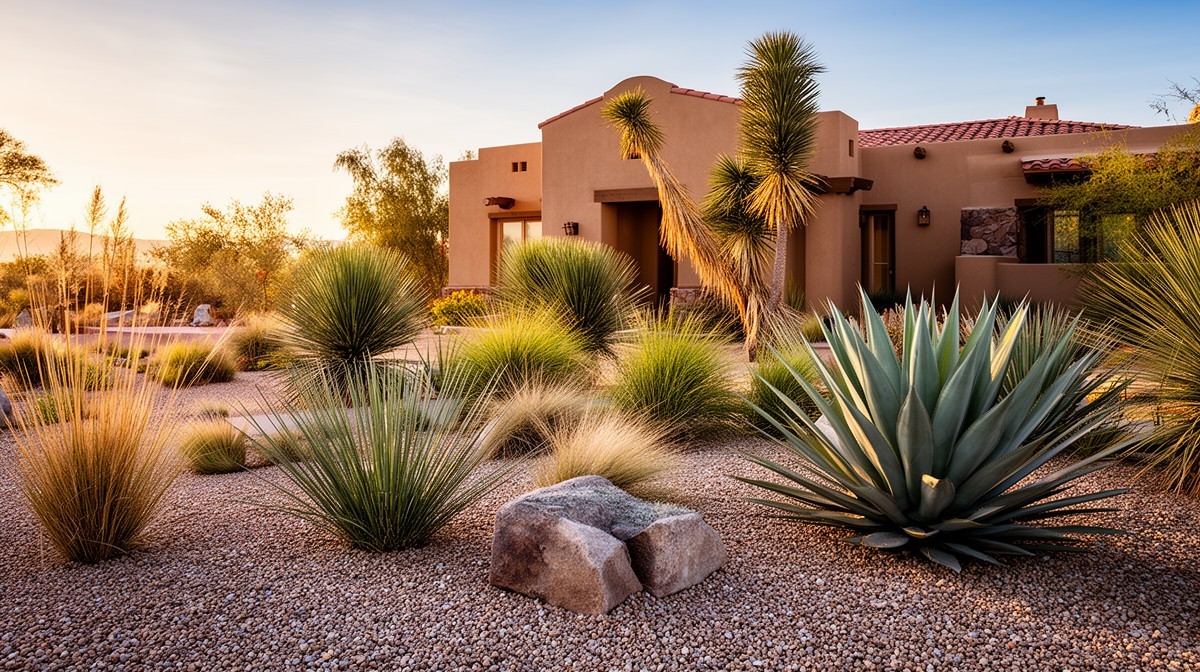
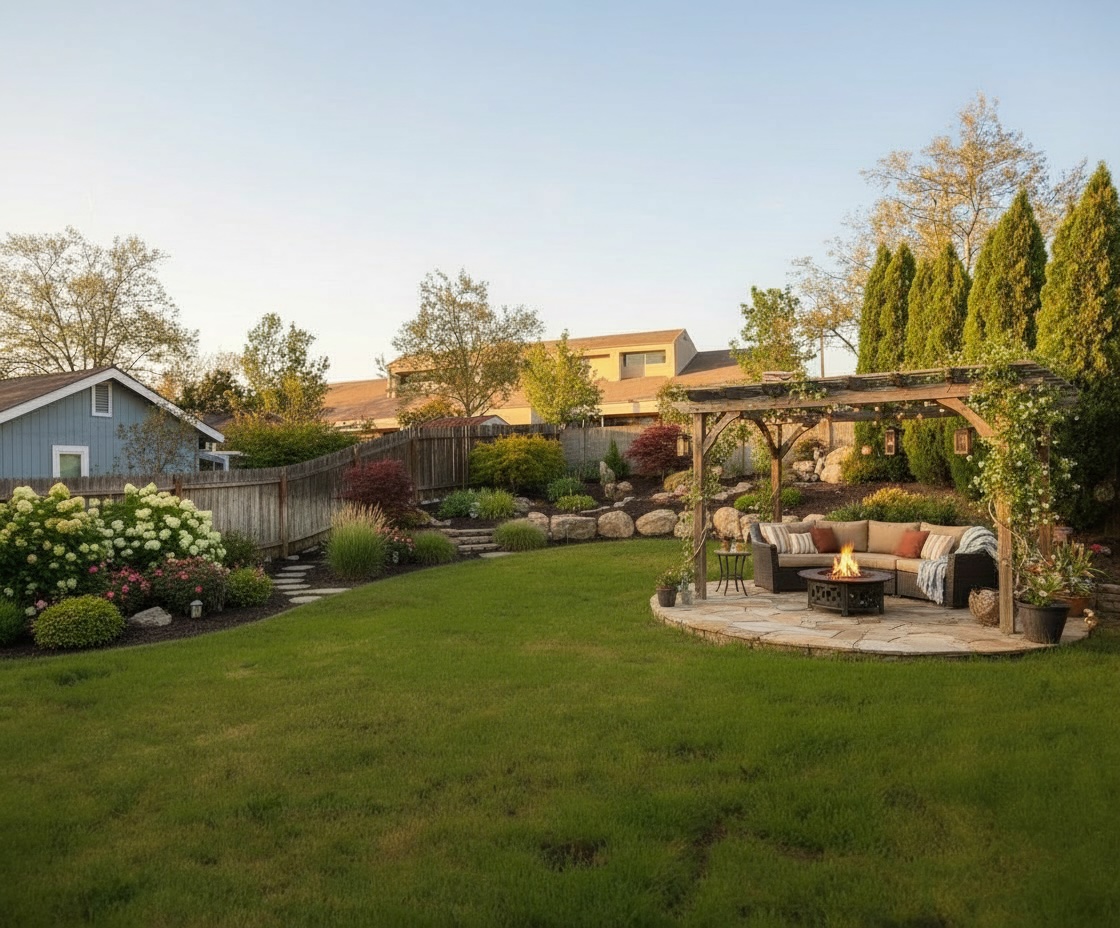
$8–16/sqftA single-story stucco home with a dark clay-tile roof and a wide concrete drive, with the front lawn gone entirely: a field of gold-tan decomposed granite runs from the sidewalk to a narrow dark-mulch strip at the foundation. The composition is deliberately sparse, which is what makes it read as design rather than neglect — three tall ocotillo are the only vertical events, their bare wands catching the last low sun, and everything else stays under knee height. Blue-gray agave rosettes are spaced far enough apart that each one reads as a specimen, small buff sandstone boulders sit buried a third deep so they look like they were always there, and loose tufts of golden bunchgrass are scattered through the gravel to keep the surface from looking swept. One straight concrete walk cuts from the drive to the front door. Nothing here is mowed, pruned or edged.

The Pepper Tree Courtyard Walk
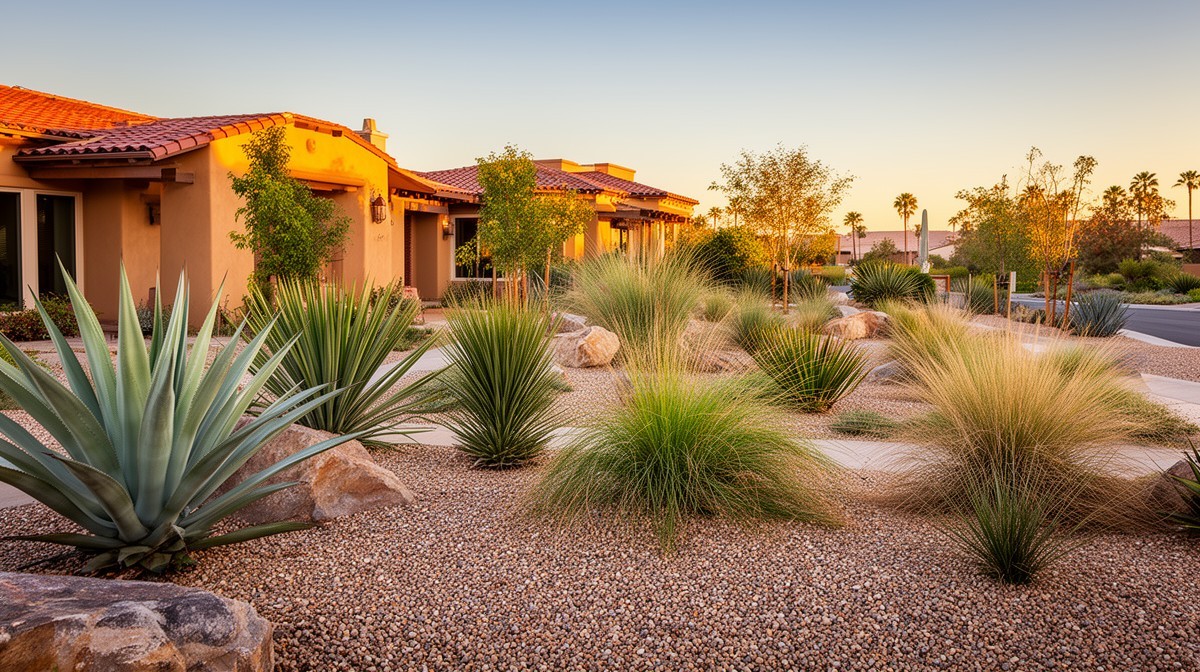
$10–18/sqftA tan stucco home with rust-red shutters and terracotta pots at the door, with one big weeping California pepper tree set just off-centre so its canopy shades the west wall through the worst of the afternoon. A curving broom-finished concrete walk edged with a clay brick soldier course sweeps from the driveway to the entry, and the gravel either side is worked in two tones — pale gold decomposed granite across the open sweeps, darker crushed rock in the planting pockets — so the yard keeps depth even where nothing is planted. A wide prickly pear clump anchors the left corner, a single blue agave sits alone in the gravel as the centrepiece, and flowering colour is disciplined into three tight pockets: magenta and purple beside the walk, red-orange on the right, white-blooming shrubs against the house. It is a xeriscape that still feels like a garden.

The Fire Bowl Gravel Room
$22–40/sqftA poured concrete pad the size of a small room floats in a sea of gravel behind a tile-roofed house, with a round precast concrete gas fire bowl at the centre and a low sectional plus two chairs pulled in tight around it. Bistro string lights run from the roofline out to the perimeter wall, so the ceiling of the room is light rather than structure — no patio cover, no shade sail, nothing for the Santa Anas to grab. All of the planting is edge work: large blue agave specimens march along both side walls at wide spacing, upright blue-green rush clumps and soft grass mounds fill between them, and octagonal flagstone pads step off the slab into the gravel toward the side yard. At sunset the whole room glows, because every surface in it is either pale concrete or silver-blue foliage.

The Boulder Waterfall Pool Terrace
$90,000–$220,000 (pool and full landscape)A freeform pool wraps around a stacked outcrop of quarried granite boulders with water sheeting off three faces, and the far side of the yard simply stops — no fence line in view, just the Santa Ana Mountains going orange at sunset. The deck is broad broom-finished concrete, kept almost bare so the boulders and the water carry the drama, with a linear gas fire table and a sectional set at the sunny end. The planting beds are dark shredded bark and gravel rather than lawn, and they are planted for silhouette: chartreuse golden barrels grouped in threes at the deck edge, big blue agaves stepping up the slope, sotol and grasses breaking the boulder line, and weeping pepper trees on the ridge behind. Low path lights and boulder uplights turn the same composition into an evening one.
See how a desert/xeriscape garden looks on YOUR property
Upload a photo of your Corona yard and visualize your dream garden in seconds.
Try ProScapeAI Free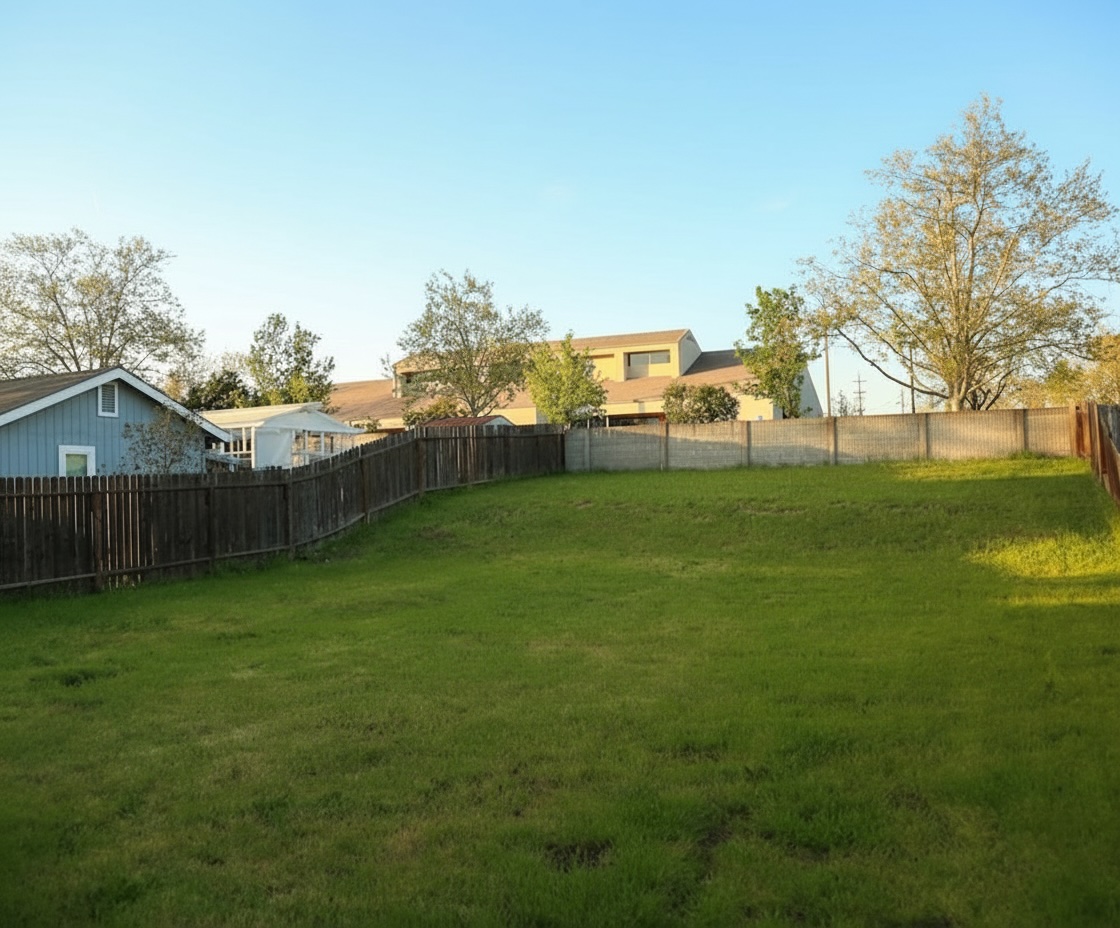
Featured Trees & Shrubs for Desert/Xeriscape Gardens
Browse all 221 plants for Corona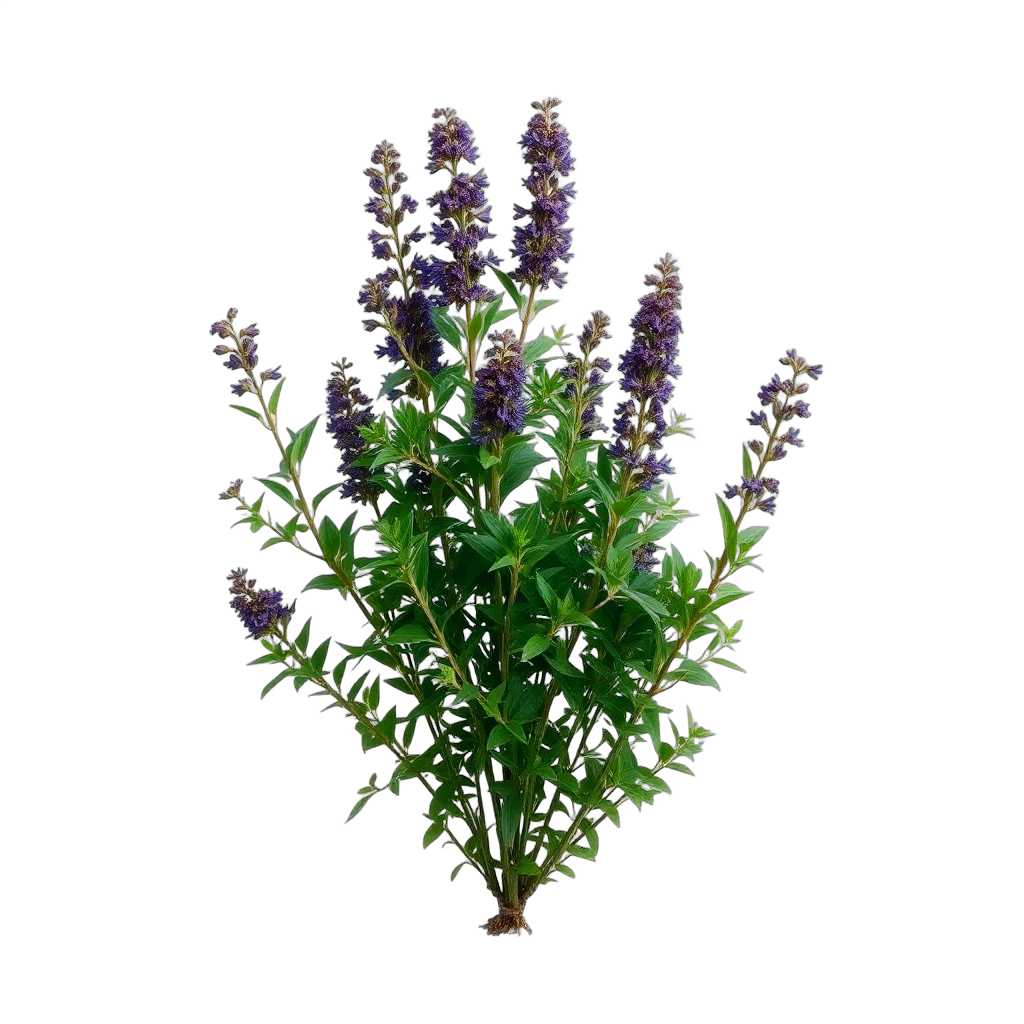
Black Sage
Salvia mellifera
grows to 4 feet, white blooms in spring. Attracts butterflies.
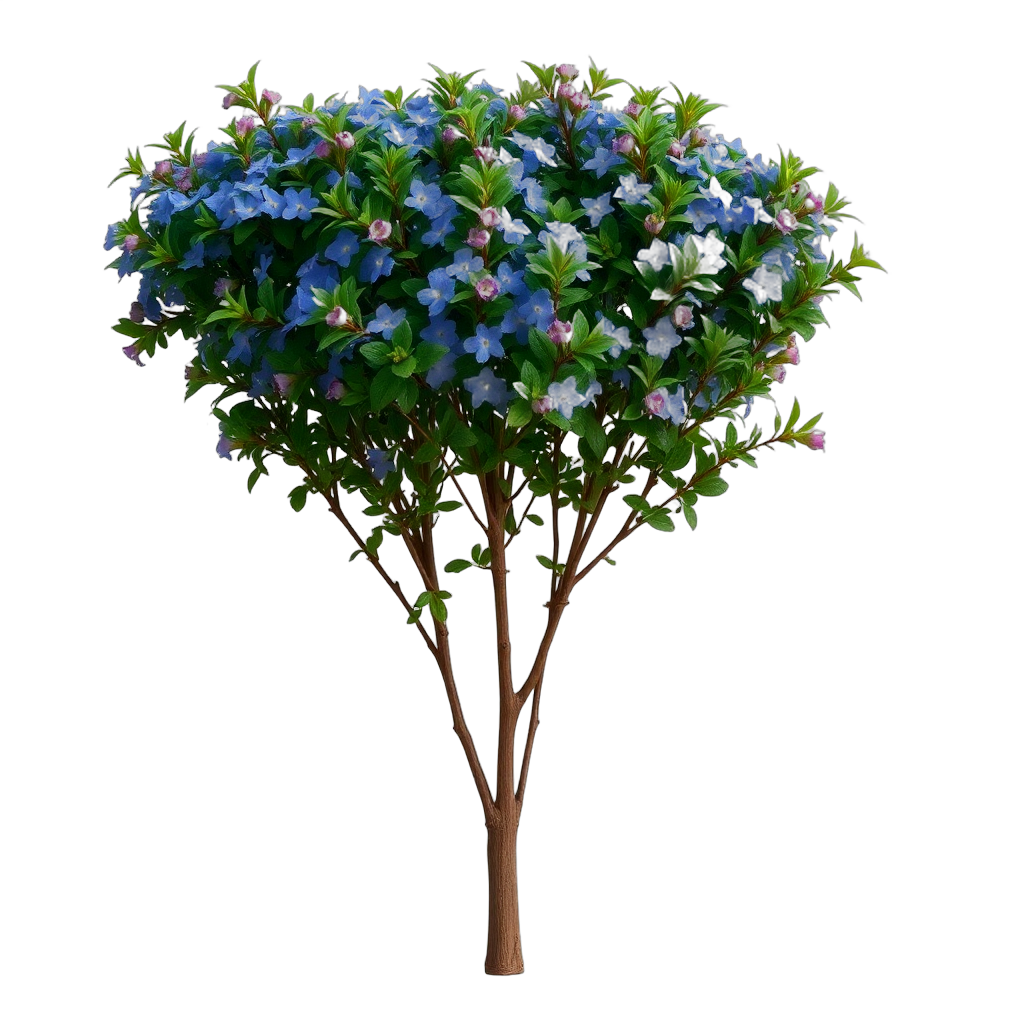
Blue Blossom
Ceanothus thyrsiflorus
medium-sized at 12 feet, blue blooms in spring. Attracts butterflies.
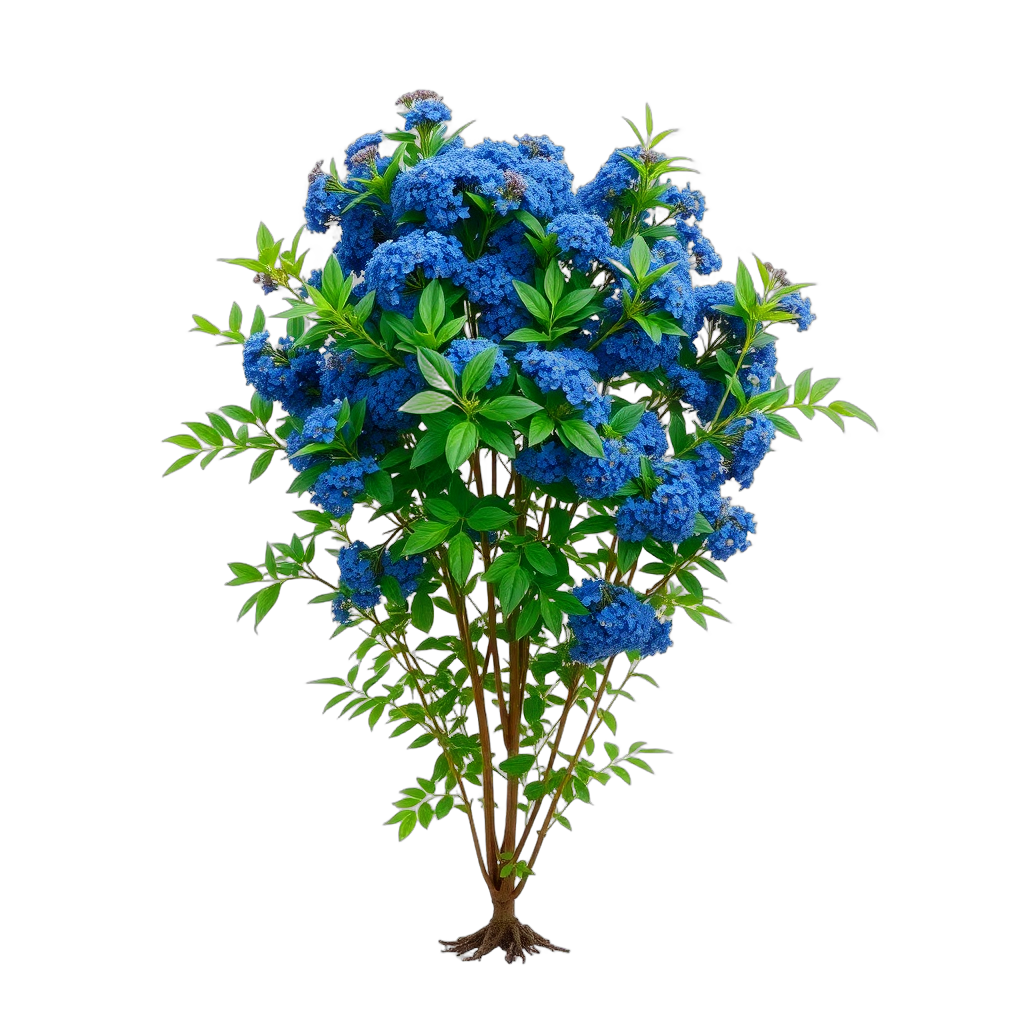
Blue Elderberry
Sambucus cerulea
medium-sized at 15 feet, white blooms in spring. Attracts butterflies.
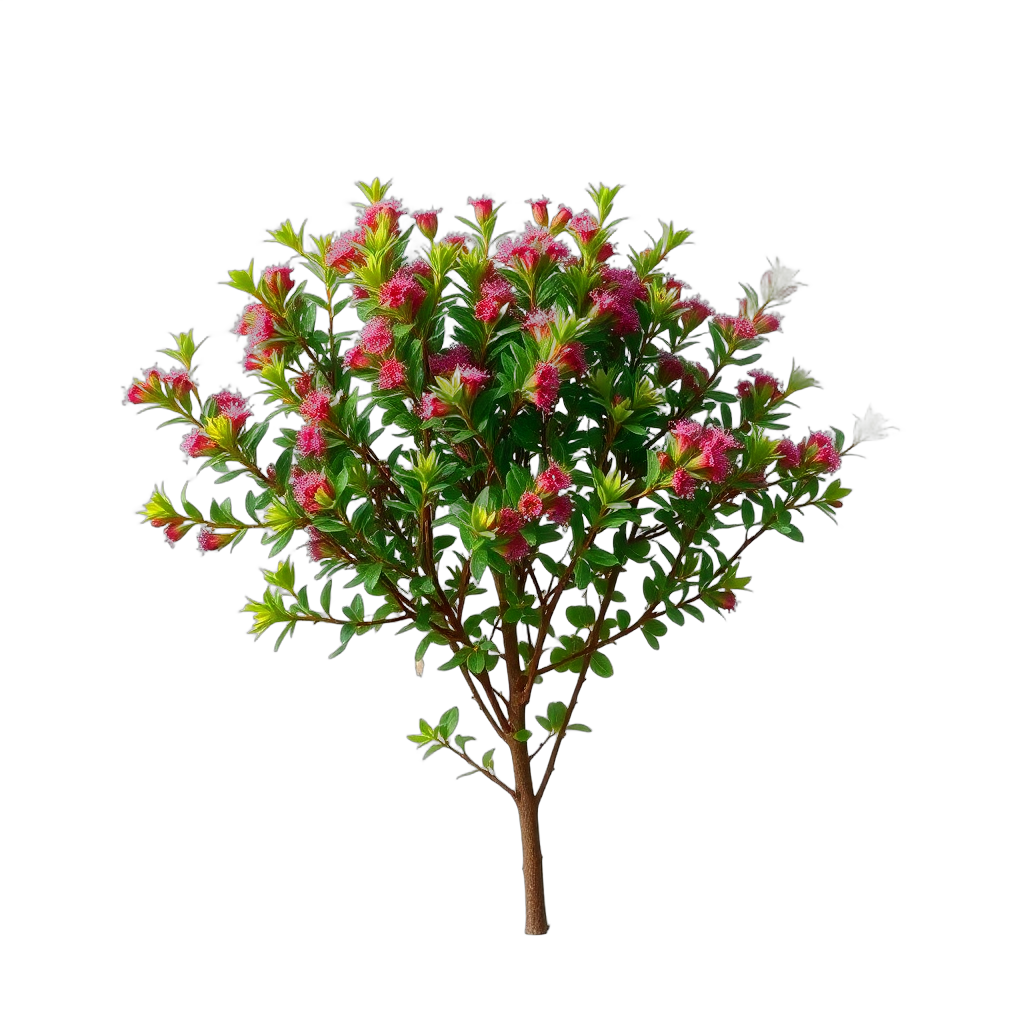
Buckbrush
Ceanothus cuneatus
medium-sized at 7 feet, white blooms in spring. Attracts butterflies.
Featured Grasses & Groundcovers for Desert/Xeriscape Gardens
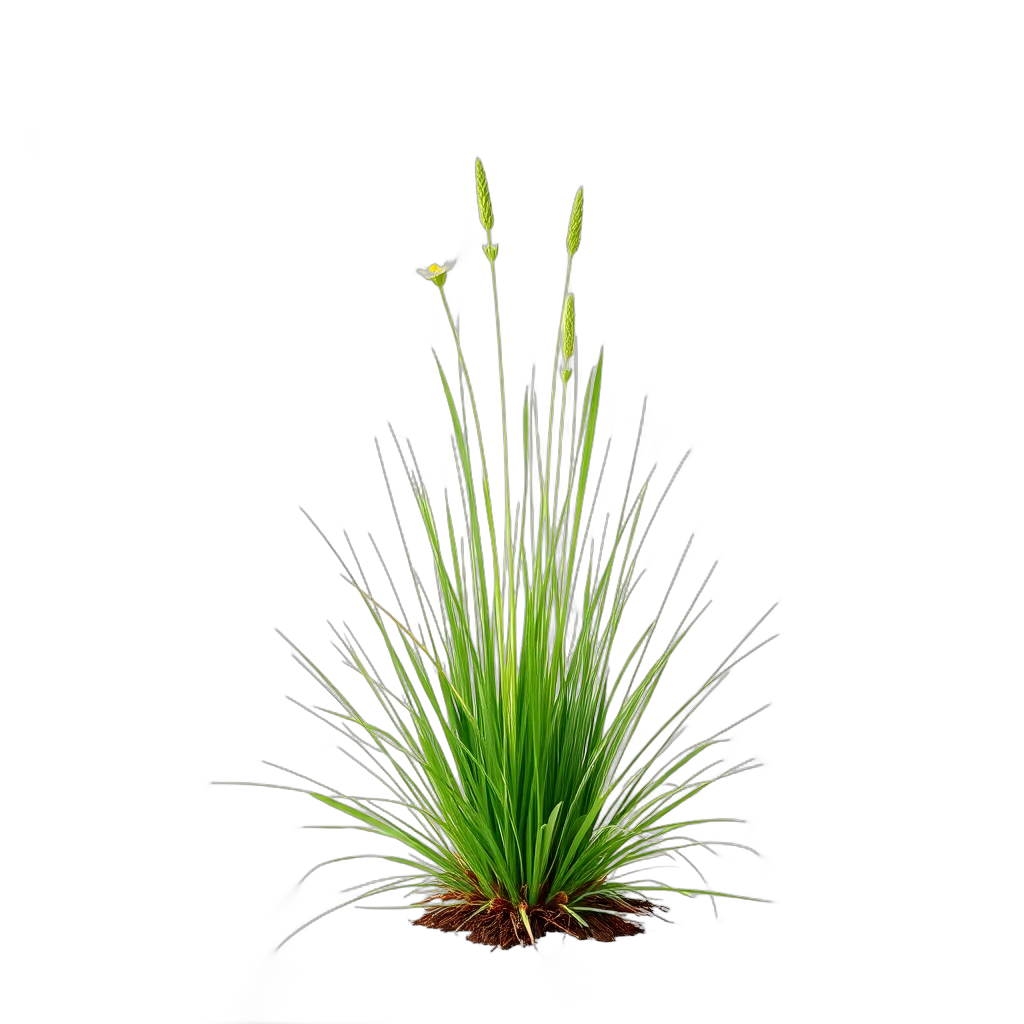
California Brome
Bromus carinatus
low-growing ground cover, blooms in spring. Yellow fall color.
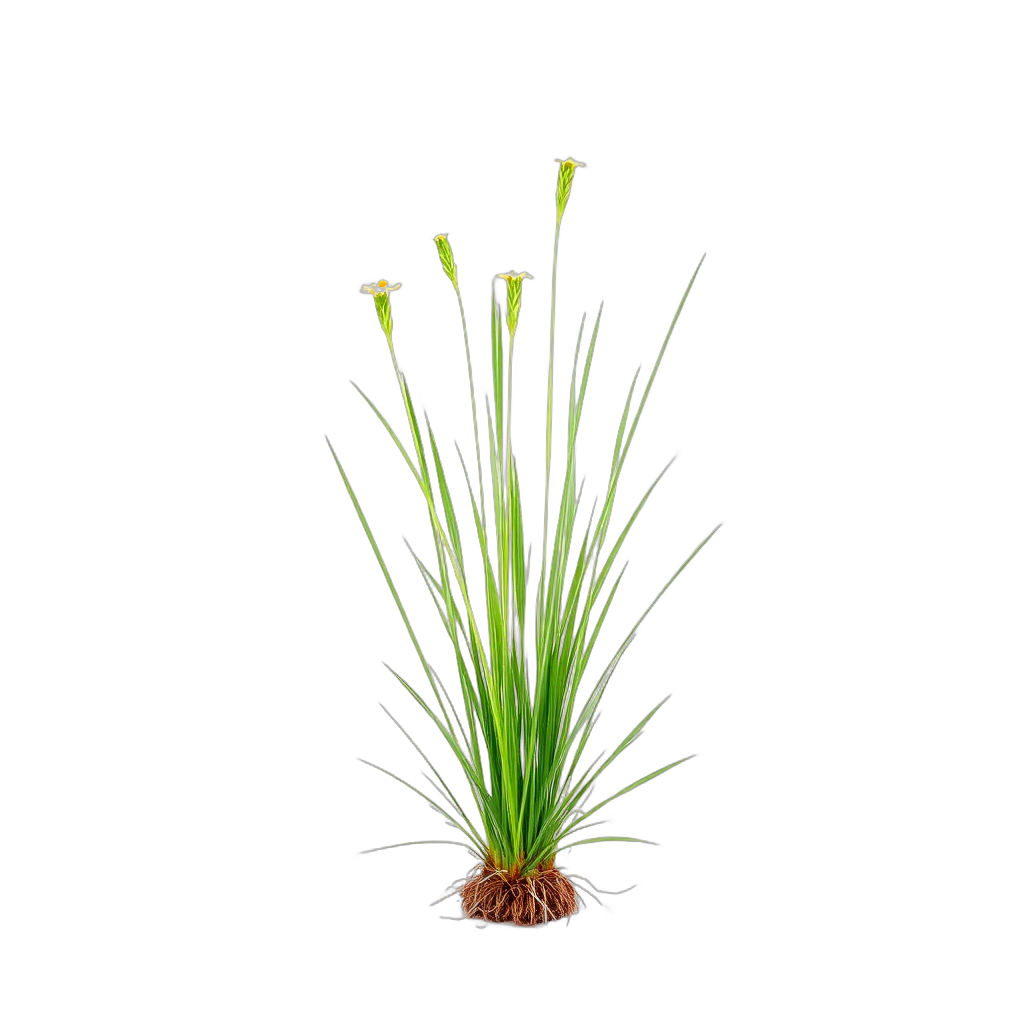
California Melic
Melica californica
low-growing ground cover, blooms in spring.
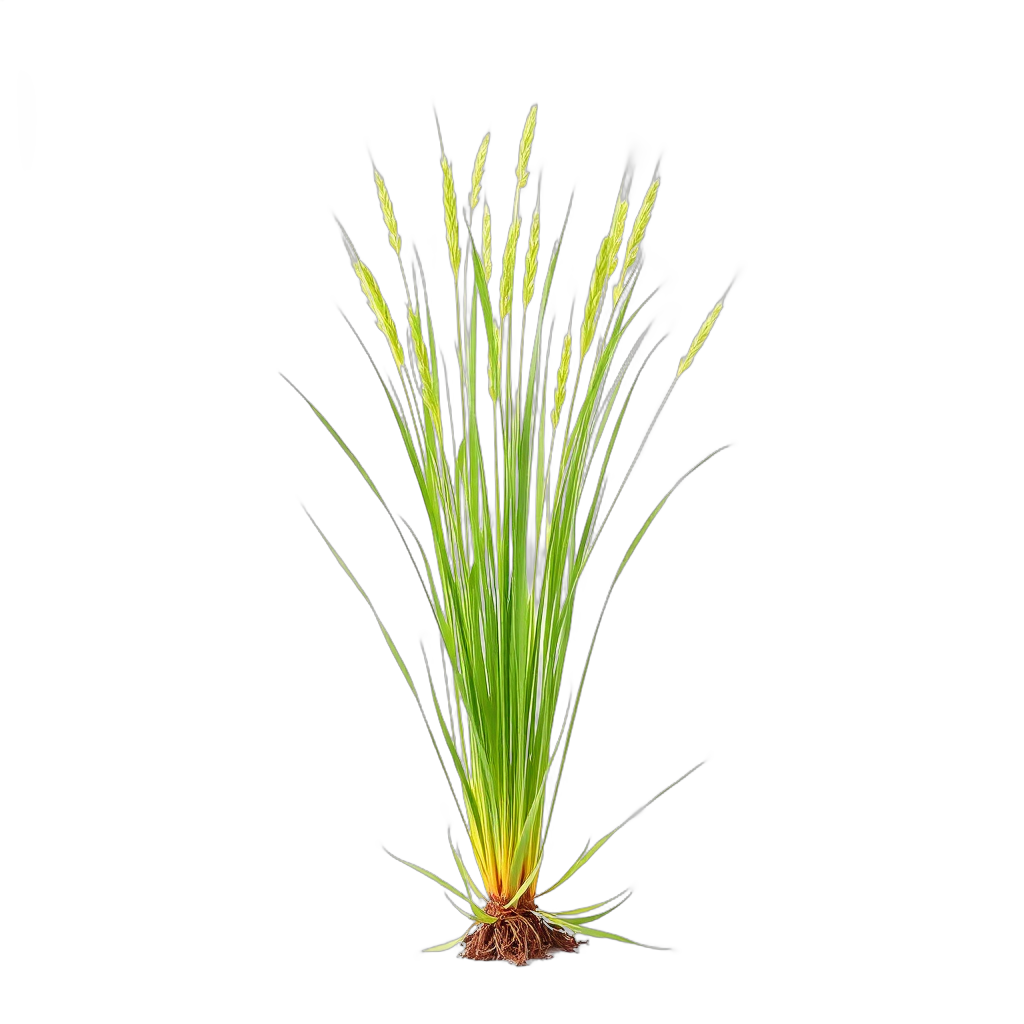
California Oatgrass
Danthonia californica
low-growing ground cover, blooms in spring. Yellow fall color.
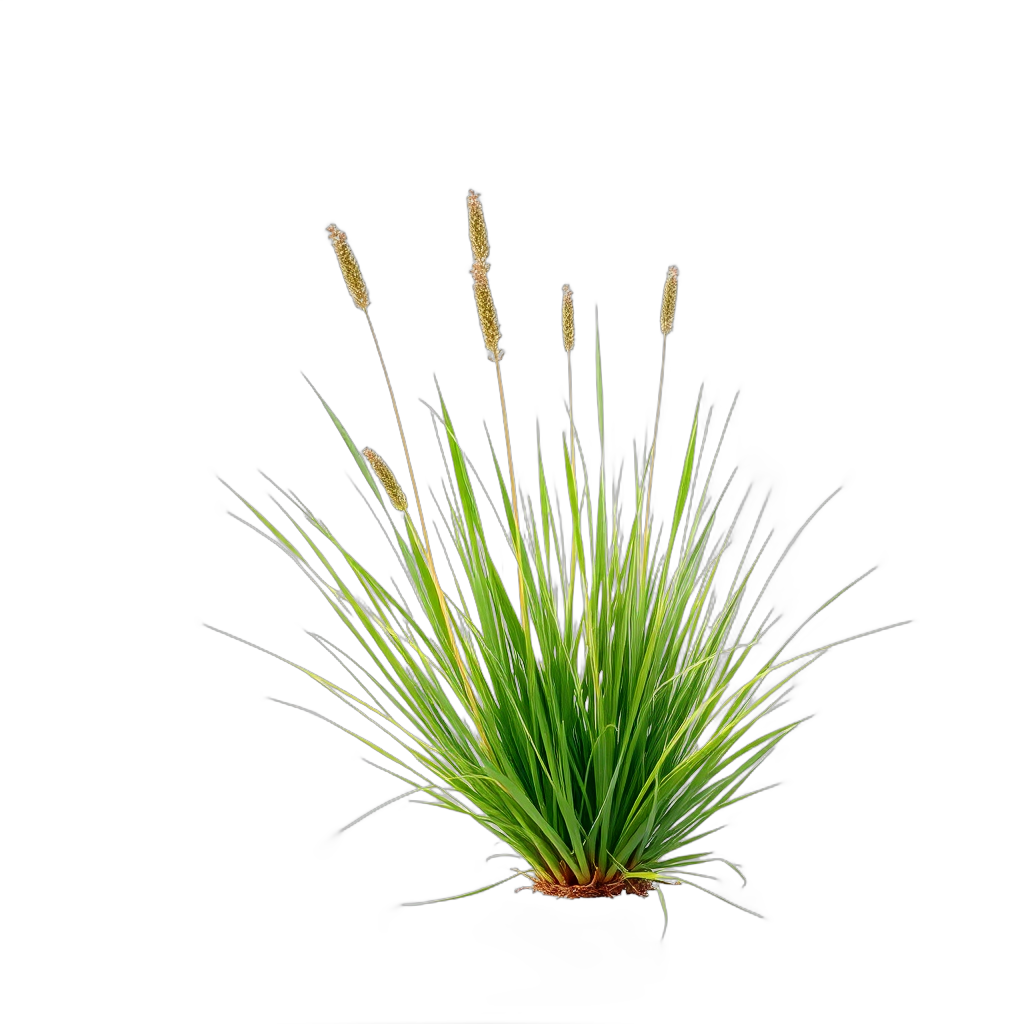
Deer Grass
Muhlenbergia rigens
grows to 3 feet, yellow blooms in fall. Evergreen year-round.
Featured Flowers & Perennials for Desert/Xeriscape Gardens
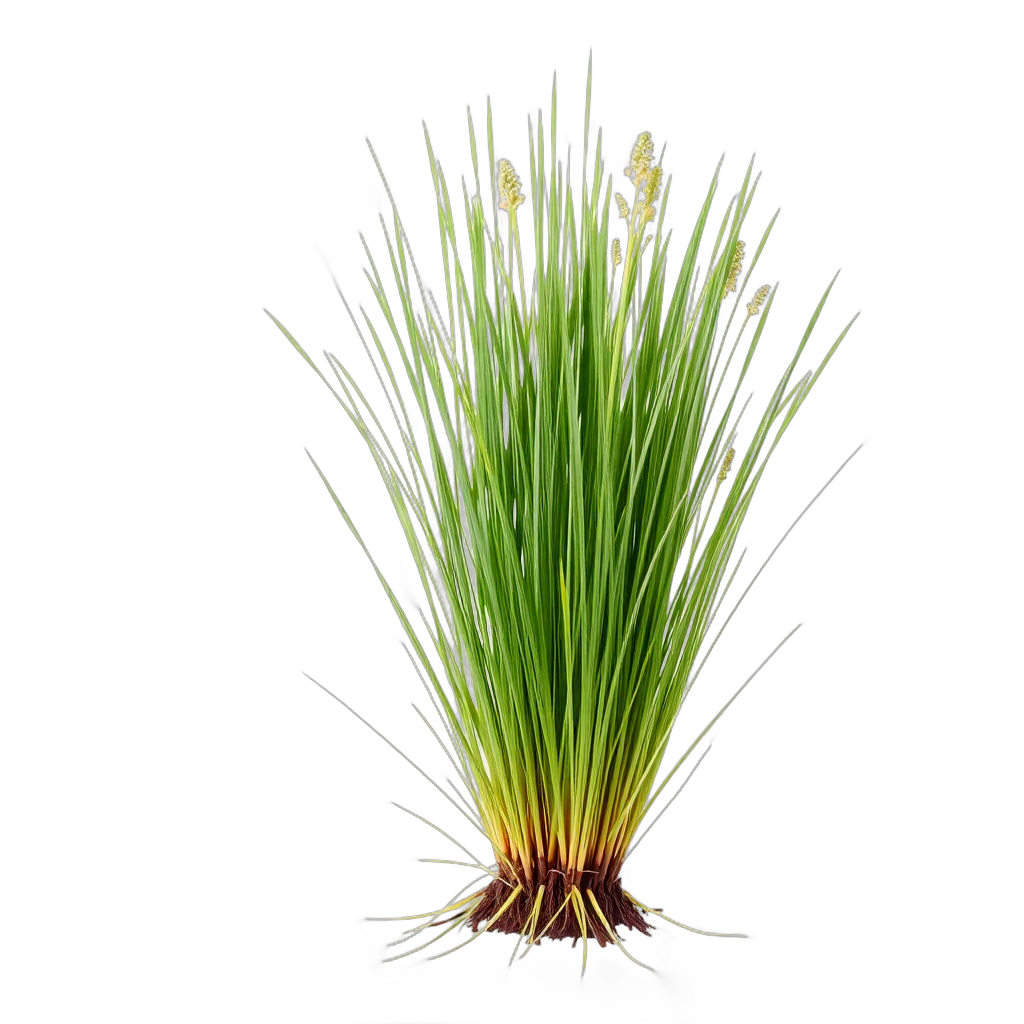
California Gray Rush
Juncus patens
low-growing ground cover, blooms in summer. Evergreen year-round.
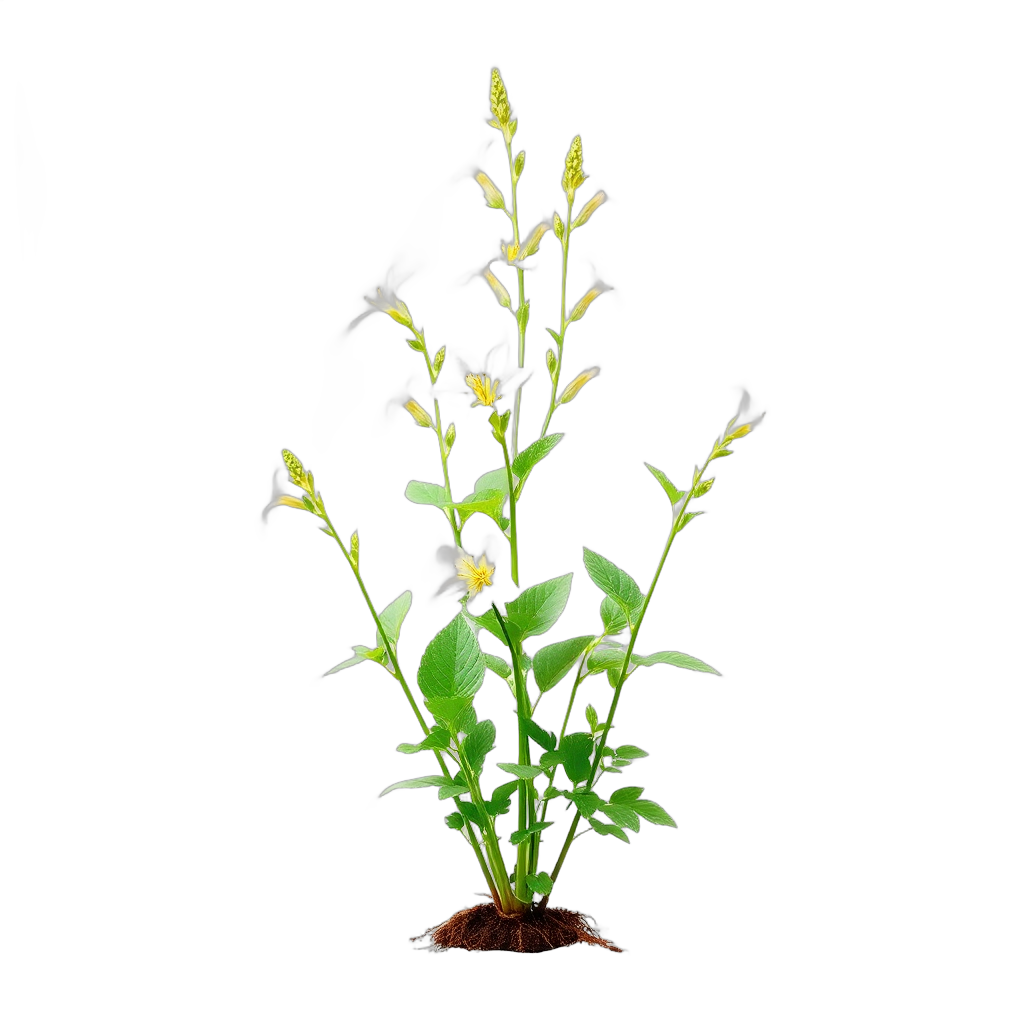
Beach Evening Primrose
Camissonia cheiranthifolia
low-growing ground cover, yellow blooms in spring. Attracts butterflies.
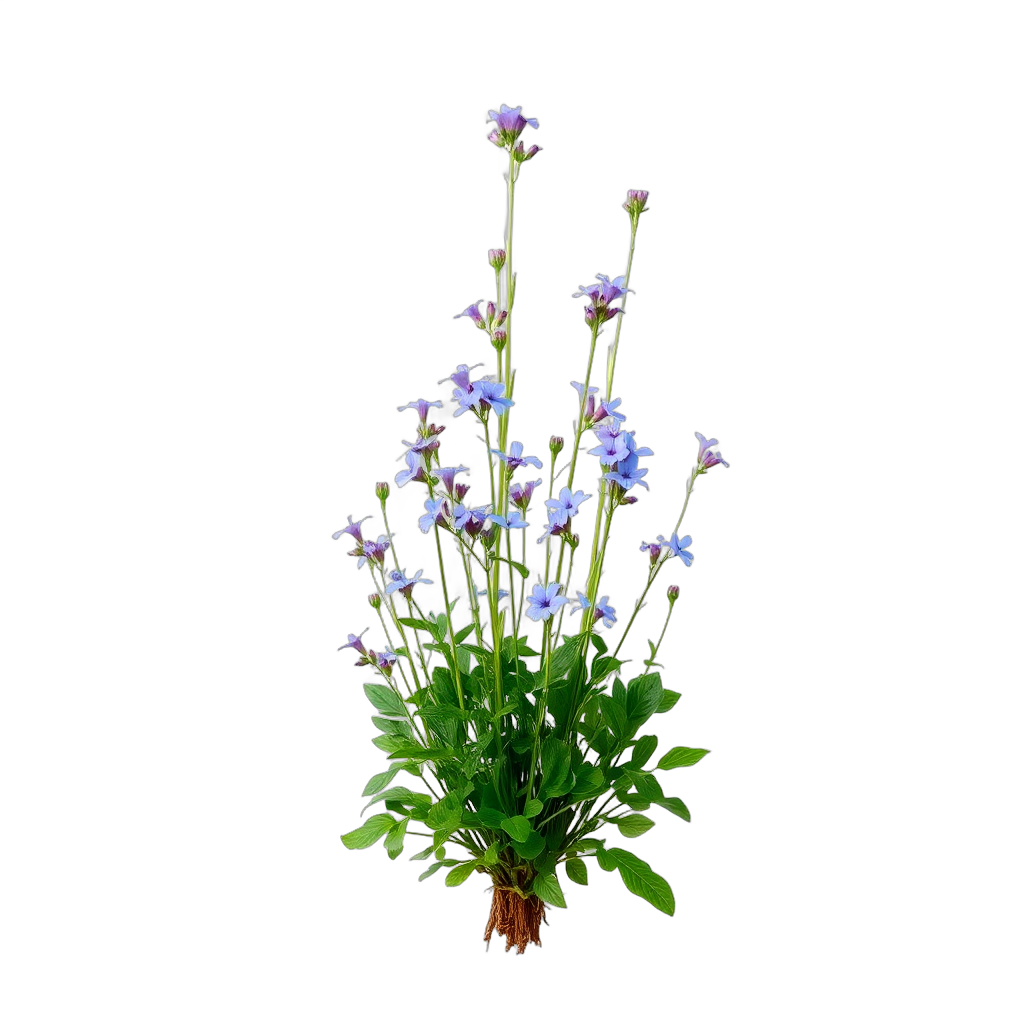
Blue Dicks
Dichelostemma capitatum
low-growing ground cover, blue blooms in spring. Pollinator-friendly.
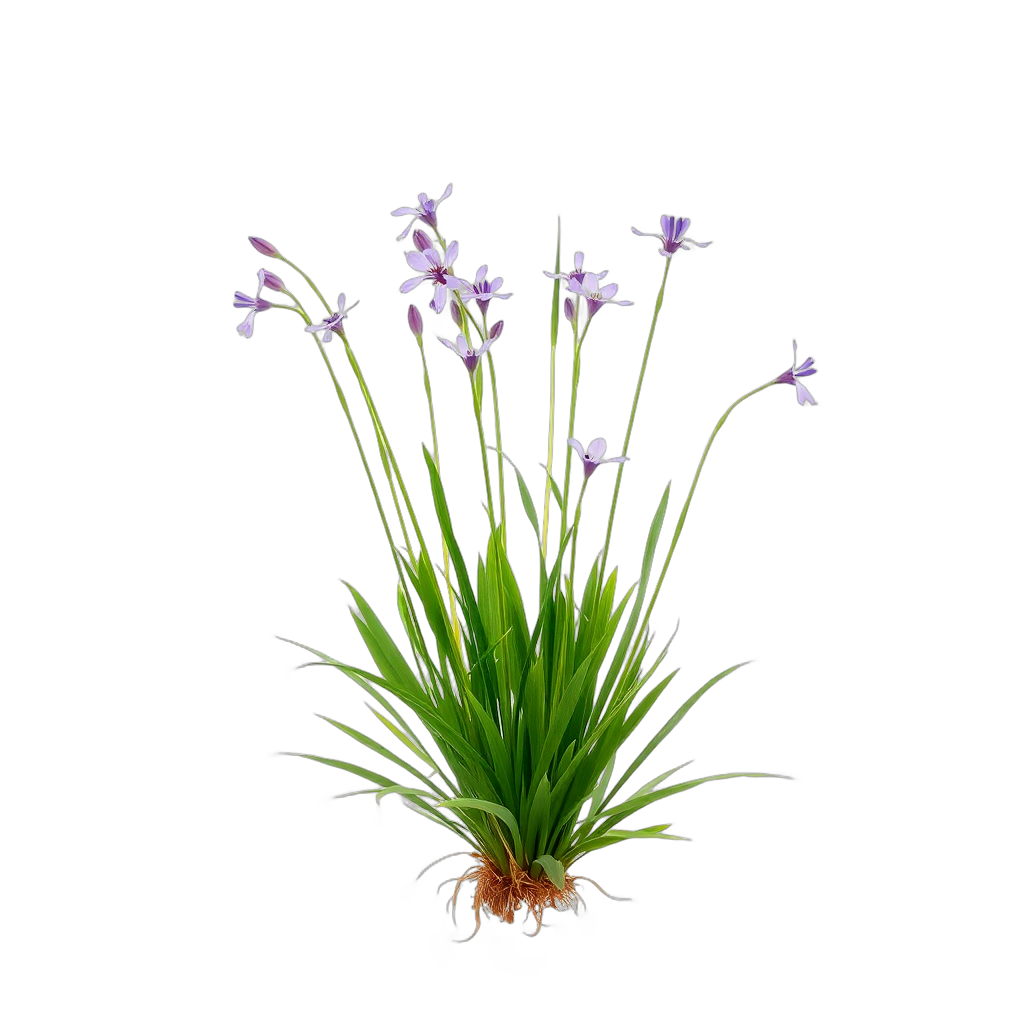
Blue-Eyed Grass
Sisyrinchium bellum
low-growing ground cover, blue blooms in spring. Attracts butterflies.
Zone and sun checks come from our database — confirm with your local nursery before you buy.
Bloom Calendar for Corona
spring
Beach Evening Primrose, Blue Dicks, Blue-Eyed Grasssummer
California Gray Rush, Hooker's Evening Primrose, Hummingbird Mintfall
California Fuchsiawinter
Limited bloomsDesign Tips for Corona (Zone 9b)
- Mulch with 2–3 inches of 3/8-inch crushed rock, not shredded bark — gravel keeps the crown of an Agave ovatifolia dry through a February storm, reflects less heat into the plant than bare decomposed granite, and does not blow down the street in an October Santa Ana
- Do the four-hour percolation test before you buy a single plant; Corona swings from fast decomposed granite to dense clay within a few blocks, and on the clay side every succulent belongs on a 12–18 inch berm rather than in a hole
- Space for the plant's mature width, not the size in the can — an Agave americana that looks lonely in a 15-gallon pot will be six feet across in four years, and the sparse spacing you see in a good Corona gravel yard is the design, not a stage in it
- Keep the first five feet around the house as gravel, concrete or bare mineral soil and put nothing woody in it; on the Cleveland National Forest side of town that ember-resistant strip matters more to the house than anything else in the yard
- Give shade the same weight as drought tolerance — one Schinus molle or Chilopsis linearis 'Bubba' on the west elevation drops the wall temperature enough to be felt indoors on a 105°F August afternoon, and it does it on less water than 200 sqft of lawn
- Bury boulders a third of their height and set them in loose groups of three with the grain running the same way; boulders sitting on top of the gravel are the single clearest sign of a rushed installation
- Water before sunrise on a dedicated drip valve, and split cacti and agaves from grasses and sages — one schedule cannot serve both Echinocactus grusonii and Muhlenbergia capillaris 'Regal Mist' without killing one of them slowly
Where to Source Plants in Corona
Skip the big-box stores. These independent Corona nurseries specialize in the plants that make desert/xeriscape gardens thrive in Zone 9b.
P & C Nursery
South Corona (South Main Street)
Family-run specialty grower with one of the region's deepest cactus and succulent benches — echeveria, crassula, aeonium, sedum, cotyledon and cactus from cuttings up to large specimen pots, plus a limited run of water-wise and California native stock
Parkview Nursery
Riverside (Jackson at Magnolia)
Locally owned since 1970; broad retail stock of water-wise shrubs, California natives, citrus and shade trees, roses, vines and pottery — the closest full garden center to Corona with real specimen size available
Louie's Nursery & Garden Center
Woodcrest, Riverside
Full-service independent garden center known for the Inland Empire's largest avocado and citrus selection, with a strong succulent and cactus yard, specimen trees, sod and bulk soil amendments
Riverside-Corona Resource Conservation District Native Plant Nursery
Riverside (Glenwood Drive)
Conservation district nursery propagating roughly 80 California native species from local Santa Ana watershed seed — coastal sage scrub and chaparral stock you will not find at a retail garden center; limited availability, cash or check
Desert/Xeriscape Landscaping Costs in Corona
| Project Scope | Estimated Cost |
|---|---|
| Turf removal and haul-off (per sqft) | $1.50 – $3.00 |
| Front yard xeriscape conversion, 700 sqft (gravel, boulders, drip, plants) | $6,000 – $13,000 |
| Inline drip retrofit with weather-based controller | $1,800 – $4,500 |
| Backyard gravel room: concrete slab, gas fire bowl, string lighting | $18,000 – $35,000 |
| Specimen agave, sotol or ocotillo (24-inch box or 6 ft cane, installed) | $250 – $900 each |
| Freeform pool with boulder waterfall and desert planting | $90,000 – $220,000 |
| AI visualization with ProScapeAI | Free to start |
Estimates based on Corona, CA-area contractor rates as of 2026. Actual costs vary by site conditions, materials, and contractor.
Corona Climate & Growing Zone
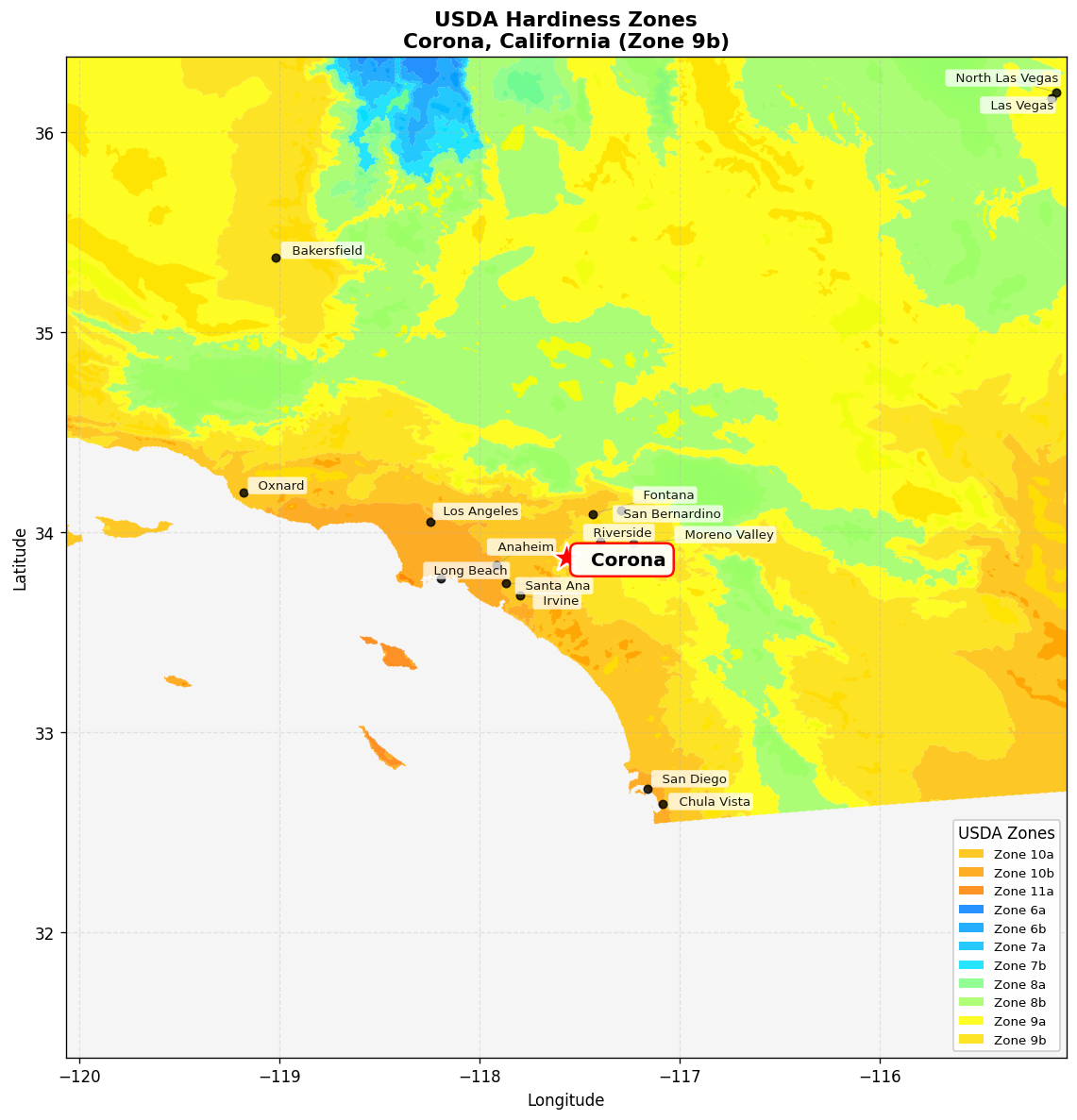
USDA Zone 9b
Hardiness zone for Corona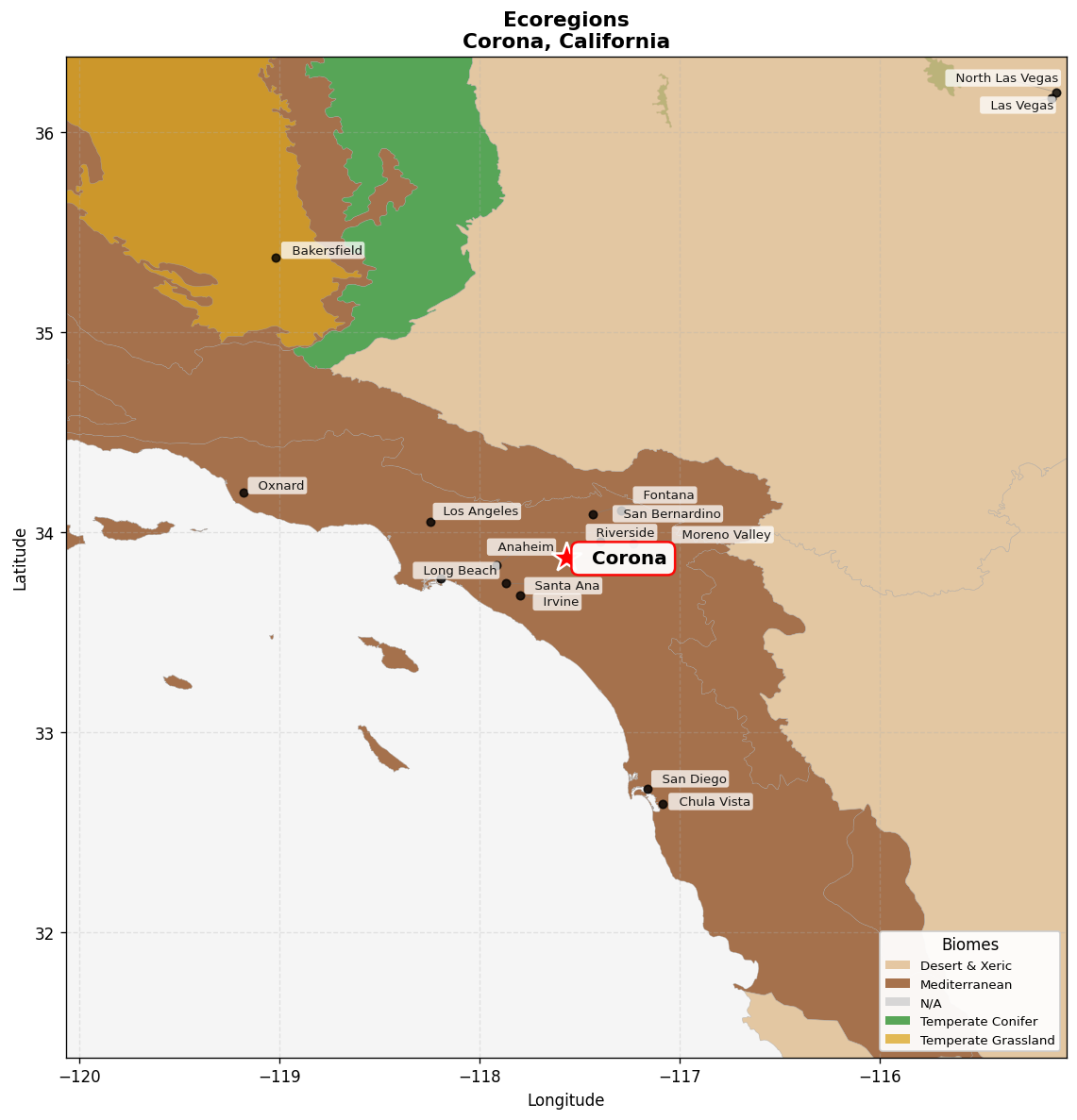
California coastal sage and chaparral
Native ecoregionFrequently Asked Questions
How much does xeriscaping cost in Corona, CA?
Sod removal and haul-off runs $1.50–3.00 per square foot in Riverside County. A complete front-yard conversion — turf out, drip in, decomposed granite, boulders and specimen plants — lands at $8–16 per square foot installed, so a typical 700 sqft Corona front lawn becomes a $6,000–13,000 project before any rebate. Doing the gravel and planting yourself and hiring out only the drip retrofit brings it closer to $3–5 per square foot. A backyard gravel room with a concrete slab and a gas fire bowl runs $18,000–35,000. Specimen material is where budgets move: a 6-foot Fouquieria splendens or a 24-inch box Agave ovatifolia is $250–900 installed, and three of them will change a yard more than a thousand one-gallon plants.
Is there a rebate for removing my lawn in Corona?
Yes — Corona Department of Water and Power customers can generally access the regional SoCal Water$mart turf-replacement program, which in recent years has paid roughly $2–5 per square foot depending on funding and any local top-up. Two rules trip people up. First, you must apply and be approved with before photos while the grass is still alive; tear it out first and the application is dead. Second, the program will not pay for a bare gravel yard — it requires living plant coverage, historically around three plants per 100 square feet, which a design built on Agave 'Blue Glow', Muhlenbergia rigens and Leucophyllum frutescens 'Green Cloud' clears without effort. Terms and funding change every year, so confirm current requirements before you plan the budget.
Which agaves and cacti actually survive Corona winters?
Zone 9b lows of 25–30°F rule out very little. Agave parryi var. truncata, Agave ovatifolia, Agave americana, Agave 'Blue Glow', Yucca rostrata 'Sapphire Skies', Dasylirion wheeleri, Hesperaloe parviflora 'Brakelights', Echinocactus grusonii and Fouquieria splendens all shrug off a normal Corona winter in the open ground. The soft-leaved imports are the ones to place carefully — Agave attenuata, Aeonium 'Zwartkop' and Portulacaria afra will mark at 28°F, so keep them in pots or against a warm south wall, particularly in the Temescal Valley cold pockets. Far more Corona succulents die of winter wet feet in a clay pocket than of cold; drainage is the real hardiness test here.
Can I xeriscape safely if I am in a Corona fire hazard zone?
A xeriscape is the right answer for the wildland edge above Sierra Del Oro, Green River and the Cleveland National Forest boundary, but the layout matters more than the plant list. California requires 100 feet of defensible space around a home under Public Resources Code 4291, and the state's newer ember-resistant Zone 0 concept keeps the first five feet from the walls free of anything combustible — that strip should be gravel, concrete or bare mineral soil, not bark and not a bougainvillea. Beyond it, low-growing high-moisture plants like Curio repens, Aloe striata and Dymondia margaretae are genuinely fire-smart, while junipers, pampas grass, Italian cypress and eucalyptus are the opposite. Space larger shrubs so the canopies do not touch, and keep gravel mulch rather than shredded bark within 30 feet of the structure.
Do desert plants in Corona need any irrigation at all?
For the first two years, absolutely — 13 inches of winter rain will not establish anything planted in October. Run inline drip with two emitters per plant: weekly through the first summer, every two weeks the second year, then taper. An established Corona xeriscape typically needs one deep soak every two to three weeks from June through September and nothing at all from December through March. Set the controller to run before sunrise so the Santa Ana wind is not evaporating half of it, and put agaves and cacti on their own valve — Muhlenbergia rigens and Salvia clevelandii 'Winnifred Gilman' will happily take more water than Echinocactus grusonii ever should.
What do I need to know about Corona's soil before planting?
Most of the city sits on decomposed granite and gravelly alluvium off the Santa Ana Mountains — fast-draining, low in organic matter, and alkaline at roughly pH 7.5–8.2. That is close to ideal for this palette, and the correct amount of soil amendment for Agave, Dasylirion, Eriogonum fasciculatum 'Warriner Lytle' or Arctostaphylos 'Howard McMinn' is none. The exception is the clay pockets on the older flats near the Santa Ana River and Temescal Wash. Never dig a hole in clay and backfill it with fluffy potting mix — you have built a bathtub. Berm 12–18 inches above grade with a coarse sandy loam and crushed rock blend and plant on the shoulder instead.
When is the best time to install a xeriscape in Corona?
October through February, without much argument. Planting into the cool end of the year lets roots take hold on winter rainfall before the first 100°F day, and it cuts establishment irrigation roughly in half compared with a spring install. March and early April still work. Avoid planting from late May through September: even with drip running, a new Agave or Muhlenbergia sitting in 96°F soil spends the summer surviving instead of rooting. Hardscape is season-agnostic here — concrete can be poured year-round in Corona — so a common approach is to build gravel, walls and slabs over the summer and plant into a finished frame in late October.