4 Xeriscape Design Ideas for Orange, CA | Zone 10a Gardens
Native plants from the California coastal sage and chaparral (Zone 10a) — Cold semi-arid climate
Why Desert/Xeriscape Gardens in Orange?
Orange sits at the point where Orange County stops being coastal and starts behaving like the inland basin, and that single fact drives every good xeriscape design in the city. Old Towne Orange — the one-square-mile National Register district around the Plaza — is full of Craftsman bungalows and Mission Revival cottages whose deep porches, stucco walls and clay tile roofs were built for this climate long before anyone owned a lawn mower. Push east and the housing stock changes but the logic does not: the half-acre equestrian parcels of Orange Park Acres, the 1970s and 1980s tile-roof ranches of El Modena and Mabury Ranch, and the hillside tracts climbing toward Peters Canyon and Serrano Heights all sit on slopes that shed water fast and bake through the afternoon. Gravel, boulders and architectural rosettes are not a concession here — they are the design vocabulary the buildings were already speaking.
Orange averages roughly 13 inches of rain a year, and close to nine-tenths of it falls between November and March, which means a conventional front lawn is being irrigated through a five- to six-month drought every single summer. Zone 10a is the compensation. Winter lows sit around 30–35°F, hard frost is rare and brief, and the palette that opens up is enormous: Agave ovatifolia, Agave parryi var. truncata, Yucca rostrata, Dasylirion wheeleri and Opuntia ficus-indica hold their form year-round with no winter protection at all, while Hesperaloe parviflora 'Brakelights' throws coral spikes for eight months of the year. The real stress test for a design in Orange is not January — it is the Santa Ana wind season from September through December, when relative humidity drops below 10% and dry gusts pour down out of the canyons. Thick-leaved rosettes and needle-fine grasses both shrug that off; broad, soft tropical foliage shreds and browns within a day.
Soil changes more over a two-mile drive in Orange than most homeowners expect. The flats along Santiago Creek and the old Valencia orange grove land that gave the city its name are deep alluvial loam — easy to dig, but usually compacted flat by decades of turf, sprinklers and construction traffic — while the hillside tracts east of Cannon Street sit on decomposed granite and clay-loam that sets like concrete by August. Neither one rewards the standard move of digging a hole straight down and backfilling with bagged mix; that just builds a bathtub. The method that works here is to build the grade up instead: scarify 4–8 inches of native soil, blend it roughly half-and-half with 1/4-inch crushed granite, mound it into low berms, then finish with 2–3 inches of gravel mulch. Every agave and cactus crown then sits above the water line during a wet February, which is when nearly all Southern California succulent losses actually happen — rot, not cold.
The rules are pushing in the same direction as the design. California's Model Water Efficient Landscape Ordinance caps turf area and requires separate hydrozones and dedicated valves on new or rehabilitated landscapes over 500 square feet that need a permit, and AB 1572 phases out potable irrigation of non-functional turf in HOA common areas and commercial frontages between 2027 and 2031. On the incentive side, the regional SoCal Water$mart turf replacement rebate starts at $2 per square foot, and Municipal Water District of Orange County has historically added a local top-up for City of Orange water customers — worth confirming the current rate with the City of Orange Water Division before you finalize a budget, because it routinely covers a meaningful slice of a front-yard conversion. Pair the rebate with a drip retrofit and, on a typical 700-square-foot Orange front lawn, the summer water savings tend to cover the plant budget inside three seasons.
4 Desert/Xeriscape Design Ideas for Orange

The Gold Gravel Ranch Frontage
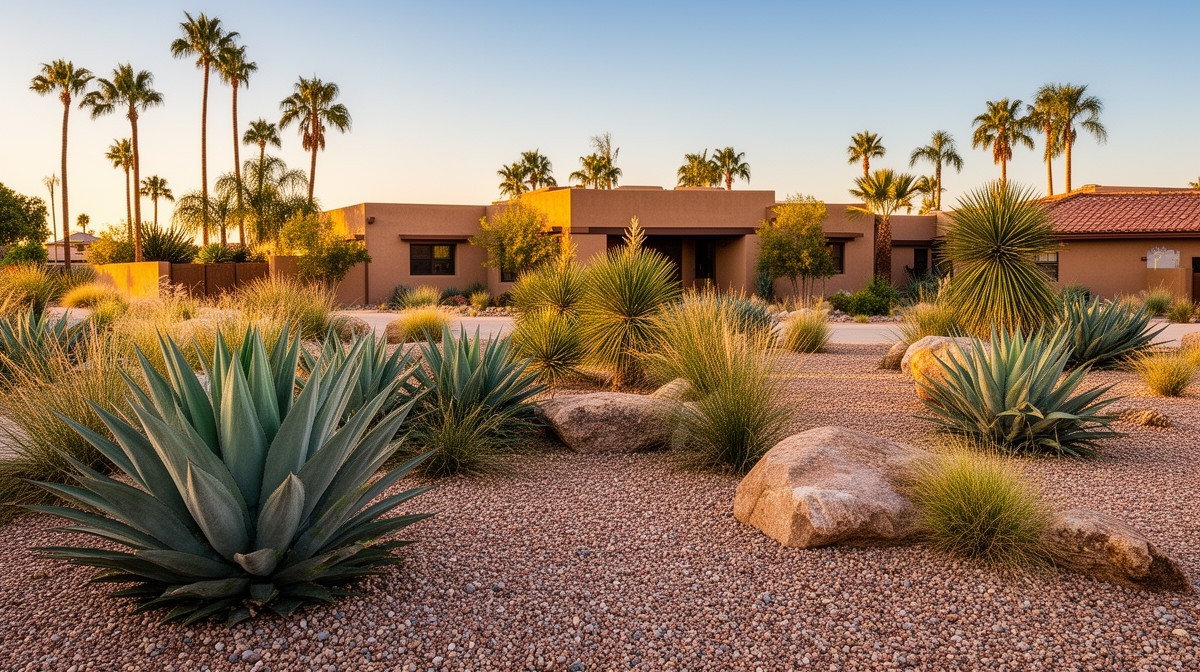
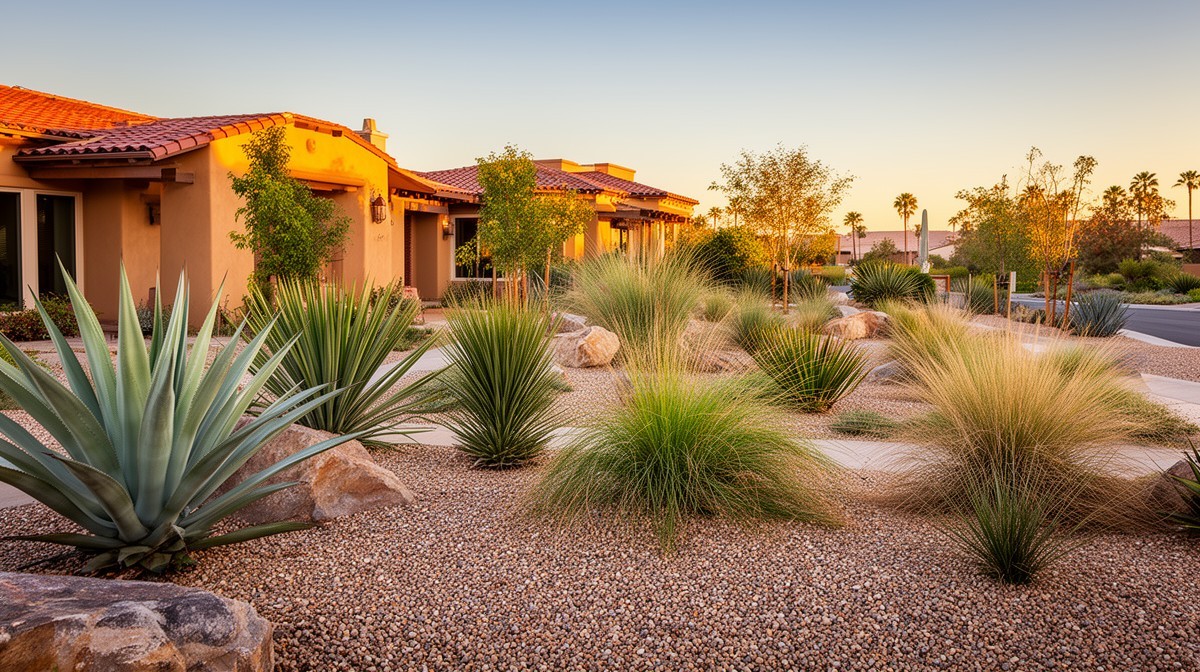
$9–18/sqftA single-story stucco ranch under a barrel-tile roof with the entire front lawn gone, replaced by a field of warm gold decomposed granite. A dry creek of grey river cobble curves out of the entry walk and runs to the street, giving the flat yard a line to follow and a place for February runoff to go. Multi-trunk spineless yuccas stand against the windows where a foundation hedge used to be, blue Agave americana and tight Agave parryi rosettes are spaced in a loose, unrepeating rhythm across the gravel, and honey-coloured deergrass tufts catch the low west sun that hits this elevation every evening. Half-buried granite boulders keep the composition from reading as a parking lot.

The Prickly Pear Courtyard
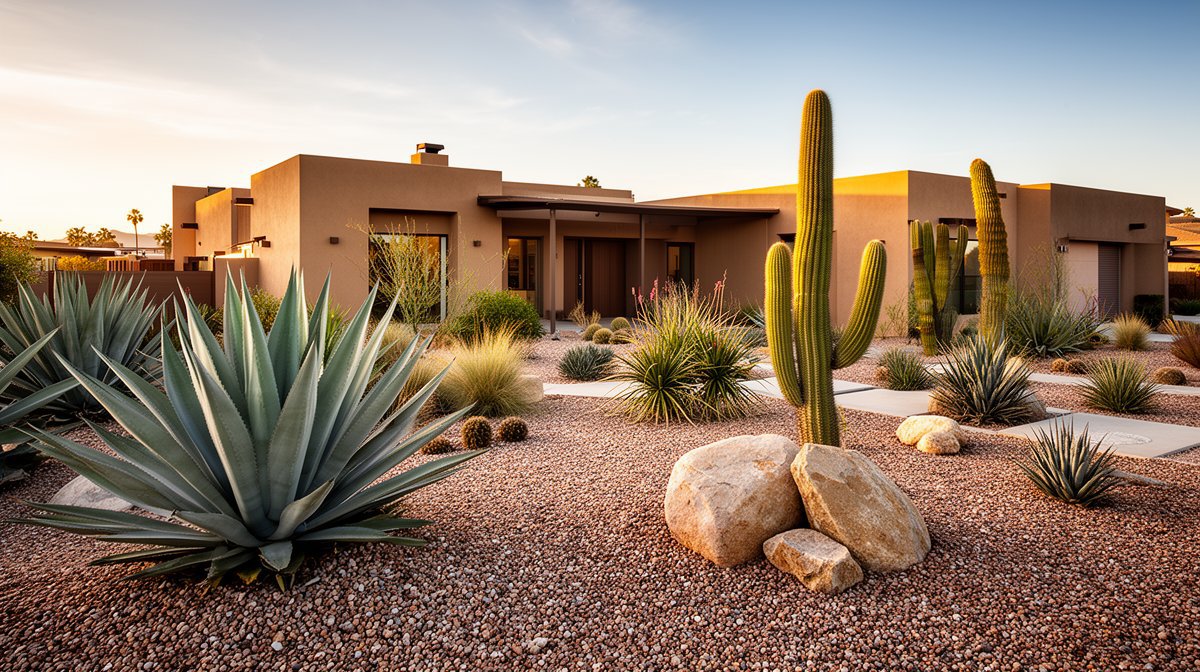
$11–20/sqftA warm stucco front elevation with a single multi-trunk desert willow planted just off the entry, throwing filtered shade over the door instead of the whole yard. A pale crushed-rock path splits the frontage in two and meets the driveway, with dark bark-mulched planting beds on either side so the path reads as a clean ribbon. Broad clumps of Opuntia ficus-indica anchor the corners at window height, a single Agave ovatifolia rosette sits mid-yard as the focal point, and small blue agave pups and low aloes are scattered through the beds. Glazed terracotta pots in ochre and rust repeat the roof tile colour on either side of the door.

The Mission Tile Fire Court
$16–32/sqftThe back of a single-story Mission Revival home, clay tile roof and stucco warmed by wall uplights at dusk, opening onto a floating patio of large sand-toned concrete slabs set in a field of buff gravel. A round dry-stacked stone fire pit sits at the centre with deep seating and patterned pillows pulled around it, and two runs of catenary bulb lights cross the whole yard from the roofline to a single mast, which is what turns a back lawn into a room. Oversized Agave americana rosettes sit in the gravel in the foreground, a clipped evergreen screen hedge blocks the neighbours, and deergrass tufts soften the slab edges.

The Boulder Waterfall Pool Garden
$45–90/sqft (pool area inclusive)A rectangular pool with a stacked-sandstone boulder grotto pouring a single wide sheet of water into the deep end, set in gravel rather than the usual wall-to-wall decking. Poured concrete slabs run as a walkway along one side with low path lights washing the joints, a linear gas fire table and a pale sectional take the sunset corner, and the whole garden is framed by a low stucco wall that keeps the Santa Ana Mountains view open. Planting is deliberately sparse and silver: a big Agave ovatifolia by the water, soft mounds of Texas ranger, wispy grass tufts along the gravel, and young multi-trunk trees against the wall for future height.
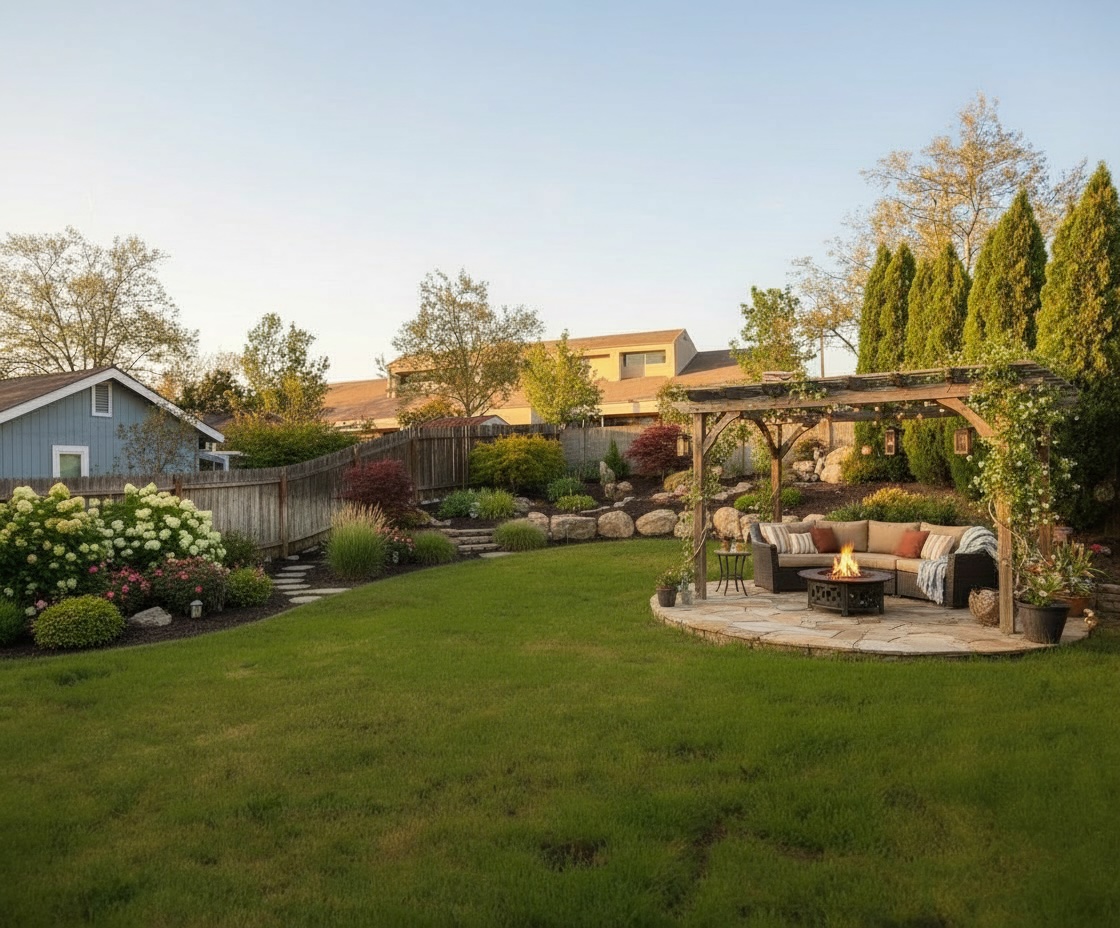
See how a desert/xeriscape garden looks on YOUR property
Upload a photo of your Orange yard and visualize your dream garden in seconds.
Try ProScapeAI Free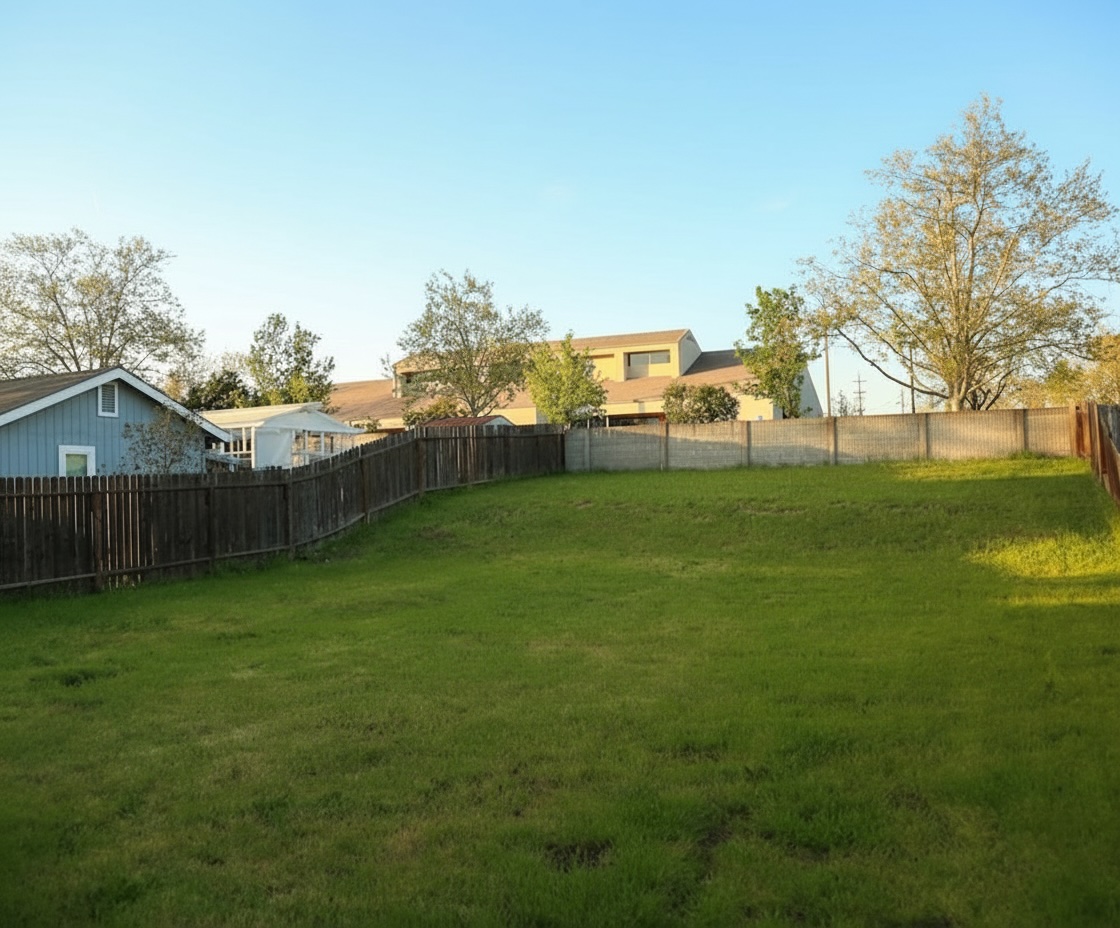
Featured Trees & Shrubs for Desert/Xeriscape Gardens
Browse all 219 plants for Orange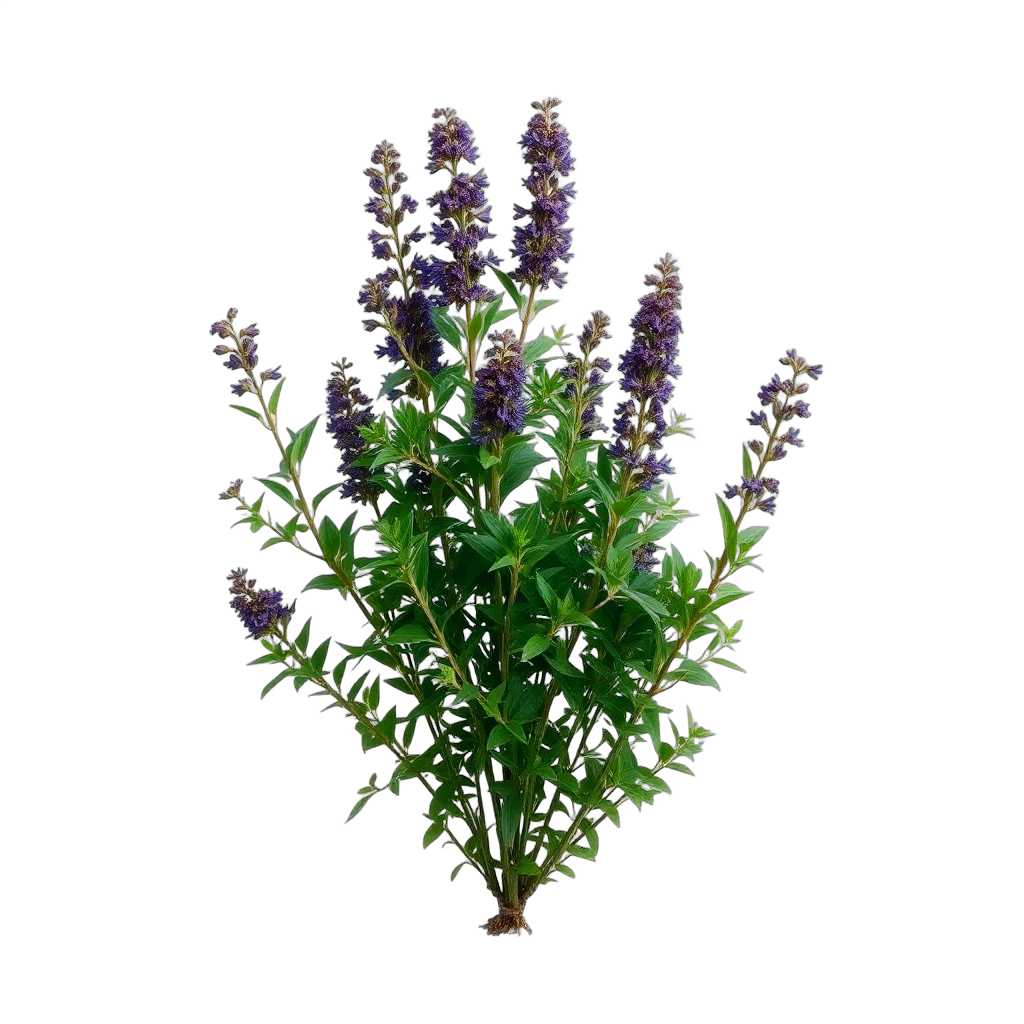
Black Sage
Salvia mellifera
grows to 4 feet, white blooms in spring. Attracts butterflies.
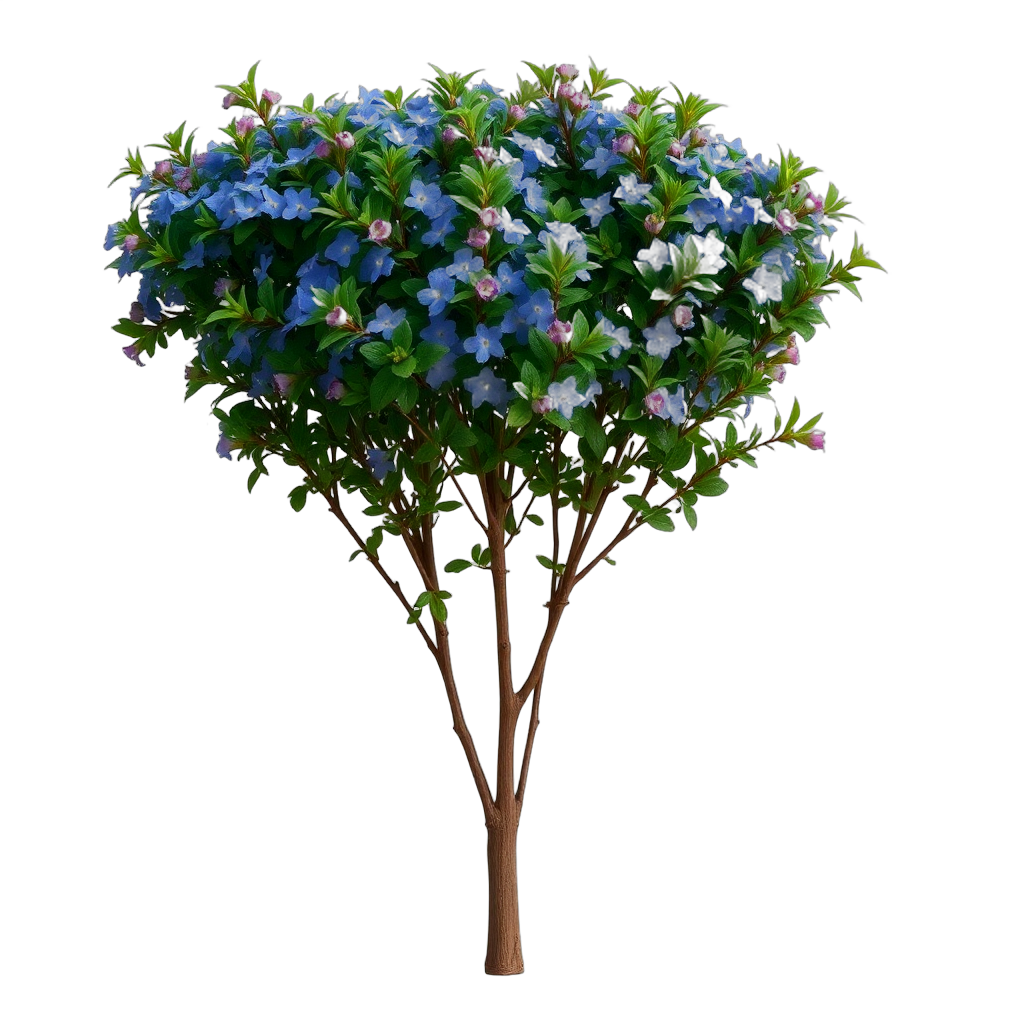
Blue Blossom
Ceanothus thyrsiflorus
medium-sized at 12 feet, blue blooms in spring. Attracts butterflies.
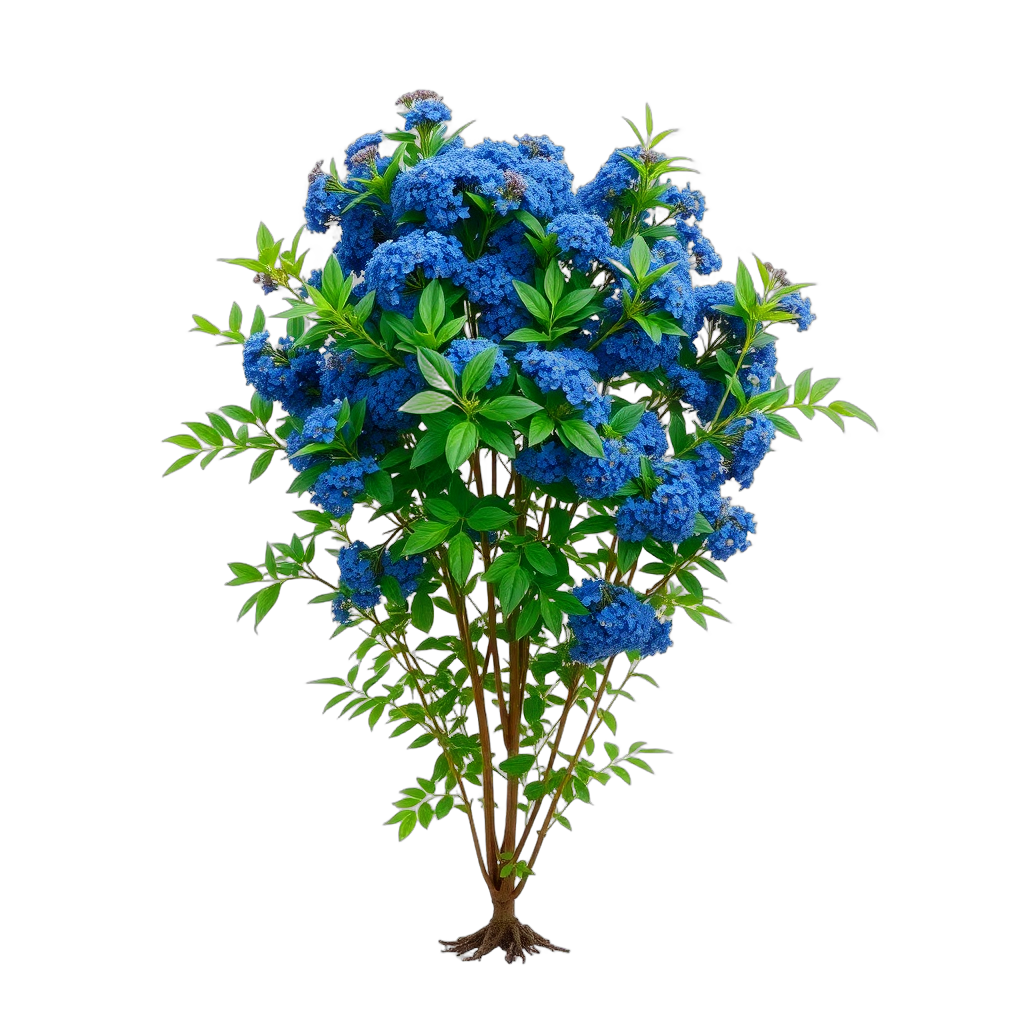
Blue Elderberry
Sambucus cerulea
medium-sized at 15 feet, white blooms in spring. Attracts butterflies.
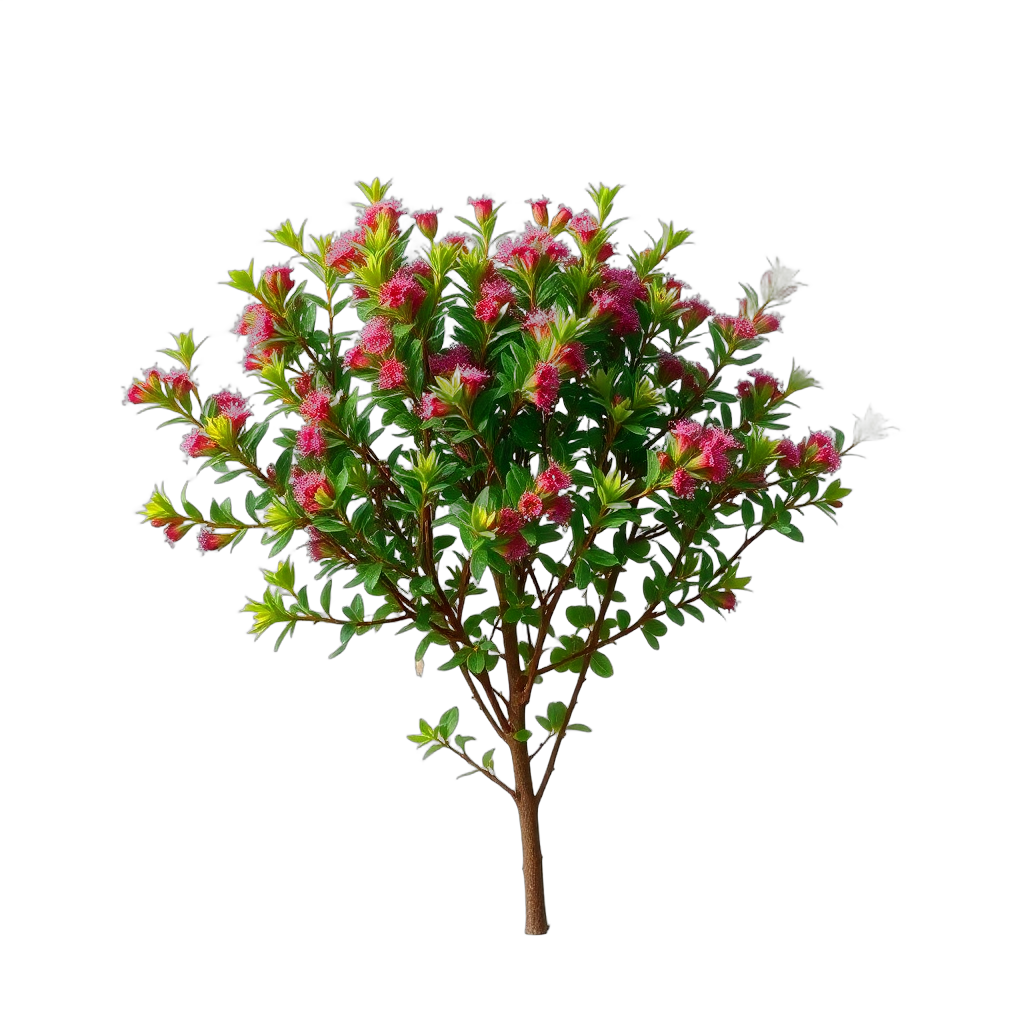
Buckbrush
Ceanothus cuneatus
medium-sized at 7 feet, white blooms in spring. Attracts butterflies.
Featured Grasses & Groundcovers for Desert/Xeriscape Gardens
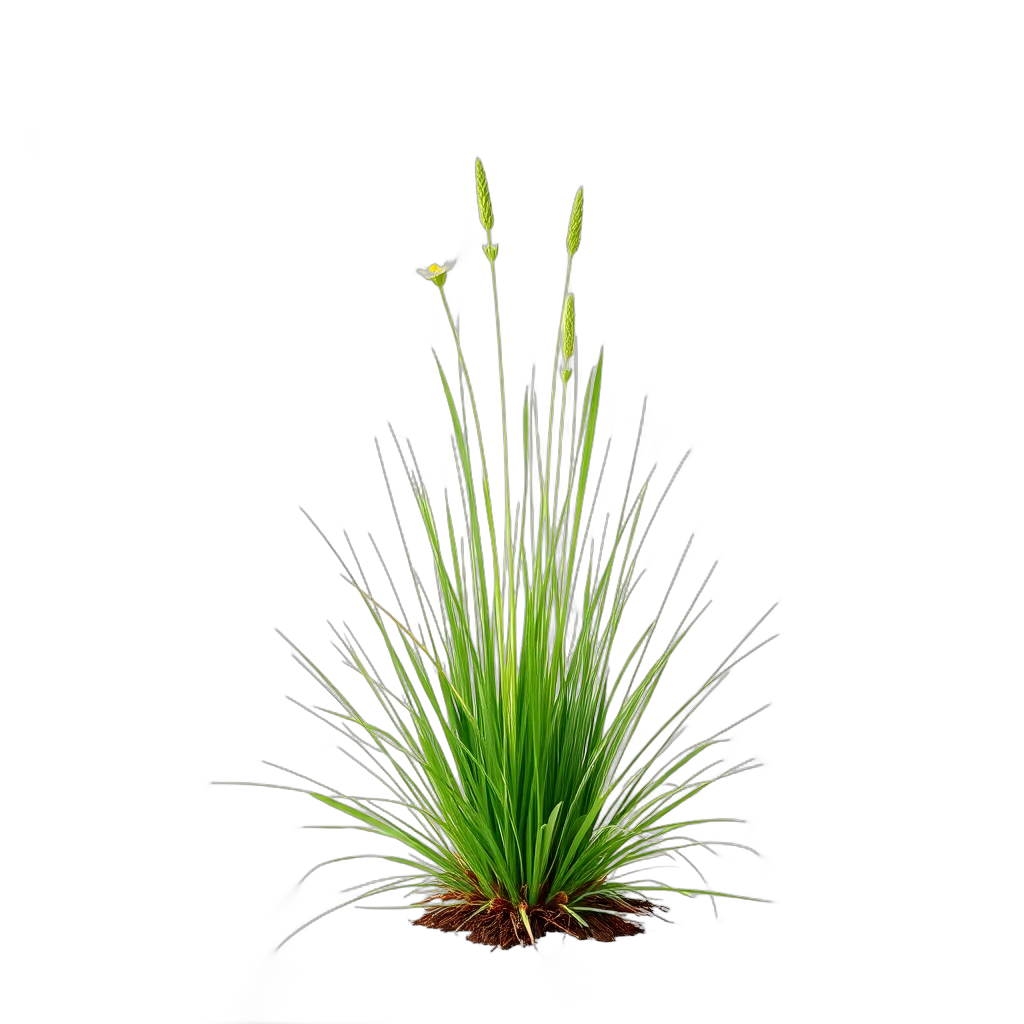
California Brome
Bromus carinatus
low-growing ground cover, blooms in spring. Yellow fall color.
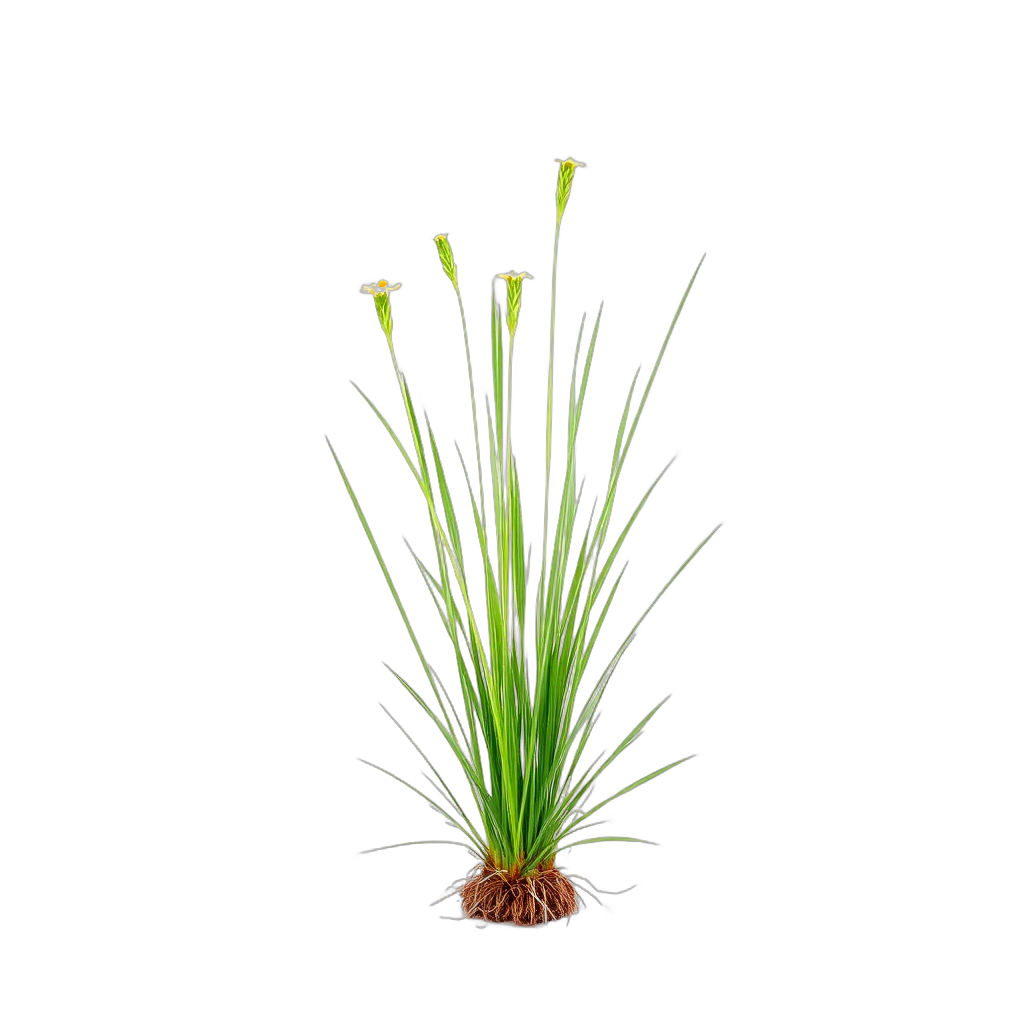
California Melic
Melica californica
low-growing ground cover, blooms in spring.
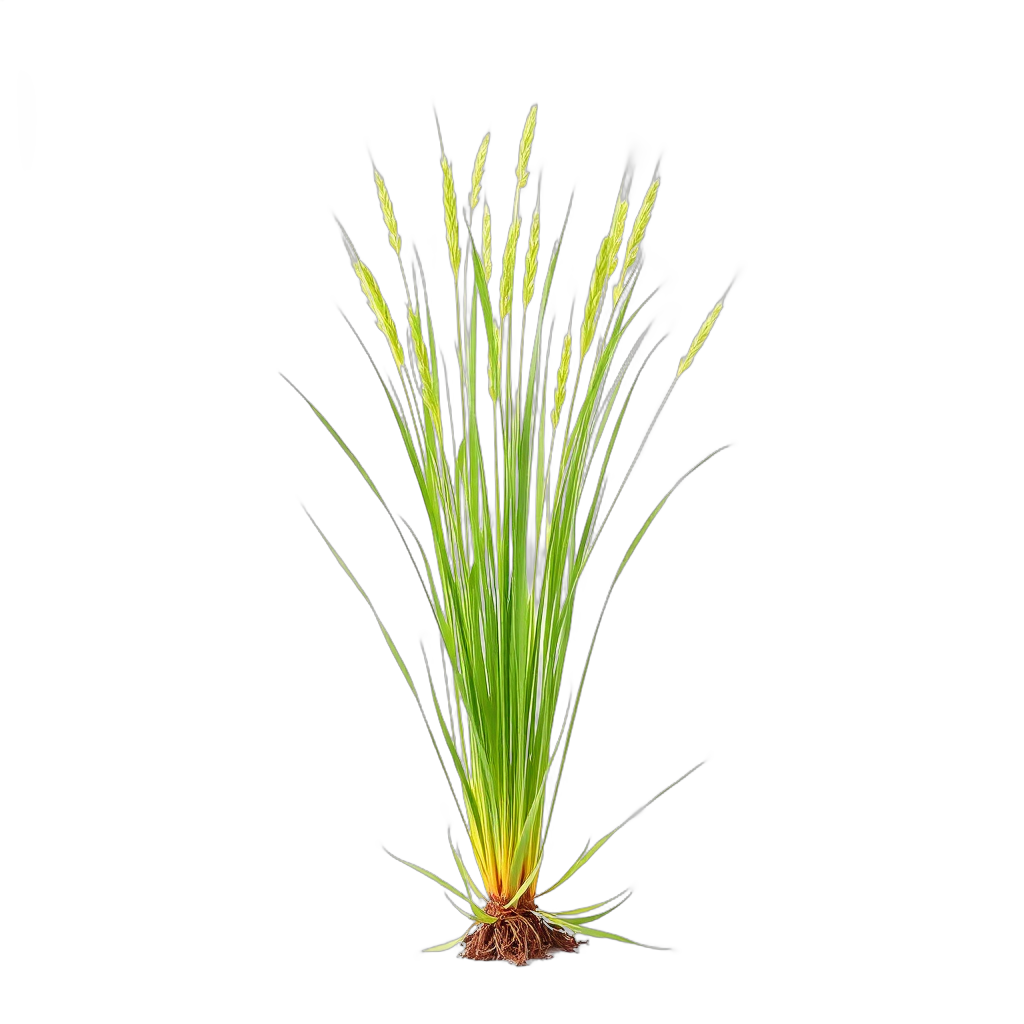
California Oatgrass
Danthonia californica
low-growing ground cover, blooms in spring. Yellow fall color.
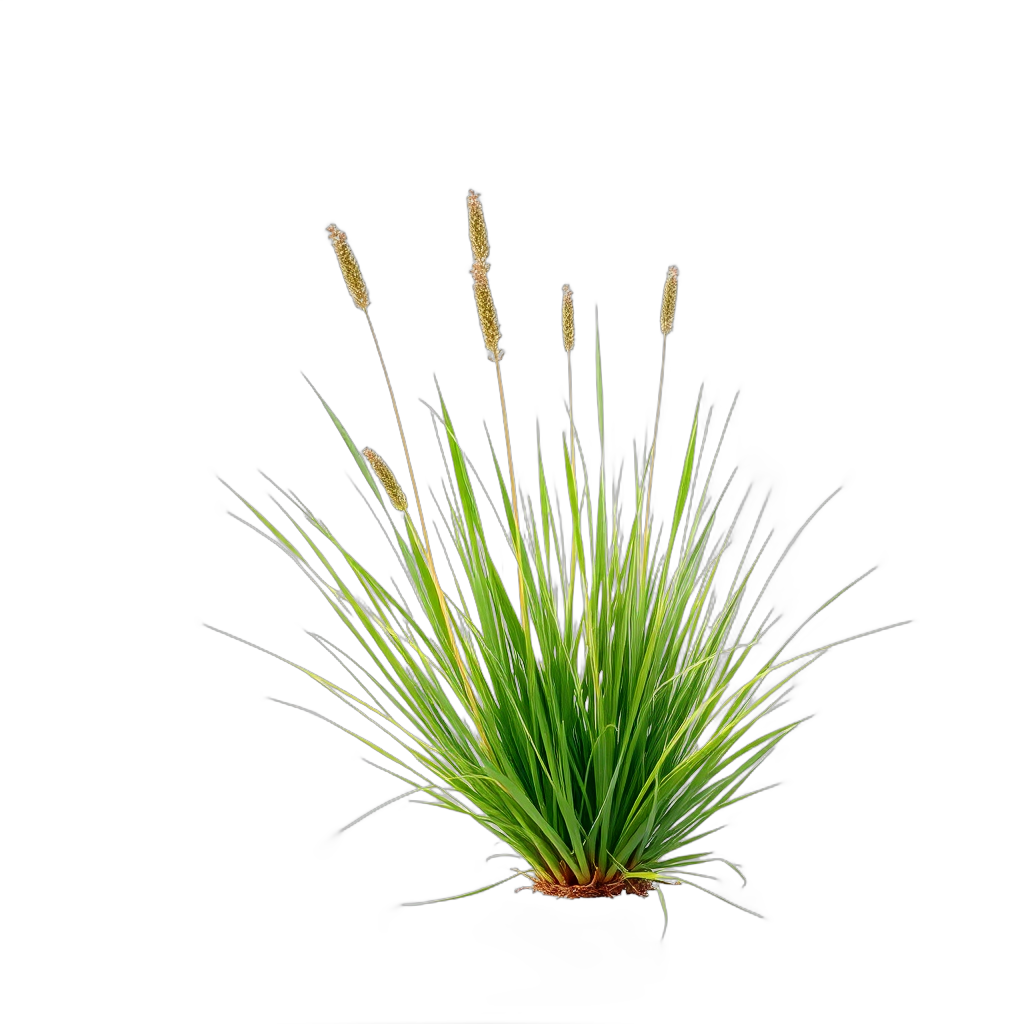
Deer Grass
Muhlenbergia rigens
grows to 3 feet, yellow blooms in fall. Evergreen year-round.
Featured Flowers & Perennials for Desert/Xeriscape Gardens
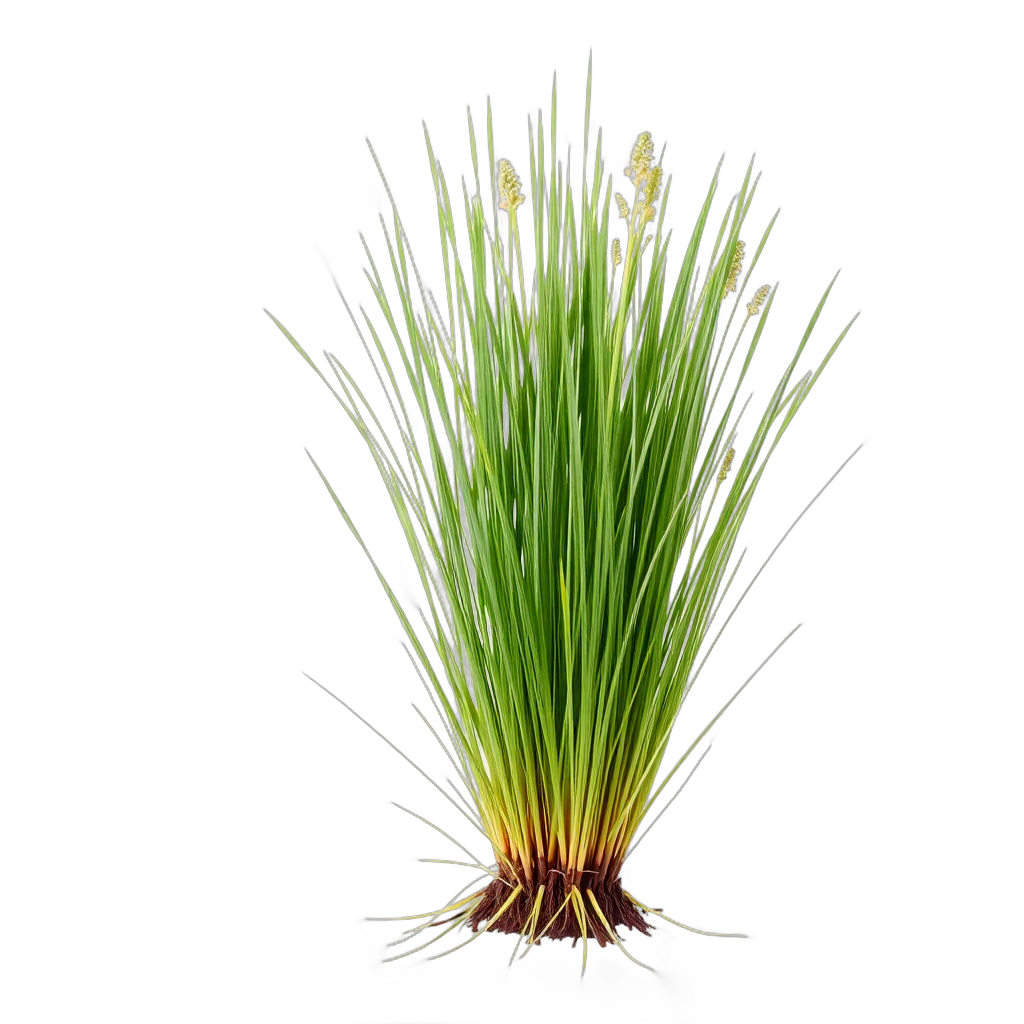
California Gray Rush
Juncus patens
low-growing ground cover, blooms in summer. Evergreen year-round.
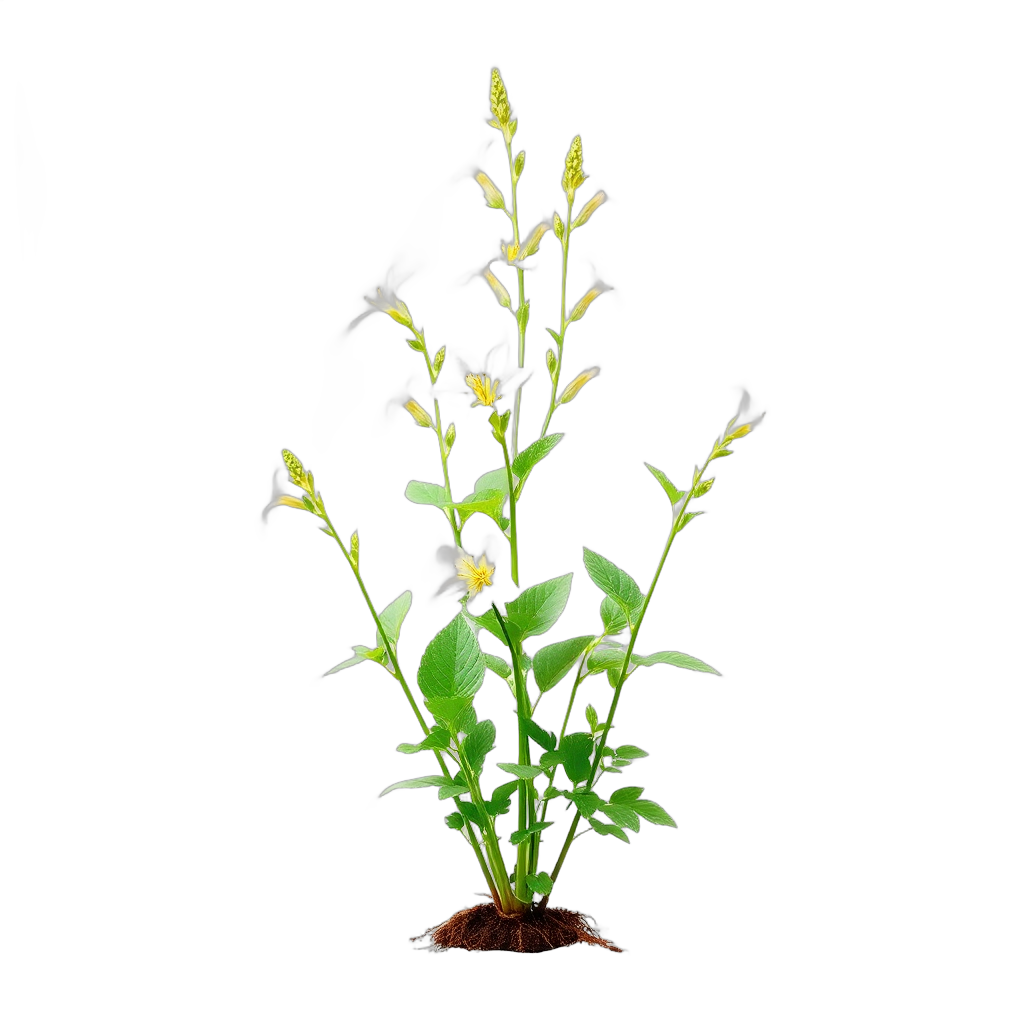
Beach Evening Primrose
Camissonia cheiranthifolia
low-growing ground cover, yellow blooms in spring. Attracts butterflies.
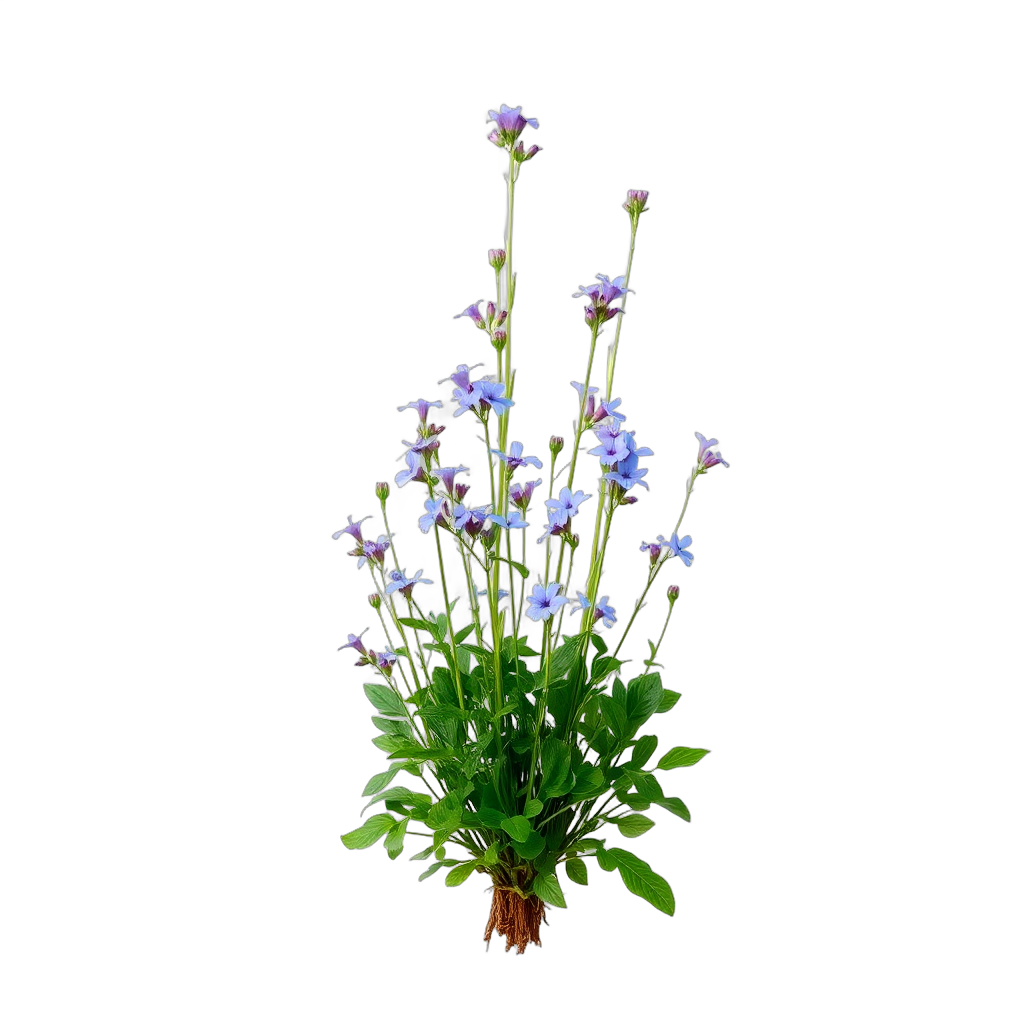
Blue Dicks
Dichelostemma capitatum
low-growing ground cover, blue blooms in spring. Pollinator-friendly.
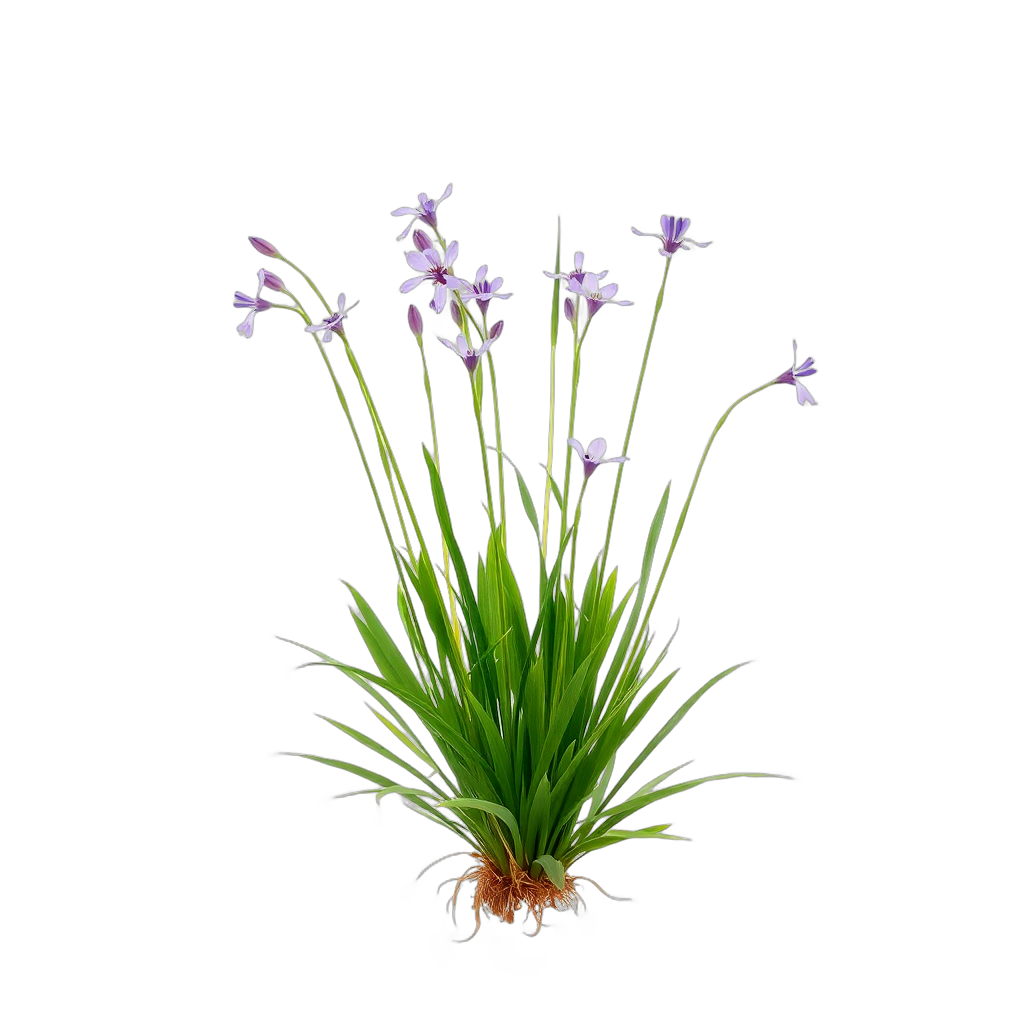
Blue-Eyed Grass
Sisyrinchium bellum
low-growing ground cover, blue blooms in spring. Attracts butterflies.
Zone and sun checks come from our database — confirm with your local nursery before you buy.
Bloom Calendar for Orange
spring
Beach Evening Primrose, Blue Dicks, Blue-Eyed Grasssummer
California Gray Rush, Hooker's Evening Primrose, Hummingbird Mintfall
California Fuchsiawinter
Limited bloomsDesign Tips for Orange (Zone 10a)
- Mound before you plant — Orange's compacted grove loam and hillside clay-loam both hold February water, and a 6–10 inch berm under every Agave ovatifolia or Opuntia crown prevents the winter rot that kills far more Southern California succulents than cold ever does
- Design the dry creek before the plants. With 13 inches of rain arriving in a handful of November-to-March storms, a cobble swale that carries roof and driveway runoff to a planted low point is both the cheapest drainage fix and the strongest line in the garden
- Give every rosette its own negative space. Agave americana reaches 6 feet across in Zone 10a and Dasylirion wheeleri holds a 5 foot sphere, so a design that looks sparse at install is correctly spaced at year four — resist the urge to fill the gravel
- Plant one shade tree, not a canopy. A single Chilopsis linearis 'Bubba' or Parkinsonia 'Desert Museum' set west of the entry cuts the late-afternoon load on a west-facing Orange facade while still letting enough light through for agaves underneath
- Skip Stipa tenuissima no matter how good it looks in photographs — it self-seeds into the coastal sage scrub around Peters Canyon and Irvine Regional Park. Muhlenbergia dubia, Muhlenbergia rigens and Bouteloua gracilis 'Blonde Ambition' give the same soft movement without the escape risk
- Put the drip on its own valve and turn it off in winter. Orange's rainy season delivers more water than a mature agave garden wants; the single most common cause of a failed xeriscape here is an irrigation controller that nobody reprogrammed after November
- Uplight the silhouettes, not the ground. Yucca rostrata, Dasylirion wheeleri and a boulder cluster throw far better evening shadows on stucco than any path light, and Orange's long warm evenings mean you will actually be outside to see them nine months a year
Where to Source Plants in Orange
Skip the big-box stores. These independent Orange nurseries specialize in the plants that make desert/xeriscape gardens thrive in Zone 10a.
Upland Nursery
North Tustin Street, Orange
Long-running independent Orange nursery with plumeria, bonsai, rare fruit trees and a deep bench of dry-climate perennials and succulent stock
OC Succulents
Warner Avenue, Irvine
Greenhouse grower with one of Orange County's largest agave, aloe, cactus and Hesperaloe selections, plus specimen-size rosettes
Tree of Life Nursery
Ortega Highway, San Juan Capistrano
California native plant specialist growing the coastal sage scrub and chaparral palette — Ceanothus, Arctostaphylos, Salvia and deergrass
Plant Depot
San Juan Creek Road, San Juan Capistrano
Family-run six-acre garden center with a large cactus and succulent yard, citrus, and Mediterranean trees sized for residential design
Roger's Gardens
Corona del Mar
Seven-acre destination nursery known for specimen agaves, olives, mature container plants and design-grade pottery
Desert/Xeriscape Landscaping Costs in Orange
| Project Scope | Estimated Cost |
|---|---|
| Front yard lawn-to-xeriscape conversion (500–700 sqft, installed) | $6,000 – $12,000 |
| Decomposed granite field, dry creek and set boulders | $9 – $18/sqft |
| Concrete slab patio with fire pit and string lighting (300–450 sqft) | $14,000 – $32,000 |
| Drip irrigation retrofit with smart controller (front and back) | $1,800 – $4,500 |
| Specimen agave, Yucca rostrata or multi-trunk desert willow (24 inch box or larger) | $180 – $900 each |
| Pool surround with boulder water feature and gravel garden | $70,000 – $180,000 |
| AI visualization with ProScapeAI | Free to start |
Estimates based on Orange, CA-area contractor rates as of 2026. Actual costs vary by site conditions, materials, and contractor.
Orange Climate & Growing Zone
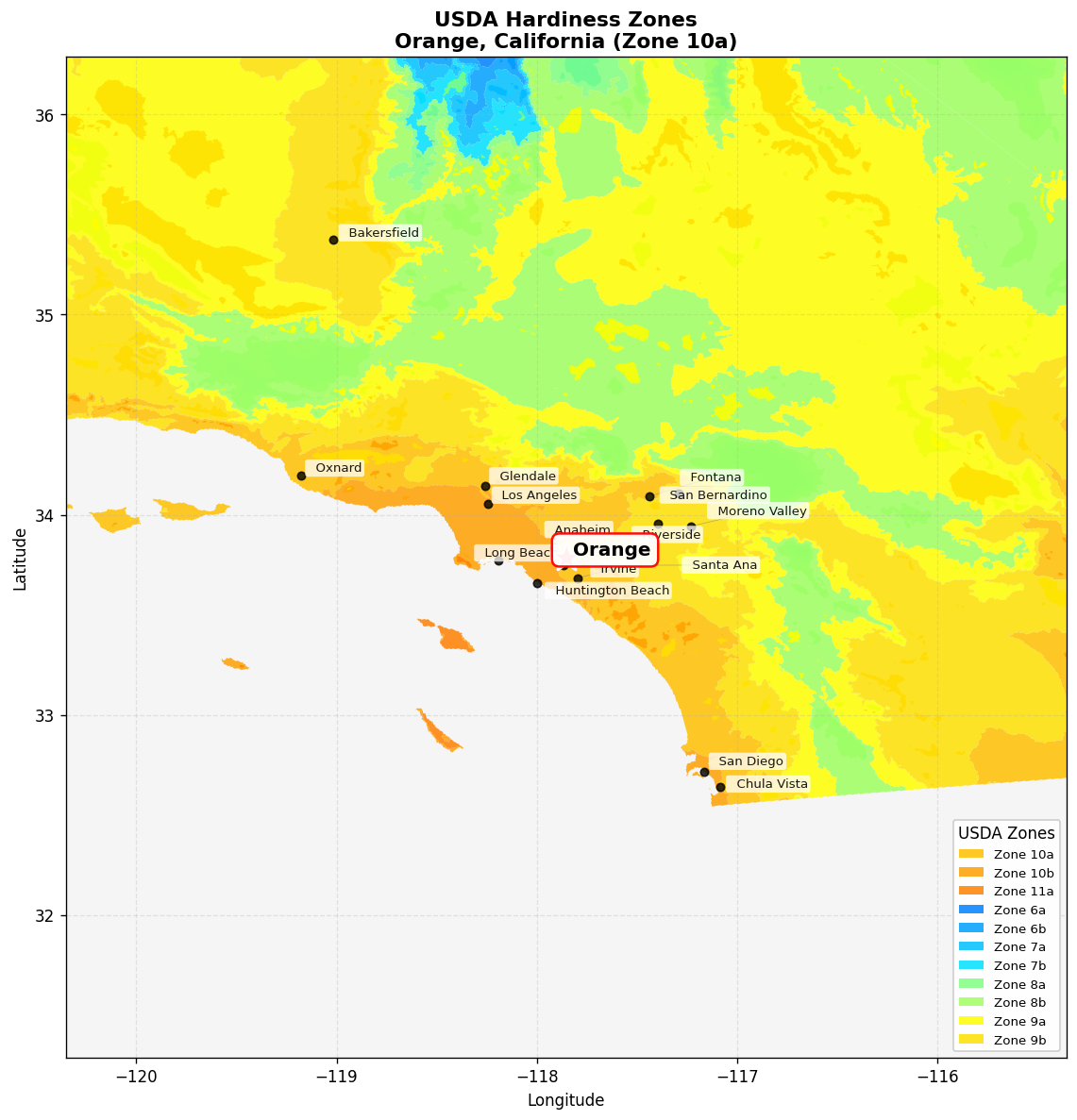
USDA Zone 10a
Hardiness zone for Orange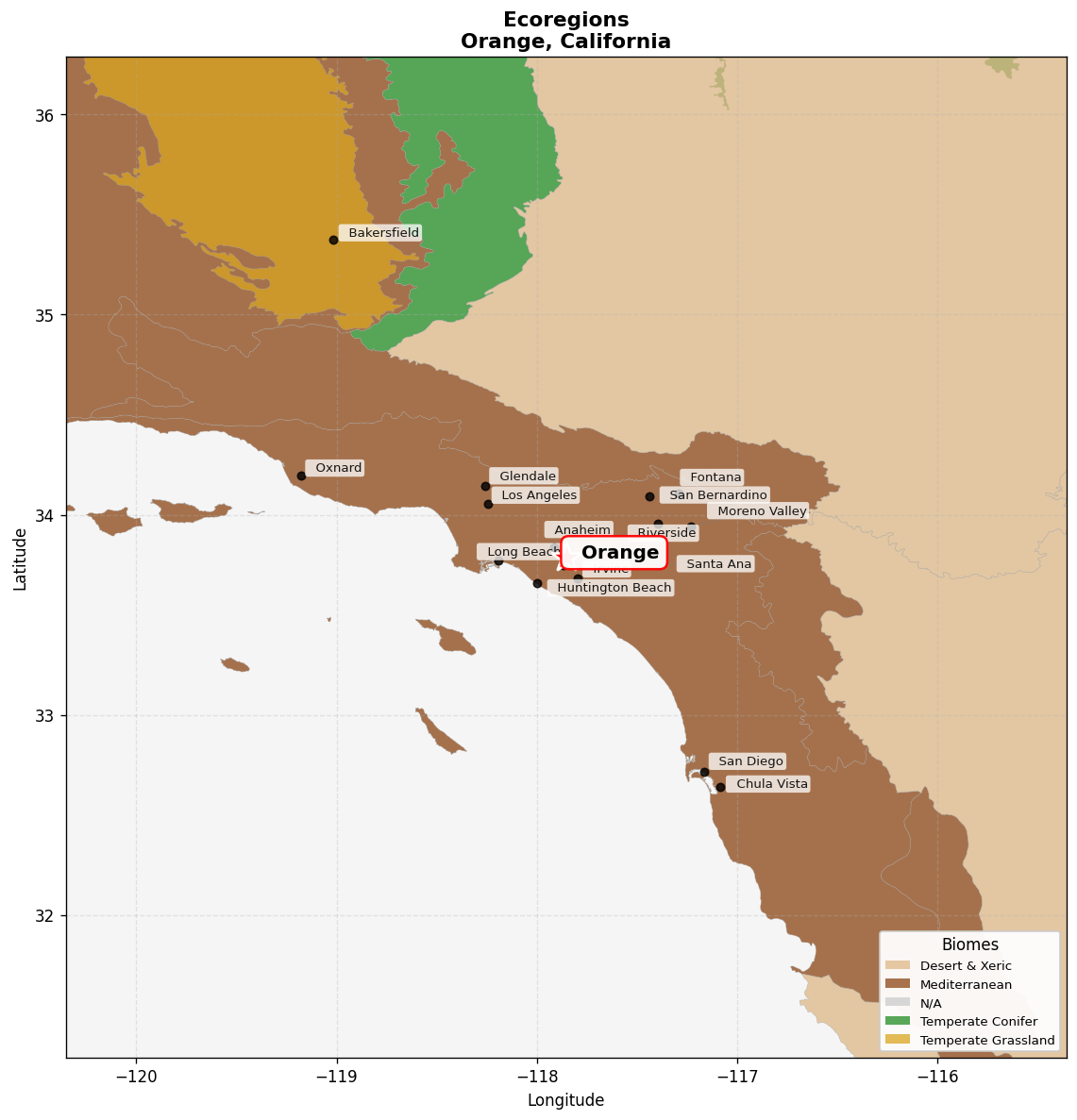
California coastal sage and chaparral
Native ecoregionFrequently Asked Questions
How much does xeriscaping cost in Orange, CA?
Orange County installation pricing runs above the national average, mostly on labour. A full front-yard conversion — turf and irrigation removal, grading, decomposed granite, boulders, drip, and a real plant list — lands around $9–18 per square foot installed, so a typical 600 square foot Orange front lawn is roughly $6,000–$11,000. A DIY version using rented plate compactors and bulk DG from a local yard can come in near $4–6 per square foot. Backyard work with concrete slabs, a fire feature and lighting runs $16–32 per square foot, and pool-inclusive gardens on the hillside tracts routinely pass $80,000. Remember to subtract the turf rebate: at $2 per square foot and up, it is not a rounding error.
Will real desert plants survive Orange's marine-influenced winters?
Zone 10a cold is not the problem — Orange rarely drops below 30°F, and Agave ovatifolia, Agave parryi var. truncata, Yucca rostrata, Dasylirion wheeleri and Opuntia ficus-indica are all hardy well below that. Winter wet is the problem. Orange gets nearly all of its 13 inches of rain between November and March, exactly when these plants are least active, and a rosette sitting in a low spot in heavy loam will rot from the crown down. Plant on mounds or berms, blend crushed granite into the backfill, keep gravel mulch pulled back an inch from every crown, and switch the drip valve off completely from December through February.
What rebates and rules apply to a lawn removal in the City of Orange?
City of Orange water customers can generally access the regional SoCal Water$mart turf replacement rebate, which starts at $2 per square foot, with Municipal Water District of Orange County periodically adding a local top-up — apply and get approval before you tear anything out, because pre-inspection is normally required. Separately, California's Model Water Efficient Landscape Ordinance kicks in on new or rehabilitated landscapes over 500 square feet that require a permit, capping turf and requiring separate hydrozones. A plain planting and gravel swap needs no permit; retaining walls over 4 feet, pools and roofed structures do. Confirm current amounts and thresholds with the City of Orange Water Division before you budget.
When should I plant a xeriscape garden in Orange?
October through early December is the best window by a wide margin. Plants installed then get the whole rainy season to root out before the first hot Santa Ana in September, and winter rain does most of the watering for you. February and early March is the fallback. Avoid planting agaves and cacti in July and August: Orange highs sit in the high 80s to low 90s, new rosettes sunburn on the exposed shoulder, and you end up hand-watering succulents through summer, which is the opposite of the point. Hardscape — gravel, boulders, concrete — can go in any month of the year here.
Which plants handle Santa Ana winds and fire-adjacent lots in east Orange?
Along the Peters Canyon and Irvine Regional Park edges, defensible-space thinking should shape the plant list. Keep the first five feet from the house as gravel, concrete or bare mineral mulch with nothing woody in it. Beyond that, low-resin, high-moisture choices do best: Agave attenuata, Aloe striata, Dymondia margaretae, Senecio mandraliscae and Muhlenbergia rigens all stay green and hold water. Avoid dense stands of resinous Juniperus and untrimmed Cupressus near structures, and skip Stipa tenuissima entirely — it seeds aggressively into Orange County open space and cures into fine dry fuel by June.
How much water does a converted Orange front yard actually use?
A cool-season fescue lawn in Orange needs roughly 45–55 inches of applied water a year to stay green through the summer drought. A properly designed gravel-and-agave front yard on inline drip typically runs 8–14 inches once established — a drop of 70–80%. In practice that means one deep drip cycle every 10–14 days from June through September, once a month in spring and fall, and the valve shut off entirely in winter. Establishment is the exception: budget weekly watering for the first summer, then step it down hard in year two.