4 Cottage Garden Ideas for Des Moines, IA | English-Style Landscape Design in Zone 5b
Native plants from the Central Tallgrass prairie (Zone 5b) — Humid continental (hot summer) climate
Why Cottage/English Gardens in Des Moines?
Des Moines might be the most naturally cottage-garden-ready city in the Midwest. The brick Tudors of Beaverdale, the Victorians of Sherman Hill, and the foursquares and bungalows around Drake, Waveland Park, and Union Park were practically built to be framed by picket fences, rose arbors, and billowing perennial borders. This is also a city with genuine rose credentials: the Buck roses — dozens of shrub roses bred by Dr. Griffith Buck at Iowa State University in Ames specifically to survive Iowa winters without protection — are the single best cheat code for the English look in central Iowa, and they were invented forty minutes up I-35.
Zone 5b winters (lows of -15 to -10°F) sort the classic English plant list into winners and pretenders, and the winners are spectacular. Peonies, lilacs, delphiniums, catmint, salvia, and bearded iris don't just survive Des Moines cold — they need it, and they bloom here with a vigor that gardens in milder climates can't match. The pretenders need honest substitutions: English lavender is marginal in heavy soil and wet winters, so plant 'Phenomenal' or 'Munstead' in raised, gravel-amended spots or lean on catmint and Russian sage for the same purple haze. Climbing roses must be own-root, cane-hardy varieties — Canadian Explorer series like 'John Cabot' and 'William Baffin' shrug off -30°F, while grafted hybrid teas die to the ground. Get the varieties right and a Des Moines cottage garden is lower-maintenance than the same garden in England.
The soil is the city's quiet superpower. Central Iowa sits on some of the deepest, most fertile prairie loam on Earth, and the older neighborhoods inside the I-235 loop still have it intact — plants establish fast and borders fill in a season sooner than they would on thin ground. The caveat is the growth suburbs: new builds in Waukee, Ankeny, and Grimes frequently have the topsoil stripped and sold, leaving compacted clay subsoil that needs 3–4 inches of compost tilled in before any border goes in. Des Moines' roughly 36 inches of annual rain arrives mostly in the growing season, which suits thirsty cottage perennials well, but a 2–3 inch mulch layer is essential insurance for the hot, dry stretches of late July and August.
4 Cottage/English Design Ideas for Des Moines
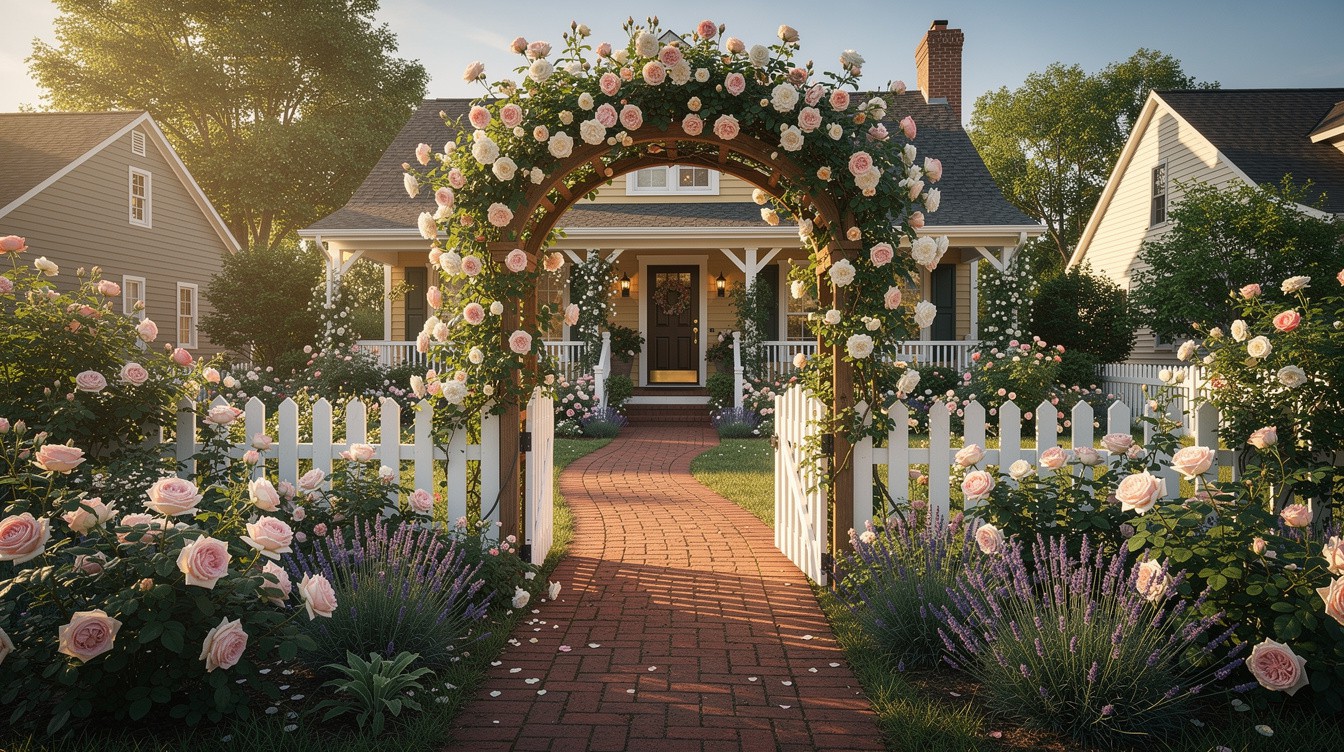
The Picket Fence Rose Walk
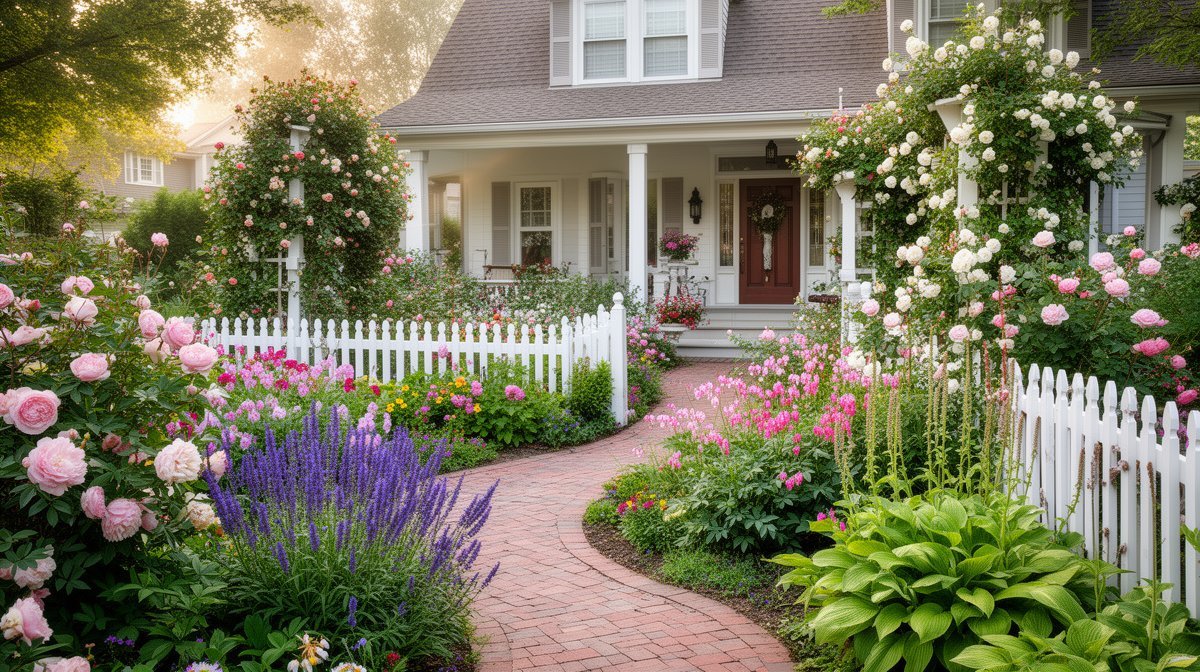
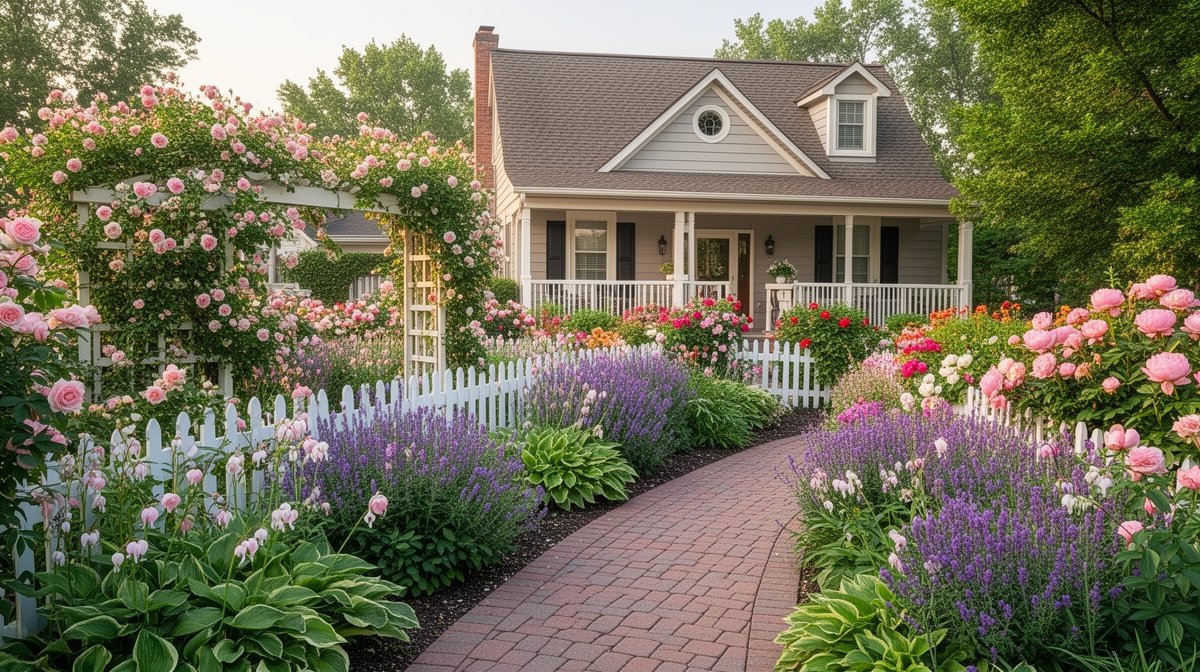
$10–18/sqft (fence and arbor additional)A tan craftsman bungalow with a deep front porch, wrapped in a classic white picket fence with a rose-smothered wooden arbor arching over the gate. A herringbone brick walkway curves to the front steps between borders stuffed with pink and cream shrub roses, while ribbons of lavender-purple spikes edge the path and scatter petals across the brick. It's the full storybook treatment — fence, gate, arch, and roses — scaled to a standard Des Moines city lot, and every element of it is buildable in Zone 5b with cane-hardy climbers doing the arch work.
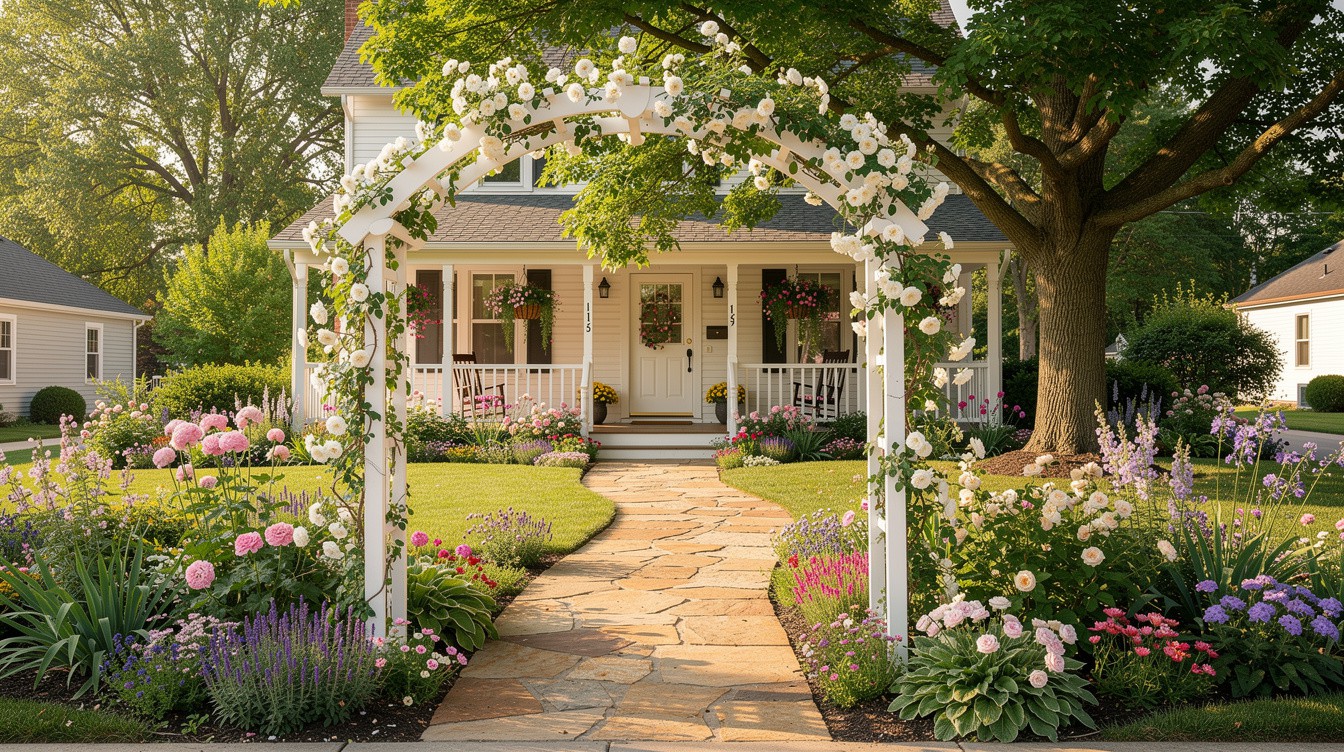
The Farmhouse Peony Border
$8–15/sqftA white two-story farmhouse with a full-width front porch, hanging flower baskets, and a white arbor dripping with white climbing roses over the front path. The flagstone walkway winds through deep double borders where fat pink peony blooms do the heavy lifting, backed by purple delphinium and larkspur spires, catmint, and drifts of pinks and dianthus, all under the canopy of a mature shade tree. Peonies are the most Iowa plant there is — they outlive the people who plant them here — and this design puts them front and center where a Zone 5b garden can outbloom anything milder climates offer in June.
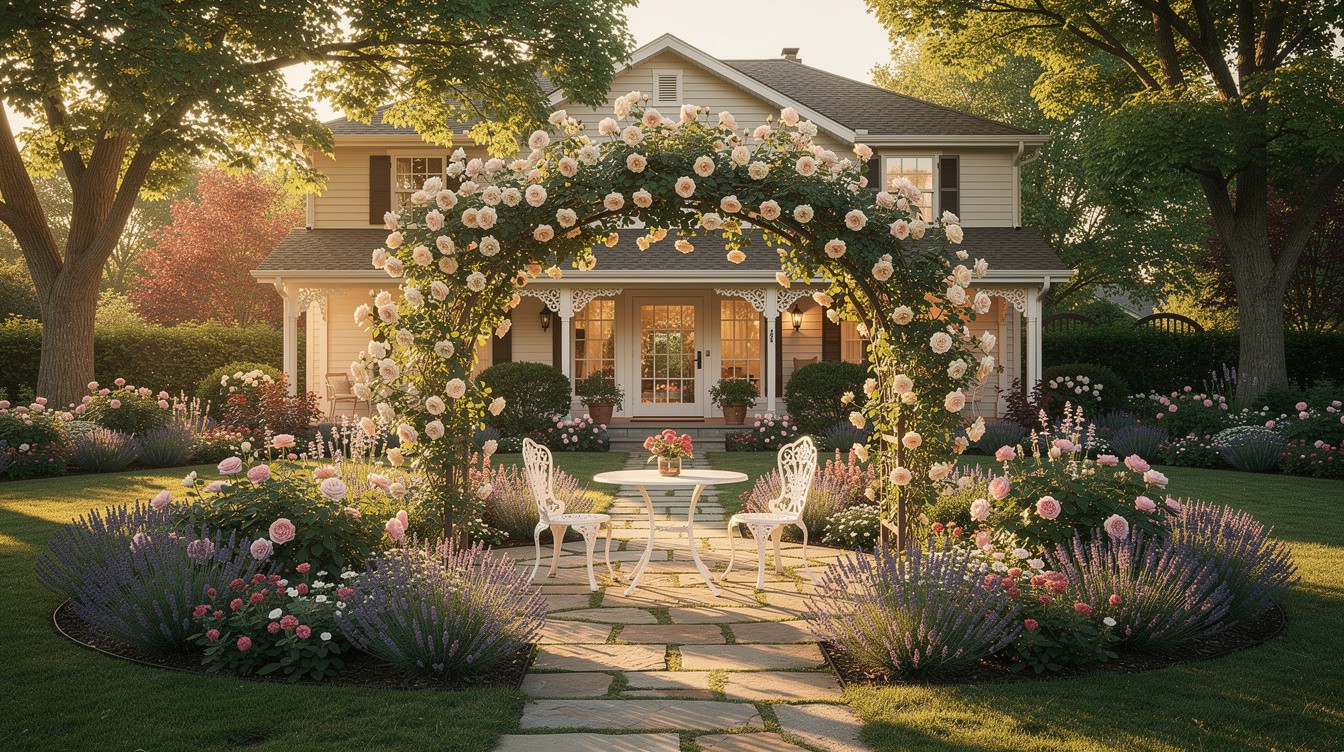
The Bistro Rose Circle
$15–25/sqft for the terrace zoneA circular flagstone terrace set in the lawn in front of a cream two-story home with gingerbread porch trim, furnished with a white wrought-iron bistro table and chairs. The circle is ringed by a low hedge of lavender-toned catmint and mounded shrub roses in pink and blush, and a pair of metal arbors clothed in peach and pink climbers frame the view back to the porch. It's an outdoor tea room built from just three moves — a paved circle, a fragrant ring, and an arch — and the ring planting hides the terrace edge so the whole composition seems to float in the garden.
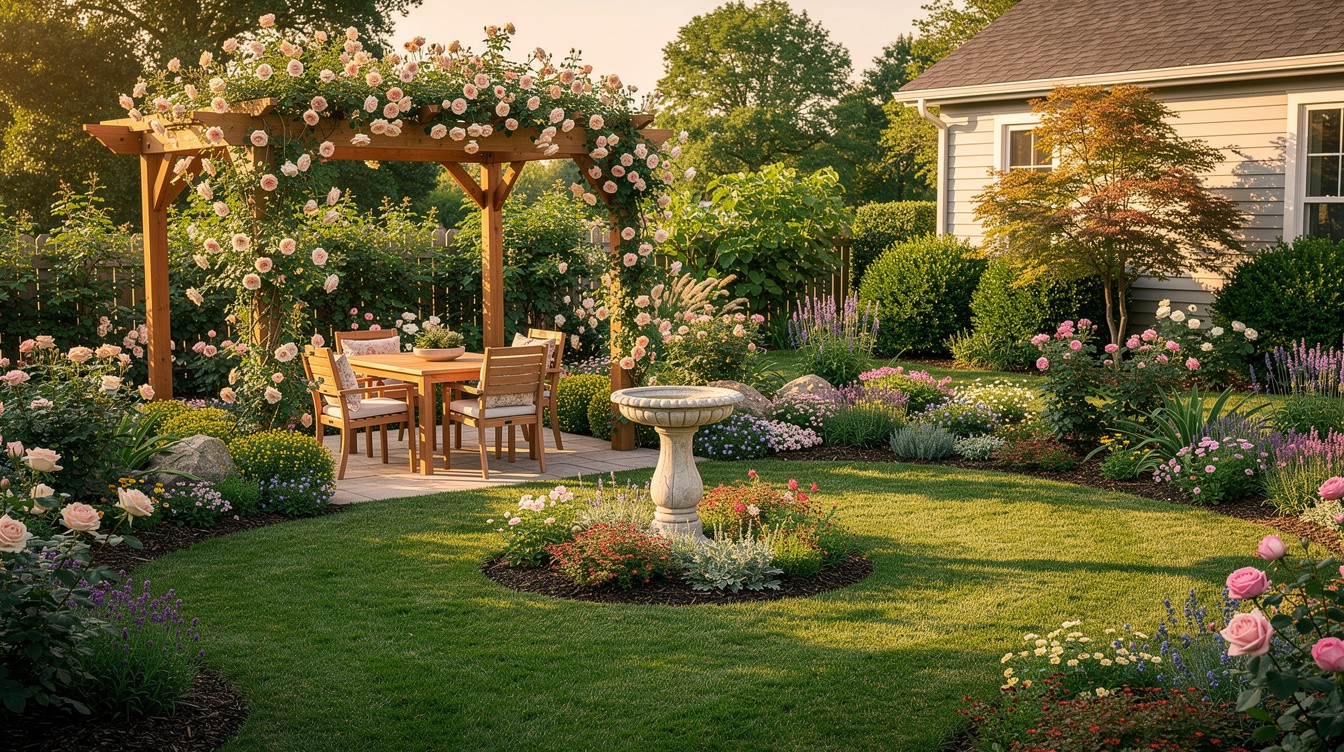
The Pergola Tea Garden
$12–22/sqft (pergola $6,000–14,000 of the total)A backyard organized around a cedar pergola completely draped in pink climbing roses, sheltering a wooden dining table for six on a stone-paved pad. Out in the lawn, a carved stone birdbath anchors a circular island bed of red and coral annuals, and deep curved borders of roses, lavender-blue spikes, and cottage perennials sweep along the wood privacy fence. A Japanese maple glows against the house corner — it's hardy here with a sheltered east-side placement — and the whole yard reads as a sequence of rooms: dining under the roses, strolling past the borders, birdsong at the center.
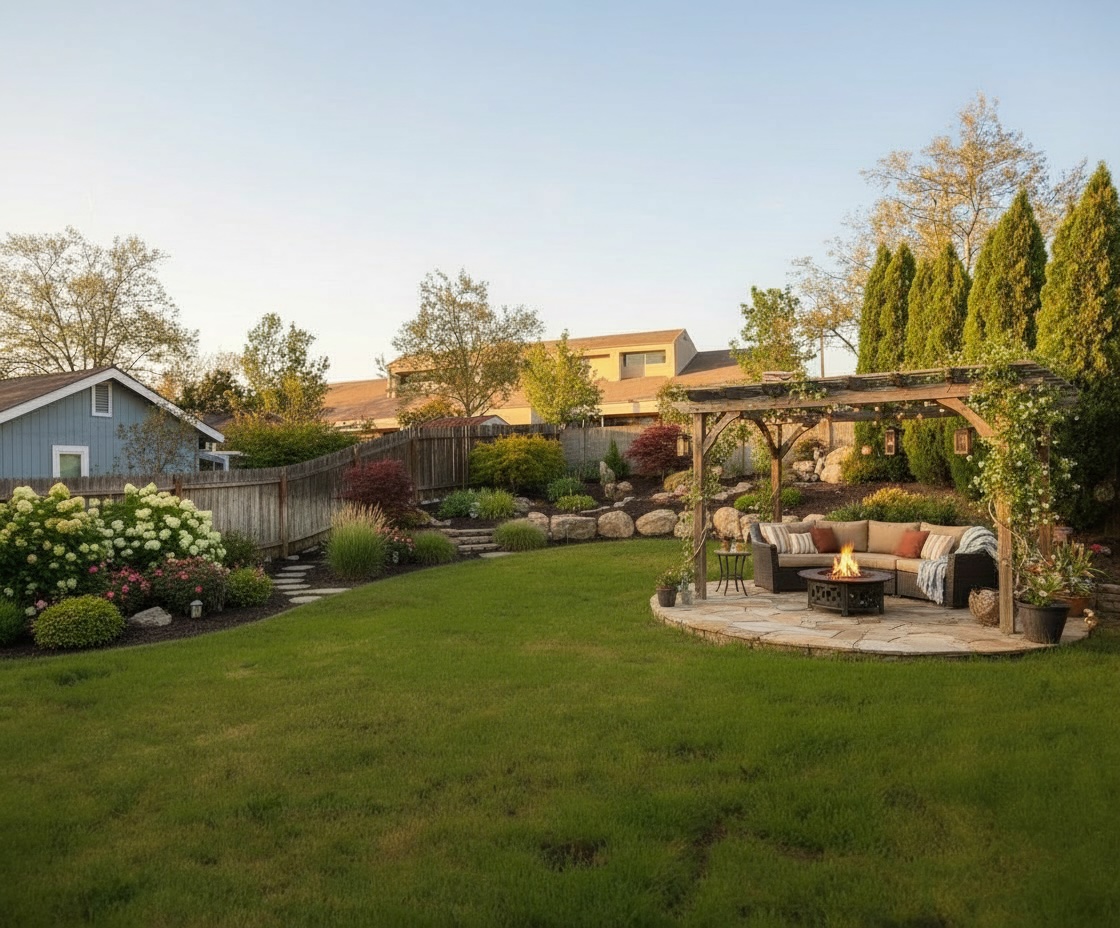
See how a cottage/english garden looks on YOUR property
Upload a photo of your Des Moines yard and visualize your dream garden in seconds.
Try ProScapeAI Free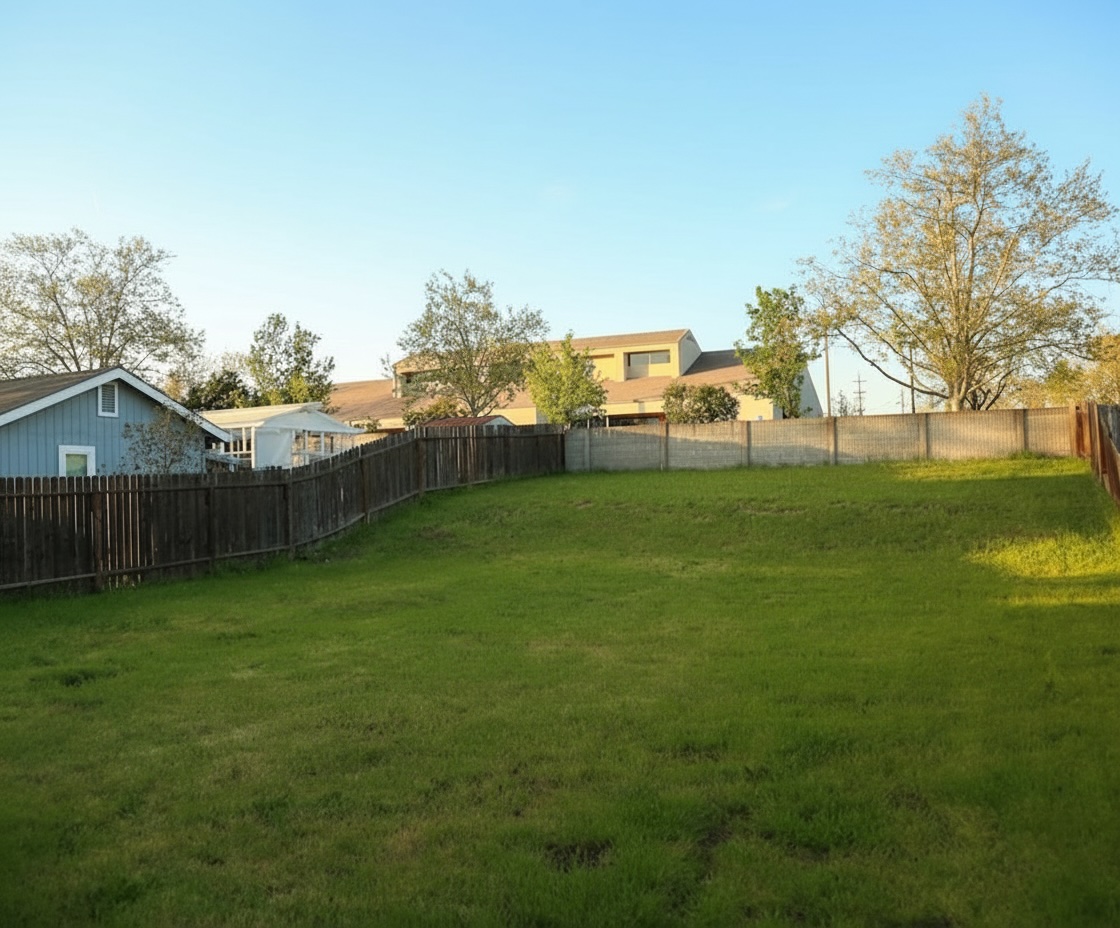
Featured Trees & Shrubs for Cottage/English Gardens
Browse all 185 plants for Des Moines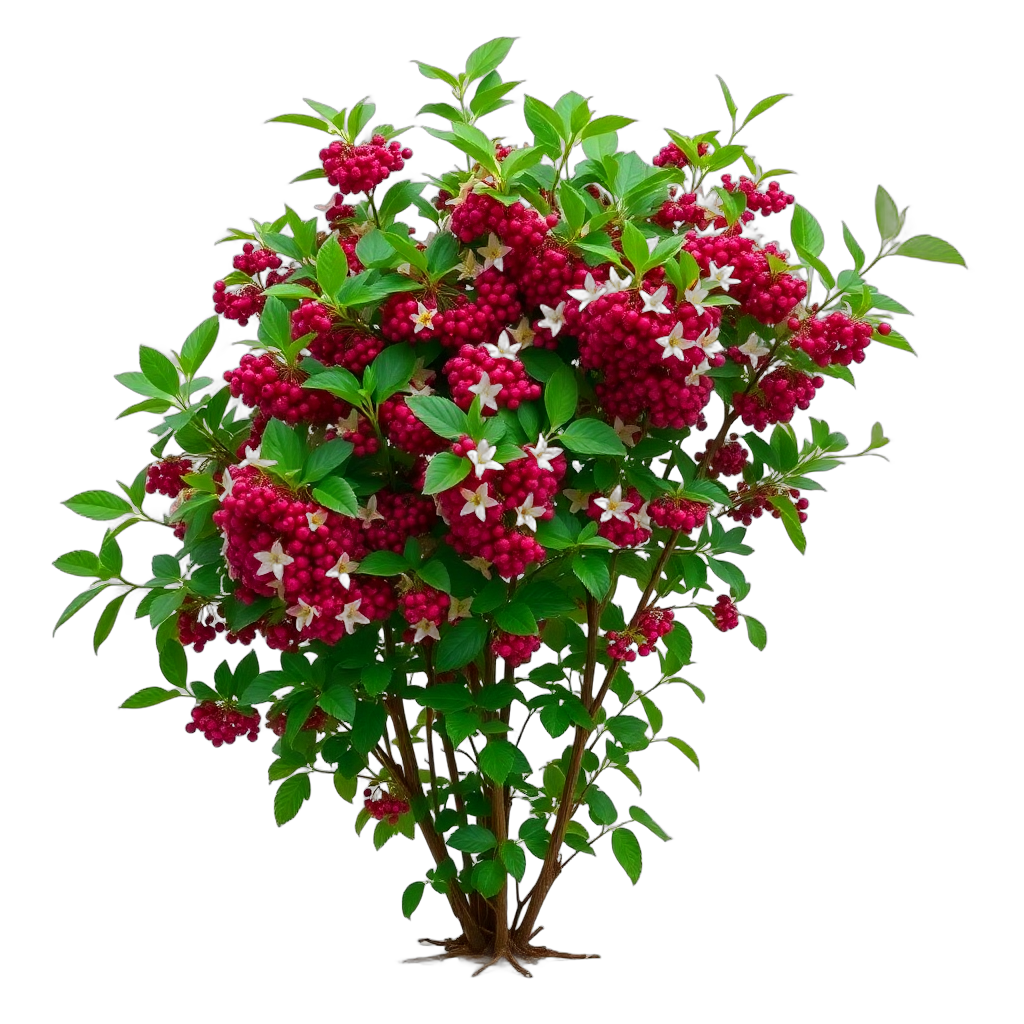
Clove Currant
Ribes odoratum
grows to 6 feet, yellow blooms in spring. Attracts hummingbirds.

Fragrant Sumac
Rhus aromatica
grows to 4 feet, yellow blooms in spring. Attracts butterflies.
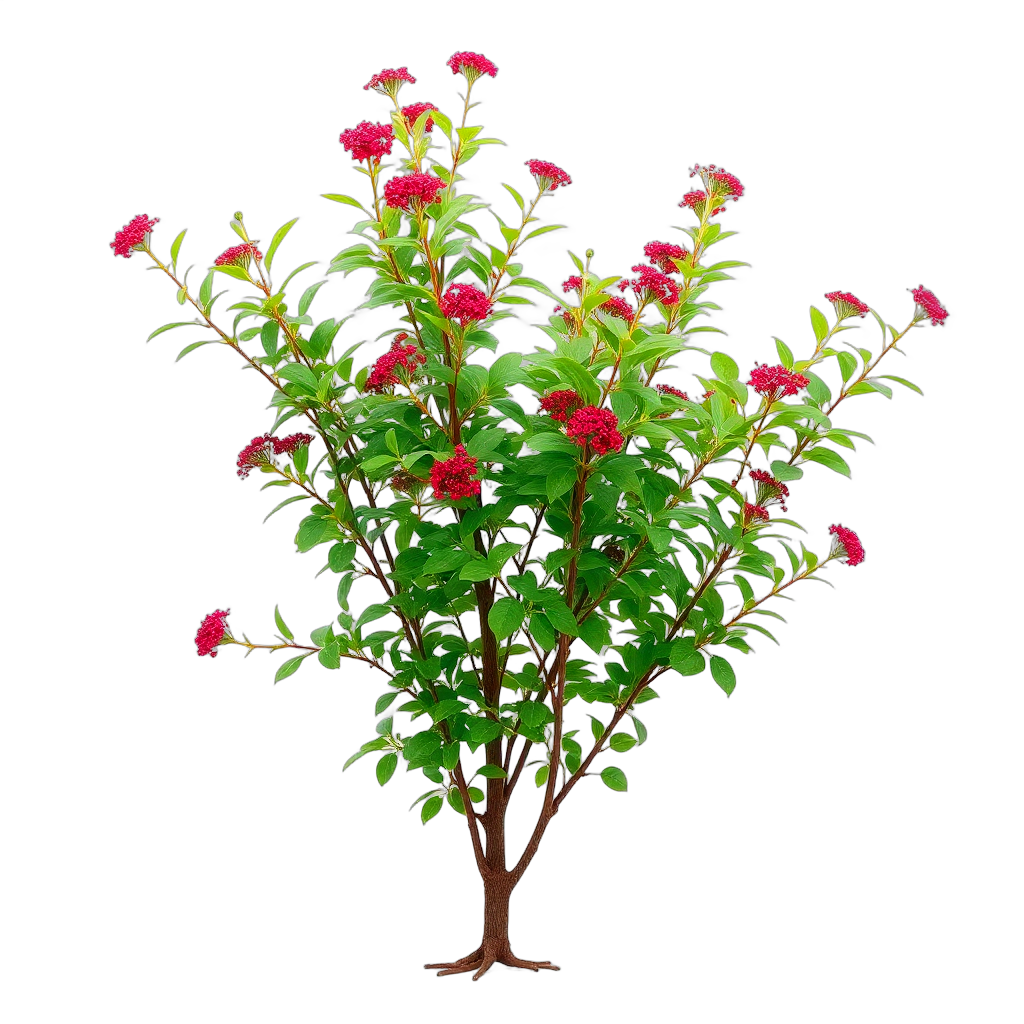
Smooth Sumac
Rhus glabra
medium-sized at 12 feet, white,green blooms in summer. Attracts butterflies.
Featured Grasses & Groundcovers for Cottage/English Gardens
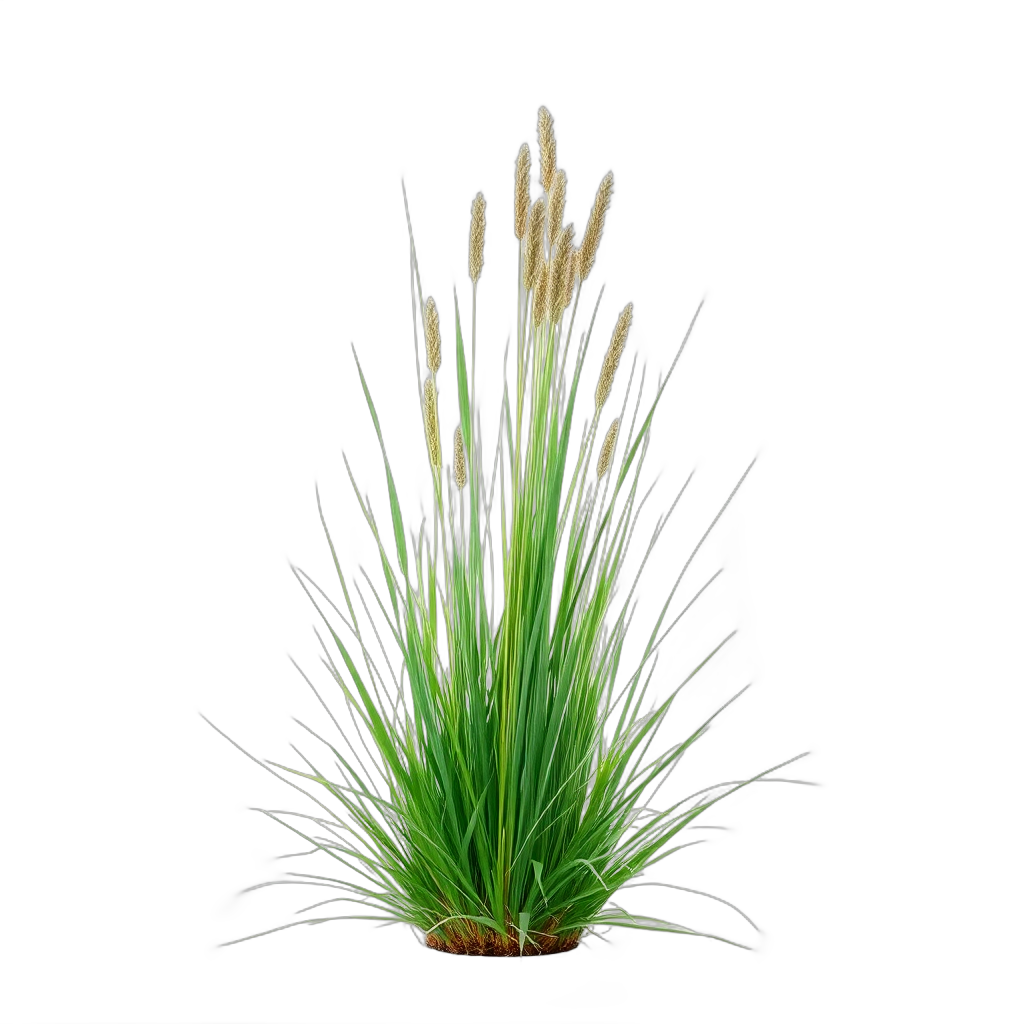
Big Bluestem
Andropogon gerardii
medium-sized at 7 feet, purple blooms in fall. Bronze,burgundy fall color.
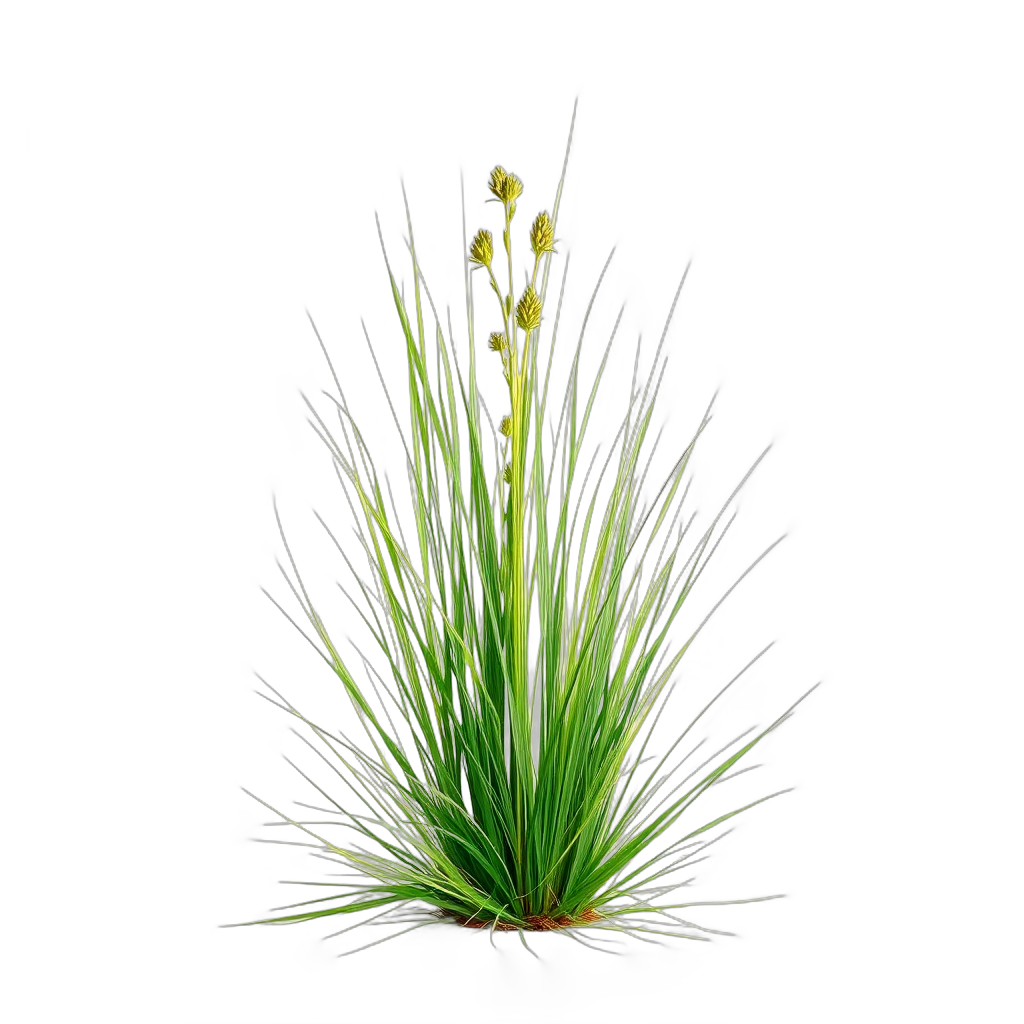
Canada Wild Rye
Elymus canadensis
grows to 4 feet, blooms in summer. Yellow fall color.
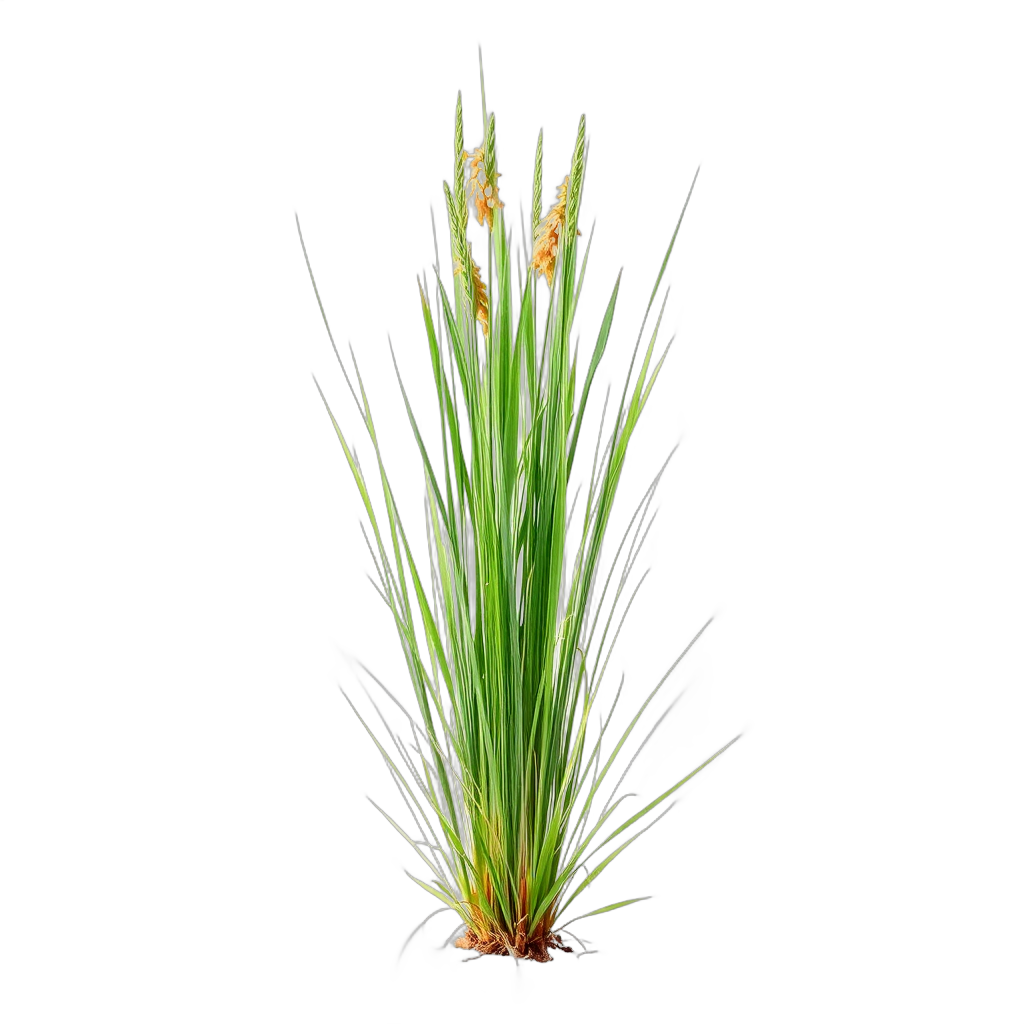
Eastern Gamagrass
Tripsacum dactyloides
grows to 6 feet, blooms in summer. Yellow fall color.
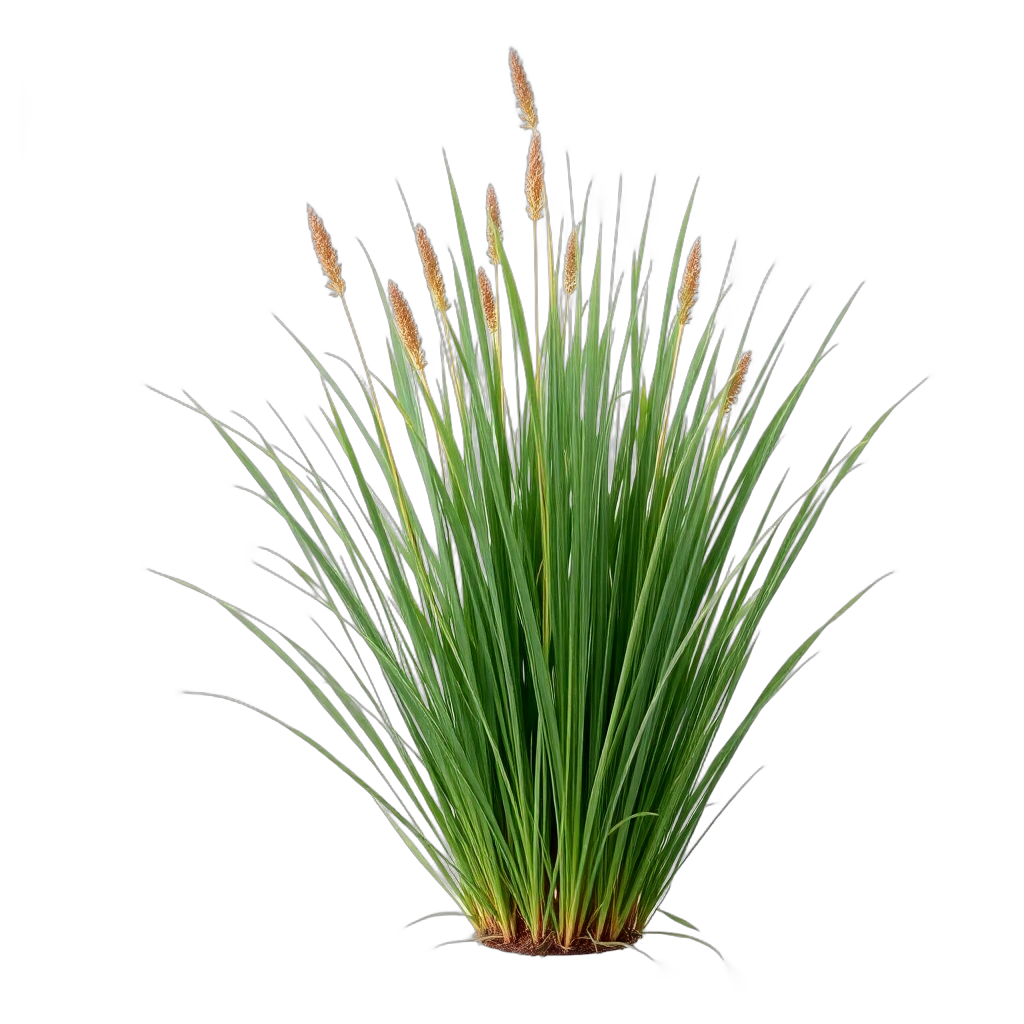
Heavy Metal Switchgrass
Panicum 'Heavy Metal'
grows to 4 feet, pink blooms in summer. Yellow fall color.
Featured Flowers & Perennials for Cottage/English Gardens
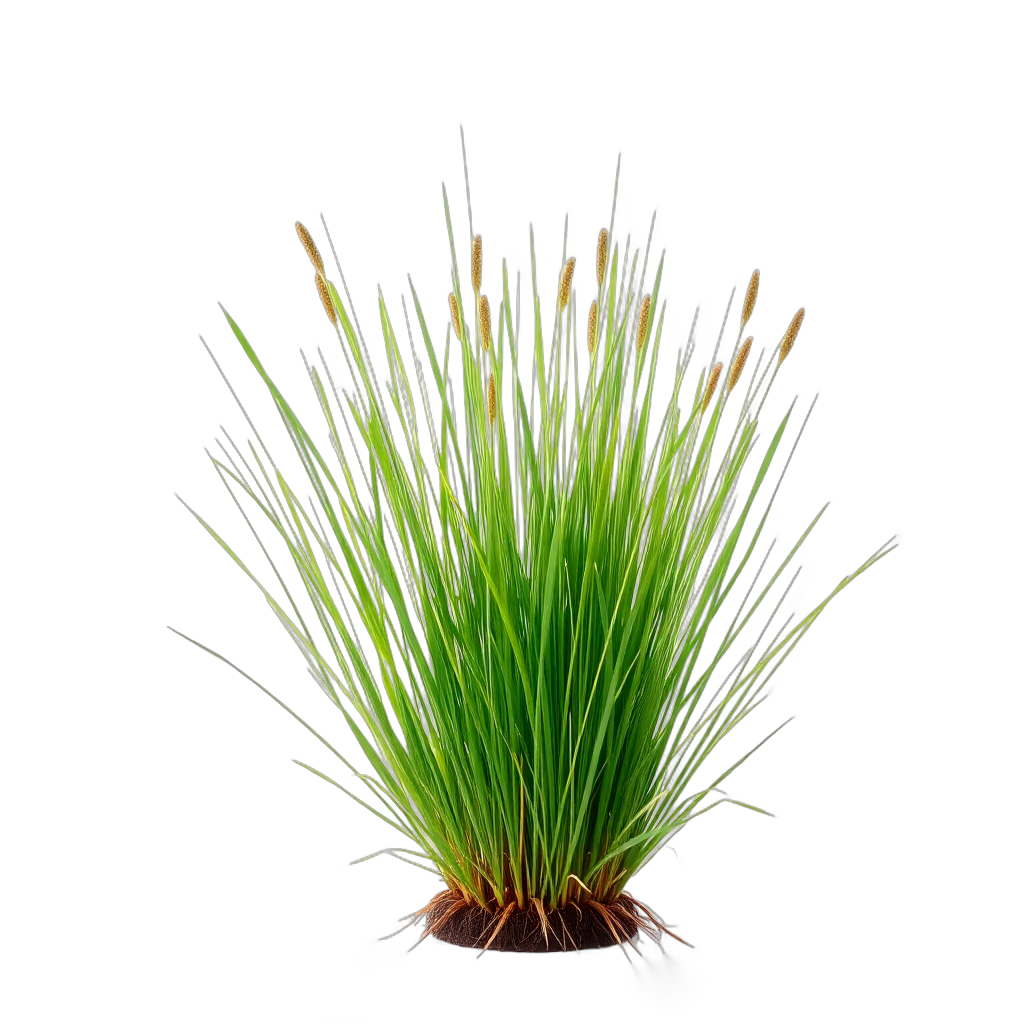
Path Rush
Juncus tenuis
low-growing ground cover, blooms in summer. Evergreen year-round.
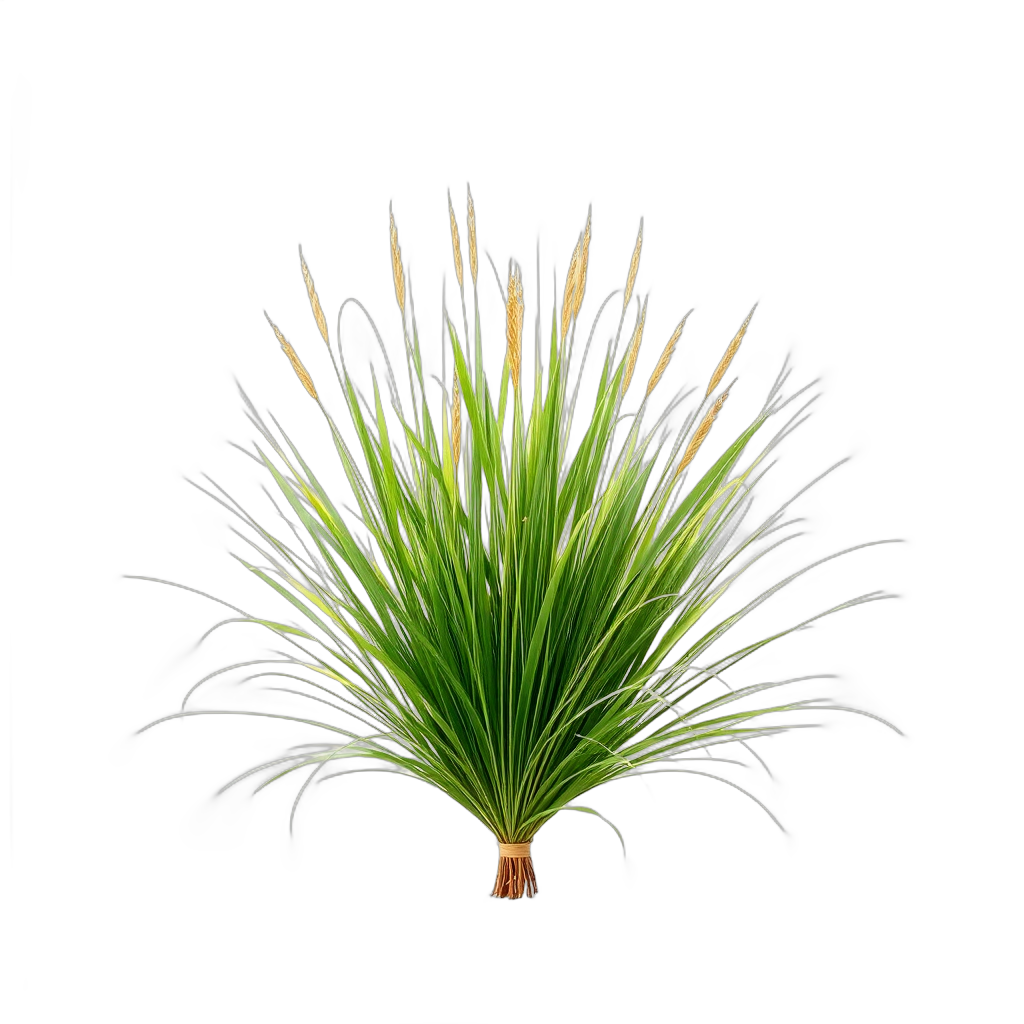
Prairie Cordgrass
Spartina pectinata
grows to 6 feet, blooms in summer. Yellow fall color.
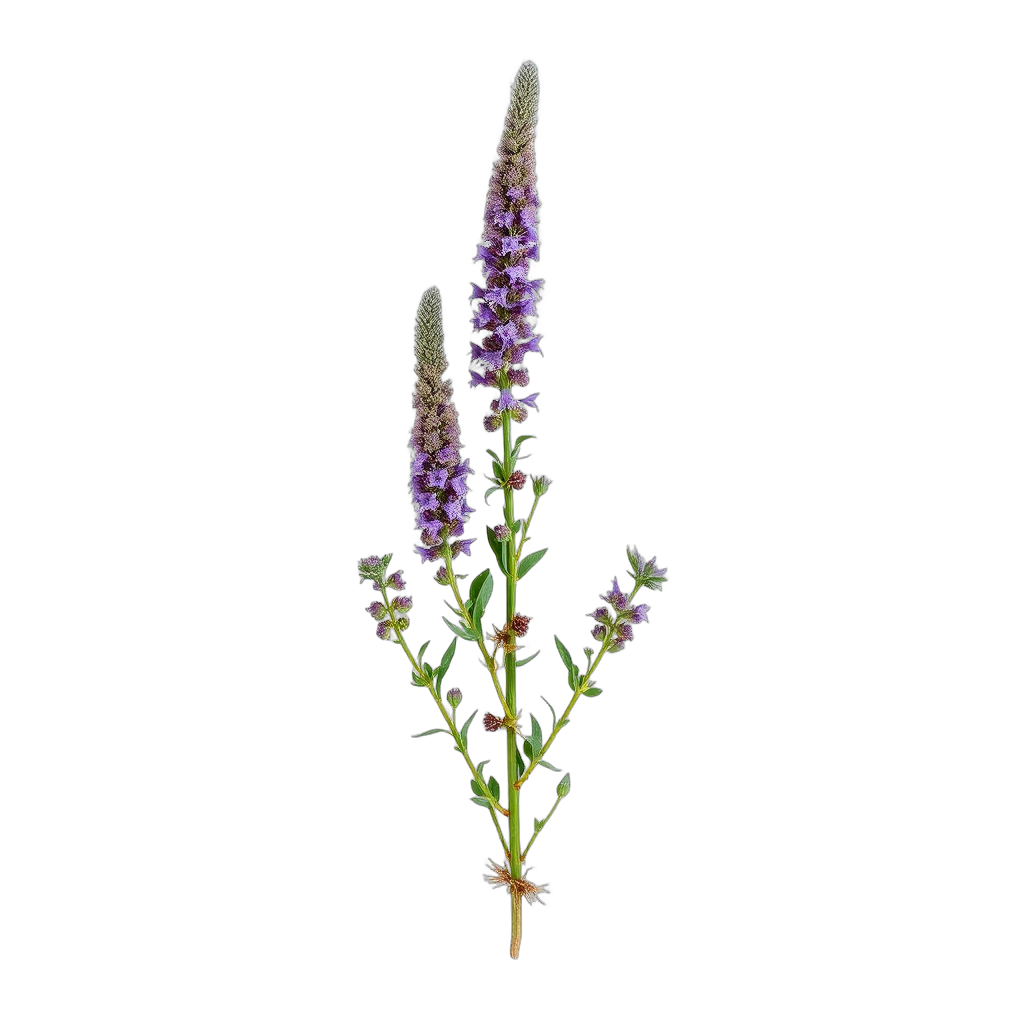
Anise Hyssop
Agastache foeniculum
grows to 3 feet, purple blooms in summer. Attracts hummingbirds.

Azure Sage
Salvia azurea
grows to 4 feet, blue blooms in fall. Attracts hummingbirds.
Bloom Calendar for Des Moines
spring
Blue False Indigo, Foxglove Beardtongue, Golden Alexandersummer
Path Rush, Prairie Cordgrass, Anise Hyssopfall
Azure Sage, Maximilian Sunflower, New England Asterwinter
Limited bloomsDesign Tips for Des Moines (Zone 5b)
- Build the garden around plants that love Zone 5b cold — peonies, lilacs, delphiniums, catmint, and bearded iris bloom harder in Des Moines than they ever will in mild climates; let them carry the show and treat lavender as a well-drained luxury
- Choose own-root, cane-hardy roses only: Buck roses (bred at Iowa State for exactly this climate) for shrubs, Canadian Explorer climbers for arbors — a climber that dies back to the snow line every winter will never cover an arch
- Set every fence, arbor, and pergola post below the 42-inch frost line on compacted gravel; central Iowa's freeze-thaw cycles will heave shallow posts out of plumb within two winters
- In new-construction suburbs like Waukee and Ankeny, assume the topsoil is gone — till 3–4 inches of compost into subsoil before planting, because cottage borders live or die on soil depth
- Plant in layered bloom waves so the garden never goes quiet: bulbs and bleeding heart in April–May, peonies and iris in June, roses and delphinium in July, phlox and asters through September frost
- Mulch borders 2–3 inches deep in June, not April — let the famous Iowa loam warm up first, then lock in moisture before the hot, dry stretch that hits Des Moines in late July and August
Where to Source Plants in Des Moines
Skip the big-box stores. These independent Des Moines nurseries specialize in the plants that make cottage/english gardens thrive in Zone 5b.
Goode Greenhouses
Northeast Des Moines
Established 1905, operating continuously at the same location with quality plants and personal service.
Quilted Gardens & Nursery
South Des Moines
Independent 10-acre nursery specializing in unusual and collector perennials, hostas, rare trees, shrubs, and conifers.
Ted Lare Design Build & Garden Center
Cumming
Family-owned garden center with landscape design, installation, and full-service gardening expertise.
Blooming Prairie Nursery
Carlisle
Dedicated native plant nursery specializing in Iowa-native flowers, grasses, shrubs, and trees.
Cottage/English Landscaping Costs in Des Moines
| Project Scope | Estimated Cost |
|---|---|
| Perennial and rose border installation (300 sqft) | $2,500 – $6,000 |
| White picket fence with gate and rose arbor | $4,000 – $9,000 |
| Brick or flagstone cottage pathway | $3,000 – $7,500 |
| Cedar pergola with stone dining pad | $8,000 – $18,000 |
| Full front-yard cottage makeover (fence, path, arbor, borders) | $12,000 – $28,000 |
| AI visualization with ProScapeAI | Free to start |
Estimates based on Des Moines, IA-area contractor rates as of 2026. Actual costs vary by site conditions, materials, and contractor.
Des Moines Climate & Growing Zone
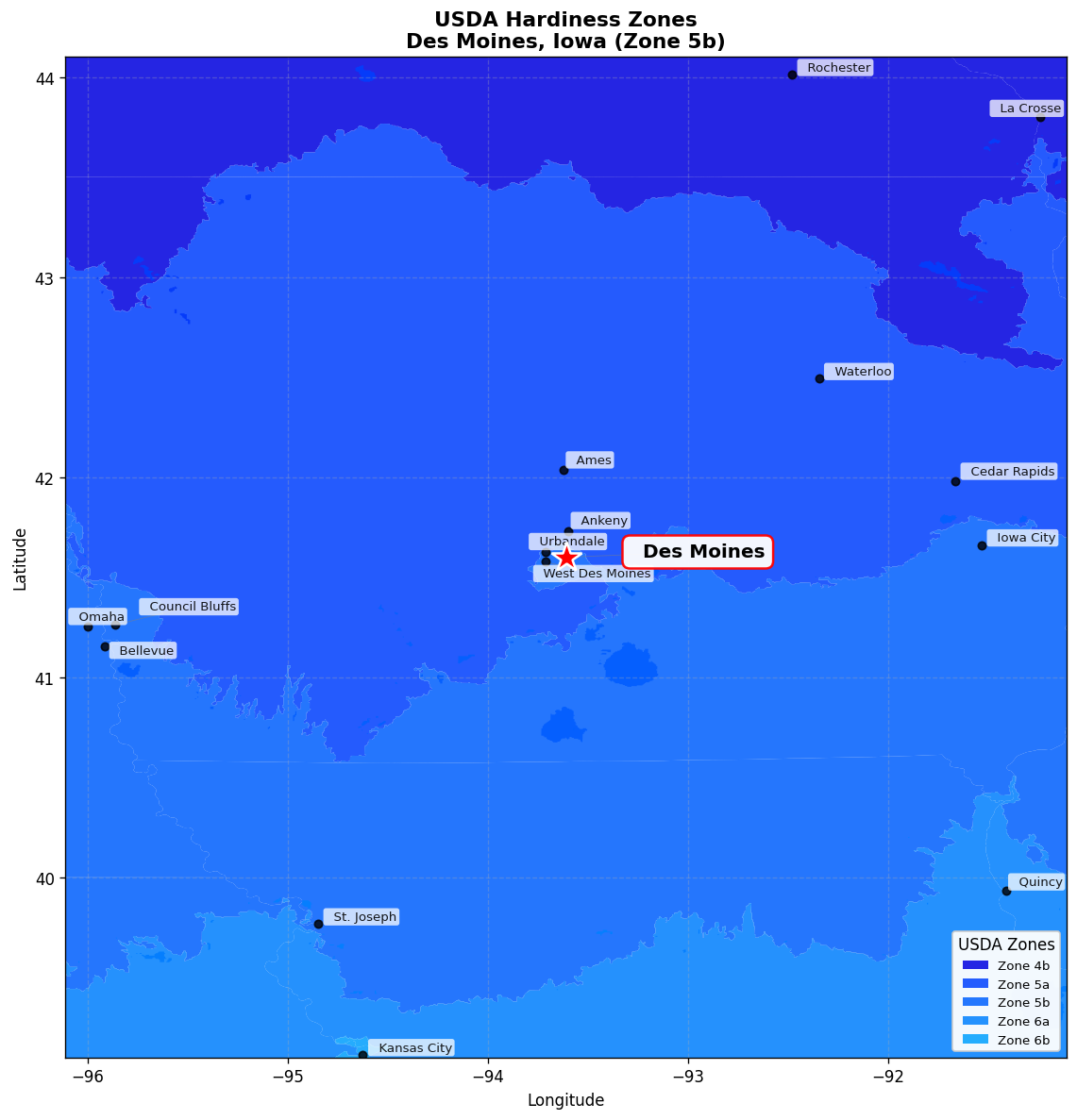
USDA Zone 5b
Hardiness zone for Des Moines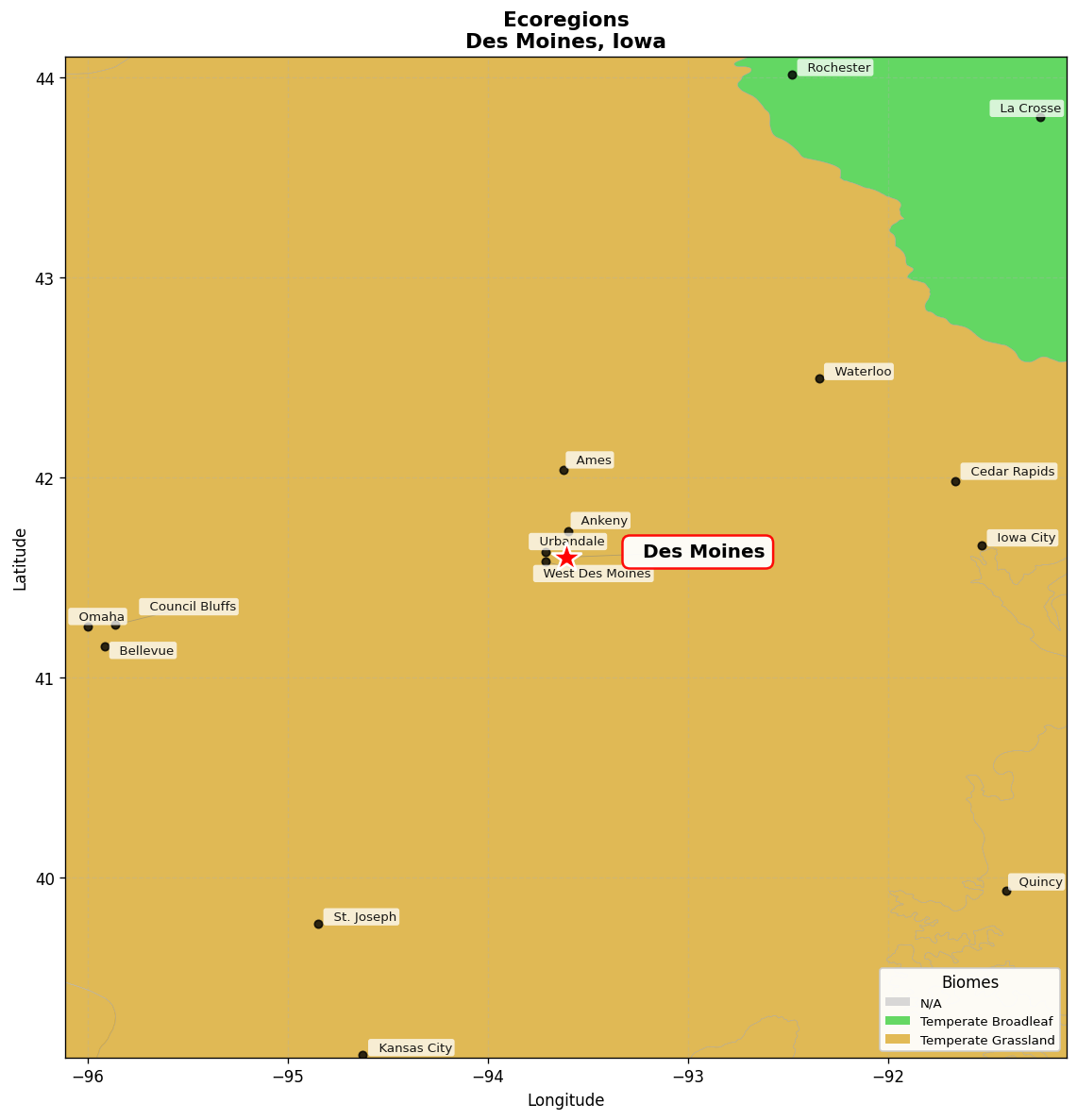
Central Tallgrass prairie
Native ecoregionFrequently Asked Questions
How much does a cottage garden cost to install in Des Moines?
Des Moines labor and material costs run 10–20% below coastal metros, which makes the labor-intensive cottage style more affordable here than almost anywhere. A professionally installed 300 sqft perennial-and-rose border runs $2,500–6,000. A full front-yard cottage makeover — picket fence, arbor, brick path, and planted borders — typically lands between $12,000 and $28,000. DIY is unusually viable for this style: perennials and own-root roses from local nurseries can plant a border for $4–8/sqft, and cottage gardens forgive imperfect edges in a way modern designs never do.
Which roses actually survive Des Moines winters?
Start with the Buck roses — bred at Iowa State University in Ames precisely for unprotected survival in Iowa winters — like 'Carefree Beauty', 'Prairie Princess', and 'Distant Drums'. For climbers on arbors and pergolas, use Canadian Explorer series ('John Cabot', 'William Baffin') which keep their canes through -30°F; a climber that dies to the ground each winter never covers an arch. Knock Out and Drift series are reliable fillers. Avoid grafted hybrid tea roses unless you enjoy burying them under mulch mounds every November — own-root roses are the rule in Zone 5b.
Can I grow English lavender in Des Moines?
Only with sharp drainage — and even then, treat it as a bonus rather than a backbone. Lavender dies in Iowa from wet feet in winter, not cold alone. Plant 'Phenomenal' or 'Munstead' in raised beds or berms amended with pea gravel or coarse sand, in full sun, and skip fall mulch directly over the crown. For a guaranteed version of the same silvery-purple effect, use 'Walker's Low' catmint or Russian sage: both are bulletproof in Zone 5b, bloom longer than lavender, and read identically at ten feet.
What is Des Moines soil like for cottage plantings?
Inside the older neighborhoods — Beaverdale, Drake, Sherman Hill, Waveland Park — you're gardening on deep prairie loam, some of the most fertile soil in the world, and perennials establish noticeably faster than national planting guides suggest. In newer suburbs like Waukee, Ankeny, and Grimes, builders often strip and sell the topsoil, leaving compacted clay subsoil; till 3–4 inches of compost into any new bed there before planting. Central Iowa soil trends neutral to slightly alkaline, which suits roses, peonies, and lilacs perfectly — but skip acid-lovers like azaleas unless you commit to ongoing amendment.
When should I plant a cottage garden in Des Moines?
Late April through May is the prime window — soil has warmed, frost risk fades after the average last frost around April 25–30, and plants get a full season to establish before winter. September is the strong second window for perennials and shrubs, and it's the traditional (and best) month to plant or divide peonies. Avoid planting in the July–August heat, and get anything fall-planted in the ground by early October so roots establish before the soil freezes. Bare-root roses go in early, in April.
Do I need a permit for a fence, arbor, or pergola in Des Moines?
In the City of Des Moines, fences up to 4 feet in front yards and 6 feet in side/rear yards are generally allowed without drama, but a permit is required for fences and for structures like pergolas over certain sizes — and suburbs (West Des Moines, Urbandale, Ankeny, Waukee) each run their own rules, so a quick call to your city's permit office is worth it. Two practical notes: any fence or pergola post should be set below the 42-inch frost depth to avoid heaving, and call Iowa One Call (811) before digging post holes — it's free and it's the law.