4 English Cottage Garden Ideas for Independence, MO | Zone 6a Roses and Peonies
Native plants from the Central Tallgrass prairie (Zone 6a) — Humid continental (hot summer) climate
Why Cottage/English Gardens in Independence?
The Victorian and Queen Anne frame houses around North Delaware Street in the Truman Historic District, the 1920s bungalows of Englewood and Maywood, and the brick and frame cottages close to the Square all sit on modest lots with a porch facing the street, which is where a picket fence, a rose over the gate and a three-layer border look right. Even the 1950s and 1960s ranches through central and south Independence take the style well once the foundation shrubs come out and a deep curved border goes in along the front walk.
Zone 6a is cold enough for the true English plant list. NOAA's 1991–2020 normals for Independence put the January average low at 19.2°F, with the record at -16°F, so peonies such as Paeonia lactiflora 'Sarah Bernhardt' and 'Festiva Maxima' get the winter chill they need to flower hard, and own-root roses like Rosa 'New Dawn' and Rosa 'John Davis' come through without fuss. Summer is the hard season: July averages a high of 86.9°F with sticky humidity, and the city takes about 44.7 inches of rain a year, heaviest in late spring. Delphinium elatum melts out by July and Lavandula angustifolia 'Hidcote' tends to rot in wet clay, so the spires and the lavender edge come from Salvia nemorosa 'May Night', Agastache 'Blue Fortune' and Lavandula × intermedia 'Phenomenal' instead.
Soil is the other thing to plan around. Most Independence yards sit on silty, loess-derived soil that turns into a heavy, slow-draining silty clay a foot down, and new subdivisions often have the topsoil stripped off entirely. Build cottage borders up 6–8 inches with compost rather than digging pits into clay, and get a soil test through University of Missouri Extension before liming: many yards already sit near pH 6.5–7.0, which suits roses and lavender as they are. Frost reaches roughly 30–36 inches down across the Kansas City metro, so arbour and pergola posts need proper footings, not a bag of concrete in a shallow hole.
Two local pests shape the plant list. Japanese beetles arrive in late June and strip roses and hollyhocks, and rose rosette disease is well established across western Missouri, so choose fewer roses, space them for airflow, and fill the rest of the border with plants beetles ignore: Nepeta × faassenii 'Walker's Low', Baptisia 'Purple Smoke', Phlox paniculata 'Jeana' and Hydrangea arborescens 'Annabelle'. The city's fence rules also fit the style: front-yard fences are limited to 36 inches, which is just the height a picket fence ought to be.
4 Cottage/English Design Ideas for Independence

AI-generated image
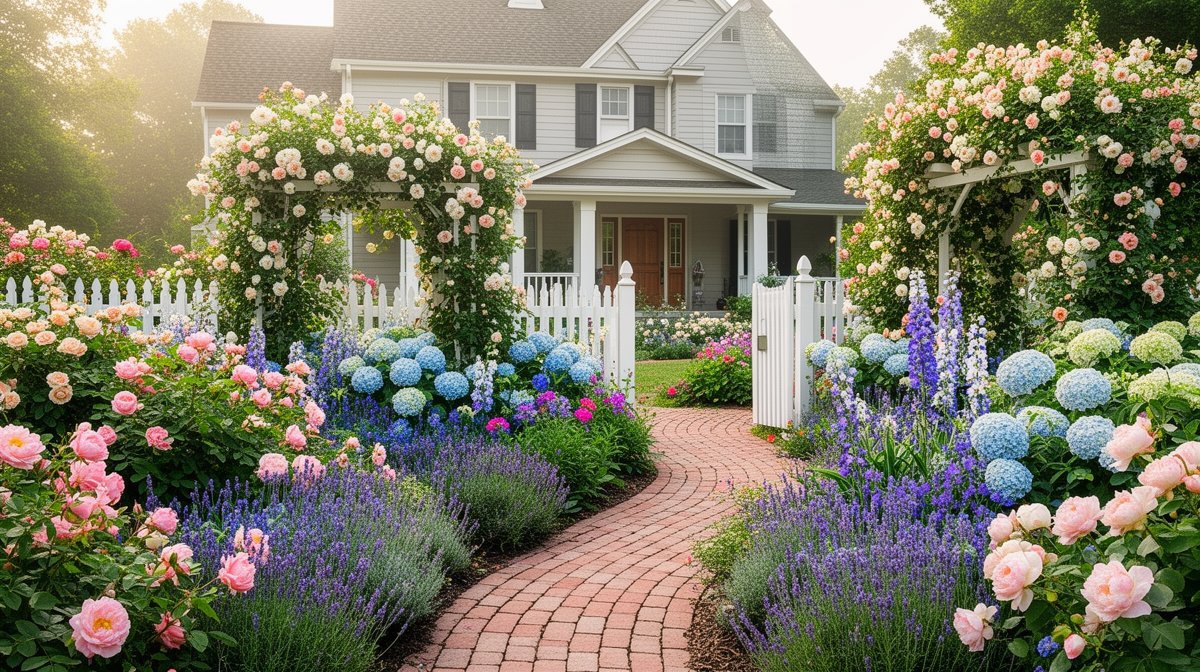
The Delaware Street Picket Front
$20–40/sqftA two-story Victorian frame house with a deep front porch sits behind a 36-inch white picket fence, with a cedar arch over the gate carrying a pale pink climbing rose. A straight clay-brick walk runs to the porch steps between two borders that face south and get sun from late morning on, peonies at the back, catmint and lavender spilling over the brick at the front. A pair of clipped boxwood balls marks the gate and holds the shape through a bare January.

AI-generated image
The Bungalow Porch Border
$15–32/sqftA 1920s Craftsman bungalow with a low gabled porch gets a curved flagstone path from the sidewalk and borders that wrap the porch on both sides. The east-facing beds catch morning sun and afternoon shade from a mature street tree, so the back row is Annabelle hydrangea and foxglove rather than sun-hungry roses, with hosta and lady's mantle at the front. Hollyhocks go against the porch columns where they can lean.

AI-generated image
The Ranch House Rose Walk
$14–28/sqftA 1960s brick ranch loses its row of yews and gains a deep curved border running the length of the house, with a gravel stepping path cut through it to the front door. The bed faces west and takes full afternoon sun, so it holds the tough roses, coneflower and agastache, with false indigo anchoring each end. A bench sits under a small redbud at the corner where the border meets the drive.

AI-generated image
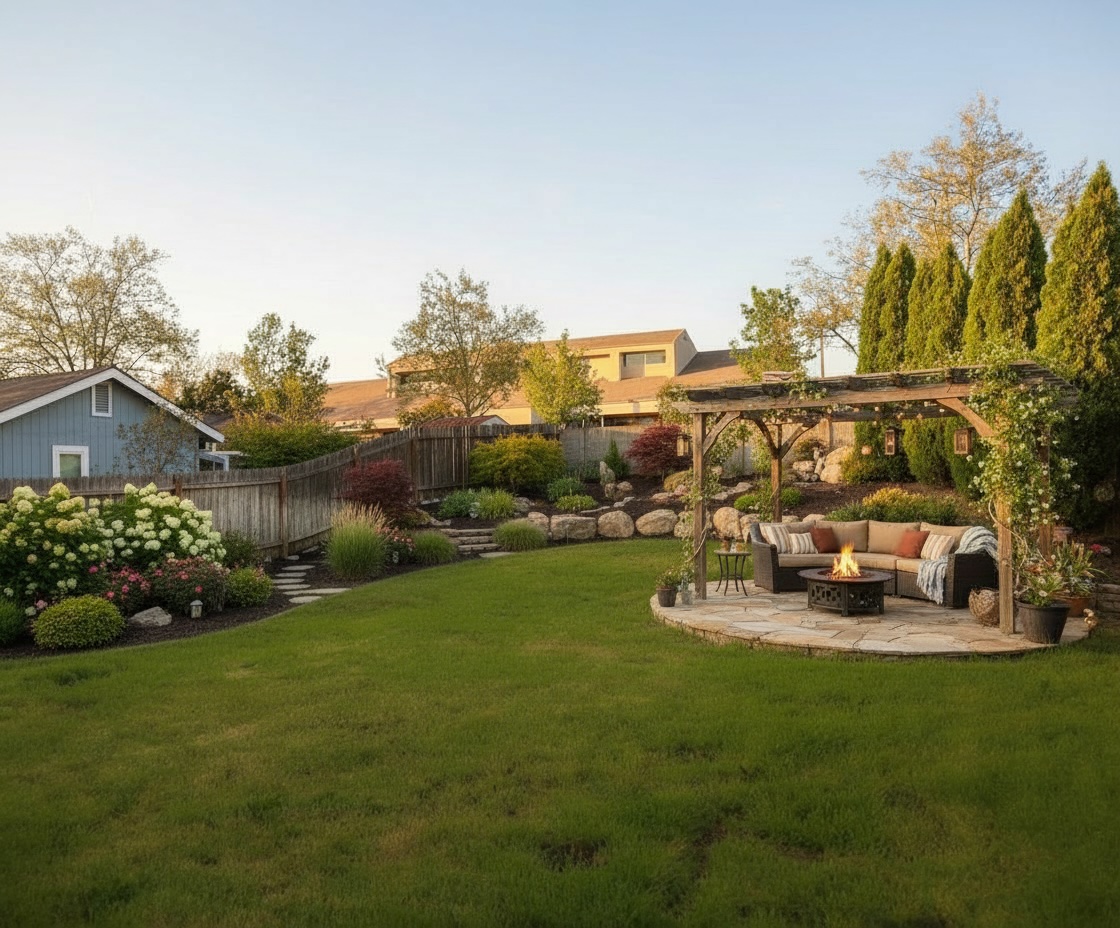
The Back Garden Peony Circle
$25–50/sqftBehind a two-story suburban house in eastern Independence, a round brick terrace sits in the middle of the lawn with a small iron table and four chairs, ringed by a border of peonies, roses and catmint. A white cedar pergola on the south side carries a climbing rose and throws light shade over the seats in the afternoon. The May bloom is the main event, and Limelight hydrangea and phlox carry color on into September.
See how a cottage/english garden looks on YOUR property
Upload a photo of your Independence yard and visualize your dream garden in seconds.
Try ProScapeAI Free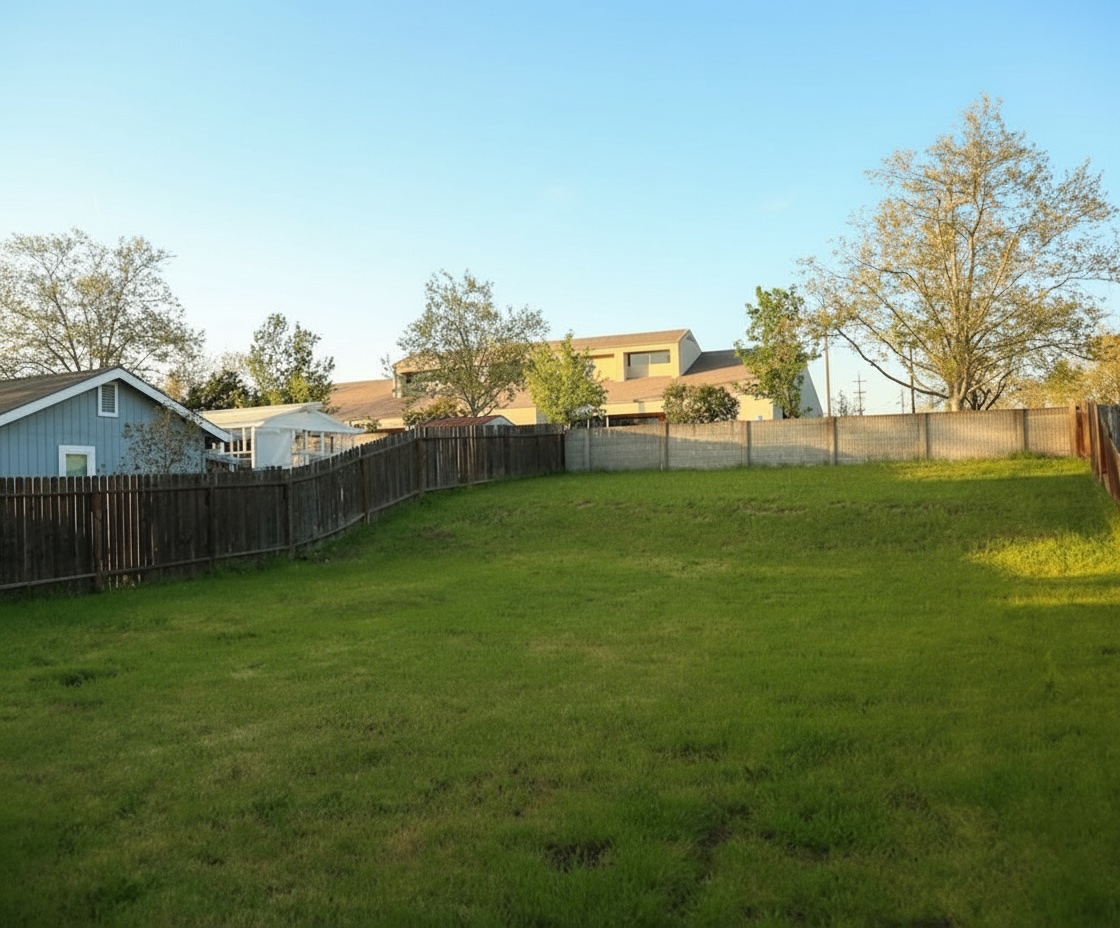
AI-generated image
Featured Trees & Shrubs for Cottage/English Gardens
Browse all 194 plants for Independence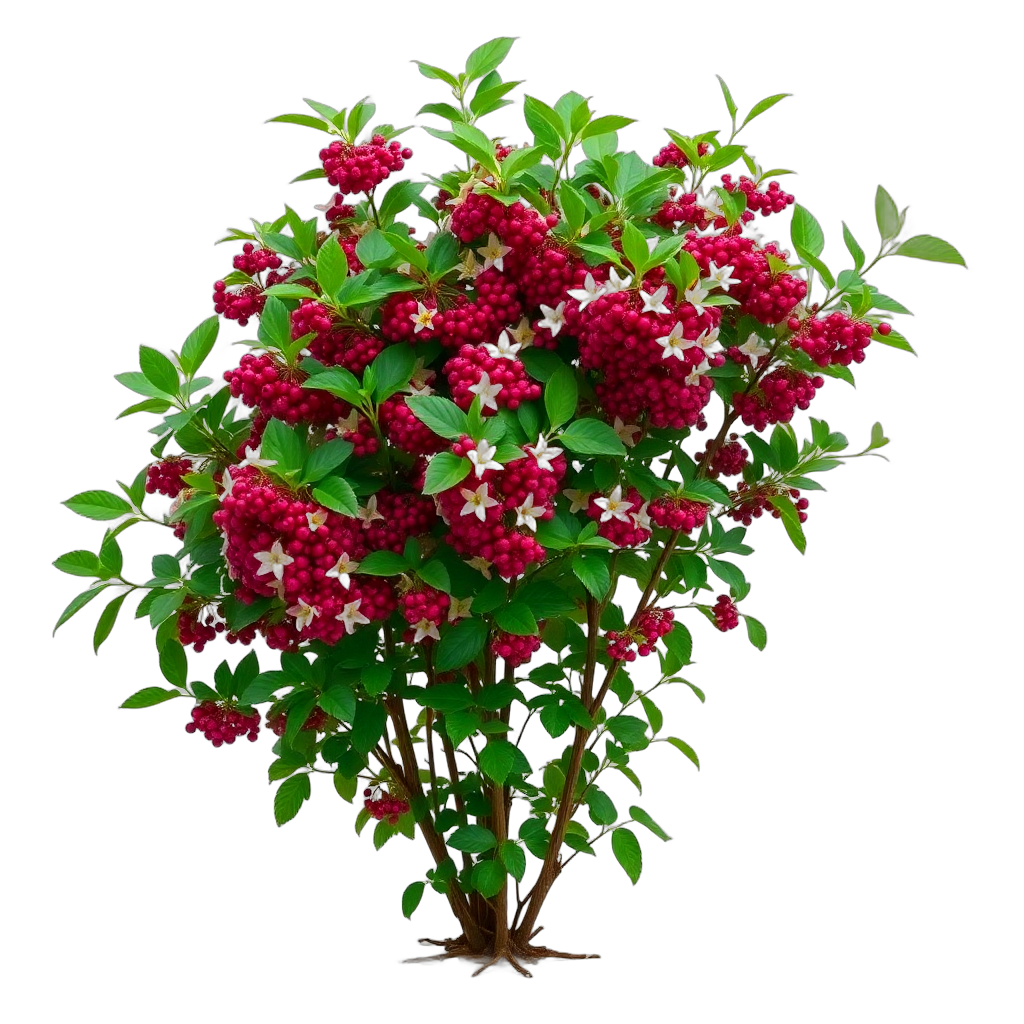
Clove Currant
Ribes odoratum
grows to 6 feet, yellow blooms in spring. Attracts hummingbirds.
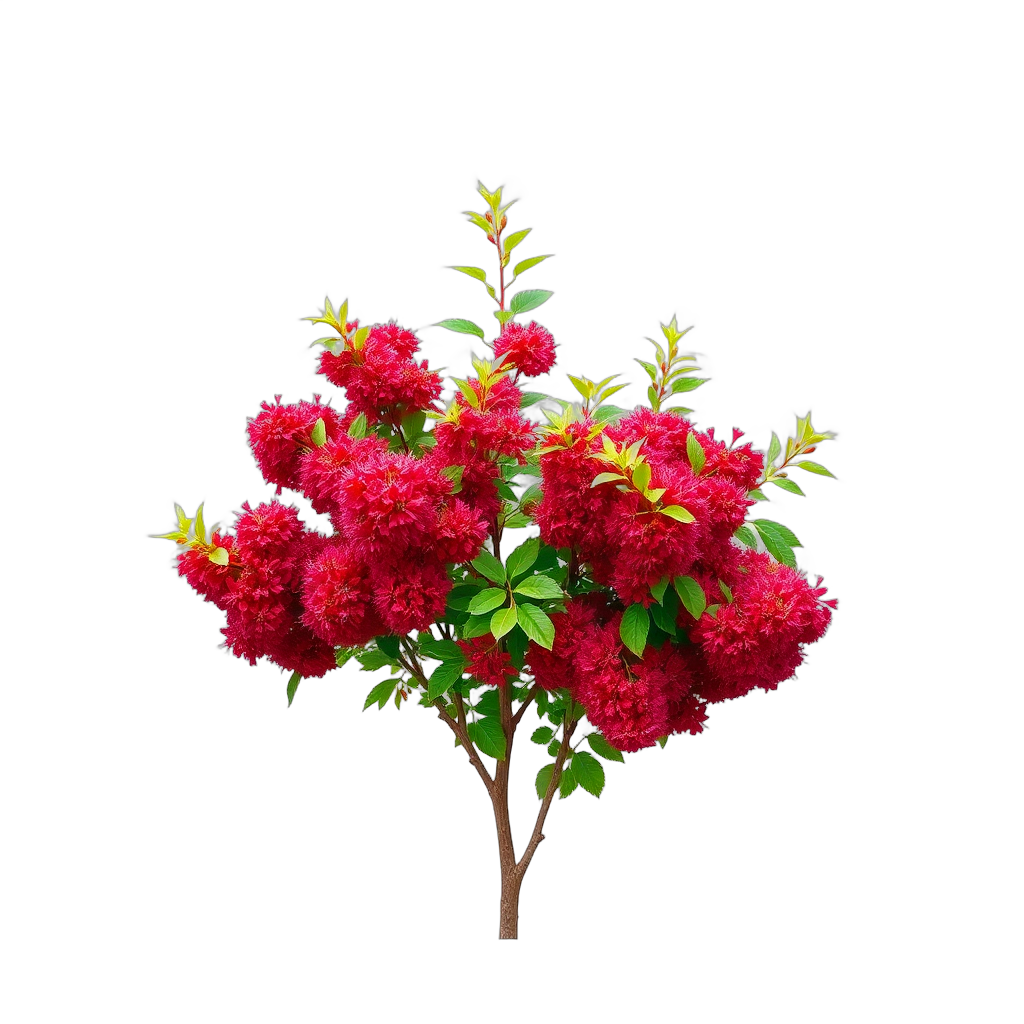
Fragrant Sumac
Rhus aromatica
grows to 4 feet, yellow blooms in spring. Attracts butterflies.
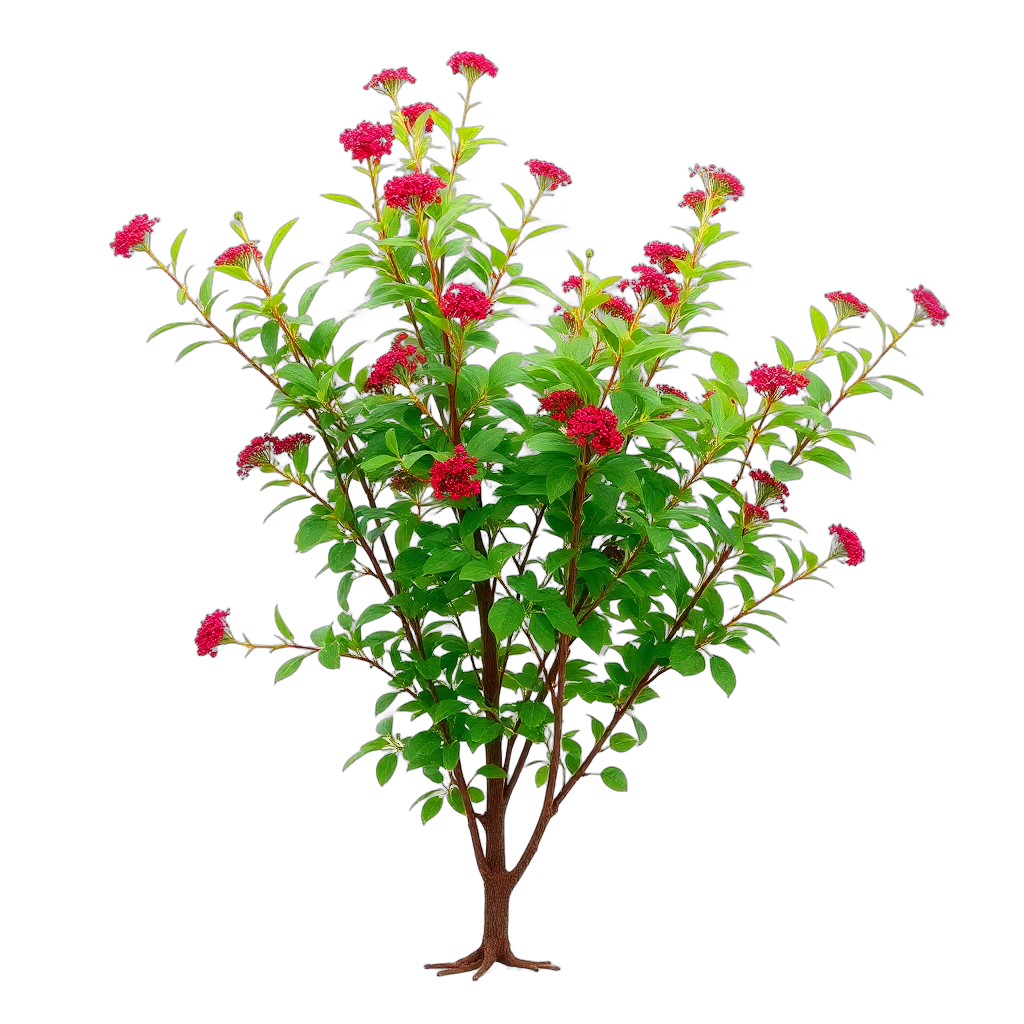
Smooth Sumac
Rhus glabra
medium-sized at 12 feet, white,green blooms in summer. Attracts butterflies.
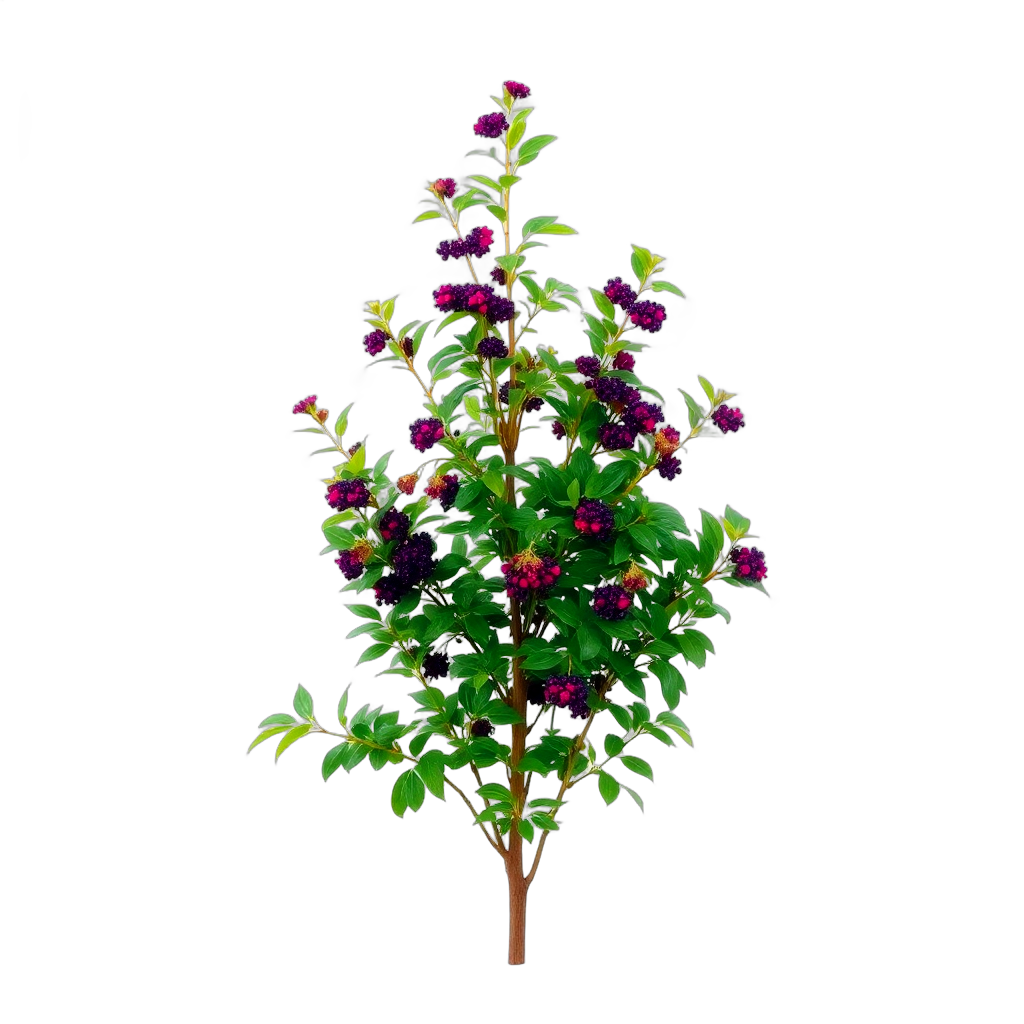
American Beautyberry
Callicarpa americana
grows to 6 feet, pink blooms in summer. Pollinator-friendly.
Featured Grasses & Groundcovers for Cottage/English Gardens
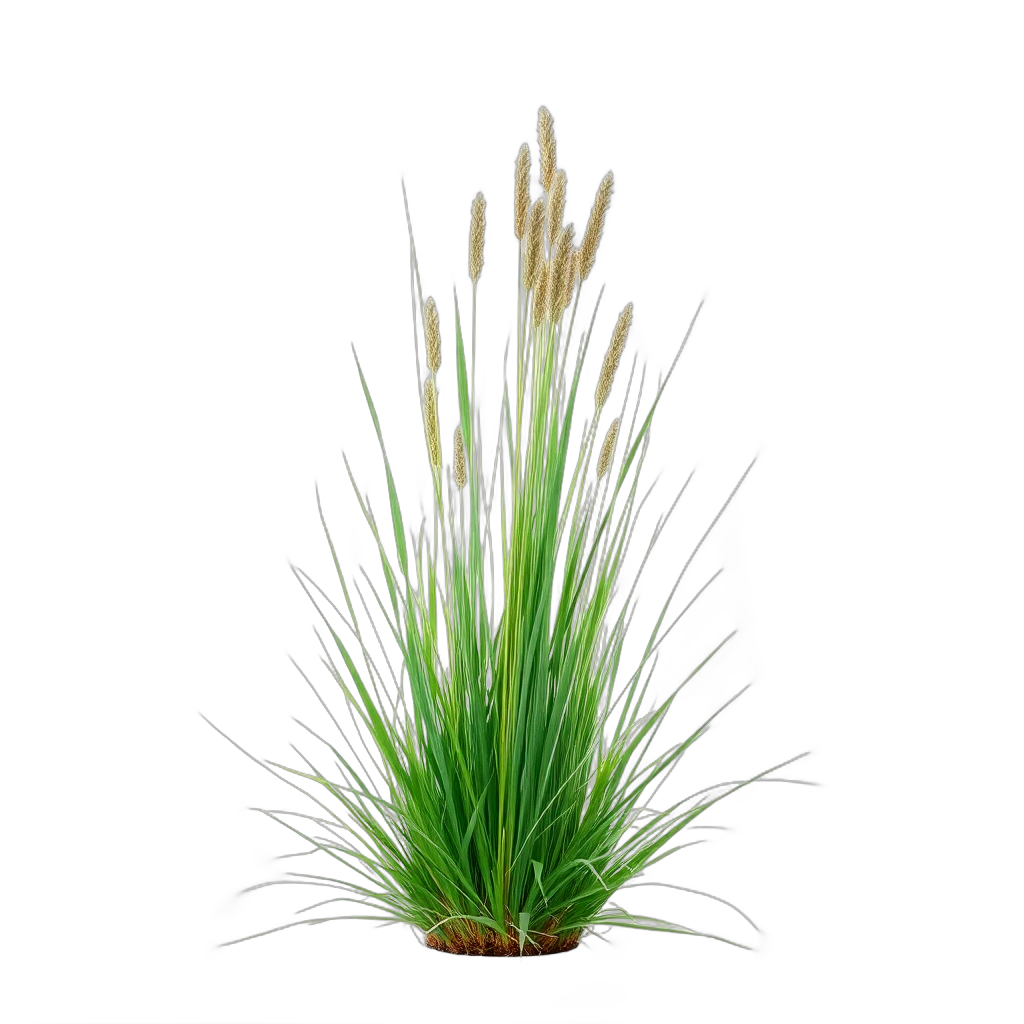
Big Bluestem
Andropogon gerardii
medium-sized at 7 feet, purple blooms in fall. Bronze,burgundy fall color.
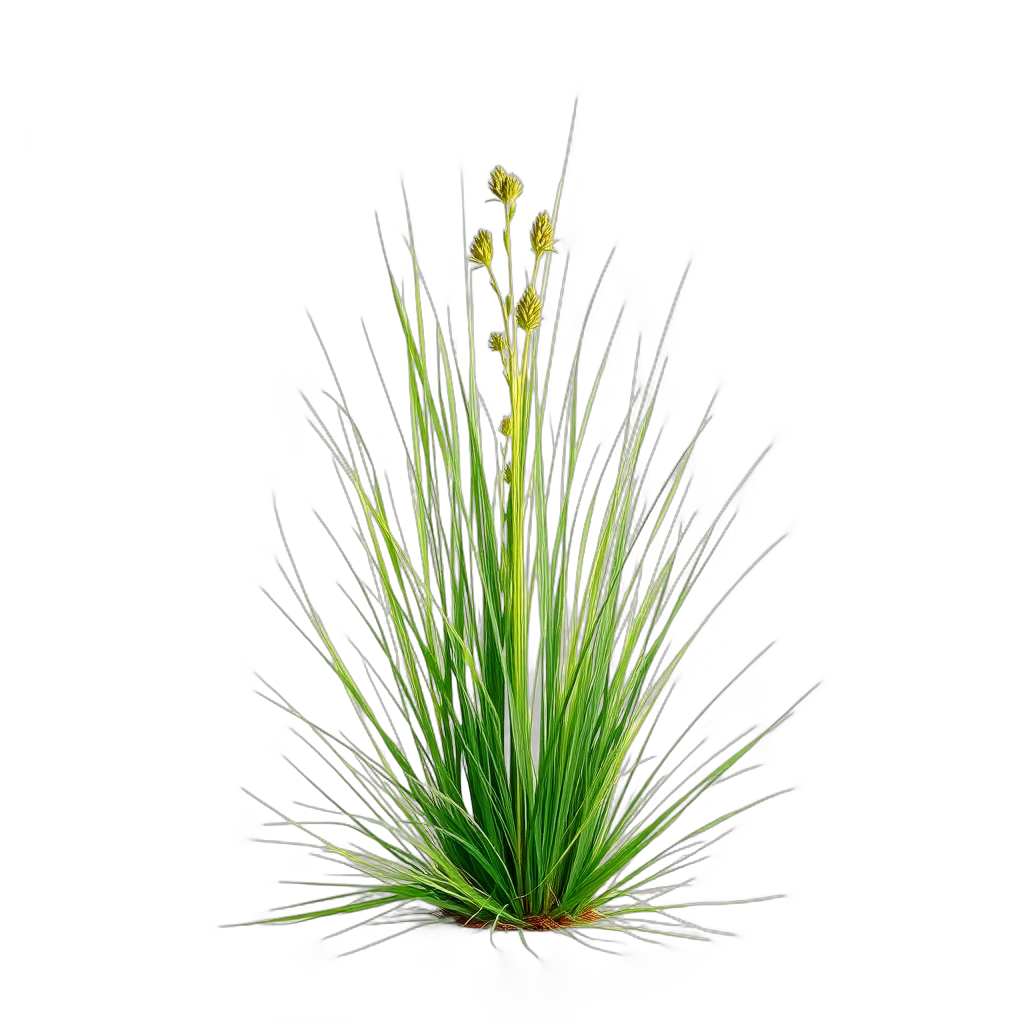
Canada Wild Rye
Elymus canadensis
grows to 4 feet, blooms in summer. Yellow fall color.
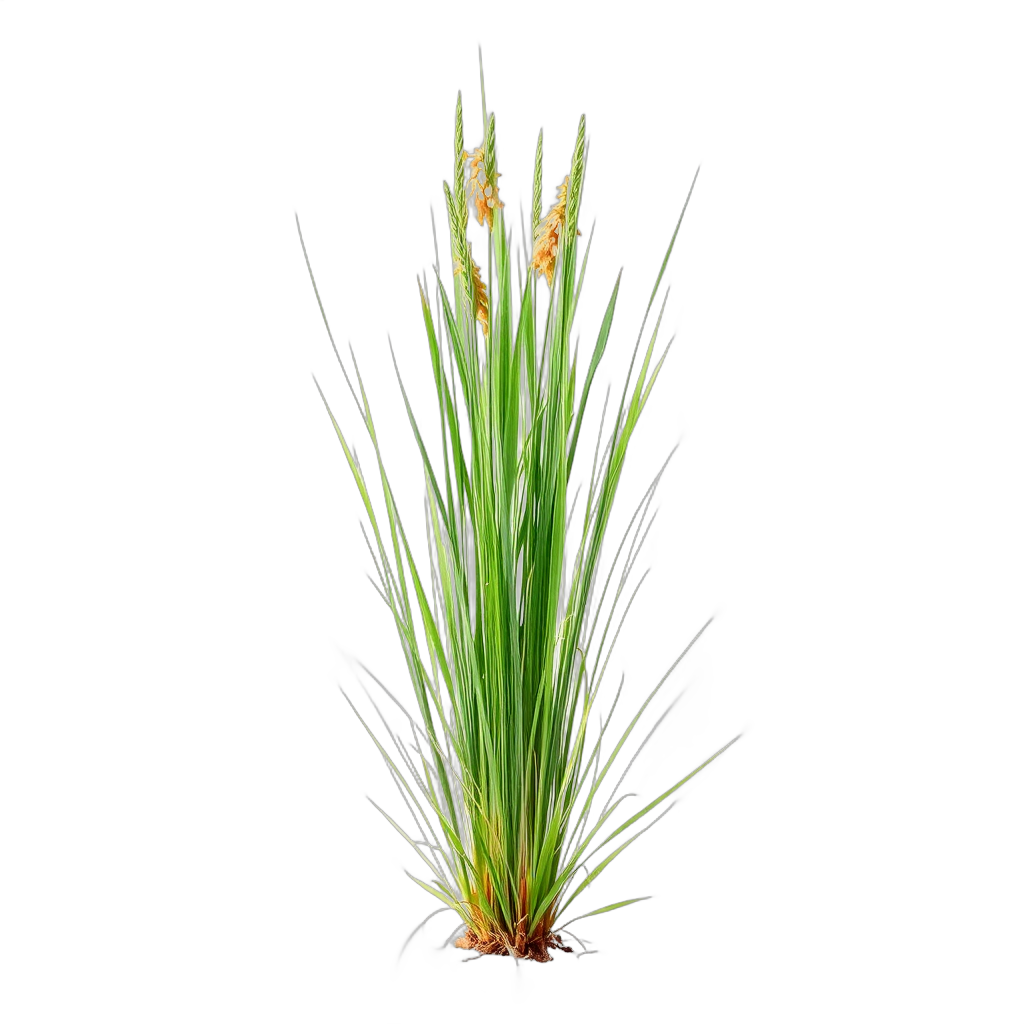
Eastern Gamagrass
Tripsacum dactyloides
grows to 6 feet, blooms in summer. Yellow fall color.
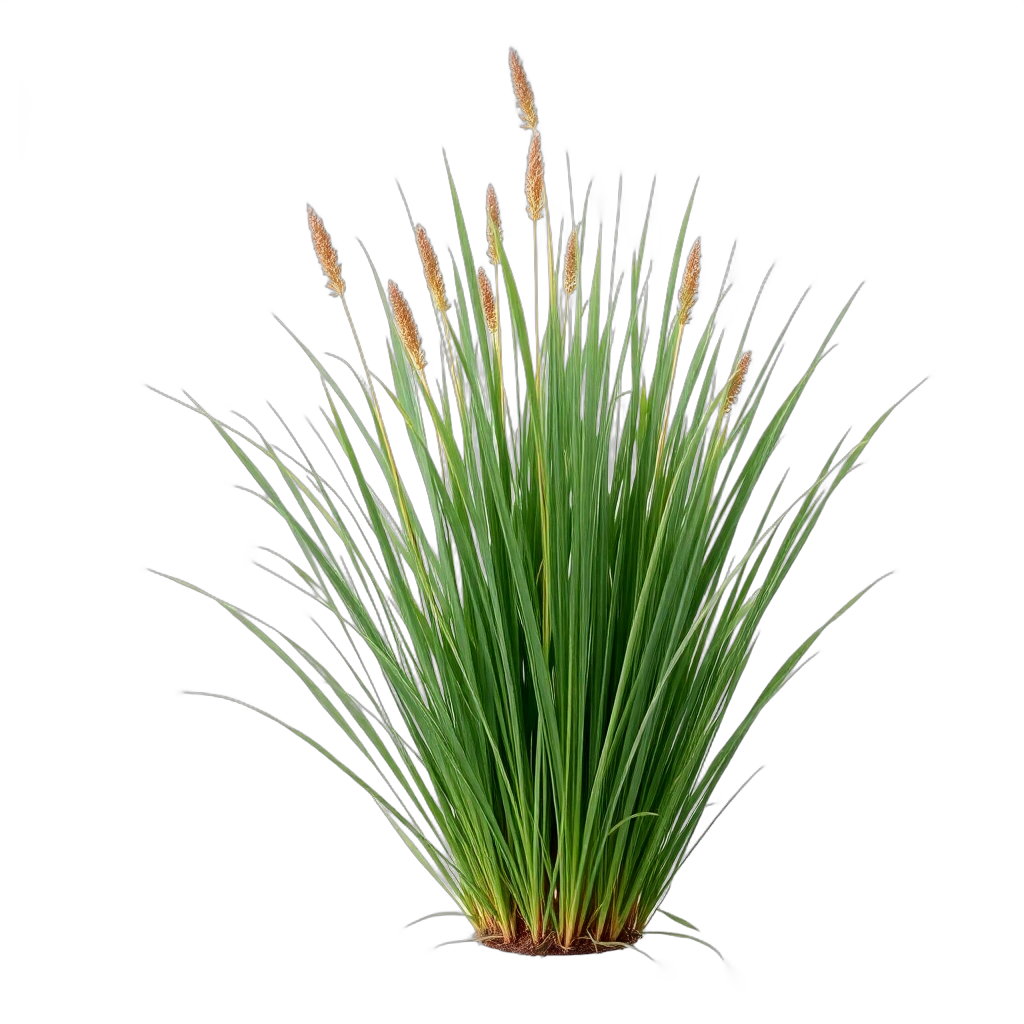
Heavy Metal Switchgrass
Panicum 'Heavy Metal'
grows to 4 feet, pink blooms in summer. Yellow fall color.
Featured Flowers & Perennials for Cottage/English Gardens
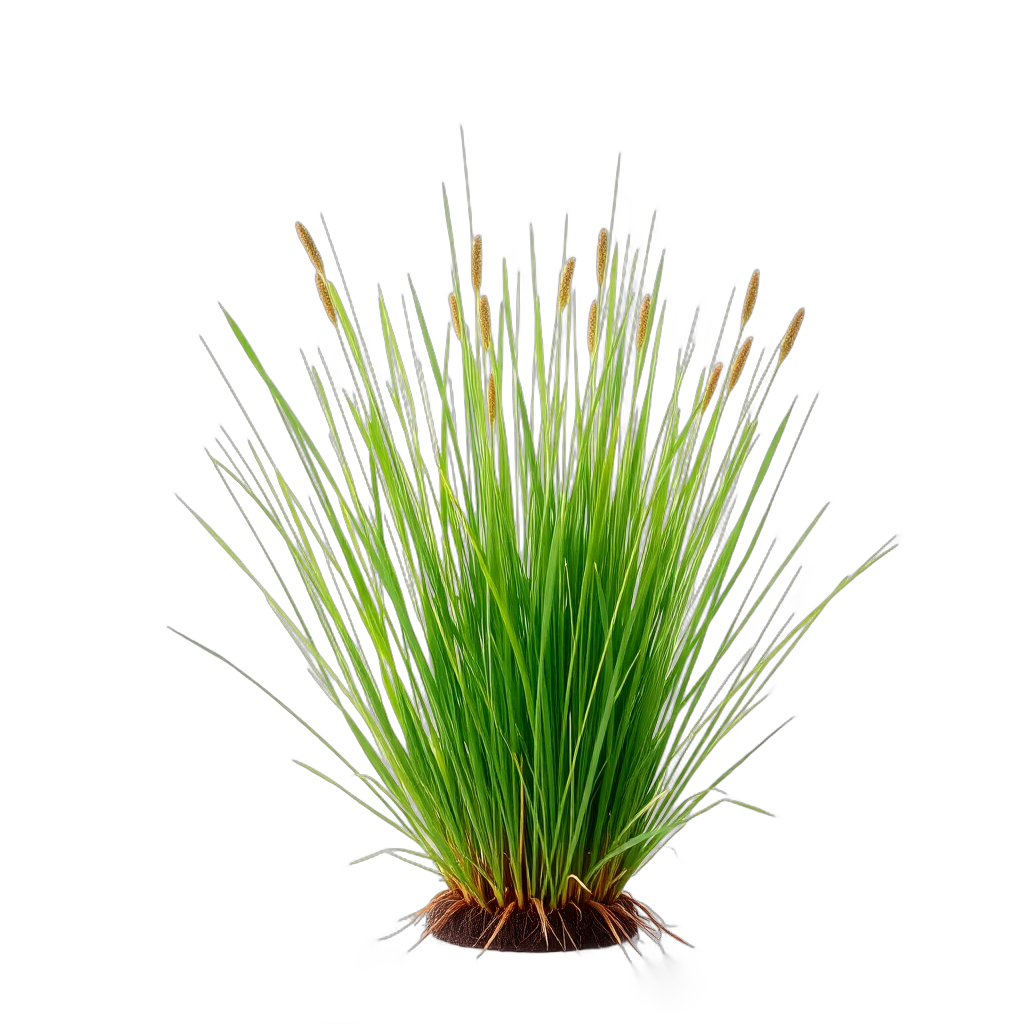
Path Rush
Juncus tenuis
low-growing ground cover, blooms in summer. Evergreen year-round.
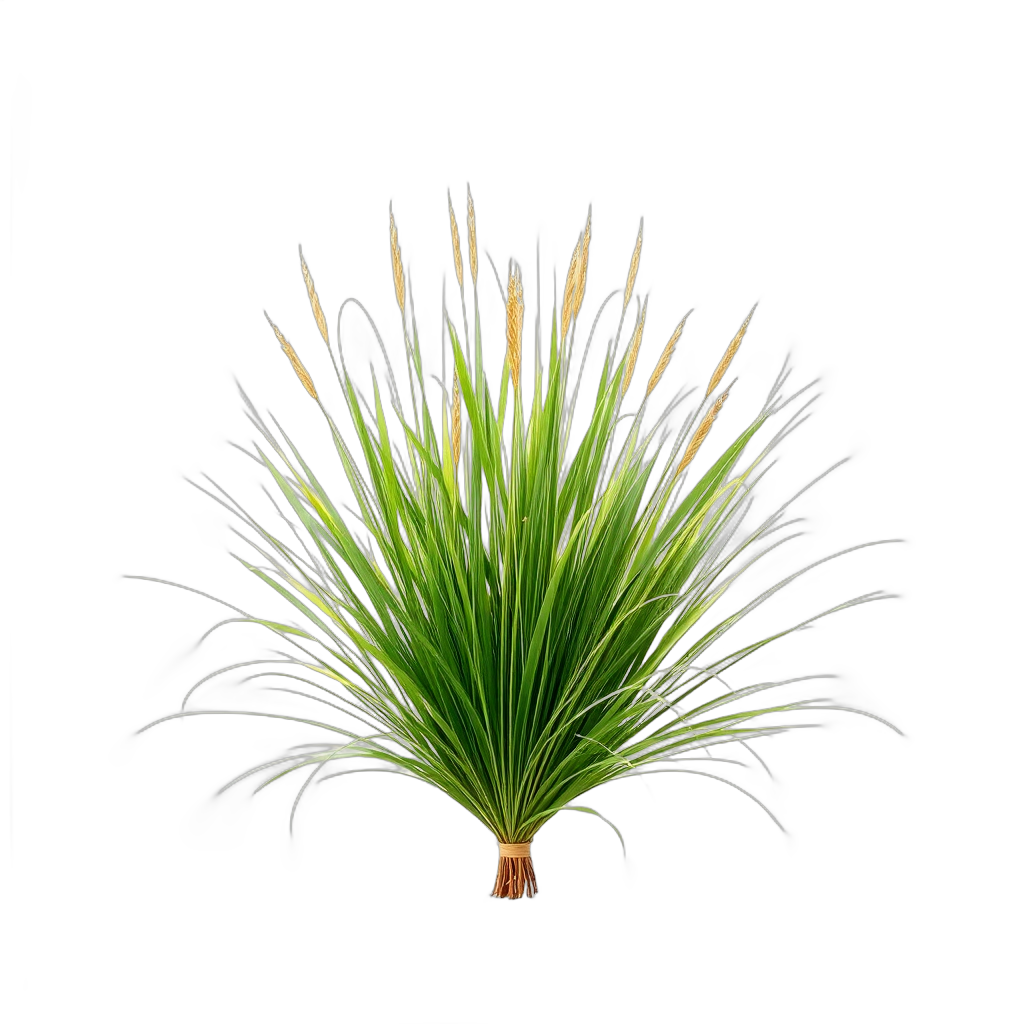
Prairie Cordgrass
Spartina pectinata
grows to 6 feet, blooms in summer. Yellow fall color.
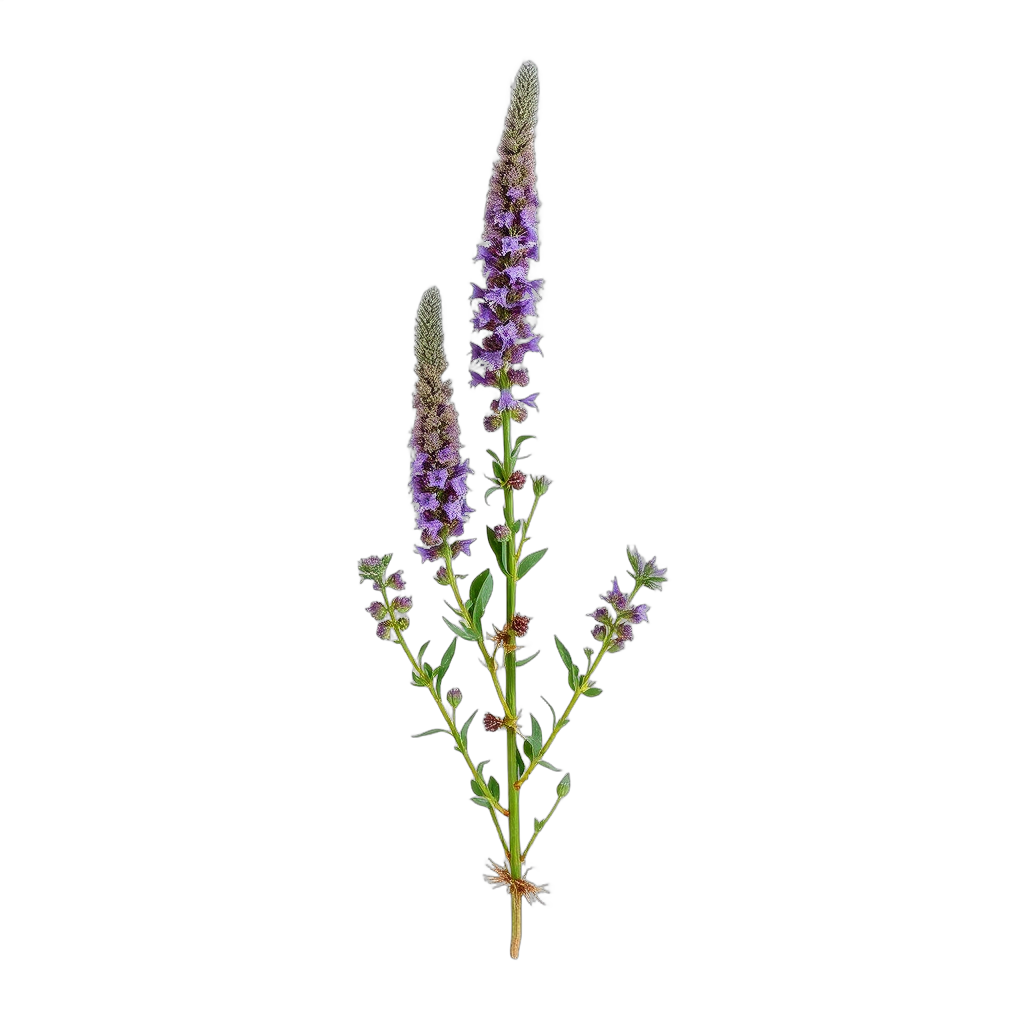
Anise Hyssop
Agastache foeniculum
grows to 3 feet, purple blooms in summer. Attracts hummingbirds.
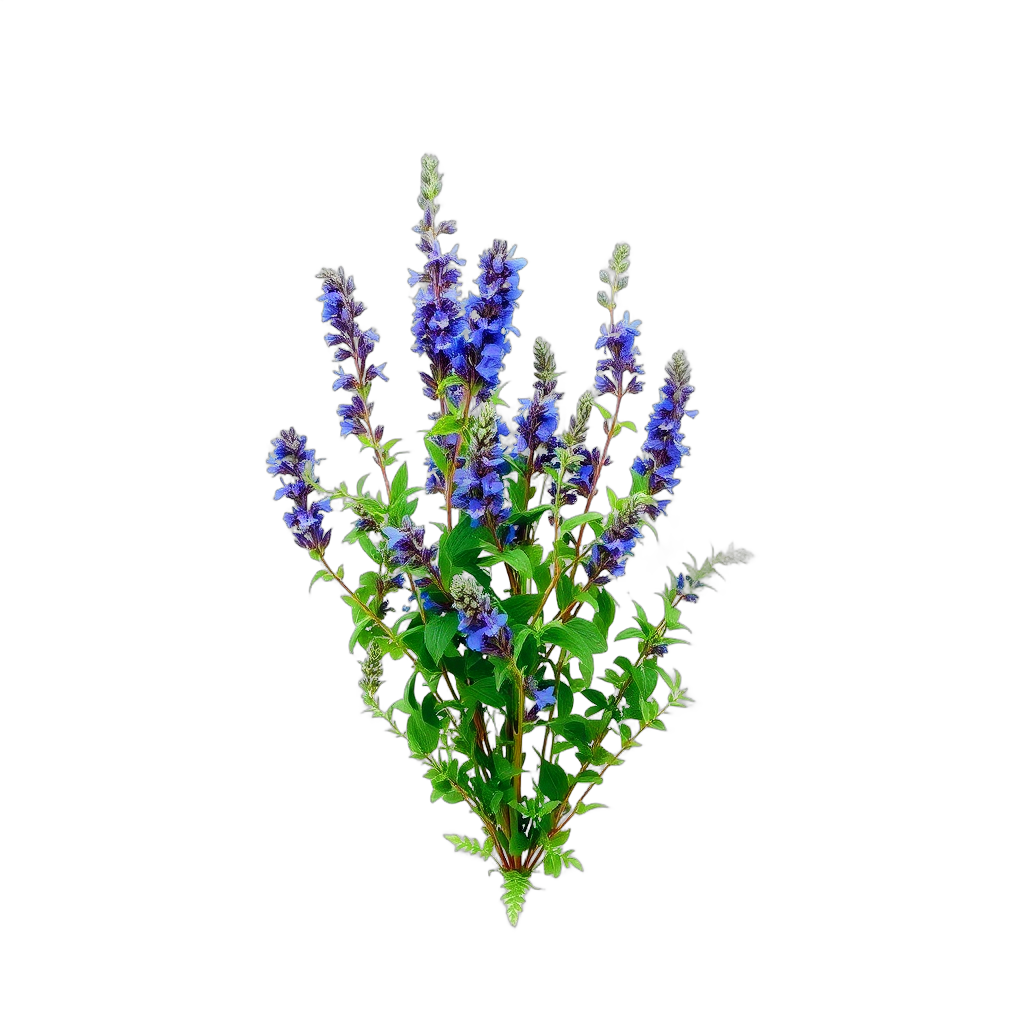
Azure Sage
Salvia azurea
grows to 4 feet, blue blooms in fall. Attracts hummingbirds.
Zone and sun checks come from our database — confirm with your local nursery before you buy.
Bloom Calendar for Independence
spring
Blue False Indigo, Foxglove Beardtongue, Golden Alexandersummer
Path Rush, Prairie Cordgrass, Anise Hyssopfall
Azure Sage, Maximilian Sunflower, New England Asterwinter
Limited bloomsDesign Tips for Independence (Zone 6a)
- Raise every border 6–8 inches with compost: the silty clay under most Independence yards holds spring rain, and wet crowns kill more roses and lavender here than a -10°F night does
- Test before you lime: a University of Missouri Extension soil test often shows Independence yards already near pH 6.5–7.0, which Lavandula × intermedia 'Phenomenal' and roses like as it is
- Set arch and pergola posts on footings below frost depth (roughly 30–36 inches in the Kansas City metro), or frost heave will tilt them within a couple of winters
- Plan for Japanese beetles in late June: limit roses and hollyhocks to the front of the border where you can hand-pick them, and fill the rest with Nepeta 'Walker's Low' and Baptisia 'Purple Smoke', which beetles leave alone
- Swap delphinium for Salvia nemorosa 'May Night' and Agastache 'Blue Fortune': the blue spires survive an 87°F humid July that melts Delphinium elatum
- Plant peonies in September with the eyes no more than 2 inches below the soil, and they will flower every May for decades on Zone 6a winter chill
- Keep front fences and gates at 36 inches or lower, the city's limit in front of the house, which is also the height that lets a cottage border read from the sidewalk
Where to Source Plants in Independence
Skip the big-box stores. These independent Independence nurseries specialize in the plants that make cottage/english gardens thrive in Zone 6a.
Powell Gardens Colonial Farms (formerly Colonial Gardens)
Blue Springs, east of Independence
Garden center now run by Powell Gardens, Kansas City's botanical garden, selling annuals, perennials, trees and shrubs
Soil Service Garden Center & Nursery
Troost Avenue, south Kansas City
Family garden center since 1934 with perennials, roses, shrubs, shade and fruit trees, plus mulch, compost and landscape rock
Grass Pad
Lee's Summit, south of Independence
Regional independent known for lawn seed, sod, soil amendments and mulch, with a nursery stock range of shrubs, trees, grasses and perennials
Cottage/English Landscaping Costs in Independence
| Project Scope | Estimated Cost |
|---|---|
| Front cottage border with brick or limestone path (400–600 sqft) | $8,000 – $20,000 |
| 36-inch picket fence with cedar gate arch (front frontage) | $3,500 – $8,000 |
| Clay brick terrace or seating circle (200–350 sqft) | $6,000 – $14,000 |
| Cedar pergola on frost-depth footings, built and stained | $4,000 – $10,000 |
| Raised beds and compost for heavy clay (per 500 sqft of border) | $1,200 – $3,000 |
| Full back cottage garden: terrace, pergola, deep borders | $25,000 – $60,000 |
| AI visualization (ProScapeAI) | Free to start |
Estimates based on Independence, MO-area contractor rates as of 2026. Actual costs vary by site conditions, materials, and contractor.
Independence Climate & Growing Zone
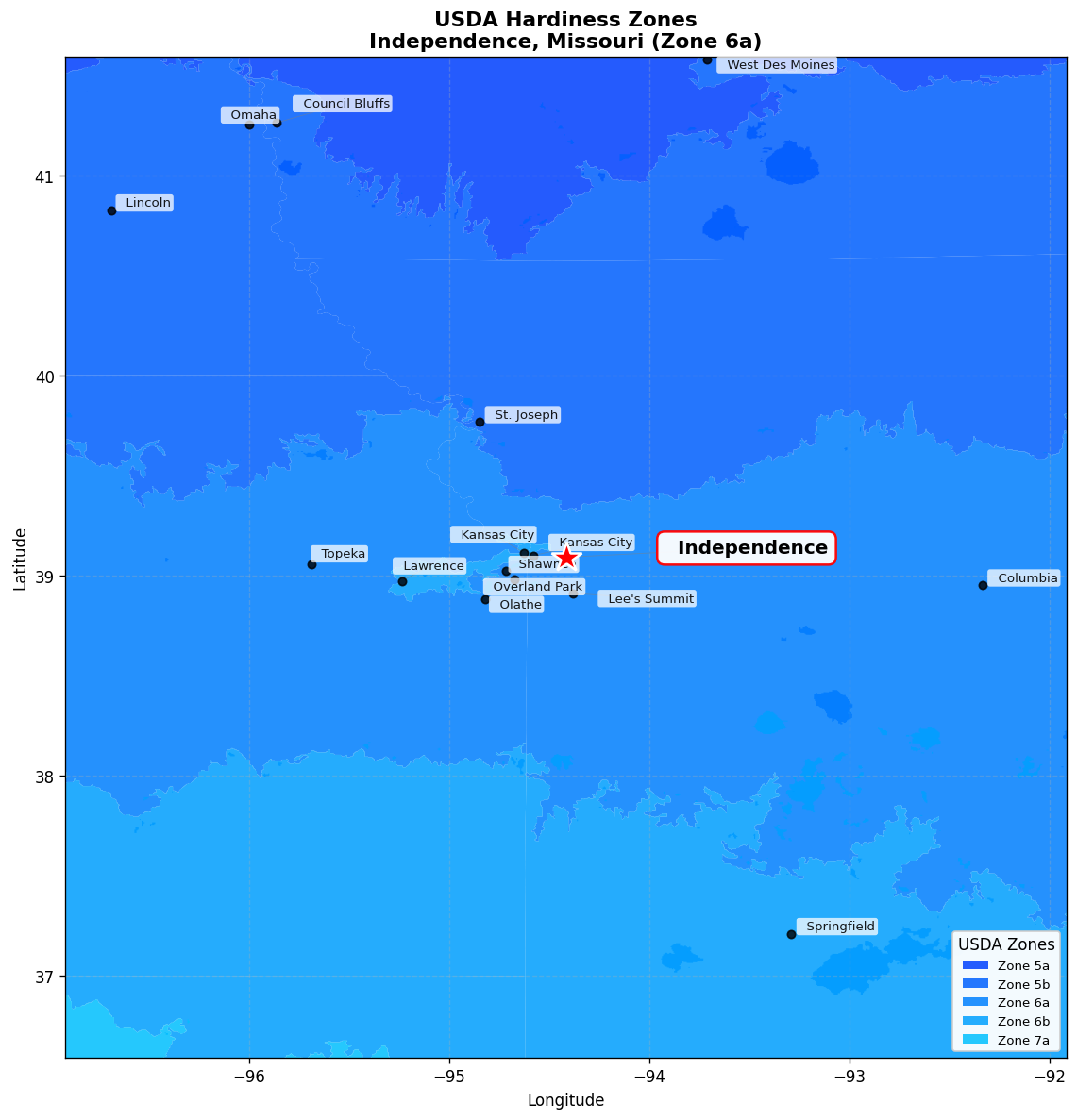
USDA Zone 6a
Hardiness zone for Independence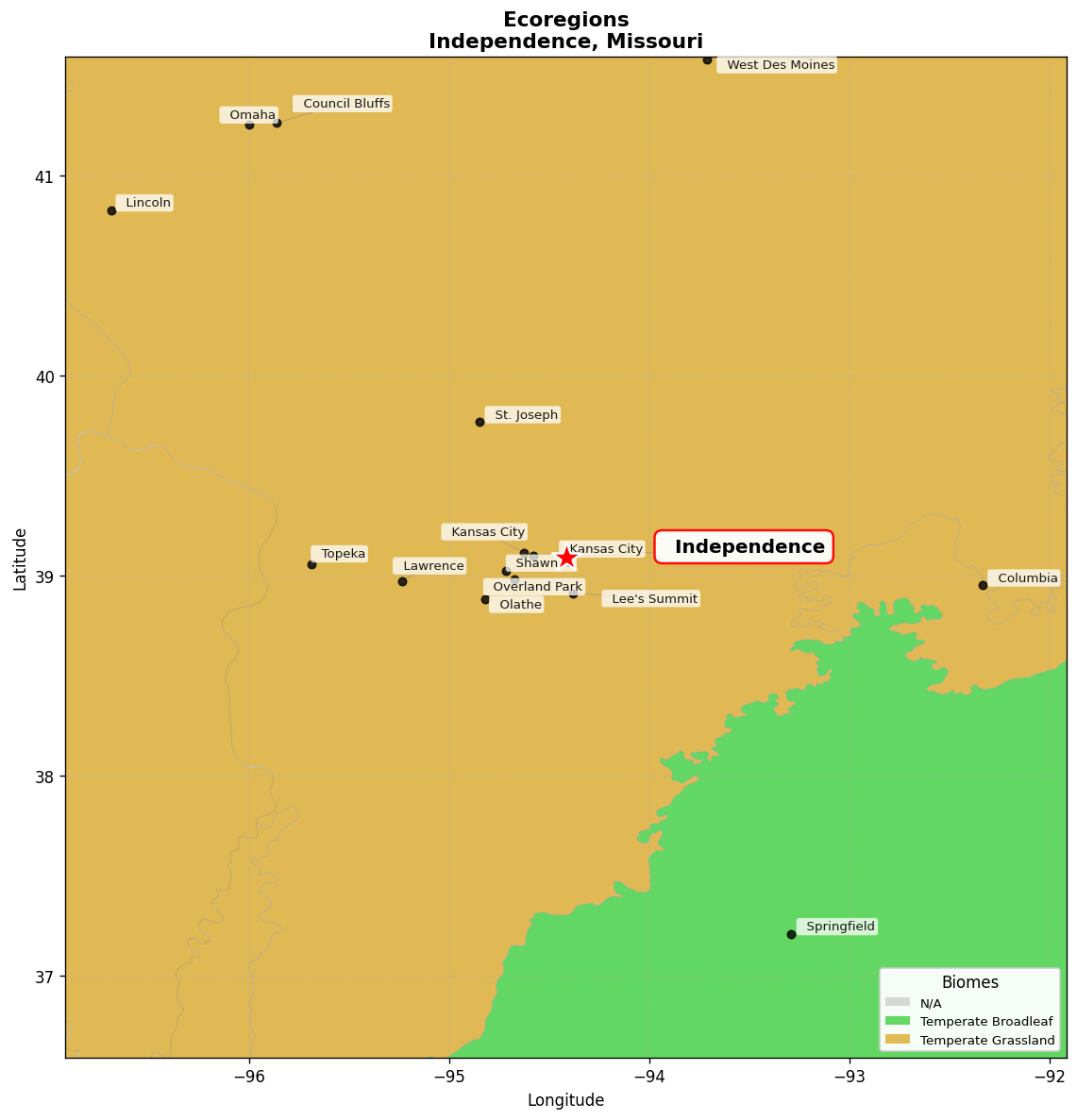
Central Tallgrass prairie
Native ecoregionFrequently Asked Questions
How much does a cottage garden cost in Independence, MO?
A planted front border with brick or limestone paths on a typical 400–600 sqft bungalow or ranch frontage runs about $8,000–20,000 installed. Brick walks land around $20–35 per square foot on a proper base, a cedar gate arch with a 36-inch picket fence along the front is $3,500–8,000, and a full back garden with a brick terrace, pergola and deep borders usually runs $25,000–60,000. Doing the planting yourself, buying Rosa 'New Dawn' and Nepeta 'Walker's Low' in one-gallon pots and peonies as bare-root divisions in fall, brings a border under $10 per square foot.
Which classic cottage plants struggle in Independence?
Winter is rarely the problem; a 19°F January average low and the odd -10°F night suit peonies, roses and foxglove. Summer is. Delphinium elatum usually collapses in July heat and humidity, so get the blue spires from Salvia nemorosa 'May Night' and Agastache 'Blue Fortune'. English lavender ('Hidcote', 'Munstead') rots in wet clay, while Lavandula × intermedia 'Phenomenal' in a raised, gritty bed lasts for years. Older phlox mildews badly here; Phlox paniculata 'Jeana' and 'David' stay clean.
Is a cottage garden a lot of maintenance in this climate?
Expect a busy May and June, then lighter work. Deadhead roses through summer, shear Nepeta 'Walker's Low' back by half after the first flush, and cut peonies to the ground in fall to keep botrytis down. With about 44.7 inches of rain a year, established borders rarely need watering outside a dry July or August, but a drip line under the mulch earns its keep in those weeks. Plan on hand-picking Japanese beetles off roses and hollyhocks from late June into July.
When should I plant a cottage garden in Independence?
September and October are the best months: the soil is still warm, fall rain returns, and roots grow through winter. That is also the only time to plant peonies such as Paeonia 'Sarah Bernhardt', with the eyes no more than 2 inches deep or they will not flower. Mid-April to late May is the second window, after the last frost, which usually falls in early to mid April. Avoid planting in July heat.
Do I need a permit for a fence or pergola in Independence?
According to the City of Independence building permits page, fences need a permit only above 6 feet, the maximum height is 8 feet, and fences in front of the house are limited to 36 inches. All decks need a permit, as do detached garages and carports over 120 square feet. The page does not list pergolas or retaining walls, so call Building Inspections before you build one, and check your HOA covenants if you live in a newer subdivision.
Which roses survive Independence winters and rose rosette?
Choose hardy, own-root, disease-tolerant roses and plant fewer of them. Rosa 'New Dawn' and Rosa 'John Davis' are reliable climbers in Zone 6a, Rosa 'Olivia Rose Austin' is one of the cleanest English shrub roses, and Rosa 'The Fairy' blooms all summer. Rose rosette disease is common across western Missouri: pull out any rose showing red, bristly witches-broom growth, roots and all, and clear wild multiflora rose from nearby fence lines.
What suits the old houses in the Truman Historic District?
The Victorian and Queen Anne houses around North Delaware Street were built when front gardens meant picket fences, peonies, hollyhocks and climbing roses, so the period plant list is the right one. Alcea rosea 'Chater's Double' against the porch, Paeonia 'Festiva Maxima' along the walk and Rosa 'New Dawn' over a gate arch all match the era and the climate. Keep the front fence at 36 inches or lower to stay within the city's front-yard limit.