4 Cottage Garden Ideas for Omaha, NE | Prairie-Influenced Cottage Garden Design in Zone 5b
Native plants from the Central Tallgrass prairie (Zone 5b) — Humid continental (hot summer) climate
Why Cottage/English Gardens in Omaha?
Omaha's cottage gardens must be built differently from those in eastern Midwest cities — and the results, when done right, are genuinely beautiful. The Central Tallgrass Prairie ecoregion that defines Omaha's ecological context is the remnant of one of North America's greatest landscapes: a sea of grasses and wildflowers extending from Canada to Texas, shaped by extreme cold, intense heat, relentless wind, and periodic drought. The native plants that evolved here are among the toughest and most beautiful on the continent. A cottage garden in Omaha that incorporates this prairie heritage — that uses the native coneflower and black-eyed Susan alongside the traditional rose and peony — is more honest and more beautiful than one that tries to replicate an English garden while ignoring everything about where it's planted.
Zone 5b (winter lows to -15°F) and Omaha's Dfa continental climate present two honest challenges: cold winters and wind. Omaha's position on the Missouri River bluffs exposes the city to strong prevailing southwesterly winds year-round, with sustained winds of 15–20 mph common in spring and fall. Wind desiccation is a greater plant killer in Omaha than cold temperature alone — perennials and roses that survive -15°F can be killed by the combination of cold temperature and desiccating wind without a windbreak or proper winter protection. The cottage gardener's response is to design with wind in mind: use windbreak hedges of rugosa roses or evergreen shrubs on the west and northwest sides of planting beds, and select wind-tolerant plants that hold up to Omaha's prairie gusts.
Omaha's neighborhoods of Dundee, Benson, and Aksarben Village have excellent cottage garden bones: craftsman bungalows and Victorian homes on established streets with mature American elm and oak canopy that both provides windbreak and creates the dappled light conditions ideal for many cottage perennials. The city's growing arts district culture in Benson and the revitalized midtown neighborhoods have produced a homeowner population genuinely interested in investing in residential landscape. Annual rainfall of 30 inches, concentrated mostly in the growing season, is lower than eastern Midwest cities and means cottage gardens in Omaha need more attention to drought-tolerant variety selection and summer watering than Cleveland or Columbus counterparts.
4 Cottage/English Design Ideas for Omaha
AI-generated image
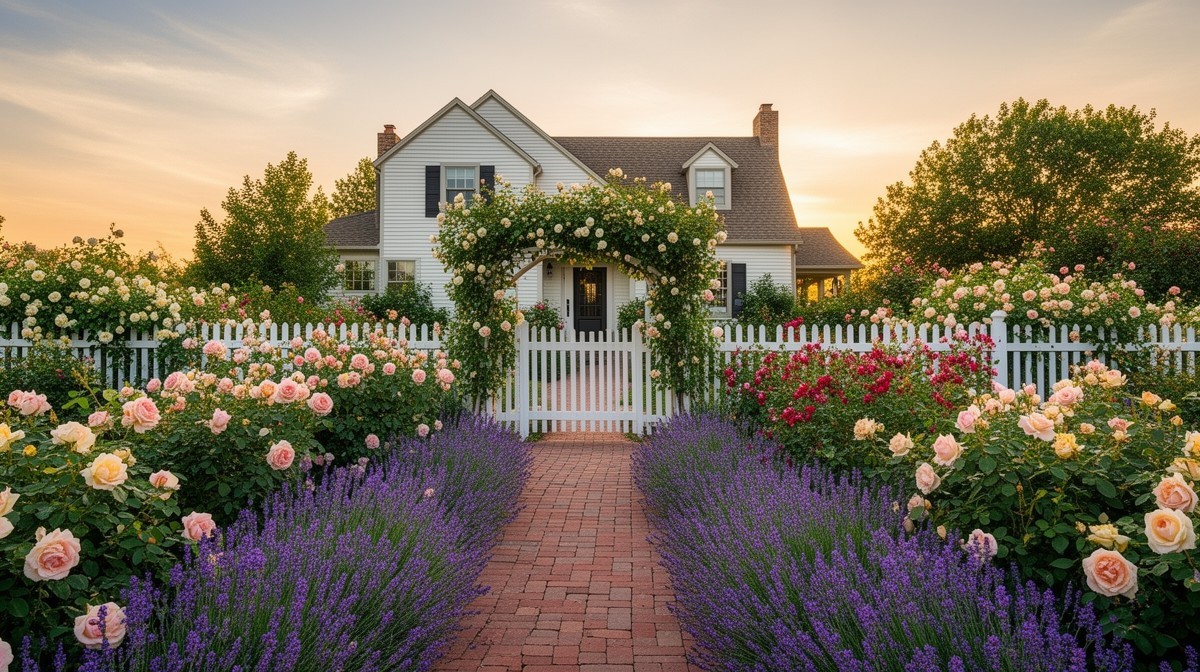
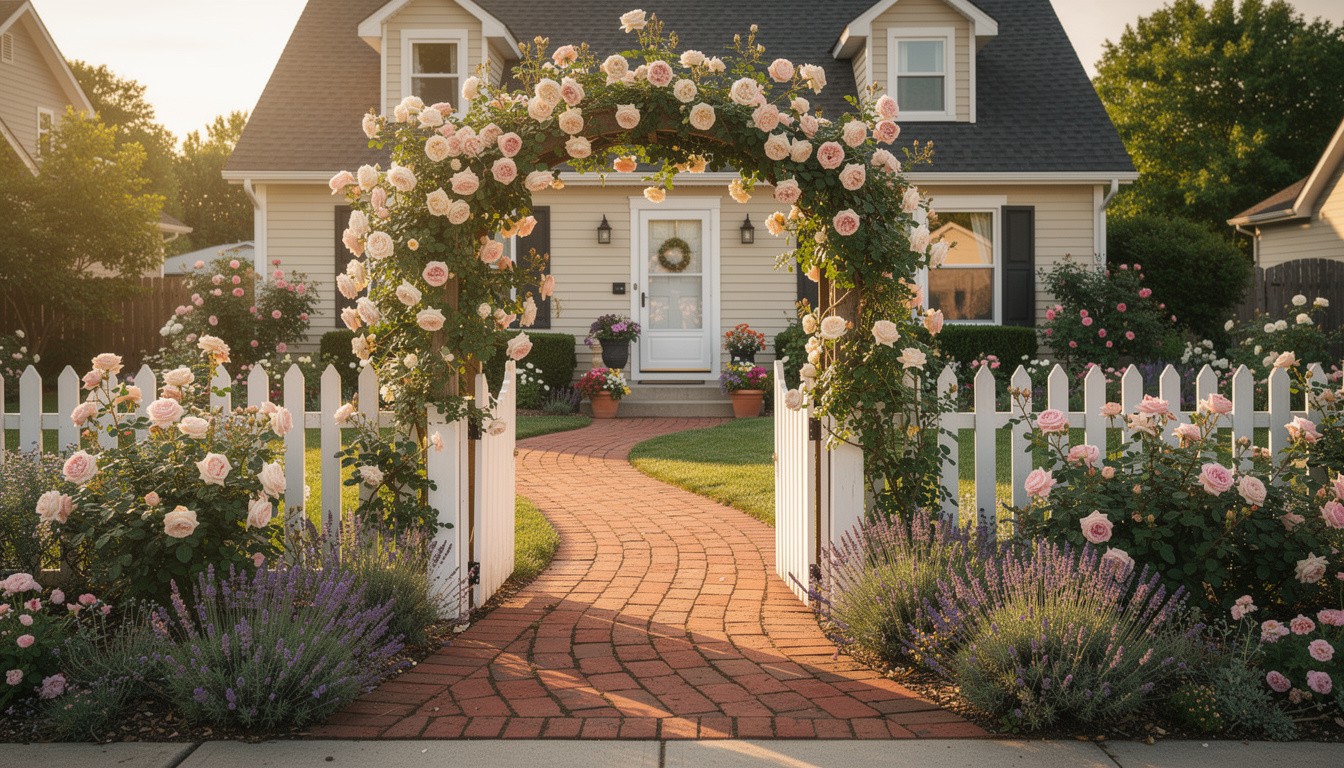
The Dundee Rose Arbor Entry
$12–22/sqftA white picket fence with a central rose arbor gate frames a brick path to the front door of a white Cape Cod-style home, with dense rose and lavender borders on both sides. The arbor is thickly covered in blush climbing roses and the borders hold lavender, catmint, and mixed cottage perennials that carry bloom from late May through July. Omaha's Zone 5b climate requires selecting reliably cold-hardy rose varieties — William Baffin (Zone 3), Carefree Beauty (Zone 4), and the Knock Out series (Zone 4) all perform well here — but the warm summers push them to impressive growth once established.
AI-generated image
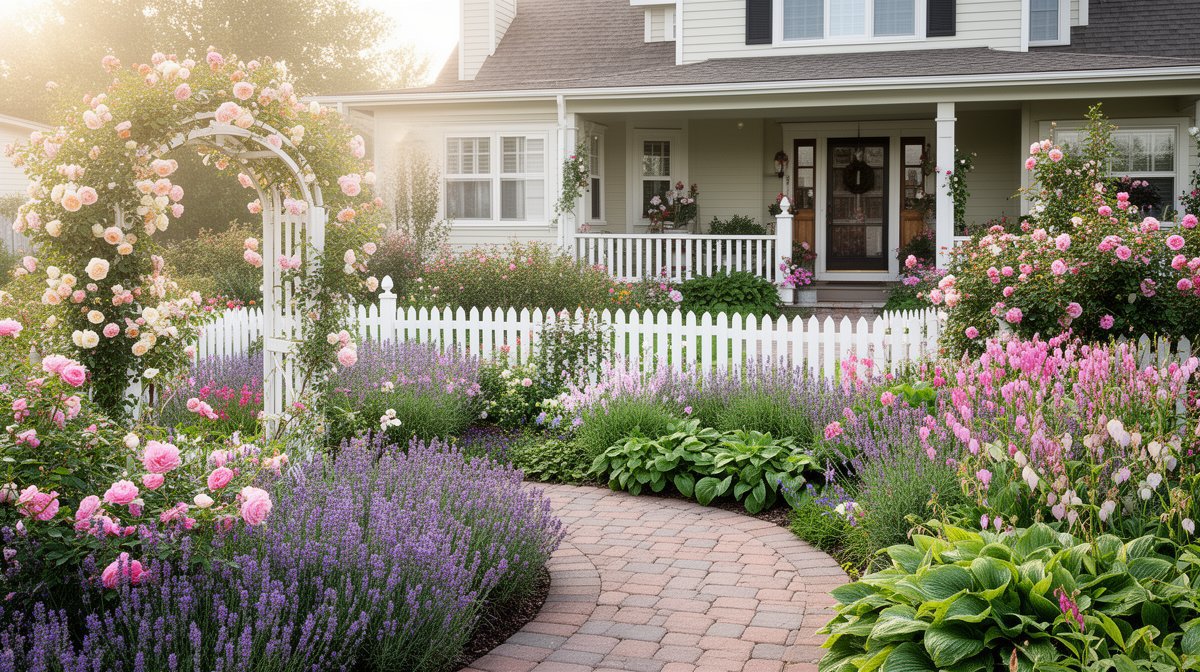
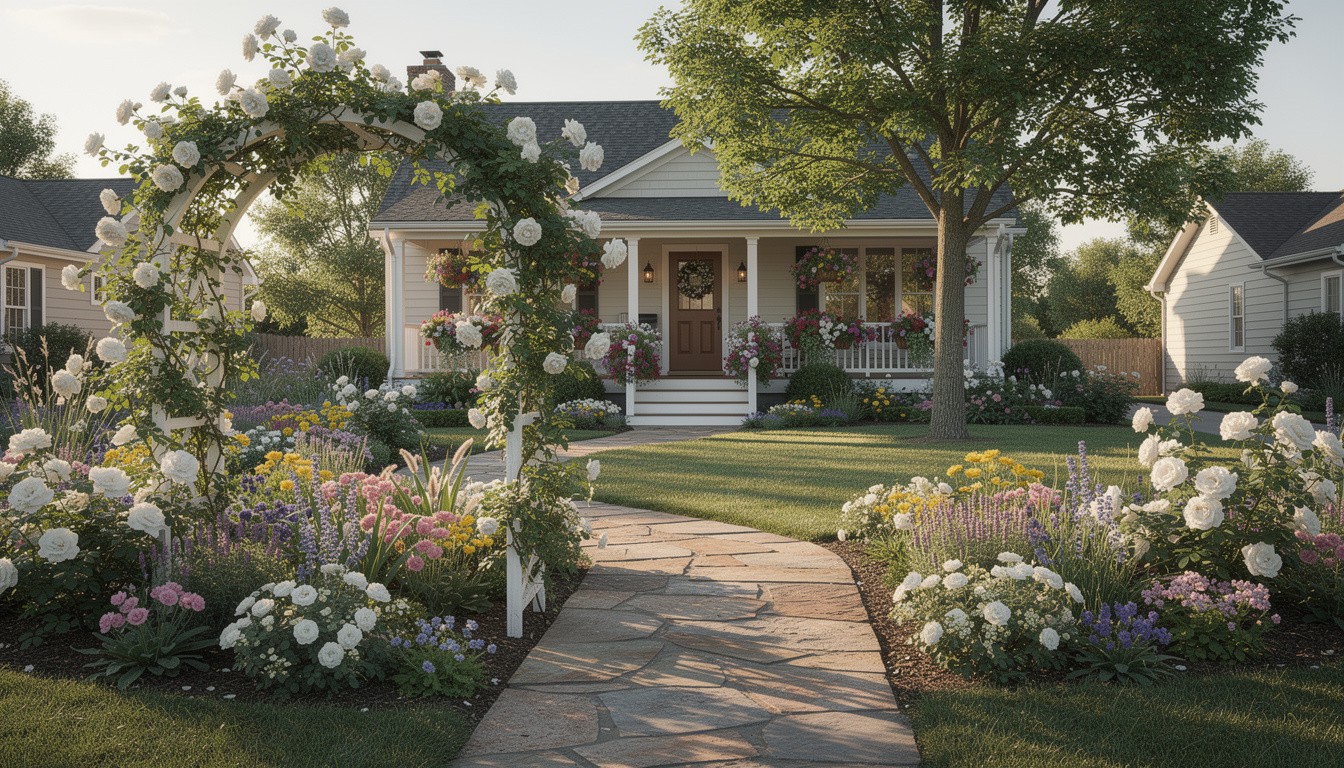
The Benson Craftsman Cottage Garden
$10–20/sqftA white rose arch on the flagstone front walk of a craftsman bungalow with wide mixed cottage borders sweeping the entire front yard. White hydrangeas anchor the composition alongside roses, foxgloves, lavender, and bright annuals. The porch has white railings and a mature shade tree provides dappled light. Omaha's continental climate is sunny with warm summers — the intense Nebraska sunshine that cottage gardens thrive in during June and July. The key is selecting drought-tolerant cottage varieties that handle Omaha's drier summers compared to Ohio or Michigan.
AI-generated image
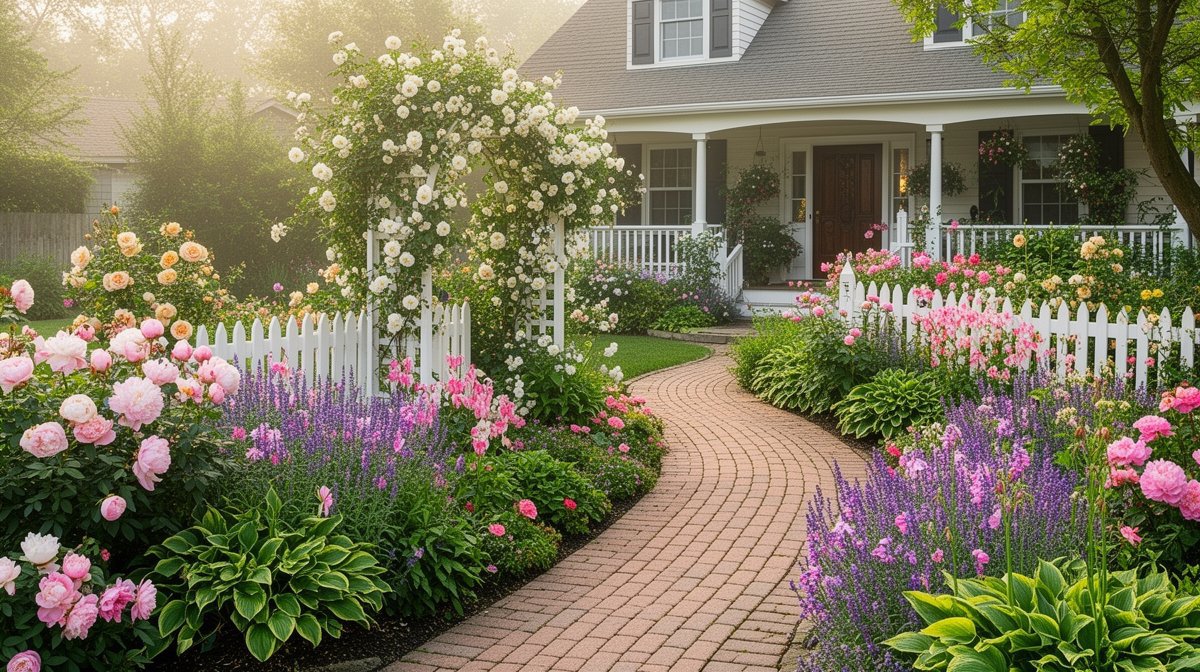
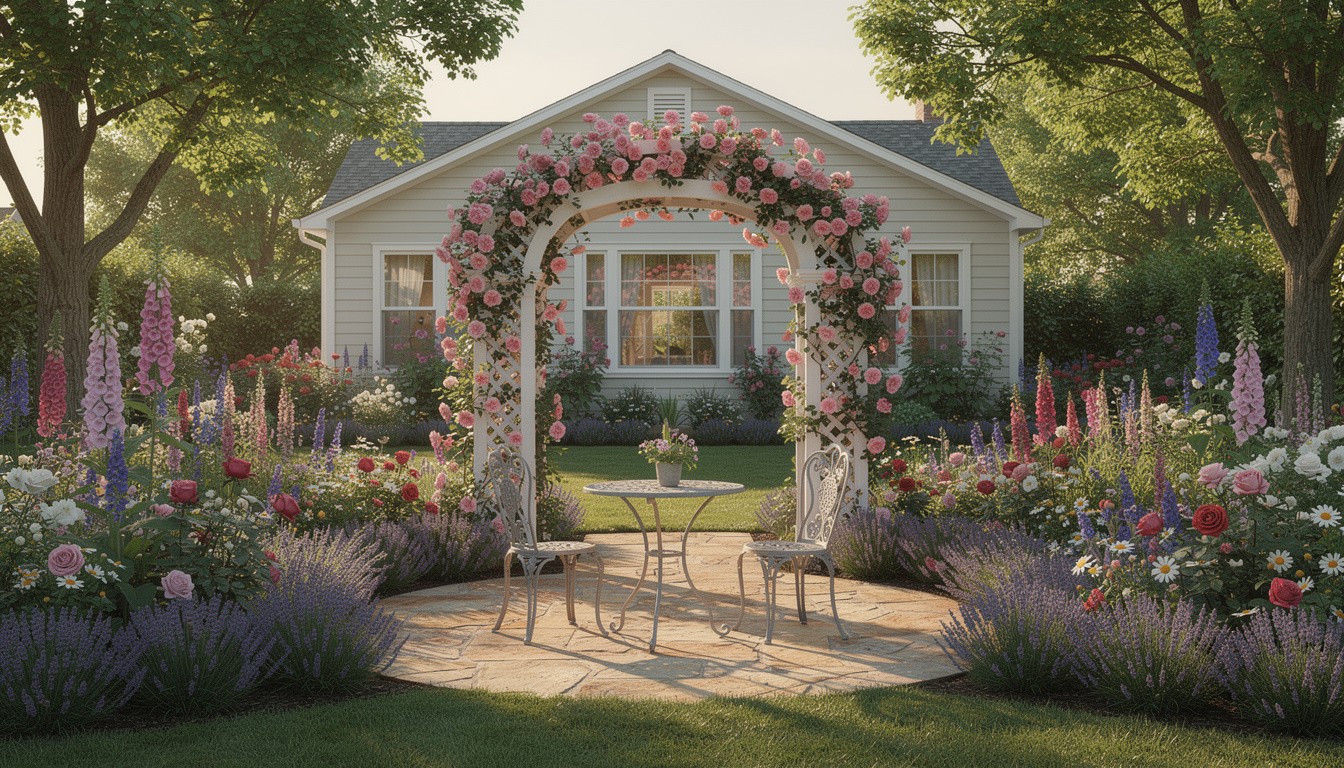
The Happy Hollow Cottage Terrace
$18–36/sqftA backyard cottage terrace centered on a climbing rose arch as the focal point, with a flagstone patio beneath it, a small bistro table and chairs, and deep cottage borders filling the surrounding beds. Roses, foxgloves, lavender, delphiniums, and phlox create the layered abundance that defines cottage gardens at their best. Mature trees on both sides frame the scene and provide dappled shade. This design suits Omaha's established west-side neighborhoods where mature trees and older homes provide the ideal architectural backdrop for cottage garden style.
AI-generated image
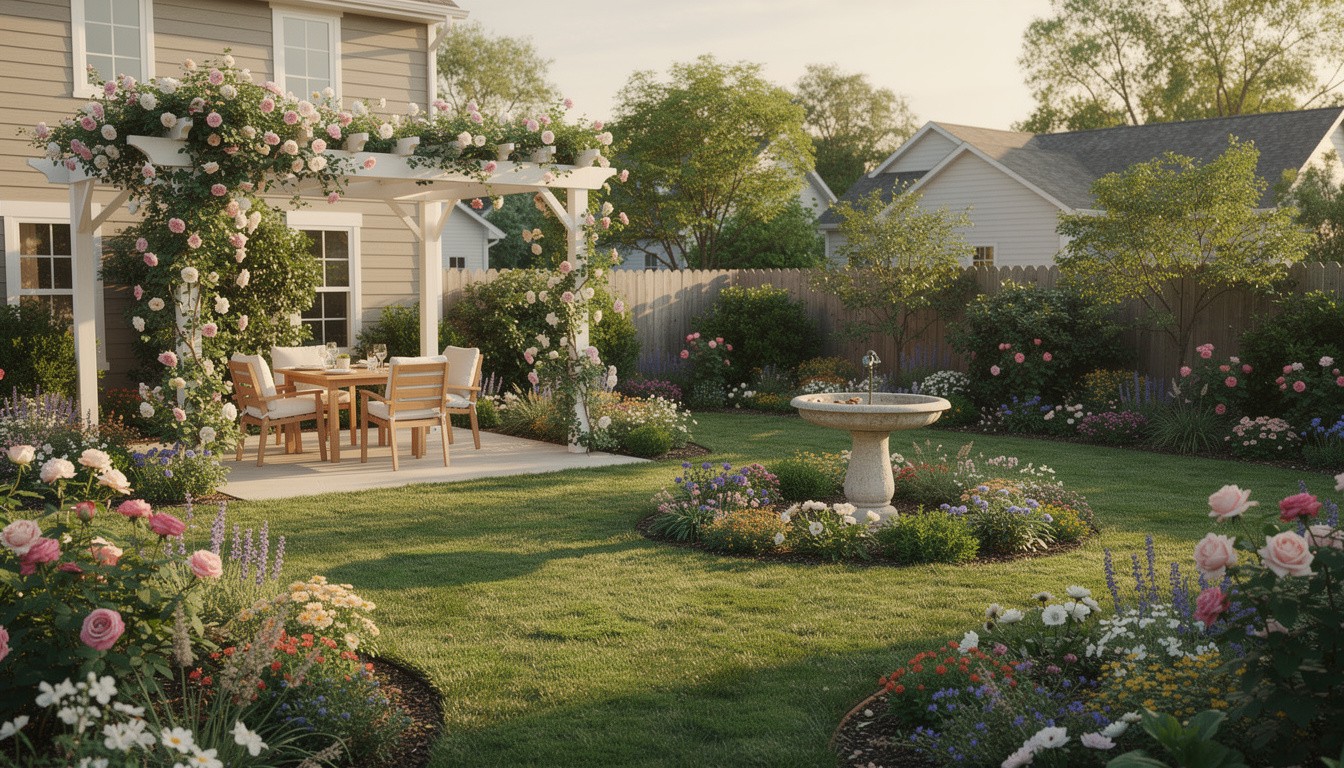
The West Omaha Cottage Pergola Backyard
$18–40/sqftA full backyard cottage garden with a white painted pergola draped in climbing roses as the dining room anchor, a central lawn panel, and a stone birdbath as the garden centerpiece. Deep mixed rose and perennial borders ring the entire yard with foxgloves, phlox, and roses in overlapping bloom. The pergola shelters a dining table and the surrounding borders create complete cottage enclosure. West Omaha's newer residential neighborhoods in Elkhorn and Millard have the lot sizes to support this kind of full-garden treatment, and Omaha's warm, sunny summers deliver excellent rose and perennial performance.
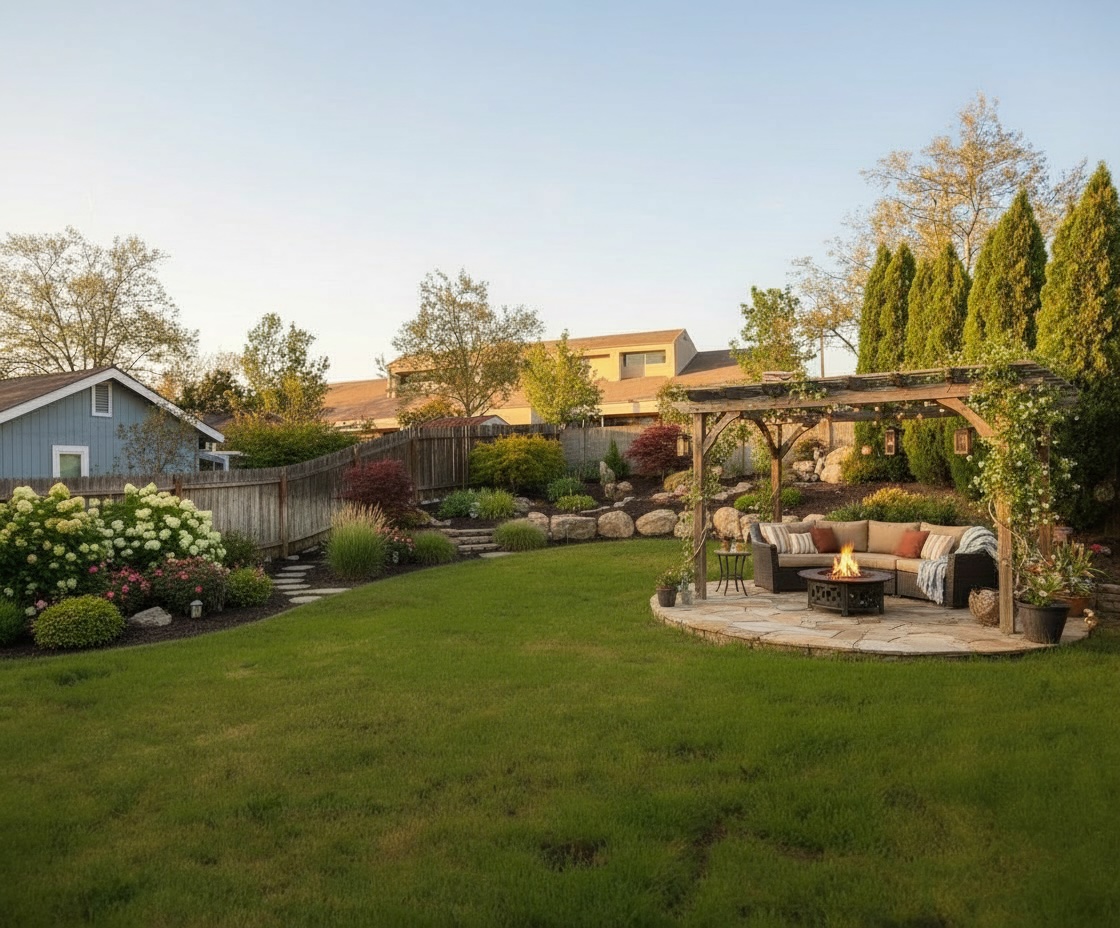
See how a cottage/english garden looks on YOUR property
Upload a photo of your Omaha yard and visualize your dream garden in seconds.
Try ProScapeAI Free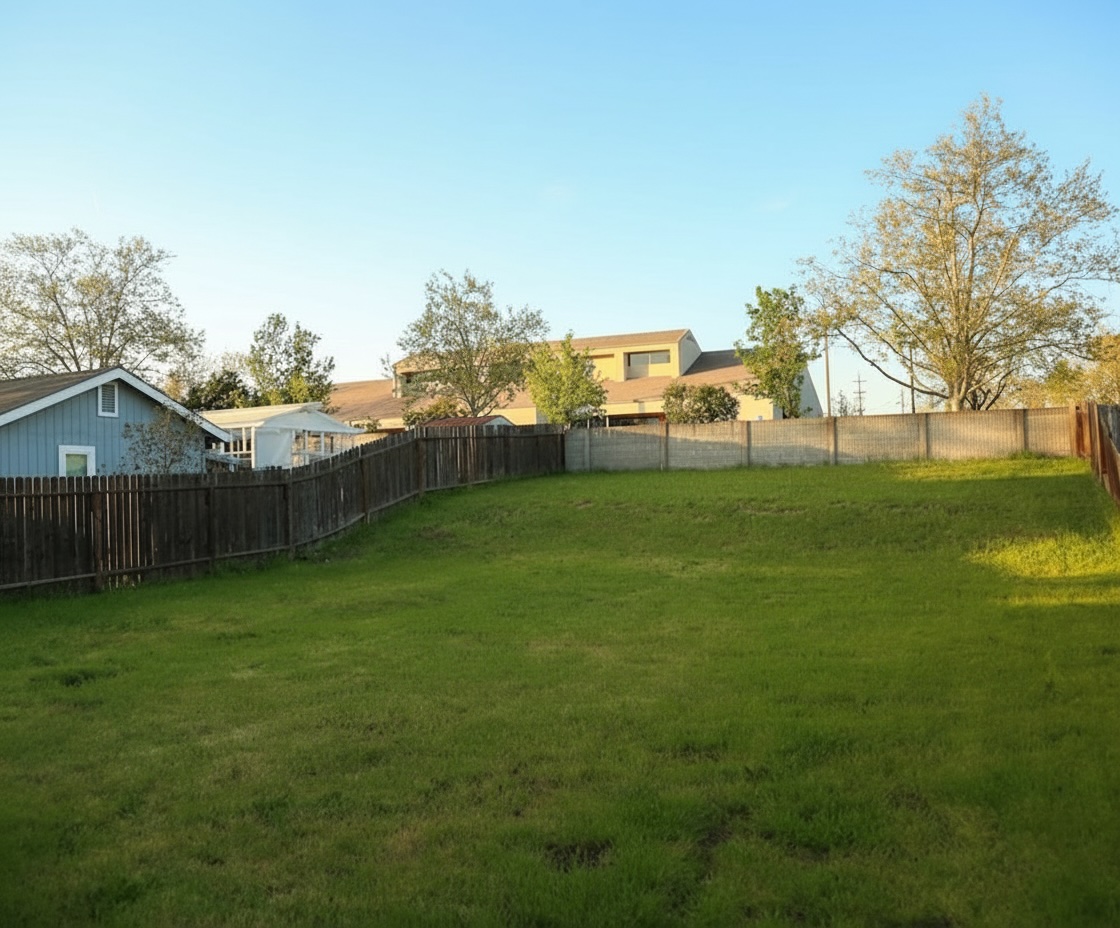
AI-generated image
Featured Trees & Shrubs for Cottage/English Gardens
Browse all 193 plants for Omaha
Clove Currant
Ribes odoratum
grows to 6 feet, yellow blooms in spring. Attracts hummingbirds.

Fragrant Sumac
Rhus aromatica
grows to 4 feet, yellow blooms in spring. Attracts butterflies.
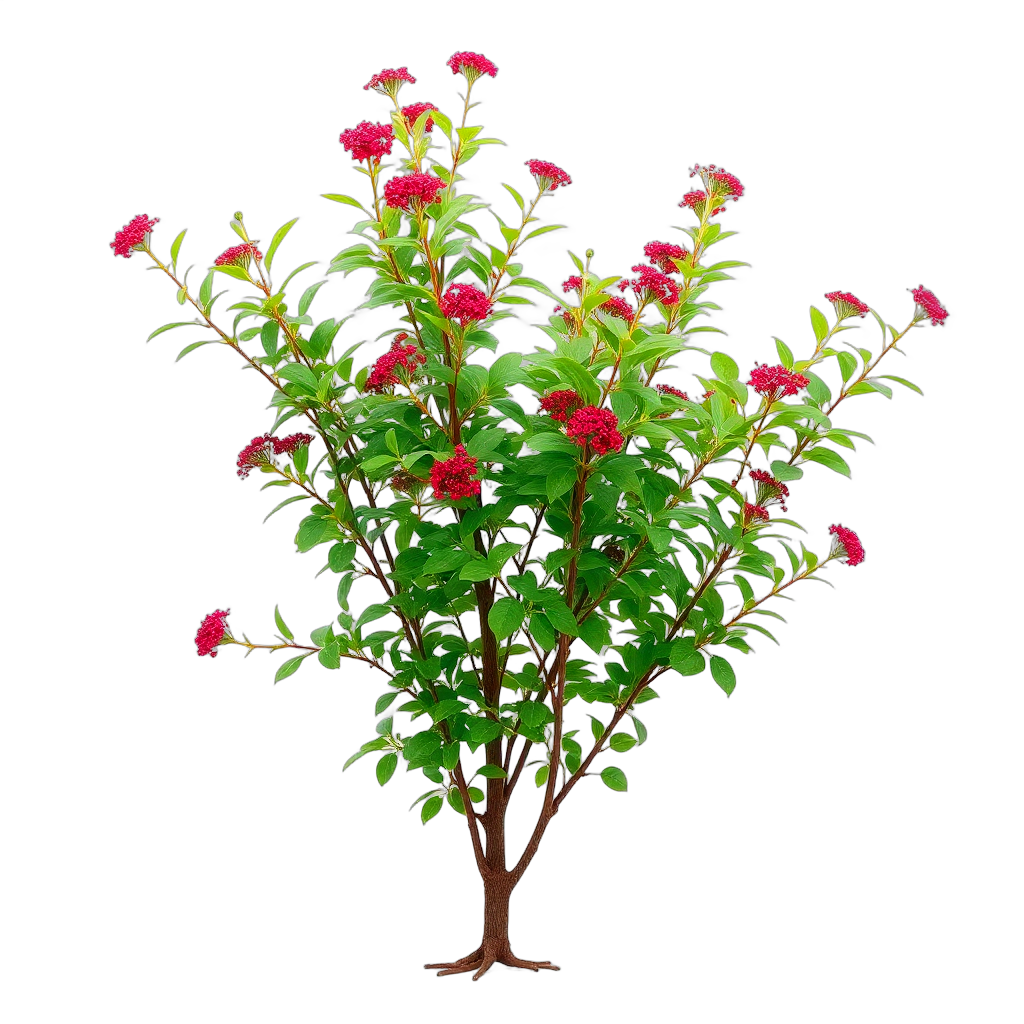
Smooth Sumac
Rhus glabra
medium-sized at 12 feet, white,green blooms in summer. Attracts butterflies.
Featured Grasses & Groundcovers for Cottage/English Gardens
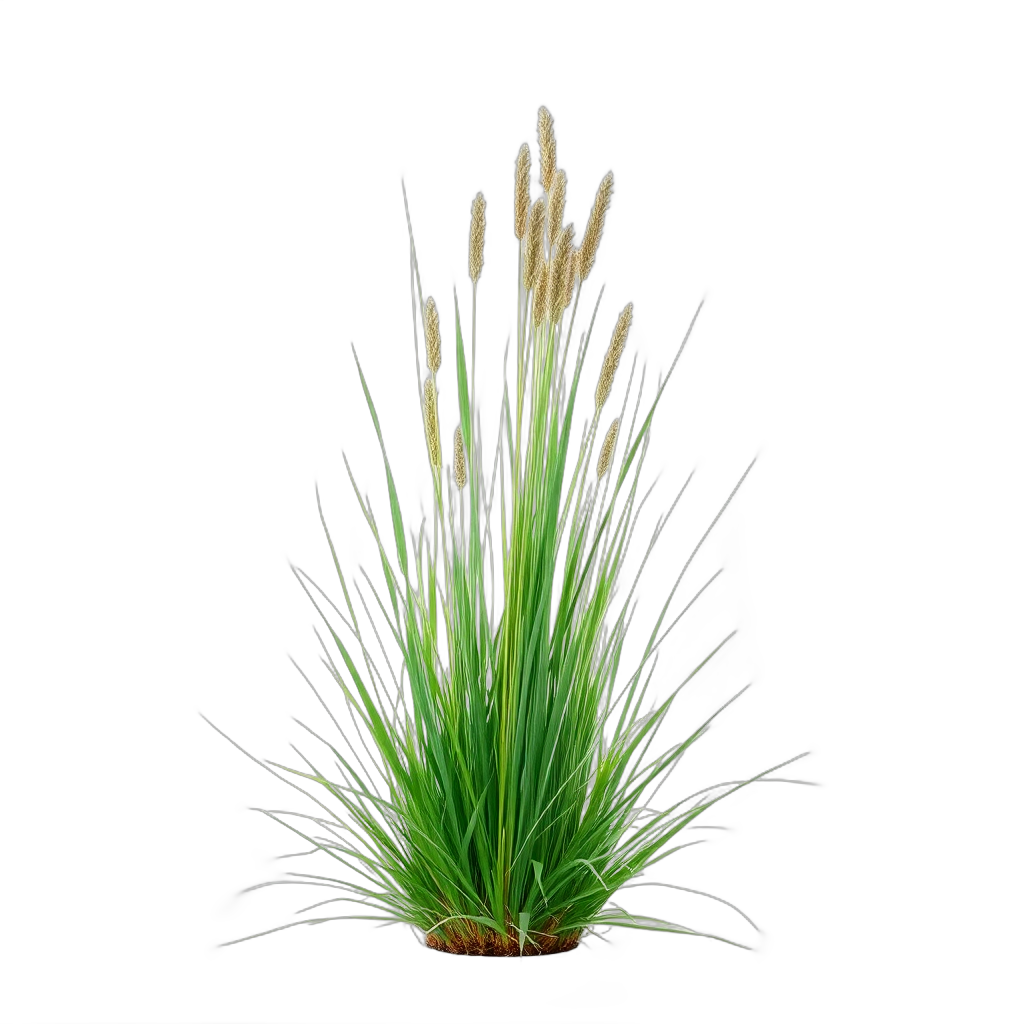
Big Bluestem
Andropogon gerardii
medium-sized at 7 feet, purple blooms in fall. Bronze,burgundy fall color.
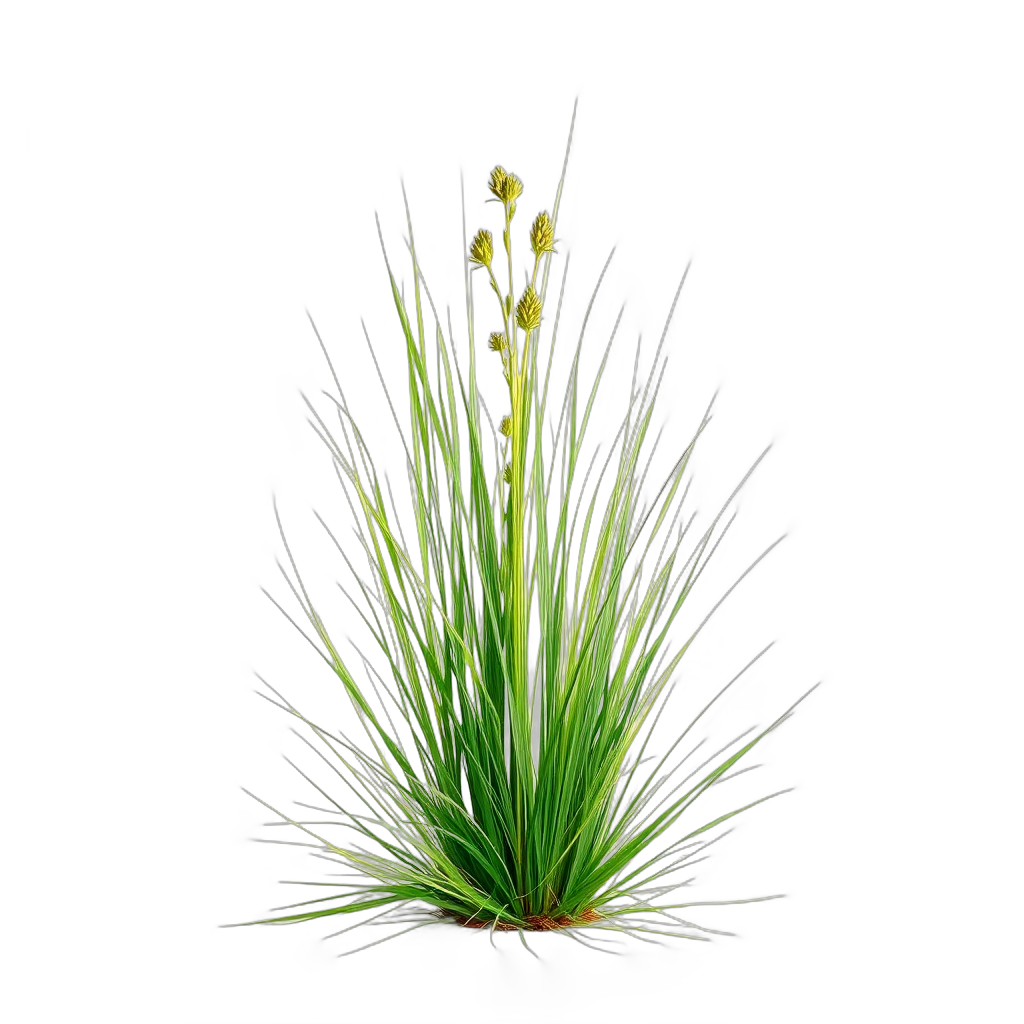
Canada Wild Rye
Elymus canadensis
grows to 4 feet, blooms in summer. Yellow fall color.
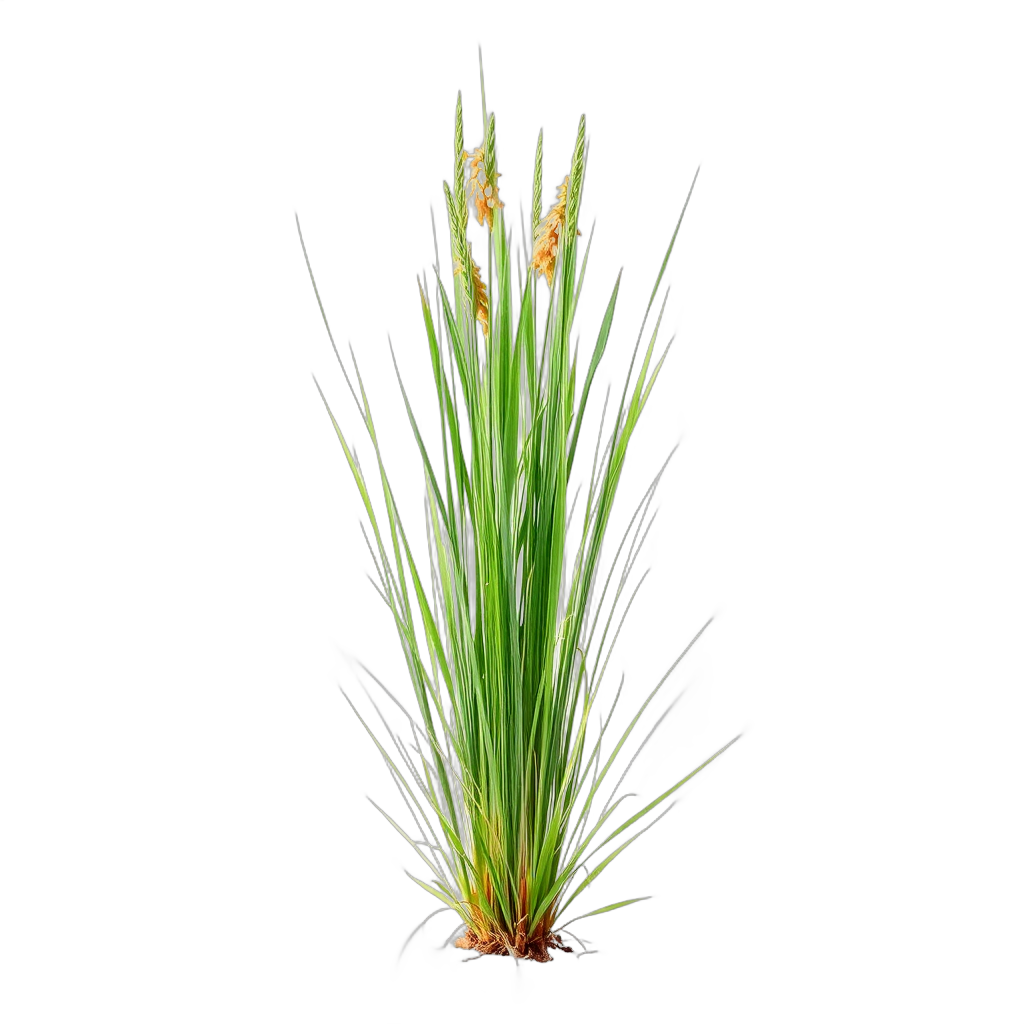
Eastern Gamagrass
Tripsacum dactyloides
grows to 6 feet, blooms in summer. Yellow fall color.
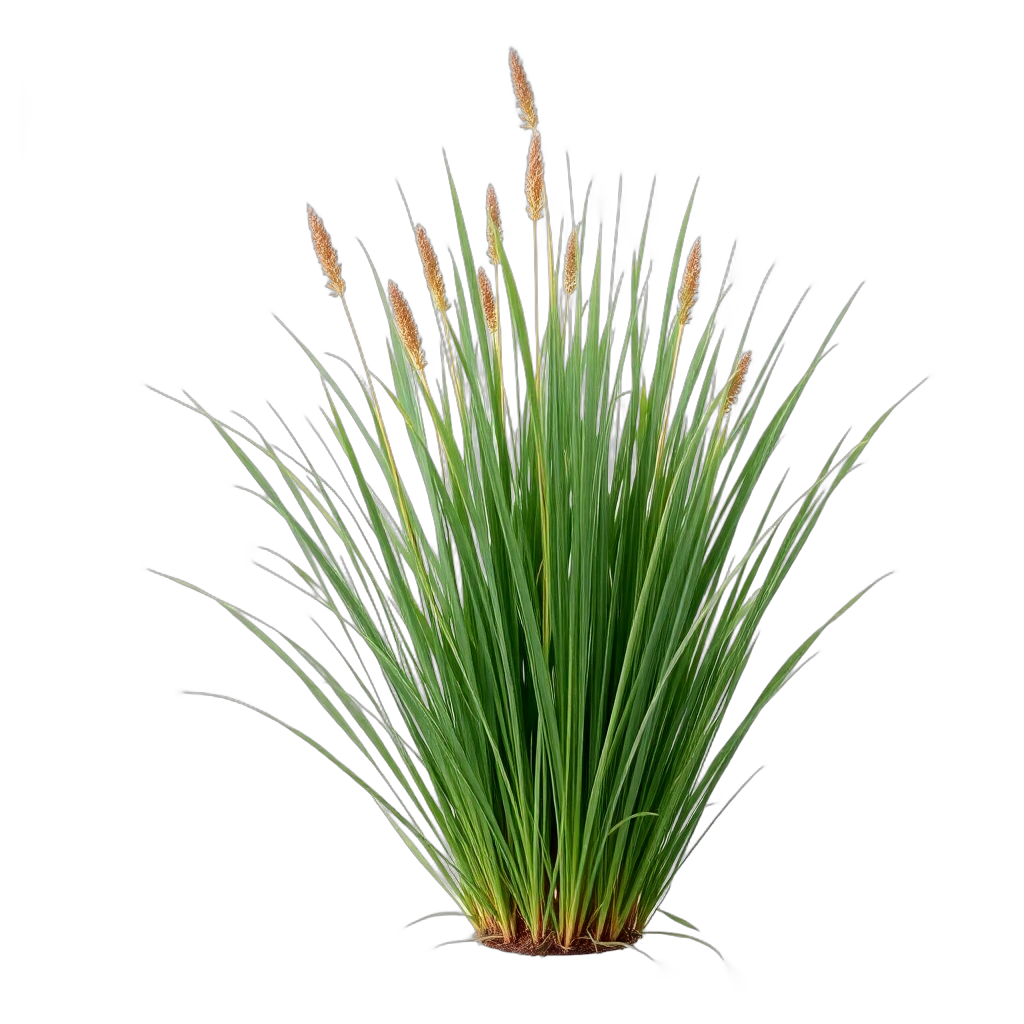
Heavy Metal Switchgrass
Panicum 'Heavy Metal'
grows to 4 feet, pink blooms in summer. Yellow fall color.
Featured Flowers & Perennials for Cottage/English Gardens
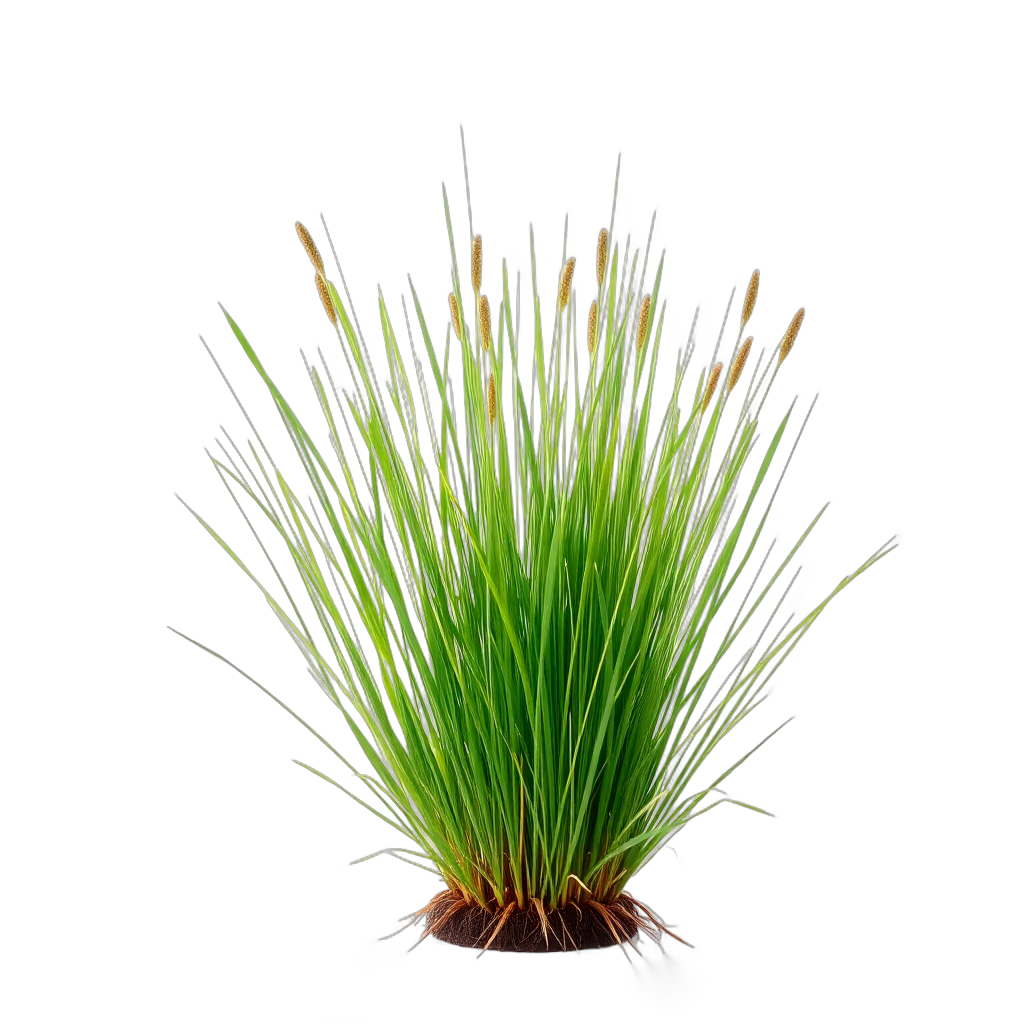
Path Rush
Juncus tenuis
low-growing ground cover, blooms in summer. Evergreen year-round.
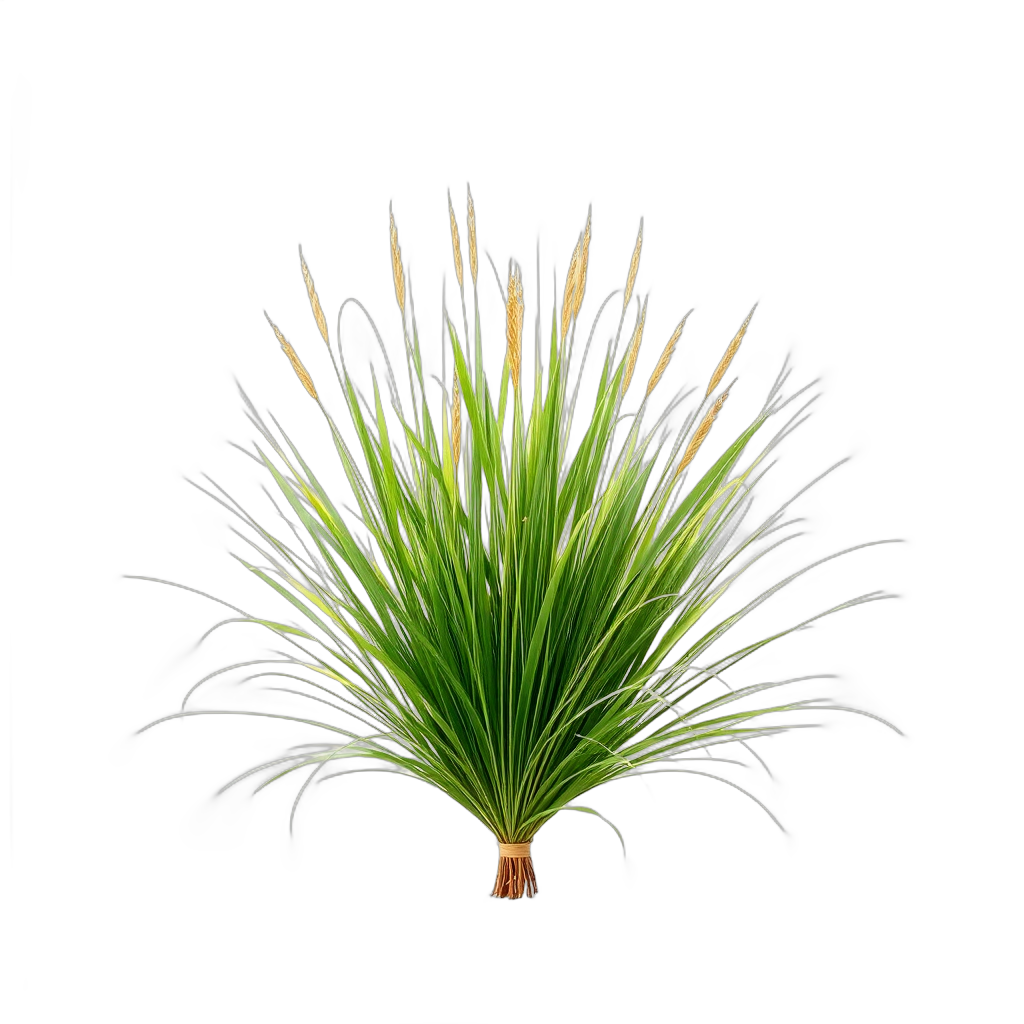
Prairie Cordgrass
Spartina pectinata
grows to 6 feet, blooms in summer. Yellow fall color.
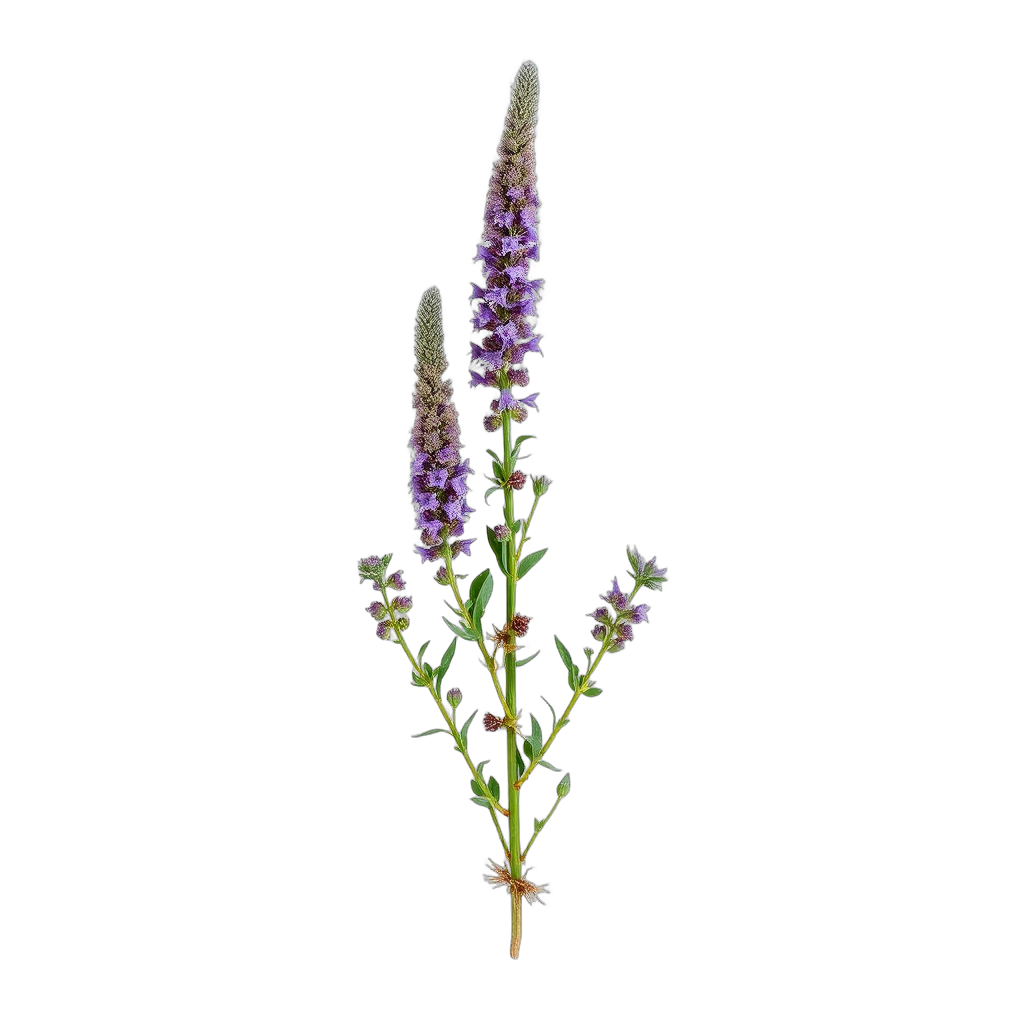
Anise Hyssop
Agastache foeniculum
grows to 3 feet, purple blooms in summer. Attracts hummingbirds.
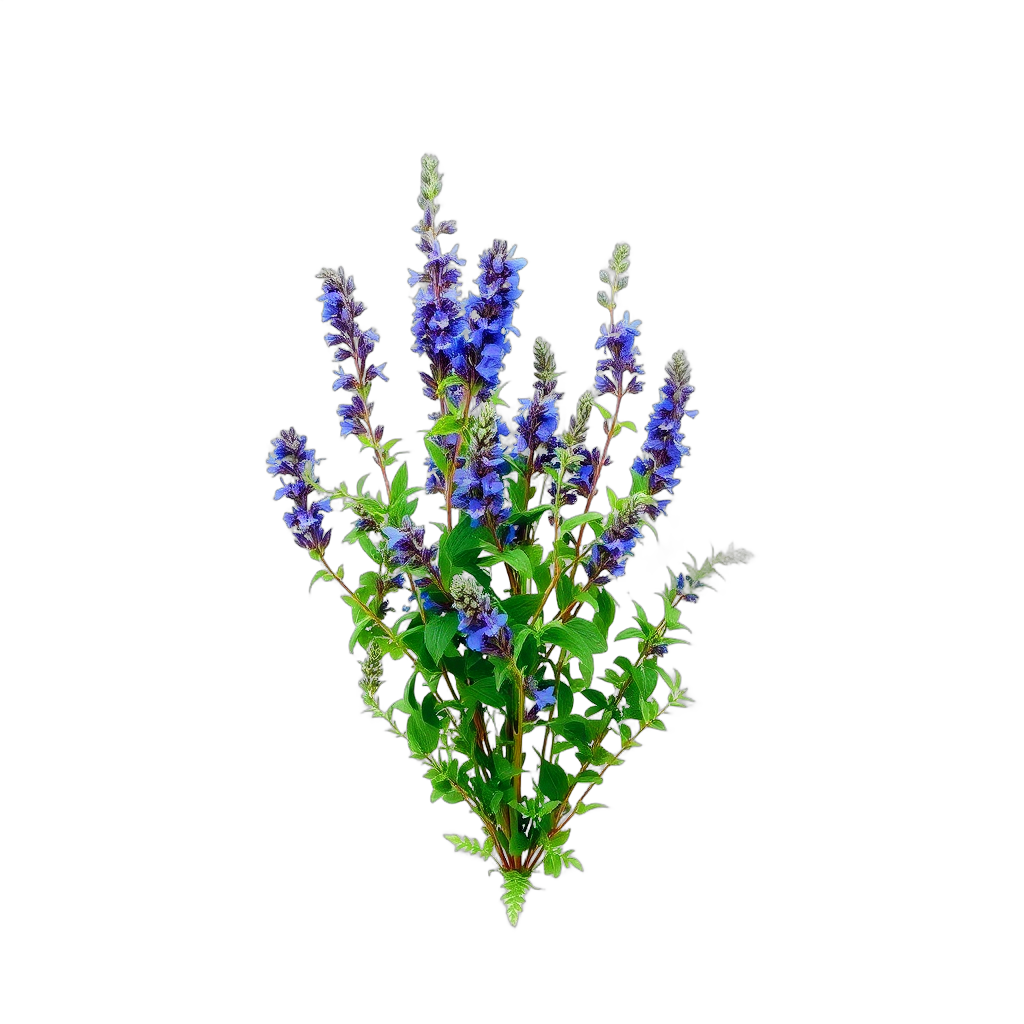
Azure Sage
Salvia azurea
grows to 4 feet, blue blooms in fall. Attracts hummingbirds.
Zone and sun checks come from our database — confirm with your local nursery before you buy.
Bloom Calendar for Omaha
spring
Blue False Indigo, Foxglove Beardtongue, Golden Alexandersummer
Path Rush, Prairie Cordgrass, Anise Hyssopfall
Azure Sage, Maximilian Sunflower, New England Asterwinter
Limited bloomsDesign Tips for Omaha (Zone 5b)
- Build a rugosa rose windbreak hedge on the west and northwest side of cottage planting beds before establishing anything else — the windbreak is Omaha's most important cottage garden investment, dramatically improving performance of all plants behind it while adding three seasons of bloom and fall hips
- Design with drought tolerance as the starting point in Omaha: use prairie-adapted cottage plants (coneflower, black-eyed Susan, catmint, sedum, rugosa roses) as the backbone, and reserve more demanding cottage plants (delphiniums, foxgloves, climbing roses) for irrigated, windbreak-sheltered positions
- Apply 4–6 inches of shredded leaf mulch over perennial crowns in November — deeper than the Ohio standard — and replace any mulch blown off by wind after ice storms; Omaha's winter winds can strip mulch from exposed beds and leave crowns vulnerable
- Embrace the prairie-cottage blend as Omaha's authentic design identity: a cottage garden that integrates coneflower, blazing star, and wild bergamot alongside peonies and roses is more honest about where it lives and more beautiful for it than one that ignores the landscape around it
- Install drip irrigation in all cottage beds in Omaha: 30 inches of annual rainfall is adequate in a normal year but insufficient during July–August dry spells that are common in the continental climate. Drip irrigation is inexpensive, reduces fungal disease (vs. overhead watering), and is the single most practical investment in cottage garden success in this climate
- In Dundee and Field Club, let cottage plants spill slightly over the brick sidewalk edge — catmint, alyssum, and cottage pinks tumbling over an edging strip contribute to the neighborhood's historic character and are a visual gift to pedestrians walking Omaha's most beautiful residential streets
Where to Source Plants in Omaha
Skip the big-box stores. These independent Omaha nurseries specialize in the plants that make cottage/english gardens thrive in Zone 5b.
Mulhall's
Central Omaha (Midtown)
Premier Omaha independent nursery and garden center; outstanding cottage perennial, rose, and native plant selection
Wenninghoff Farm and Nursery
West Omaha (156th and Q)
Family-owned local nursery; wide perennial selection with Zone 5b expertise for the Omaha climate
Baker Nurseries
West Omaha
Full-service independent; strong Zone 5b tree, shrub, and perennial selection for Nebraska gardeners
Lewis and Clark Landing Nursery
Council Bluffs, IA (across the river)
Native plants and prairie perennials for the Great Plains; excellent for cottage-prairie hybrid planting
Earl May Garden Center
Multiple Omaha-area locations
Midwestern chain with strong Zone 5b inventory; reliable source for cottage perennials and cold-hardy roses
Cottage/English Landscaping Costs in Omaha
| Project Scope | Estimated Cost |
|---|---|
| Rose arbor + picket fence front entry (cottage) | $4,000 – $10,000 |
| Full cottage front yard redesign (400–600 sqft) | $6,500 – $18,000 |
| Backyard cottage terrace with pergola + planting | $14,000 – $42,000 |
| Flagstone patio installation (200–400 sqft) | $4,500 – $13,000 |
| Soil amendment and bed preparation | $700 – $3,000 |
| AI visualization with ProScapeAI | Free to start |
Estimates based on Omaha, NE-area contractor rates as of 2026. Actual costs vary by site conditions, materials, and contractor.
Omaha Climate & Growing Zone
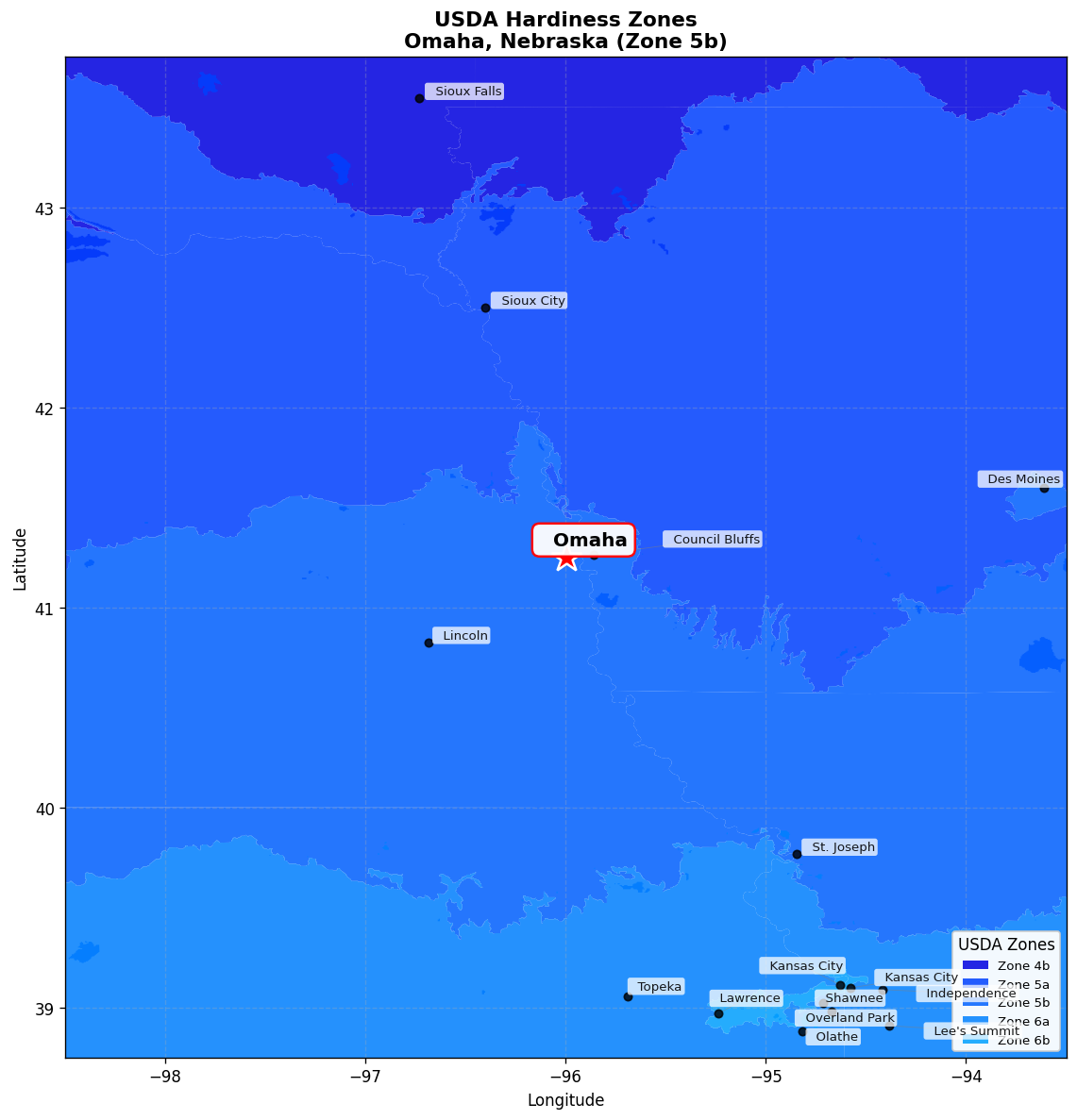
USDA Zone 5b
Hardiness zone for Omaha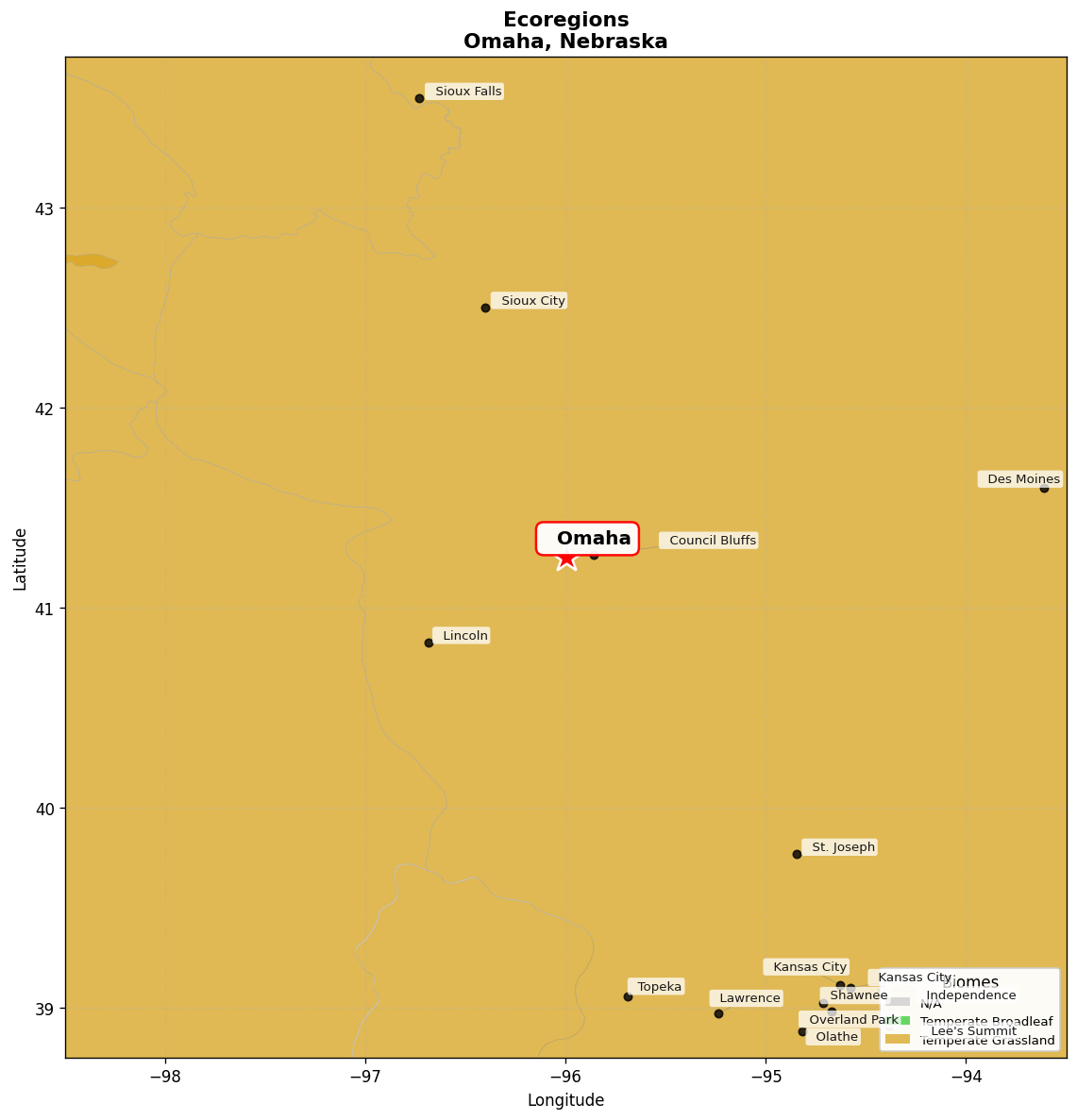
Central Tallgrass prairie
Native ecoregionFrequently Asked Questions
How does wind affect cottage gardening in Omaha and how do I manage it?
Omaha's prevailing southwesterly winds are the defining challenge of its cottage garden climate. Sustained winds of 15–20 mph desiccate foliage, break tall flower stalks (delphiniums, hollyhocks), and increase winter cold damage by stripping insulating mulch and desiccating canes. Management strategies: plant a windbreak hedge of rugosa roses, native shrubs, or evergreen on the west and northwest sides of cottage beds. In open exposed positions, use wind-tolerant plants — coneflower, black-eyed Susan, rudbeckia, catmint, prairie natives — and stake tall cottage plants (delphiniums, hollyhocks) with bamboo stakes. Winter: apply extra-deep mulch (4–6 inches) and wrap canes with burlap on climbing roses in exposed spots.
What roses survive Omaha's Zone 5b winters and wind?
Cold hardiness plus wind tolerance are both required in Omaha. Top performers: Rugosa roses (Hansa, Frau Dagmar Hastrup, Therese Bugnet — all Zone 2–3, wind-tolerant, disease-resistant) are the most reliable Omaha cottage roses. 'William Baffin' (Zone 3 climber) and 'Henry Kelsey' (Zone 3 climber) for arbors and fences. Canadian Parkland series (Morden Blush, Prairie Joy, Carefree Beauty — all Zone 3–4) as shrub roses. 'Knock Out' (Zone 4) for easy disease-resistant shrub roses. Avoid hybrid teas in exposed Omaha positions — the combination of Zone 5b cold and wind makes them high-maintenance without proper protection. Plant roses on the sheltered (east or south) side of windbreaks for best performance.
Does Omaha have enough rainfall for cottage plants?
Omaha receives approximately 30 inches of annual rainfall — adequate but significantly less than eastern Midwest cities (Cleveland 39", Indianapolis 41"). Most rainfall comes May through September in the form of thunderstorms, which can deliver intense short-duration rainfall rather than the consistent drizzle that English cottage plants evolved in. This means irrigation is more important in Omaha than in Ohio or Indiana, particularly through July and August dry spells. Establish a drip irrigation or soaker hose system for cottage beds. Drought-tolerant cottage plants — catmint, coneflower, black-eyed Susan, sedum, rugosa roses — should form the backbone, supplemented with more demanding plants like delphiniums and garden phlox in well-irrigated, windbreak-sheltered positions.
What are the best cottage plants native to or adapted for the Central Tallgrass Prairie?
Several prairie natives integrate beautifully into cottage-style planting while being perfectly adapted to Omaha's climate. Purple coneflower (Echinacea purpurea, Zone 3) is both a native prairie plant and a cottage garden staple. Black-eyed Susan (Rudbeckia hirta, Zone 3) provides brilliant gold color August through October. Blazing star (Liatris spicata, Zone 3) adds purple spikes in July. Wild bergamot (Monarda fistulosa, Zone 3) provides lavender blooms and fragrance. Native phlox (Phlox pilosa, Zone 3) blooms in late spring. Prairie dropseed (Sporobolus heterolepis, Zone 3) is an ornamental grass with cottage-appropriate fine texture. All of these thrive without irrigation in Omaha's rainfall pattern once established.
When is the growing season in Omaha and when should I plant?
Last frost averages May 5–10 in Omaha; first fall frost around October 5–10. Growing season is approximately 145–155 days — similar to Milwaukee's. Fall planting (mid-September through October) is ideal for perennials and roses: Omaha's fall soil stays warm longer than its continental climate might suggest, and fall-planted perennials establish better root systems before dormancy. Spring planting after May 15 is safe for most cottage plants. Plant spring bulbs (tulips, alliums, narcissus) in October while soil is workable — they're among the most reliable Omaha cottage garden plants, fully Zone 5b-hardy and spectacular in May. Omaha's spring can be volatile with late cold snaps; don't remove winter mulch before late April.
What Omaha-specific neighborhoods have the best cottage garden character?
Dundee (West Omaha near 50th Street) has the densest concentration of craftsman bungalows and established street trees — probably the best cottage garden context in the city. Field Club Historic District (southwest of Dundee) has Victorian and colonial revival homes with generous lots and strong preservation character. Benson is Omaha's arts and restaurant district with craftsman bungalows and a young homeowner population investing in renovation. Happy Hollow and Country Club (southwest Omaha) have large colonial and Tudor revival homes on generous lots suited to ambitious cottage designs. Midtown Crossing's revitalized mixed residential provides urban cottage garden opportunities similar to Corktown in Detroit.