4 Cottage Garden Ideas for Durham, NC | Zone 7b Piedmont Cottage Style
Native plants from the Appalachian Piedmont forests (Zone 7b) — Humid subtropical climate
Why Cottage/English Gardens in Durham?
Durham sits within the Appalachian Piedmont forests ecoregion — a landscape defined by rolling red clay hills, mixed hardwood forests of oak, hickory, and tulip poplar, and the fertile piedmont bottomlands of the Neuse and Eno River watersheds. This rich ecological backdrop creates ideal conditions for cottage gardening: the Piedmont’s reliable rainfall (45 inches annually), long growing season (March–November), and gentle topography make Durham one of the finest cottage garden climates in the American Southeast.
Durham’s neighborhoods — Trinity Park, Watts-Hillandale, Forest Hills, Old North Durham, and the American Tobacco campus corridor — are filled with Craftsman bungalows, Tudor revivals, and Colonial homes whose architecture naturally invites romantic cottage planting approaches. Durham’s active arts and sustainability culture has created a passionate local gardening community, supported by outstanding resources including the Sarah P. Duke Gardens at Duke University — one of the most beautiful cottage and formal gardens on the East Coast.
Durham’s Zone 7b climate is ideal for the classic cottage garden staples that define the style: hydrangeas of every type perform magnificently in the Piedmont’s humidity, camellias are reliably hardy in sheltered spots, peonies bloom in April-May, and native Piedmont wildflowers — coneflower, black-eyed Susan, cardinal flower — provide season-long color and ecological value alongside the traditional cottage plantings.
4 Cottage/English Design Ideas for Durham
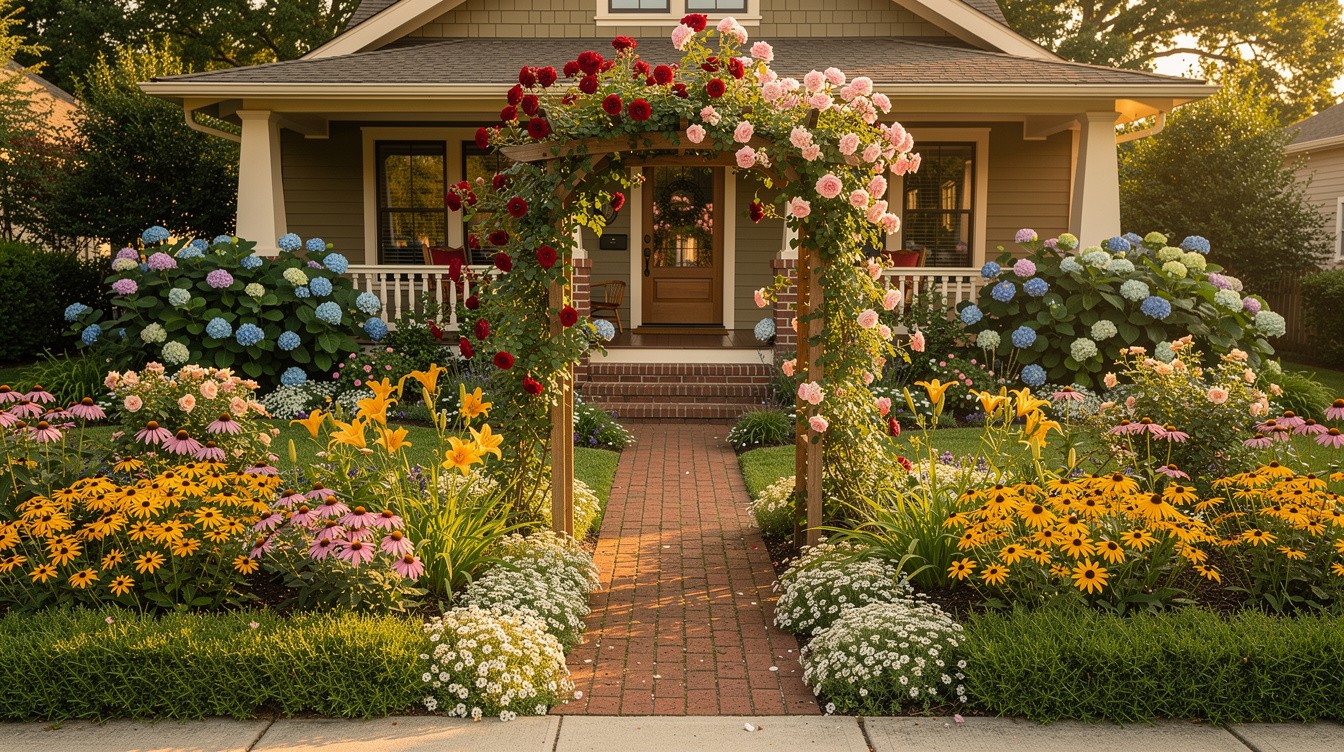
The Piedmont Cottage Border
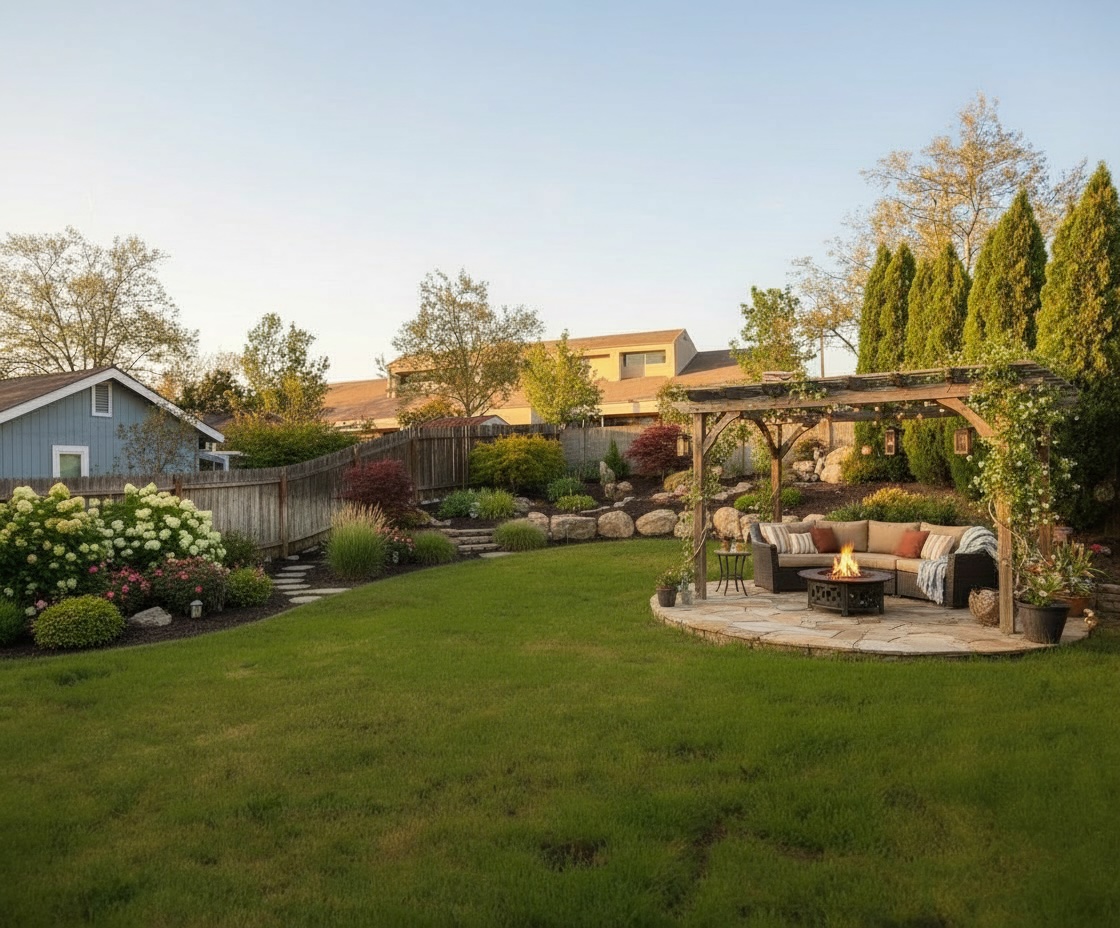
$7–15/sqftA Durham Craftsman bungalow front yard designed in the classic Southern Piedmont cottage tradition: a deep border along the front walk holds bigleaf hydrangeas and mophead hydrangeas at the back (blooming June–August in blue, pink, and white), with shrub roses, daylilies, and coneflowers in the middle tier. Native black-eyed Susan and rudbeckia fill the front edge with continuous summer color. A simple wooden arbor at the front gate supports a climbing rose — Don Juan or New Dawn. A brick path (matching the house’s brick foundation) leads from the sidewalk to the porch steps, edged with creeping thyme and sweet alyssum. In June, when the hydrangeas and roses peak simultaneously, this is one of the most beautiful residential cottage gardens in the Triangle.
The Eno River Native Garden
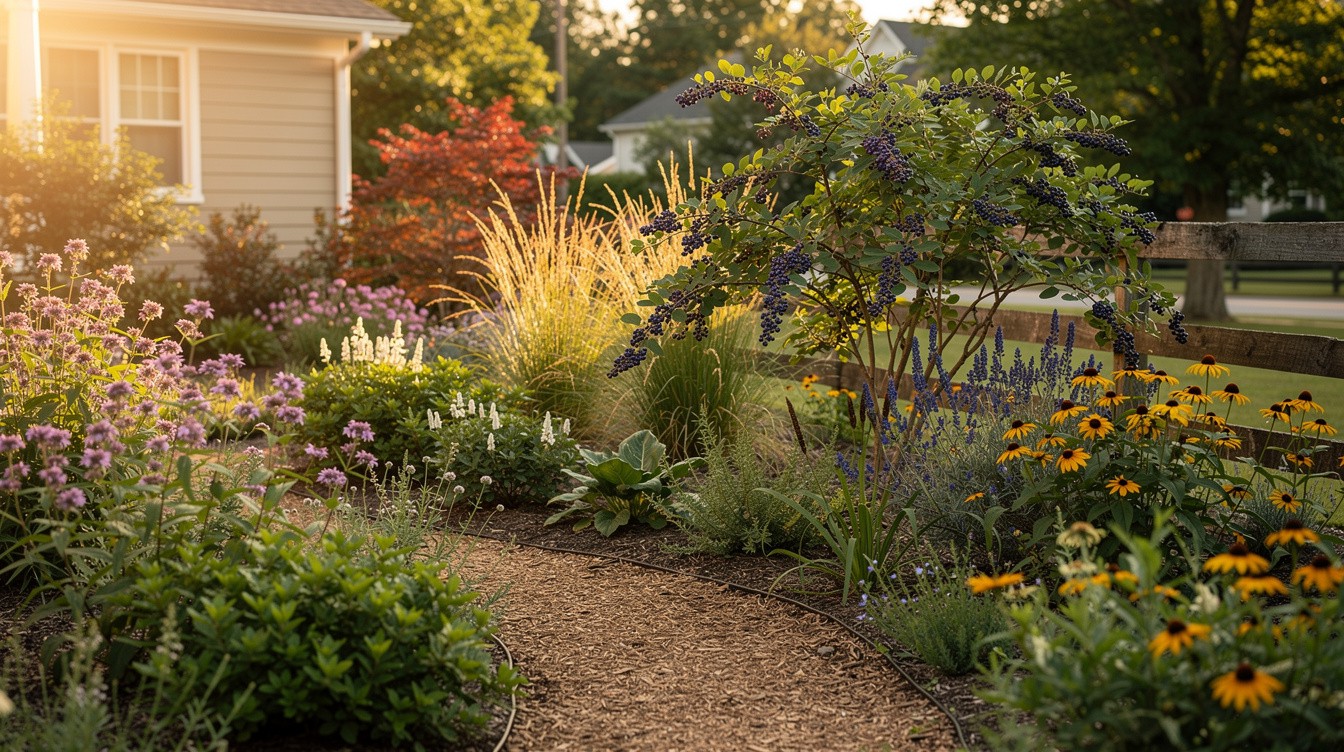
$5–11/sqftA Durham front or side yard celebrating the native plants of the Piedmont forests and Eno River floodplain: native wildflowers and shrubs create a four-season display that references Durham’s extraordinary natural heritage. Wild bergamot and native coneflower bloom July–September. Virginia sweetspire provides June fragrance and brilliant September fall color. Native beautyberry delivers iridescent purple berries in October. A native Virginia wild blue indigo creates bold blue-purple May bloom and attractive seed pods. Native switchgrass provides winter structure. A simple bark chip path winds through the design, and a split-rail fence references the agricultural heritage of the Piedmont region.
The Durham Cottage Patio Garden
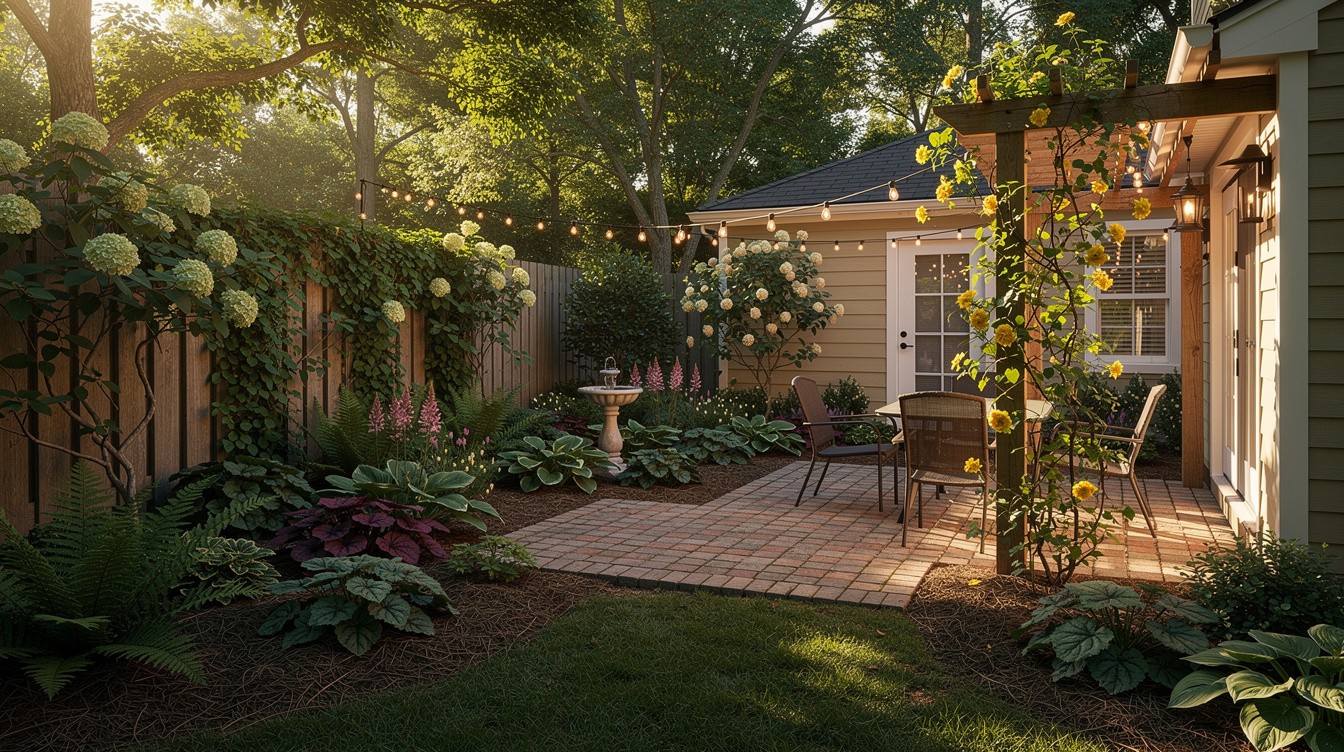
$10–20/sqftA shaded Durham backyard designed as a cottage patio retreat beneath the mature hardwood canopy that characterizes Durham’s established neighborhoods: a simple brick or stone patio extends from the back door into the dappled shade. Climbing hydrangea adorns the shaded north-facing fence. Astilbe, hosta, and native coral bells (Heuchera) fill the shade border with layered foliage texture and summer bloom. A simple wood arbor at one corner supports Thunberg clematis (yellow, fragrant) or a climbing rose. A birdbath surrounded by native ferns and wild ginger creates a woodland clearing focal point. String lights connect the arbor to the house eave for evening atmosphere throughout Durham’s generous outdoor season.
The Hydrangea Premier Cottage Backyard
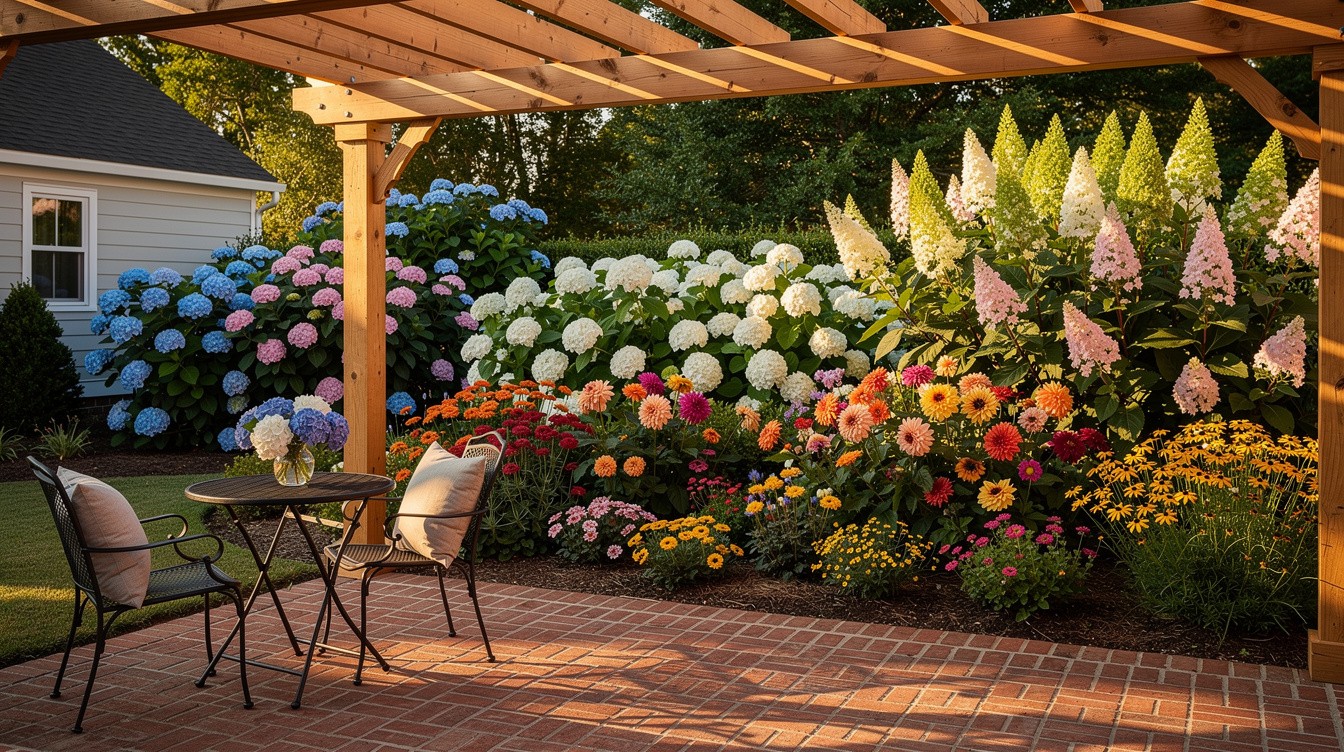
$12–24/sqftA premium Durham cottage backyard built around hydrangeas as the dominant design theme — celebrating Durham’s extraordinary hydrangea climate. The back border holds a succession of hydrangea species: Endless Summer bigleafs for June–October reblooming, Annabelle smooth hydrangeas for July–September white balls, Limelight panicle hydrangeas for August–October lime-to-pink transition. In front of the hydrangeas, a cutting garden of dahlias, zinnias, and rudbeckia provides August–October seasonal abundance. A brick patio with a wood pergola and bistro table creates the garden’s social center. A simple rose arbor at the garden’s far end frames the hydrangea border view. In August, when the Limelights and Annabelles are at peak and the cutting garden is overflowing, this garden is extraordinary.
See how a cottage/english garden looks on YOUR property
Upload a photo of your Durham yard and visualize your dream garden in seconds.
Try ProScapeAI Free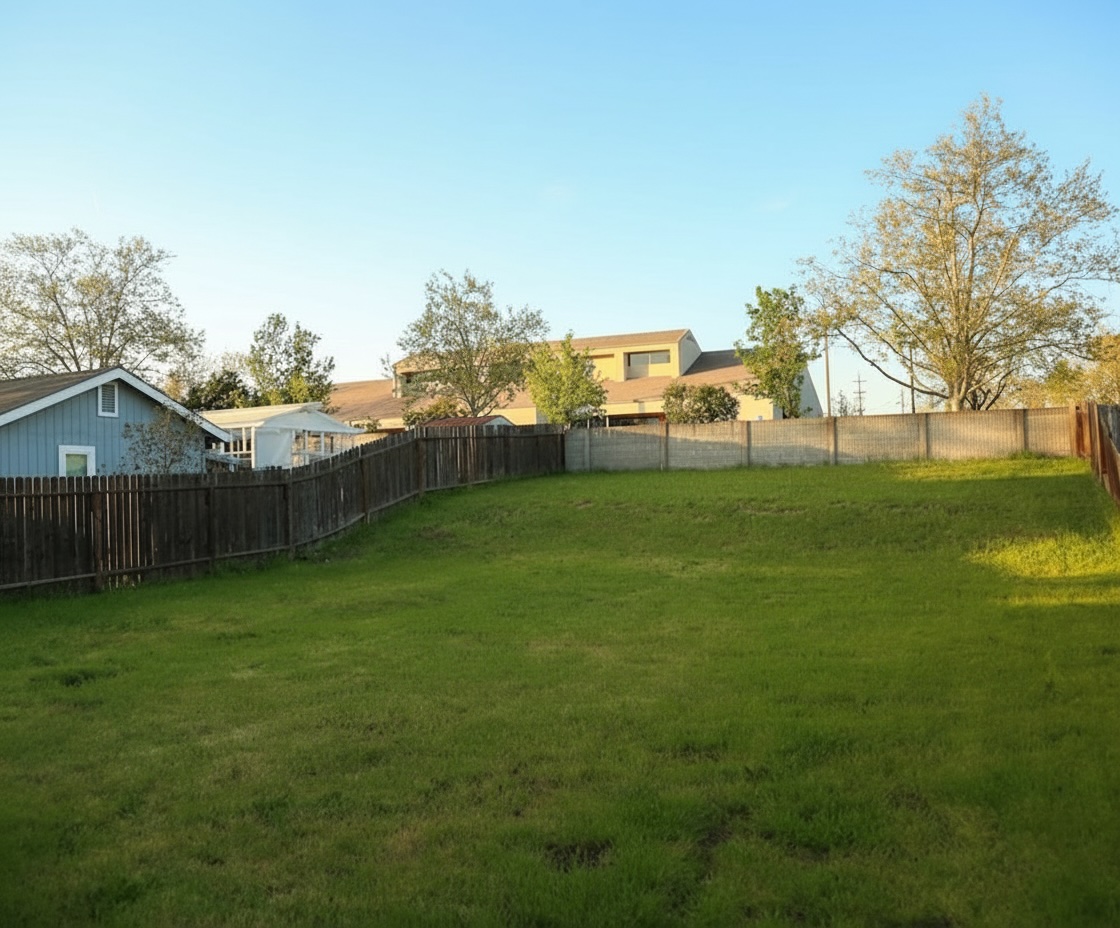
Featured Trees & Shrubs for Cottage/English Gardens
Browse all 204 plants for Durham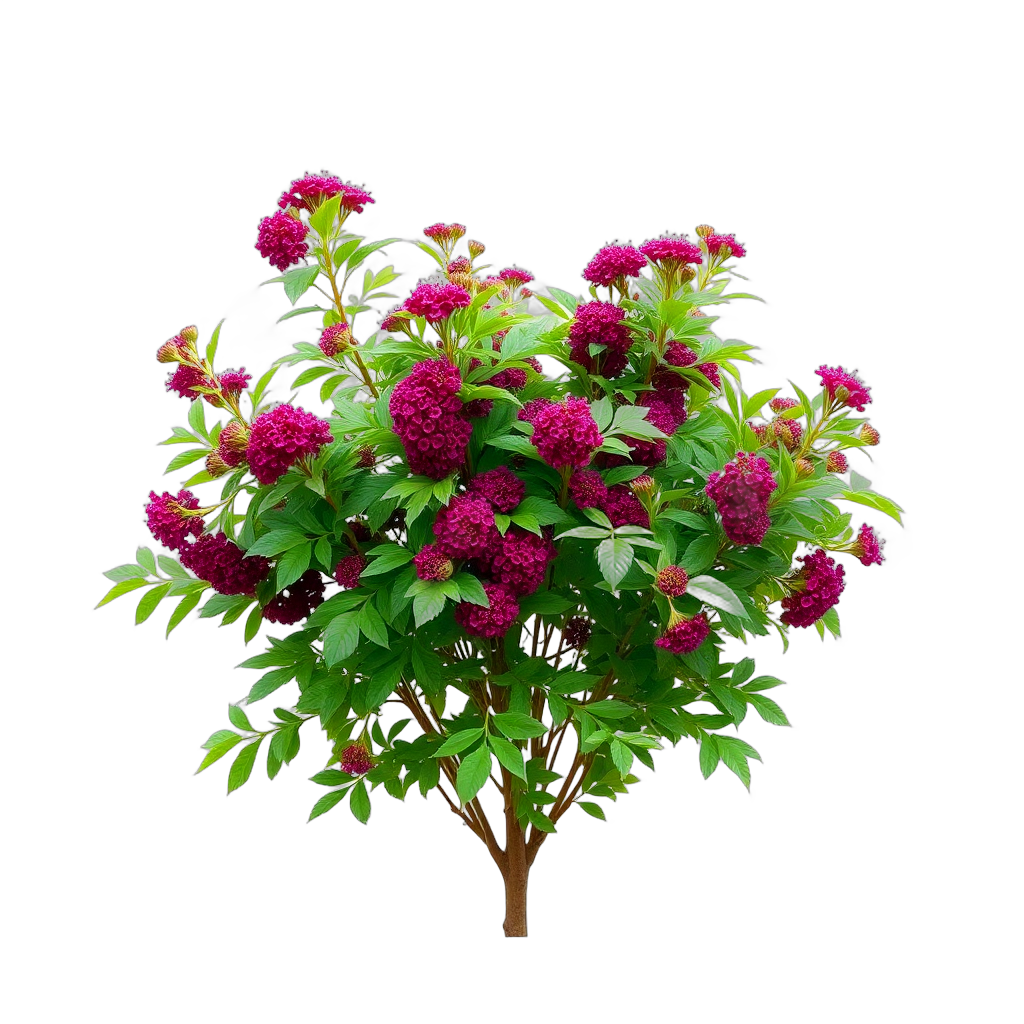
American Elderberry
Sambucus canadensis
medium-sized at 10 feet, white blooms in spring. Attracts butterflies.
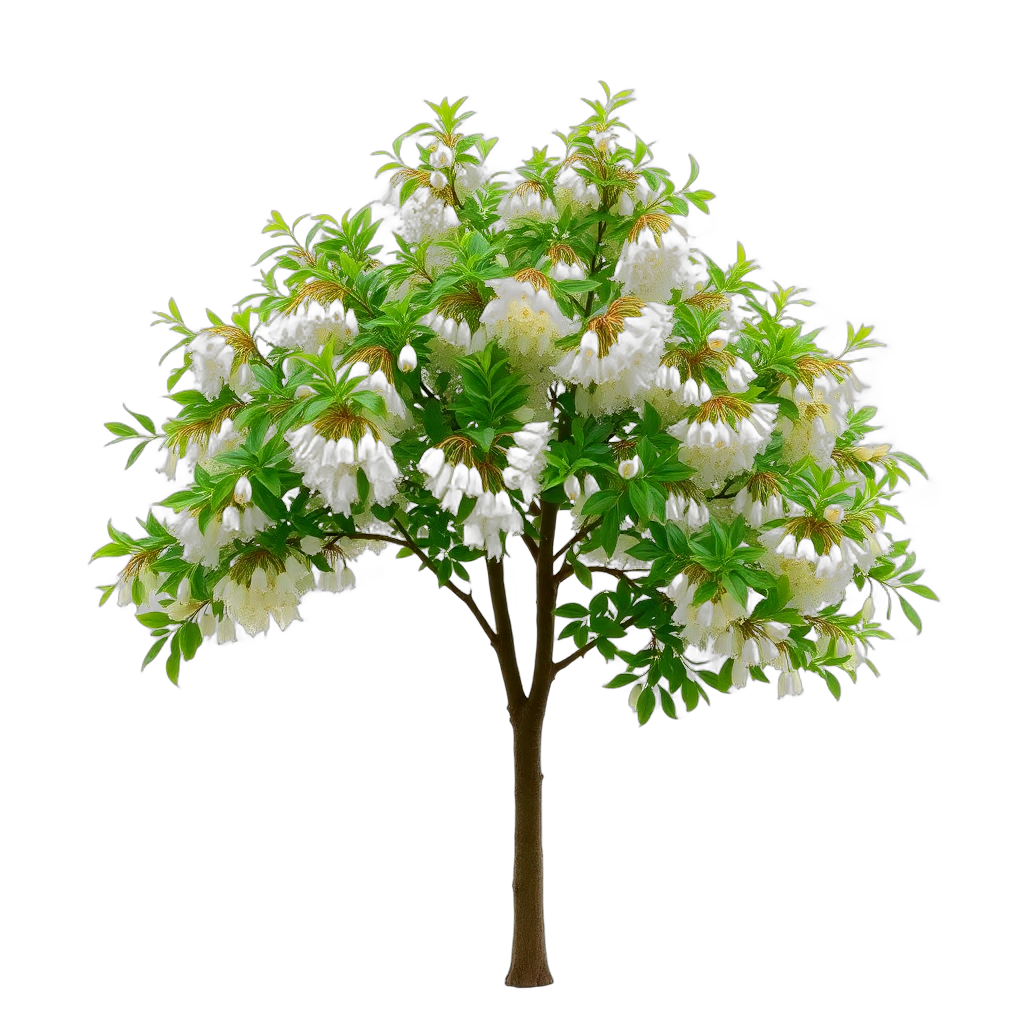
American Snowbell
Styrax americanus
medium-sized at 10 feet, white blooms in spring. Pollinator-friendly.
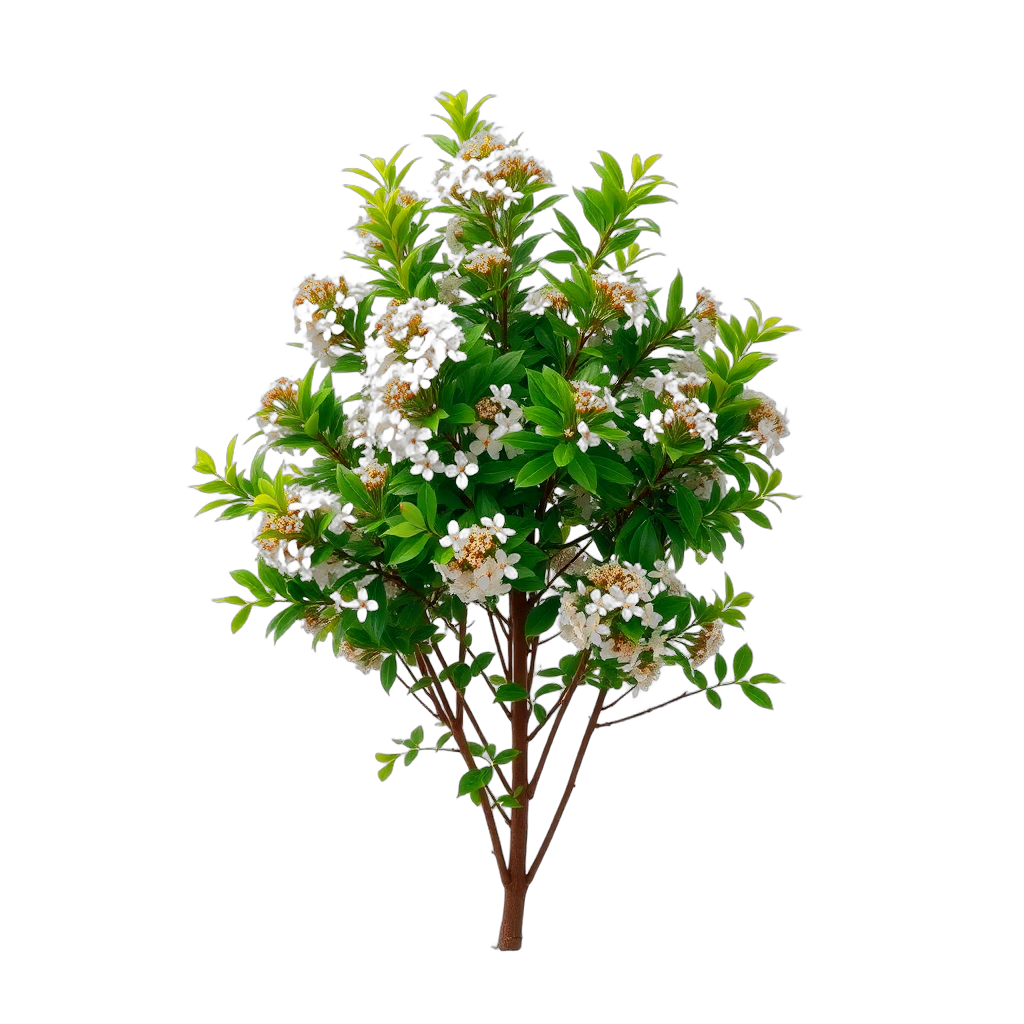
Carousel Mountain Laurel
Kalmia latifolia 'Carousel'
grows to 5 feet, multi blooms in spring. Evergreen year-round.
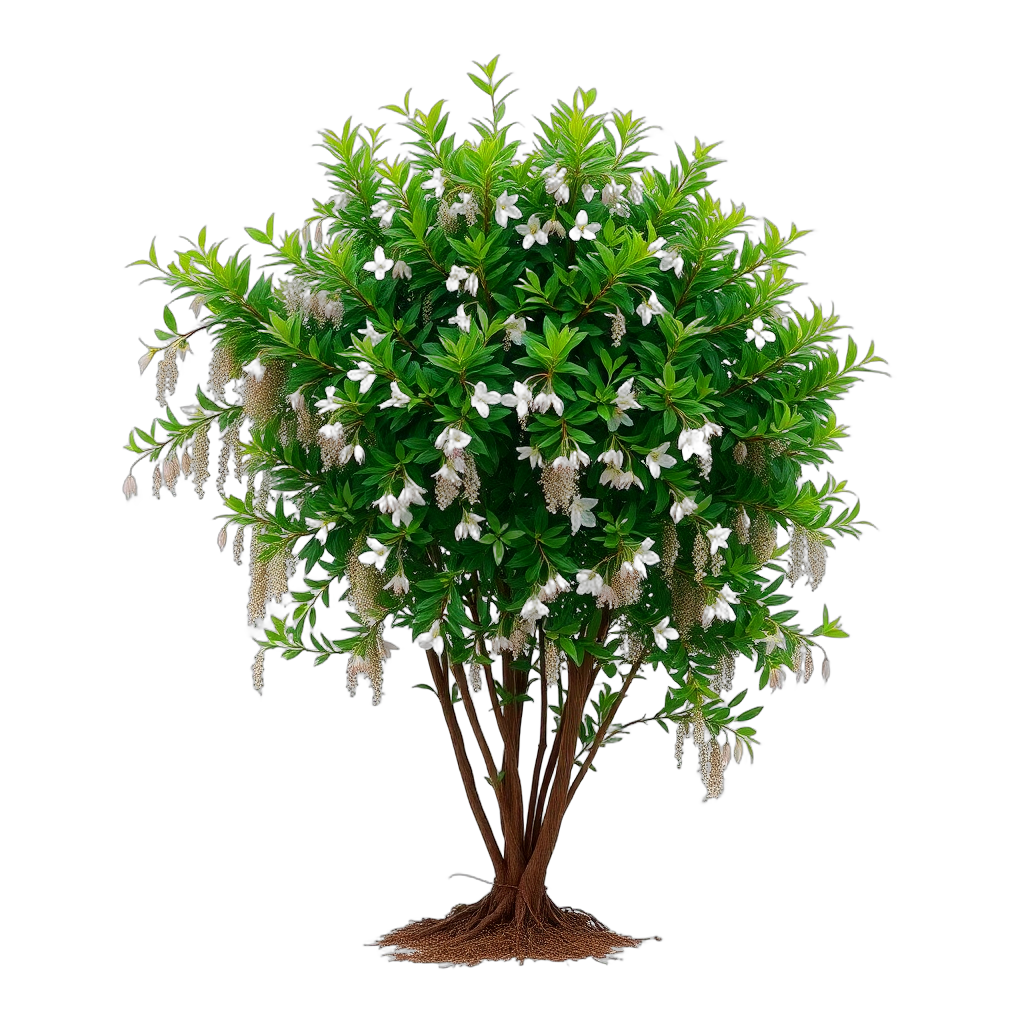
Drooping Leucothoe
Leucothoe fontanesiana
grows to 5 feet, white blooms in spring. Evergreen year-round.
Featured Grasses & Groundcovers for Cottage/English Gardens
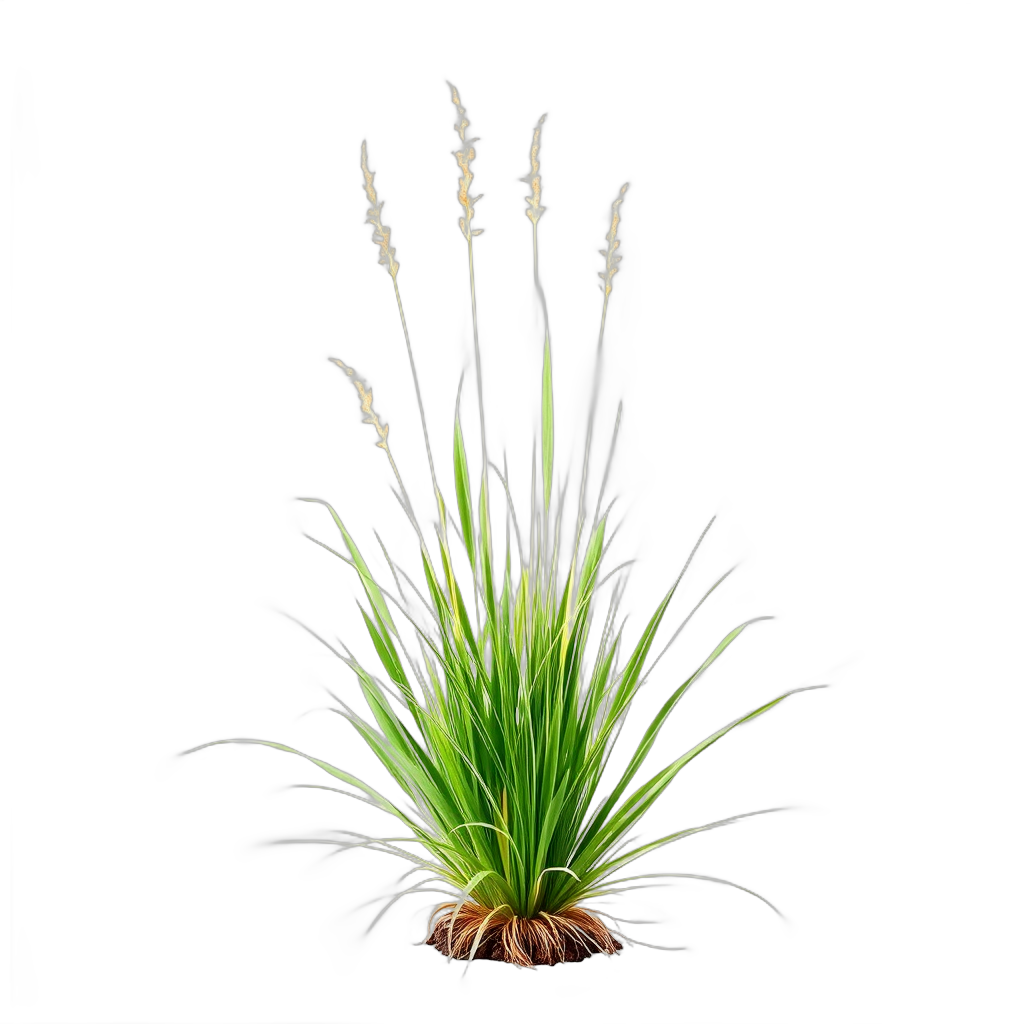
Northern Sea Oats
Chasmanthium latifolium
grows to 4 feet, blooms in fall. Bronze fall color.
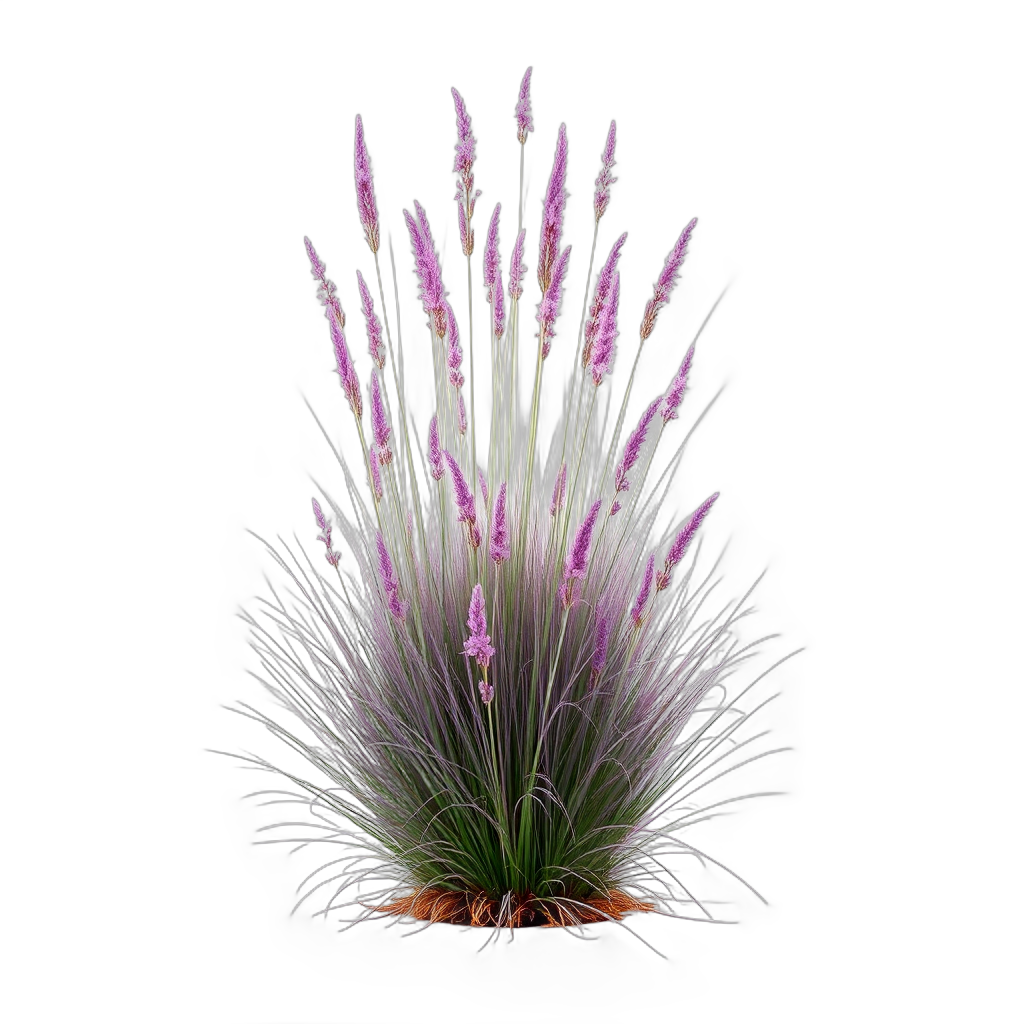
Purple Love Grass
Eragrostis spectabilis
low-growing ground cover, purple blooms in fall. Orange fall color.
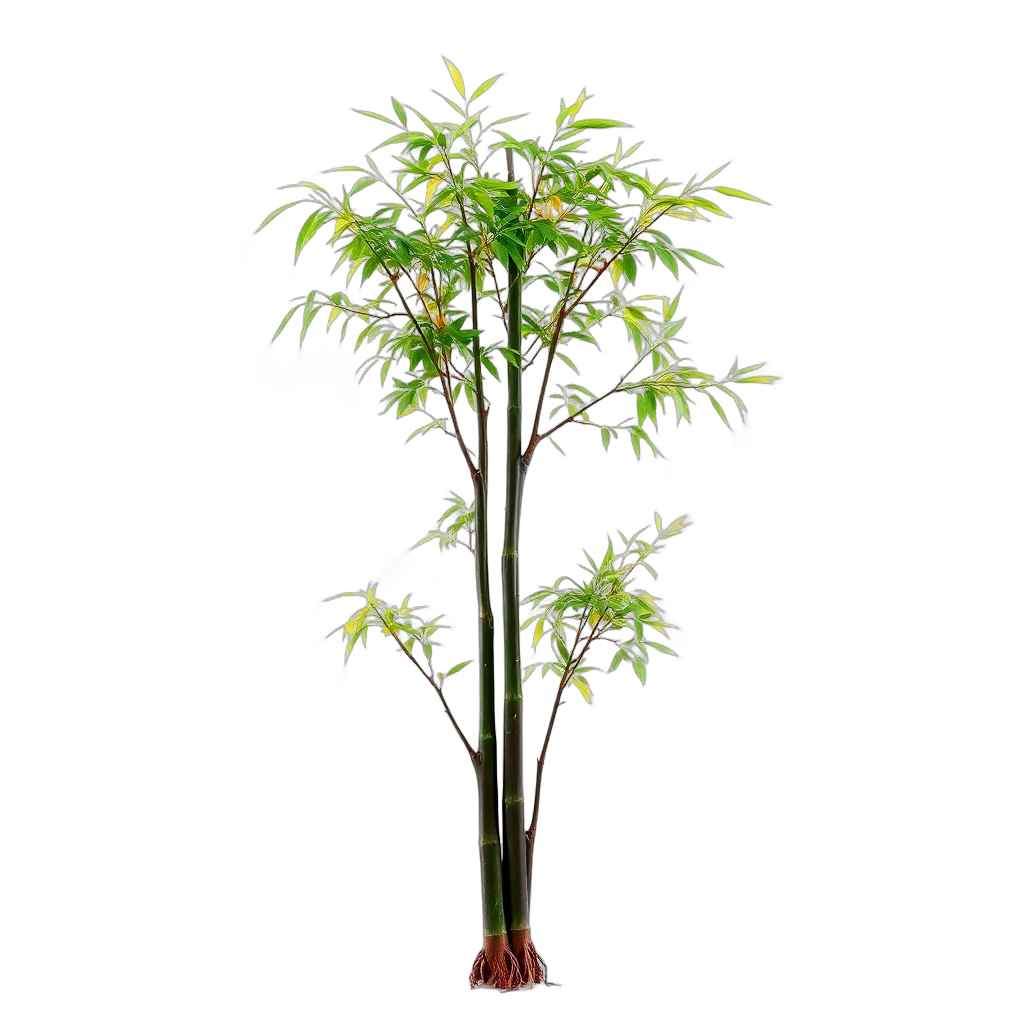
Black Bamboo
Phyllostachys nigra
reaches 25 feet tall, blooms in none. Evergreen year-round.
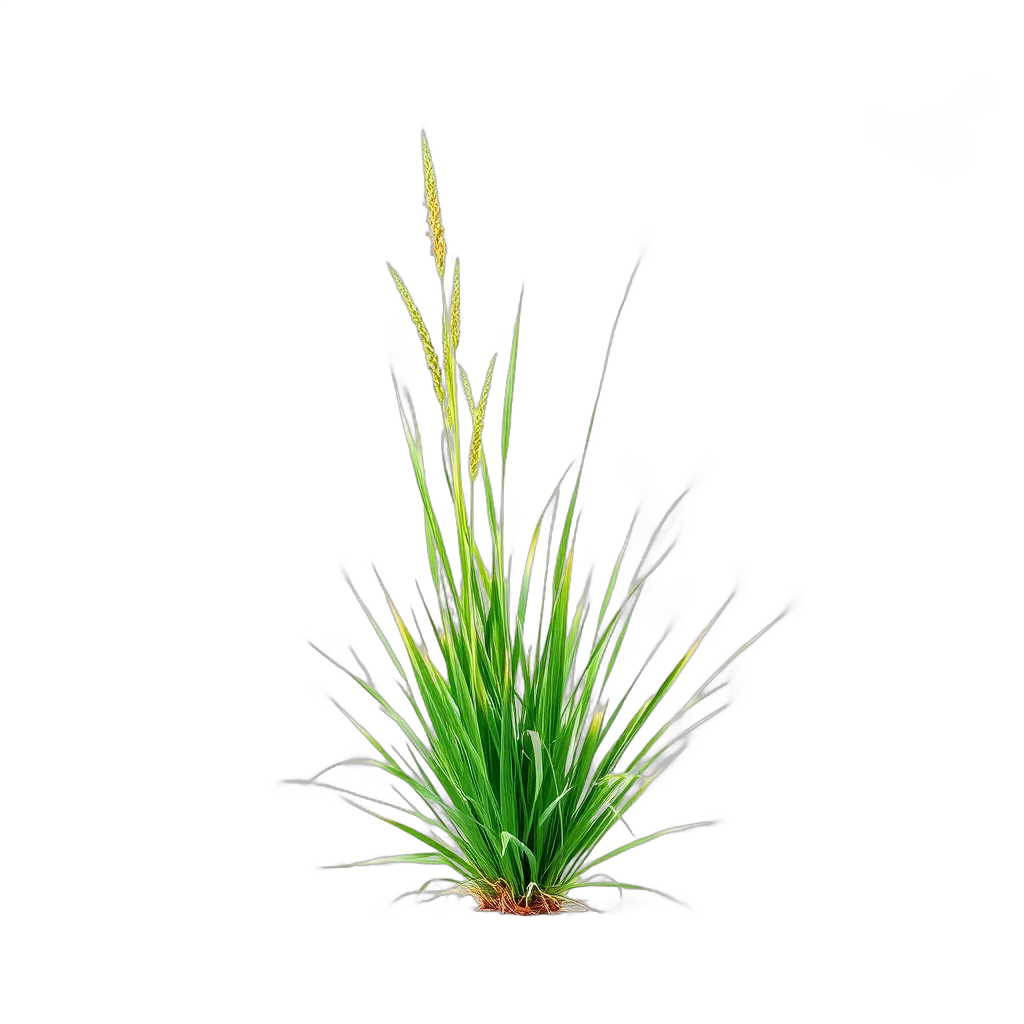
Bull Grass
Muhlenbergia emersleyi
grows to 4 feet, purple blooms in fall. Yellow fall color.
Featured Flowers & Perennials for Cottage/English Gardens
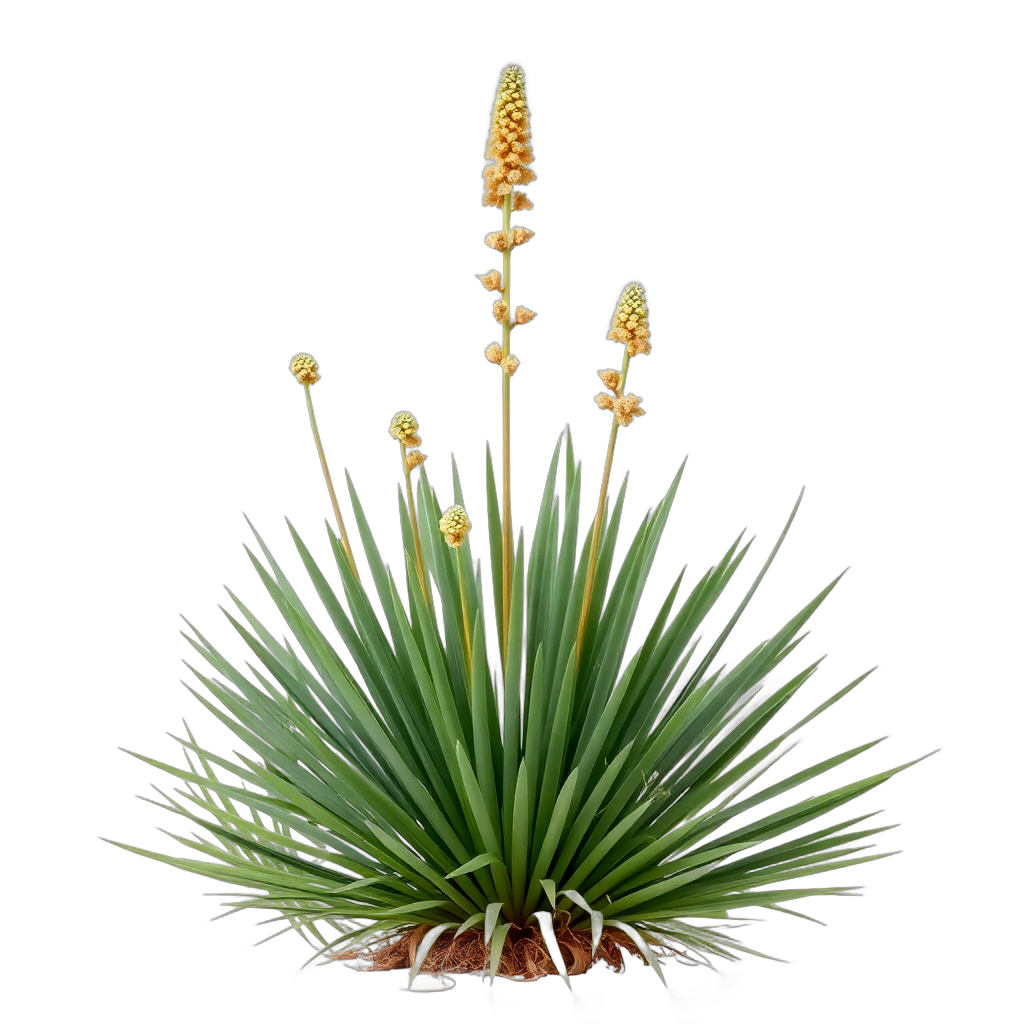
Adam's Needle
Yucca filamentosa
low-growing ground cover, white blooms in summer. Attracts hummingbirds.
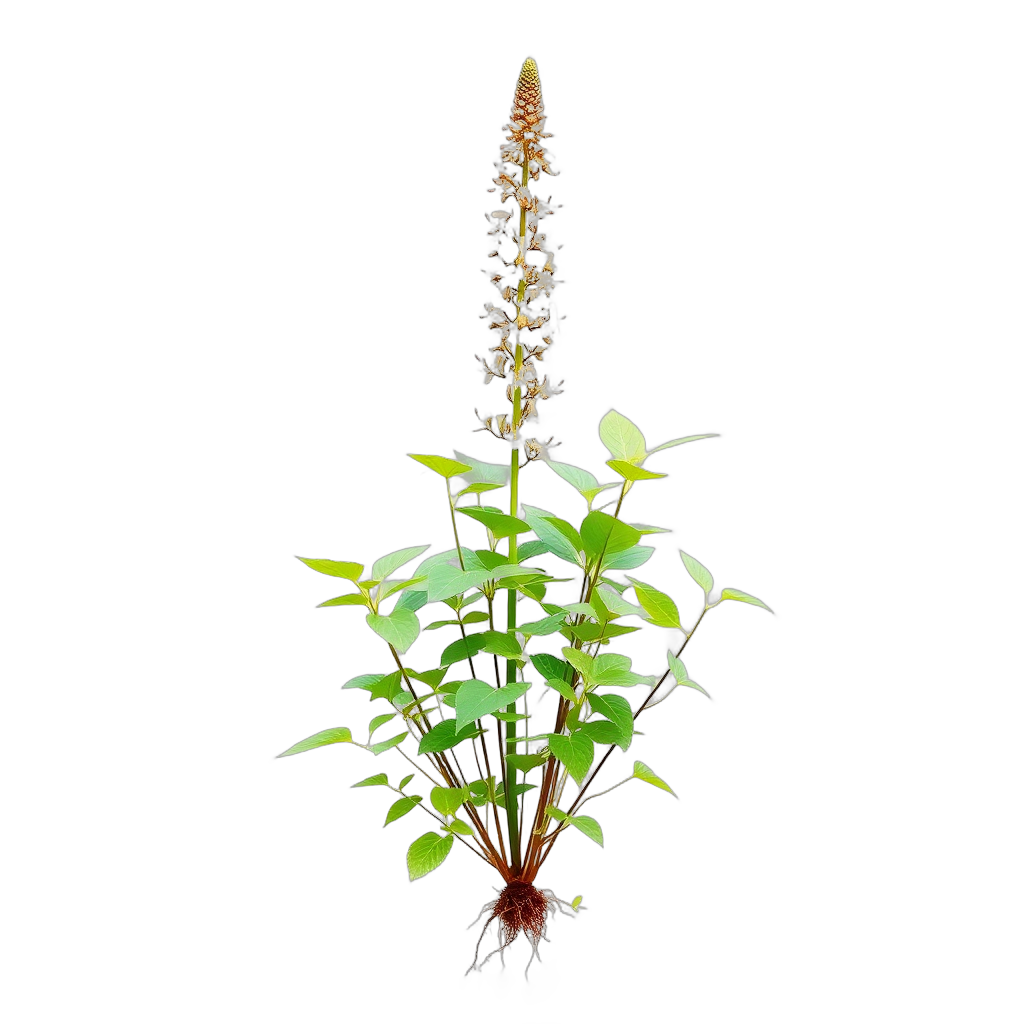
Black Cohosh
Cimicifuga racemosa
grows to 5 feet, white blooms in summer. Attracts butterflies.
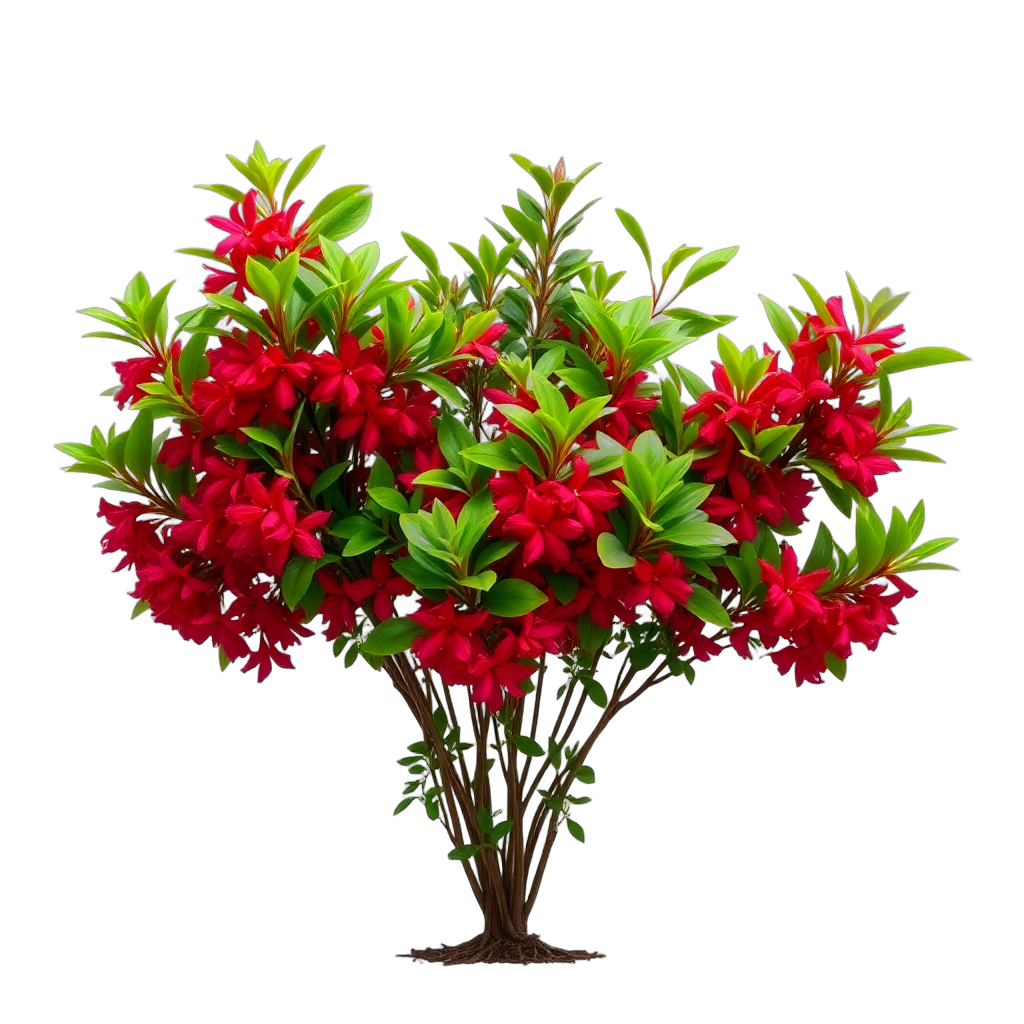
Coral Bean
Erythrina herbacea
grows to 5 feet, red blooms in spring. Attracts hummingbirds.
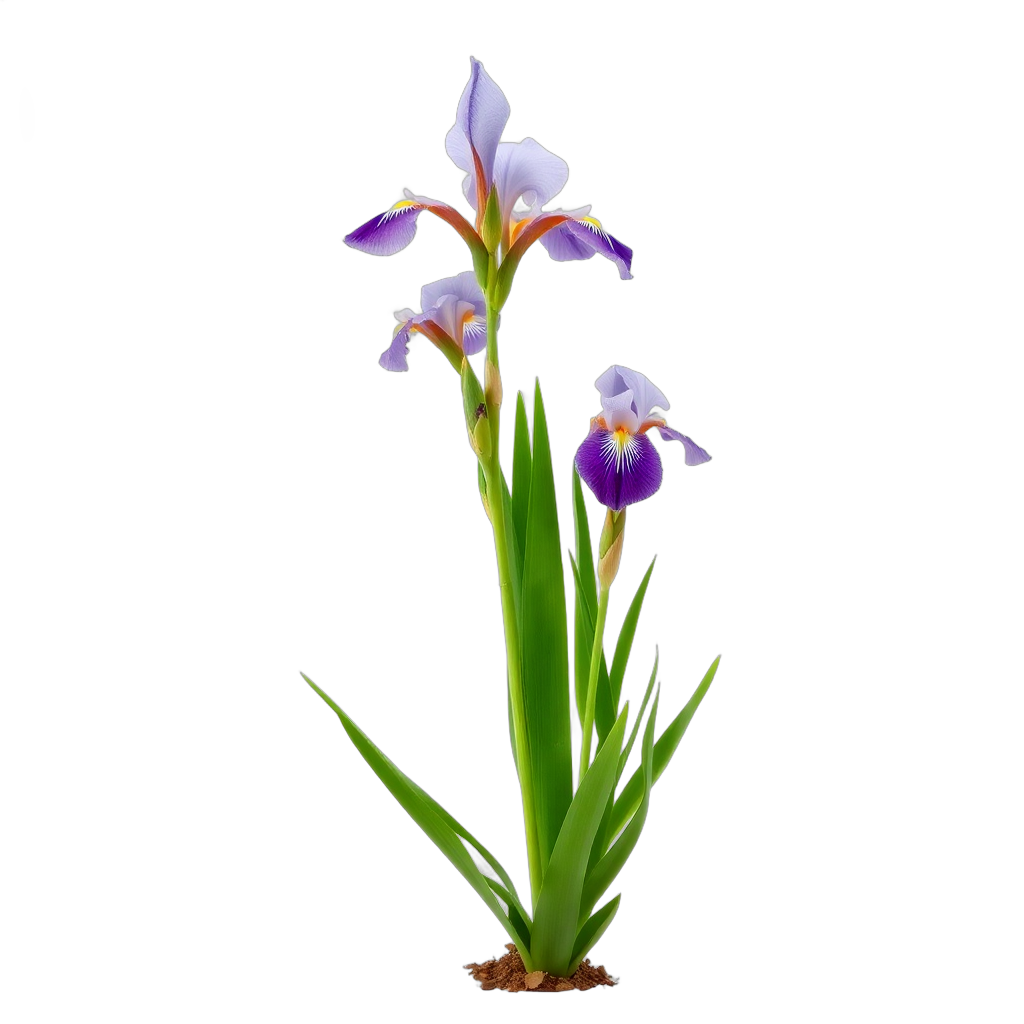
Crested Iris
Iris cristata
low-growing ground cover, blue blooms in spring. Attracts butterflies.
Zone and sun checks come from our database — confirm with your local nursery before you buy.
Bloom Calendar for Durham
spring
Coral Bean, Crested Iris, Southern Blue Flagsummer
Adam's Needle, Black Cohosh, False Aloefall
Northern Sea Oats, Purple Love Grasswinter
Limited bloomsDesign Tips for Durham (Zone 7b)
- Visit Sarah P. Duke Gardens at Duke University in June when the cottage and formal gardens are at peak bloom — the plant combinations demonstrated there are perfectly calibrated for Durham’s Zone 7b conditions and provide the most reliable design inspiration available for Triangle gardeners
- Plant Limelight panicle hydrangeas on sunny sides of the house and Annabelle smooth hydrangeas on partially shaded north or east sides — each succeeds where the other struggles, and together they provide continuous hydrangea display from July through October
- Acidify Durham’s Piedmont soil to pH 5.5–6.0 for blue bigleaf hydrangeas — apply sulfur at 1–2 lb per 100 sqft in spring, or use an acidifying fertilizer; Durham’s clay naturally runs pH 5.5–6.5 in undisturbed areas, making blue hydrangea color often achievable without amendment
- Use native beautyberry (Callicarpa americana) as a mid-border shrub in any Durham cottage design — its October iridescent purple berry clusters are one of the most spectacular autumn effects in any Piedmont garden and provide food for Durham’s wintering mockingbirds and bluebirds
- Plant peonies in raised beds with well-drained soil in Durham — the clay soil that most of Durham sits on holds excess moisture at peony roots, causing crown rot; a raised bed only 12 inches high with amended soil solves this and allows the peonies to perform magnificently
- Allow the dried seed heads of coneflowers, black-eyed Susan, and rudbeckia to stand through winter in any Durham cottage-native garden — the goldfinches that overwinter in the Triangle will strip every seed head by February, making the dried plants a wildlife benefit throughout the dormant season
Where to Source Plants in Durham
Skip the big-box stores. These independent Durham nurseries specialize in the plants that make cottage/english gardens thrive in Zone 7b.
Deep Roots Natives
Durham
The Piedmont’s premier native plant nursery; NC Native Plant Society’s recommended retailer; open Tue–Sun
Kiefer Nursery
Durham
Durham’s largest nursery (NC Certified); unique and hard-to-find plants; voted Best of Durham multiple years
Durham Garden Center
Durham
Full-service garden center serving Durham with quality cottage and landscape plants
Gunter’s Greenhouse
Raleigh/Durham area
Family-owned greenhouse and garden center serving the Raleigh-Durham area with annuals, perennials, and shrubs
Stone Bros. & Byrd
Raleigh (serving Durham)
Large independent garden center with exceptional plant selection for Triangle landscapes including cottage and native plants
Cottage/English Landscaping Costs in Durham
| Project Scope | Estimated Cost |
|---|---|
| Cottage front border with hydrangeas, roses, and arbor (400–600 sqft) | $4,000 – $10,000 |
| Brick or flagstone patio (200–350 sqft) | $4,000 – $10,000 |
| Wood arbor or pergola installation | $2,500 – $8,000 |
| Soil amendment and raised bed installation (per 4x8 bed) | $300 – $700 |
| Native wildflower garden installation (400–600 sqft) | $3,000 – $8,000 |
| Full cottage backyard transformation (800–1,200 sqft) | $10,000 – $28,000 |
| AI visualization with ProScapeAI | Free to start |
Estimates based on Durham, NC-area contractor rates as of 2026. Actual costs vary by site conditions, materials, and contractor.
Durham Climate & Growing Zone
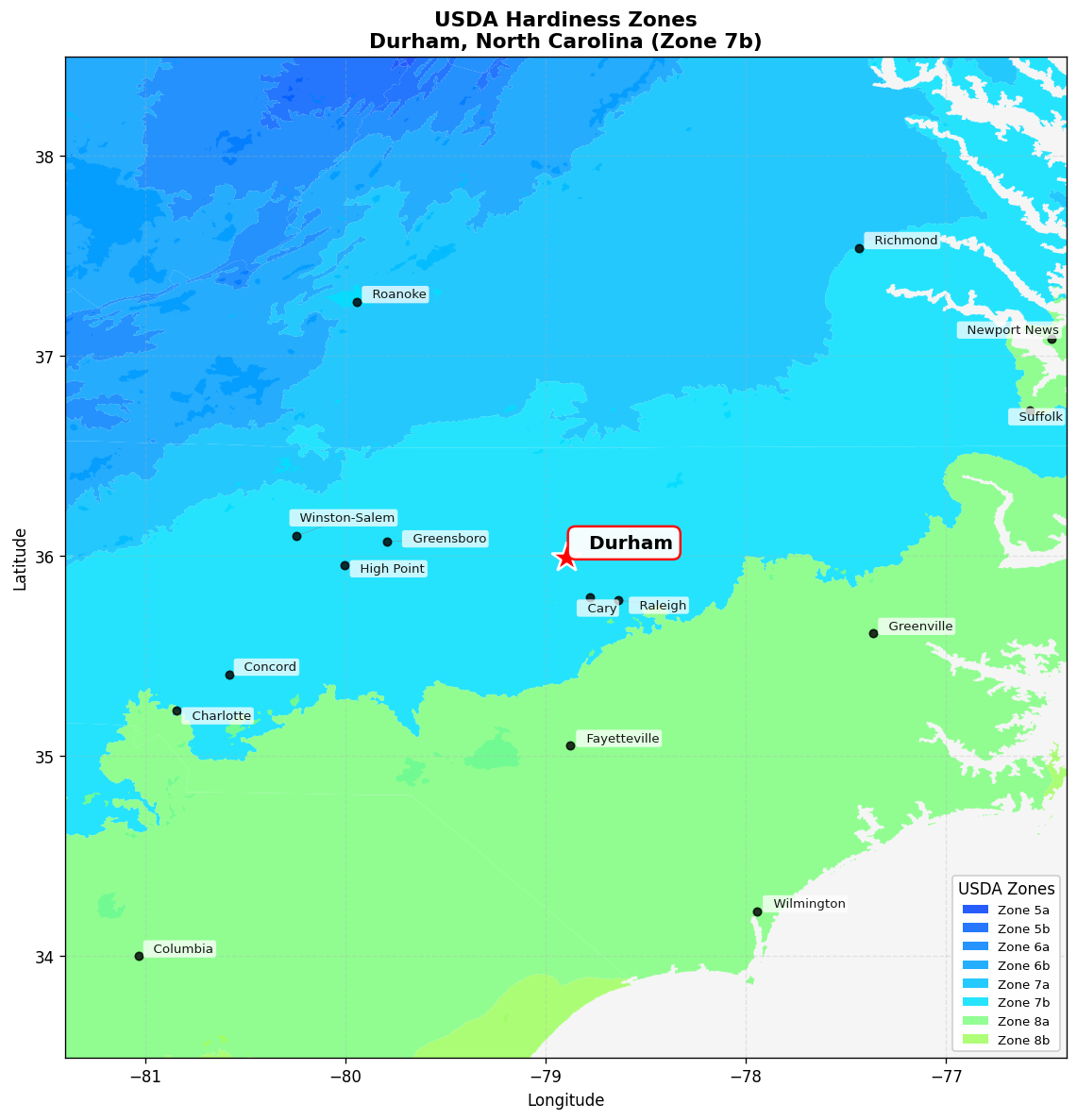
USDA Zone 7b
Hardiness zone for Durham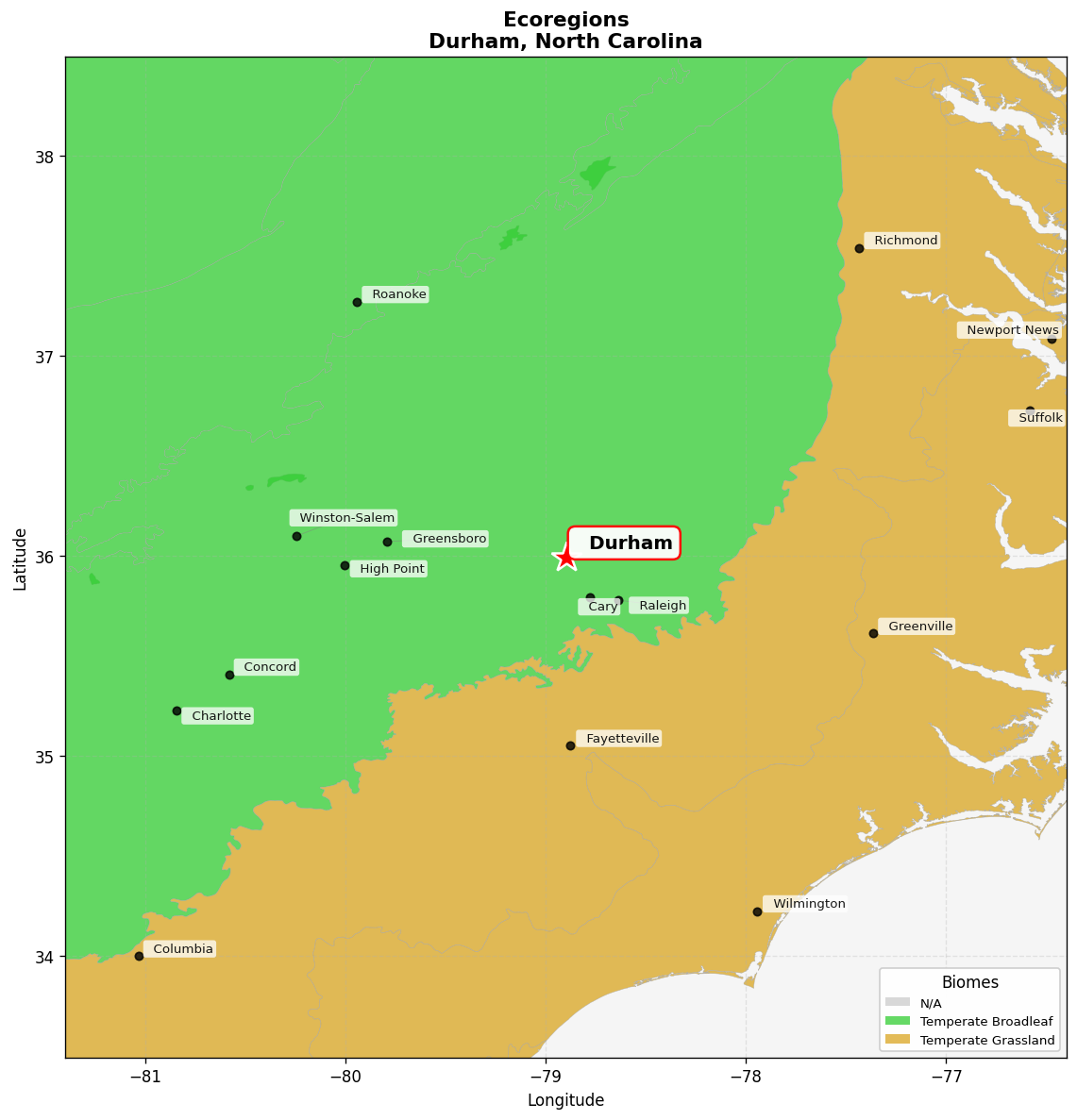
Appalachian Piedmont forests
Native ecoregionFrequently Asked Questions
What cottage plants thrive in Durham’s Zone 7b Piedmont climate?
Durham’s Zone 7b is outstanding for cottage gardening. Reliable performers: hydrangeas of all types (bigleaf, panicle, smooth, oakleaf — all thrive in Piedmont humidity and rainfall), shrub roses (Knock Out and Carefree series are disease-resistant in Durham’s humidity), peonies (excellent Zone 7b performance with proper cold chilling), native coneflower, rudbeckia, and black-eyed Susan (bloom July–October without irrigation), native switchgrass and little bluestem (ornamental grasses with outstanding fall color), native beautyberry (extraordinary September purple berries), Virginia sweetspire (native shrub with red fall color), and daylilies (virtually indestructible in Piedmont soils).
How much does cottage garden installation cost in Durham?
Durham landscaping costs are moderate for the Southeast. Basic installation runs $4–12 per square foot. A cottage front border with hydrangeas, roses, and arbor (400–600 sqft) costs $4,000–10,000. A brick patio with pergola and planting (600–900 sqft) runs $10,000–25,000. Full design-build projects for a typical Durham lot are $12,000–35,000. Deep Roots Natives provides native plant sourcing; Durham Garden Center and Kiefer Nursery are excellent resources for traditional cottage plants. Get quotes from multiple local contractors for current 2025 pricing.
Does Durham’s red clay soil affect cottage gardening?
Durham’s red Piedmont clay is the primary soil challenge for cottage gardens. The clay holds moisture well (good for hydrangeas and astilbe) but drains poorly, causing root rot in plants requiring good drainage (roses, lavender). Solutions: (1) Raised beds raised 12–18 inches with 50% compost and 50% topsoil mix. (2) Annual compost additions of 2–3 inches worked into the top foot of soil. (3) Choose clay-tolerant cottage plants — hydrangeas, coneflowers, rudbeckia, daylilies, switchgrass, and native Piedmont plants are all clay-tolerant. (4) Plant roses in raised beds for drainage. Test drainage: water should drain within 24 hours of rain.
When should I plant in Durham?
Durham’s optimal planting windows: Spring (March 15–May 15) for summer perennials, roses, and annuals after the last frost (April 5–15 average). Fall (September 15–November 1) is excellent for trees, shrubs, and perennials — Durham’s warm fall soil and rainfall allow 6–8 weeks of root establishment before winter dormancy. Hydrangeas plant best in fall or early spring. Native plants can go in fall or early spring. Avoid July–August for any non-irrigation-supported planting — Durham’s heat and typical summer dry spells (July averages 3.5 inches) stress newly planted material severely.
How do I succeed with peonies in Durham?
Durham’s Zone 7b is right at the southern edge of reliable peony performance, but success is achievable with correct variety selection. Best for Durham: Itoh (intersectional) peonies — more heat-tolerant than standard herbaceous types and among the most spectacular cottage plants available. Tree peonies also perform in Zone 7b with some afternoon shade. Standard herbaceous peonies (Sarah Bernhardt, Festiva Maxima) do bloom in Durham, though the very short springs can make the flowers go quickly in warm years. Key requirements: full sun (at least 6 hours), well-drained soil (raised beds in Durham’s clay), and planting with the ‘eyes’ (buds) no more than 1–2 inches below the soil surface.
What hydrangeas are best for a Durham cottage garden?
Durham’s climate supports the complete hydrangea palette. Top performers: Annabelle smooth hydrangea (H. arborescens) — huge white balls July–September, extremely hardy, thrives in Durham’s clay. Limelight panicle hydrangea (H. paniculata) — lime-to-pink color change August–October, tolerates full sun, extremely reliable. Oakleaf hydrangea (H. quercifolia) — the native Southeastern hydrangea, cream flowers June, magnificent peeling bark and red fall foliage, perfectly adapted to Piedmont conditions. Endless Summer bigleaf — reblooms June–October for consistent color. Bigleaf hydrangeas color: blue in Durham’s acidic Piedmont soil (pH 5.5–6.0), pink in alkaline soil; amend pH to achieve the desired color.