4 Cottage Garden Ideas for Greensboro, NC | Piedmont Cottage Gardens in Zone 7b
Native plants from the Appalachian Piedmont forests (Zone 7b) — Humid subtropical climate
Why Cottage/English Gardens in Greensboro?
Greensboro occupies a privileged position in the Appalachian Piedmont Forests ecoregion—Zone 7b—where the red clay soils of the Carolina Piedmont meet the botanical richness of the Appalachian transition zone. The climate is genuinely excellent for cottage gardening: mild winters (average lows rarely below 15°F), long springs from February through May when the Piedmont’s famous azalea and dogwood season unfolds, and an outdoor season stretching from late February through December. Greensboro cottage gardens benefit from both the South’s extended growing season and the Piedmont’s moderate humidity that is less punishing than coastal Carolina or the deep Gulf South.
Greensboro’s cottage garden heritage is rooted in established neighborhoods like Fisher Park, Sunset Hills, and Starmount Forest—older, gracious communities where Craftsman bungalows and Colonial Revival homes have maintained perennial borders and rose gardens for generations. The Piedmont’s red clay soils, once amended, support extraordinarily vigorous cottage plant growth—the combination of the South’s warmth and the Appalachian plateau’s cooler moderation creates conditions where both cold-climate cottage plants (peonies, delphiniums) and warm-climate exotics (gardenias, Confederate jasmine) can be grown in the same garden. This range is the defining advantage of Greensboro cottage gardening.
The primary challenges are summer heat (July averages 90°F) and the Piedmont’s red clay drainage issues. Summer heat management—shade, mulch, heat-tolerant plant selection—determines whether a Greensboro cottage garden looks beautiful in August or shabby. Red clay drainage improvement determines whether roses, peonies, and lavender survive their first winter or rot in waterlogged soil. Both challenges are addressable with planning, and the reward is a cottage garden season of extraordinary length: blooms from late February camellias through December encore roses, with almost no true dormant period.
4 Cottage/English Design Ideas for Greensboro
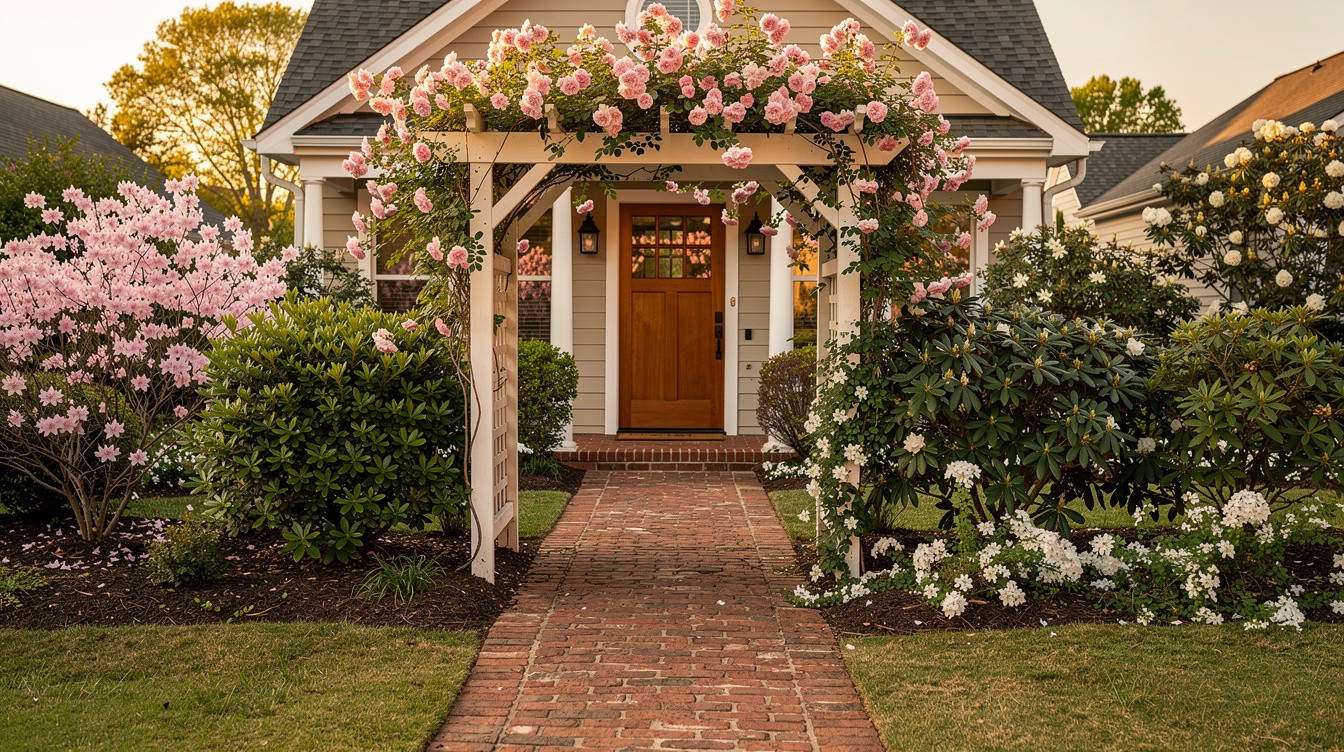
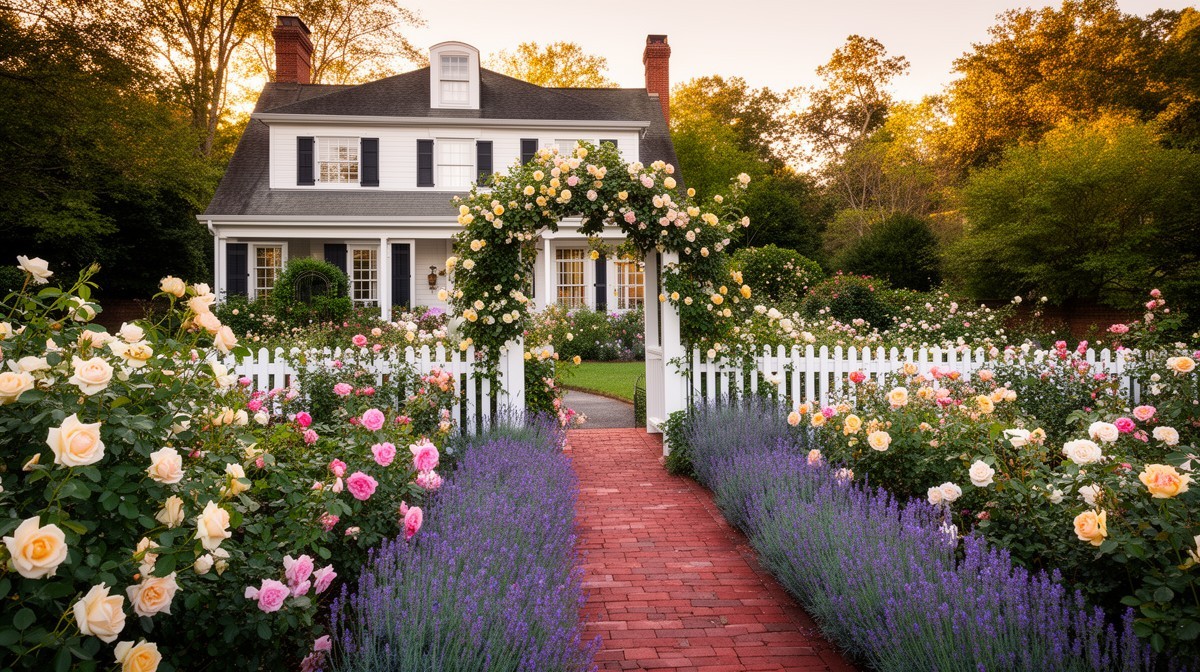
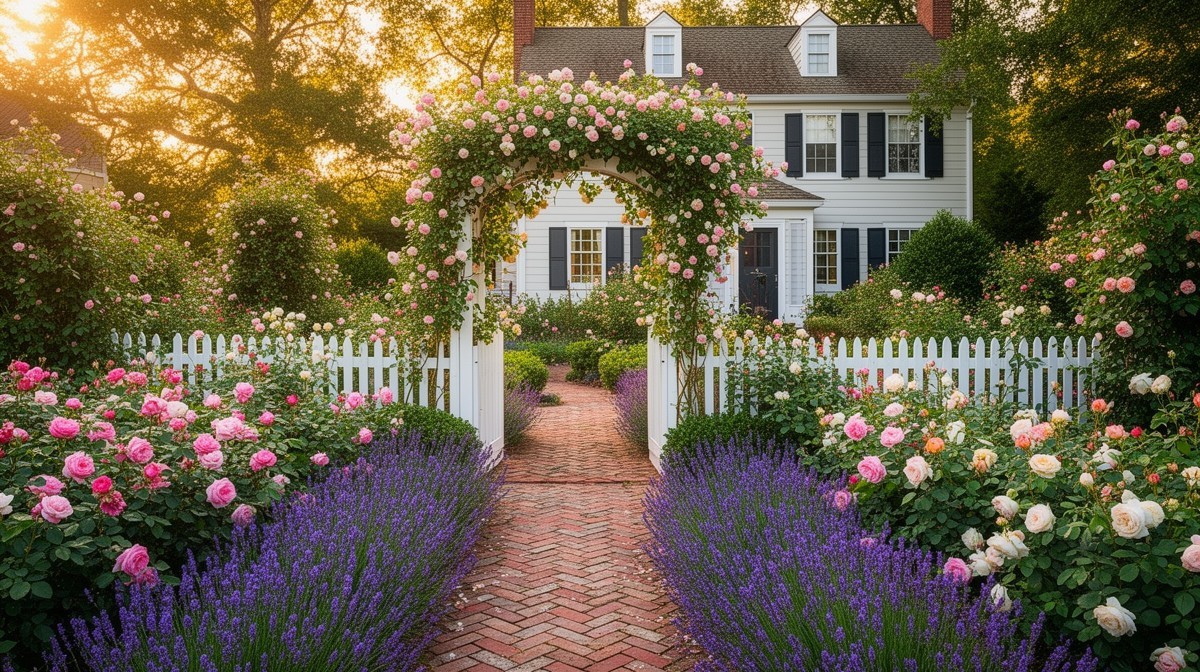
Piedmont Cottage Entry with Climbing Rose and Azalea Border
$12—28/sqftA brick path—Greensboro’s most historically appropriate cottage hardscape material, echoing the Carolina Piedmont’s extensive brick building tradition—leads to a craftsman front door beneath a rose-covered entry arbor. 'New Dawn' or 'Climbing Cecile Brunner' climbs the arbor with fragrant blooms from April through November. On each side, masses of Piedmont azaleas—both native deciduous azaleas (Rhododendron canescens, fragrant pale pink March bloom) and evergreen azaleas (Encore series for fall repeat bloom)—create the layered spring color sequence that defines Greensboro’s neighborhood character. Gardenias and Confederate jasmine add fragrance from June through August.
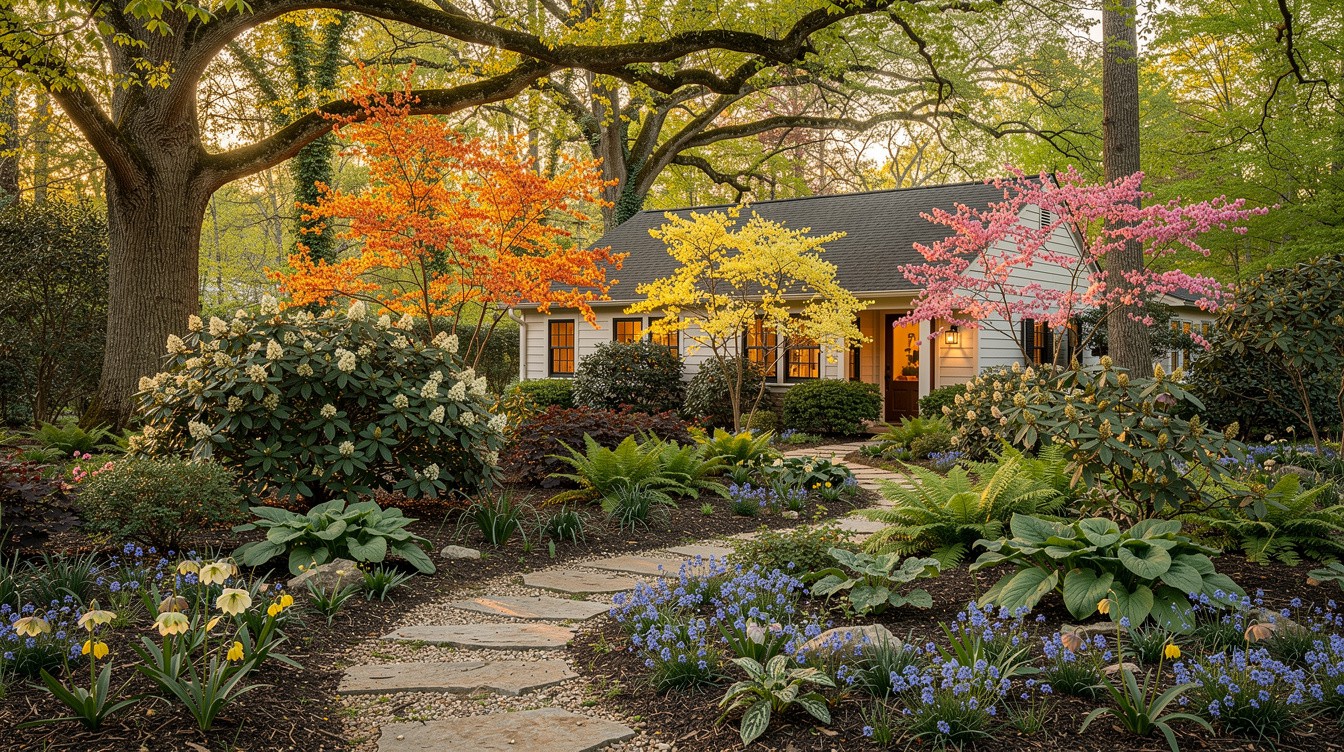
Native Piedmont Shade Cottage with Wildflowers
$10—22/sqftGreensboro’s mature oak and tulip poplar canopy creates ideal conditions for a richly layered Appalachian Piedmont shade cottage garden—native mountain laurel and sweetshrub at the shrub layer, native ferns and hellebores filling the mid-story, and trilliums, trout lily, and wild blue phlox as the ground-level spring ephemeral carpet. Native azaleas provide spectacular late-March to May bloom before the canopy fully leafs out. The design celebrates the Piedmont’s extraordinary botanical heritage—the Appalachian Mixed Mesophytic Forest is the most biodiverse temperate forest on earth, and this garden brings that richness into the residential landscape. No irrigation required after establishment.
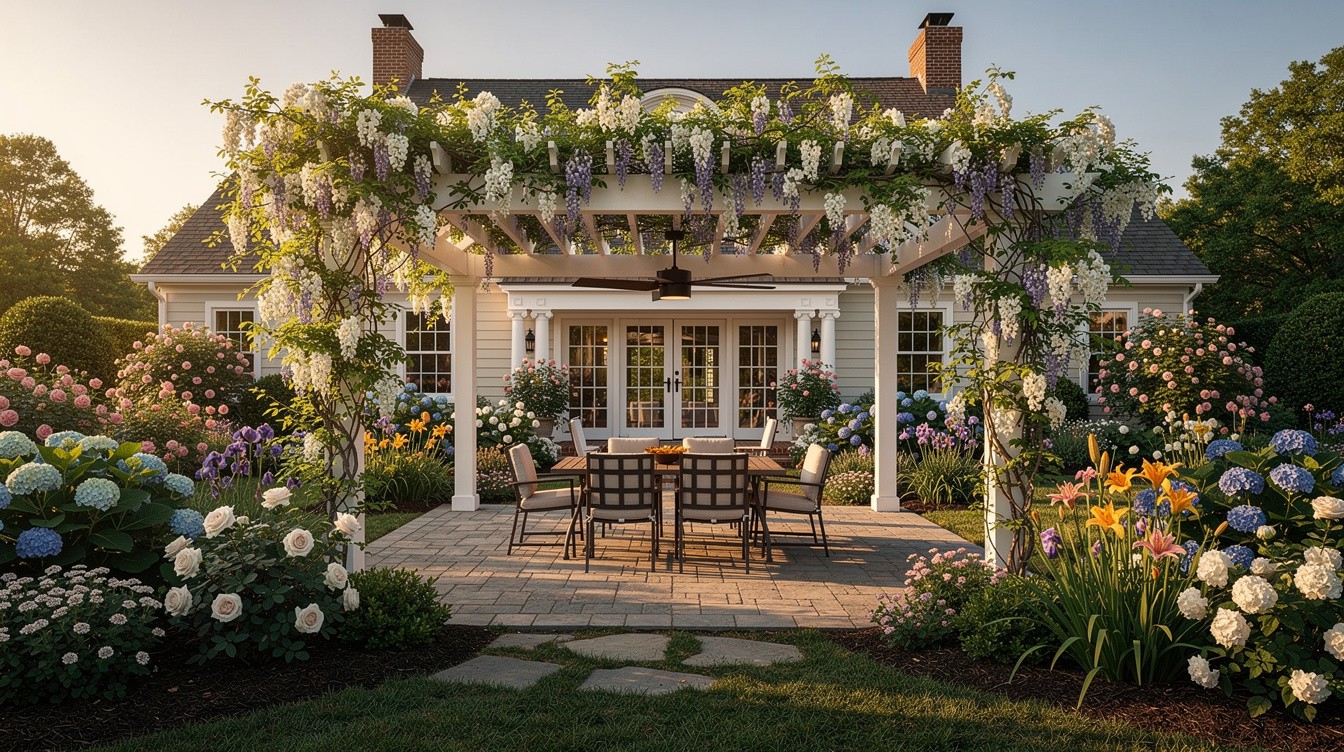
Flagstone Patio with Cottage Borders and Pergola
$18—40/sqftA flagstone or brick patio at the rear of a Greensboro home hosts a pergola with Confederate jasmine or wisteria overhead—both bloom explosively in April and May, filling the garden with fragrance before leafing out to provide dappled shade through summer. Mixed cottage borders of roses, hydrangeas, and Southern cottage staples—gardenias, daylilies, and reblooming irises—wrap the terrace. A ceiling fan mounted under the pergola provides essential air circulation for comfortable outdoor dining through Greensboro’s humid July. The terrace is functional from late February through December—one of the longest outdoor seasons of any Piedmont city.
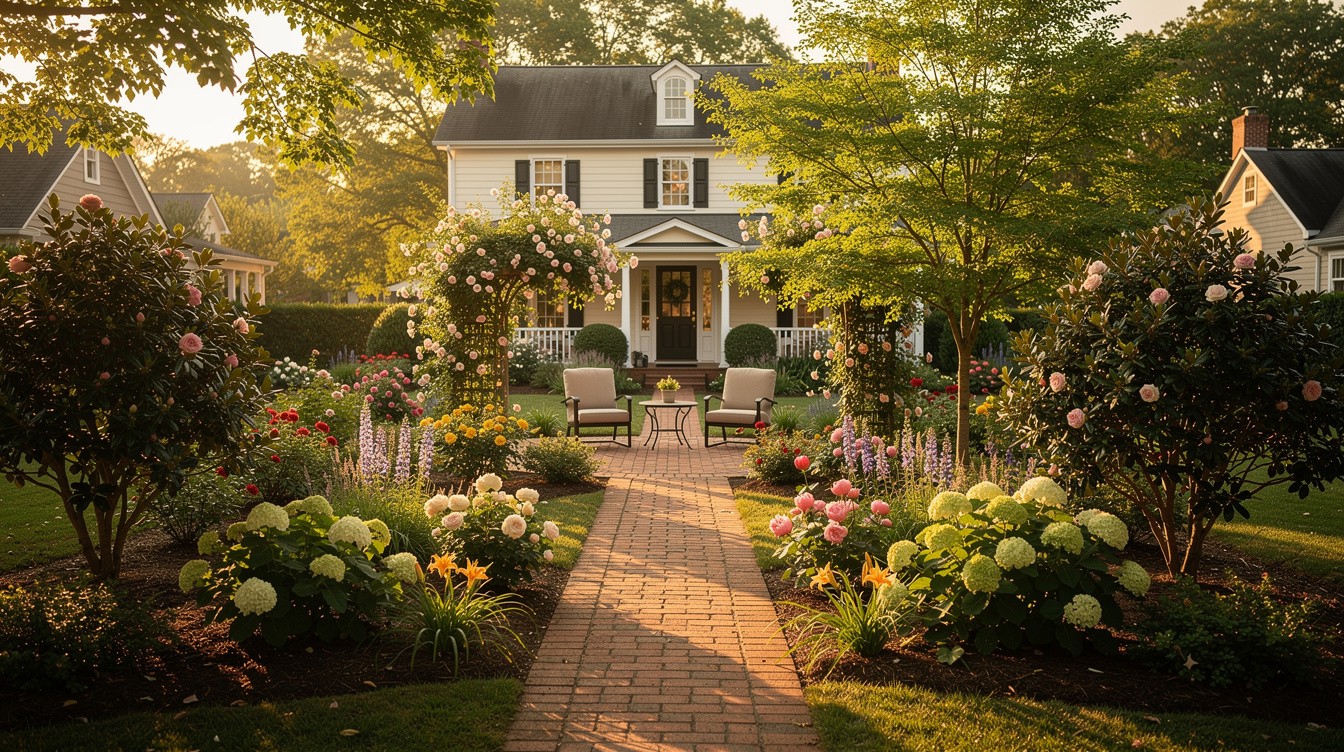
Southern Cottage Garden with Camellia and Rose Collection
$20—45/sqftA generous backyard cottage garden organized around Greensboro’s distinctive Southern plant palette: camellias providing January–March bloom when nothing else flowers, native azaleas for March–April spectacle, roses from April through November, and reblooming daylilies and hydrangeas filling summer. A central brick path leads from the house to a seating area surrounded by all four seasons of Southern cottage interest. This design is only possible in the Piedmont’s Zone 7b—the mild winters allow camellia and gardenia cultivation that is not possible in colder Midwest markets, while the moderate summer creates conditions where northern cottage staples (peonies, delphiniums) also succeed with some shade protection.
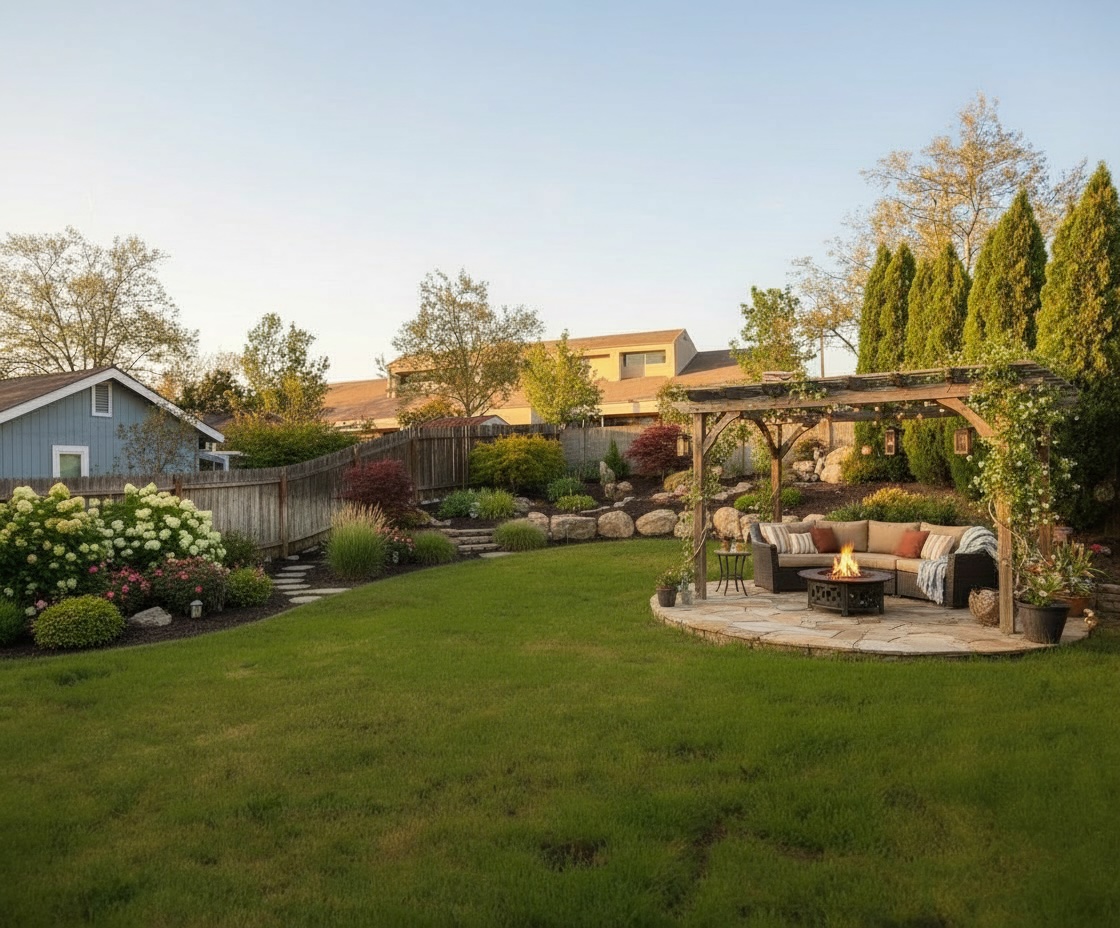
See how a cottage/english garden looks on YOUR property
Upload a photo of your Greensboro yard and visualize your dream garden in seconds.
Try ProScapeAI Free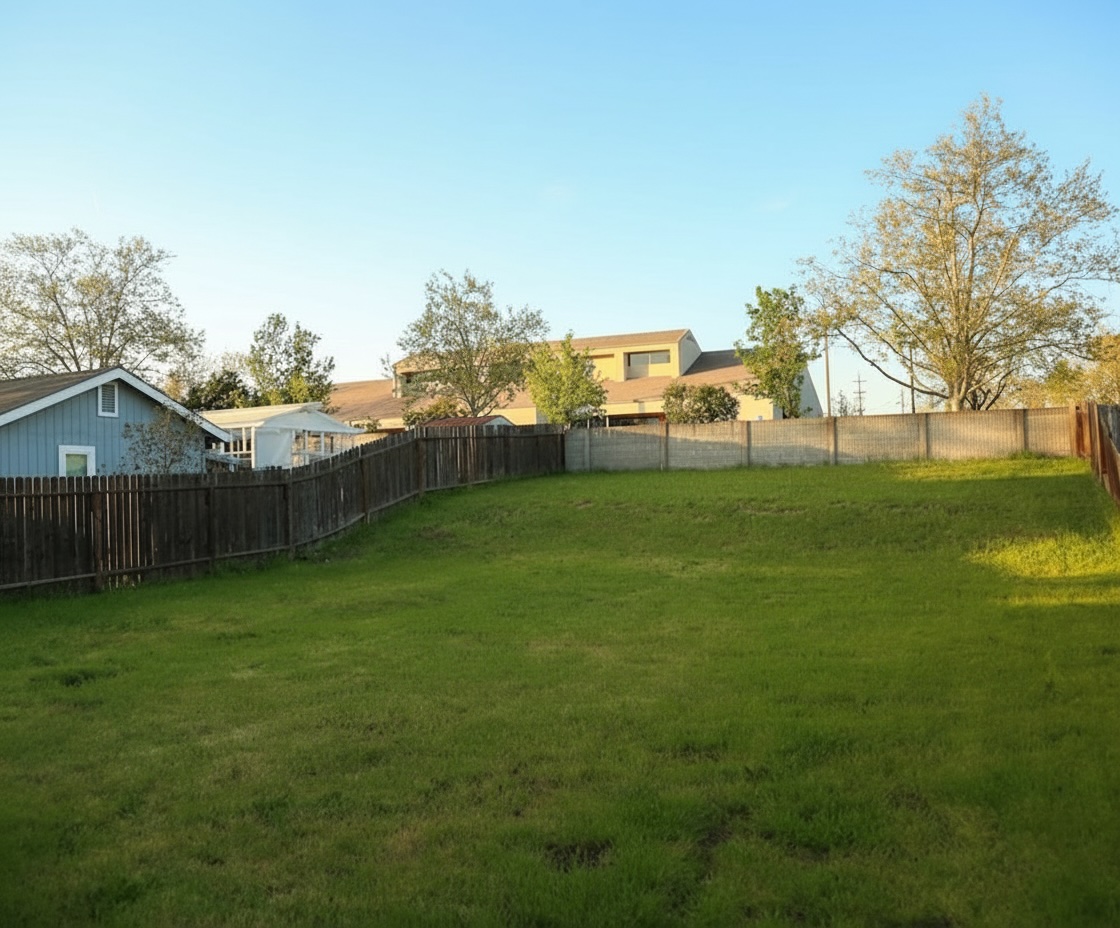
Featured Trees & Shrubs for Cottage/English Gardens
Browse all 204 plants for Greensboro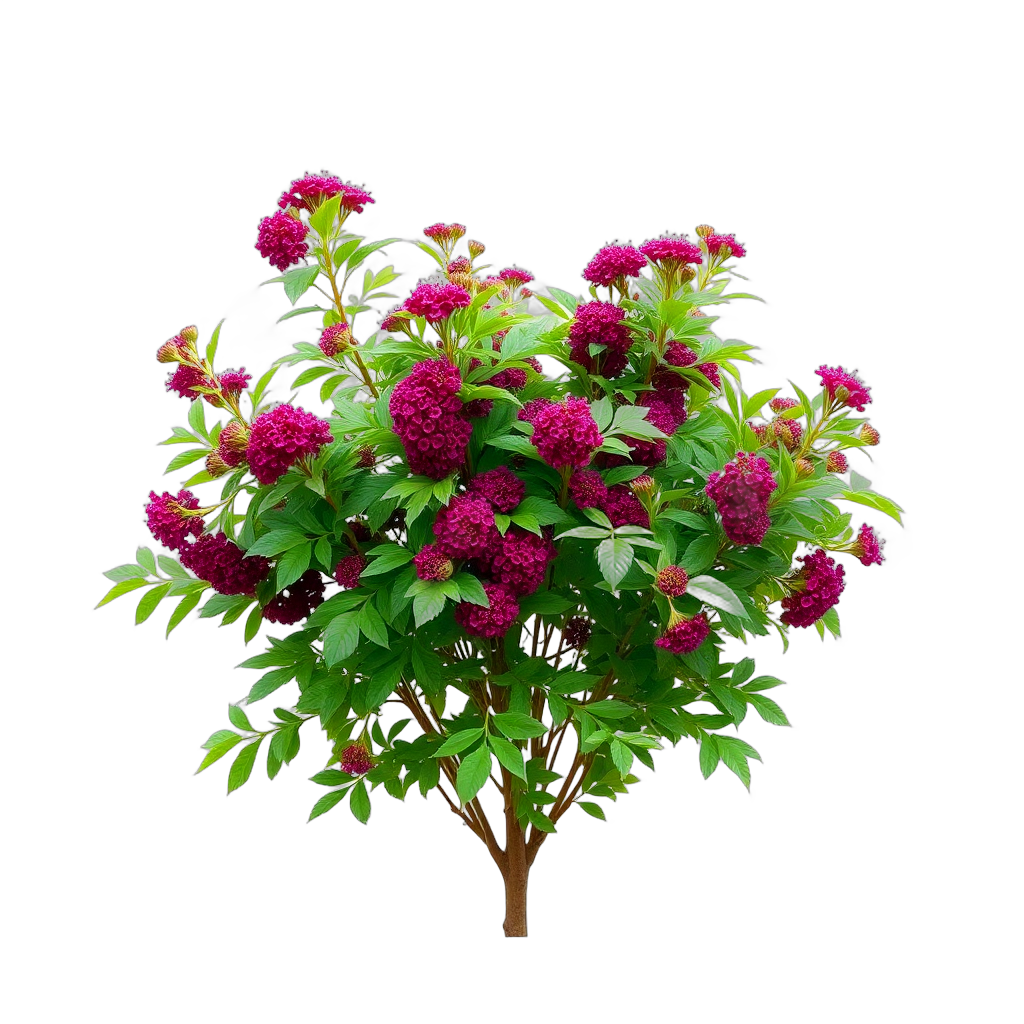
American Elderberry
Sambucus canadensis
medium-sized at 10 feet, white blooms in spring. Attracts butterflies.

American Snowbell
Styrax americanus
medium-sized at 10 feet, white blooms in spring. Pollinator-friendly.
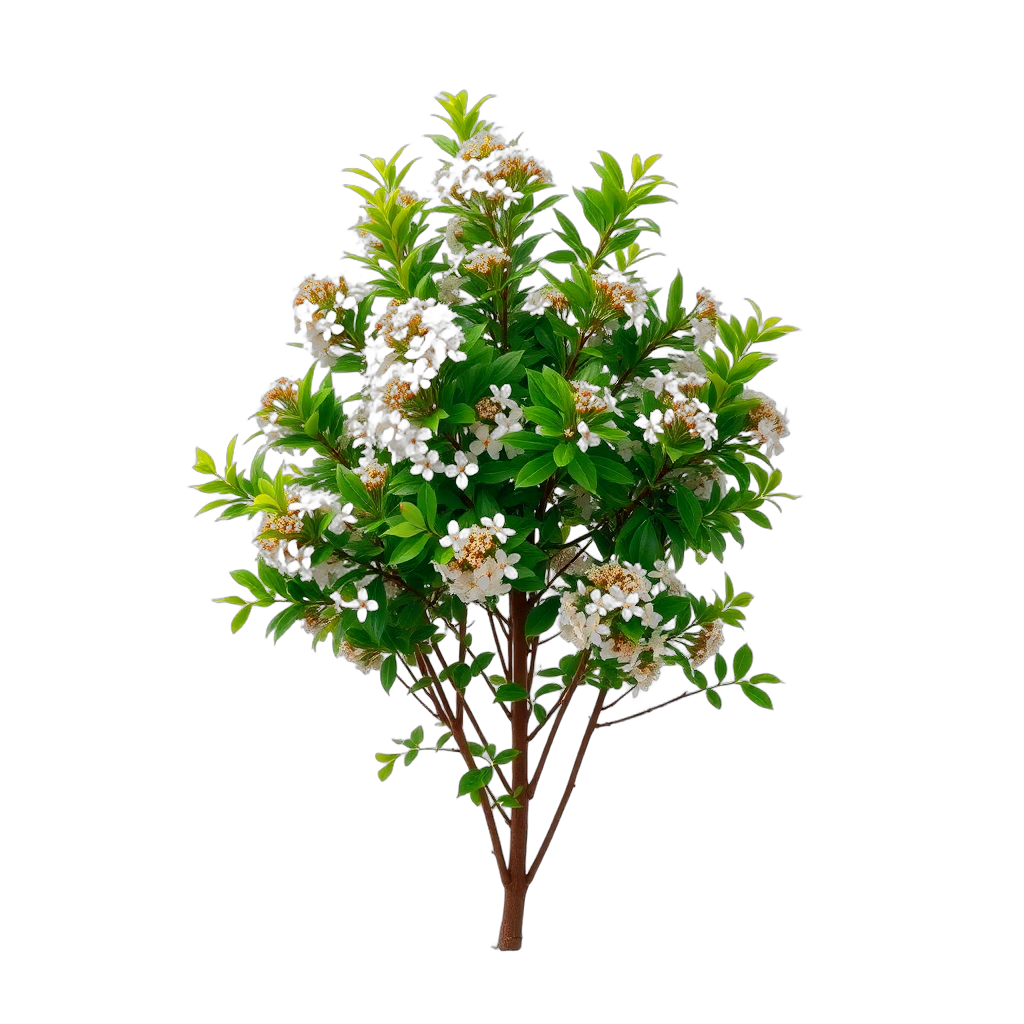
Carousel Mountain Laurel
Kalmia latifolia 'Carousel'
grows to 5 feet, multi blooms in spring. Evergreen year-round.

Drooping Leucothoe
Leucothoe fontanesiana
grows to 5 feet, white blooms in spring. Evergreen year-round.
Featured Grasses & Groundcovers for Cottage/English Gardens
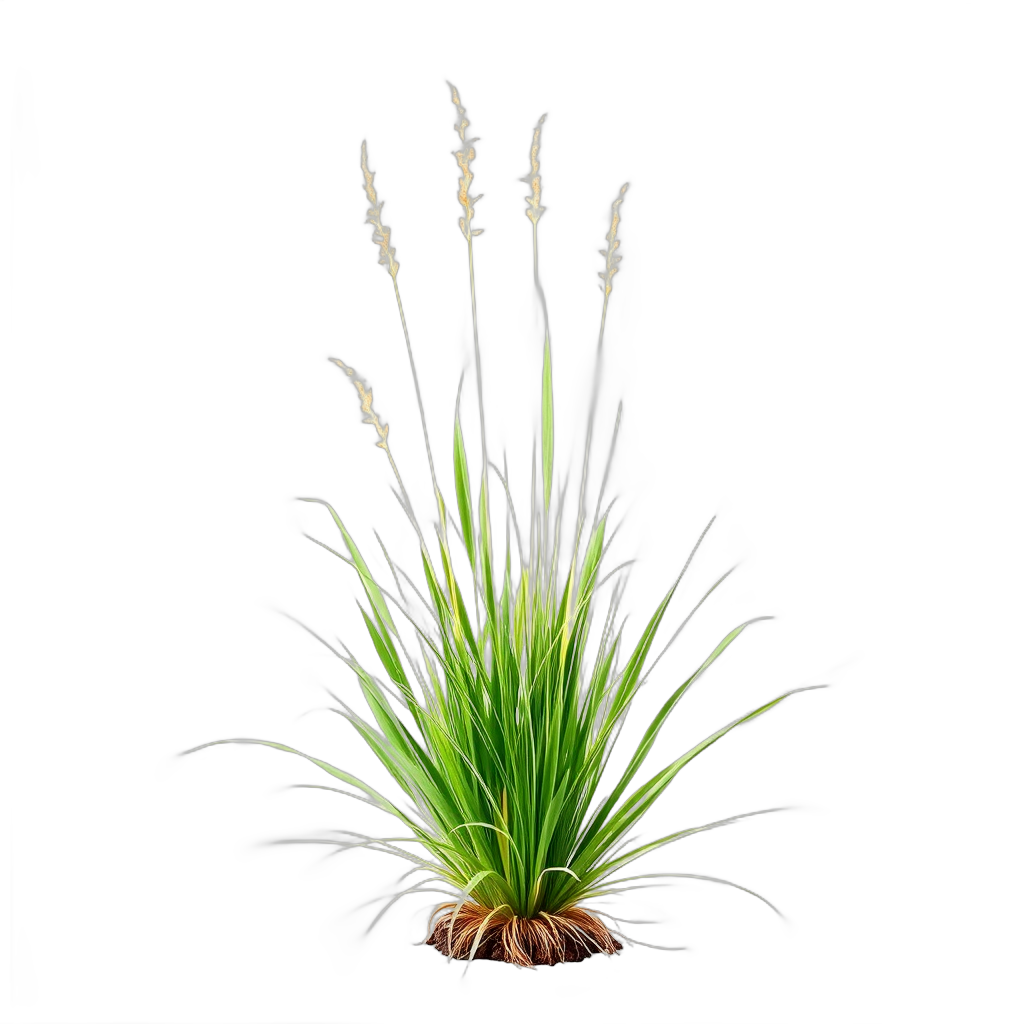
Northern Sea Oats
Chasmanthium latifolium
grows to 4 feet, blooms in fall. Bronze fall color.
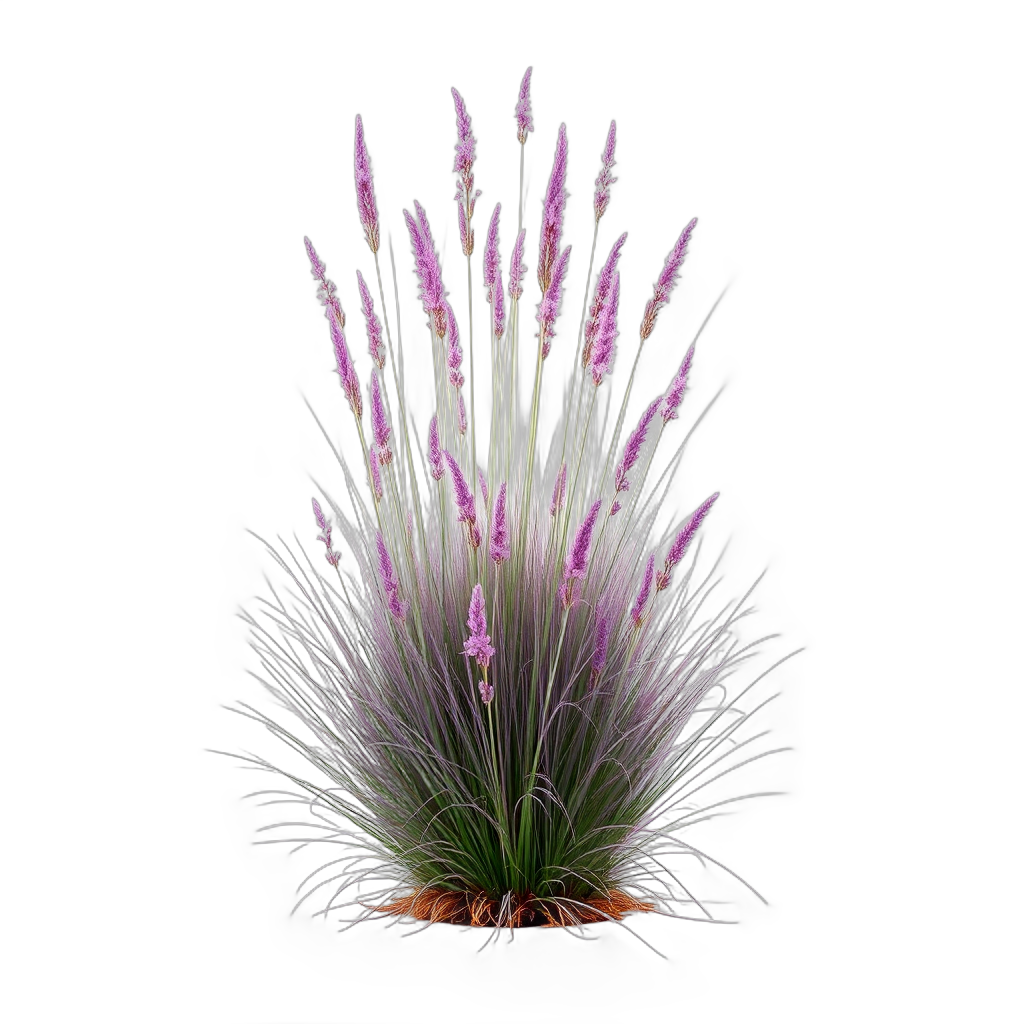
Purple Love Grass
Eragrostis spectabilis
low-growing ground cover, purple blooms in fall. Orange fall color.
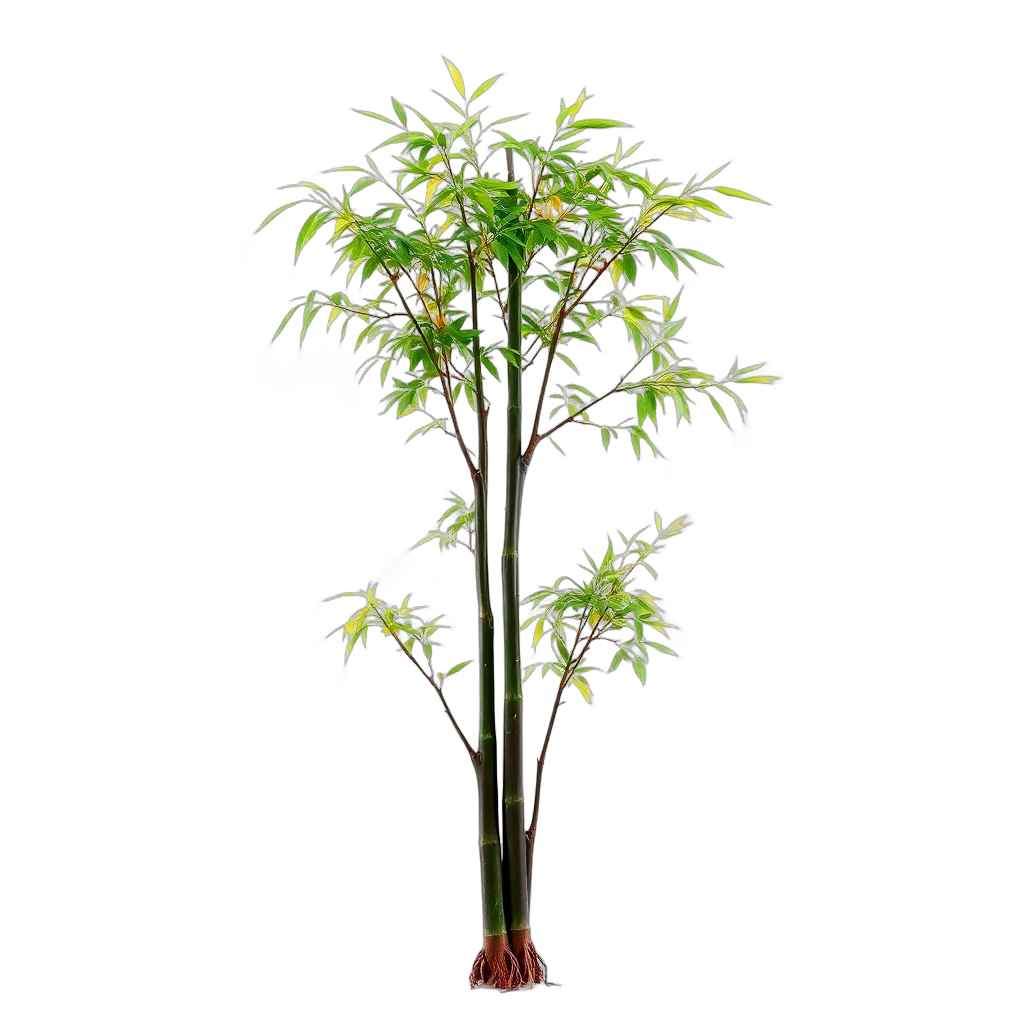
Black Bamboo
Phyllostachys nigra
reaches 25 feet tall, blooms in none. Evergreen year-round.
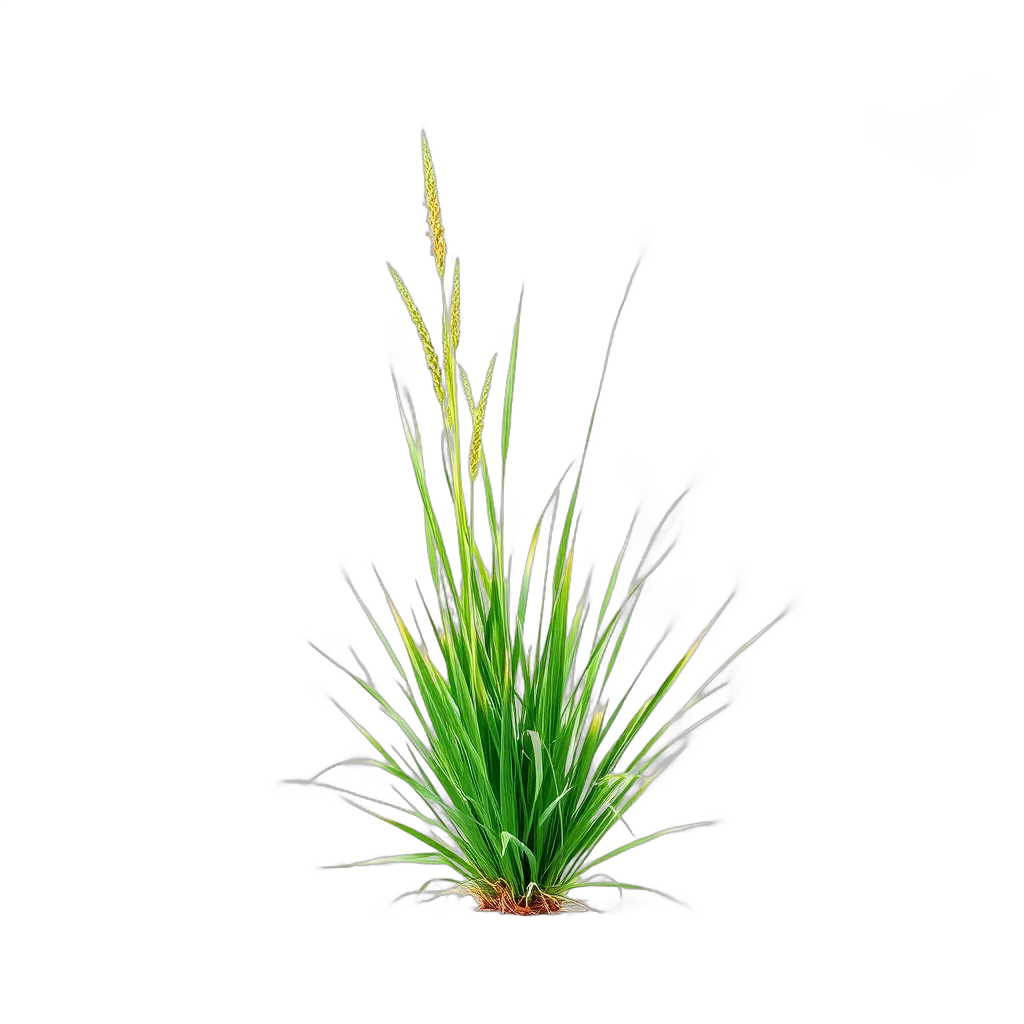
Bull Grass
Muhlenbergia emersleyi
grows to 4 feet, purple blooms in fall. Yellow fall color.
Featured Flowers & Perennials for Cottage/English Gardens
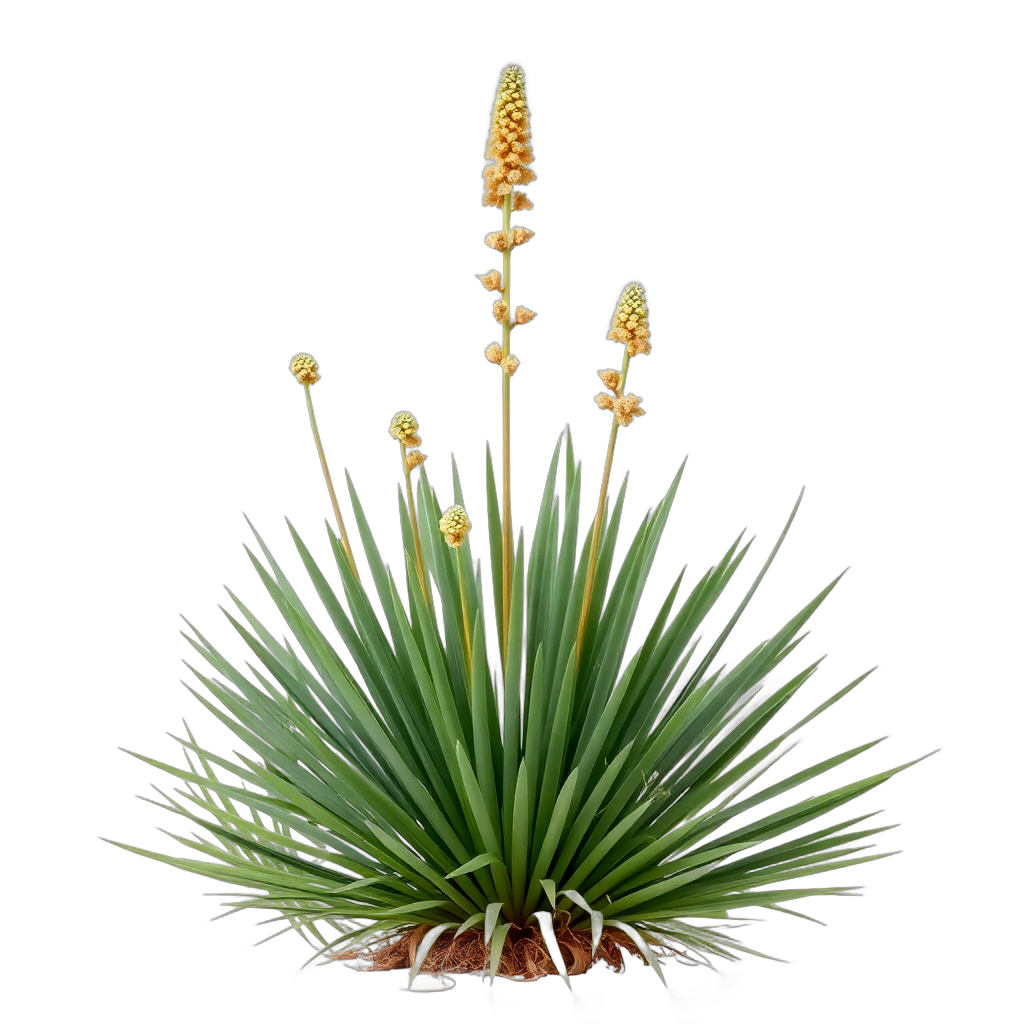
Adam's Needle
Yucca filamentosa
low-growing ground cover, white blooms in summer. Attracts hummingbirds.

Black Cohosh
Cimicifuga racemosa
grows to 5 feet, white blooms in summer. Attracts butterflies.
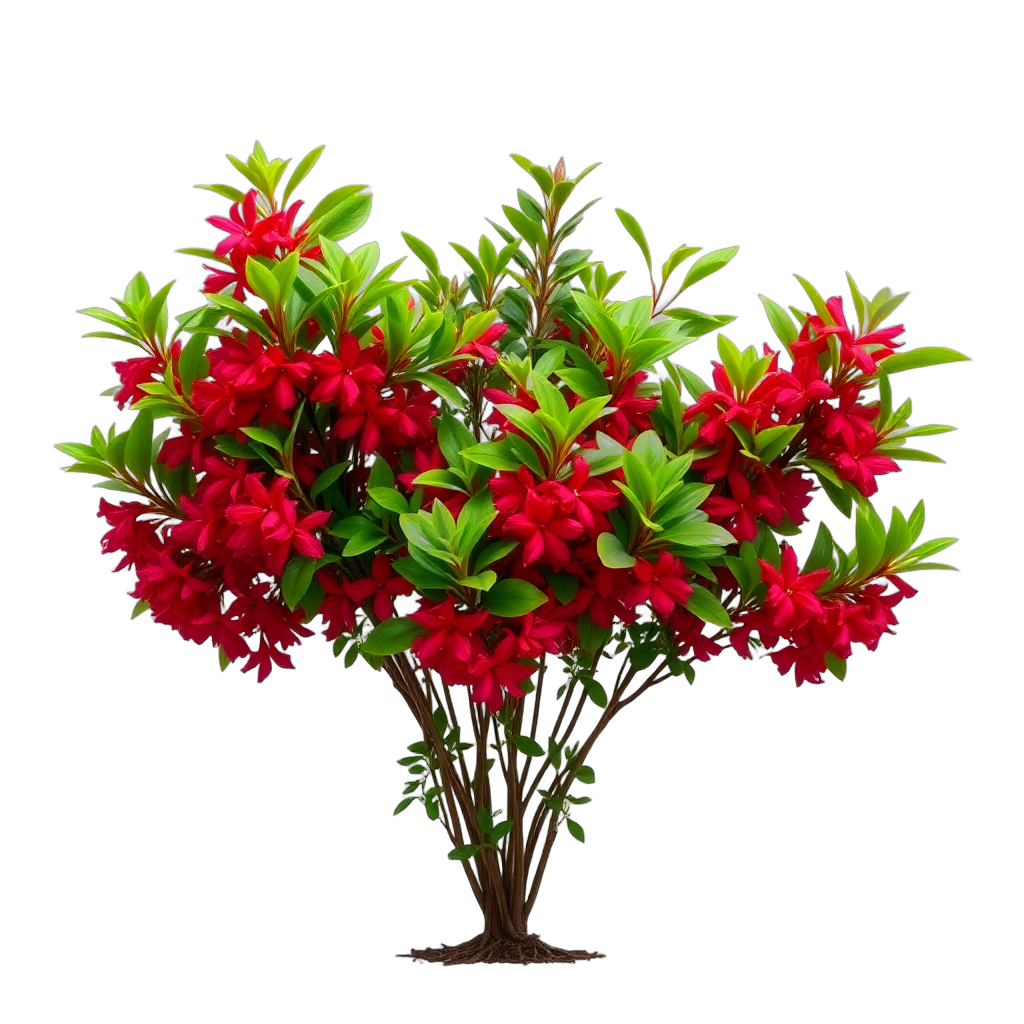
Coral Bean
Erythrina herbacea
grows to 5 feet, red blooms in spring. Attracts hummingbirds.
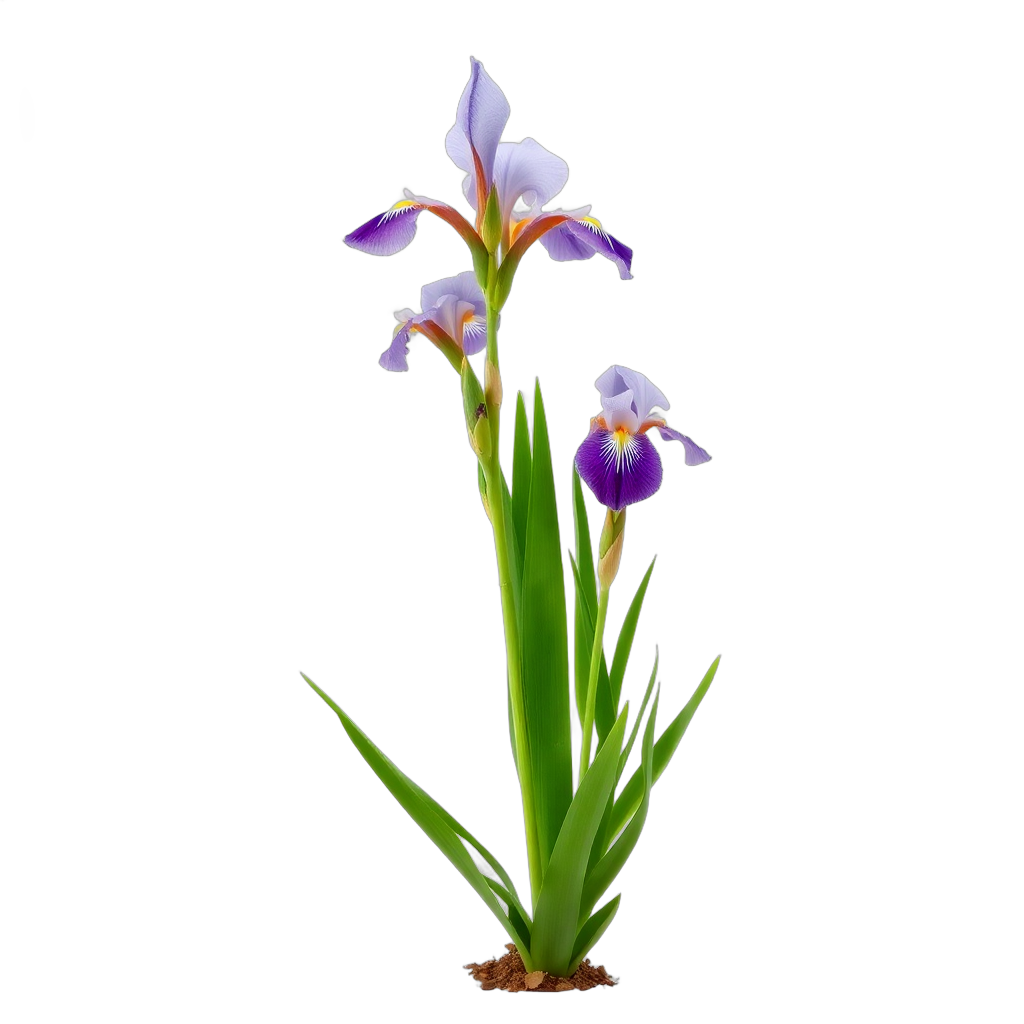
Crested Iris
Iris cristata
low-growing ground cover, blue blooms in spring. Attracts butterflies.
Zone and sun checks come from our database — confirm with your local nursery before you buy.
Bloom Calendar for Greensboro
spring
Coral Bean, Crested Iris, Southern Blue Flagsummer
Adam's Needle, Black Cohosh, False Aloefall
Northern Sea Oats, Purple Love Grasswinter
Limited bloomsDesign Tips for Greensboro (Zone 7b)
- Design the Greensboro cottage garden for a three-phase season: spring spectacle (February–May) centered on camellias, azaleas, and roses; summer substance (June–August) with gardenias, hydrangeas, and daylilies that hold the design when heat-sensitive plants retreat; and fall reward (September–November) with encore azaleas, reblooming roses, and asters
- Amend Piedmont red clay with 4–6 inches of compost before planting—properly prepared red clay is one of the most productive cottage garden soils in the South, retaining moisture through summer drought and providing mineral richness that reduces fertilization needs; the amendment investment pays back in dramatically better plant vigor
- Use brick for all cottage garden paths and edging—brick is architecturally authentic to Greensboro’s historic neighborhoods, develops beautiful moss patina in the Piedmont’s moist climate, and provides the warm red tones that complement the dominant pink and white cottage plant palette of Piedmont spring
- Plant native Piedmont azaleas (Rhododendron canescens) alongside evergreen azaleas—the natives provide fragrance and a delicate deciduous beauty that evergreen azaleas cannot match, and their March bloom sequence extending through April with evergreen Encores creates a 6-week continuous azalea season
- Provide afternoon shade for roses, peonies, and any cool-climate cottage plants—Greensboro’s July afternoons at 90°F fade blooms and stress foliage rapidly; east-facing borders, deciduous tree shade from 2 PM onward, or shade cloth over vulnerable plants during peak summer extends their visual quality dramatically
- Add Confederate jasmine (Trachelospermum jasminoides) to any fence, arbor, or pergola—it’s marginally hardy in Greensboro’s Zone 7b (dies back in hard winters but regenerates), produces extraordinary fragrance in April and May that fills the entire garden, and grows fast enough to create cottage abundance on structures within 2–3 seasons
Where to Source Plants in Greensboro
Skip the big-box stores. These independent Greensboro nurseries specialize in the plants that make cottage/english gardens thrive in Zone 7b.
Nursery at the Bog
Greensboro
Native plants, unusual cottage perennials, and North Carolina Piedmont-adapted landscape plants
Rock’s Plant Nursery
Greensboro
Full-service nursery with Piedmont cottage plants, azaleas, camellias, and garden design services
Bienenfeld Nurseries
Winston-Salem (serves Greensboro)
Piedmont’s premier specialty nursery—outstanding cottage perennials, native Carolinian plants, and camellias
Lowe’s Garden Center
Multiple Greensboro locations
Comprehensive cottage plants, azaleas, roses, and hardscape materials at consistent Piedmont pricing
Home Depot Garden Center
Multiple Greensboro locations
Broad selection of cottage shrubs, perennials, and brick hardscape materials for Piedmont cottage gardens
Cottage/English Landscaping Costs in Greensboro
| Project Scope | Estimated Cost |
|---|---|
| Cottage front entry with brick path, rose arbor, and azalea borders | $8,000 – $20,000 |
| Native Piedmont shade wildflower cottage garden conversion | $8,000 – $19,000 |
| Flagstone patio with Confederate jasmine pergola and cottage borders | $16,000 – $40,000 |
| Southern cottage garden with camellias, roses, and azalea collection | $18,000 – $48,000 |
| Raised bed installation for clay soil amendment (per 4 beds) | $2,000 – $5,500 |
| Annual cottage garden maintenance (mulching, pruning, replanting) | $1,000 – $2,800/year |
| AI visualization with ProScapeAI | Free to start |
Estimates based on Greensboro, NC-area contractor rates as of 2026. Actual costs vary by site conditions, materials, and contractor.
Greensboro Climate & Growing Zone
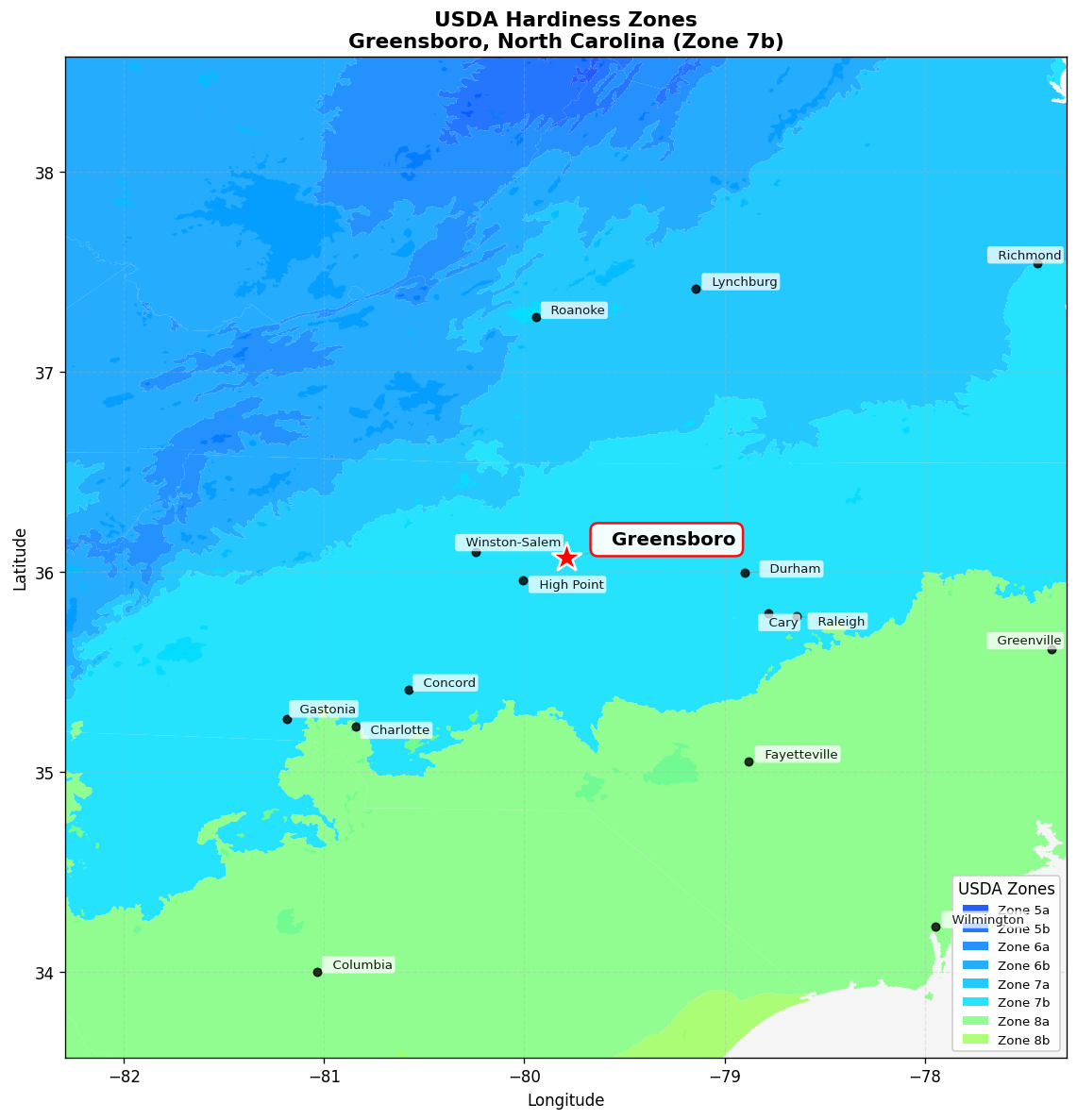
USDA Zone 7b
Hardiness zone for Greensboro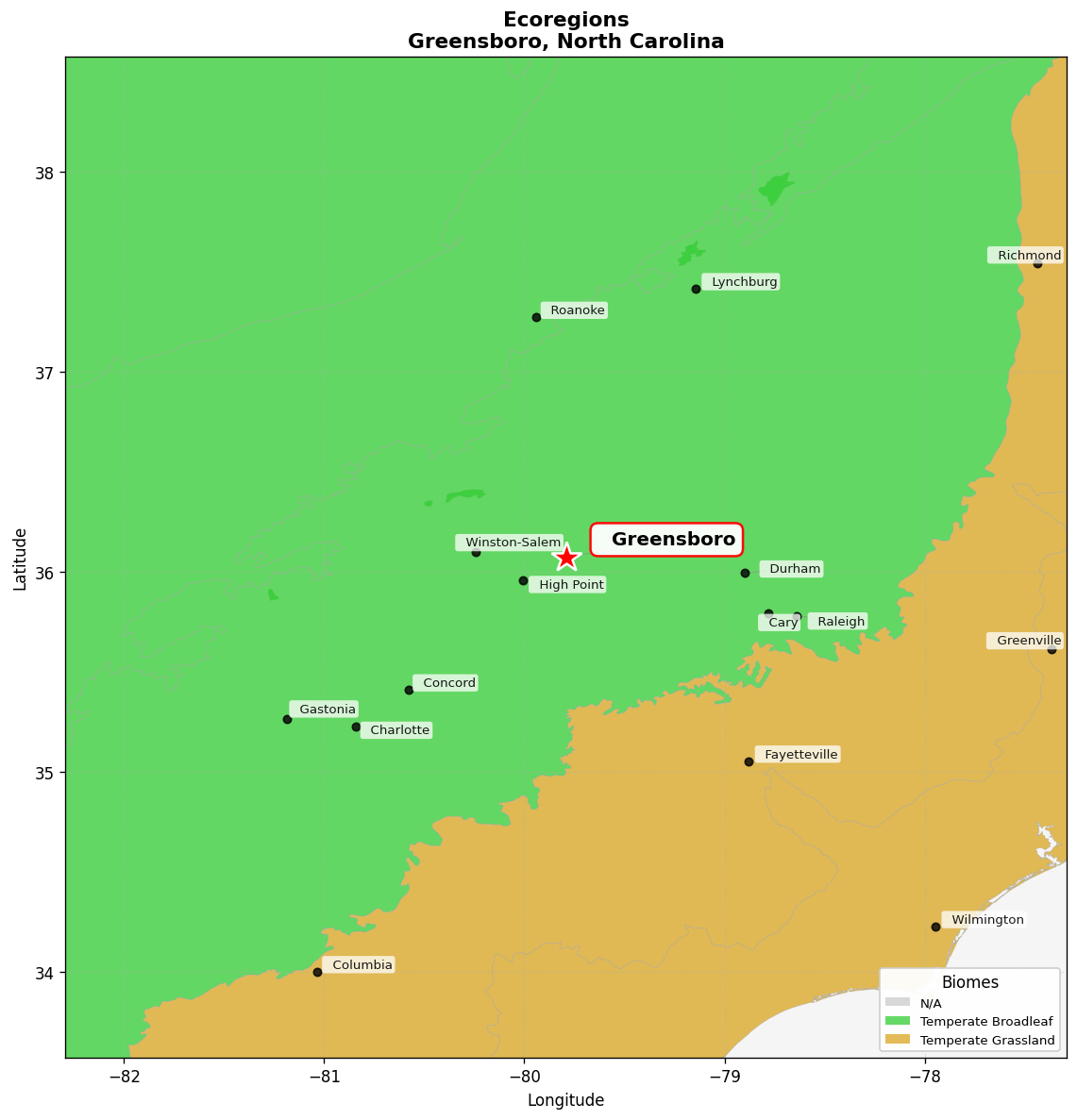
Appalachian Piedmont forests
Native ecoregionFrequently Asked Questions
What cottage plants thrive year-round in Greensboro’s Zone 7b Piedmont climate?
Greensboro’s Zone 7b offers one of the widest cottage plant palettes in the US, spanning both northern and southern possibilities. Outstanding four-season performers: camellias (Zone 7a–8, bloom January–March before spring begins), native Piedmont azaleas (spectacular March–April, fragrant), Knock Out roses (blooms April–December with light frost protection), bigleaf hydrangeas (Zone 6, bloom June–August), gardenias (Zone 7–8, fragrant June–July bloom), daylilies (Zone 3–4, very reliable, rebloom all summer), Confederate jasmine (Zone 8–9 in Greensboro’s protected Zone 7b microclimates, April fragrance), peonies (Zone 3–4, bloom May in Greensboro with afternoon shade protection from summer heat), and reblooming irises (bloom May and again September–November).
How do I deal with Greensboro’s red clay soil for cottage gardening?
Piedmont red clay is dense, poorly drained when wet, and brick-hard when dry—but it is rich in minerals and, once amended, grows cottage plants with extraordinary vigor. Practical solutions: amend all planting beds with 4–6 inches of organic compost tilled to 12-inch depth; build raised beds 8–12 inches above grade for roses, lavender, and other plants sensitive to wet feet; install French drains in consistently wet areas before planting; and apply 3-inch mulch over all beds to moderate the clay’s extreme moisture swings. Avoid adding sand—it creates brick when mixed with clay. Properly amended Piedmont red clay is actually an excellent cottage soil—its moisture-holding capacity reduces irrigation needs, and its mineral richness feeds cottage plants well.
Do peonies grow well in Greensboro’s warm Zone 7b climate?
Yes, with afternoon shade management. Peonies require winter cold for dormancy (at least 6 weeks below 40°F)—Greensboro’s Zone 7b winters provide this, unlike warmer Zone 8–9 climates where peonies often fail. Greensboro’s May bloom timing is excellent—cool enough for prolonged peony flowers before summer heat arrives. Challenges: summer heat above 85°F causes rapid bloom fade and foliage stress; site in a location with afternoon shade (north-facing border, east-facing site, or under deciduous shade) to prolong blooms and protect foliage. Choose peonies labeled Zone 4–8 for best Piedmont performance. Avoid full southern exposure—south-facing Greensboro sites are too hot for peonies to look good after June 1.
Can I grow gardenias and camellias in Greensboro’s Zone 7b?
Camellias: yes, reliably. Japanese camellia (Camellia japonica) is Zone 7–9 hardy—Greensboro’s Zone 7b is within range, especially in protected microclimates (south-facing walls, sheltered by structures). Sasanqua camellias (C. sasanqua) are slightly hardier (Zone 7–9) and more reliable throughout Greensboro. Camellias bloom October through March, providing winter cottage color unavailable in colder climates. Gardenias: yes, in protected sites. Common gardenia (Gardenia jasminoides) is Zone 7–9—it grows throughout Greensboro in protected south and east-facing locations but can be killed or defoliated in hard winters below 15°F. The 'Frostproof' variety (Zone 7a) is more reliable in exposed Greensboro locations. Both require acid soil (pH 5.0–6.0)—apply acidifying fertilizer annually in Piedmont’s often-neutral clay.
What native Piedmont plants work in a Greensboro cottage garden?
The Appalachian Piedmont’s botanical richness provides excellent cottage-compatible natives. Best performers: native azaleas (Rhododendron canescens—pink, fragrant March, R. viscosum—swamp azalea, June white, both Zone 5), sweetshrub (Calycanthus floridus, burgundy fragrant flowers May–June, native to North Carolina, Zone 5), mountain laurel (Kalmia latifolia, spectacular June bloom, evergreen, Zone 5), native ferns (multiple species, exceptional in Piedmont shade), black-eyed Susan (Rudbeckia hirta, native to NC, summer to fall bloom), wild blue phlox (Phlox divaricata, lavender May bloom), purple coneflower (Echinacea purpurea, native to eastern US), and oakleaf hydrangea (Hydrangea quercifolia, native to the Carolinas, spectacular June bloom and fall color).
How much does a cottage garden installation cost in Greensboro?
Greensboro landscaping costs are moderate—below national average, reflecting North Carolina’s lower labor costs compared to coastal and northeastern markets. A cottage front entry with brick path, rose arbor, and perennial borders typically costs $8,000–20,000. A native Piedmont shade garden conversion costs $8,000–19,000. A flagstone patio with pergola and cottage borders runs $16,000‘40,000. A full Southern cottage garden with camellia and rose collection ranges $18,000‘48,000. Annual maintenance for an established Greensboro cottage garden (mulching, pruning, seasonal replanting) runs $1,000–2,800/year. Greensboro’s long growing season extends the maintenance calendar but the mild climate means less replanting and fewer winter losses than northern cottage gardens require.