4 English Cottage Garden Ideas for Fargo, ND | Zone 4a Roses, Peonies and Delphiniums
Native plants from the Northern Tallgrass prairie (Zone 4a) — Humid continental (warm summer) climate
Why Cottage/English Gardens in Fargo?
A cottage garden suits Fargo better than most people expect. The Craftsman bungalows, foursquares and Victorians of Hawthorne, Roosevelt and Horace Mann already have the porches, picket-friendly front setbacks and alley garages the style was made for, and the newer ranches of south Fargo and West Fargo take a softened version just as well. The style also plays to the one thing a Red River Valley summer does brilliantly: long, cool-nighted June and July days. Delphiniums, peonies, lupines and old-fashioned lilacs, which sulk in hot southern gardens, flower here the way they do in an English seed catalogue.
Winter sets the plant list. Zone 4a means a normal coldest night of -30 to -25°F, and the NOAA 1991–2020 normals for Hector Airport put the average January low at 0.2°F with 51.4 inches of snow. The average last spring frost is May 10 and the first fall frost September 30, which leaves only about 143 frost-free days. So the climbing roses of the English classics, Rosa 'New Dawn' and the David Austins, die back to the snow line or die outright. The substitutes were bred for exactly this climate a few hours north: Rosa 'John Cabot' and 'William Baffin' for the arbour, Rosa 'Morden Blush', 'Hope for Humanity' and 'Adelaide Hoodless' for the border. English lavender is a gamble; Nepeta × faassenii 'Walker's Low' and Salvia nemorosa 'May Night' give the same blue haze and come back every year. Boxwood edging burns brown on an open March afternoon, so use Ribes alpinum 'Green Mound' or Spiraea × bumalda 'Goldmound' for the low clipped line.
The soil is Lake Agassiz clay: the flat old lakebed under the whole valley, heavy, sticky when wet, cracked when dry, and alkaline, usually above pH 7.5. That pH is why red maples, pin oaks and river birch go yellow-leaved with iron chlorosis here, and why acid lovers like rhododendron are not worth trying. Cottage perennials mostly do not mind lime. They do mind wet crowns in April, when snowmelt sits on frozen clay, so raise borders 6–8 inches with compost and keep beds sloped away from the house.
The last thing to plan around is the ground itself. The City of Fargo's deck handout gives a 4½-foot frost depth, and frost heave in clay will lift a shallow arbour post or a brick path on a thin base within two winters. Set arbour and pergola posts below frost, lay paths on a deep compacted aggregate base, and plan where the shovelled snow will go before you plant the border beside the walk.
4 Cottage/English Design Ideas for Fargo

AI-generated image
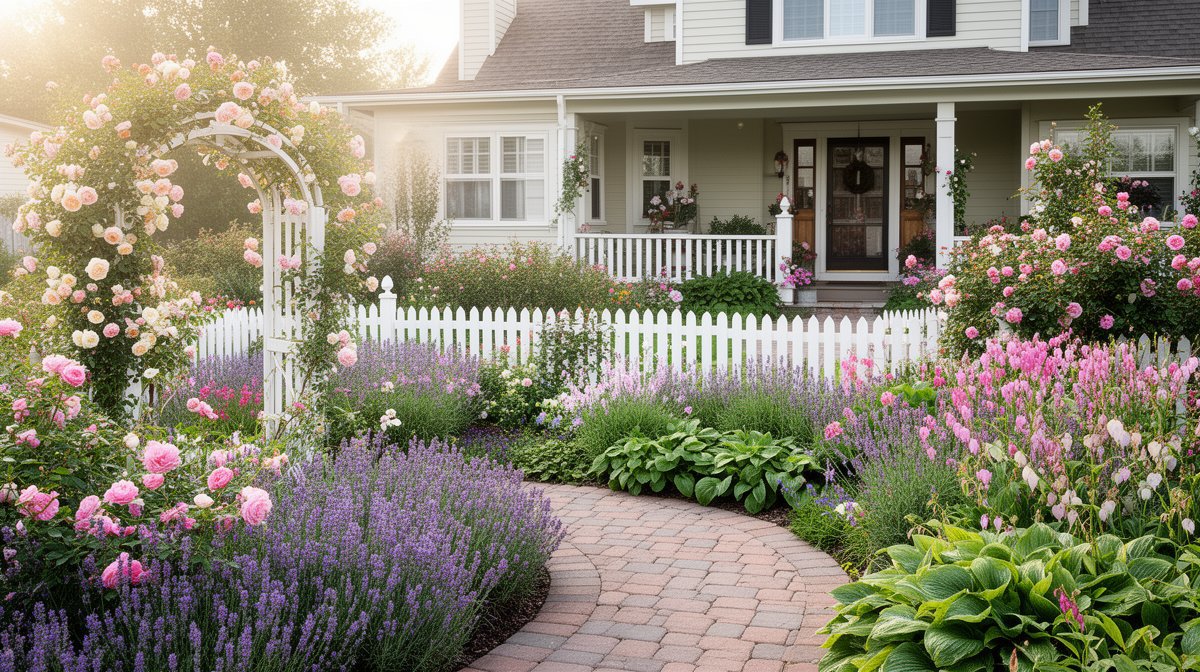
The Hawthorne Porch Border
$14–28/sqftA 1915 Craftsman bungalow with a deep front porch faces south onto a short front yard, and the lawn is replaced with a three-layer border either side of a straight brick walk. Delphinium spires stand at the back against the porch skirting, peonies and Shasta daisies fill the middle, and catmint spills over a low steel edge onto the walk. The south exposure gives the border full sun from mid-morning, and the porch roof shelters the back row from the worst of the July thunderstorm wind.

AI-generated image
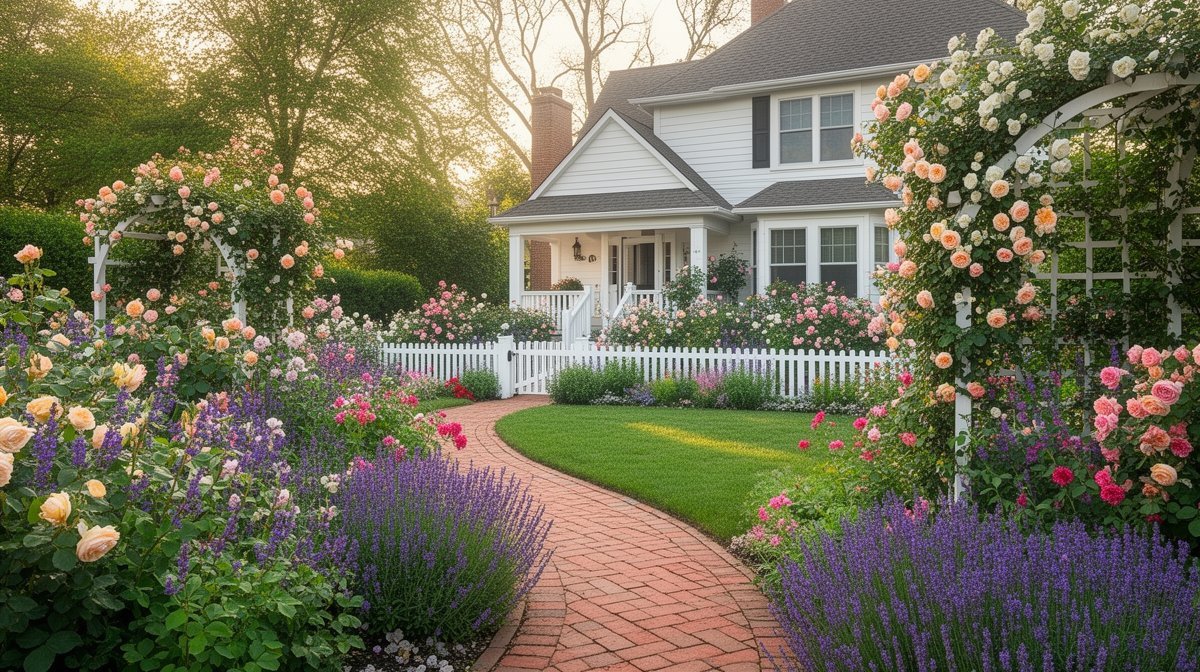
The Explorer Rose Gate
$18–35/sqftA white picket fence runs along the front of a 1920s two-story on a corner lot, and a cedar arbour over the gate carries a pink Explorer climbing rose that survives the winter on the arbour itself. Hardy shrub roses mass along the inside of the fence with hollyhocks behind them, and a single lilac anchors the corner where the fence turns. The fence posts and arbour legs are set below the 4½-foot frost line so the gate still latches after a hard winter.

AI-generated image
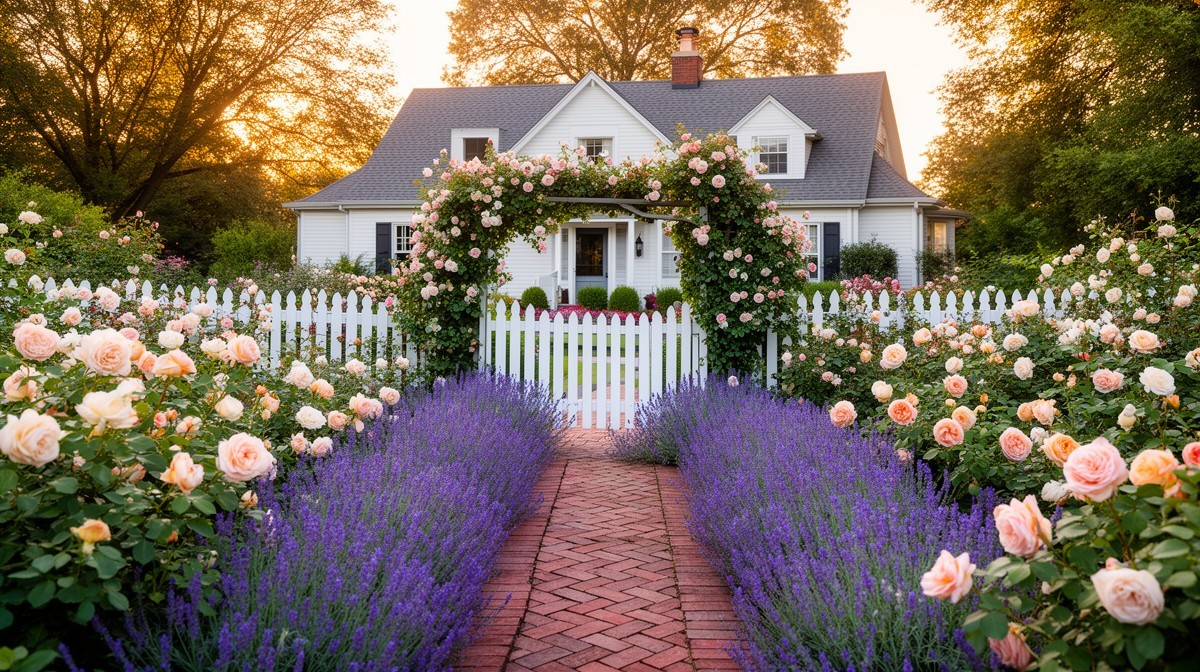
The Shade-Edge Hydrangea Walk
$12–24/sqftUnder a mature American linden or green ash on a 1950s ranch in Lewis and Clark, a curving flagstone path winds from the driveway to a side gate, with white hydrangeas and hostas in the shade and a strip of sun-loving perennials along the open edge. Clematis climbs a simple obelisk at the bend, and Annabelle hydrangeas give the June-to-September white that makes a cottage garden read at dusk.

AI-generated image
The Backyard Cutting Garden
$16–32/sqftBehind a newer two-story in south Fargo, four raised beds framed in cedar sit around a small paver circle with a bench, edged by a low hedge and backed by a honeysuckle on the garage fence. The beds are planted for cut flowers through the whole short season: peonies in June, delphiniums and roses in July, phlox and Russian sage into September. Raising the beds lifts the crowns out of the April meltwater that sits on the clay and warms the soil a week sooner in May.
See how a cottage/english garden looks on YOUR property
Upload a photo of your Fargo yard and visualize your dream garden in seconds.
Try ProScapeAI Free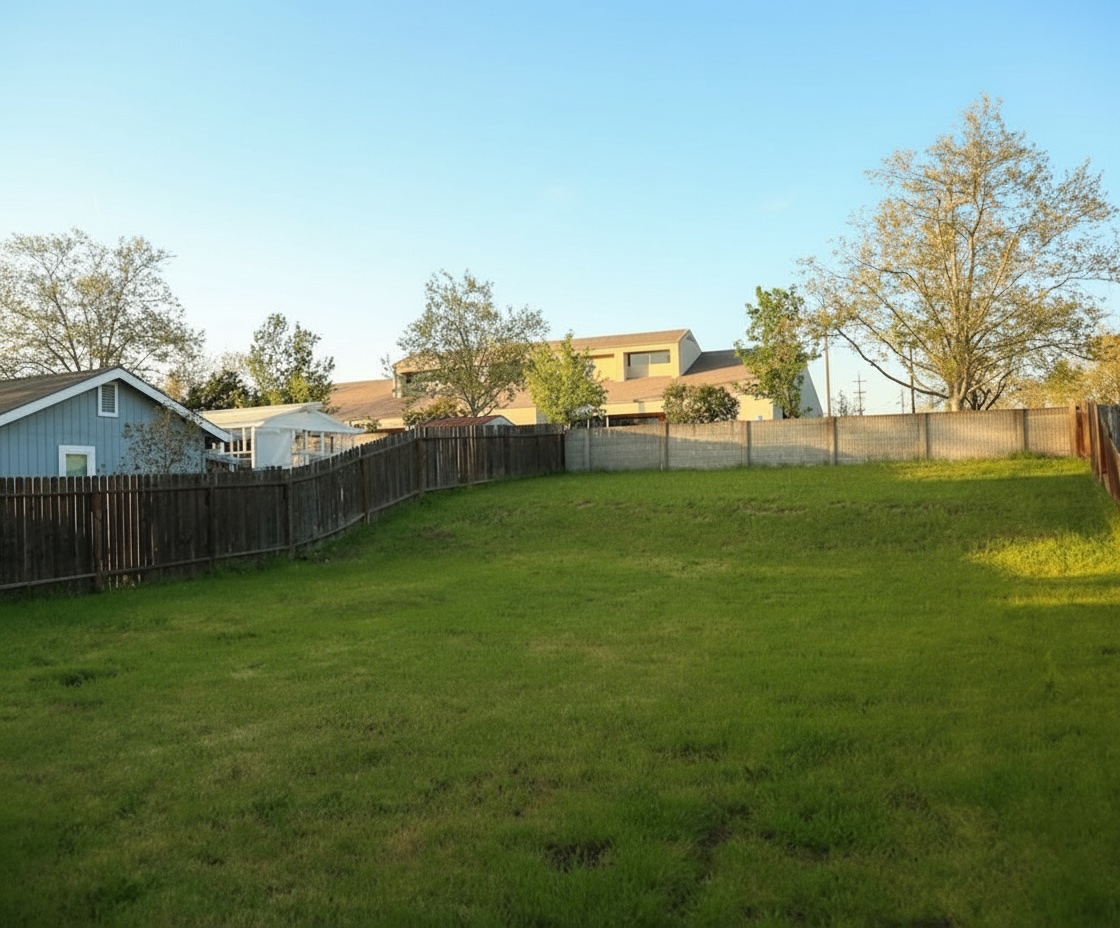
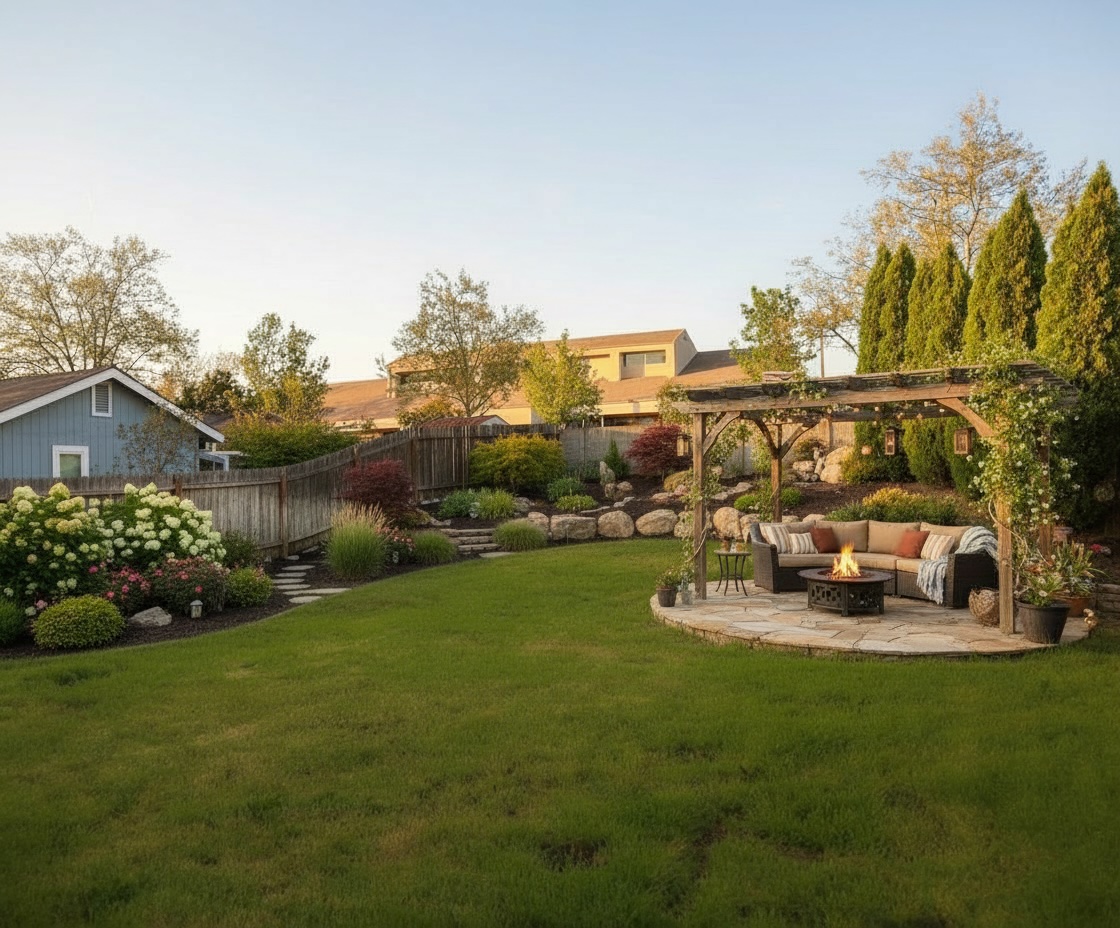
AI-generated image
Featured Trees & Shrubs for Cottage/English Gardens
Browse all 174 plants for Fargo
Bur Oak
Quercus macrocarpa
large shade tree reaching 70+ feet, blooms in spring. Yellow fall color.
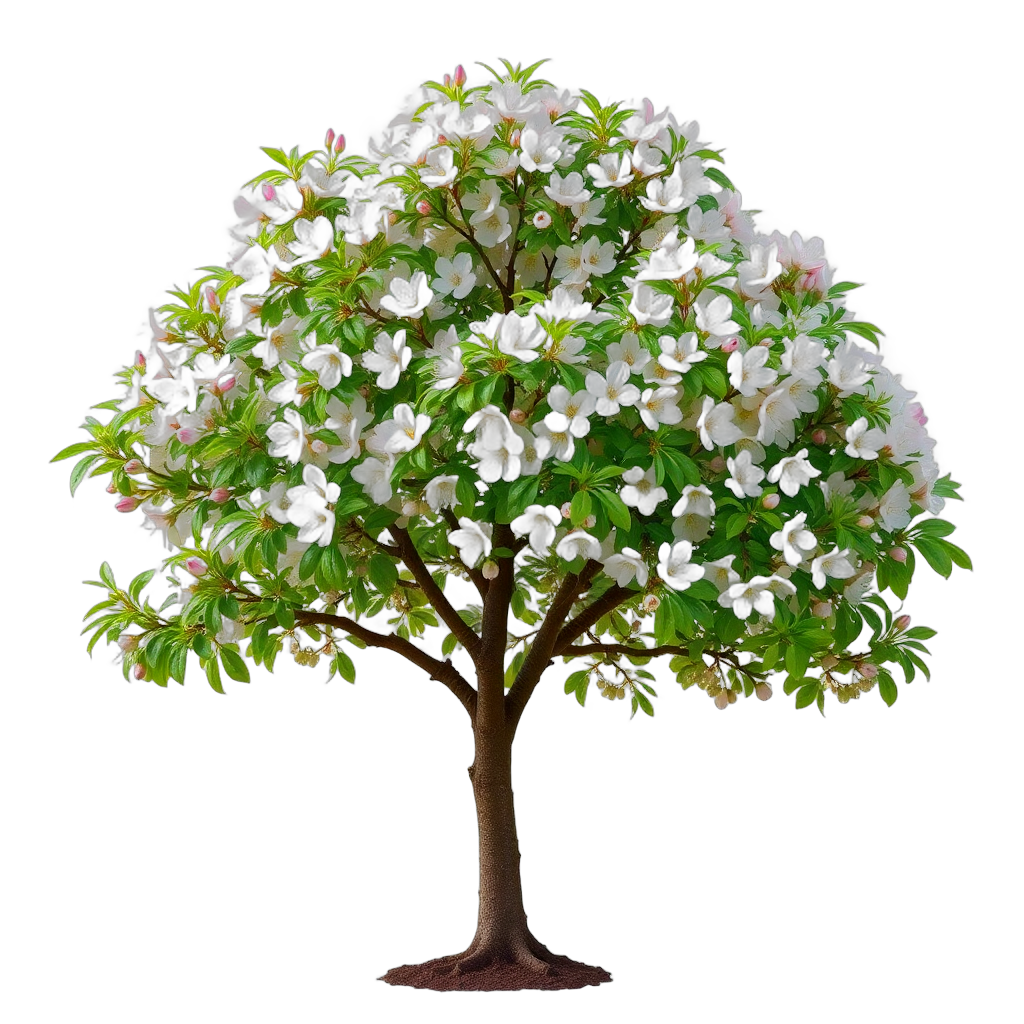
Chokecherry
Prunus virginiana
reaches 25 feet tall, white blooms in spring. Attracts butterflies.

Peach Willow
Salix amygdaloides
large shade tree reaching 45+ feet, yellow blooms in spring. Yellow fall color.
Featured Grasses & Groundcovers for Cottage/English Gardens
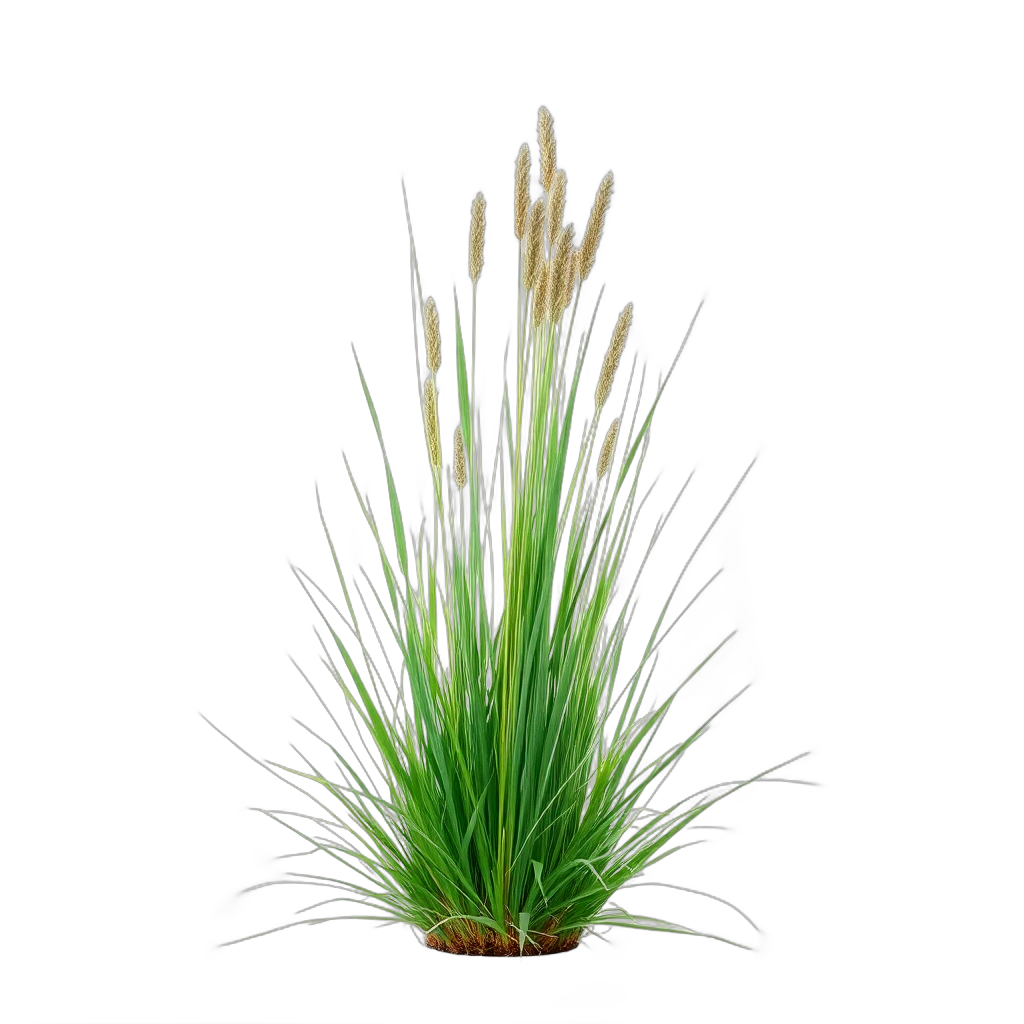
Big Bluestem
Andropogon gerardii
medium-sized at 7 feet, purple blooms in fall. Bronze,burgundy fall color.
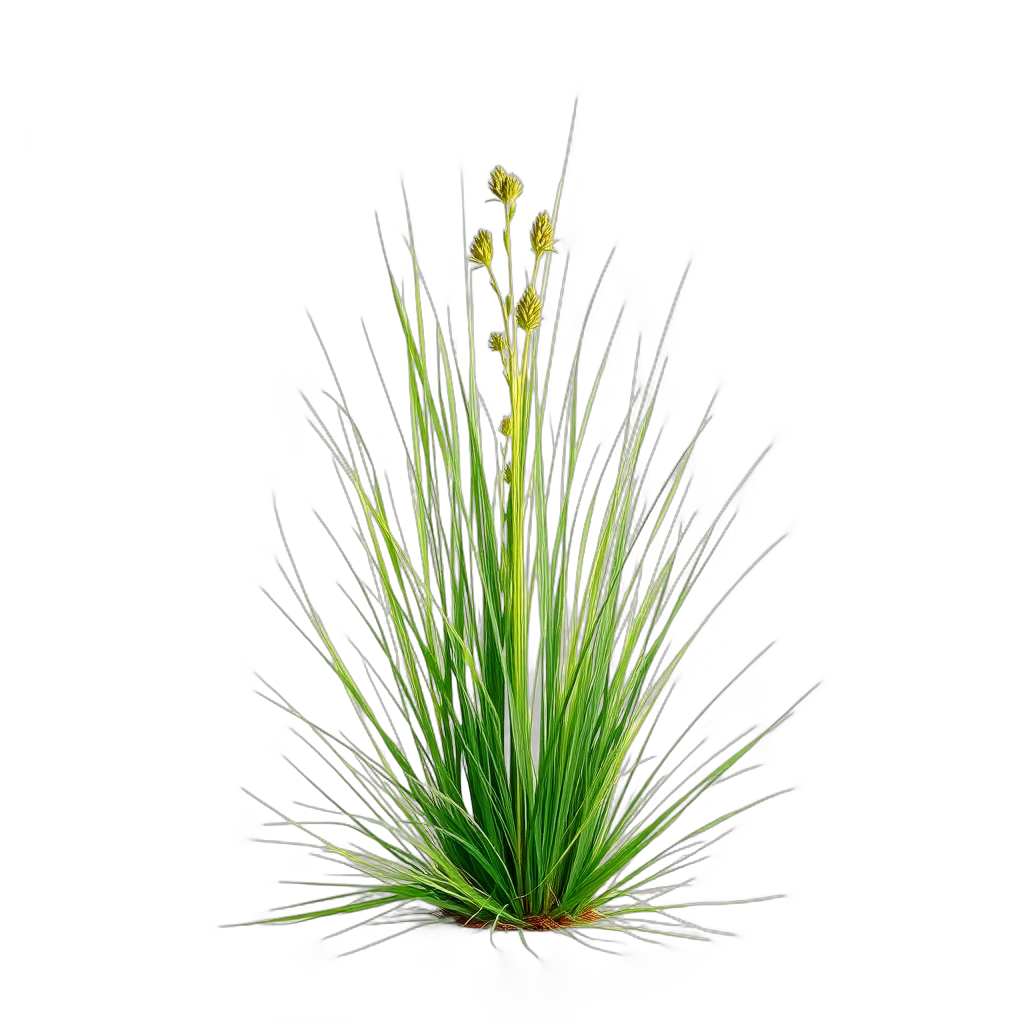
Canada Wild Rye
Elymus canadensis
grows to 4 feet, blooms in summer. Yellow fall color.
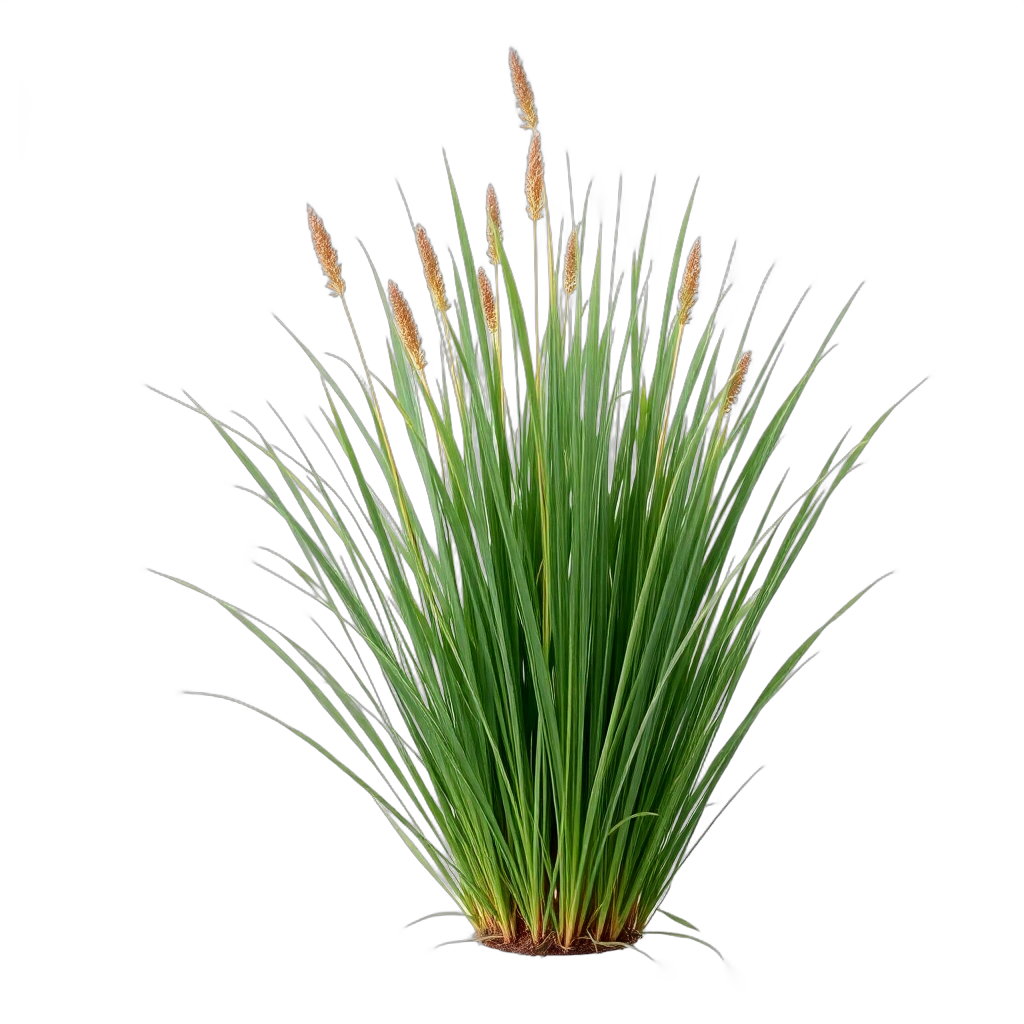
Heavy Metal Switchgrass
Panicum 'Heavy Metal'
grows to 4 feet, pink blooms in summer. Yellow fall color.
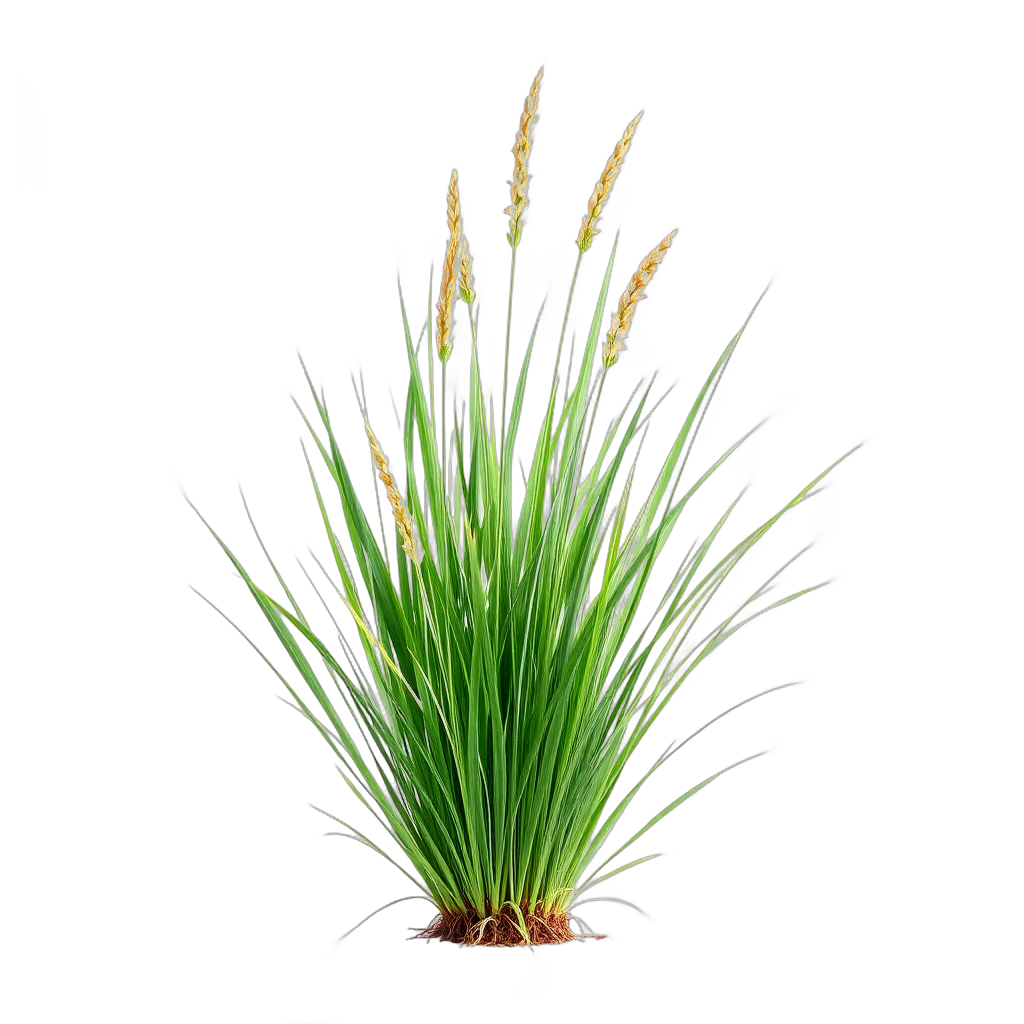
Indian Grass
Sorghastrum nutans
grows to 4 feet, yellow blooms in fall. Yellow,orange fall color.
Featured Flowers & Perennials for Cottage/English Gardens
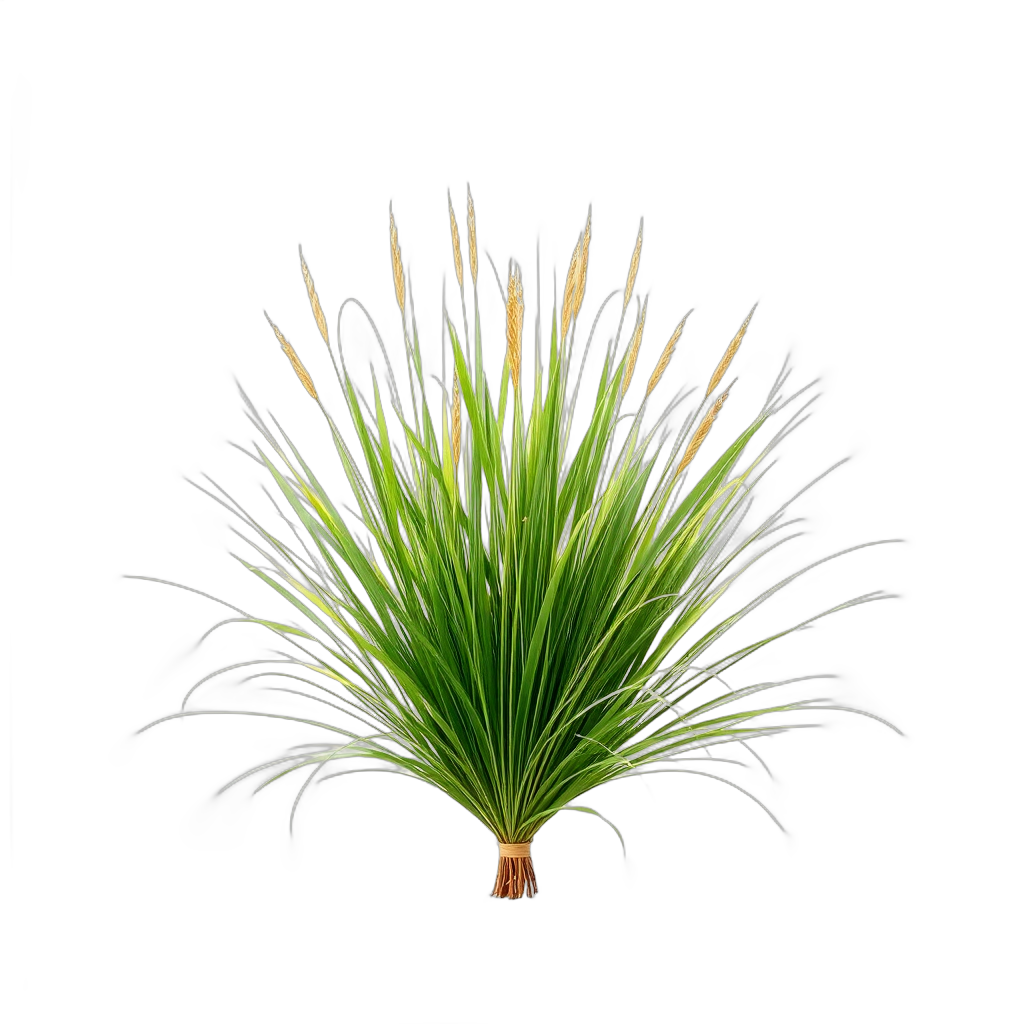
Prairie Cordgrass
Spartina pectinata
grows to 6 feet, blooms in summer. Yellow fall color.
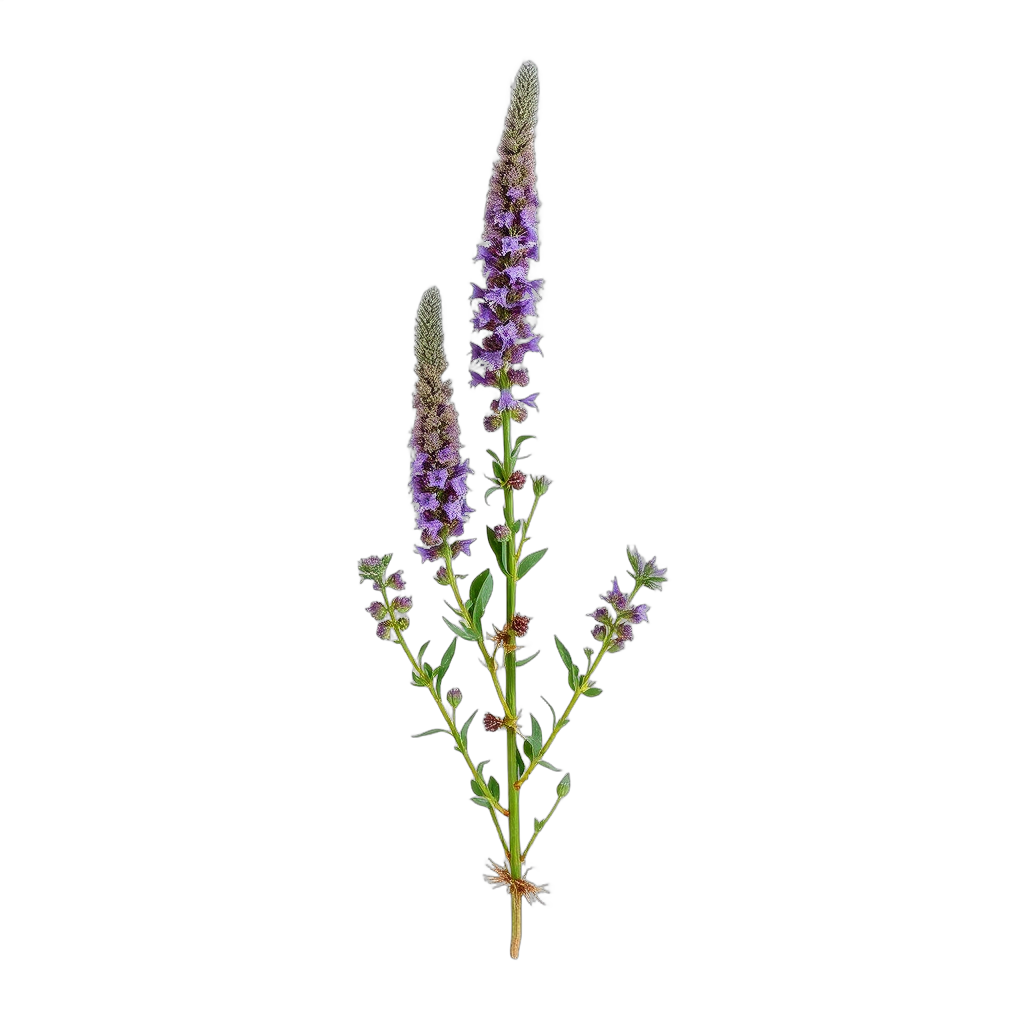
Anise Hyssop
Agastache foeniculum
grows to 3 feet, purple blooms in summer. Attracts hummingbirds.

Blanket Flower
Gaillardia grandiflora
low-growing ground cover, multi blooms in summer. Attracts butterflies.
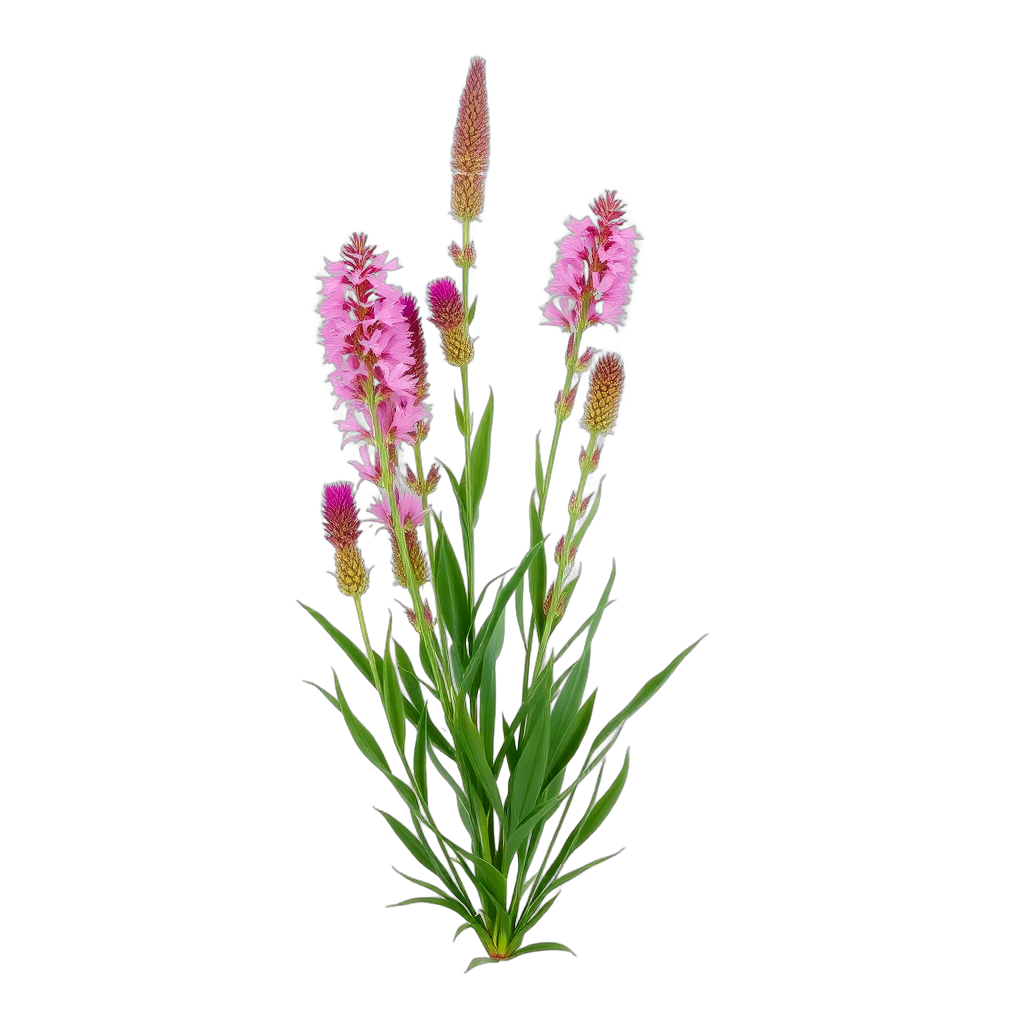
Blazing Star
Liatris spicata
low-growing ground cover, purple blooms in summer. Attracts butterflies.
Zone and sun checks come from our database — confirm with your local nursery before you buy.
Bloom Calendar for Fargo
spring
Golden Alexander, Nuttall's Larkspur, Prairie Phloxsummer
Prairie Cordgrass, Anise Hyssop, Blanket Flowerfall
Maximilian Sunflowerwinter
Limited bloomsDesign Tips for Fargo (Zone 4a)
- Swap every tender English classic for its prairie-bred stand-in: Rosa 'John Cabot' for 'New Dawn', Nepeta 'Walker's Low' for English lavender, Ribes alpinum 'Green Mound' for boxwood edging
- Raise borders 6–8 inches with compost over the Lake Agassiz clay so April snowmelt drains off the crowns instead of freezing around them
- Set every arbour, gate and pergola post below the 4½-foot frost depth the City of Fargo uses, or clay frost heave will tilt it within two winters
- Skip red maple, pin oak and river birch for shade: the alkaline clay (often above pH 7.5) yellows them with iron chlorosis; bur oak, American linden and hackberry stay green
- Plan for the 143-day frost-free season by stacking bloom: peonies in June, delphiniums and roses in July, Phlox 'David' and Annabelle hydrangea through September
- Leave rose canes, peony stems and grasses standing in fall; they trap snow, and 51 inches of snow cover is the best winter insulation a Fargo border gets
- Keep salt-sensitive plants back from the street and driveway edge where shovelled and plowed snow lands, and put tough Salvia 'May Night' and daylilies in that front strip
Where to Source Plants in Fargo
Skip the big-box stores. These independent Fargo nurseries specialize in the plants that make cottage/english gardens thrive in Zone 4a.
Baker Garden & Gift
South Fargo (South University Drive)
Fargo garden center that grows most of the plants it sells, with a deep perennial bench and its own perennial guides; voted best nursery in the Best of the Red River Valley awards
Holland's Landscaping & Garden Center
Downtown Fargo (North University Drive)
Long-running Fargo-Moorhead nursery and landscaper, now downtown, with perennials, evergreens and plants chosen for the northern climate
Sheyenne Gardens
Harwood (north of Fargo)
Nursery of more than 10 acres with a wide range of trees, shrubs and bedding plants for the Fargo-Moorhead area
SheyWest Garden Center
West Fargo (40th Ave and Sheyenne St)
Trees, shrubs, fruit trees, perennials and grasses, plus bulk mulch, accent boulders, and landscape design and installation
Cottage/English Landscaping Costs in Fargo
| Project Scope | Estimated Cost |
|---|---|
| Front cottage border, planted and mulched (400–600 sqft) | $7,000 – $18,000 |
| Brick or concrete paver walk on a deep compacted base (100–200 sqft) | $2,500 – $6,500 |
| Cedar picket fence with gate arbour, posts below frost (60–100 linear ft) | $4,000 – $10,000 |
| Cedar raised beds with drip irrigation (four beds) | $3,000 – $7,500 |
| Shade path and hydrangea planting under existing trees (300–500 sqft) | $4,000 – $11,000 |
| Full backyard cottage garden: paver circle, beds, fence plantings | $18,000 – $45,000 |
| AI visualization (ProScapeAI) | Free to start |
Estimates based on Fargo, ND-area contractor rates as of 2026. Actual costs vary by site conditions, materials, and contractor.
Fargo Climate & Growing Zone
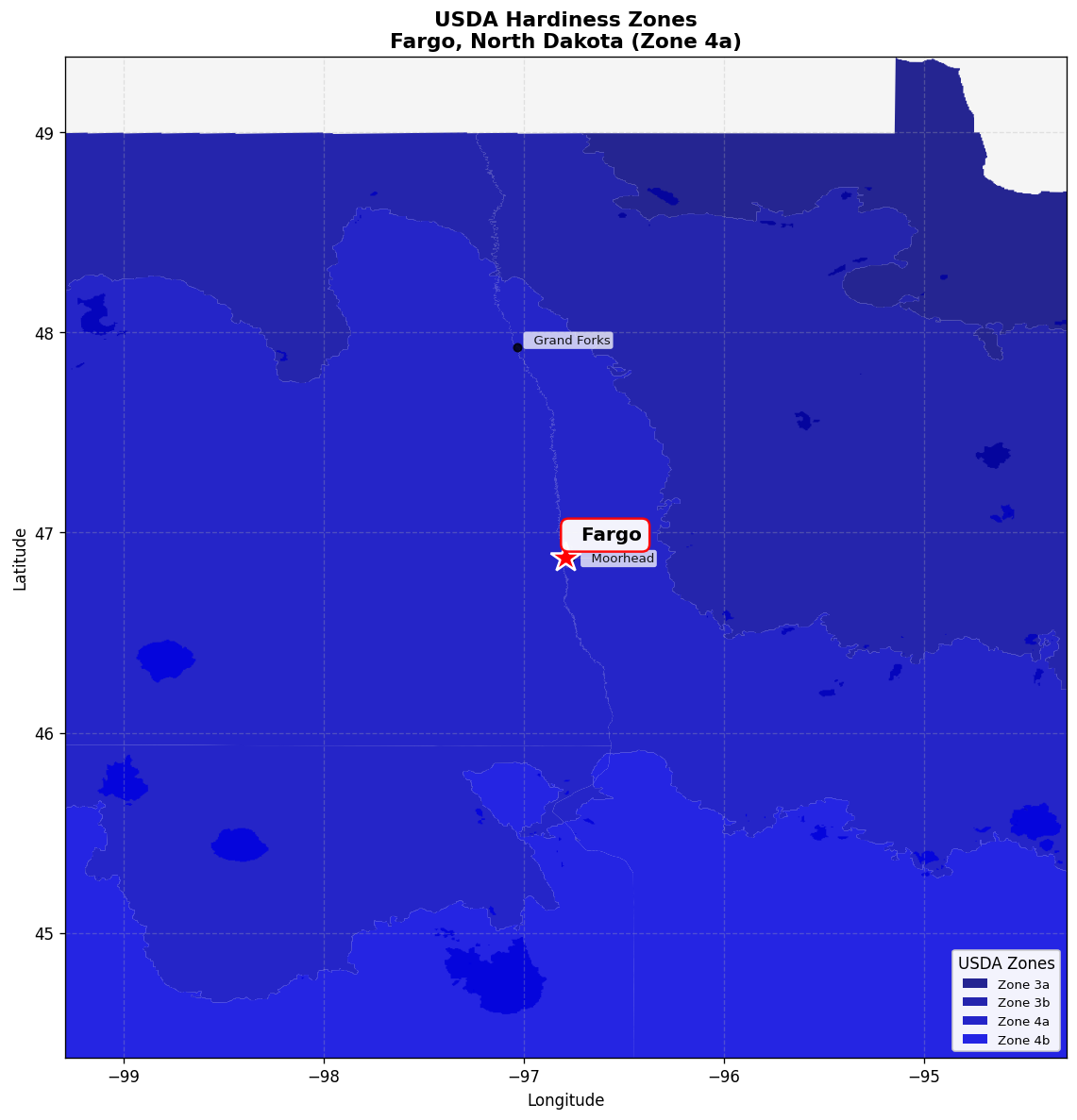
USDA Zone 4a
Hardiness zone for Fargo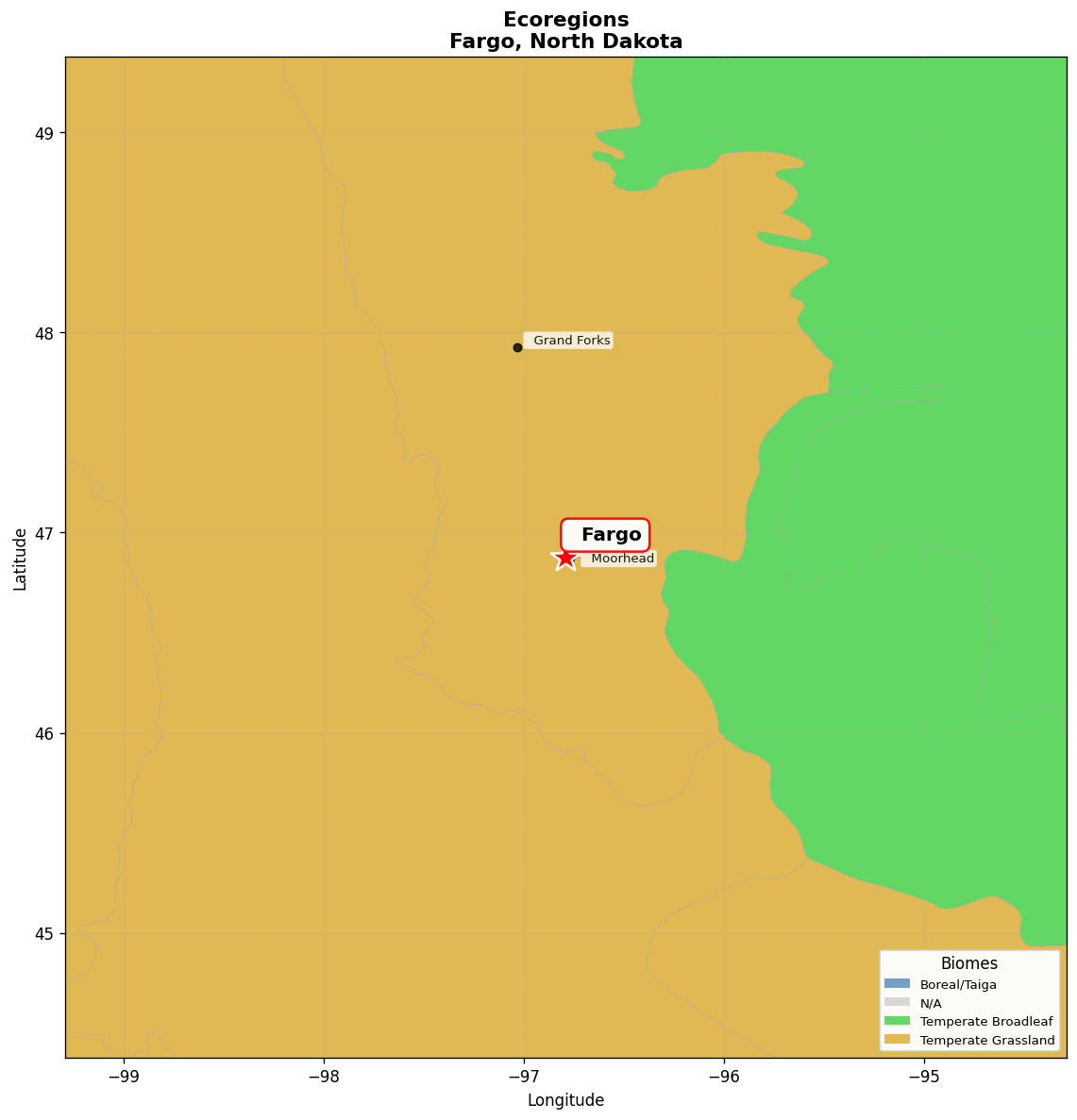
Northern Tallgrass prairie
Native ecoregionFrequently Asked Questions
How much does a cottage garden cost in Fargo, ND?
Fargo-Moorhead install prices run a little below the national average. A planted front cottage border on a typical 400–600 sqft frontage in Hawthorne or Roosevelt runs about $7,000–18,000 installed, more with a brick walk and fence. Brick or concrete paver walks land around $18–32/sqft once the deep base that Red River clay needs is included. A cedar gate arbour set below frost depth is roughly $2,500–6,000. Doing the planting yourself and buying Rosa 'Morden Blush', Nepeta 'Walker's Low' and peonies as one-gallon or bare-root plants brings a border in well under $10/sqft.
Which roses survive a Fargo winter?
Plant roses bred for the prairies, not English catalogue roses. The Canadian Explorer and Parkland series are the backbone: Rosa 'John Cabot' and 'William Baffin' as climbers that survive on the arbour, and Rosa 'Morden Blush', 'Hope for Humanity', 'Adelaide Hoodless' and 'Winnipeg Parks' as shrub roses. They are hardy to the -25 to -30°F of a Zone 4a winter on their own roots. Rosa 'New Dawn' and most David Austin roses die back to the snow line here at best. Plant own-root roses with the crown 2 inches below grade and leave the canes standing over winter to catch snow.
Is a cottage garden a lot of maintenance in Fargo?
Less than in a long-season climate, because the season is short: the average last frost at Hector Airport is May 10 and the first is September 30. The work comes in two bursts. In May you cut back last year's stems, divide crowded clumps and stake the delphiniums before they reach a foot tall. In September and October you deadhead, mulch and leave the rose canes and grasses standing for snow catch. In between, an established border on Lake Agassiz clay needs an inch of water a week only in dry spells, since June averages over 4 inches of rain.
When is the best time to plant in Fargo?
Mid-May through early June for most perennials and roses, once the ground has thawed and the May 10 average last frost has passed. Peonies are the exception: plant bare-root peonies in September, eyes no deeper than 2 inches, so they root before the ground freezes. Late August to mid-September also works for potted perennials, but anything planted later than that tends to heave out of the clay in the first freeze-thaw cycle of spring. Delphiniums and hollyhocks grow fastest when planted in the cool weeks of late May.
Do I need a permit for a fence, arbour or deck in Fargo?
Check with the City of Fargo Inspections Department before building any fence, deck or large structure, since height, setback and corner-lot visibility rules depend on where the structure sits. The city's deck handout uses a 4½-foot frost depth and points to the currently adopted International Residential Code. Even where a footing below frost is not required, set arbour and pergola posts that deep anyway, because clay frost heave will otherwise tip them within a couple of winters. Plantings and garden beds themselves need no permit.
Why do some trees and shrubs turn yellow in Fargo yards?
That is iron chlorosis, and it comes from the alkaline Lake Agassiz clay, which usually runs above pH 7.5. Red maple, pin oak, river birch, rhododendron and many hydrangea macrophylla types cannot pull iron from soil that alkaline. For a cottage garden, choose plants that like lime: lilac (Syringa vulgaris 'Charles Joly'), peonies, delphiniums, Hydrangea arborescens 'Annabelle', Explorer roses and bur oak or American linden for shade. A soil test through the NDSU Extension office in Cass County tells you exactly where your beds sit.
Can I grow lavender and boxwood in Fargo?
Treat both as risky. Lavandula angustifolia 'Hidcote' and 'Munstead' sometimes survive a snowy winter and die in an open one, so most Fargo cottage gardens get the same blue from Nepeta × faassenii 'Walker's Low', Salvia nemorosa 'May Night' and Perovskia 'Little Spire'. Boxwood winter-burns badly in March sun and wind on the open prairie; Ribes alpinum 'Green Mound' and Spiraea 'Goldmound' clip to a tidy low edge and never brown.