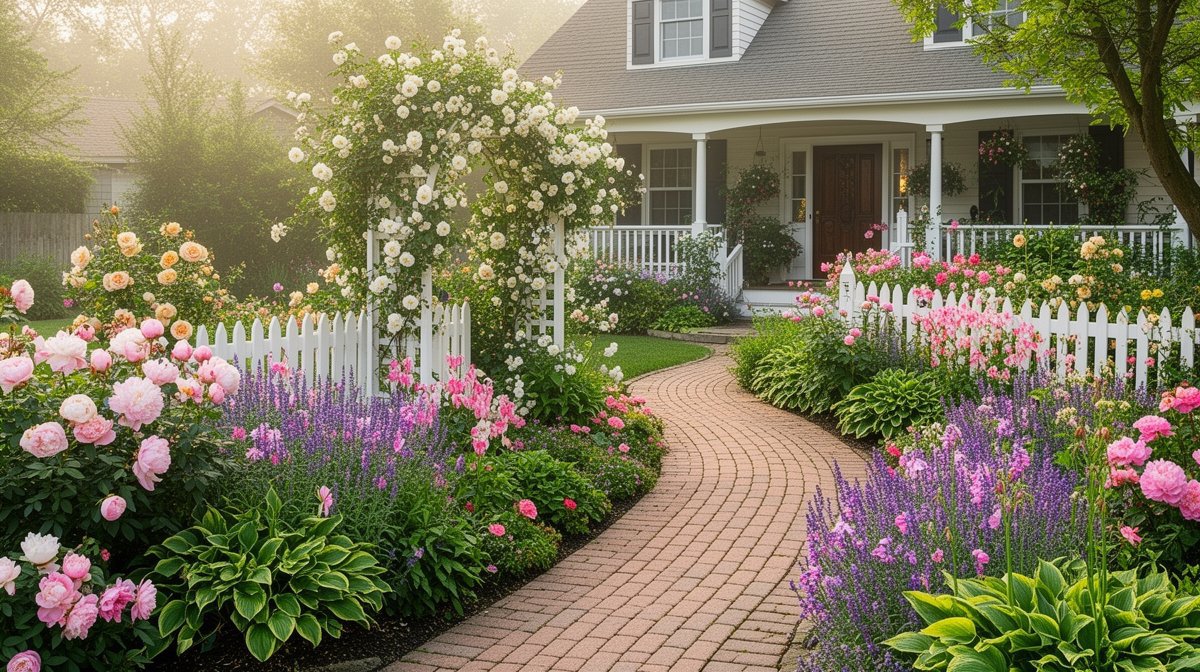
4 Cottage/English Garden Ideas for Sioux Falls, SD | Hardy Border Design for Zone 4b
Native plants from the Central Tallgrass prairie (Zone 4b) — Humid continental (hot summer) climate
Why Cottage/English Gardens in Sioux Falls?
Sioux Falls is better cottage-garden country than its reputation suggests. The 1910s and 1920s housing stock around McKennan Park, All Saints, and Whittier — deep porches, short setbacks, alley garages — is exactly the architecture English-style planting was invented to frame, and the tight city grid gives you an enclosed dooryard scale a half-acre subdivision lot can never fake. Better still, the cold here is an asset rather than an obstacle. Peonies, bearded iris, lilacs, delphiniums, and Oriental poppies all require a hard winter chill to perform, and the same plants that sulk through a mild Southern winter run riot in Minnehaha County loam. A June border of Paeonia 'Festiva Maxima', Delphinium 'Magic Fountains Dark Blue', and Syringa 'Miss Kim' is genuinely a better show here than the same border in Atlanta.
What Zone 4b will not forgive is an English plant list copied straight out of a Cotswolds photo book. Sioux Falls bottoms out near -25°F in a normal winter and has recorded -36°F, with only about 150 frost-free days between an early-May last frost and an early-October freeze. David Austin roses, Hydrangea macrophylla mopheads, Buxus sempervirens, and Lavandula angustifolia 'Hidcote' will be dead or disfigured inside three winters. The substitutes are not compromises: Rosa 'William Baffin' and Rosa 'John Cabot' (Explorer series, hardy to -40°F) climb an arbor with no winter protection at all; Rosa 'Therese Bugnet' and 'Morden Blush' cover the shrub-rose role; Hydrangea paniculata 'Limelight' and H. arborescens 'Incrediball' bloom on new wood and cannot be frozen out of flower; Buxus 'Green Velvet' and 'Green Gem' hold a clipped sphere if the northwest face gets burlapped; and Nepeta 'Walker's Low' gives you the lavender haze that lavender itself only manages in a raised gravel bed.
Two site conditions decide whether any of it lasts. The glacial till under Sioux Falls is alkaline, commonly pH 7.4 to 8.2, which puts acid-lovers permanently off the table — no rhododendrons, no azaleas, no blue mopheads, and no pin oak or red maple unless you enjoy yellow chlorotic leaves. Amend with compost and buy lime-tolerant stock instead of fighting the pH. Second, the frost line runs 42 to 48 inches, so every arbor post, pergola pier, and picket-fence post has to be set below it or January heave will rack the gate out of square by April. Add roughly 26 inches of annual precipitation that arrives mostly between May and September, plus a relentless northwest prairie wind that desiccates evergreens far more effectively than the cold does, and the build list writes itself.
4 Cottage/English Design Ideas for Sioux Falls
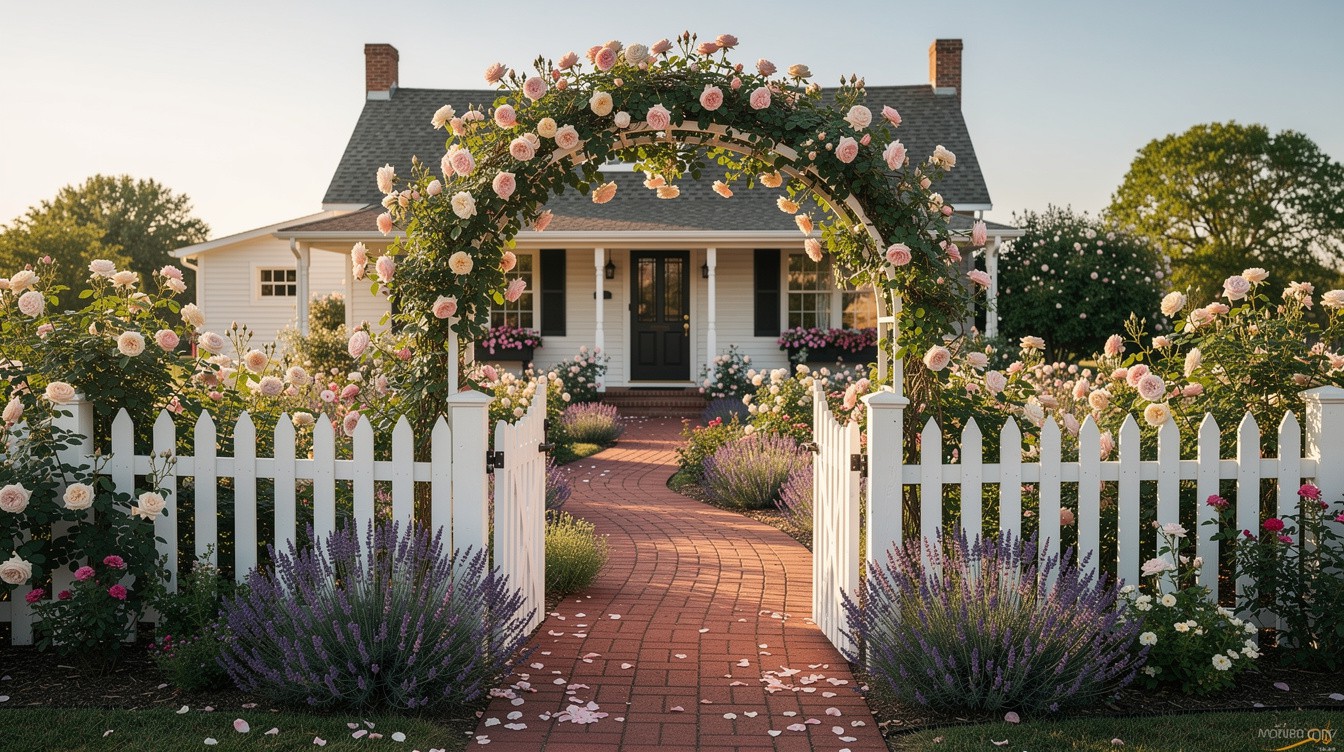
The Rose Arbor Gate on a Brick Walk
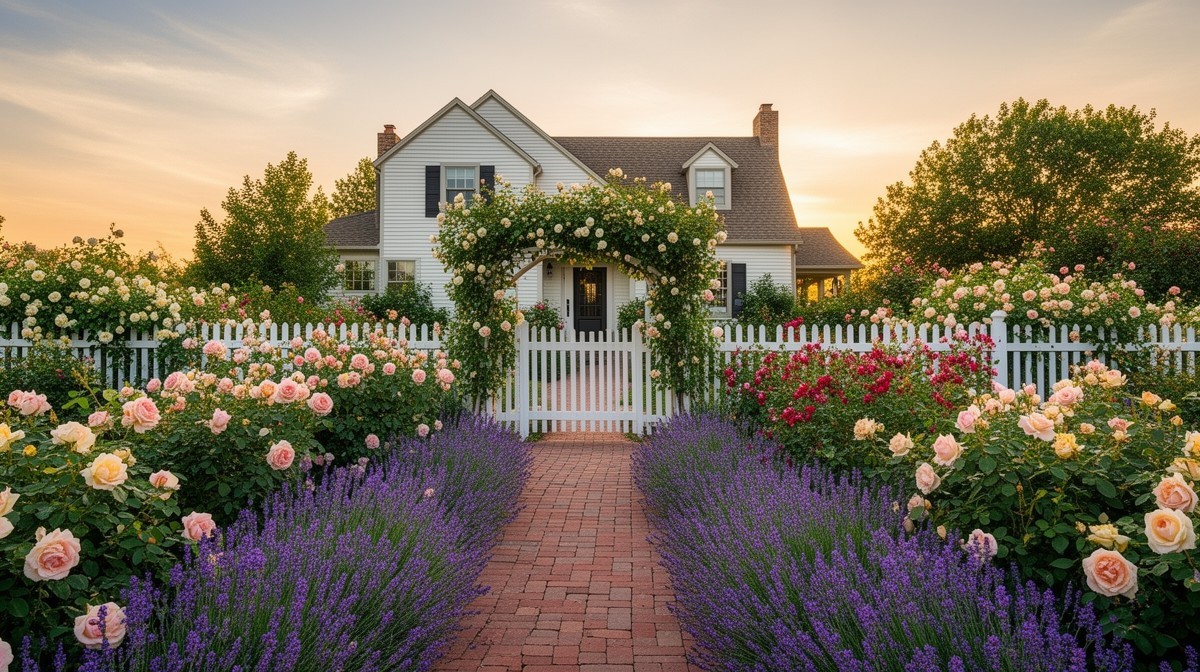
$14–26/sqftA white farmhouse sits behind a painted picket fence, and the whole composition hangs on one moment: a broad timber arbor over the gate, completely smothered in blush and cream climbing roses, with a clay-brick walk curving underneath to a black front door. Shrub roses bank the fence line on both sides and mounded catmint spills over the brick edges in a purple haze. This is the design most likely to fail in Sioux Falls if you buy the wrong rose — a Zone 5 climber dies back to the snow line every February and never gets tall enough to arch. Plant Rosa 'William Baffin' or 'John Cabot' instead and the arbor fills in by year three with zero winter protection.
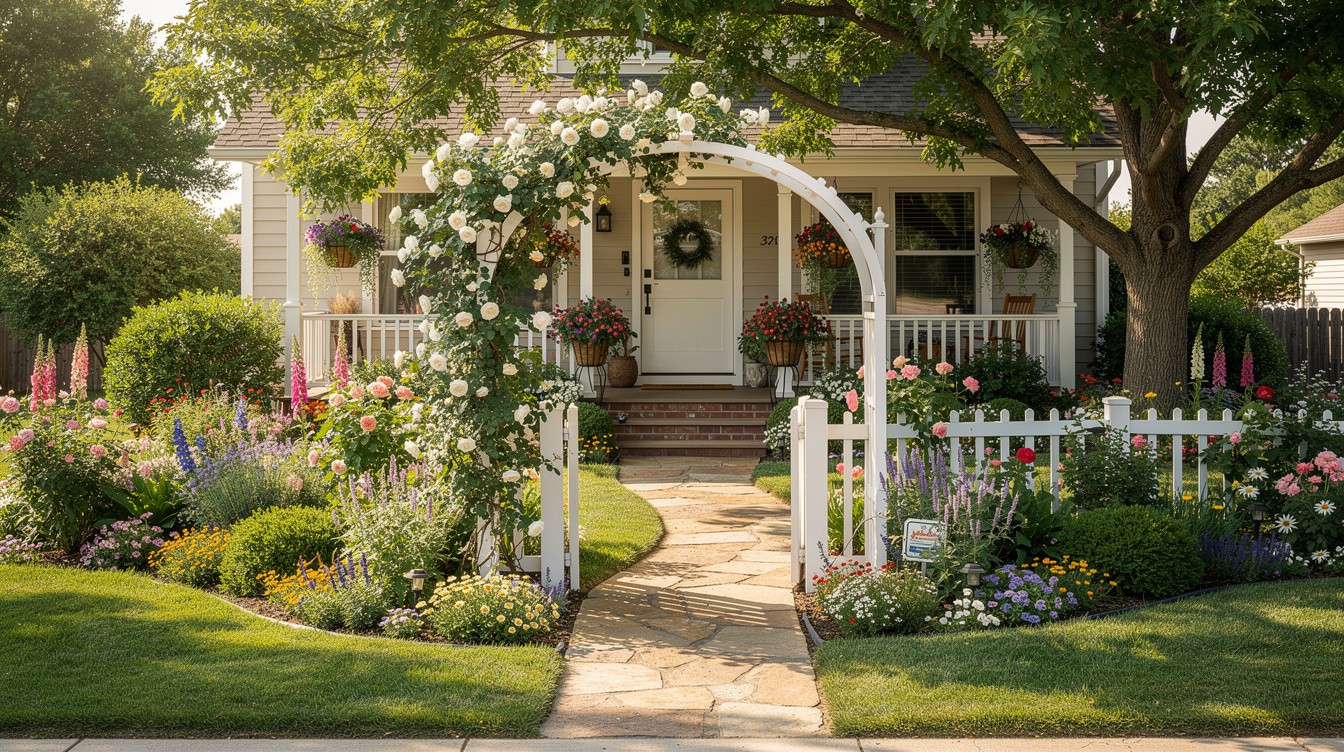
The Bungalow Dooryard Border
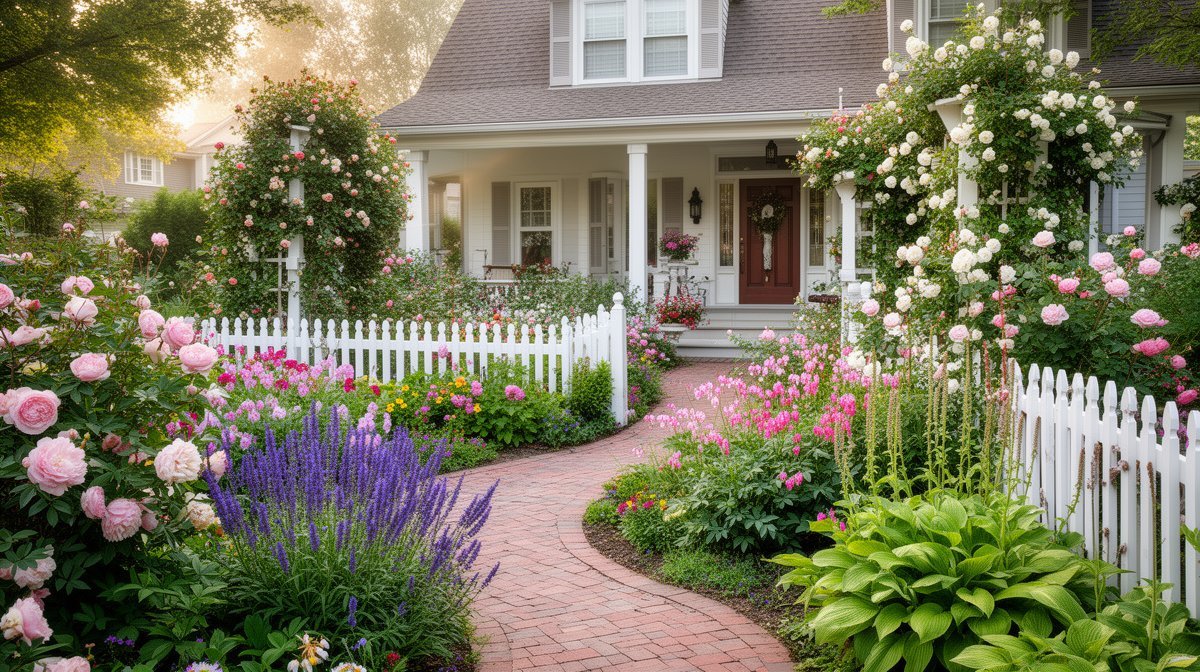
$11–20/sqftA cream 1920s bungalow with a deep porch, hanging baskets, and a wreath on the door, fronted by a white arch of pure-white roses over a Sioux quartzite flagstone walk. The beds either side are a full cottage mix — spires of foxglove and delphinium at the back, clipped green spheres and mounded lady's mantle at the front, daisies and yellow annuals filling every gap — and a mature boulevard tree throws dappled shade across the left half of the yard, so the border quietly shifts to shade plants under the canopy. The half-height picket runs only across the right side, which is the trick that keeps a small front yard from feeling fenced in.
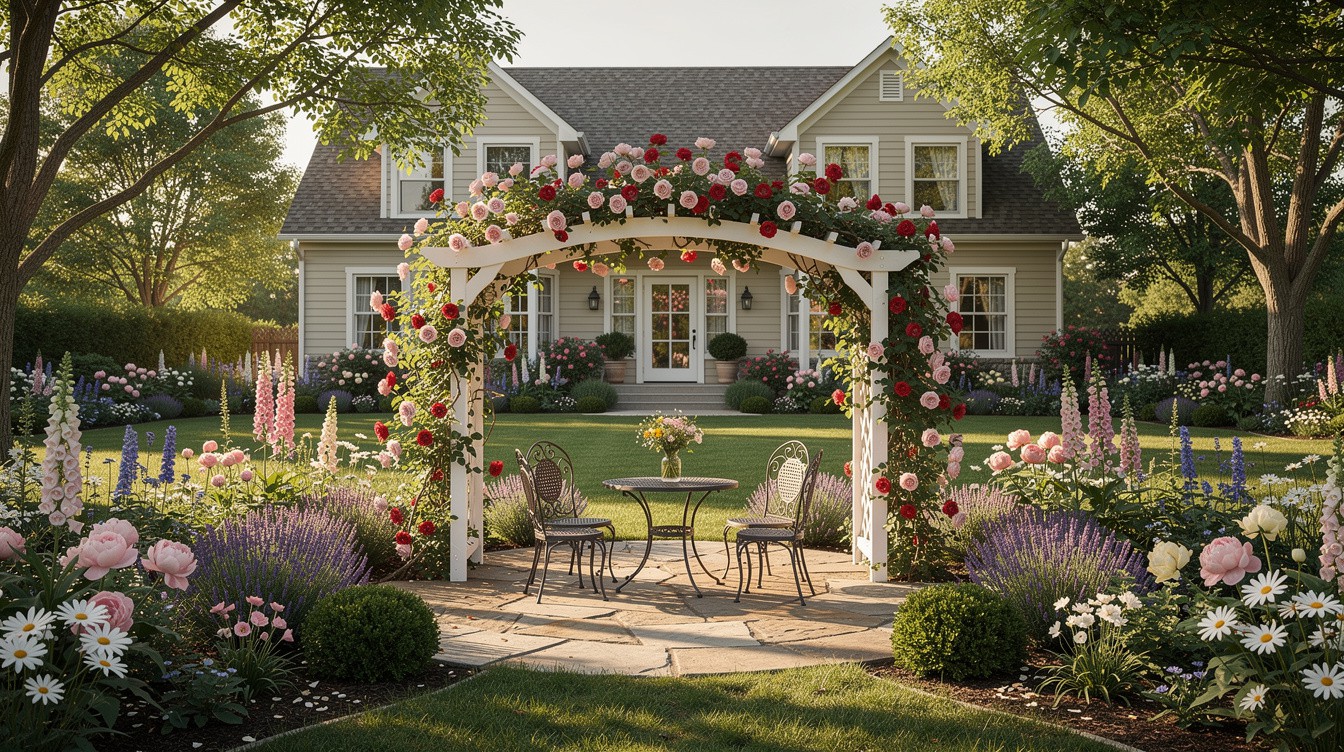
The Rose Pergola and Twin Perennial Borders
$18–32/sqftThe back of a gambrel-roofed house opens onto a flagstone terrace under a white timber pergola loaded with red and pink climbing roses, with a bistro table and iron chairs set beneath it. A mown lawn panel runs from the terrace to the house, and it is flanked by two genuinely deep borders — peonies and delphiniums at the back, catmint and shasta daisies at the front, clipped green spheres punctuating the rhythm — with a lilac hedge closing the far side. It is the most classically English idea here and, counterintuitively, the one Sioux Falls grows best: peonies and delphiniums are cold-obligate plants that peak in a Zone 4b June.
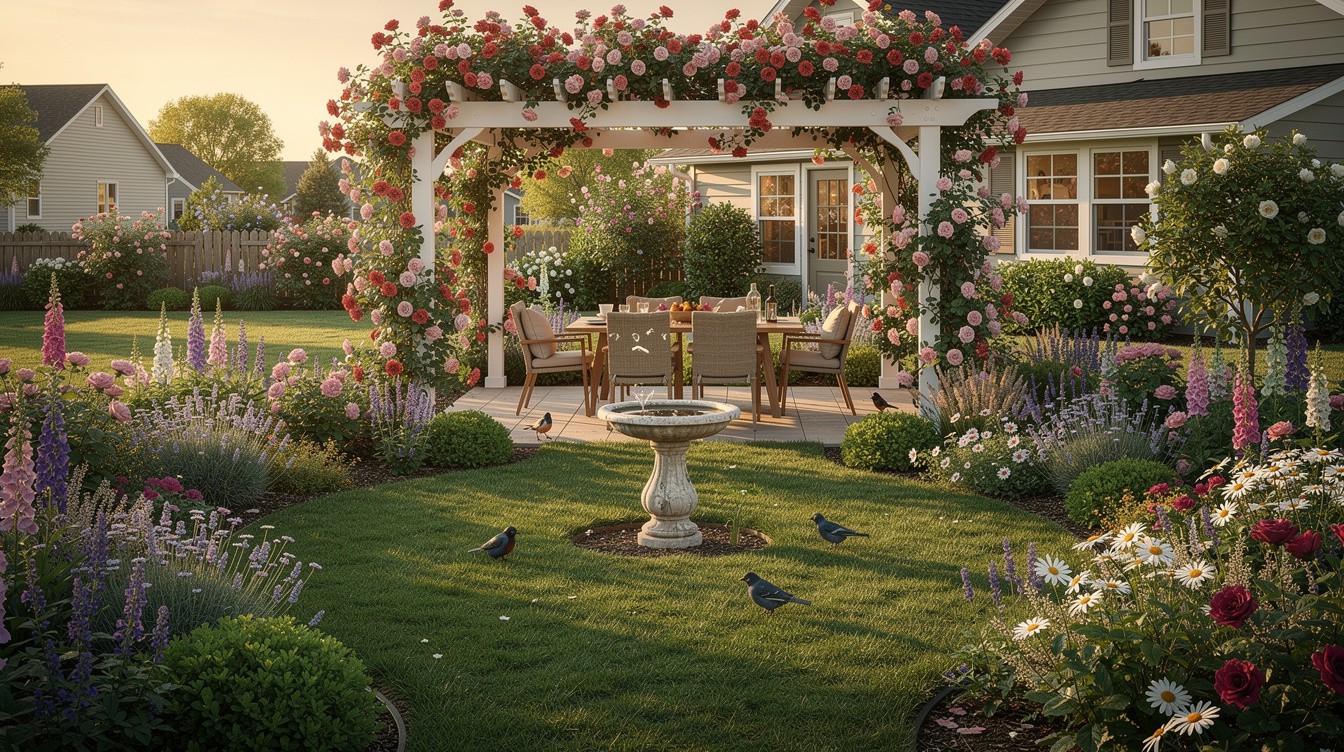
The Birdbath Lawn Room
$13–24/sqftA tighter city backyard where the neighbors' rooflines are visible on three sides, solved by planting the perimeter hard and leaving the middle open. A white pergola over a concrete dining terrace sits against the house, roses climbing every post, and a cast-stone birdbath anchors a small circular cutout in the lawn. The borders do all the screening work — lupines, foxglove, and delphinium spires against the fence, roses and hydrangeas mid-border, catmint and daisies at the edge — and the steel-edged mulch line keeps the whole thing readable in April before anything leafs out. Birds are on the lawn for a reason: this planting mix feeds them from May to October.
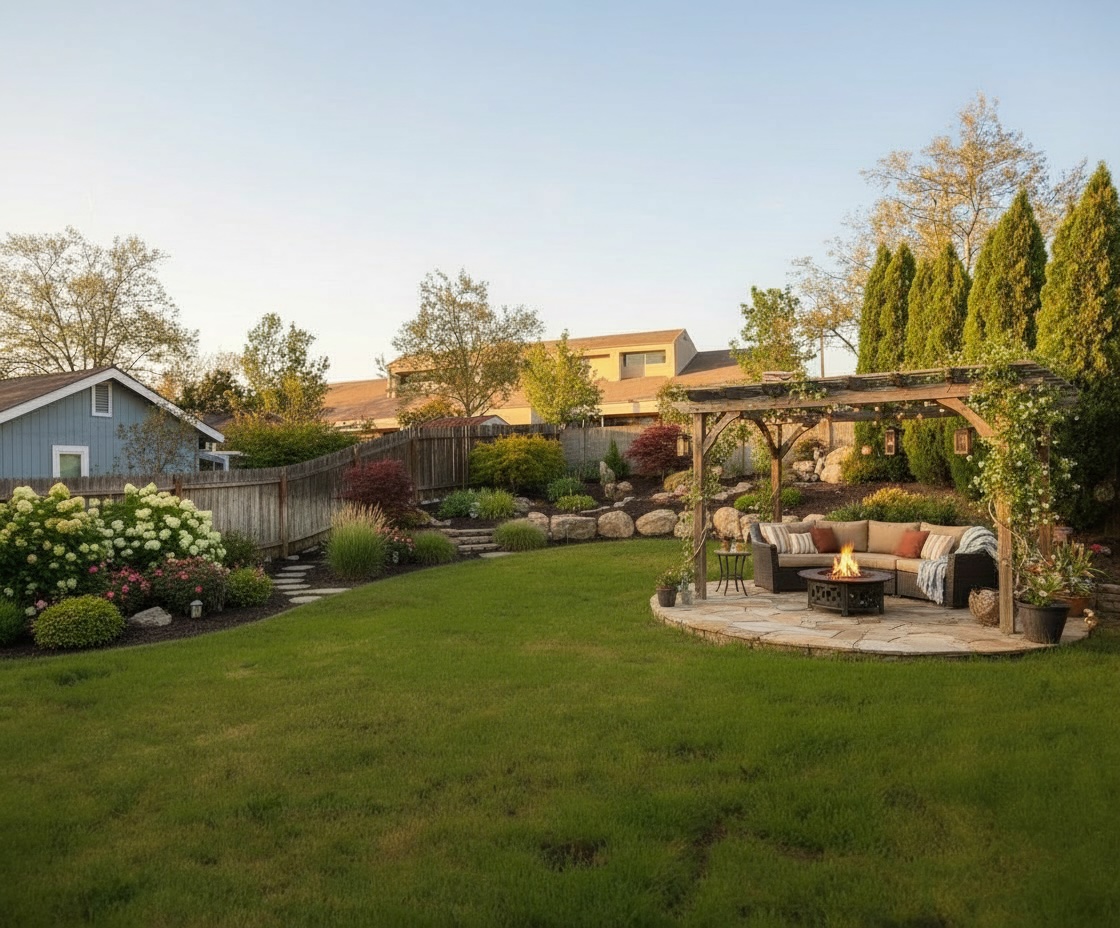
See how a cottage/english garden looks on YOUR property
Upload a photo of your Sioux Falls yard and visualize your dream garden in seconds.
Try ProScapeAI Free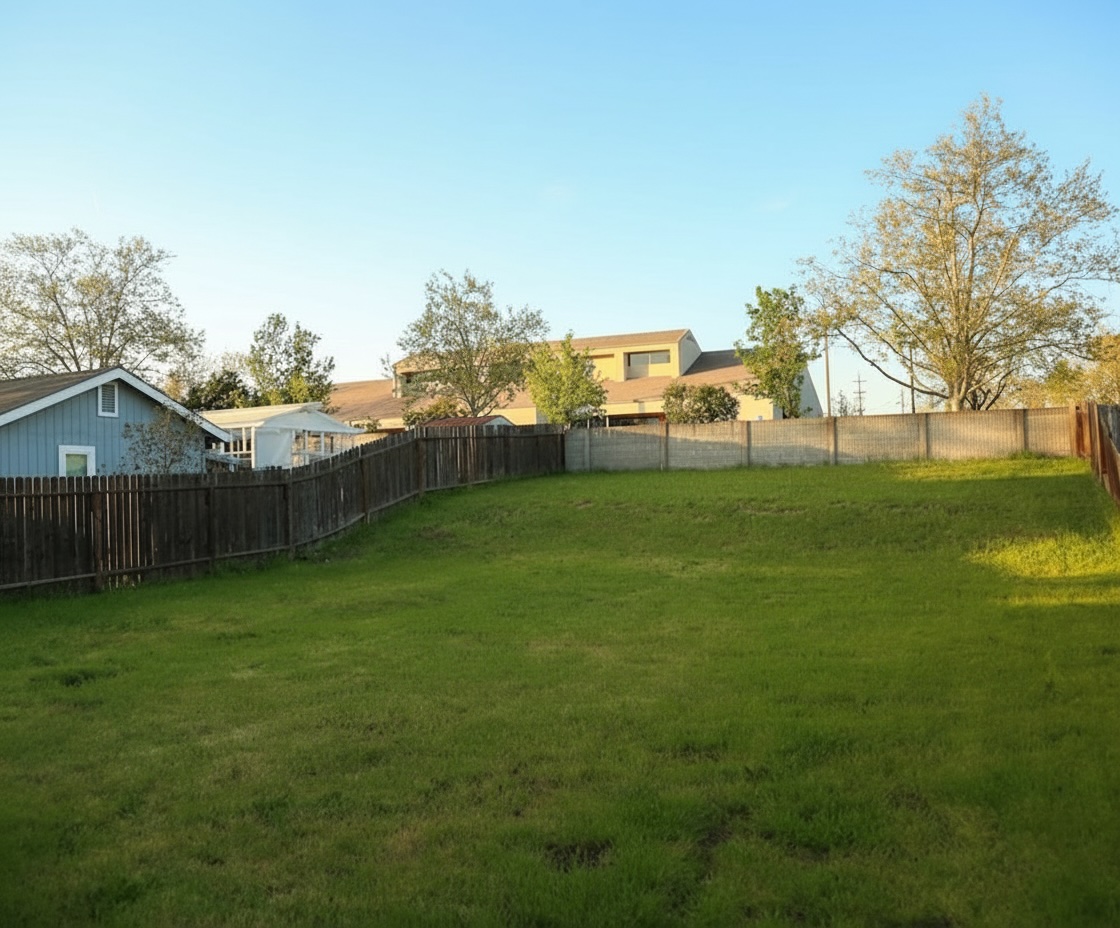
Featured Trees & Shrubs for Cottage/English Gardens
Browse all 187 plants for Sioux Falls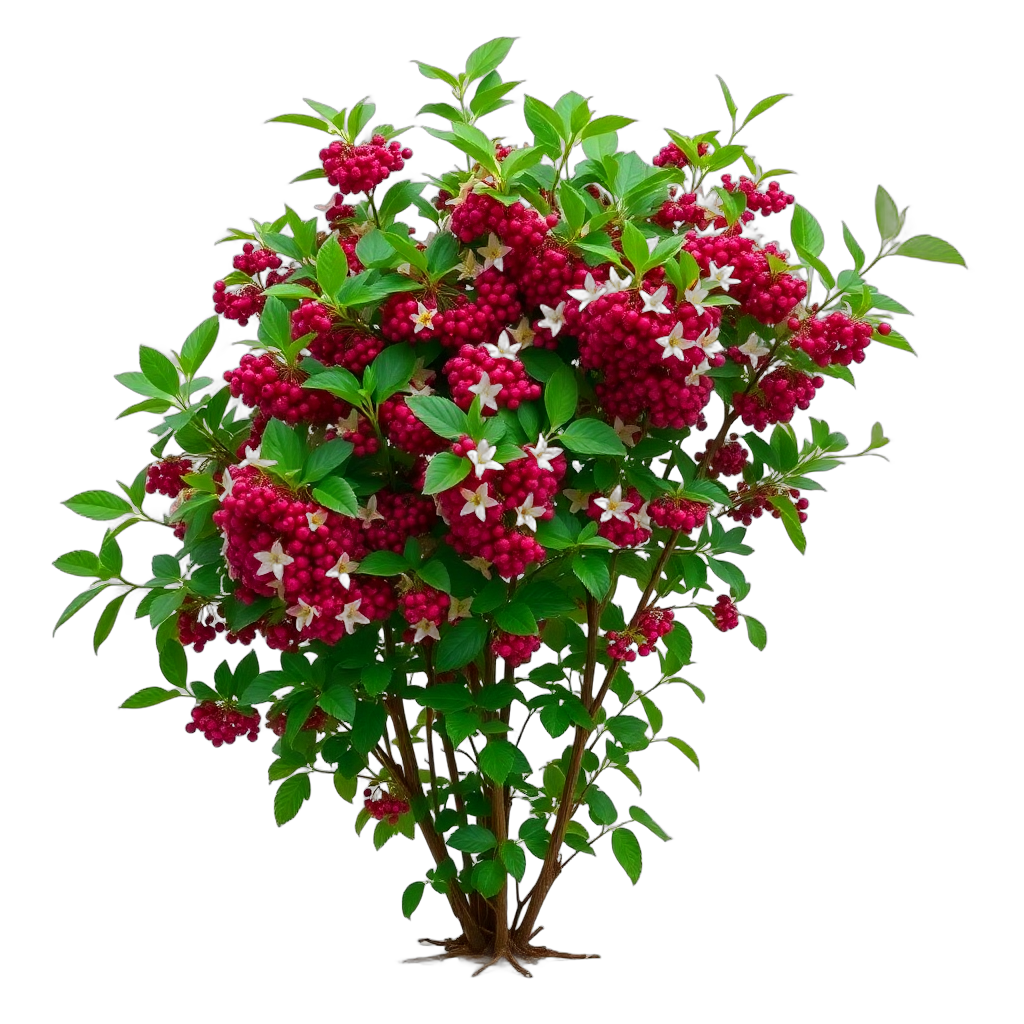
Clove Currant
Ribes odoratum
grows to 6 feet, yellow blooms in spring. Attracts hummingbirds.

Fragrant Sumac
Rhus aromatica
grows to 4 feet, yellow blooms in spring. Attracts butterflies.
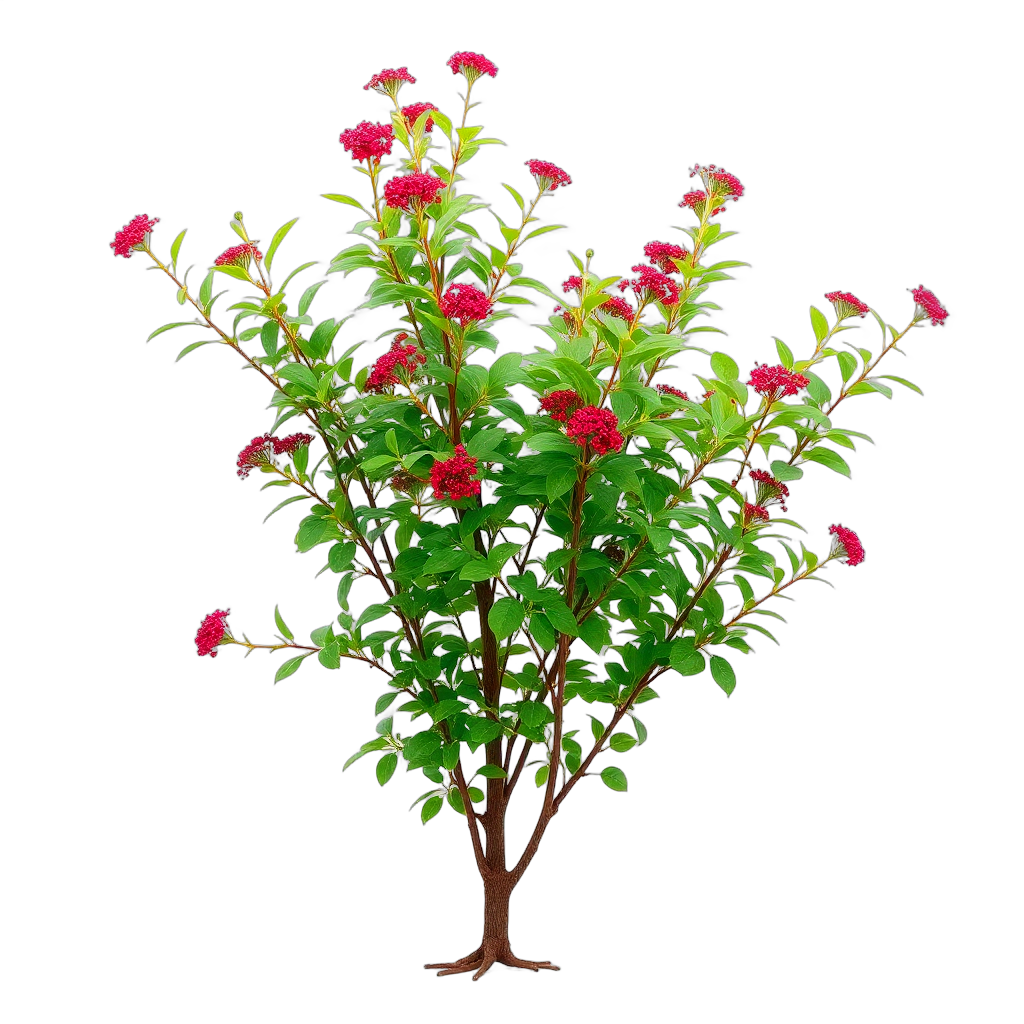
Smooth Sumac
Rhus glabra
medium-sized at 12 feet, white,green blooms in summer. Attracts butterflies.
Featured Grasses & Groundcovers for Cottage/English Gardens
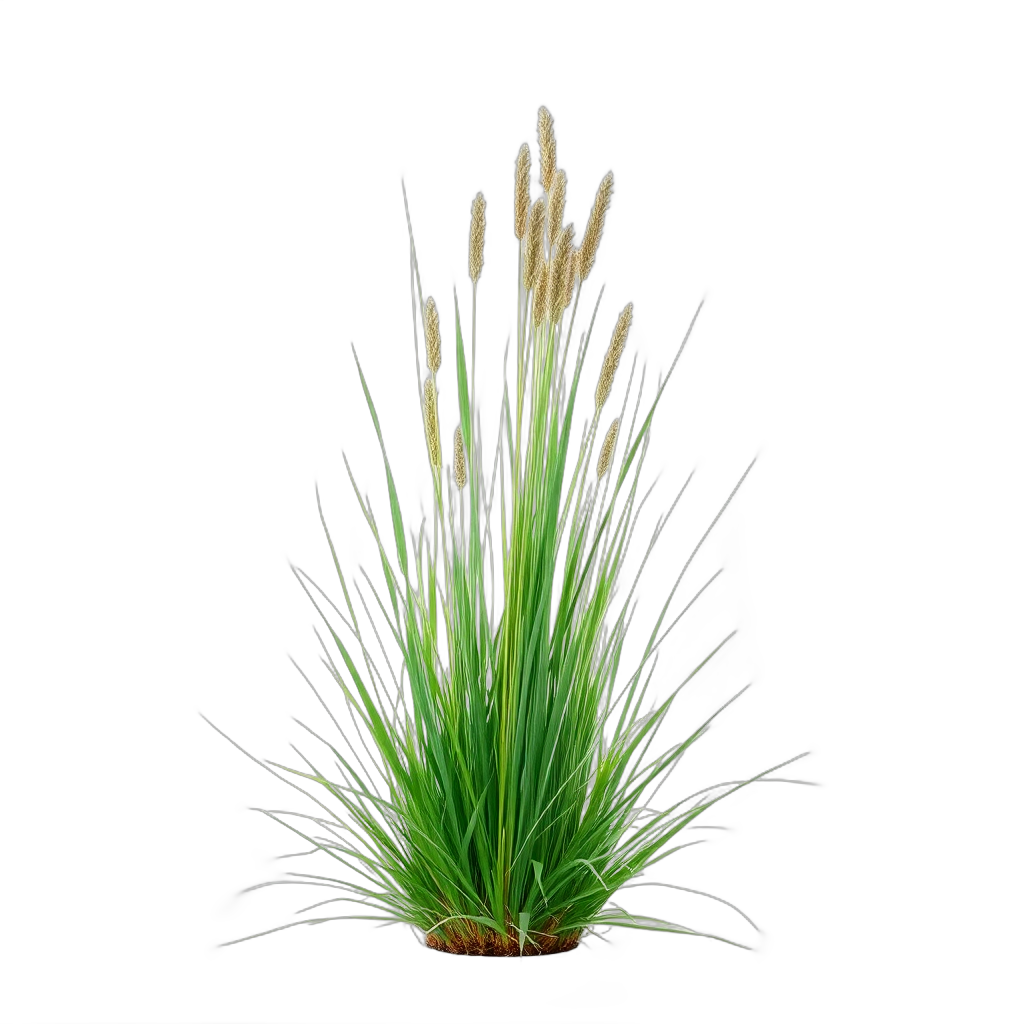
Big Bluestem
Andropogon gerardii
medium-sized at 7 feet, purple blooms in fall. Bronze,burgundy fall color.
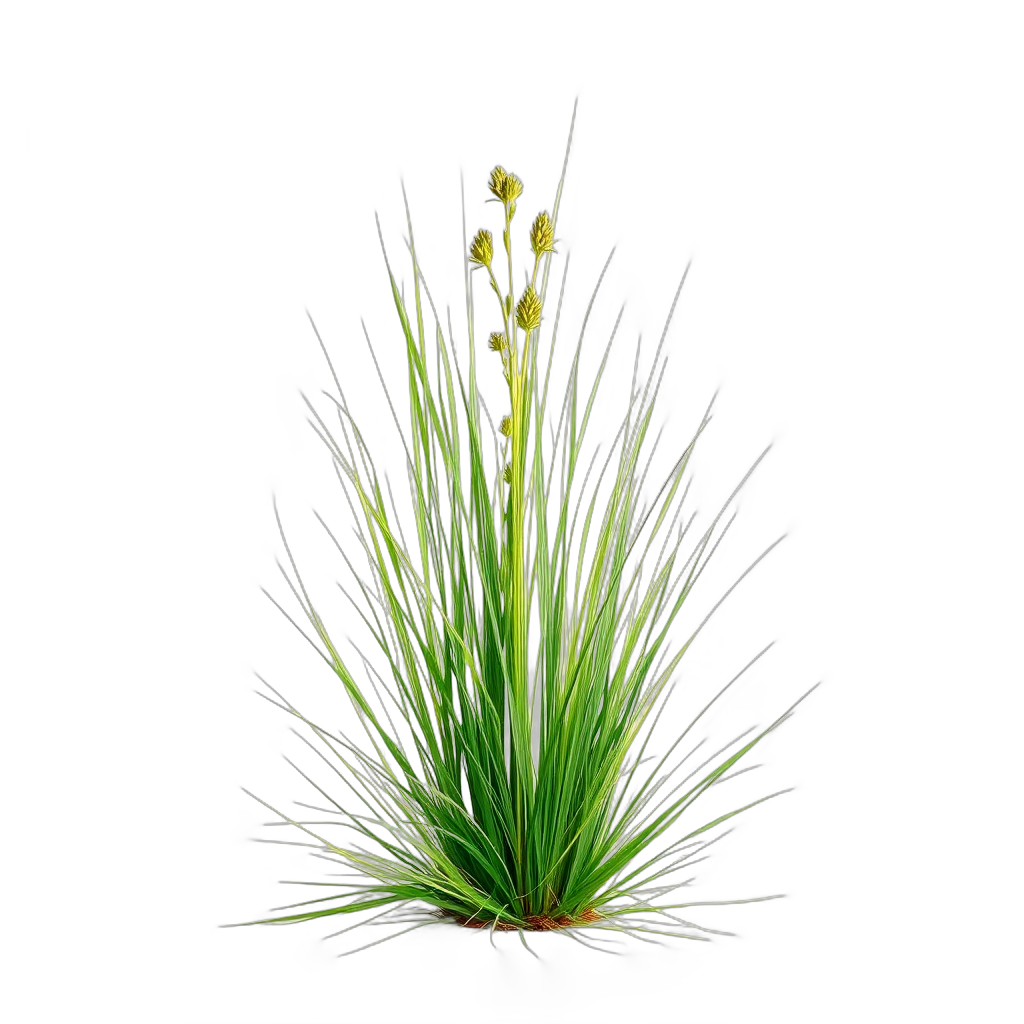
Canada Wild Rye
Elymus canadensis
grows to 4 feet, blooms in summer. Yellow fall color.
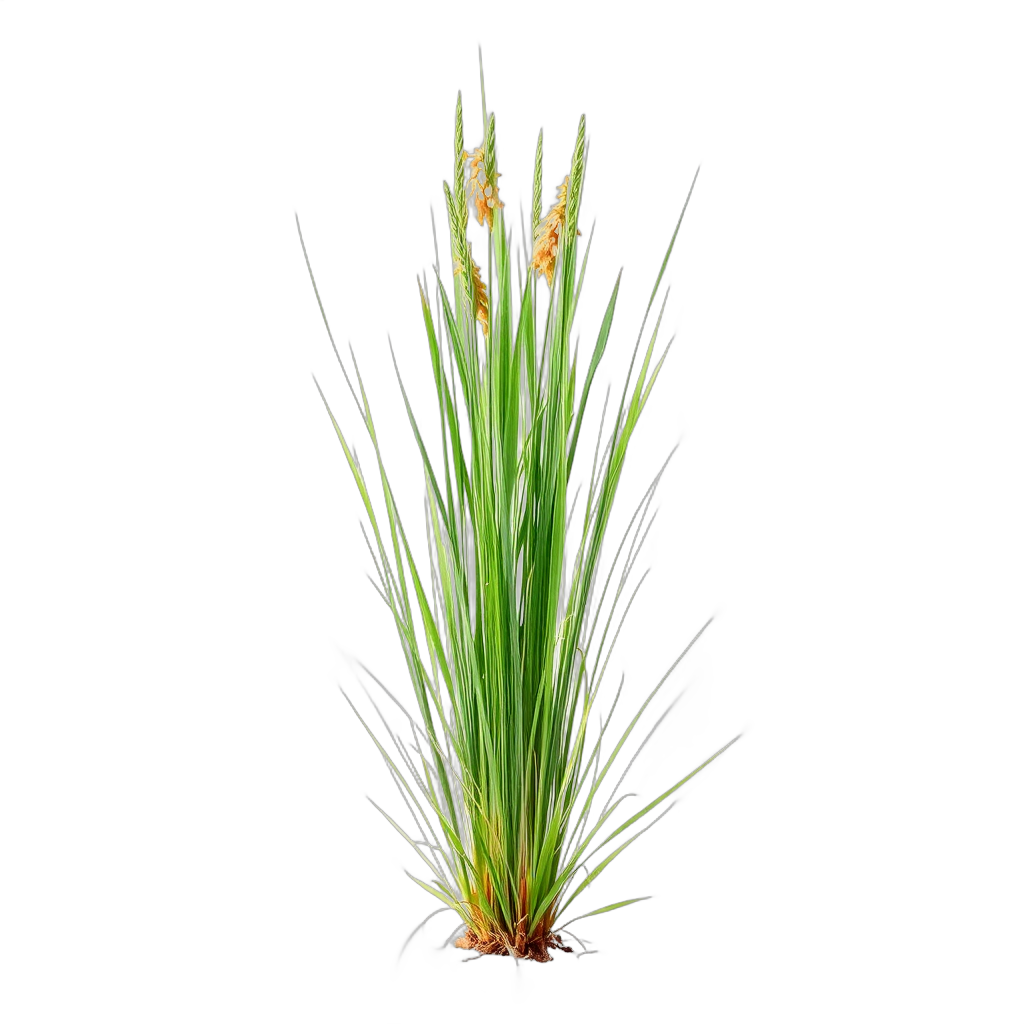
Eastern Gamagrass
Tripsacum dactyloides
grows to 6 feet, blooms in summer. Yellow fall color.
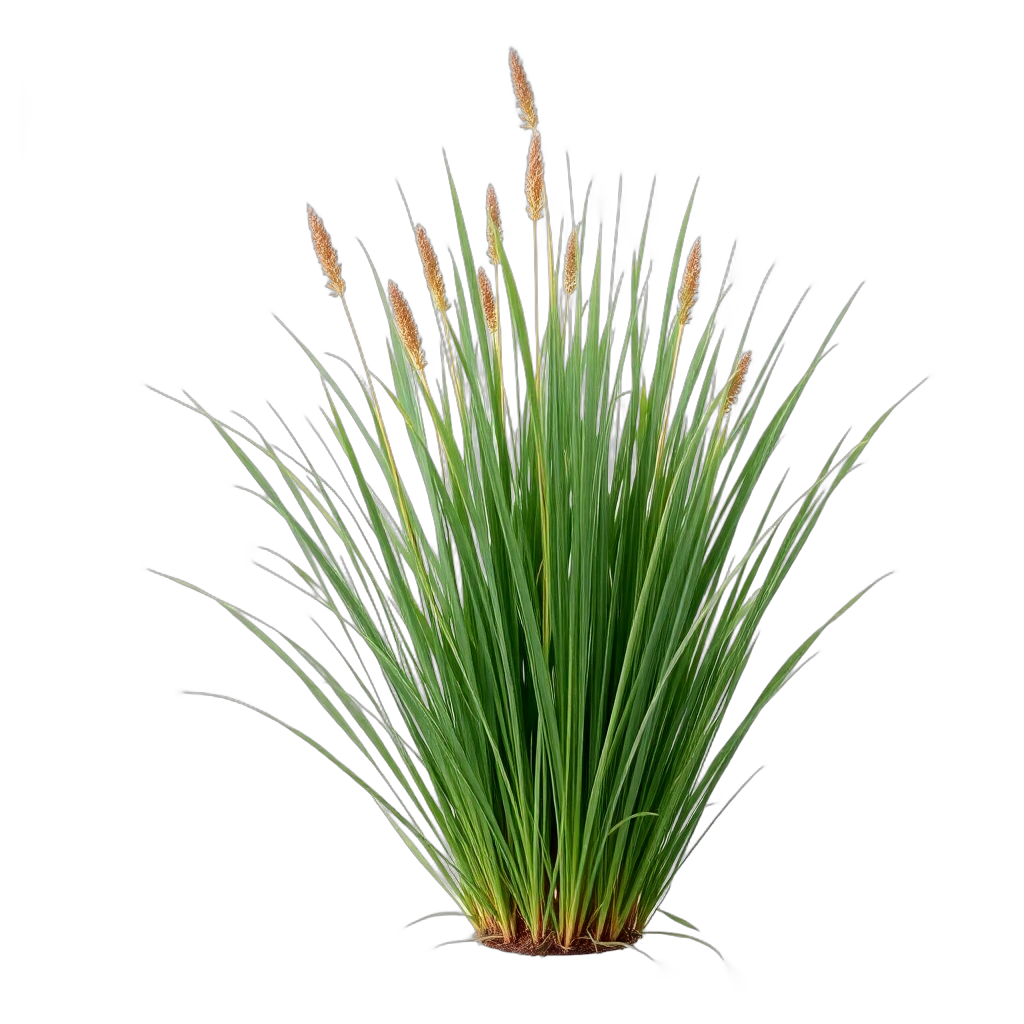
Heavy Metal Switchgrass
Panicum 'Heavy Metal'
grows to 4 feet, pink blooms in summer. Yellow fall color.
Featured Flowers & Perennials for Cottage/English Gardens
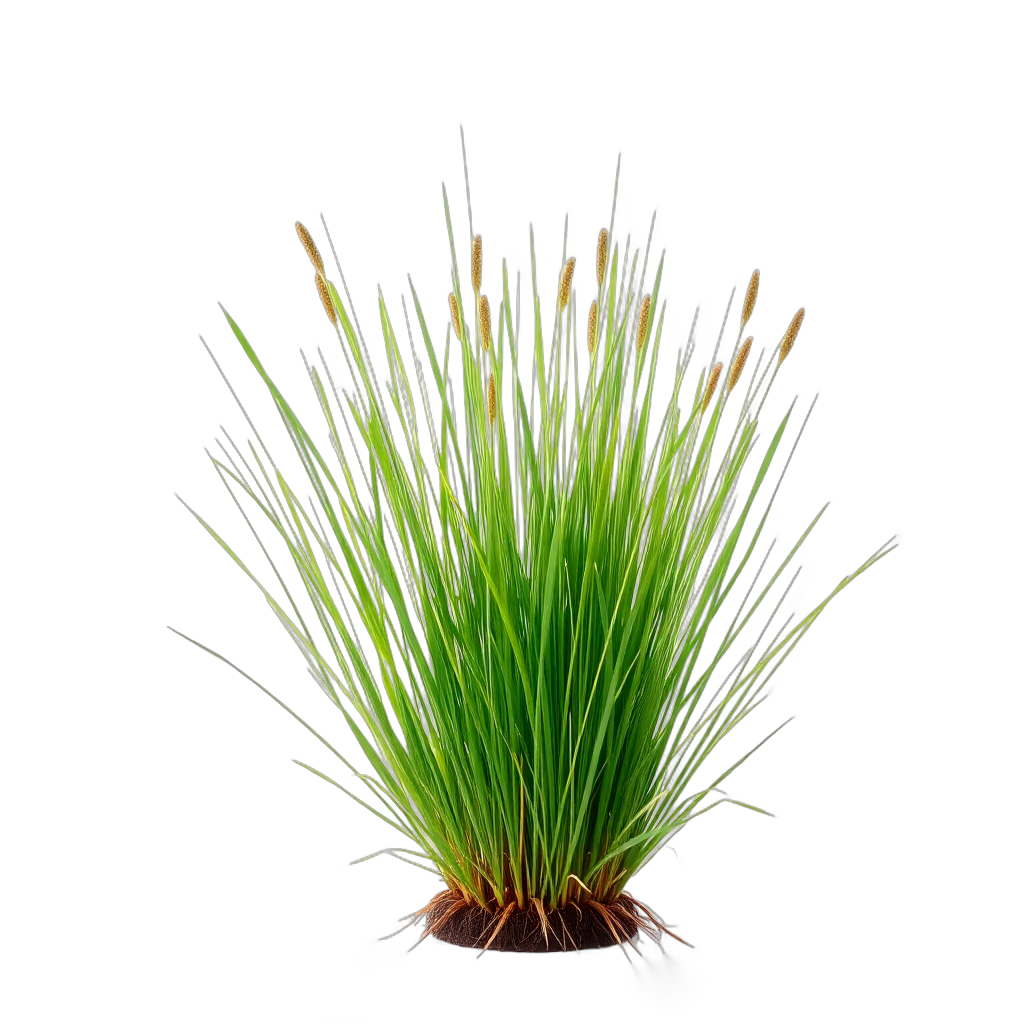
Path Rush
Juncus tenuis
low-growing ground cover, blooms in summer. Evergreen year-round.
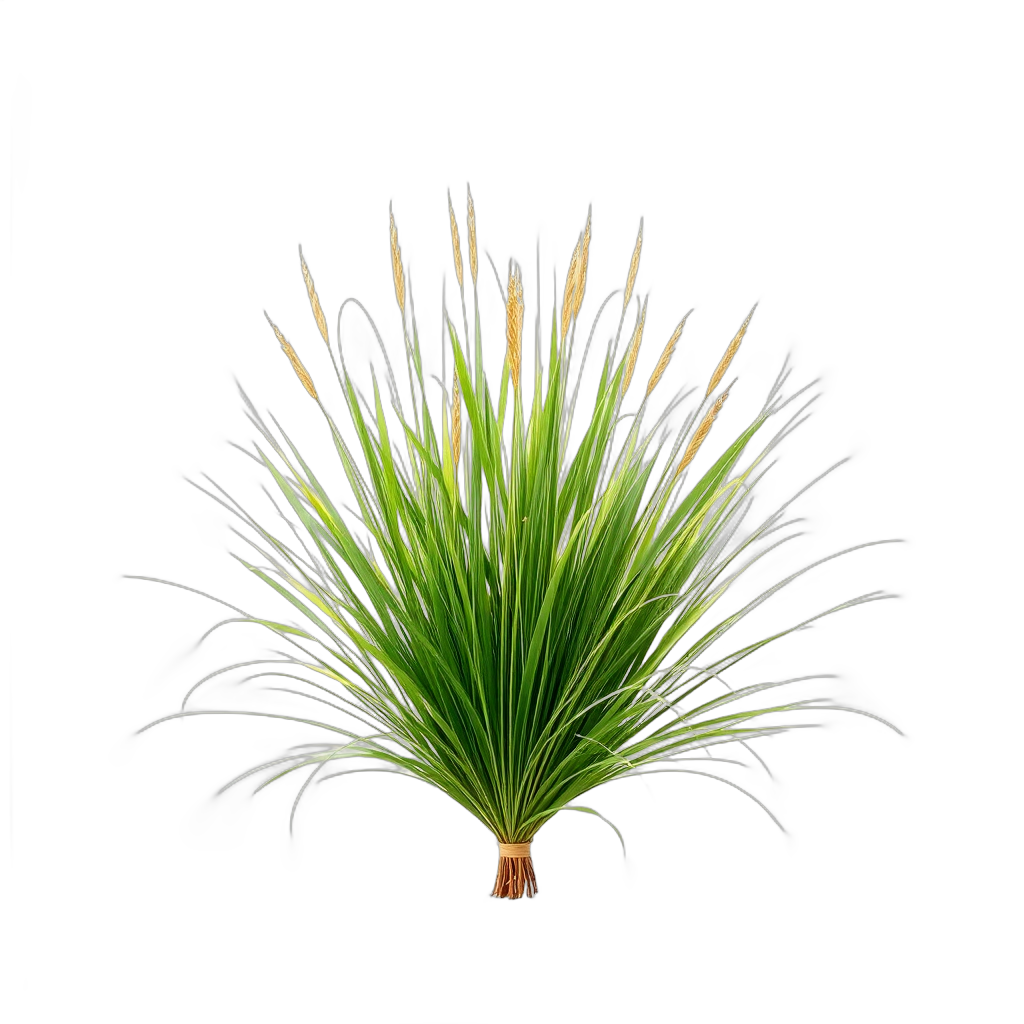
Prairie Cordgrass
Spartina pectinata
grows to 6 feet, blooms in summer. Yellow fall color.
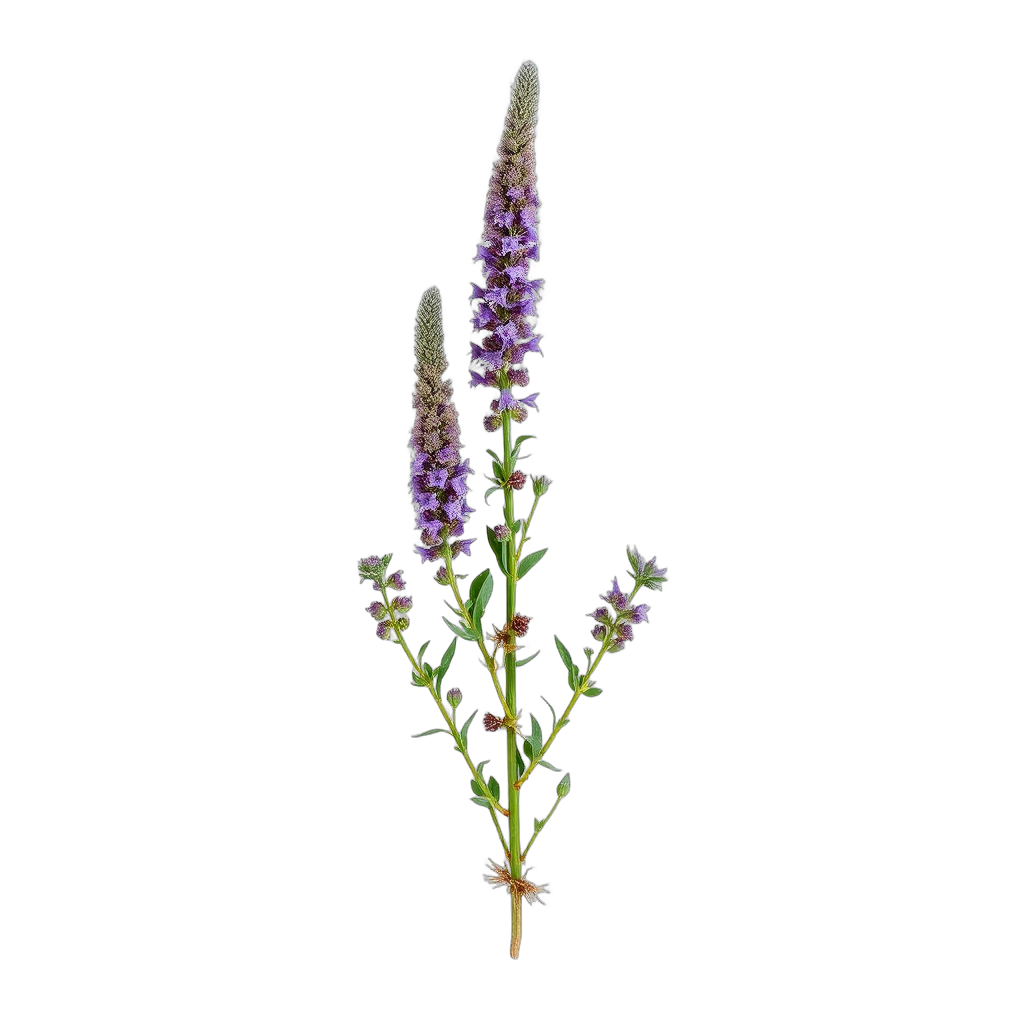
Anise Hyssop
Agastache foeniculum
grows to 3 feet, purple blooms in summer. Attracts hummingbirds.
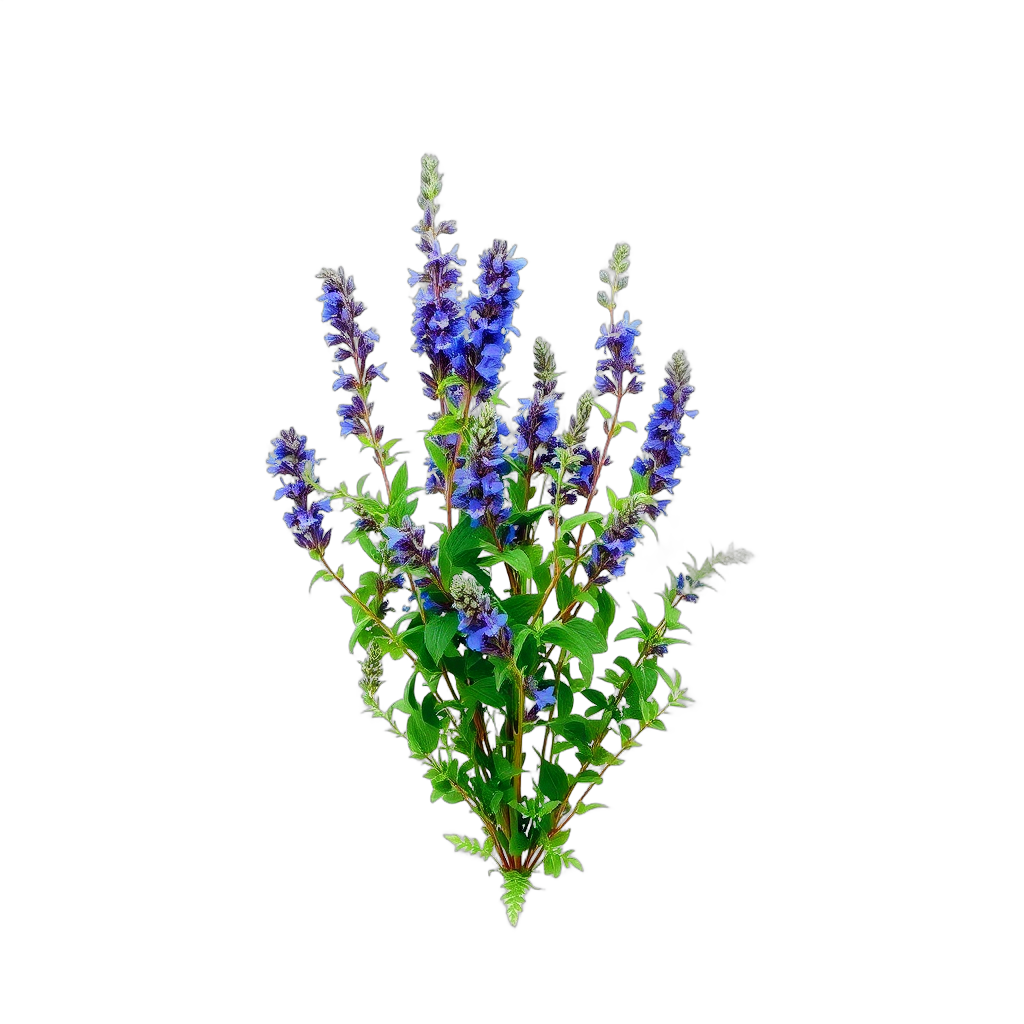
Azure Sage
Salvia azurea
grows to 4 feet, blue blooms in fall. Attracts hummingbirds.
Bloom Calendar for Sioux Falls
spring
Blue False Indigo, Foxglove Beardtongue, Golden Alexandersummer
Path Rush, Prairie Cordgrass, Anise Hyssopfall
Azure Sage, Maximilian Sunflower, New England Asterwinter
Limited bloomsDesign Tips for Sioux Falls (Zone 4b)
- Buy every climbing rose from the Explorer or Parkland series — Rosa 'William Baffin', 'John Davis', 'Henry Kelsey', 'John Cabot' — because a Zone 5 climber freezes to the snow line each winter and your arbor never fills in
- Set arbor, pergola, and fence posts 48 inches deep in concrete; Sioux Falls frost reaches 42–48 inches and a shallow post will lift your gate out of square in a single winter
- Let peonies and delphiniums carry June rather than trying to force hydrangea mopheads — Paeonia 'Festiva Maxima' and Delphinium 'Pacific Giant' are cold-obligate plants that perform better in Zone 4b than in most of the country
- Use Nepeta 'Walker's Low' anywhere a photo shows lavender; it reads identically from ten feet, blooms three times as long, and does not rot in heavy till the way Lavandula angustifolia does
- Plant a windbreak layer on the northwest corner — Syringa 'Miss Kim', Physocarpus 'Little Devil', or Picea glauca var. densata — because prairie wind desiccation kills more evergreens here than low temperature does
- Leave the snow where it falls on your borders; 45 inches of annual snowfall is free insulation that keeps crowns at a steady 30°F, and shoveling beds clear is the fastest way to lose marginal perennials
Where to Source Plants in Sioux Falls
Skip the big-box stores. These independent Sioux Falls nurseries specialize in the plants that make cottage/english gardens thrive in Zone 4b.
Cliff Avenue Greenhouse & Garden Center
East Side
Full-service greenhouse with houseplants, annual and perennial bedding plants, and garden decor.
Landscape Garden Centers
South Side
16 acres of landscape trees, shrubs, annuals, perennials, and a full rock yard.
Rock Garden Nursery & Landscaping
North Sioux Falls
South Dakota native plants, landscape design, and full nursery stock.
Norm's Greenhouse & Nursery
Tea (southwest metro)
Third-generation family grower specializing in annuals, succulents, vegetable transplants, and perennials.
Cottage/English Landscaping Costs in Sioux Falls
| Project Scope | Estimated Cost |
|---|---|
| Front-yard cottage border makeover (400–600 sqft, prepped beds + shrubs and perennials) | $3,500 – $8,000 |
| Cedar picket fence + arbor gate (60–100 linear ft, posts below frost line) | $4,500 – $11,000 |
| Sioux quartzite flagstone or clay-brick walk (100–150 sqft on compacted base) | $2,800 – $6,500 |
| Backyard rose pergola over a terrace (12x14, frost-depth concrete piers) | $9,000 – $22,000 |
| Bed soil prep — compost amendment and crowning, per 1,000 sqft | $600 – $1,400 |
| AI visualization with ProScapeAI | Free to start |
Estimates based on Sioux Falls, SD-area contractor rates as of 2026. Actual costs vary by site conditions, materials, and contractor.
Sioux Falls Climate & Growing Zone
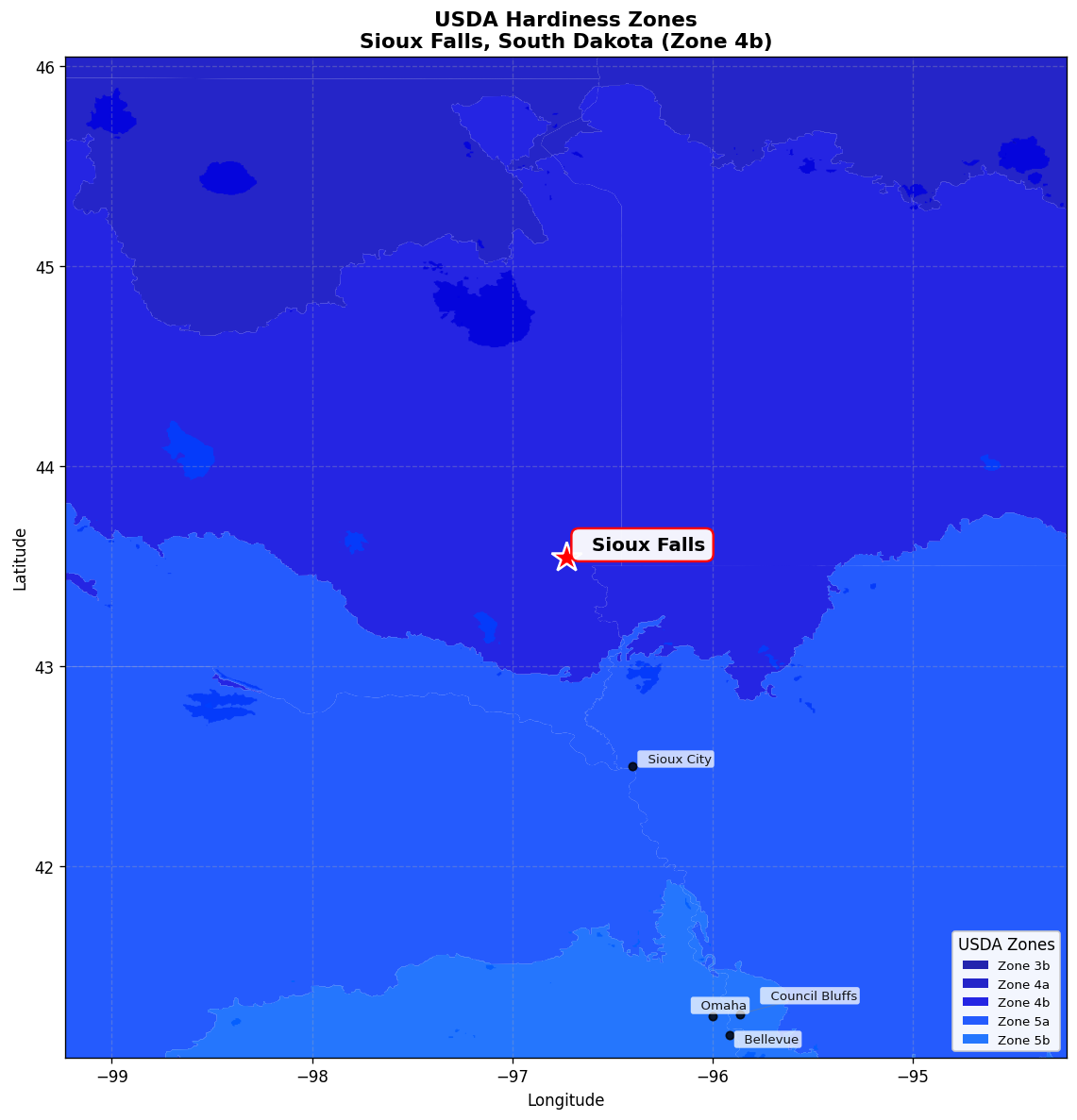
USDA Zone 4b
Hardiness zone for Sioux Falls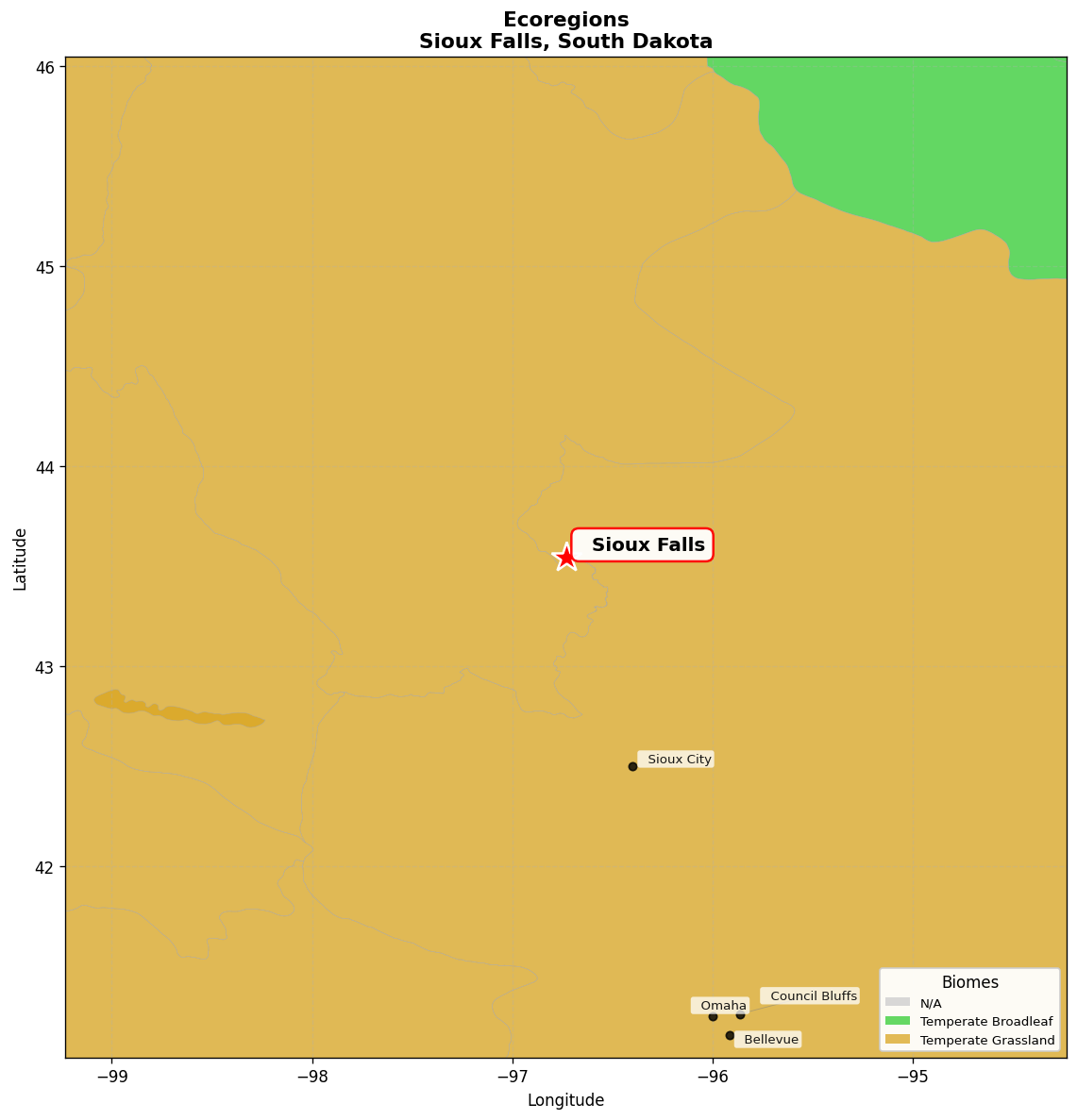
Central Tallgrass prairie
Native ecoregionFrequently Asked Questions
How much does a cottage garden cost in Sioux Falls?
South Dakota labor keeps installed costs roughly 20–30% below national metro averages, so cottage gardens are unusually affordable here. A full front-yard border makeover of 400–600 sqft — bed shaping, compost amendment, steel edging, mulch, and 3-gallon shrubs and perennials — runs $3,500–$8,000 installed. A painted cedar picket fence with an arbor gate, posts set below the 42–48 in frost line, runs $4,500–$11,000 for a typical 60–100 linear feet. A back terrace with a rose pergola and two deep borders lands between $15,000 and $35,000. Doing the planting yourself and hiring out only the fence and hardscape typically cuts the total by 40%.
Which roses actually survive a Sioux Falls winter?
Buy Canadian, not English. The Explorer series bred in Ottawa and the Parkland series bred in Morden, Manitoba are rated to -40°F and need no winter protection at all: Rosa 'William Baffin' and 'John Davis' for arbors (8–10 ft canes that survive above the snow line), 'Henry Kelsey' for red climbing color, 'John Cabot' for the classic pink arch, and 'Champlain', 'Winnipeg Parks', 'Morden Blush', or 'Morden Sunrise' as shrubs. Rosa 'Therese Bugnet' and Rosa rugosa 'Hansa' add fragrance and shrug off alkaline soil. David Austin English roses and hybrid teas will survive as die-back shrubs at best — they freeze to the snow line most winters, so an arch will never fill in. 'New Dawn' is a Zone 5 climber and behaves the same way here.
Can I grow English lavender and boxwood in Zone 4b?
Both are marginal and both have better stand-ins. Lavandula angustifolia 'Hidcote' and 'Munstead' die from wet winter feet in heavy till long before the cold gets them; if you insist, plant 'Phenomenal' in a raised bed of 50/50 native soil and crushed quartzite with gravel mulch. For the same silver-purple haze with none of the risk, use Nepeta 'Walker's Low' or 'Cat's Pajamas', or Perovskia 'Denim 'n Lace'. For boxwood, skip Buxus sempervirens entirely — it burns brown on the windward side every March. The Sheridan hybrids Buxus 'Green Velvet', 'Green Gem', and 'Chicagoland Green' hold up in Zone 4b with a burlap screen on the northwest face, and Thuja occidentalis 'Mr. Bowling Ball' or 'Danica' gives you a clipped evergreen sphere with zero fuss.
How do I deal with Sioux Falls clay and alkaline glacial till?
Test first — most Sioux Falls yards come back at pH 7.4–8.2 on calcareous glacial till, and you cannot meaningfully acidify that. Choose lime-tolerant plants (peonies, lilacs, roses, catmint, baptisia, hackberry, bur oak) and avoid the chlorosis crowd (pin oak, red maple, river birch, blueberries, and anything sold as an acid-lover). For the clay itself, build beds UP: 3–4 inches of compost worked into the top 8 inches, with the bed crowned above the surrounding grade so water sheds instead of pooling. Never dig a deep hole in till and backfill with soft potting soil — it becomes a bathtub and drowns the roots. Peonies are the exception to fussing: plant eyes no deeper than 1.5 inches or they will grow leaves and never bloom.
When should I plant a garden in Sioux Falls?
Two windows. Late April through early June is the main one — soil is workable, the May 8-ish last frost passes, and roots get the whole season to establish before winter. Late August through late September is the second and is arguably better for peonies, iris, lilacs, and any bare-root shrub, since the soil is still warm and the fall rain does the watering. Avoid planting woody stock after about October 10; there is not enough root growth left before the ground freezes, and prairie wind will desiccate anything that has not anchored. Container annuals and tender bedding plants should wait until Mother's Day at the earliest. Delphiniums, foxglove, and lupines all establish best from fall or very early spring planting.
Do I need permits for a picket fence, arbor, or pergola in Sioux Falls?
Beds, borders, and planting need nothing. Fences generally do not require a building permit but must sit entirely on your property and respect the corner sight-triangle rules — confirm heights with the city, since front-yard limits are lower than rear. Pergolas, decks over 30 inches, and retaining walls above four feet do require permits, and footings have to reach below the 42–48 inch frost line. The important local wrinkle: McKennan Park, All Saints, and the Cathedral district are designated historic districts, so exterior changes visible from the street may need a Certificate of Appropriateness from the Board of Historic Preservation. Planting a tree in the boulevard strip also needs approval from the city forester, who keeps an approved species list.