4 Cottage Garden Ideas for Minneapolis, MN | Cold-Hardy Garden Design in Zone 4b
Native plants from the Upper Midwest US forest-savanna transition (Zone 4b) — Humid continental (warm summer) climate
Why Cottage/English Gardens in Minneapolis?
Minneapolis cottage gardening is a discipline of commitment and reward. Zone 4b means winter lows to -25°F, and the Minneapolis growing season — last frost May 10–15, first frost September 30 to October 10 — runs only 135–145 days. This is among the most challenging climate in the continental US for ornamental gardening, and yet Minneapolis's culture of gardening is remarkably deep. The Upper Midwest US forest-savanna transition ecoregion produces a natural landscape of great beauty — oak savannas, prairie wildflowers, and clear lakes — and Minneapolis's homeowners have historically channeled that beauty into some of the country's most thoughtfully planted residential gardens.
The cottage garden tradition in Minneapolis reflects Scandinavian heritage. Southwest Minneapolis's neighborhoods of Linden Hills, Kenwood, and Fulton are filled with the kind of tidy, ornament-forward cottage gardens that Norwegian and Swedish immigrants brought to Minnesota — a tradition of bright flowers, picket fences, and productive gardens that has evolved over five generations into one of the Midwest's most cohesive neighborhood garden cultures. The architecture of these neighborhoods — craftsman bungalows, minnesotan foursquares, and 1920s bungalow courts — provides exactly the domestic scale that cottage gardens complement.
The plant palette requires discipline but is genuinely beautiful within its constraints. Canadian Explorer and Parkland roses (bred specifically for Zone 3–4 prairie winters), peonies (Zone 3, among the hardiest garden plants), Siberian iris, delphiniums, catmint, coneflower, black-eyed Susan, and hardy salvias all perform reliably in Zone 4b. Foxgloves and hollyhocks overwinter as biennials, reseeding to maintain their presence. Spring bulbs — tulips, alliums, narcissus — are completely reliable through Minnesota's deep winters and deliver the glorious early-season abundance that compensates for the short growing season. The cottage garden tradition in Minneapolis is not a lesser version of English cottage style — it's an adaptation that has produced its own beauty.
4 Cottage/English Design Ideas for Minneapolis
AI-generated image
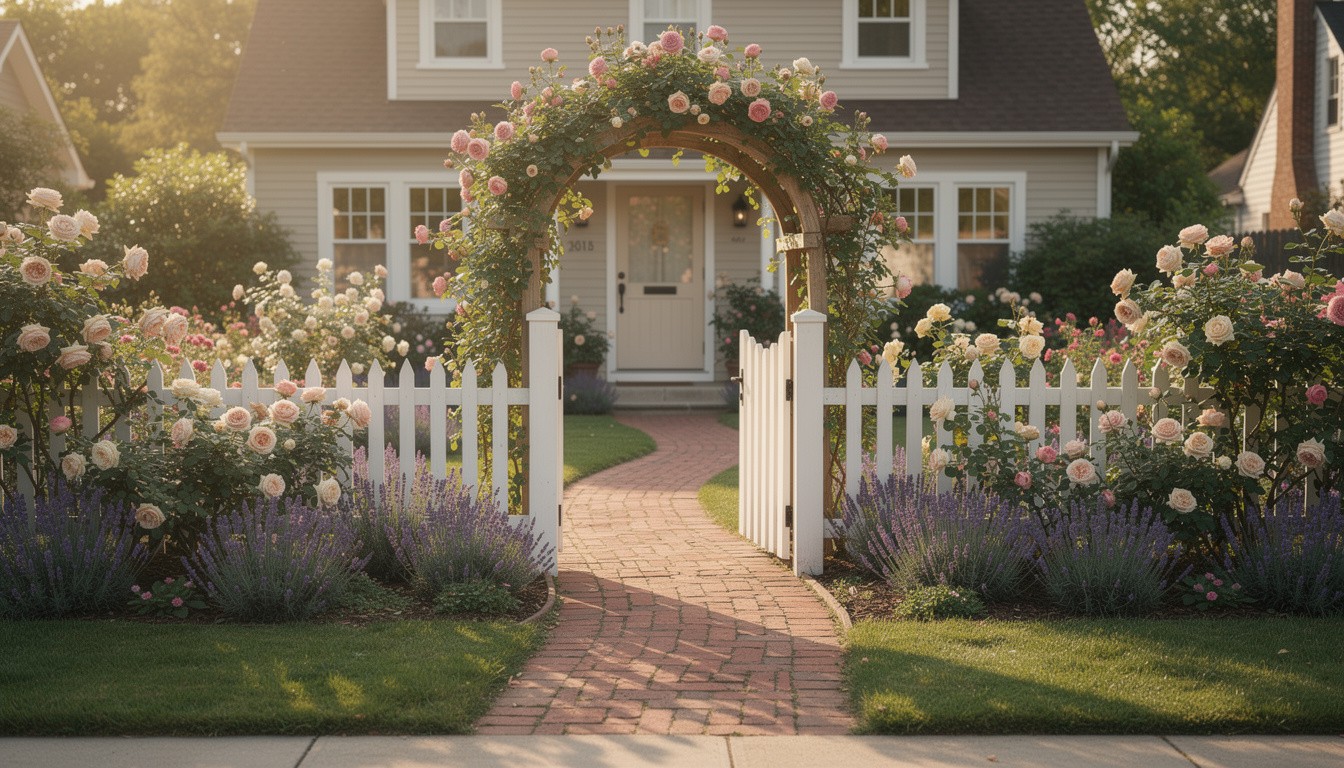
The Linden Hills Rose Arbor Entry
$14–24/sqftA white picket fence with a central rose-covered arch frames a brick path leading to the front door of a grey craftsman cottage. The arch is dense with blush climbing roses and the borders flanking the path hold lavender, catmint, and cottage perennials in generous masses. In Linden Hills and Kenwood, where craftsman and colonial homes sit on tree-lined streets with mature canopy, this entry treatment feels settled and architectural rather than decorative. The key to success in Minneapolis's Zone 5a climate is selecting the hardiest Zone 4–5 rose varieties that return reliably after winters that can drop to -20°F.
AI-generated image
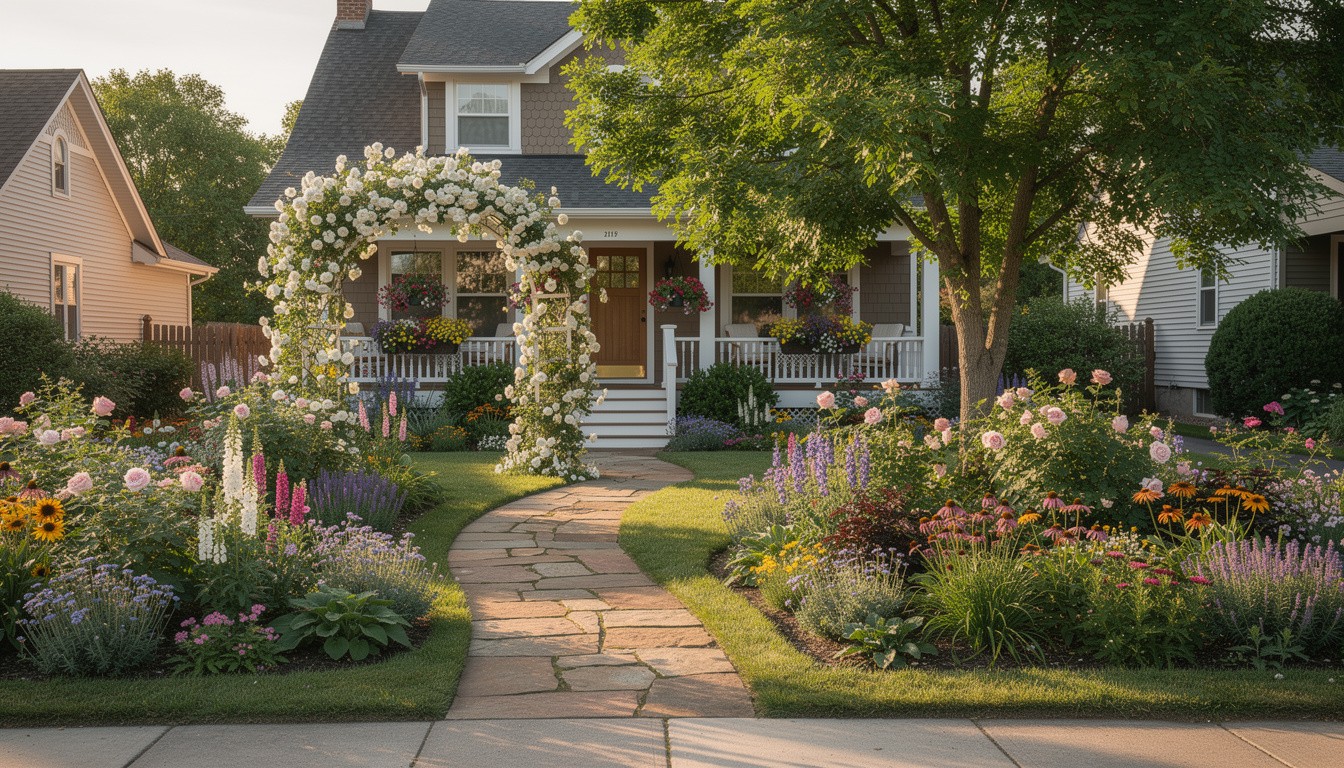
The Minnehaha Cottage Bungalow Front
$12–22/sqftA white rose arch on the flagstone front walk of a craftsman bungalow with wide mixed cottage borders sweeping the full front yard. Foxgloves, coneflowers, roses, lavender, and ornamental grasses create a generous, layered front garden that carries bloom from late May through September. The porch has white railings and a shade tree anchors the left side of the composition. Minneapolis's short but intense growing season actually concentrates cottage bloom beautifully — the garden peaks in June and July with extraordinary intensity before transitioning to the warm tones of late summer.
AI-generated image
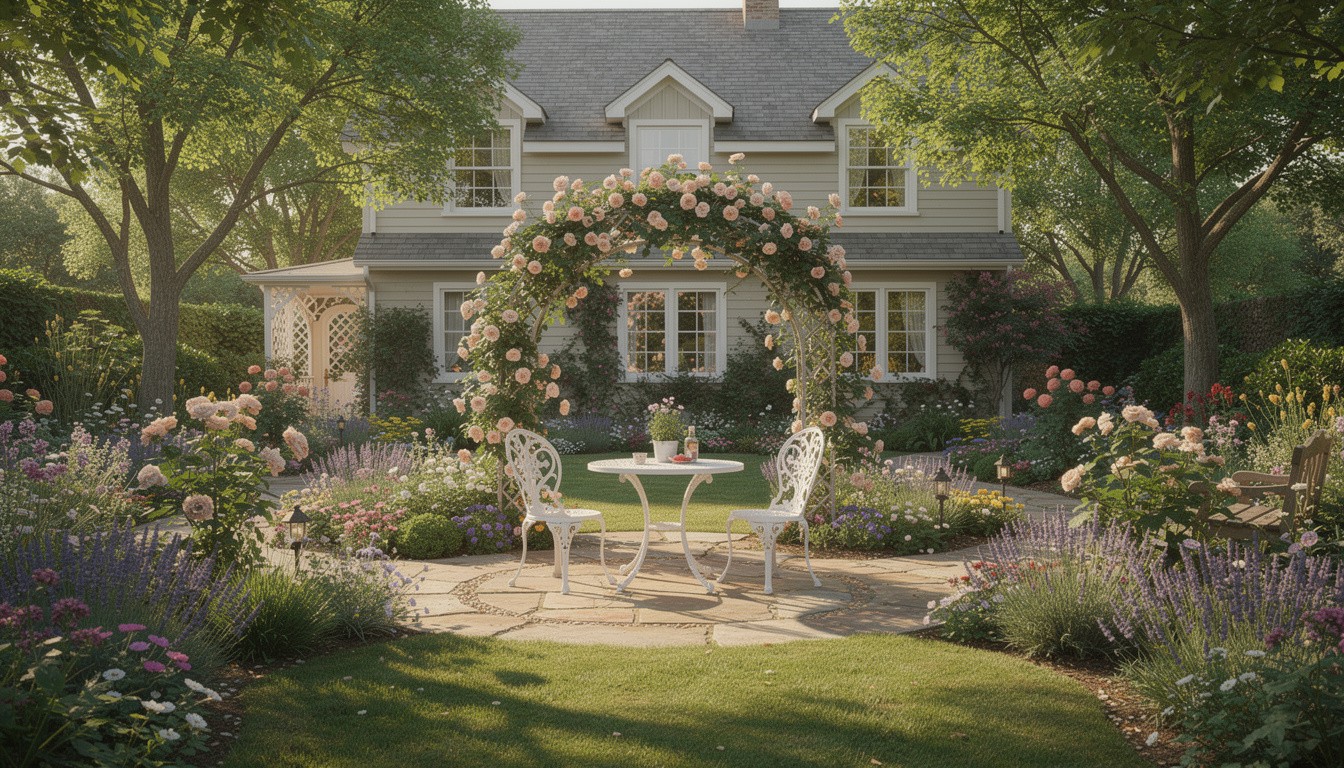
The Kenwood Cottage Garden Terrace
$20–40/sqftA backyard cottage terrace centered on a white lattice rose arch as the focal point, with a flagstone patio and small bistro table beneath it surrounded by dense lavender masses and cottage perennials. Mature trees frame the house behind, creating the dappled shade that makes Minneapolis cottage gardens feel like outdoor rooms. The borders hold roses, foxgloves, lavender, and catmint in generous abundance. Minneapolis's Zone 5a climate demands that all rose varieties be rated to Zone 4 or colder, but the reward is that cold-hardy roses like William Baffin bloom with exceptional vigor in the Upper Midwest's intense summer sun.
AI-generated image
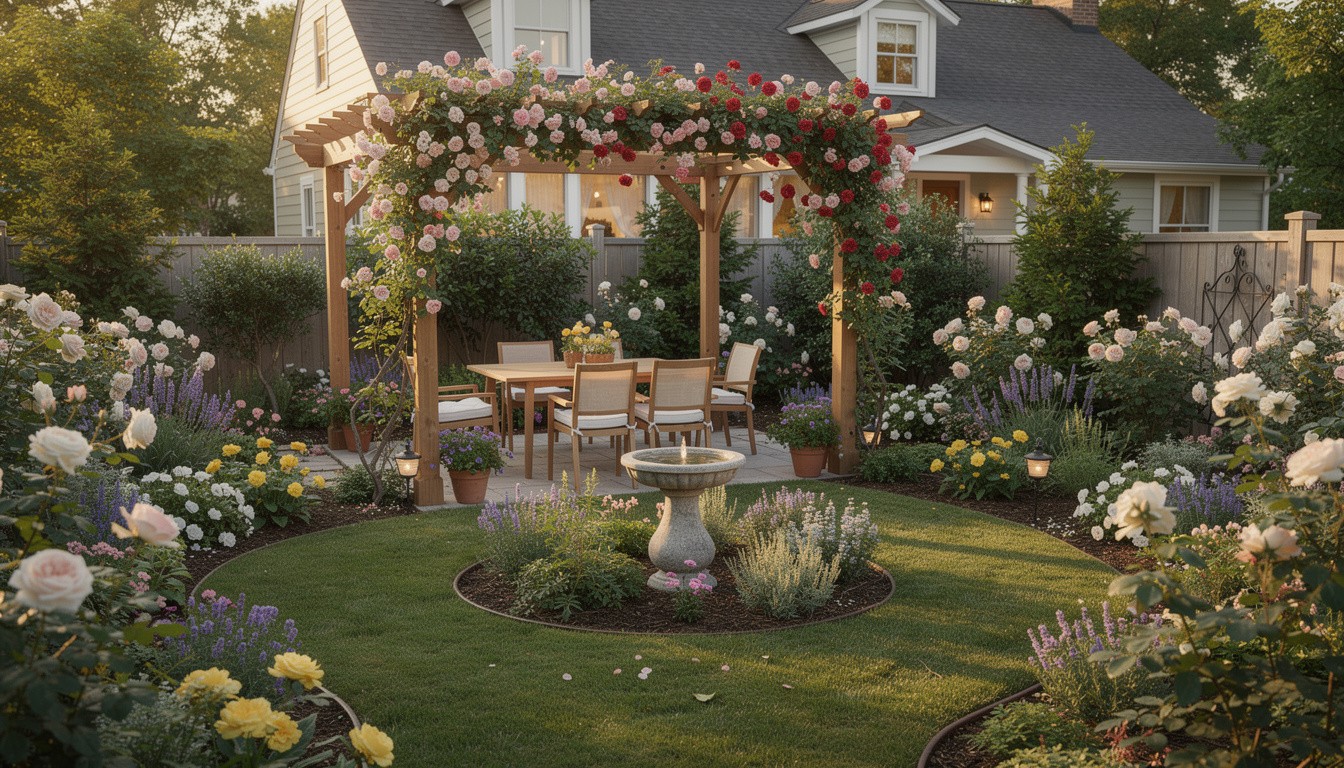
The Edina Cottage Pergola Garden
$22–45/sqftA full backyard cottage garden anchored by a wood-framed pergola covered in climbing roses as the dining area centerpiece, with a central lawn panel, a stone birdbath, and deep mixed borders ringing the yard. The pergola shelters a dining table and the rose and perennial borders create complete cottage enclosure. Roses, foxgloves, delphiniums, catmint, and phlox provide overlapping bloom from late May through early October. Minneapolis's extended summer daylight — nearly 15 hours near the solstice — gives cottage perennials exceptional energy for the compressed growing season, and the deep freeze of winter ensures prolific spring growth.
See how a cottage/english garden looks on YOUR property
Upload a photo of your Minneapolis yard and visualize your dream garden in seconds.
Try ProScapeAI Free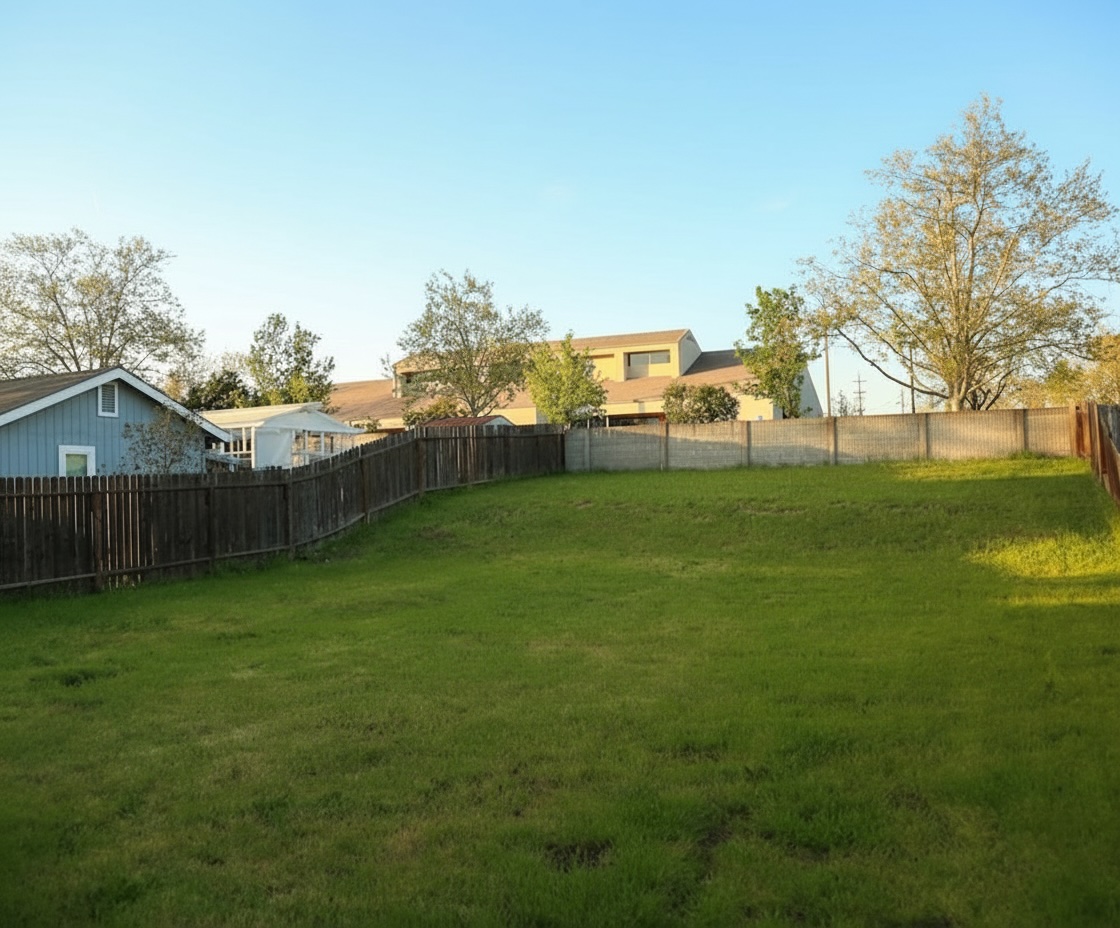
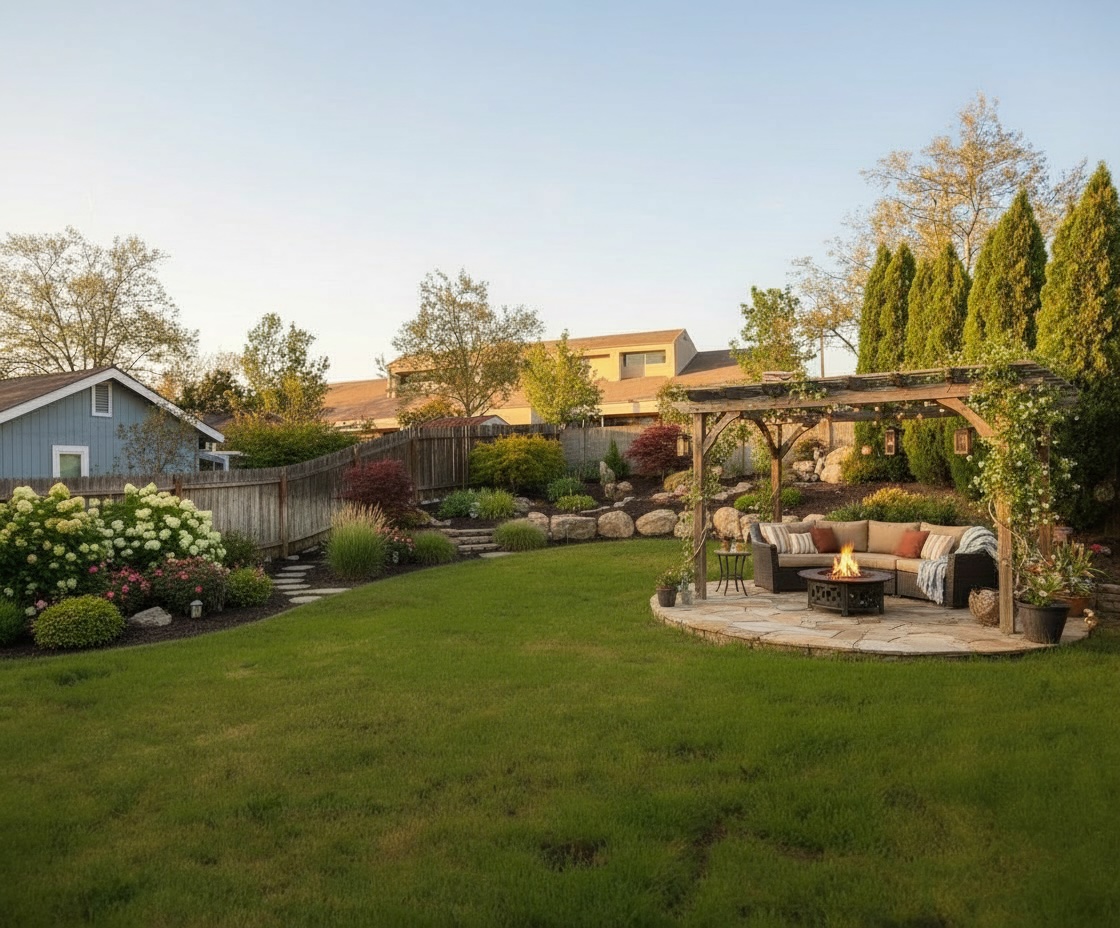
AI-generated image
Featured Trees & Shrubs for Cottage/English Gardens
Browse all 155 plants for Minneapolis
American Black Currant
Ribes americanum
grows to 5 feet, white,yellow blooms in spring. Attracts hummingbirds.

Gray Dogwood
Cornus racemosa
medium-sized at 10 feet, white blooms in spring. Pollinator-friendly.

Smooth Sumac
Rhus glabra
medium-sized at 12 feet, white,green blooms in summer. Attracts butterflies.

Northern Catalpa
Catalpa speciosa
large shade tree reaching 55+ feet, white blooms in spring. Pollinator-friendly.
Featured Flowers & Perennials for Cottage/English Gardens

Anise Hyssop
Agastache foeniculum
grows to 3 feet, purple blooms in summer. Attracts hummingbirds.

Ox-Eye Sunflower
Heliopsis helianthoides
grows to 4 feet, yellow blooms in summer. Attracts butterflies.

American White Water Lily
Nymphaea odorata
low-growing ground cover, white,pink blooms in summer. Attracts butterflies.

Canadian Waterweed
Elodea canadensis
grows to 3 feet, white blooms in spring. Evergreen year-round.
Zone and sun checks come from our database — confirm with your local nursery before you buy.
Bloom Calendar for Minneapolis
spring
American Black Currant, Gray Dogwood, Northern Catalpasummer
Anise Hyssop, Ox-Eye Sunflower, Smooth Sumacfall
American White Water Lily, Canadian Waterweedwinter
Limited bloomsDesign Tips for Minneapolis (Zone 4b)
- Anchor your Minneapolis cottage garden with Canadian Explorer and Parkland series roses rather than English or European varieties — roses like 'William Baffin', 'Henry Kelsey', and 'Morden Blush' were specifically bred for Zone 3–4 prairie winters and will return without cane protection year after year
- Build your bloom sequence around the season's three phases: spring bulbs (April–May), peak perennials (June–July), and late perennials (August–September) — a cottage garden that peaks in June and has nothing by August has wasted half the Minneapolis growing season
- Apply 4–6 inches of leaf mulch over perennial crowns after ground freeze in November — deeper than the Ohio standard — and don't remove it until late April when daily temperatures are consistently above 40°F; late frosts through May are common in Minneapolis and can burn emerging growth
- Peonies are among the best investments in a Minneapolis cottage garden: Zone 3-hardy, they actually need Zone 4b's cold winters for full bloom, established clumps in Kenwood and Linden Hills gardens are often 20–40+ years old and bloom with abundance that mild-climate peonies can't match
- Use your fence lines as a design asset in Minneapolis: the picket fence or iron fence is not just boundary but trellis and backdrop, and a well-planted fence line in a Minneapolis cottage garden is visible and appreciated through the full growing season by neighbors and pedestrians
- Plant spring bulbs lavishly — tulips, alliums, camassia, and narcissus in October while the soil is still workable. Minneapolis winters are reliable chilling periods for bulbs, and a bulb-rich cottage border delivers April and May abundance that partially compensates for the late start of the main growing season
Where to Source Plants in Minneapolis
Skip the big-box stores. These independent Minneapolis nurseries specialize in the plants that make cottage/english gardens thrive in Zone 4b.
Dundee Nursery
Plymouth (northwest suburbs)
Premier Twin Cities nursery; outstanding Zone 4b-hardy perennial, rose, and tree selection; family-owned
Hilde's Greenhouse and Flowers
Southeast Minneapolis
Small urban greenhouse near Seward; specializes in cold-hardy annuals and perennials for Zone 4b
Mother Earth Gardens
South Minneapolis (Longfellow and Seward)
Organic-focused independent nursery; excellent native plants, cottage perennials, and pollinator plants for Zone 4b
Bachman's Floral, Home and Garden
Multiple Twin Cities locations
Minneapolis institution since 1885; comprehensive Zone 4b-tested perennial, rose, and bulb selection
Linder's Garden Center
St. Paul (east metro)
Full-service Twin Cities institution; strong cold-hardy rose and perennial selection for Zone 4b gardeners
Cottage/English Landscaping Costs in Minneapolis
| Project Scope | Estimated Cost |
|---|---|
| Rose arbor + picket fence front entry (cottage) | $5,500 – $13,000 |
| Full cottage front yard redesign (400–600 sqft) | $9,000 – $22,000 |
| Backyard cottage terrace with pergola + planting | $18,000 – $52,000 |
| Flagstone or paver patio installation (200–400 sqft) | $6,000 – $18,000 |
| Soil amendment and raised bed construction | $1,000 – $4,500 |
| AI visualization with ProScapeAI | Free to start |
Estimates based on Minneapolis, MN-area contractor rates as of 2026. Actual costs vary by site conditions, materials, and contractor.
Minneapolis Climate & Growing Zone
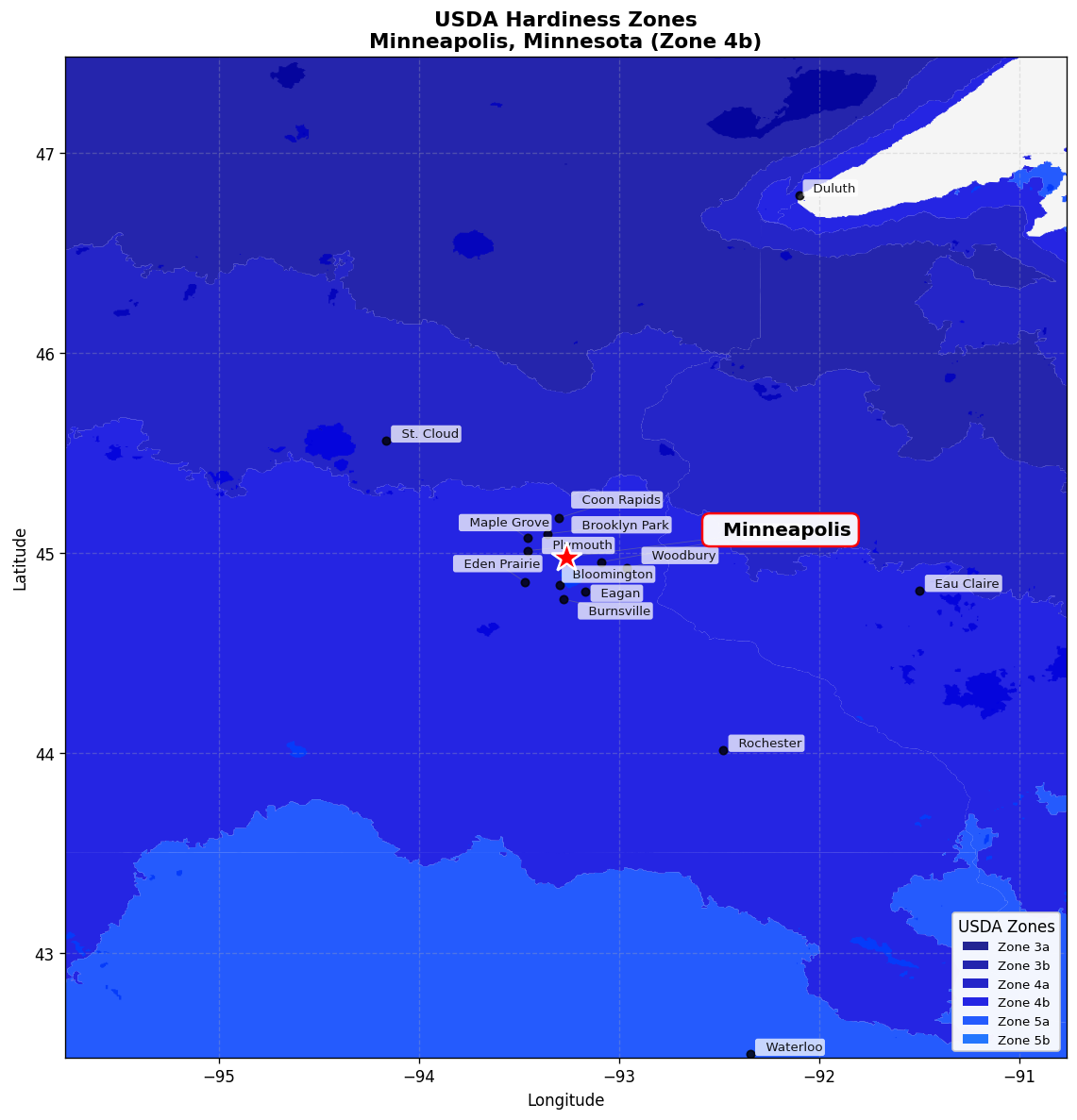
USDA Zone 4b
Hardiness zone for Minneapolis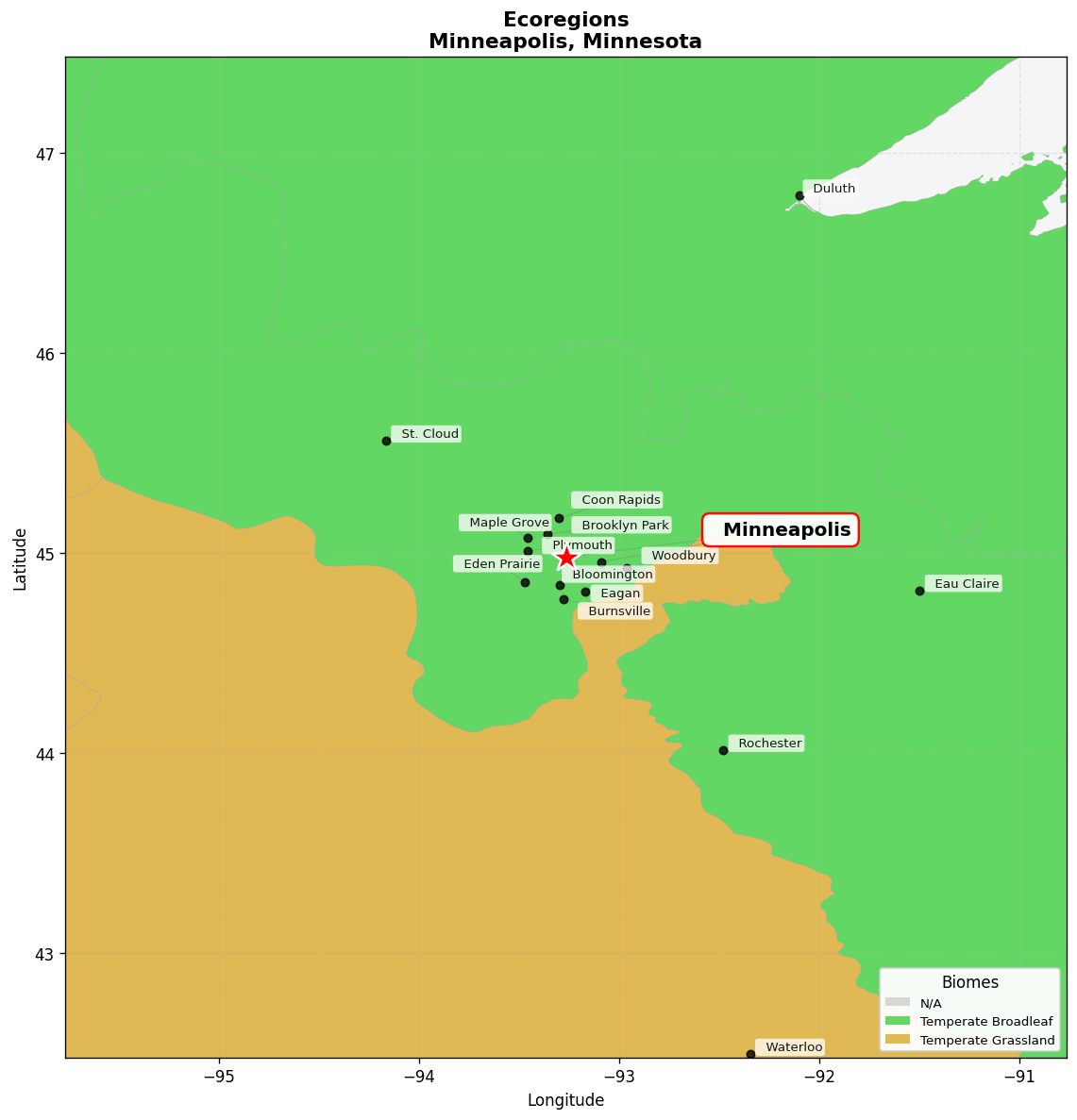
Upper Midwest US forest-savanna transition
Native ecoregionFrequently Asked Questions
What roses actually survive Minneapolis's Zone 4b winters (-25°F)?
This is the most important question for Minneapolis cottage gardeners and the answer requires specificity. Fully reliable without any protection: 'Hansa' rugosa (Zone 2, shrub, fragrant purple-red), 'Frau Dagmar Hastrup' rugosa (Zone 2, shrub, pink), 'Therese Bugnet' rugosa (Zone 2, shrub, pink), 'William Baffin' (Zone 3, climber, deep pink), 'Henry Kelsey' (Zone 3, climber, red), 'Morden Blush' (Zone 3, shrub, Canadian Parkland), 'Carefree Beauty' (Zone 4), and the full Canadian Explorer series (Alexander Mackenzie, David Thompson, Martin Frobisher, all Zone 3). 'Knock Out' roses (Zone 4) work in most Minneapolis winters with base mounding. Hybrid teas and most David Austin English roses do NOT reliably survive Zone 4b without significant cane protection. Plan for Canadian series roses as the backbone.
How does Minneapolis's short growing season affect cottage garden design?
The short season (135–145 days) concentrates the peak display into June and July, when the garden achieves its maximum impact. This concentration is actually a design strength rather than a weakness: every plant in a Minneapolis cottage garden is chosen to make maximum impact within the season's actual window. Spring bulbs (April–May), early perennials (May–June), mid-season peak (late June–July), and late perennials (August–September) create a layered bloom sequence that feels abundant even within the truncated season. Plant for all four phases: spring bulbs are non-negotiable, late-season plants like echinacea and rudbeckia extend interest into September, and the garden's seasonal finale is as important as its peak.
Do peonies grow well in Minneapolis?
Exceptionally well. Peonies are among the most cold-hardy garden plants — rated Zone 3, they actually prefer cold winters for proper dormancy and bloom reliability. Minneapolis's brutal winters are not a problem for peonies; they're essentially ideal. Established peony clumps in Minneapolis (Linden Hills and Kenwood gardens often have plants that are literally decades old) bloom with breathtaking June abundance that outperforms peonies in milder climates where the chilling requirement isn't fully met. Plant in a sunny, well-drained spot in fall, don't bury the eyes more than 1–2 inches, and otherwise leave them alone — peonies in Minneapolis will reward with spectacular blooms for 30+ years.
What winter mulching routine is needed in Minneapolis?
More aggressive than further south. Apply 4–6 inches of shredded leaf mulch over perennial crowns after the ground freezes (typically mid-November to early December). For marginally hardy plants like climbing roses (Zone 4 varieties), mound 8–10 inches of compost around the base AND wrap canes with burlap AND tie canes to the arbor to prevent wind damage. Zone 3 plants (peonies, coneflower, catmint, Explorer series roses) need only standard 3–4 inch mulch. Remove mulch gradually in spring starting in late April — Minneapolis springs can be deceptively warm then drop back to freezing, so remove in stages and keep row cover available through mid-May.
When is the best time to plant cottage perennials in Minneapolis?
Late spring (late May) after last frost is the main window for most planting. Minneapolis's last frost averages May 10–15, but late frosts through the end of May are not uncommon — wait until Memorial Day for tender plants. Fall planting (September, before the ground freezes in November) works well for zone-hardy perennials and gives root establishment time before dormancy. Plant spring bulbs in October while soil is workable. Avoid late-June and July planting during summer heat if possible — heat stress on transplants in a short season is hard to recover from. Mail-order bare-root plants should arrive in early May for best results.
What makes Linden Hills and Kenwood ideal for cottage gardening?
Three things converge: architecture, canopy, and community. The craftsman bungalows and foursquares of Linden Hills and Kenwood have the domestic scale, historical detail, and proportion that cottage gardens were designed for. The mature oak canopy on these streets creates dappled light conditions ideal for many cottage plants and gives gardens a sense of settled establishment that new neighborhoods can't replicate. And the community in these neighborhoods has a multi-generational culture of gardening — a cottage garden here isn't a novelty but a continuation of a living tradition. Minneapolis Heritage Preservation reviews modifications in some of these historic districts, so check before major structural changes.