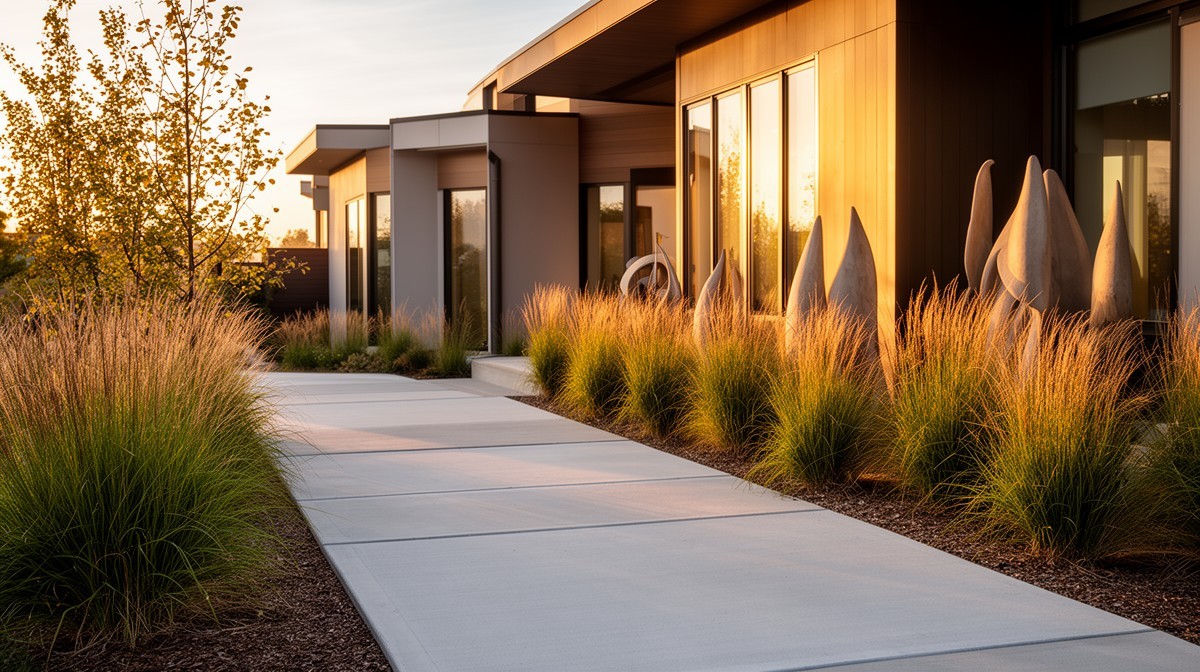
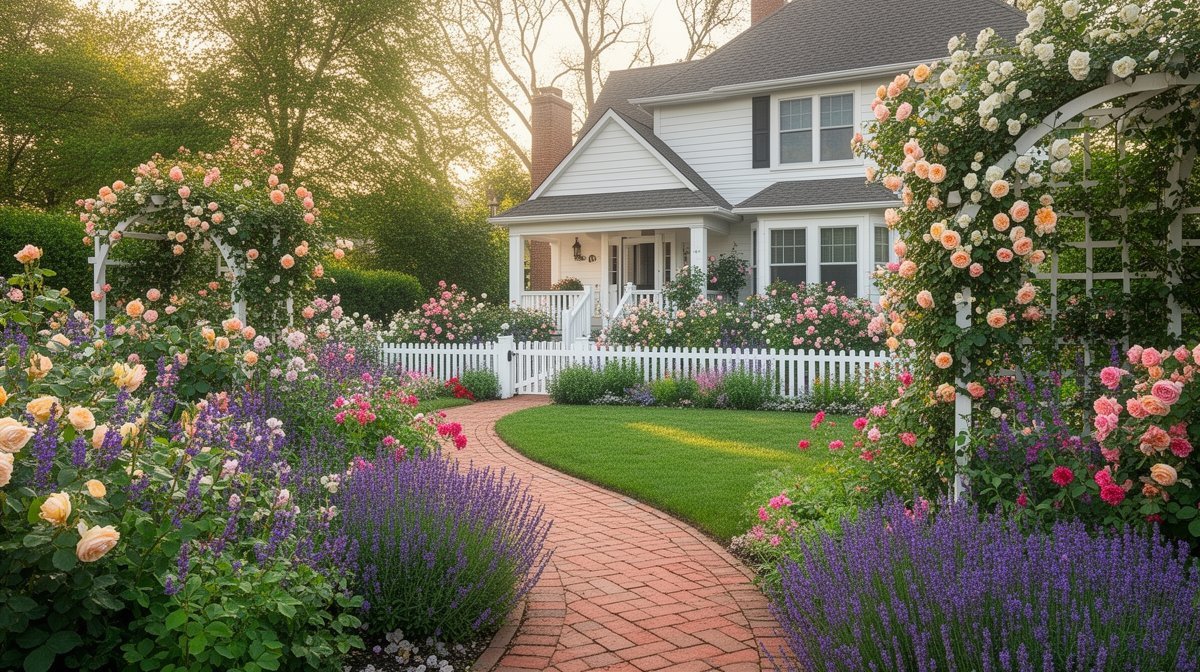
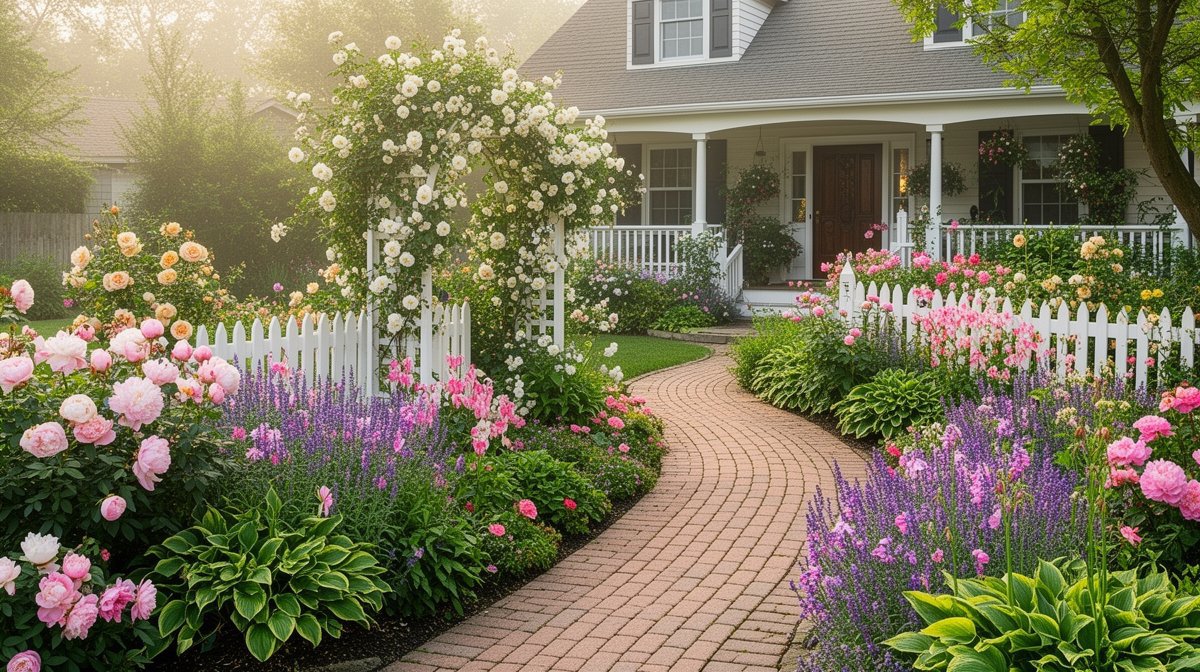
4 Cottage Garden Ideas for St. Paul, MN | Northern Cottage Gardens in Zone 4b
Native plants from the Upper Midwest US forest-savanna transition (Zone 4b) — Humid continental (warm summer) climate
Why Cottage/English Gardens in St. Paul?
St. Paul sits at the heart of the Upper Midwest US Forest-Savanna Transition ecoregion—Zone 4b—where the northern hardwood forest meets the tallgrass prairie in a biologically diverse transition zone that gives Minnesota gardeners access to two distinct native plant traditions. This position at the forest-savanna edge is what makes St. Paul cottage gardening genuinely distinctive: the same city supports deep-shade woodland gardens under mature elm and oak canopy alongside sun-drenched prairie gardens in open exposures, and the most compelling St. Paul cottage gardens borrow elements from both.
The Upper Midwest’s climate extremes—winter lows reaching −30°F in the coldest years, brief springs, long humid summers, and glorious falls—compress the cottage garden season but intensify its beauty. The Minnesota cottage garden peak runs from late May through July when the long northern days (16+ hours of light in June) concentrate plant energy into a burst of bloom that would be spread over 3–4 months in a milder climate. Peonies, irises, roses, and delphiniums bloom nearly simultaneously in the intense June light, creating a cottage garden moment that northern gardeners know is precious precisely because it is brief.
St. Paul neighborhoods like Summit Hill, Crocus Hill, and Macalester-Groveland have strong cottage gardening traditions rooted in the late Victorian and Arts and Crafts-era homes that define these neighborhoods. The city’s historic Summit Avenue—the longest intact Victorian residential street in the United States—creates a context of residential garden ambition that continues in the maintained perennial borders and rose gardens of its side streets. Cold-hardiness is the fundamental plant selection criterion in St. Paul: Zone 4b hardiness (surviving to −20°F average minimum) is non-negotiable, and the most successful cottage gardens are built entirely on plants with demonstrated Minnesota reliability rather than gambles on Zone 5 or 6 plants that may survive most years but fail in the occasional extreme winter.
4 Cottage/English Design Ideas for St. Paul
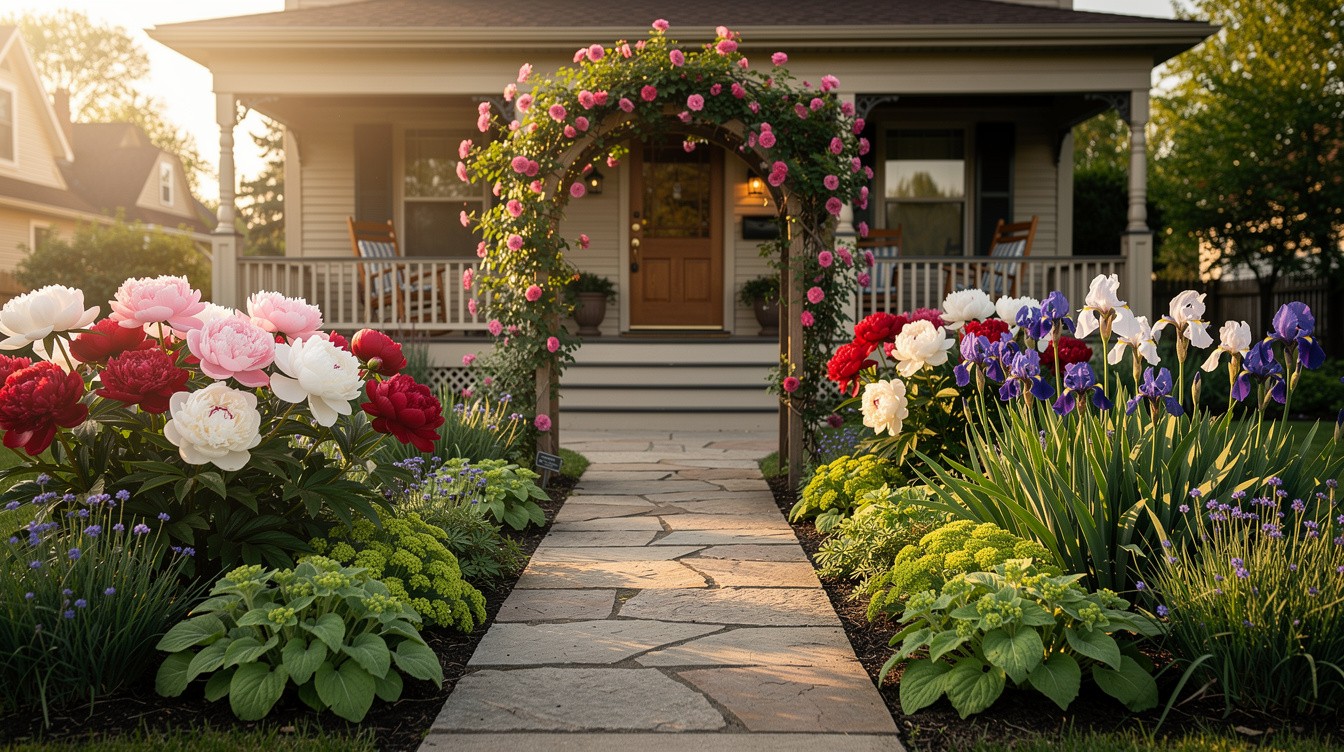
Minnesota Peony and Iris Border Entry
$12—26/sqftA limestone or local fieldstone path to a St. Paul Victorian or Craftsman front porch is flanked by the two most reliably spectacular Zone 4 cottage plants: peonies and Siberian irises. Peonies—deeply cold-hardy and extraordinarily long-lived in Minnesota’s cold winters—bloom in early June with enormous fragrant flowers in pink, white, and crimson. Siberian irises bloom simultaneously in blue, purple, and white, their elegant form a perfect cottage complement to the peony’s lushness. A cold-hardy climbing rose—'William Baffin' or 'John Cabot' from the Explorer series—covers the porch entry arbor with deep pink blooms from June through September. Lady’s mantle edges the path with chartreuse foam that sets off the bolder blooms above.
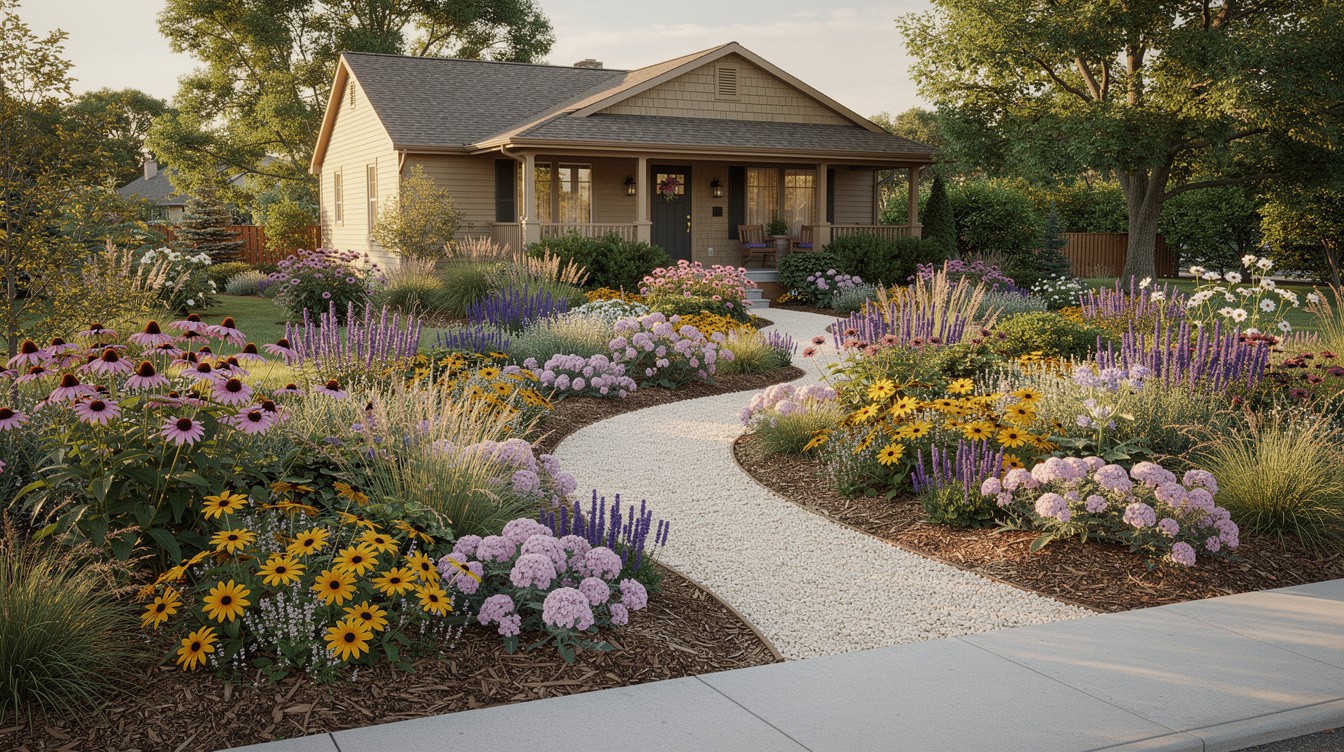
Minnesota Native Wildflower Cottage Garden
$10–20/sqftA naturalistic front yard planting of Minnesota native wildflowers—purple coneflower, black-eyed Susan, native bergamot, and prairie blazing star—organized in the composed, intentional arrangement of a cottage garden rather than the random scatter of a meadow. A winding crushed limestone path creates a cottage sense of journey through the planting; wood chip mulch fills the beds. The design celebrates the Upper Midwest’s pre-settlement landscape—the tallgrass prairie and oak savanna that covered this land before European settlement—in a residential garden context that is immediately understood as beautiful by neighbors and passersby. No irrigation required after establishment; no annual replanting.
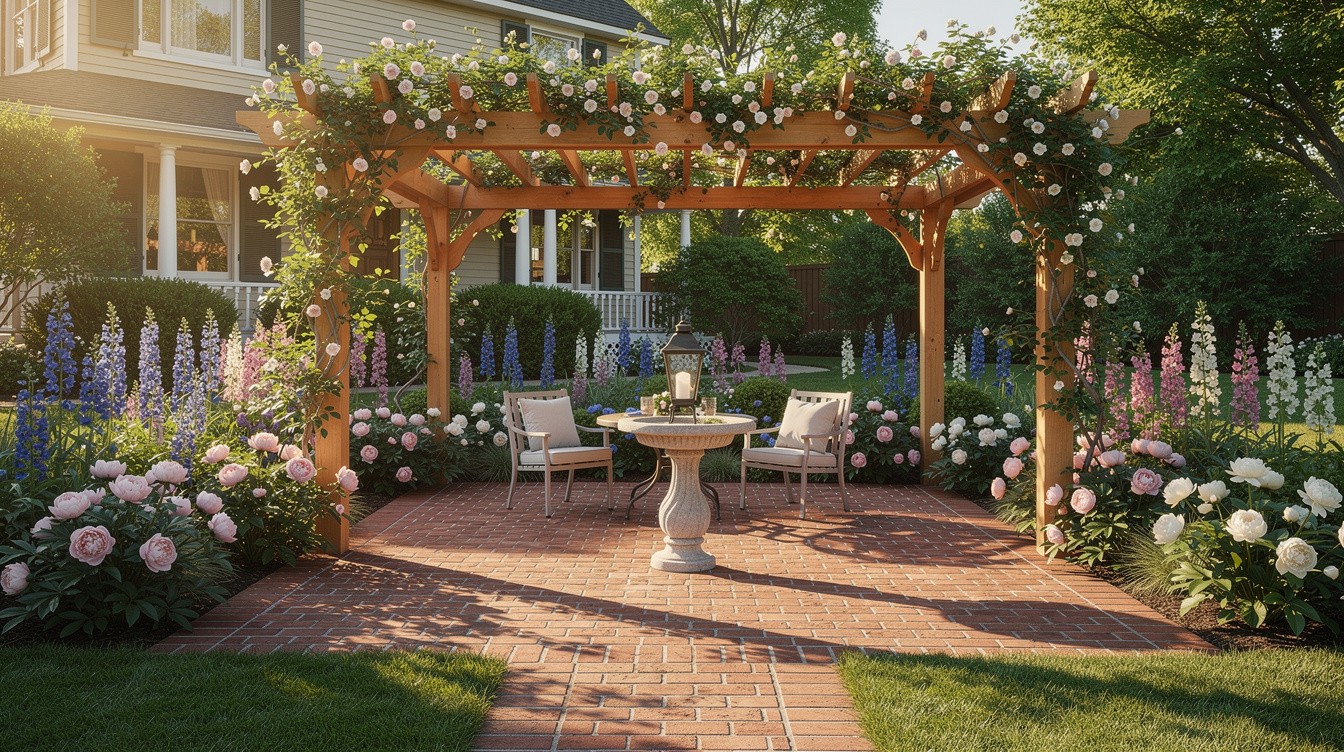
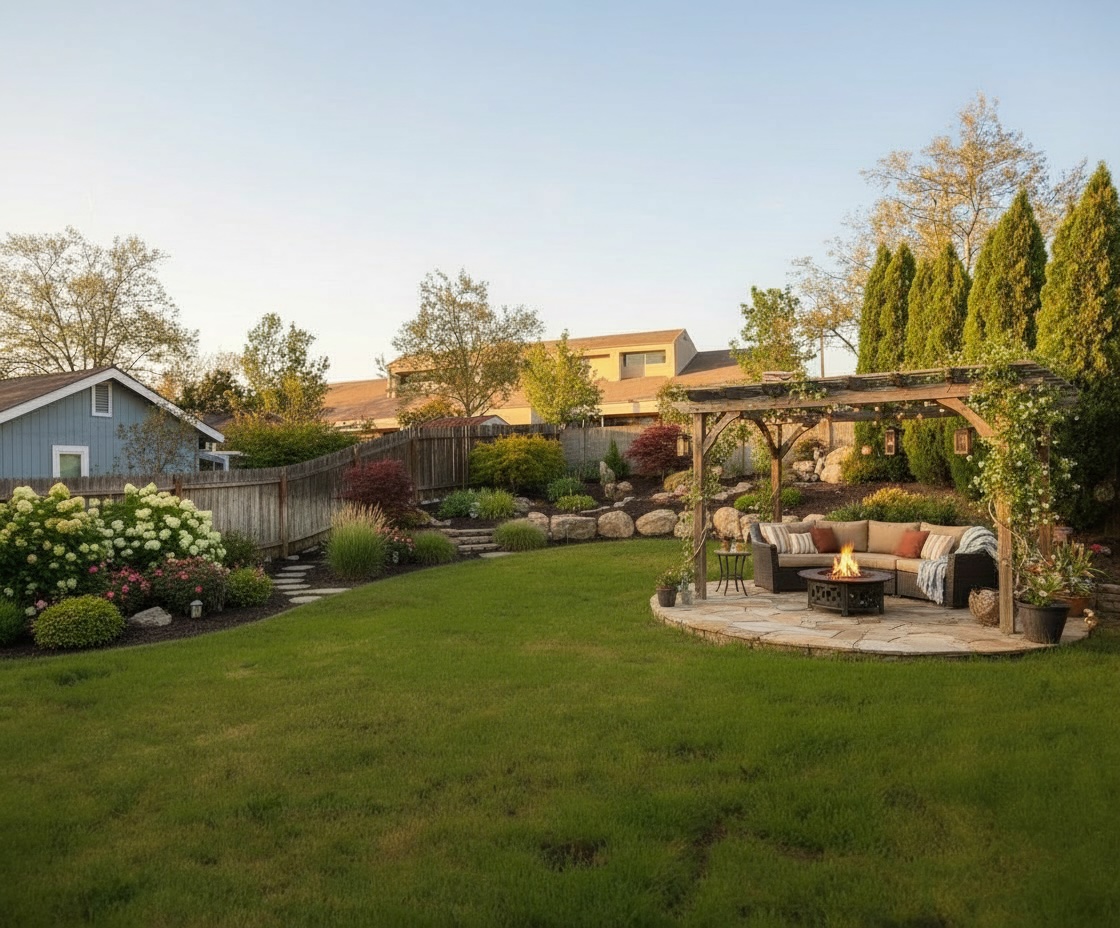
Brick Patio with Perennial Borders and Pergola
$18—40/sqftA brick patio—historically appropriate for St. Paul’s many Victorian and Craftsman homes and exceptionally durable in Zone 4b freeze-thaw conditions—hosts a wood pergola with cold-hardy climbing roses and clematis. Mixed perennial borders wrap the terrace on two sides: delphiniums, foxgloves, peonies, and garden phlox in a color sequence from blue through pink to white that blooms June through August. A central birdbath or antique-style lantern provides the cottage garden’s traditional focal element. The pergola provides partial shade for St. Paul’s humid July afternoons while creating the intimate garden room atmosphere that makes cottage outdoor living so appealing.
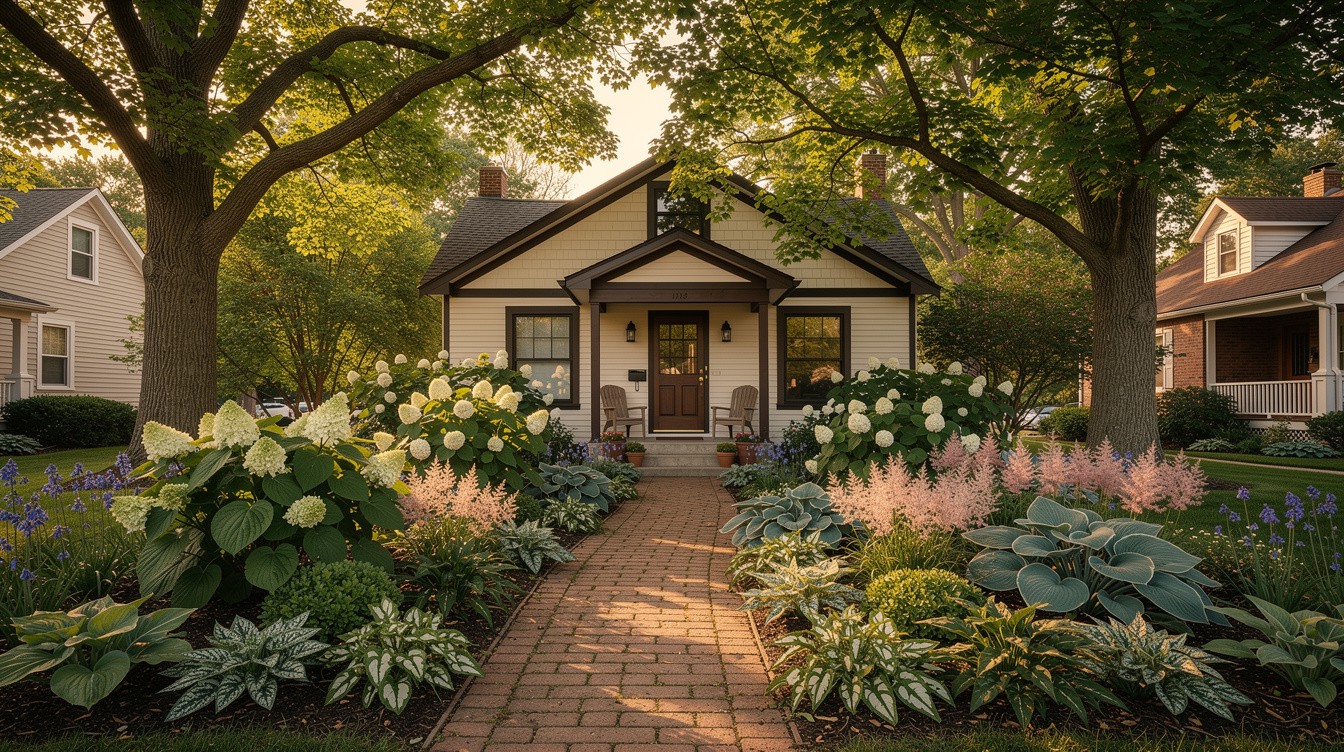
Woodland Shade Cottage with Hostas and Ferns
$10–22/sqftSt. Paul’s mature deciduous canopy—American elms, oaks, and ashes that shade much of the city’s historic residential streets—creates ideal conditions for a richly layered shade cottage garden. Native Appalachian and woodland plants fill the layers: native oakleaf and Annabelle hydrangeas at the upper shrub level, hostas and astilbe in generous mid-story masses, and native wild ginger and trout lily as the ground-level carpet. Virginia bluebells create a spectacular April blue bloom before the canopy leafs out. The design requires no supplemental irrigation under the mature canopy and delivers a lush, romantic cottage atmosphere from May through October entirely in shade.
See how a cottage/english garden looks on YOUR property
Upload a photo of your St. Paul yard and visualize your dream garden in seconds.
Try ProScapeAI Free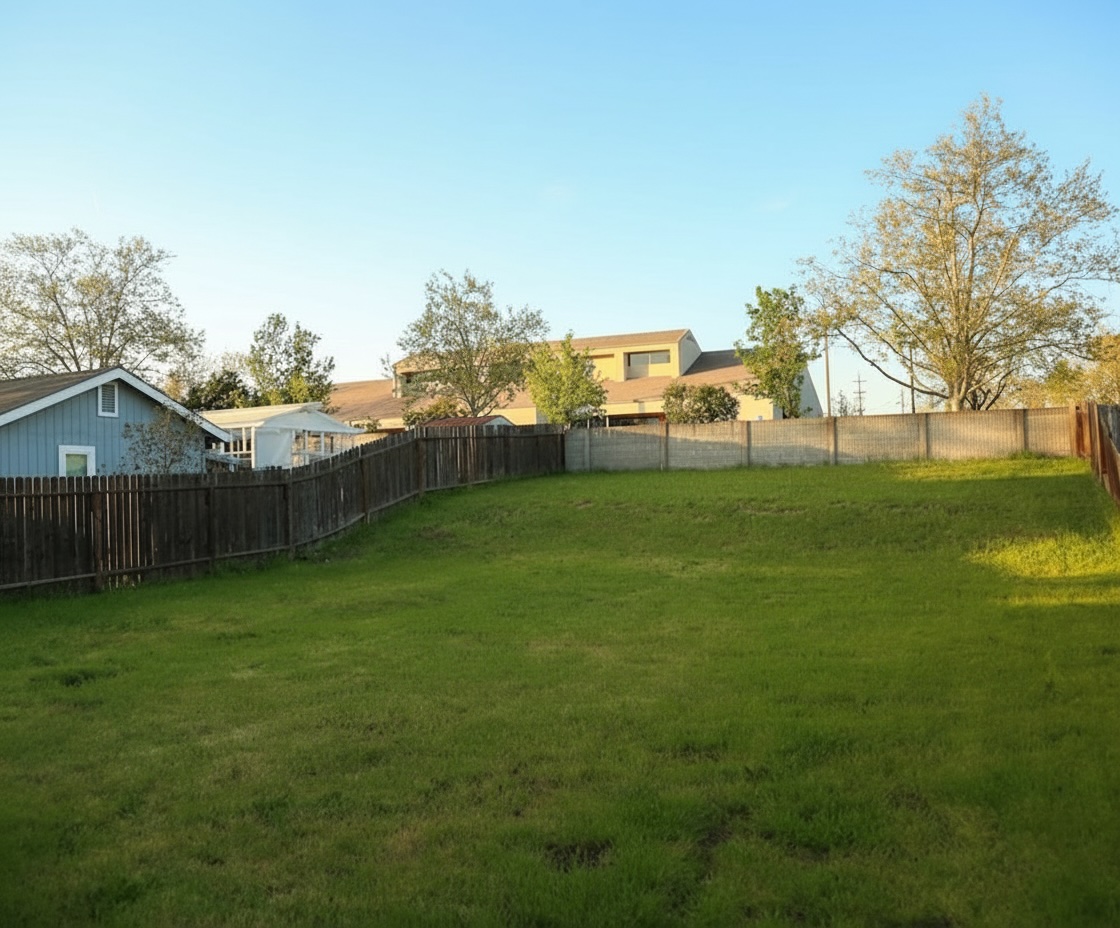
Featured Trees & Shrubs for Cottage/English Gardens
Browse all 155 plants for St. Paul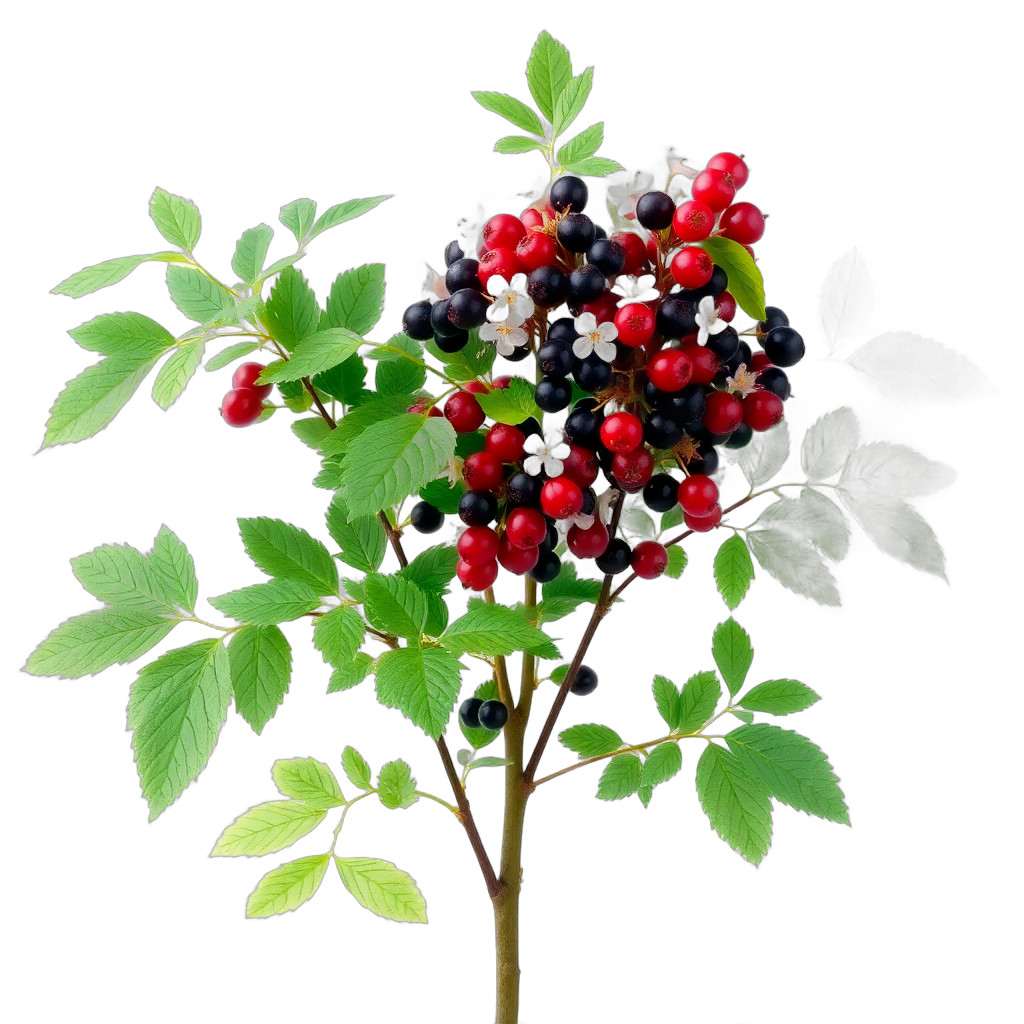
American Black Currant
Ribes americanum
grows to 5 feet, white,yellow blooms in spring. Attracts hummingbirds.

Gray Dogwood
Cornus racemosa
medium-sized at 10 feet, white blooms in spring. Pollinator-friendly.
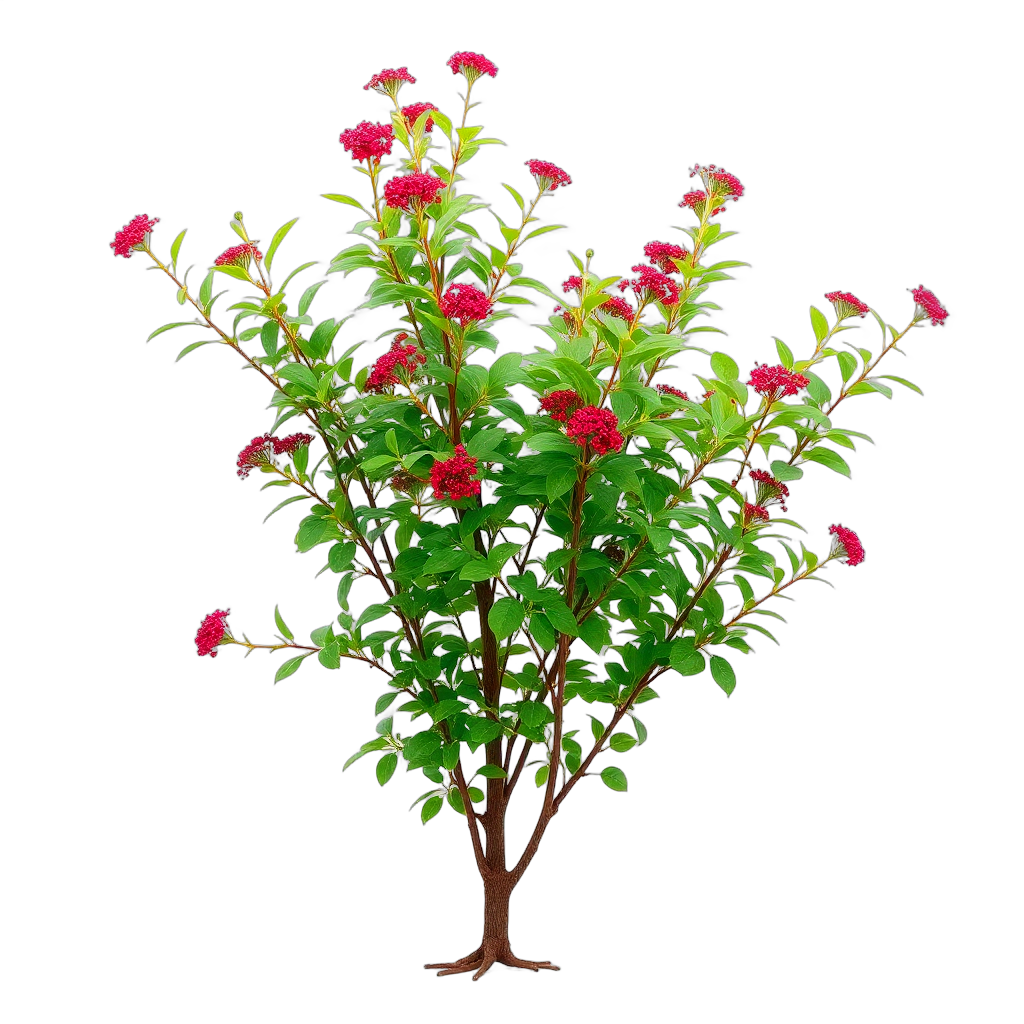
Smooth Sumac
Rhus glabra
medium-sized at 12 feet, white,green blooms in summer. Attracts butterflies.
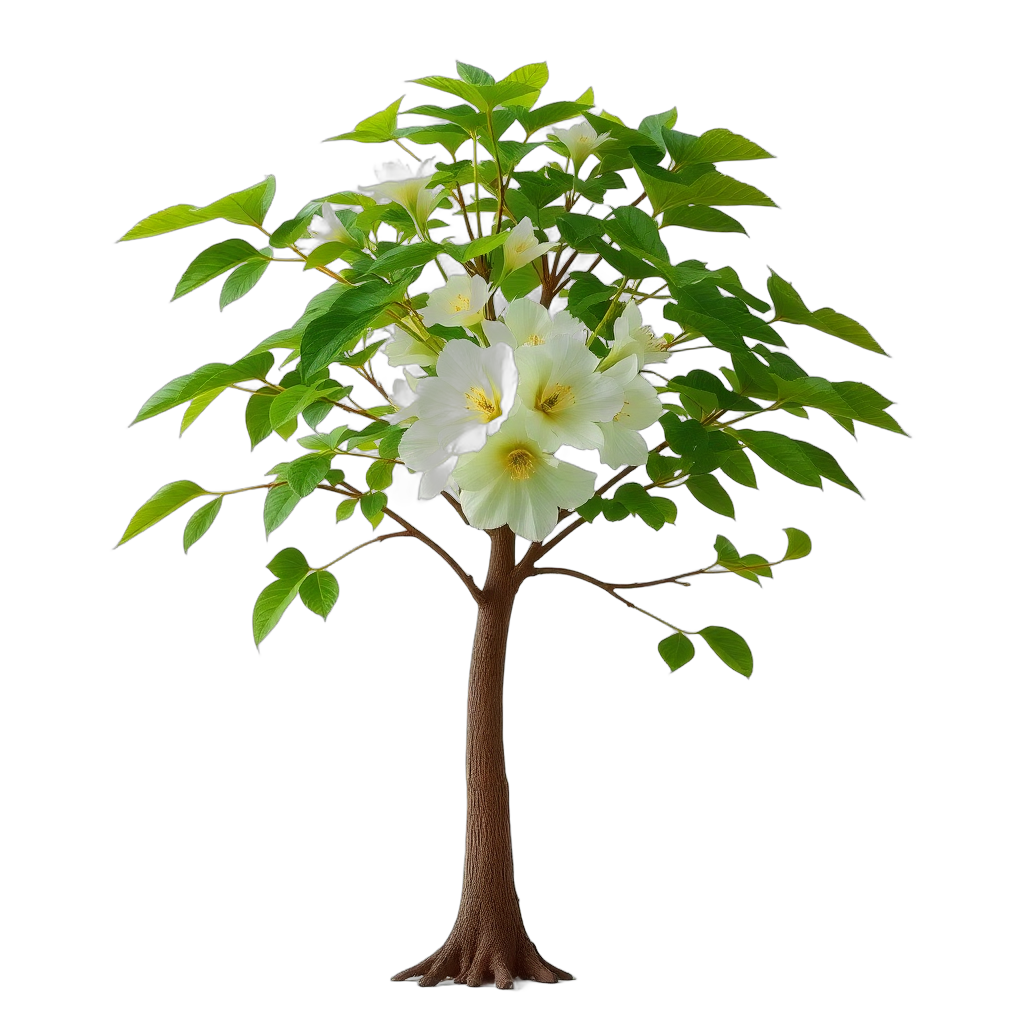
Northern Catalpa
Catalpa speciosa
large shade tree reaching 55+ feet, white blooms in spring. Pollinator-friendly.
Featured Flowers & Perennials for Cottage/English Gardens
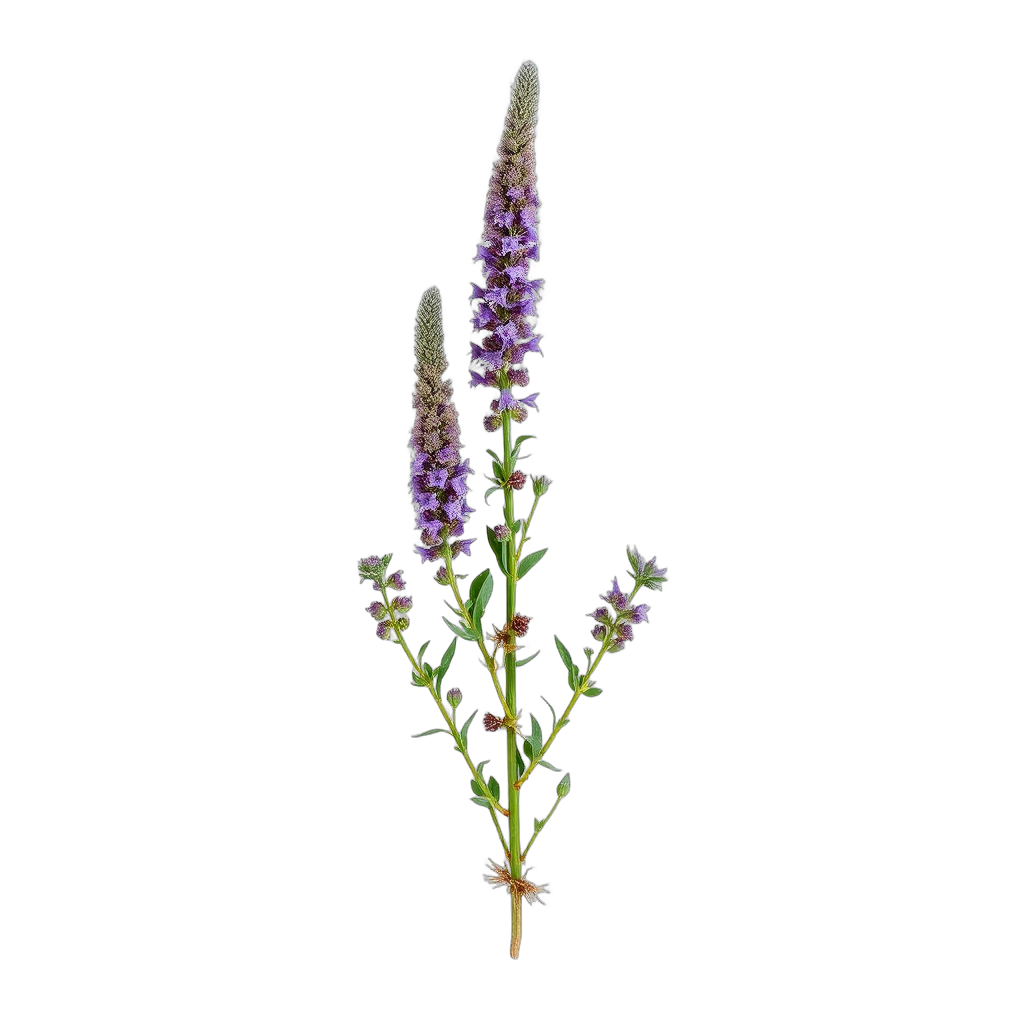
Anise Hyssop
Agastache foeniculum
grows to 3 feet, purple blooms in summer. Attracts hummingbirds.

Ox-Eye Sunflower
Heliopsis helianthoides
grows to 4 feet, yellow blooms in summer. Attracts butterflies.

American White Water Lily
Nymphaea odorata
low-growing ground cover, white,pink blooms in summer. Attracts butterflies.

Canadian Waterweed
Elodea canadensis
grows to 3 feet, white blooms in spring. Evergreen year-round.
Zone and sun checks come from our database — confirm with your local nursery before you buy.
Bloom Calendar for St. Paul
spring
American Black Currant, Gray Dogwood, Northern Catalpasummer
Anise Hyssop, Ox-Eye Sunflower, Smooth Sumacfall
American White Water Lily, Canadian Waterweedwinter
Limited bloomsDesign Tips for St. Paul (Zone 4b)
- Design the garden to peak in June—St. Paul’s long northern days and cool temperatures create ideal cottage conditions in June when peonies, irises, roses, and delphiniums bloom simultaneously in a display compressed by the northern climate into two spectacular weeks
- Choose Canadian Explorer or Parkland series roses exclusively—these Manitoba and Ottawa-bred varieties are the only roses that perform reliably in Zone 4b without winter protection, and cottage gardens built on them deliver full rose character without the mortality frustration of tender varieties
- Plant peonies as the backbone of any St. Paul cottage garden—Minnesota’s cold winters satisfy their dormancy requirements, making Zone 4b one of the best peony climates in North America; established peonies live 50–100 years and improve with age in ways that almost no other cottage garden plant can match
- Mulch all perennial borders 4 inches deep in November after the first hard freeze—Minnesota’s extreme winter temperatures kill even Zone 4 plants when soil freeze penetrates root zones without insulation, and annual fall mulching is the single most important cottage garden protection practice in St. Paul
- Add a fire pit or chiminea to any St. Paul cottage garden seating area—the outdoor season is short but precious, and cool September and October evenings (45–55°F) are some of the most beautiful in Minnesota; a fire feature extends comfortable outdoor use by 4–6 weeks on the fall end of the season
- Embrace the woodland layers under any mature canopy—St. Paul’s magnificent elms and oaks create shade conditions ideal for hostas, astilbe, and native woodland wildflowers that would require special siting in sunnier cities; the woodland understory is the cottage garden’s most distinctive and lowest-maintenance zone in the Upper Midwest
Where to Source Plants in St. Paul
Skip the big-box stores. These independent St. Paul nurseries specialize in the plants that make cottage/english gardens thrive in Zone 4b.
Bachman’s Floral, Home & Garden
Minneapolis / St. Paul Metro
Minnesota’s premier garden institution—outstanding Zone 4b cottage perennial selection, cold-hardy roses, and Minnesota native plants
Prairie Restorations
Princeton (serves Twin Cities)
Minnesota native prairie and woodland plants—best source for Upper Midwest native cottage garden material
Dundee Nursery
Plymouth
Twin Cities’ independently owned nursery with exceptional cold-hardy perennials, Zone 4 roses, and cottage plant expertise
Minnesota Landscape Arboretum Plant Shop
Chaska
University of Minnesota’s arboretum plant shop—Zone 4-proven natives, cold-hardy ornamentals, and specialist cottage plants
Home Depot Garden Center
St. Paul
Comprehensive cottage plants, cold-hardy perennials, and installation materials at consistent Twin Cities pricing
Cottage/English Landscaping Costs in St. Paul
| Project Scope | Estimated Cost |
|---|---|
| Cottage front entry with stone path, rose arbor, and perennial borders | $9,000 – $22,000 |
| Minnesota native wildflower cottage garden from lawn | $8,000 – $20,000 |
| Brick patio with pergola and cottage perennial borders | $20,000 – $46,000 |
| Woodland shade cottage with hostas, ferns, and native underplanting | $9,000 – $22,000 |
| Rose planting (6 Canadian Explorer shrub roses, installed) | $1,800 – $4,500 |
| Annual cottage garden maintenance (mulching, cutting back, dividing) | $1,200 – $3,200/year |
| AI visualization with ProScapeAI | Free to start |
Estimates based on St. Paul, MN-area contractor rates as of 2026. Actual costs vary by site conditions, materials, and contractor.
St. Paul Climate & Growing Zone
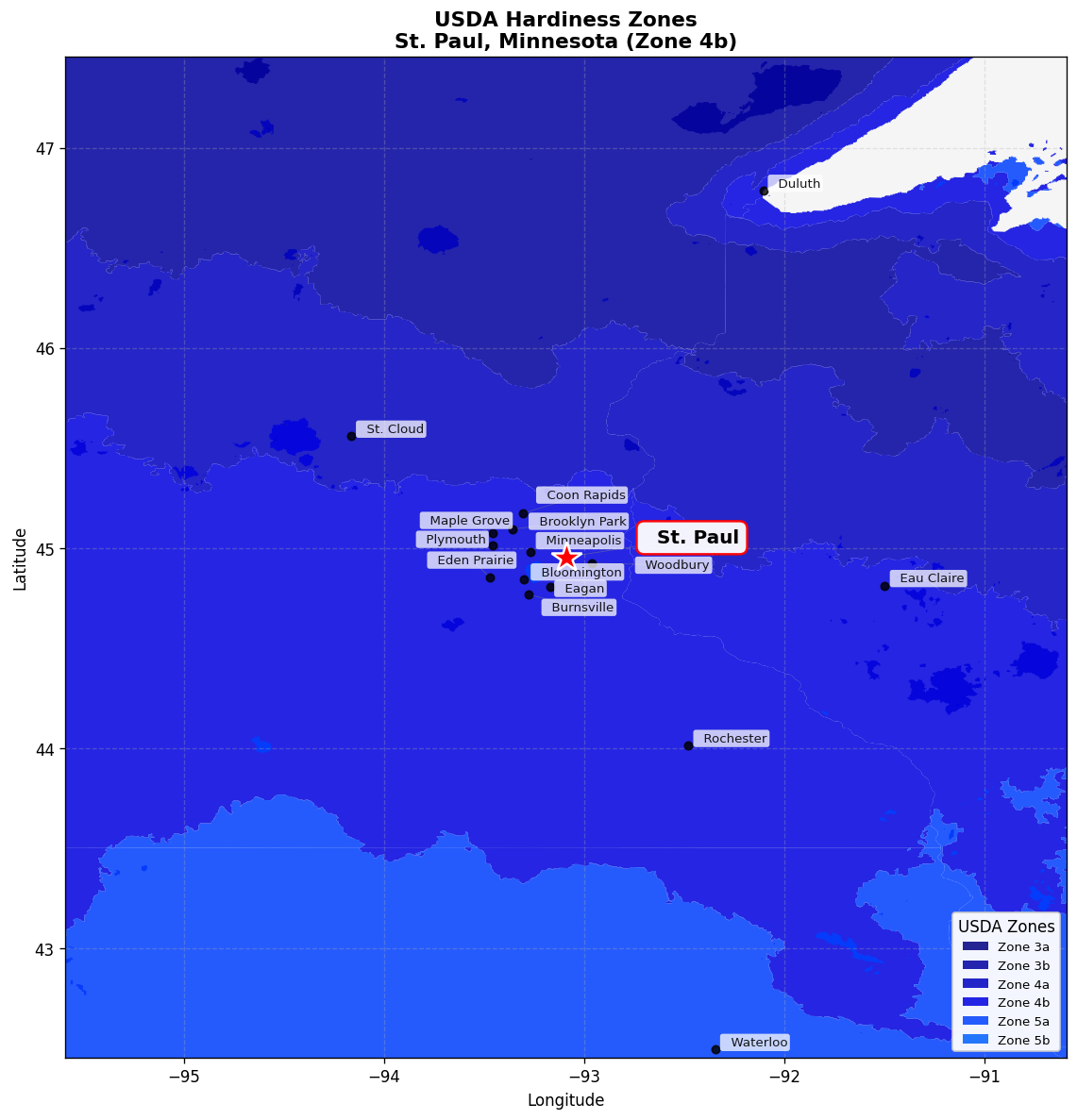
USDA Zone 4b
Hardiness zone for St. Paul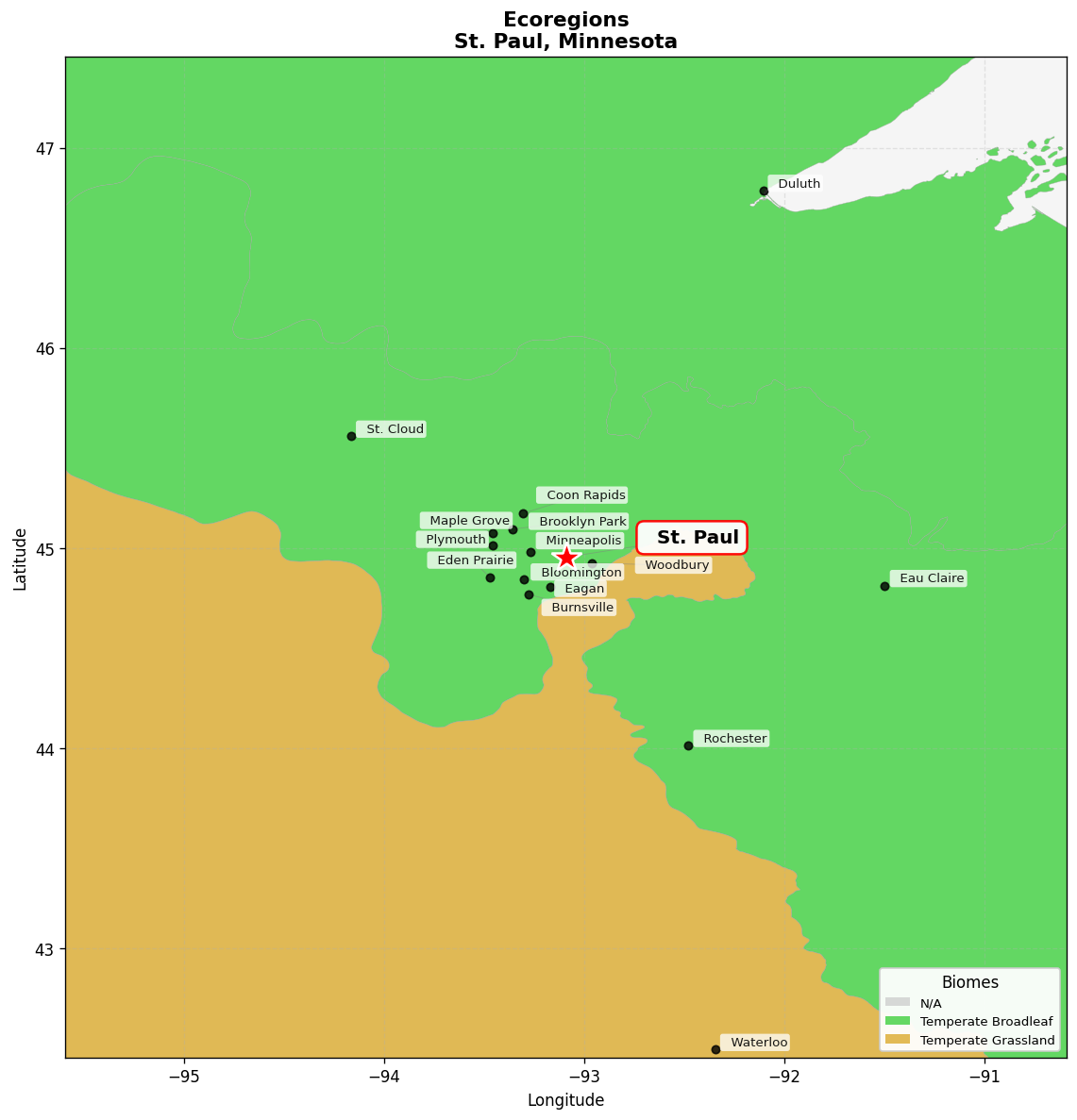
Upper Midwest US forest-savanna transition
Native ecoregionFrequently Asked Questions
What cottage plants are most reliably Zone 4b hardy for St. Paul?
Zone 4b requires plants reliably hardy to −20°F average minimum (−30°F in extreme years). Top Zone 4b cottage performers: peonies (Zone 3 hardy, actually thrive with cold winters that satisfy dormancy requirements), Siberian iris (Zone 3–4, extraordinarily reliable in Minnesota), Annabelle hydrangea (Zone 3, dies to ground in hard winters but reliably regenerates and blooms the same season), Canadian Explorer roses ('William Baffin', 'John Cabot', 'Henry Kelsey'—Zone 3 hardy, bloom reliably without protection), delphiniums (Zone 3–4, prefer Minnesota’s cool summers over hot southern climates), lady’s mantle (Zone 4 hardy, spreads reliably in cool northern conditions), astilbe (Zone 4 hardy, excellent in St. Paul’s moist shade), and native coneflower (Zone 3 native to the Upper Midwest).
Can I grow roses in St. Paul’s Zone 4b winters without special protection?
Yes—with the right rose varieties. Traditional hybrid teas, grandifloras, and many climbers are Zone 5–6 and will die without intensive winter protection in Zone 4b (burying, Styrofoam cones, heavy mulching). The solution is roses bred specifically for the northern prairie climate. The Canadian Explorer series (Agriculture Canada, tested at Ottawa Experimental Farm) and the Parkland series are reliably Zone 3–4: 'William Baffin' (climbing, Zone 3, bright pink, exceptional vigor), 'John Cabot' (Zone 3, climbing, deep rose), 'Morden Blush' (Parkland, Zone 3, soft pink, compact). The University of Minnesota’s own rose program produced 'Carefree Beauty' and 'Carefree Delight'—both Zone 4 without protection. These varieties offer genuine cottage rose character: multi-petaled blooms, some fragrance, repeat bloom—without the mortality risk of tender varieties.
How do I extend St. Paul’s short cottage garden season?
St. Paul’s average last spring frost is April 30 and average first fall frost is October 9, giving 162 frost-free days. Season extension strategies: start annuals (zinnias, cosmos, sweet peas) indoors under lights 6–8 weeks before May 1; plant cold-tolerant cottage plants (pansies, snapdragons, sweet William) a week or two before last frost in protected locations; use row cover fabric over tender plants in spring and fall to extend by 2–3 weeks on each end; plant spring bulbs (tulips, alliums, daffodils) for April–May bloom before the main cottage season begins; and plant fall-blooming natives (asters, goldenrod, ornamental grasses) to extend the season into October. Early spring perennials—creeping phlox, bleeding heart, Virginia bluebells—create meaningful garden interest from late April.
What are the best Minnesota native plants for a cottage garden?
The Upper Midwest forest-savanna transition provides exceptional cottage-compatible natives. Best performers: purple coneflower (Echinacea purpurea, native to the Upper Midwest, blooms June–August, excellent cottage form), black-eyed Susan (Rudbeckia hirta, native, bright yellow summer to fall bloom), native bergamot (Monarda fistulosa, lavender-pink July bloom, aromatic), prairie blazing star (Liatris spicata, vertical purple spikes July–August, spectacular), little bluestem (blue summer, red-orange fall, excellent winter architecture), Virginia bluebells (spectacular April blue—native to Minnesota floodplain forests), and wild blue phlox (Phlox divaricata, lavender May bloom, excellent in shade gardens). All are Zone 4 hardy and require no supplemental irrigation after establishment.
How do I handle St. Paul’s heavy winter snow loads in a cottage garden?
St. Paul averages 49 inches of annual snowfall—significant enough to damage structures and collapse unsupported garden plants. Cottage garden management strategies: use robust arbors and pergolas rated for snow loads (4x4 or 6x6 posts, 2x6 or larger beams); cut back ornamental grasses and non-structural perennials in late fall so they don’t trap and hold damaging snow weight; stake any plants that tend to flop; don’t use wooden trellises—they’re damaged by repeated snow loading; and design paths to be navigable in winter so that snow management doesn’t damage garden borders. Leave perennial structure (seed heads, dried blooms) for winter interest but cut back in March before new growth emerges. Mulch all perennial borders 3–4 inches deep in late November to protect roots through the extreme Minnesota winter.
How much does a cottage garden installation cost in St. Paul?
St. Paul landscaping costs are near the national average with slight Minnesota premium for cold-climate installation requirements (deeper footings, frost-resistant materials, cold-hardy plant premiums). A cottage front entry with stone path, rose arbor, and perennial borders typically costs $9,000–22,000. A native wildflower cottage garden conversion from lawn costs $8,000–20,000. A brick patio with pergola and cottage borders runs $20,000—45,000. A woodland shade cottage conversion costs $9,000–22,000. Annual maintenance for an established Minnesota cottage garden (mulching, cutting back, dividing, spring replanting) runs $1,200–3,200/year—the Zone 4b climate requires thorough fall cleanup and winter mulching that adds to maintenance time versus warmer markets.