4 Cottage Garden Ideas for Fayetteville, NC | English-Style Landscape Design in Zone 8a
Native plants from the Southeast US conifer savannas (Zone 8a) — Humid subtropical climate
Why Cottage/English Gardens in Fayetteville?
Fayetteville is a better cottage-garden city than most people realize. The Fayetteville Rose Garden at Fayetteville Technical Community College grows roughly a thousand roses in the open air, living proof that the backbone plant of every English garden thrives in Cumberland County. Add the historic bungalows and 1920s–40s colonials of Haymount, the porch-fronted streets around VanStory Hills, and a city that literally throws itself a Dogwood Festival every April, and the romantic, flower-stuffed cottage look feels less like an import and more like a homecoming. With a growing season stretching from March into November, a well-planned Fayetteville cottage garden delivers eight months of continuous bloom — nearly double what the style manages in its native England.
The local conditions do rewrite a few of the classic rules. Fayetteville sits in the Carolina Sandhills, and its fast-draining sandy soil is the exact opposite of the heavy clay most Southern gardeners fight — lavender, rosemary, and roses love the drainage, but sand holds neither water nor nutrients, so every bed needs generous compost amendment and drip irrigation to get perennials through July, when average highs push past 90°F. The bigger test is humidity: Zone 8a winters are gentle (lows around 10–15°F), but the muggy Cfa summers put relentless black spot and mildew pressure on old English rose varieties. Plant disease-resistant types — Knock Out, Drift, and the tougher David Austins like 'Olivia Rose Austin' — swap English lavender for the humidity-tolerant 'Phenomenal', and treat foxglove and delphinium lookalikes (larkspur, snapdragons) as fall-planted cool-season stars rather than summer perennials.
The practical math also favors Fayetteville. Landscape labor here runs 20–30% below the national metro average, so a picket fence, brick path, and overflowing borders cost thousands less than the identical project in Raleigh or Charlotte. The city's roughly 46 inches of annual rain does much of your watering once plants establish, and the mild winters mean October and November plantings root all winter and explode in spring. For the many military families cycling through Fort Bragg, cottage style has one more advantage: it looks intentionally full and established within a single season, and it adds the kind of storybook curb appeal that helps a house rent or sell fast.
4 Cottage/English Design Ideas for Fayetteville
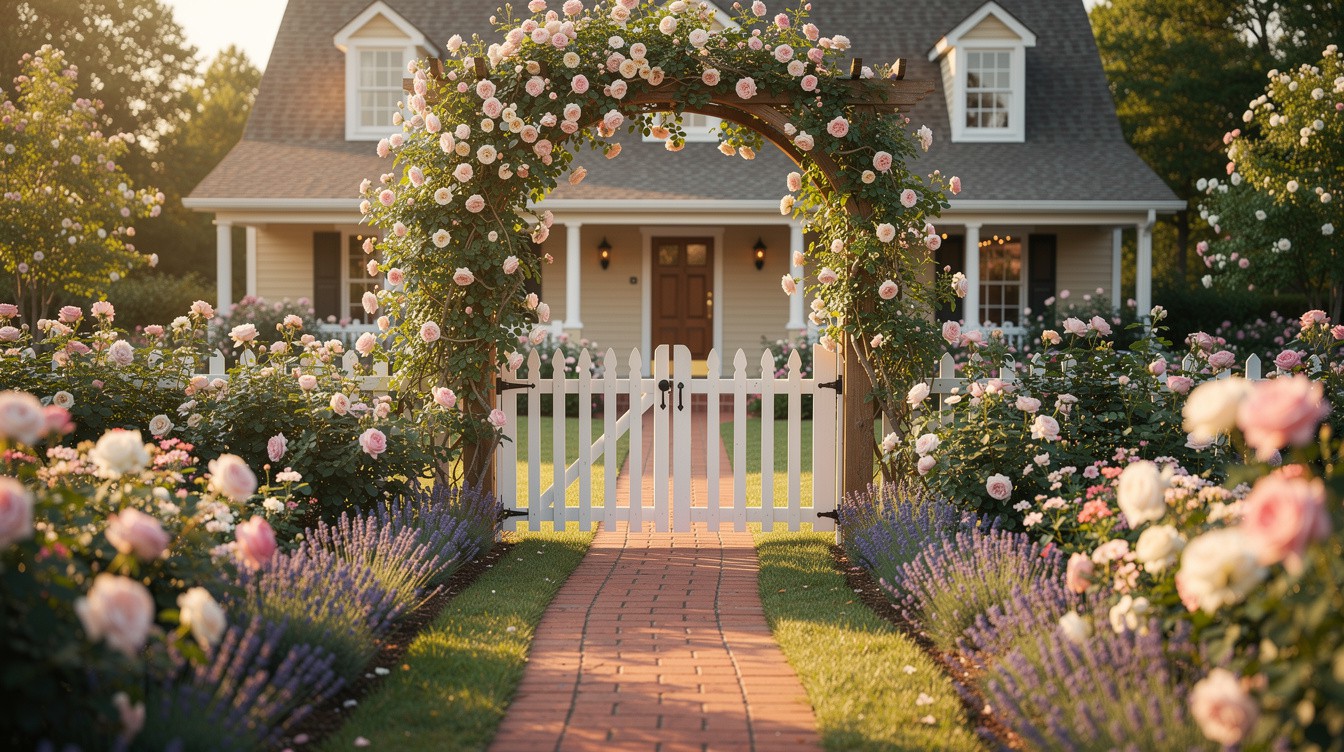
The Rose Arbor Gate
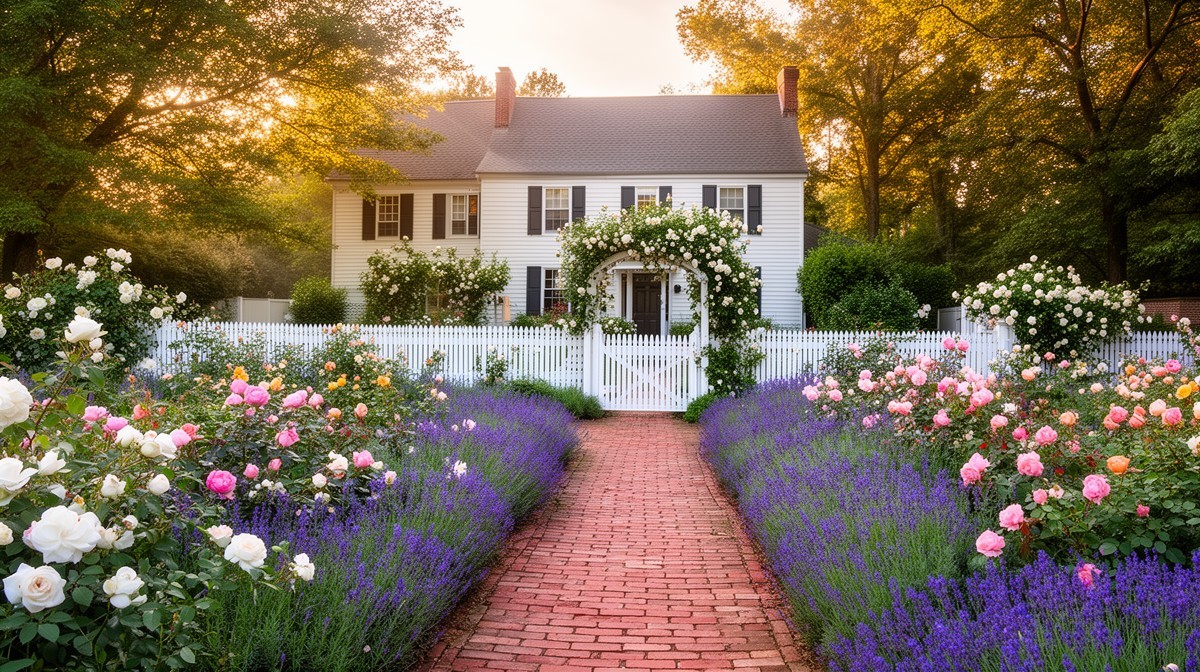
$8–15/sqftA cream story-and-a-half cottage with dormers and a full-width covered porch sits behind the classic cottage-garden opening move: a white picket fence with a timber arbor gate absolutely smothered in blush and cream climbing roses. A red-brick walkway runs straight from the street through the gate, edged on both sides by ribbons of purple lavender backed by billowing masses of pink and white shrub roses. The straight path and symmetrical borders keep the abundance feeling orderly — this is the design that proves a flower-packed front yard can still read as tidy from the curb.
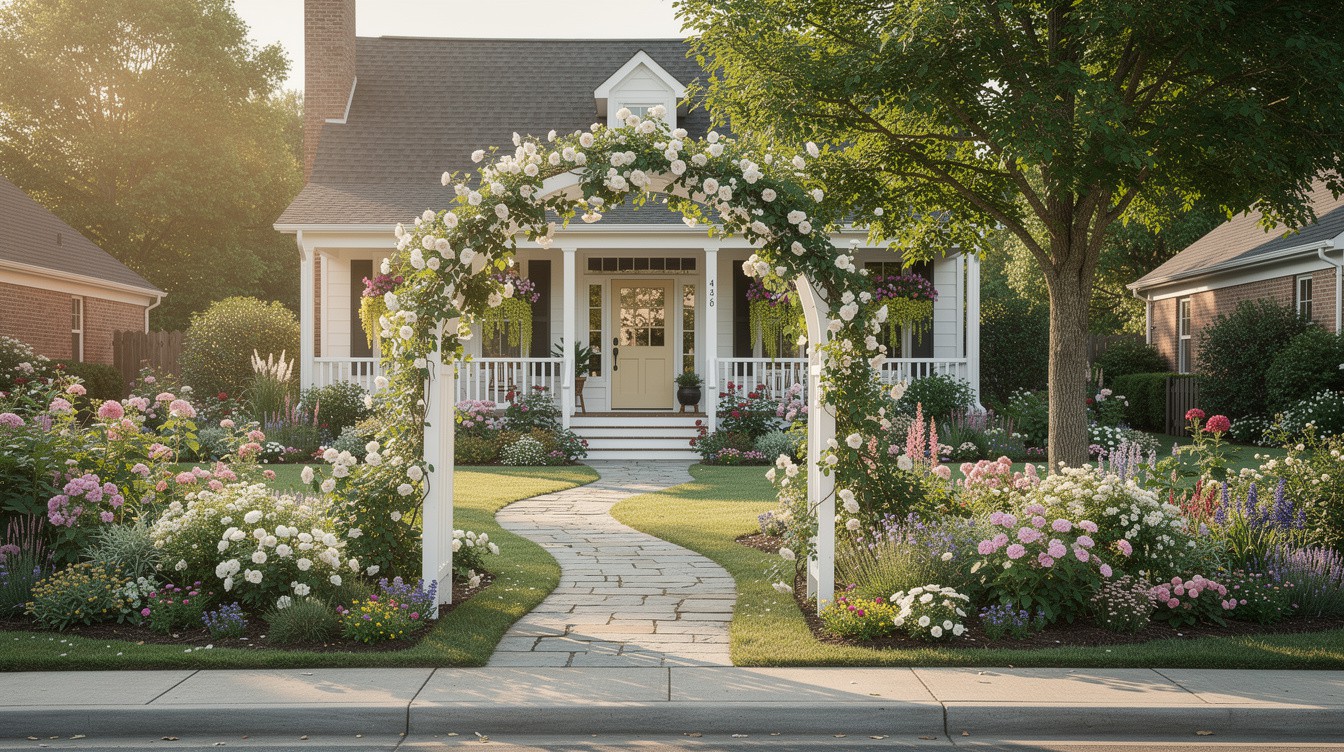
The Curved Stone Path
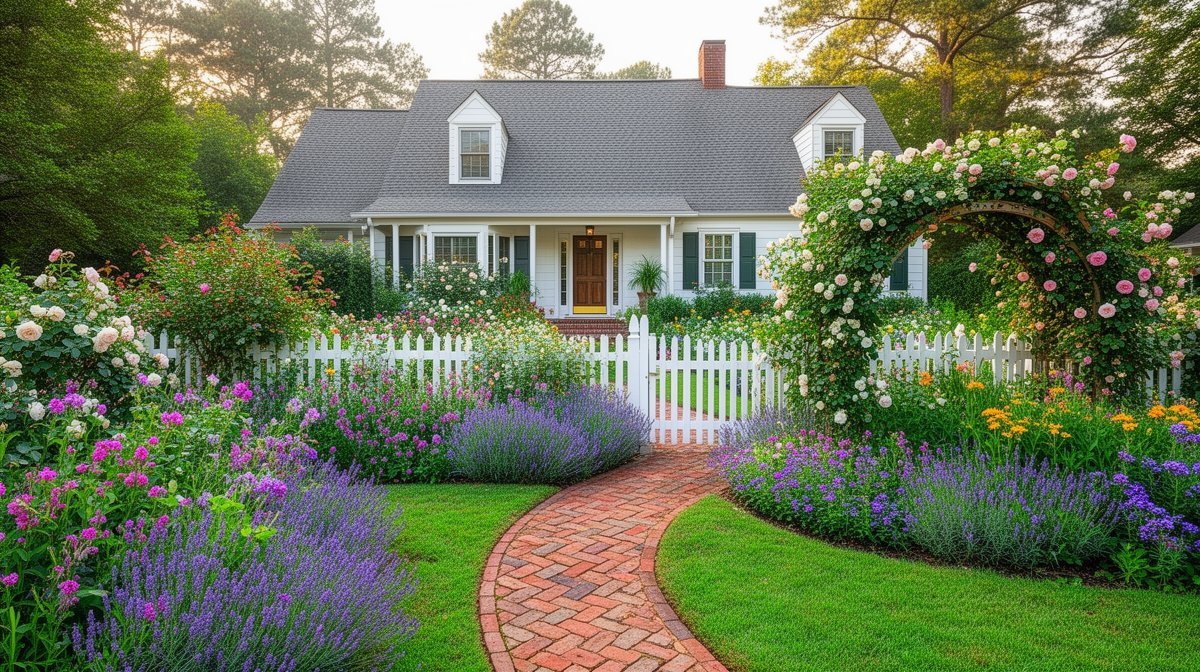
$10–18/sqftA white Cape Cod-style cottage with a brick chimney and railed front porch, reached by a flagstone path that curves deliberately through the lawn instead of cutting straight — the curve alone makes the yard feel twice as deep. A white arched arbor wrapped in pure-white climbing roses frames the journey midway, while deep, sweeping borders on both sides mix pink garden phlox, mophead hydrangeas, salvia spires, and white shrub roses. Hanging baskets trailing chartreuse creeping jenny line the porch, and a mature shade tree keeps the afternoon sun off the beds — essential life support for hydrangeas in a Fayetteville August.
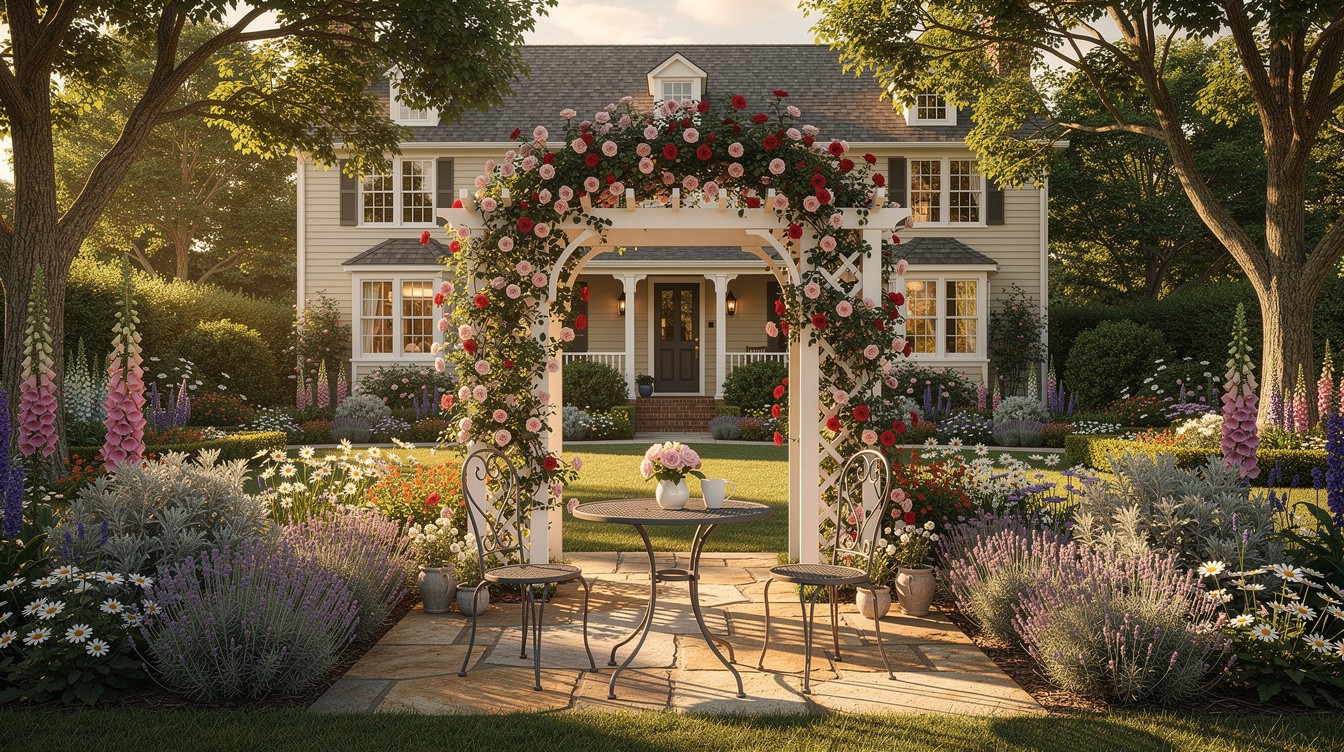
The Bistro Arbor
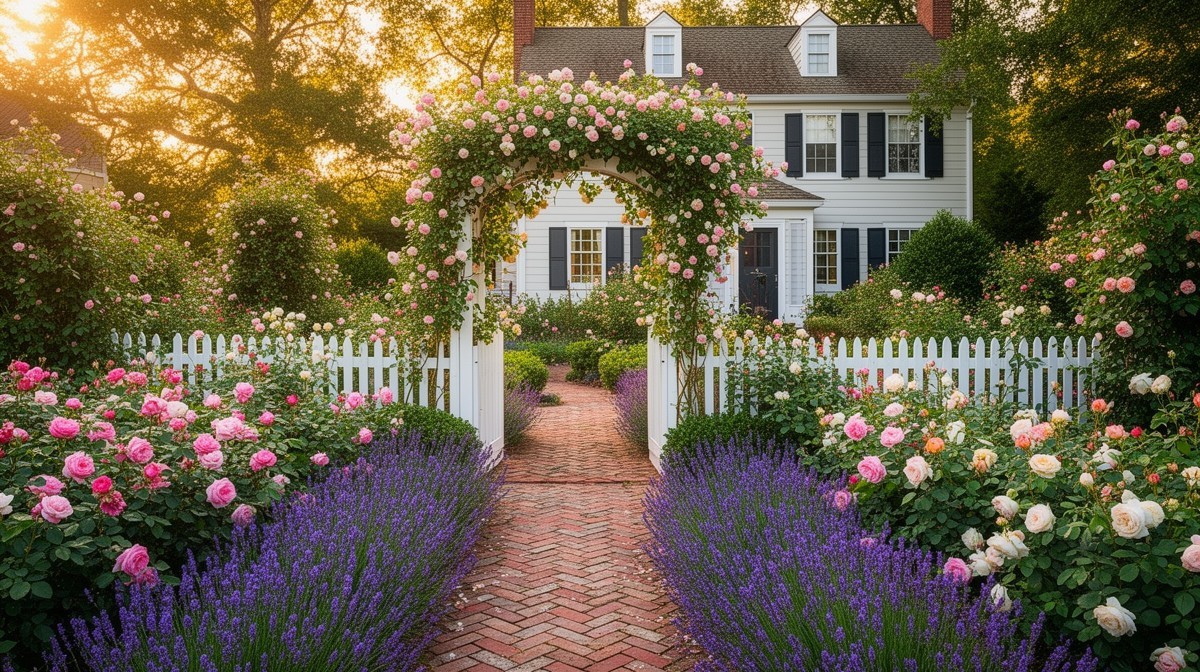
$12–22/sqftIn front of a stately two-story home, a white lattice-sided pergola arbor drips with red and pink climbing roses over a wrought-iron bistro set on an irregular flagstone patio — a destination garden room placed out in the yard rather than against the house. The surrounding borders are pure English romance: towers of pink and purple foxglove, drifts of lavender, shasta daisies, and silver lamb's ear catching the low evening light. It is morning-coffee landscaping, and because the arbor and patio are freestanding, the whole composition can be added to an existing lawn without touching the foundation beds.
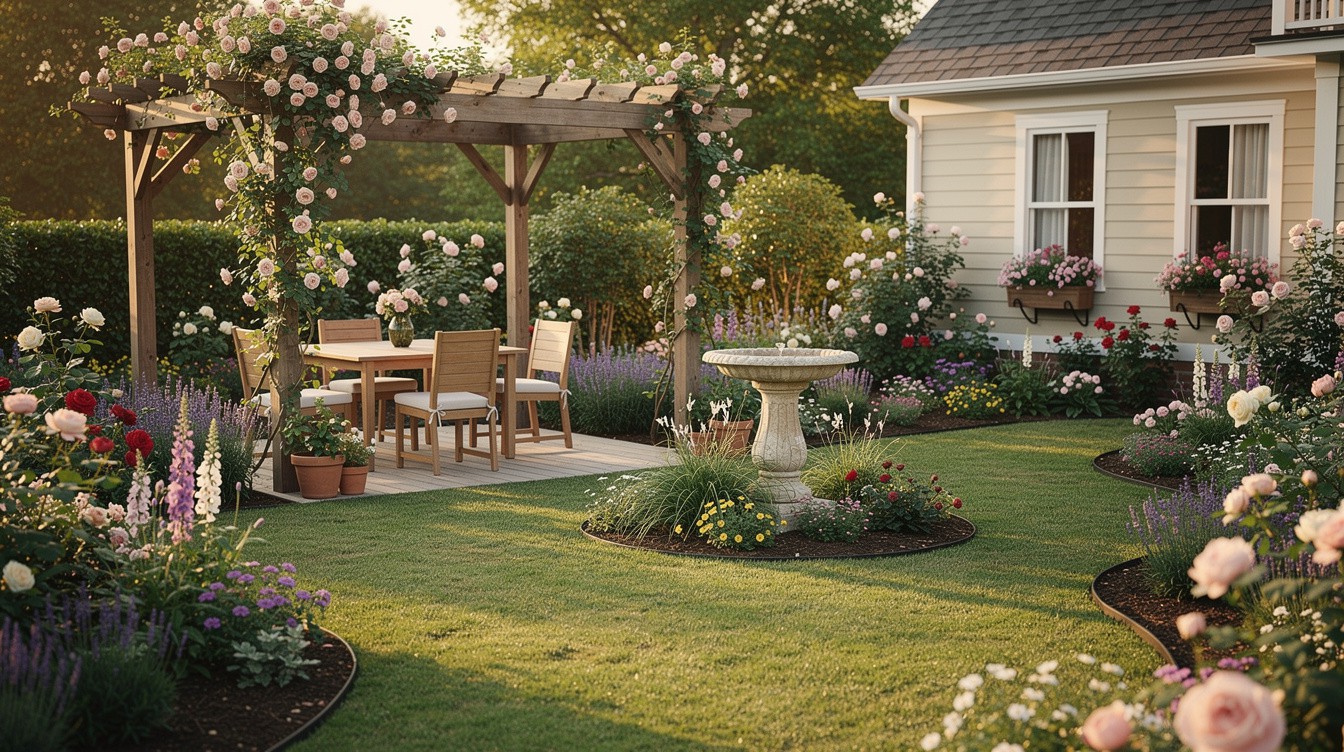
The Birdbath Rondel
$8–16/sqftA complete cottage backyard organized around two focal points: a natural cedar pergola wrapped in pink climbing roses shading a small wood-deck dining area, and a carved stone birdbath standing at the center of a circular island bed cut into the lawn. Steel-edged perennial borders trace the fence line with foxglove, lavender, catmint, and roses, while window boxes of pink annuals dress the house itself. The circular bed — the classic English 'rondel' — is the cheapest trick in cottage design: one afternoon with an edger turns a plain lawn into a garden with a centerpiece.
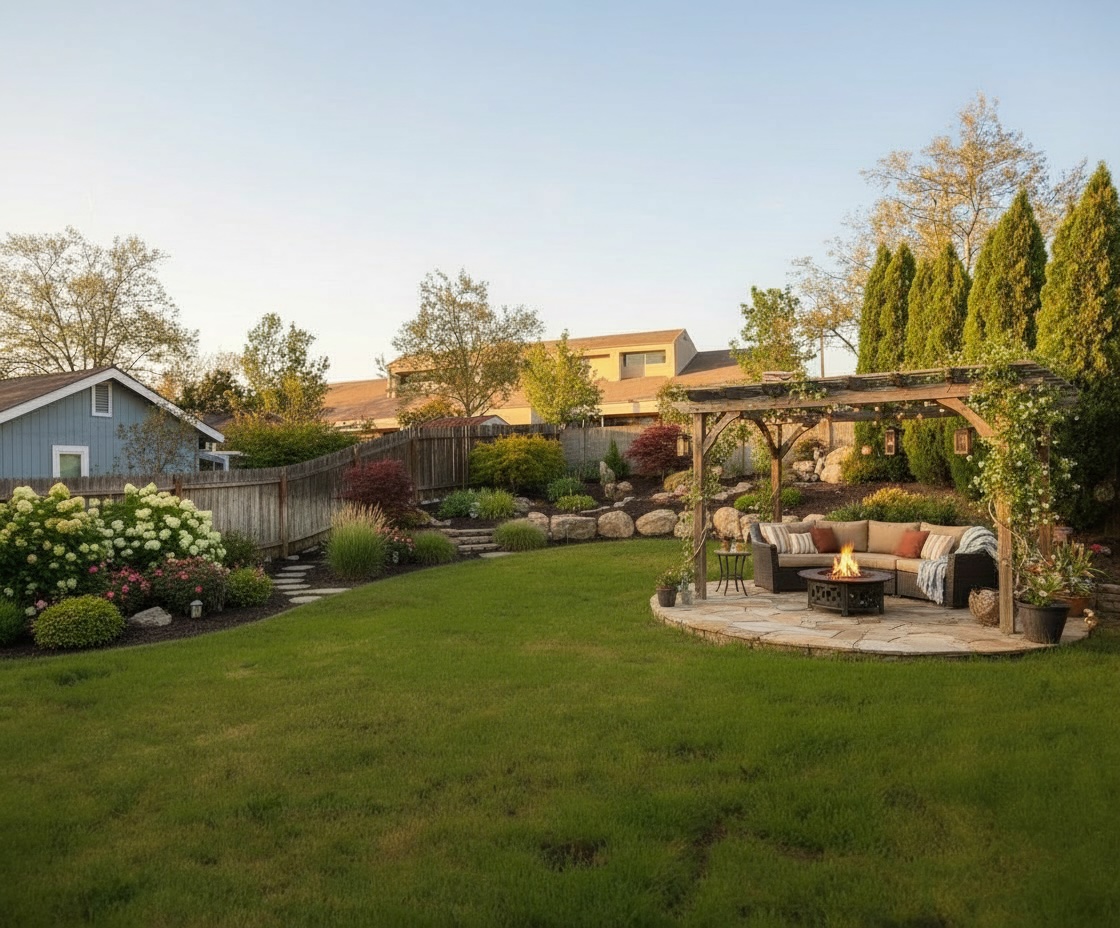
See how a cottage/english garden looks on YOUR property
Upload a photo of your Fayetteville yard and visualize your dream garden in seconds.
Try ProScapeAI Free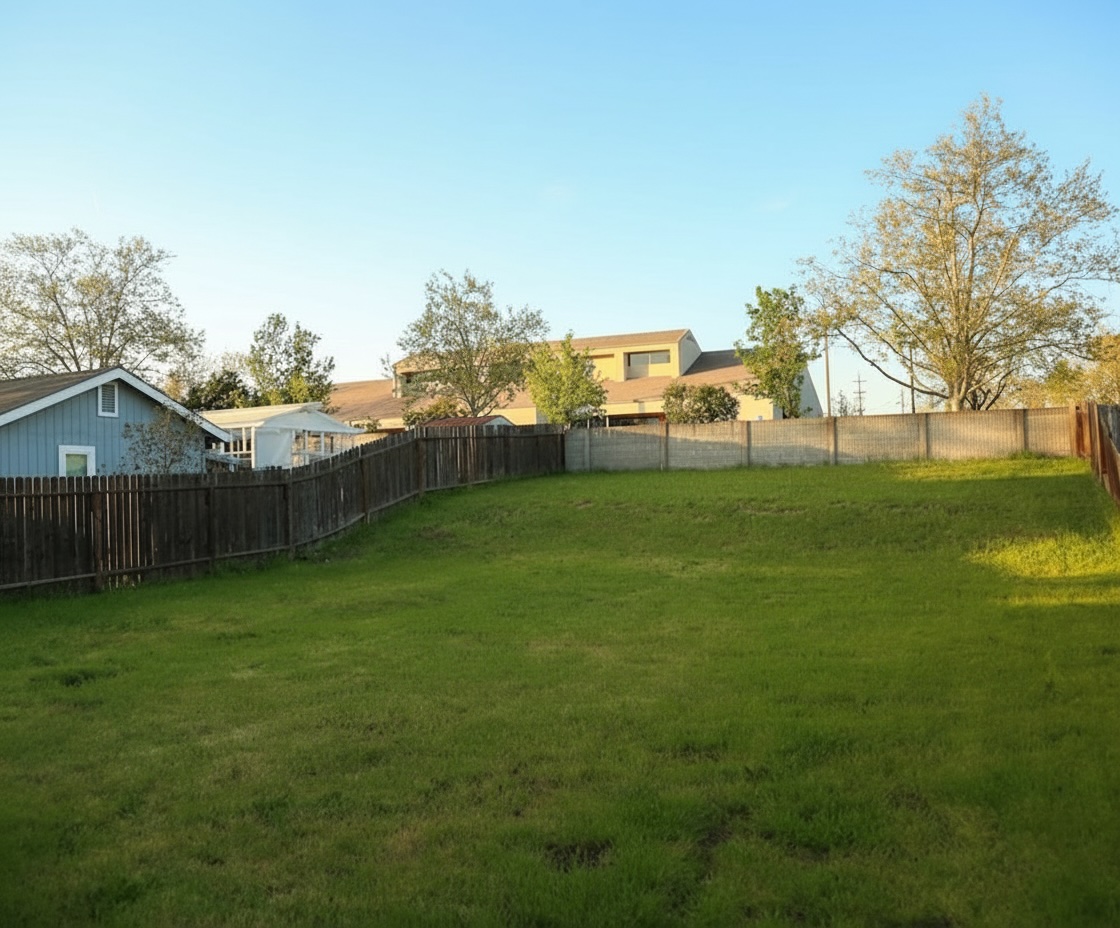
Featured Trees & Shrubs for Cottage/English Gardens
Browse all 175 plants for Fayetteville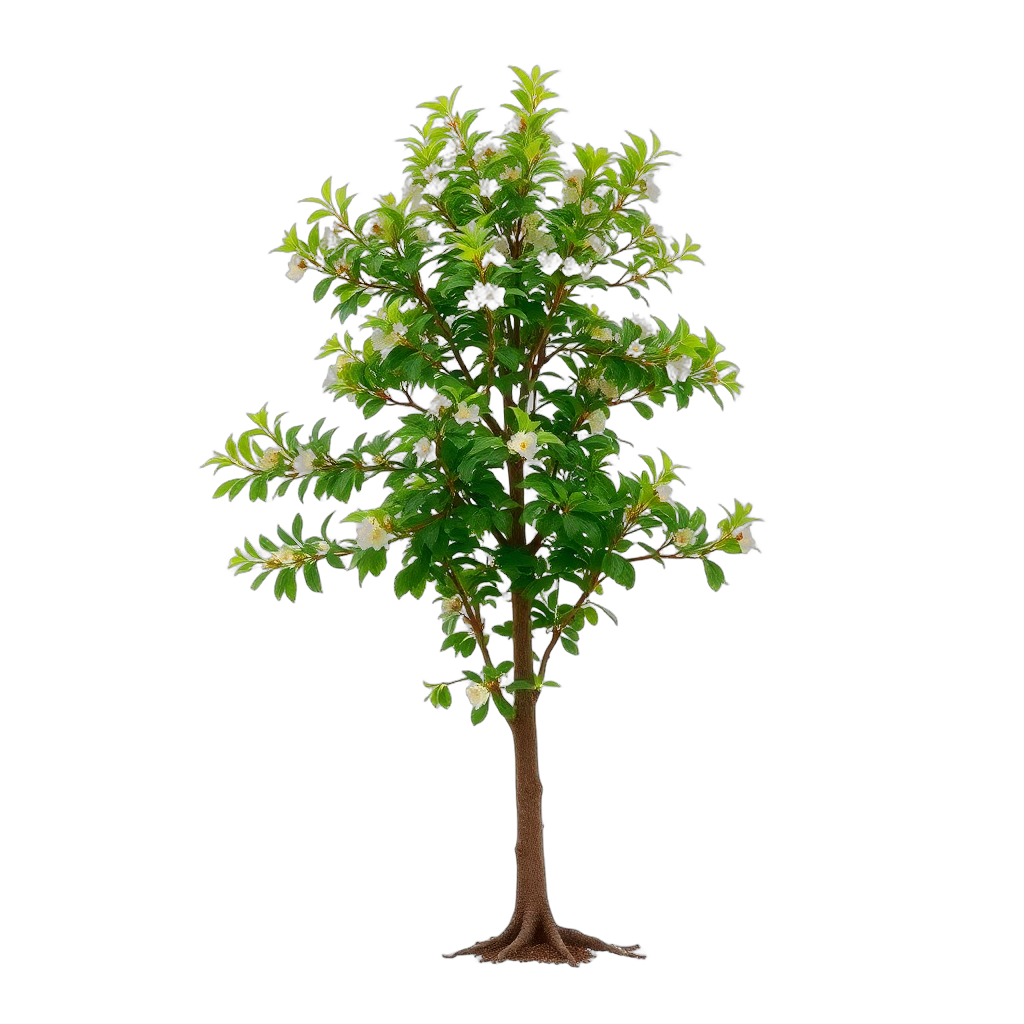
Buckwheat Tree
Cliftonia monophylla
medium-sized at 15 feet, white blooms in spring. Attracts butterflies.

Fetterbush
Lyonia lucida
grows to 6 feet, white blooms in spring. Evergreen year-round.

Florida Anise
Illicium floridanum
medium-sized at 8 feet, red blooms in spring. Evergreen year-round.

Inkberry
Ilex glabra
medium-sized at 8 feet, white blooms in spring. Pollinator-friendly.
Featured Grasses & Groundcovers for Cottage/English Gardens

Pink Muhly Grass
Muhlenbergia capillaris
grows to 3 feet, pink blooms in fall.
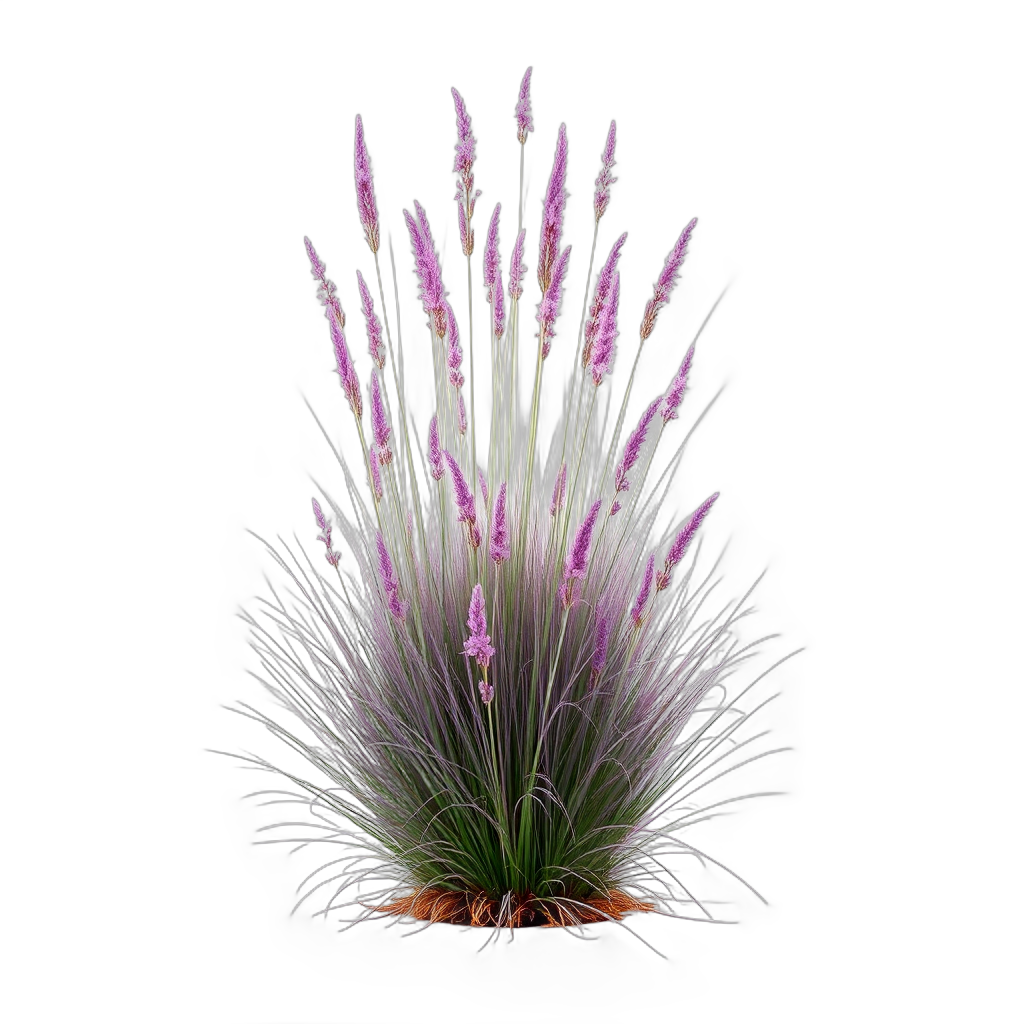
Purple Love Grass
Eragrostis spectabilis
low-growing ground cover, purple blooms in fall. Orange fall color.

Anceps Bamboo
Yushania anceps
medium-sized at 12 feet, blooms in none. Evergreen year-round.

Arrow Bamboo
Pseudosasa japonica
medium-sized at 15 feet, blooms in none. Evergreen year-round.
Featured Flowers & Perennials for Cottage/English Gardens
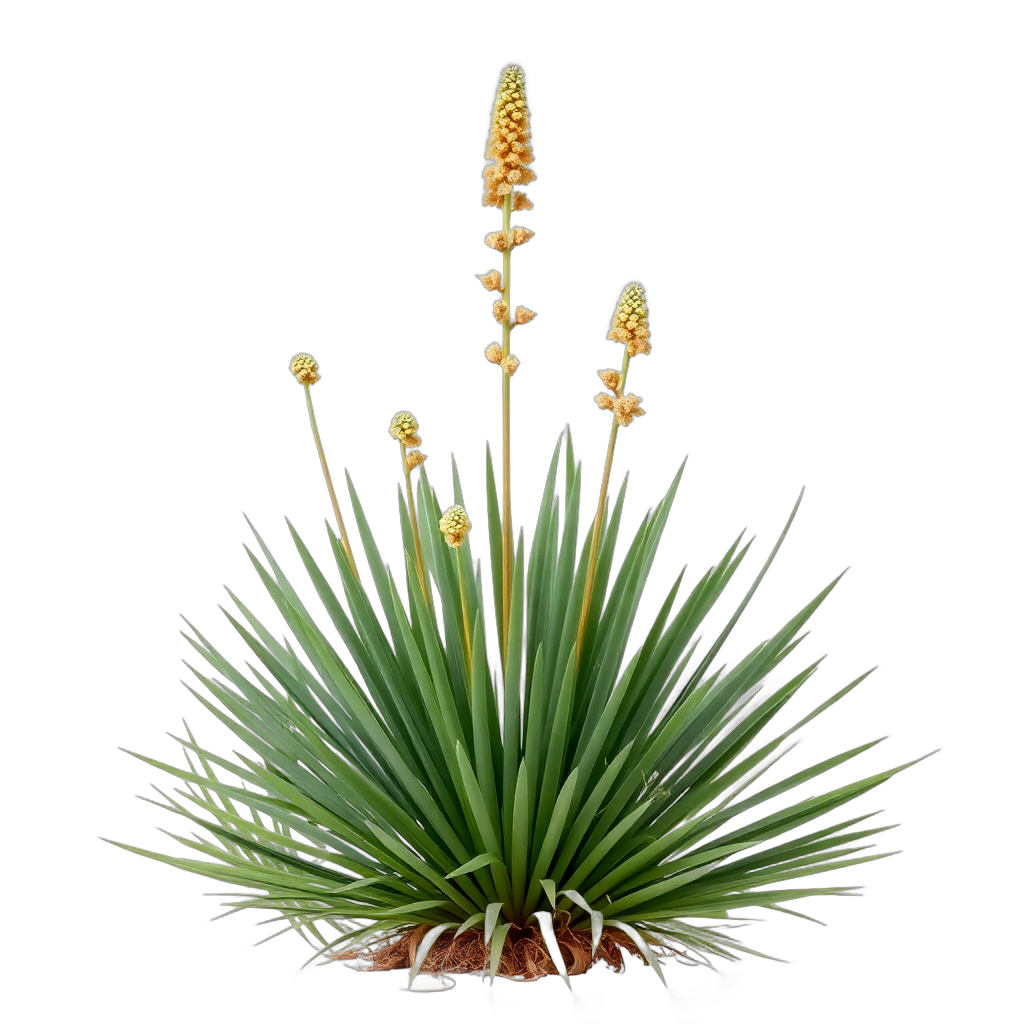
Adam's Needle
Yucca filamentosa
low-growing ground cover, white blooms in summer. Attracts hummingbirds.

Tussock Sedge
Carex stricta
low-growing ground cover, blooms in spring. Brown fall color.

Umbrella Sedge
Cyperus alternifolius
grows to 4 feet, blooms in summer. Evergreen year-round.
Bloom Calendar for Fayetteville
spring
Buckwheat Tree, Fetterbush, Florida Anisesummer
Adam's Needle, Swamp Cyrilla, Loblolly Bayfall
Pink Muhly Grass, Purple Love Grasswinter
Limited bloomsDesign Tips for Fayetteville (Zone 8a)
- Amend, then mulch — Sandhills sand drains beautifully but starves plants; two inches of compost worked into every bed plus a thick mulch blanket is the single highest-return investment in a Fayetteville cottage garden
- Buy roses by their disease rating, not their photo — black spot pressure here is relentless, and one resistant Knock Out outperforms three sprayed heirlooms; visit the FTCC rose garden in May to see which varieties actually look good in local humidity
- Plant your spires in October — foxglove, larkspur, and snapdragons are fall-planted cool-season performers in Zone 8a; set them out with the pansies and they'll deliver the vertical English drama in April that summer planting never will
- Curve every path you can — a flagstone walk that bends around one shade tree makes a 60-foot Fayetteville front yard read like an estate garden, and irregular stone set in turf costs less than a formal paver walk
- Give hydrangeas and phlox afternoon shade — full sun until 2 pm and shade after is the sweet spot that keeps big-leaf bloomers from wilting daily in July; design the lush borders on the east side of trees and fences
- Use the picket fence as a growing structure, not just a boundary — training Drift roses and clematis through the pickets doubles the flower display at zero extra hardscape cost, the signature move of every great cottage front yard
Where to Source Plants in Fayetteville
Skip the big-box stores. These independent Fayetteville nurseries specialize in the plants that make cottage/english gardens thrive in Zone 8a.
Click's Nursery & Greenhouse
North Fayetteville
Family-owned since 1985, full-service garden center with seasonal flowers, annuals, perennials, shrubs, and trees.
Green Biz Nursery & Landscaping
Wilmington Highway
Family business since 1979, operating the largest growing nursery in Cumberland County with 120+ acres.
Green Side Up Garden & Gifts
Wilmington Highway
Independent garden center offering houseplants, succulents, outdoor plants, decorative pottery, and workshops.
Raleigh Road Nursery & Landscaping
South Fayetteville
Family-owned since 1991, offering plants, trees, herbs, vegetable plants, seasonal flowers, and landscaping services.
Cottage/English Landscaping Costs in Fayetteville
| Project Scope | Estimated Cost |
|---|---|
| Front yard cottage makeover (picket fence + path + arbor + borders) | $6,000 – $14,000 |
| Brick or flagstone walkway (50–80 linear ft) | $3,000 – $8,000 |
| Cedar pergola or rose arbor, installed | $1,500 – $6,000 |
| Perennial border, densely planted (per 100 sqft) | $800 – $2,000 |
| Drip irrigation for beds (typical front yard) | $1,200 – $3,000 |
| AI visualization with ProScapeAI | Free to start |
Estimates based on Fayetteville, NC-area contractor rates as of 2026. Actual costs vary by site conditions, materials, and contractor.
Fayetteville Climate & Growing Zone
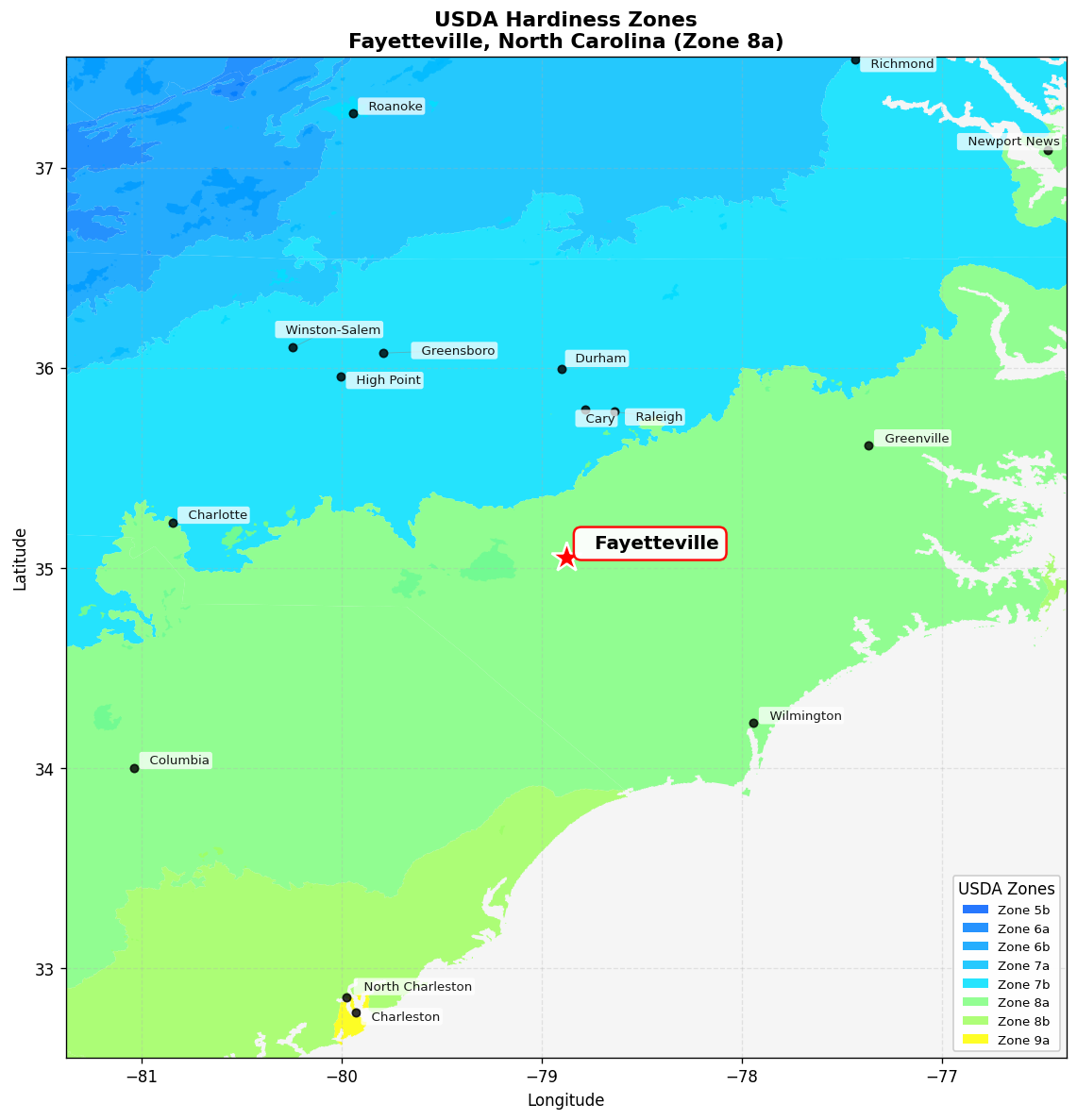
USDA Zone 8a
Hardiness zone for Fayetteville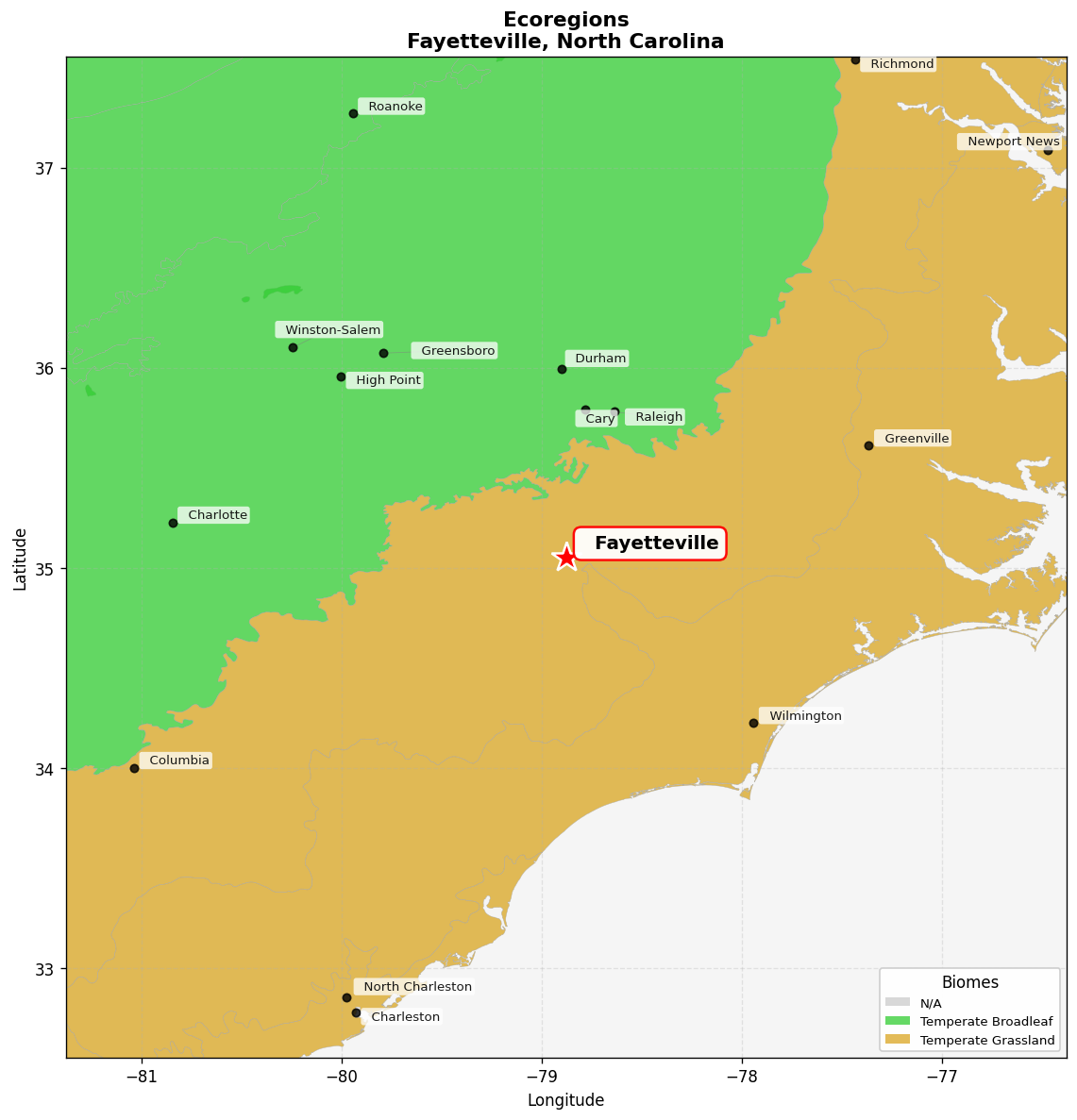
Southeast US conifer savannas
Native ecoregionFrequently Asked Questions
How much does a cottage garden cost in Fayetteville?
Fayetteville is one of the most affordable metros in the Carolinas for landscaping, with labor running 20–30% below Raleigh or Charlotte rates. A front-yard cottage makeover — picket fence, brick or flagstone path, arbor, and densely planted borders — typically runs $6,000–14,000 for a standard 500 sqft front yard. A backyard pergola-and-borders design lands between $8,000 and $20,000. Because cottage style depends on plants more than hardscape, it is also the most DIY-friendly style there is: a phased, plant-it-yourself version can come in under $3,000, especially if you start with quart-size perennials in fall.
Do English roses survive Fayetteville's humid summers?
Yes — the thousand-rose Fayetteville Rose Garden at FTCC settles the question — but variety choice is everything. The humid Cfa summers create heavy black spot pressure, so skip fussy old European varieties and plant disease-resistant types: Knock Out and Drift for massing, 'New Dawn' and 'Zephirine Drouhin' for arbors, and tougher David Austins like 'Olivia Rose Austin' for that ruffled English bloom. Fayetteville's sandy soil is actually a rose advantage — the sharp drainage prevents the root problems clay-country growers battle — but amend planting holes with compost and mulch well, because pure sand starves roses of nutrients and moisture.
What should I know about Fayetteville's sandy soil before planting?
Fayetteville sits in the Carolina Sandhills, so most lots have fast-draining sandy soil — the opposite problem of Piedmont clay. Drainage-loving cottage plants (lavender, rosemary, dianthus, salvia) thrive with no special prep, but sand holds almost no water or nutrients. Work 2–3 inches of compost into every new bed, top with 2–3 inches of mulch to slow evaporation, and plan on drip irrigation for the first two summers; unirrigated new perennials rarely survive a Fayetteville July in pure sand. The upside: digging is easy, beds establish fast, and winter root rot is nearly nonexistent.
Which classic cottage plants struggle here, and what should I substitute?
Four common casualties: English lavender sulks in humidity — plant the hybrid 'Phenomenal' instead. Delphiniums collapse in the heat — use larkspur (a self-seeding annual) or tall 'Mystic Spires' salvia for the same blue spires. Foxglove won't survive summer as a perennial — plant it in October as a biennial and it will tower in April and May. Peonies are marginal in Zone 8a — choose early single varieties, or lean on mophead hydrangeas for the same blowsy effect. Everything else on the classic list — roses, phlox, catmint, daisies, yarrow, coneflower — performs beautifully.
When is the best time to plant a cottage garden in Fayetteville?
October and November, without question. Fall-planted perennials and roses root through Fayetteville's mild Zone 8a winter and emerge in spring already established — typically twice the first-year growth of spring plantings, which face a brutal first July. Fall is also when foxglove, larkspur, and poppies must go in to bloom the following spring. Late February through March is the second-best window. Avoid planting June through September; even with irrigation, establishing perennials in 90°F+ humidity is an uphill fight. Hardscape — paths, fences, arbors — can be built in any month of the year.
Do I need a permit for a fence, arbor, or patio in Fayetteville?
Planting beds, walkways, and arbors need no permit. The City of Fayetteville requires a permit for fences in some situations and caps front-yard fence height (generally 4 feet in front setbacks — perfect for pickets) with 6 feet allowed in side and rear yards, so check the Unified Development Ordinance before building. Detached pergolas above a certain size and any structure with a roof may need a Cumberland County building permit. If you live in an HOA community like Gates Four or the newer Jack Britt subdivisions, architectural review approval is usually the longer pole — submit before you buy materials.