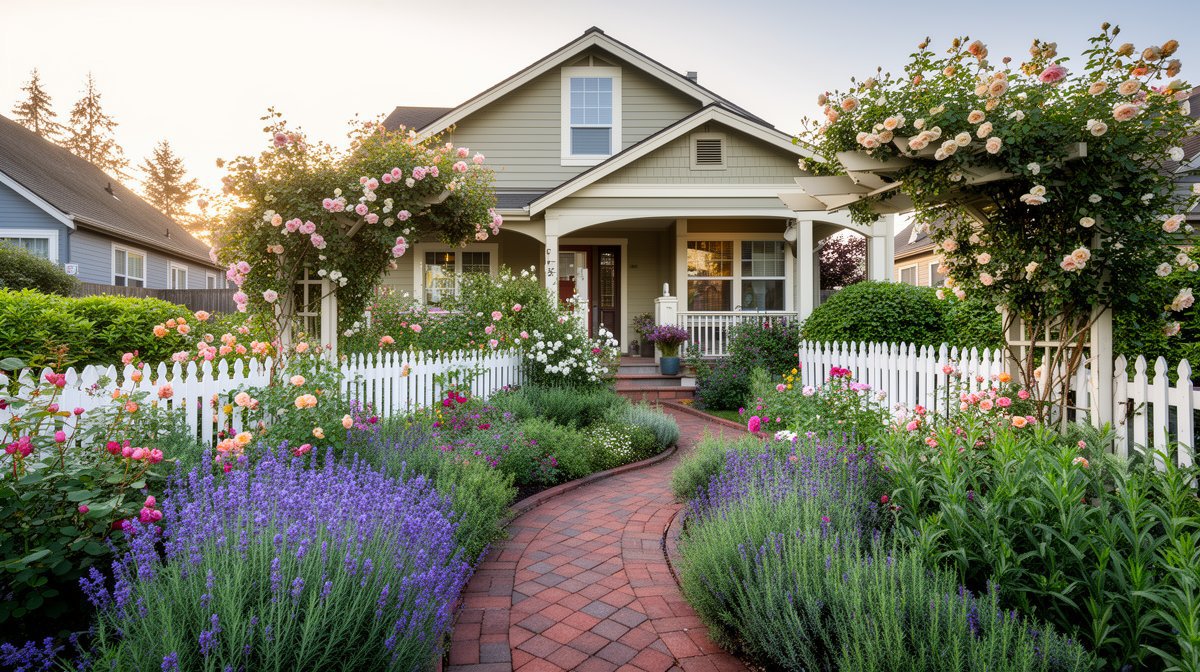
4 English Cottage Garden Ideas for Federal Way, WA | Zone 8b
Native plants from the Puget lowland forests (Zone 8b) — Mediterranean (warm summer) climate
For a cottage garden in Federal Way, WA, a zone 8b city with a mediterranean (warm summer) climate, start with Rosa 'Graham Thomas' on the arbour, Rosa 'Munstead Wood' and Lavandula × intermedia 'Provence', the plants this guide's first design is built on.
Why Cottage/English Gardens in Federal Way?
Much of Federal Way was built out as suburban housing from the 1970s through the 1990s, and that stock suits a cottage garden well. Low ramblers and split-levels in Lakeland, two-story colonials around Steel Lake and Mirror Lake, and newer subdivisions toward Dash Point all come with a wide front yard, a plain facade and a lawn that does little. A cottage border gives that frontage a layered edge: a picket fence, a rose over the gate, and a deep bed of lavender, geranium and foxglove in front of the windows. A bed 4–6 feet deep reads from the street and fits most lots here.
The climate does most of the plant selection. NOAA's 1991–2020 normals for Sea-Tac, the nearest station, give about 39 inches of rain a year, and roughly 30 of them fall from October through March. July gets 0.60 inches. January lows average 37.7°F and July highs 77.4°F, which is USDA Zone 8b with a long, cool, gray winter and a dry summer. Roses and hardy geraniums love the cool, mild growing season, but delphinium and lupine are slug food, and Lavandula angustifolia 'Hidcote' rots in wet clay. The plants that hold up are Rosa 'Graham Thomas', Rosa 'Munstead Wood', Lavandula × intermedia 'Provence', Geranium 'Rozanne', Digitalis purpurea 'Camelot Rose' and Nepeta × faassenii 'Walker's Low'. At Sea-Tac the 50 percent dates for a 32°F freeze are about March 2 in spring and November 23 in fall.
Much of the Federal Way plateau sits on compact glacial till that drains slowly in winter, so the same bed that bakes in August can hold water around the crowns in January. Native soils in the Puget lowland tend to run acidic, so run a soil test before you plant, lime the lavender and rose beds if the pH is below about 6.0, and build the borders up 6–10 inches with compost and coarse grit rather than digging holes into hard ground. Keep the lavender in the sunniest, best-drained bed along the south side of the house.
Planting beds and paths need no special approval, but fences, retaining walls and any work near streams, wetlands or steep slopes carry limits. Set picket-fence and arbour posts below the frost line, and ask the City of Federal Way Community Development department about height limits, corner sight triangles and the footing depth it wants before you order lumber.
4 Cottage/English Design Ideas for Federal Way
AI-generated image
The Rambler Picket and Rose Front
$20–42/sqftA low white picket fence runs along the front of a 1970s rambler, with a cedar arbour over the gate and Rosa 'Graham Thomas' climbing it. Lavender and catmint spill over a gravel-edged border along the fence, and a curved flagstone path leads to the door. The front faces south, so the border gets six hours of sun and the roses stay dry enough to hold blackspot down in a wet spring.
Try this on your yard: The Rambler Picket and Rose FrontAI-generated image
The Porch Border for a Two-Story Colonial
$24–48/sqftA deep three-layer bed runs along the porch of a two-story colonial: Digitalis purpurea 'Camelot Rose' and Veronicastrum 'Fascination' at the back, astrantia and phlox in the middle, and hardy geranium and lady's mantle at the front. A clipped boxwood ball sits at each porch post, and two terracotta pots hold fuchsias beside the steps. The east side gets morning sun and afternoon shade from a tall fir, which suits foxglove and keeps the border cool through August.
Try this on your yard: The Porch Border for a Two-Story ColonialAI-generated image
The Back-Lawn Tea Corner
$18–38/sqftA circle of gravel the width of a bistro table sits in the corner of a fenced back lawn, with a white arch of Clematis 'Jackmanii' behind it. Deep borders of hydrangea, lavender and lady's mantle wrap the corner, and the lawn narrows to a single panel. The corner gets afternoon sun, so evening is when it is used, with the plants backlit and the fence hiding the neighbor.
Try this on your yard: The Back-Lawn Tea CornerAI-generated image
The Cut-Flower Kitchen Cottage
$22–40/sqftFour raised cedar beds sit along the sunny side of a 1990s two-story, edged with a gravel path and fronted by a low lavender hedge. Beds hold dahlias, sweet peas and herbs, and a tripod of runner beans anchors each corner. Raised beds drain better than ground on glacial till, and the rose trained against the south fence adds a vertical layer.
Try this on your yard: The Cut-Flower Kitchen CottageSee how a cottage/english garden looks on YOUR property
Upload a photo of your Federal Way yard and visualize your dream garden in seconds.
Try ProScapeAI Free

AI-generated image
Featured Trees & Shrubs for Cottage/English Gardens
Browse all 163 plants for Federal Way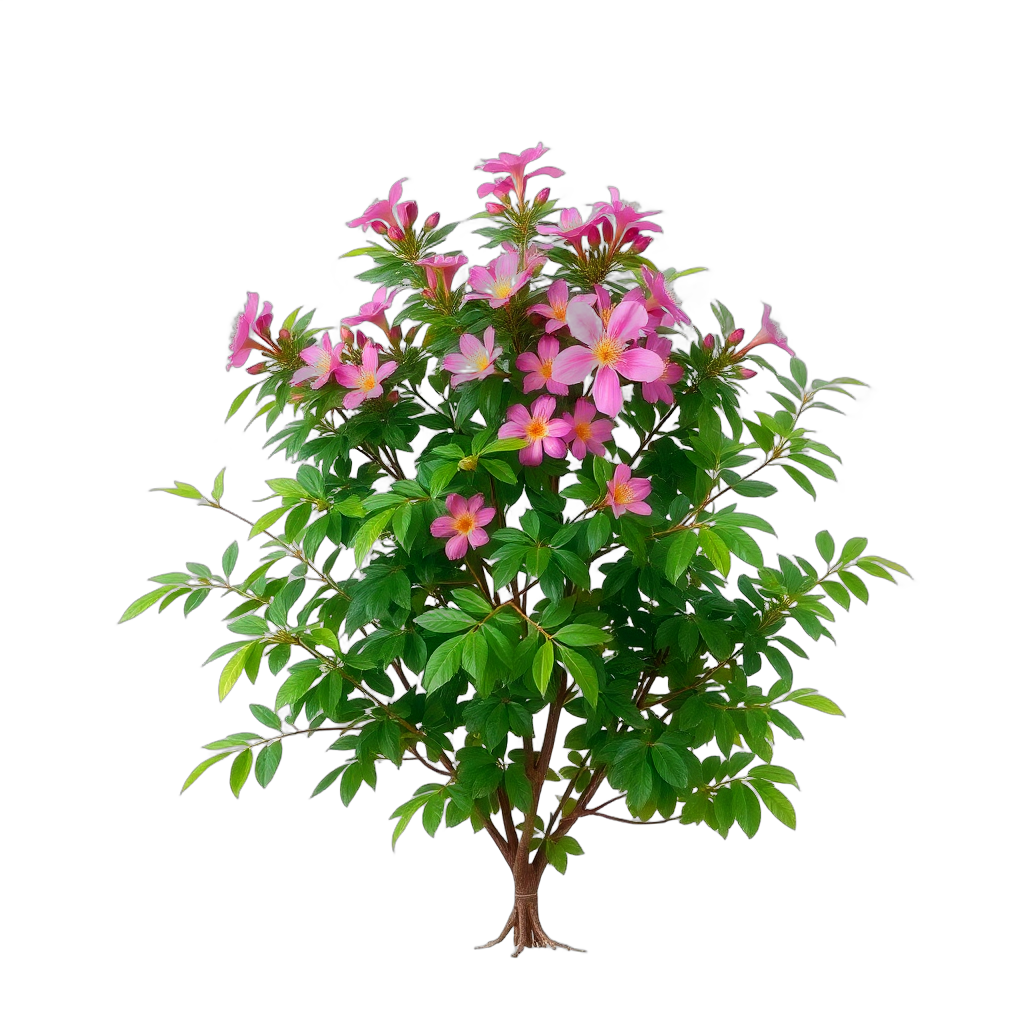
Nootka Rose
Rosa nutkana
grows to 5 feet, pink blooms in spring. Attracts butterflies.
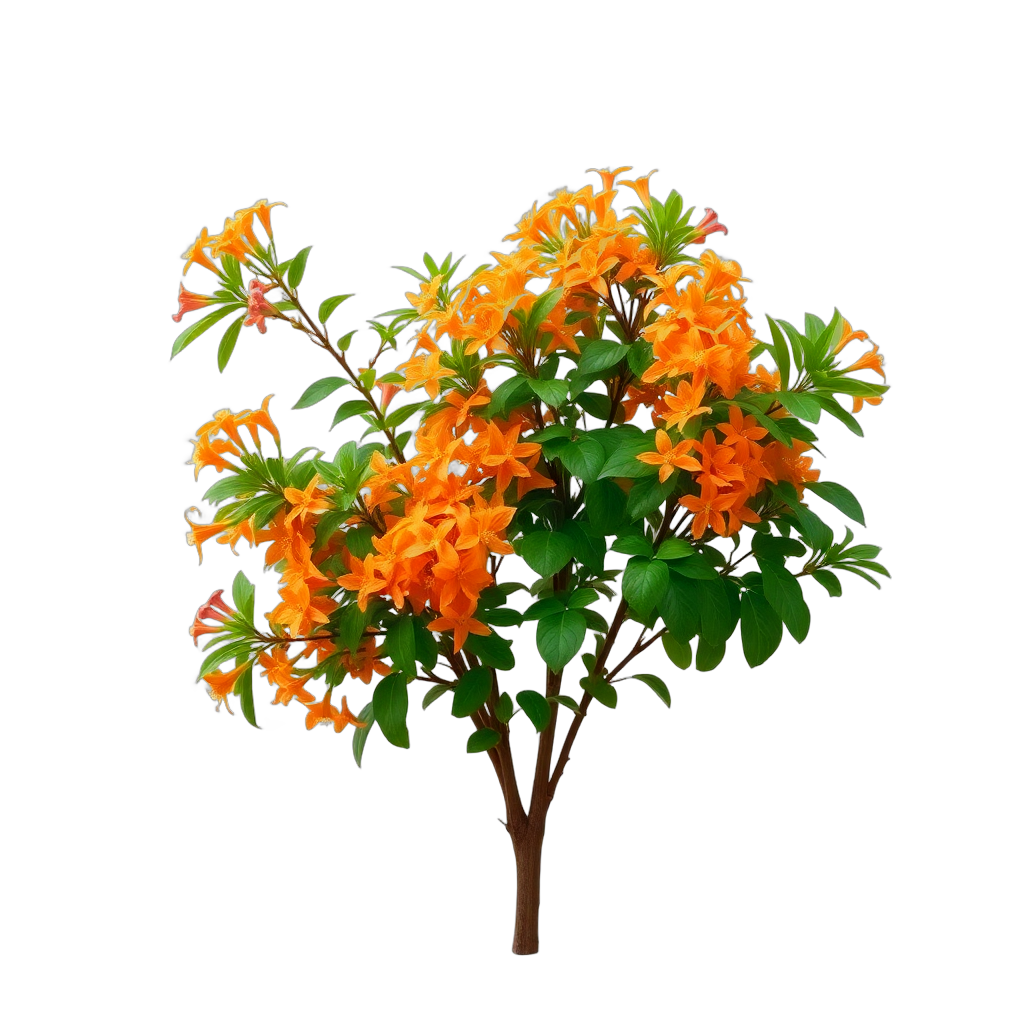
Orange Honeysuckle
Lonicera ciliosa
medium-sized at 15 feet, orange blooms in summer. Attracts hummingbirds.
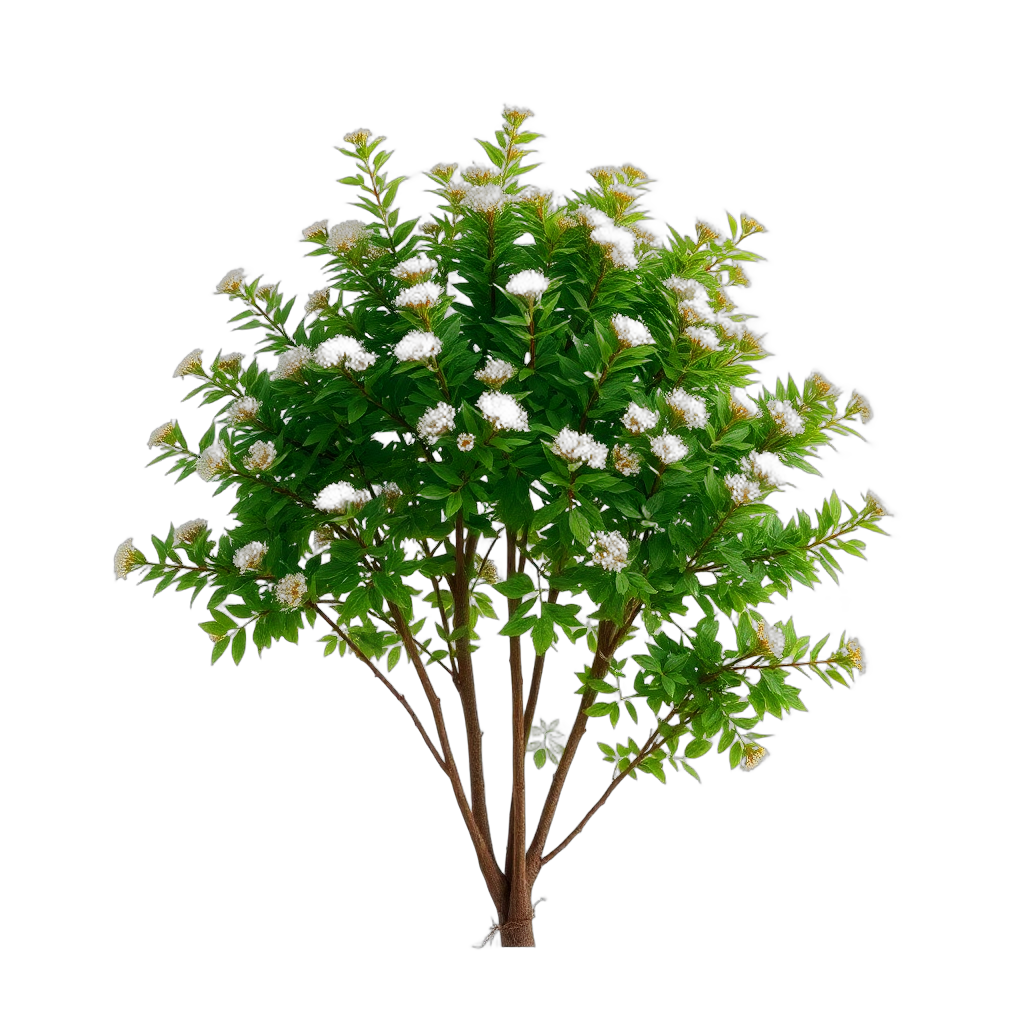
Pacific Ninebark
Physocarpus capitatus
medium-sized at 8 feet, white blooms in spring. Attracts butterflies.
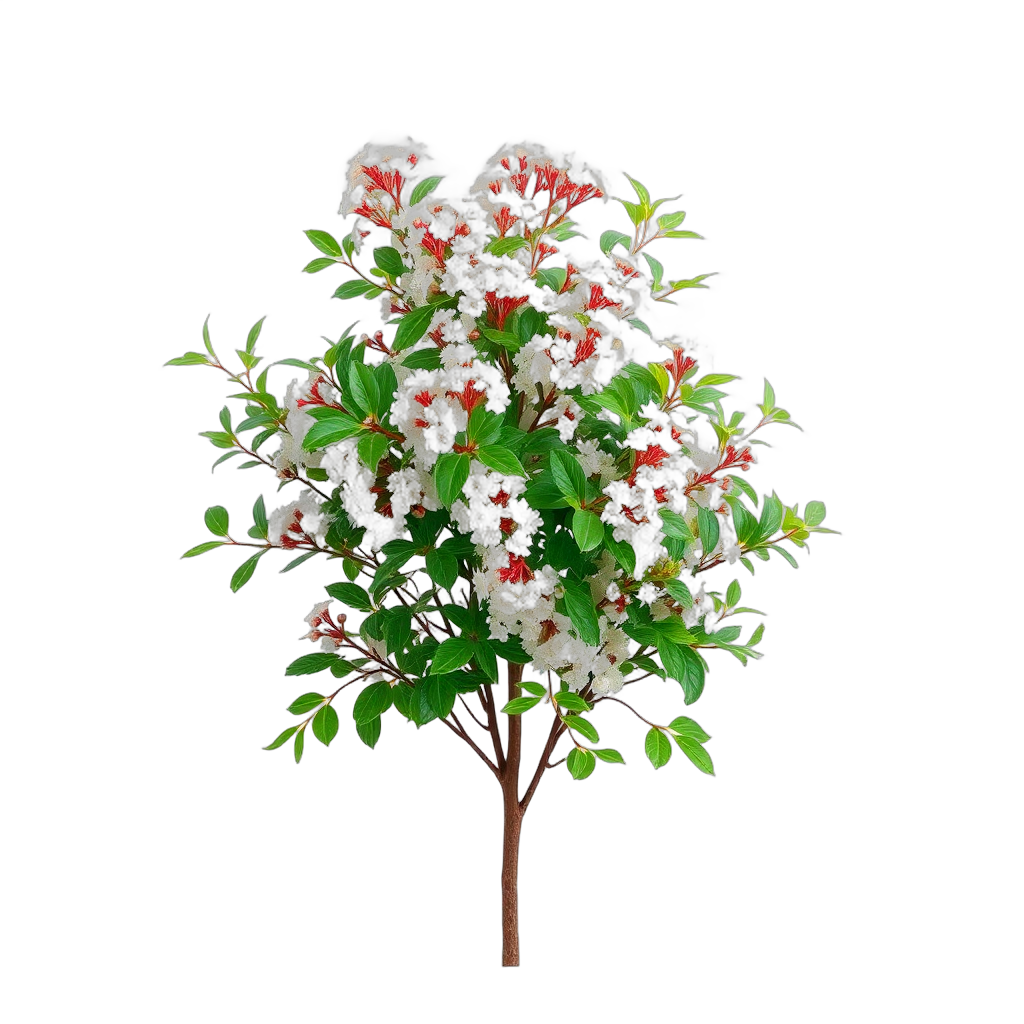
Snowberry
Symphoricarpos albus
grows to 4 feet, pink blooms in summer.
Featured Flowers & Perennials for Cottage/English Gardens
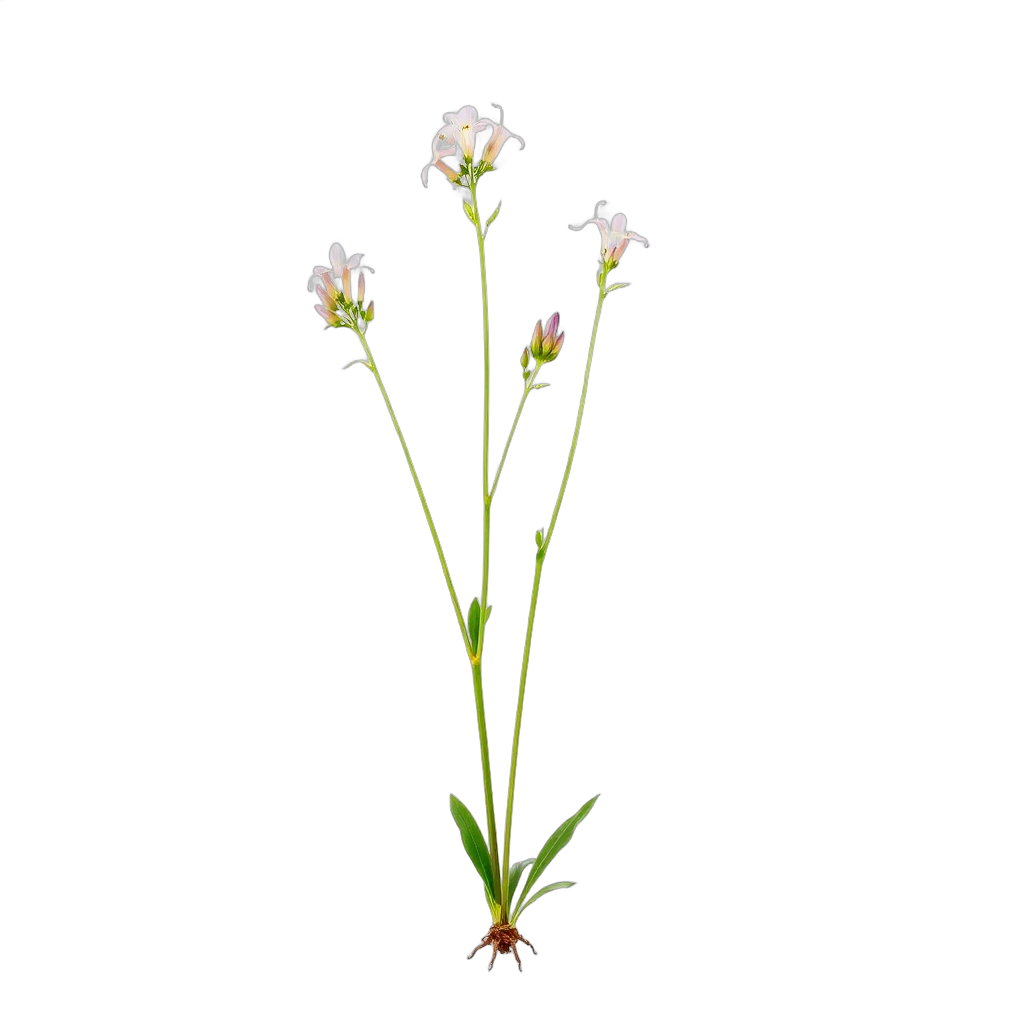
Common Camas
Camassia quamash
low-growing ground cover, blue blooms in spring. Pollinator-friendly.
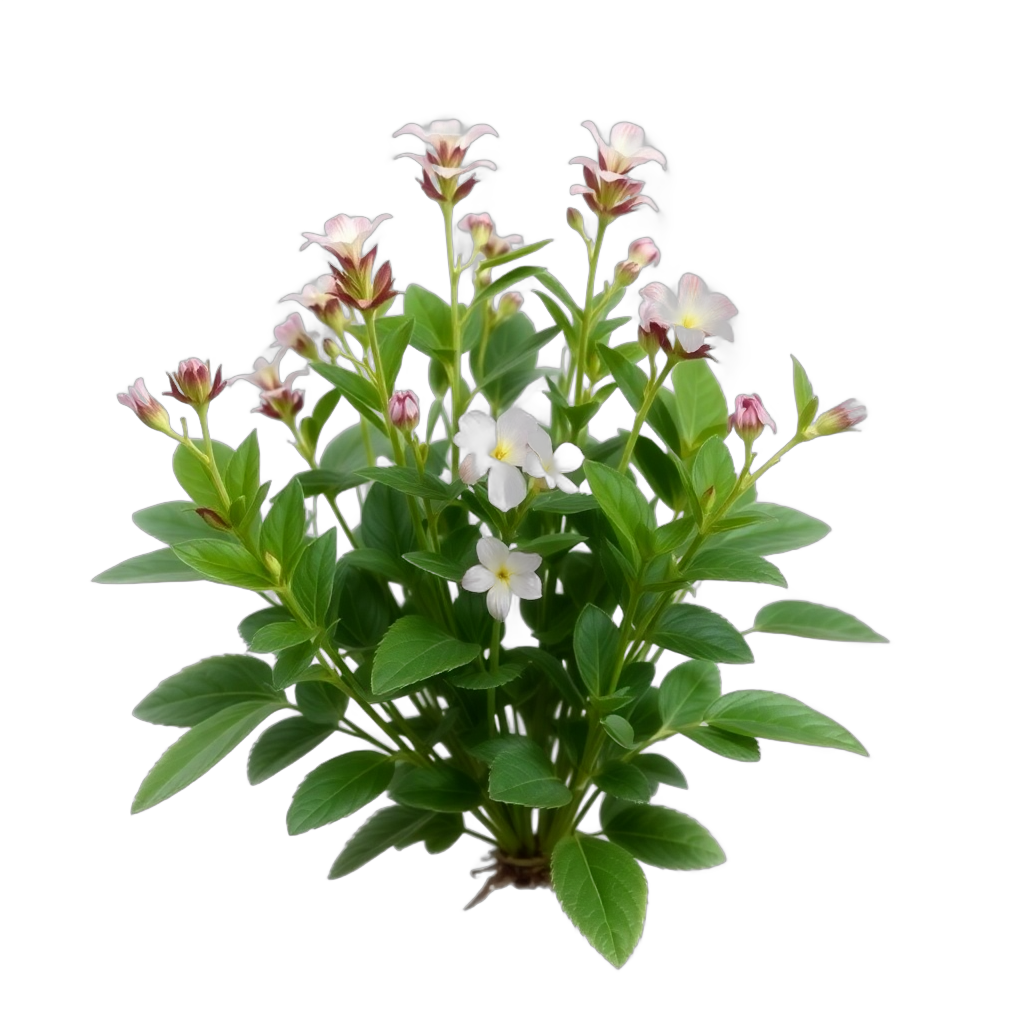
Inside-Out Flower
Vancouveria hexandra
low-growing ground cover, white blooms in spring.
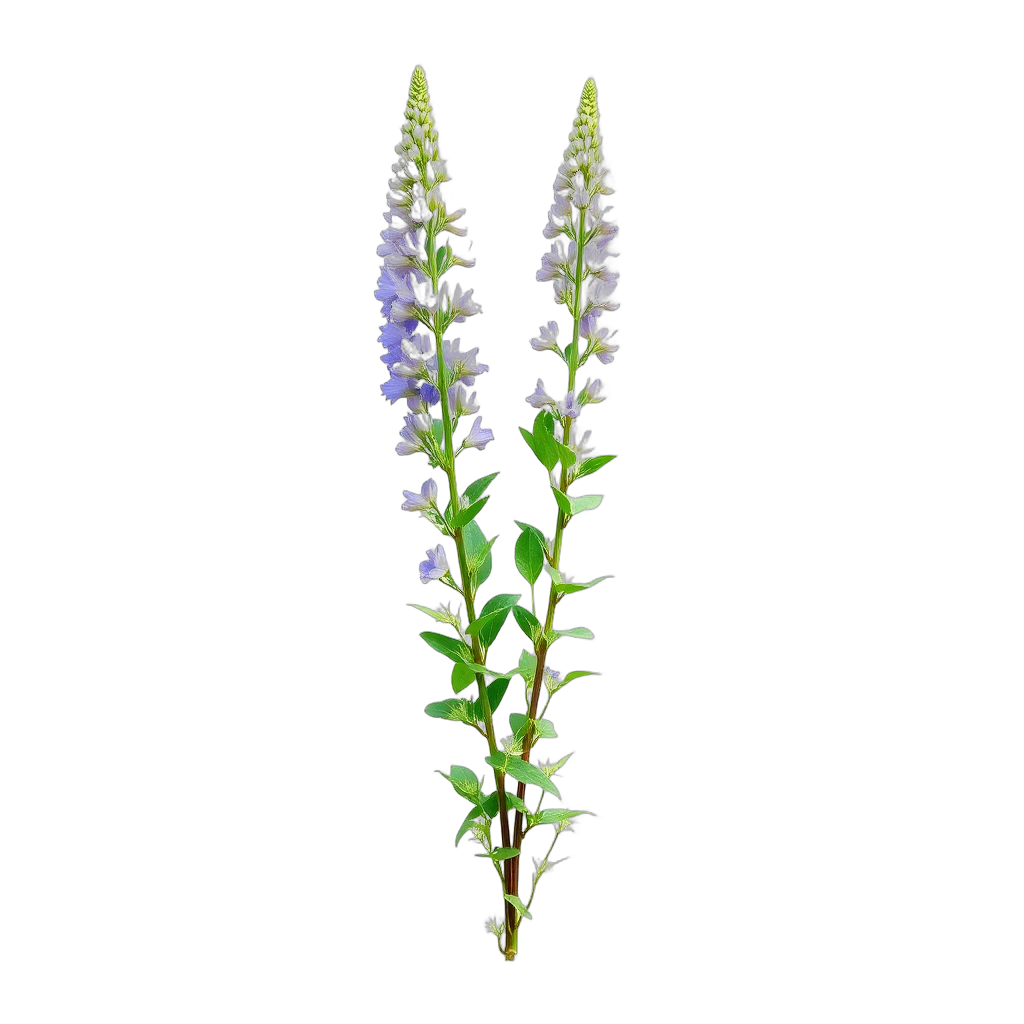
Large-Leaved Lupine
Lupinus polyphyllus
grows to 4 feet, multi blooms in spring. Attracts butterflies.
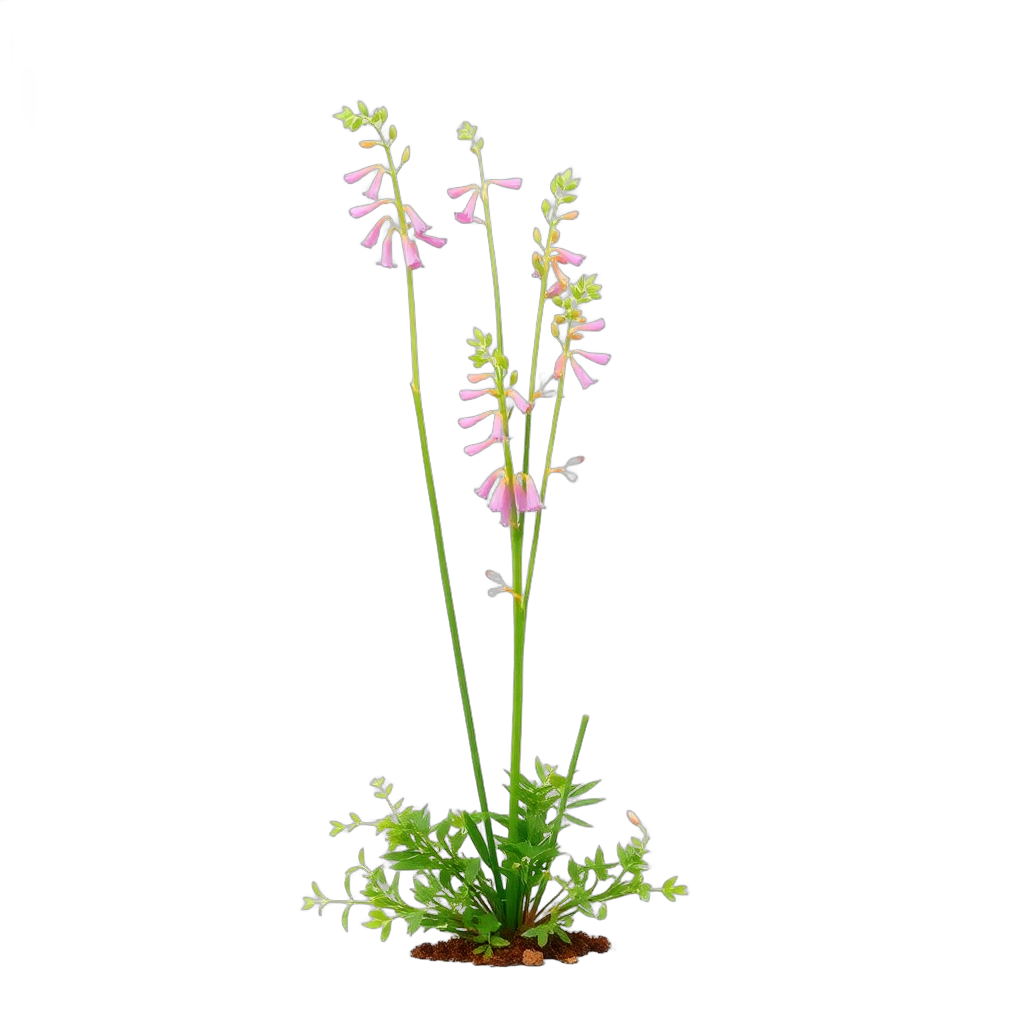
Scouler's Corydalis
Corydalis scouleri
grows to 3 feet, pink blooms in spring. Pollinator-friendly.
Zone and sun checks come from our database — confirm with your local nursery before you buy.
Bloom Calendar for Federal Way
spring
Common Camas, Inside-Out Flower, Large-Leaved Lupinesummer
Tiger Lily, Orange Honeysuckle, Snowberryfall
Limited bloomswinter
Limited bloomsDesign Tips for Federal Way (Zone 8b)
- Build every border up 6–10 inches with compost and coarse grit: glacial till holds winter water around crowns, and wet roots kill more lavender and roses here than cold does
- Test the soil before you plant: Puget lowland soils tend to run acidic, so add garden lime to the lavender and rose beds only if the test reads below pH 6.0
- Set fence and arbour posts below the frost line and confirm the footing depth with the City before you buy lumber
- Plan for slugs from March: Digitalis purpurea 'Camelot Rose' and Geranium 'Rozanne' are slug-proof backbone plants, and delphinium and hosta need bait or a raised pot
- Run drip under roses and lavender and skip the overhead sprinkler: July averages 0.60 inches of rain at Sea-Tac, but wet leaves in a damp June invite blackspot
- Plant for a long season: Clematis 'Jackmanii' and Rosa 'Graham Thomas' carry June to August, Echinacea purpurea 'Magnus' and Hydrangea arborescens 'Annabelle' fill July to October
- Put one white or pale plant in every view, such as Hydrangea 'Annabelle' or Rosa 'Iceberg': the gray winter light and long summer dusks make pale flowers glow
Where to Source Plants in Federal Way
Skip the big-box stores. These independent Federal Way nurseries specialize in the plants that make cottage/english gardens thrive in Zone 8b.
Covington Creek Nursery
Auburn (southeast of Federal Way)
Trees, shrubs, perennials, native plants, Japanese maples and fruit trees, plus pottery, fountains and trellises
Watson's Greenhouse & Nursery (Federal Way store)
South of Federal Way (S 320th St, Auburn address)
Family-owned garden center with annuals, perennials, trees, shrubs and edibles, pottery and garden accents, and design services
Kent East Hill Nursery
Kent East Hill
Outdoor perennials, annuals, evergreens, deciduous trees, edibles and privacy plants, plus bulk soil and rock
Carpinito Brothers
Kent Valley (Central Ave N)
Farm-based garden center with greenhouse-grown starts and hanging baskets, plus bulk bark, soil, compost and gravel for pickup or delivery
Cottage/English Landscaping Cost Ranges
| Project Scope | Estimated Cost |
|---|---|
| Flagstone or brick walkway on a compacted base (150–250 sqft) | $3,000–$9,400 |
| Picket fence, 4 ft tall (60 linear ft) | $1,500–$2,400 |
| Brick paver walk (100 sqft) | $2,000–$2,600 |
| Drip irrigation system (500 sqft of planted area) | $1,200–$2,200 |
| AI visualization (ProScapeAI) | Free to start |
National average installed ranges for 2026 from our landscaping price list (Homewyse and other published sources). Prices in Federal Way, WA vary with site, materials and contractor, so get two or three local quotes.
Federal Way Climate & Growing Zone
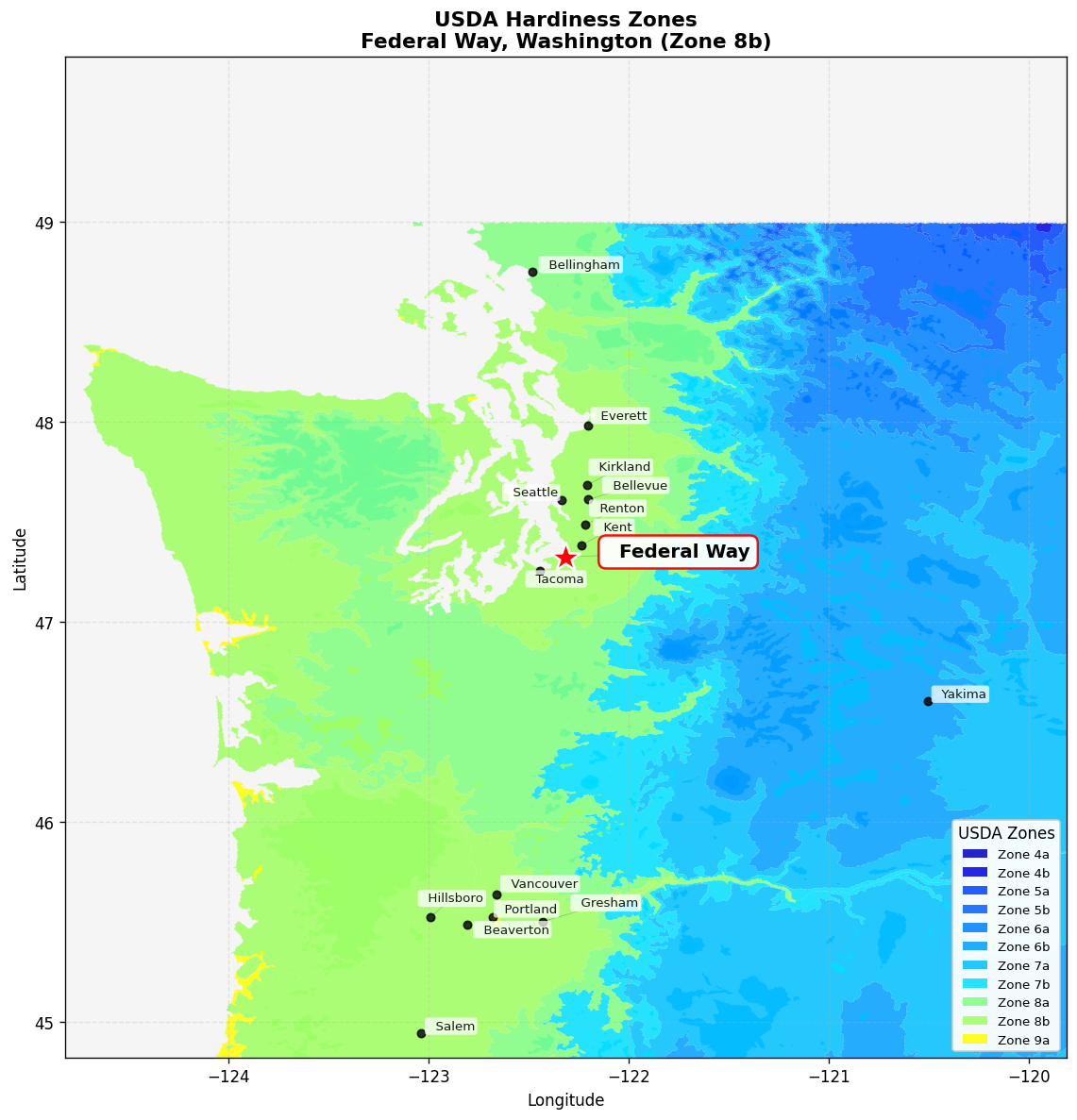
USDA Zone 8b
Hardiness zone for Federal Way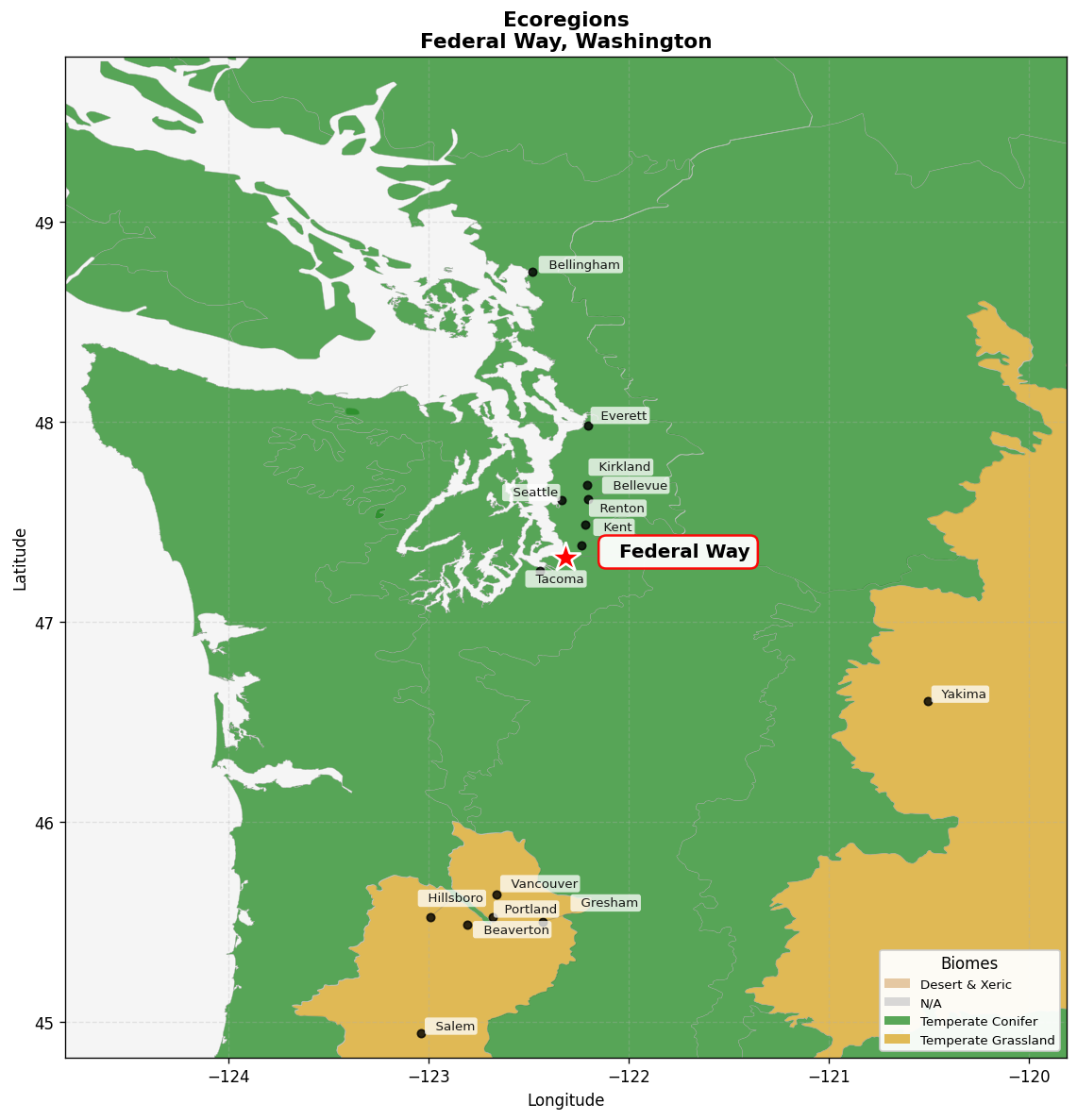
Puget lowland forests
Native ecoregionFrequently Asked Questions
How much does a cottage garden cost in Federal Way, WA?
Costs vary with yard size, materials and local labor, so get two or three local quotes before you commit.
How much work is a cottage garden in Federal Way's climate?
Plan on a few hours a week from April to October. The wet winters keep beds moist, so summer watering is the main job: run drip lines for roses and lavender through July and August, when only 1.6 inches of rain fall in the two months combined at Sea-Tac. Deadhead Geranium 'Rozanne' and Nepeta × faassenii 'Walker's Low' in June for a second flush, prune roses in late winter, and put out slug bait at the base of foxglove and hosta in March and April.
When is the best time to plant in Federal Way?
Fall, from late September through November, is the best window, because the autumn rain returns and roots grow through the mild winter. March to May is the second window. Bare-root roses go in from January to March while dormant. Avoid planting in July and August unless you can water by drip, since the average July high is 77.4°F and rain is scarce. NOAA's Sea-Tac normals put the 50 percent dates for a 32°F freeze at about March 2 and November 23.
Do I need a permit for a fence, arbour or retaining wall in Federal Way?
Plants, beds and ground-level paths generally need no permit. Fences, arbours with footings, retaining walls and any work near streams, wetlands or steep slopes can trigger height limits, setbacks or review. Corner lots also have to keep fences and shrubs out of the sight triangle. Confirm the current rules with the City of Federal Way Community Development department before you build, and ask about footing depth below the frost line.
Which roses survive blackspot in a wet Puget Sound spring?
Choose disease-tolerant shrub and English roses and give them sun and air. Rosa 'Munstead Wood', Rosa 'Graham Thomas' and Rosa 'Gertrude Jekyll' do well in the Puget lowland when planted six feet from walls and watered at the base. Rosa 'Knock Out' and Rosa 'Sally Holmes' need the least spraying. Water by drip, not by overhead sprinkler, prune out crowded canes in late winter, and clear fallen leaves in autumn.
Can lavender survive Federal Way's winters?
Yes, in the right place. Cold is rarely the problem, since January lows average 37.7°F at Sea-Tac. Wet clay is. Lavandula × intermedia 'Provence' and 'Grosso' tolerate wet winters better than Lavandula angustifolia 'Hidcote', but all lavenders need a bed raised 6–10 inches, a half-and-half mix of soil and coarse grit, a gravel mulch and full sun. Shear a third off after the July bloom and never feed it.
What plants do deer and slugs leave alone in Federal Way?
Slugs are the bigger local nuisance. They strip delphinium and hosta, but they mostly ignore Lavandula × intermedia 'Provence', Nepeta × faassenii 'Walker's Low' and Geranium 'Rozanne'. Foxglove such as Digitalis purpurea 'Camelot Rose' is toxic and left alone by deer. Hand-pick slugs at dusk in spring or use iron-phosphate bait around hostas and young dahlias.