4 Cottage Garden Ideas for Tacoma, WA | English Garden Design in Zone 8b
Native plants from the Puget lowland forests (Zone 8b) — Mediterranean (warm summer) climate
Why Cottage/English Gardens in Tacoma?
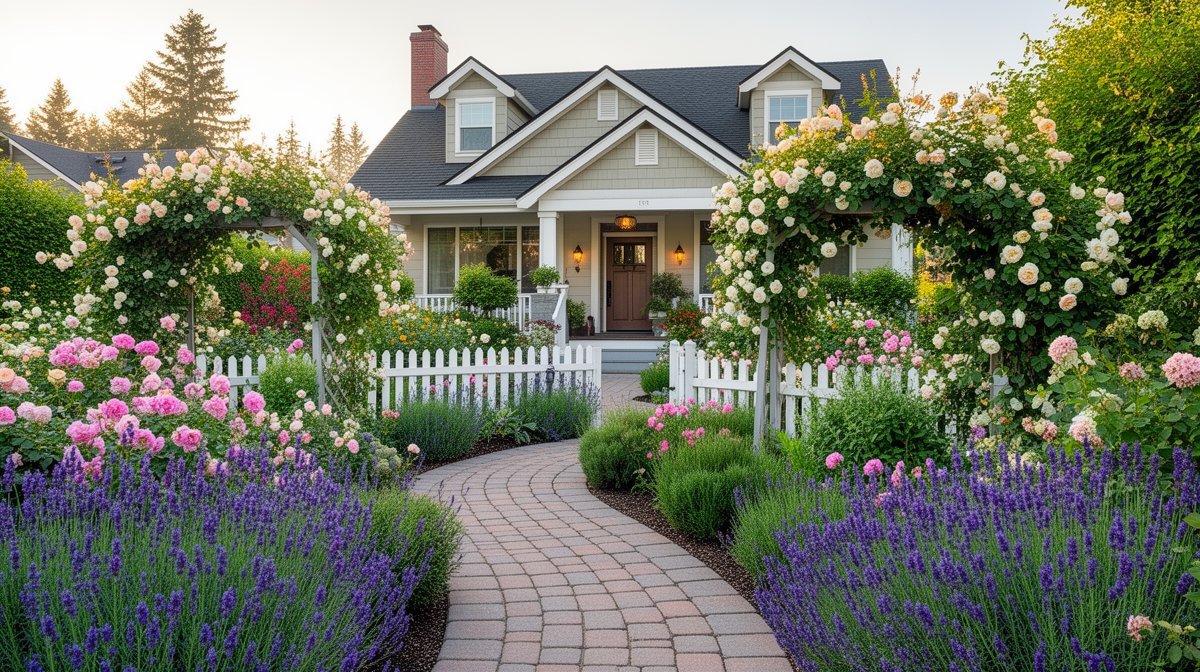
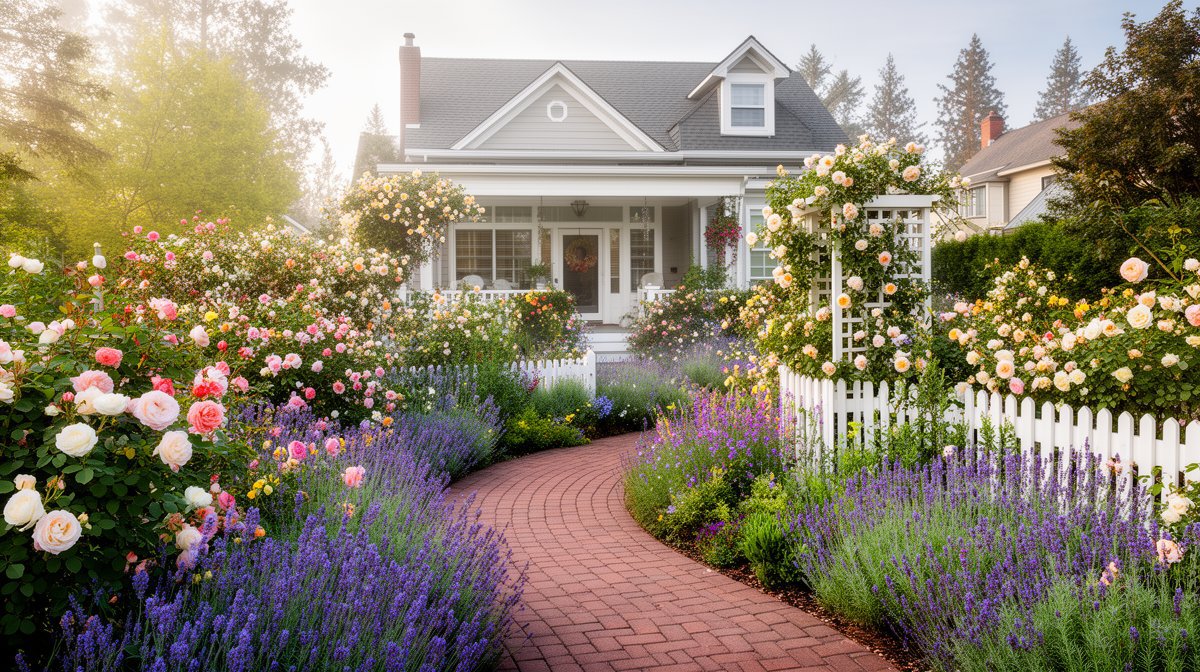
If any American city was built for the English cottage garden, it is Tacoma. The city sits in a genuine Csb maritime climate — mild, wet winters and gentle summers that rarely crack 80°F — which is as close to England's gardening conditions as the United States gets. The housing stock cooperates too: the Craftsman bungalows of the North End and Proctor District, the grand early-1900s homes around Stadium District and Old Town, and the modest cottages of McKinley Hill and Fern Hill all come with front porches and picket-fence-scaled yards that cottage planting was made to wrap around. This is not a style you have to force here — Point Defiance Park's rose garden has been proving the point since 1895, and foxgloves grow half-wild along Puget Sound road edges.
Zone 8b winters (lows around 15–20°F) let the entire classic cottage palette overwinter without protection — English roses, lavender, delphiniums, foxgloves, catmint, and boxwood all sail through, and cool 75–77°F summer highs mean the delphiniums and sweet peas that melt in most American climates actually thrive. The two local realities to plan around are moisture at both extremes. Tacoma's roughly 40 inches of annual rain falls almost entirely from October through May, and the persistent spring damp brings real black spot and rust pressure — choose disease-resistant rose varieties (Rugosas, modern David Austins, and the Flower Carpet series) and give them open, airy spacing rather than the crammed look of a storybook border. Then summer flips the script: July and August together often deliver barely two inches of rain, so a cottage border here needs simple drip irrigation to keep blooming through the dry season.
The soil under most Tacoma yards is a legacy of the Vashon glacier: gravelly sandy loam over compacted glacial till. The gravelly topsoil drains beautifully — a gift for lavender and roses — but the till layer a foot or two down can perch winter water, and the native soil is lean. Two to three inches of compost worked into every new bed, refreshed annually as mulch, is the single highest-return investment in a Tacoma cottage garden. Done right, this is a remarkably forgiving style for the South Sound: the rain handles nine months of watering, the mild winters keep structure evergreen, and the cool summers stretch bloom seasons that hotter cities measure in weeks into months.
4 Cottage/English Design Ideas for Tacoma
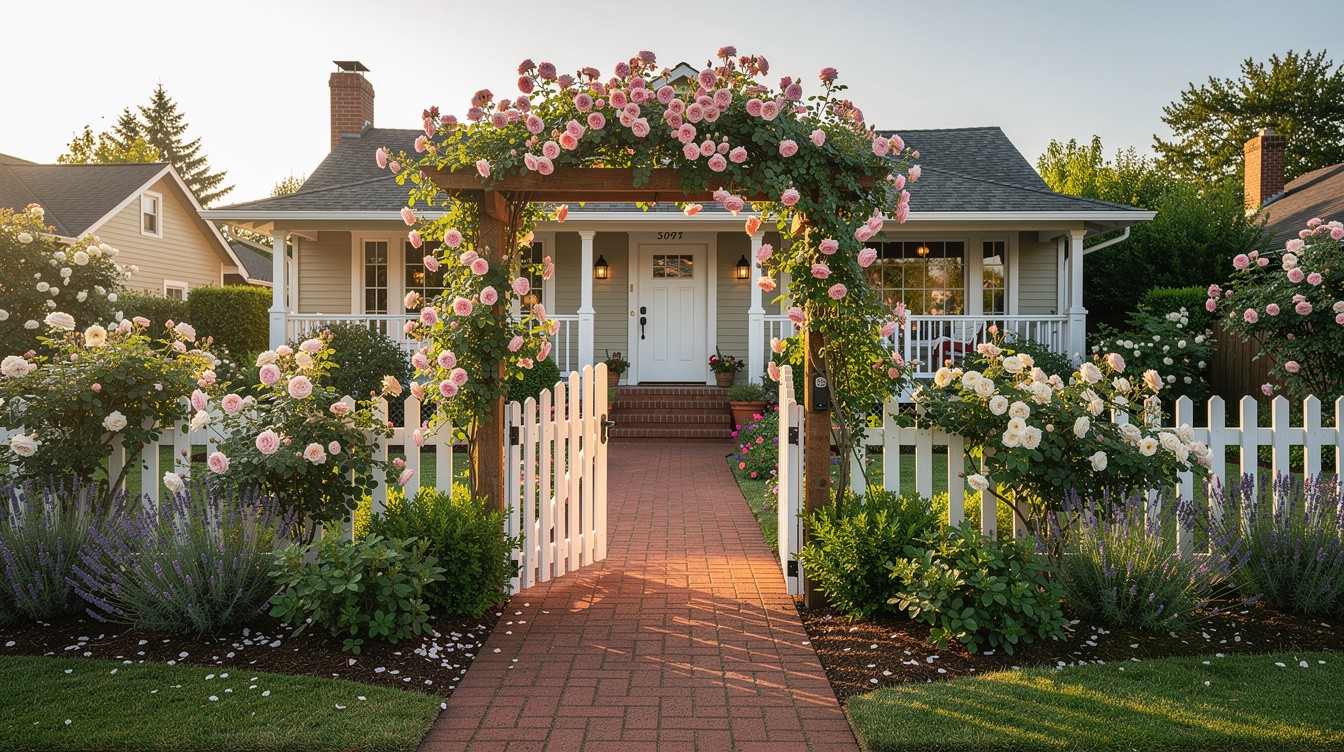
The Rose Arbor Welcome
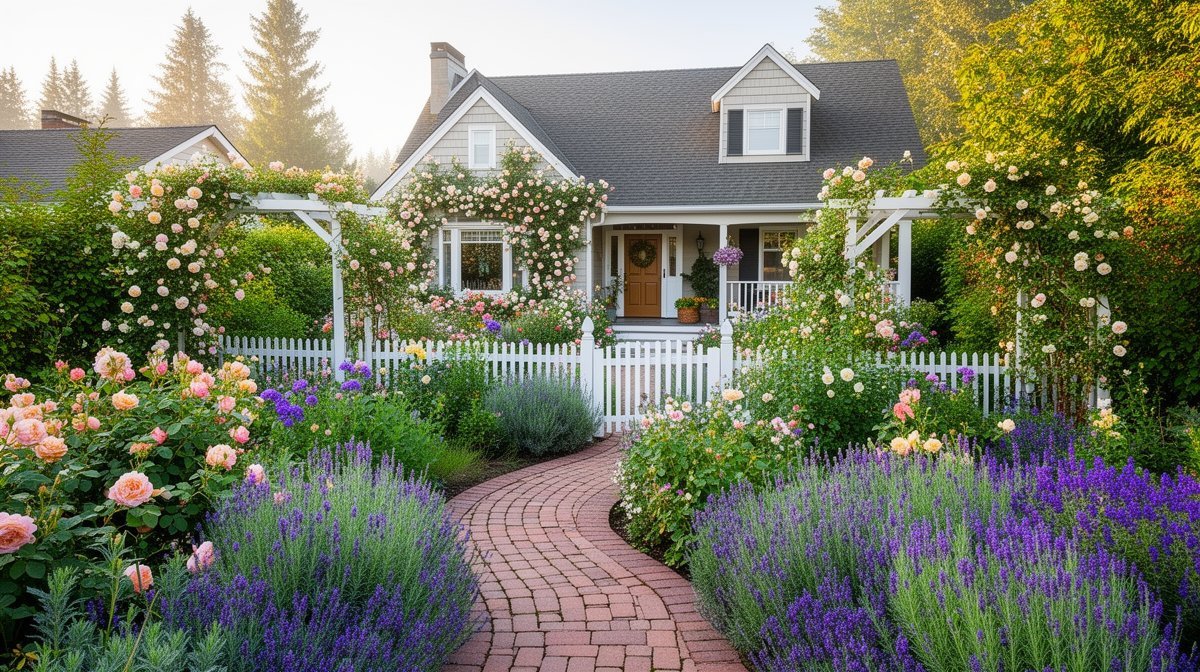
$12–22/sqftA gray-green single-story cottage with a full-width front porch and brick chimney, entered through a wooden arbor absolutely smothered in pink climbing roses over a white picket gate. A red brick pathway runs straight from the sidewalk to brick porch steps, flanked by cream and blush shrub roses layered behind billowing English lavender that spills against the fence line. Boxwood balls and low perennials fill the gaps, and window boxes of annuals color the porch rail — a textbook front-yard cottage composition scaled perfectly to a 40- or 50-foot North End lot.
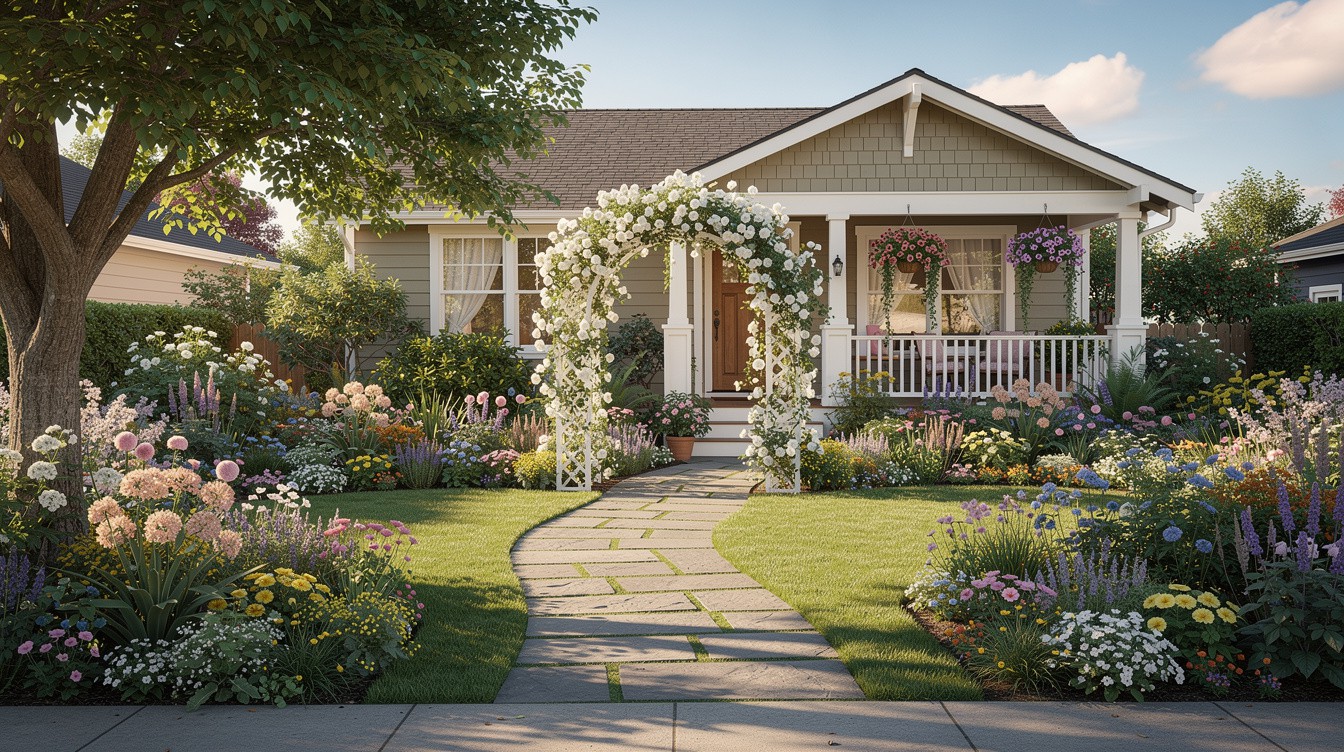
The Craftsman Bungalow Border
$10–18/sqftA sage-green Craftsman bungalow with a gabled porch and hanging flower baskets sits behind a front yard where the lawn has been carved into an island by deep, exuberant mixed borders. A curving flagstone path swings through the grass to a white lattice arch draped in white climbing roses at the porch steps, and the borders read like a plant collector's diary — foxgloves, peonies, yarrow, daisies, catmint, and drifts of gold and pink annuals stacked tall-to-short. A mature shade tree anchors one corner, exactly the kind of established canopy most North End lots already own.
The Secret Tea Patio
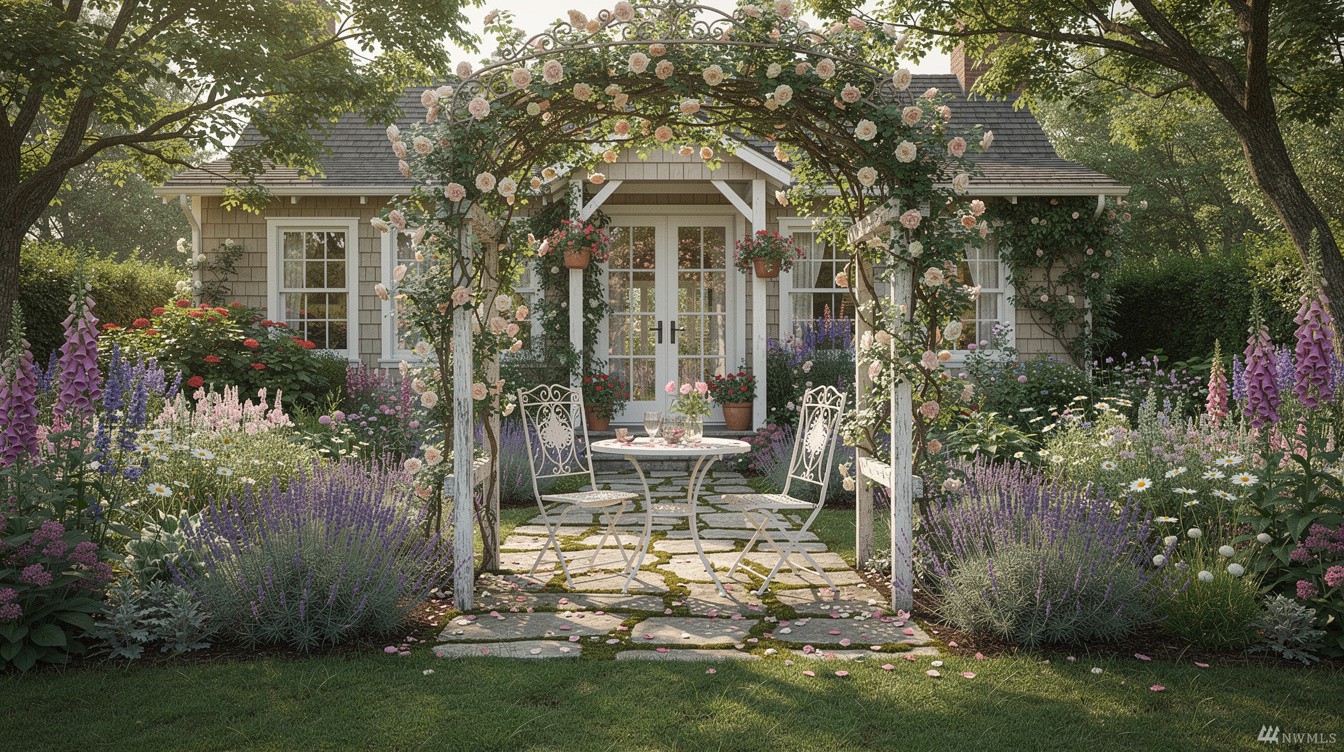
$18–30/sqftBehind a shingled cottage with French doors, a small flagstone patio with moss-filled joints hosts a white wrought-iron bistro table and chairs beneath an iron arch woven with blush climbing roses. The patio is deliberately enclosed by planting rather than fencing: waves of lavender press in from both sides, backed by towering pink and purple foxgloves, daisies, and potted geraniums flanking the doors. Fallen rose petals are left on the stone, and the moss between pavers — inevitable in Tacoma's damp shade — is treated as a feature, giving the space the aged, secret-garden feel that takes other climates decades to fake.
The Pergola Rose Room
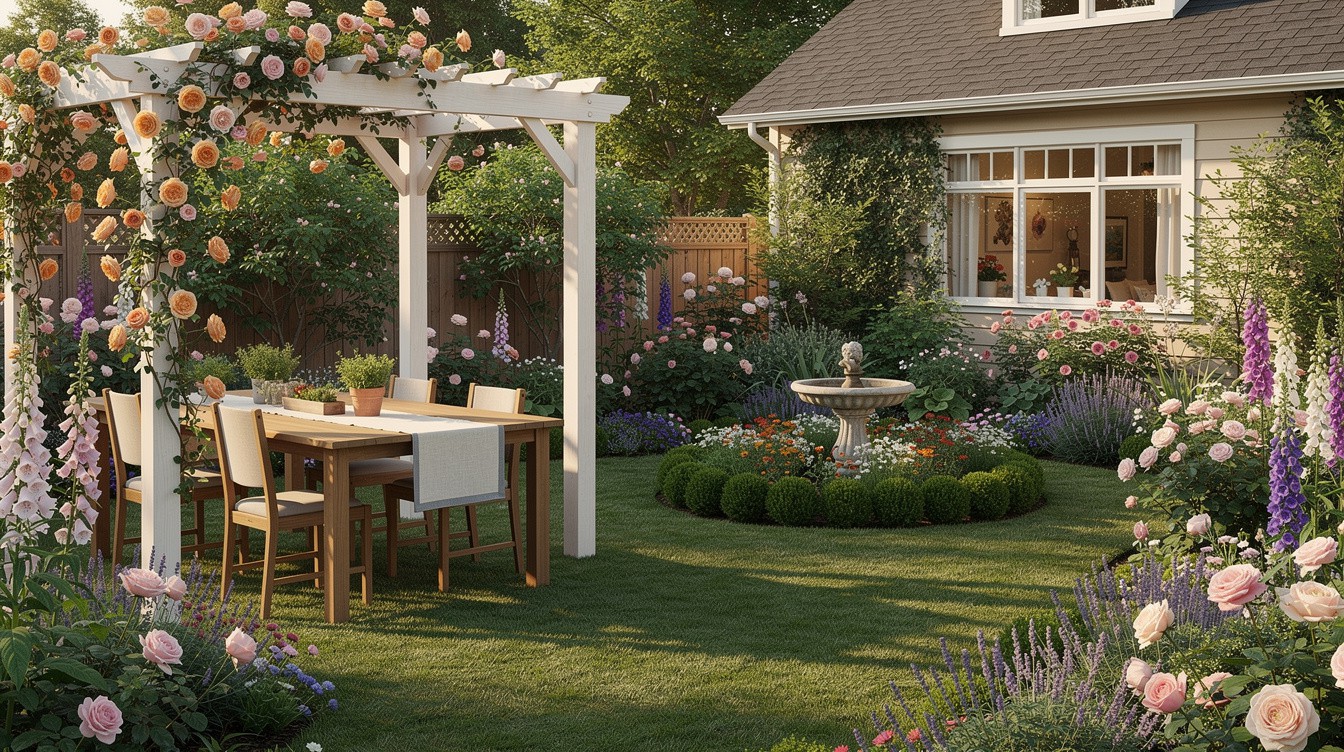
$15–28/sqftA cream two-story home overlooks a backyard organized around two set pieces: a white pergola carrying apricot and peach climbing roses over a full wooden dining table, and a stone birdbath fountain ringed by clipped boxwood spheres and a wheel of bright annuals set in the lawn. Deep perennial borders of foxglove, pink shrub roses, and lavender run the cedar fence lines, so every sight line from the pergola ends in bloom. It is the most formal of the four ideas — the boxwood parterre adds year-round structure that holds the garden together through Tacoma's gray months when the perennials sleep.
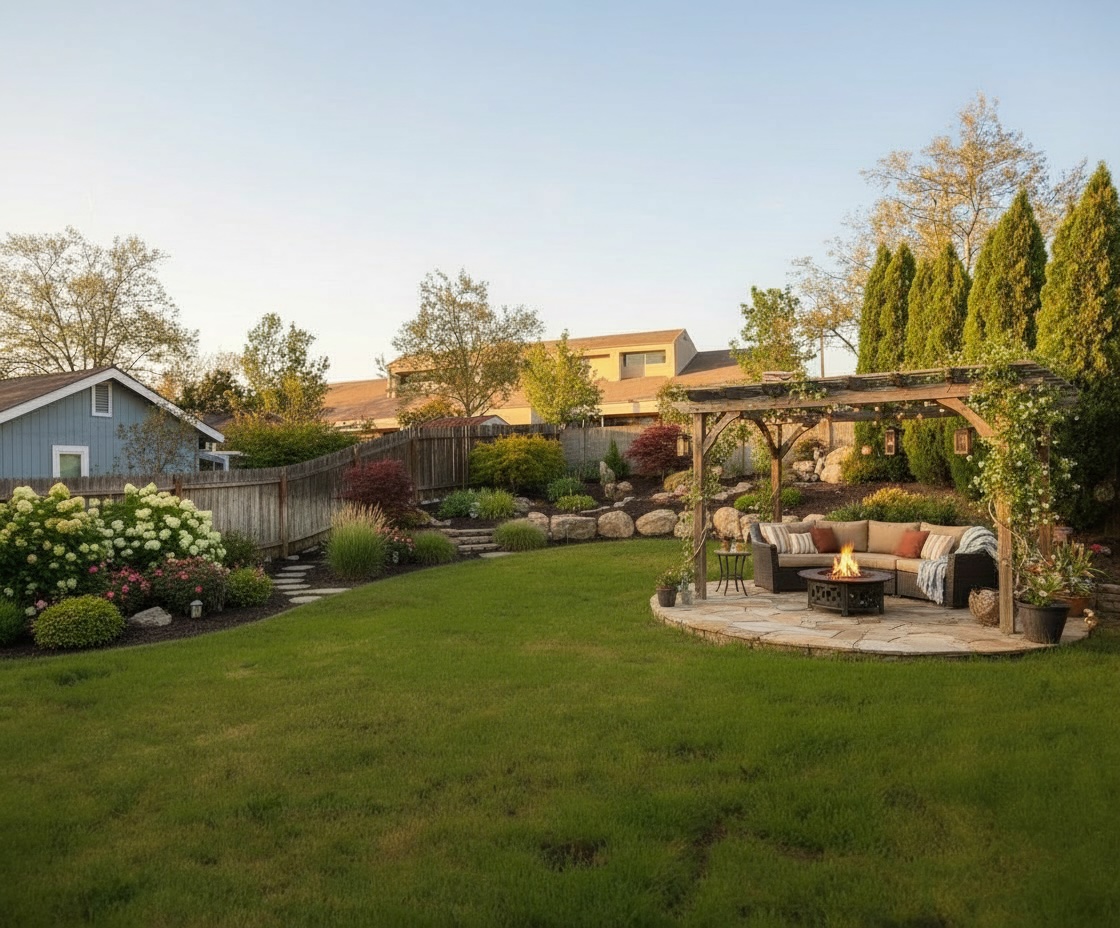
See how a cottage/english garden looks on YOUR property
Upload a photo of your Tacoma yard and visualize your dream garden in seconds.
Try ProScapeAI Free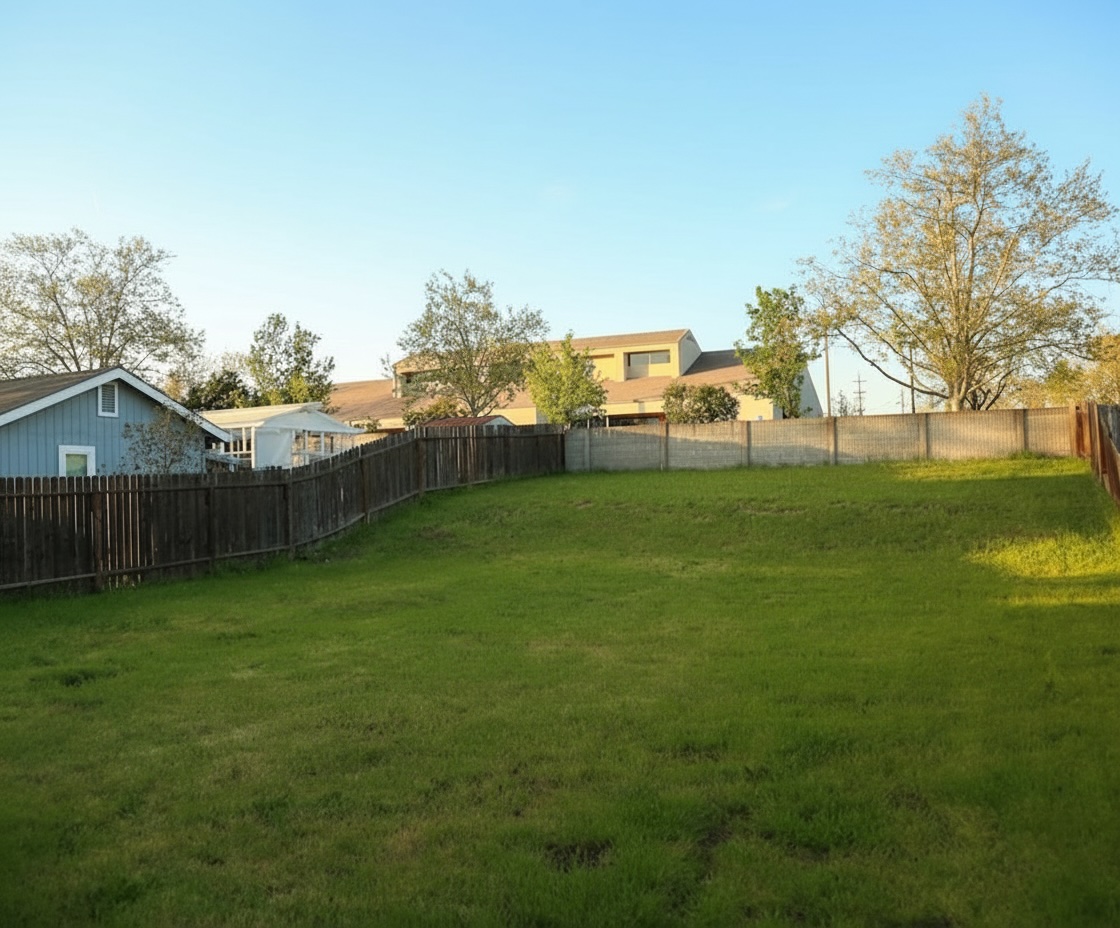
Featured Trees & Shrubs for Cottage/English Gardens
Browse all 164 plants for Tacoma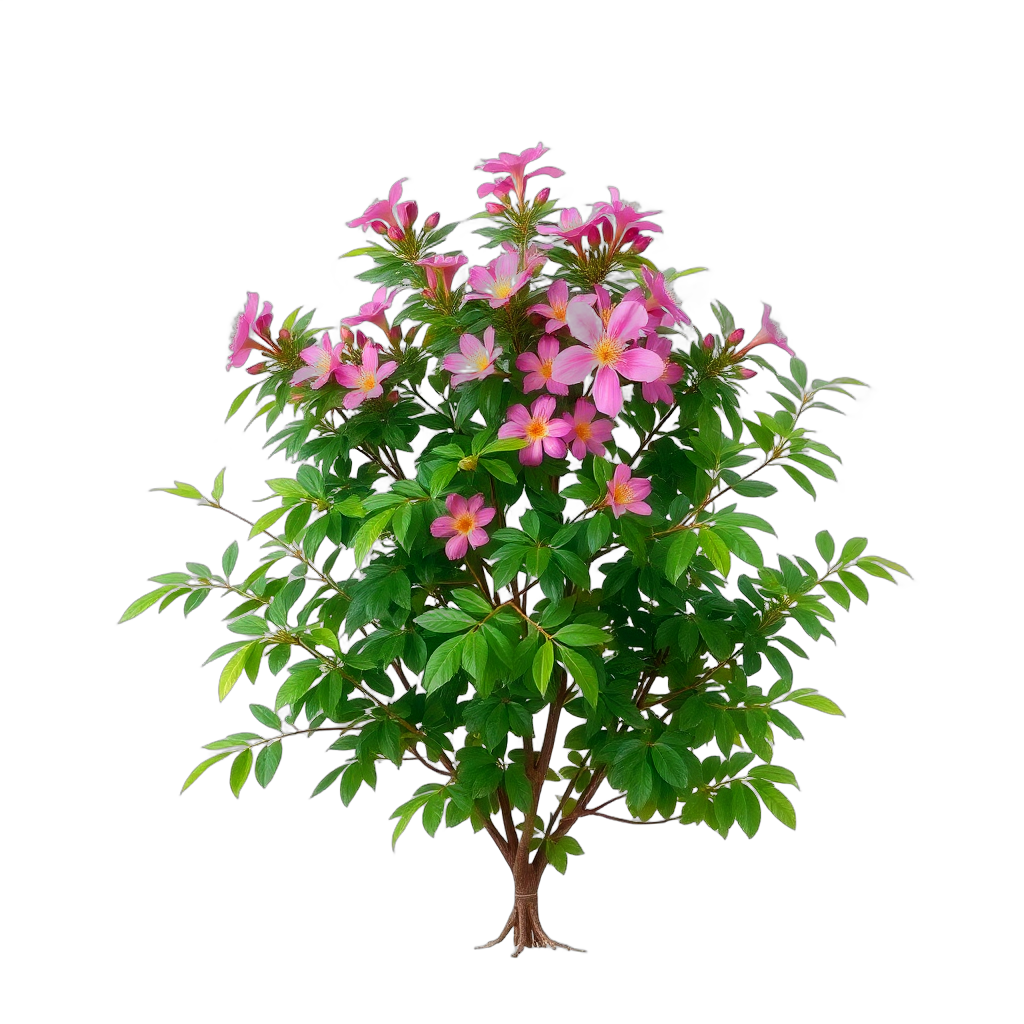
Nootka Rose
Rosa nutkana
grows to 5 feet, pink blooms in spring. Attracts butterflies.
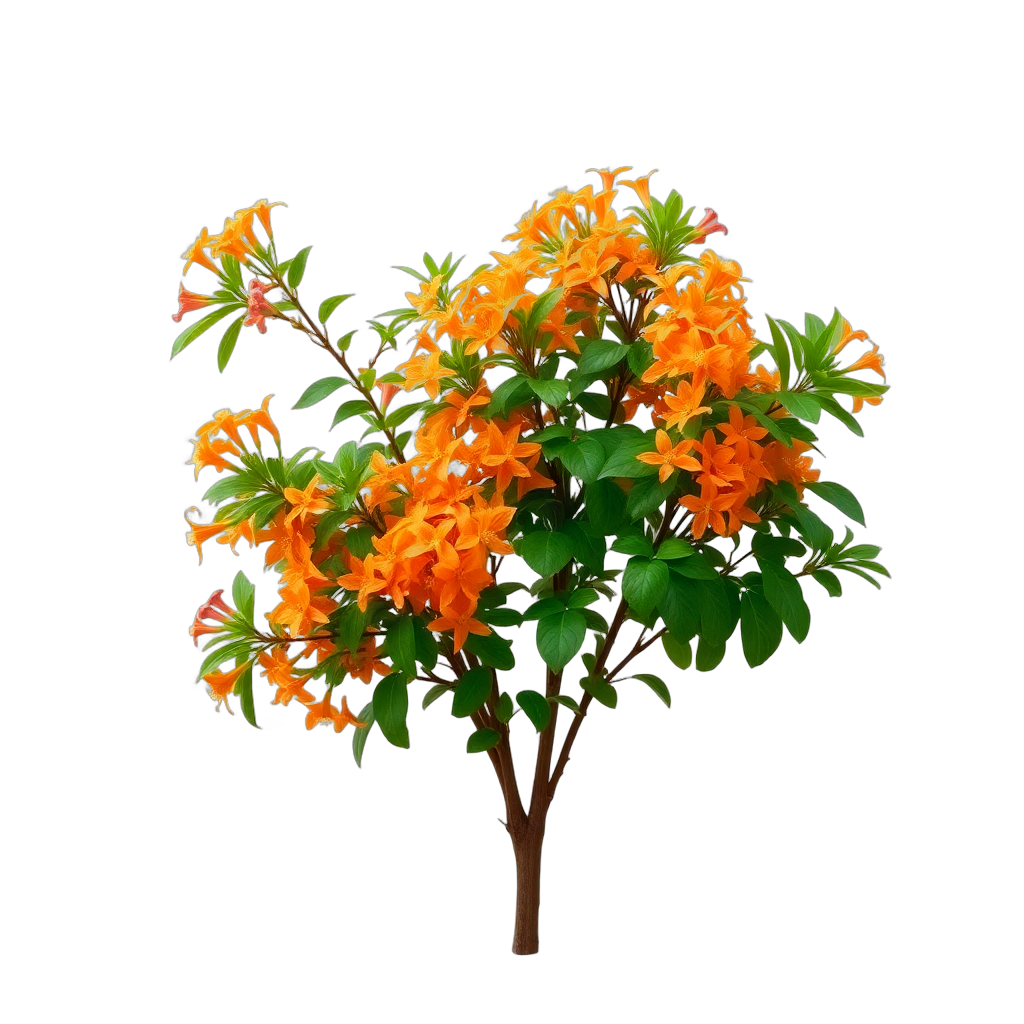
Orange Honeysuckle
Lonicera ciliosa
medium-sized at 15 feet, orange blooms in summer. Attracts hummingbirds.
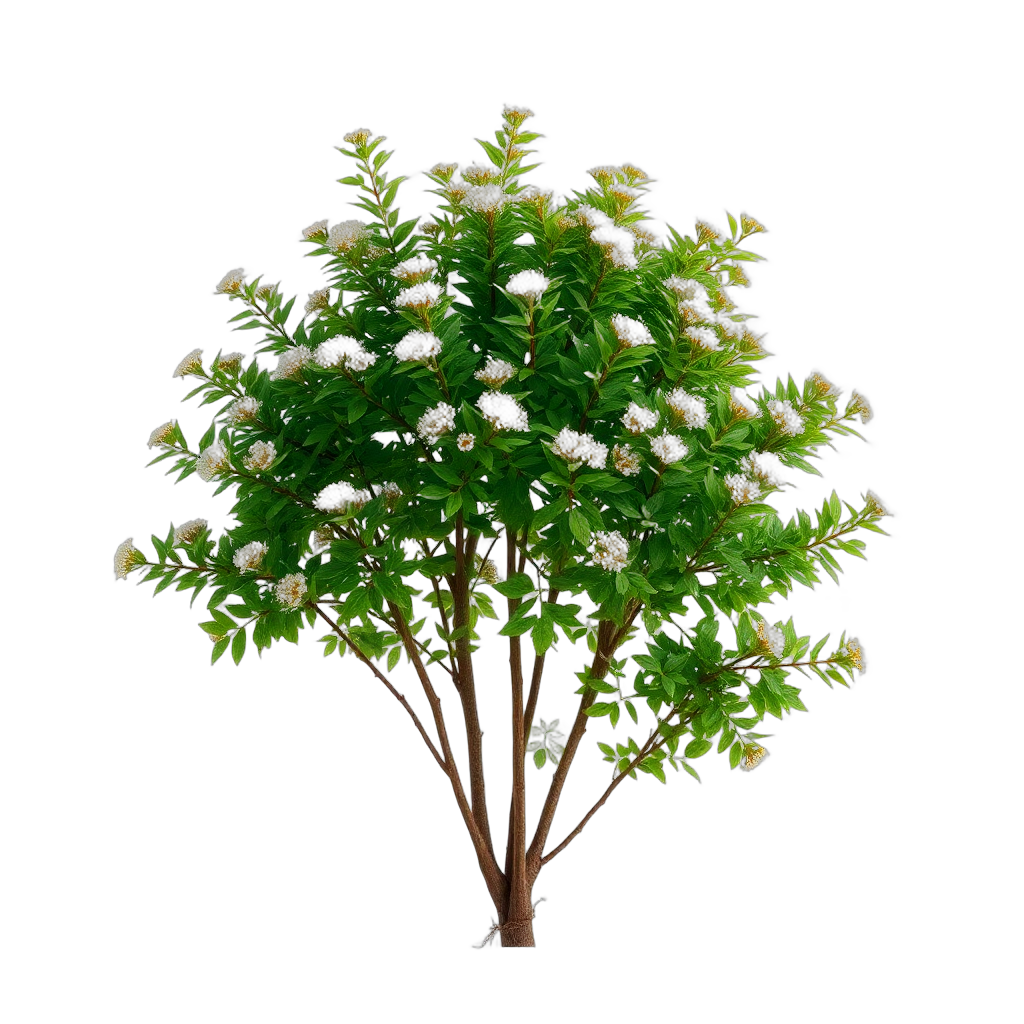
Pacific Ninebark
Physocarpus capitatus
medium-sized at 8 feet, white blooms in spring. Attracts butterflies.
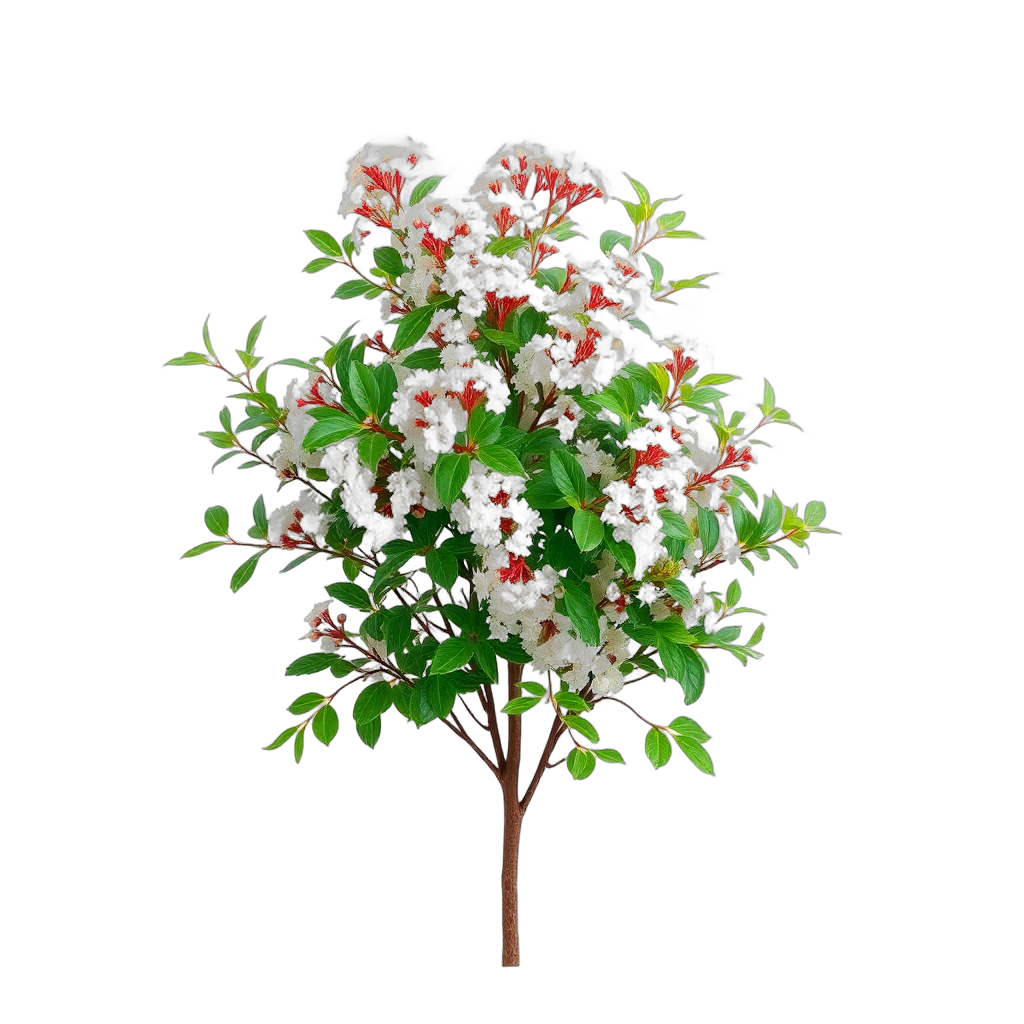
Snowberry
Symphoricarpos albus
grows to 4 feet, pink blooms in summer.
Featured Grasses & Groundcovers for Cottage/English Gardens

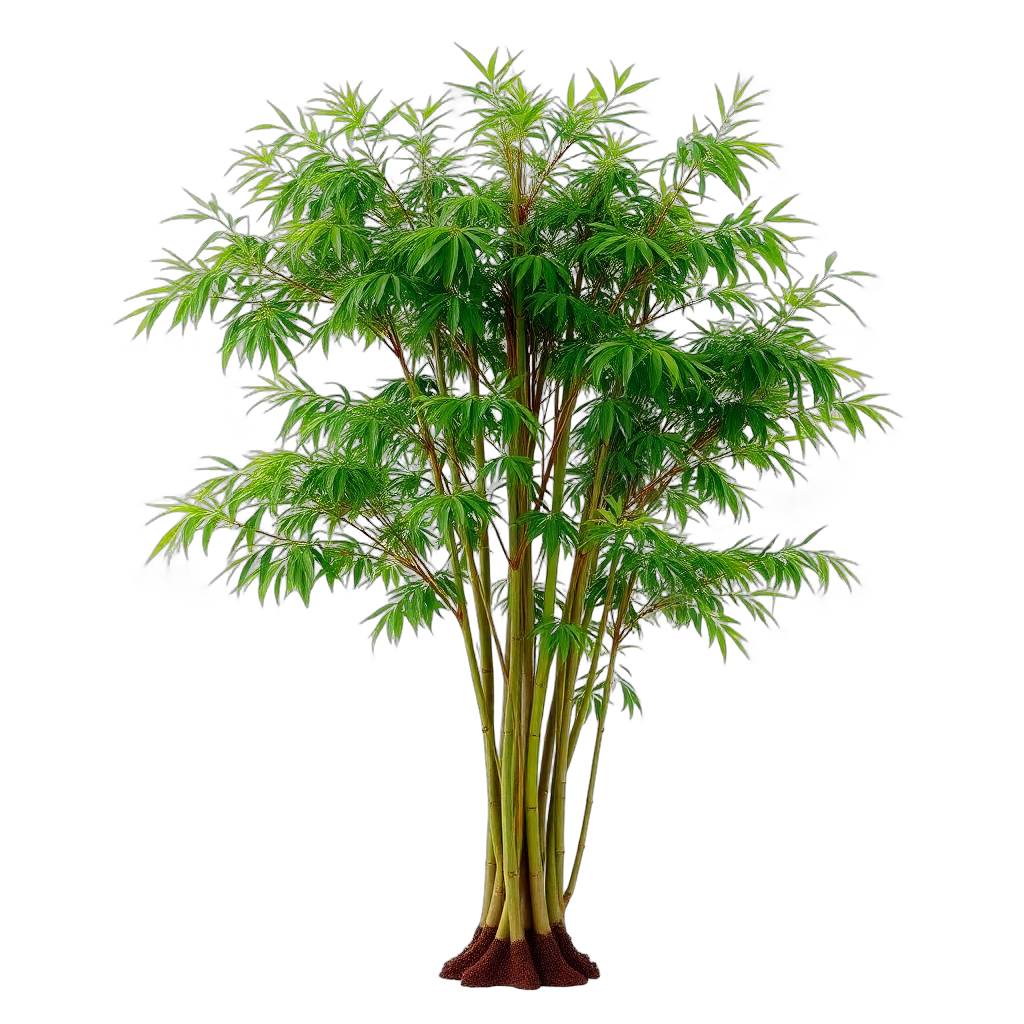
Anceps Bamboo
Yushania anceps
medium-sized at 12 feet, blooms in none. Evergreen year-round.
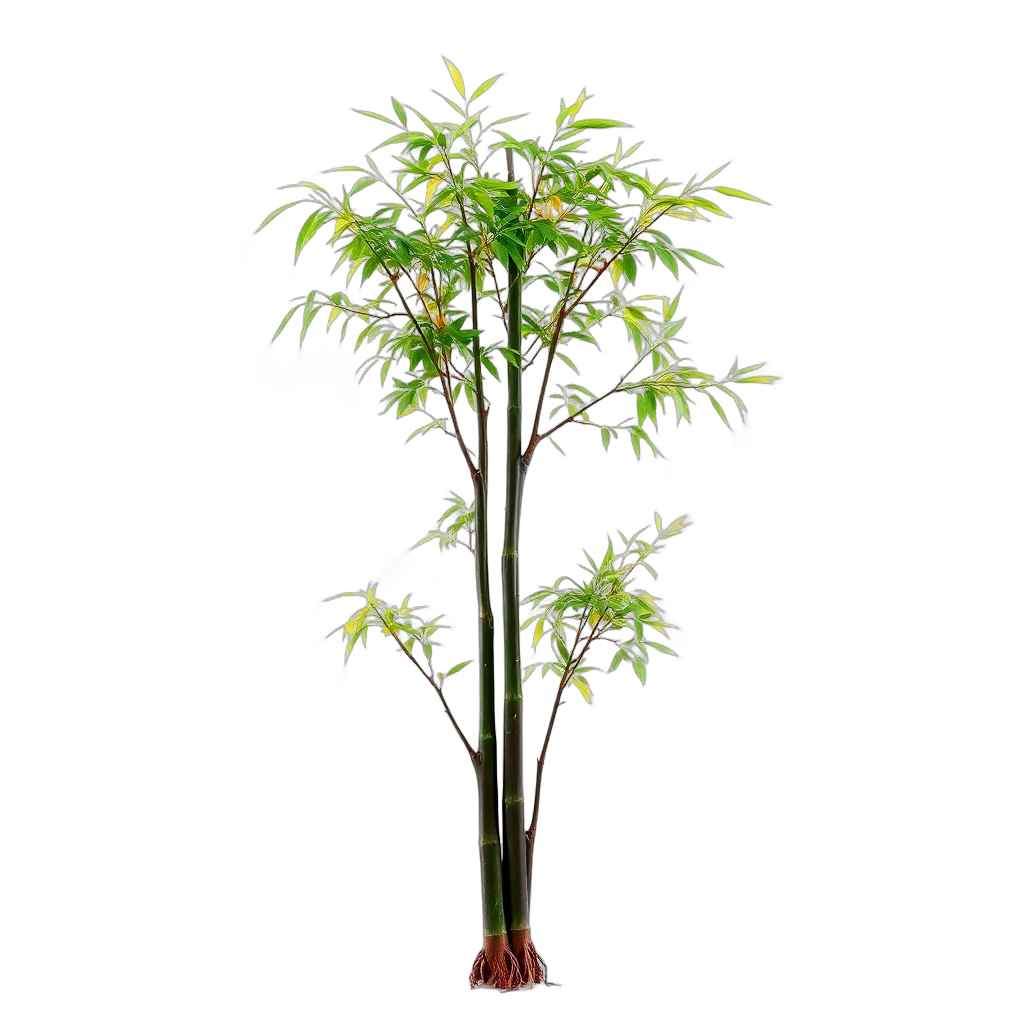
Arrow Bamboo
Pseudosasa japonica
medium-sized at 15 feet, blooms in none. Evergreen year-round.
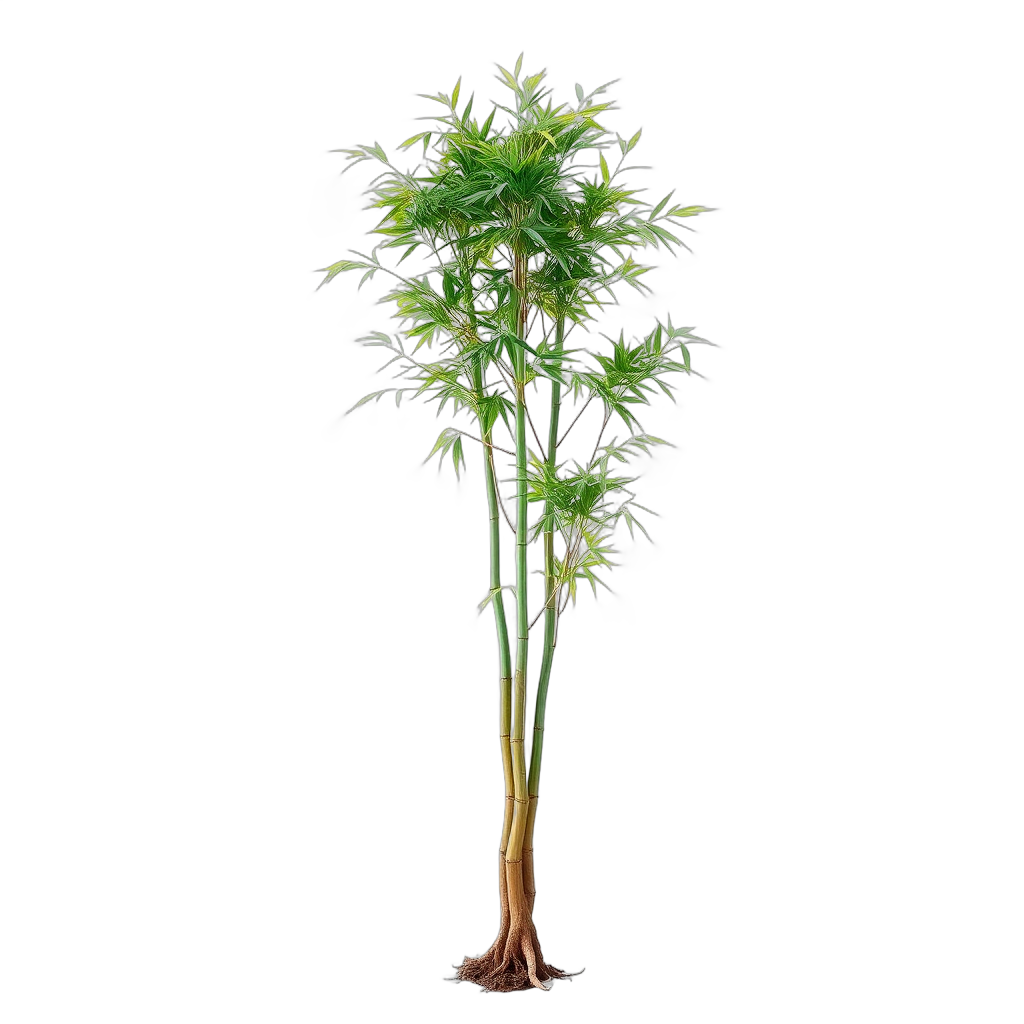
Black Bamboo
Phyllostachys nigra
reaches 25 feet tall, blooms in none. Evergreen year-round.
Blue Bamboo
Borinda papyrifera
reaches 20 feet tall, blooms in none. Evergreen year-round.
Featured Flowers & Perennials for Cottage/English Gardens
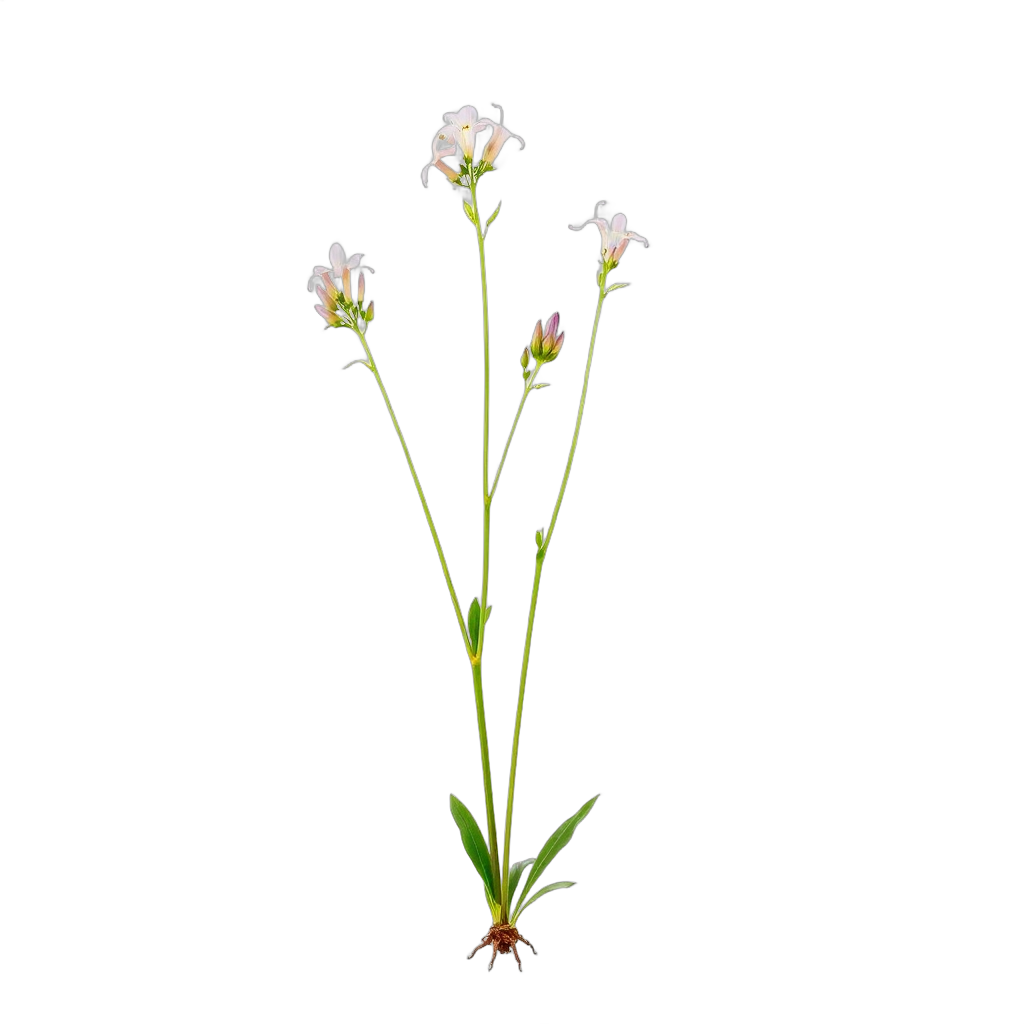
Common Camas
Camassia quamash
low-growing ground cover, blue blooms in spring. Pollinator-friendly.
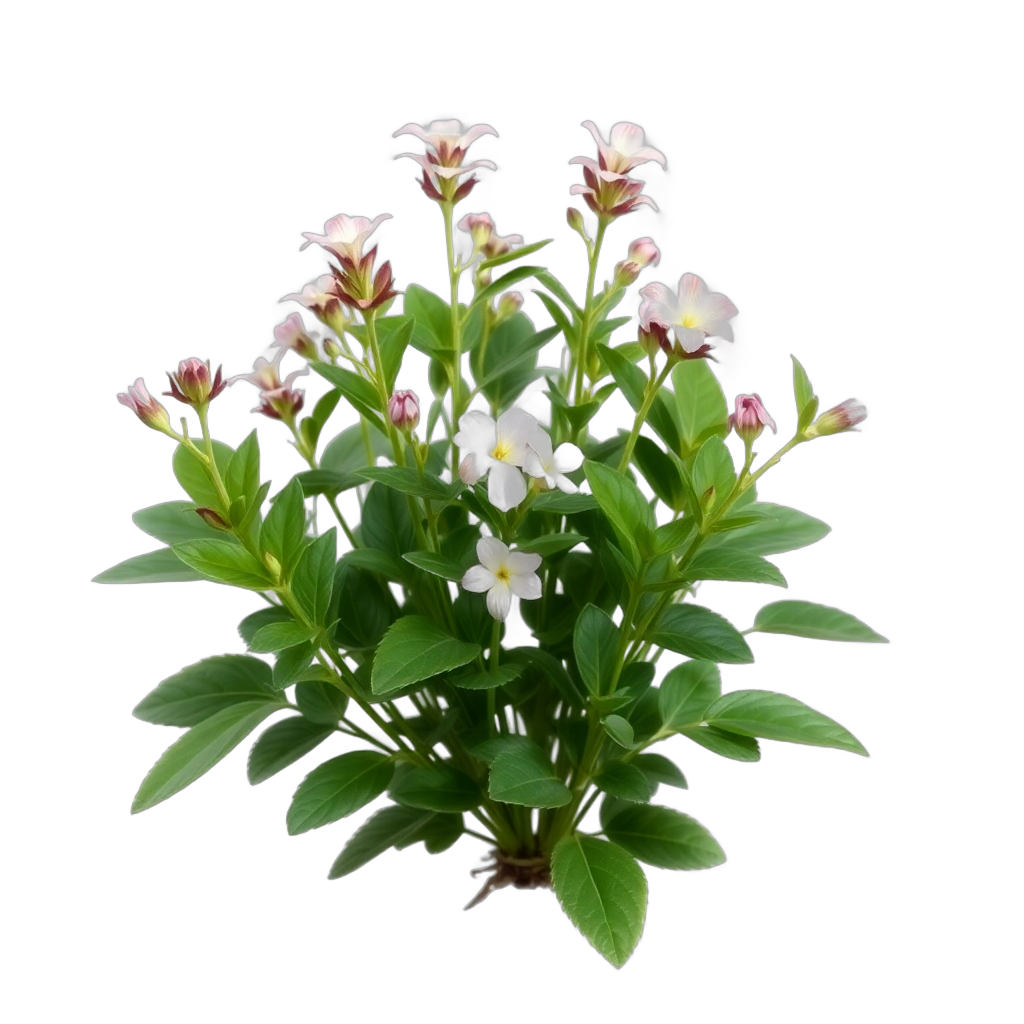
Inside-Out Flower
Vancouveria hexandra
low-growing ground cover, white blooms in spring.
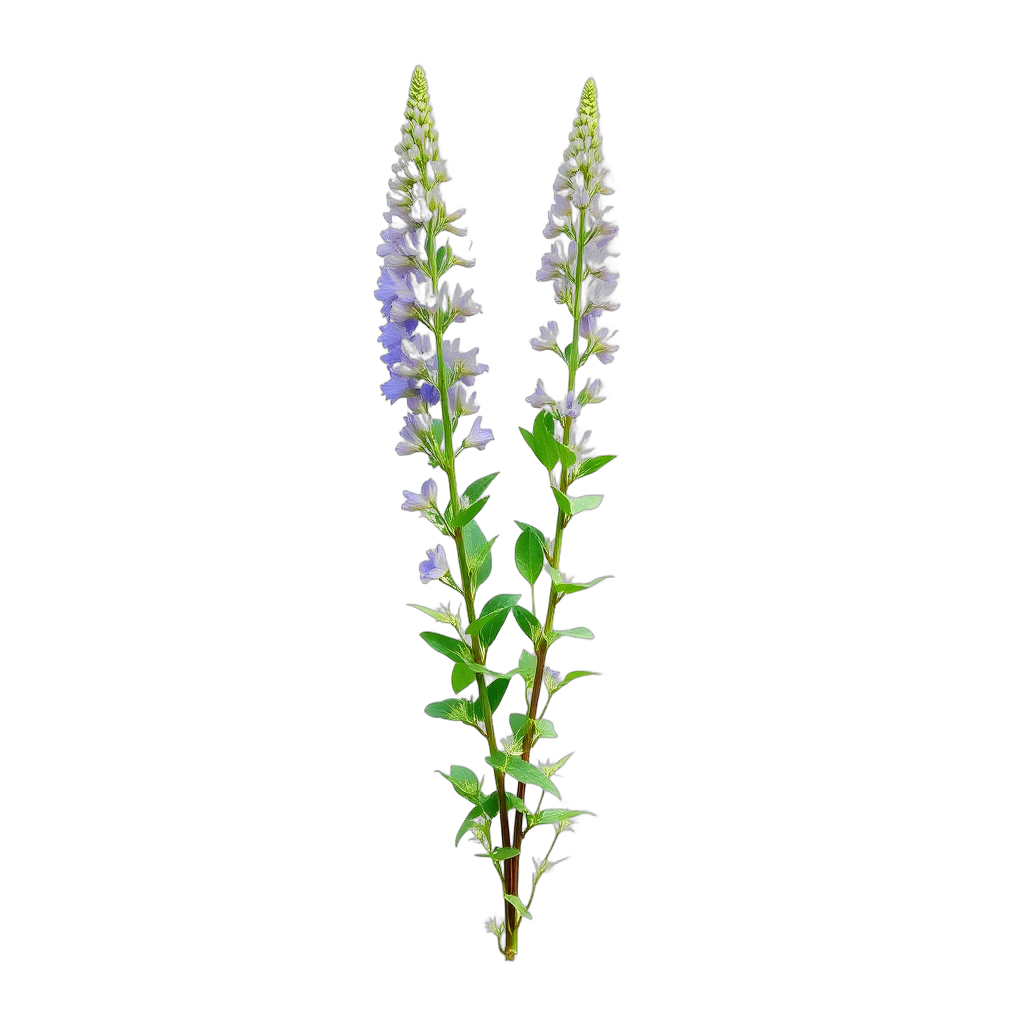
Large-Leaved Lupine
Lupinus polyphyllus
grows to 4 feet, multi blooms in spring. Attracts butterflies.
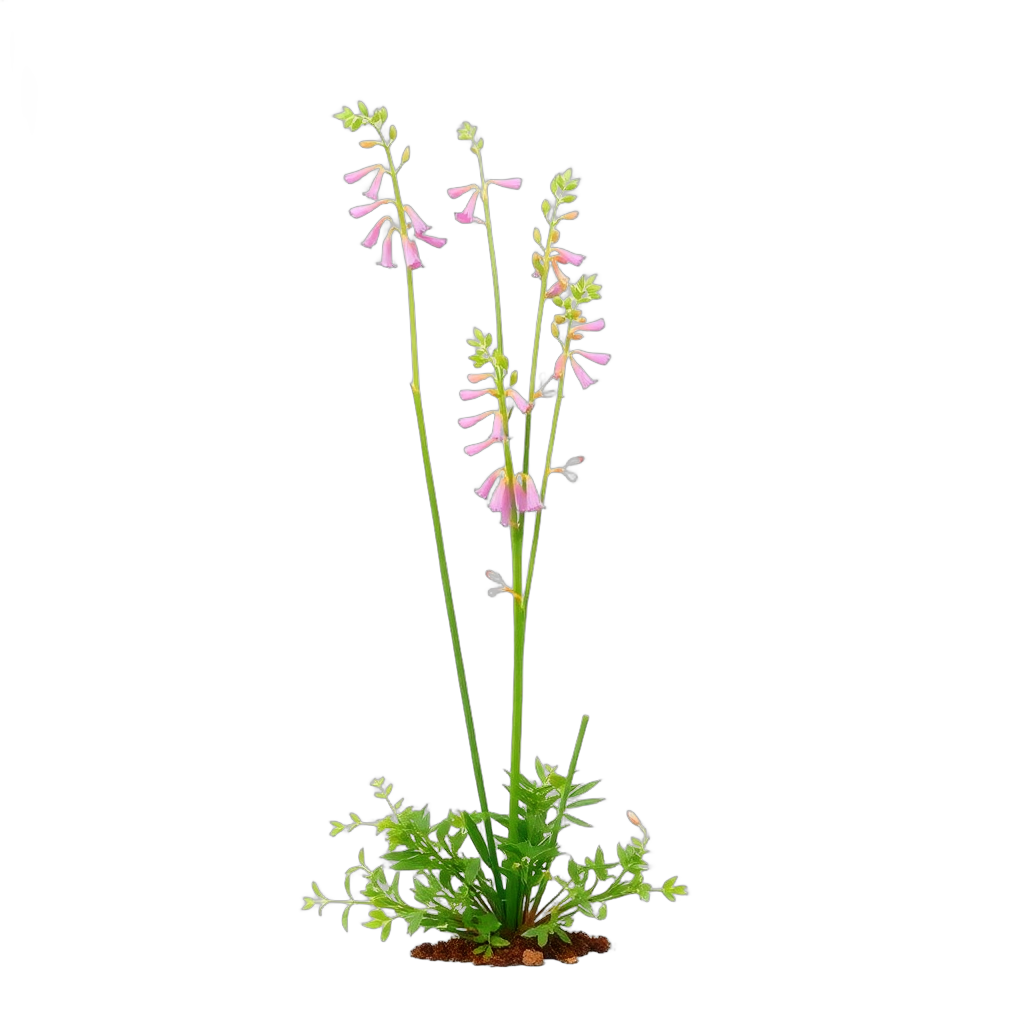
Scouler's Corydalis
Corydalis scouleri
grows to 3 feet, pink blooms in spring. Pollinator-friendly.
Bloom Calendar for Tacoma
spring
Common Camas, Inside-Out Flower, Large-Leaved Lupinesummer
Tiger Lily, Orange Honeysuckle, Snowberryfall
Limited bloomswinter
Limited bloomsDesign Tips for Tacoma (Zone 8b)
- Plant in fall, not spring — Puget Sound's mild wet winters root new perennials and roses for free, and fall-planted borders need a fraction of the summer watering that spring plantings demand
- Choose roses by disease rating first and flower form second; Tacoma's damp spring is black spot country, and one Rugosa that stays clean beats three hybrid teas that defoliate by July
- Let the moss win — flagstone joints, brick paths, and stone birdbaths all moss over in Tacoma's shade, and fighting it is endless; designed into a cottage garden, it reads as fifty years of charm
- Run cheap drip lines under the mulch before the borders fill in; Tacoma's near-rainless July and August will stall a cottage border in full bloom without them
- Use boxwood, lavender, and evergreen edging for winter bones — Tacoma's gray season is long, and a border that is pure perennials disappears entirely from November to March
- Stack heights aggressively like the classic borders do — foxgloves and delphiniums at the back thrive in Tacoma's cool summers, giving you the 6-foot vertical drama that hot-climate cottage gardens can never hold
Where to Source Plants in Tacoma
Skip the big-box stores. These independent Tacoma nurseries specialize in the plants that make cottage/english gardens thrive in Zone 8b.
GardenSphere
Proctor
Full-service garden center offering quality plants, houseplants, lawn care products, and expert advice since 2004.
Wild Thyme Nursery and Landscaping
South End
Locally sourced plants from Washington and Oregon, pre-acclimated to the Pacific Northwest environment.
Portland Avenue Nursery
East Tacoma
Specializes in unique Japanese maples, conifers, and specimen-sized trees with 40+ years of expertise.
Calendula Farm & Nursery
East Tacoma
Landscape contractor and nursery specializing in native plants, edible plants, and dried floral arrangements.
Cottage/English Landscaping Costs in Tacoma
| Project Scope | Estimated Cost |
|---|---|
| Front-yard cottage border conversion (500 sqft, plants + arbor + path) | $6,000 – $14,000 |
| Cedar arbor + picket fence entry garden | $4,500 – $10,000 |
| Flagstone patio garden room (150–300 sqft) | $8,000 – $18,000 |
| Pergola dining garden with boxwood parterre and fountain | $20,000 – $45,000 |
| Drip irrigation for borders (summer dry season) | $1,500 – $4,000 |
| AI visualization with ProScapeAI | Free to start |
Estimates based on Tacoma, WA-area contractor rates as of 2026. Actual costs vary by site conditions, materials, and contractor.
Tacoma Climate & Growing Zone
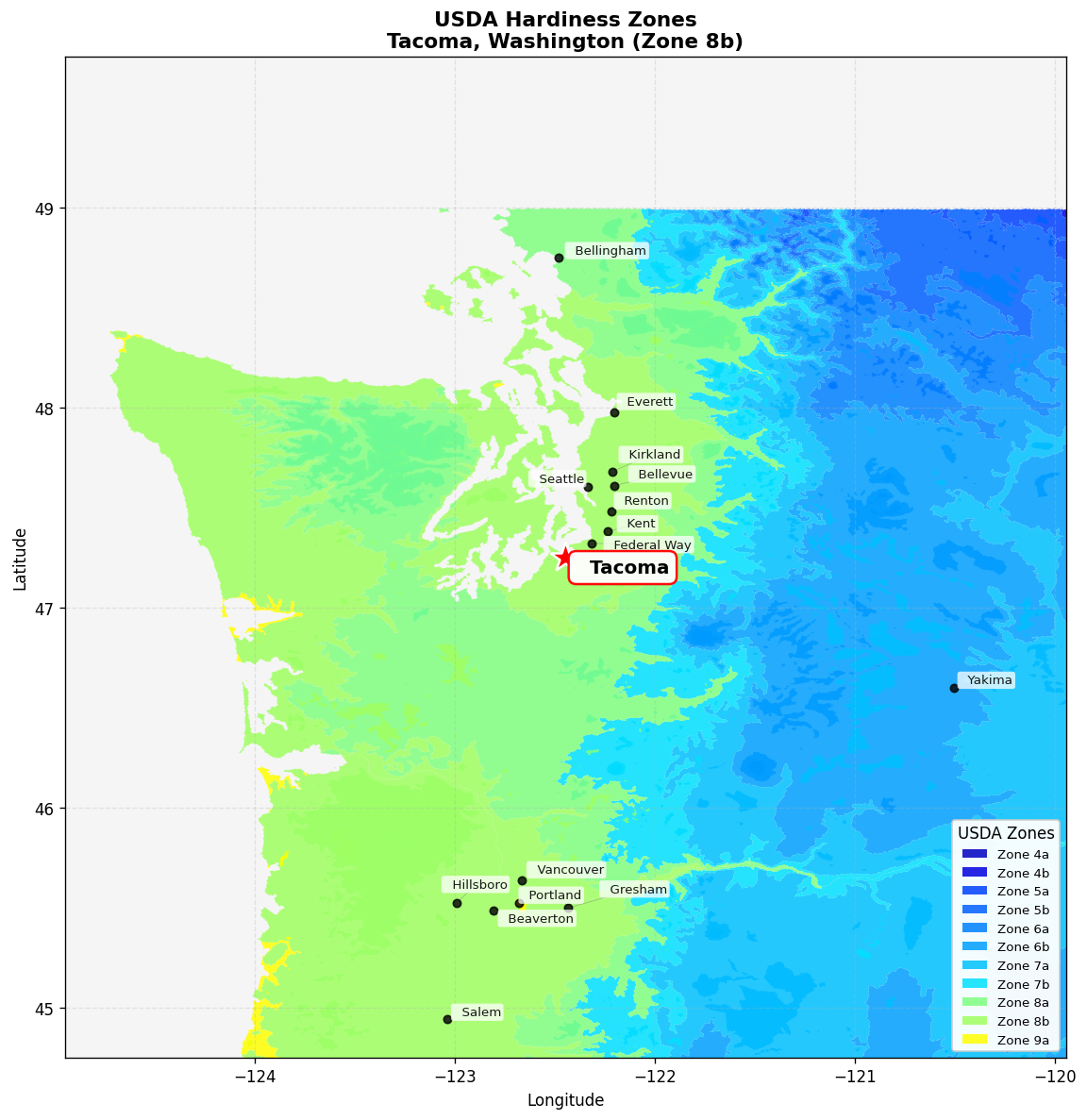
USDA Zone 8b
Hardiness zone for Tacoma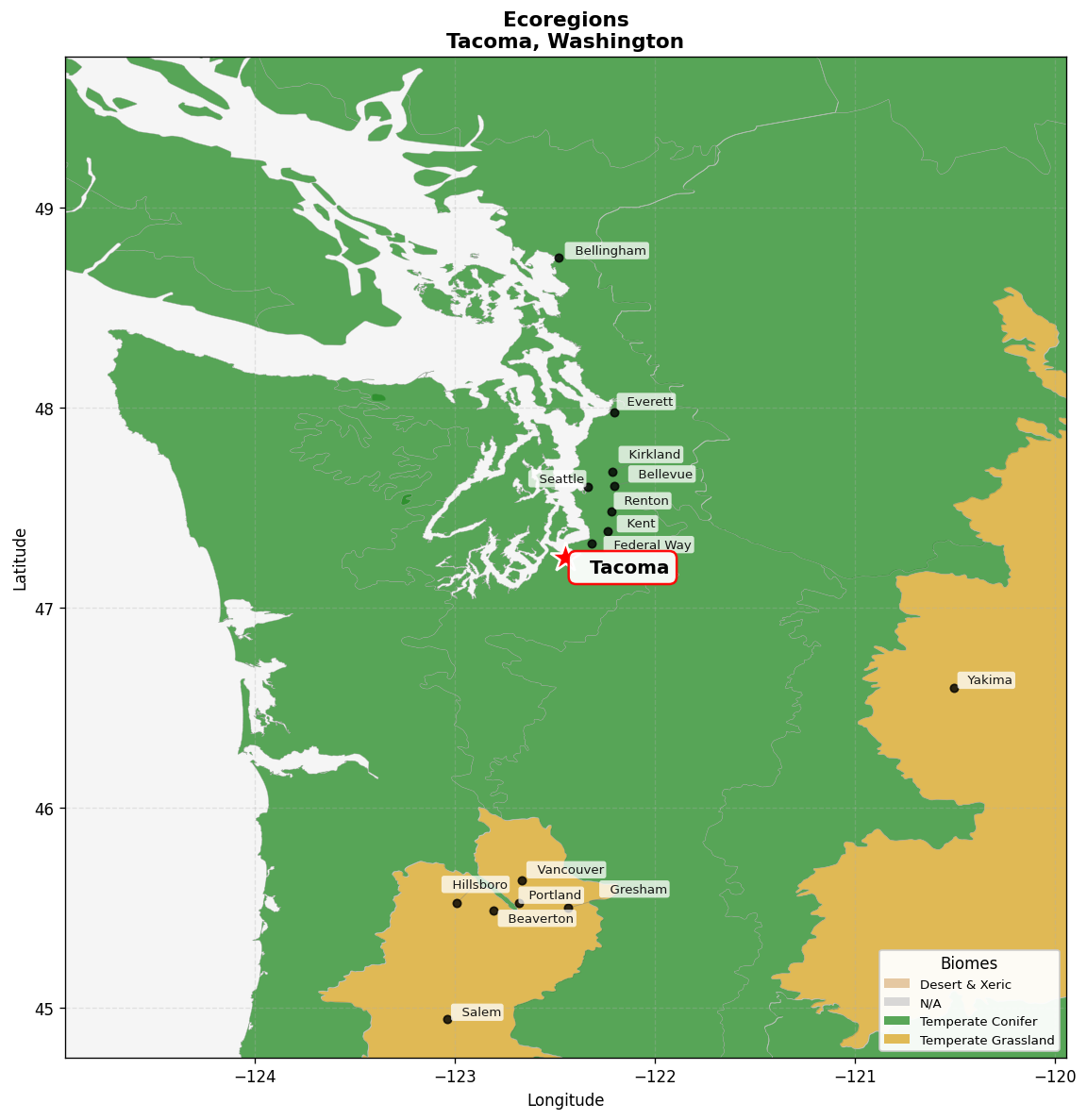
Puget lowland forests
Native ecoregionFrequently Asked Questions
How much does a cottage garden cost to install in Tacoma?
Pierce County installation runs close to the national metro average, with labor a touch higher than inland markets. A front-yard cottage conversion — deep borders, arbor, path, and plants — for a typical 500 sqft North End front yard lands between $6,000 and $14,000 installed. A flagstone patio garden room runs $8,000–18,000, and a full backyard with pergola, fencing borders, and irrigation typically falls between $20,000 and $45,000. The style is unusually DIY-friendly: because plants carry the design instead of hardscape, a homeowner planting in phases can build the same borders for $3–5/sqft over two or three seasons.
Which roses actually stay healthy in Tacoma's damp climate?
Disease resistance matters more here than anywhere in the country — Tacoma's long wet spring is prime black spot and rust weather. Rugosa roses are essentially bulletproof, and modern David Austins ('Olivia Rose Austin', 'The Poet's Wife'), the Flower Carpet series, and classic climbers like 'Iceberg' and 'Dortmund' perform reliably. Site roses in full sun with open air circulation, water at the roots rather than overhead, and strip fallen leaves in autumn. Skip old hybrid teas with poor disease ratings; they defoliate by July here. The Point Defiance rose garden is a free living catalog of what works.
Do I really need irrigation if Tacoma gets 40 inches of rain?
Yes — and this surprises every newcomer. Tacoma's rain is fiercely seasonal: roughly 40 inches falls October through May, but July and August together often bring under two inches. A cottage border in full summer bloom is the thirstiest planting style there is, and without water it shuts down by early August. Simple drip lines or soaker hoses on a $50 timer solve it for a few hundred dollars in a typical front yard. The payoff of the dry summer is real, though — lavender, which rots in humid-summer states, is spectacular here.
What is Tacoma soil like, and what should I amend?
Most Tacoma yards sit on gravelly sandy loam left by the Vashon glacier, often over a compacted till layer one to three feet down. The good news: surface drainage is excellent, which roses and lavender love. The bad news: the soil is lean and low in organic matter, and the till can perch water in winter low spots. Work 2–3 inches of compost into new beds, mulch annually, and avoid planting in depressions that pond in December. If a test hole holds water overnight in winter, berm the bed up 8–12 inches rather than fighting the till.
When should I plant a cottage garden in Tacoma?
Fall — late September through early November — is the Puget Sound's golden window. Plants root all winter in mild, moist soil and explode in spring, and you skip most first-year watering. March–April is the second-best window for perennials and roses. Avoid major planting from mid-June through August; new plants must then survive the dry season on hand-watering alone. Biennials like foxglove should go in by September to bloom the following June. Bare-root roses, sold January–February at local nurseries, are the cheapest and most reliable way to build a rose collection here.
Do I need a permit for cottage garden projects in Tacoma?
Planting beds, arbors, paths, and picket fences up to 6 feet need no permit inside the City of Tacoma. Permits from Planning and Development Services enter the picture for retaining walls over 4 feet, structures over 200 sqft, and anything with plumbing or electrical — so a birdbath fountain with a hardwired pump, or a large attached pergola, may need one. Corner lots must respect sight-triangle rules for fences and tall plantings near intersections. Fircrest, University Place, and Ruston each run their own permitting, and historic North Slope district homes have design review for street-visible structures.