4 English Cottage Garden Ideas for Kent, WA | Roses and Foxgloves in Zone 8b
Native plants from the Puget lowland forests (Zone 8b) — Mediterranean (warm summer) climate
Why Cottage/English Gardens in Kent?
Kent is one of the easiest places in America to grow an English cottage garden, because the climate is close to England's own. Summers are cool and dry, with July highs averaging about 78°F, and winters are mild and wet, with January lows averaging about 36°F and Zone 8b extremes in the 15–20°F range. Foxgloves self-seed, delphiniums actually flower instead of frying, and climbing roses grow big enough to swallow an arbour. The house stock helps too: the early 1900s bungalows and farmhouses on Scenic Hill and around downtown, and the ramblers and split-levels of East Hill and West Hill, all sit behind front setbacks that suit a fence, a gate and a deep border.
Rain, slugs and soil are what you plan around here. Kent takes roughly 40 inches of rain a year, almost all of it between October and May, then gets a near-rainless July and August. That pattern favors plants like Digitalis purpurea, Geranium 'Rozanne', Alchemilla mollis and Nepeta × faassenii 'Walker's Low', which shrug off wet winters and coast through dry summers on a weekly soak. It is harder on two English classics. Rosa hybrid teas get blackspot in a wet May, so the roses that earn their place are disease-tolerant ones such as Rosa 'New Dawn', Rosa 'Bonica' and Rosa 'Darcey Bussell'. And boxwood blight is now present in Washington, so low clipped edging is safer in Ilex crenata 'Soft Touch' or blight-tolerant Buxus 'NewGen Independence' than in old English box.
Where you live in Kent decides how you build the beds. East Hill and West Hill sit mostly on glacial till: a gravelly sandy loam over a dense hardpan that can perch winter water a couple of feet down. The valley floor along the Green River is silty river alluvium with a high water table. Both run acidic, usually pH 5.5–6.0, which hydrangeas love and lavender does not. Lavandula angustifolia 'Hidcote' grows beautifully here if it sits in a raised, gritty bed with a little lime; planted flat in valley silt it rots by its second February. Raise the rose and lavender beds 6–10 inches and save the low, damp spots for Hydrangea macrophylla 'Endless Summer' and Astrantia.
The last local fact is slugs. A Kent spring is perfect slug weather, and they will strip delphiniums and hostas overnight. Build the border from plants they ignore (Nepeta, Geranium 'Rozanne', Digitalis, Alchemilla, Penstemon 'Garnet'), keep a gravel strip along paths, and treat hostas as a pot plant. Do that and a Kent cottage garden is generous from April roses to October asters on very little water.
4 Cottage/English Design Ideas for Kent

AI-generated image
The Scenic Hill Picket Gate
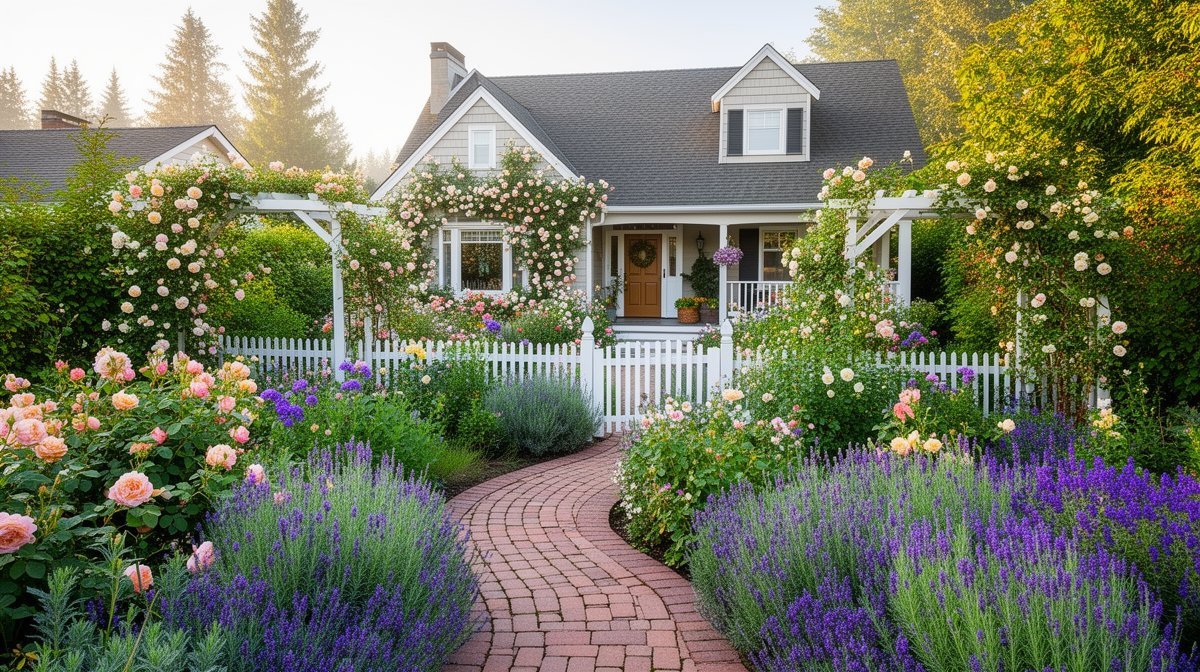
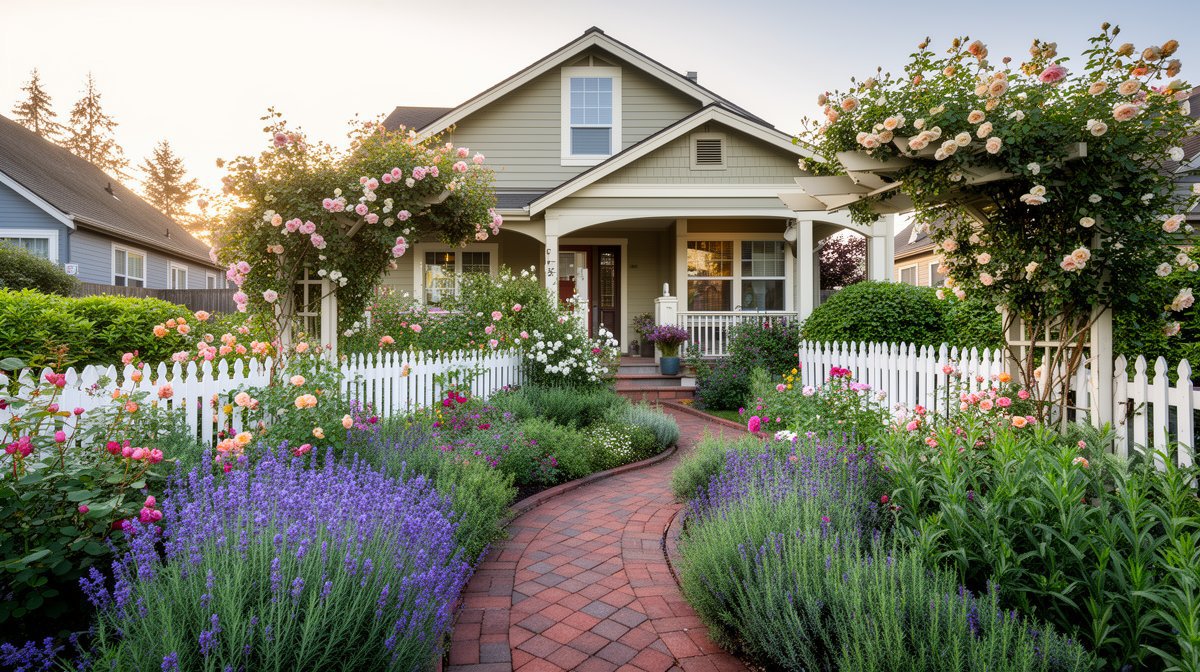
$20–40/sqftA white cedar picket fence runs along the sidewalk in front of a 1910s hip-roofed bungalow, with a painted arbour over the gate carrying a pale pink climber. A straight brick walk leads to the porch steps through two borders raised six inches with a soil and grit mix, foxgloves and delphiniums at the back, catmint spilling over the brick at the front. The south-facing frontage gets full afternoon sun, which dries the rose leaves after the morning drizzle and keeps blackspot down.

AI-generated image
The East Hill Rambler Rose Border
$14–28/sqftA 1970s brick-and-siding rambler on East Hill loses its strip of lawn to a deep curved border that wraps the front corner of the house. A low clipped holly hedge gives the border a crisp front edge, shrub roses and penstemons fill the middle, and a pair of obelisks carries clematis for height. Morning sun reaches the bed first, so the foliage is dry by mid-morning even in a damp June.

AI-generated image
The Lake Meridian Back Porch Garden
$22–42/sqftA covered back porch on a 1990s two-story house near Lake Meridian looks out over a flagstone path that wanders through a shady side of tall Douglas firs into a sunny center bed. Hydrangeas and astrantia fill the shade where the till stays damp, while foxgloves, lupins and a bench under a rose arch catch the afternoon light in the middle. A rain barrel at the downspout feeds the beds through the dry August stretch.

AI-generated image
The Valley Raised-Bed Kitchen Cottage
$16–32/sqftOn a flat valley-floor lot near the Green River, where the silt stays wet into April, the whole garden sits in raised timber beds 12 inches high around a gravel square. Sweet peas climb a hazel tepee, herbs and lavender fill the sunniest bed, and a fruit tree trained on the fence anchors the back.
See how a cottage/english garden looks on YOUR property
Upload a photo of your Kent yard and visualize your dream garden in seconds.
Try ProScapeAI Free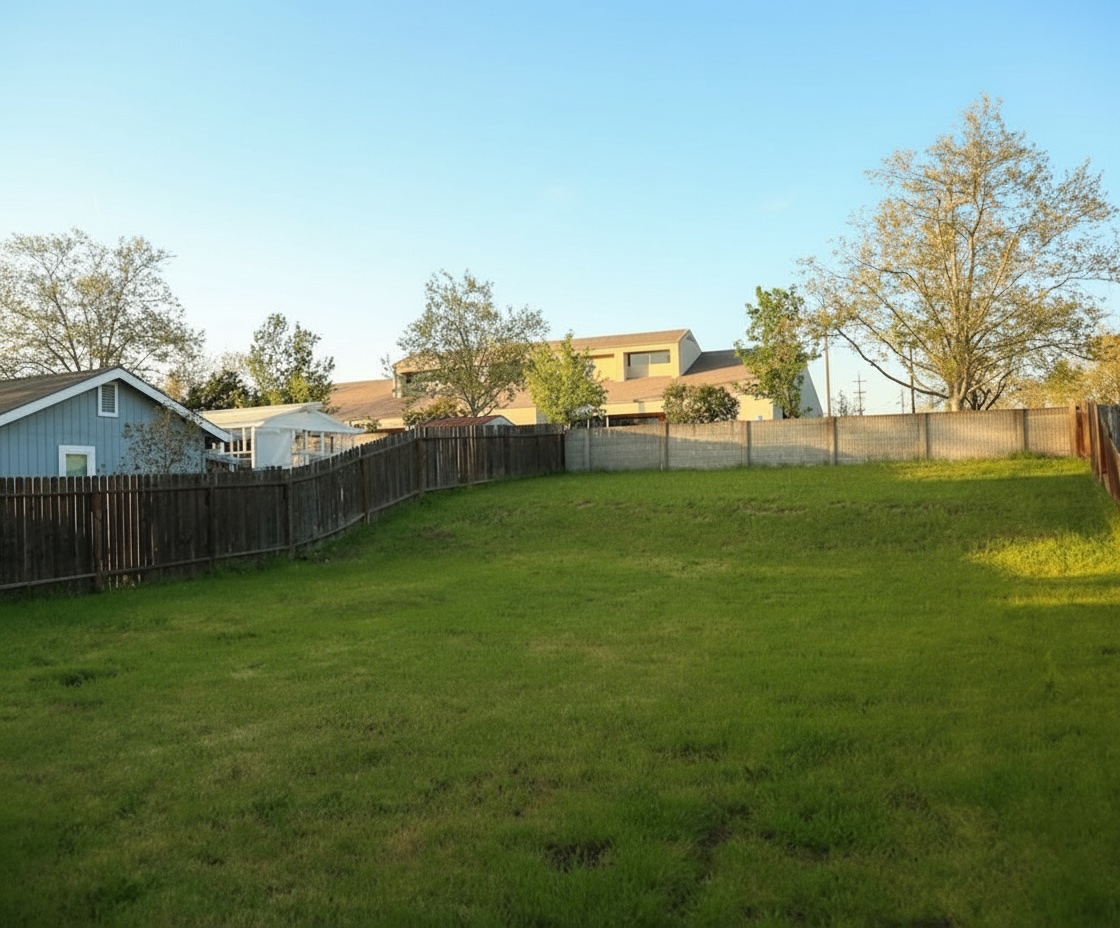
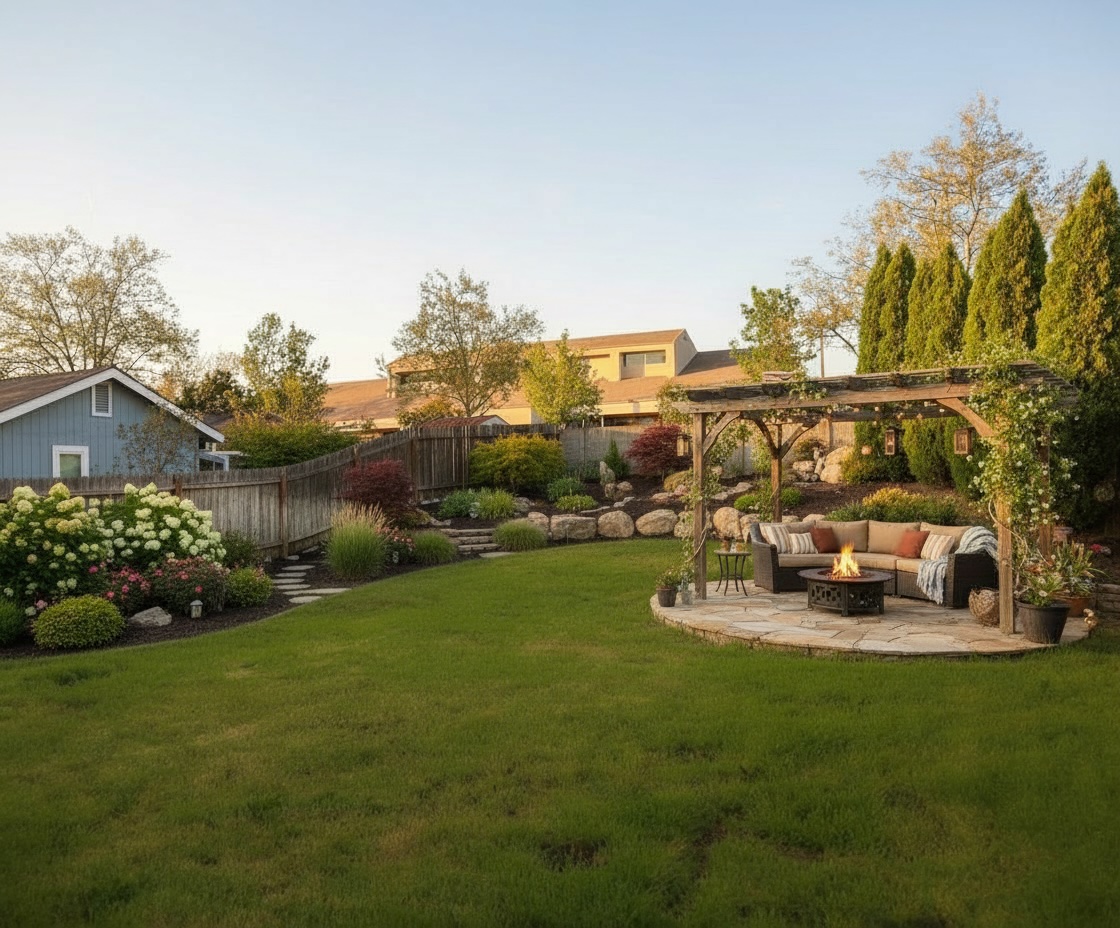
AI-generated image
Featured Trees & Shrubs for Cottage/English Gardens
Browse all 163 plants for Kent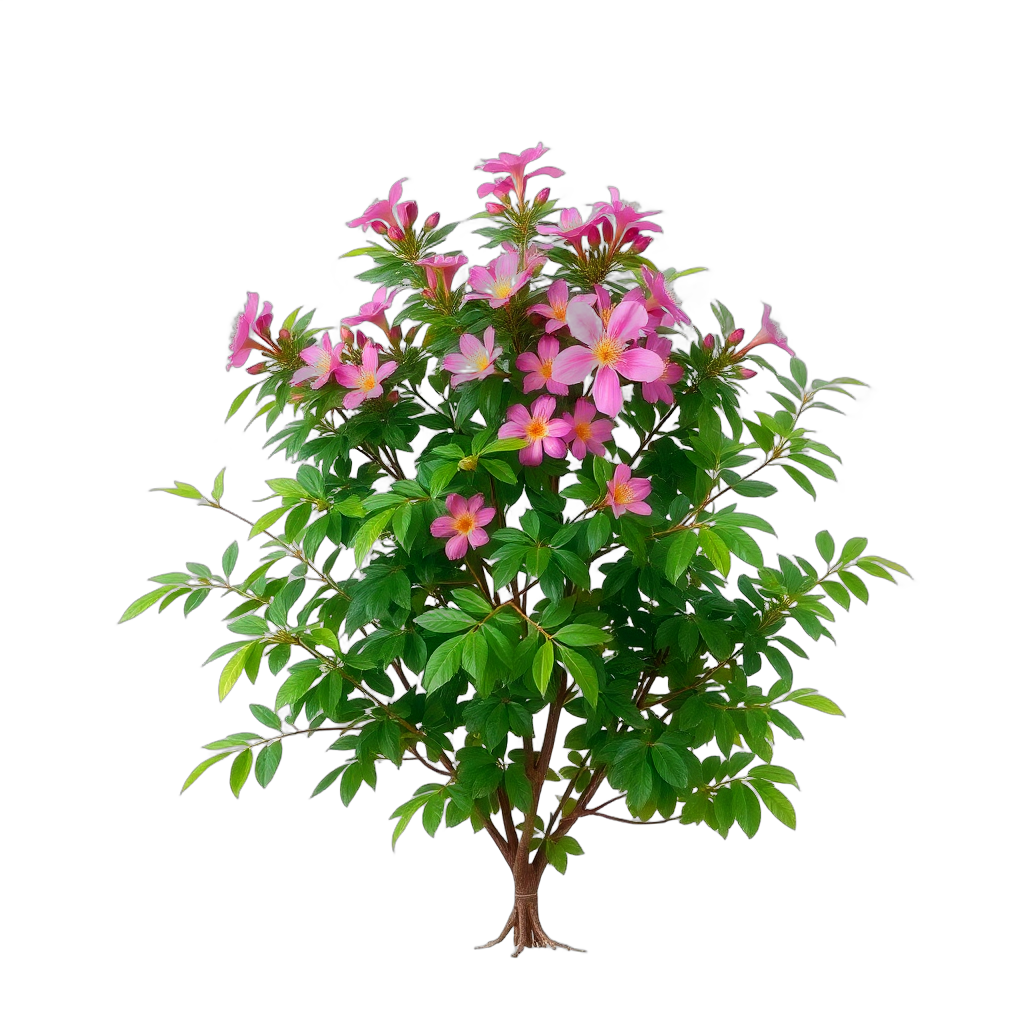
Nootka Rose
Rosa nutkana
grows to 5 feet, pink blooms in spring. Attracts butterflies.
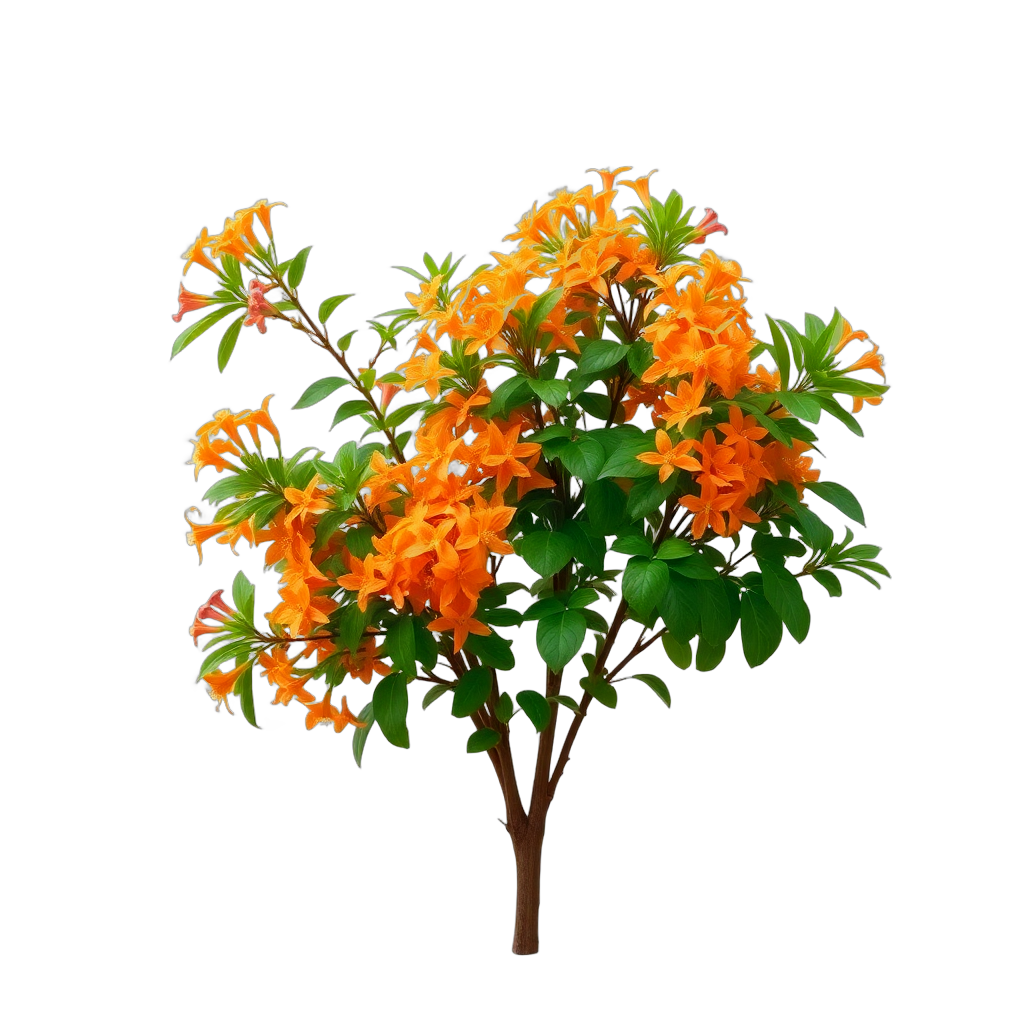
Orange Honeysuckle
Lonicera ciliosa
medium-sized at 15 feet, orange blooms in summer. Attracts hummingbirds.
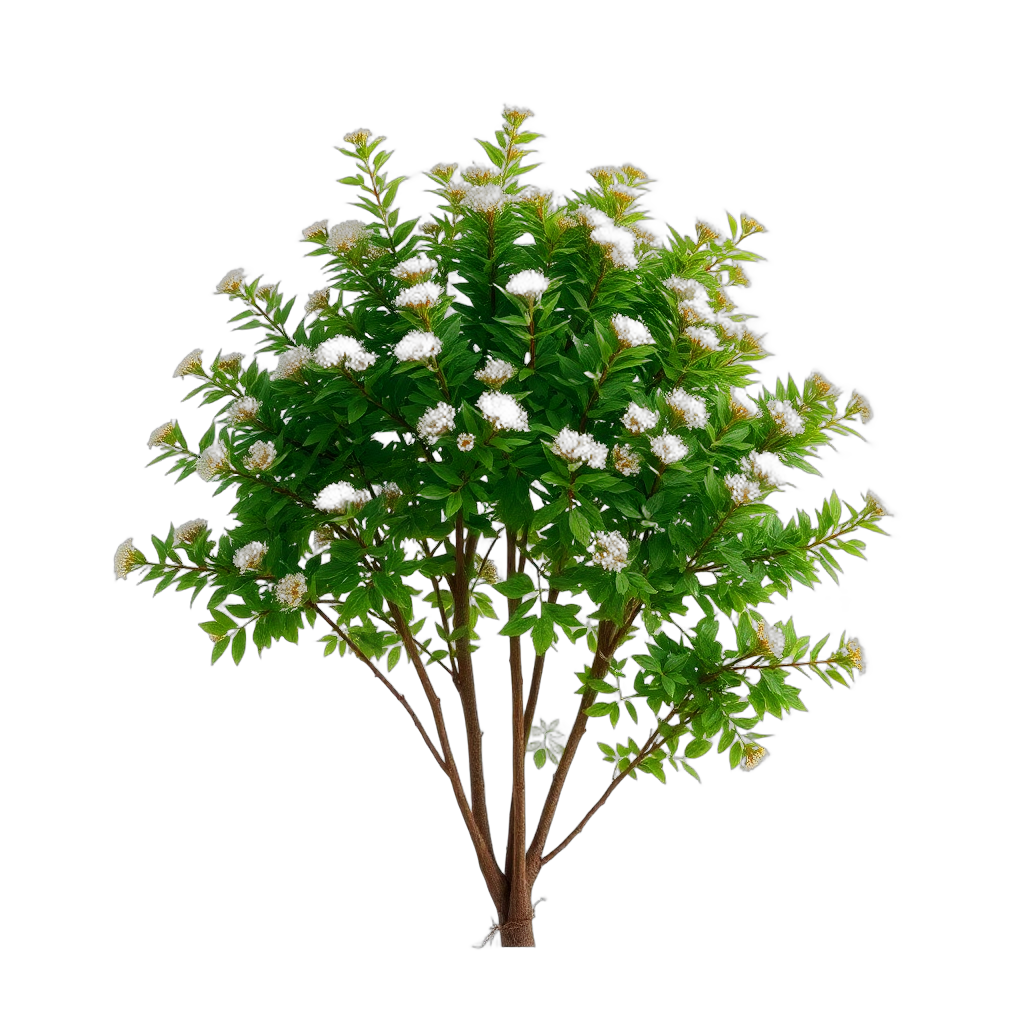
Pacific Ninebark
Physocarpus capitatus
medium-sized at 8 feet, white blooms in spring. Attracts butterflies.
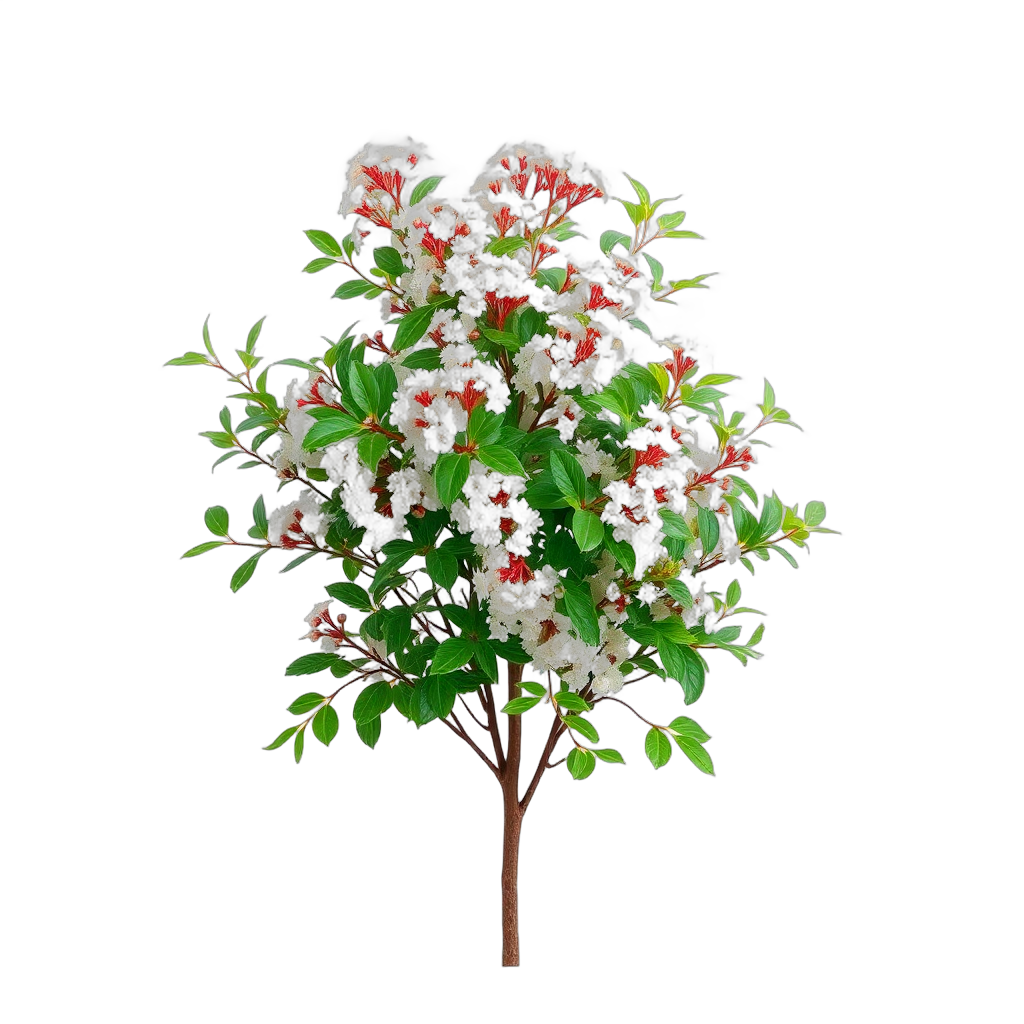
Snowberry
Symphoricarpos albus
grows to 4 feet, pink blooms in summer.
Featured Flowers & Perennials for Cottage/English Gardens
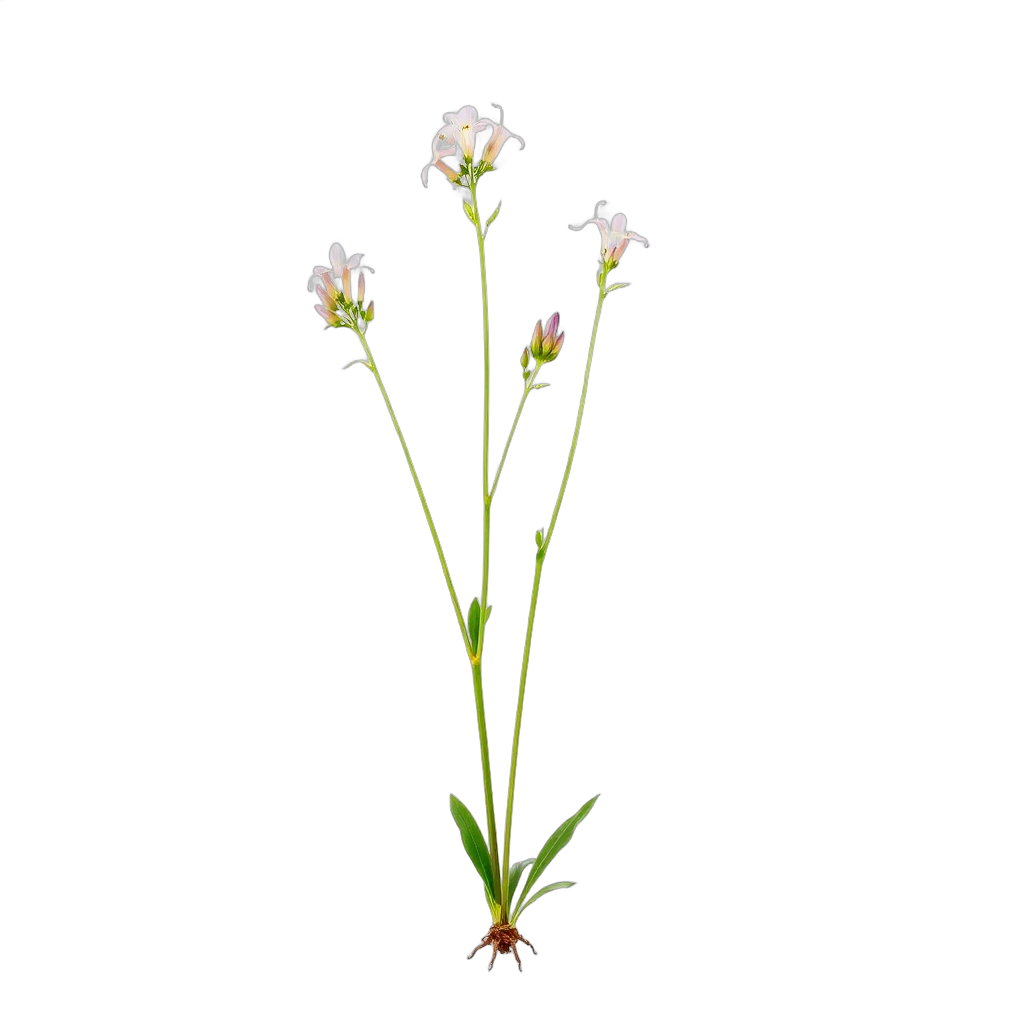
Common Camas
Camassia quamash
low-growing ground cover, blue blooms in spring. Pollinator-friendly.
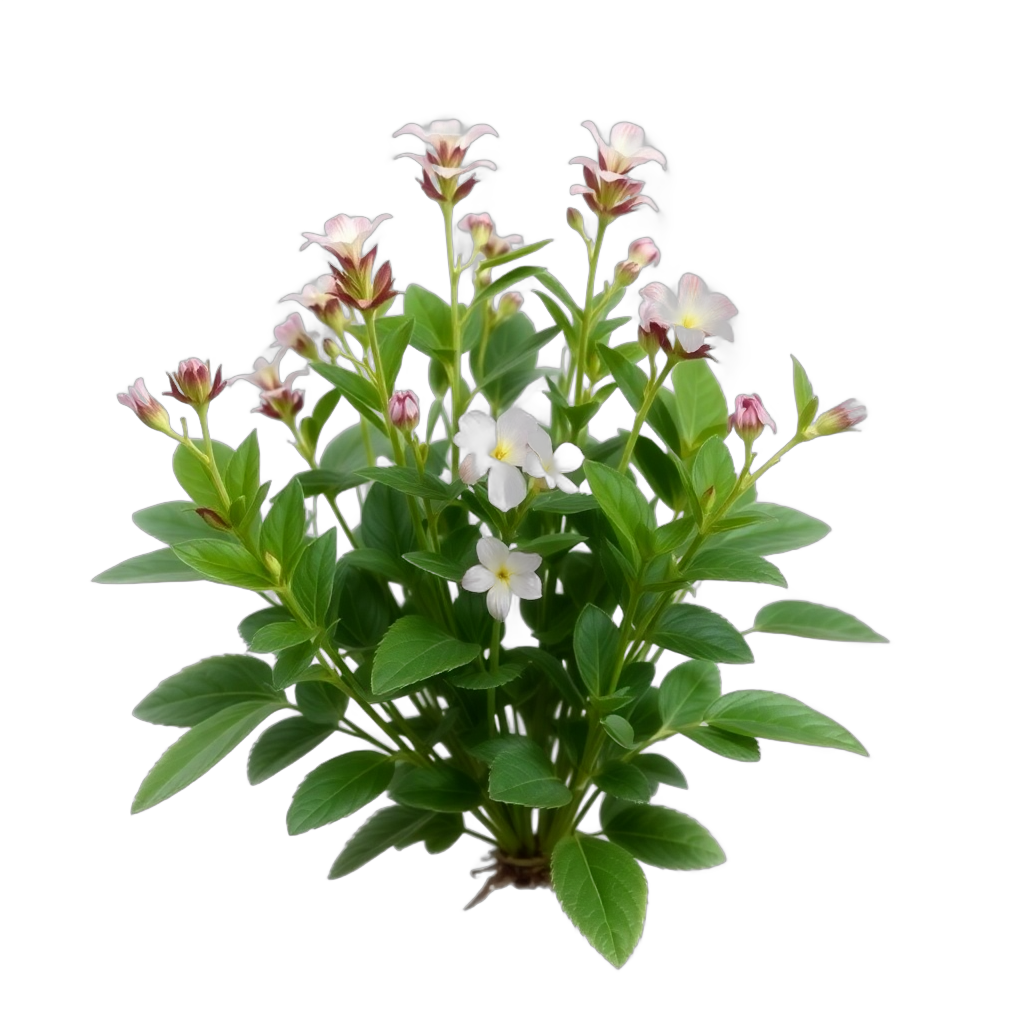
Inside-Out Flower
Vancouveria hexandra
low-growing ground cover, white blooms in spring.
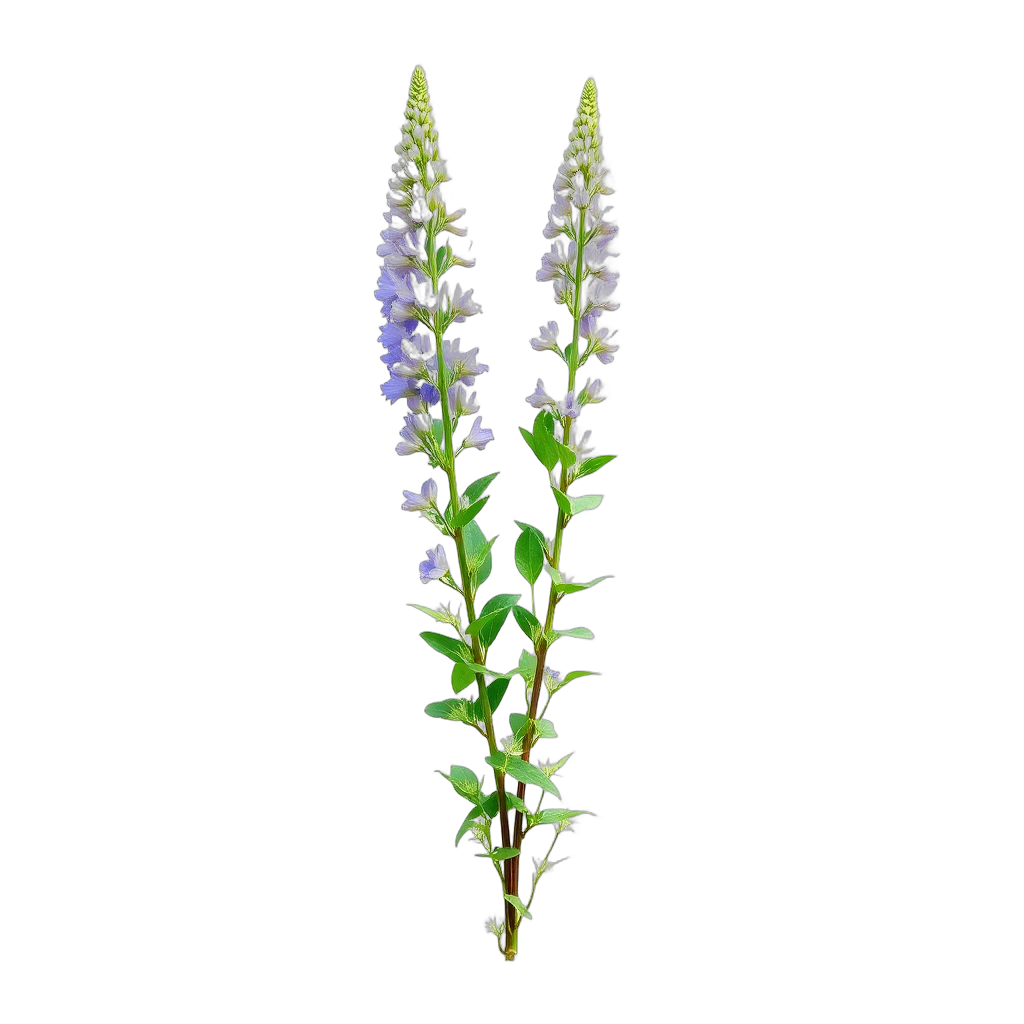
Large-Leaved Lupine
Lupinus polyphyllus
grows to 4 feet, multi blooms in spring. Attracts butterflies.
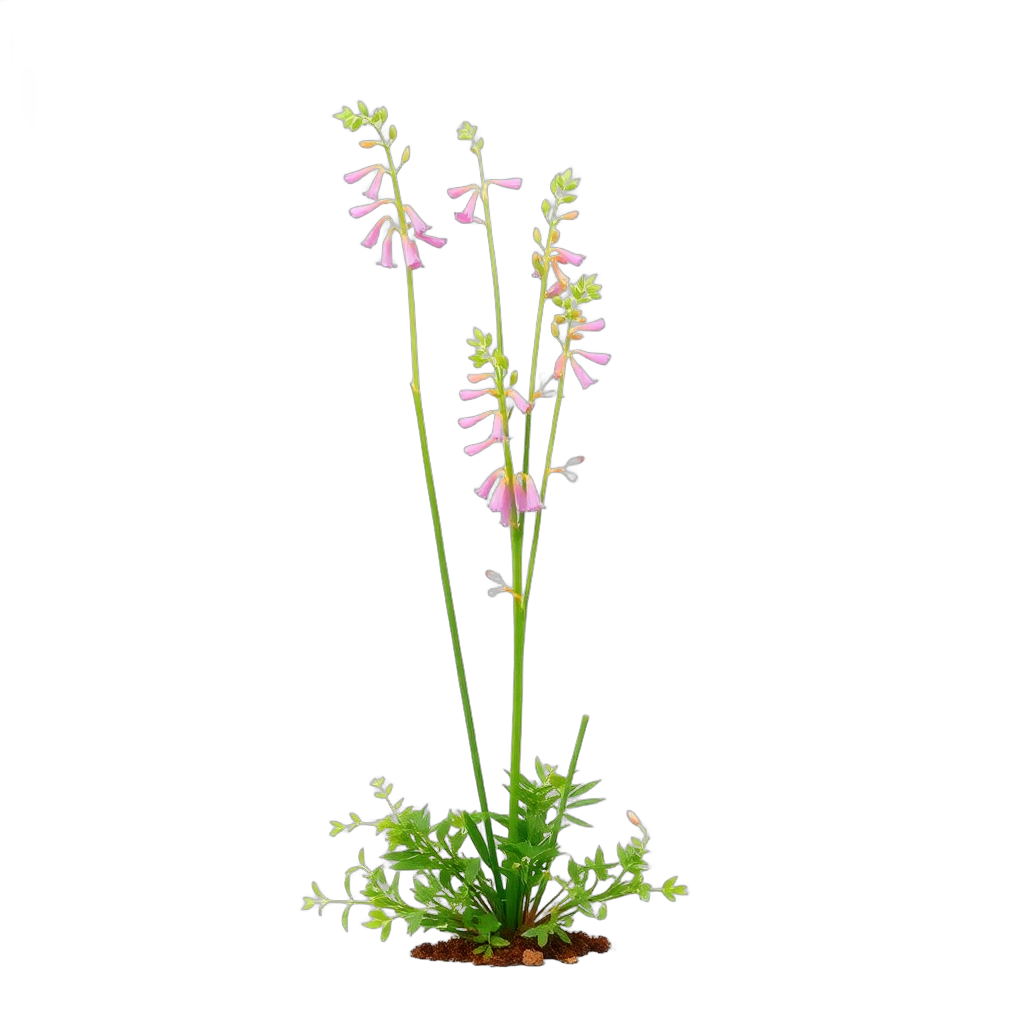
Scouler's Corydalis
Corydalis scouleri
grows to 3 feet, pink blooms in spring. Pollinator-friendly.
Zone and sun checks come from our database — confirm with your local nursery before you buy.
Bloom Calendar for Kent
spring
Common Camas, Inside-Out Flower, Large-Leaved Lupinesummer
Tiger Lily, Orange Honeysuckle, Snowberryfall
Limited bloomswinter
Limited bloomsDesign Tips for Kent (Zone 8b)
- Set arbour and fence posts below the frost depth: footings in western Washington are commonly taken to at least 12 inches, and posts set in concrete deeper still on wet valley silt, so confirm the figure with the Kent Permit Center
- Raise rose and lavender beds 6–10 inches: the glacial till hardpan on East Hill and West Hill and the silty Green River valley floor both hold winter water, and wet crowns kill more plants in Kent than cold does
- Test the soil before you plant: Kent soils usually run pH 5.5–6.0, fine for hydrangeas but too sour for Lavandula angustifolia 'Hidcote', so add garden lime to the lavender bed only
- Pick roses for disease tolerance: Rosa 'New Dawn', 'Bonica' and 'Darcey Bussell' handle a wet Puget Sound May without weekly spraying, while most hybrid teas lose their leaves to blackspot
- Plan for slugs from day one: lay a gravel strip along beds, plant Nepeta, Digitalis and Geranium 'Rozanne' at the front, and keep hostas in pots
- Plant in autumn: Kent's October to May rain waters new perennials for free, while a July planting means hand-watering through a nearly rainless summer
- Put a rain barrel on every downspout near the border: Kent's winter rain is abundant and its July and August are dry, so stored water carries the roses through the gap
Where to Source Plants in Kent
Skip the big-box stores. These independent Kent nurseries specialize in the plants that make cottage/english gardens thrive in Zone 8b.
Carpinito Brothers
Kent Valley (Central Ave N)
Family-owned farm and garden store with a nursery and garden center, plus bulk bark, soil and gravel for pickup or delivery
Kent East Hill Nursery
East Hill
Family-owned four-acre nursery since 1986 with evergreen shrubs, fruit trees, hanging baskets, houseplants and a certified horticulturist on staff
Covington Creek Nursery
Auburn (southeast of Kent)
Trees, shrubs, perennials, natives, Japanese maples and fruit trees, plus pottery, fountains and trellises
Cottage/English Landscaping Costs in Kent
| Project Scope | Estimated Cost |
|---|---|
| Front cottage border with picket fence and gate arbour (400–600 sqft) | $10,000 – $24,000 |
| Brick walkway on a compacted gravel base (150–250 sqft) | $3,800 – $10,000 |
| Basalt flagstone patio or seating area (250–400 sqft) | $7,500 – $20,000 |
| Cedar raised beds with soil and drip irrigation (4–6 beds) | $3,000 – $8,000 |
| Cedar rose arch or arbour, built and stained | $1,500 – $5,000 |
| Full back cottage garden: patio, arch, raised beds, deep borders | $30,000 – $75,000 |
| AI visualization (ProScapeAI) | Free to start |
Estimates based on Kent, WA-area contractor rates as of 2026. Actual costs vary by site conditions, materials, and contractor.
Kent Climate & Growing Zone
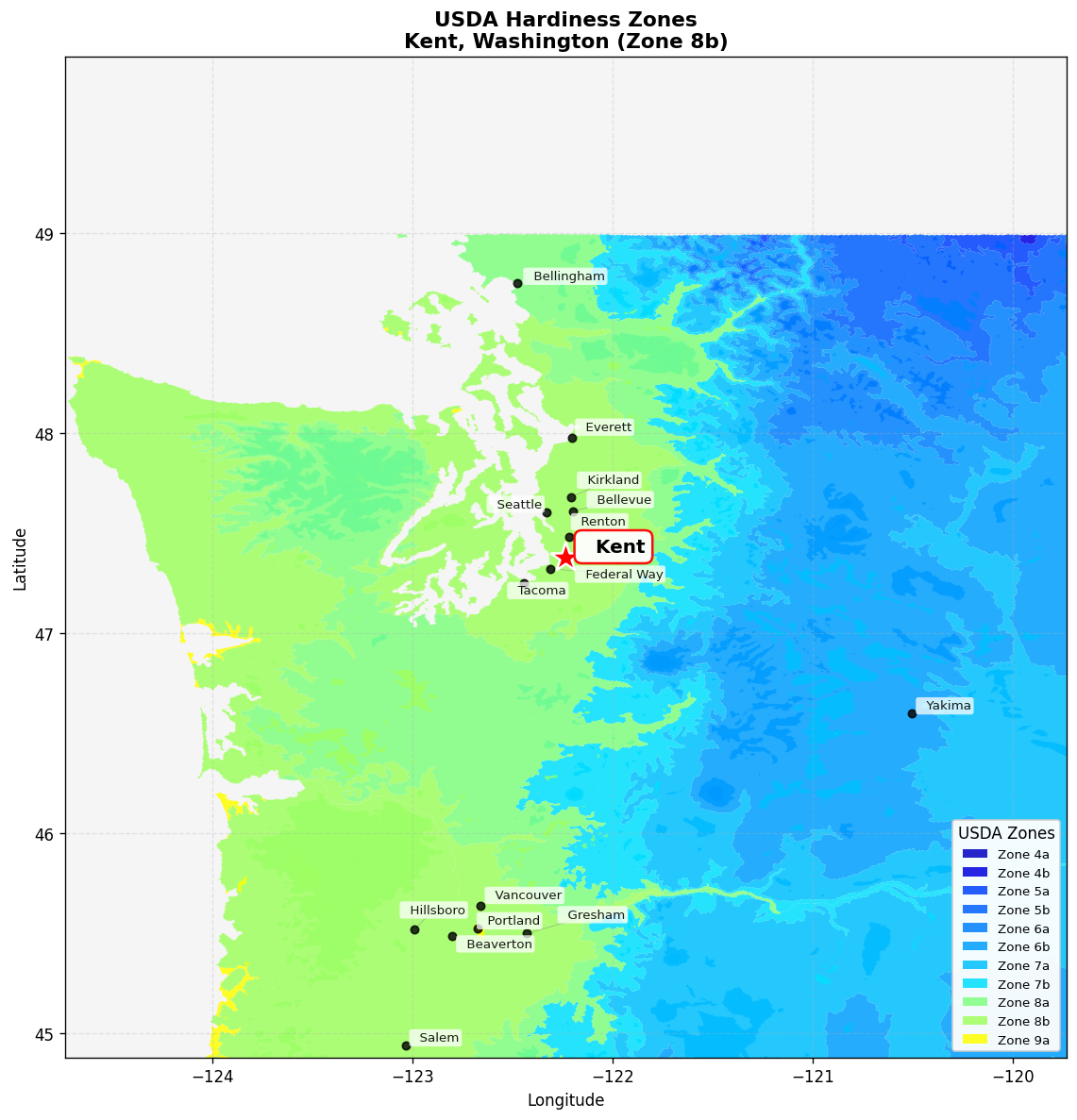
USDA Zone 8b
Hardiness zone for Kent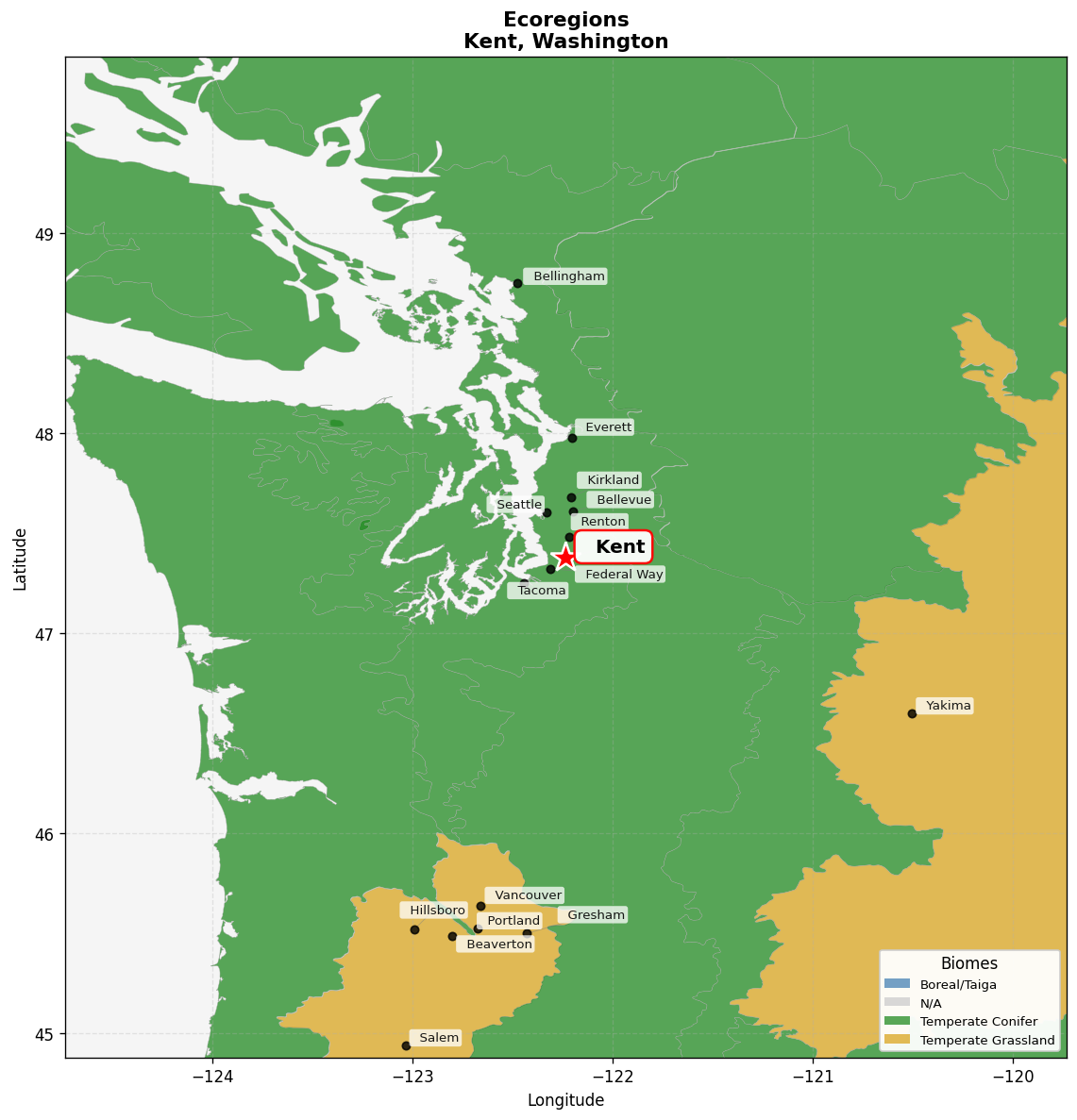
Puget lowland forests
Native ecoregionFrequently Asked Questions
How much does a cottage garden cost in Kent, WA?
Puget Sound landscape crews generally bill around $65–95 per hour per worker, so labor is the biggest line. A planted front cottage border with a picket fence and gate arbour on a typical 400–600 sqft frontage runs about $10,000–24,000 installed. Brick walks land around $25–40 per square foot and basalt flagstone patios $30–50 per square foot. A full back garden with patio, arch, raised beds and deep borders commonly runs $30,000–75,000. Doing the planting yourself with one-gallon Nepeta 'Walker's Low', Geranium 'Rozanne' and Rosa 'Bonica' brings a border in under $10 per square foot.
Is a cottage garden high maintenance in Kent's climate?
Less than you would think. The cool, dry summer means most cottage perennials need only a weekly deep soak in July and August, and the mild winter lets you leave seed heads standing for the birds. The real work is spring slug patrol, deadheading roses, and cutting perennials back in late February. Choosing slug-proof plants like Digitalis purpurea, Alchemilla mollis and Geranium 'Rozanne' over hostas and dahlias cuts the job in half.
When is the best time to plant in Kent?
Late September through November is the best window: the soil is still warm, the rains return, and roots grow all winter so the border arrives in spring already settled. March and April is the second window, and bare-root roses such as Rosa 'New Dawn' go in during February and March while dormant. Avoid planting in July and August, when Kent gets almost no rain and new plants need hand-watering every few days.
Do I need a permit for a fence, wall or patio in Kent?
Planting, garden beds and ground-level patios generally need no permit. Under the Washington residential code, a retaining wall over 4 feet tall (measured from the bottom of the footing), or any wall holding back a driveway, slope or structure, needs a building permit and often engineering. Fence heights, sight triangles at corners and driveways, and work near steep slopes, streams or the Green River floodplain have their own rules, so confirm with the City of Kent Permit Center before you build. If you live in a newer subdivision on East Hill, check your HOA covenants for fence style and height too.
What cottage plants survive a Kent winter and summer?
Cold is rarely the issue: Zone 8b lows of 15–20°F suit almost the whole English list, and Delphinium elatum, Lupinus and Digitalis purpurea do better here than almost anywhere in the US. What kills plants is wet. Lavandula angustifolia 'Hidcote', rosemary and pinks must sit in raised, gritty beds. Summer drought is short, so Penstemon 'Garnet', Nepeta 'Walker's Low' and Rosa 'Bonica' handle August on a weekly drink once established.
Can I still use boxwood hedging in Kent?
Carefully. Boxwood blight has been found in Washington and spreads fast in wet, still weather, which is what Kent has from October to May. If you want the clipped green edge, use Ilex crenata 'Soft Touch' or a blight-tolerant Buxus 'NewGen Independence', water at the base, and never shear wet plants. Old English box (Buxus sempervirens 'Suffruticosa') is the most vulnerable choice.
My Kent valley lawn is soggy every spring. Can I still have a cottage garden?
Yes, but build it up rather than down. The Green River valley floor is silty alluvium with a high water table, so roses and lavender planted at grade sit in water through March. Use 12-inch raised beds for anything Mediterranean, and plant the low wet corners with moisture lovers such as Hydrangea macrophylla 'Endless Summer', Astrantia major 'Roma' and Iris sibirica 'Caesar's Brother'. Gravel paths between the beds drain better than lawn and stop the slug highway.