4 Cottage Garden Ideas for Fort Wayne, IN | Southern Great Lakes Forest Style for Zone 6a
Native plants from the Southern Great Lakes forests (Zone 6a) — Humid continental (hot summer) climate
Why Cottage/English Gardens in Fort Wayne?
Fort Wayne sits at the heart of the Southern Great Lakes forests ecoregion — a landscape historically dominated by sugar maple, beech, tulip tree, and white oak, with a rich understory of trilliums, native geraniums, and wild ginger. The St. Mary’s, St. Joseph’s, and Maumee rivers meet in Fort Wayne, creating a city defined by water, trees, and the lush growth that characterizes the Great Lakes basin’s generous rainfall and fertile soils.
Fort Wayne’s Zone 6a climate is excellent for cottage gardening: cold winters provide the chilling requirements that make peonies and lilacs perform spectacularly, spring rains deliver ideal planting conditions, and the long warm summer supports continuous bloom from the perennial borders that cottage gardens depend on. The city’s beautiful older neighborhoods — West Central Historic District, Georgetown, Lakeside, and Foster Park — are filled with Craftsman bungalows and Victorian homes whose architecture naturally calls for a traditional cottage landscape approach.
Fort Wayne’s gardening community is anchored by the Fort Wayne Park and Recreation Department’s extensive botanical resources and the Lakeside Park gardens — one of Indiana’s most beloved historic formal rose gardens. The Southern Great Lakes forest palette — native woodland plants, trilliums, wild geranium, and native hydrangeas — integrates seamlessly with the classic cottage staples that Fort Wayne’s climate supports so generously.
4 Cottage/English Design Ideas for Fort Wayne
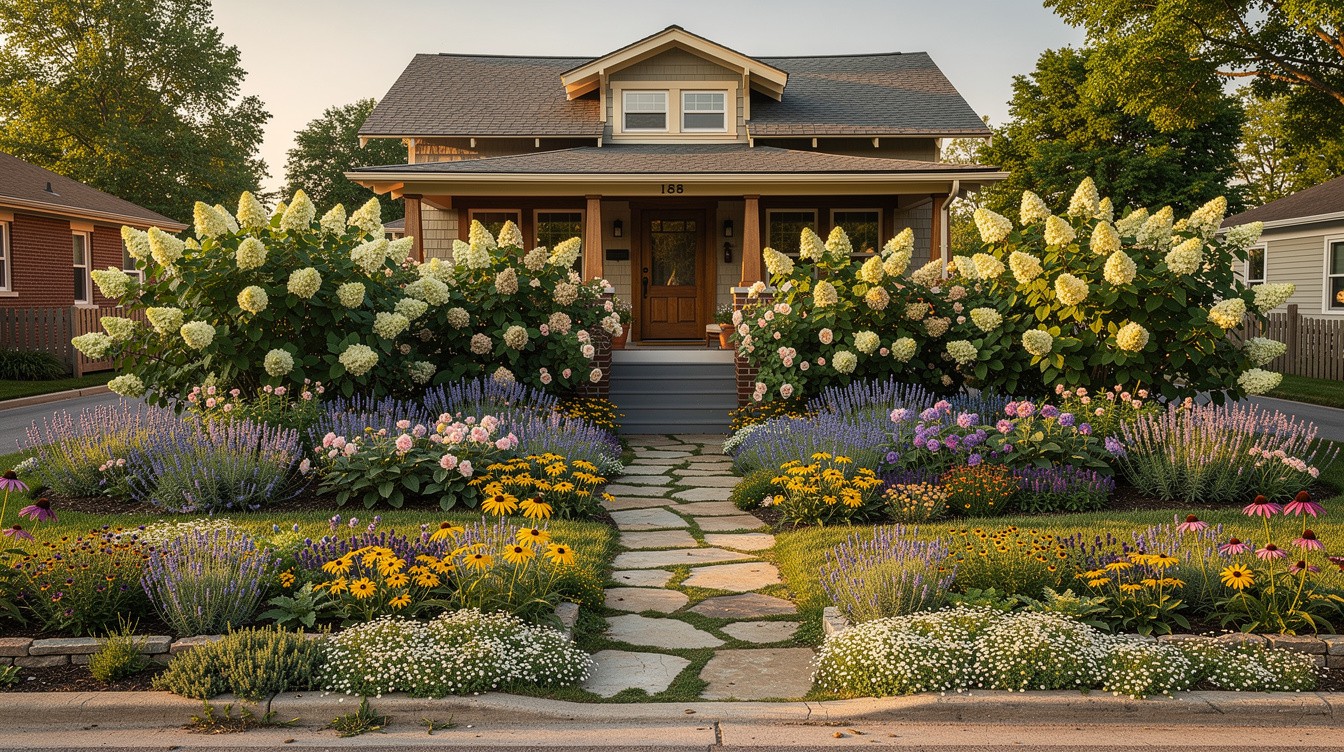
The Craftsman Cottage Border
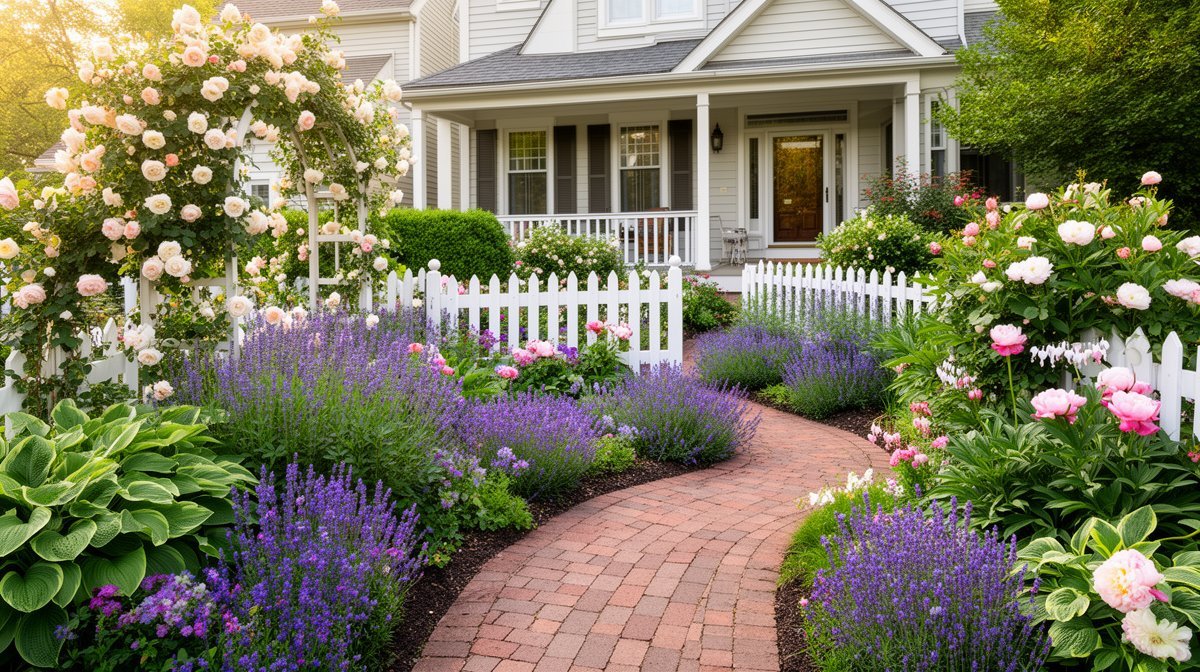
$7–14/sqftA deep front yard border along a Fort Wayne Craftsman bungalow is designed in the classic cottage tradition: shrub roses and panicle hydrangeas at the back, catmint and salvia in the middle, and a front edging of creeping thyme and sweet alyssum that spills over the stone border. Native coneflower and black-eyed Susan are woven throughout the composition for season-long native color and butterfly support. A simple flagstone path from the sidewalk to the front steps cuts through the planting, slightly offset from center for a casual, unplanned feel.
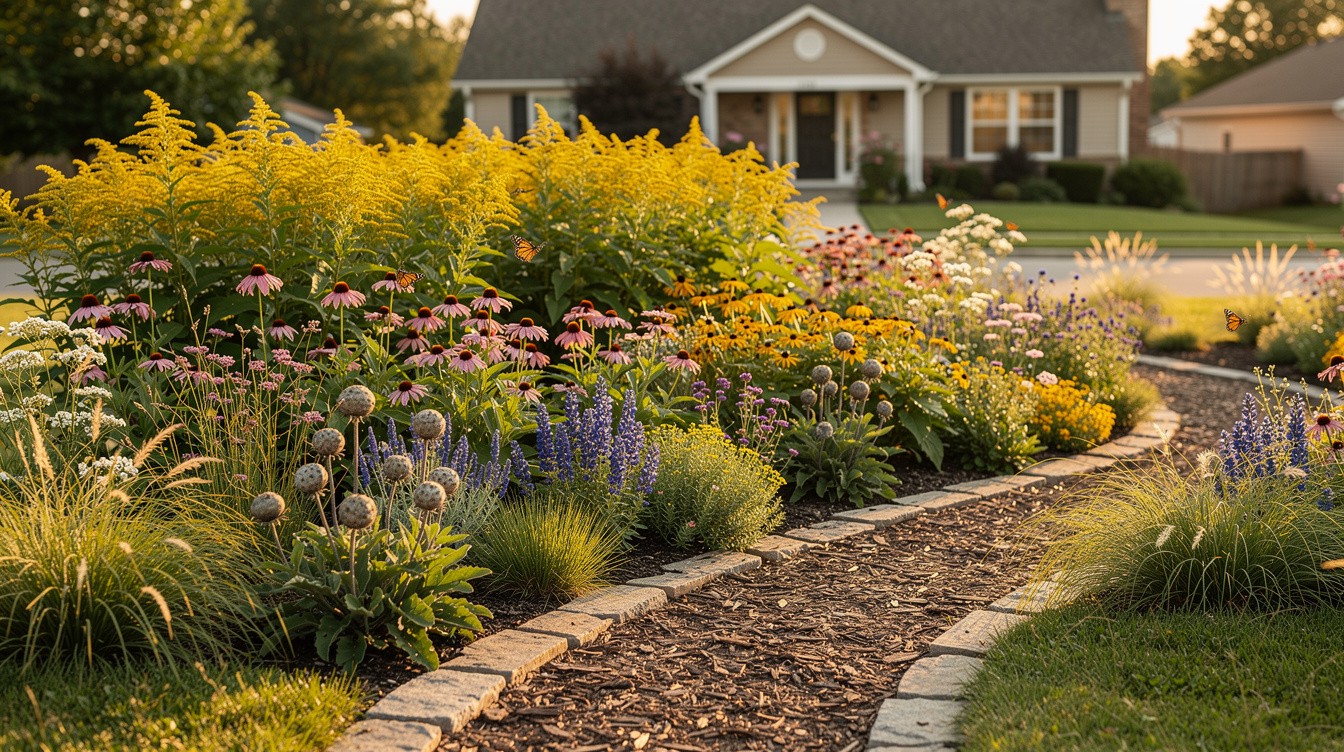
The Indiana Native Wildflower Garden
$6–12/sqftA front or side yard planted entirely with Indiana native wildflowers and grasses, celebrating the Southern Great Lakes forest ecosystem. Tall goldenrod and Joe Pye weed anchor the back. Coneflower, black-eyed Susan, and prairie blazingstar create the mid-layer bloom sequence from June through September. Wild blue indigo provides early May blue flowers and architectural pods. Little bluestem and prairie dropseed frame the entire composition. A simple bark chip path with natural fieldstone edging completes the design. Monarch butterflies begin visiting in August.
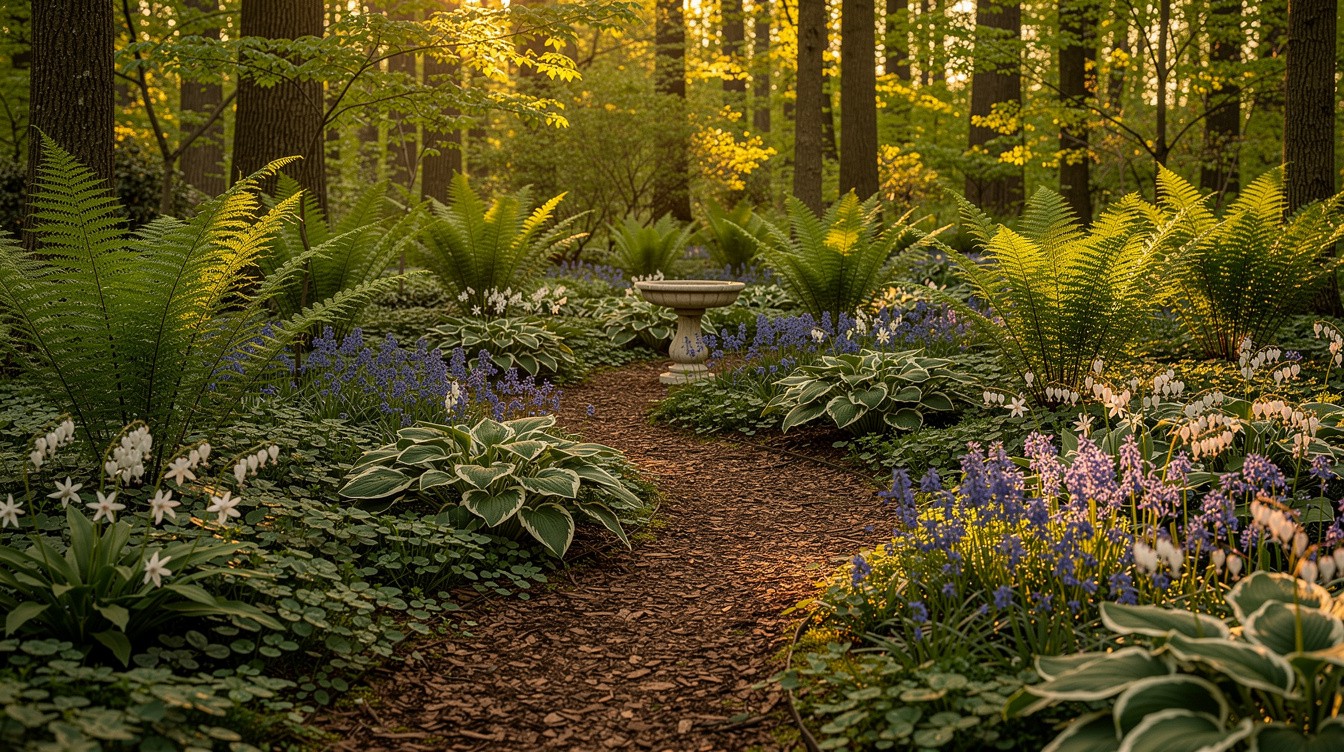
The Woodland Shade Garden
$7–13/sqftA shaded side or rear yard beneath Fort Wayne’s beloved urban tree canopy is transformed into a woodland garden. Wild ginger carpets the ground between ostrich fern groupings. Native bleeding heart and woodland phlox provide spring color; hosta in multiple varieties provides summer texture. A bark chip path winds through the space, and a simple birdbath in a forest clearing creates a focal point. In early May, the combined bloom of trillium, Virginia bluebells, and woodland phlox creates a spring spectacle that outcompetes any annual planting for sheer impact.
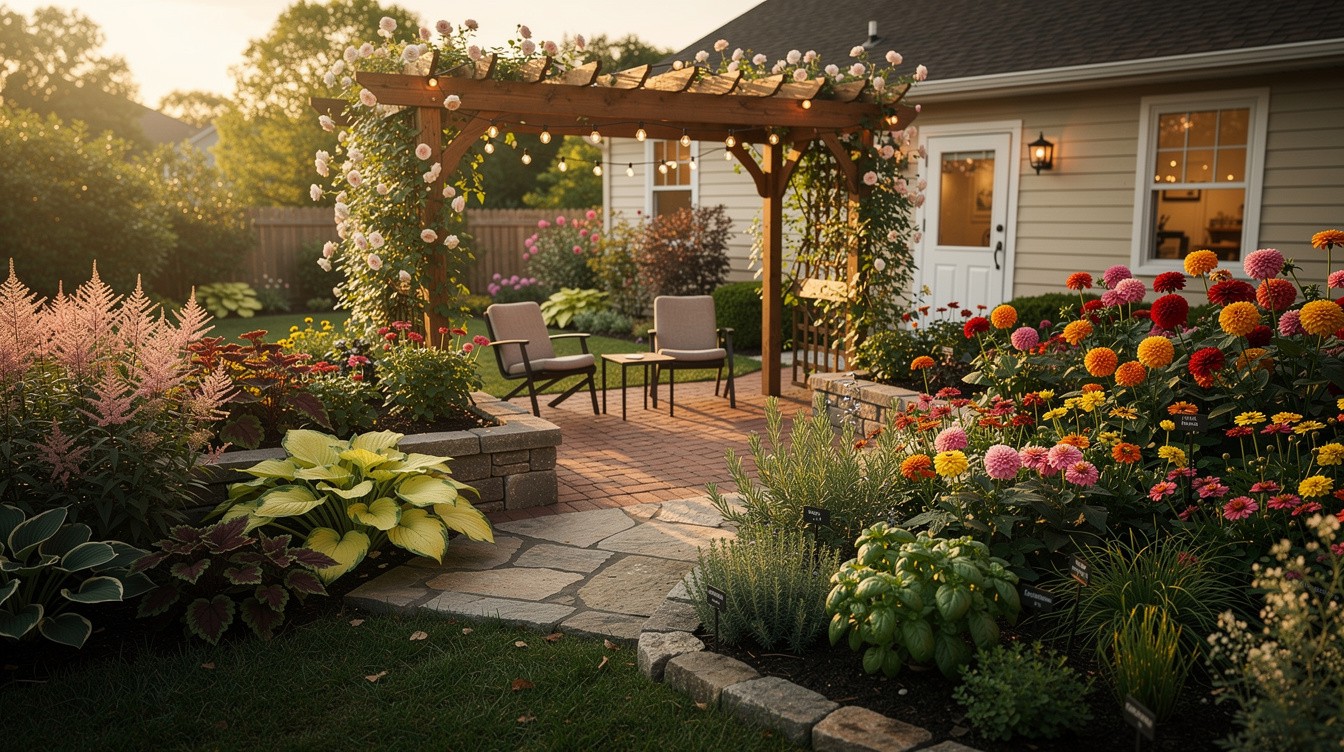
The Cottage Backyard Retreat
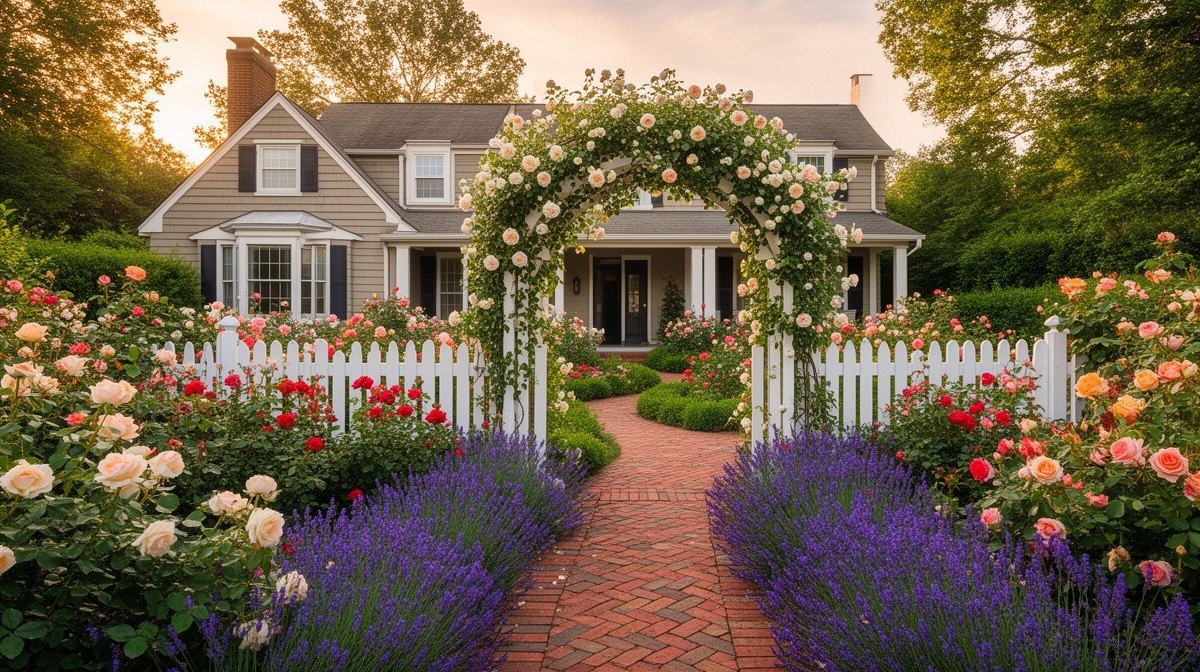
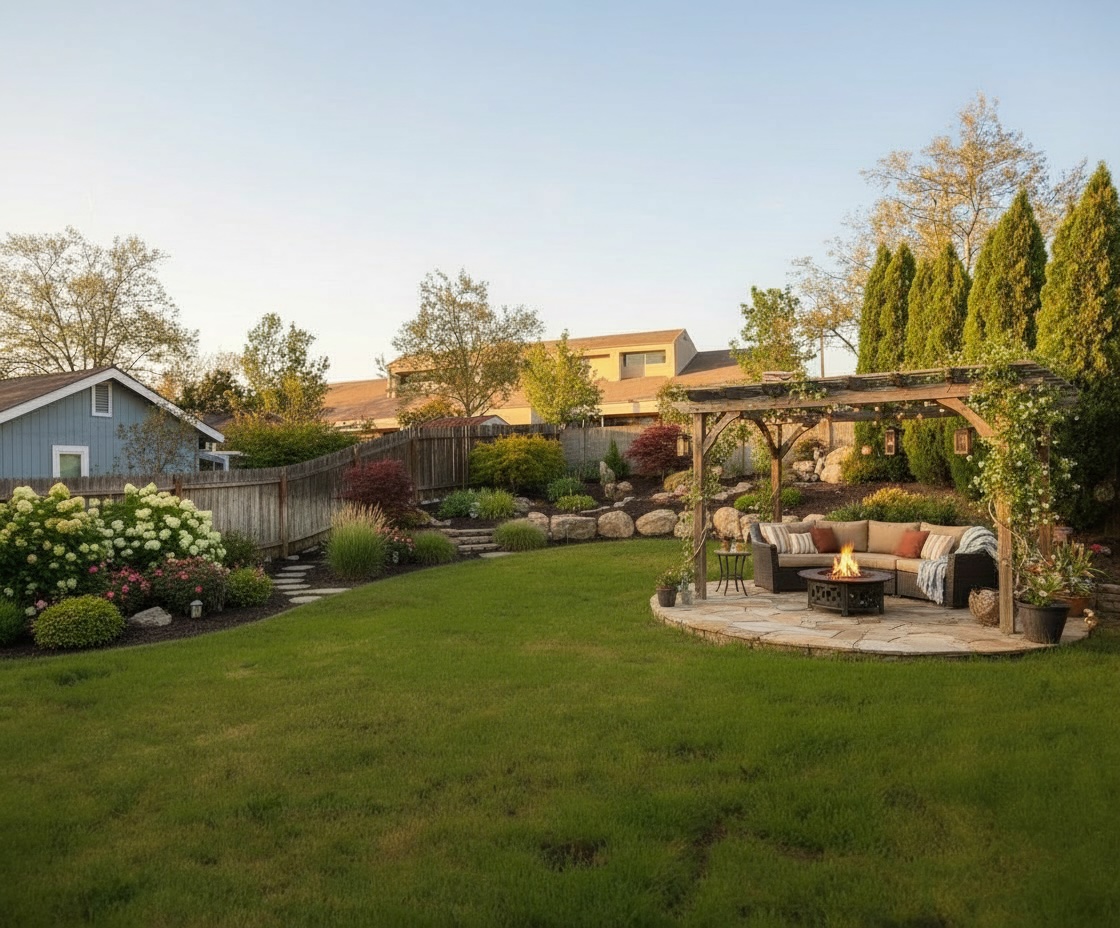
$12–22/sqftA backyard patio of brick pavers or natural limestone is enclosed on three sides by deep cottage borders. The sunny south border holds a cutting garden of dahlias, zinnias, and rudbeckia. The shaded north border contains astilbe, hosta, and coral bells in varied foliage colors. A simple wood arbor at the back supports climbing roses or a native virgin’s bower clematis. A small herb garden near the patio door provides culinary staples. String lights under the arbor create an evening gathering space that Fort Wayne’s long summer evenings reward.
See how a cottage/english garden looks on YOUR property
Upload a photo of your Fort Wayne yard and visualize your dream garden in seconds.
Try ProScapeAI Free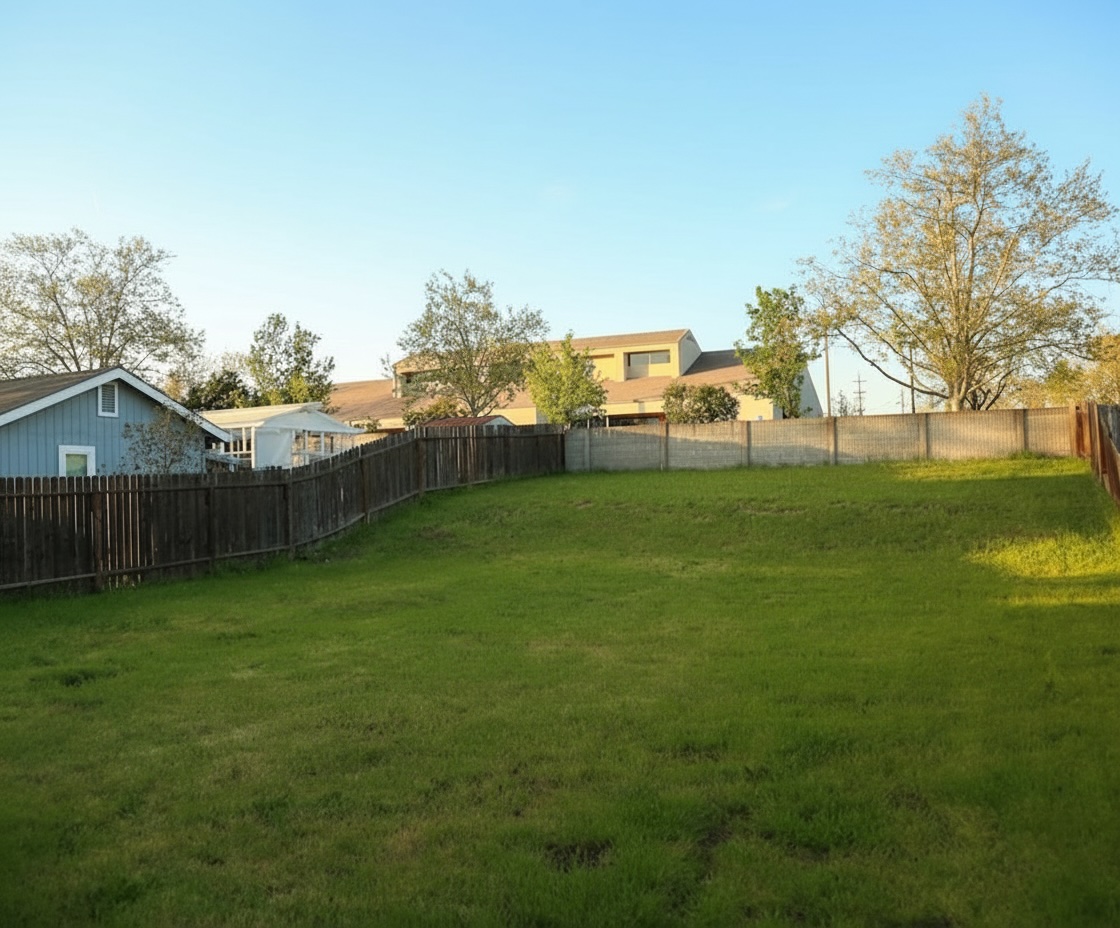
Featured Trees & Shrubs for Cottage/English Gardens
Browse all 248 plants for Fort Wayne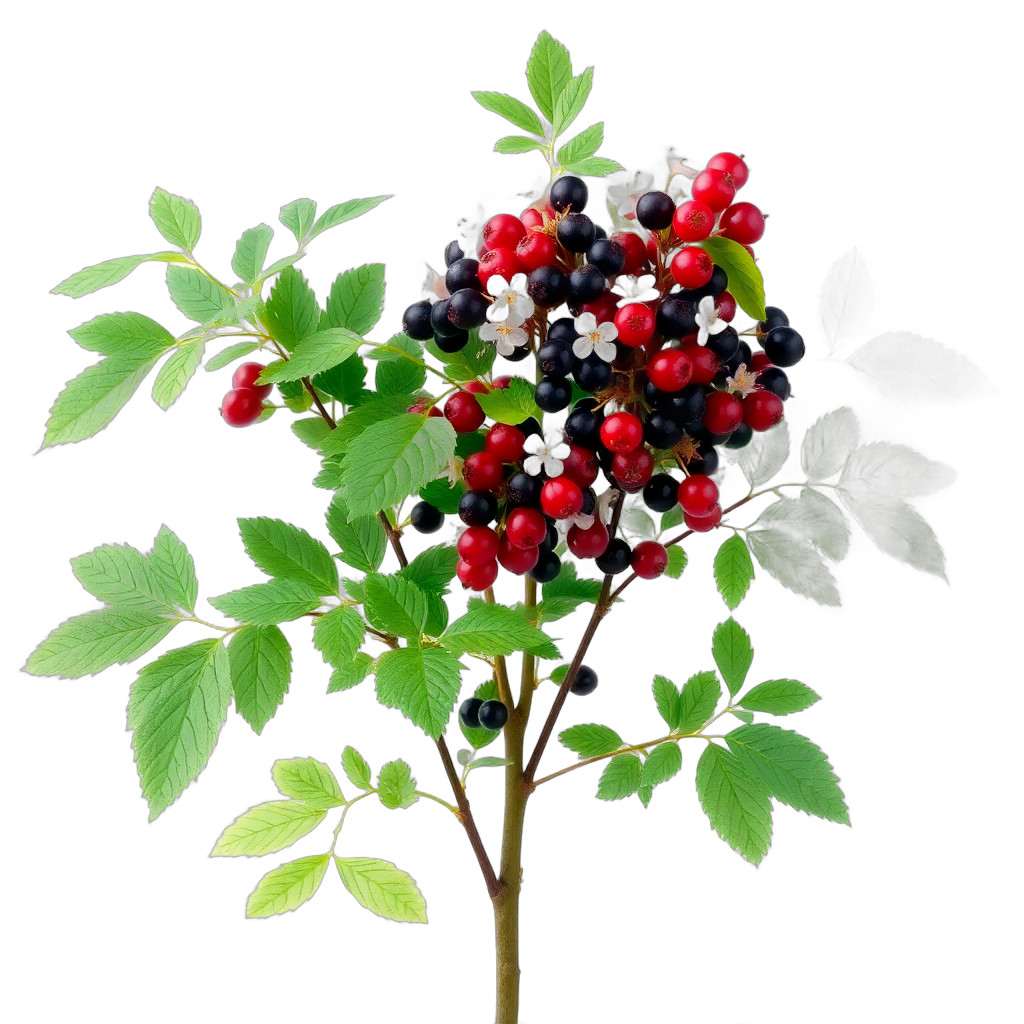
American Black Currant
Ribes americanum
grows to 5 feet, white,yellow blooms in spring. Attracts hummingbirds.
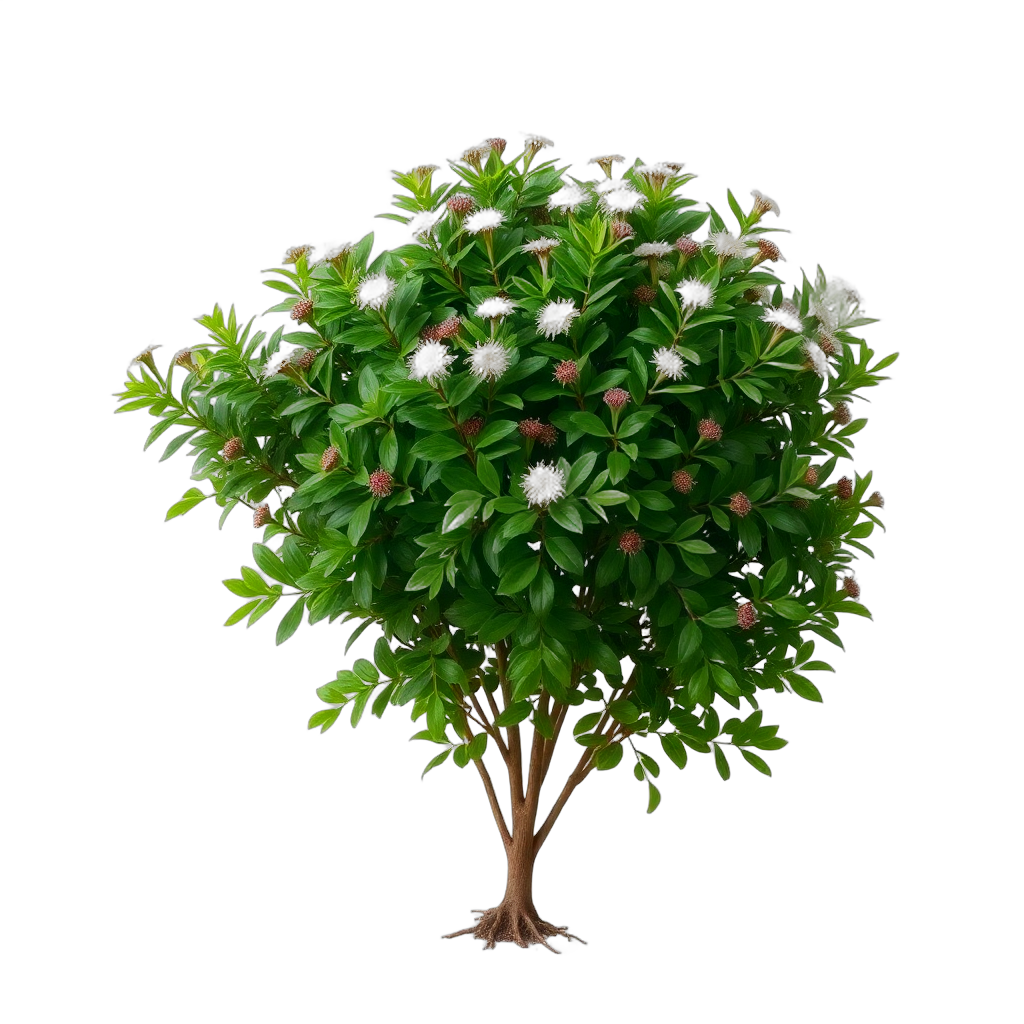
Buttonbush
Cephalanthus occidentalis
medium-sized at 8 feet, white blooms in summer. Attracts butterflies.
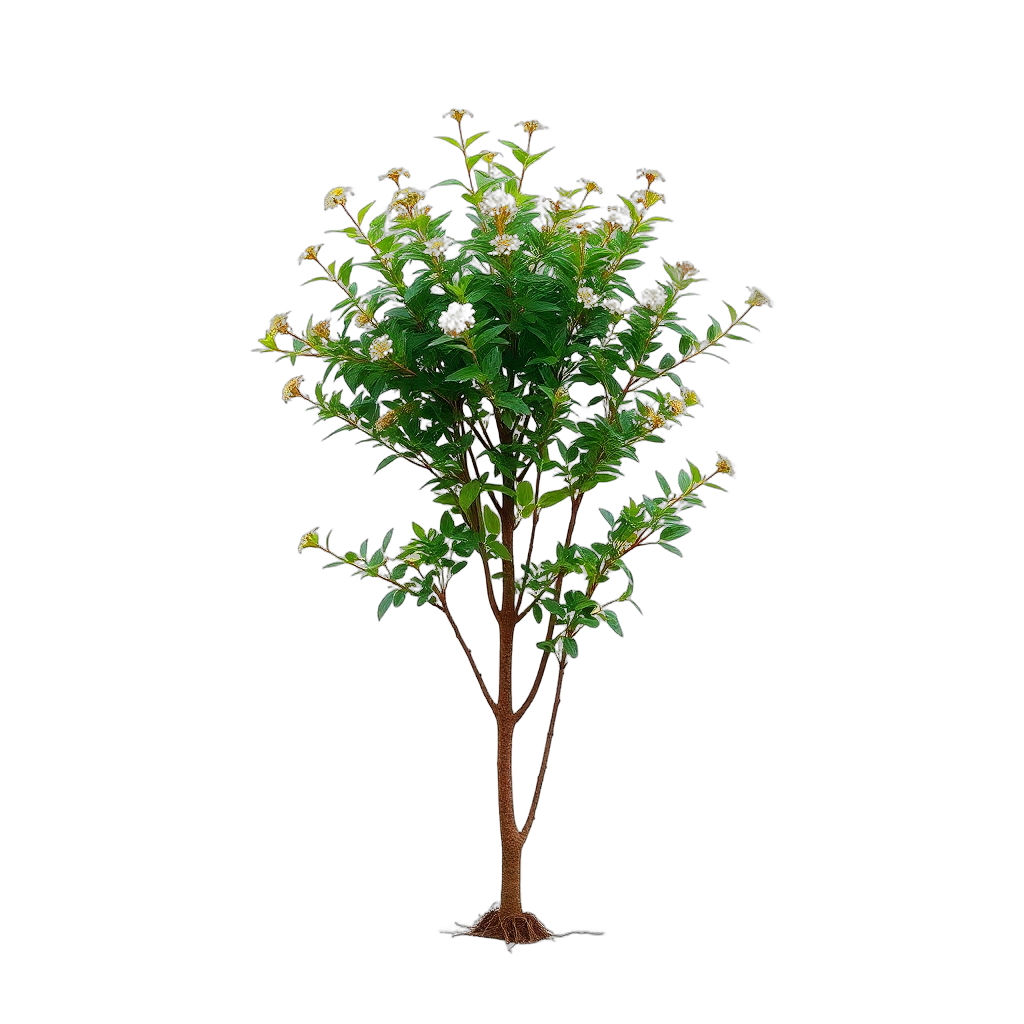
Coppertina Ninebark
Physocarpus 'Coppertina'
medium-sized at 7 feet, white blooms in spring. Pollinator-friendly.
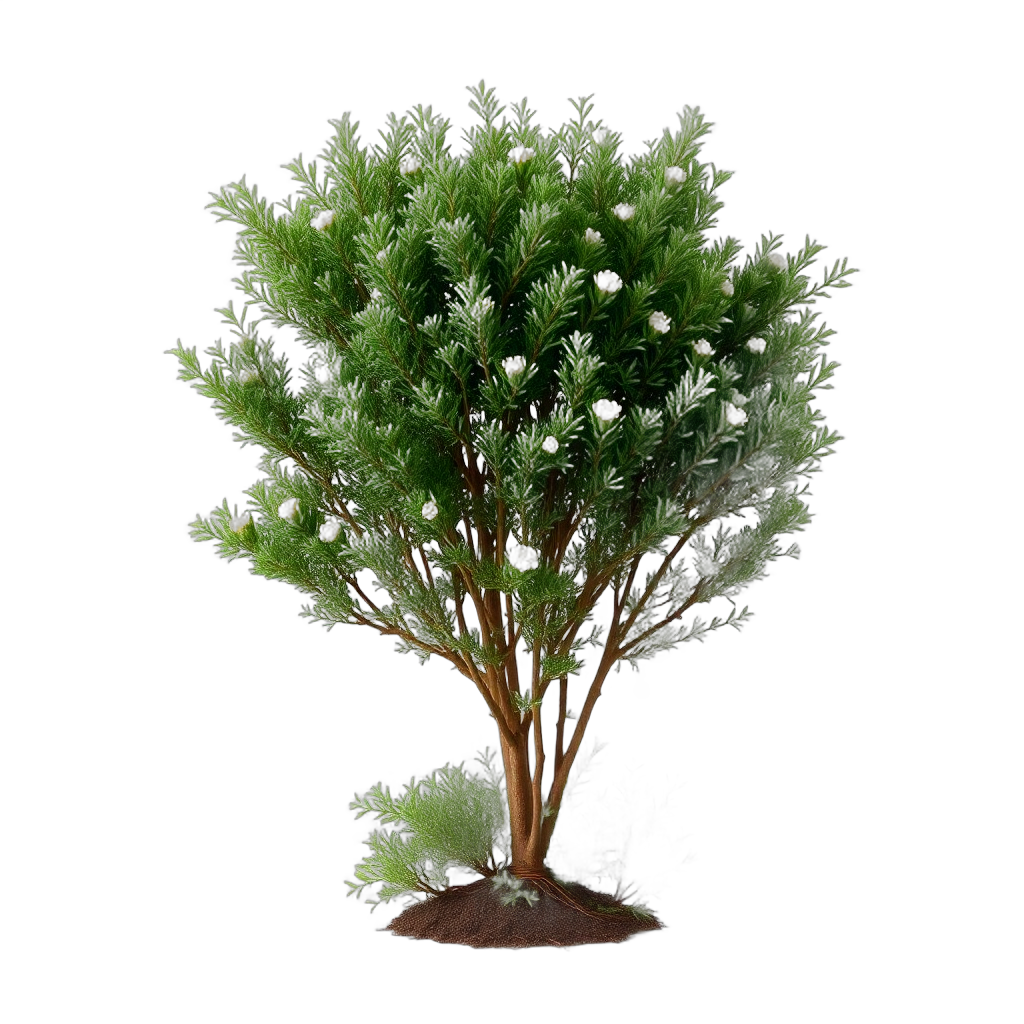
Creeping Juniper
Juniperus horizontalis
low-growing ground cover, blooms in spring. Evergreen year-round.
Featured Grasses & Groundcovers for Cottage/English Gardens
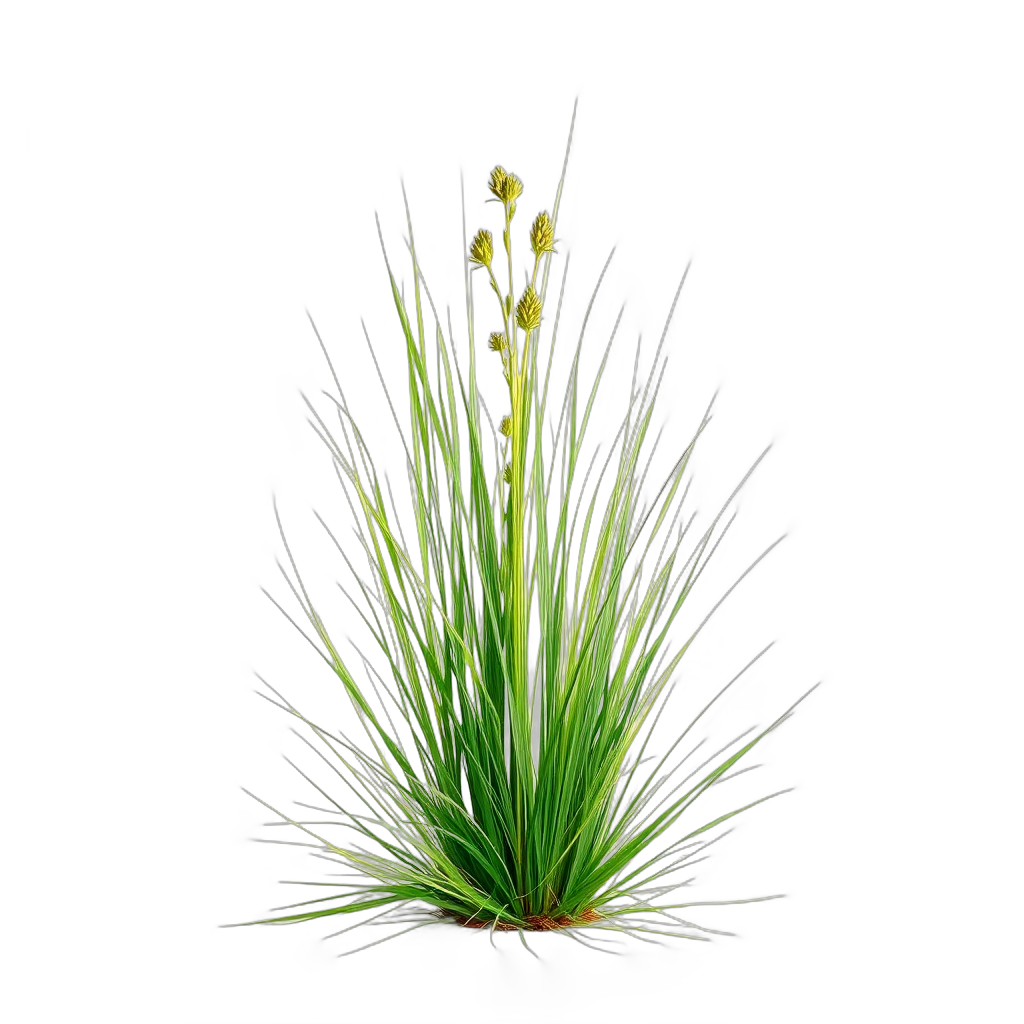
Canada Wild Rye
Elymus canadensis
grows to 4 feet, blooms in summer. Yellow fall color.
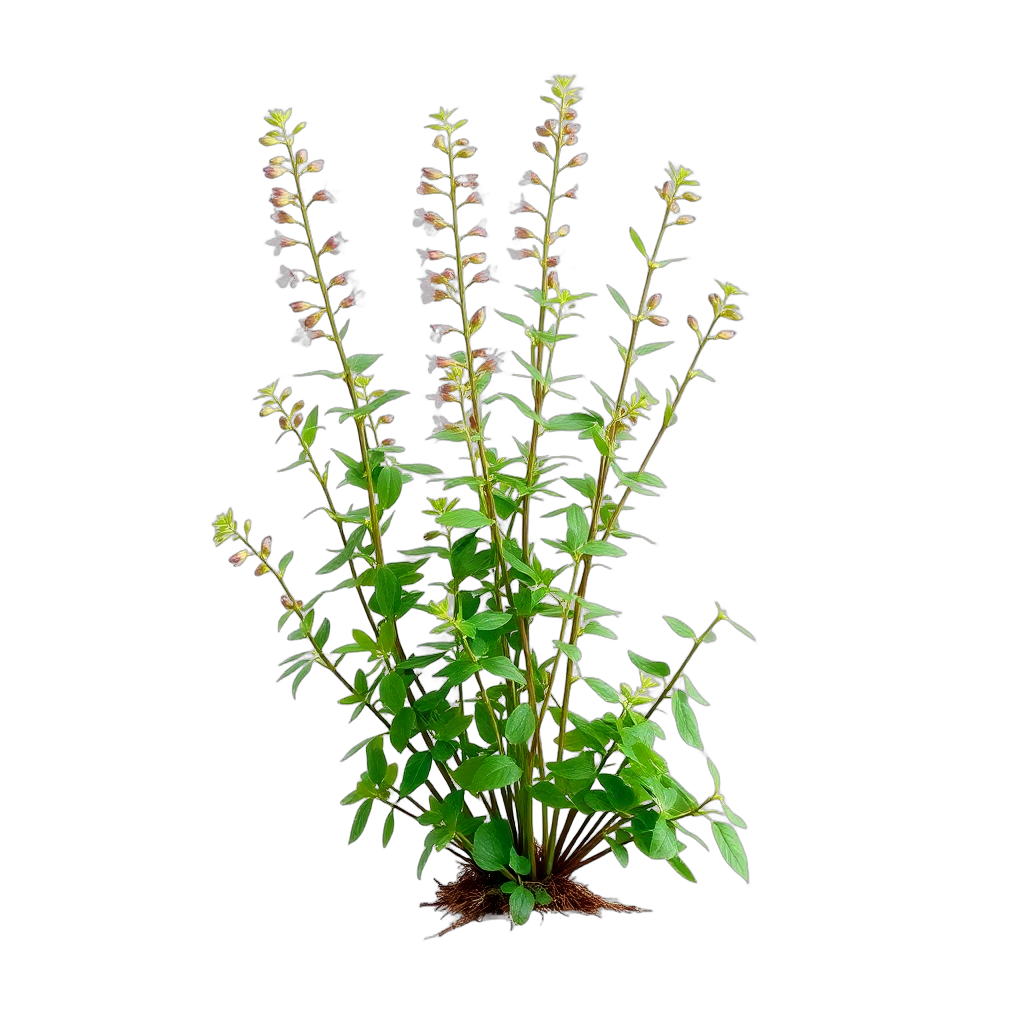
Creeping Jacob's Ladder
Polemonium reptans
low-growing ground cover, blue blooms in spring. Attracts butterflies.
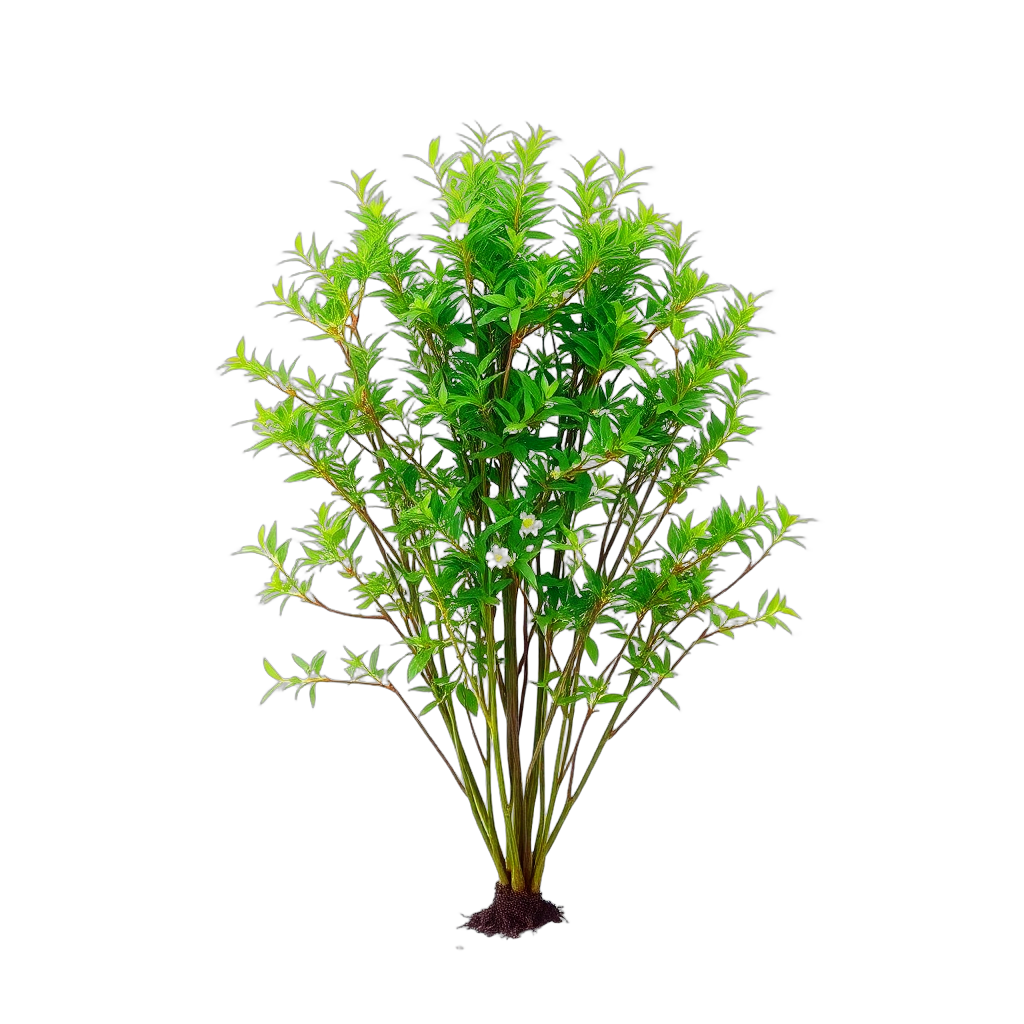
Dwarf Fernleaf Bamboo
Pleioblastus distichus
low-growing ground cover, blooms in none. Evergreen year-round.
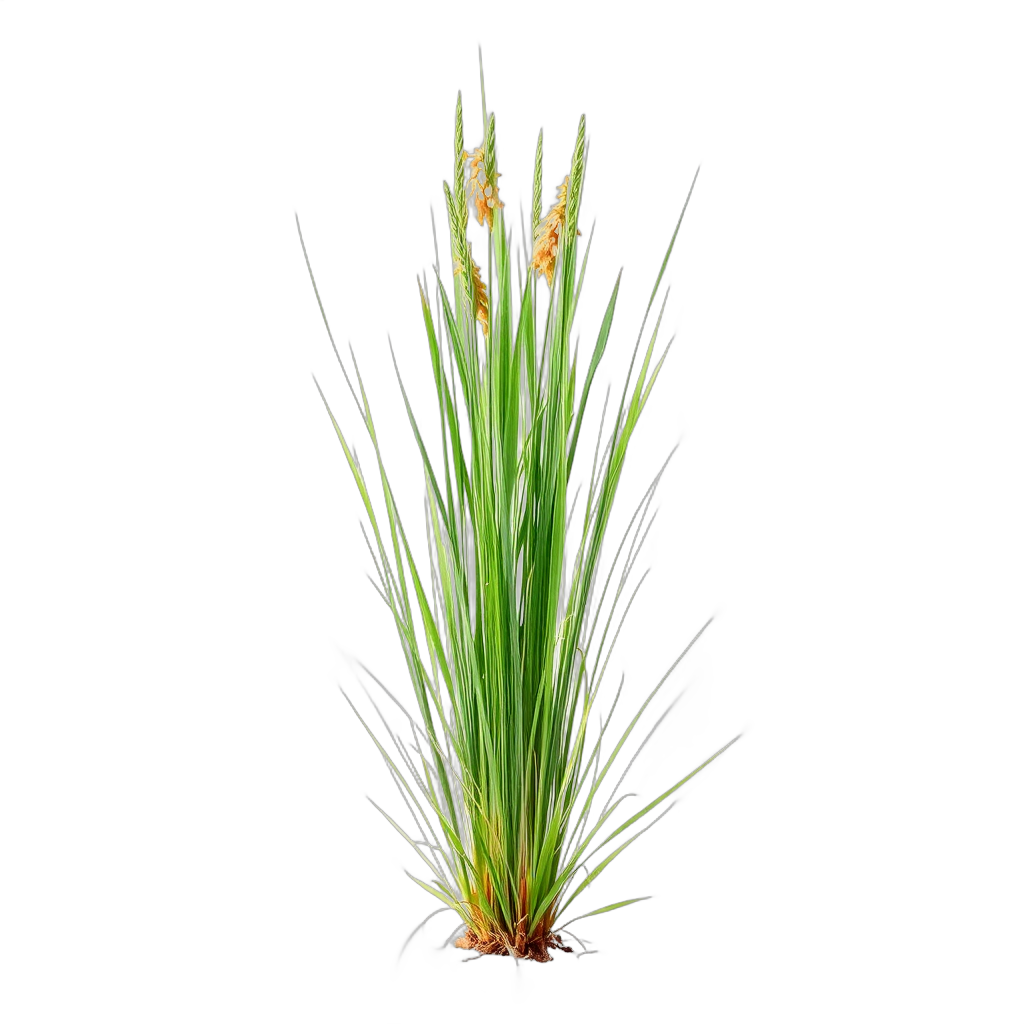
Eastern Gamagrass
Tripsacum dactyloides
grows to 6 feet, blooms in summer. Yellow fall color.
Featured Flowers & Perennials for Cottage/English Gardens
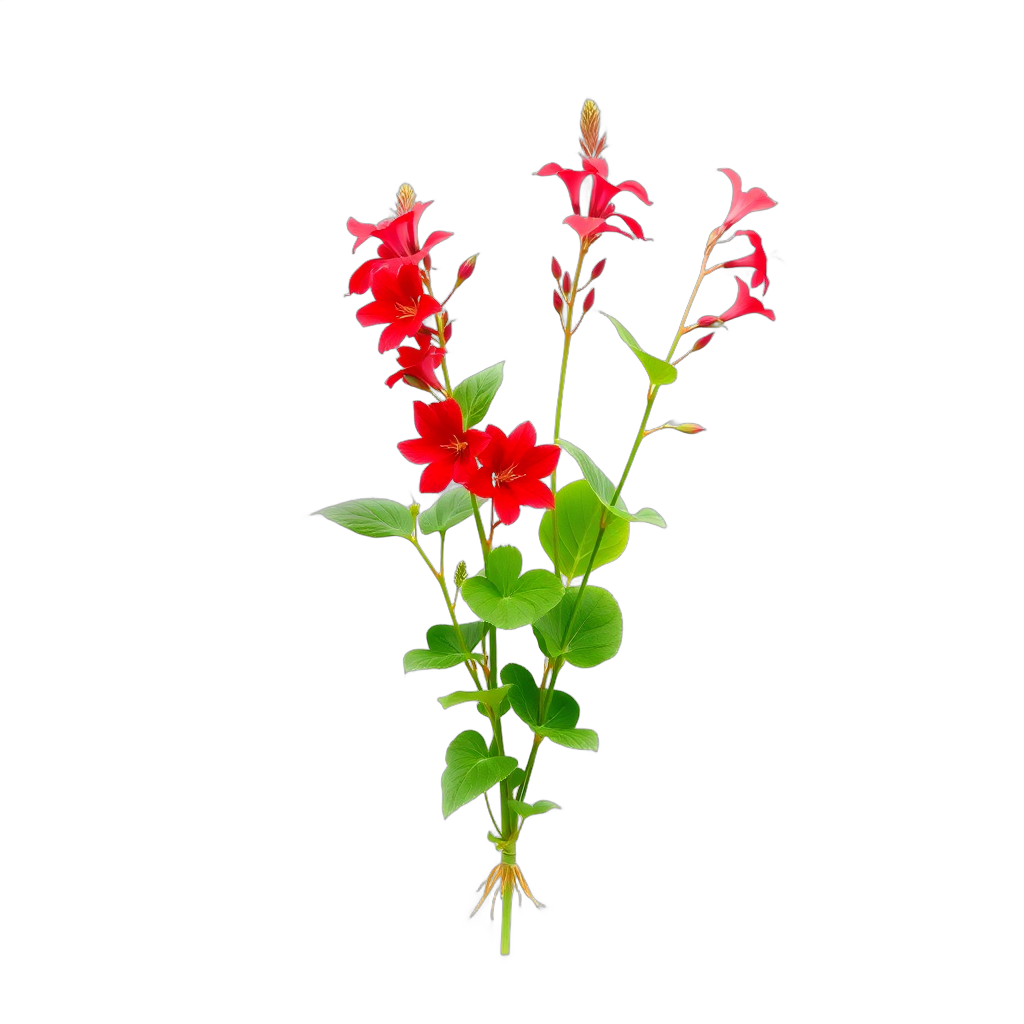
Cardinal Flower
Lobelia cardinalis
grows to 3 feet, red blooms in summer. Attracts hummingbirds.
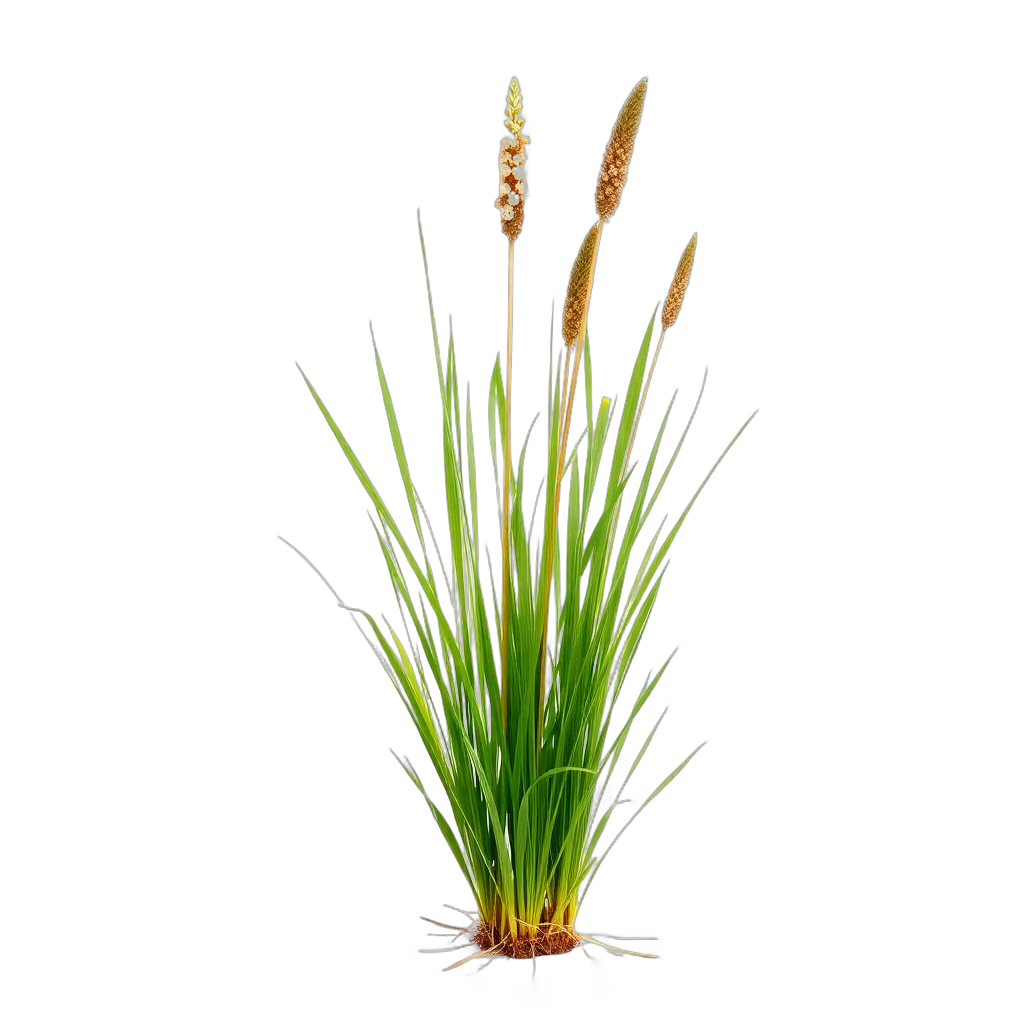
Hardstem Bulrush
Scirpus acutus
medium-sized at 7 feet, blooms in summer.
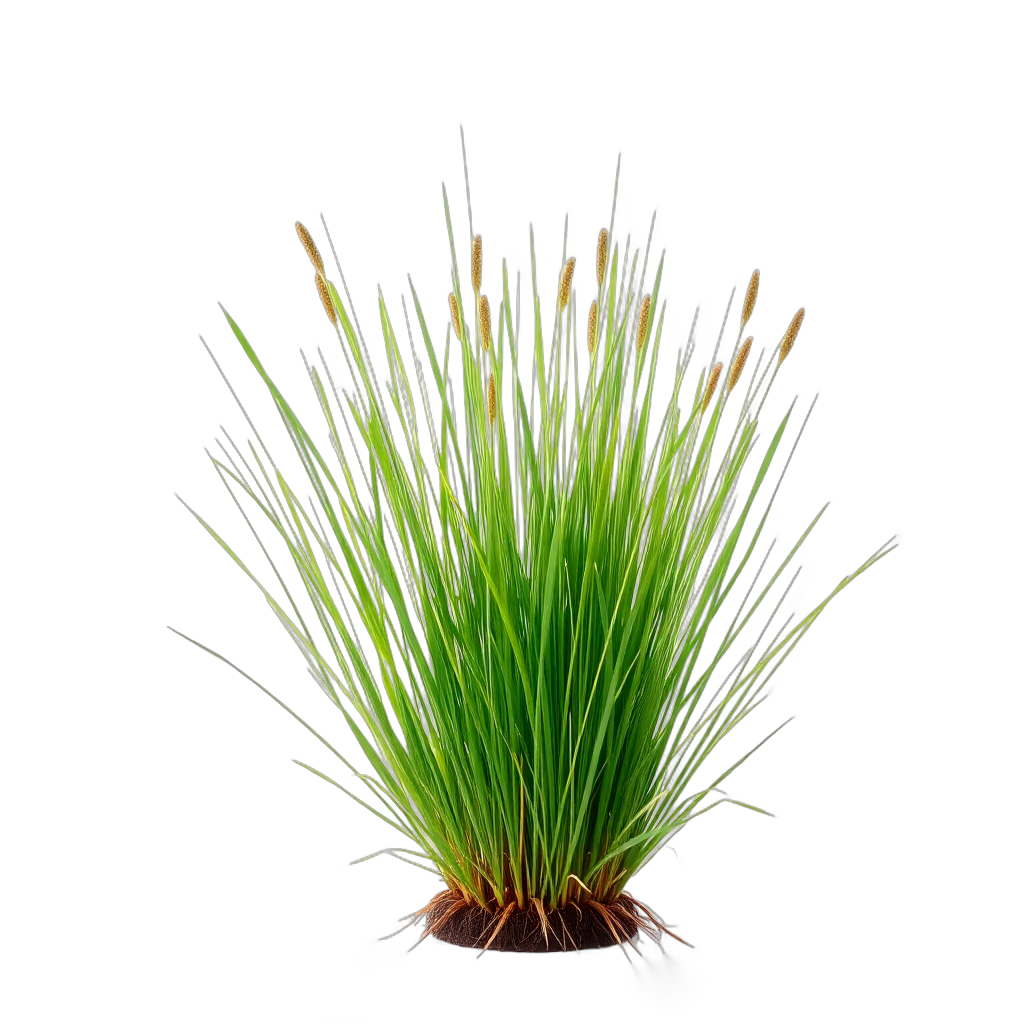
Path Rush
Juncus tenuis
low-growing ground cover, blooms in summer. Evergreen year-round.
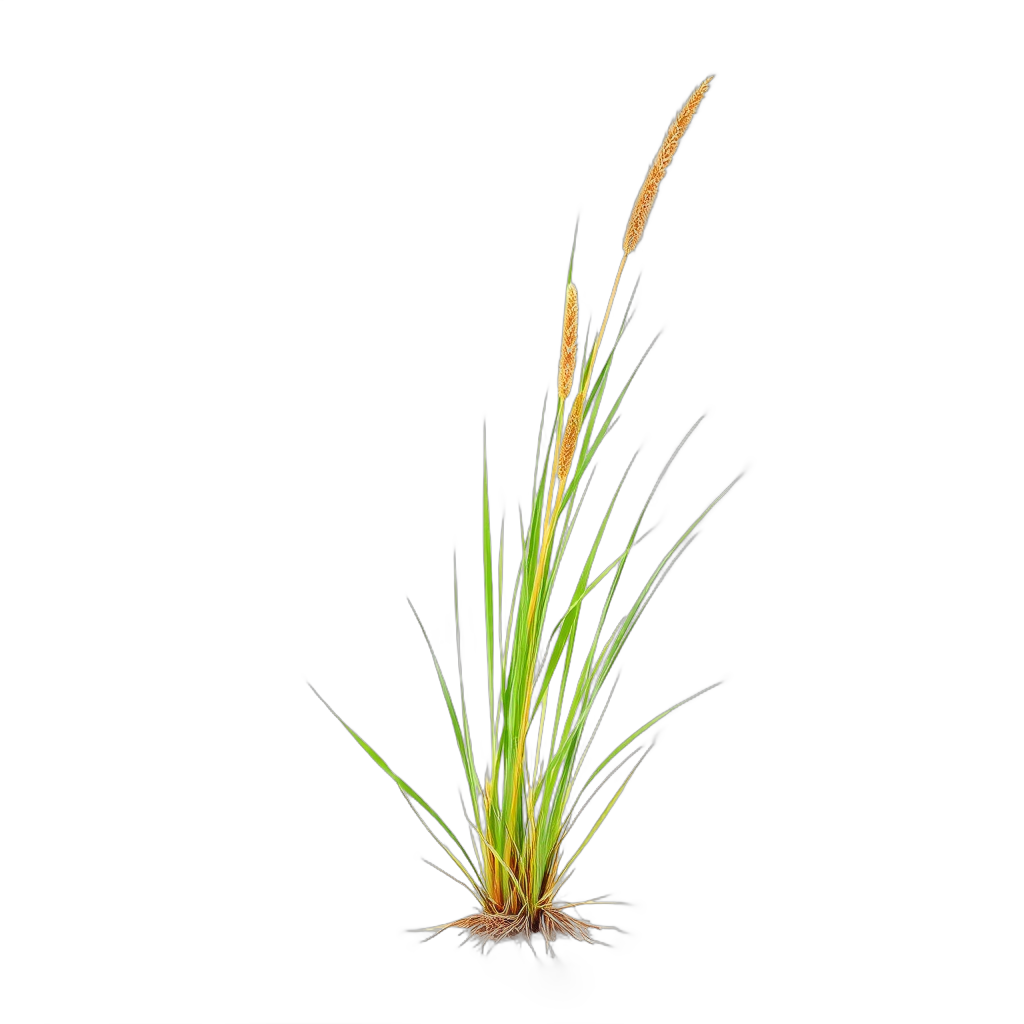
Softstem Bulrush
Schoenoplectus tabernaemontani
grows to 4 feet, blooms in summer.
Zone and sun checks come from our database — confirm with your local nursery before you buy.
Bloom Calendar for Fort Wayne
spring
Bellwort, Blue Star, Blue-Eyed Grasssummer
Cardinal Flower, Hardstem Bulrush, Path Rushfall
Canada Goldenrod, New England Aster, Nodding Ladies' Tresseswinter
Limited bloomsDesign Tips for Fort Wayne (Zone 6a)
- Plant peonies in full sun with proper spacing (3 feet between plants) in Fort Wayne — Fort Wayne’s cold winters are perfect for peonies, but poor air circulation in crowded beds invites botrytis fungal issues
- Use native Joe Pye weed and tall goldenrod as the backbone of a Fort Wayne cottage border — they reach 4–6 feet, provide August–October bloom when other plants are fading, and are beloved by monarch butterflies on their fall migration
- Add a rain garden in lower-lying Fort Wayne lots to handle the city’s periodic flooding near the three rivers — swamp milkweed, cardinal flower, and blue flag iris thrive in wet conditions and create a beautiful habitat feature
- Plant milkweed (Asclepias tuberosa or A. incarnata) as a cottage garden component — it supports monarchs, blooms beautifully in orange or pink, and is genuinely attractive rather than merely functional
- Leave the cutting garden to freeze and wither naturally in fall — dried zinnia and rudbeckia seed heads feed Fort Wayne’s goldfinches and native sparrows through November; cut back in April
- Visit Lakeside Park’s rose garden in June for inspiration before selecting rose varieties — the park’s collection shows which varieties perform best in Fort Wayne’s specific conditions over decades of observation
Where to Source Plants in Fort Wayne
Skip the big-box stores. These independent Fort Wayne nurseries specialize in the plants that make cottage/english gardens thrive in Zone 6a.
Plant Center
Southwest Fort Wayne
Fort Wayne’s full-service nursery and garden center with perennials, native plants, and landscape installation
Arbor Farms Nursery
North Fort Wayne
Trees, shrubs, and perennials with knowledgeable staff serving the Fort Wayne area
Twin Groves Nursery
West Fort Wayne
Family nursery in a historic setting with a curated selection of perennials, shrubs, and cottage plants
Sanctuary Native Nursery
Fort Wayne area
Indiana native plant specialists — 250+ species, seed-grown locally, no neonicotinoids
Broadview Landscaping & Nursery
Northeast Fort Wayne
Full-service nursery and landscaping company serving Fort Wayne with trees, shrubs, and design services
Cottage/English Landscaping Costs in Fort Wayne
| Project Scope | Estimated Cost |
|---|---|
| Native wildflower front yard installation (400–600 sqft) | $2,500 – $7,000 |
| Brick or limestone patio (200–300 sqft) | $3,000 – $8,000 |
| Soil amendment and raised beds (per bed, 4x8) | $300 – $700 |
| Wood arbor installation | $1,500 – $5,000 |
| Full cottage backyard transformation (800–1,200 sqft) | $10,000 – $22,000 |
| Landscape design consultation (local Fort Wayne designer) | $300 – $1,500 |
| AI visualization with ProScapeAI | Free to start |
Estimates based on Fort Wayne, IN-area contractor rates as of 2026. Actual costs vary by site conditions, materials, and contractor.
Fort Wayne Climate & Growing Zone
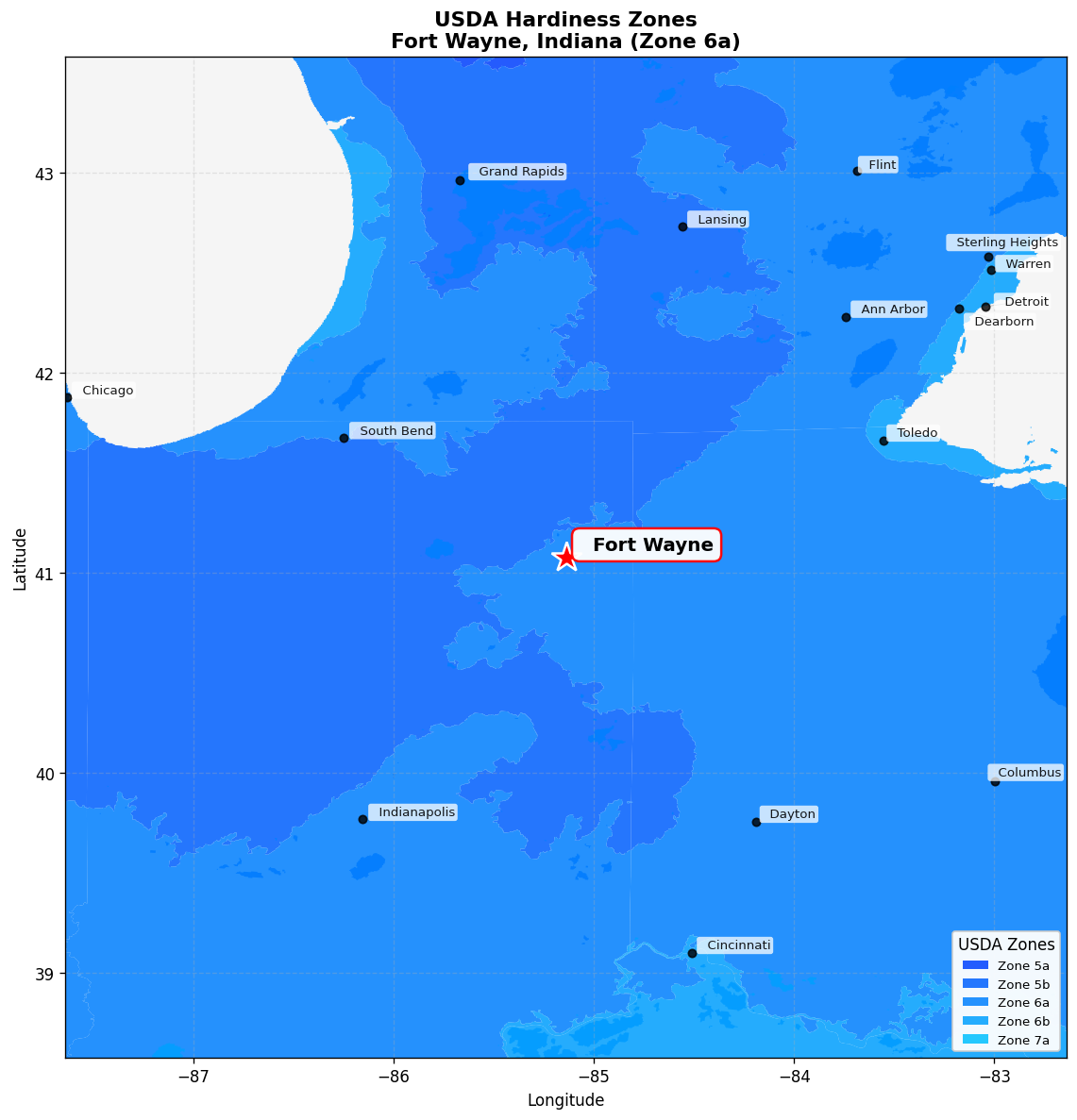
USDA Zone 6a
Hardiness zone for Fort Wayne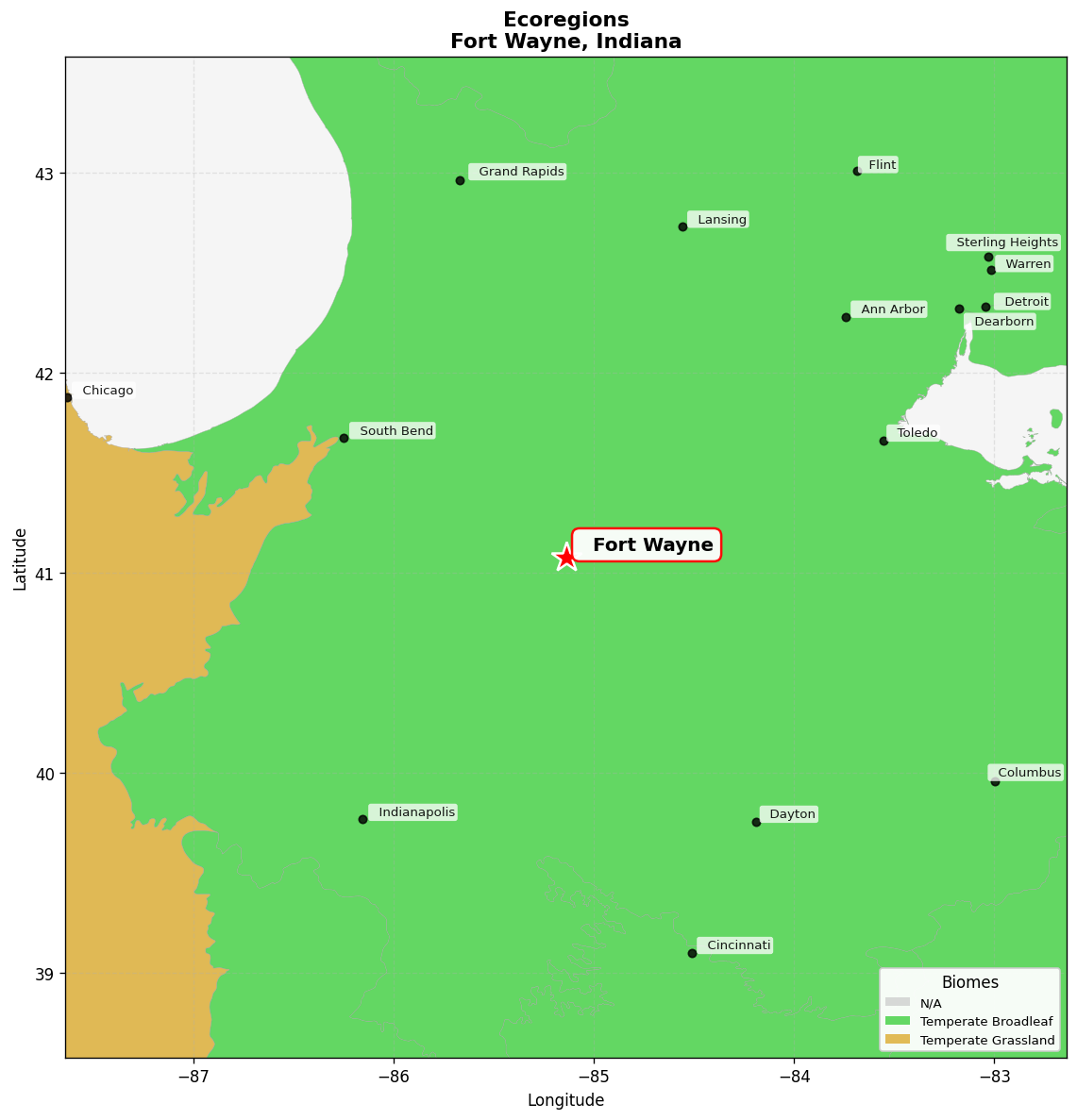
Southern Great Lakes forests
Native ecoregionFrequently Asked Questions
What plants thrive in Fort Wayne’s Zone 6a Southern Great Lakes climate?
Fort Wayne’s Zone 6a is excellent for cottage gardening. Peonies are legendary performers here — the cold winters provide perfect chilling; plan for May–June blooms. Panicle hydrangeas (H. paniculata) are bulletproof in Zone 6a. Native coneflower, black-eyed Susan, and rudbeckia bloom from July through frost without supplemental irrigation. Lilacs thrive in Zone 6a’s cold winters. Astilbe loves Fort Wayne’s reliable moisture. Hostas are excellent in the city’s abundant shade. Native Great Lakes woodland plants — trilliums, wild ginger, ostrich fern — are perfectly suited to Fort Wayne’s conditions.
How do I handle Fort Wayne’s clay soils in a cottage garden?
Fort Wayne’s heavy glacial clay is the main soil challenge. Solutions: (1) Raised beds 12–18 inches high with 50/50 topsoil and compost — the most reliable solution for any plant with drainage requirements. (2) Annual compost additions of 2–3 inches worked into the top 12 inches improve clay over time. (3) Native plants adapted to the Southern Great Lakes — Joe Pye weed, cardinal flower, swamp milkweed — thrive in clay and even prefer it. Avoid plants with strict drainage requirements (lavender, Russian sage) unless raised beds are used. Test drainage: if water stands for 24+ hours after rain, raised beds are necessary.
How much does a cottage garden cost in Fort Wayne?
Cottage garden installation in Fort Wayne typically runs $5–15 per square foot, depending on plant density, materials, and hardscape. Fort Wayne has lower landscape labor costs than coastal or metro markets — a 400-600 sqft front border transformation typically costs $2,500–7,500. A paver or brick backyard patio with perimeter borders (600–1,000 sqft) runs $8,000–20,000. Full landscape design and installation projects are $12,000–25,000 for a typical Fort Wayne residential lot. Request quotes from local firms like Twin Groves Nursery or Plant Center for current 2025 pricing.
When should I plant a cottage garden in Fort Wayne?
Fort Wayne’s last reliable frost is May 10–15, making early May the practical planting start for tender plants. Hardy perennials can go in from April 15 onwards. Fall planting (September 1 – October 15) is excellent for perennials and shrubs — Fort Wayne’s fall rains and mild temperatures allow 6–8 weeks of establishment before winter. For spring blooms like trilliums and Virginia bluebells, plant in fall when bulbs and bare-root stock are available. Peonies and bareroot roses plant in early spring (April) or fall (October) for best establishment.
Can I create a monarch butterfly garden in Fort Wayne?
Fort Wayne is on the eastern monarch migration corridor, making it an ideal location for a butterfly garden. The essentials: milkweed (Asclepias tuberosa, A. syriaca, or A. incarnata) for monarch caterpillar food; nectar sources throughout the migration period (August–October) including native coneflower, goldenrod, Joe Pye weed, and tall ironweed; shelter from prevailing winds. Register your garden with the National Wildlife Federation’s Garden for Wildlife program. The Fort Wayne Park’s Lakeside Park area has been a reference point for certified butterfly habitats in the region.
What are the best roses for a Fort Wayne cottage garden?
Hardy shrub roses are the reliable performers in Fort Wayne’s Zone 6a. The Knock Out series is the maintenance-free choice — disease-resistant, no deadheading, blooms May through frost. Canadian hardy roses (Winnipeg Parks, Morden Blush) are bred for Zone 3–4 and thrive here. The Carefree series (Carefree Delight, Carefree Wonder) is also excellent. Rugosa roses for fragrance and fall hips. The beloved David Austin English roses require some winter protection at the cane bases in Fort Wayne but survive Zone 6a with care. Avoid hybrid teas without serious winter protection — they’re high-maintenance in this climate.