4 Cottage Garden Ideas for Indianapolis, IN | English Garden Design in Zone 6a
Native plants from the Southern Great Lakes forests (Zone 6a) — Humid continental (hot summer) climate
Why Cottage/English Gardens in Indianapolis?
Indianapolis is one of the Midwest's most underrated cottage garden cities. The city's remarkable stock of historic neighborhoods — Meridian-Kessler, Irvington, Broad Ripple, and Fountain Square — is filled with craftsman bungalows, Victorian homes, and early 20th-century architecture that cottage gardens were specifically designed to accompany. The architecture of Indianapolis's older neighborhoods is domestic-scaled, historically detailed, and proportioned for exactly the kind of layered perennial planting that defines English cottage style. Meridian-Kessler alone, with its miles of craftsman bungalows on tree-lined streets, may be the single most cottage-garden-appropriate neighborhood fabric in Indiana.
The climate is genuinely favorable. Indianapolis's Dfa humid continental climate brings average summer highs of 85°F with July rainfall averaging 4.5 inches — warm, humid conditions that suit classic cottage plants better than most American gardeners appreciate. Delphiniums, foxgloves, peonies, roses, and the full spectrum of traditional cottage perennials all grow reliably here. Zone 6a (winter lows to -10°F) requires appropriate cold-hardy variety selection and November mulching, but the range of plants available within that zone is broad and includes all of the English cottage classics. Indianapolis also sits slightly south of Cleveland and Detroit, giving it a slightly longer and warmer growing season.
Indianapolis's growing season runs roughly 180 days from late April to late October — one of the longer windows in the Great Lakes region. The city's relatively flat terrain means fewer microclimate complications than hillier Ohio cities, though heavy clay soils in many Indianapolis neighborhoods (particularly on the west and south sides) require the same compost amendment routine that all Midwest cottage gardens benefit from. Irvington's late Victorian homes, Fountain Square's eclectic bungalows, and the Old Northside's grand Victorians all represent architectural contexts where a well-executed cottage garden achieves its full transformative effect on both the property and the streetscape.
4 Cottage/English Design Ideas for Indianapolis
AI-generated image
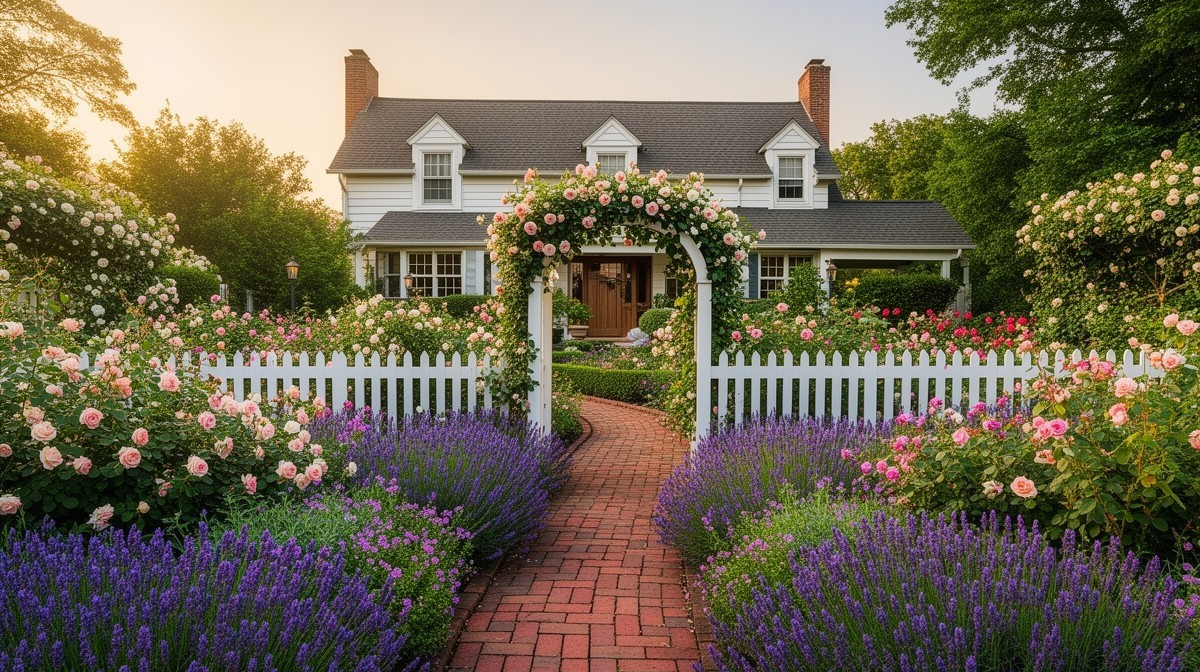
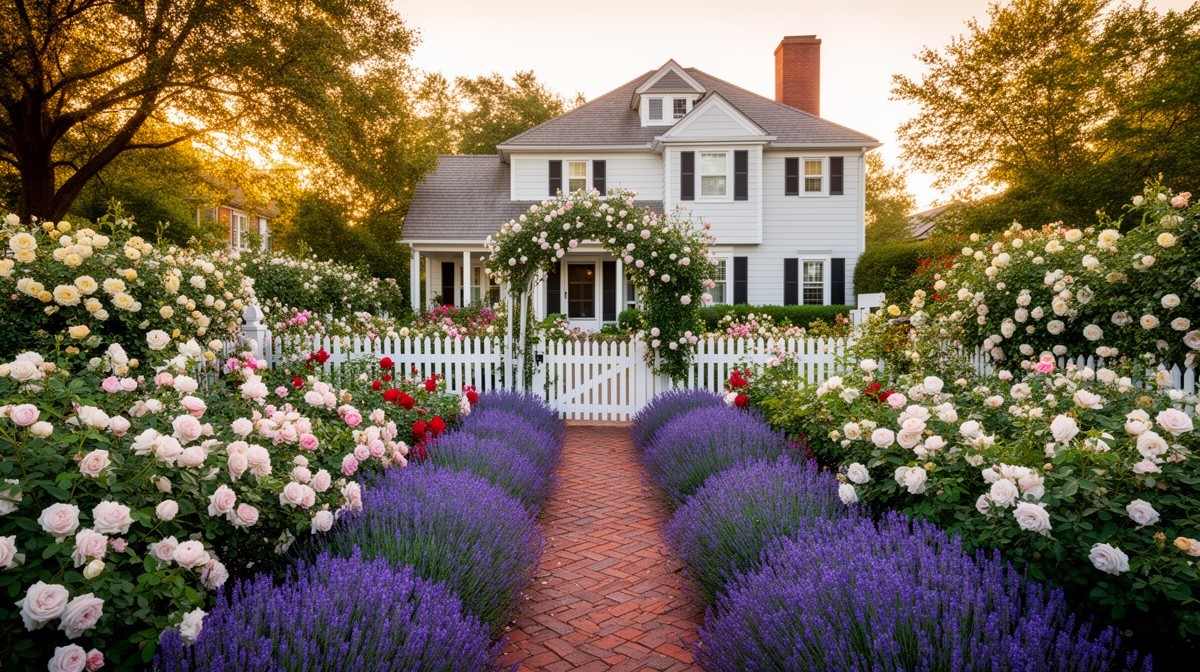
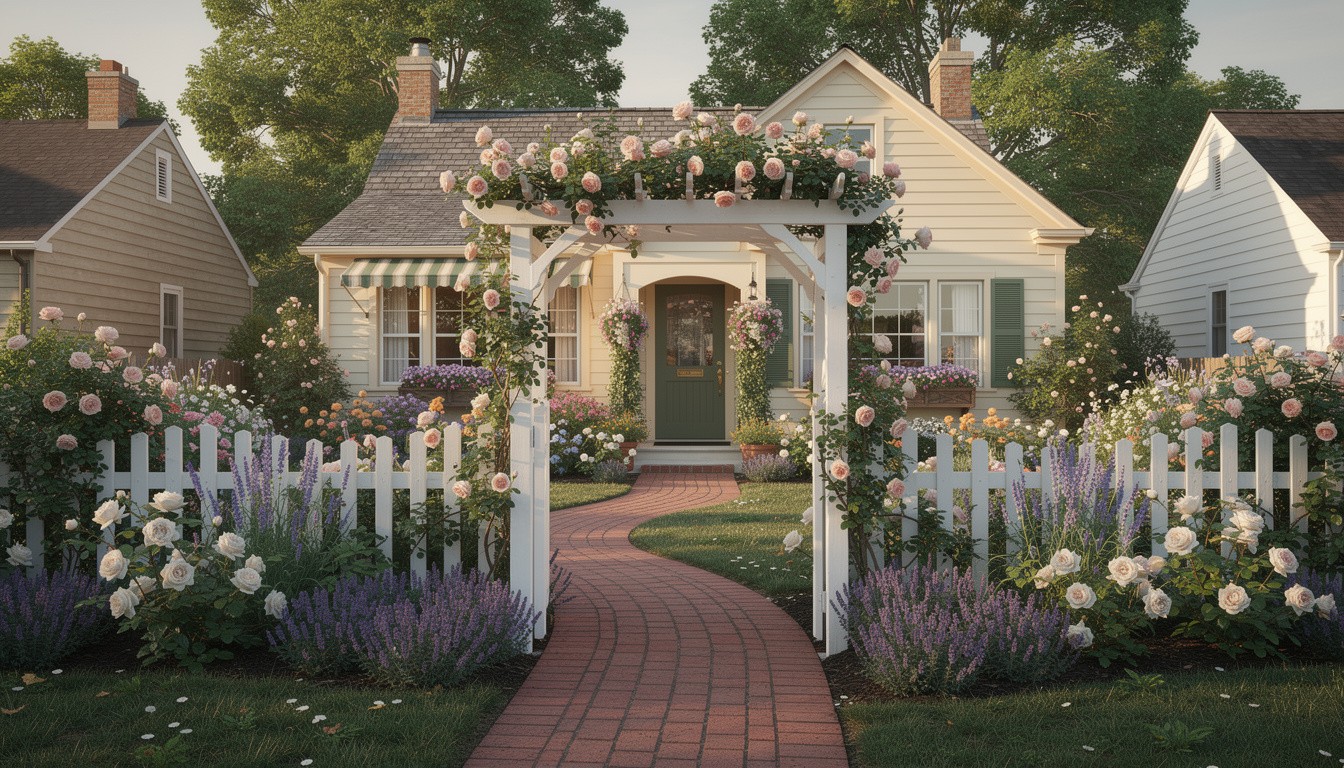
The Broad Ripple Rose Arbor Entry
$12–22/sqftA white picket fence with a central climbing-rose arbor as the gate leads to a brick path approaching a grey craftsman cottage fronted by lavender and rose borders. The arbor is thickly covered in pale pink roses and the borders on both sides hold lavender, catmint, and mixed cottage perennials that carry bloom from May through July. Indianapolis's Zone 6a summers are warm and humid enough to push these roses into vigorous growth, and the brick path and picket fence proportions suit the neighborhood scale of Broad Ripple and Irvington perfectly.
AI-generated image
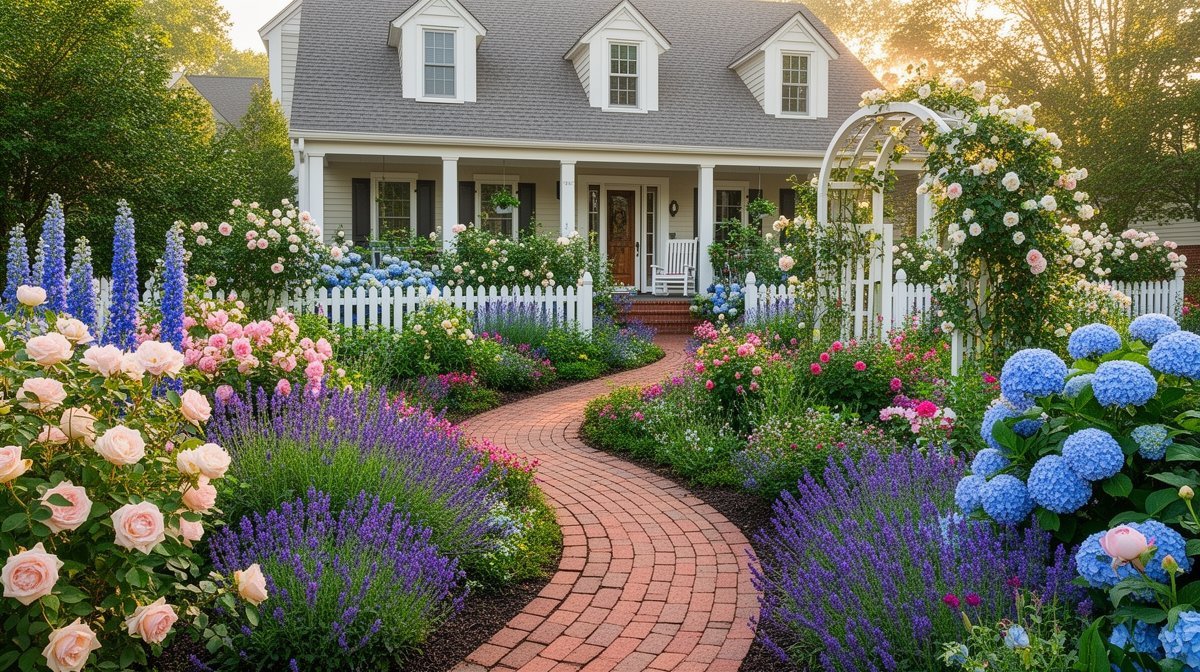
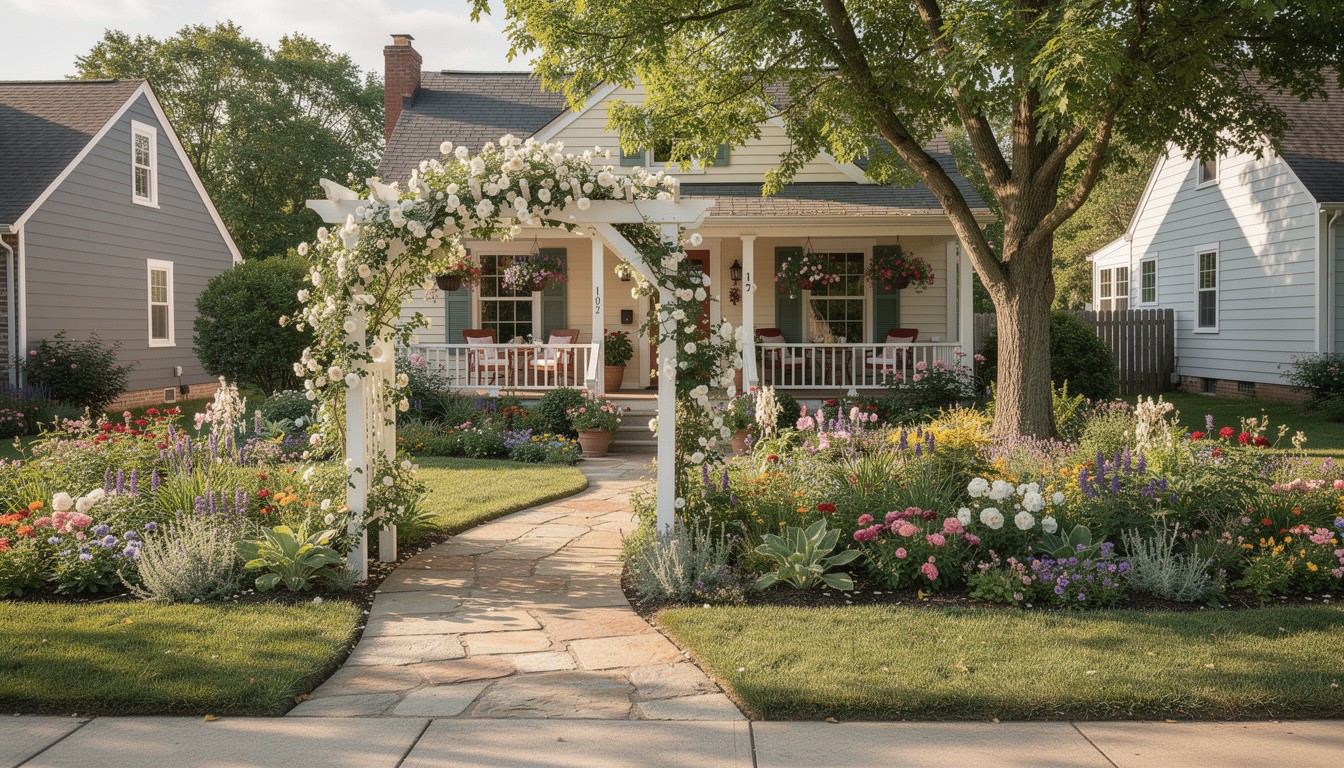
The Irvington Bungalow Cottage Front
$10–20/sqftA white rose arch on the flagstone front walk of a craftsman bungalow with a wide mixed cottage border sweeping both sides of the yard. Roses, foxgloves, lavender, phlox, and ornamental grasses create a lush front garden that overflows with bloom from spring through fall. The porch has white railings and the entire composition has the abundance and informality that makes cottage gardens so appealing. A mature shade tree provides dappled light on the left side. This design fits Irvington, Fountain Square, and Garfield Park's bungalow blocks where tight lot widths reward densely planted front gardens.
AI-generated image
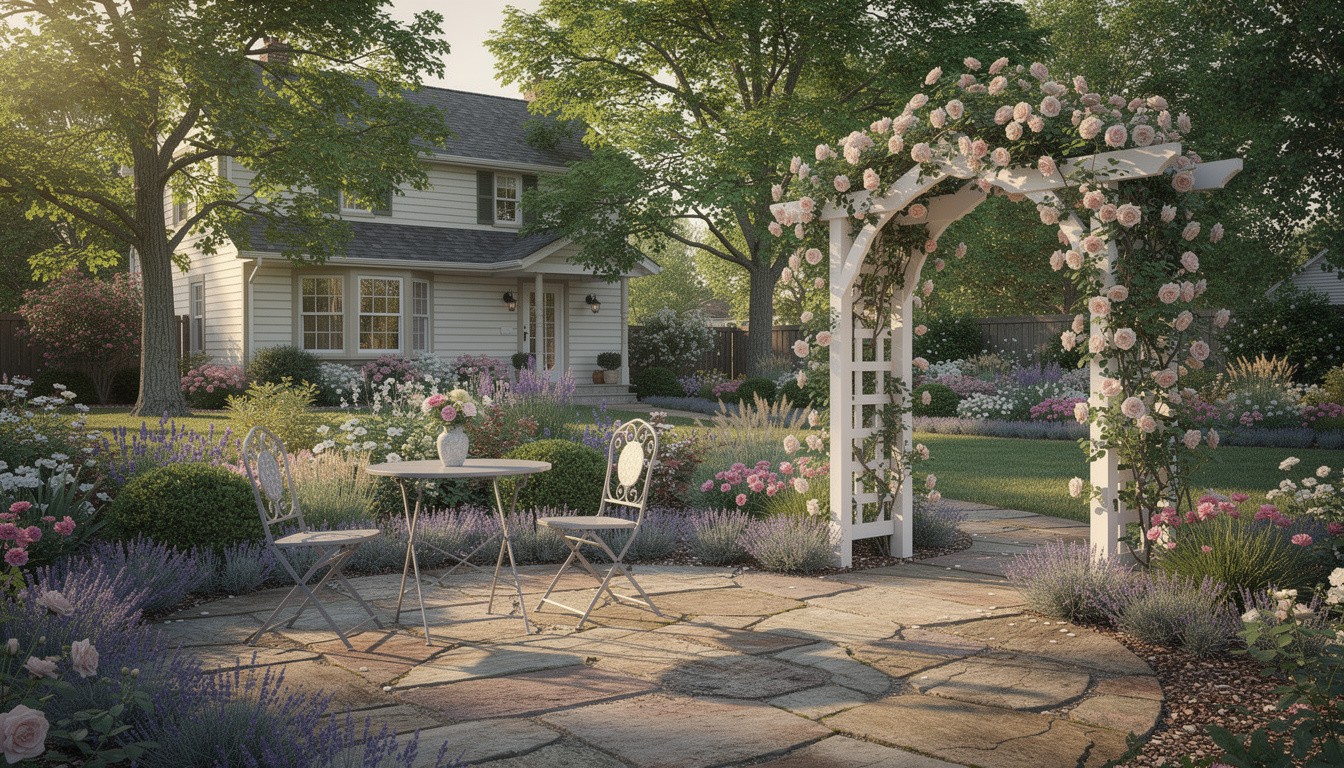
The Meridian-Kessler Rose Garden Terrace
$18–38/sqftA backyard cottage terrace with a flagstone patio, a white lattice rose arch as the focal point, and two bistro chairs arranged beneath it surrounded by dense cottage borders. The border holds roses in full bloom, lavender, phlox, and foxgloves while mature trees frame the house behind. This design captures the refined cottage aesthetic that suits Meridian-Kessler and Butler-Tarkington's historic homes, where gracious architecture benefits from a garden with similar character — ornate, fragrant, and structured around the beauty of roses.
AI-generated image
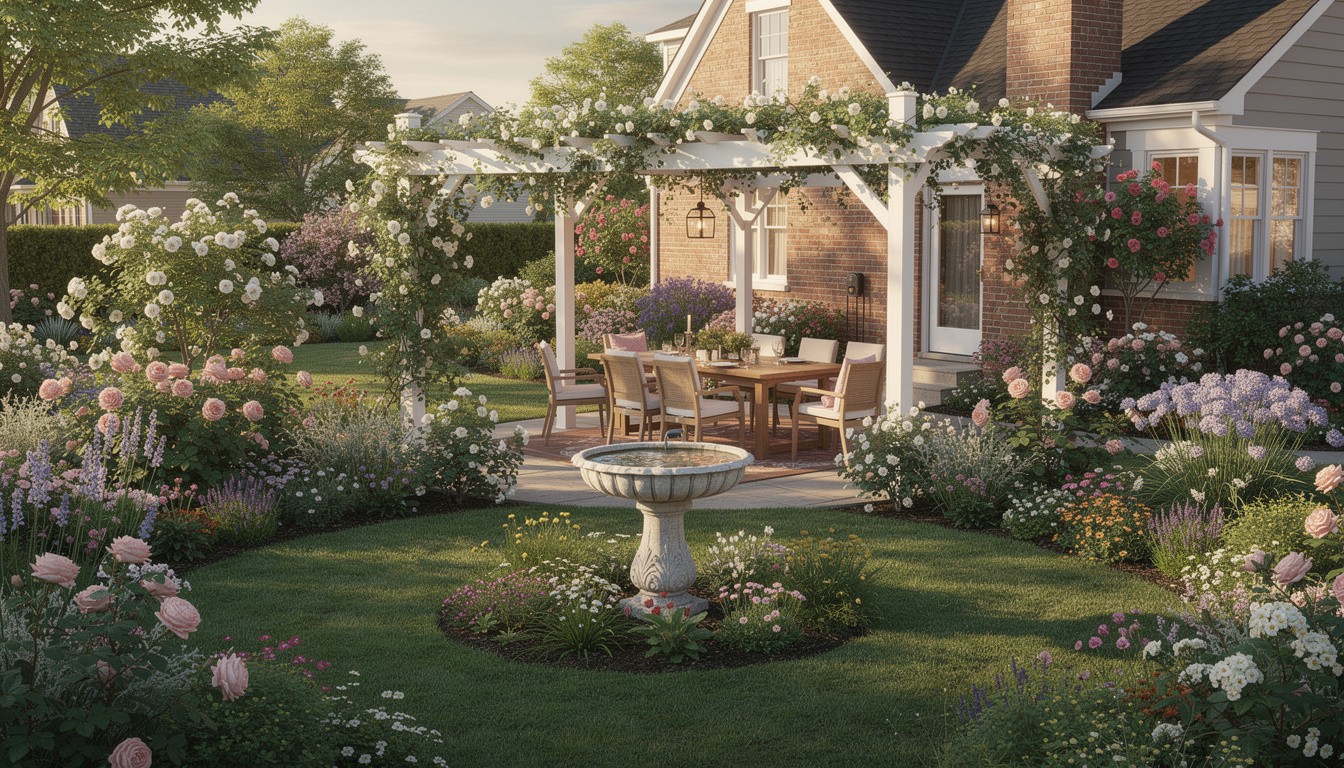
The Williams Creek Cottage Pergola Garden
$20–42/sqftA full backyard cottage garden with a white painted pergola covered in climbing roses as the dining room anchor, a central lawn panel with a stone birdbath, and generous mixed borders ringing the entire yard. The pergola shelters a dining table and the rose and perennial borders create complete cottage enclosure. The composition holds roses, foxgloves, delphiniums, phlox, and lavender in overlapping bloom waves. Indianapolis's warm summer season — longer than many Midwest cities — gives these gardens a generous display window from May through October.
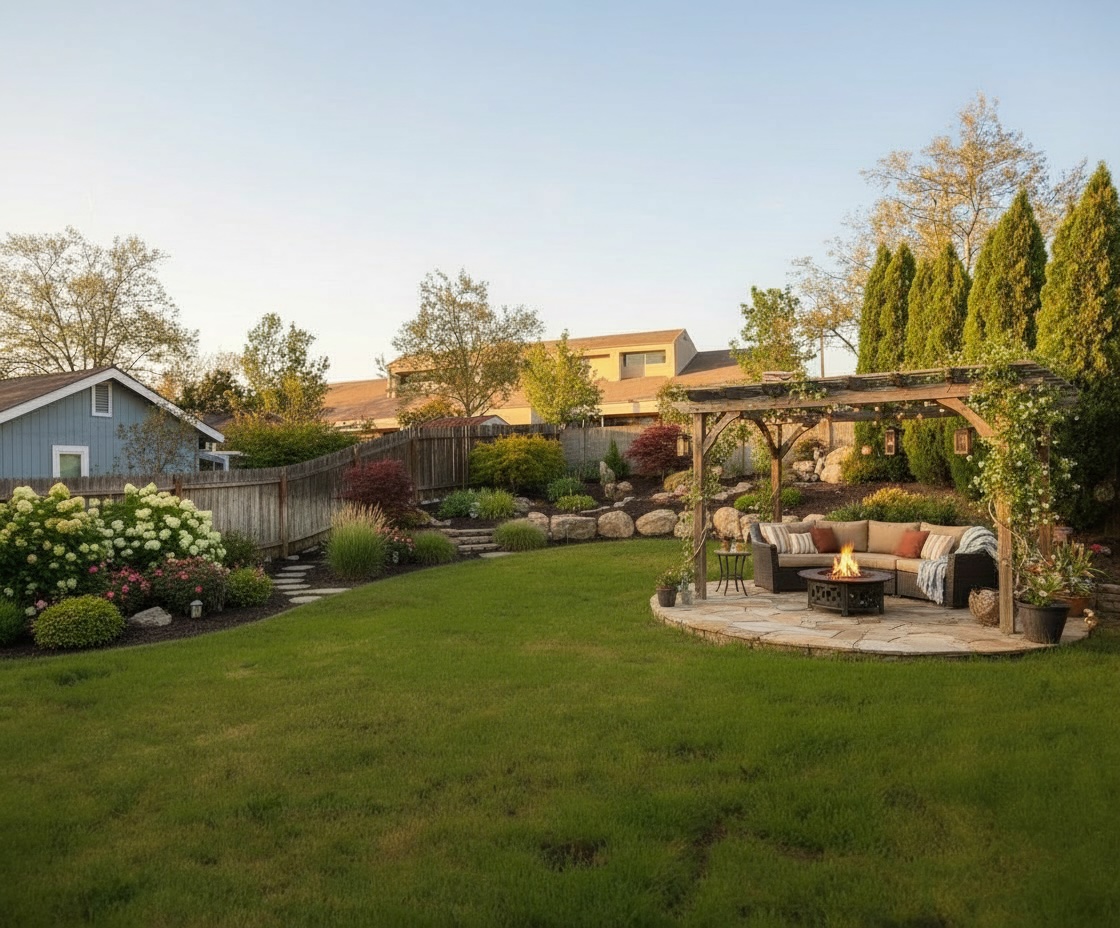
See how a cottage/english garden looks on YOUR property
Upload a photo of your Indianapolis yard and visualize your dream garden in seconds.
Try ProScapeAI Free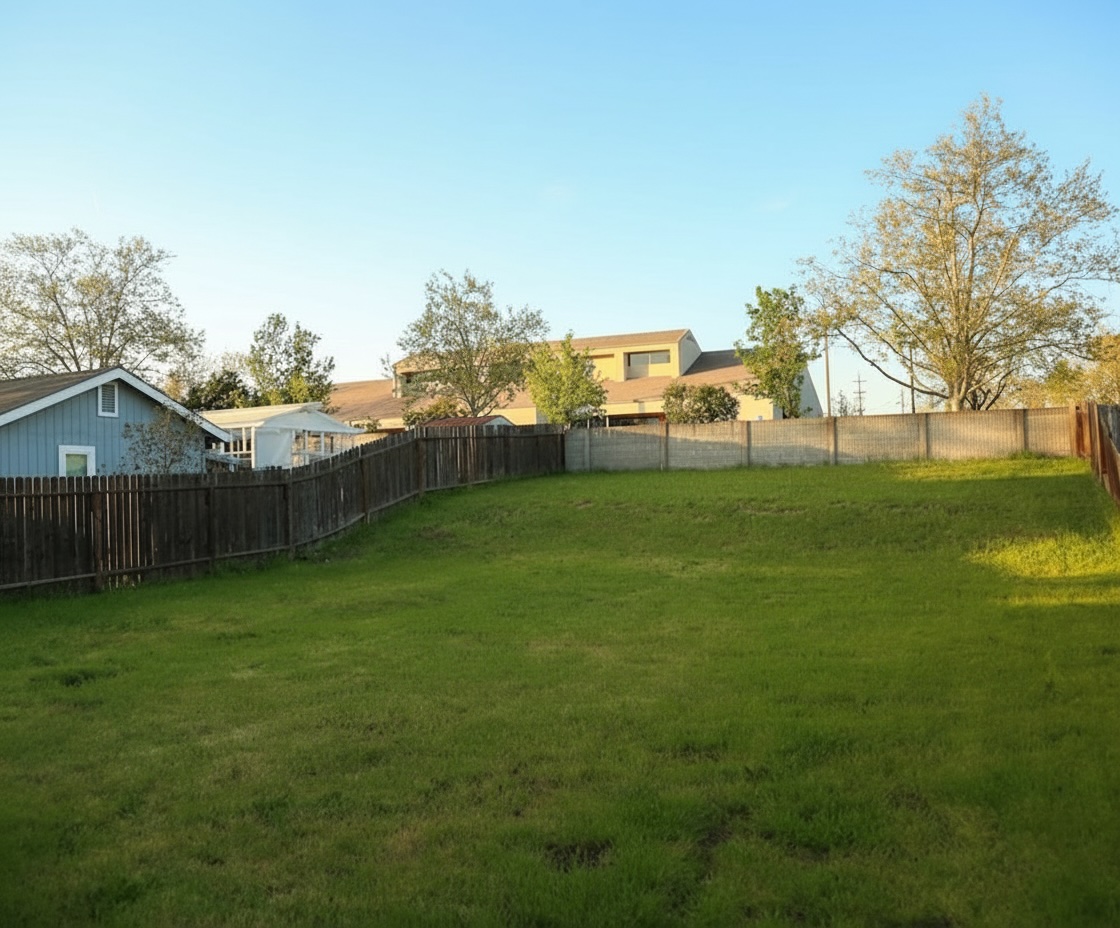
AI-generated image
Featured Trees & Shrubs for Cottage/English Gardens
Browse all 248 plants for Indianapolis
American Black Currant
Ribes americanum
grows to 5 feet, white,yellow blooms in spring. Attracts hummingbirds.

Buttonbush
Cephalanthus occidentalis
medium-sized at 8 feet, white blooms in summer. Attracts butterflies.

Coppertina Ninebark
Physocarpus 'Coppertina'
medium-sized at 7 feet, white blooms in spring. Pollinator-friendly.

Creeping Juniper
Juniperus horizontalis
low-growing ground cover, blooms in spring. Evergreen year-round.
Featured Grasses & Groundcovers for Cottage/English Gardens
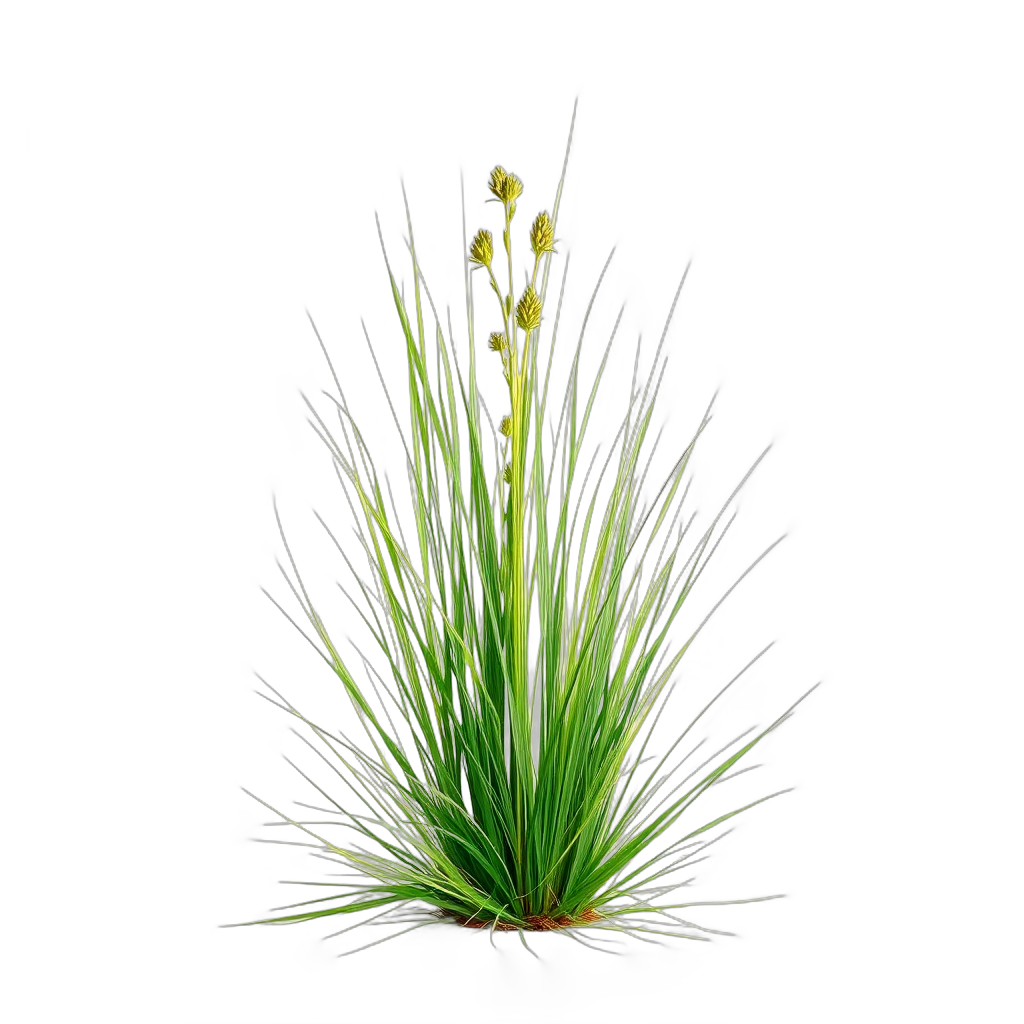
Canada Wild Rye
Elymus canadensis
grows to 4 feet, blooms in summer. Yellow fall color.
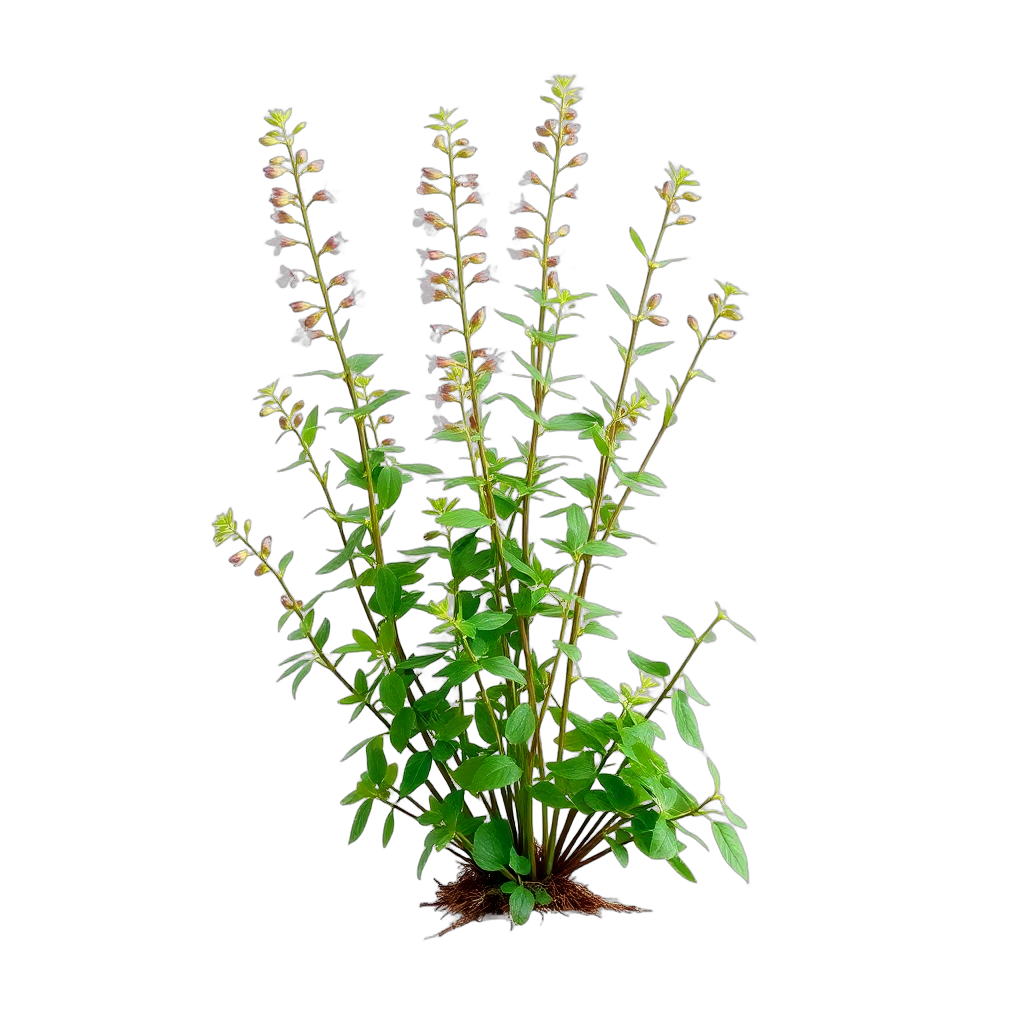
Creeping Jacob's Ladder
Polemonium reptans
low-growing ground cover, blue blooms in spring. Attracts butterflies.

Broad-leaf Bamboo
Sasa palmata
medium-sized at 7 feet, blooms in none. Evergreen year-round.
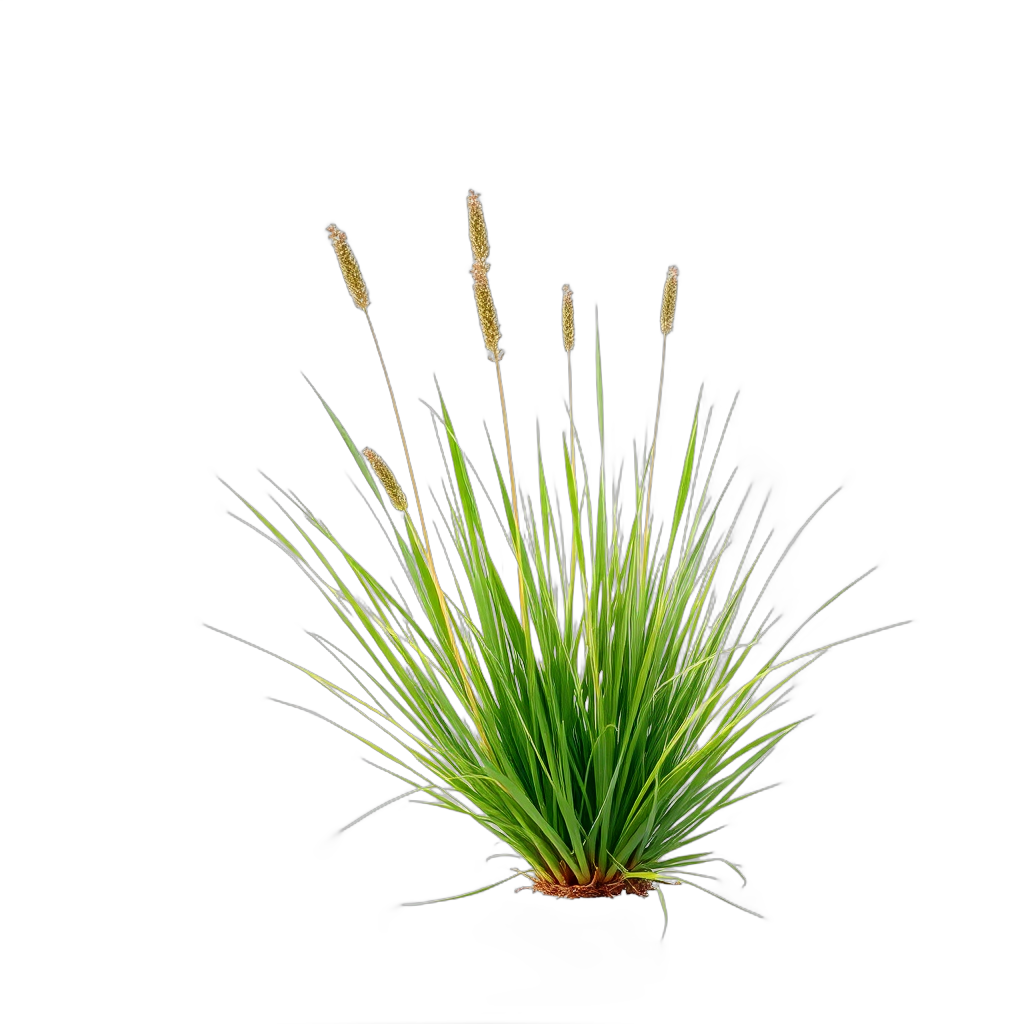
Deer Grass
Muhlenbergia rigens
grows to 3 feet, yellow blooms in fall. Evergreen year-round.
Featured Flowers & Perennials for Cottage/English Gardens

Cardinal Flower
Lobelia cardinalis
grows to 3 feet, red blooms in summer. Attracts hummingbirds.
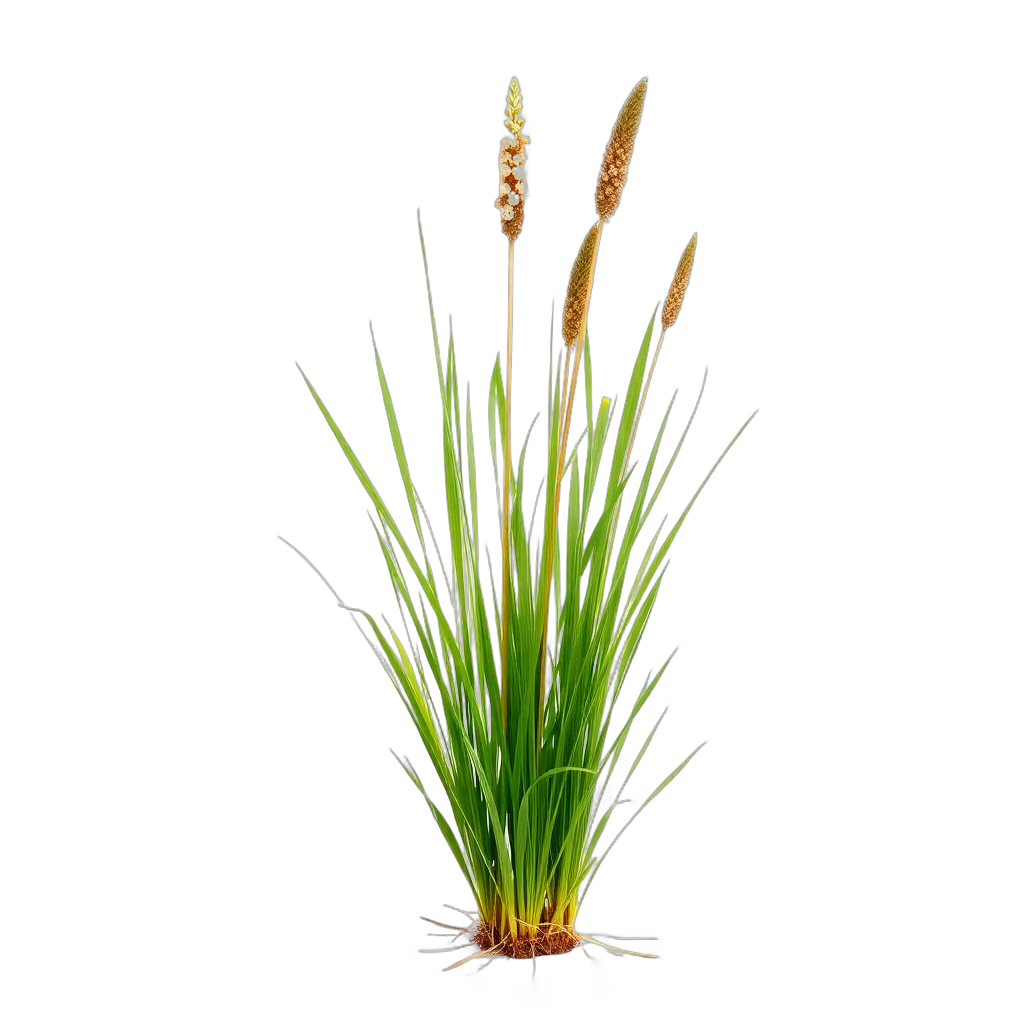
Hardstem Bulrush
Scirpus acutus
medium-sized at 7 feet, blooms in summer.
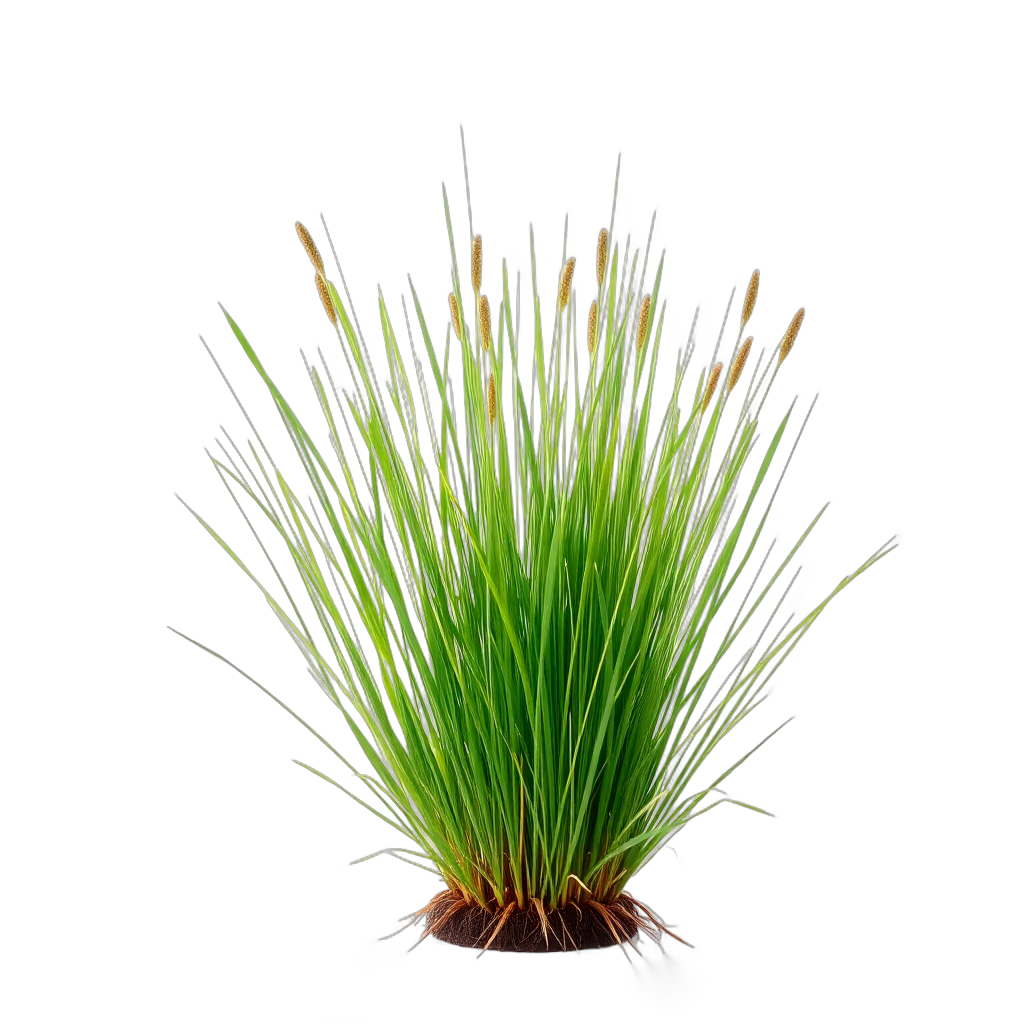
Path Rush
Juncus tenuis
low-growing ground cover, blooms in summer. Evergreen year-round.

Softstem Bulrush
Schoenoplectus tabernaemontani
grows to 4 feet, blooms in summer.
Zone and sun checks come from our database — confirm with your local nursery before you buy.
Bloom Calendar for Indianapolis
spring
Bellwort, Blue Star, Blue-Eyed Grasssummer
Cardinal Flower, Hardstem Bulrush, Path Rushfall
Canada Goldenrod, New England Aster, Nodding Ladies' Tresseswinter
Limited bloomsDesign Tips for Indianapolis (Zone 6a)
- Indianapolis's Meridian-Kessler craftsman bungalows have proportions that work beautifully with cottage gardens at a moderate scale — resist over-planting small lots, and instead focus on a single deeply planted cottage border rather than trying to fill every inch
- Amend Indianapolis's clay soil with 4–6 inches of compost before planting, and top-dress with 1 inch of compost each fall — this annual routine builds soil quality over time and produces noticeably stronger plant performance each year
- Use Indiana limestone for pathways and terrace edges — it's locally quarried, reasonably priced, and the warm buff color harmonizes beautifully with the brick architecture of Indianapolis's historic neighborhoods
- Plant peonies in a permanent location in October: Indianapolis's climate is nearly ideal for peonies, they're Zone 3-hardy, and established clumps bloom more prolifically each year for decades; moving them resets the clock, so choose their spot carefully
- Take advantage of Indianapolis's earlier last frost (April 15–20) compared to northern Midwest cities: you get an extra 2–3 weeks of spring planting window, which means spring bulbs, early perennials, and cool-season cottage annuals can start well before Chicago gardeners
- In Irvington and Fountain Square, let cottage gardens spill slightly onto the sidewalk edge — catmint, alyssum, and cottage pinks tumbling over a brick mowing strip are neighborhood gifts as much as private garden features, and contribute to the arts-community character both neighborhoods value
Where to Source Plants in Indianapolis
Skip the big-box stores. These independent Indianapolis nurseries specialize in the plants that make cottage/english gardens thrive in Zone 6a.
Tilly's Garden
Broad Ripple / North Indianapolis
Specialty perennials, cottage garden plants, and heirloom varieties; beloved independent Indianapolis nursery
Melon's Greenhouse and Nursery
Beech Grove (southeast Indianapolis)
Full-service independent nursery; strong rose, perennial, and cottage plant selection for Zone 6a
Frazee Gardens
Brownsburg (west suburbs)
Perennials, roses, and landscape shrubs; family-owned with knowledgeable staff for Central Indiana selection
Garfield Park Conservatory Gift Shop
Garfield Park (south Indianapolis)
Perennials, natives, and specialty plants; Indianapolis Parks-operated conservatory shop with locally appropriate selections
Greenfield Plant Farm
Greenfield (east of Indianapolis)
Annuals, perennials, herbs, and vegetable starts; large selection at competitive prices for Central Indiana
Cottage/English Landscaping Costs in Indianapolis
| Project Scope | Estimated Cost |
|---|---|
| Rose arbor + picket fence front entry (cottage) | $4,500 – $11,000 |
| Full cottage front yard redesign (400–600 sqft) | $7,000 – $18,000 |
| Backyard cottage terrace with pergola + planting | $16,000 – $45,000 |
| Flagstone patio installation (200–400 sqft) | $5,000 – $14,000 |
| Soil amendment and bed preparation | $800 – $3,500 |
| AI visualization with ProScapeAI | Free to start |
Estimates based on Indianapolis, IN-area contractor rates as of 2026. Actual costs vary by site conditions, materials, and contractor.
Indianapolis Climate & Growing Zone
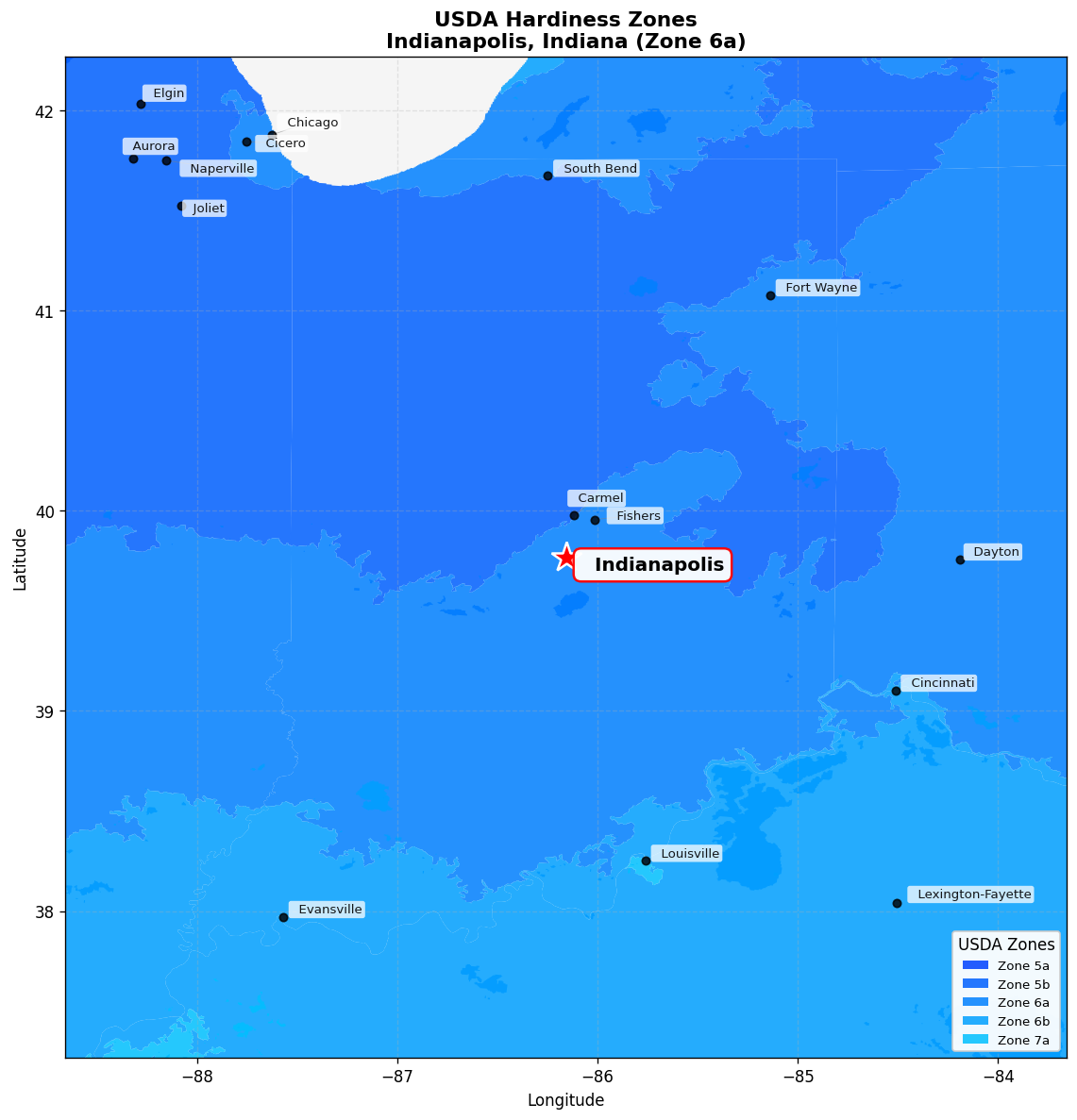
USDA Zone 6a
Hardiness zone for Indianapolis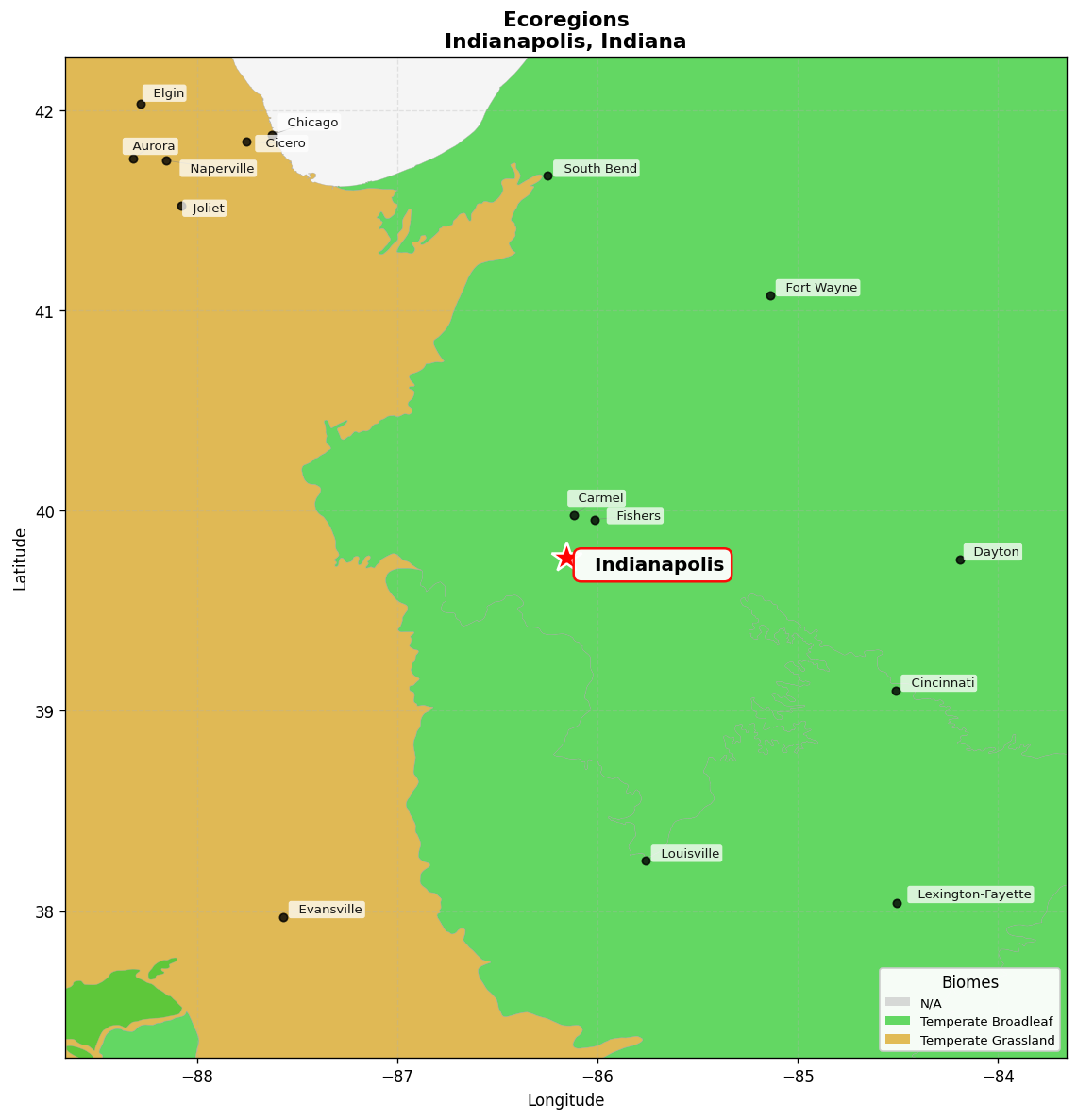
Southern Great Lakes forests
Native ecoregionFrequently Asked Questions
Can cottage plants survive Indianapolis winters in Zone 6a (-10°F)?
Yes — Zone 6a is well within the tolerance of all English cottage garden classics. Peonies (Zone 3), delphiniums (Zone 3–4), hollyhocks (biennial, reseeds), foxgloves (biennial, reseeds), catmint (Zone 4), salvia (Zone 4–5), coneflower (Zone 3), and black-eyed Susan (Zone 3) all overwinter fully reliably. Shrub roses (Knock Out Zone 4, Carefree Beauty Zone 4) need no protection. Climbing roses need base mounding with 6–8 inches of compost or soil in November. Apply 3–4 inches of shredded leaf mulch over all perennial crowns after the first hard freeze (typically late November in Indianapolis). Spring mulch removal in late March completes the routine.
What makes Indianapolis's historic neighborhoods ideal for cottage gardening?
Three factors converge: architecture, scale, and community. Meridian-Kessler, Irvington, and the Old Northside all have homes proportioned and styled in ways that make cottage gardens look architecturally correct rather than imposed — the same domestic scale, historical detail, and tree-canopy streetscapes that originally surrounded English cottage gardens. The neighborhoods' strong community identity and active preservation cultures mean cottage gardens are appreciated and maintained as part of the neighborhood character. And property values in these areas are rising with urban revitalization, making landscape investment financially sound as well as personally rewarding.
When is the best time to plant a cottage garden in Indianapolis?
Fall (mid-September through October) is ideal for perennials and roses — Indianapolis soil stays warm through October while air temperatures are mild, giving roots 4–6 weeks to establish before the ground freezes. Last frost averages April 15–20 in Indianapolis, slightly earlier than Cleveland or Chicago due to the more southerly location. Spring planting of cold-sensitive annuals should wait until May 1. Hardy cottage perennials can go in the ground from late April onward. Plant spring bulbs (tulips, alliums, narcissus) in October for the early-season cottage color sequence. Fall planting consistently produces stronger first-season growth than spring planting for roses and most perennials.
How do I handle Indianapolis's heavy clay soil in cottage garden beds?
Amendment before planting is the non-negotiable foundation. Work 4–6 inches of finished compost and 2 inches of aged leaf mold (or wood chips) into the top 12 inches of clay. This both improves drainage and adds organic matter that clay soils are chronically deficient in. For roses, dig individual planting holes 18–24 inches wide and 18 inches deep, backfilling with a 50/50 compost-soil blend. For raised beds, build 8–10 inches above grade with quality compost-topsoil mix — this gives roots the drainage and organic richness they need without fighting the existing clay. Annual top dressing with 1 inch of compost maintains soil quality over time.
What Indianapolis-specific issues affect cottage garden plants?
Three main challenges: clay soil drainage (addressed above), Japanese beetles (peak from late June through July, hand-pick morning before they're active or apply neem oil weekly during peak), and late spring frosts (Indianapolis occasionally sees frost through late April, so protect early-emerging perennials with row cover on nights below 28°F). The humidity that makes cottage plants thrive also promotes black spot on roses and powdery mildew on phlox — manage with good air circulation between plants, morning watering, and disease-resistant variety selection. Indianapolis's spring can be particularly volatile with late cold snaps — don't remove winter mulch from perennial beds before April 1.
What does a professional cottage garden installation cost in Indianapolis?
Indianapolis landscape labor costs are competitive with similar Midwest metros. A front yard cottage redesign (400–600 sqft, including picket fence, arbor, plants, and soil amendment) runs $8,000–20,000 professionally installed. Picket fence installation is $20–38/linear foot. Soil amendment and bed preparation adds $1,000–3,000. A backyard cottage terrace with flagstone and pergola runs $18,000–45,000 for professional installation. DIY front-yard cottage beds with good plant selection and proper soil prep can be achieved for $1,500–3,000. Perennial plants that return each year significantly reduce long-term cost — a well-planted cottage border lasts decades.