English Cottage Garden Ideas for Fullerton, CA — Zone 10b
Native plants from the California coastal sage and chaparral (Zone 10b) — Mediterranean (hot summer) climate
Why Cottage/English Gardens in Fullerton?
Fullerton is one of the few Southern California cities where an English cottage garden looks like it belongs rather than like a costume. The 1920s Craftsman bungalows and Spanish Colonial Revival cottages in the Wilshire and Chapman-Malden preservation districts already carry the vocabulary the style needs — deep porches, painted clapboard, brick chimneys, low front-yard fences, and lot widths of 50 to 60 feet that put the front door within twenty paces of the sidewalk. Walk the streets around Hillcrest Park, Amerige Heights or the older blocks below Fullerton College and you will see picket fences and brick paths that predate the freeway. The postwar ranch tracts in Sunny Hills and Raymond Hills work too, but they need the softening a cottage border gives: long low rooflines look far better rising out of billowing Rosa 'Iceberg' and Lavandula ×intermedia 'Provence' than out of a flat lawn.
The catch is that Fullerton's climate is nothing like England's. This is USDA Zone 10b with winter lows around 35–40°F, a hot-summer Mediterranean (Köppen Csa) pattern, and roughly 14 inches of rain a year with more than 90 percent of it falling between November and March. From April to October it essentially does not rain at all. Fullerton sits about twelve miles inland from the coast, close enough that the May and June marine layer — the local “June Gloom” — keeps mornings grey and humid, which is exactly the weather powdery mildew and rose rust want. Then the pattern flips: Santa Ana winds arrive in September and October, humidity collapses into single digits and afternoons can pass 100°F. So the classic cottage cast has to be recast. Digitalis purpurea 'Camelot', Delphinium elatum 'Pacific Giants' and Alcea rosea 'Chater's Double' are cool-season annuals here, sown in October and finished by mid-June, while Salvia leucantha 'Santa Barbara', Erigeron karvinskianus and Rosa banksiae 'Lutea' carry the garden through the heat. Roses never go properly dormant, so the pruning date is mid-January, not March.
Soil is the second local reality. Most of flat Fullerton is alluvial clay loam that was planted to Valencia oranges until the tract builders arrived, and it tests alkaline — commonly pH 7.5 to 8.2 — with pockets of caliche. On the Raymond Hills and Sunny Hills slopes you switch abruptly to shallow decomposed granite over sandstone, which drains fast and dries out faster. Imported Colorado River blend water adds its own salt and bicarbonate load, and the visible result is iron chlorosis: yellow leaves with green veins on roses, gardenias and anything hydrangea-shaped. The fix is unglamorous and works — build beds up 8 to 12 inches with compost, work in gypsum on the clay, acidify with soil sulfur, and feed with chelated iron rather than fighting the pH head-on. Never dig a deep hole in Fullerton clay and backfill it with bagged potting mix; it becomes a bathtub and drowns rose roots by February.
Water rules shape the design more than most homeowners expect. The City of Fullerton runs its own municipal water utility, and permitted landscape rehabilitations over 500 square feet fall under California's Model Water Efficient Landscape Ordinance, which caps how much of the yard can be high-water plants and requires drip and a weather-based controller. Turf-replacement rebates through MWDOC and the SoCal WaterSmart program have generally started around 3 dollars per square foot — confirm current terms before you buy a single plant, because the programs open and close. None of this rules out a cottage garden. A Fullerton cottage border built on Lavandula, Salvia, Nepeta ×faassenii 'Walker's Low', Teucrium ×lucidrys and Rosa 'Sally Holmes' on inline drip uses far less water than the lawn it replaces, and it keeps its shape from February to December instead of the three good months an English border gets.
4 Cottage/English Design Ideas for Fullerton

The Picket Fence Rose Front
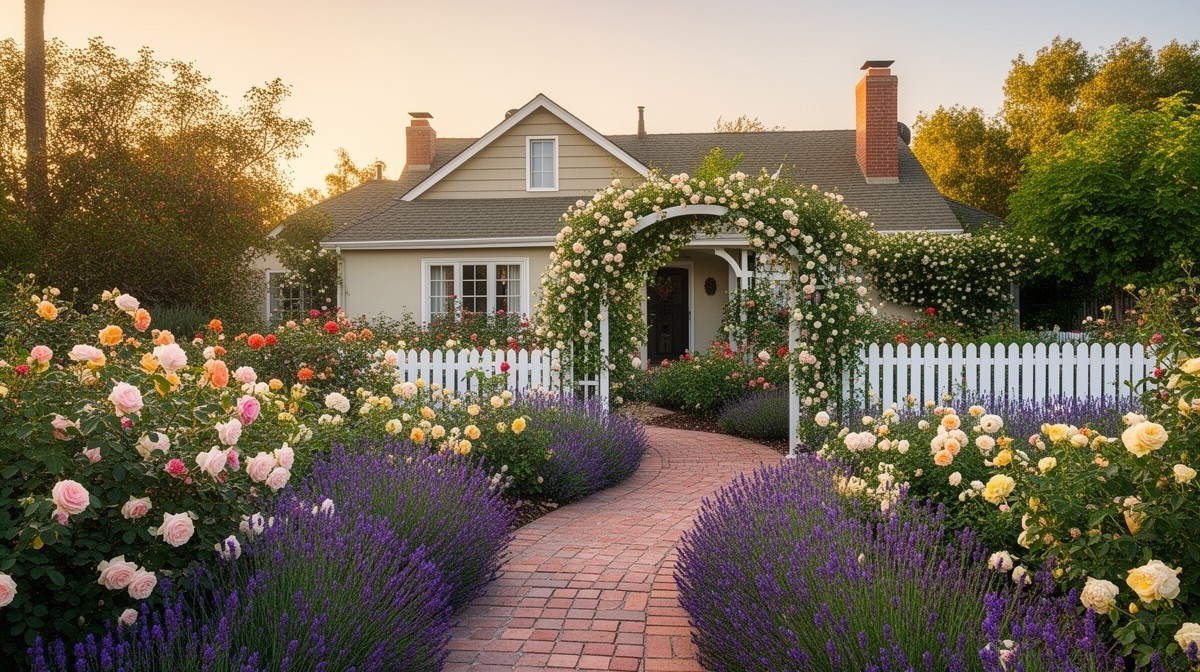
$22–38/sqftA cream clapboard cottage with two shingled dormers and a brick chimney, its wooden front door framed by a white-painted arbor smothered in blush and apricot climbing roses. A curving red-brick path runs from the sidewalk through a white picket gate to a brick stoop, and the beds on both sides of the fence are packed with shrub roses in cream, coral and rose-pink. A continuous ribbon of lavender runs along the outside of the fence at the sidewalk, which is the detail that makes the whole thing read as intentional rather than overgrown. Only two narrow strips of lawn survive, and clipped green globes hold the corners either side of the door.

The Porch and Arbor Garden
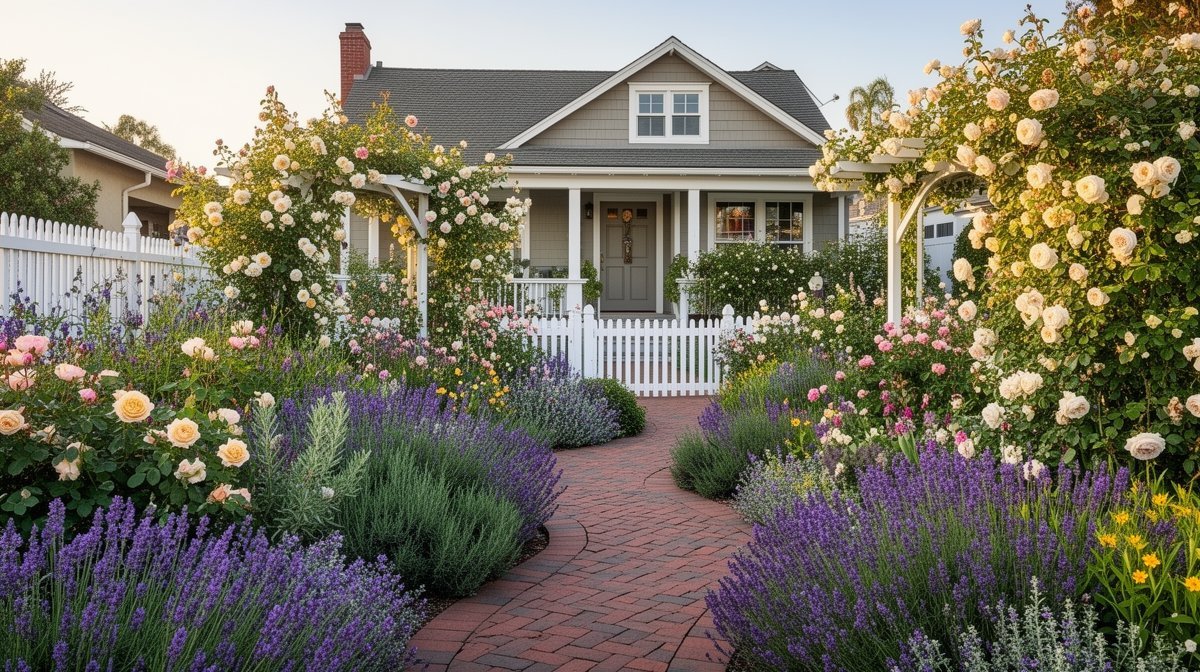
$18–32/sqftA deep covered porch with a white railing, blue-cushioned chairs and hanging baskets of red pelargoniums and purple petunias, approached through a broad white arbor draped in white climbing roses. The path is irregular flagstone rather than brick, and it splits two panels of lawn kept deliberately small. A mature broad-canopy tree on the right throws afternoon shade across the lawn and the west-facing windows, which in a Fullerton September is worth more than any amount of planting. The borders are the loud part: marigolds and pot marigolds in orange, spires of purple and white, pink shrub roses, and boulders half-buried in dark mulch.

The Circular Patio Rose Room
$26–45/sqftA round patio of cut sandstone flags set into the middle of the back lawn, with a small round metal bistro table and two folding chairs, a potted plant on the table and terracotta pots at the edges. A timber arbor heavy with peach and cream roses stands between the patio and the house, framing the view of the stucco cottage rather than blocking it. The borders that ring the lawn are deep — four to five feet — and layered front to back: lavender at the edge, roses and white-flowered shrubs behind, pale spires at the back, and mature trees closing the sides. It is a garden built around one seat, which is the most under-used idea in Orange County backyards.

The Pergola, Fountain and Rose Border
$30–55/sqftA white-painted timber pergola in the corner of the yard, its roof carrying pink and cream climbing roses, sheltering a teak dining table and four cane-back chairs on a small hardwood deck. In the centre of the lawn sits a two-tier carved stone fountain in a circular mulched island planted with low white and yellow flowers and lavender. The tan stucco boundary wall is topped with a clipped hedge, so the neighbouring rooflines soften without a taller fence. Foreground borders of pink and butter-yellow roses, lavender and white filler run along steel edging — a design that gives you shade, sound and scent in the same forty-foot view.
See how a cottage/english garden looks on YOUR property
Upload a photo of your Fullerton yard and visualize your dream garden in seconds.
Try ProScapeAI Free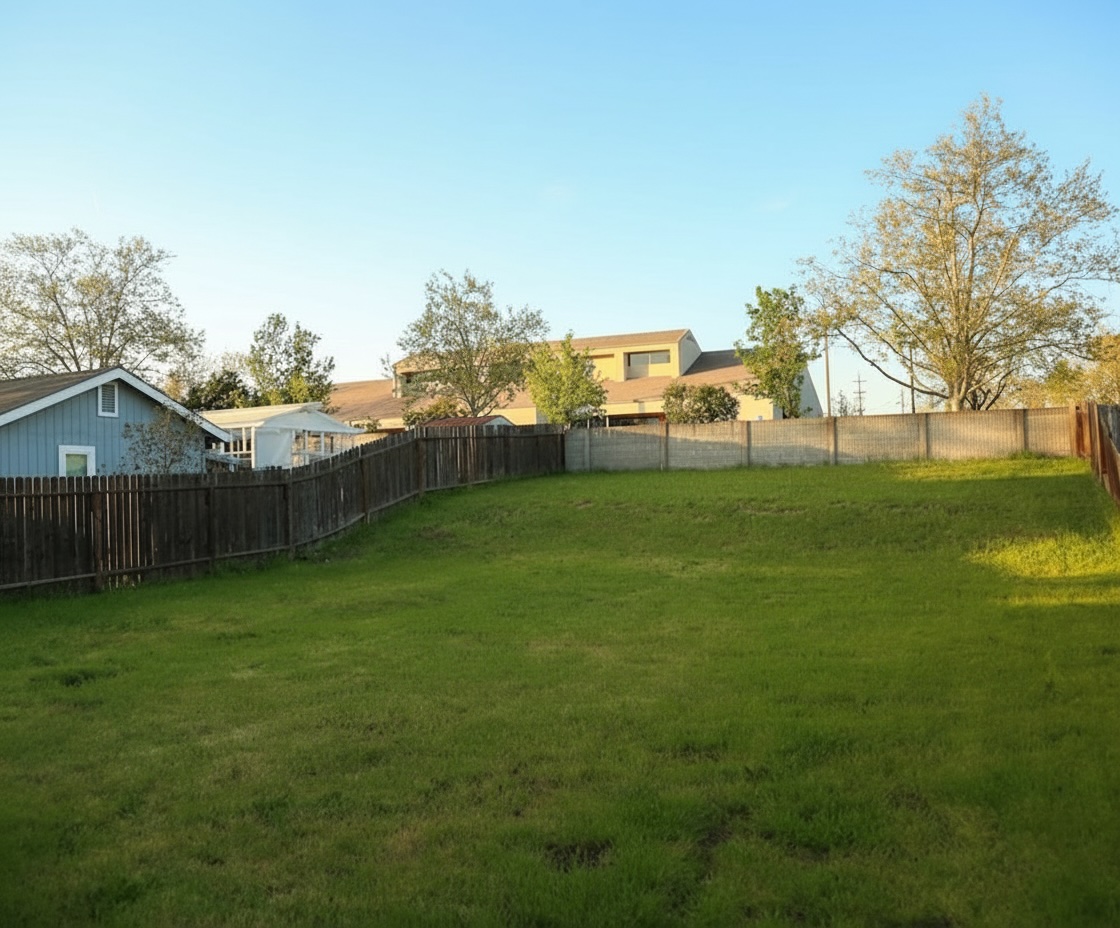
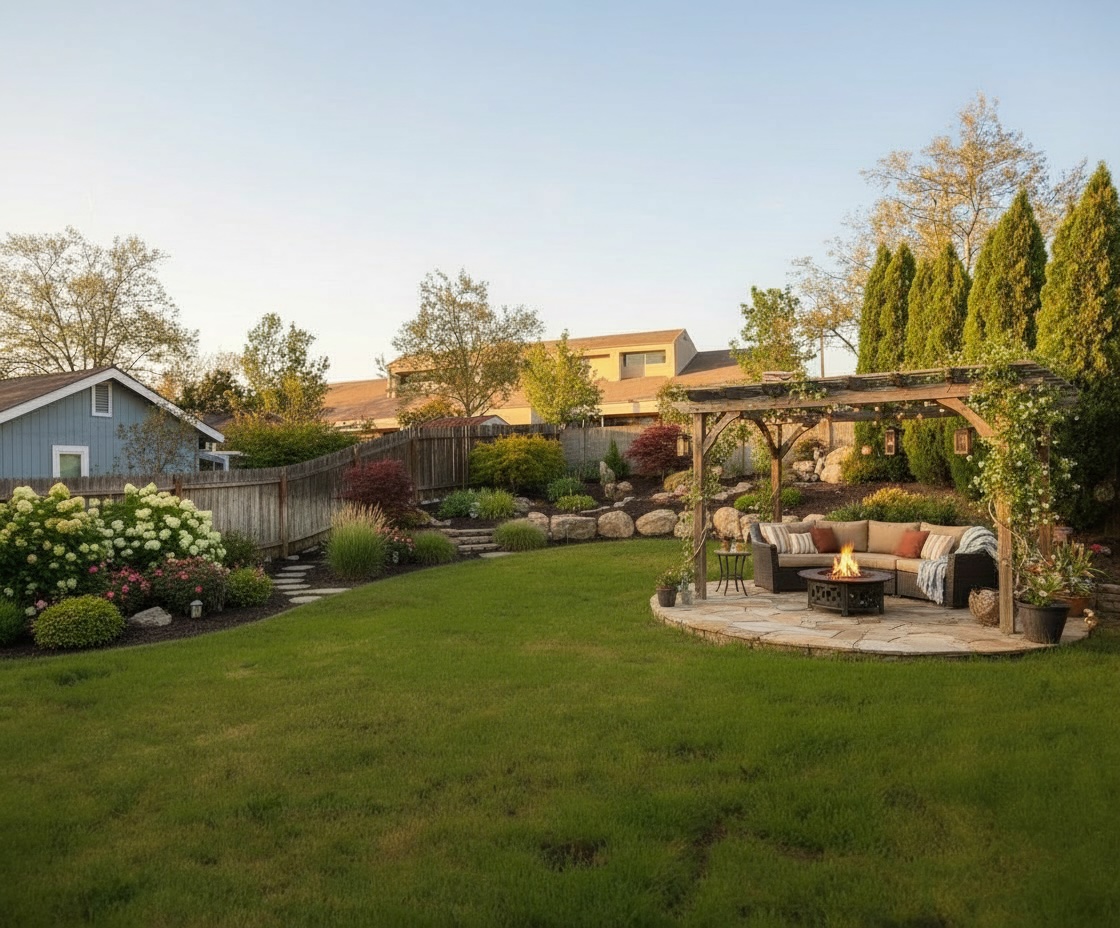
Featured Trees & Shrubs for Cottage/English Gardens
Browse all 219 plants for Fullerton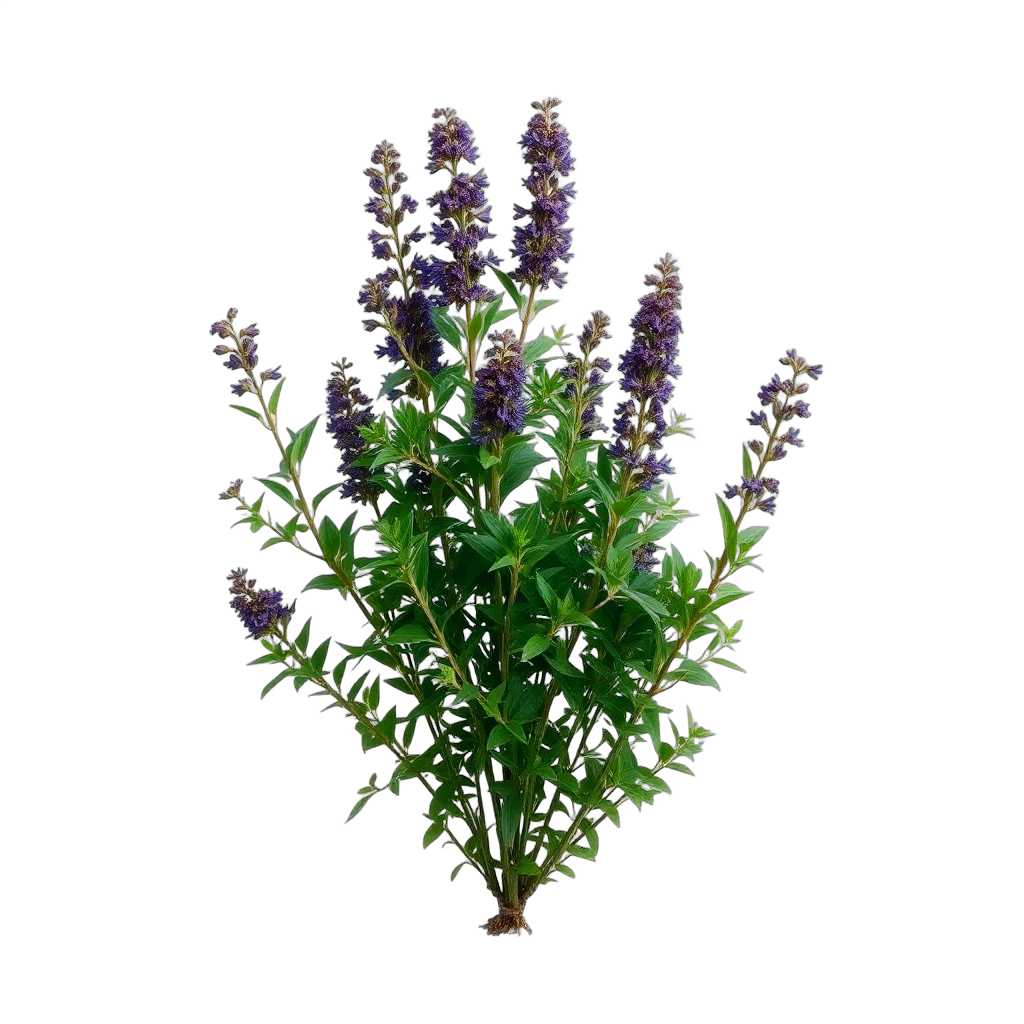
Black Sage
Salvia mellifera
grows to 4 feet, white blooms in spring. Attracts butterflies.

Blue Blossom
Ceanothus thyrsiflorus
medium-sized at 12 feet, blue blooms in spring. Attracts butterflies.

Blue Elderberry
Sambucus cerulea
medium-sized at 15 feet, white blooms in spring. Attracts butterflies.

Buckbrush
Ceanothus cuneatus
medium-sized at 7 feet, white blooms in spring. Attracts butterflies.
Featured Grasses & Groundcovers for Cottage/English Gardens
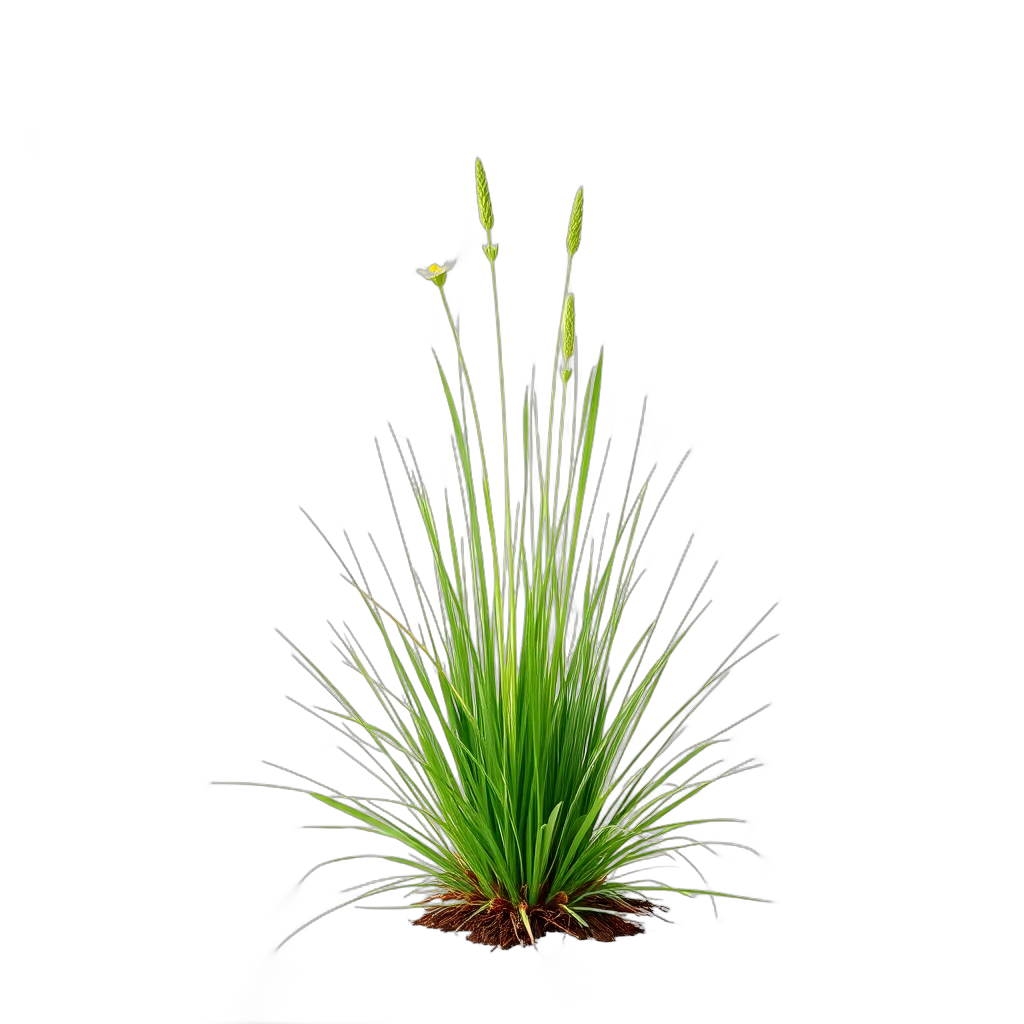
California Brome
Bromus carinatus
low-growing ground cover, blooms in spring. Yellow fall color.
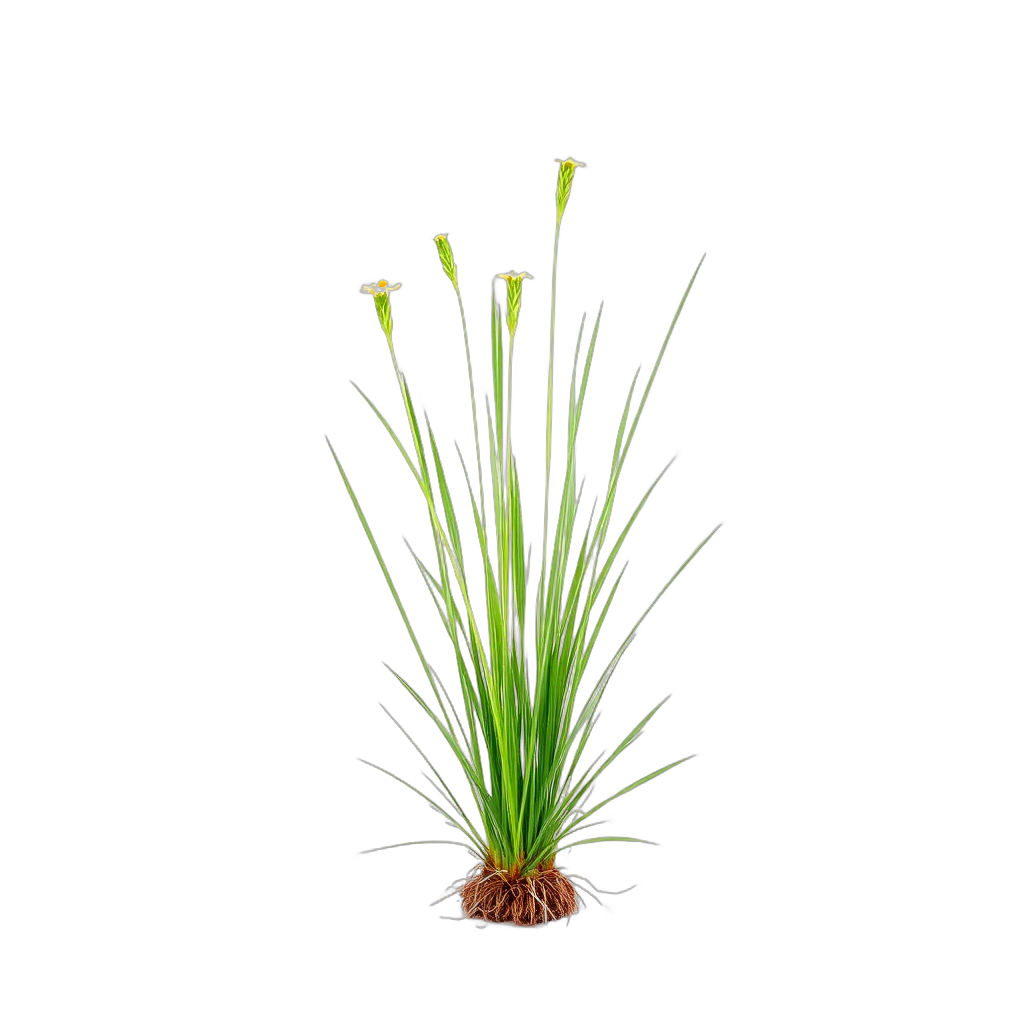
California Melic
Melica californica
low-growing ground cover, blooms in spring.
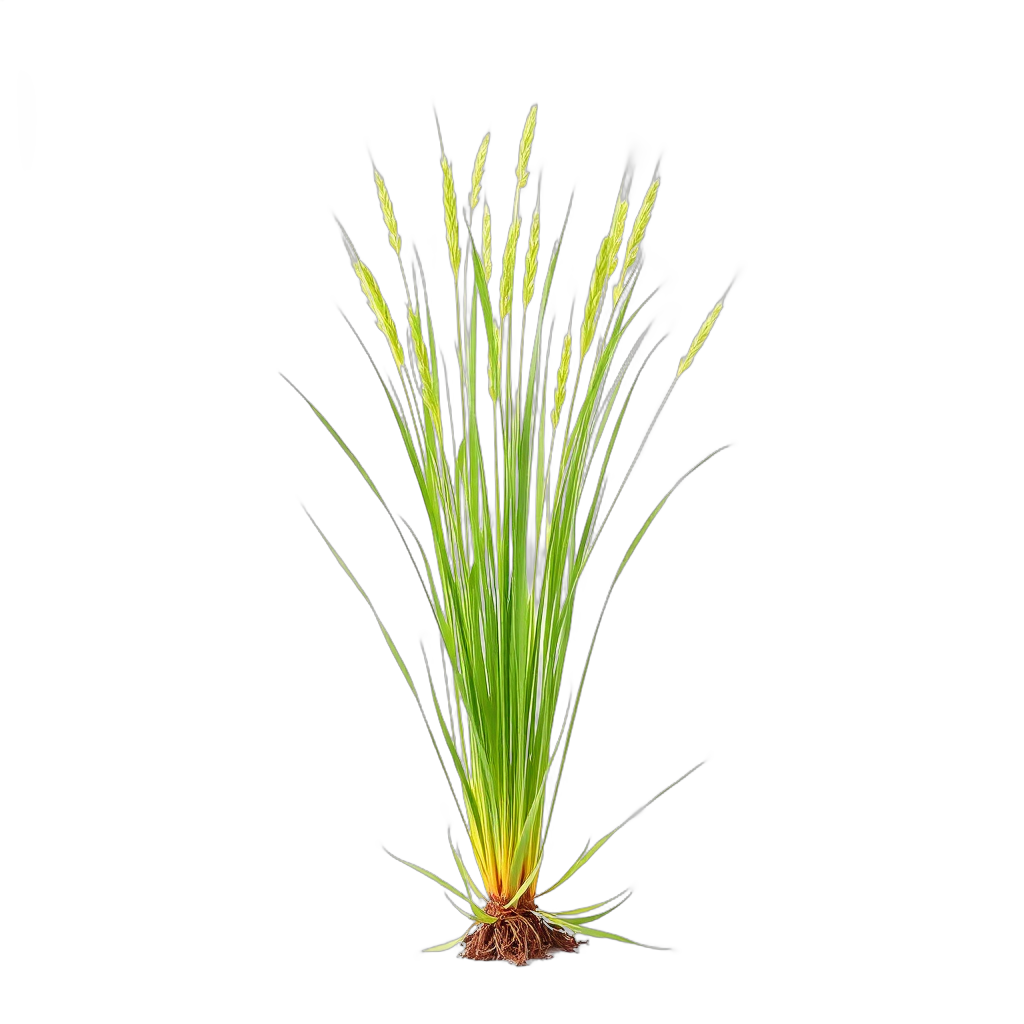
California Oatgrass
Danthonia californica
low-growing ground cover, blooms in spring. Yellow fall color.
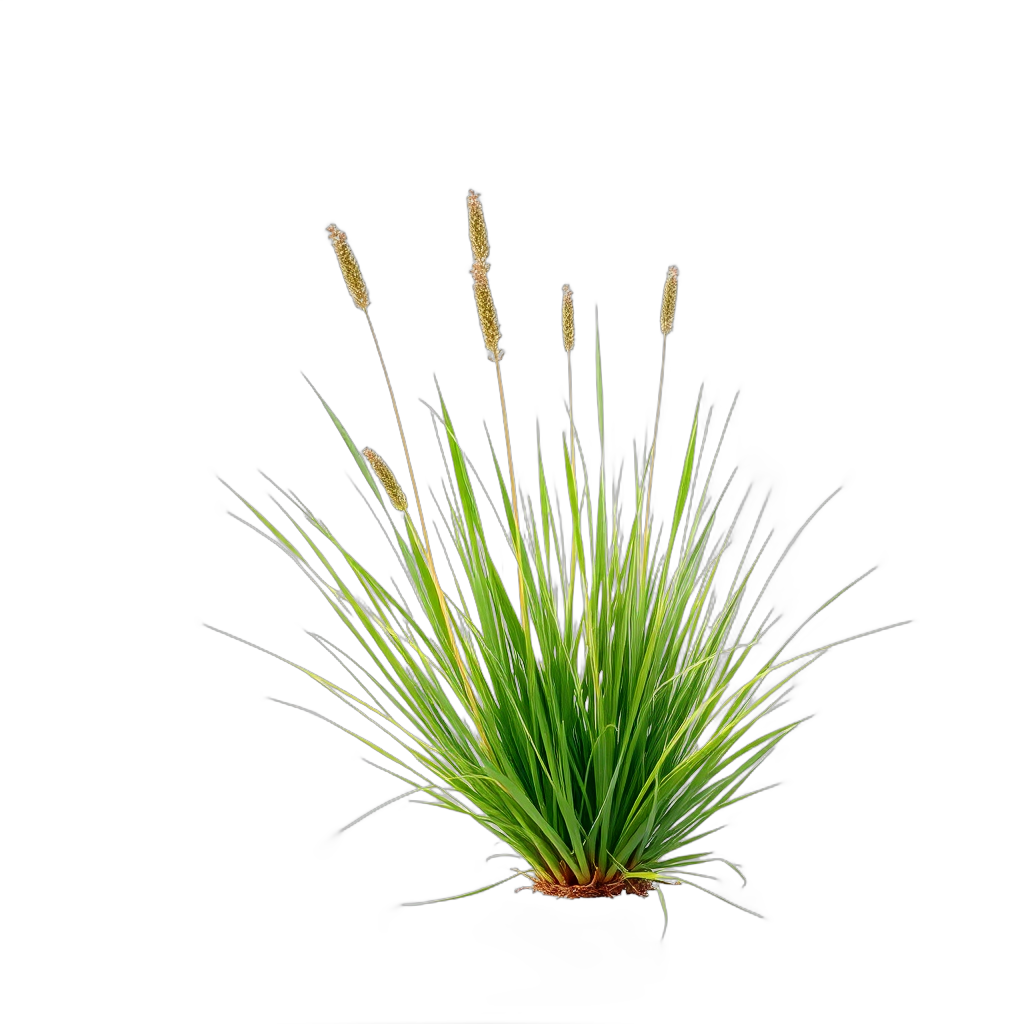
Deer Grass
Muhlenbergia rigens
grows to 3 feet, yellow blooms in fall. Evergreen year-round.
Featured Flowers & Perennials for Cottage/English Gardens
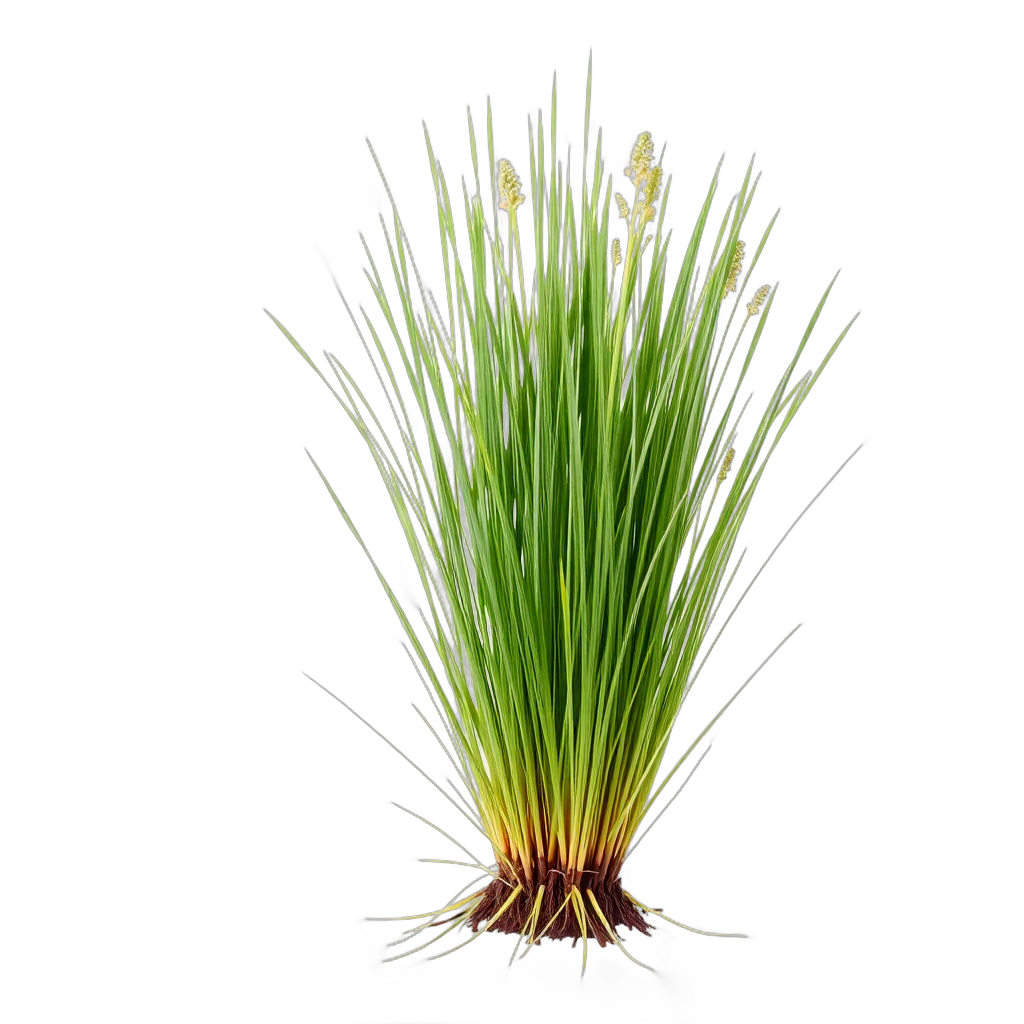
California Gray Rush
Juncus patens
low-growing ground cover, blooms in summer. Evergreen year-round.
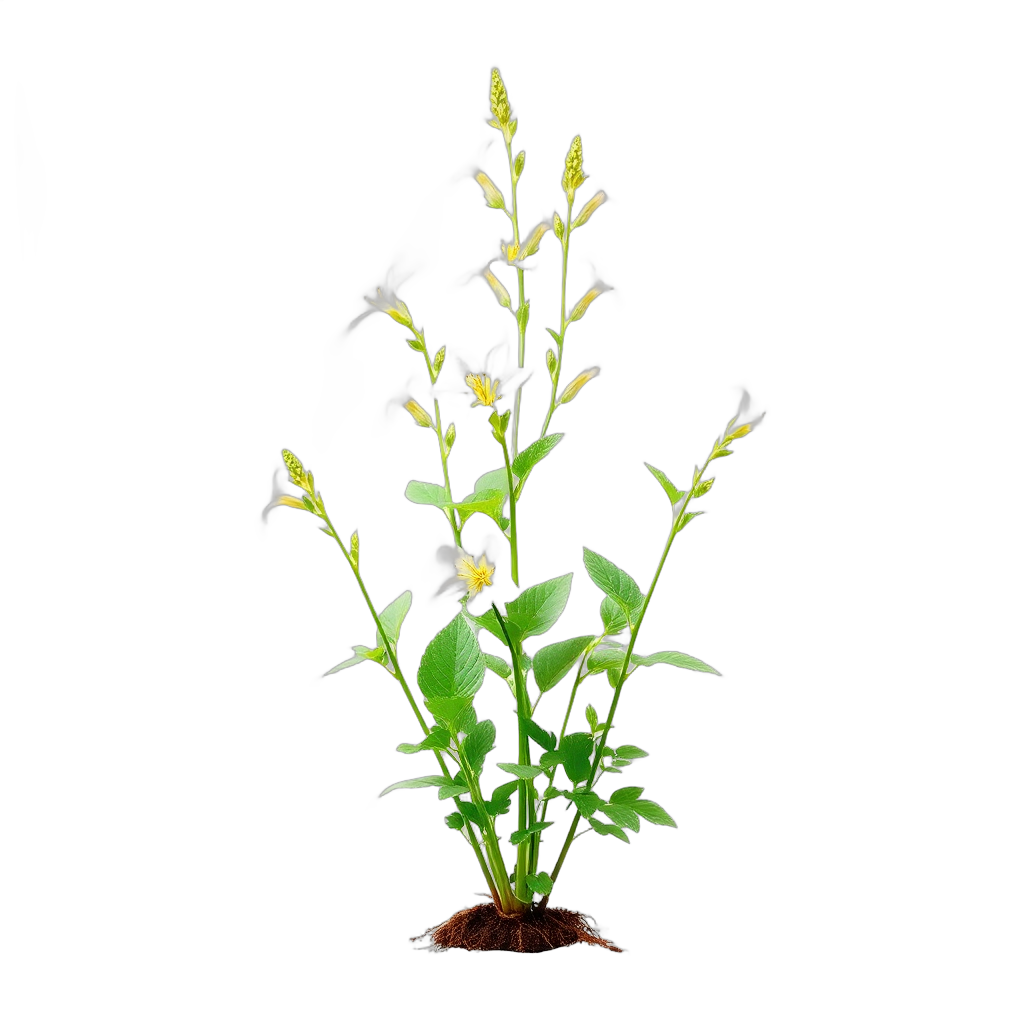
Beach Evening Primrose
Camissonia cheiranthifolia
low-growing ground cover, yellow blooms in spring. Attracts butterflies.
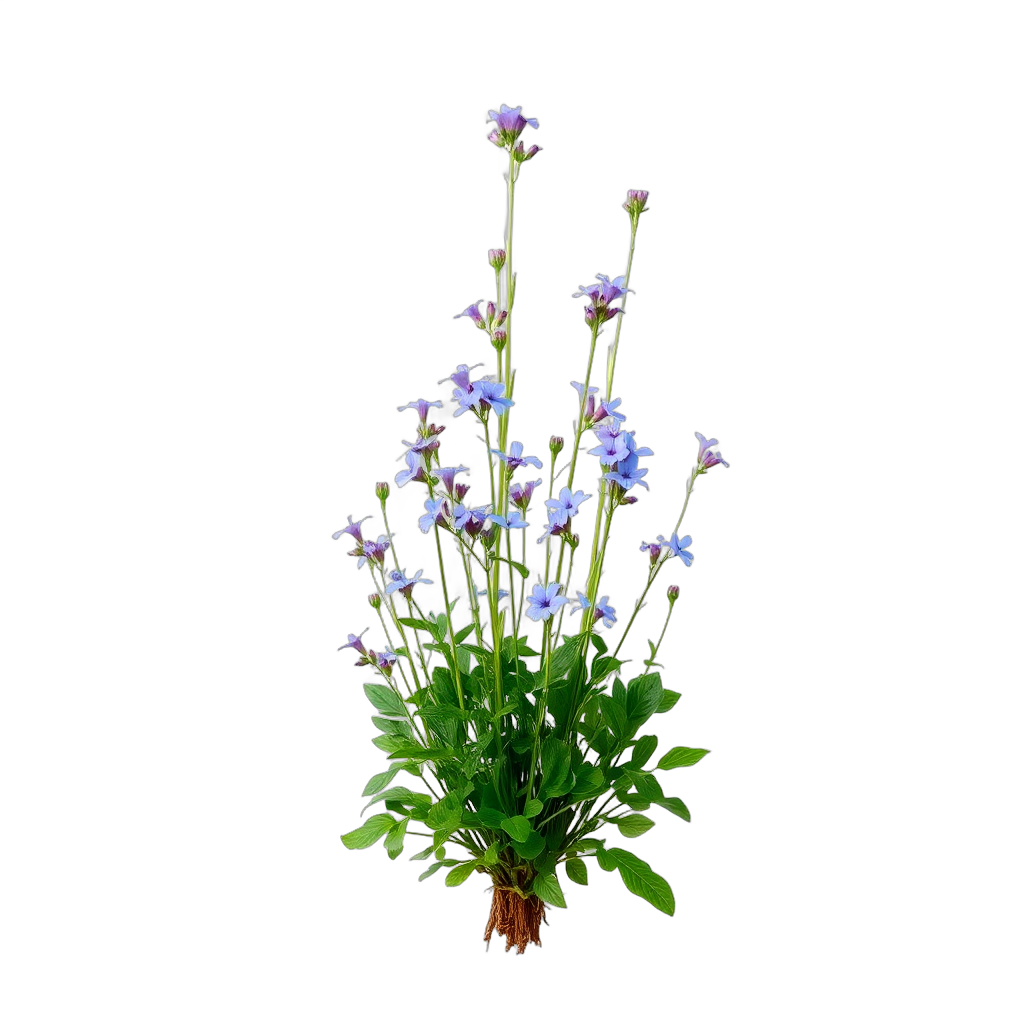
Blue Dicks
Dichelostemma capitatum
low-growing ground cover, blue blooms in spring. Pollinator-friendly.
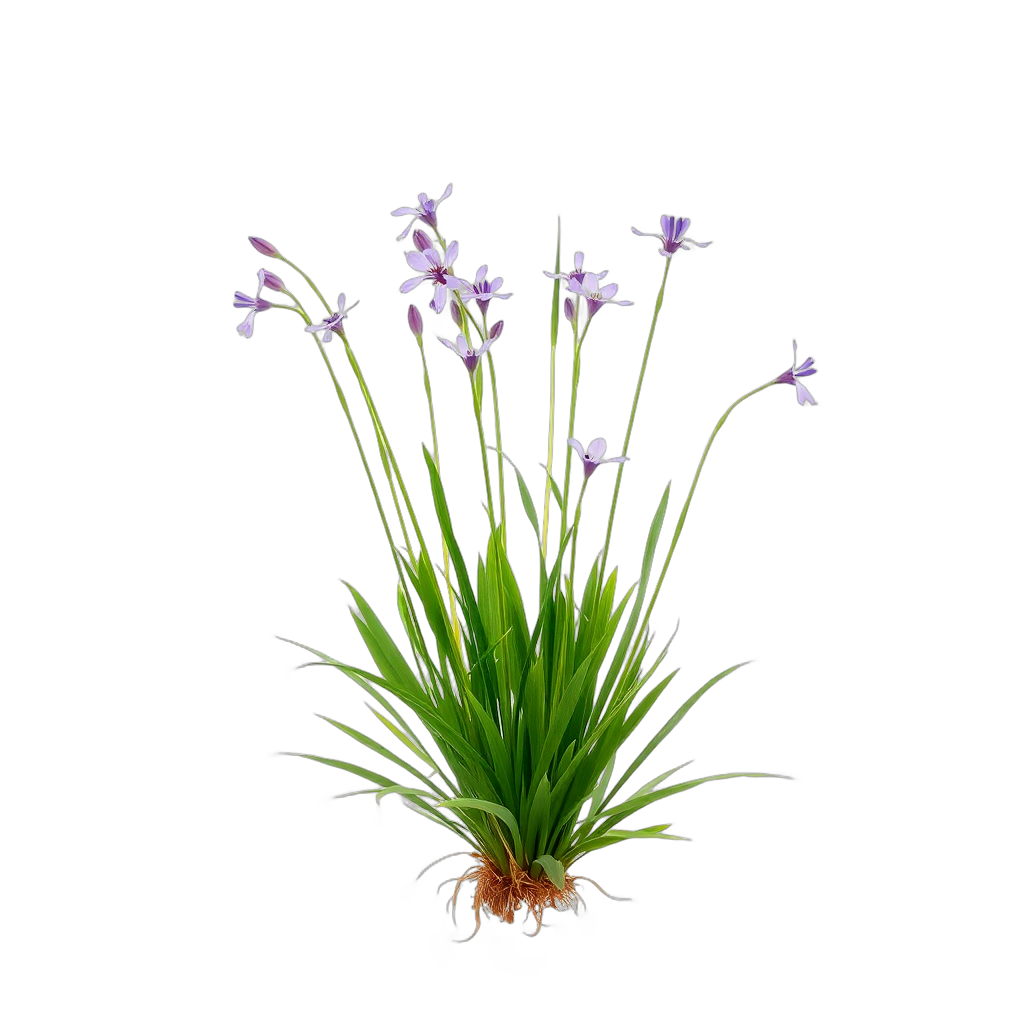
Blue-Eyed Grass
Sisyrinchium bellum
low-growing ground cover, blue blooms in spring. Attracts butterflies.
Zone and sun checks come from our database — confirm with your local nursery before you buy.
Bloom Calendar for Fullerton
spring
Beach Evening Primrose, Blue Dicks, Blue-Eyed Grasssummer
California Gray Rush, Hooker's Evening Primrose, Hummingbird Mintfall
California Fuchsiawinter
Limited bloomsDesign Tips for Fullerton (Zone 10b)
- Swap English lavender for Lavandula ×intermedia 'Provence' or 'Grosso' — the intermedia hybrids shrug off Fullerton's 100°F Santa Ana afternoons and alkaline clay, while Lavandula angustifolia sulks and rots by its third winter
- Run your annual rose prune in mid-January, not March: Zone 10b winters never force real dormancy, and a late prune costs you the March-to-May flush that carries the whole garden
- Grow the cool-season spires — Digitalis purpurea 'Camelot', Delphinium elatum 'Pacific Giants', Alcea rosea 'Chater's Double' — as October-sown annuals, then pull them in June and replace with Zinnia 'Benary's Giant' and Salvia 'Amistad'
- Build every bed up 8 to 12 inches over Fullerton's clay loam instead of digging down; the alkaline hardpan under most flat-city lots turns excavated planting holes into winter bathtubs
- Keep water off the foliage from May through June — the coastal marine layer twelve miles inland gives Fullerton its worst powdery mildew and rust window, and inline drip under mulch removes the trigger entirely
- Use Buxus microphylla 'Green Beauty' or Westringia fruticosa 'Morning Light' for the clipped structure a cottage garden needs; English box scorches on a west-facing Fullerton frontage
- Plan for chlorosis before it appears: budget chelated iron and soil sulfur twice a year for roses and gardenias, because imported Colorado River blend water pushes bed pH upward year after year
- Shrink the lawn to shaped panels rather than removing it entirely — two crisp strips of dwarf tall fescue give a cottage border the calm green frame it needs and keep you well inside the water-budget rules
Where to Source Plants in Fullerton
Skip the big-box stores. These independent Fullerton nurseries specialize in the plants that make cottage/english gardens thrive in Zone 10b.
Mimosa Nursery
West Anaheim (Crescent Ave), 5 miles from downtown Fullerton
Weeks and Star bush and tree roses by the hundred, plus 'Improved Meyer' lemon, 'Washington' navel and 'Bearss' lime on licensed rootstock
Upland Nursery
North Tustin Street, Orange
Family-run since the 1990s; Japanese maples, plumeria, bonsai stock, water-garden plants and unusual cottage flowers you will not find in a chain store
Roger's Gardens
Corona del Mar, Newport Beach
Seven-acre destination garden centre with a deep rose department, a California native section and staff who design for coastal Orange County soils
Green Thumb Nursery
Lake Forest, south Orange County
Family-owned five-acre garden centre; strong on Lavandula, Salvia, boxwood alternatives and 15-gallon specimen trees for Zone 10b
Cottage/English Landscaping Costs in Fullerton
| Project Scope | Estimated Cost |
|---|---|
| Front yard cottage conversion (500 sqft: turf removal, path, planting) | $9,000 – $20,000 |
| Brick or flagstone entry walkway (80–150 sqft) | $3,000 – $9,000 |
| Rose and lavender border, planted (per 100 sqft) | $1,200 – $2,800 |
| White picket fence with gate (60 linear ft) | $3,500 – $8,500 |
| Painted timber rose arbor or dining pergola | $2,500 – $14,000 |
| Drip retrofit with weather-based controller | $2,500 – $6,000 |
| Full backyard cottage garden with patio and fountain | $30,000 – $75,000 |
| AI visualization with ProScapeAI | Free to start |
Estimates based on Fullerton, CA-area contractor rates as of 2026. Actual costs vary by site conditions, materials, and contractor.
Fullerton Climate & Growing Zone
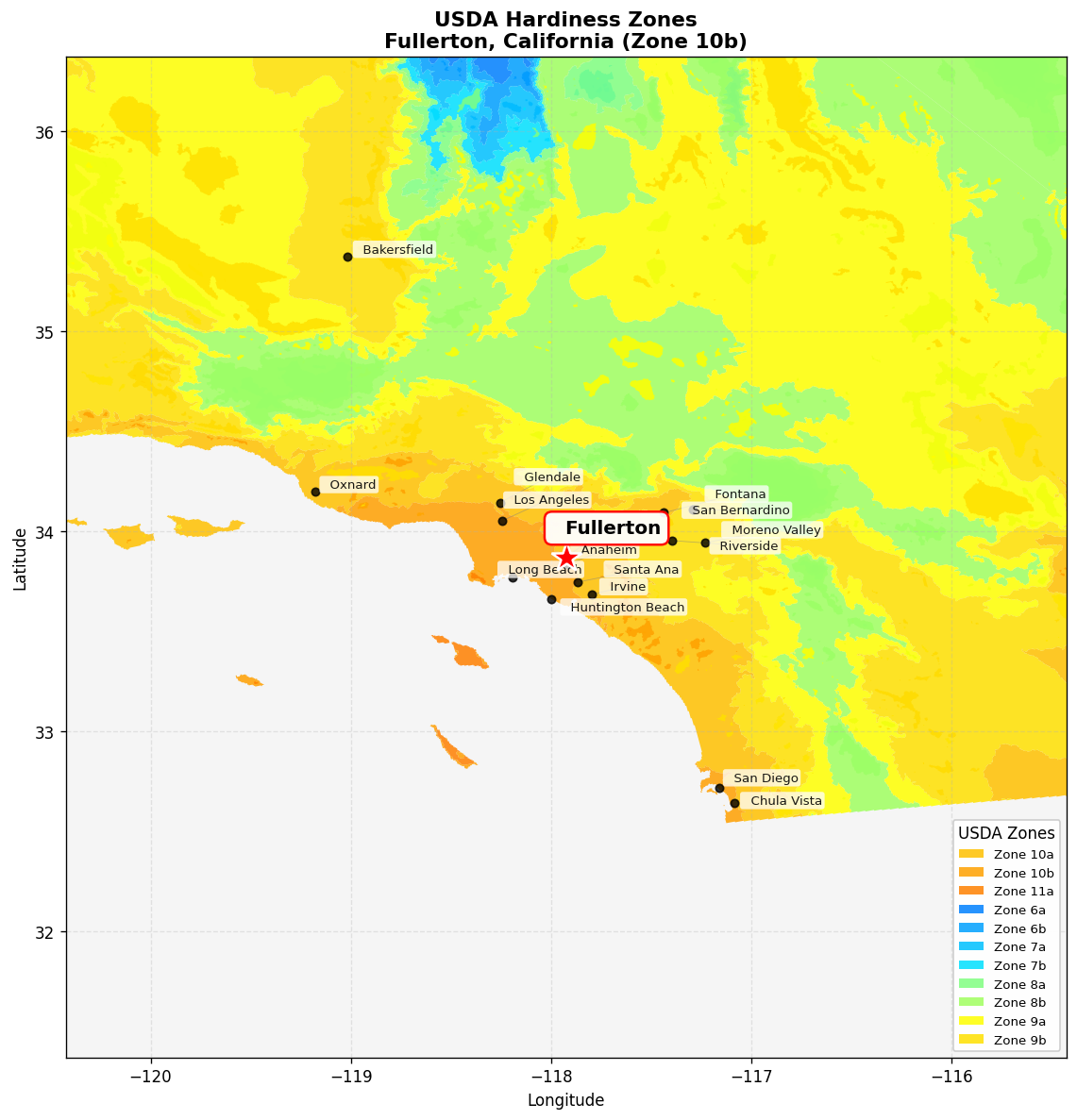
USDA Zone 10b
Hardiness zone for Fullerton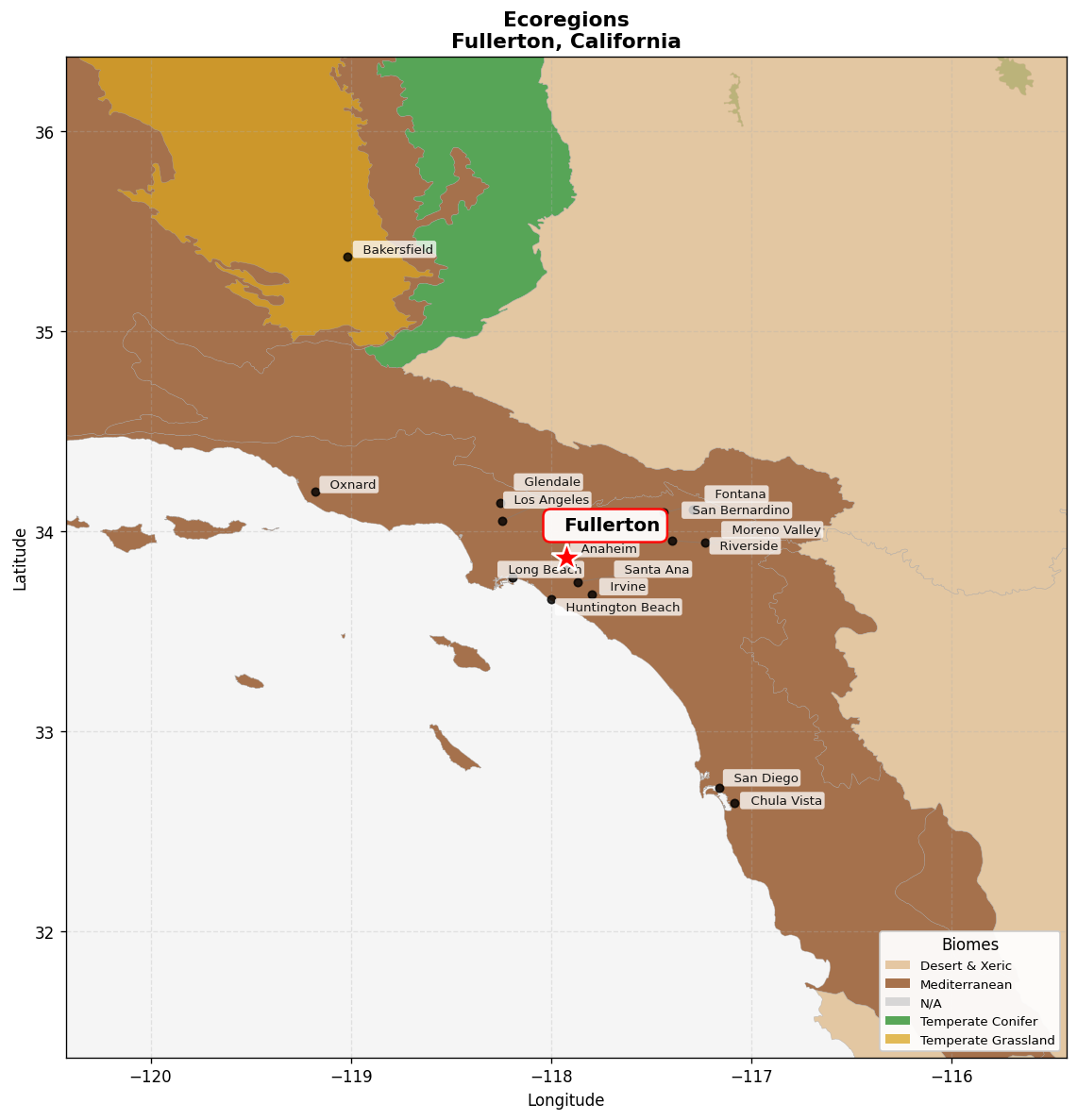
California coastal sage and chaparral
Native ecoregionFrequently Asked Questions
How much does a cottage garden cost in Fullerton?
Orange County installation runs roughly 20 to 30 percent above the national average, so budget accordingly. A 500-square-foot front-yard conversion with turf removal, brick path, picket fence, roses and lavender lands between 9,000 and 20,000 dollars installed. A rose-and-lavender border alone costs about 1,200 to 2,800 dollars per 100 square feet planted from 5-gallon Rosa 'Iceberg' and 1-gallon Lavandula ×intermedia 'Grosso'. A full backyard with a sandstone patio, timber pergola and a recirculating fountain typically falls between 30,000 and 75,000 dollars. Doing the planting yourself and hiring out only the hardscape usually cuts 30 to 40 percent off the total.
Which roses actually thrive in Fullerton's Zone 10b heat?
Fullerton gets only about 200 to 400 winter chill hours, so low-chill, disease-tough varieties matter far more than fragrance rankings. The reliable local core is Rosa 'Iceberg' and its climbing form, Rosa 'Julia Child', Rosa 'Sally Holmes', Rosa 'Gold Medal', Rosa 'Ebb Tide' and Rosa banksiae 'Lutea' for anything that has to cover a big arbor fast. Climbing Rosa 'Cécile Brünner' is the classic bungalow rose here and will run 20 feet. Blackspot is rarely the problem it is back east; powdery mildew during the May and June marine layer is, so give every rose morning sun, six feet of air on all sides, and water at the root with drip rather than overhead. Prune in mid-January, not March, because the plants never fully go dormant.
Can I grow foxgloves, delphiniums and hollyhocks in Fullerton?
Yes, but treat them as cool-season annuals rather than perennials. Sow or plant Digitalis purpurea 'Camelot', Delphinium elatum 'Pacific Giants' and Alcea rosea 'Chater's Double' in October and November; they root through the mild wet winter, bloom from March into May, and are finished by the time the first 95°F day arrives in June. Pull them and replace with Zinnia 'Benary's Giant', Tagetes 'Durango' and Gomphrena for the summer half of the year. If you want a true perennial spire that survives a Fullerton August, use Salvia leucantha 'Santa Barbara' or Salvia 'Amistad' instead — both hold their shape from June to December.
How much water does a cottage garden use here, and does it conflict with Fullerton's water rules?
Less than the lawn it replaces, if it is designed properly. Fullerton receives about 14 inches of rain a year, essentially all between November and March, so April through October is irrigated. A drip-fed cottage border of Lavandula, Salvia, Nepeta ×faassenii 'Walker's Low', Teucrium ×lucidrys and established shrub roses typically runs at 40 to 60 percent of the water a cool-season fescue lawn of the same area demands. Permitted landscape rehabilitations over 500 square feet fall under California's Model Water Efficient Landscape Ordinance, which requires drip on shrub beds and a weather-based controller, and MWDOC and SoCal WaterSmart turf-removal rebates have generally started around 3 dollars per square foot. Confirm current program terms with the City of Fullerton water utility before you order plants.
What do I do about Fullerton's alkaline clay soil?
Test first — flat Fullerton is usually clay loam at pH 7.5 to 8.2 on old Valencia orange grove ground, while Raymond Hills and Sunny Hills switch to shallow decomposed granite that drains far faster. On clay, build beds up 8 to 12 inches with compost, work in gypsum at planting, and never excavate a deep hole and backfill it with bagged mix, which turns into a bathtub and rots rose roots over winter. Chlorosis — yellow leaves with green veins — is caused by iron being locked up at high pH, not by a lack of iron, so correct it with chelated iron and soil sulfur rather than more fertiliser. Skip Hydrangea macrophylla entirely unless you are prepared to grow it in a container of acidified mix.
When is the best time to plant a cottage garden in Fullerton?
October through early December is the ideal window. Roses, Lavandula and Salvia planted then root through the mild, rainy winter and arrive at their first summer already established, and contractor schedules are open. February and March are the second-best window. Avoid planting from mid-June through September: irrigation alone cannot make up for a 100°F Santa Ana afternoon on a plant with two weeks of roots. Bare-root roses go in during January, which is also when established plants get their annual hard prune.
Do I need approval to change my front yard in a Fullerton historic district?
Planting, mulch and bed changes are generally not an issue anywhere in the city. Fences, walls and permanent structures are a different matter: Fullerton has designated residential preservation zones and a Landmarks Commission, and front-yard fence height and permanent hardscape can be subject to review in those areas. Backyard walls above a certain height, pools and roofed structures follow the city's standard building rules. Check with the City of Fullerton planning counter for your specific address before ordering a picket fence or pergola — requirements differ block by block, and a design that fits the district usually sails through.