Mediterranean Landscape Design for Fullerton, CA — Zone 10b
Native plants from the California coastal sage and chaparral (Zone 10b) — Mediterranean (hot summer) climate
Why Mediterranean Gardens in Fullerton?
Mediterranean is not a decorating choice in Fullerton — it is a description of the weather. The city sits in a hot-summer Mediterranean climate (Köppen Csa) on the edge of the California coastal sage and chaparral ecoregion, the same climate band as Andalusia, Sicily and the Peloponnese, and it built out with architecture that already knows it. Spanish Colonial Revival and Mission Revival houses went up all over Fullerton in the 1920s and 1930s — the Muckenthaler villa on Malvern Avenue is the grand version, but there are hundreds of modest clay-tile-roofed stucco homes in the Wilshire and Chapman-Malden preservation districts, around Hillcrest Park, and scattered through Raymond Hills. The 1990s and 2000s tract builders in Amerige Heights, Coyote Hills and the Bastanchury corridor went straight back to the same vocabulary: cream stucco, barrel tile, arched entries, courtyard walls. A Mediterranean landscape design is the only style that lets those elevations finish their own sentence.
The climate numbers are what make the plant palette honest. Fullerton is USDA Zone 10b, with winter lows around 35–40°F and hard frost effectively unknown, which is why Olea europaea 'Swan Hill', Cupressus sempervirens 'Glauca', Bougainvillea 'Barbara Karst' and a full range of citrus live outdoors year-round here and die in most of the country. Rainfall is roughly 14 inches a year and more than 90 percent of it arrives between November and March; from April to October it simply does not rain. Twelve miles inland from the coast, Fullerton gets a grey marine layer through May and June, then flips into September and October Santa Ana events where humidity drops into single digits and afternoons pass 100°F. That wet-winter, bone-dry-summer rhythm is exactly what Mediterranean plants evolved under, and it is also why the single most common way to kill them here is summer irrigation. Olives, Rosmarinus, Cistus, Phlomis fruticosa and Teucrium fruticans 'Azureum' want deep, infrequent water and dry crowns; on a lawn schedule they get Phytophthora root rot within two seasons.
Soil is the local variable. Flat Fullerton is alkaline clay loam — commonly pH 7.5 to 8.2 — laid down over ground that grew Valencia oranges until the tract builders arrived, and it holds winter water. The Raymond Hills and Sunny Hills slopes are shallow decomposed granite and sandstone that drains fast, which Mediterranean plants love and citrus does not. On the flats, the fix is mechanical rather than chemical: berm the beds up 8 to 12 inches, blend in gypsum and coarse compost, and gravel-mulch the crowns of anything grey-leaved. Citrus is its own subject in Orange County — the whole county sits inside California's Asian citrus psyllid quarantine and huanglongbing has been detected in the region, so buy citrus only from licensed California nurseries and never move a tree out of the quarantine area. Feed citrus with a chelated micronutrient blend, because imported Colorado River blend water pushes bed pH up and locks iron and zinc away, producing the yellow-veined leaves you see all over town.
Water rules reward this style rather than fighting it. The City of Fullerton runs its own water utility, permitted landscape rehabilitations over 500 square feet fall under California's Model Water Efficient Landscape Ordinance, and turf-replacement rebates through MWDOC and SoCal WaterSmart have generally started around 3 dollars per square foot — worth confirming before you buy plants, because the programs open and close. A Mediterranean design gets there naturally: gravel and terracotta courtyards instead of turf, hydrozoned drip, and a plant list of Lavandula ×intermedia 'Grosso', Salvia rosmarinus 'Tuscan Blue', Westringia fruticosa 'Wynabbie Gem' and Olea europaea 'Little Ollie' that lives on a fraction of a lawn's demand once established. Keep the lawn if you want one, but shrink it to a shaped panel and let the paving, pots and fountain carry the design.
4 Mediterranean Design Ideas for Fullerton

The Olive and Lavender Entry
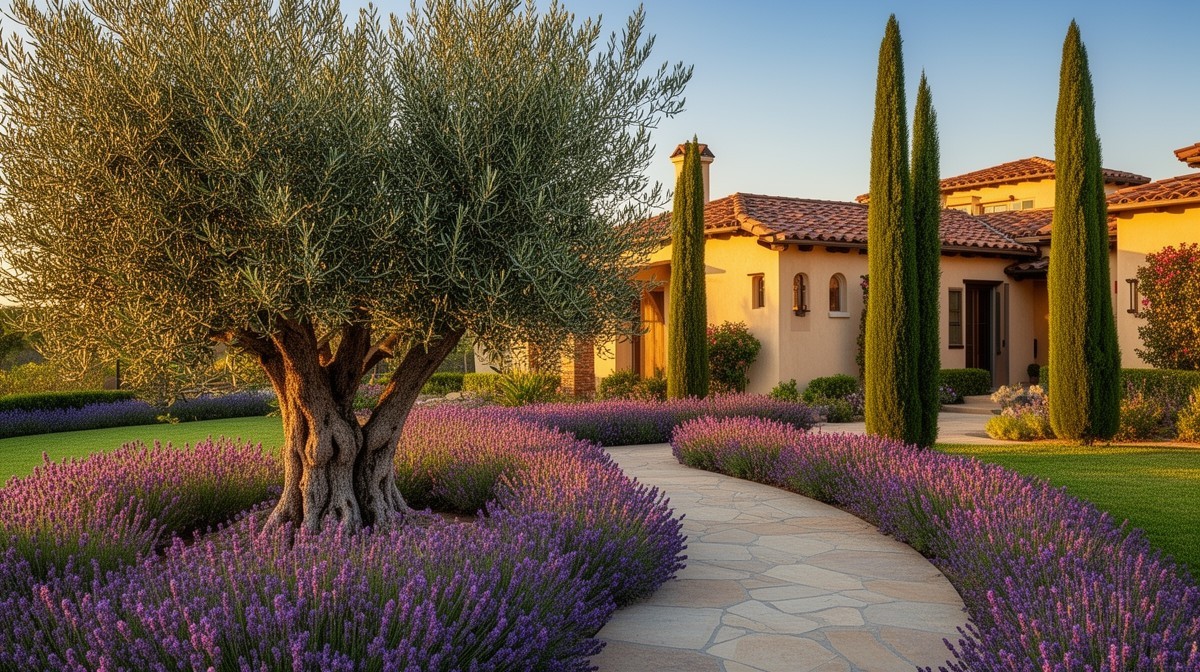
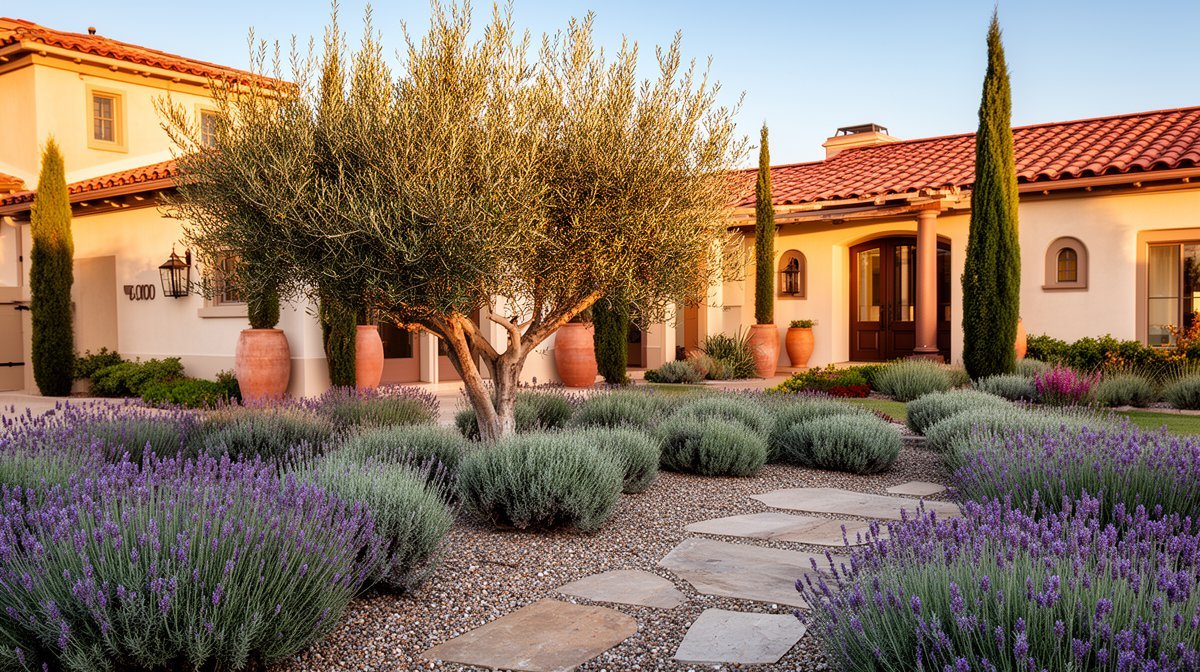
$20–36/sqftA two-storey cream stucco house with a clay barrel-tile roof, a deep arched entry recess and an arched wood-and-wrought-iron front door between two black lantern sconces. A mature multi-trunk olive with a gnarled, sculptural trunk anchors the left of the frontage, and slim dark columnar cypress punctuate the entry and the right corner. A low white stucco seat-wall with recessed lighting runs the width of the yard, and a sandstone flagstone walk climbs three shallow steps to the door. The planting is deliberately simple: two big mounded blocks of lavender flanking the walk in dark mulch, two clean green lawn panels behind them, and colour restricted to a few small drifts at the foundation.

The Walled Citrus Courtyard
$28–50/sqftA tan stucco perimeter wall about six feet high closes the front of the property, with magenta bougainvillea tumbling over the top on both sides and a scrolled wrought-iron gate in the centre. Through the gate a stone path leads to the arched wood door of a tile-roofed villa with a small arched-window cupola. Two mature citrus trees stand just outside the wall, one heavy with oranges, and the courtyard floor is decomposed granite with irregular flagstone stepping-stones set into it — no lawn at all. Terracotta pots of mixed annuals sit against the wall base, and low shrubs run along the footing. It is the highest-privacy, lowest-water front yard design available in Fullerton.

The Fountain Courtyard Terrace
$32–58/sqftA circular terracotta tile terrace laid in banded rings fills the back of the lot, with a large two-tier carved stone fountain and a blue-tiled basin at the exact centre. A dining table with cushioned timber chairs sits behind it under bistro string lights strung across the whole space. The single-storey white stucco house opens onto the terrace through a timber-post loggia and glowing French doors. A silver-leaved olive frames the left edge, a heavily fruiting orange tree the right, and long masses of lavender line both sides of the paving with clipped low hedging tightened against the house. The fountain is doing acoustic work here, not decorative — it covers freeway noise from the 57.

The Bougainvillea Pergola Lounge
$35–62/sqftA heavy timber pergola attached to the back of a cream two-storey villa, its rafters completely buried under vivid magenta bougainvillea, sheltering a woven rattan sectional, two matching armchairs and a low woven table with candles. The floor is large-format terracotta tile that continues out as a wide central walkway, and the composition is perfectly symmetrical: an orange tree on the left, a lemon tree on the right, and raised terracotta-edged beds of lavender flanking the walk. A clipped low hedge runs along the house wall and a narrow lawn strip survives at one side. This is a design that gives you deep summer shade without building a roof.
See how a mediterranean garden looks on YOUR property
Upload a photo of your Fullerton yard and visualize your dream garden in seconds.
Try ProScapeAI Free
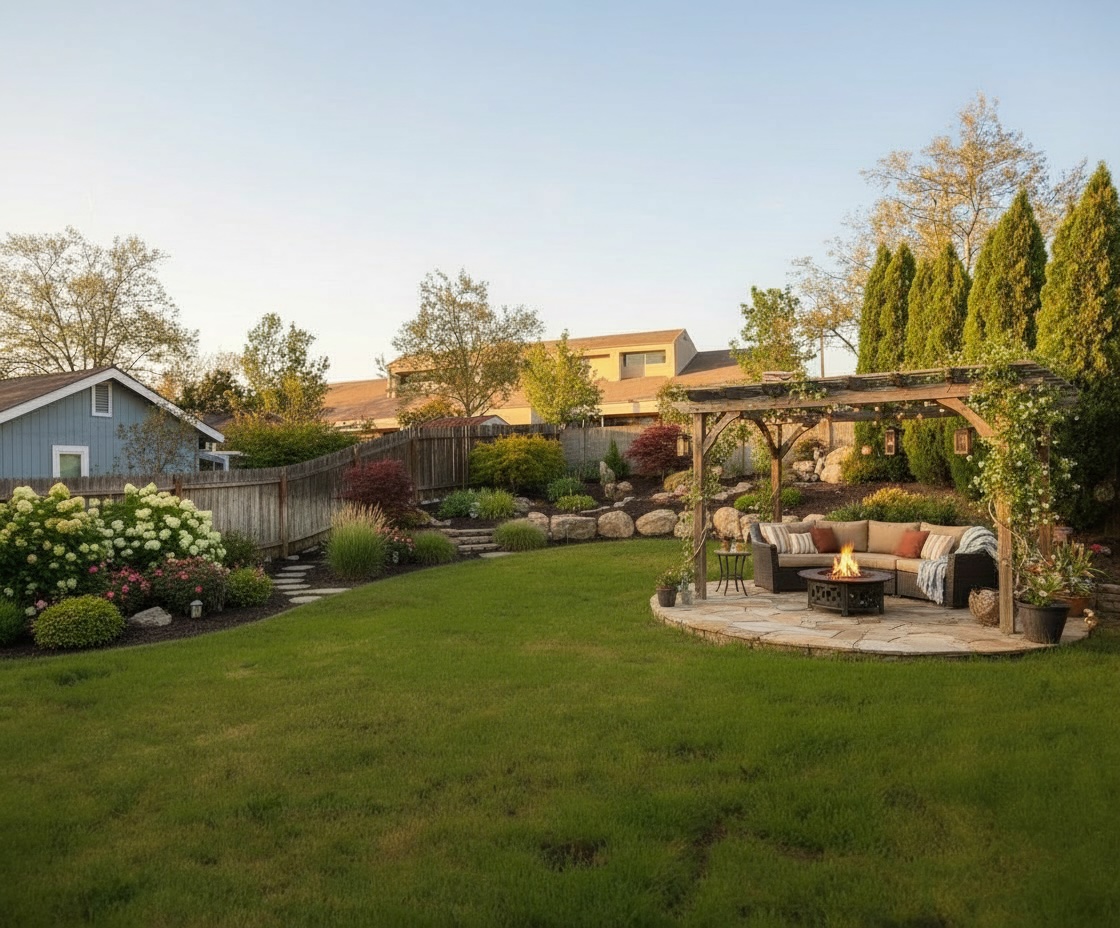
Featured Trees & Shrubs for Mediterranean Gardens
Browse all 219 plants for Fullerton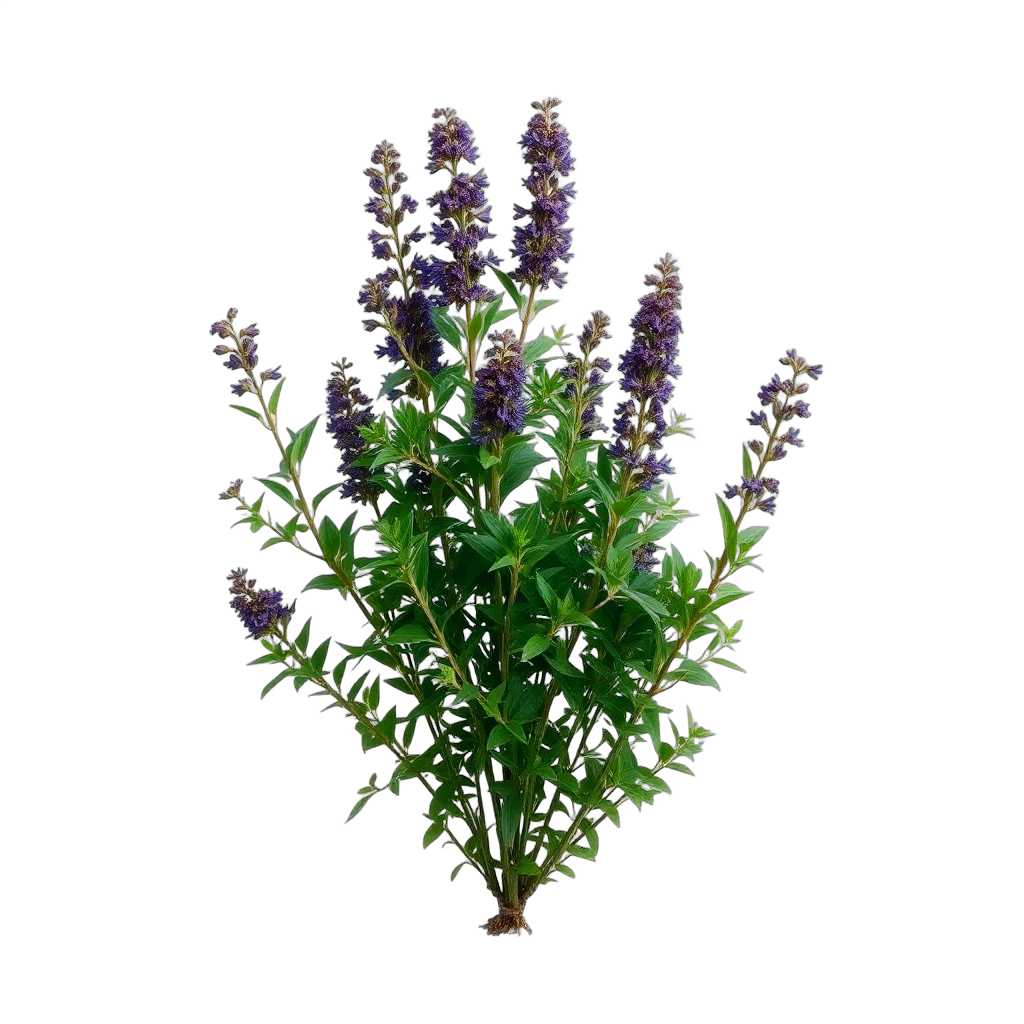
Black Sage
Salvia mellifera
grows to 4 feet, white blooms in spring. Attracts butterflies.
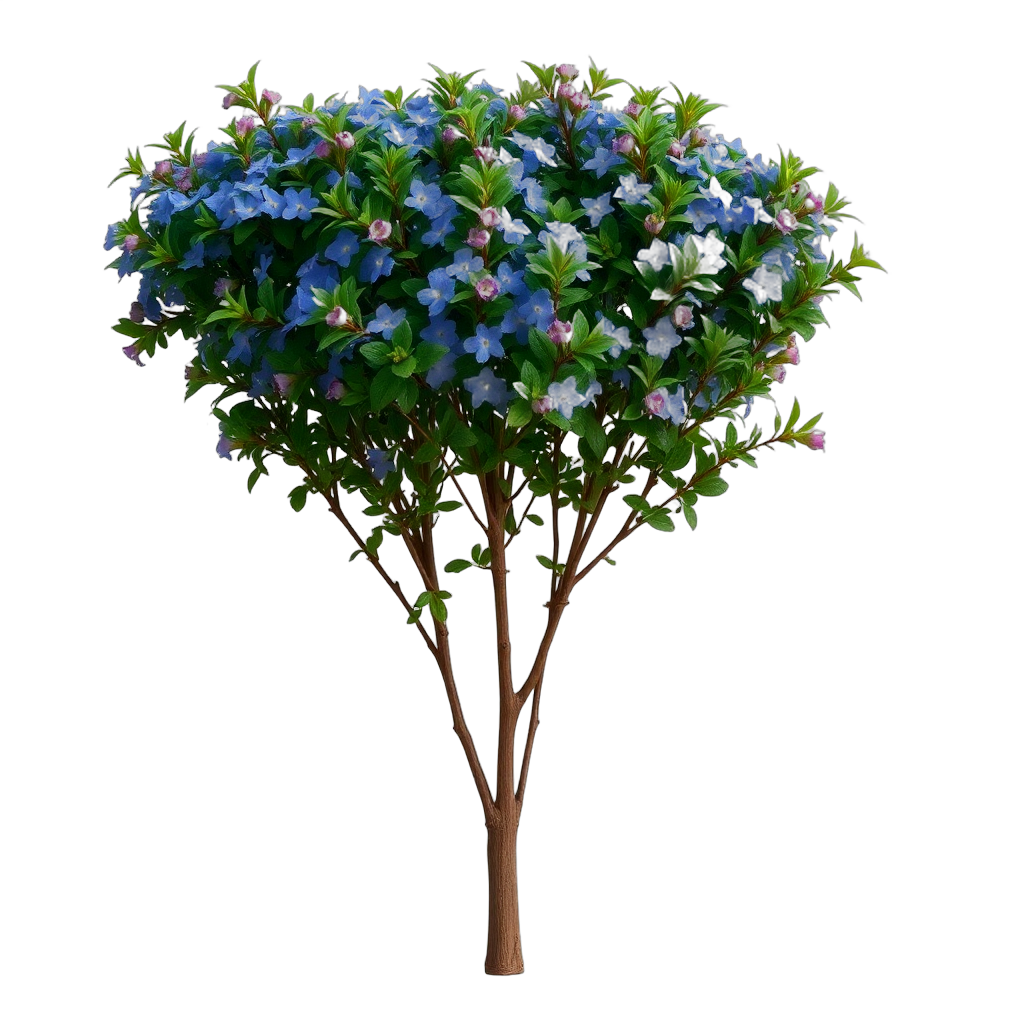
Blue Blossom
Ceanothus thyrsiflorus
medium-sized at 12 feet, blue blooms in spring. Attracts butterflies.

Blue Elderberry
Sambucus cerulea
medium-sized at 15 feet, white blooms in spring. Attracts butterflies.
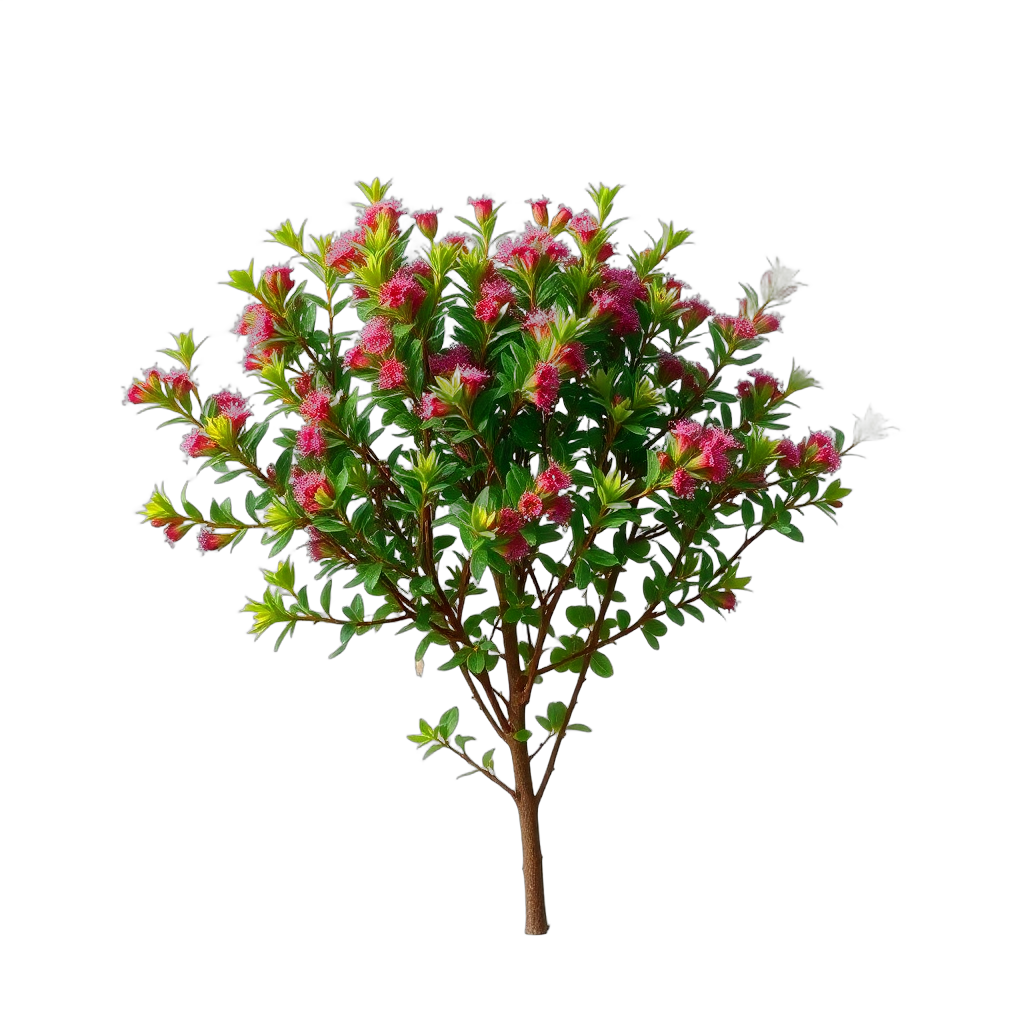
Buckbrush
Ceanothus cuneatus
medium-sized at 7 feet, white blooms in spring. Attracts butterflies.
Featured Grasses & Groundcovers for Mediterranean Gardens
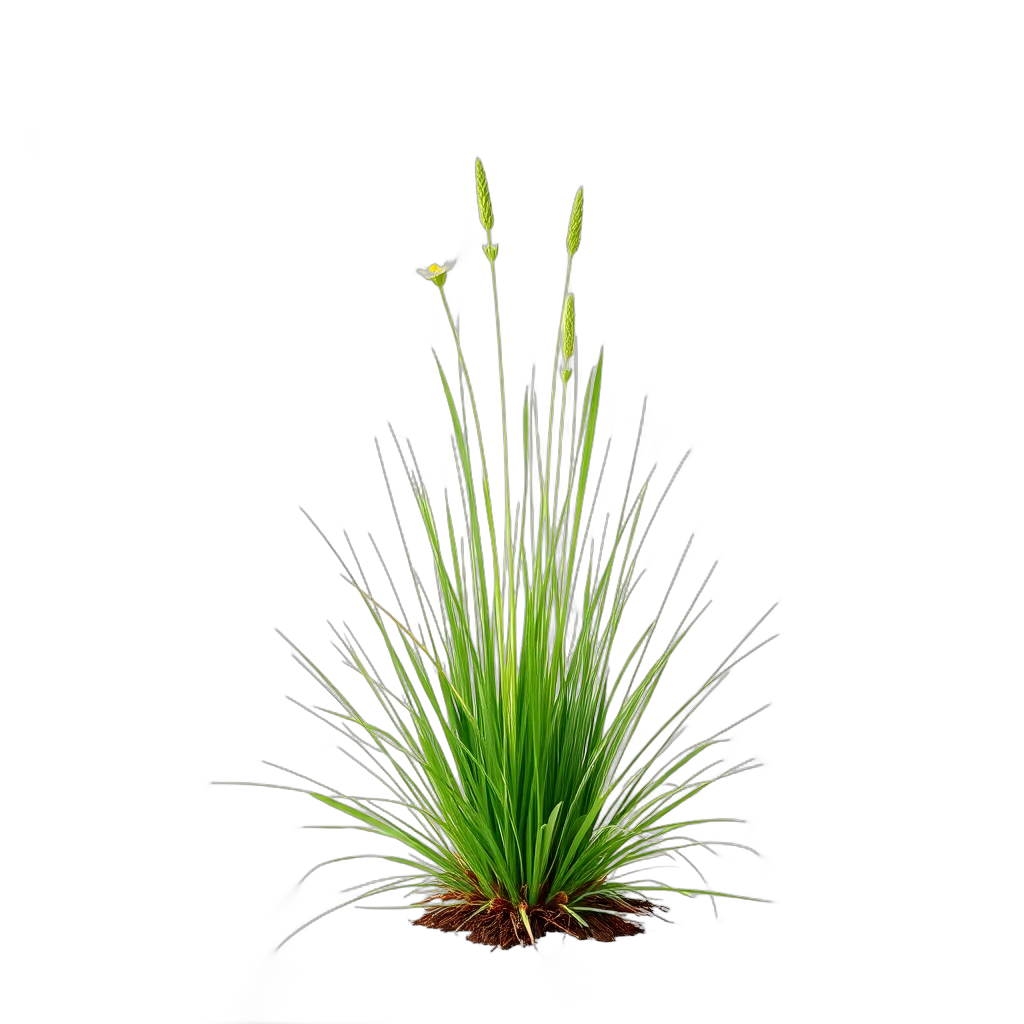
California Brome
Bromus carinatus
low-growing ground cover, blooms in spring. Yellow fall color.
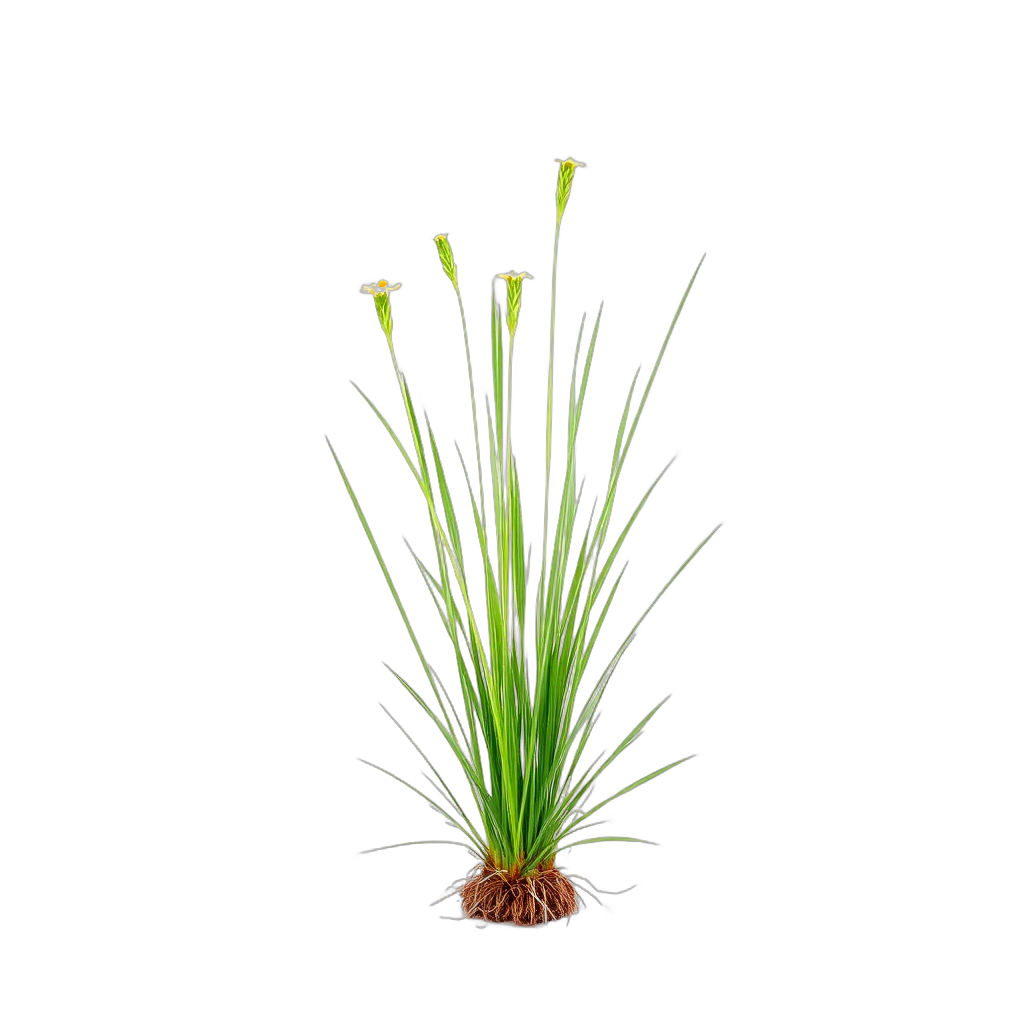
California Melic
Melica californica
low-growing ground cover, blooms in spring.
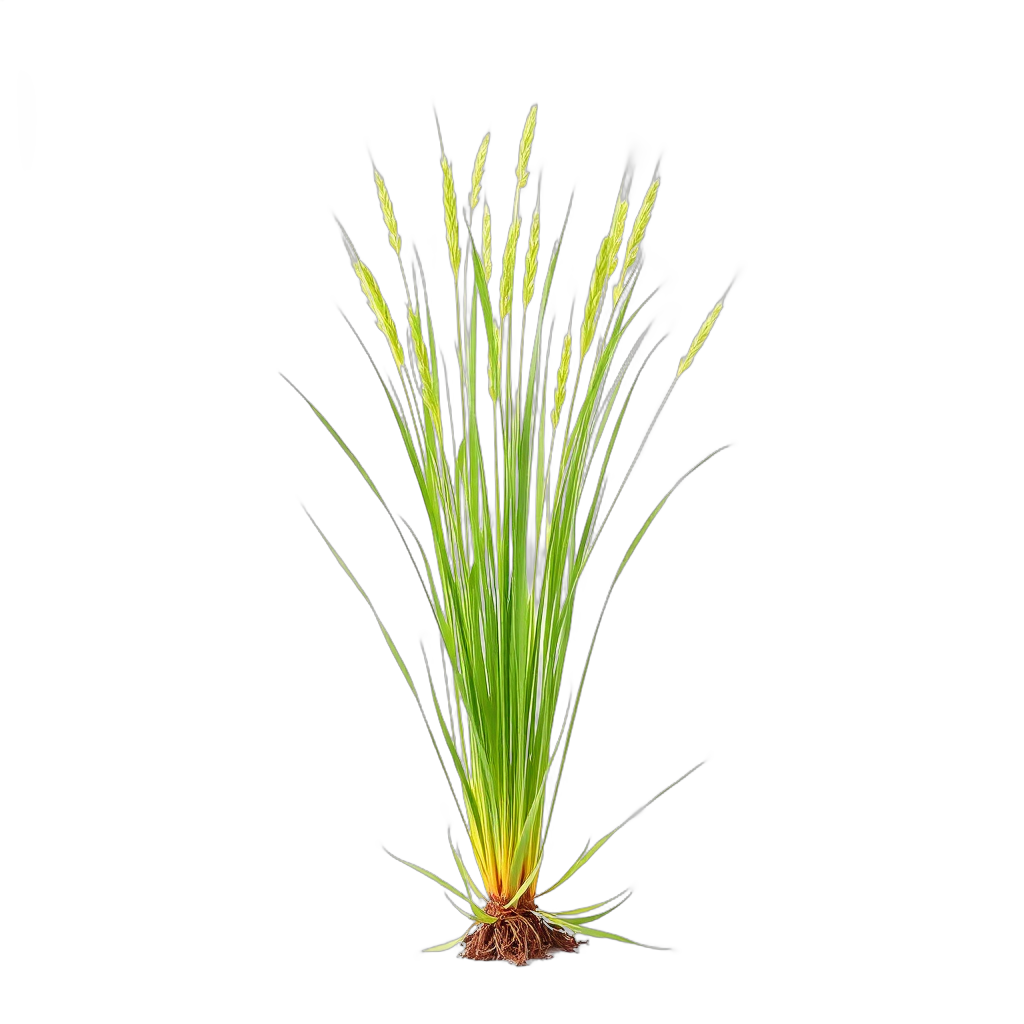
California Oatgrass
Danthonia californica
low-growing ground cover, blooms in spring. Yellow fall color.
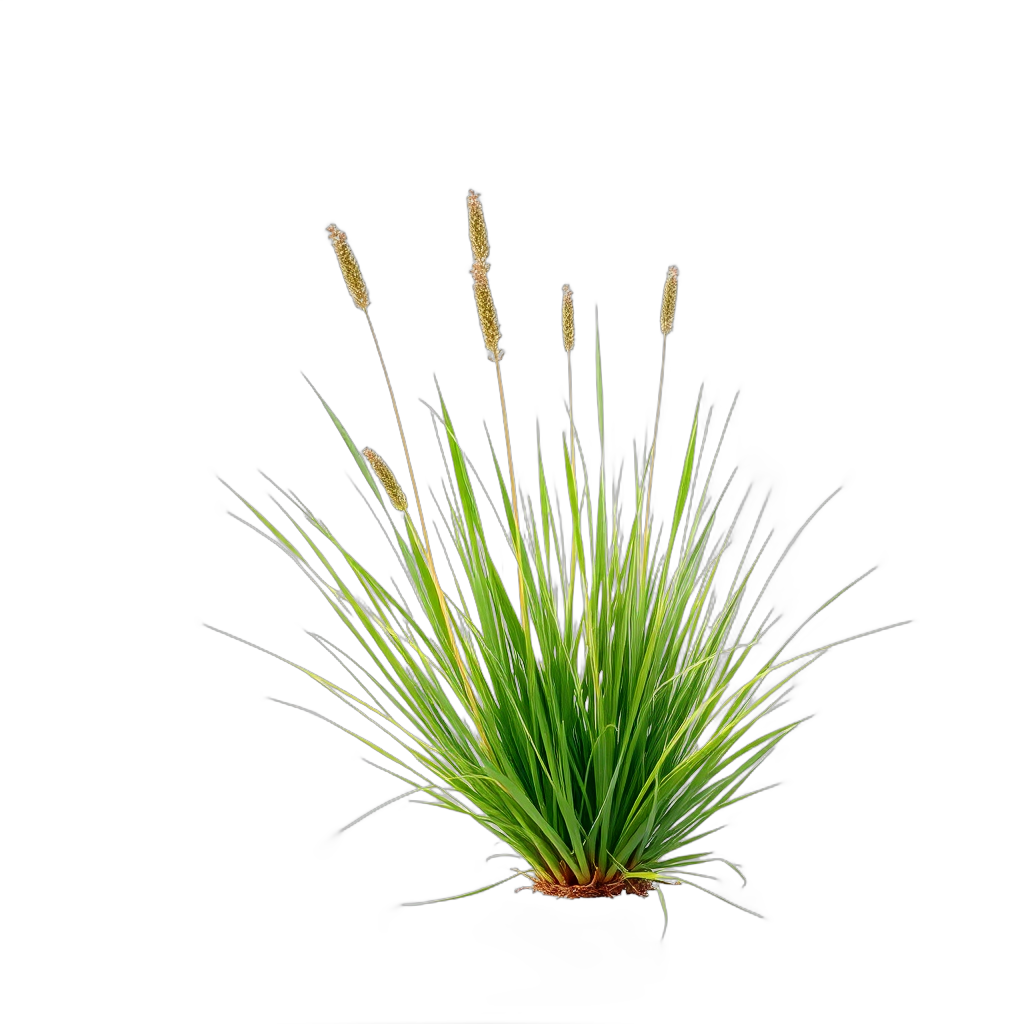
Deer Grass
Muhlenbergia rigens
grows to 3 feet, yellow blooms in fall. Evergreen year-round.
Featured Flowers & Perennials for Mediterranean Gardens
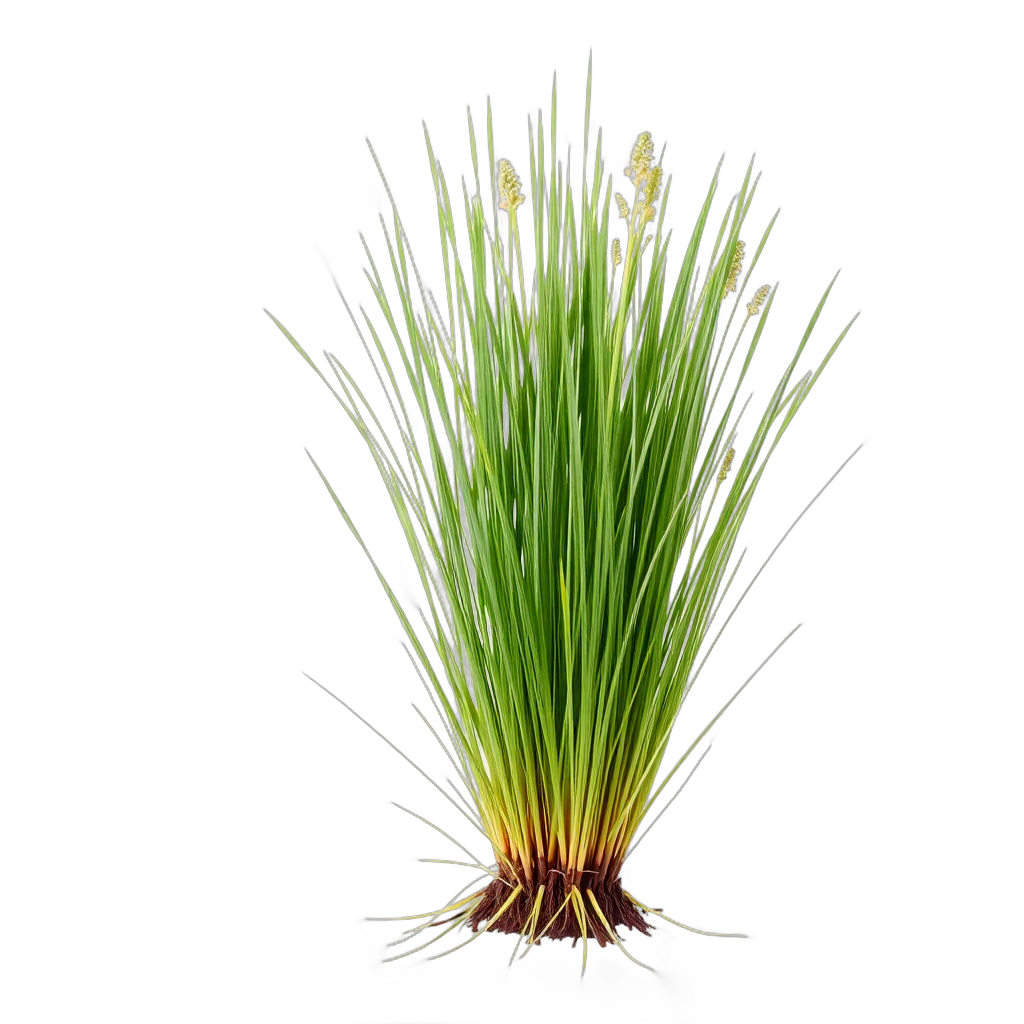
California Gray Rush
Juncus patens
low-growing ground cover, blooms in summer. Evergreen year-round.
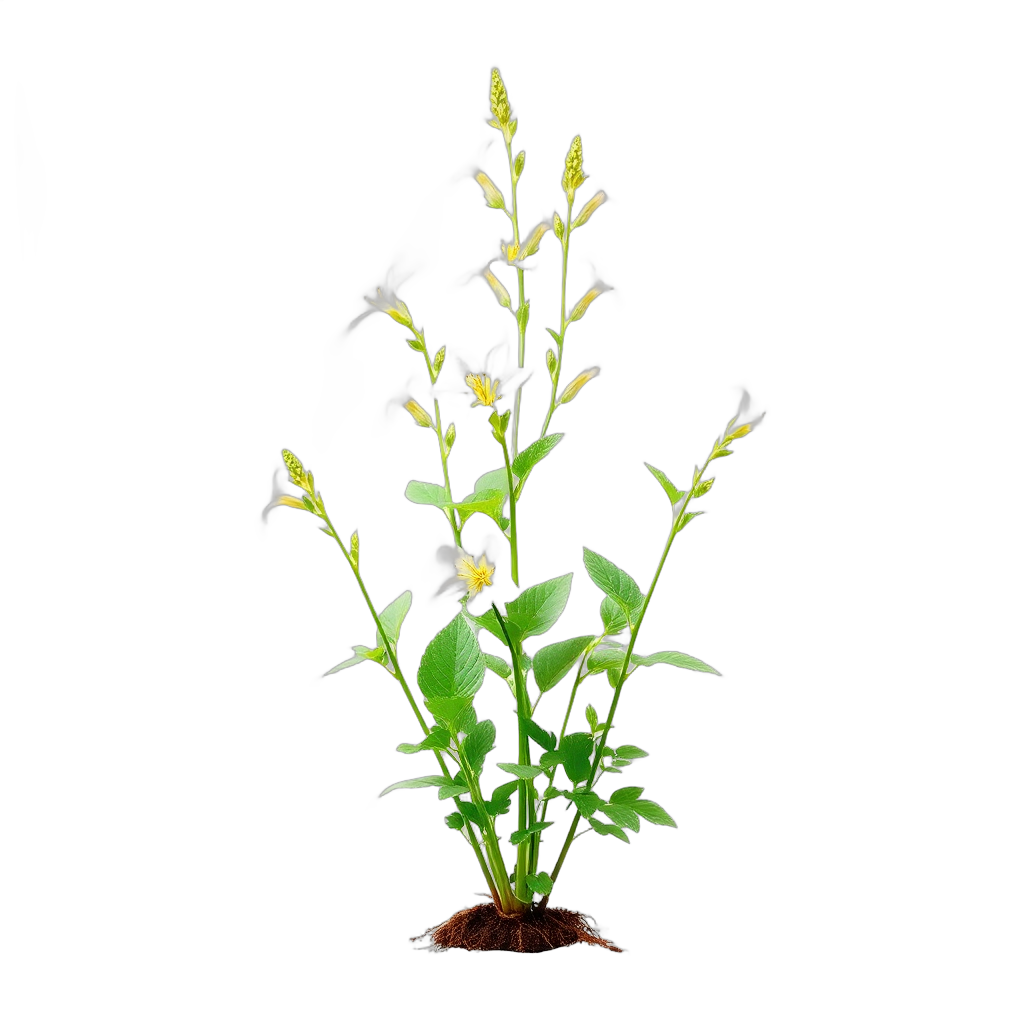
Beach Evening Primrose
Camissonia cheiranthifolia
low-growing ground cover, yellow blooms in spring. Attracts butterflies.
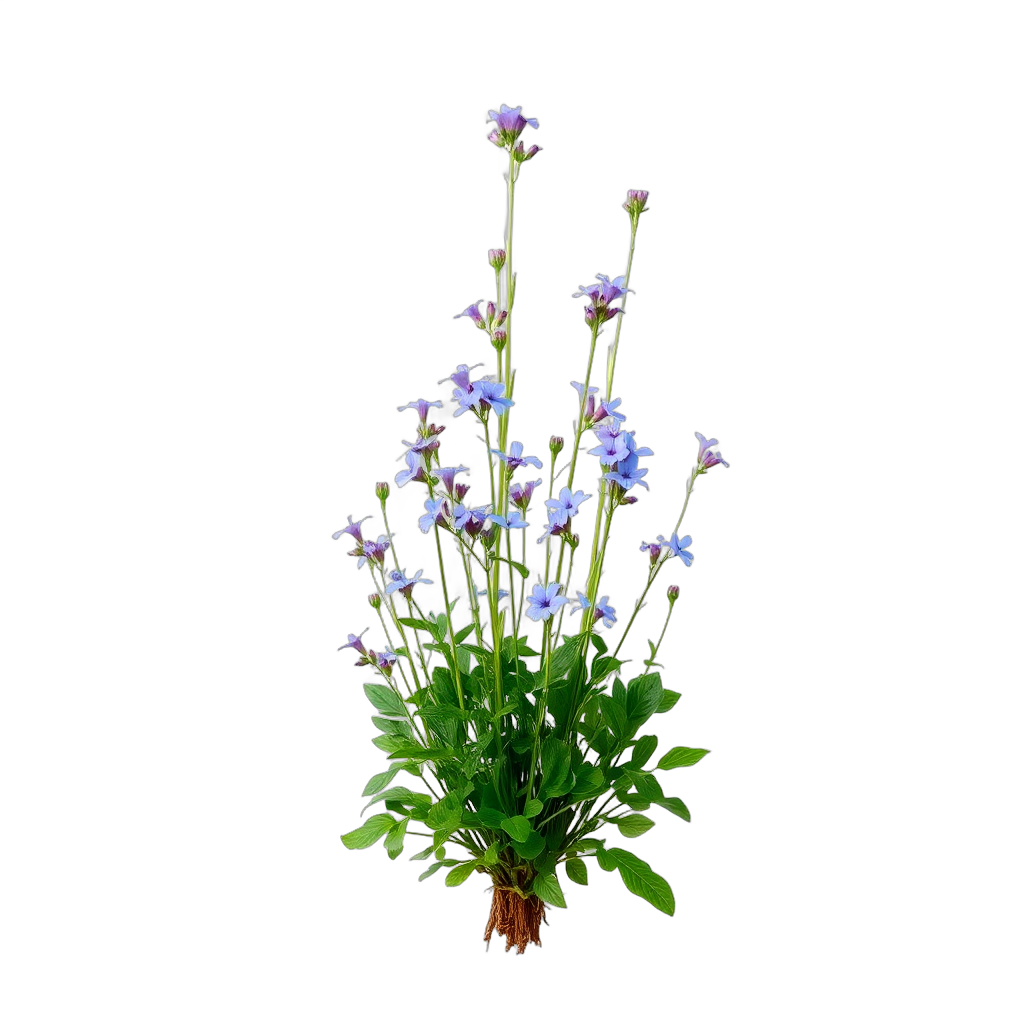
Blue Dicks
Dichelostemma capitatum
low-growing ground cover, blue blooms in spring. Pollinator-friendly.
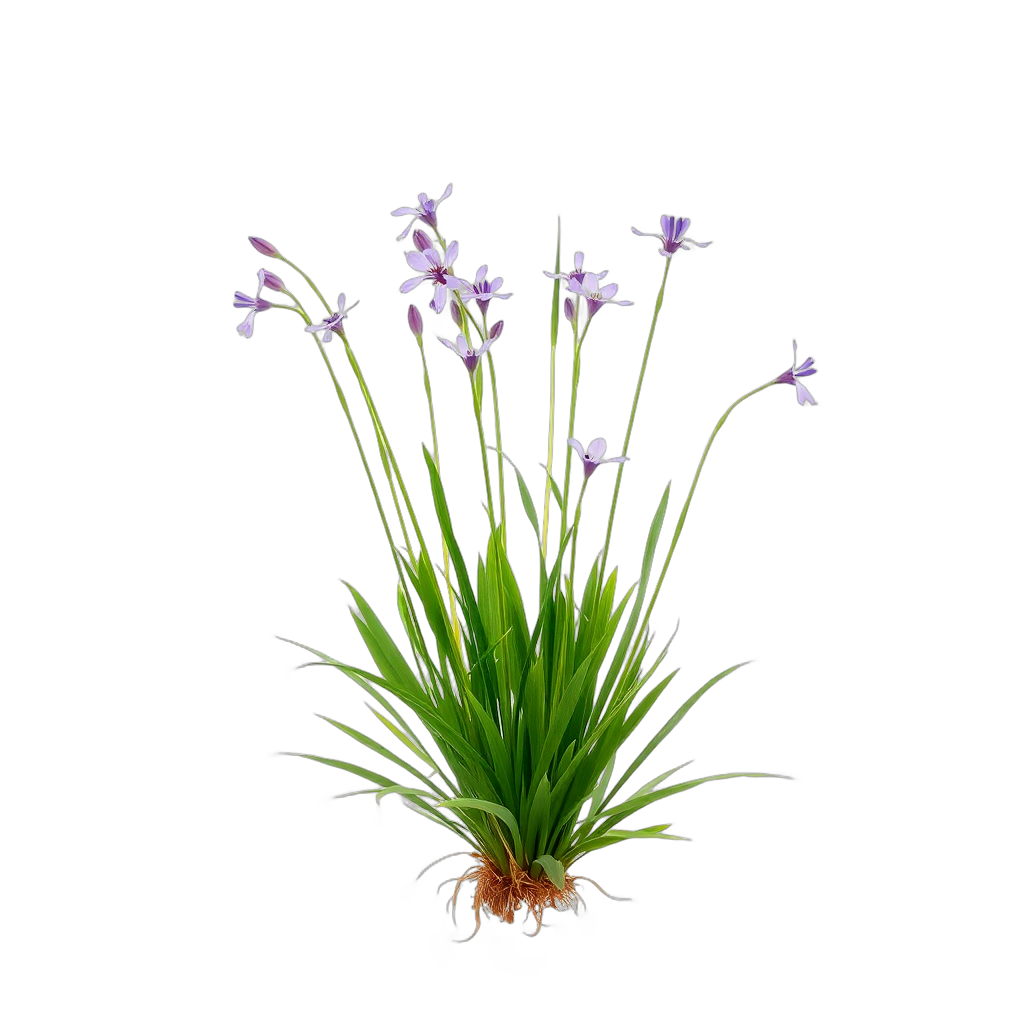
Blue-Eyed Grass
Sisyrinchium bellum
low-growing ground cover, blue blooms in spring. Attracts butterflies.
Zone and sun checks come from our database — confirm with your local nursery before you buy.
Bloom Calendar for Fullerton
spring
Beach Evening Primrose, Blue Dicks, Blue-Eyed Grasssummer
California Gray Rush, Hooker's Evening Primrose, Hummingbird Mintfall
California Fuchsiawinter
Limited bloomsDesign Tips for Fullerton (Zone 10b)
- Put grey-leaved plants on their own valve and water them deeply every 10 to 14 days in summer — Olea, Cistus ×purpureus, Phlomis fruticosa and Salvia rosmarinus 'Tuscan Blue' die of Fullerton lawn schedules far more often than of drought
- Specify a fruitless olive cultivar such as Olea europaea 'Swan Hill' or 'Wilsonii' for anything within twenty feet of paving; fruiting olives stain terracotta and concrete black every autumn and the stain does not come out
- Gravel-mulch the crowns of Lavandula and Salvia rosmarinus instead of bark — a 2-inch collar of 3/8-inch crushed rock keeps the base dry through Fullerton's November-to-March rain and roughly doubles plant lifespan
- Buy citrus only from licensed California nurseries and keep it inside the county: Orange County sits in the statewide Asian citrus psyllid quarantine, and moving a tree out of it is both illegal and how huanglongbing spreads
- Aim the fountain at the noise, not the view — the 57 and 91 freeways carry a long way across flat Fullerton, and a two-tier recirculating fountain masks traffic hum for a tenth of what a sound wall costs
- Plan for reflected heat: cream stucco walls in a Santa Ana October push adjacent air temperatures well above ambient, so use Lavandula stoechas 'Otto Quast', Westringia fruticosa 'Wynabbie Gem' and Bougainvillea against the hot faces and save Citrus for open ground
- Feed citrus and gardenia with chelated iron and zinc rather than more nitrogen — Fullerton's pH 7.5 to 8.2 soil plus imported Colorado River blend water locks the micronutrients away, and yellow-veined leaves are a lock-up problem, not a deficiency
- Install every terracotta or saltillo terrace on a properly reinforced slab with a 1 to 2 percent fall away from the house; flat Fullerton clay loam swells in the winter rains and unreinforced tile beds crack along the joints within a few seasons
Where to Source Plants in Fullerton
Skip the big-box stores. These independent Fullerton nurseries specialize in the plants that make mediterranean gardens thrive in Zone 10b.
Mimosa Nursery
West Anaheim (Crescent Ave), 5 miles from downtown Fullerton
Citrus specialist on licensed California rootstock — 'Washington' navel, 'Valencia' orange, 'Improved Meyer' lemon, 'Bearss' lime — plus figs, pomegranates and hundreds of roses
Upland Nursery
North Tustin Street, Orange
Family-run since the 1990s; rare fruit trees, bonsai stock, cement and terracotta pottery, and unusual heat-tough flowering plants for courtyard containers
Roger's Gardens
Corona del Mar, Newport Beach
Seven-acre destination garden centre with a large fountain and pottery department, a California native section and designers who work coastal Orange County soils daily
Green Thumb Nursery
Lake Forest, south Orange County
Family-owned five-acre garden centre; deep benches of Lavandula, Salvia rosmarinus, Westringia and 15- and 24-inch box olive and citrus specimens
Mediterranean Landscaping Costs in Fullerton
| Project Scope | Estimated Cost |
|---|---|
| Front yard Mediterranean conversion (500 sqft with olive and cypress) | $10,000 – $25,000 |
| Decomposed granite courtyard with flagstone stepping-stones (per sqft) | $6 – $12 / sqft |
| Saltillo or large-format terracotta terrace (300–500 sqft) | $14,000 – $38,000 |
| Stucco courtyard wall with wrought-iron gate (per linear ft) | $250 – $450 / ft |
| Two-tier cast stone recirculating fountain, installed | $3,500 – $12,000 |
| Timber pergola on stucco piers (14 x 16 ft) | $9,000 – $26,000 |
| Mature multi-trunk fruitless olive, 36-inch box, planted | $1,800 – $4,500 |
| AI visualization with ProScapeAI | Free to start |
Estimates based on Fullerton, CA-area contractor rates as of 2026. Actual costs vary by site conditions, materials, and contractor.
Fullerton Climate & Growing Zone
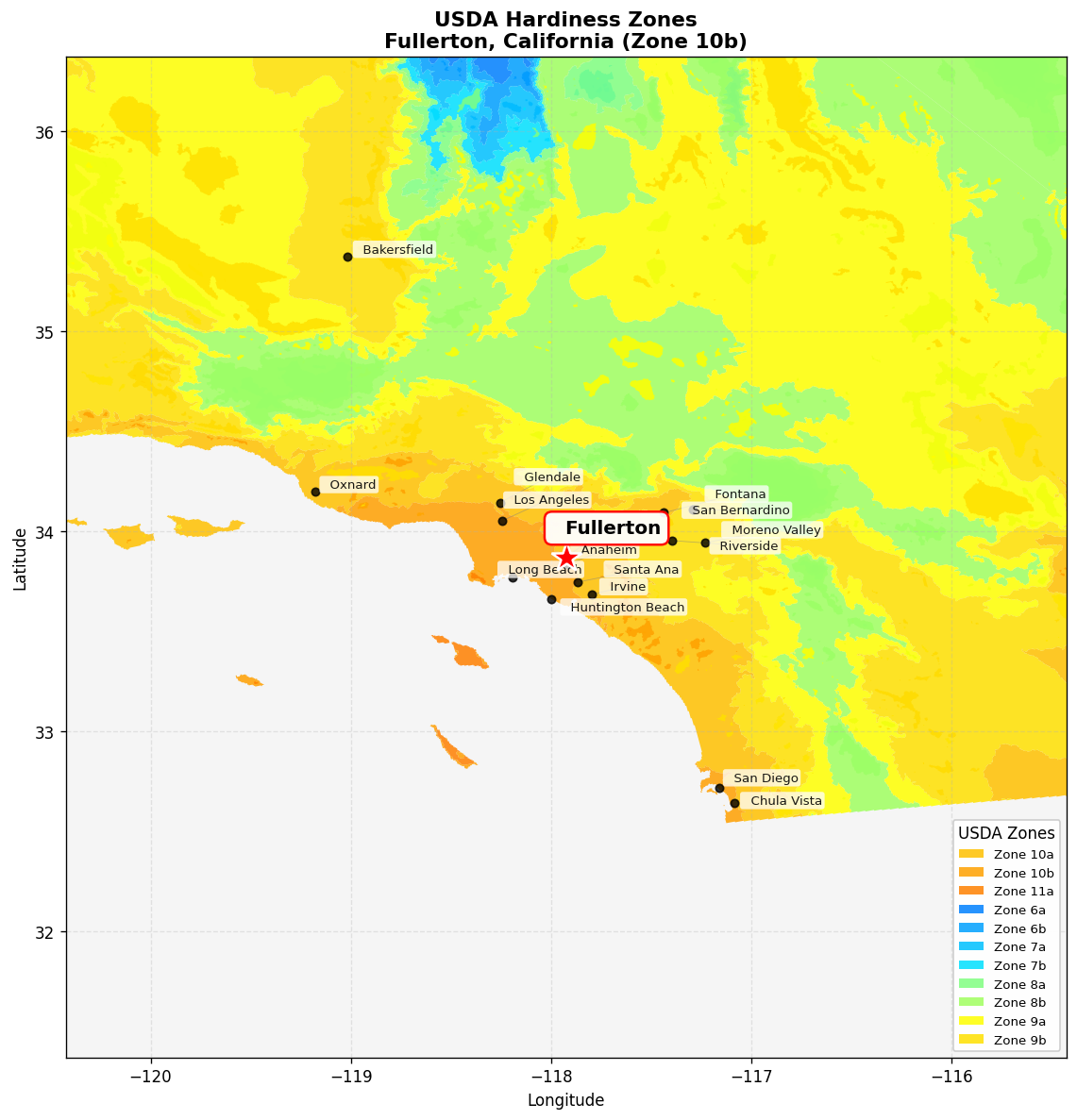
USDA Zone 10b
Hardiness zone for Fullerton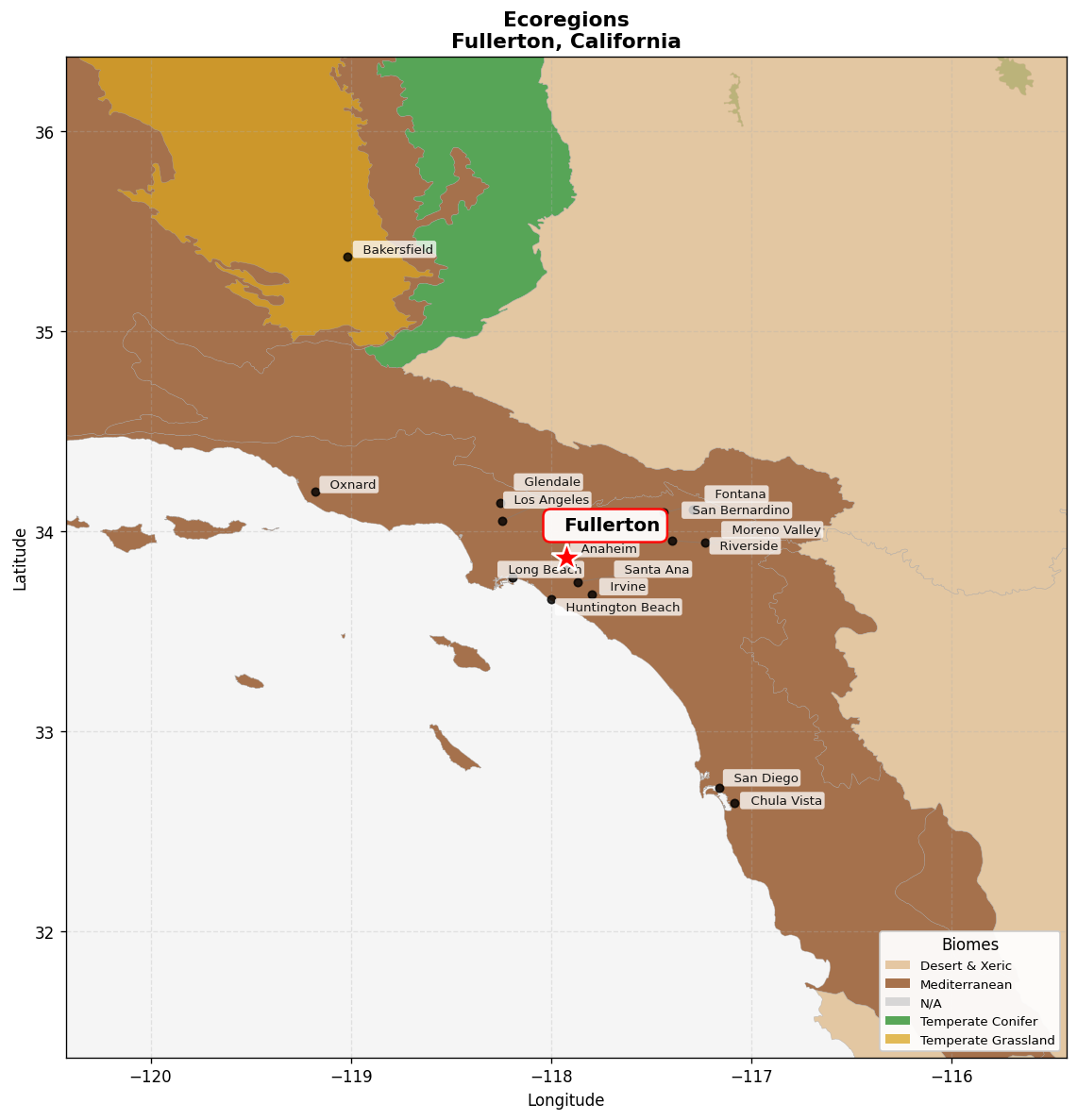
California coastal sage and chaparral
Native ecoregionFrequently Asked Questions
How much does Mediterranean landscaping cost in Fullerton?
Orange County installation runs roughly 20 to 30 percent above the national average. A 500-square-foot front-yard conversion with turf removal, a flagstone walk, a multi-trunk Olea europaea 'Swan Hill', cypress and mass Lavandula lands between 10,000 and 25,000 dollars. A stucco courtyard wall with a wrought-iron gate typically costs 250 to 450 dollars per linear foot. A terracotta-tiled rear terrace with a cast stone fountain and pergola generally runs 35,000 to 90,000 dollars depending on size. Decomposed granite courtyards are the budget lever: at roughly 6 to 12 dollars per square foot installed, they cost a fraction of tile and still read as authentically Mediterranean.
Will olive trees, citrus and bougainvillea survive Fullerton winters?
Comfortably. Fullerton is USDA Zone 10b with typical winter lows of 35 to 40°F and no meaningful frost, so Olea europaea 'Swan Hill', Citrus sinensis 'Washington' navel, Citrus limon 'Improved Meyer', Bougainvillea 'Barbara Karst' and Cupressus sempervirens 'Glauca' all stay outdoors permanently. Choose fruitless olive cultivars such as 'Swan Hill' or 'Wilsonii' unless you want fruit staining your paving every autumn, and place bougainvillea where it gets a full six hours of direct sun — in shade it produces leaves and almost no bracts. The genuine winter risk is not cold but waterlogged clay, so keep the crowns of grey-leaved plants above grade.
How do I water a Mediterranean garden in Fullerton without killing it?
Deeply and rarely, on its own valve. Fullerton receives about 14 inches of rain a year, essentially all of it between November and March, so April through October is fully irrigated — but Olea, Salvia rosmarinus 'Tuscan Blue', Cistus ×purpureus, Phlomis fruticosa and Teucrium fruticans 'Azureum' want a long soak every 10 to 14 days in summer rather than a short daily cycle. Never share a valve between these plants and lawn or citrus. Turn the beds off entirely from December through February in a normal rain year. Overwatering is the number one cause of Mediterranean plant loss in Orange County; Phytophthora takes hold in warm wet clay and there is no cure once it does.
What do I need to know about growing citrus in Fullerton?
Fullerton was built on Valencia orange groves, so the trees belong here — but the rules have changed. Orange County sits inside California's statewide Asian citrus psyllid quarantine, and huanglongbing has been detected in the region, so buy citrus only from licensed California nurseries and never move a tree out of the quarantine area. Plant on the high side of a mound, because Fullerton's clay loam holds winter water and citrus roots rot in it. Expect chlorosis: alkaline soil at pH 7.5 to 8.2 plus imported Colorado River blend water locks up iron, zinc and manganese, so feed with a chelated citrus micronutrient blend three times a year rather than adding more nitrogen.
Can I keep any lawn, or do Fullerton's water rules force me to remove it?
You can keep a lawn, and the designs above deliberately do. Permitted landscape rehabilitations over 500 square feet fall under California's Model Water Efficient Landscape Ordinance, which limits the share of the yard that can be high-water plants and requires drip on shrub beds plus a weather-based controller — it does not ban turf. The practical answer is to shrink the lawn into a shaped panel of about 200 to 400 square feet, hydrozone it on its own valve, and put the saved water budget into the paving and planting. MWDOC and SoCal WaterSmart turf-removal rebates have generally started around 3 dollars per square foot; confirm current terms with the City of Fullerton water utility first.
When should I install a Mediterranean landscape in Fullerton?
October through early December is the best window by a wide margin. Olea, Lavandula, Cistus and Salvia rosmarinus planted then root through the mild wet winter and face their first Santa Ana summer already established. February and March is the second window. Avoid planting between mid-June and September: a 100°F Santa Ana afternoon with single-digit humidity will scorch a plant with two weeks of roots no matter how much you water. Hardscape — tile, decomposed granite, stucco walls, fountains — can go in year-round, though winter rain occasionally stalls mortar and slab work by a few days.
Which lavender and rosemary cultivars actually last here?
Use the heat-tolerant hybrids. Lavandula ×intermedia 'Grosso' and 'Provence' are the workhorses for mass planting, Lavandula stoechas 'Otto Quast' blooms earliest and handles reflected heat off stucco, and Lavandula dentata takes the most humidity from the May marine layer. English Lavandula angustifolia sulks and typically rots out by its third Fullerton winter in clay. For rosemary, Salvia rosmarinus 'Tuscan Blue' is the upright form for hedging and 'Huntington Carpet' is the trailing form for spilling over walls and raised bed edges. Shear both by no more than a third each spring and never cut back into bare wood — neither regenerates from it.