4 English Cottage Garden Ideas for Hesperia, CA | High Desert Zone 8b
Native plants from the Mojave desert (Zone 8b) — Mediterranean (hot summer) climate
For a cottage garden in Hesperia, CA, a zone 8b city with a mediterranean (hot summer) climate, start with Rosa 'Julia Child', Rosa 'Iceberg' and Lavandula × intermedia 'Grosso', the plants this guide's first design is built on.
Why Cottage/English Gardens in Hesperia?
A cottage garden in Hesperia asks for the look of an English border without the English weather. NOAA's 1991–2020 normals for the Victorville station, about 7 miles north, show 5.57 inches of rain a year, an average July high of 97.5°F and 42 days at or above 100°F. Delphinium elatum, Digitalis purpurea and Hydrangea macrophylla, the classics of the style, burn out here by June. The structure of the style survives fine: a picket or ranch-rail fence, a gate with an arbour, brick or gravel paths, and borders packed three layers deep. Only the plant list changes.
Roses carry the front of the border, and heat-tolerant ones do well with drip irrigation and a thick mulch: Rosa 'Julia Child', Rosa 'Iceberg' and Rosa 'Knock Out' all handle a high desert summer, and Rosa 'Mutabilis' blooms from April until frost. Lavandula × intermedia 'Grosso' and Lavandula stoechas 'Otto Quast' replace the English lavenders, which resent the dry heat plus the cold, and Salvia nemorosa 'Caribbean Blue', Achillea 'Moonshine' and Perovskia atriplicifolia 'Little Spire' supply the spires. Where an English garden would use delphinium, Agastache 'Blue Fortune' and Penstemon 'Firecracker' give the same vertical note on a tenth of the water.
NOAA lists a January average low of 33.2°F and about 54 mornings a year at or below 32°F. December and January each average more than 16 freezing mornings, and November still has about 7. April has fewer than one on average and May none, so the planting window is wide, but a hard January night can still burn tender new growth. Zone 8b plants such as Rosmarinus officinalis 'Tuscan Blue' and Cistus × skanbergii are safe, while anything rated to zone 9 needs a south wall and a frost cloth in the first two winters.
Hesperia's lots suit this style. Many are tract-home lots with stucco ranch houses, and the larger ones in Oak Hills and Summit Valley give room for a full front garden with a gate and a gravel courtyard. The ground tends to be sandy and fast-draining, which lavender and rosemary like, so the work goes into feeding roses with compost and mulching 3–4 inches deep to hold moisture. Wind is the other local factor: plant the tallest roses against a fence or wall, and stake Perovskia early.
4 Cottage/English Design Ideas for Hesperia
AI-generated image
The Ranch-Rail Rose Gate
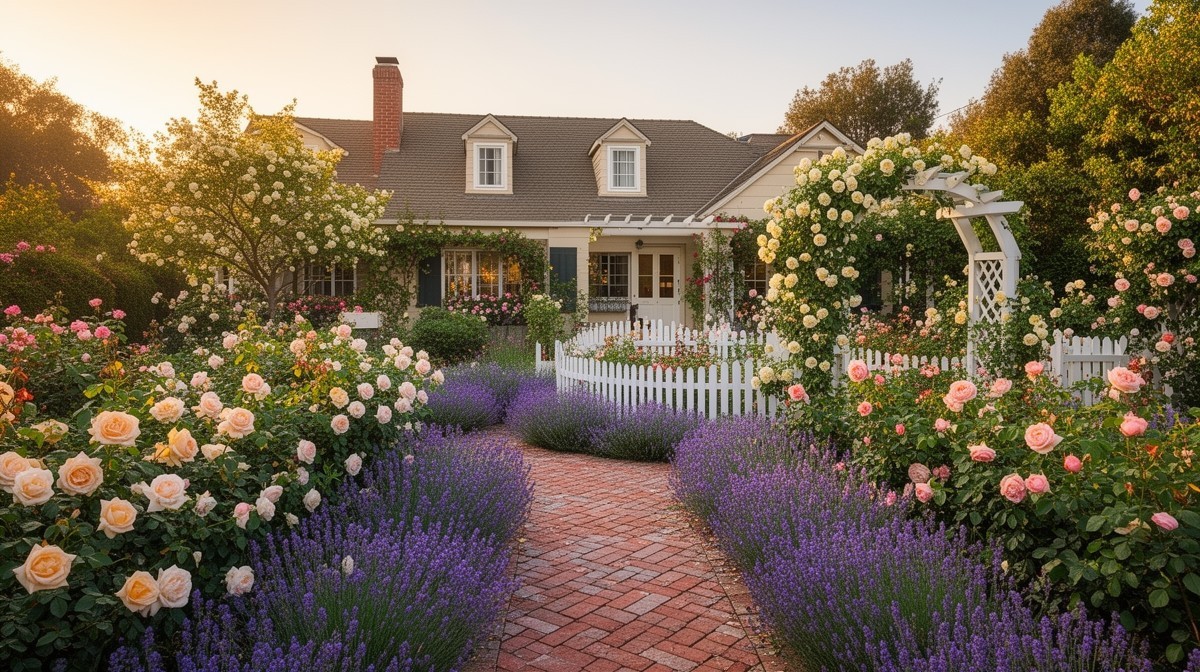
$16–32/sqftA white ranch-rail fence runs across the frontage of a single-story stucco house, with a timber arbour at the gate carrying a climbing rose. A gravel path in warm tan crushed granite curves to the porch, with lavender in a continuous band along the fence and shrub roses massed behind it. The beds sit in full sun on the south side, with a drip line under 3 inches of bark mulch.
Try this on your yard: The Ranch-Rail Rose GateAI-generated image
The Gravel Courtyard Border
$20–38/sqftA gravel courtyard with a round iron table sits inside a U of planting against the front of a stucco house. The border climbs in three layers: Perovskia and Agastache at the back, Achillea and Salvia in the middle, and Thymus and Delosperma along the stone edge. A low adobe-colored wall on the street side cuts the wind and holds afternoon heat for the roses.
Try this on your yard: The Gravel Courtyard BorderAI-generated image
The Cottage Pollinator Strip
$14–28/sqftA 6-foot border backs onto a block wall along the side yard, packed with bloom from April to October. Penstemon spikes and Echinacea push up through drifts of Gaura, while a pair of Cercis occidentalis trees give light shade to the sun-sensitive plants at the front. Stepping stones of flagstone run through it so the beds can be reached for deadheading.
Try this on your yard: The Cottage Pollinator StripAI-generated image
The Acre Lot Cottage Garden
$24–48/sqftOn a larger lot, a long gravel drive curves past a white picket fence and a sweep of lavender to a porch with rockers and a cedar-post pergola. The back garden holds a lawn-free dining terrace, a fig and a pomegranate for fruit, and a border of roses and Rosmarinus officinalis 'Tuscan Blue' along the sunny fence line. A row of Cupressus sempervirens 'Glauca' on the west edge softens the gusts.
Try this on your yard: The Acre Lot Cottage GardenSee how a cottage/english garden looks on YOUR property
Upload a photo of your Hesperia yard and visualize your dream garden in seconds.
Try ProScapeAI Free

AI-generated image
Featured Trees & Shrubs for Cottage/English Gardens
Browse all 168 plants for Hesperia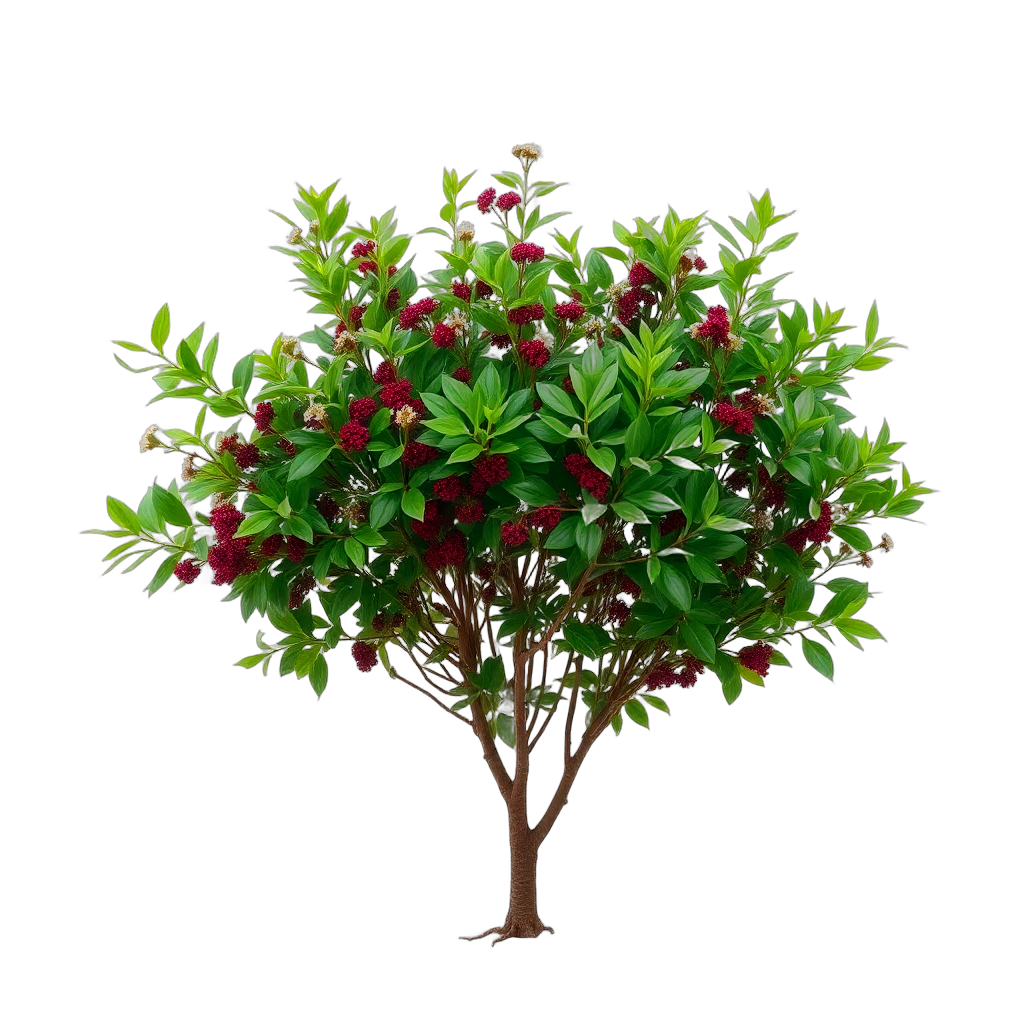
Anderson Wolfberry
Lycium andersonii
grows to 5 feet, purple blooms in spring. Attracts hummingbirds.
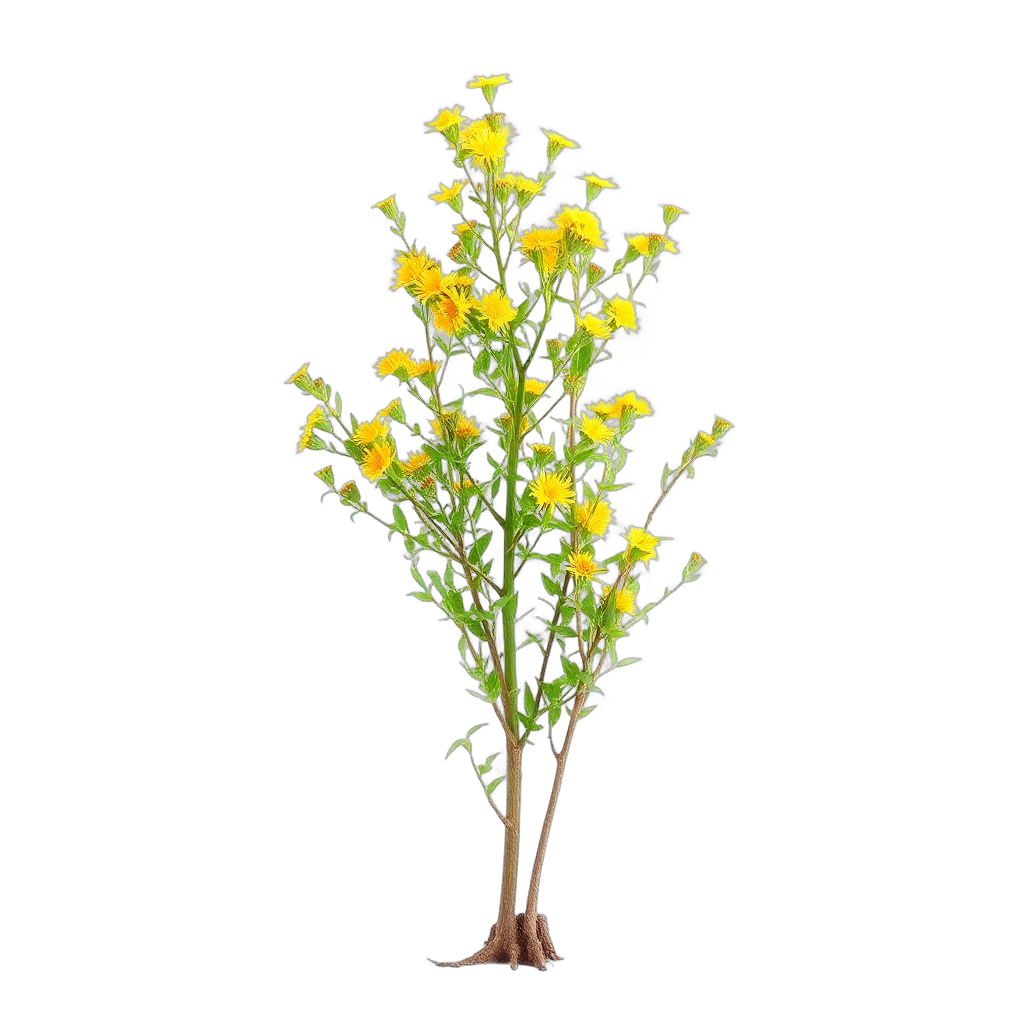
Brittlebush
Encelia farinosa
grows to 3 feet, yellow blooms in spring. Attracts butterflies.
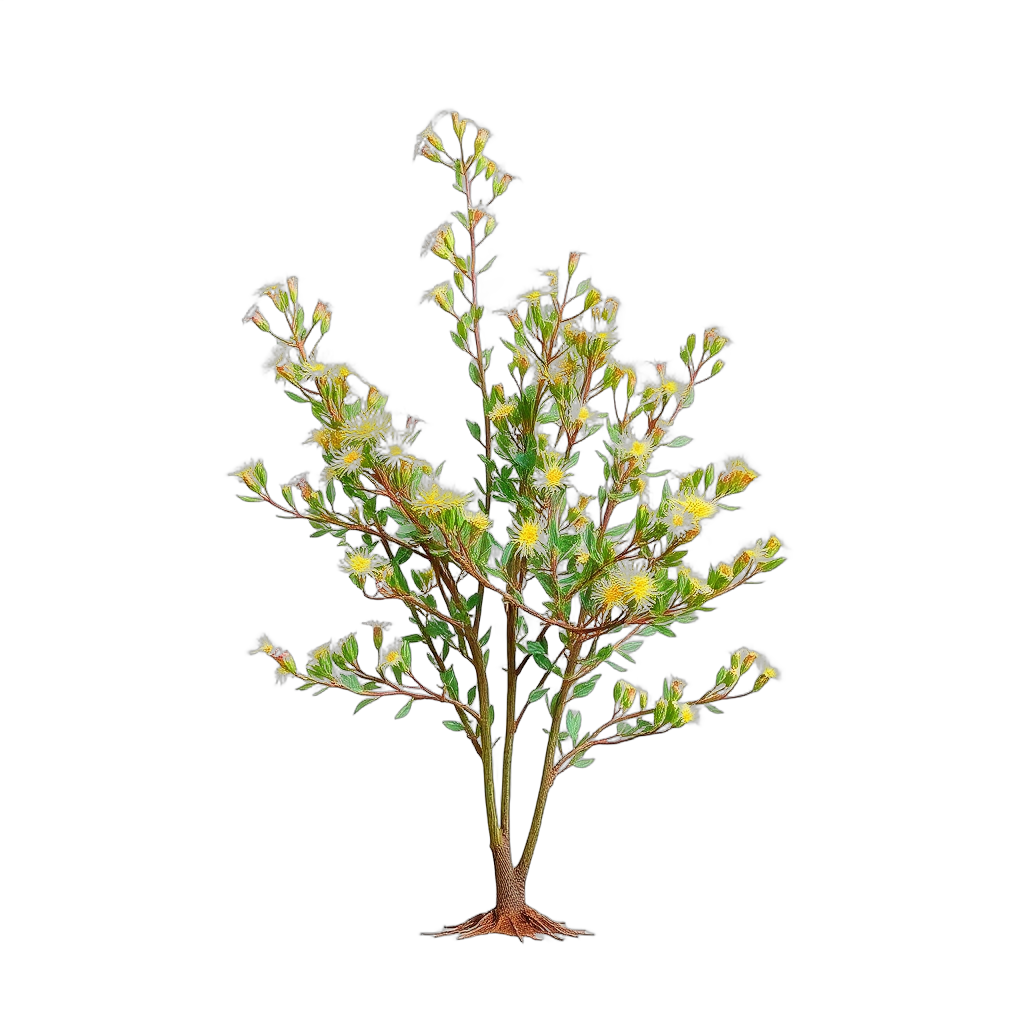
Catclaw Acacia
Acacia greggii
medium-sized at 15 feet, yellow blooms in spring. Pollinator-friendly.
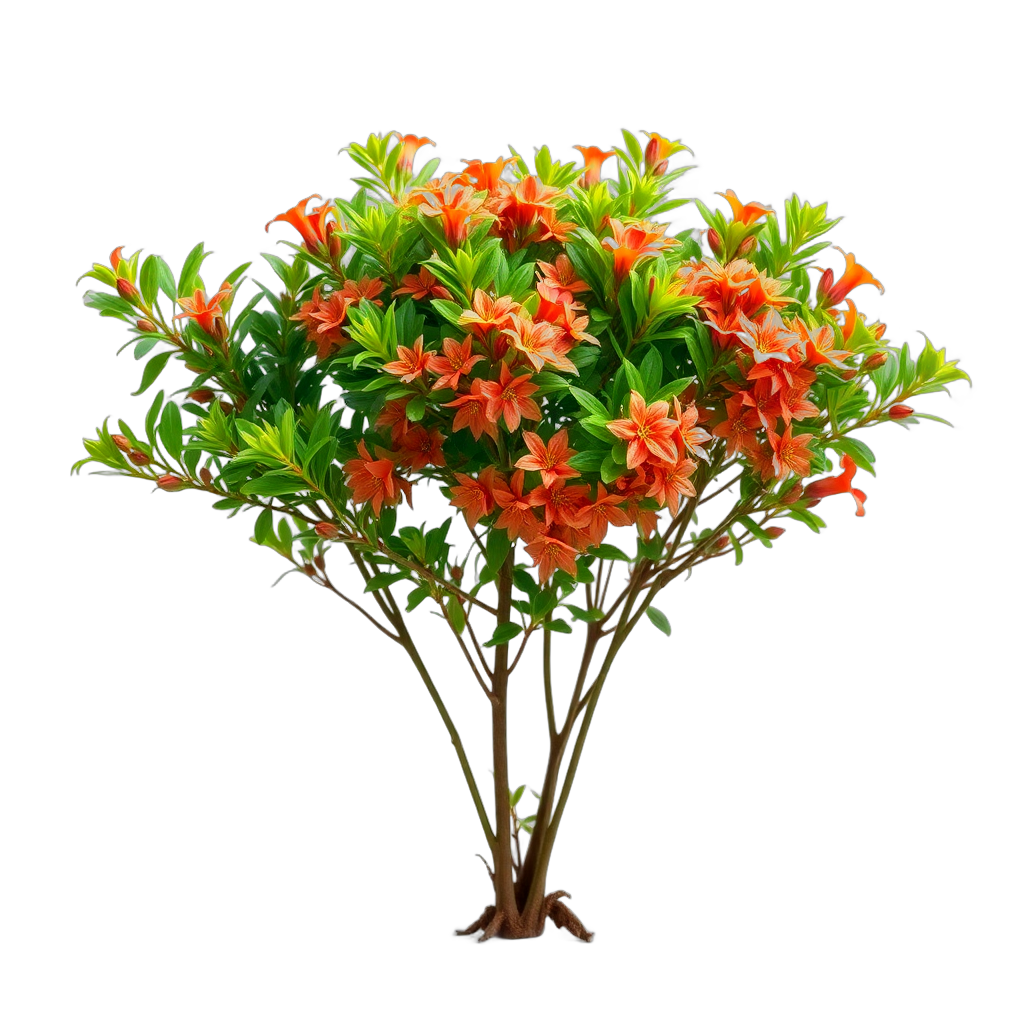
Chuparosa
Justicia californica
grows to 5 feet, red blooms in spring. Attracts hummingbirds.
Featured Grasses & Groundcovers for Cottage/English Gardens
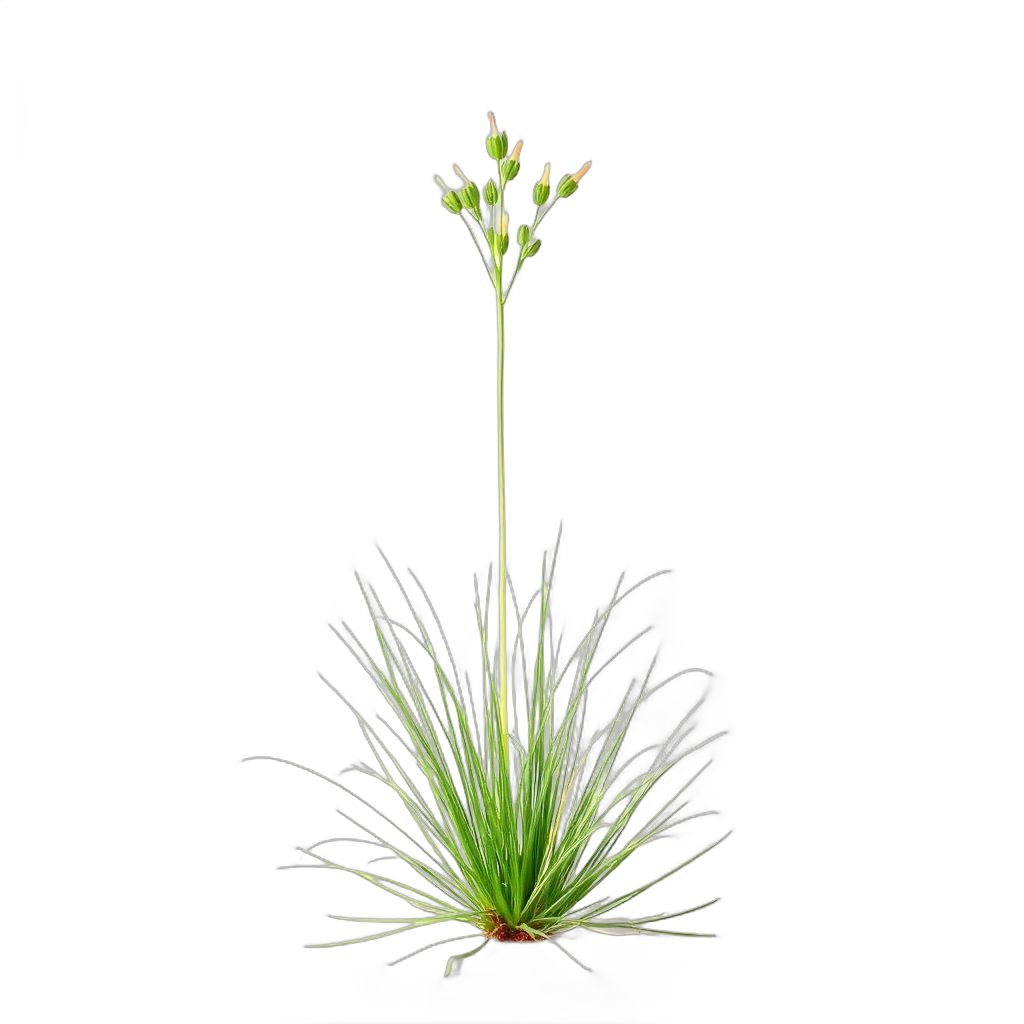
Alkali Sacaton
Sporobolus airoides
grows to 3 feet, blooms in summer. Yellow fall color.
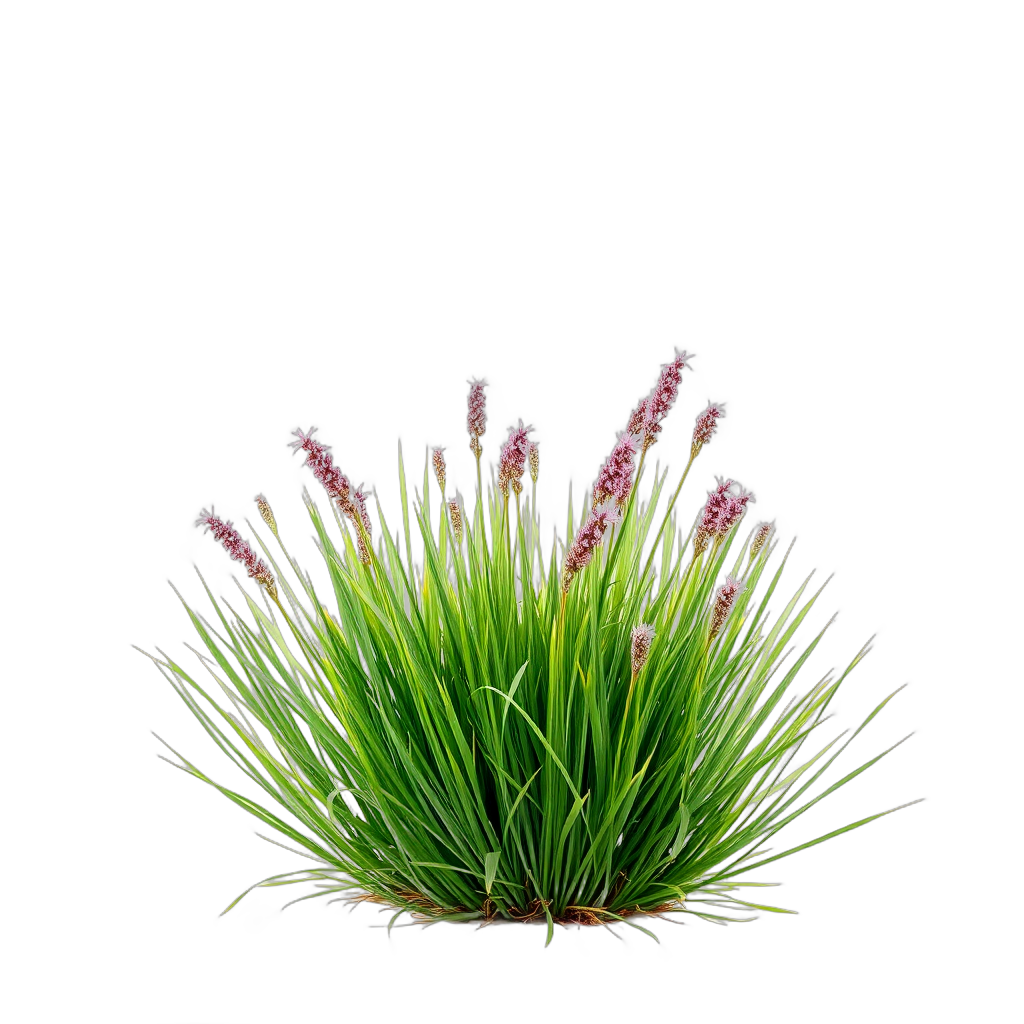
Purple Three-Awn
Aristida purpurea
low-growing ground cover, purple blooms in fall. Yellow fall color.
Featured Flowers & Perennials for Cottage/English Gardens
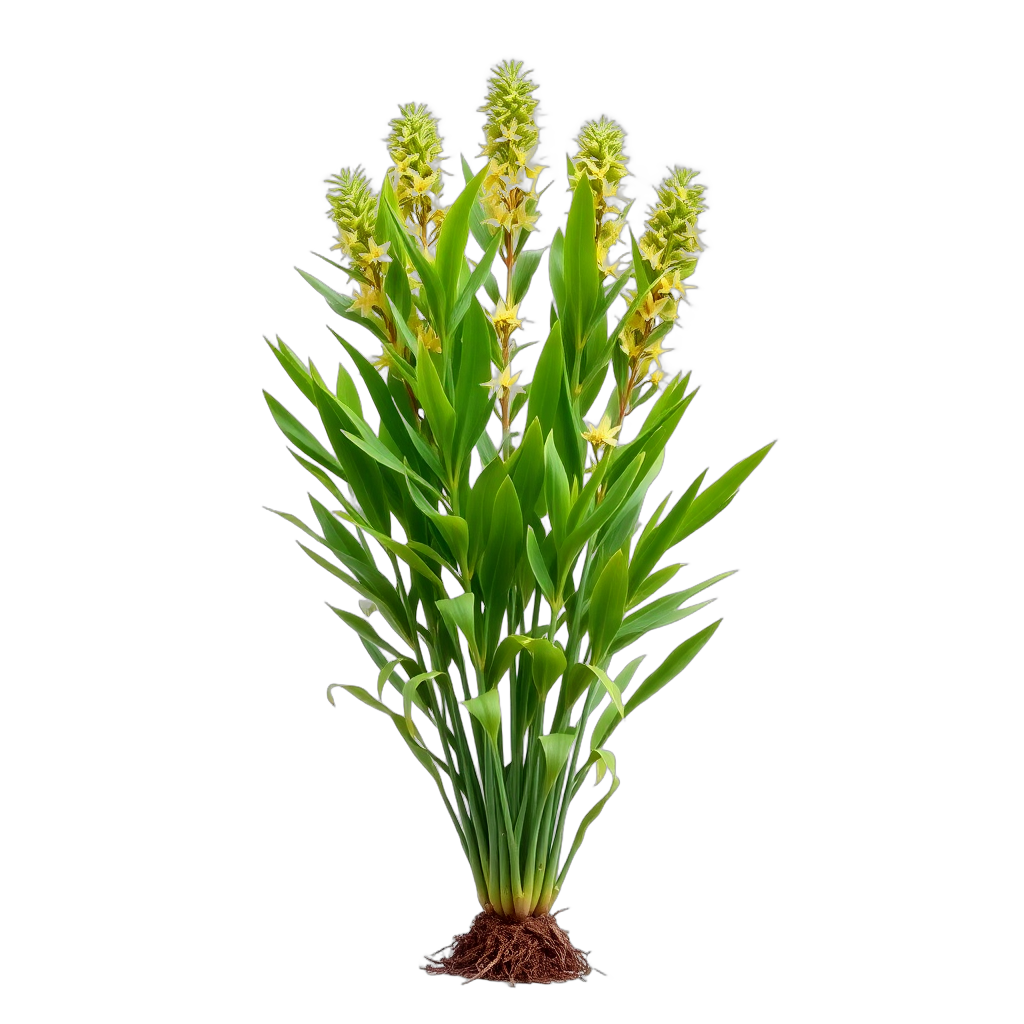
Banana Yucca
Yucca baccata
low-growing ground cover, white blooms in spring. Attracts hummingbirds.
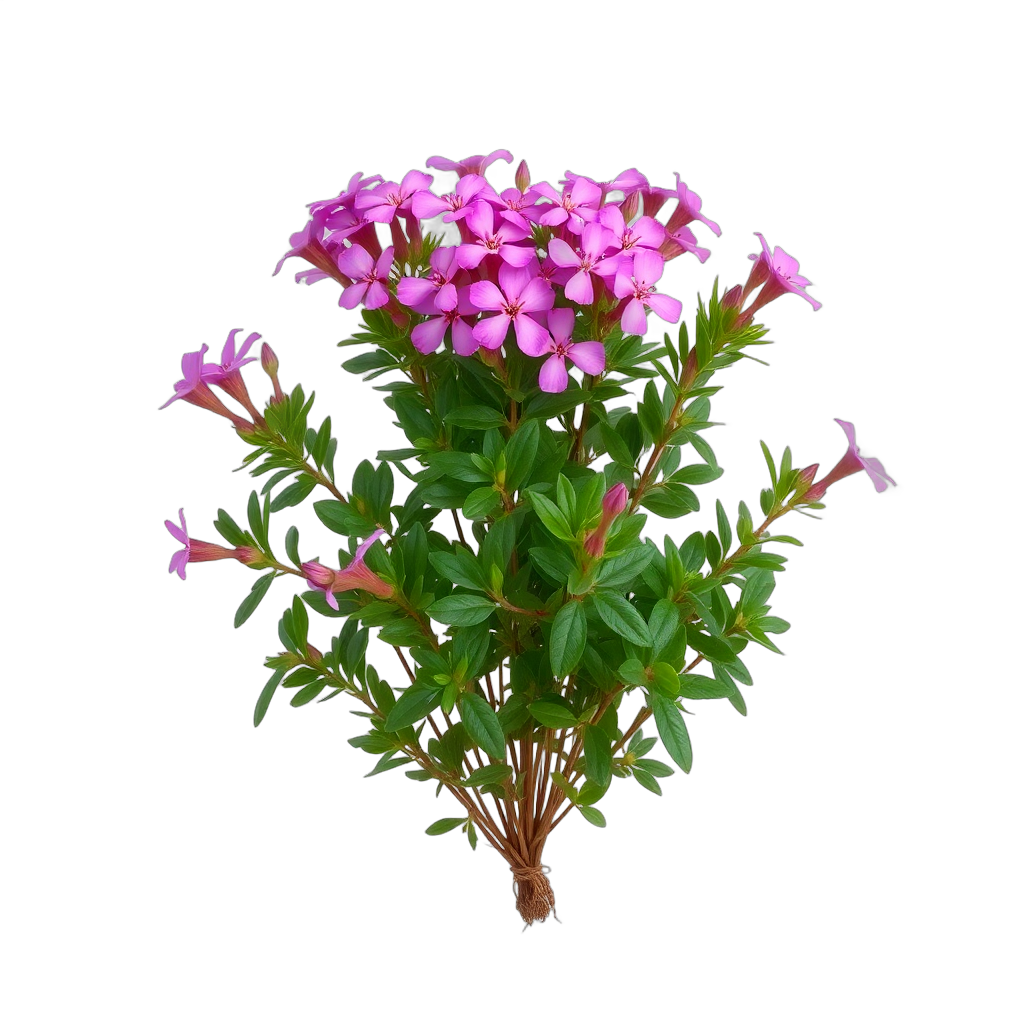
Desert Phlox
Phlox austromontana
low-growing ground cover, pink blooms in spring. Attracts hummingbirds.
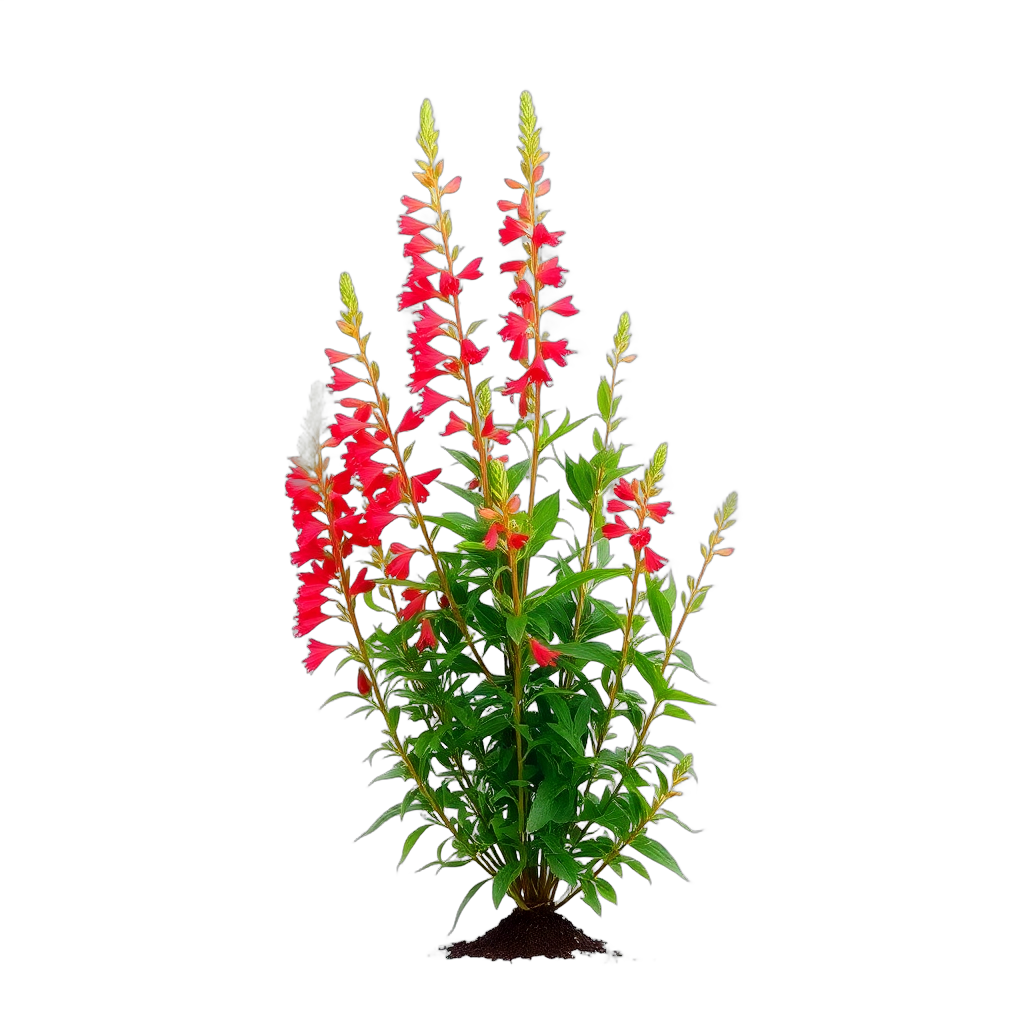
Firecracker Penstemon
Penstemon eatonii
low-growing ground cover, red blooms in spring. Attracts hummingbirds.

Palmer's Penstemon
Penstemon palmeri
grows to 4 feet, pink blooms in spring. Attracts hummingbirds.
Zone and sun checks come from our database — confirm with your local nursery before you buy.
Bloom Calendar for Hesperia
spring
Banana Yucca, Desert Phlox, Firecracker Penstemonsummer
Alkali Sacaton, Quailbushfall
Purple Three-Awnwinter
Limited bloomsDesign Tips for Hesperia (Zone 8b)
- Swap the English lavenders for Lavandula × intermedia 'Grosso' and Lavandula stoechas 'Otto Quast': they take July highs near 97.5°F and the sandy ground drains as they need
- Plan for 5.57 inches of rain a year: every cottage plant needs drip, so put roses on one valve and lavender, salvia and Perovskia on another
- Mulch roses 3–4 inches deep with shredded bark and keep it off the crowns; wind and 42 days at or above 100°F strip moisture fast
- Use a block wall, a ranch-rail fence or a row of Cupressus sempervirens 'Glauca' on the west edge to break the wind before it reaches Perovskia and tall Agastache
- Choose Zone 8b plants for the front border: Rosmarinus officinalis 'Tuscan Blue', Cistus × skanbergii and Salvia greggii 'Furman's Red' take the 33°F January low without protection
- Replace delphinium and foxglove with Penstemon 'Firecracker' and Agastache 'Blue Fortune' for the same vertical spires on far less water
- Cut back roses and Perovskia in February, after the coldest weeks, since NOAA counts about 8 freezing mornings that month and fewer than one in April
Where to Source Plants in Hesperia
Skip the big-box stores. These independent Hesperia nurseries specialize in the plants that make cottage/english gardens thrive in Zone 8b.
Cal Herbold's Nursery
Hesperia (E Avenue)
Family-run Hesperia business that sells nursery stock alongside decorative rock and sod, a handy single stop for plants, gravel and path material
Nate's Nursery
Apple Valley (Tulsa Road)
Independent nursery with shade trees, fruit trees, general plants and sod, plus bonsai
Palo Verde Nursery
Apple Valley (Locust Lane)
Water-wise and native plants, roses, succulents, perennials, fruit and shade trees, plus soils, mulch and decorative rock
Cottage/English Landscaping Cost Ranges
| Project Scope | Estimated Cost |
|---|---|
| Flagstone patio or courtyard (200–350 sqft) | $5,000–$11,200 |
| Picket fence, 4 ft tall (60 linear ft) | $1,500–$2,400 |
| Brick paver walk (100 sqft) | $2,000–$2,600 |
| Drip irrigation system (500 sqft of planted area) | $1,200–$2,200 |
| AI visualization (ProScapeAI) | Free to start |
National average installed ranges for 2026 from our landscaping price list (Homewyse and other published sources). Prices in Hesperia, CA vary with site, materials and contractor, so get two or three local quotes.
Hesperia Climate & Growing Zone
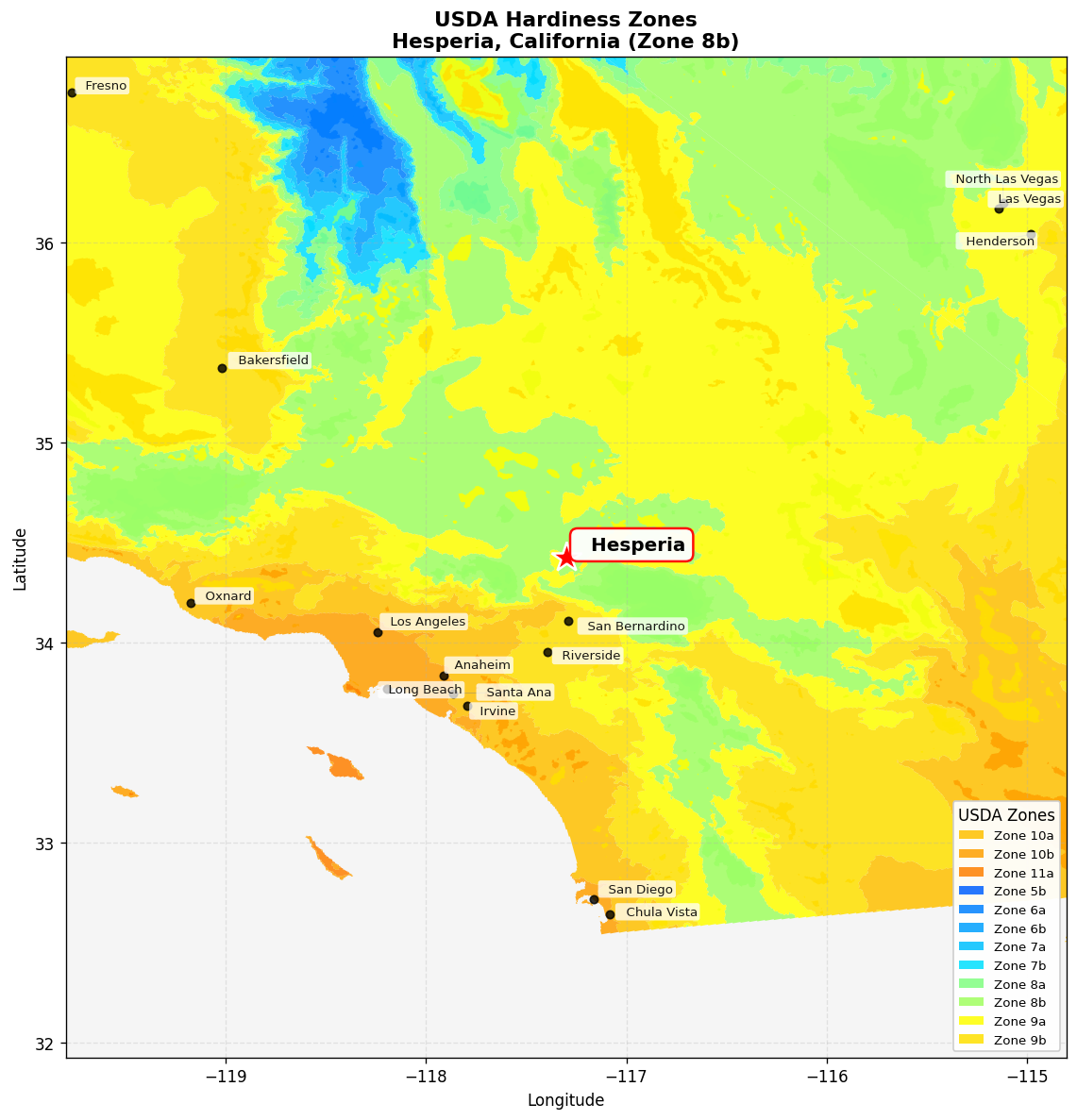
USDA Zone 8b
Hardiness zone for Hesperia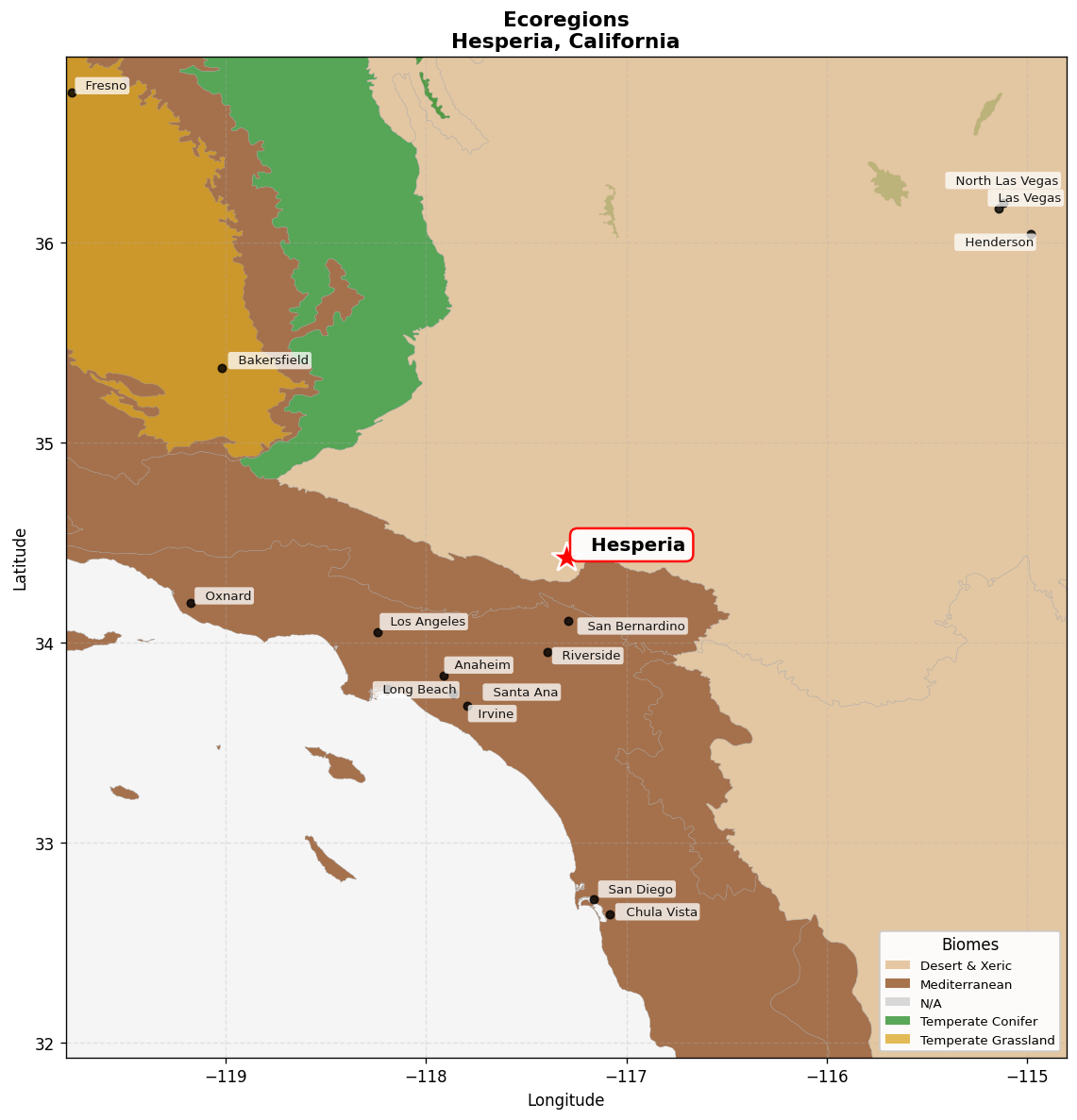
Mojave desert
Native ecoregionFrequently Asked Questions
How much does a cottage garden cost in Hesperia, CA?
Get two or three written quotes, since high desert labor rates vary by crew and by how far they drive.
Which roses survive a Hesperia summer?
Rosa 'Julia Child', Rosa 'Iceberg', Rosa 'Knock Out' and Rosa 'Mutabilis' all handle heat above 100°F as long as they get deep drip watering twice a week in July and August and 3–4 inches of mulch. NOAA's Victorville normals count 42 days a year at or above 100°F. Avoid hybrid teas with large, thin-petaled blooms; they scorch in July. Plant against an east or south-east fence so afternoon heat is slightly reduced and the wind does not shred the canes.
Does lavender grow in the high desert?
Yes, with the right type. Lavandula × intermedia 'Grosso' and 'Phenomenal' tolerate the heat and the 33°F January average lows. Lavandula stoechas 'Otto Quast' is a good second choice. Lavandula angustifolia 'Munstead' struggles in July. Sandy, fast-draining soil suits lavender, so do not amend the planting hole heavily; mulch with gravel rather than bark and water deeply but only once or twice a week in summer.
When is the best time to plant in Hesperia?
October through early December and February through April are the best windows. NOAA's normals for Victorville show November still has about 7 mornings at or below 32°F, so tender plants should go in earlier or wait for spring. Freezing mornings drop to under one in April and none in May. Avoid planting in July and August, when the average high is 97.5°F and new roots dry out fast.
How much water does a cottage garden need in Hesperia?
Annual rainfall is 5.57 inches, so every plant in a cottage border depends on irrigation. Use drip with pressure-compensating emitters, group roses together on one valve and lavender, salvia and Perovskia on another, and mulch deeply. The Hesperia Water District and the City set the watering rules and any turf or landscape requirements, so check them before replacing a lawn or adding a large planting.
Do I need a permit or HOA approval for a fence or pergola in Hesperia?
It depends on the lot. Fences, block walls and patio covers often have height and setback limits, and a built pergola may need a building permit. Many Hesperia subdivisions also have HOA design review for front-yard fences and planting changes. Check with the City of Hesperia planning and building departments, and with the HOA if there is one, before building.
What do I do about wind in a Hesperia cottage garden?
Hesperia is open, exposed country, and wind dries roses and snaps tall stems. Plant the tallest roses and Perovskia against a fence or wall, stake Agastache and Penstemon early, and use Cupressus sempervirens 'Glauca' or a block wall as a windbreak on the west side. Water more often in windy spells; wind pulls moisture out of mulch faster than still air does.