4 Modern Landscape Ideas for Hesperia, CA | Low-Water Designs for Zone 8b
Native plants from the Mojave desert (Zone 8b) — Mediterranean (hot summer) climate
For a modern garden in Hesperia, CA, a zone 8b city with a mediterranean (hot summer) climate, start with Yucca rostrata, Muhlenbergia rigens and Hesperaloe parviflora, the plants this guide's first design is built on.
Why Modern/Minimalist Gardens in Hesperia?
Modern landscaping suits Hesperia because the climate already removes everything fussy. NOAA's 1991–2020 normals for the Victorville station, about 7 miles north, give 5.57 inches of rain a year, a July average high of 97.5°F and 42 days at or above 100°F. Lawns, flowering borders and thirsty hedges all struggle. What remains is the modern vocabulary: clean edges, a few strong forms repeated, gravel and steel, and plants chosen for their silhouette.
The plant list leans on architectural species that tolerate both the heat and the cold. Yucca rostrata, Dasylirion wheeleri, Hesperaloe parviflora and Agave parryi var. truncata give hard, sculptural shapes, while Muhlenbergia rigens and Bouteloua gracilis 'Blonde Ambition' soften them with movement. Salvia clevelandii 'Winnifred Gilman' and Perovskia atriplicifolia 'Little Spire' add a haze of blue in early summer. Keep the palette tight: three or four species repeated in large drifts reads as modern, while a dozen singles reads as a collection.
Winters decide which succulents live. NOAA lists a January average low of 33.2°F and about 54 mornings a year at or below 32°F. Yucca rostrata is hardy to about 5°F and Dasylirion wheeleri to about 5–10°F, so both are safe. Agave 'Blue Glow' and many Aloe species are not, and cold air pooling in low spots in winter will damage them. Place anything tender on a south wall or under a roof overhang, and have frost cloth ready from November, when NOAA counts around 7 freezing mornings.
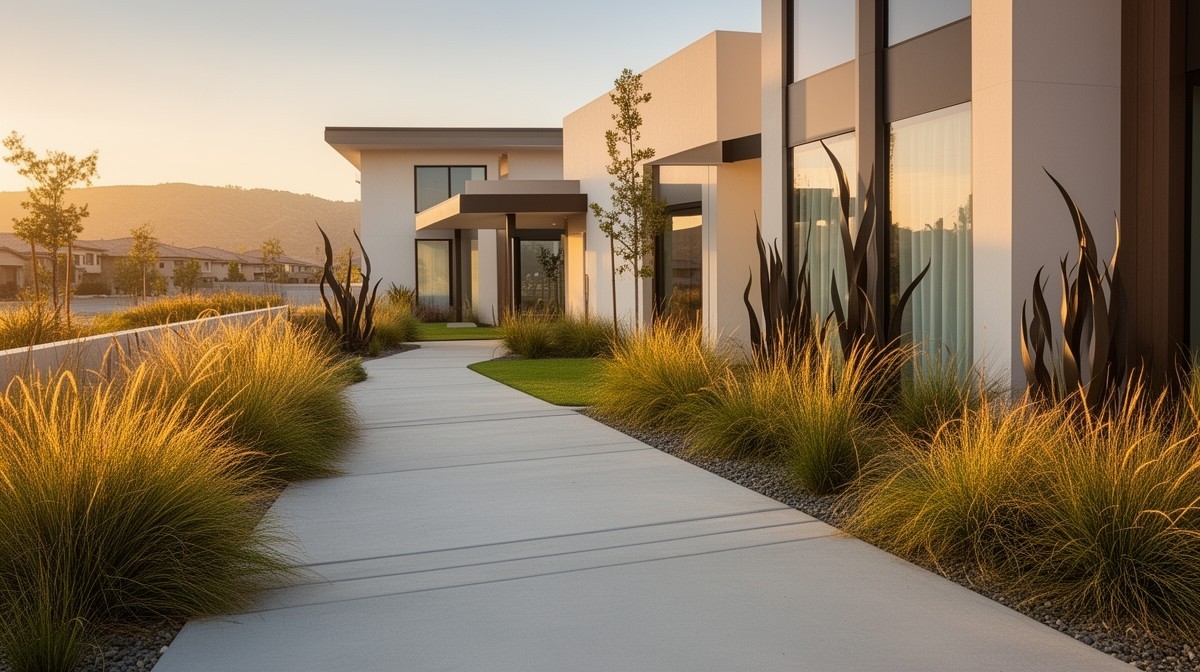
Hesperia's stucco ranches and newer two-story tract homes have flat, plain facades and wide driveways that suit a modern frontage: a rectangular planting bed, a gravel field, a Corten or powder-coated steel edge, and a single specimen. The ground tends to be sandy and drains fast, so the hardscape needs a compacted base but the planting rarely needs amendment. Wind is a design factor too: low, dense plantings and a few tall grasses behave better than tall, loose shrubs.
4 Modern/Minimalist Design Ideas for Hesperia
AI-generated image
The Gravel Field Front Yard
$12–26/sqftA former lawn becomes a field of 3/4-inch tan decomposed granite, cut by a straight concrete path to the door and edged in black steel. Three Yucca rostrata stand off-center, with a tight line of Muhlenbergia rigens along the driveway side. A single boulder anchors the corner nearest the street, and the sun falls across the whole yard from mid-morning onward.
Try this on your yard: The Gravel Field Front YardAI-generated image
The Corten Planter Wall
$22–42/sqftA long Corten steel planter, 18 inches high and 20 feet long, runs parallel to a two-story stucco facade, with a row of Dasylirion wheeleri and a ribbon of Nassella tenuissima. White gravel fills the space between the planter and a concrete walkway. The planter casts a defined shadow in late afternoon, and the rust tone stands out against a gray or cream wall.
Try this on your yard: The Corten Planter WallAI-generated image
The Concrete Patio Courtyard
$28–55/sqftA square poured concrete patio, 16 by 16 feet, with a black steel pergola over half of it, sits off the back door. Gravel beds on three sides hold Olea europaea 'Swan Hill' in tall planters and clumps of Muhlenbergia capillaris 'Regal Mist' that turn pink in October. A low block wall, painted charcoal, shelters the seating from wind.
Try this on your yard: The Concrete Patio CourtyardAI-generated image
The Dry Wash Garden
$14–30/sqftA shallow dry streambed of river rock winds through a sloped side yard, with bands of grass and boulders at each bend. Along it sit Chilopsis linearis 'Burgundy Lace' as a small tree, with Eriogonum fasciculatum and Penstemon eatonii at its base. In a wet February, the wash does real work by moving runoff away from the foundation.
Try this on your yard: The Dry Wash GardenSee how a modern/minimalist garden looks on YOUR property
Upload a photo of your Hesperia yard and visualize your dream garden in seconds.
Try ProScapeAI Free

AI-generated image
Featured Trees & Shrubs for Modern/Minimalist Gardens
Browse all 168 plants for Hesperia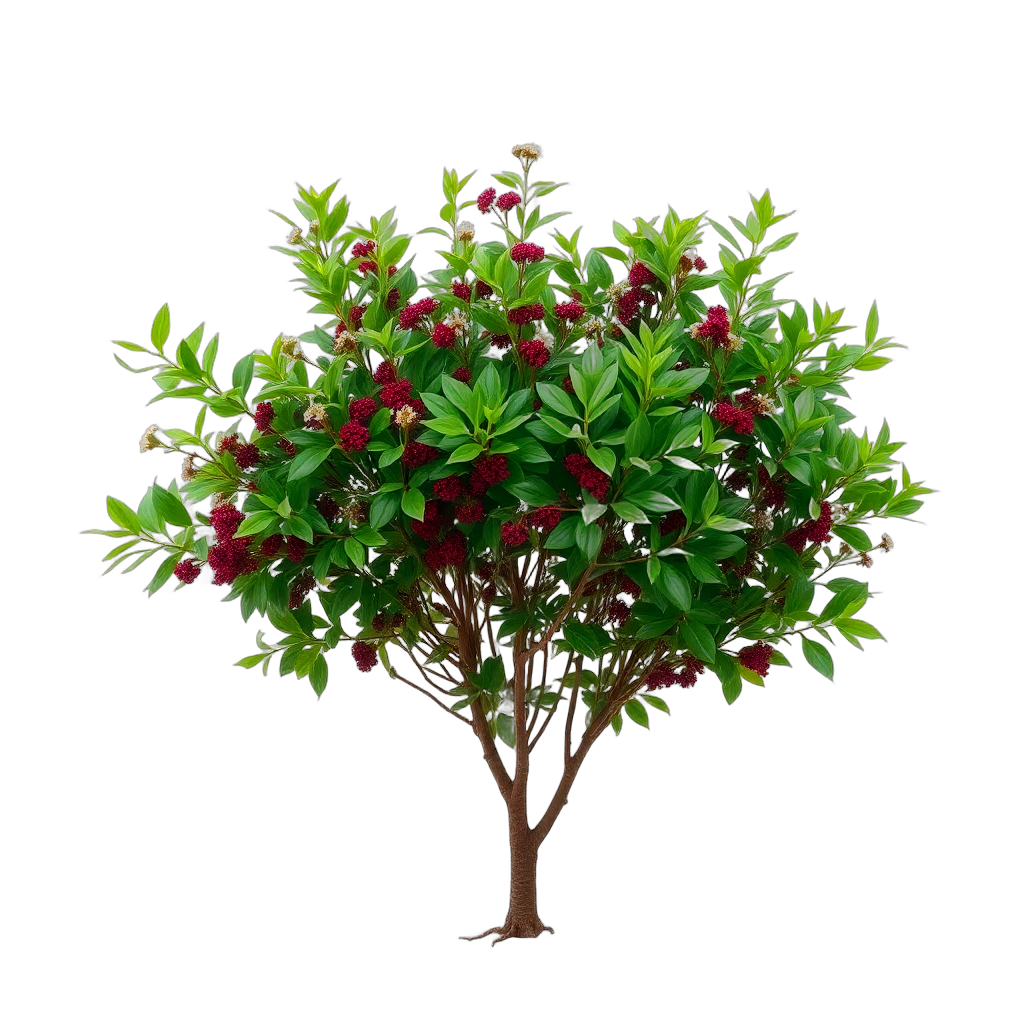
Anderson Wolfberry
Lycium andersonii
grows to 5 feet, purple blooms in spring. Attracts hummingbirds.
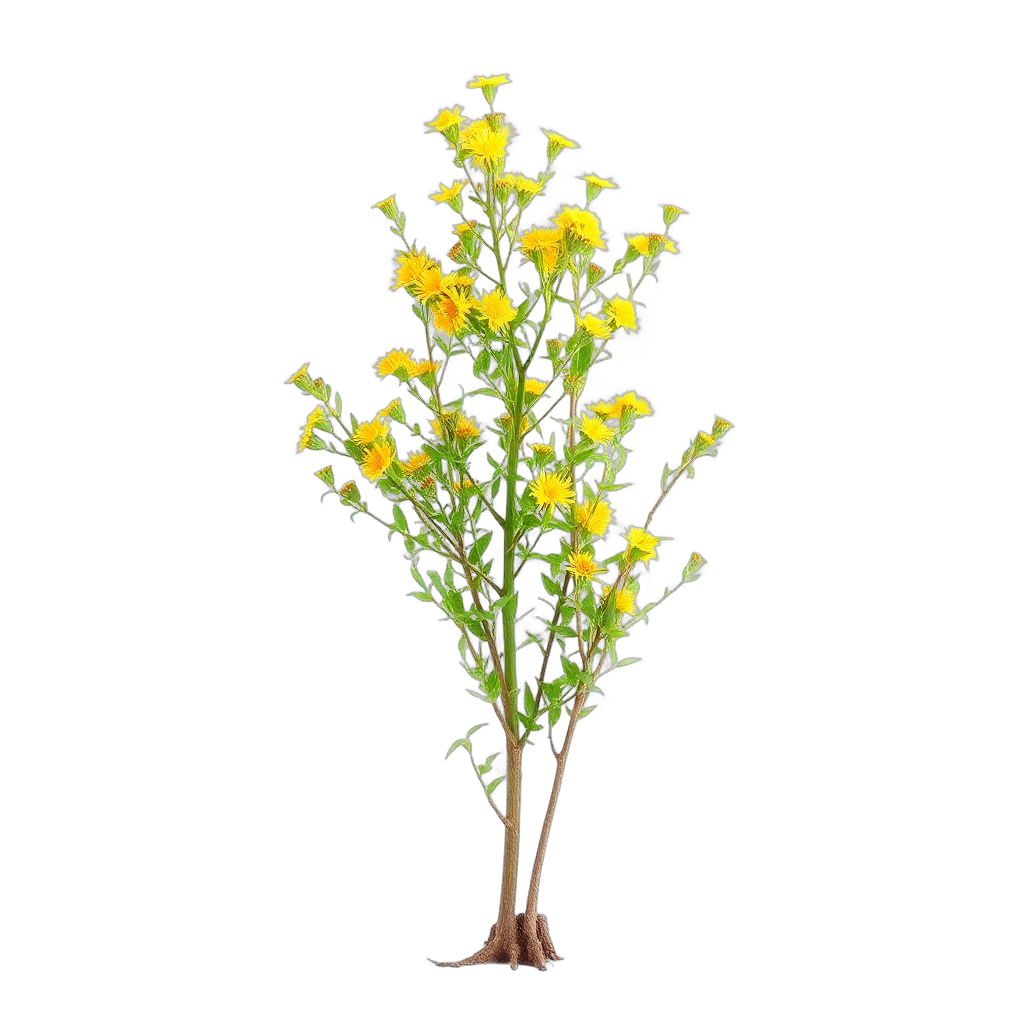
Brittlebush
Encelia farinosa
grows to 3 feet, yellow blooms in spring. Attracts butterflies.
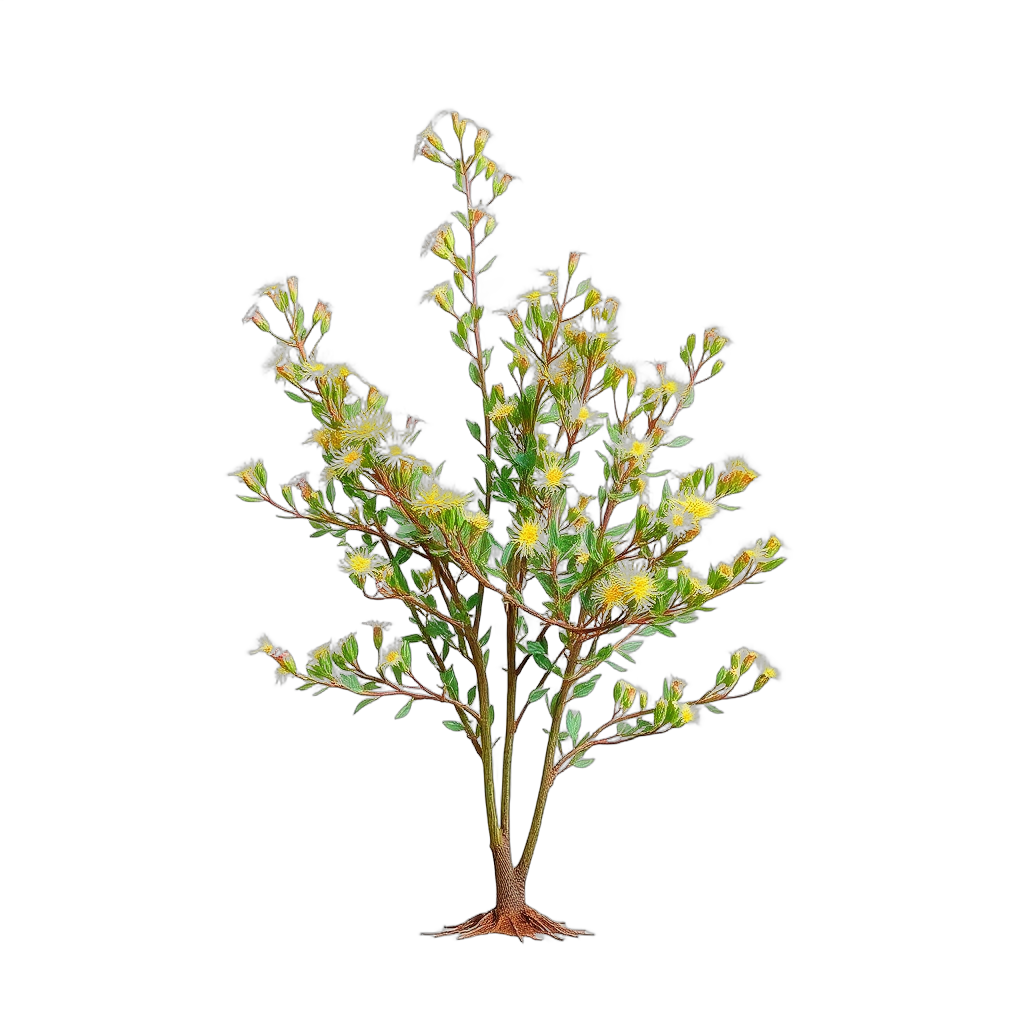
Catclaw Acacia
Acacia greggii
medium-sized at 15 feet, yellow blooms in spring. Pollinator-friendly.
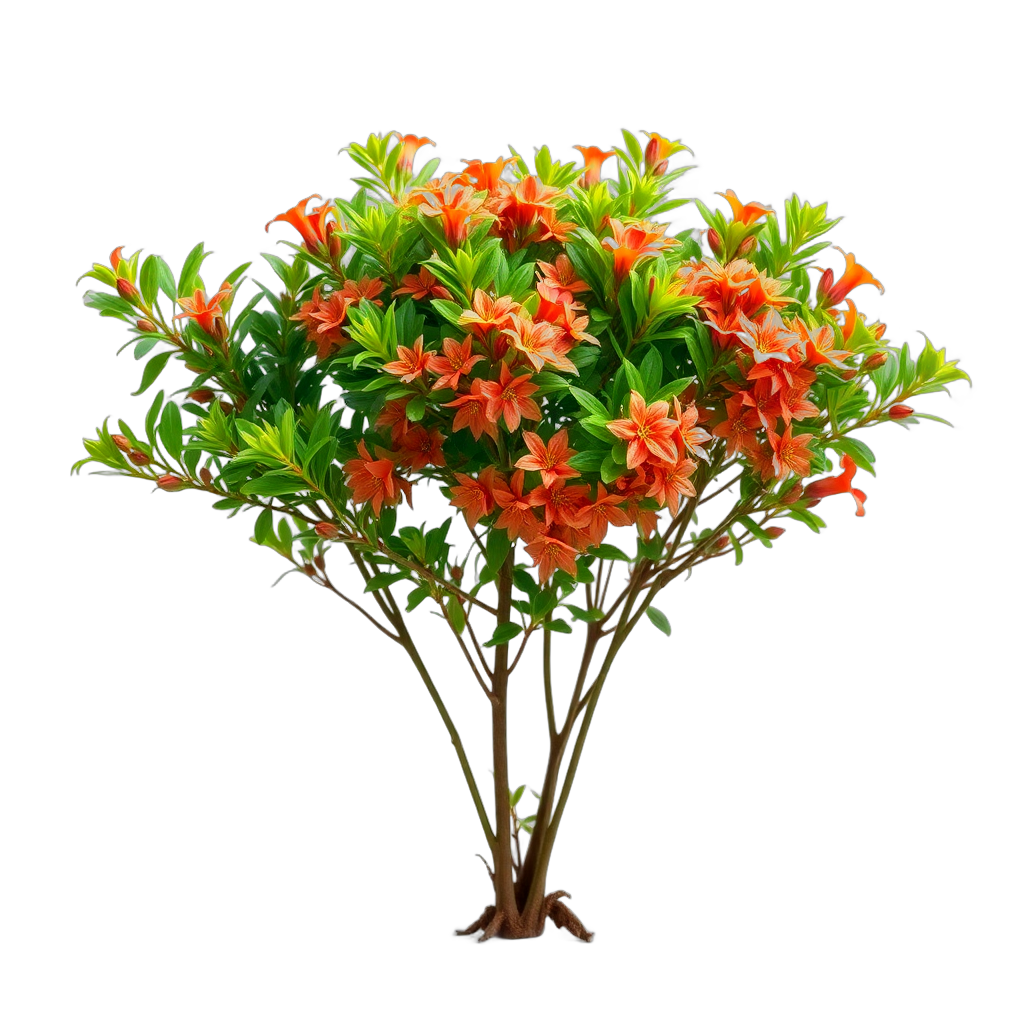
Chuparosa
Justicia californica
grows to 5 feet, red blooms in spring. Attracts hummingbirds.
Featured Grasses & Groundcovers for Modern/Minimalist Gardens
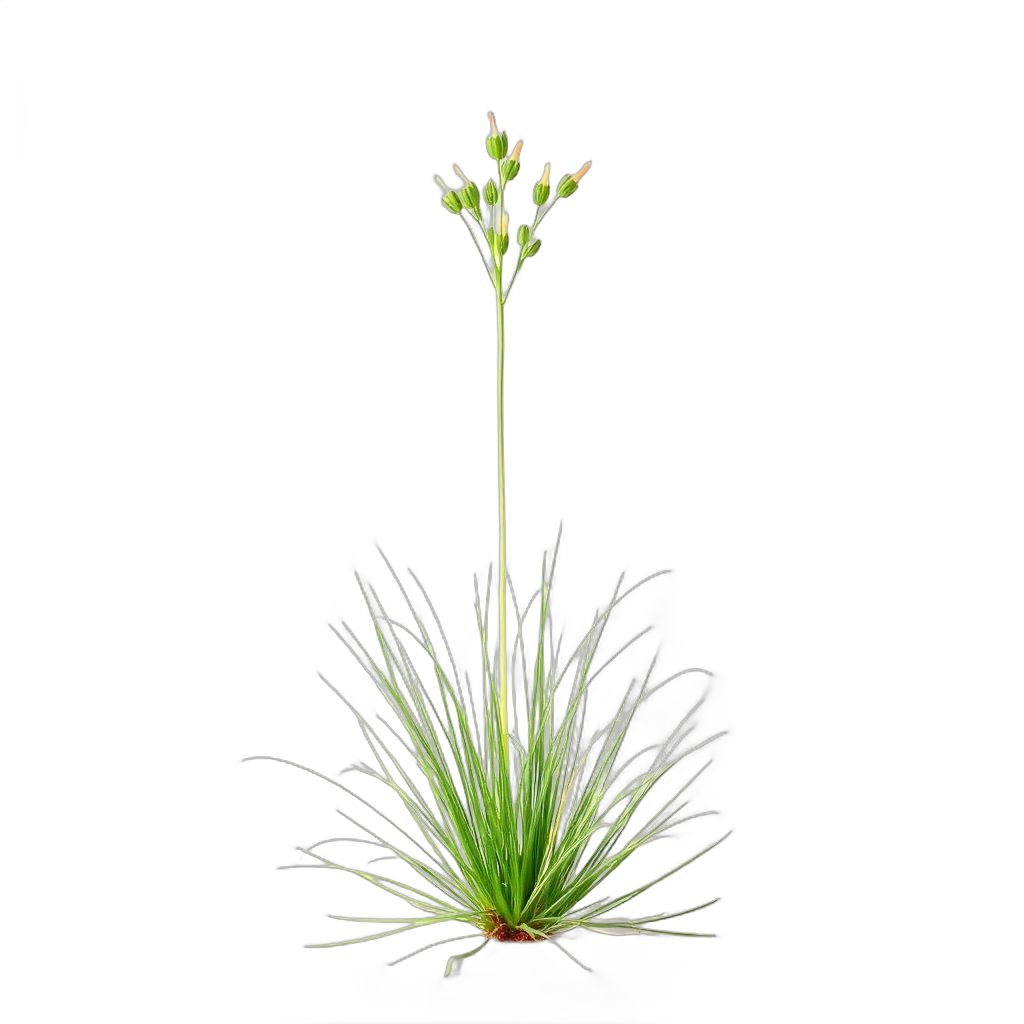
Alkali Sacaton
Sporobolus airoides
grows to 3 feet, blooms in summer. Yellow fall color.
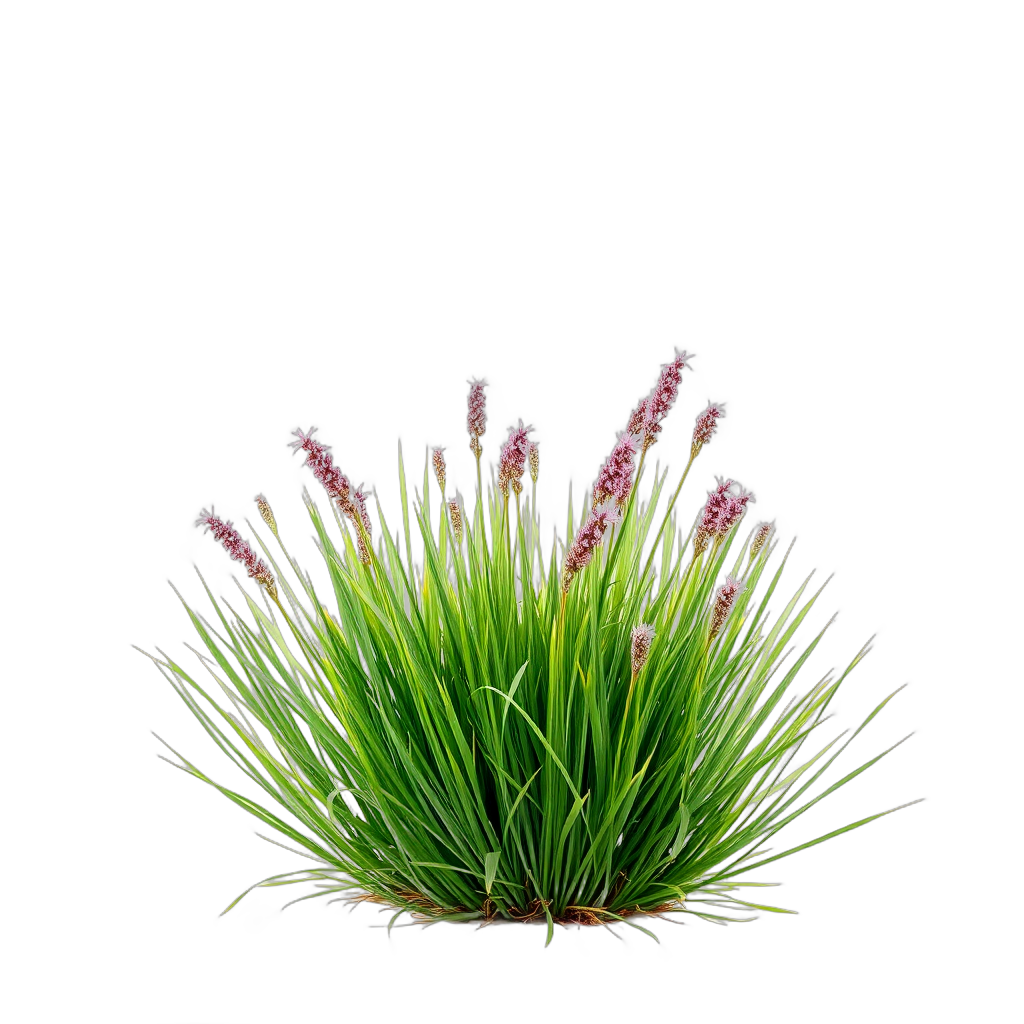
Purple Three-Awn
Aristida purpurea
low-growing ground cover, purple blooms in fall. Yellow fall color.
Featured Flowers & Perennials for Modern/Minimalist Gardens
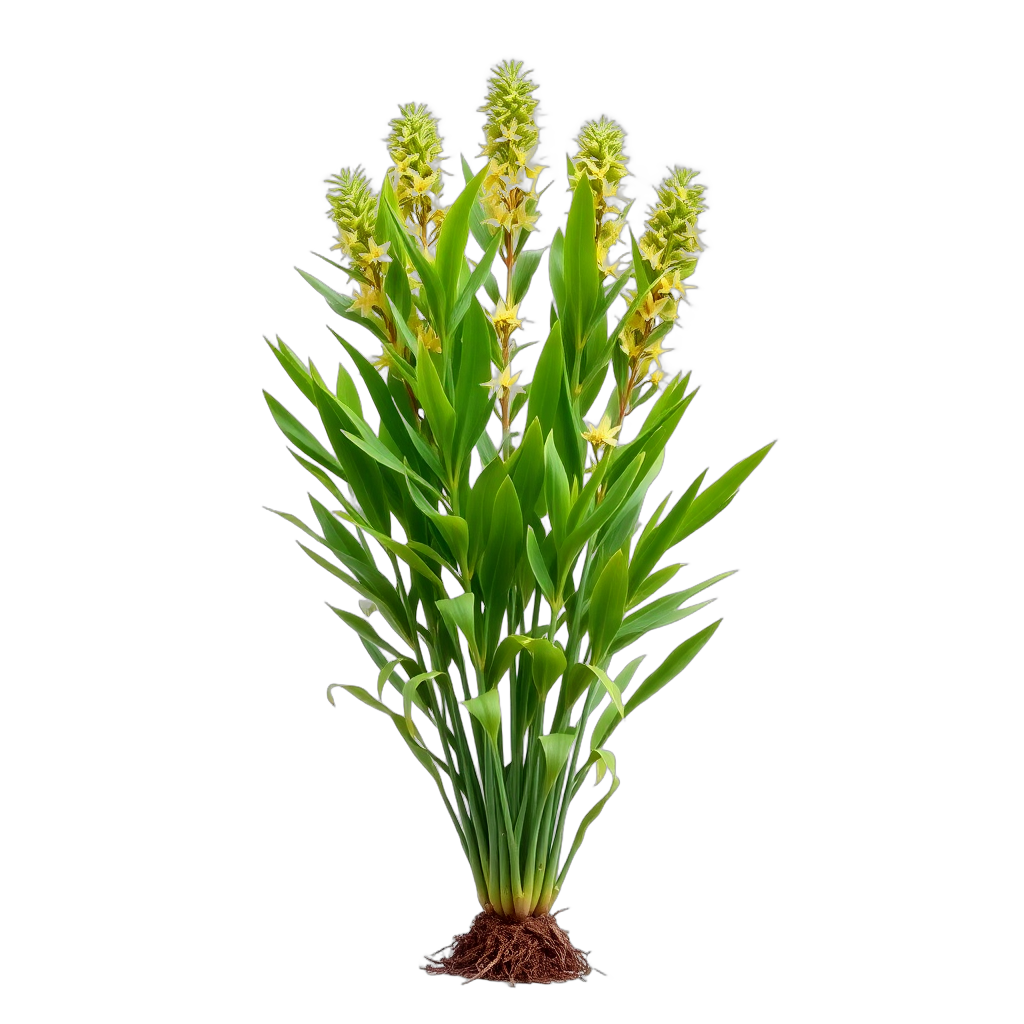
Banana Yucca
Yucca baccata
low-growing ground cover, white blooms in spring. Attracts hummingbirds.
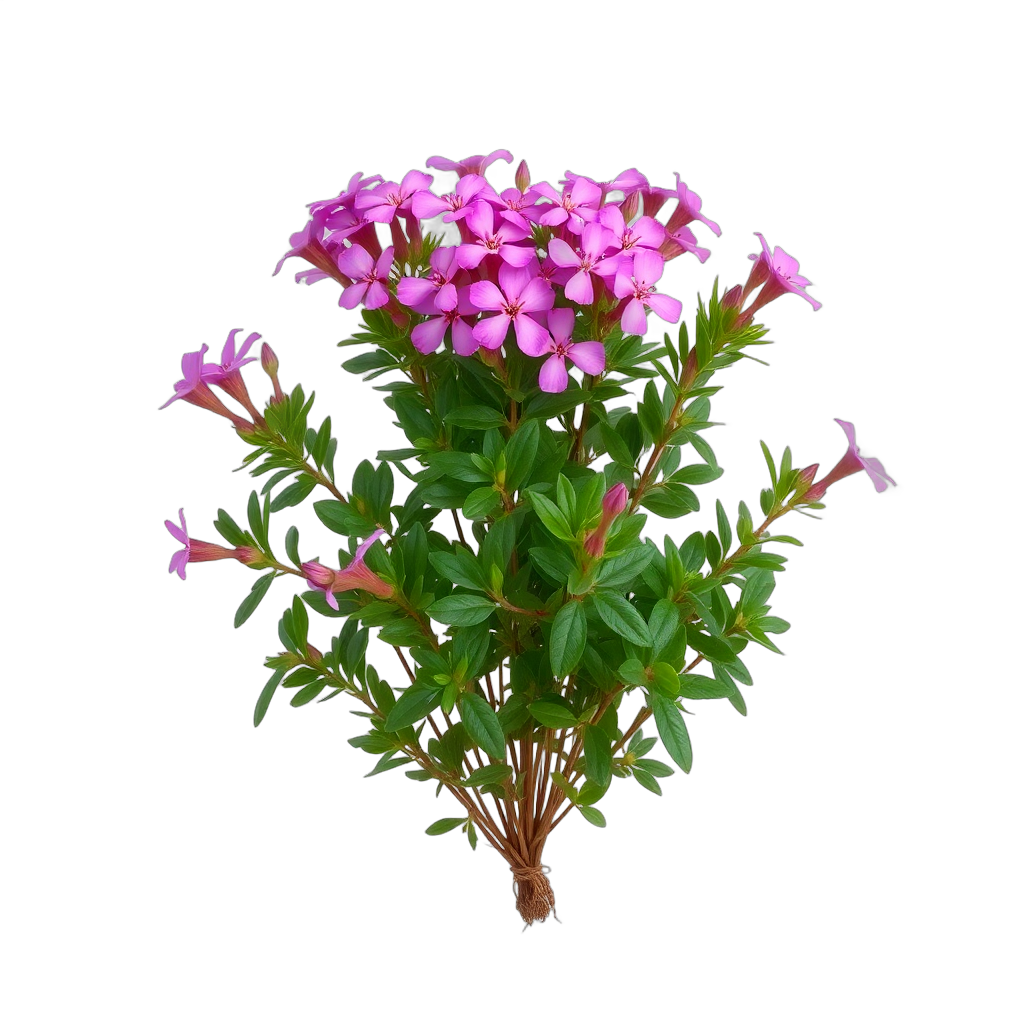
Desert Phlox
Phlox austromontana
low-growing ground cover, pink blooms in spring. Attracts hummingbirds.
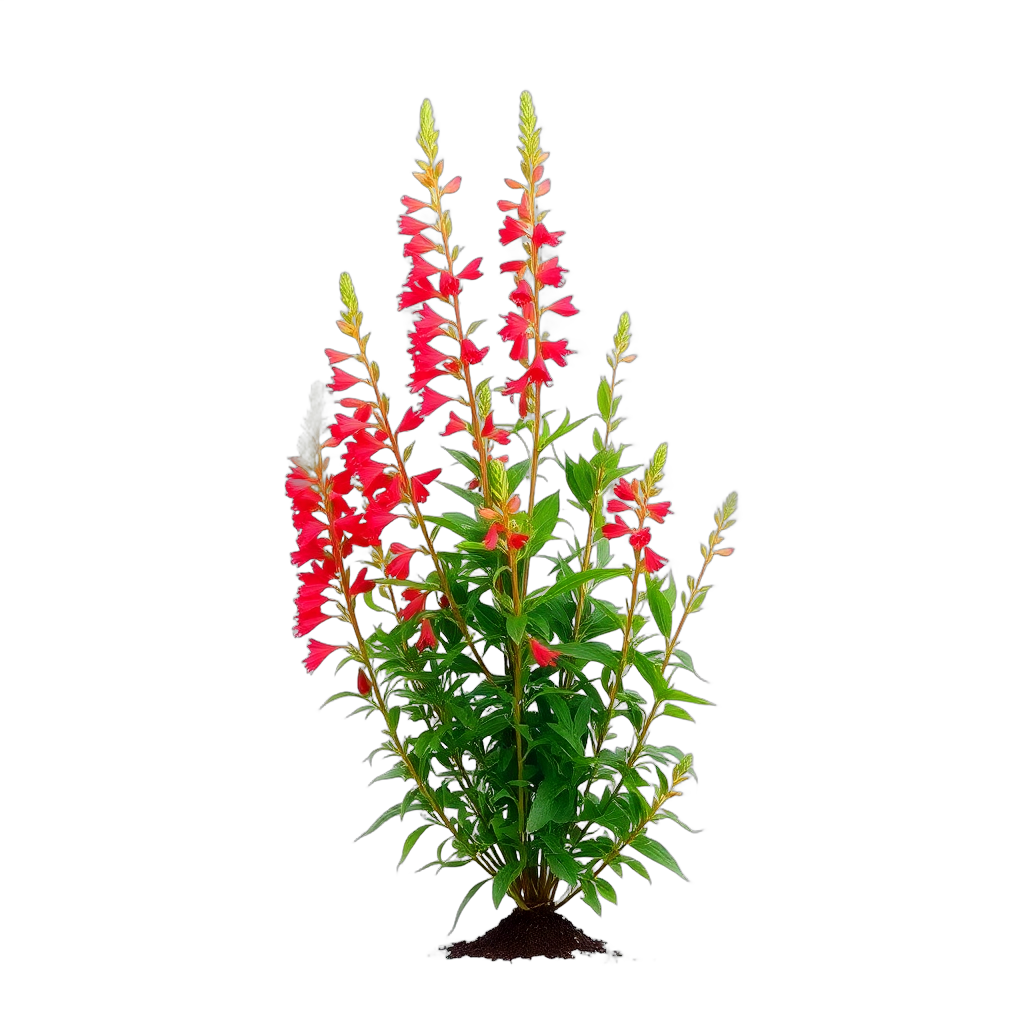
Firecracker Penstemon
Penstemon eatonii
low-growing ground cover, red blooms in spring. Attracts hummingbirds.

Palmer's Penstemon
Penstemon palmeri
grows to 4 feet, pink blooms in spring. Attracts hummingbirds.
Zone and sun checks come from our database — confirm with your local nursery before you buy.
Bloom Calendar for Hesperia
spring
Banana Yucca, Desert Phlox, Firecracker Penstemonsummer
Alkali Sacaton, Quailbushfall
Purple Three-Awnwinter
Limited bloomsDesign Tips for Hesperia (Zone 8b)
- Repeat three or four species in large drifts: Yucca rostrata, Muhlenbergia rigens and Hesperaloe parviflora read as modern, a dozen single plants read as a collection
- Install weed fabric under decomposed granite: desert wind carries seed and 5.57 inches of annual rain still sprouts plenty in February
- Put cold-sensitive succulents such as Agave 'Blue Glow' and Aloe striata on a south wall or in pots, since NOAA counts about 54 freezing mornings a year at Victorville
- Shade the west side with a Chilopsis linearis 'Burgundy Lace' or a steel pergola, because 42 days a year reach 100°F or more
- Use a block wall or dense Muhlenbergia rigens as a windbreak: tall, loose shrubs look ragged in Hesperia wind
- Choose light-colored decomposed granite over black rock to keep surface heat down beside the house
- Light the specimens, not the beds: two or three low-voltage uplights on Dasylirion wheeleri and Yucca rostrata do more than an even wash
Where to Source Plants in Hesperia
Skip the big-box stores. These independent Hesperia nurseries specialize in the plants that make modern/minimalist gardens thrive in Zone 8b.
Cal Herbold's Nursery
Hesperia (E Avenue)
Family-run Hesperia business that sells nursery stock alongside decorative rock and sod, handy for gravel, boulders and plants in one trip
Nate's Nursery
Apple Valley (Tulsa Road)
Independent nursery with shade trees, fruit trees, general plants and sod, plus bonsai
Palo Verde Nursery
Apple Valley (Locust Lane)
Water-wise and native plants, succulents and cacti, with soils, mulch, decorative rock and planters
Modern/Minimalist Landscaping Cost Ranges
| Project Scope | Estimated Cost |
|---|---|
| Poured concrete patio (250 sqft) | $2,600–$3,200 |
| Low-voltage landscape lighting (6 fixtures) | $1,200–$2,000 |
| Composite decking boards, surface only on existing framing (200 sqft) | $4,700–$5,800 |
| Drip irrigation system (500 sqft of planted area) | $1,200–$2,200 |
| AI visualization (ProScapeAI) | Free to start |
National average installed ranges for 2026 from our landscaping price list (Homewyse and other published sources). Prices in Hesperia, CA vary with site, materials and contractor, so get two or three local quotes.
Hesperia Climate & Growing Zone
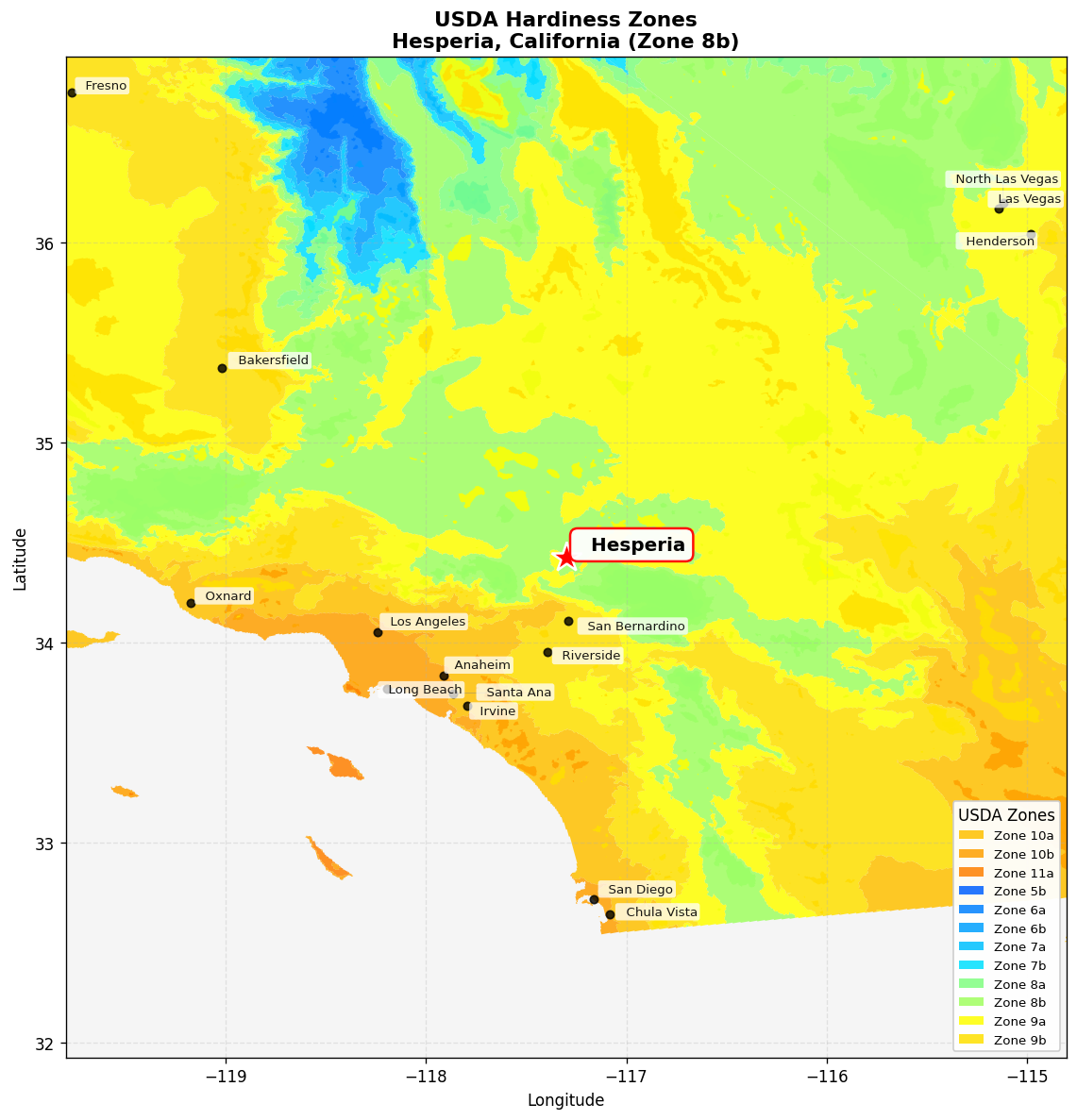
USDA Zone 8b
Hardiness zone for Hesperia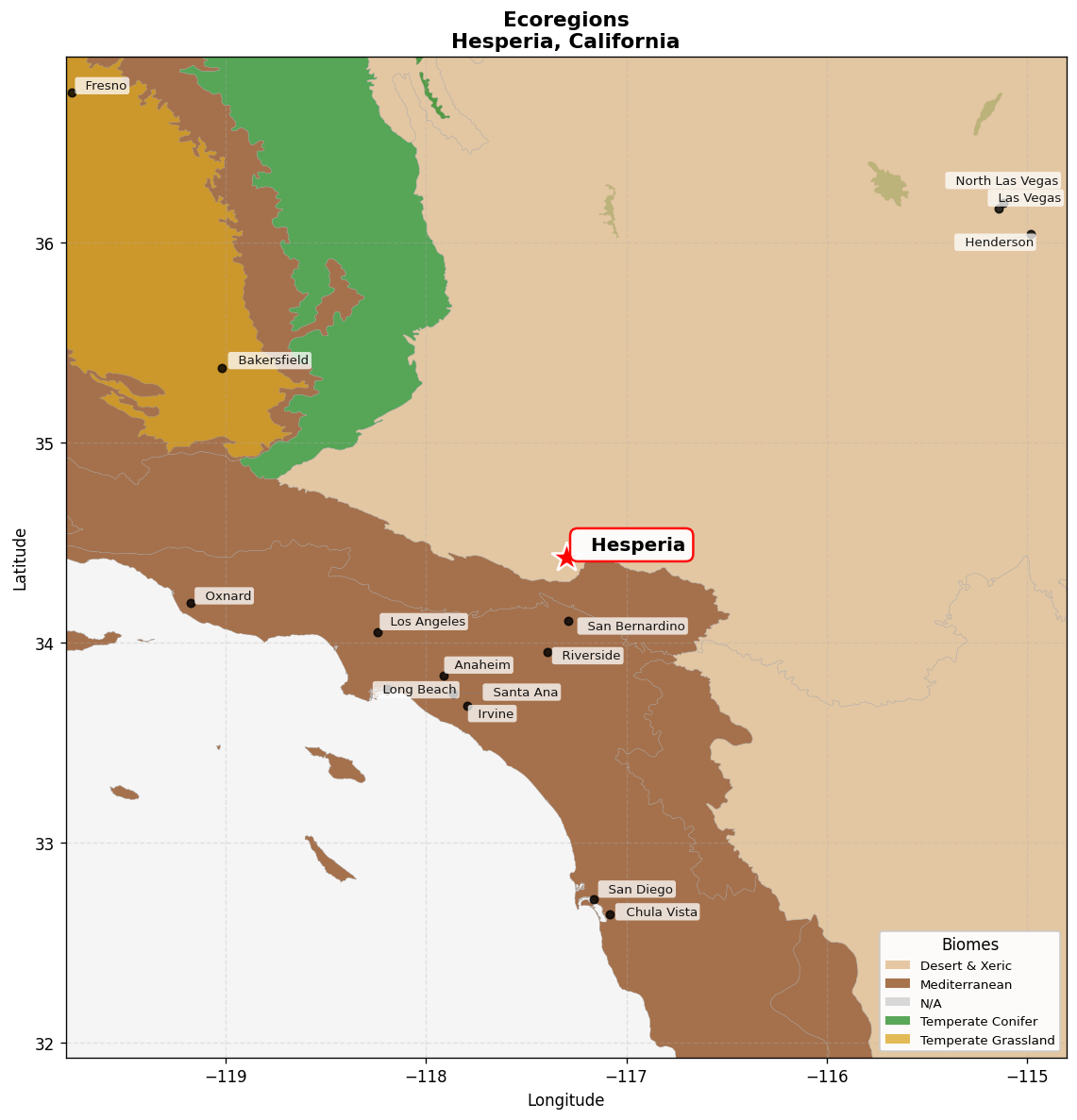
Mojave desert
Native ecoregionFrequently Asked Questions
How much does a modern landscape cost in Hesperia, CA?
Get two or three written quotes, since high desert labor rates vary.
Is a modern landscape low maintenance in Hesperia's climate?
Yes, it is among the lowest. NOAA's Victorville normals show 5.57 inches of rain a year, so irrigation is the main task: drip lines checked in spring and a deep watering every 2–3 weeks in summer once plants are established. Cut back Muhlenbergia rigens in February and pull weeds in the gravel after the winter rains. Use a heavy weed fabric under decomposed granite, since desert wind carries seed.
When should I plant in Hesperia?
October through early December and February through April are the best windows. Agave and yucca go in best in spring, so roots are settled before the first cold night. NOAA's normals show about 7 freezing mornings in November and about 17 in each of December and January. Avoid planting in July and August, when the average high is 97.5°F.
Do I need a permit or HOA approval for a modern front yard?
Often yes for walls, pergolas and steel structures: height and setback limits apply, and a built pergola may need a building permit. Many Hesperia subdivisions also have HOA design review for front-yard changes. Check with the City of Hesperia planning and building departments, and the Hesperia Water District for any water-use rules, before building.
Which succulents survive Hesperia winters?
Yucca rostrata (hardy to about 5°F), Dasylirion wheeleri, Hesperaloe parviflora and Agave parryi var. truncata come through nights below 32°F, and NOAA counts about 54 such mornings a year at Victorville. Agave 'Blue Glow', Aloe striata in the open and most Echeveria need frost cloth or a south wall. Put the tender ones in pots you can move.
Does gravel get too hot in a Hesperia summer?
Gravel radiates heat, and with 42 days at or above 100°F the ground beside a south wall can be uncomfortable. Use light-colored decomposed granite rather than black lava rock, keep it 2–3 inches deep, and put a Pistacia or Chilopsis tree to shade the west side. Keep bare gravel away from the base of plants with thin trunks.
What replaces a lawn in a modern Hesperia yard?
Most owners swap turf for decomposed granite with drifts of Bouteloua gracilis 'Blonde Ambition' and Muhlenbergia rigens. Remove the old turf and irrigation heads first, lay fabric, then cap the spray zones and convert to drip. With 5.57 inches of rain a year, a lawn needs far more water than the sky supplies, so the change cuts the irrigation bill the most.