4 English Cottage Garden Ideas for Victorville, CA | High Desert Zone 8b Borders
Native plants from the Mojave desert (Zone 8b) — Mediterranean (hot summer) climate
Why Cottage/English Gardens in Victorville?
An English cottage garden in Victorville sounds like a contradiction until you look at what the High Desert grows well. Hollyhocks, bearded iris, lilacs, catmint and old roses have been coming back in Victor Valley yards for generations, because they like exactly what this place gives them: cold winters, dry air and full sun. The style also suits the house stock. The 1950s and 1960s ranch houses around Old Town and along the Route 66 corridor have small front setbacks and plain stucco walls that look finished with a picket fence and a rose over the gate, and the bigger lots around Spring Valley Lake have room for the deep, three-layer border this style is built on.
The climate sets hard limits here. Victorville sits at roughly 2,900 feet. The 1991 to 2020 normals put the average January low at about 33°F and the average July high near 98°F, the record low is -1°F, and the city gets only about 5.6 inches of rain a year. That is USDA Zone 8b, with typical winter lows of 15 to 20°F. The upside is that dry air keeps blackspot and powdery mildew far lower than in a humid English summer, so roses such as Rosa 'Iceberg', Rosa 'Julia Child' and the climber Rosa banksiae 'Lutea' stay clean with little spraying. The downside is that the shade-and-damp half of the English catalogue does not make it. Delphinium elatum, Hydrangea macrophylla and Digitalis purpurea fade or scorch by July, so the spires come from Penstemon eatonii, Agastache 'Blue Fortune', Salvia yangii 'Blue Spire' and Alcea rosea instead.
Soil is the second thing to plan around. Most of the city sits on sandy alluvium washed down from the San Gabriel and San Bernardino mountains and the Mojave River, alkaline at roughly pH 7.5 to 8.5, low in organic matter, and in places underlain by a cemented caliche layer. Sand drains fast, which suits lavender, iris and catmint, but it holds very little water or nutrient. Work 2 to 3 inches of compost into the top 8 inches of each border, mulch thickly, and expect to feed roses with iron chelate when the leaves go yellow between the veins in that alkaline ground.
Water rules shape the irrigation plan. City of Victorville Water limits sprinklers to three days a week by address (even numbers Tuesday, Thursday and Saturday, odd numbers Wednesday, Friday and Sunday), between 10 p.m. and 6 a.m. from June through September and between 9 a.m. and 3 p.m. from October through May, and drip irrigation is exempt from the schedule. That makes drip under the mulch the obvious choice for a cottage border: every rose and perennial gets watered at the root on its own timer, and nothing depends on a spray head. Plant in fall or early spring, keep the lawn small or skip it, and this style can live on far less water than its reputation suggests.
4 Cottage/English Design Ideas for Victorville

AI-generated image
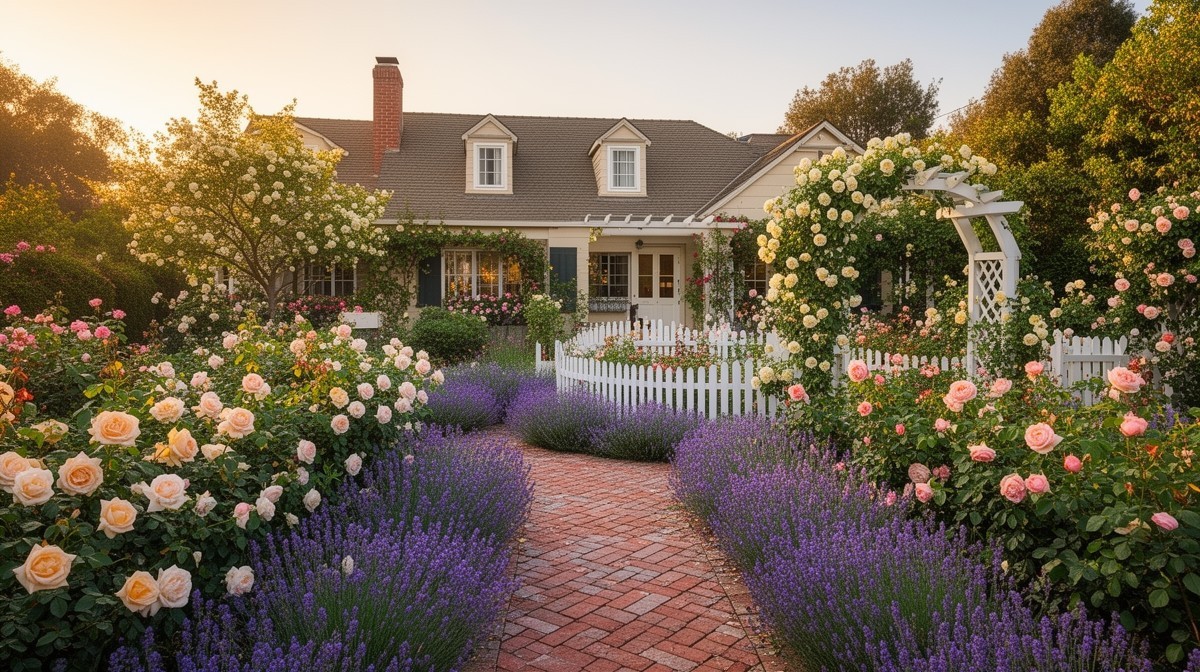
The Route 66 Picket Fence Garden
$12–24/sqftA low white picket fence runs the frontage of a 1950s stucco ranch house near Old Town, with a painted arbour over the gate carrying a yellow Lady Banks rose. Behind the fence a 6-foot-deep border runs in three layers: hollyhocks against the house wall, catmint and lavender in the middle, and bearded iris along the path edge. The west sun hits the border all afternoon, so the tallest plants sit on the house side where the stucco takes the reflected heat.

AI-generated image
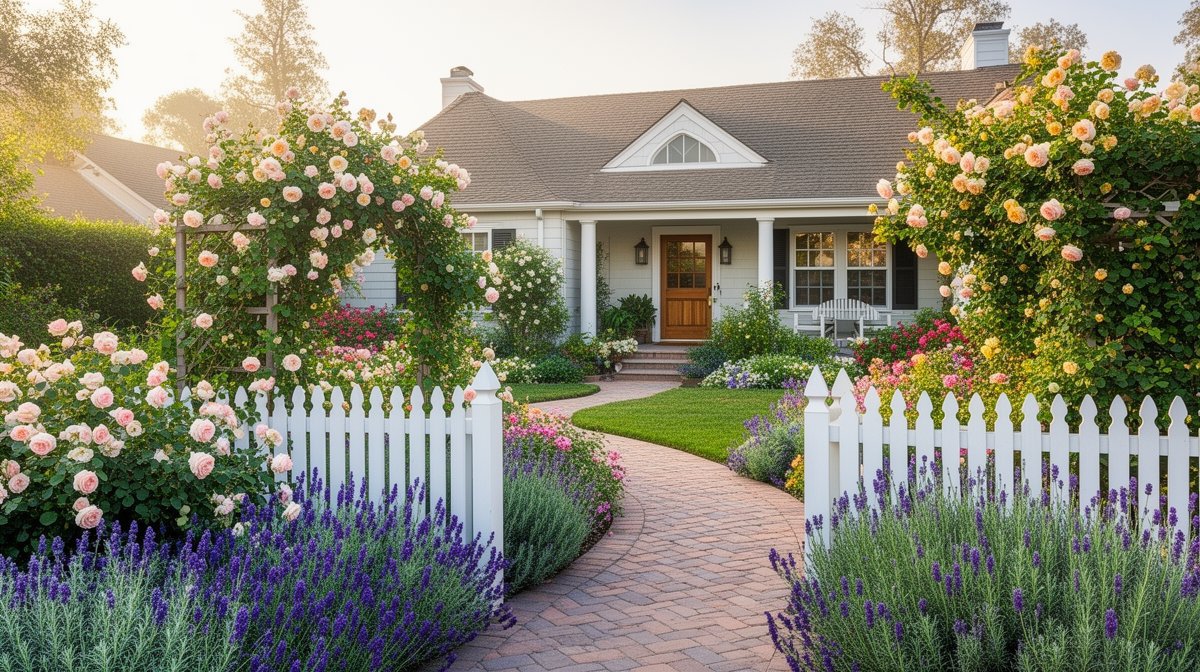
The Lakeside Rose Walk
$16–32/sqftA curving flagstone path leads from the driveway to the front door of a two-story Spring Valley Lake house, edged on both sides by shrub roses underplanted with Russian sage and yarrow. Morning sun reaches the whole bed, and a single Desert Willow on the southwest corner throws afternoon shade over the roses during the hottest hours. Drip emitters run under bark mulch, so the path stays dry and the roses never get wet foliage.

AI-generated image
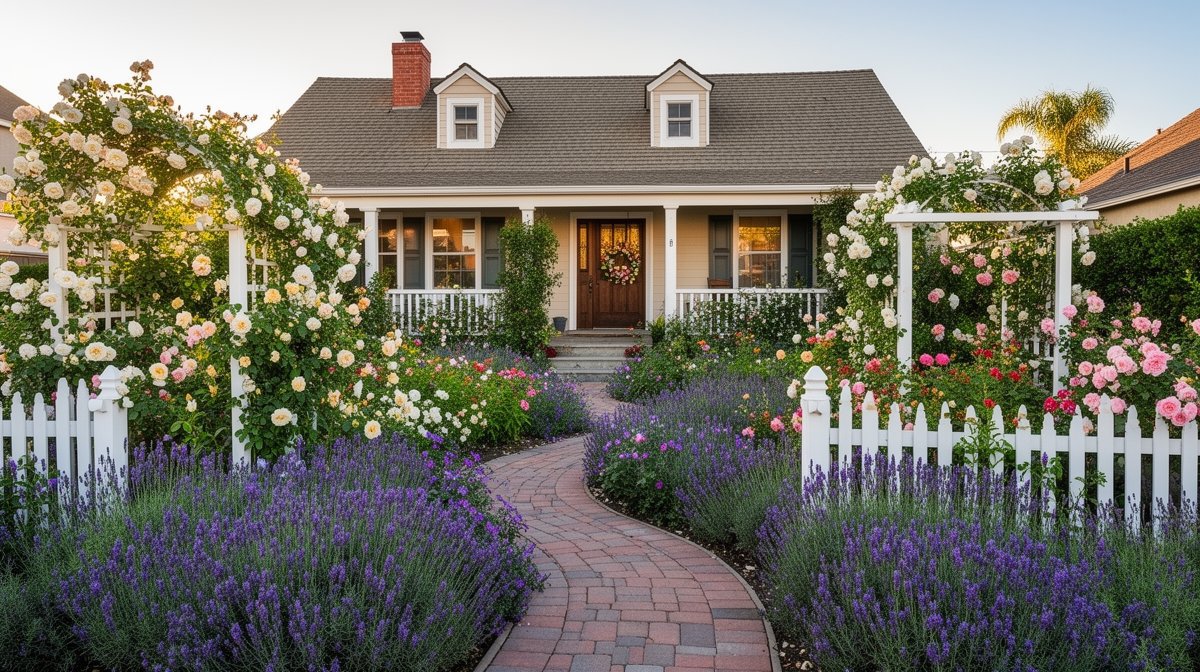
The Lilac and Iris Back Border
$10–20/sqftAlong the back block wall of a 1990s tract house, a row of lilacs gives the garden its spring peak, with bearded iris and Penstemon in front and a gravel path between the border and a small patio. The wall faces south, so the plants get full sun all day and the block holds heat that helps the iris bloom early. In summer the garden quietens to the gray of lavender and the orange of Agastache, which is what a cottage garden should look like at 98°F.

AI-generated image
The Gravel Cottage Courtyard
$8–16/sqftA side or back courtyard laid in angular crushed rock holds a small bistro table, a stone birdbath and loose drifts of self-seeding flowers that come up through the gravel. Hollyhocks lean on the fence, California poppies and Gaura fill the gaps, and a Chaste Tree in the corner gives summer shade over the table. It is the cheapest version of the style, and the gravel mulch keeps the soil cool and saves water in a 5.6-inch-rain climate.
See how a cottage/english garden looks on YOUR property
Upload a photo of your Victorville yard and visualize your dream garden in seconds.
Try ProScapeAI Free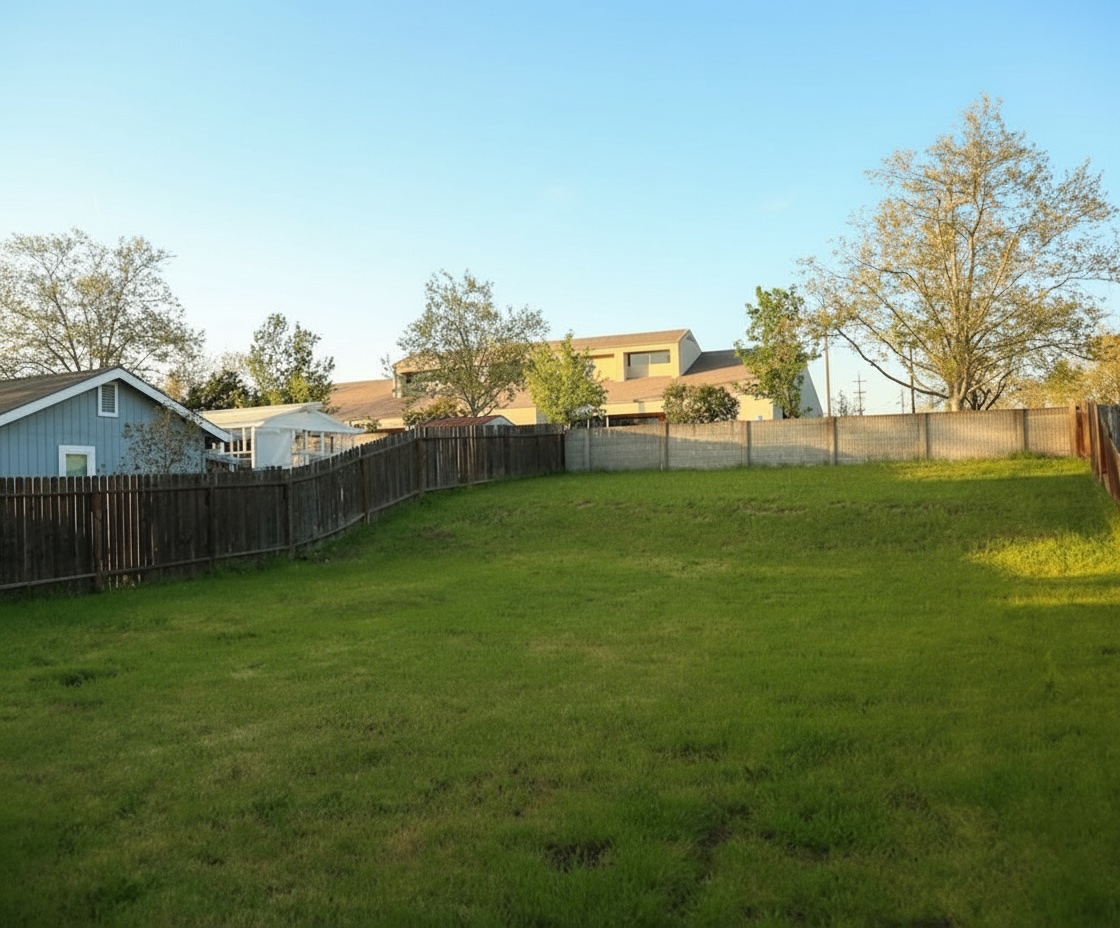
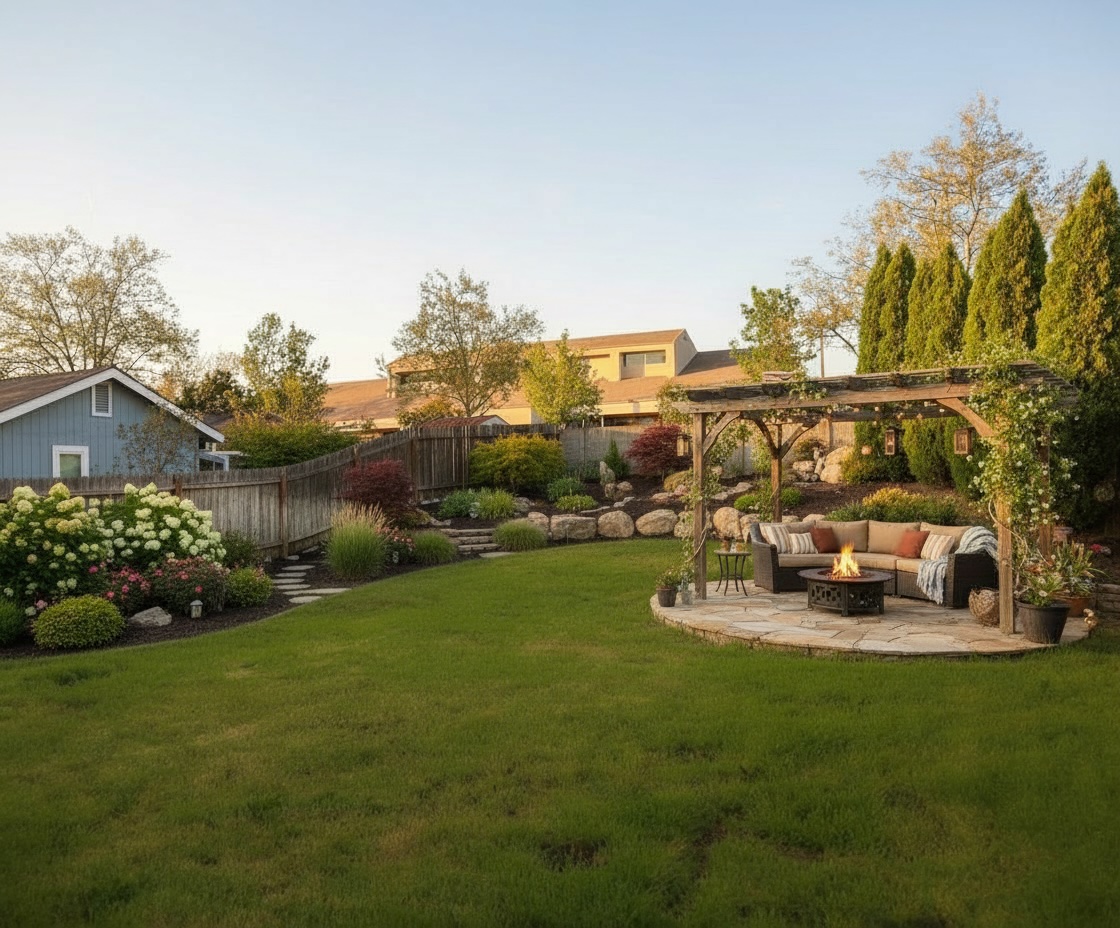
AI-generated image
Featured Trees & Shrubs for Cottage/English Gardens
Browse all 168 plants for Victorville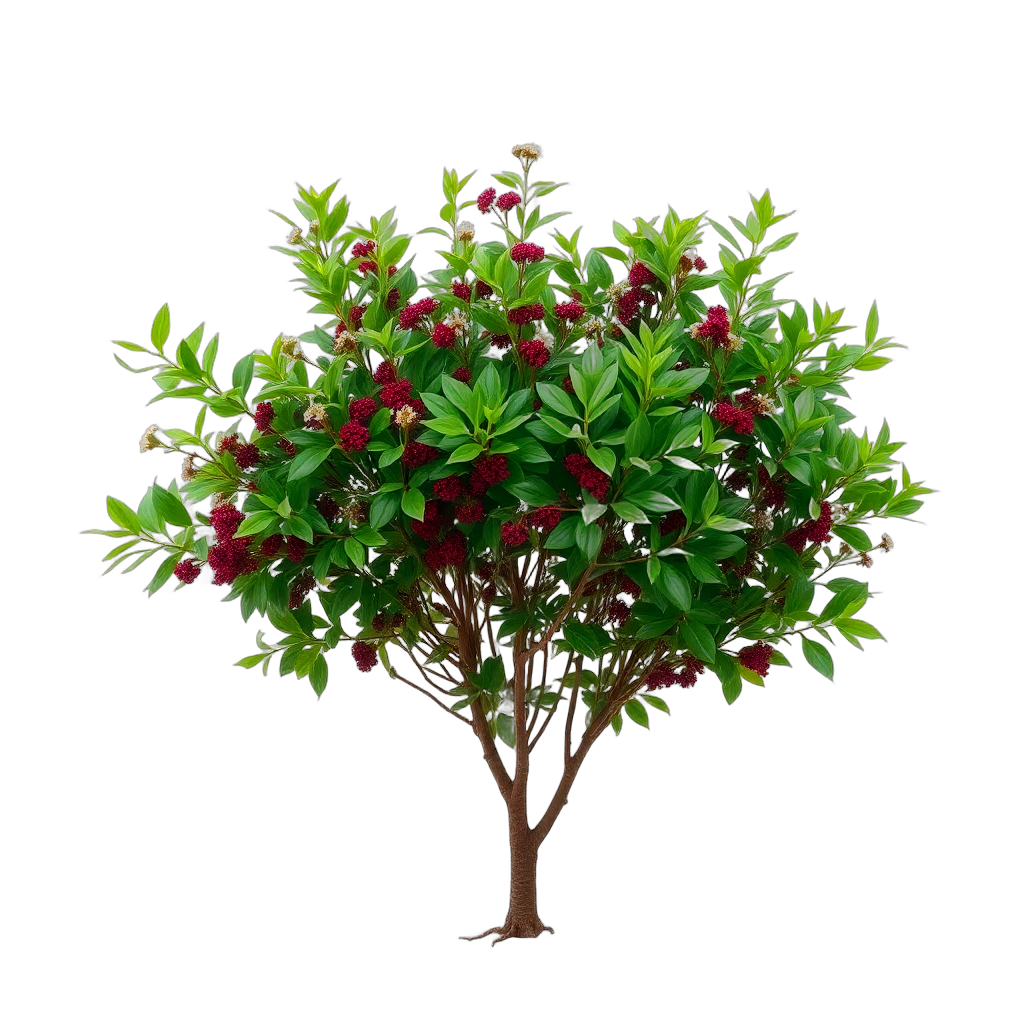
Anderson Wolfberry
Lycium andersonii
grows to 5 feet, purple blooms in spring. Attracts hummingbirds.
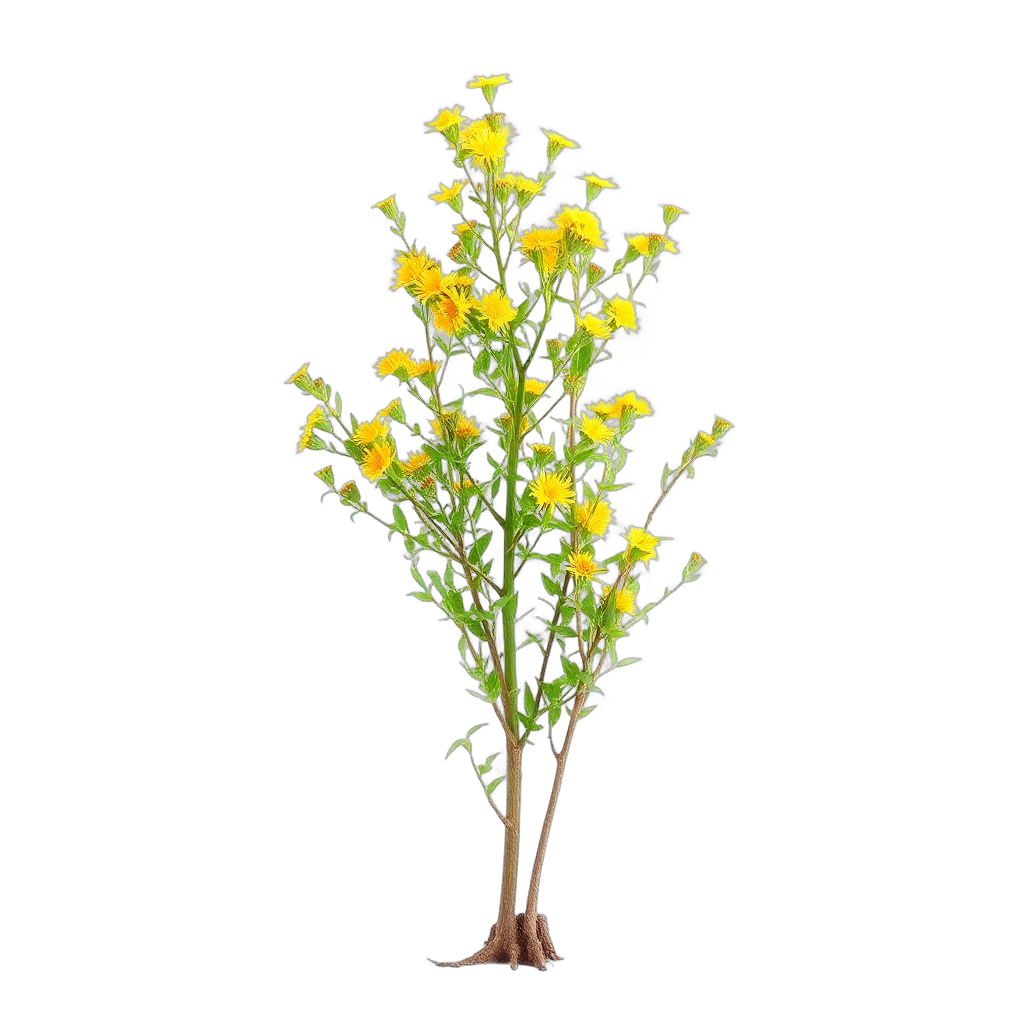
Brittlebush
Encelia farinosa
grows to 3 feet, yellow blooms in spring. Attracts butterflies.
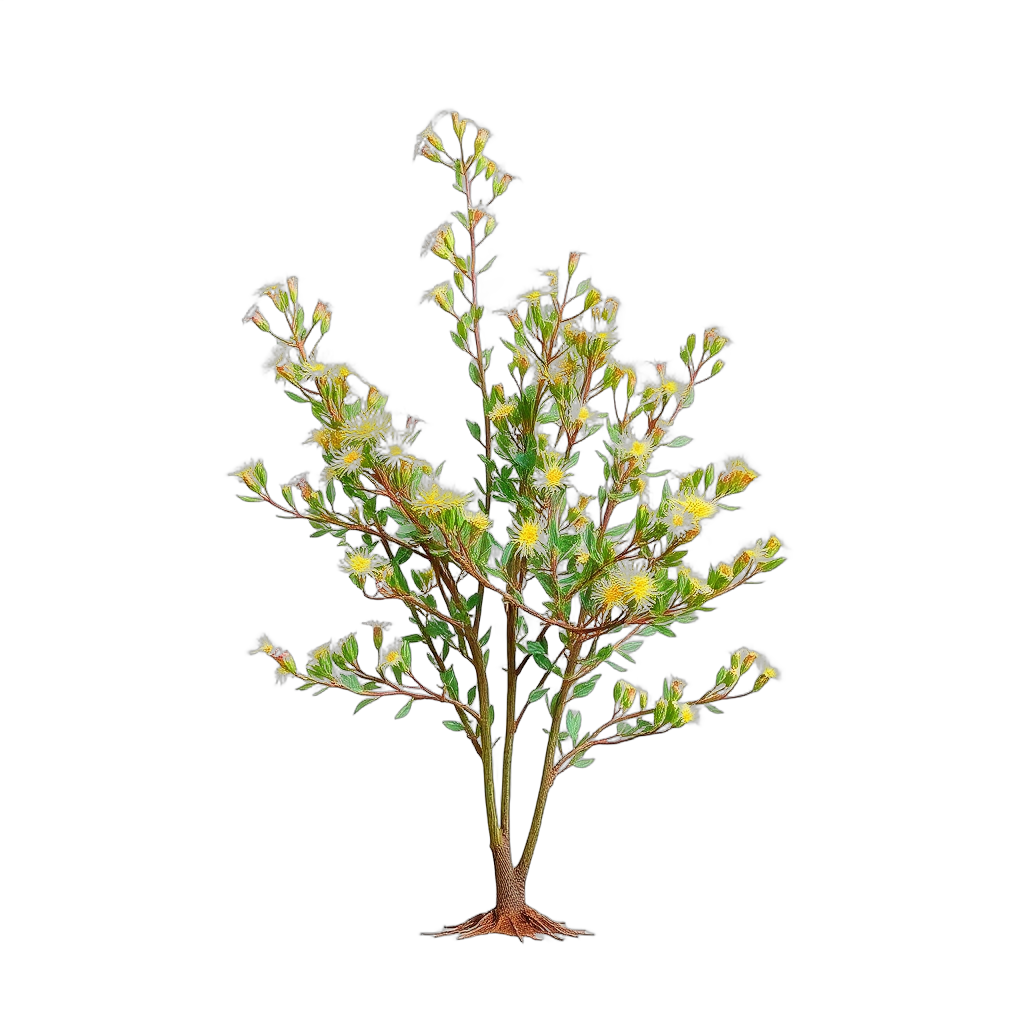
Catclaw Acacia
Acacia greggii
medium-sized at 15 feet, yellow blooms in spring. Pollinator-friendly.
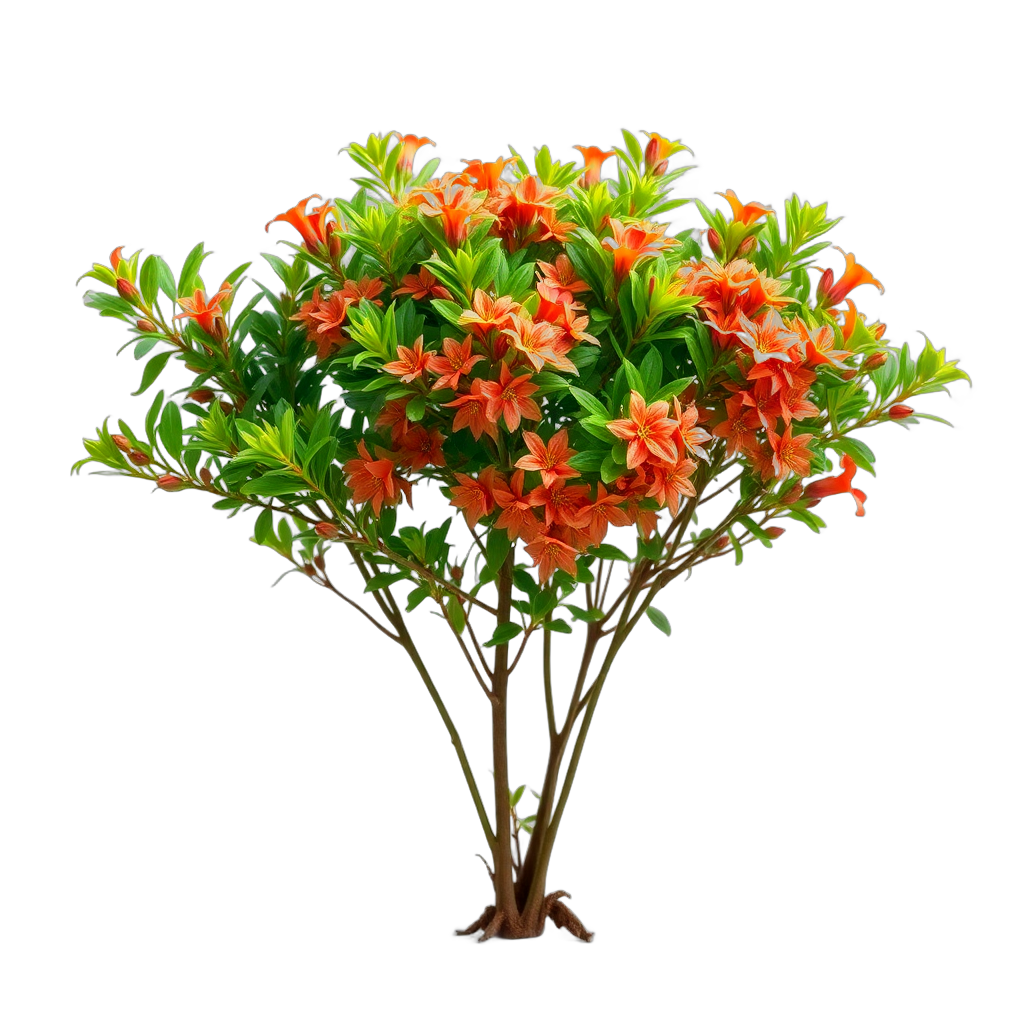
Chuparosa
Justicia californica
grows to 5 feet, red blooms in spring. Attracts hummingbirds.
Featured Grasses & Groundcovers for Cottage/English Gardens
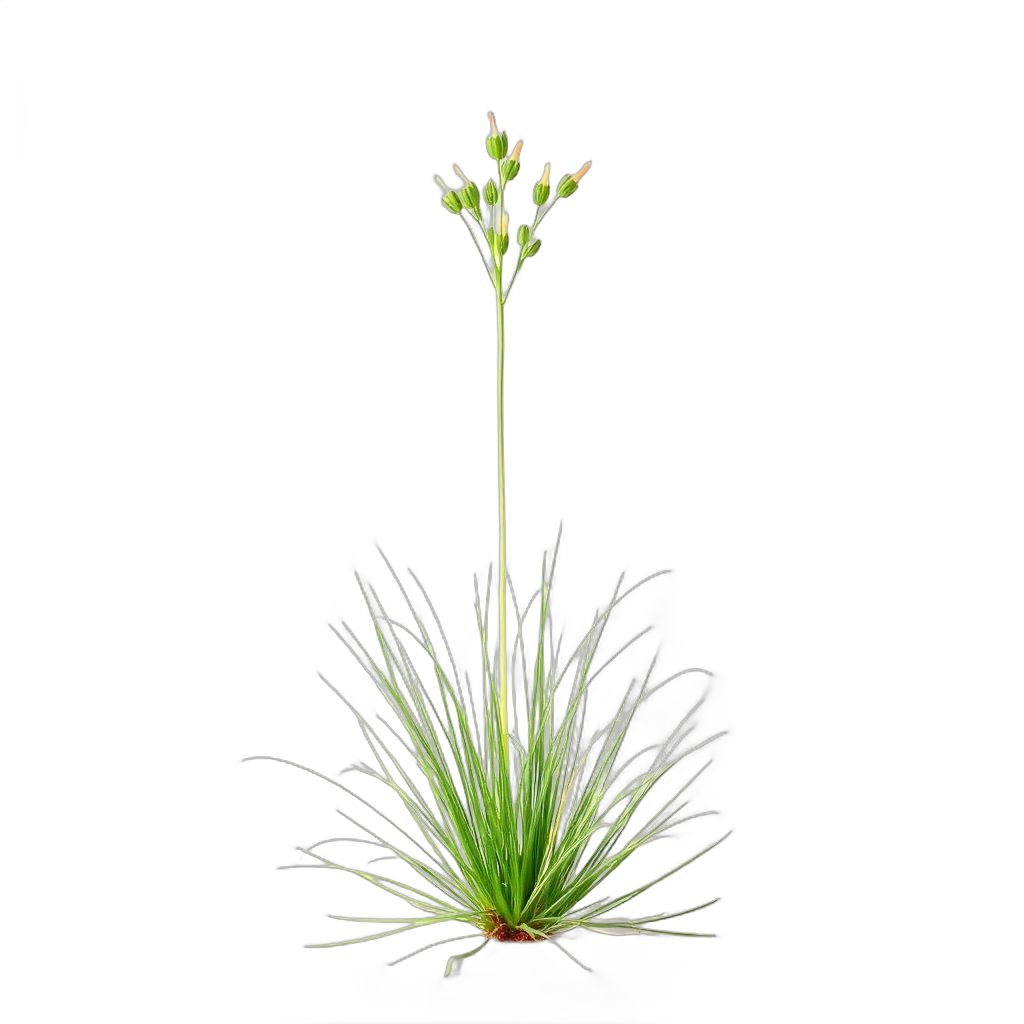
Alkali Sacaton
Sporobolus airoides
grows to 3 feet, blooms in summer. Yellow fall color.
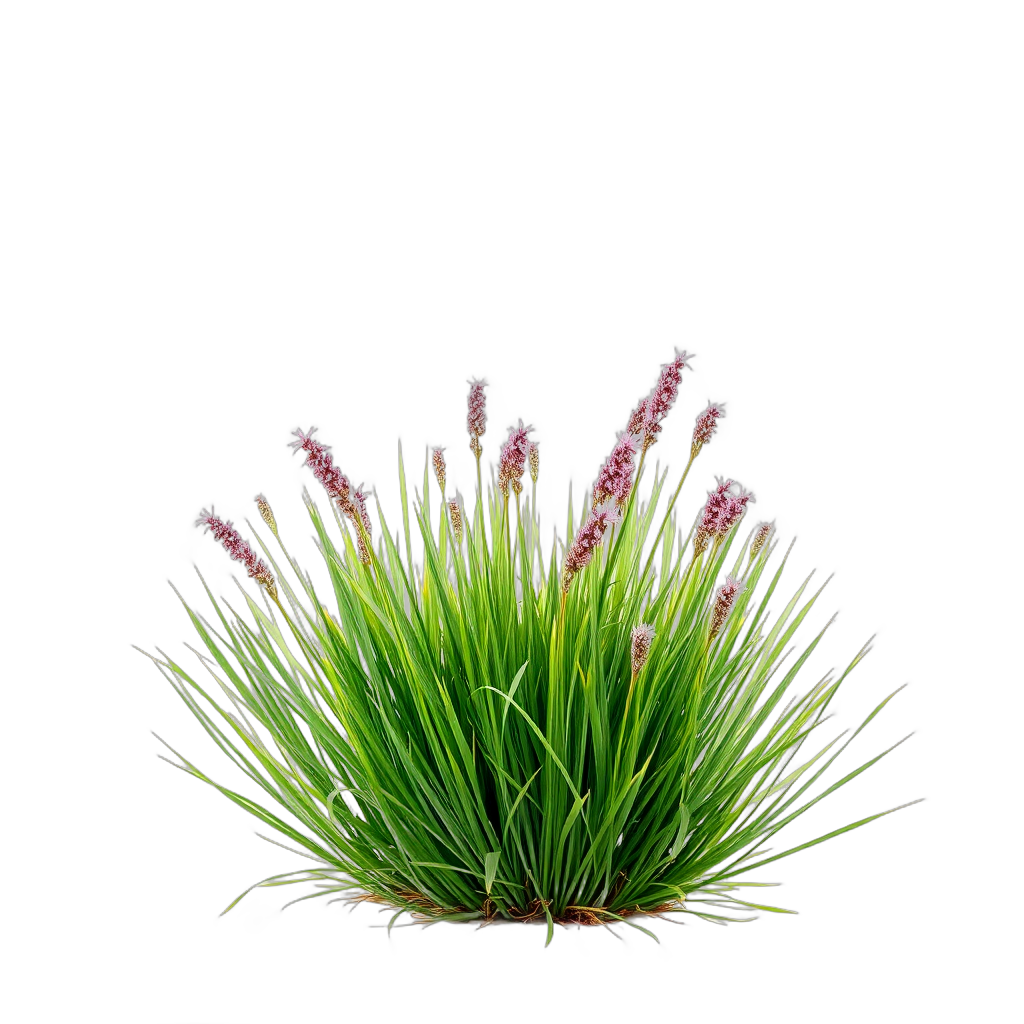
Purple Three-Awn
Aristida purpurea
low-growing ground cover, purple blooms in fall. Yellow fall color.
Featured Flowers & Perennials for Cottage/English Gardens
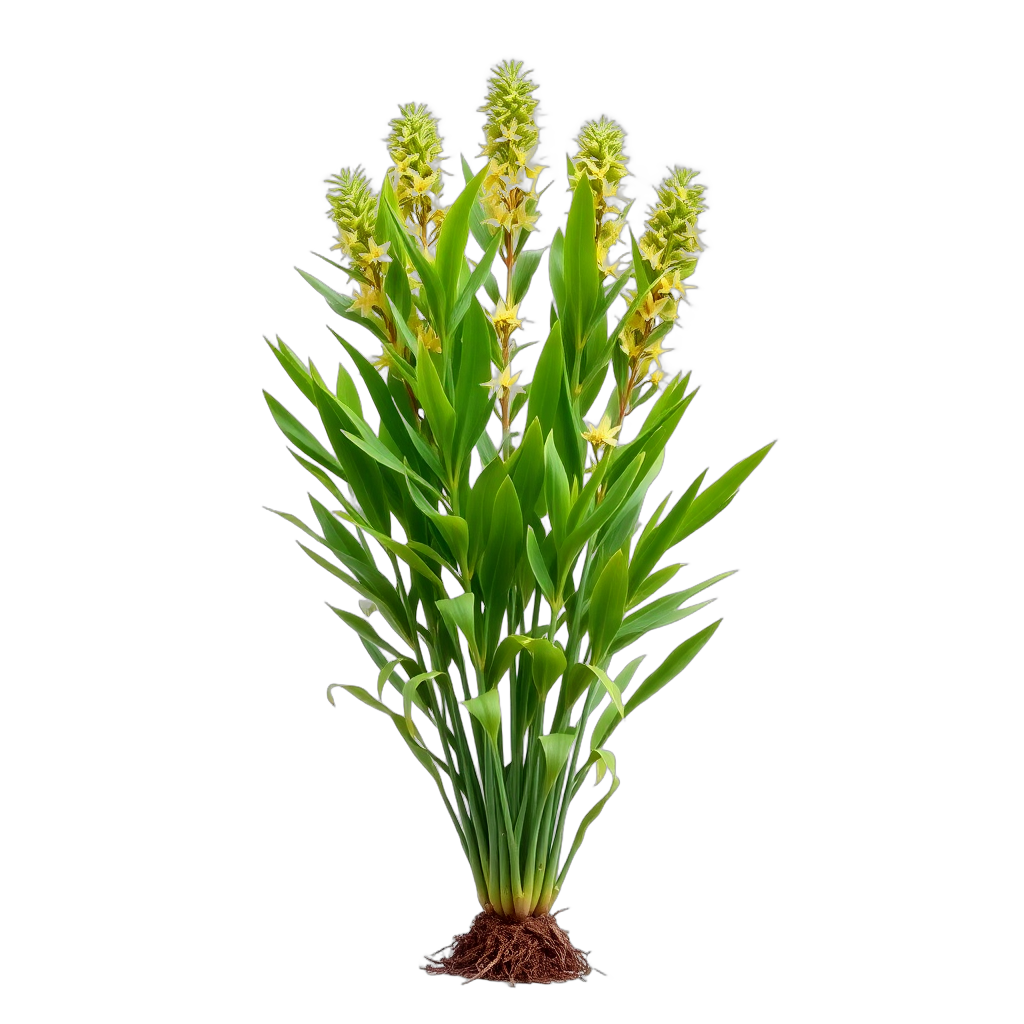
Banana Yucca
Yucca baccata
low-growing ground cover, white blooms in spring. Attracts hummingbirds.
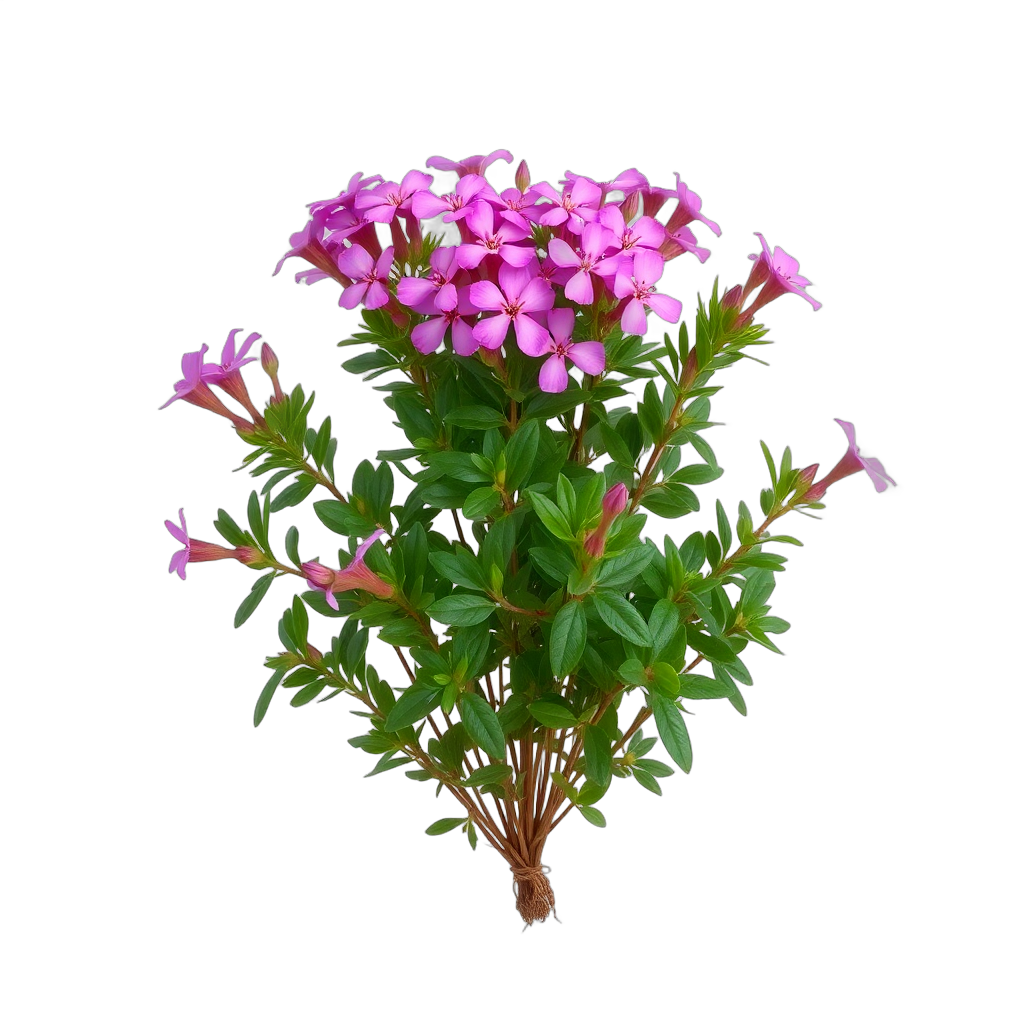
Desert Phlox
Phlox austromontana
low-growing ground cover, pink blooms in spring. Attracts hummingbirds.
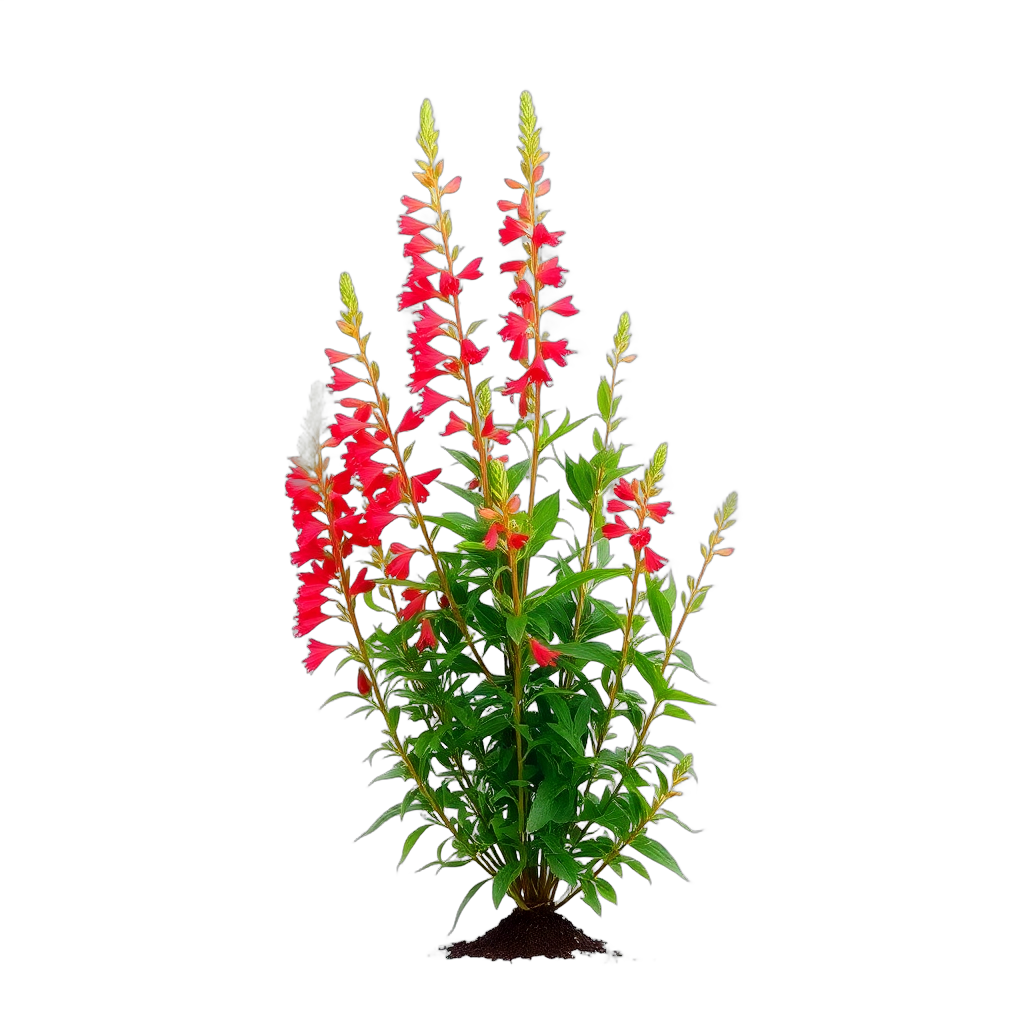
Firecracker Penstemon
Penstemon eatonii
low-growing ground cover, red blooms in spring. Attracts hummingbirds.

Palmer's Penstemon
Penstemon palmeri
grows to 4 feet, pink blooms in spring. Attracts hummingbirds.
Zone and sun checks come from our database — confirm with your local nursery before you buy.
Bloom Calendar for Victorville
spring
Banana Yucca, Desert Phlox, Firecracker Penstemonsummer
Alkali Sacaton, Quailbushfall
Purple Three-Awnwinter
Limited bloomsDesign Tips for Victorville (Zone 8b)
- Put every border on drip: City of Victorville Water exempts drip from the three-day sprinkler schedule, and drip at the root keeps rose leaves dry in the evening
- Swap the shade-and-damp classics for desert-proof ones: Penstemon eatonii and Agastache 'Blue Fortune' for foxglove, Salvia yangii 'Blue Spire' for delphinium, and Vitex agnus-castus 'Shoal Creek' for the blue haze of a hydrangea
- Add 2 to 3 inches of compost to the top 8 inches of sandy soil before planting and top up the mulch each spring; the sand holds very little water or food on its own
- Plan for alkaline soil at pH 7.5 to 8.5: feed roses and lilacs with an acidifying fertilizer and keep iron chelate on hand for yellowing leaves
- Plant the tallest flowers on the windward side against a wall or fence and stake hollyhocks before the spring wind arrives
- Lean on what the High Desert grows best: bearded iris and Syringa vulgaris 'Lavender Lady' want the winter chill Victorville supplies, and they give the spring peak that coastal cottage gardens cannot
- If you hit a hard caliche layer while digging, break through it or build the bed up; water sits on top of caliche and drowns rose and lilac roots
Where to Source Plants in Victorville
Skip the big-box stores. These independent Victorville nurseries specialize in the plants that make cottage/english gardens thrive in Zone 8b.
Fireman Rock & Nursery
Victorville (Palmdale Road)
Local family-owned yard selling plants and trees alongside decorative rock, decomposed granite, boulders and planting soil; serves Victorville, Hesperia, Apple Valley and the rest of the High Desert
Nate's Nursery
Apple Valley (Tulsa Road)
High Desert nursery carrying shade trees, fruit trees, plants and sod, plus bonsai; serves Apple Valley, Hesperia and Victorville
Canyons to the Desert RCD Nursery
Lancaster (Avenue I), about an hour west
Conservation-district nursery growing native and drought-tolerant stock for the desert, including rosemary, sages, red yucca and chaste tree; open Thursday to Saturday, call ahead to check availability
Cottage/English Landscaping Costs in Victorville
| Project Scope | Estimated Cost |
|---|---|
| Front cottage border with drip and mulch (400–600 sqft) | $5,000 – $12,000 |
| Picket fence with gate and rose arbour | $1,500 – $4,000 |
| Flagstone path on compacted base (100–200 sqft) | $1,800 – $4,500 |
| Drip irrigation retrofit for existing beds | $800 – $2,500 |
| Lawn removal and conversion to planted border (per sqft) | $6 – $14/sqft |
| Full back cottage garden: patio, borders, drip, small tree | $15,000 – $40,000 |
| AI visualization (ProScapeAI) | Free to start |
Estimates based on Victorville, CA-area contractor rates as of 2026. Actual costs vary by site conditions, materials, and contractor.
Victorville Climate & Growing Zone
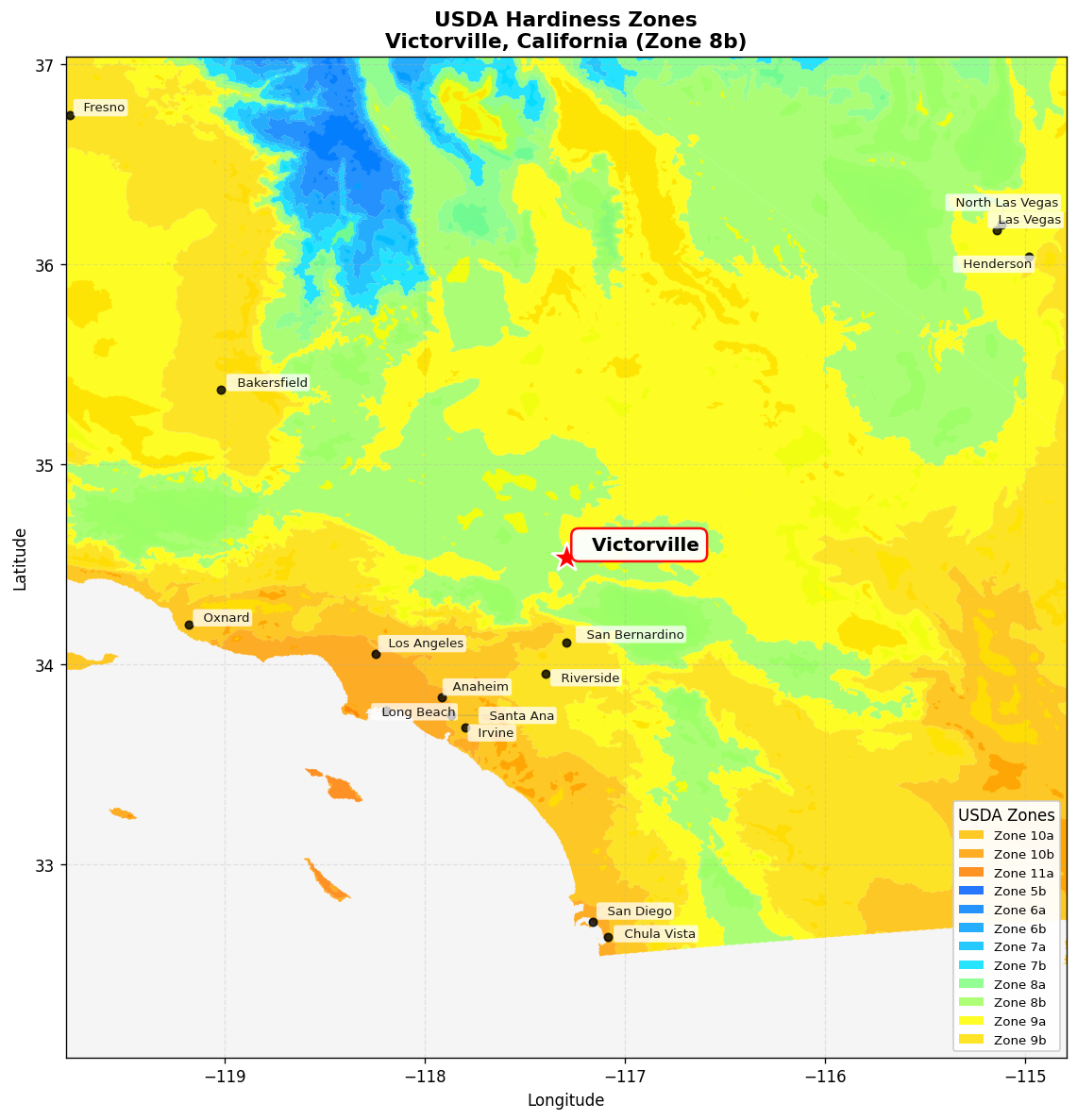
USDA Zone 8b
Hardiness zone for Victorville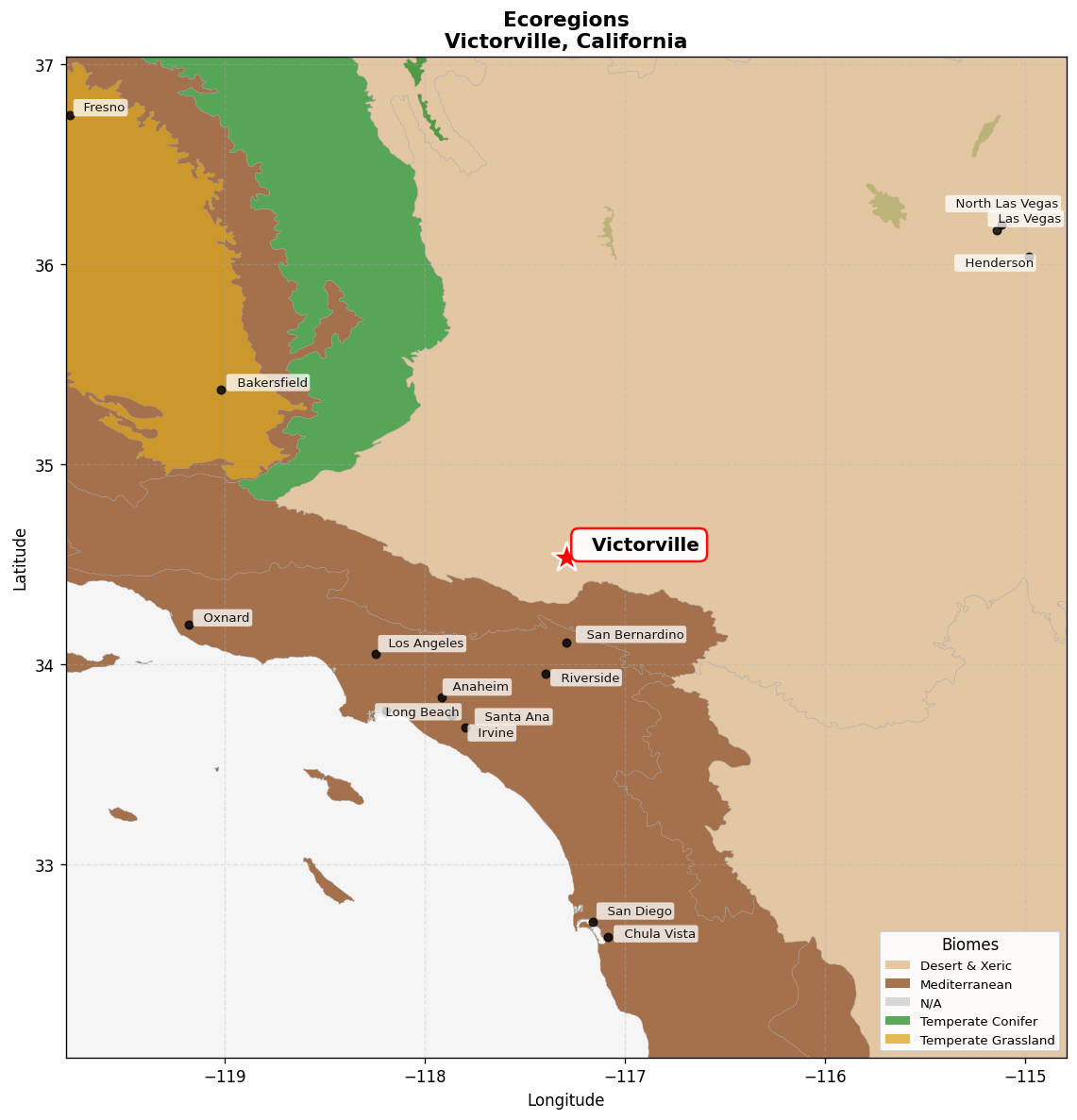
Mojave desert
Native ecoregionFrequently Asked Questions
How much does an English cottage garden cost in Victorville?
High Desert landscape labor is cheaper than in Los Angeles or Orange County, with crews commonly billing around $45–75 per hour. A planted front cottage border of 400–600 sqft with drip irrigation, compost and bark mulch typically runs $5,000–12,000 installed. Add $1,500–4,000 for a picket fence and gate arbour, and $12–22 per square foot for a flagstone path. A full back garden with patio, lilac border and drip system often runs $15,000–40,000. Doing the planting yourself with one-gallon Nepeta 'Walker's Low' and Lavandula 'Munstead' and starting hollyhocks from seed brings a border well under $8 per square foot.
Which English cottage plants survive Victorville's heat and cold?
The ones that like dry air and full sun. Rosa 'Iceberg', Rosa 'Julia Child', Iris germanica, Alcea rosea, Syringa vulgaris 'Lavender Lady', Nepeta × faassenii 'Walker's Low', Lavandula angustifolia 'Munstead' and Achillea 'Moonshine' all handle both 98°F July afternoons and nights in the teens. The classics that fail here are Delphinium elatum, Hydrangea macrophylla and foxglove, which scorch or collapse in the summer heat. Use Penstemon eatonii, Agastache 'Blue Fortune' and Salvia yangii 'Blue Spire' for the tall blue and red spires instead.
When is the best time to plant a cottage garden in Victorville?
Fall is best, from late September through early November, when soil is still warm and the summer heat has broken. Roots grow through the winter and plants are settled before the next summer. Early spring, from March to mid-April, is the second window, but plants set out then need careful watering through their first summer. Bare-root roses and lilacs go in from January to early March while dormant. Avoid planting in June through August, when highs average near 98°F.
What are Victorville's watering rules for a garden?
City of Victorville Water allows sprinkler watering three days a week by address: even-numbered addresses on Tuesday, Thursday and Saturday, odd-numbered on Wednesday, Friday and Sunday. From June through September sprinklers may run only from 10 p.m. to 6 a.m., and from October through May from 9 a.m. to 3 p.m. Drip irrigation is exempt from the schedule, and hand watering with a shut-off nozzle is allowed any time if there is no runoff. Washing paths and driveways with a hose is prohibited. If you are not on city water, check with your own water provider, since the rules may differ.
Is a cottage garden low maintenance in the High Desert?
It is moderate maintenance. Dry air means far less leaf disease than in wetter places, so roses need little spraying. The work is in deadheading roses and Nepeta through summer, cutting lavender back by a third after flowering, dividing bearded iris every three to four years, and checking drip emitters each spring because sand and hard water clog them. Plan on one to two hours a week from April to October and very little in winter.
Why do my roses turn yellow in Victorville?
Usually it is iron chlorosis, not disease. Victorville's sandy alluvial soil is alkaline, roughly pH 7.5 to 8.5, and at that pH roses cannot take up iron, so the leaves go yellow between green veins. Work compost into the bed before planting, use an acidifying rose fertilizer, and apply iron chelate (the EDDHA form works best in alkaline soil) in spring. Overwatering in heavy patches of soil can cause the same yellowing, so check that the ground is drying out between drip cycles.
How do I protect a cottage border from the High Desert wind?
Spring wind is a bigger enemy here than cold. Stake hollyhocks and tall Salvia yangii early, put the tallest plants against a wall or fence on the windward side, and use bark mulch held in place by a low edging rather than light mulch that blows away. A row of Rosa banksiae 'Lutea' on a fence or a Vitex agnus-castus 'Shoal Creek' at the corner breaks the wind for the smaller perennials behind it.