4 Modern Landscape Ideas for Victorville, CA | Clean Lines for High Desert Zone 8b
Native plants from the Mojave desert (Zone 8b) — Mediterranean (hot summer) climate
Why Modern/Minimalist Gardens in Victorville?
Victorville is easy country for a modern landscape, mostly because of the light. At roughly 2,900 feet, with clear skies most of the year and only about 5.6 inches of rain, the High Desert sun throws hard shadows across a stucco wall, so one Yucca rostrata or a single run of steel edging does more visual work here than a full border would on the coast. The house stock helps too. The 1990s and 2000s tract homes on the west side and in Sunset Ridge have long, plain stucco facades and wide driveways, and the clean geometry of a modern yard (a rectangle of gravel, a line of identical plants, one strong tree) suits them far better than a lawn and a few shrubs.
Winter cold sets the plant list here. The 1991 to 2020 normals put Victorville's average January low at about 33°F and its average July high near 98°F, and the record low is -1°F. That is USDA Zone 8b, with typical winter lows of 15 to 20°F, which is much colder than Palm Springs and rules out many plants sold as desert modern in Los Angeles. Agave attenuata, Aloe barbadensis, bougainvillea and most cactus from Baja turn to mush after a clear night in the teens. The structural plants that keep their shape here are Agave ovatifolia 'Frosty Blue', Agave parryi var. truncata, Yucca rostrata, Dasylirion wheeleri, Hesperaloe parviflora 'Brakelights' and Muhlenbergia rigens, with Pistacia chinensis 'Keith Davey' or Chilopsis linearis 'Bubba' as the shade tree.
The ground is good for hardscape and poor for plants. Most of the city sits on sandy alluvium from the surrounding mountains and the Mojave River, alkaline at roughly pH 7.5 to 8.5, and in places there is a cemented caliche layer below. Sandy soil compacts well and does not heave a slab the way clay does, so large concrete pads and paver joints stay crisp. The catch is the daily temperature swing: a 98°F afternoon can drop into the 60s at night, so concrete needs control joints on a tight grid. For tree pits, break through any caliche you hit or the hole will hold water like a bowl.
Water rules make modern the cheapest style to run. City of Victorville Water limits sprinklers to three days a week by address, only between 10 p.m. and 6 a.m. from June through September and between 9 a.m. and 3 p.m. from October through May, while drip irrigation is exempt from the schedule. A modern design fits that well: a few plants on drip, grouped into planting islands, and gravel or concrete doing the rest. Hosing down the driveway and paths is prohibited, so choose finishes that sweep clean. The western Joshua tree is protected under California's Western Joshua Tree Conservation Act, so if one stands on your lot, design around it; it makes a fine focal point in a modern yard.
4 Modern/Minimalist Design Ideas for Victorville

AI-generated image
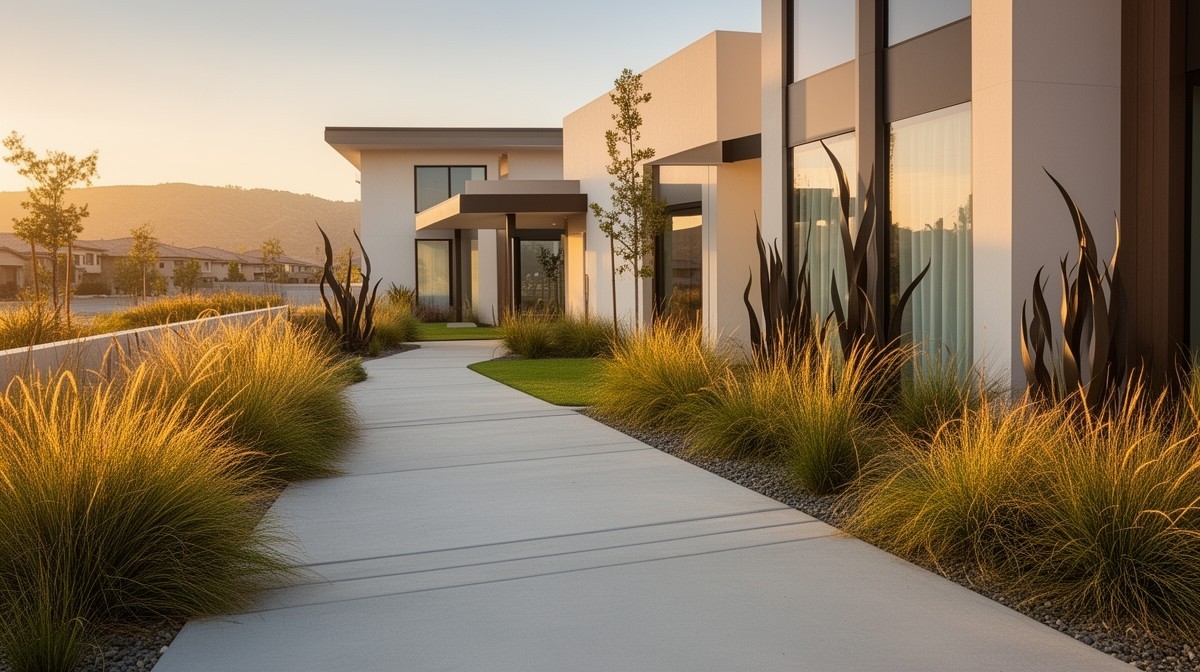
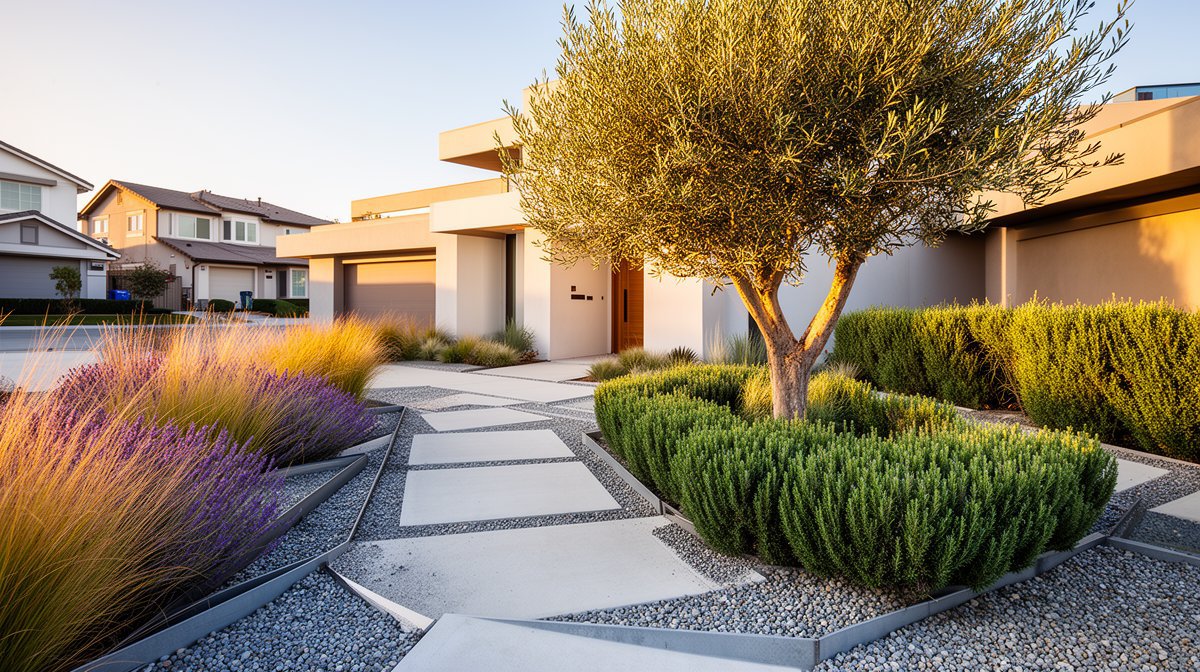
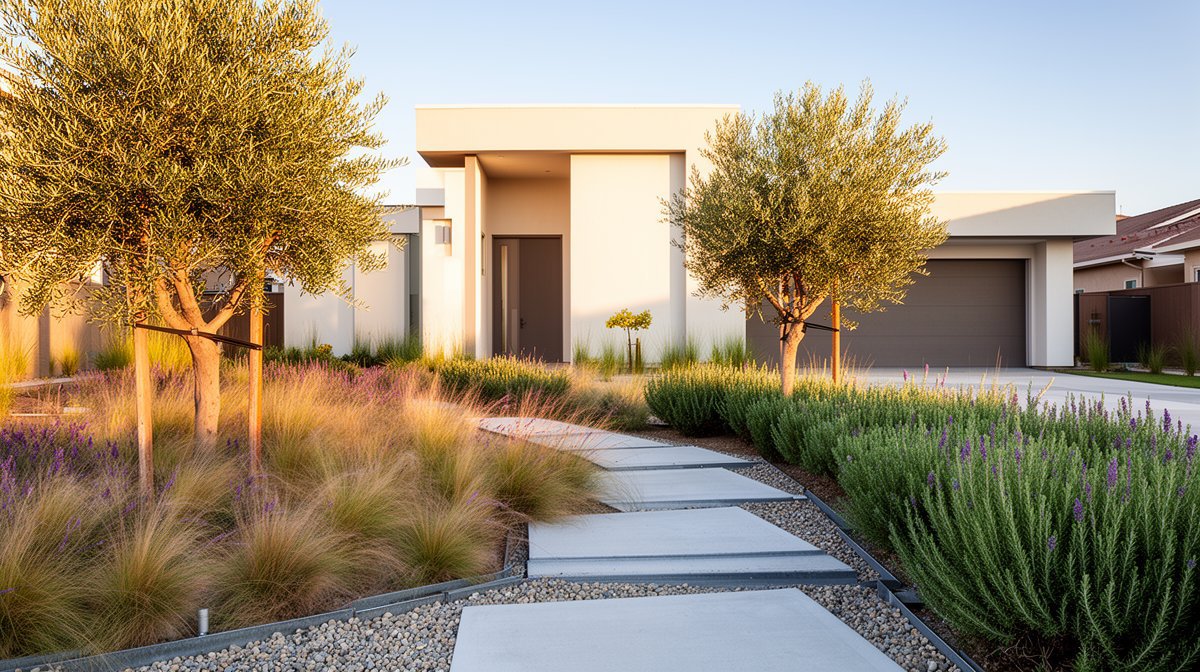
The Gravel Grid Front Yard
$9–18/sqftThe lawn in front of a two-story stucco tract house is replaced by a field of buff crushed granite broken by three rectangular planting islands edged in steel. Each island holds a single Yucca rostrata surrounded by blue agaves and a ring of deer grass, all on drip. The front faces south, so the plants get full sun all day and the pale gravel keeps the yard from radiating heat at the garage door.

AI-generated image
The Concrete Pad and Fire Table Terrace
$18–35/sqftBehind a single-story ranch house, a large-format concrete terrace with sawcut joints on a 4-foot grid steps down to a gas fire table and built-in bench. A Chinese pistache on the west side shades the terrace in late afternoon, and a band of Hesperaloe and Dasylirion runs along the block wall. Evenings are the point: summer nights cool fast at this elevation, so the fire table gets used from April through November.

AI-generated image
The Steel Planter Courtyard
$20–40/sqftA side courtyard off the kitchen holds three tall weathering-steel planters set in a line on a concrete paver floor, each with a single sculptural plant. A Desert Willow in the corner gives light shade, and a horizontal-slat wood screen with gaps blocks the neighbor's view without catching the spring wind. The courtyard faces east, so it gets morning sun and is shaded by the house after noon.

AI-generated image
The Joshua Tree Focal Yard
$8–16/sqftOn a larger lot with an existing Joshua tree, the yard is designed around it: a circle of decomposed granite surrounds the trunk, and a straight concrete path cuts past it to the front door. Low drifts of grasses and a few blue agaves keep the planting simple so the Joshua tree reads as the sculpture. The tree gets no added irrigation, and every other plant is on its own drip line.
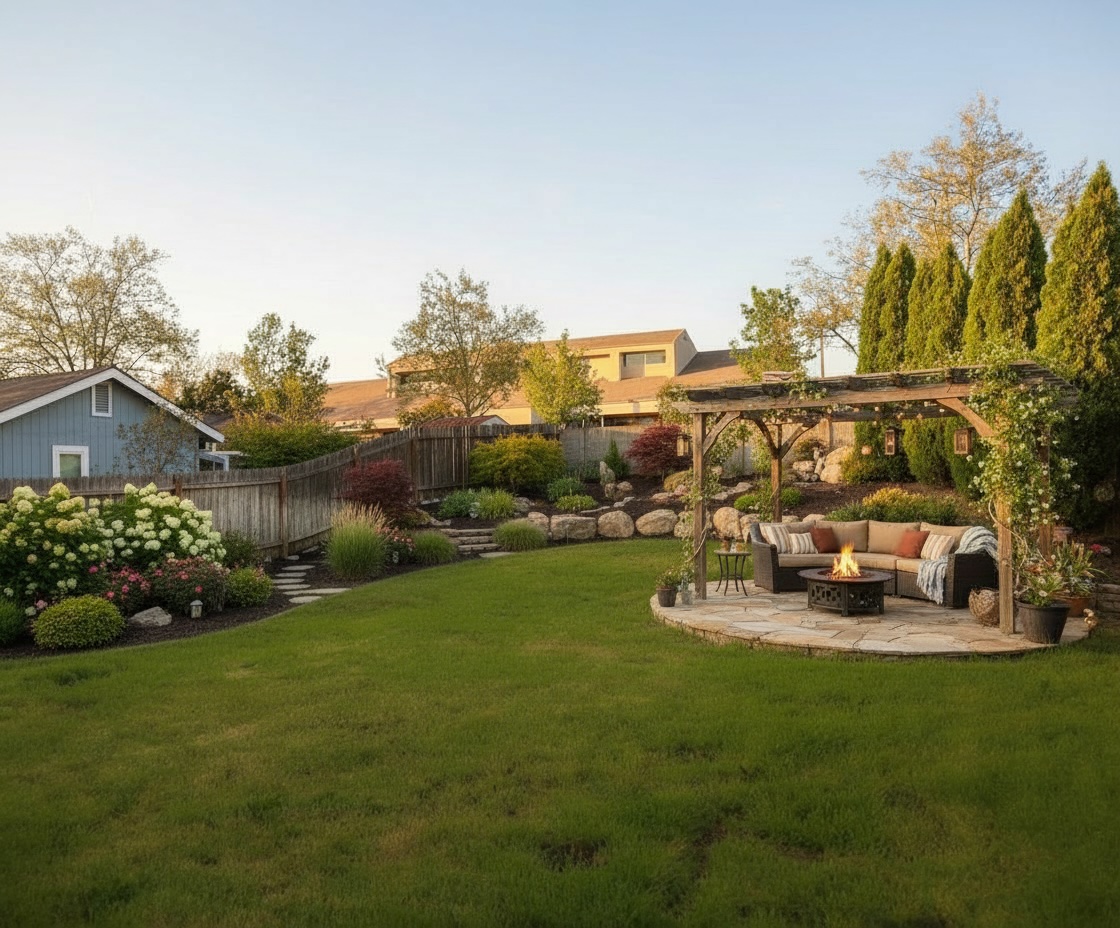
See how a modern/minimalist garden looks on YOUR property
Upload a photo of your Victorville yard and visualize your dream garden in seconds.
Try ProScapeAI Free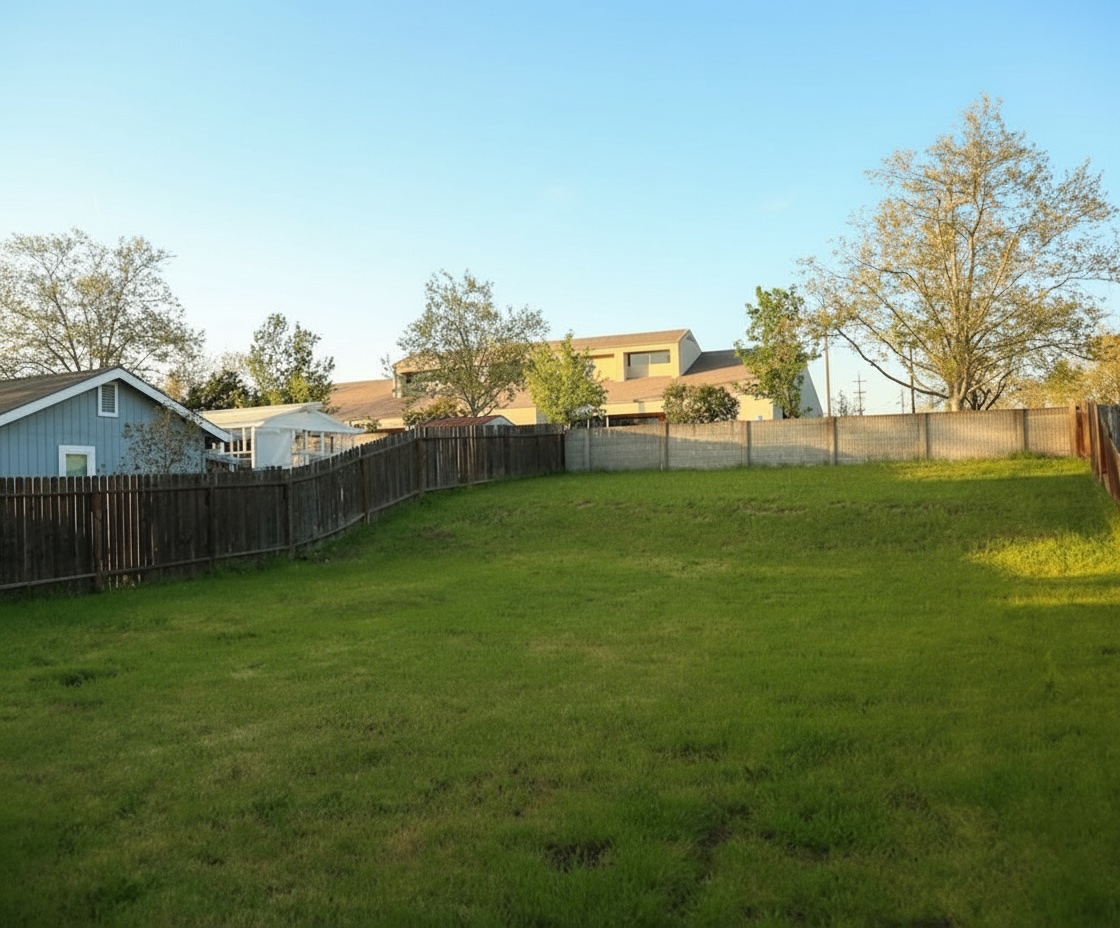
AI-generated image
Featured Trees & Shrubs for Modern/Minimalist Gardens
Browse all 168 plants for Victorville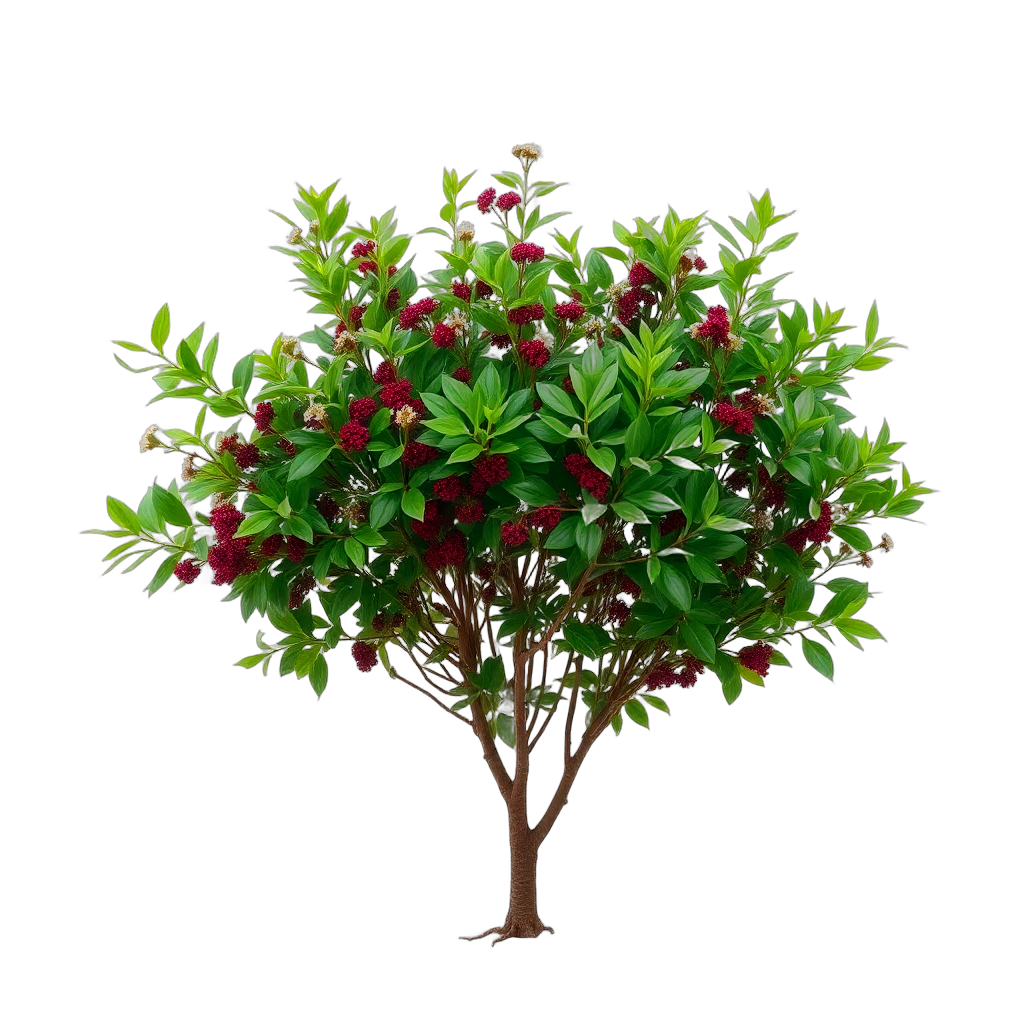
Anderson Wolfberry
Lycium andersonii
grows to 5 feet, purple blooms in spring. Attracts hummingbirds.
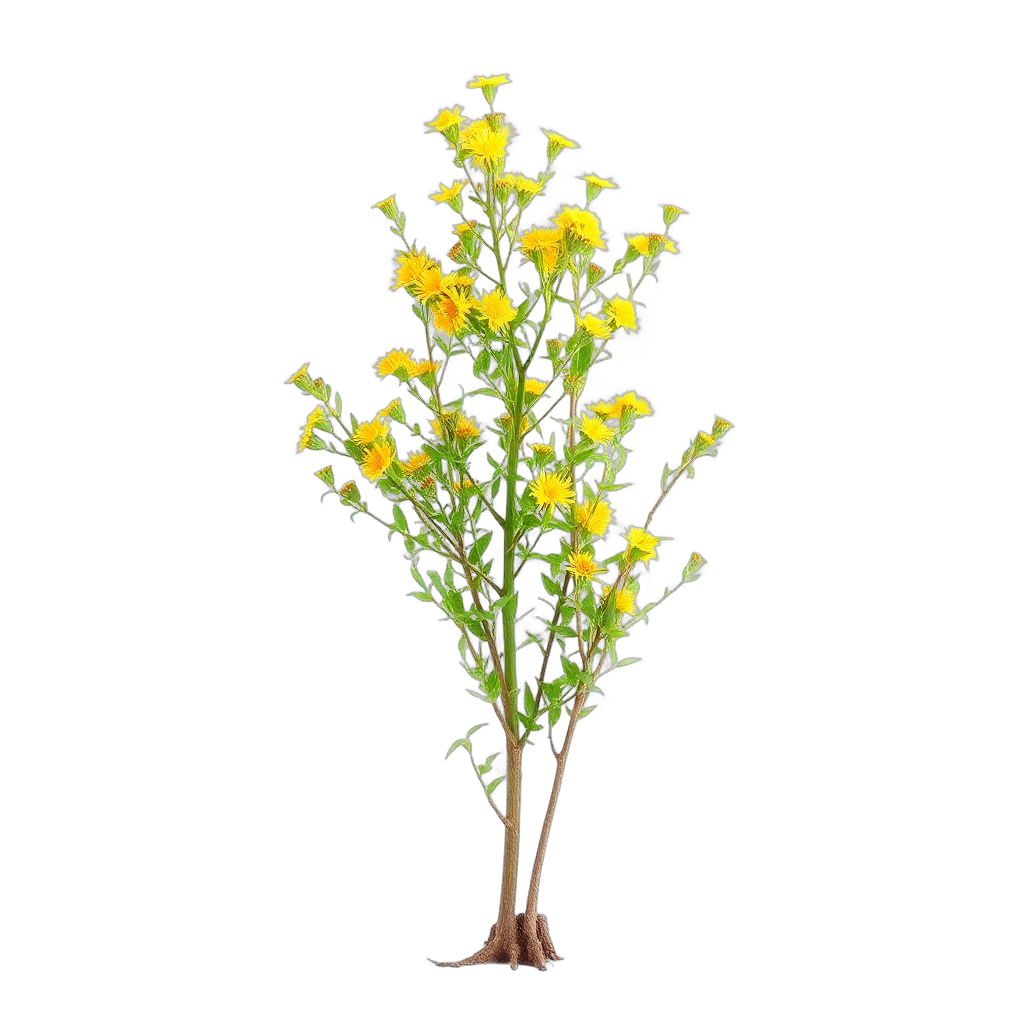
Brittlebush
Encelia farinosa
grows to 3 feet, yellow blooms in spring. Attracts butterflies.
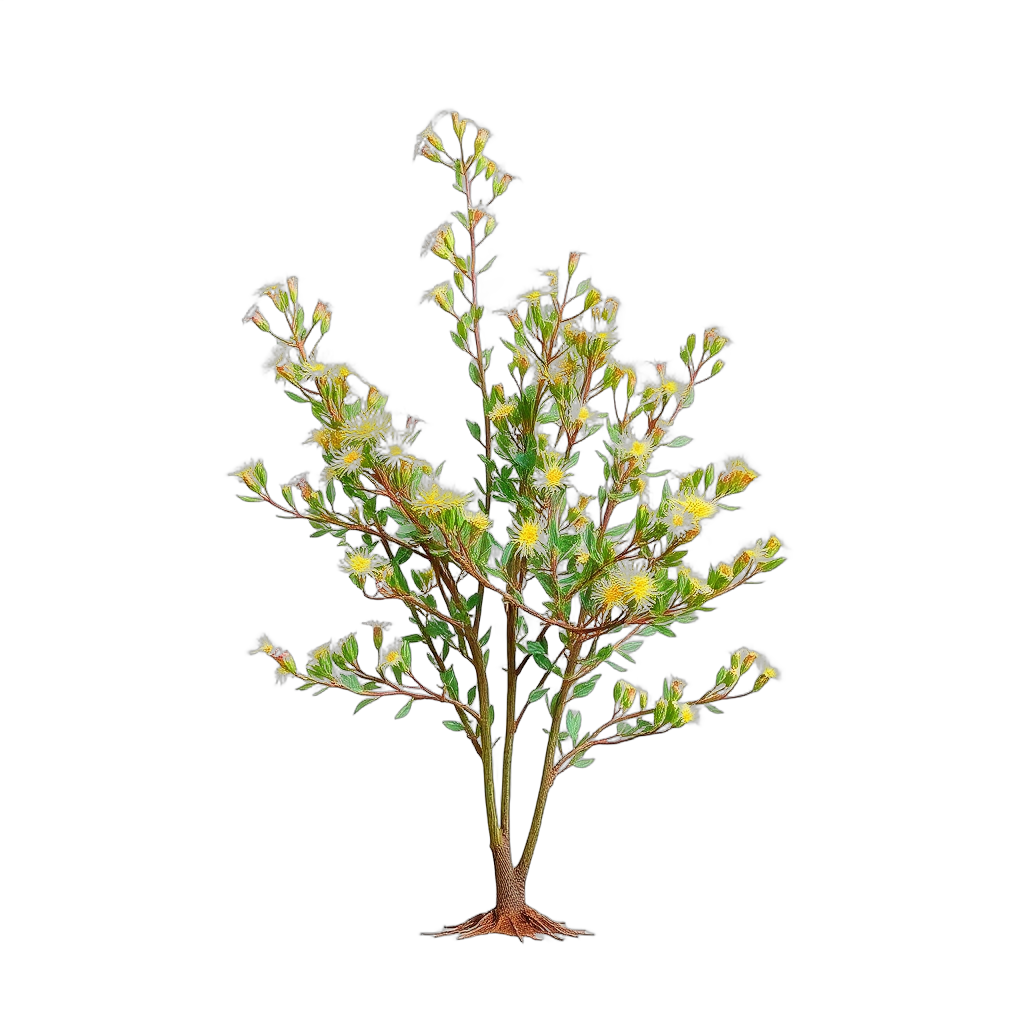
Catclaw Acacia
Acacia greggii
medium-sized at 15 feet, yellow blooms in spring. Pollinator-friendly.
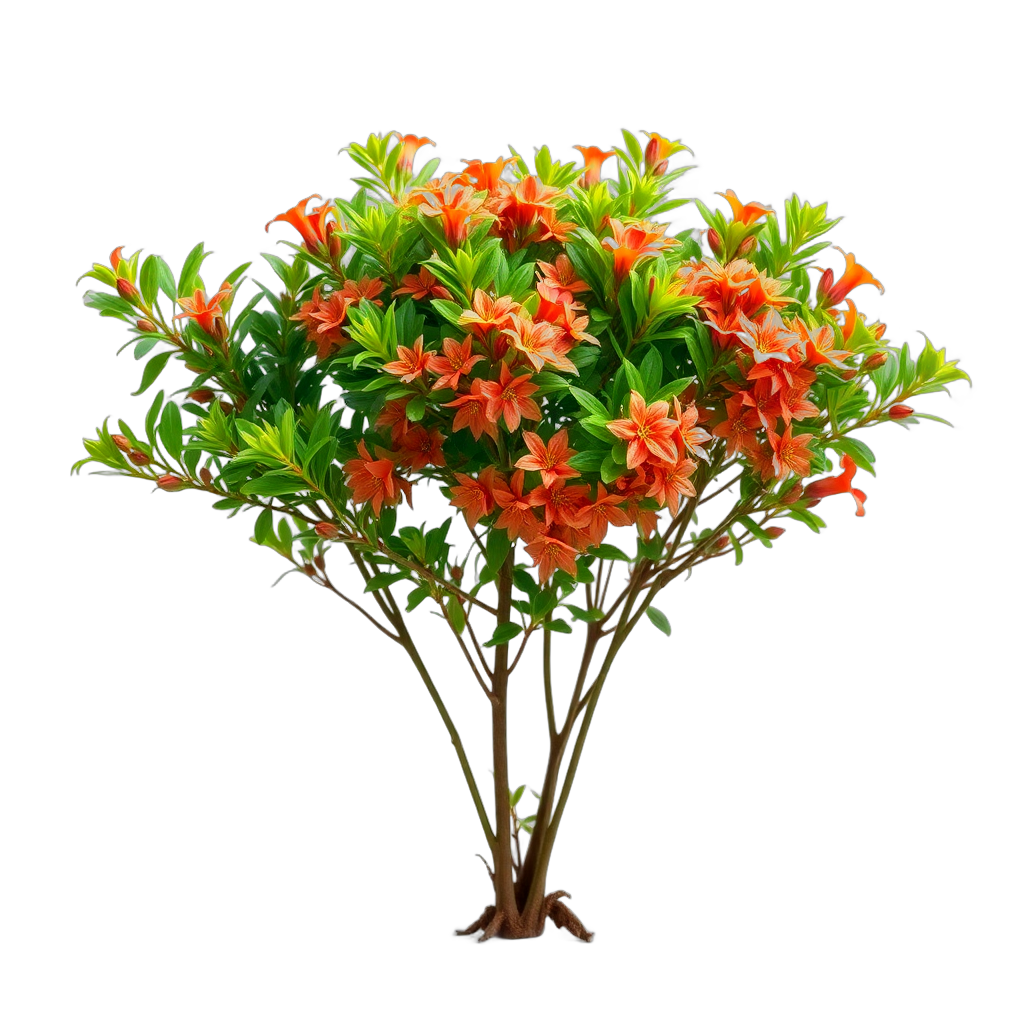
Chuparosa
Justicia californica
grows to 5 feet, red blooms in spring. Attracts hummingbirds.
Featured Grasses & Groundcovers for Modern/Minimalist Gardens
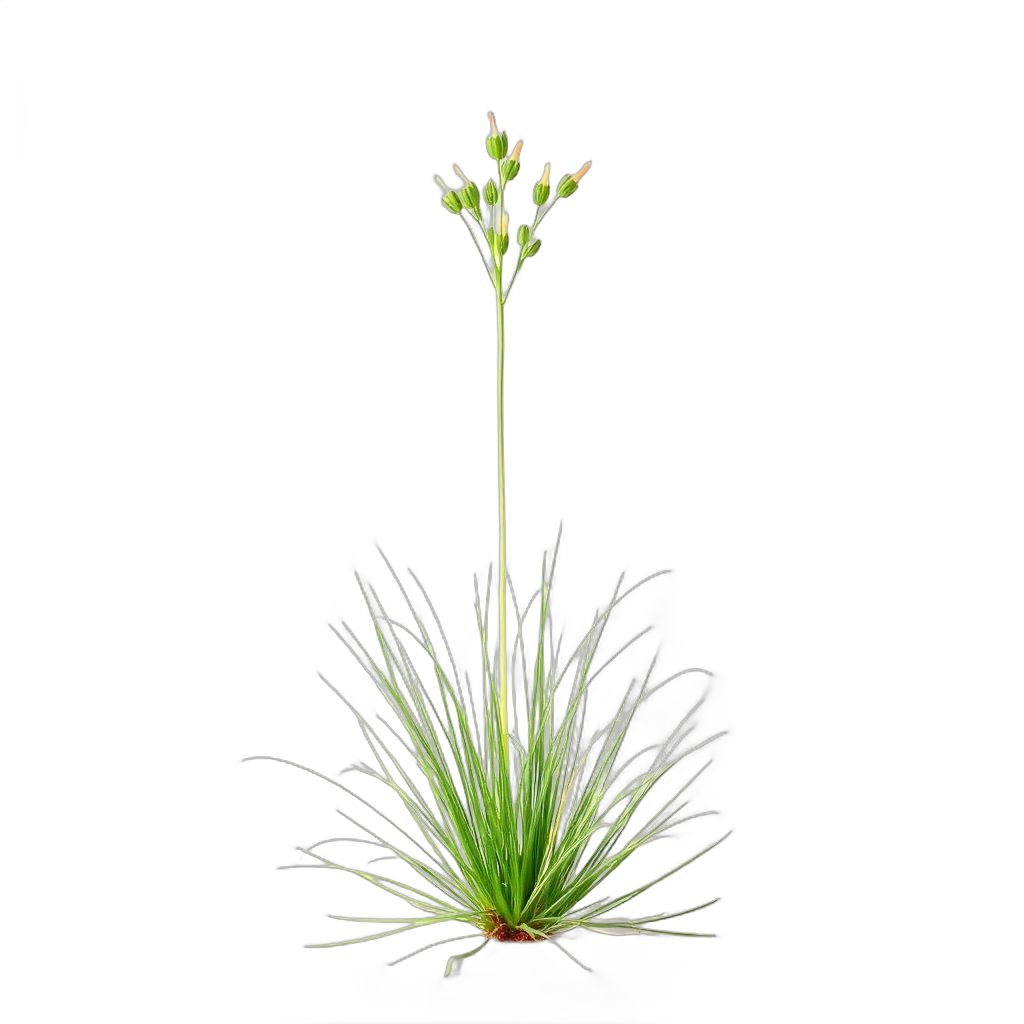
Alkali Sacaton
Sporobolus airoides
grows to 3 feet, blooms in summer. Yellow fall color.
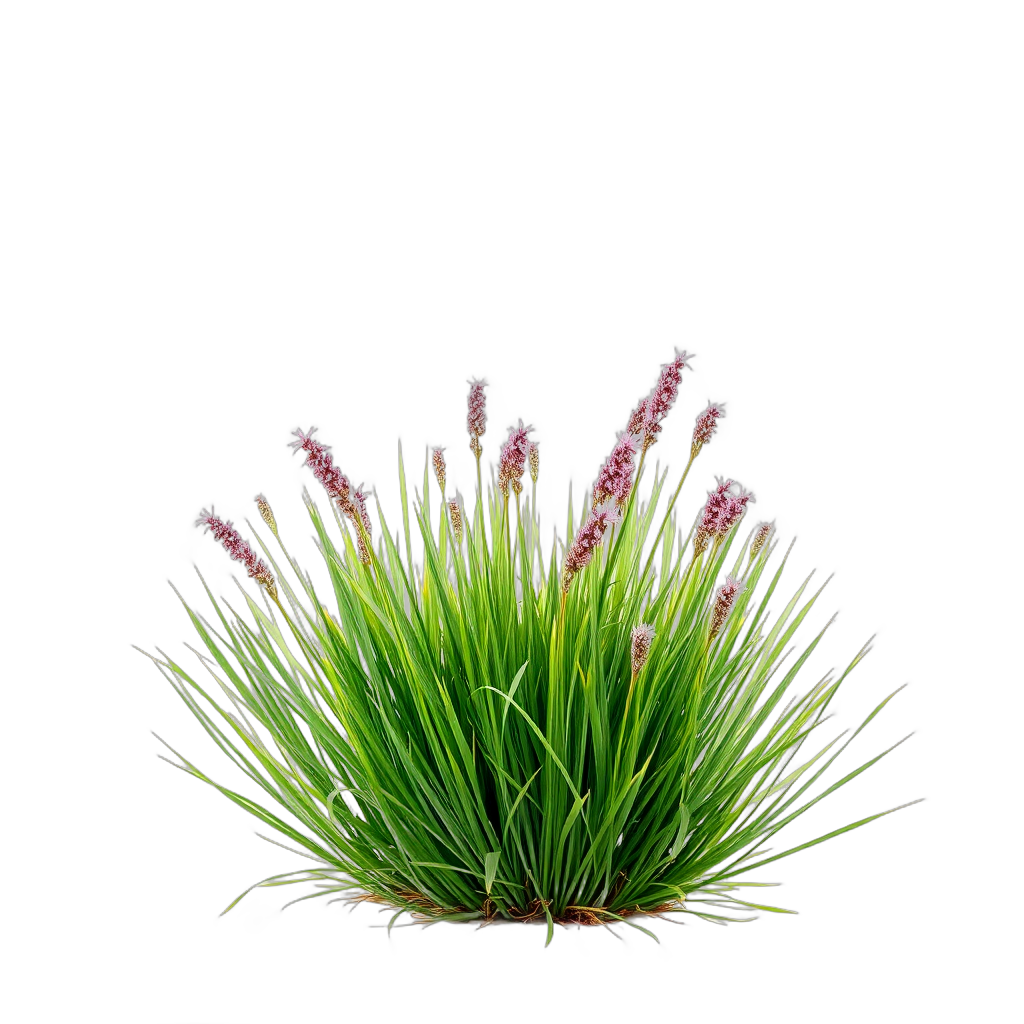
Purple Three-Awn
Aristida purpurea
low-growing ground cover, purple blooms in fall. Yellow fall color.
Featured Flowers & Perennials for Modern/Minimalist Gardens
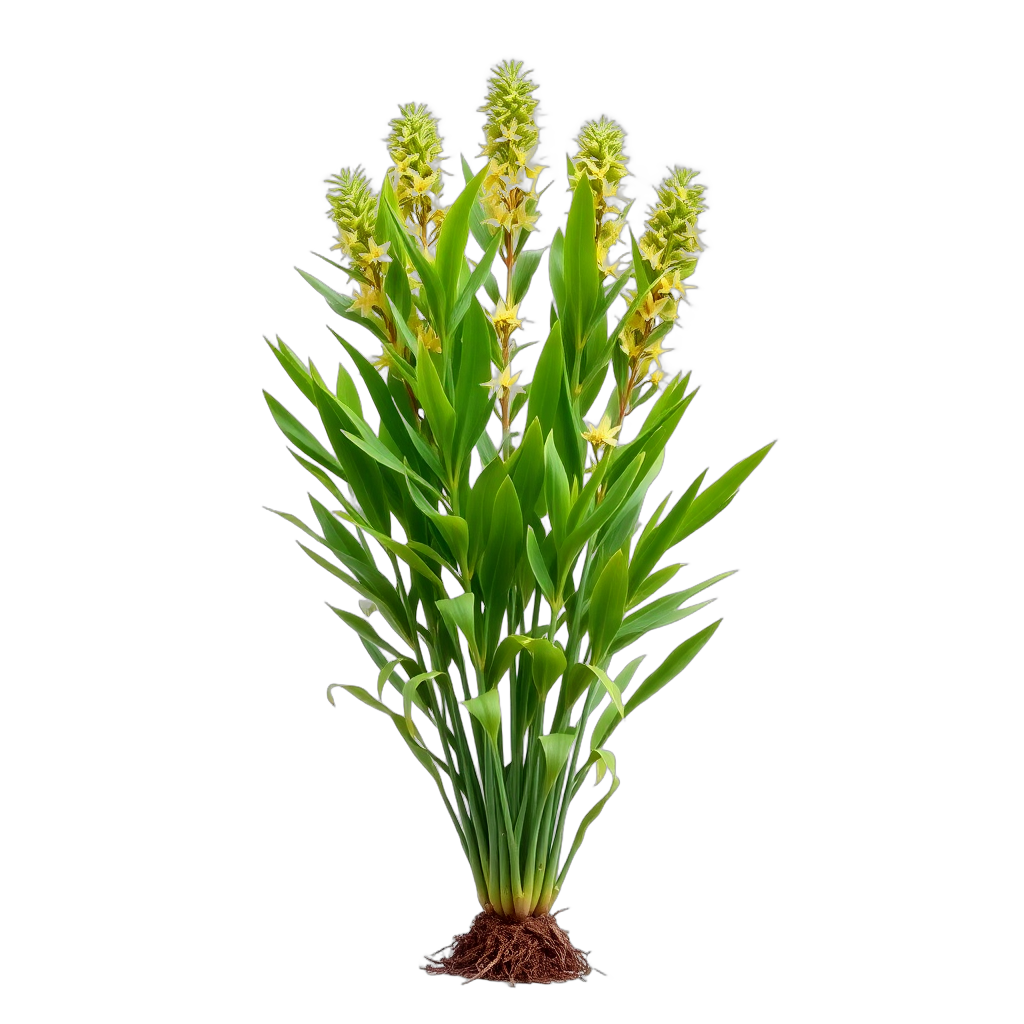
Banana Yucca
Yucca baccata
low-growing ground cover, white blooms in spring. Attracts hummingbirds.
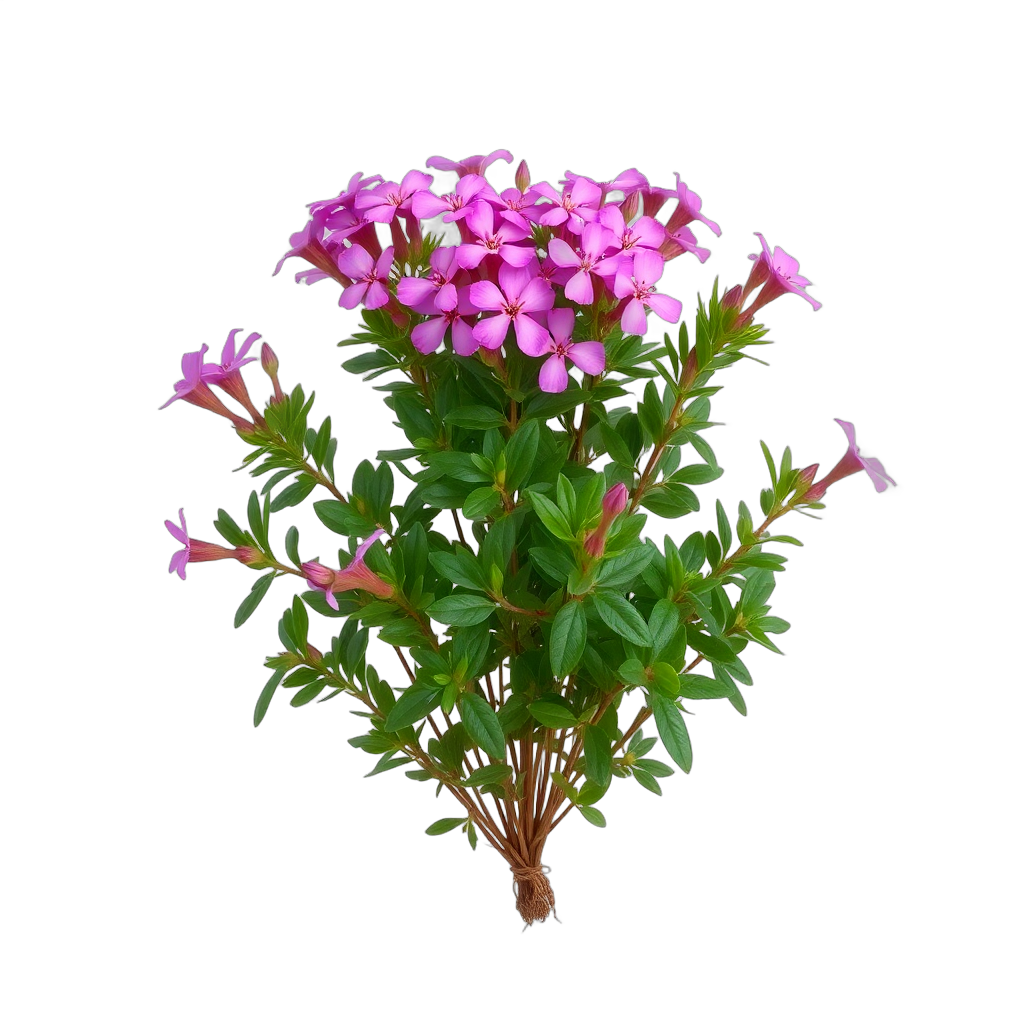
Desert Phlox
Phlox austromontana
low-growing ground cover, pink blooms in spring. Attracts hummingbirds.
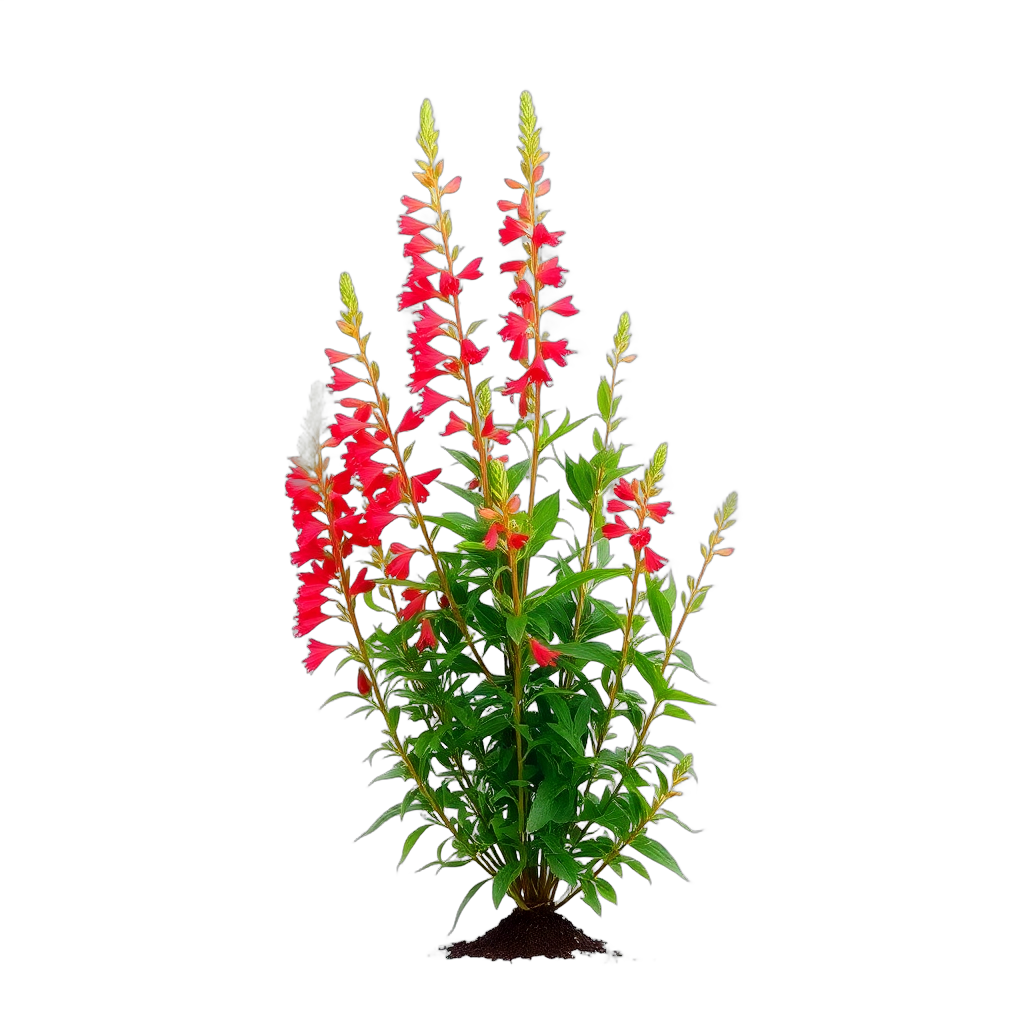
Firecracker Penstemon
Penstemon eatonii
low-growing ground cover, red blooms in spring. Attracts hummingbirds.

Palmer's Penstemon
Penstemon palmeri
grows to 4 feet, pink blooms in spring. Attracts hummingbirds.
Zone and sun checks come from our database — confirm with your local nursery before you buy.
Bloom Calendar for Victorville
spring
Banana Yucca, Desert Phlox, Firecracker Penstemonsummer
Alkali Sacaton, Quailbushfall
Purple Three-Awnwinter
Limited bloomsDesign Tips for Victorville (Zone 8b)
- Put every plant on drip: City of Victorville Water exempts drip from the three-day sprinkler schedule, and a modern yard with a few plants in islands is easy to run on a single low-flow valve
- Use 3/4-inch angular crushed rock, not round pea gravel; round gravel rolls and blows out of the beds in the spring wind
- Repeat three or four plants in groups rather than one of everything: Agave ovatifolia 'Frosty Blue', Muhlenbergia rigens and Hesperaloe parviflora 'Brakelights' in drifts read as design against plain stucco
- Cut concrete control joints on an 8 to 10 foot grid within a day of the pour; the daily temperature swing at 2,900 feet cracks large slabs that skip them
- Stay pale on the ground: buff crushed granite and light concrete reflect heat away and do not fade in the high-altitude sun
- Break through caliche before planting a Pistacia chinensis 'Keith Davey' or Chilopsis linearis 'Bubba', or the tree pit fills with water and the roots rot in a wet winter
- Set screens and pergola posts on concrete footings and leave gaps between slats so spring wind passes through
Where to Source Plants in Victorville
Skip the big-box stores. These independent Victorville nurseries specialize in the plants that make modern/minimalist gardens thrive in Zone 8b.
Fireman Rock & Nursery
Victorville (Palmdale Road)
Local family-owned yard with plants and trees plus decorative rock, decomposed granite and boulders, so the gravel, boulders and plants for a modern yard can come from one place
Nate's Nursery
Apple Valley (Tulsa Road)
High Desert nursery for shade trees, fruit trees, plants and sod; a good source for the single strong tree a modern yard is built around
Canyons to the Desert RCD Nursery
Lancaster (Avenue I), about an hour west
Conservation-district nursery growing native and drought-tolerant desert stock, including red yucca, bear grass, Spanish dagger and Chinese pistache; open Thursday to Saturday, call ahead
Modern/Minimalist Landscaping Costs in Victorville
| Project Scope | Estimated Cost |
|---|---|
| Front yard lawn-to-gravel modern conversion (600–800 sqft) | $6,000 – $14,000 |
| Sawcut concrete terrace (300–500 sqft) | $5,000 – $12,000 |
| Gas fire table with built-in bench | $4,000 – $12,000 |
| Steel edging (per linear foot, installed) | $12 – $25/linear ft |
| Drip irrigation system for planting islands | $800 – $2,500 |
| Full modern back yard: terrace, fire feature, planting, drip | $25,000 – $70,000 |
| AI visualization (ProScapeAI) | Free to start |
Estimates based on Victorville, CA-area contractor rates as of 2026. Actual costs vary by site conditions, materials, and contractor.
Victorville Climate & Growing Zone
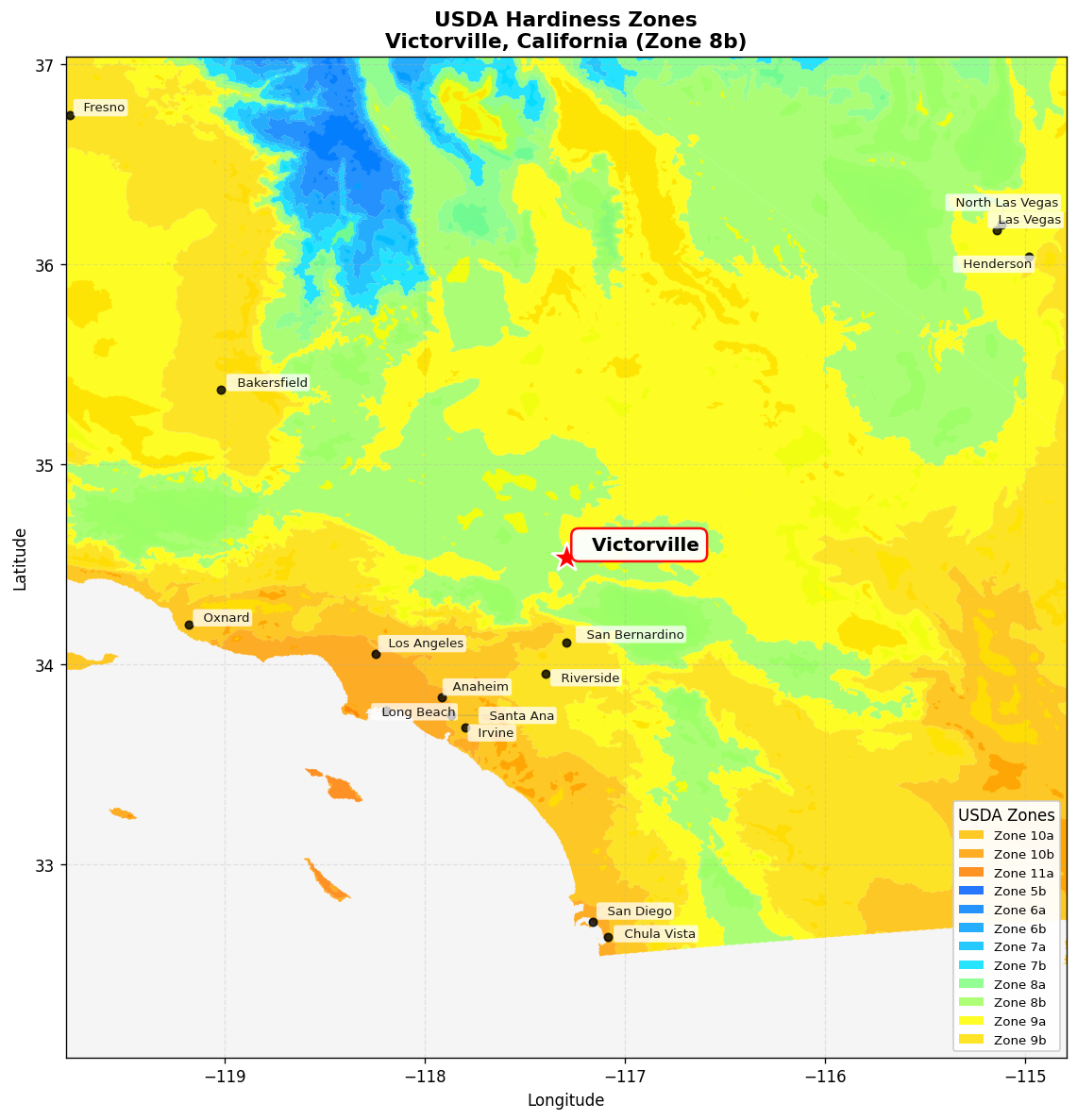
USDA Zone 8b
Hardiness zone for Victorville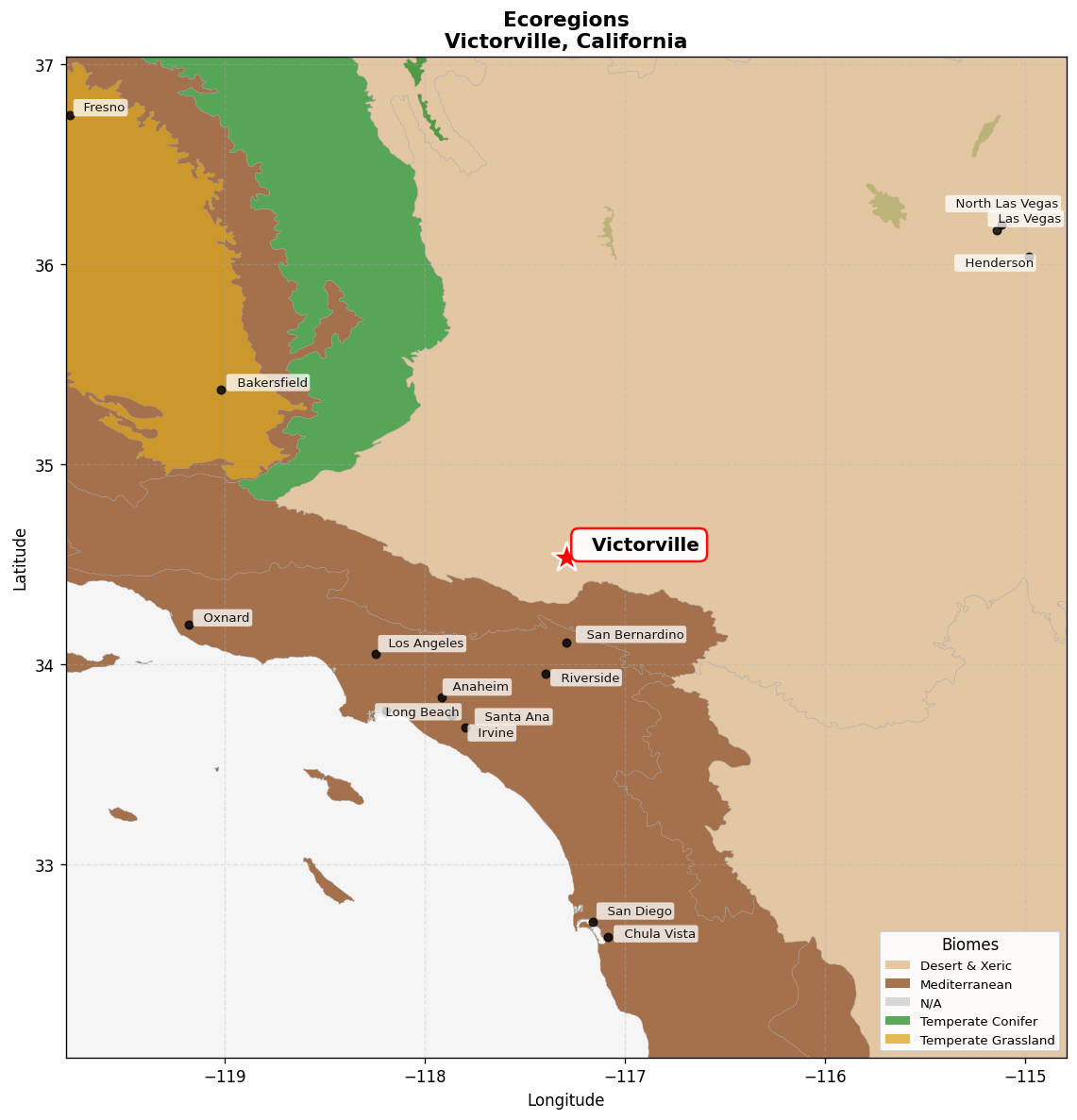
Mojave desert
Native ecoregionFrequently Asked Questions
How much does modern landscaping cost in Victorville?
High Desert labor is cheaper than in Los Angeles, with crews commonly billing around $45–75 per hour. A modern front-yard conversion (lawn removal, crushed granite, steel edging, a concrete walk and 20 to 30 plants on drip) runs roughly $9–18 per square foot, or about $6,000–14,000 for a typical 700 sqft front yard. A concrete terrace with a gas fire table runs $12,000–30,000 for 300–500 sqft. Specimen size moves the budget most: a 5-gallon Hesperaloe parviflora 'Brakelights' is cheap, while a 24-inch box Yucca rostrata or Agave ovatifolia 'Frosty Blue' can cost several hundred dollars each.
Which modern plants survive a Victorville winter?
Victorville is Zone 8b, with typical lows of 15 to 20°F and a record low of -1°F, so only cold-hardy structural plants are safe. Agave ovatifolia 'Frosty Blue', Agave parryi var. truncata, Yucca rostrata, Dasylirion wheeleri, Hesperaloe parviflora 'Brakelights', Muhlenbergia rigens and Bouteloua gracilis 'Blonde Ambition' all hold their form through a hard freeze. Skip Agave attenuata, aloes and bougainvillea, which die on the first clear night in the teens.
Does concrete hold up in the High Desert?
Yes, if the joints are planned. The difference between a 98°F afternoon and a cool night moves a slab every day, so cut control joints on a grid of about 8 to 10 feet within a day of the pour and put an expansion joint wherever paving meets the house. Sandy subgrade compacts well and does not swell, so a 4-inch reinforced slab on a compacted base is stable here. Choose light gray or buff finishes: dark colors fade in the high-altitude sun and hold heat into the evening.
What are Victorville's watering rules?
City of Victorville Water allows sprinklers three days a week: even-numbered addresses on Tuesday, Thursday and Saturday, odd-numbered on Wednesday, Friday and Sunday. From June through September sprinklers may run only from 10 p.m. to 6 a.m., and from October through May only from 9 a.m. to 3 p.m. Drip irrigation is exempt from the schedule, and washing driveways and paths with a hose is not allowed. Customers of another water provider should check that provider's rules.
When should I install a modern landscape in Victorville?
Hardscape can go in almost any time, though concrete poured in July needs early-morning pours and careful curing. Plants do best set out from late September to early November, when the soil is still warm and the heat is over, or from March to mid-April. Agaves and yuccas establish fine in spring because they need little water, but avoid planting grasses and trees in June through August.
Can I remove a Joshua tree from my yard?
Not without permission. The western Joshua tree, Yucca brevifolia, is protected under California's Western Joshua Tree Conservation Act, and removing or heavily trimming one needs authorisation. Check with the California Department of Fish and Wildlife before any work near one. In a modern design that is rarely a problem: a Joshua tree in a ring of decomposed granite is the strongest focal point you can have.