4 Modern Garden Ideas for Louisville, KY | Contemporary Landscape Design in Zone 6b
Native plants from the Interior Plateau US Hardwood Forests (Zone 6b) — Humid subtropical climate
Why Modern/Minimalist Gardens in Louisville?
Louisville is a city of remarkable architectural contrasts, and modern landscape design thrives in that environment. NuLu (the East Market District), Butchertown, and the Highlands have transformed with contemporary restaurants, boutiques, and residential conversions that have created a design-conscious urban class with both the means and the appetite for contemporary landscape thinking. At the same time, Louisville's established east end suburbs — Prospect, Anchorage, and Crestwood — are seeing a wave of contemporary custom homes that expect landscape design to match their architectural investment. The city's bourbon and Derby culture, which values quality and visual presentation above all, makes Louisville's design market unusually receptive to premium landscape work.
Zone 6b's winter lows to -5°F and Louisville's Cfa humid subtropical classification create a uniquely favorable climate for modern landscape design. The longer, warmer growing season (185–200 days) means a wider range of architectural plants are available here than in Ohio or Indiana: ornamental grasses perform exuberantly, borderline Zone 7 plants like Agapanthus and exotic specimens are achievable in sheltered spots, and the fall season is dramatically extended compared to northern cities. Louisville's architecture from Derby gardens to NuLu commercial streetscapes provides an exceptionally varied canvas for contemporary landscape work.
Louisville's Interior Plateau limestone soils create specific opportunities for modern landscape design. The naturally well-drained, neutral-to-alkaline soil is ideal for lavender, ornamental grasses, and Mediterranean-influenced architectural planting — plants that struggle in the clay soils of Cleveland or Indianapolis thrive here. Drainage is rarely the problem that it is in northern Midwest cities, and the limestone subgrade provides a naturally stable base for hardscape that reduces (though does not eliminate) freeze-thaw heave risk. Louisville's frost depth is only 18–22 inches — shallower than any other city in this Midwest group — which meaningfully reduces subbase requirements and hardscape installation costs.
4 Modern/Minimalist Design Ideas for Louisville
AI-generated image
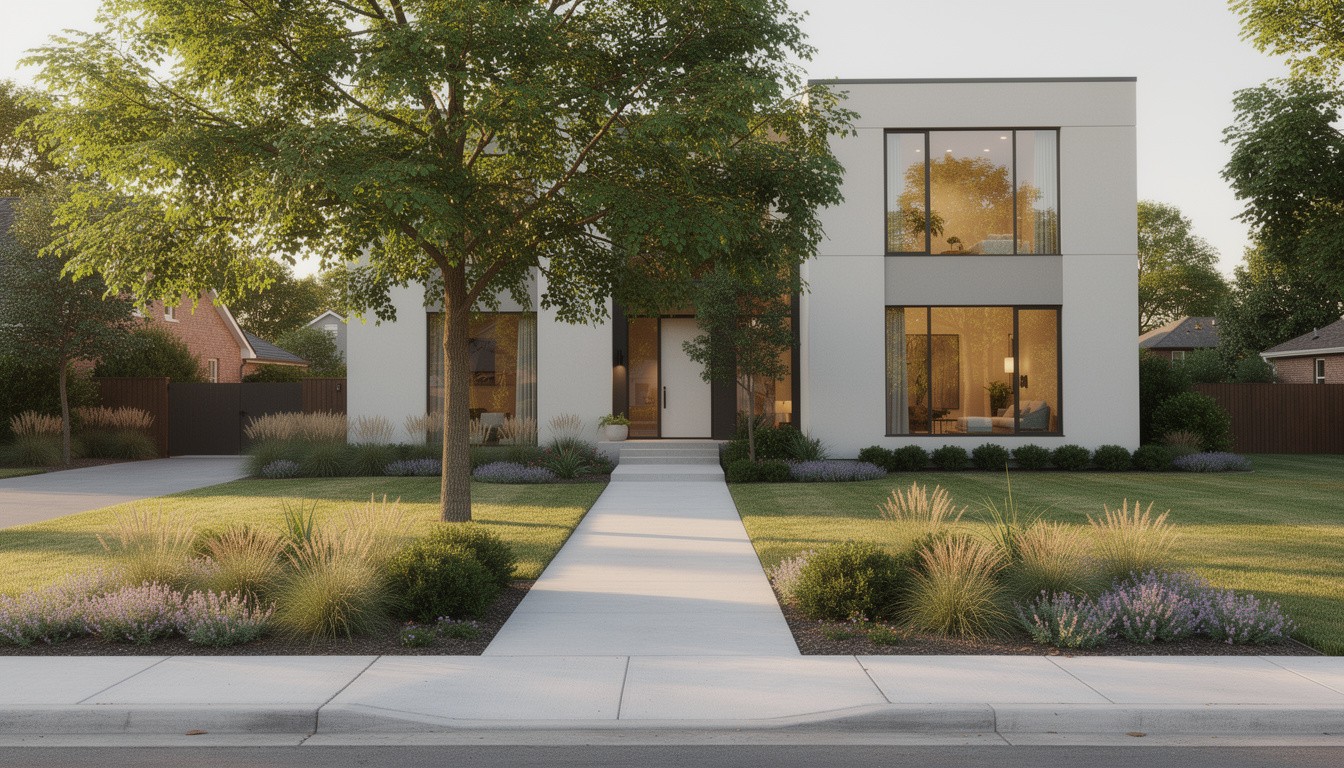
The Anchorage Modern Street Presence
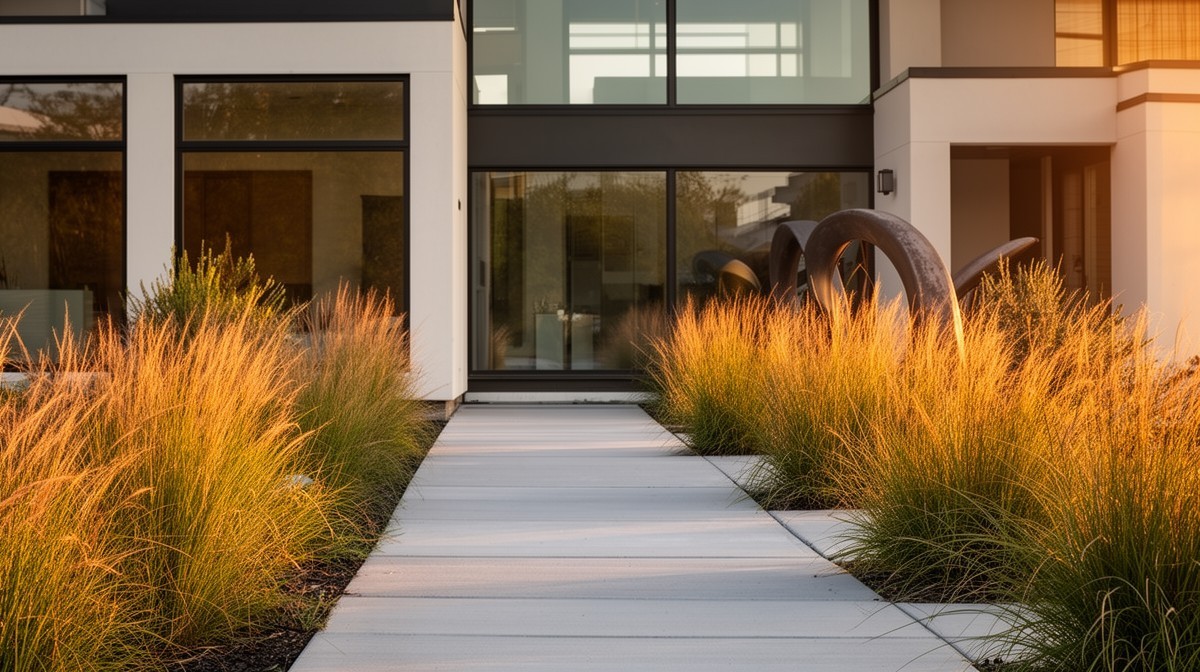
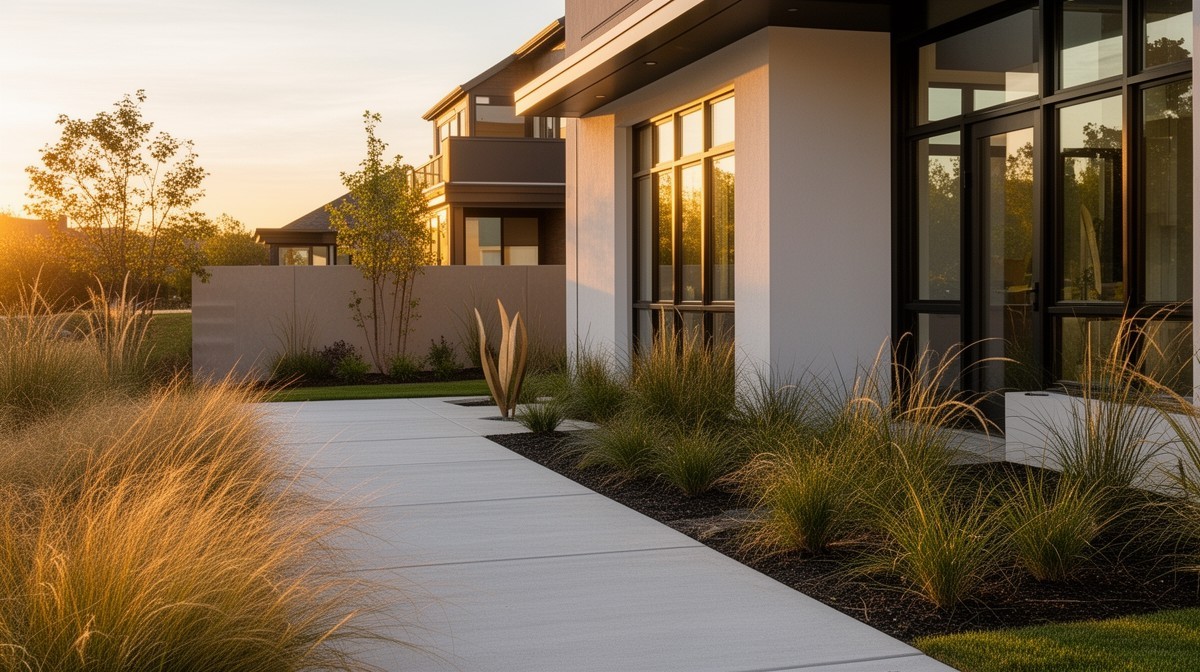
$12–22/sqftA contemporary two-story home with white render and large windows sits behind a straight concrete walkway flanked by massed ornamental grasses and low architectural perennials in soft tones. The planting uses only three species in bold masses — feather reed grass at mid-height, low mounding perennials in the ground plane, switchgrass at the far ends — creating the confident, restrained aesthetic of mature modern landscape design. Louisville's Zone 6b climate gives these ornamental grasses excellent mid-season vigor, and the warm fall extends their visual interest well into November.
AI-generated image
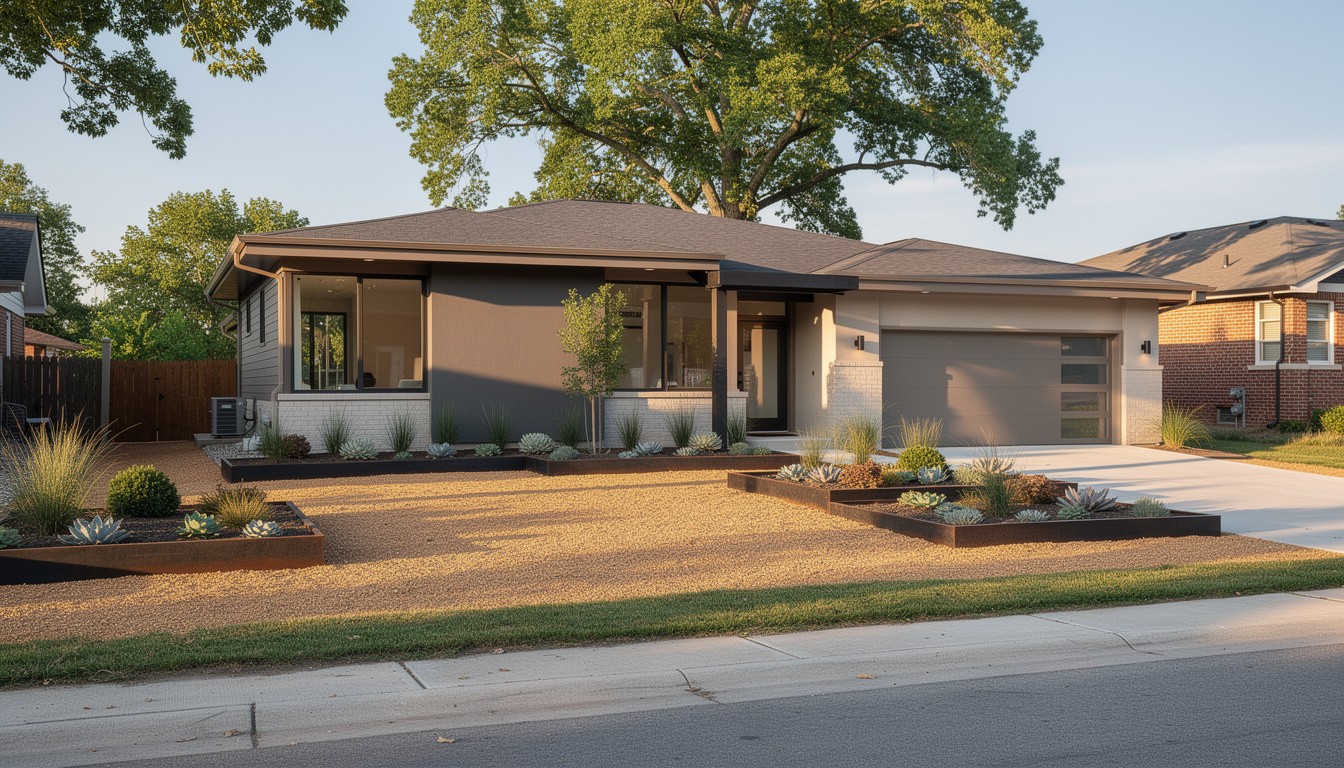
The Modern Gravel Planting Beds Front
$12–24/sqftA low contemporary ranch with brown roof and attached garage is fronted by a crushed gravel field with Corten steel raised beds planted in bold sculptural specimens — agave-style yucca, ornamental grasses, and low architectural succulents. Louisville's Zone 6b warmth actually expands the plant palette for this desert-modern aesthetic, allowing marginally tender architectural plants like certain agave species and ornamental succulents to survive outdoors with minimal protection. The concrete path is clean and direct. The overall effect is distinctive and requires virtually no ongoing maintenance after establishment.
AI-generated image
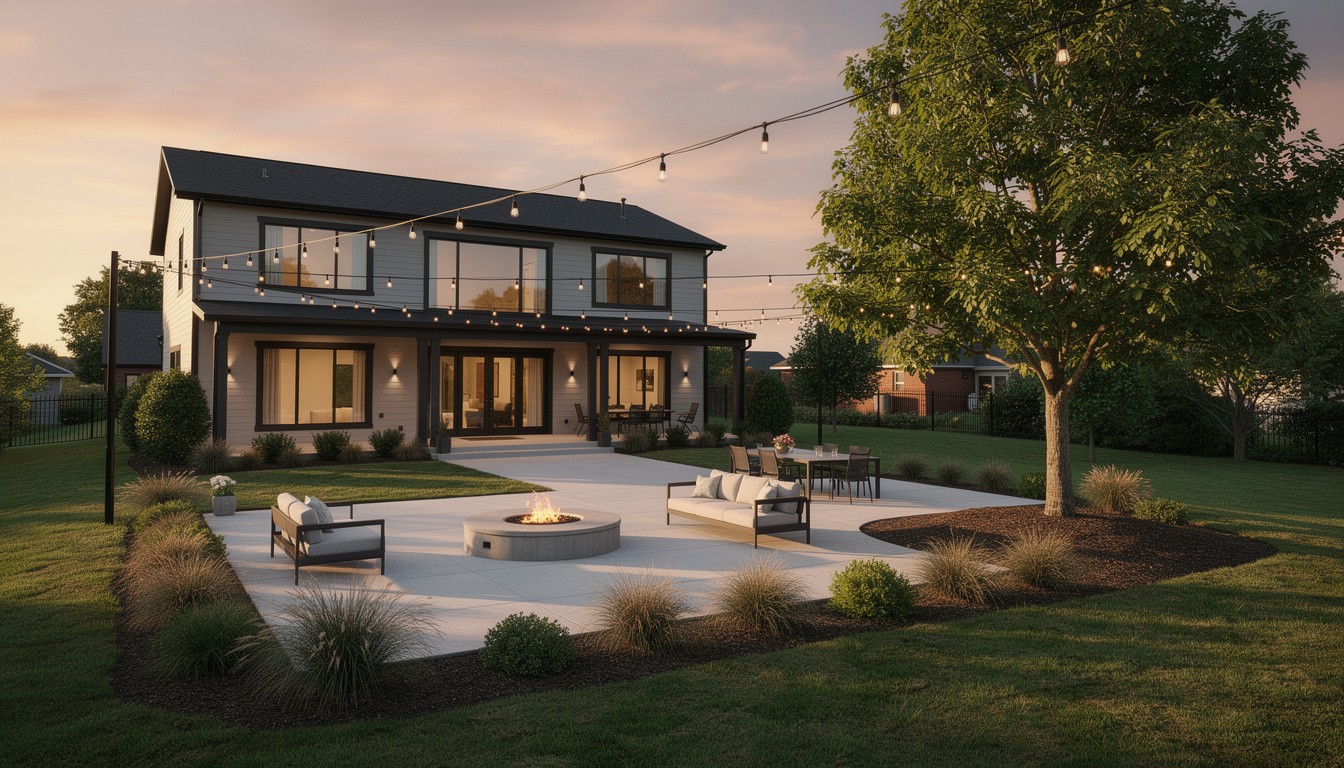
The Brownsboro Road Fire Terrace
$18–36/sqftA large concrete paver patio extends from the rear of a dark contemporary home, furnished with a modern outdoor sofa and chair arrangement around a circular concrete fire pit. String lights run overhead from the roofline to yard posts, and a large tree provides natural shade over part of the seating area. The patio transitions to a surrounding lawn. Louisville's extraordinarily long outdoor season — comfortable temperatures from late March through November — makes this kind of backyard entertainment space among the best investments in the Midwest market. The fire feature extends usability into the cool October and November evenings.
AI-generated image
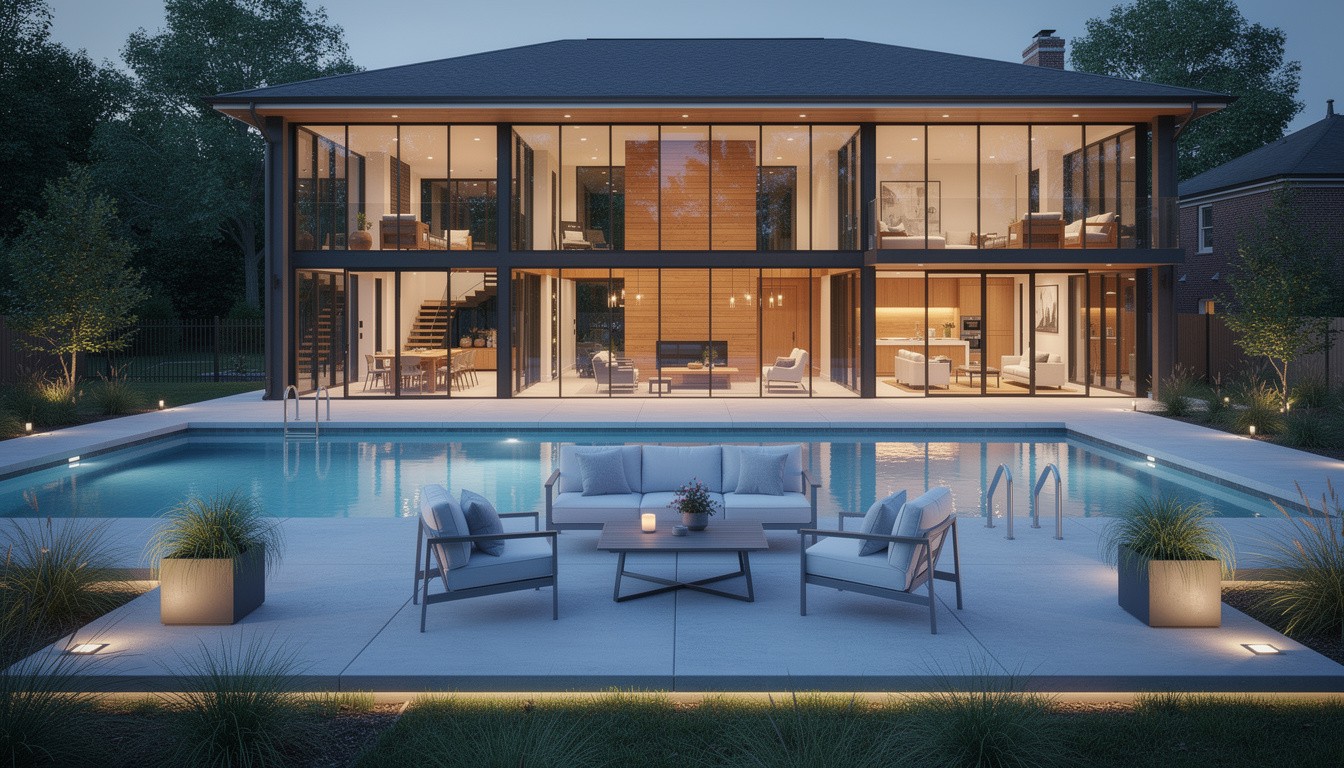
The Prospect Modern Pool Terrace
$38–78/sqftA full-glass contemporary home with dark cladding opens onto a wide pool terrace with a rectangular pool surrounded by large-format concrete pavers, outdoor lounge chairs, and a fire feature seating area at the far end. LED pool lighting and perimeter uplights illuminate the space for evening use. Ornamental grasses and architectural plantings border the property perimeter. Louisville's Zone 6b climate provides the longest pool season of any Midwest city — genuinely comfortable from late April through October — making this kind of outdoor investment particularly valuable in the East End and Prospect market.
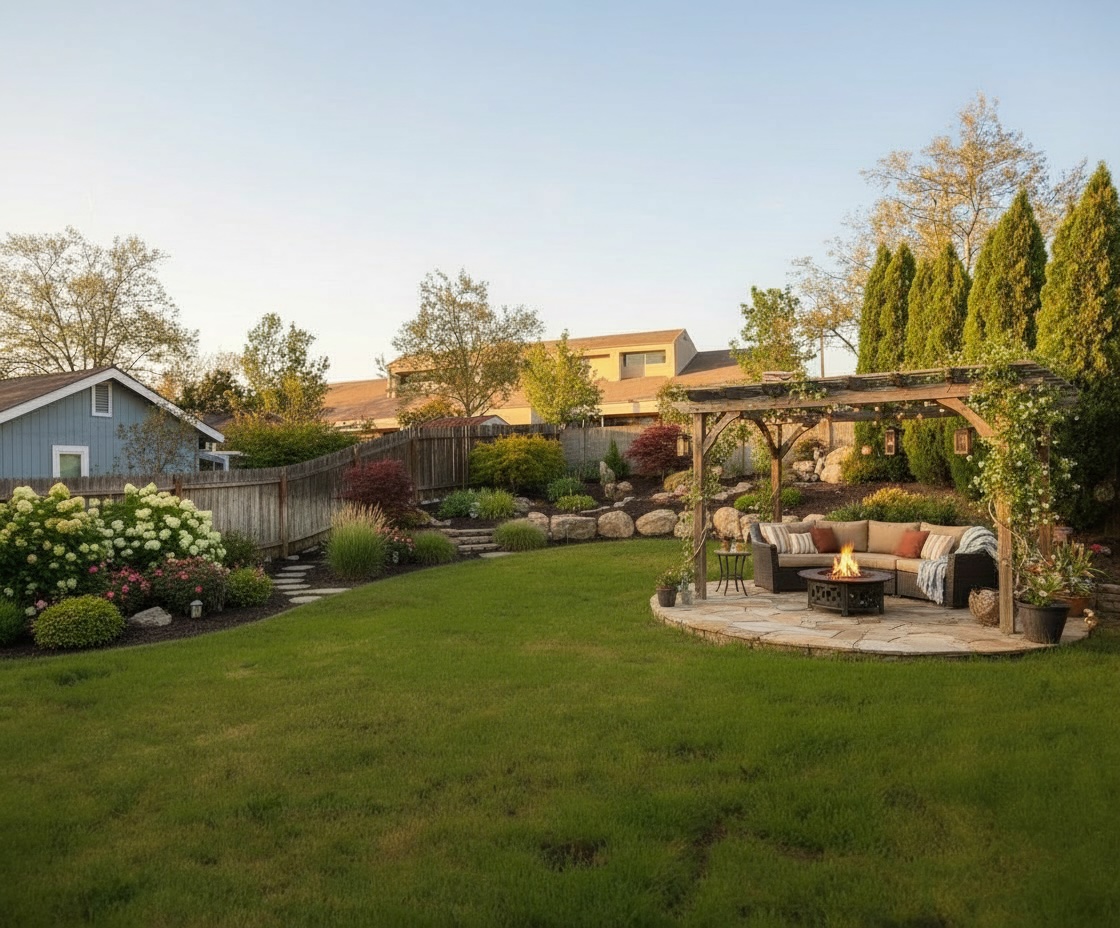
See how a modern/minimalist garden looks on YOUR property
Upload a photo of your Louisville yard and visualize your dream garden in seconds.
Try ProScapeAI Free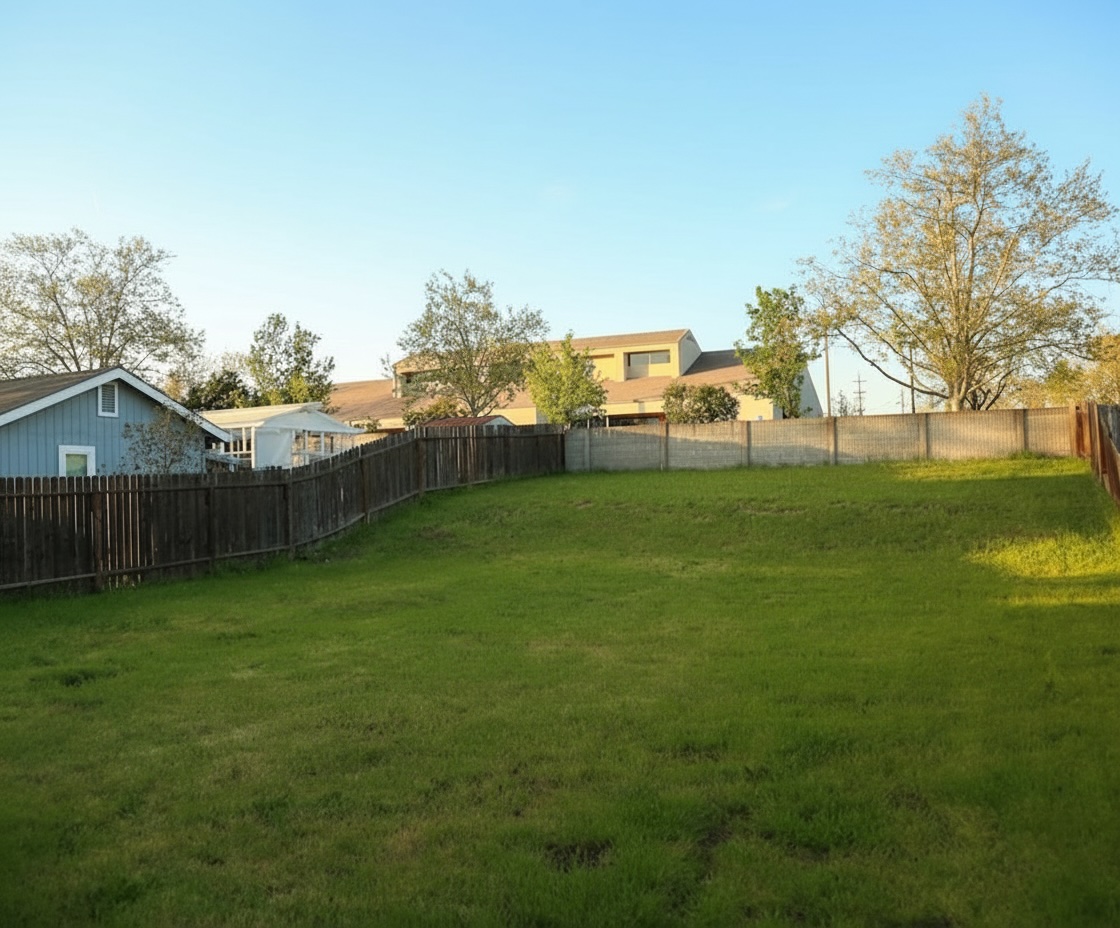
AI-generated image
Featured Trees & Shrubs for Modern/Minimalist Gardens
Browse all 174 plants for Louisville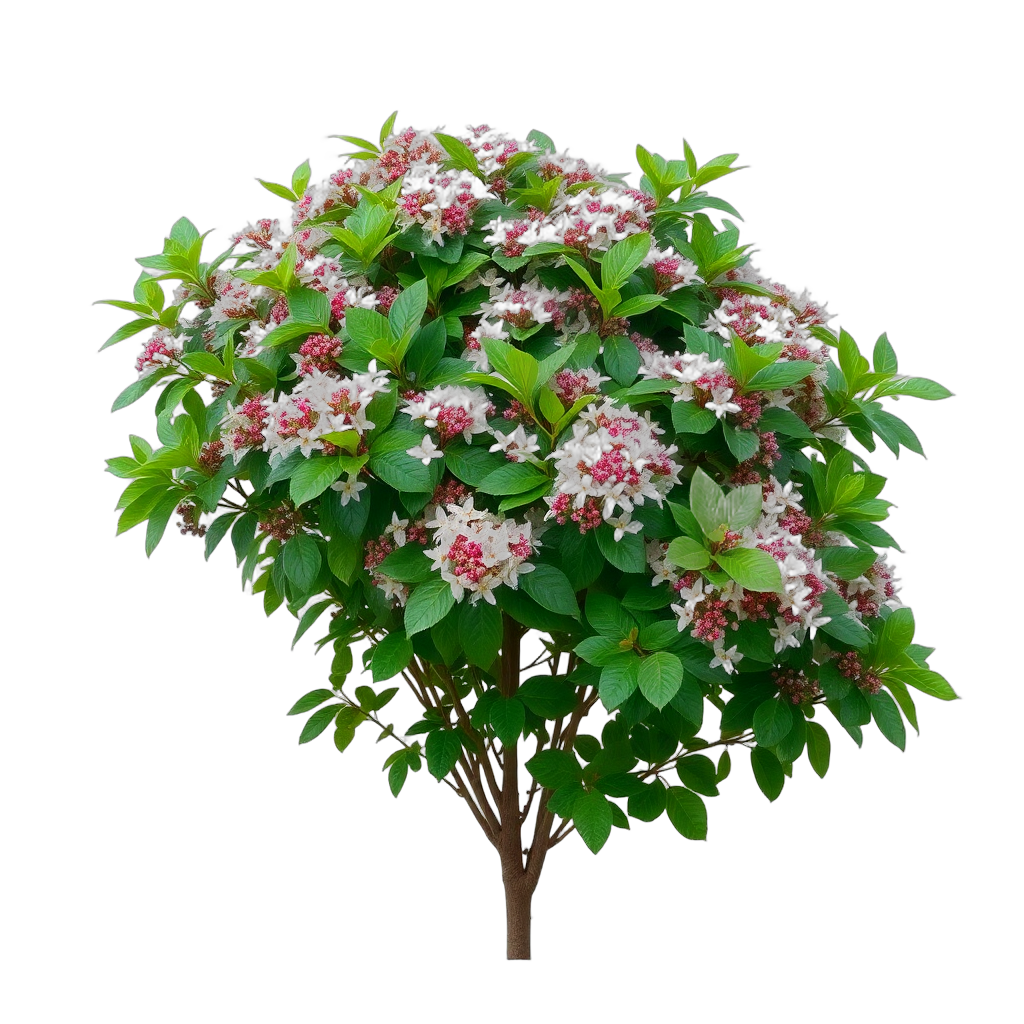
Blackhaw Viburnum
Viburnum prunifolium
medium-sized at 12 feet, white blooms in spring. Pollinator-friendly.
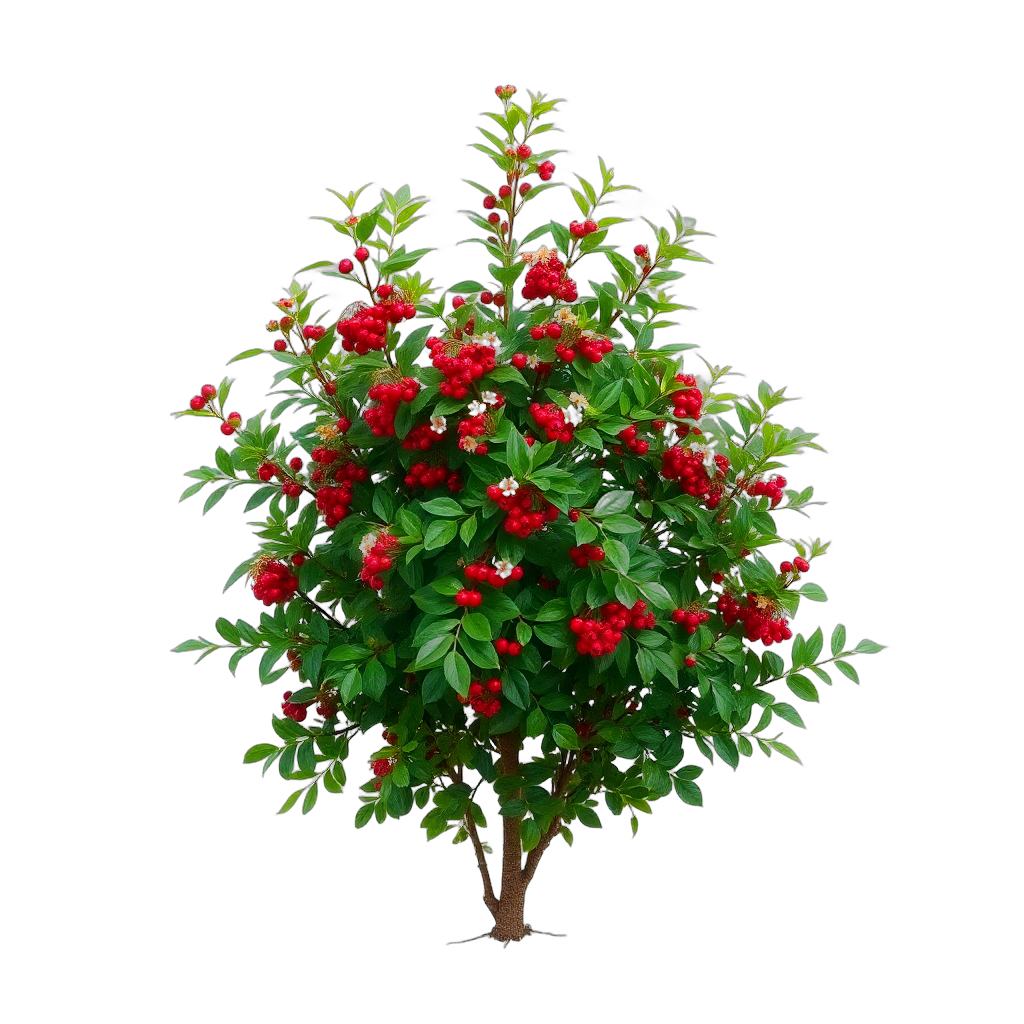
Coralberry
Symphoricarpos orbiculatus
grows to 6 feet, pink blooms in summer. Pollinator-friendly.
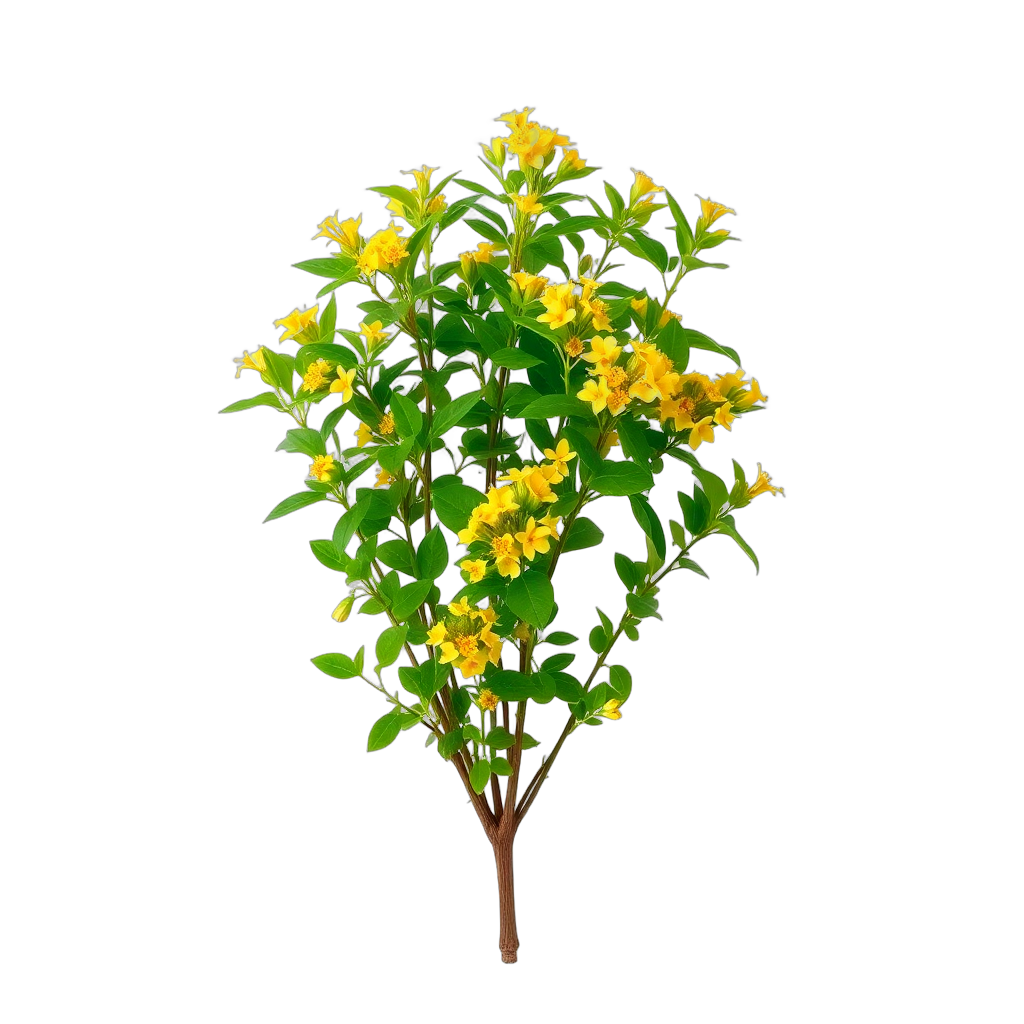
Shrubby St. John's Wort
Hypericum prolificum
grows to 4 feet, yellow blooms in summer. Pollinator-friendly.
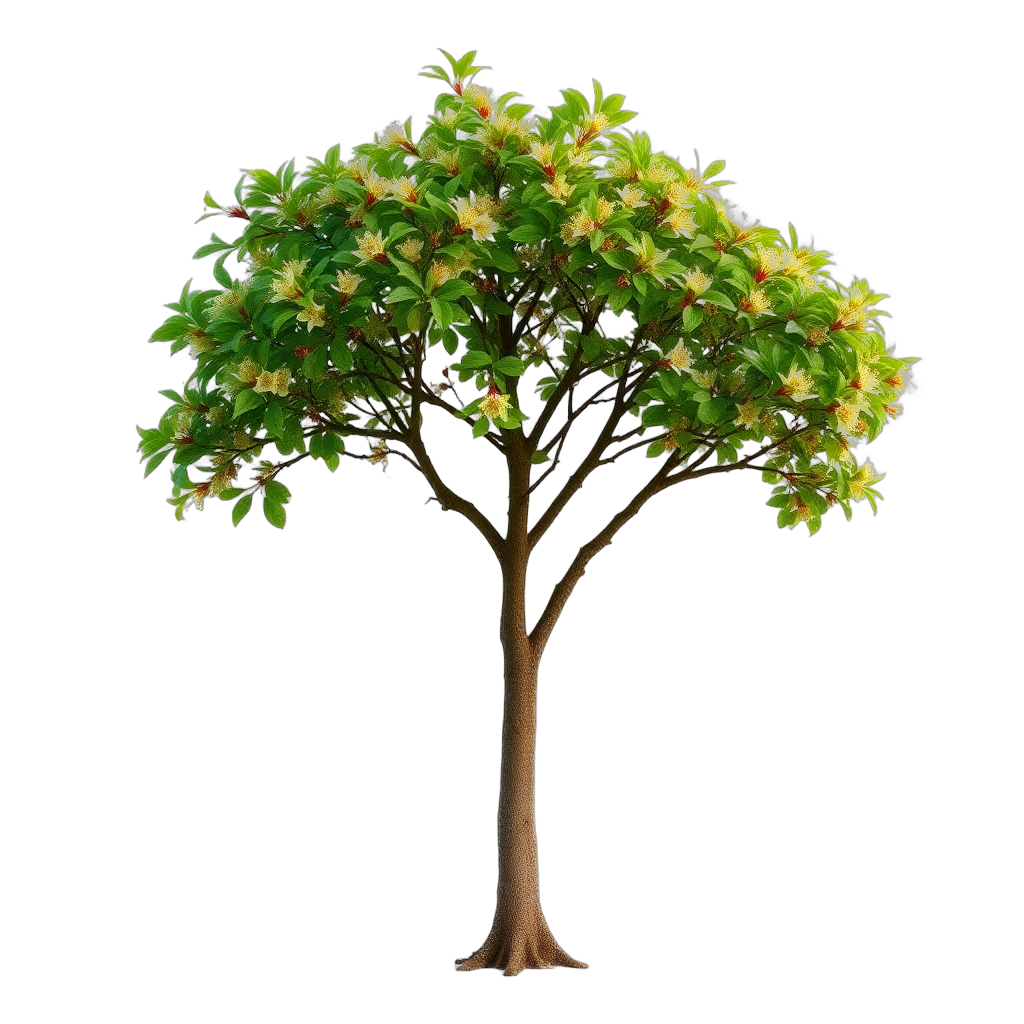
Vernal Witch Hazel
Hamamelis vernalis
medium-sized at 8 feet, yellow blooms in spring. Pollinator-friendly.
Featured Grasses & Groundcovers for Modern/Minimalist Gardens
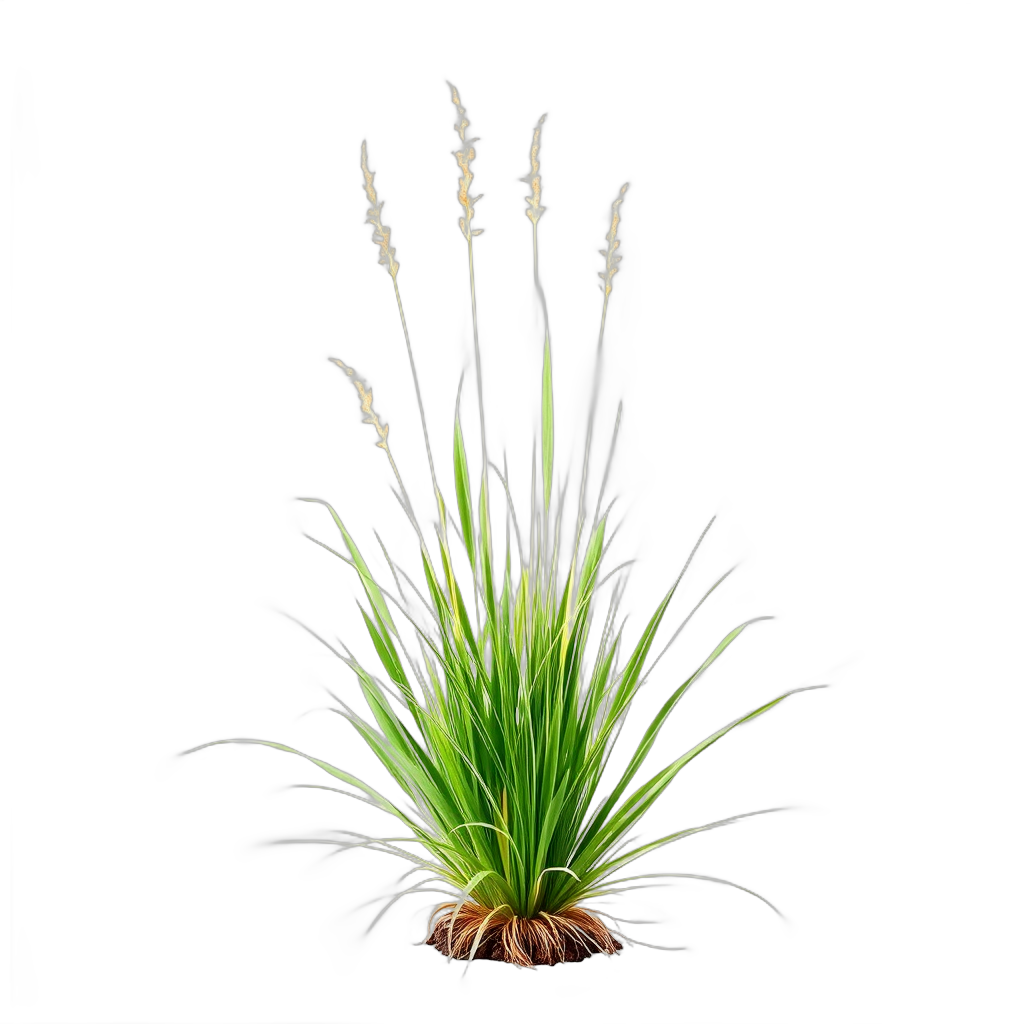
Northern Sea Oats
Chasmanthium latifolium
grows to 4 feet, blooms in fall. Bronze fall color.
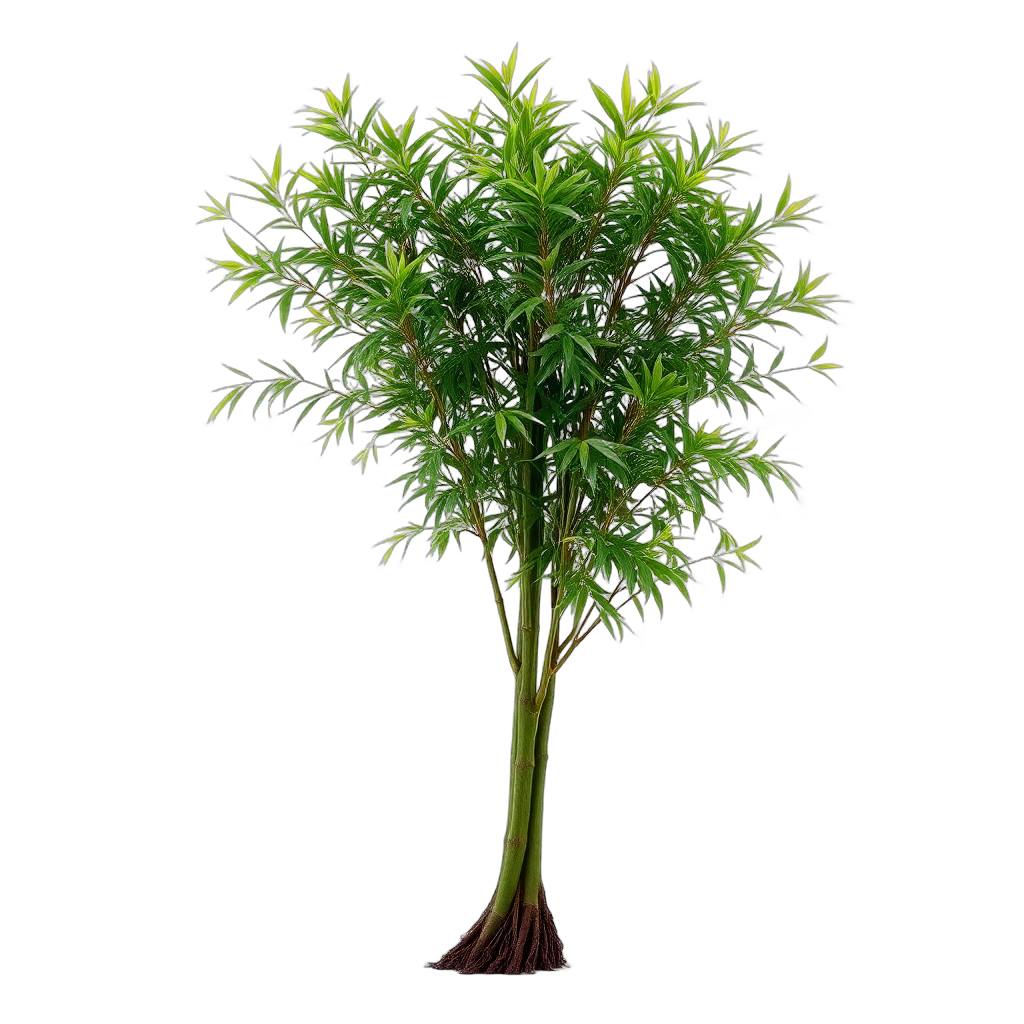
Broad-leaf Bamboo
Sasa palmata
medium-sized at 7 feet, blooms in none. Evergreen year-round.
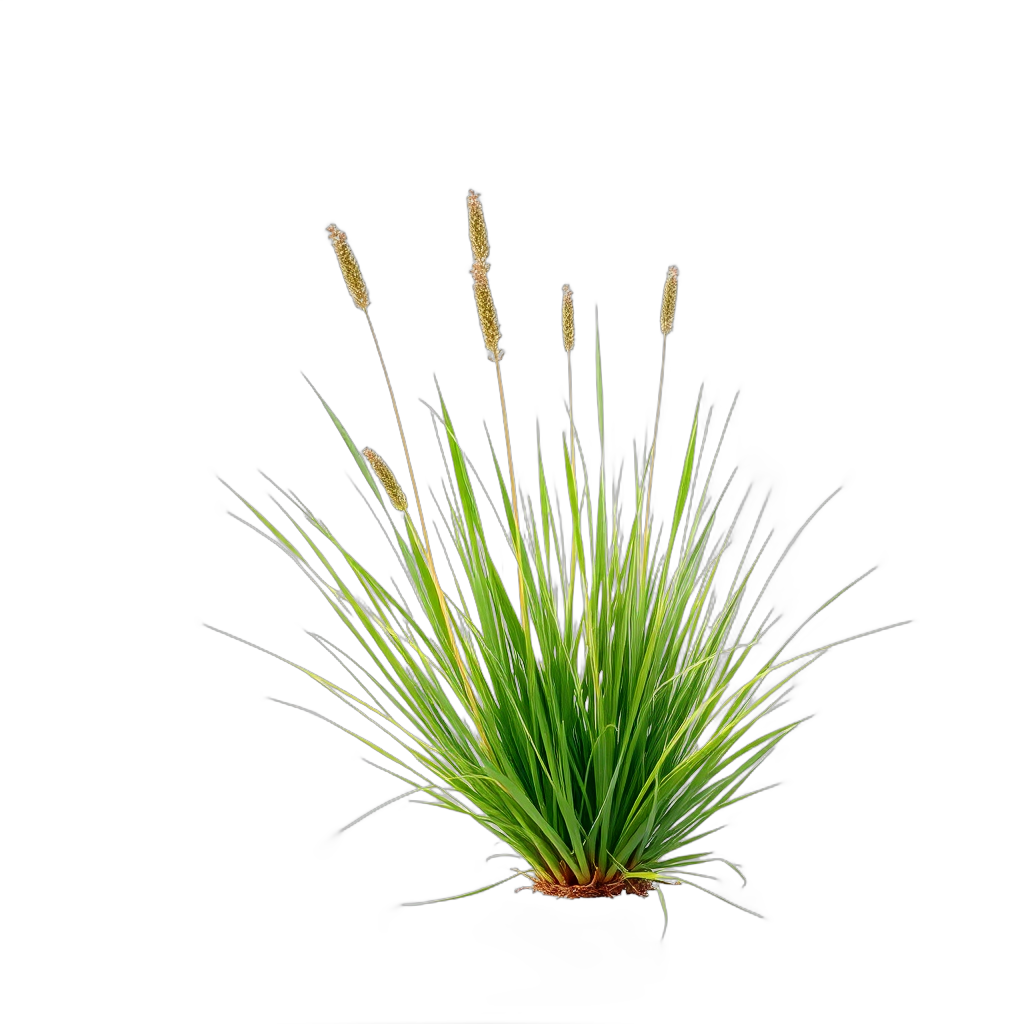
Deer Grass
Muhlenbergia rigens
grows to 3 feet, yellow blooms in fall. Evergreen year-round.
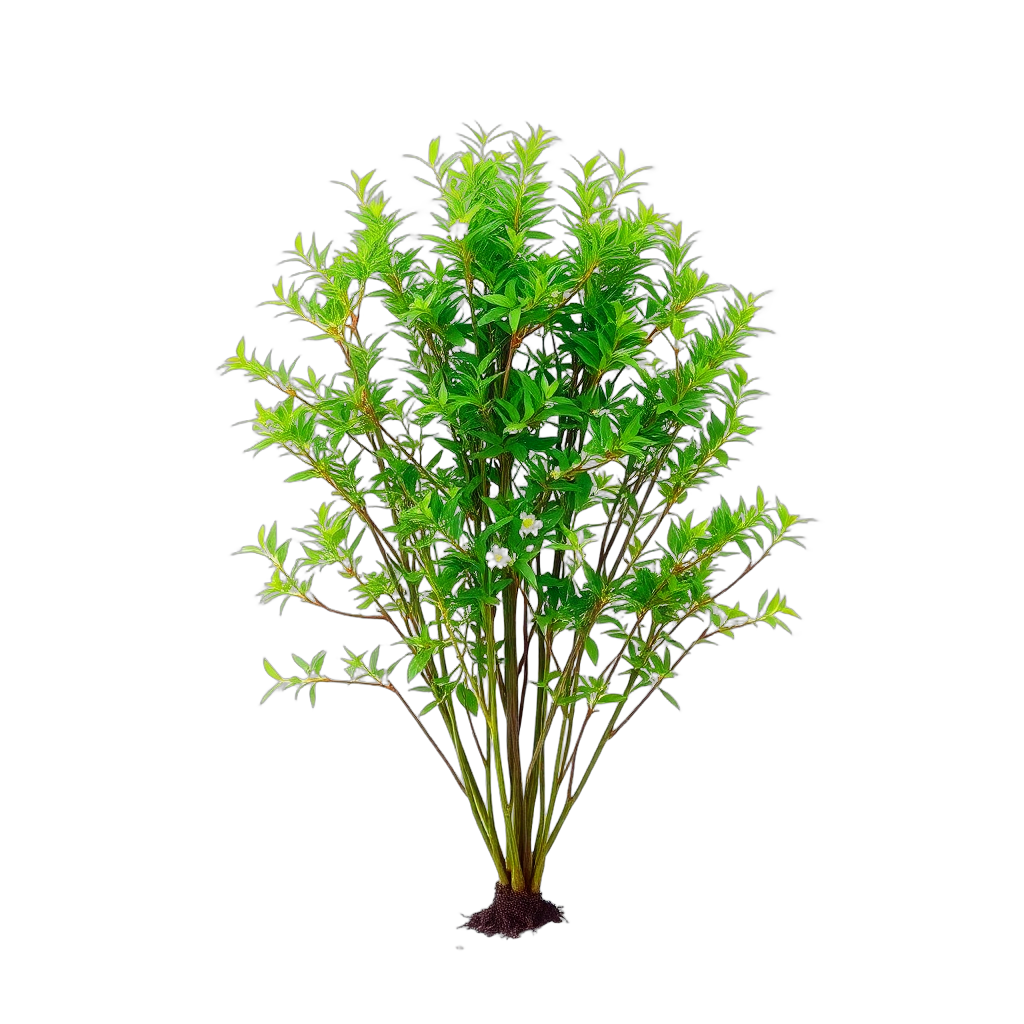
Dwarf Fernleaf Bamboo
Pleioblastus distichus
low-growing ground cover, blooms in none. Evergreen year-round.
Featured Flowers & Perennials for Modern/Minimalist Gardens
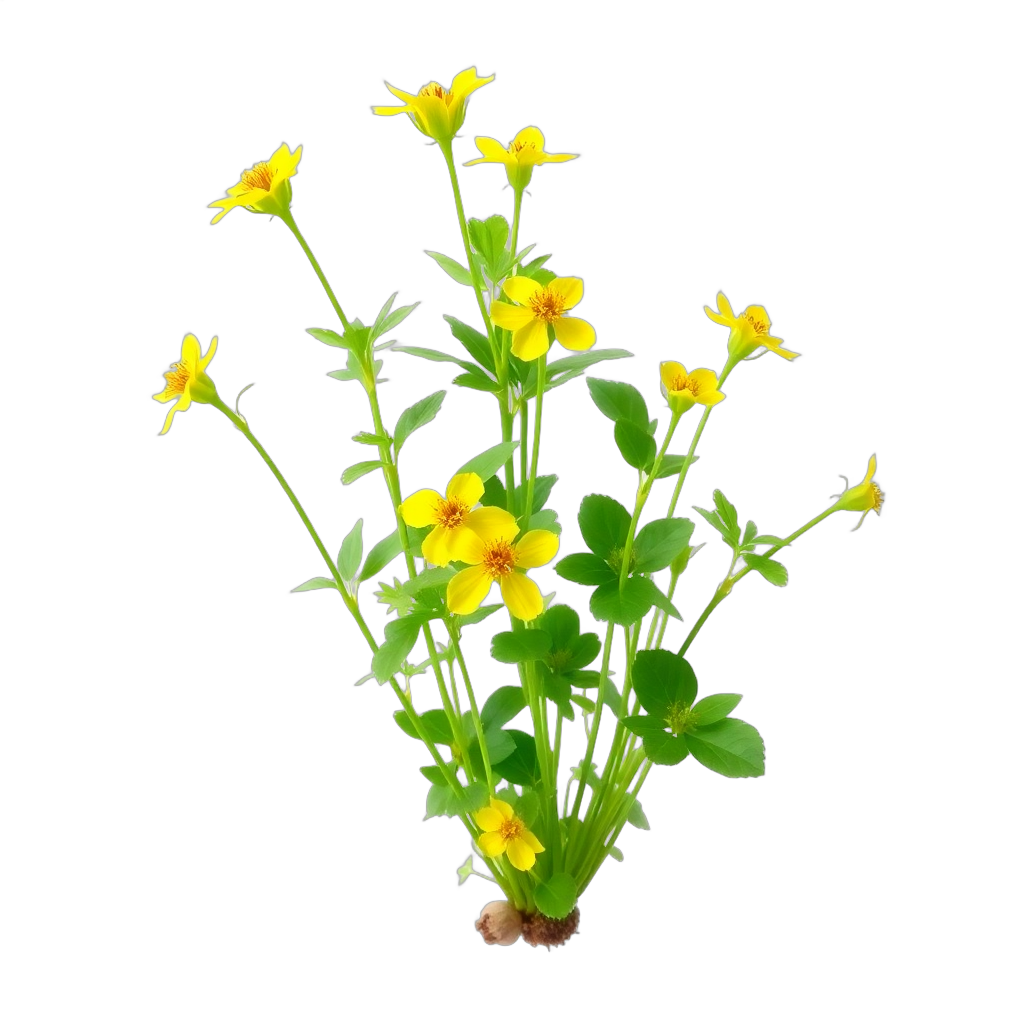
Celandine Poppy
Stylophorum diphyllum
low-growing ground cover, yellow blooms in spring.
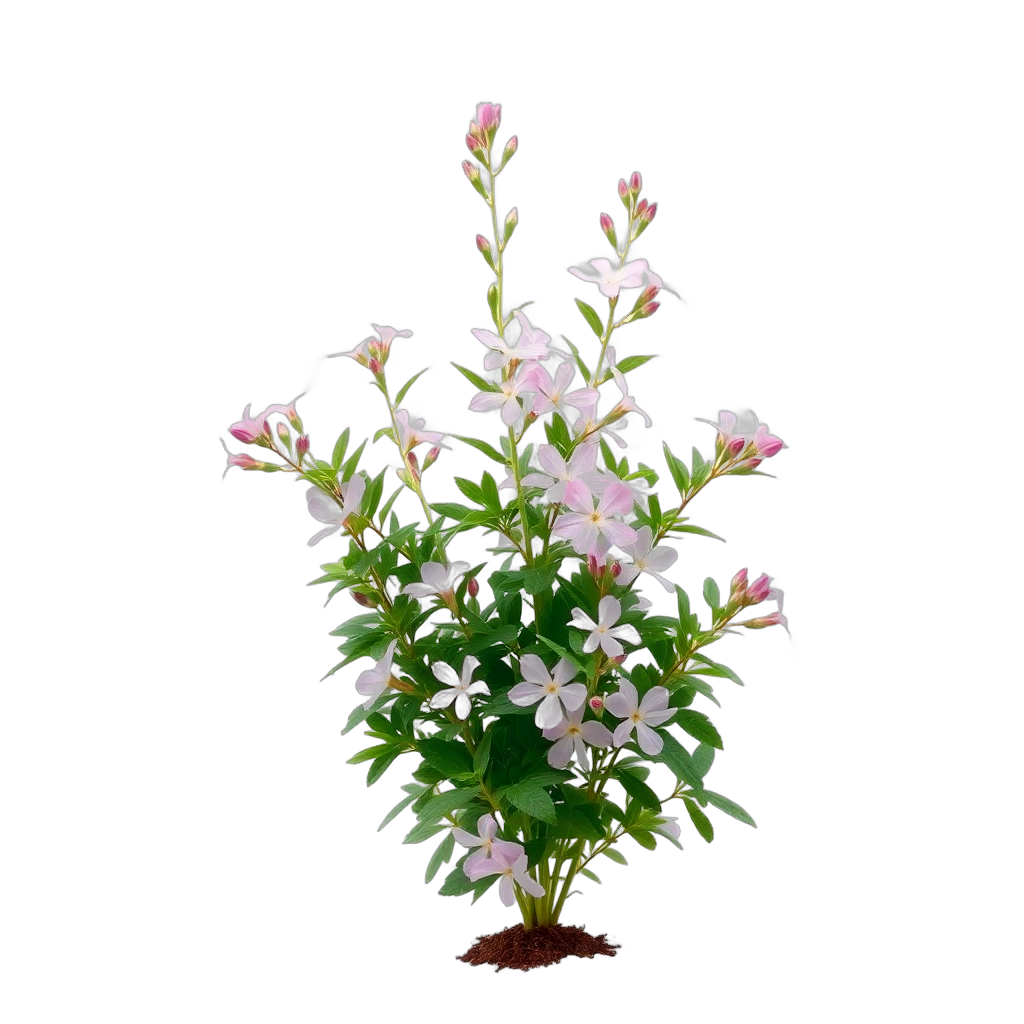
Garden Phlox
Phlox paniculata
grows to 3 feet, multi blooms in summer. Attracts hummingbirds.
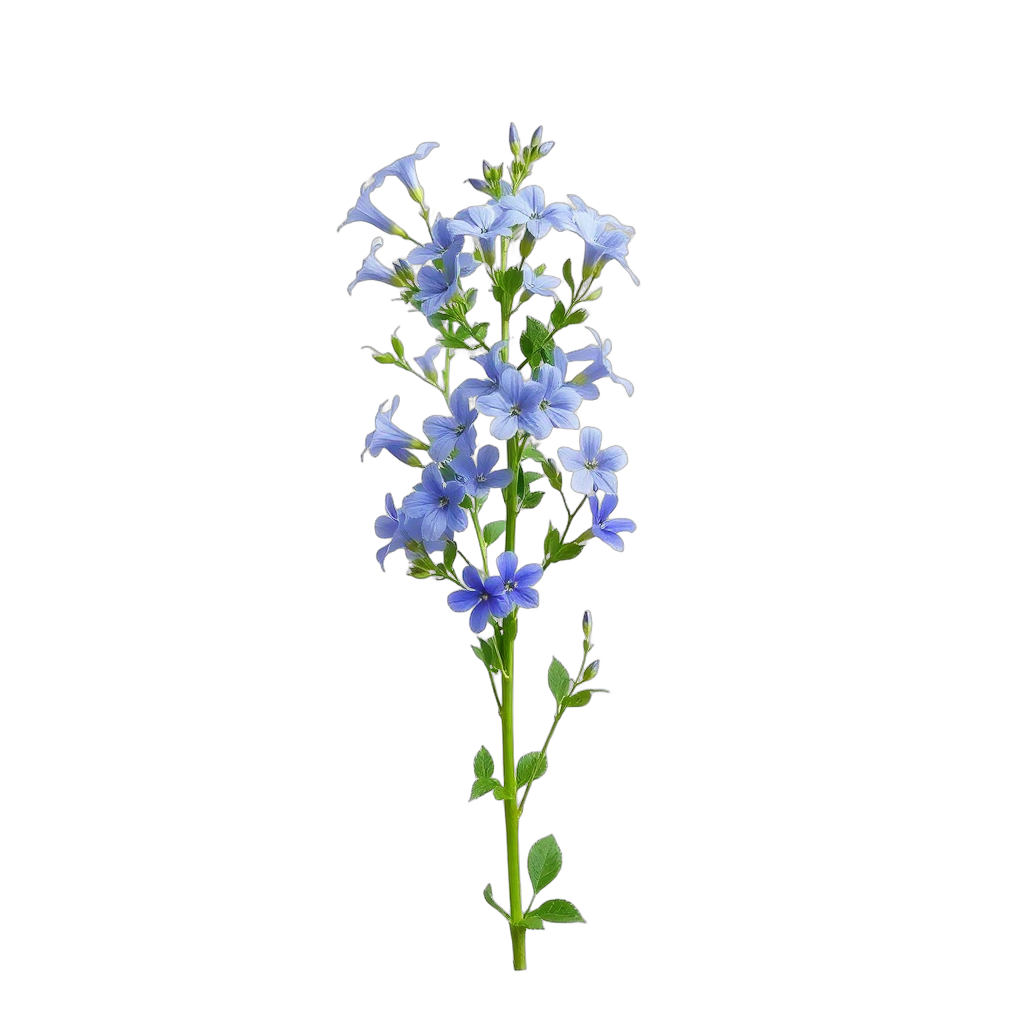
Wild Blue Phlox
Phlox divaricata
low-growing ground cover, blue blooms in spring. Attracts butterflies.

Parrot's Feather
Myriophyllum aquaticum
grows to 3 feet, white blooms in summer. Evergreen year-round.
Zone and sun checks come from our database — confirm with your local nursery before you buy.
Bloom Calendar for Louisville
spring
Celandine Poppy, Wild Blue Phlox, Blackhaw Viburnumsummer
Garden Phlox, Coralberry, Shrubby St. John's Wortfall
Northern Sea Oatswinter
Limited bloomsDesign Tips for Louisville (Zone 6b)
- Use Kentucky limestone as your primary hardscape material — it's locally quarried, affordable, and the warm buff tone harmonizes naturally with Louisville's brick architecture in a way that imported stone or concrete cannot replicate
- Louisville's shallower 18–22 inch frost depth reduces subbase requirements vs. northern cities — still specify minimum 4–6 inch compacted stone subbase under all pavers and concrete, but don't over-engineer for Milwaukee or Minneapolis standards
- Lavender is achievable in Louisville's limestone soils and Zone 6b climate in a way it isn't in northern Ohio or Indiana — mass-plant in raised crushed granite beds or Corten steel planters for a modern Mediterranean-Louisville design signature
- Plan outdoor rooms for Louisville's exceptional shoulder seasons: April–May and October are often the most beautiful outdoor months in Kentucky, with mild temperatures, low humidity, and spectacular flowering trees and fall foliage — design terraces and fire features specifically for these seasons
- Reference Louisville's bourbon distillery aesthetic in material choices: limestone walls, copper planter accents, warm ipe or reclaimed oak wood tones, and rolling Kentucky grass proportions are all culturally authentic design references that resonate with Louisville's identity
- In NuLu and Butchertown, coordinate with the city's East Market District design guidelines before major front-facing landscape changes — the district has design review for new construction and major renovations that may affect your landscape planning process
Where to Source Plants in Louisville
Skip the big-box stores. These independent Louisville nurseries specialize in the plants that make modern/minimalist gardens thrive in Zone 6b.
Rohrig's Nursery
Middletown (east Louisville)
Full-service independent; excellent ornamental grasses, specimen trees, and architectural shrubs for Zone 6b
Bates Nursery and Garden Center
Nashville Road (west Louisville)
Family-owned full-service nursery; strong tree, shrub, and landscape grass selection
Triple Crown Nurseries
Oldham County (north Louisville)
Trees, specimen shrubs, and landscape plants for eastern Jefferson and Oldham County
Countryside Garden Center
Floyds Knobs, IN (across river)
Full-service independent serving both Louisville and southern Indiana; good ornamental grass selection
Modern/Minimalist Landscaping Costs in Louisville
| Project Scope | Estimated Cost |
|---|---|
| Front yard modern redesign (turf removal + gravel + specimen plants) | $5,500 – $14,000 |
| Concrete or paver terrace (200–400 sqft) | $8,000 – $22,000 |
| Backyard modern room with fire pit + seating | $15,000 – $44,000 |
| Pool deck + landscaping (full backyard) | $40,000 – $100,000 |
| Corten steel raised planter beds | $450 – $1,300 each |
| AI visualization with ProScapeAI | Free to start |
Estimates based on Louisville, KY-area contractor rates as of 2026. Actual costs vary by site conditions, materials, and contractor.
Louisville Climate & Growing Zone
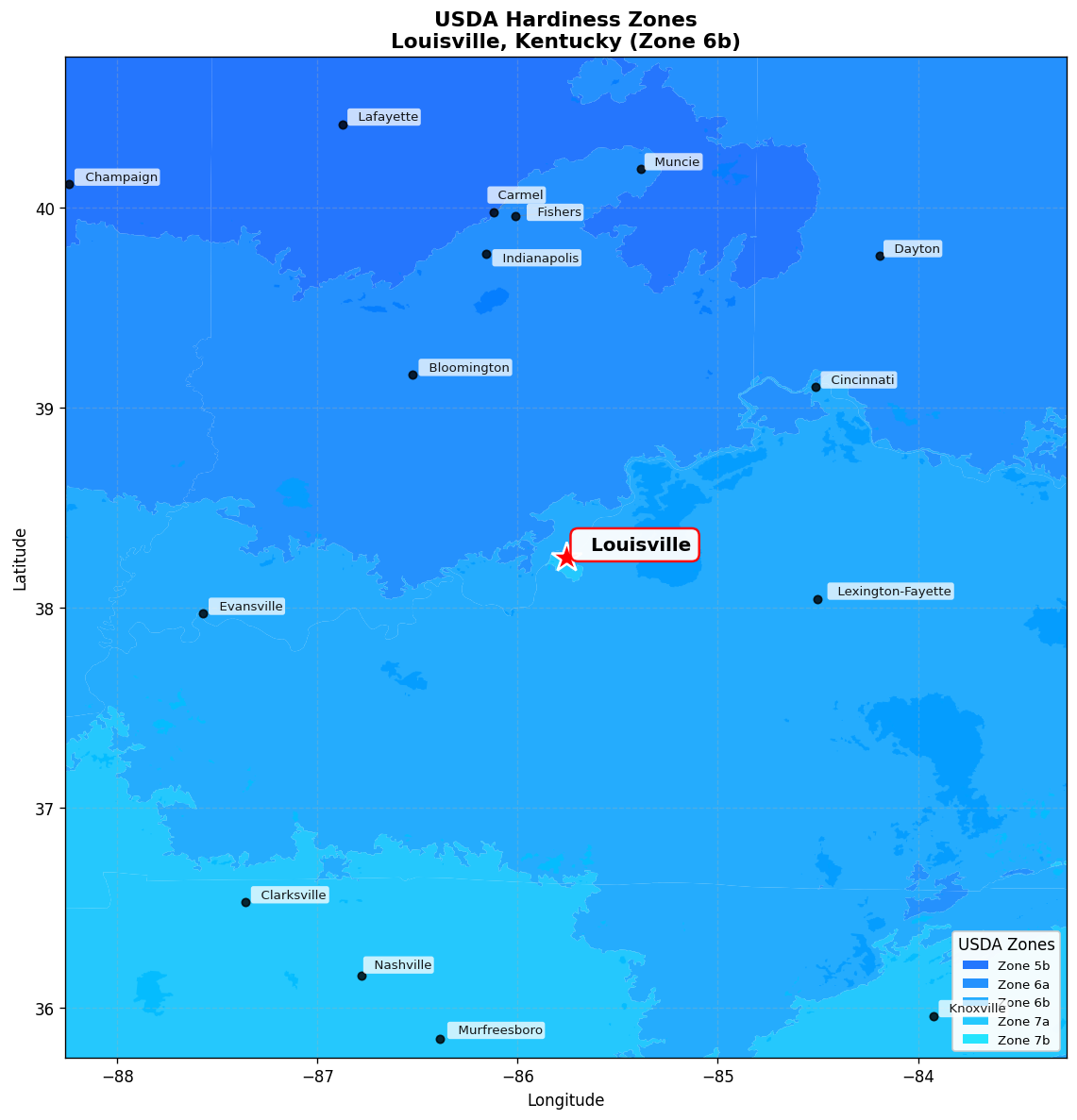
USDA Zone 6b
Hardiness zone for Louisville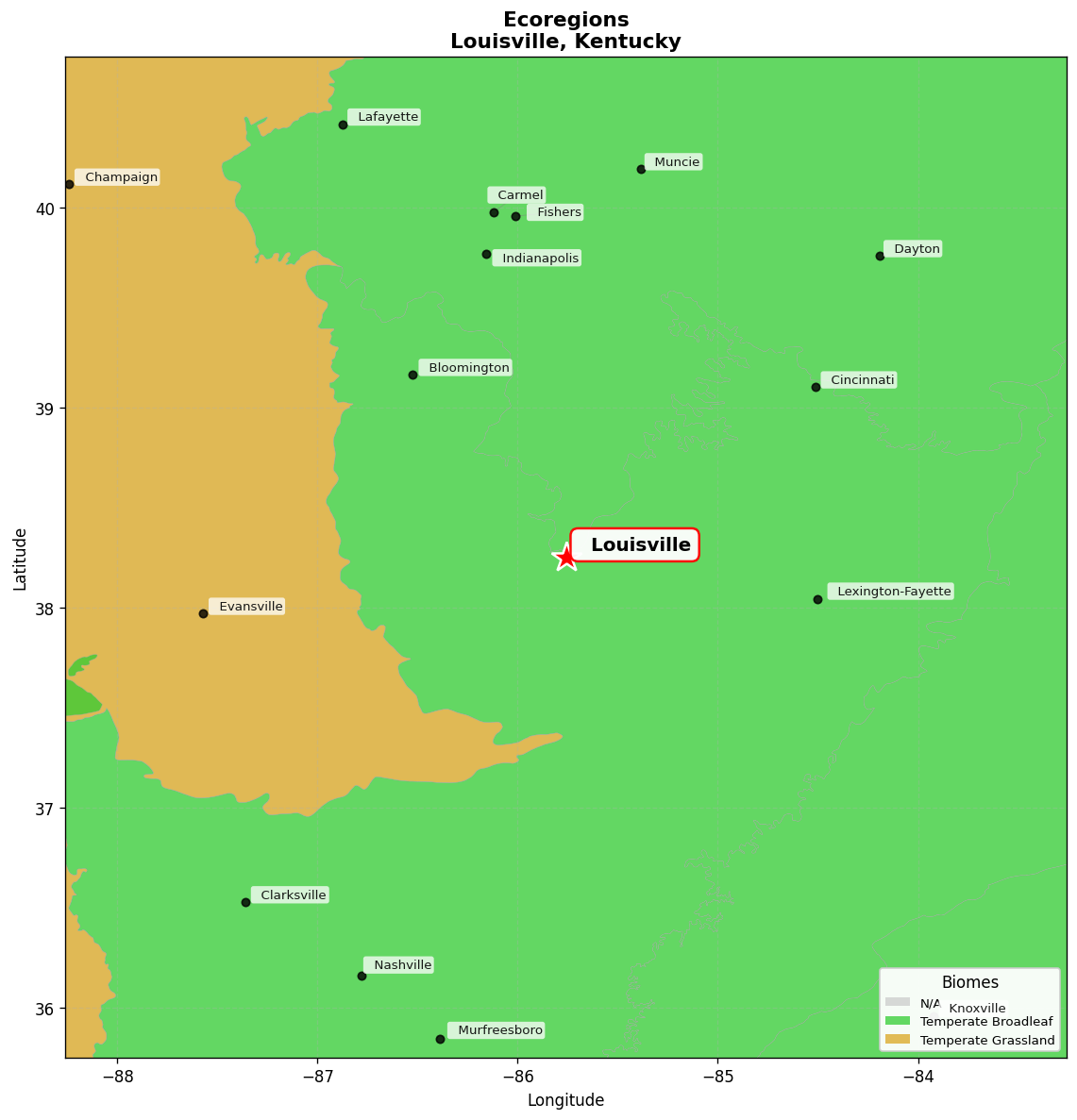
Interior Plateau US Hardwood Forests
Native ecoregionFrequently Asked Questions
What architectural plants thrive in Louisville's Zone 6b Cfa climate?
Louisville's milder Cfa climate significantly expands the plant palette beyond what northern Midwest cities can use. Fully reliable: all Zone 5–6 ornamental grasses (Karl Foerster, switchgrass, miscanthus), yucca (Zone 4–5), columnar arborvitae (Zone 3), lavender (Zone 5–6), sedum (Zone 3). Borderline achievable in Zone 6b sheltered spots: Agapanthus (Zone 7) can overwinter with heavy mulching in protected microclimates near Louisville's brick buildings. American wisteria (Zone 5) thrives. Crape myrtle (Zone 6b–7) is marginally reliable with Zone 6b designation — some years it dies to the ground and returns, others it's fully shrub-form. The longer, warmer growing season means Louisville can push Zone 7 plant experiments that would never work in Columbus.
How does Louisville's frost depth compare to northern Midwest cities?
Significantly shallower. Louisville's frost depth is approximately 18–22 inches — roughly half the depth of Chicago (36–42 inches) and much less than Minneapolis (48–60 inches). This has practical cost implications for hardscape: paver and concrete subbase requirements are 4–6 inches of compacted crushed stone (vs. 8–12 inches in Milwaukee or Minneapolis). Post footings can be 24–30 inches vs. 48–60 inches. Freeze-thaw heave is still a factor but far less destructive than in northern cities. Louisville's limestone subgrade also provides a more stable base than the clay soils of Indiana and Ohio. The result: modern hardscape in Louisville costs 15–25% less than the same project in a northern Midwest city.
What makes Louisville's bourbon and Derby culture relevant to landscape design?
Louisville's culture of hosting, presentation, and tradition creates a specific landscape design market. Derby season (May) is the city's annual moment of national visibility, and homeowners in Cherokee Triangle, Highlands, and the east end invest heavily in spring garden display timed to Derby week. The bourbon distillery aesthetic — limestone walls, copper elements, warm wood tones, rolling Kentucky grass landscapes — provides a culturally authentic design vocabulary that sophisticated Louisville landscape clients increasingly want to reference in their residential gardens. The city's culture of outdoor entertaining, from Derby parties to bourbon tastings, creates genuine demand for outdoor spaces that function as entertainment rooms rather than decorative displays.
Is lavender a good modern landscape plant in Louisville?
Excellent — Louisville's limestone soils and Zone 6b climate are near-ideal for lavender. English lavender (Lavandula angustifolia, Zone 5) and Spanish lavender (L. stoechas, Zone 6–7) both perform well in Louisville's well-drained limestone-derived soils and mild winters. Lavender is the Mediterranean architectural plant that many designers want to use in the northern Midwest but can't reliably — in Louisville, it's a genuinely reliable choice. Mass-planted lavender in raised Corten steel planters or in crushed granite beds is a modern landscape signature that Louisville's climate makes possible. Prune lightly after first bloom to maintain shape and encourage repeat blooming through summer.
What modern landscape materials work best in Louisville?
Kentucky limestone is the standout local material: affordable, locally quarried, available in sawn flat forms for terrace use, and the warm buff color is appropriate to Louisville's architectural palette. Ipe wood decking performs well in Louisville's climate (less prone to checking than in northern winters). Large-format porcelain pavers are an excellent terrace choice — frost-rated at 20mm thickness, specified for outdoor use. Corten steel for planters and edging weathers beautifully in Louisville's wet winters. For drives and informal surfaces, decomposed granite or crushed limestone both work well. Avoid pure white concrete in Louisville's hot summers — it glares; use light grey or warm beige aggregates.
What is a realistic modern landscape budget in Louisville?
Louisville's labor market is competitive and below major northern metros. A front yard modern redesign (500–700 sqft, turf removal, decomposed granite, specimen plants, Corten edging) runs $6,000–15,000 professionally installed. A backyard terrace with porcelain pavers and fire feature runs $18,000–48,000. Prospect and Anchorage premium projects with full estate-scale design run $60,000–$200,000+. Kentucky limestone terrace installation (materials + labor) runs $15–28/sqft. Louisville's shallower frost depth reduces subbase requirements and hardscape costs by 15–25% vs. Chicago or Minneapolis, making the same design budget go further here than in northern cities.